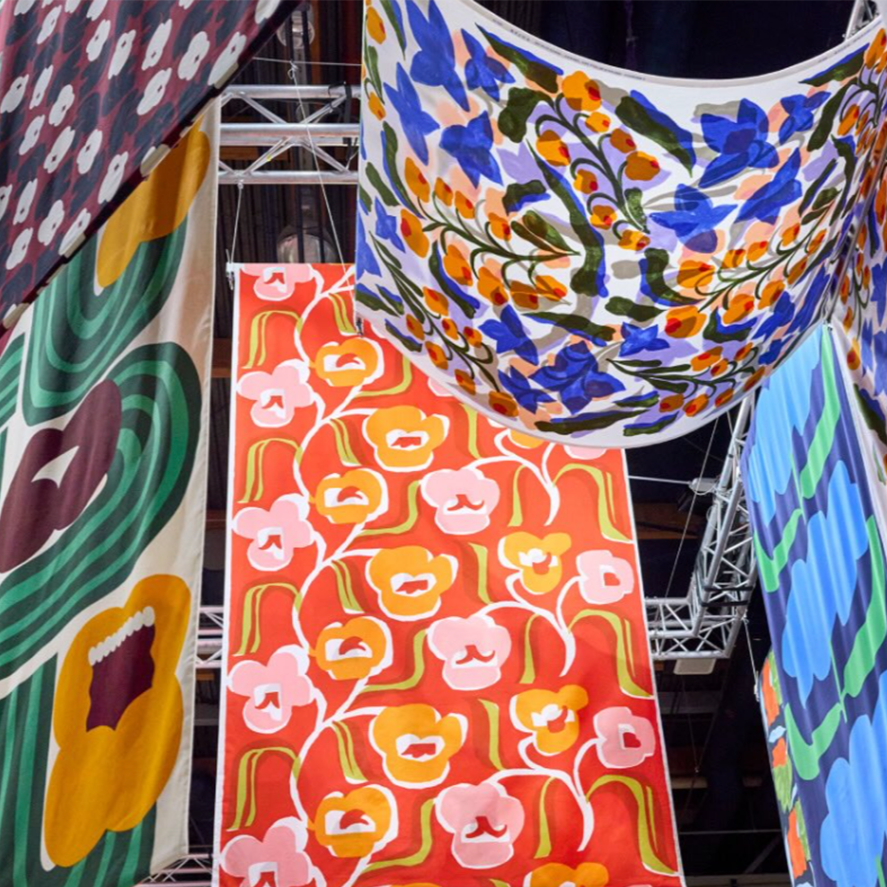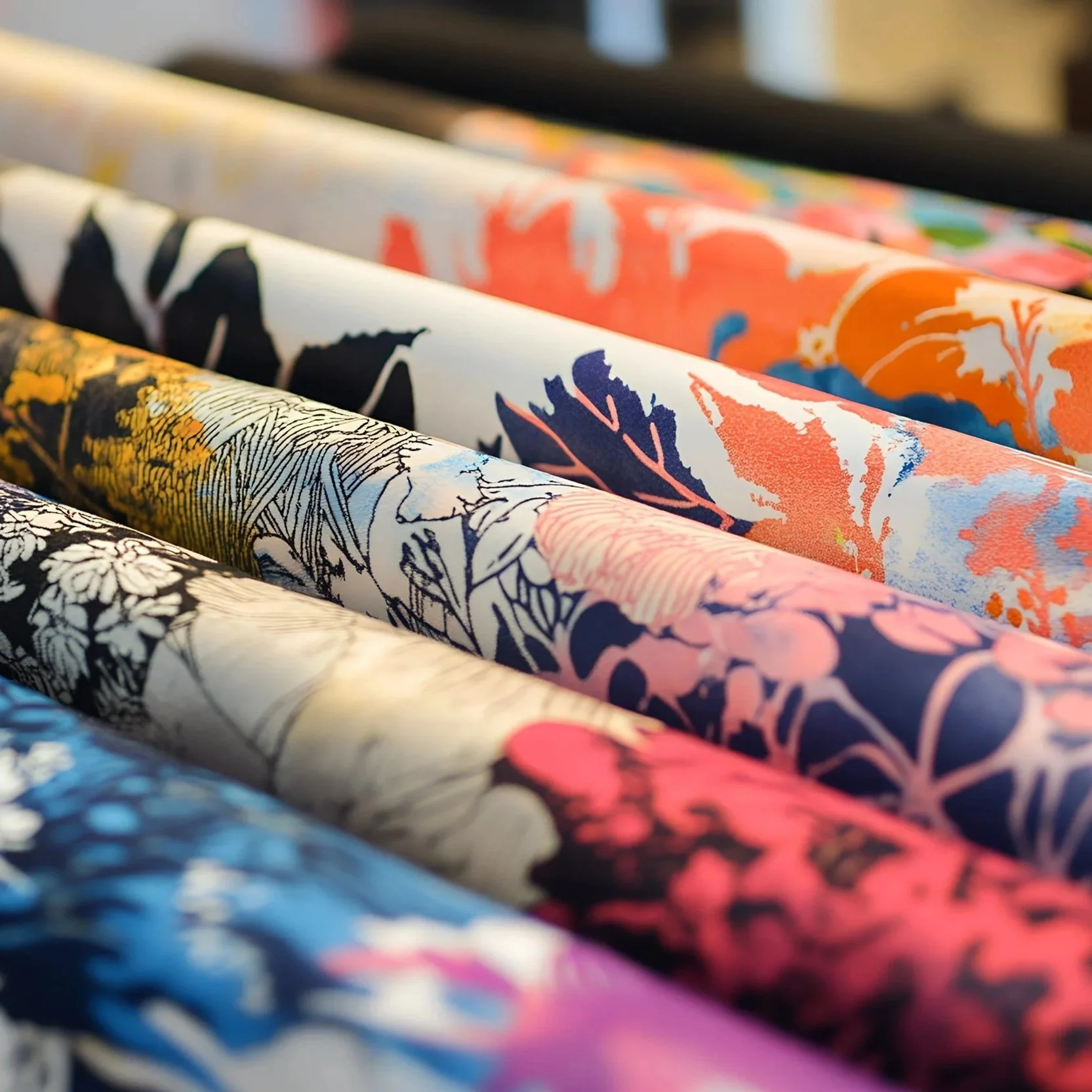
The digital textile printing industry for apparel is now driven by fashion design, production technology and software. The digital pixel now generates ever more sophisticated means of manipulating and creating original designs, styles, production options and product variables – the workflow is automated and the retail data intelligent.
WRITTEN BY DEBBIE MCKEEGAN FESPA TEXTILE AMBASSADOR
The digitisation of the fashion industry is accelerating as we emerge from the global pandemic.
Across all sectors: DTG, sportswear, independent apparel and mainstream fast fashion, businesses must harness digital technologies across their supply chains if they are to flex and evolve to meet the dramatic swing in market trends. Innovation is required throughout the value chain and across the sector we see convergence, collaboration and new strategic partnerships evolve.
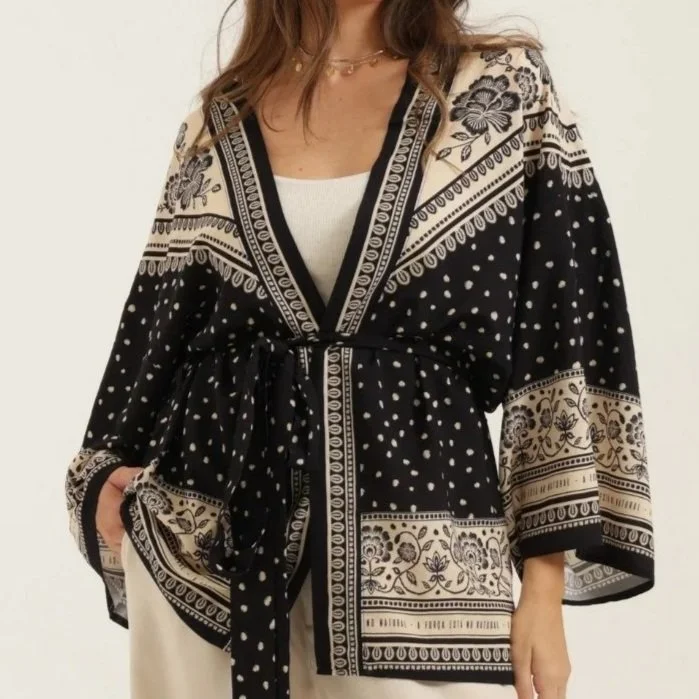
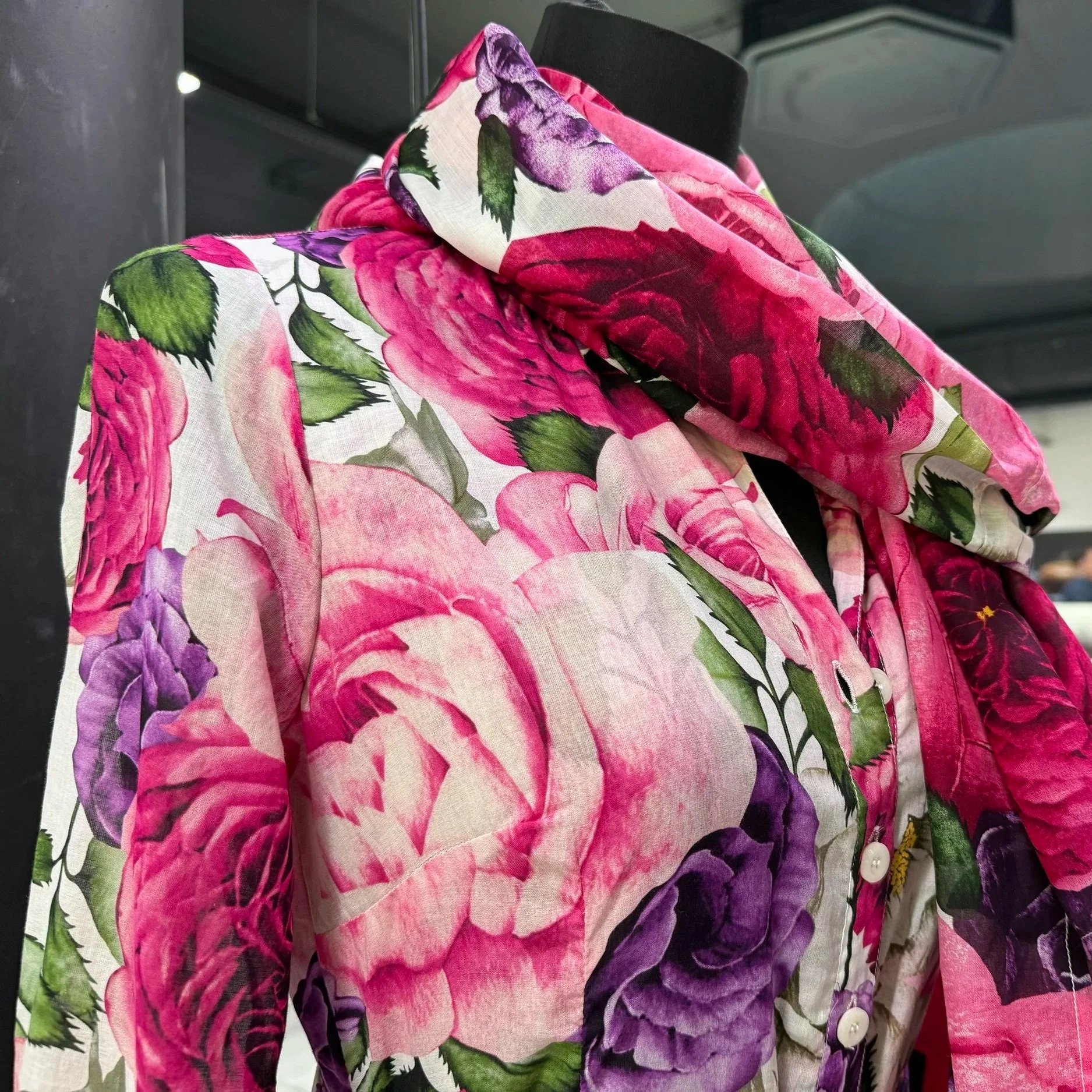
The digital textile printing industry for apparel is now driven by fashion design, production technology and software. The digital pixel now generates ever more sophisticated means of manipulating and creating original designs, styles, production options and product variables – the workflow is automated and the retail data intelligent.
Within a global 3D CAD market that is predicted to reach $13.04 billion by 2025 (Research & Markets), the textile fashion design & production software sector is predicted to reach $824 million by 2024 (Bis Report) growing at a healthy 7.3% p.a. and is a main driver of the digital textile fashion revolution.
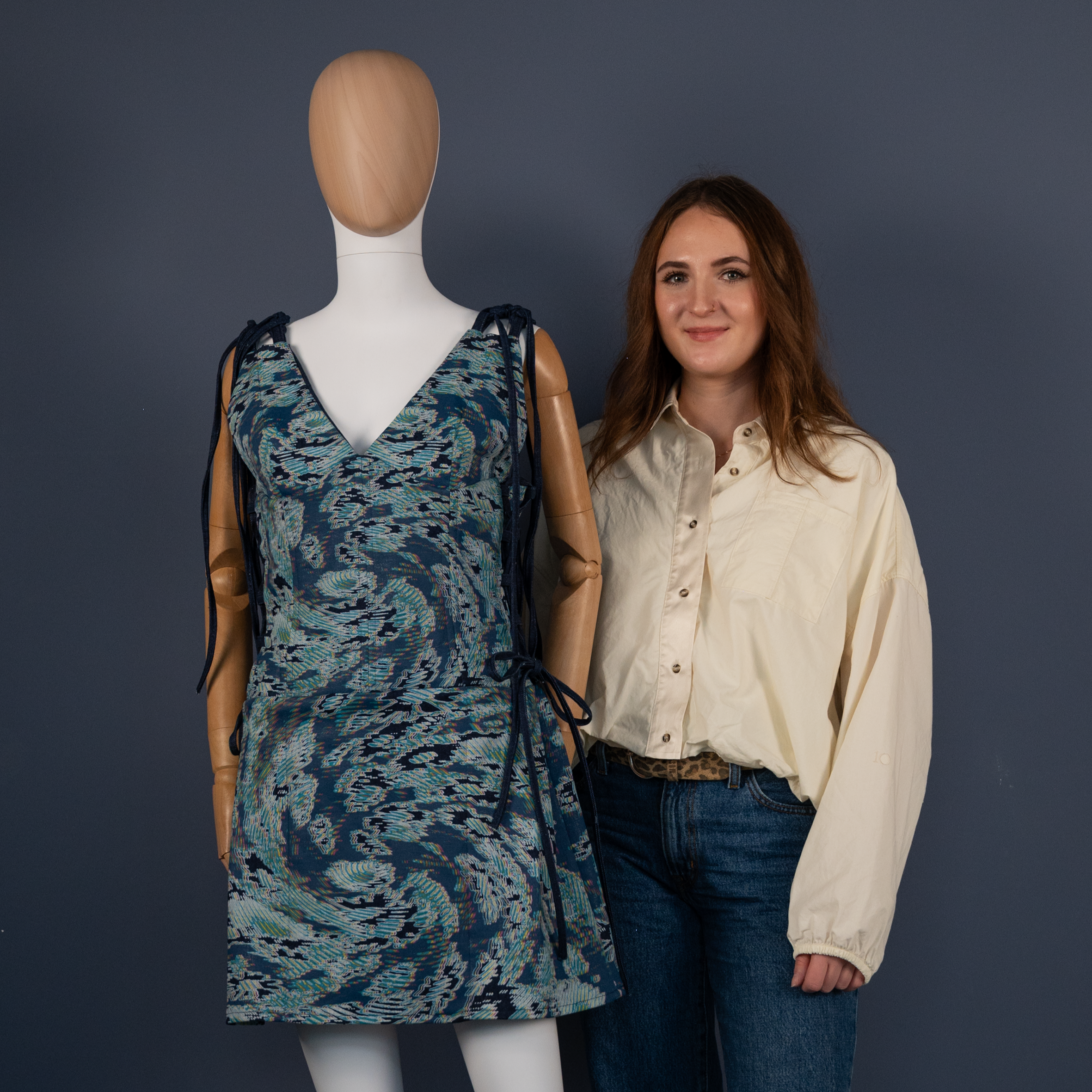
Ever since 2005, when Mary Katrantzou’s digital textile prints started her meteoric rise in the world of haute couture, digital textile printing driven by CAD software has become more and more influential in the world’s finest fashion houses – and now fast fashion is making the switch.
“Print can be as definitive as a cut or a drape and allows a woman to filter beauty found in design, in a subversive way,” said Mary Katrantzou on her work. “All my prints are constructed through digital technology. Digital print allows me to experiment with print in a way that fine art and other methods could not. It opens up a huge spectrum for possibility; I can create possibility out of impossibility, surrealism out of realism and both vice versa.”
Offering, as it does, a seamless transition from design to product, digital printing has now become the bedrock upon which fashion designers, both newcomers and seasoned professionals, base the creative prints that are a hallmark of fashion at its highest level.
Digital technologies have evolved to present more and more solutions to the fashion designer: The time-consuming process of moving from attractive maquettes then to detailed drawings, patterns and samples to adjust fit and sizing for production has been replaced by 3D simulations and nesting software to offer an efficient and viable alternative.
Now, a sketch can be translated to product in a matter of hours, freeing up the designer to become more and more experimental in the application of their skills. This software revolution now presents the designer with an array of options from 3D modelling, incorporating drape and flow, to 360° rotational viewing to perfect the conception of a garment. Digital materials (a growing sector) also provide the fabrics technical DNA – essential to ensure good fit and performance.
With these tools at their disposal, the sector has the freedom to unlocks customised production and creativity. Allowing the fashion designer and retailer to test new looks, new styles and new colourings, all achieved on screen without any commitment to production.
In this field, Optitex, Lectra, Browzwear, Clo3D, Gerber Technology and Tukatech all provide robust solutions to the fashion industries global manufacturing issues. And yet, beyond this, the real effect of digital textile printing on fashion has been the creation of previously undreamed versions of the textile manufacturing model.
The basic speculative production model, where stock is produced to order, without any guarantee of sales, is increasingly becoming a thing of the past.
With digital textile printing unwanted inventory doesn’t occur, since the turn of speed of the digital model, allows production to take place after demand is established - a vital timing consideration in production planning for the fashion industry.
A smart, responsive manufacturing model means that production can shadow demand to deliver within an acceptable window. This has proved to be a major driver for the growth of the ecommerce model, where payment is critically made before production begins.
The global ecommerce market, which is expected to grow to $1207 billion by 2025 (Business Research Company) shows a healthy CAGR of 16% within which digital textile printing for fashion is expected to reflect similar or even greater growth. In support of the fashion industry, printed digital textile websites offer 24-hour delivery after receipt of payment, a far cry from the bulging warehouses and uncertain credit lines that dogged traditional apparel suppliers.
As this new world has emerged, so the anecdotal evidence of the success of this model has grown: In America, digital print companies such as DTG2Go and Merch by Amazon have reported double digit increases in online sales, whilst in Europe, online digital print fulfilment businesses, such as Cottonbee (R2R) and Shirt Monkey (DTG), have also shown stellar growth, with many of these businesses showing progress from start-ups to multimillion-dollar concerns in a matter of just a few years.
As fashionista Richard Quinn who creates and prints in his own studio using Epson technology said:
“Each Fashion Designer can choose an exclusive textile design composition for each piece which is very exciting for them and their customers. No other stockist will carry the same design. That’s the power of digital printing – I have total flexibility to customise designs and produce the exact quantity, without any waste, here in my London studio.”
In this model, the concept of fast fashion, driven by digital textile printing, enables a viable speed of manufacture, to deliver on trend products and customised merchandise - ordered to fulfil demand. Reversing traditional buying behaviours that generate stock shipped globally and stacked high in warehouses and moves further to reduce end of season close-outs.
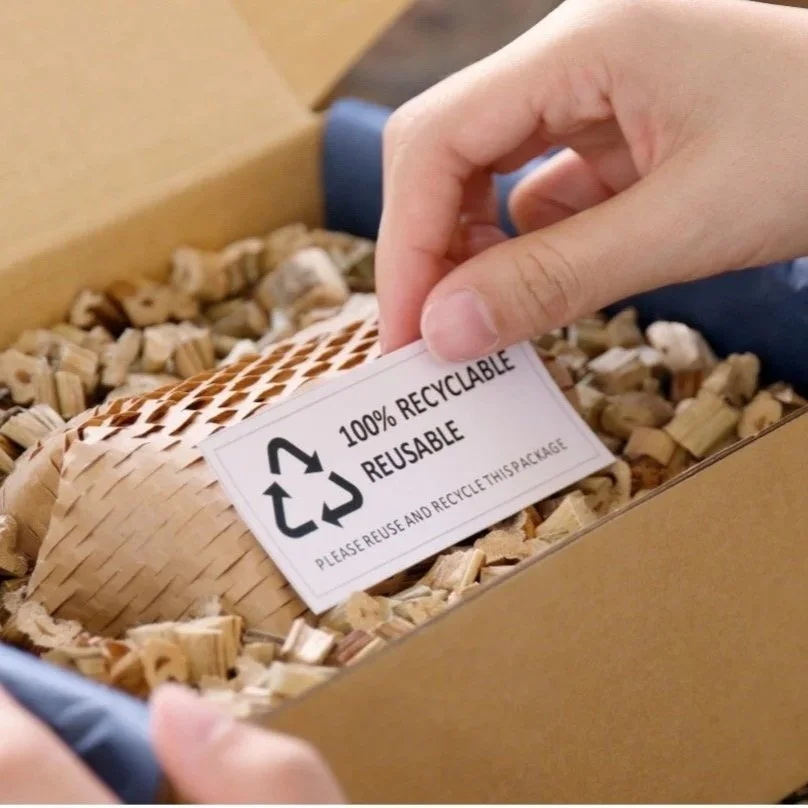
Beyond the commercial model, and of the critical importance of sales, are the sustainability credentials of digital textile printing. Using 20% of the water and 30% of the energy of traditional printing, digital textile printing conforms across the board to certified chemical usage and the exclusion of forbidden chemicals such as heavy metals, formaldehyde, and alkylphenol ethoxylates (APE), making the process both non-hazardous and non-toxic.
In a world where sustainability is no longer an option – its critical - and where consumers increasingly look to environmental credentials prior to purchase, digital textile printing provides a robust and elegant solution. As a behemoth of the UK’s fashion industry the recent partnership between ASOS and Fashion Enter (a manufacturing hub for sewn apparel) further demonstrates how digital technologies are rationalising the fashion industry as it shifts to on-demand production.
Simon Platts, Responsible Sourcing Director at ASOS commented:
“Adopting innovative new technologies such as the Kornit Presto is vital if we are to reduce the impact of fashion right across the supply chain, in line with the aims of our Fashion with Integrity programme. Streamlined print and workflow means we can explore the full potential of this innovative technology, further enhance our ability to react quickly to seasonal shifts in demand, and establish more efficient, lower-impact production processes.”
Digital textile printing has provided, both in software and process, the bedrock for the true democratisation of fashion. For the emerging fashion designer, digital textile printing, software and cloud-based retail platforms provide a risk-free entry level for aspiring talent.
In this brave new world of fashion, the newbie fashion designer, can start off small, just as Richard Quinn and Mary Katrantzou did when they began their empires - organically building their brands brick on brick using digital innovations.
One thing is for certain - digital textile printing will be a substantial facilitator, providing on-demand production and a path to progress for fashion designers. Delivering what the customer wants, when they want it, to serve a new generation of retail consumers.
Rebés's story isn't one of nostalgia - It's a working blueprint for how heritage manufacturers can stay indispensable in a market that rewards speed, certification, and specificity in equal measure. Four million metres of stock mean nothing without the digital printing capability to turn it into something distinctive.
A 150-year name means nothing without the R&D discipline to win a tender for antistatic, carbon-fibre-infused uniform fabric on the first attempt.
Image Credit: Tejidos Rebé
What if the next dress you wore never touched the factory floor?
This is no longer a fringe experiment. It is a maturing production model, backed by genuine material science, real circularity, and an AI-assisted workflow that is becoming more accessible by the month.
Her advice to designers and brands alike is refreshingly practical: start small, get hands-on with an accessible 3D printer, and build fluency before the technology becomes table stakes. The businesses that treat this moment with curiosity, rather than scepticism, will be the ones shaping fashion's next decade rather than reacting to it.
The 2027 FESPA Awards are now open for entry, and the message to businesses across textiles, apparel, interiors and beyond is simple: your work deserves recognition. Every gold winner featured here started in the same place every entrant does - with a project they believed was worth submitting.
As the only independent awards programme with 18 categories dedicated to print and signage, FESPA offers a genuinely global stage, with shortlisted entries displayed at FESPA Global Print Expo in Spring 2027.
Colour Is Too Important to Leave to Chance
Print will always be the part of the garment people see first.
But the sum of all parts — the fabric, the trims, the fasteners, the finish — is what determines whether a design actually delivers on its promise. Brands that continue to treat colour as a single creative decision, rather than a coordinated technical discipline spanning their entire supply chain, will keep paying for it in re-dips, delays, and disappointed design teams.
A Century of Textiles, and an Ever-changing World
Few companies can trace their roots back more than a century and still count themselves among their industry's innovators. Texia, headquartered in Monistrol de Montserrat, Spain, is one of them.
But the story of Texia is not simply one of longevity.
It is a story of continual reinvention. As the textile industry has grown more global and competitive, Texia has repeatedly reshaped its business, investing in technology, developing its own brands, and placing sustainability at the centre of its mission. In doing so, it offers a compelling example of how a heritage manufacturer can lead rather than follow through a period of profound industry change. Image Credit: Texia
What are we craving Ultimately?
The instinct to slow down while simultaneously optimising every measurable aspect of life isn't a passing curiosity. It's a structural response to a world that feels increasingly unstable, and it's reshaping what people expect from their homes, hotels, workplaces and healthcare environments alike.
For the design and manufacturing sectors, this means rethinking both product and process.
The Structual Shift is Real and its Already Here
Volumes are moving east, where digital production is accelerating rapidly. Consumer behaviour has shifted.
Demand is now driven by personalisation, shorter buying cycles, and an expectation of near-instant responsiveness. Regulatory pressure is intensifying, with supply chain transparency now a legal and commercial fact in many markets. And margins? They are under sustained, structural pressure.
This is not a temporary disruption. It is a fundamental reordering of how textile manufacturing must operate.
The Challenge: Standing Firm as the Industry Shifts
The wallpaper landscape has changed dramatically. Digital printing has lowered the barrier to entry, spawning countless direct-to-consumer brands and pushing much of the market towards faster, cheaper production.
At the same time, manufacturing in the UK has grown steadily harder - rising minimum wage, national insurance, energy and substrate costs all bear down on margins. Surface Print have embraced all of these challenges - and stand resolutely prepared for the future.
From Helsinki's printing mill to Paris's Le Marais, discover how Marimekko is scaling a design-led brand with purpose, craft, and bold innovation.
But what makes Marimekko's story compelling is not just its aesthetic legacy?
The word "toxic" carries weight. It conjures danger, harm, and things best avoided.
“Yet in the textile industry - Where between 3,000 and 10,000 chemicals move through the supply chain, a reflexive fear of the term is one of our biggest obstacles to progress.”
This article distils the key takeaways and what buyers, designers, and brands should be asking right now.
What Is the Digital Product Passport?
At its core, a Digital Product Passport is a digital record attached to a physical product - For a printed textile product, this means the DPP would capture data on the substrate, inks and dyes used, the printing process and technology, chemical compliance, environmental impact (including water and energy use), supply chain traceability, and end-of-life instructions.
The Market Gap that Changed Everything
Future Fashion was founded in 2019, timed deliberately to coincide with a pivotal moment in global textile technology: the commercial launch of the EFI Reggiani BOLT Single-Pass digital printing system.
The founders recognised that single-pass architecture had fundamentally changed what was industrially possible - and that Pakistan's domestic market had yet to catch up.
Print is no longer defined by the inefficiencies that once characterised it…as advances in production processes and technology have significantly improved its environmental performance.
Taran Rai, Corporate Sustainability Manager at Epson explains why?
The story of what happens when young designers access digital technology is still being written.
What once was a theoretical sustainability goal seems to have shifted into an active regulatory reality.
Is the Textile Market Finally Recovering?
After a difficult few years, there are genuine reasons for optimism. Duncan was candid about the challenges: "The market for textiles has been very difficult over the last three years. I'm not going to hide the truth there. But the tide is turning.“
A profound shift is currently reshaping the sector
Changing consumer expectations demand greater design diversity, faster turnaround times, and sustainable manufacturing practices.
To thrive, interior brands must adapt their supply chains, bringing production closer to the end consumer and moving away from bulk manufacturing.
Digital textile printing offers a definitive solution to these operational bottlenecks.
Digital transformation doesn't announce itself.
It accumulates - one innovation at a time - until an entire industry looks back and realises the ground has shifted beneath its feet. That's precisely where textiles stands today.
The conversations happening now about AI, automation, sustainability, and digital product passports are not theoretical. They are shaping decisions being made on factory floors and in boardrooms right now.
“By leveraging advanced digital textile printing, Marylene Madou has successfully merged traditional craftsmanship with cutting-edge technology. Her approach offers a blueprint for how independent designers can scale their brands globally while maintaining a minimal environmental footprint.”
The textile industry is undergoing a vital transformation. As the insights from Techtextil and Texprocess reveal, the path forward relies on a combination of sustainable hardware, intelligent chemistry, and seamless digital workflows.
From Zimmer's industrial-scale energy reductions and Stratasys's on-demand 3D embellishments, to Kornit's single-step technical printing and the unified digital ecosystems of NedGraphics and Optitex, the tools for change are here. To stay competitive, brands and manufacturers must adopt these innovations, moving away from fragmented, wasteful processes towards a truly connected, circular economy.
Friedmans stands as a testament to the power of combining traditional textile knowledge with forward-thinking innovation.
“Operating from their UK headquarters, Friedmans now serves a diverse array of sectors, including swimwear, dance, entertainment, sportswear, interior decor, prosthetics, and even pet apparel. With a strategic supply chain that reliably serves clients worldwide”
The apparel decoration industry is decisively moving away from isolated, analogue production tools toward connected digital manufacturing environments.
"Kornit’s unwavering commitment to transformative technology continues to disrupt the status quo. For business leaders and innovators ready to capture the future of apparel manufacturing, the path forward is clear”
October 2026 – Epson has today featured the availability of the SureColor G9000, the first high-production, roll-to-roll Direct-To-Film (DTFilm) printer in its line-up.
Designed for commercial garment decorators and textile producers, the new printer addresses the industry's growing demand for greater speed, reliability and reduced hands-on maintenance, whatever the production environment.
The SureColor G9000 is built around a complete Epson ecosystem, combining Epson inks, printheads and software with Epson EdgePrint or Fiery Digital Factory RIPs
Frankfurt am Main, 14th October 2026 – With the new premium segment Carpets & Rugs Excellence, the Comfort & Connect area and the Heimtextil Trends 27/28, Heimtextil 2027 is sharpening its offering for a market under pressure.
Running from 12 to 15 January 2027, the leading trade fair for home and contract textiles and textile design will showcase innovations across the entire value chain, from fibres and yarns to designs by international studios, finished collections and complete interior solutions.
Milan, Italy – October 2026 – BARBIERI Electronics, a leading innovator in colour measurement technology, today announced its participation in VISCOM Italia 2026, taking place at Allianz MiCo in Milan on 28–29 October 2026.
The company will exhibit at Booth A14 alongside its Italian distributor, Tecnologie Grafiche, presenting its latest spectrophotometer solutions to the digital printing industry.
Altham – Lancashire – October 2026 – Soyang Europe has announced the appointment of Glen Nunkoo as its new Business Development Manager.
Glen joins the team with over 20 years of industry experience across both hardware and media, and will be responsible for managing customer relationships across the Midlands and North West regions.
Glen's appointment reflects Soyang's ongoing commitment to strengthening its customer relationships and delivering a consistently high standard of service as the business continues to grow.
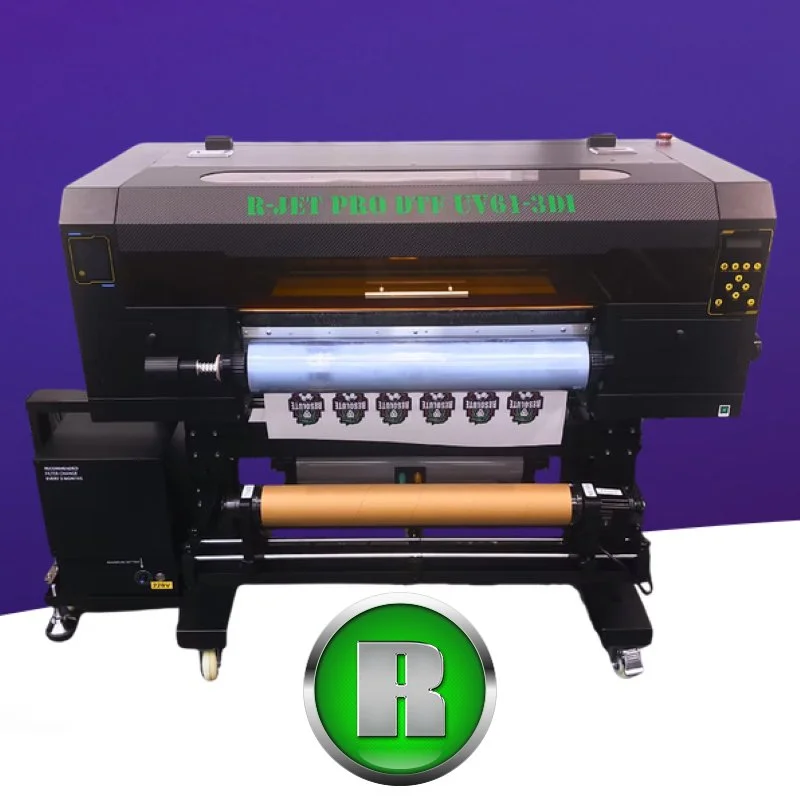
Clay Cross- UK – October 2026– Resolute DTF today features their R-JET PRO DTF™ UV61-3Di, a UV DTF printer engineered to elevate promotional products with striking three-dimensional effects.
Using advanced tilt print head technology, the new machine produces stunning TPU and Crystal Patch embossed finishes on a wide range of everyday items, offering businesses a new way to differentiate their products in an increasingly competitive market.
SOUTH NORMANTON, UK – October 2026 – Sun Chemical today featured Cinquasia® Magenta D 4200 J, a state-of-the-art Quinacridone pigment engineered specifically for digital ink formulations.
The new pigment delivers vibrant yellowish magenta shades alongside outstanding colour performance, reinforcing Sun Chemical's position at the forefront of pigment innovation for the printing industry.
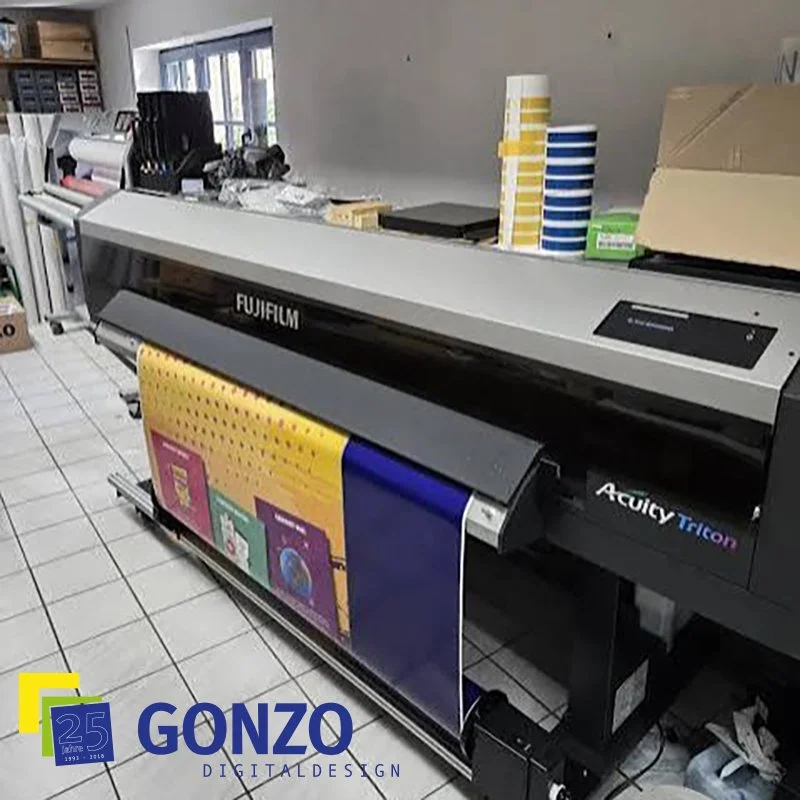
Ratingen, Germany – October 2026 – Gonzo Design, a full-service advertising specialist covering textile printing, digital printing, signage and vehicle lettering, has invested in Fujifilm's Acuity Triton large-format UV inkjet printer featuring Aquafuze ink technology.
The move marks a significant step in the company's drive to raise print quality, broaden application versatility and improve air quality within its production facility.
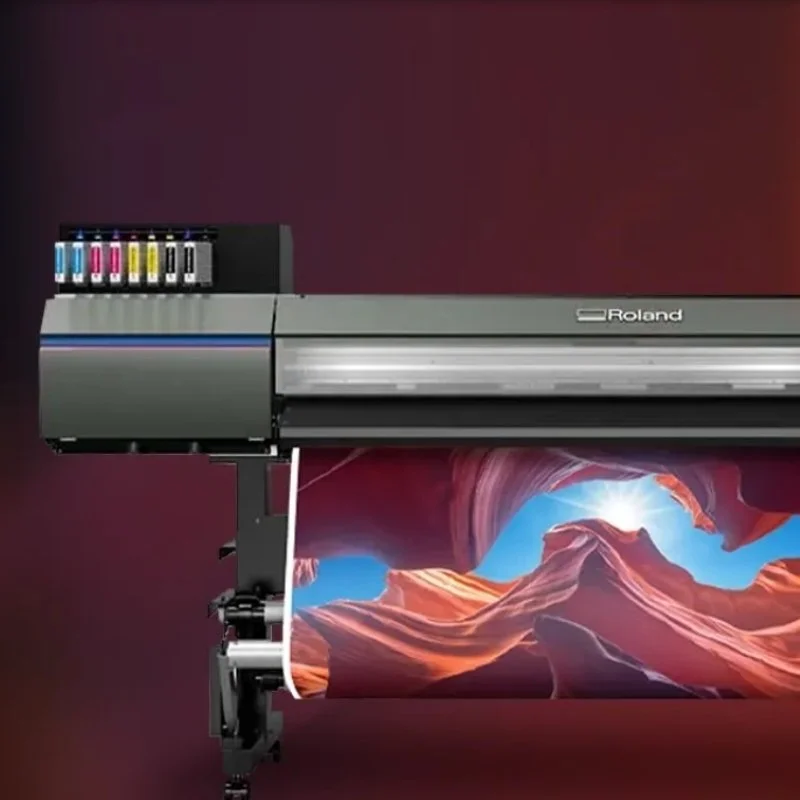
Reading – UK – October 2026– Roland DG Europe today highlights the DGXpress ER-641, a dedicated print-only solution designed to help print businesses deliver professional-grade graphics without stretching their budgets.
The new device addresses a growing need in the industry: balancing high-quality output with manageable production costs and everyday workflow demands.
As print businesses look to scale, every investment must work harder to justify its place in day-to-day operations.
The ER-641 has been engineered with this challenge in mind, offering a focused, print-only solution that keeps both initial investment and ongoing running costs firmly in check.
Tokyo – Japan – October 2026 – Klieverik has announced the successful delivery and installation of another GTC131-2000SP FL calendering line, which has safely arrived at its new home with a customer in Japan.
The milestone underscores Klieverik's continued commitment to providing reliable, high-performance machinery to manufacturers across the globe.
Leicester, UK – October 2026 – VeriVide Limited, a leading provider of colour assessment solutions, has confirmed its attendance at the Society of Dyers and Colourists (SDC) Coloration & Finishing Conference 2026, taking place in Bradford on the 15th October.
The company will exhibit throughout the event and deliver presentations on the industry's transition to LED lighting and the evolution of visual and digital colour assessment
Ottawa, Ontario – October 2026 – Corel today announced it will host a live webinar exploring how organisations can unify branding, signage, print and digital work into a single, flexible creative workflow.
The session takes place tomorrow, October 14th , and is open to creative professionals, studio leads and business owners looking to streamline how their teams produce and deliver work across formats.
Bologna, Italy – October 2026 – Valiani, a leading innovator in precision cutting technology, has today announced the launch of its new GEN 2 cutting machine at FAMAART Bologna.
Designed specifically for high-volume matboard production, GEN 2 represents a significant step forward in the industry's pursuit of greater efficiency without compromising on quality.
Fremont – Ca – October 2026 - Fiery, a global leader in digital front end (DFE) technology for print, has announced that the full recording of its webinar, Beyond CMYK: From More Colours to More Impact, is now available on demand.
The session addresses a pressing challenge facing today's commercial print providers: how to move beyond the limitations of standard CMYK to meet rising client demands for bold, brand-accurate colour.
Dubai, UAE – October 2026 – FESPA’s exclusive Leadership Exchange event, FLEX, will return to Dubai on 26 November 2026, bringing together senior figures from across the Middle East's print and signage industries for a day of strategic dialogue and knowledge sharing.
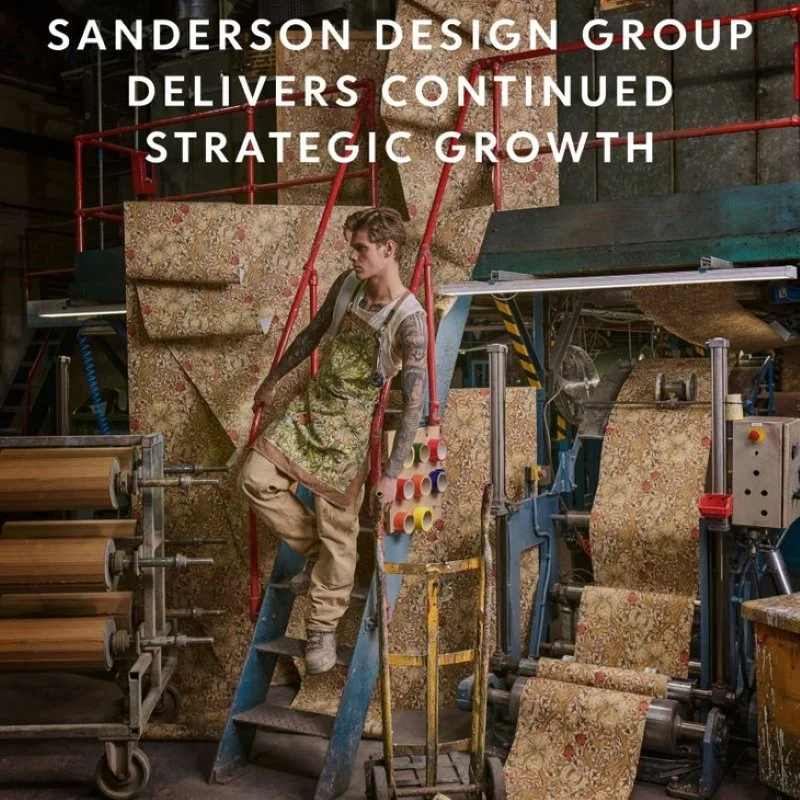
London, UK – October 2026 – Sanderson Design Group plc. has today announced a robust first-half performance, underpinned by sustained momentum across its business and the continued delivery of its focused growth strategy.
The results highlight the Group's growing international reach and its commitment to building a more resilient, sustainable future for the design industry.
Revenue for the period rose to £51.4m, while statutory profit before tax increased by 69% to £2.5m.
Adjusted profit before tax also grew significantly, up 47% to £3.3m
Telford, UK – October 2026 – China Print Supplies UK Ltd has today released its new 2026 price list, introducing new machines, updated bundle deals, and revised pricing across its range of print, cutting, and finishing solutions.
The updated catalogue reflects the company's ongoing commitment to equipping print businesses with reliable, cost-effective equipment as the industry continues to evolve.
With new machinery added to the lineup and refreshed bundle options, China Print Supplies UK aims to make it easier for customers to find solutions tailored to their operational needs and budgets.
Burgdorf, Switzerland / Geretsried, Germany, October, 2026 – Long-lasting performance textiles require solutions that address a wide range of consumer expectations, from lasting freshness and comfort to reliable protection against the elements.
SANITIZED and RUDOLF are highlighting their latest innovations, demonstrating how specialized textile technologies can support the functional durability and wearability of modern apparel.
Altstätten, Switzerland – October 2026 – Zünd has announced that it will open its headquarters in Altstätten, Switzerland, on 18–19 November 2026 for Zünd Technology Days 2026, a two-day event dedicated to live technology demonstrations, expert presentations, and an in-depth look at real-world production processes.
Milan, Italy – October 2026 – Agfa has confirmed its participation in Viscom Italia 2026, the international trade fair dedicated to visual communication and graphic arts.
The event will take place on 28–29 October 2026 at the Allianz MiCo Convention Center in Milan, with doors open daily from 9:30 AM to 6:00 PM.
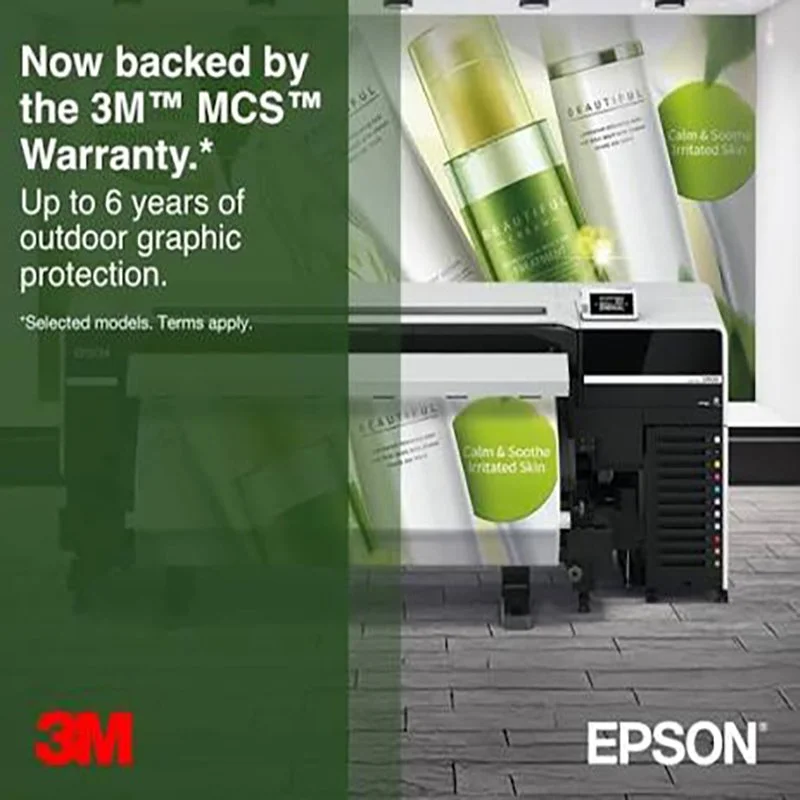
Watford = Hertfordshire- October – 2026 – Epson has announced that selected SureColor printers and inks are now covered by the 3M™ MCS™ Warranty, marking a significant step forward in the company's ongoing commitment to delivering durable, high-performance graphics solutions.
The certification reinforces the longstanding relationship between Epson and 3M, and underscores both companies' shared dedication to quality and innovation in the graphics industry.
London, UK – October 2026 – ARTSTHREAD has today launched the Public Vote for its seventh annual Global Creative Graduate Showcase, inviting audiences worldwide to discover and support the next generation of creative talent.
The vote is now live at vote.artsthread.com, giving the public the opportunity to engage directly with graduating work from across the globe.
Shanghai – China -October 2026 – BARBIERI Electronics, a global leader in professional colour measurement solutions, has announced its participation in ALL IN PRINT CHINA 2026, taking place from 12–16 October 2026 at the Shanghai New International Expo Centre.
The company will exhibit alongside its partner, Beijing Dingli Xintong Technology Co. Ltd, at Booth N2A219, where COO and Co-Managing Director Viktor Lazzeri will meet with customers, partners and print professionals from across the industry
Bracknell – Berkshire - October 2026 - UFABRIK has added IGEPA Hungária to its expanding European distribution network, bringing its digital textile portfolio to customers across Hungary through one of the country’s leading print and visual communications suppliers.
The agreement will see IGEPA Hungária introduce the UFABRIK range to customers from its operations in Budapest and Nyíregyháza, with local stockholding, technical support, and wide-format availability up to 5 metres.
New York – NY – October 2026 – Optitex, a global leader in fashion technology solutions, has announced a significant update to its CutPlan software, introducing Purchase Order (PO) Wise capability as part of its O/26.1 release.
The new feature allows manufacturers to plan multiple Purchase Orders for the same style independently, addressing a long-standing inefficiency within the cut planning process.
United Kingdom – September 2026 – Inkloft, a new specialist digital printing business founded by Gary Weyman and Andy Hancock, has announced its entry into the direct-to-film (DTF) market.
The company has been appointed as a distributor of DuPont™ Artistri® DTF products, including P1600 inks and Artistri Jettable Adhesive JA1100, both now available to purchase online through inkloft.co.uk.
Peterborough, UK – October 2026 – Snuggle Ltd has today reaffirmed its commitment to redefining industrial garment decoration, combining high-volume output with environmentally responsible production methods at its Peterborough facility.
The announcement highlights the company's investment in water-based pigment ink digital printing technology, a move designed to cut the environmental footprint of large-scale apparel decoration without compromising on quality.
At the core of Snuggle's operation is industrial water-based pigment ink digital printing, which replaces the chemical-heavy alternatives traditionally used across the sector.
Manchester – October 2026 – Premier Digital Textiles has today highlighted its 33130 Achill Natural Linen, a beautifully understated fabric defined by timeless texture and natural character.
The luxurious fabric reflects the company's ongoing commitment to quality materials that serve both designers and the environment
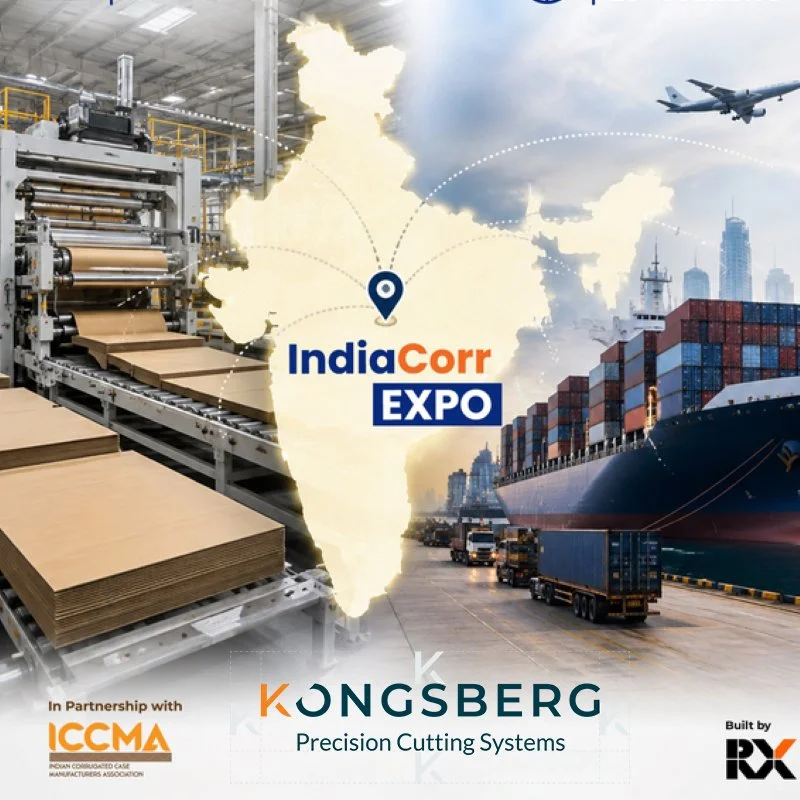
Gent – Belgium – October 2026 – Kongsberg Precision Cutting Systems has announced its participation in India CorrExpo 2026, following a successful week exhibiting at PRINTING United Expo 2026.
The company will showcase its latest advancements in digital cutting and routing technology, demonstrating how businesses across print, display, packaging and signage can achieve greater precision, productivity and scalability.
The event will take place from 14 to 16 October 2026 at the Bombay Exhibition Centre in Mumbai, where Kongsberg will be exhibiting at Booth B80, Hall 4.
Konica Minolta Business Solutions (UK) Ltd has reinforced its two‑ decade partnership with Epson by expanding the range of Epson wide format print technologies now available for live demonstration at its UK Client Engagement Centre (CEC) in Dunstable.
The move reflects Konica Minolta’s commitment to supporting the UK commercial print sector with a broader, more versatile portfolio and giving customers hands‑on access to leading solutions.
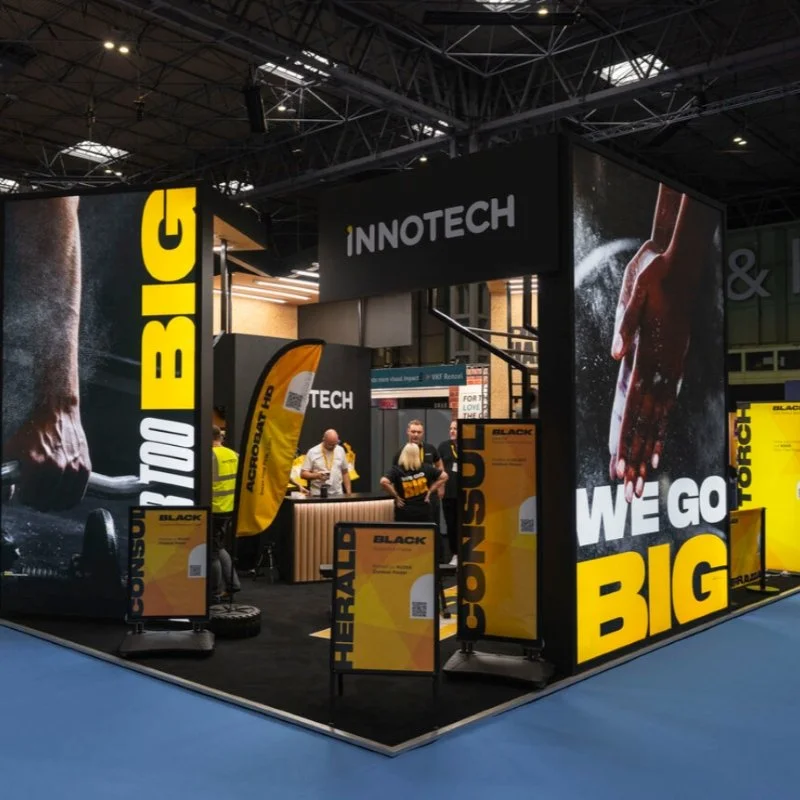
Coalville – Leicestershire – October 2026 – Innotech Digital & Display has concluded a successful first-time exhibition at The Print Show, held at the NEC over three days, unveiling its new Black Display Hardware Collection and demonstrating its materials in action through a series of industry partnerships.
The event marked a significant milestone for Innotech, offering the company its first opportunity to engage directly with the wider print community on this platform.
Visitors to the stand were able to explore product samples, view the newly launched Black Display Hardware Collection, and speak with the Innotech team about the latest developments in digital and display materials
Join host Debbie McKeegan for an inspiring conversation with Danit Peleg, founder of 3D Fashion Lab and a trailblazer in 3D-printed fashion.
Danit reflects on her journey from experimenting with desktop printers to creating soft, wearable textiles—and explores how AI is helping designers turn ideas into garments more quickly. Discover how bio-based materials, custom-fit designs, and on-demand local production could reshape the way fashion is made and consumed, while reducing waste and opening up new creative possibilities for designers and customers alike.
Listen to learn more >>
In this podcast episode, James Watson, Managing Director of Surface Print, discussed the evolution of his fourth-generation family business in Lancashire.
Surface Print combines traditional craftsmanship with digital innovation- investing £2 million in a hybrid rotary screen Gravure machine and £600,000 in new HP digital printers.

The company achieved ISO 14001 accreditation, introduced solar panels, and plans to install a new boiler and water recirculation system. Watson emphasised the importance of balancing traditional techniques with modern technologies to maintain quality and sustainability. The company also leverages AI for efficiency and marketing, while maintaining a family-oriented work culture.
Listen to learn more >>
From Dongles to Digital: Future‑Proof Licensing for Global Creative Teams
Host Debbie McKeegan talks with NedGraphics President Frank Maeder and 10Duke CEO Neil Fenton about the shift from hardware dongles to secure, user‑centric cloud licensing.
They discuss how this transition reduces friction for designers, supports hybrid and global workflows, strengthens security and resilience, and even contributes to sustainability by eliminating physical keys and their shipping footprint.
If you’re in fashion, design, CAD/CAM, or any creative production environment and want to future‑proof your software delivery, this discussion is packed with insight and real‑world examples.
Listen to learn more >>
In this insightful interview, Dave Conner, Director of Product Marketing at Stahls and Fulfill Engine, shares his journey into the textile industry.
The commercial opportunity presented by printed, personalised merchandise is already a lucrative revenue stream; it is the core driver of growth in a multi-billion-pound industry. And the mandate for print businesses is clear: automate, adapt, and offer undeniable added value, or choose to gradually lose market share.
This is not merely a shift in consumer demand; it is the fundamental evolution of the printed surface. By leveraging adaptive manufacturing, 3D added value, and sustainable surface effects, digital printers can secure their future by offering unique print applications across apparel, interior décor, accessories, and bespoke objects.
Discover how automation, materials, and community collaboration are shaping the future of on-demand garment decoration and fulfilment.
Listen to learn more >>
In this podcast episode, Ulrich Scherbel, CEO of AMSilk, discusses the innovative production of bioengineered spider silk protein and its applications in the textile industry, going far beyond fibre and with the power to radically transform inks and chemistry.
He explains the challenges of scaling up production, the importance of sustainability, and how AMSilk's technology can significantly reduce carbon emissions. The conversation also touches on the role of AI in protein bioengineering and the future vision for transforming the textile supply chain through collaboration and innovation.
Listen to learn more >>
In this insightful interview, Jon Bailey, COO of Precision Proco, shares his journey into the print industry, leadership philosophy, and how embracing change and innovation has shaped his success.
Discover practical lessons on building a resilient business, nurturing talent, and leveraging AI for future growth.
Listen to learn more >>
In this conversation, Meike Nieuwenhuis shares her multifaceted approach to fashion design, emphasising the importance of collaboration, upcycling, and engaging with cultural heritage.
She discusses her experiences with digital printing and the Epson Innovation day at the NautaSign micro-factory, highlighting the need for sustainable practices in the fashion industry.
Listen to learn more >>
In this episode, MeiLin Wan, founder of GenuTrace, discusses the critical importance of traceability in the textile industry, particularly in light of increasing regulations and consumer expectations. With nearly a billion pounds of materials tracked under her leadership, MeiLin emphasises the shift from marketing claims to scientifically substantiated proof of sustainability. She highlights the need for both physical and digital verification methods, such as DNA testing and isotope analysis, to ensure that products are ethically sourced and compliant with regulations like the UFLPA. The conversation also touches on the evolving relationships between manufacturers and retailers, the challenges of integrating new technologies, and the necessity of transparency throughout the supply chain.
Listen to learn more >>
In this podcast, we explore the innovative world of sustainable inks with Punch Perrasin, founder of GrowInk and a 2025 graduate of Central St.Martins, London.
The conversation delves into the environmental challenges posed by traditional inks and how GrowInk’s research is redefining the printing industry with biodegradable inks derived from natural sources. Punch shares his journey from studying Material Fusion at Central Saint Martins to developing inks that not only provide colour but also contribute to environmental sustainability.
The discussion highlights the importance of collaboration between science and design, the challenges faced in research, and the potential for a shift in consumer perception towards temporary inks. Ultimately, the podcast emphasises the need for a more sustainable approach to printing and the role of the next generation in driving this change.
Listen to learn more >>
In this podcast episode, Carry Somers discusses her book, 'The Nature of Fashion,' which explores the deep connections between fashion, nature, and sustainability. She emphasises the importance of understanding fashion's botanical past to envision a more sustainable future. The conversation delves into the impact of natural fibres, the exploitation within the fashion industry, and the lessons we can learn from history. Carry shares inspiring stories of individuals working to revive traditional textile practices and highlights the need for a balance between modern innovation and ancient wisdom. Ultimately, she calls for a shift in perspective, urging listeners to see the deeper connections behind the materials we use in fashion.
Listen to learn more >>
In this podcast, Debbie McKeegan interviews Frank Maeder, president of NedGraphics and Optitex to discuss the latest 2026 software release and its significance in the textile design industry.
They explore the importance of software updates, the integration of AI in design tools, and the introduction of new features like AI-assisted tagging and colourway generation.
The conversation also delves into realism and simulation in textile design, highlighting the launch of the OPTINED Academy for training users on these advanced tools. Overall, the episode emphasises the need for continuous adaptation and learning in a rapidly evolving industry.
Listen to learn more >>
In this conversation, Debbie McKeegan speaks with Lisbeth Lyons Black, the director of the Women in Print Alliance, about the organisation's mission to support women in the printing industry.
They discuss the challenges women face, the importance of community and networking, and the various educational programs offered to empower women.
The conversation also touches on the impact of technology and AI on the workforce, the need for continuous learning, and the future initiatives of the Women in Print Alliance.
In this podcast episode, Debbie McKeegan interviews David Williamson, CEO at Modern Meadow, discussing the revolutionary advancements in biomaterials and their impact on sustainable textiles. They explore the concept of bio-design, the innovative production processes of Innovera, and how these materials compare to traditional leather. The conversation also delves into the sustainability challenges facing the textile industry, the role of luxury brands in adopting biomaterials, and the importance of trust and transparency in the supply chain. Williamson shares insights on the future of biomaterials, emphasising the need for scalable production and circularity in material design.
In this podcast episode, Debbie McKeegan interviews the design team from Mini Moderns, Keith Stephenson and Mark Hampshire.
They discuss their journey from branding to product design, the evolution of their product offerings, and their creative process.
The conversation also touches on the challenges faced in the design industry, the importance of colour and pattern, the impact of digital technology on their work, and the significance of strong manufacturing relationships.
They share valuable advice for aspiring designers and look ahead to future collections and celebrations for their 20th anniversary.
In this podcast episode, Debbie McKeegan interviews the inventor Cam Myers the founder of CreateMe
A technology company focused on automating the assembly of apparel using adhesive technology. They discuss the challenges in the apparel industry, including the skills gap, labour availability, and the inefficiencies of traditional sewing methods.
Cam explains how their innovative approach not only improves efficiency but also addresses sustainability concerns.
The conversation explores the future of automated apparel production, the role of robotics, and how automation can enhance creative design in the fashion industry.
In this podcast episode, Debbie McKeegan interviews Marta Naranowicz, the creative director at Caro and online brand Feeby based in Poland. Together they explore the evolution of digital wall coverings, and the impact of the latest technologies alongside AI creativity for the printing industry. Marta shares insights on sustainability, customisation, and the importance of innovation in design, as well as offering practical advice for designers and brands looking to expand into the lucrative wall coverings marketplace.
In this conversation, Debbie McKeegan, Brooke Roberts-Islam, and Anja Sadock discuss the critical topic of compliance in the fashion industry, focusing on the increasing number of regulations and the importance of data management in ensuring compliance. They explore the challenges faced by smaller businesses in navigating these regulations and highlight the opportunities that arise from embracing compliance as a positive step forward.
The discussion emphasises the need for a structured approach to data collection and the importance of mapping supply chains to improve transparency and accountability.
In this podcast episode, Debbie McKeegan interviews Kate Hills, founder of Make It British, discussing the state of UK manufacturing, particularly in the fashion and textile industry. They explore the Leicester Made event, the challenges faced by fashion manufacturers in Leicester, the importance of local production, and the need for a national campaign to promote 'Made in Britain'. The conversation highlights the benefits of choosing UK manufacturers, the issues of onshoring, and the necessity for a fairer industry that values Quality over Quantity.
In this conversation, Debbie McKeegan, Fespa Textile Ambassador and Mike Scrutton of Adobe discuss the latest innovations in textile printing, focusing on Adobe's PDF print engine 7 update and its impact on the industry. They explore the challenges of colour management, the importance of automation, and the future of on-demand manufacturing and personalisation in textile printing. The discussion also highlights the need for better visualisation tools to meet customer expectations and the potential for exciting advancements in the field. Listen to learn more…
In this podcast, Debbie McKeegan interviews Guy Yaniv, President of EMEA at Kornit Digital about the future of personalised fashion.
They discuss the shift in consumer demand towards individuality and self-expression, the technological advancements in garment decoration, and the impact of their Apollo technology on production processes. The conversation highlights the importance of agility in the apparel industry and the need for organisations to adapt to changing market demands. They also explore the challenges of digital transformation and the role of technology in empowering creativity within the fashion ecosystem...
Listen to learn more >>
In this podcast episode, Debbie McKeegan interviews Suzi Ward, the Managing Director of Fespa UK, discussing the evolution of the association, its role in supporting the print industry, and the importance of community engagement.
They explore the growth of membership, sustainability initiatives, and the Next Generation programs aimed at engaging youth in the industry.
The conversation highlights the challenges faced by small businesses, the need for government support, and the significance of networking within the print community.
Suzi emphasises the mantra of making a difference in all initiatives and the importance of collaboration for the future of the industry.”
Listen to learn more >>
In this podcast, Debbie McKeegan talks with Michael Mayr, a co-founder of Silana a Robotic sewing technology company based in Vienna, Austria.
Michael discusses the challenges and innovations in the textile industry, particularly focusing on robotic sewing and automated, sustainable production. He shares insights from his background in fashion, the need for automation, and the role of AI in revolutionising garment manufacturing.
The conversation highlights:
The importance of nearshoring production,
The challenges faced in the industry, and
The vision for a more sustainable future in fashion…
Listen to learn more >>
In this podcast, Debbie McKeegan and April Holyome – head of Product at the luxury Italian brand 16Arlington discuss the evolving landscape of fashion at the Epson Textile Academy. They focus on sustainability, career paths, and the importance of understanding the supply chain. April shares her journey from a print graduate to head of product at 16 Arlington, emphasising the need for creativity and business acumen in the fashion industry. They explore the significance of internships, the role of sustainability in design, and the importance of confidence and knowledge in navigating the fashion world. Listen to learn more >>
In this podcast episode, Debbie McKeegan and Bobby Grauf discuss the rise of product personalisation in the printing industry and the software that enables on-demand customisation. They explore how consumer demand for personalised products has surged and how this trend is reshaping market opportunities and the software the print industry must invest in to meet expectations.
The conversation delves into the importance of technology in enhancing customer experiences and the role of AI in streamlining the personalisation process. Bobby shares insights on how businesses can leverage these trends to create unique offerings and improve customer satisfaction. The discussion also highlights the importance of optimising production and fulfillment processes to meet customer expectations in the evolving printing industry. Listen to learn more >>
In this podcast, Debbie McKeegan hosts a roundtable discussion with Guy Alroy of Early.Vision, Oliver Mustoe Playfair of Prinfab and Phil McMullin of Epson UK. Their discussion explores the paradigm shift in the fashion industry from fast fashion to personalised fashion, highlighting the challenges, solutions, and benefits for the manufacturing community. Looking at all aspects of production to share their knowledge and expertise on how automation software in tandem with smart technology offers a solid solution for optimised apparel manufacture.Experts from Printfab, Epson, and Early Vision share insights on the role of technology, sustainability, and the future of apparel production. Listen to learn more >>
“In this podcast, Debbie McKeegan interviews Michael Chramtchenko, Chief of Staff - Sales and Marketing at Fiery. They discuss the company's innovative software solutions for the print industry, particularly in garment decoration. They explore the disruption caused by direct-to-film technologies, the importance of colour management, and the future potential of automation and AI in print technology. The conversation highlights the challenges and opportunities in on-demand apparel production and the evolving landscape of the textile industry…Listen to learn more >>
“In this engaging conversation, Debbie McKeegan speaks with Kathryn Sanders, founder of Western Sensibility, about her journey in the textile and digital printing industry. They discuss the innovative services offered to the interior design industry by Western Sensibility, including custom printing for various materials, the launch of their Innovation Lab, and their commitment to sustainability. Kathryn shares her passion for democratising design, the evolution of textiles and wallcoverings, and the importance of creative collaborations. The conversation concludes with insights into the future aspirations of Western Sensibility and the exciting projects on the horizon”.
In this podcast, Debbie McKeegan interviews Frank Maeder, president of NedGraphics and Optitex, discussing the evolution of textile design, the integration of technology, and the importance of sustainability. They explore how designers' roles have changed, the impact of digital tools like NedHub and their latest software release, plus the necessity of partnerships in the industry. The conversation also touches on the future of AI in design and the need for seamless workflows to enhance creativity and efficiency. Listen to learn more >>
In this podcast episode, Debbie McKeegan interviews Viktor Lazzeri, COO of Barbieri Electronic, to discuss the critical role of spectrophotometers in achieving colour accuracy in digital printing. They explore the science behind colour measurement, the importance of consistency, and the challenges of matching colours across different materials. Viktor shares insights on minimising waste and reducing reprints through effective process control, emphasising the need for standards and colour accuracy in the printing industry.” Listen to learn more >>
"In this podcast we meet Adam Root, founder of Matter Industries and his innovation Regen™ , a capture technology to remove microfibres from the textile manufacturing process for the benefit of human and environmental health. We also meet Lewis Shuler of Paradise Textiles who are collaborating on research and the application of Matter’s technology for textile manufacturing. The retrofittable technology reduces microfibre emissions and operating costs for textile factories, offering a scalable solution for the industry. Backed by Regeneration.VC - the Leonardo DiCaprio supported climate tech fund – with the announcement made at its Annual Meeting during New York Climate Week. The first installation is planned at Paradise Textiles’ sustainable textile facility in Egypt by Q4 2025.”