INDUSTRY SPOTLIGHT - TERRY RAGHUNATH OF HP SHARES HIS INSIGHT AND EXPERIENCE FOR PRINTED INTERIOR DECORATION

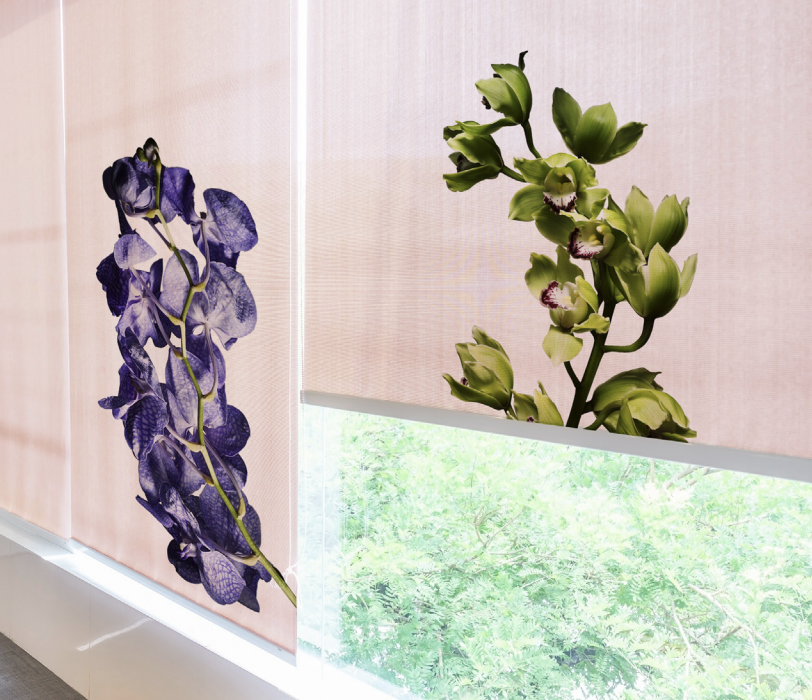
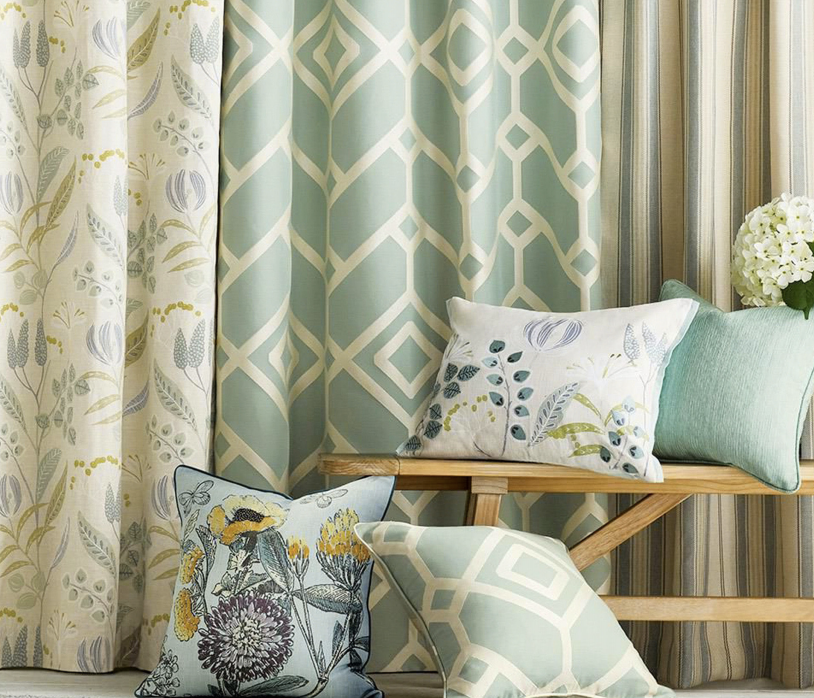
Digital technologies are disrupting printed applications across the Textile and Interior Decor sector.
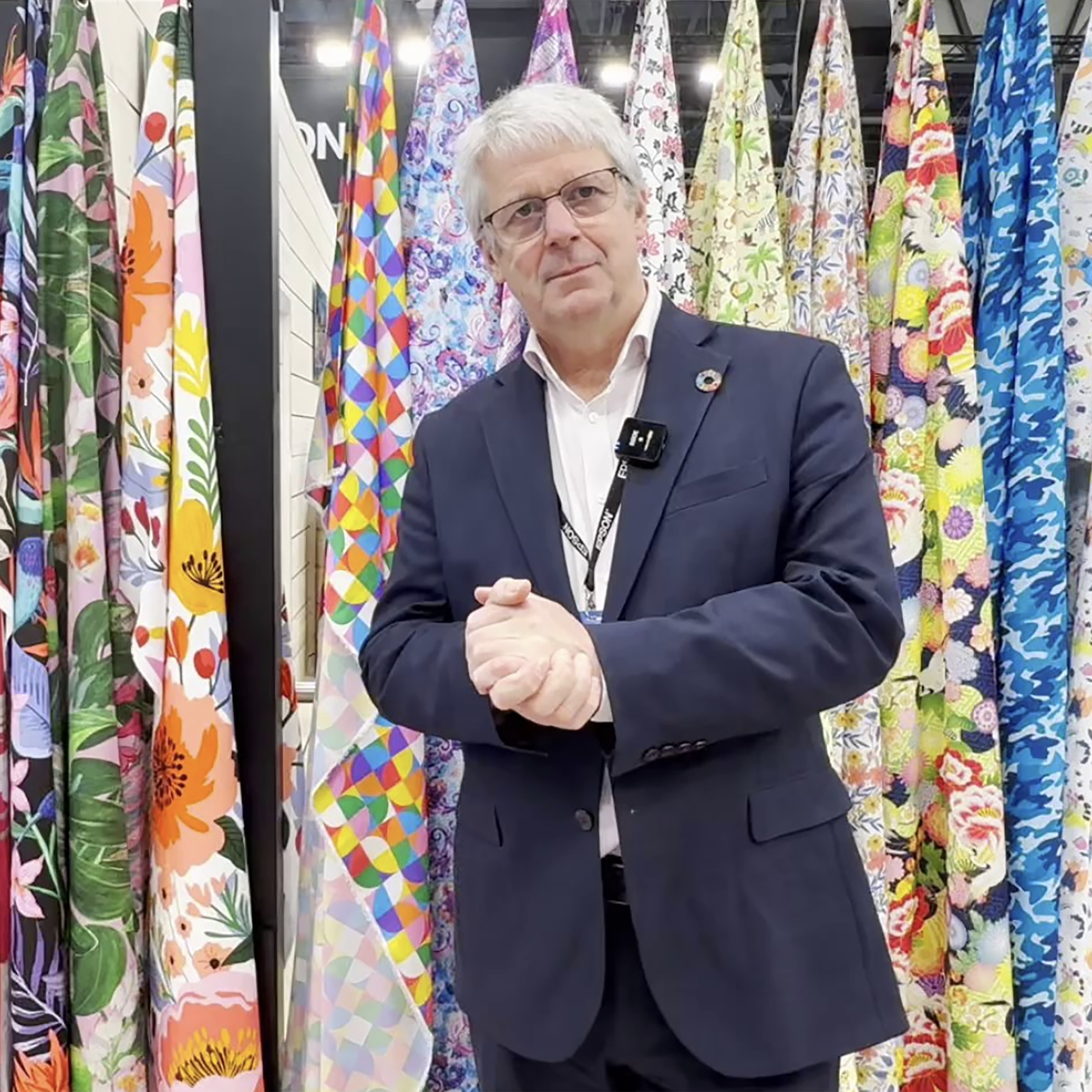
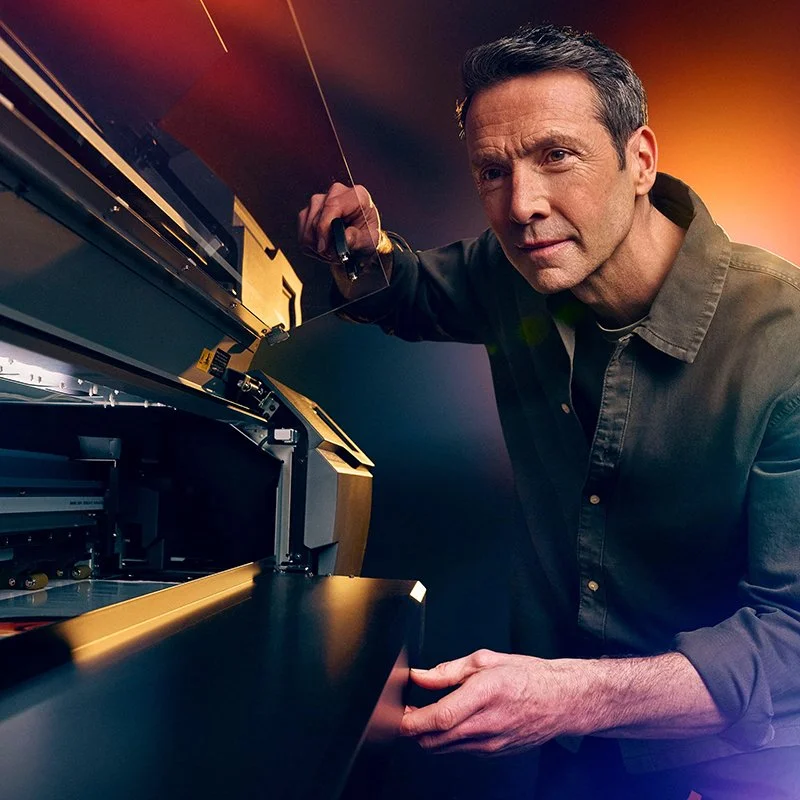
In our latest interview we catch up with Terry Raghunath - Business Development for Printed Decorative Applications - based at HP - Barcelona. Terry has been in Business Development for most of his career within HP (Consumer Products, 3D Printers and now in Large Format). His job now is to search for new surfaces to cover with HP inks.
What fuels your passion for print innovation?
I am a connector. What makes me get up in the morning is - connecting. I think that everything is connected in some way. When developing new markets, you need to tap into new ecosystems. It’s a little bit like music, if you like Jazz, you need to tap into that ecosystem: Rhythm, scales, instruments, and the general “mojo” of it. This all changes if you move into a completely different kind of music like say classical chamber music or Cuban “Son”.
Innovation comes from many places, but for me, it has always come from interacting with people. If you chew the fat long enough with somebody, you will always get new insights, perspectives, and nuances that make you see new things.
What’s driving the speed of change in our industry - the first shift was customization - but we now seem to have a much wider agenda can you fine tune?
Yes, certainly true. Customization is an important facet, but there is a lot more going on right now. I think the pandemic has accelerated a lot of trends that were already developing, like wellness, sustainability and living with purpose. This is affecting design deeply. People want to know about where products come from, and the environmental and social impact that they have….also customers are more demanding. It’s not good enough to simply green-wash your product. As society has lost trust in institutions like government - it’s bands that are filling that trust space. It may sound frivolous, but that puts a lot of pressure on brands to embrace these changes and to prove to their customers that they take this trust relationship very seriously. HP has been very ambitious with these issues, wanting to be the most sustainable and just technology company.
How do HP distil / analyze market trends to ensure that future products meet market demand?
There are many ways. Of course we have an important installed-base of customers, who provide constant feedback on how well our products and services are doing. There is always room for improvement on our existing products, and we need to be humble enough to accept this. Other ways to find market needs and products for the future is to keep an ear to the ground when it comes to watching mega-trends closely. What will cities look like in the future? How will we educate our children in the future? How will we shop in the future and how will we interact with one another in the future? I think that there is one other area which may sound cliché, because it has been used forever, and that is moving from a product to an experience economy.
Brands that are successful at innovating, are the ones who are able to understand how their customers engage with their products from a deeply experiential perspective. I often joke about printers being ovens: Customers are looking for a great dining experience. The oven plays a role in that, but there are many more elements, from the welcome you receive when you walk through the door to the crisp white tablecloth, the wine list, the food, music, lighting and the waiter who is always there for you but doesn’t overwhelm you, right?
How have recent HP products innovated and evolved to meet market demand across the Textile and Wallpaper space – What impact have they made?
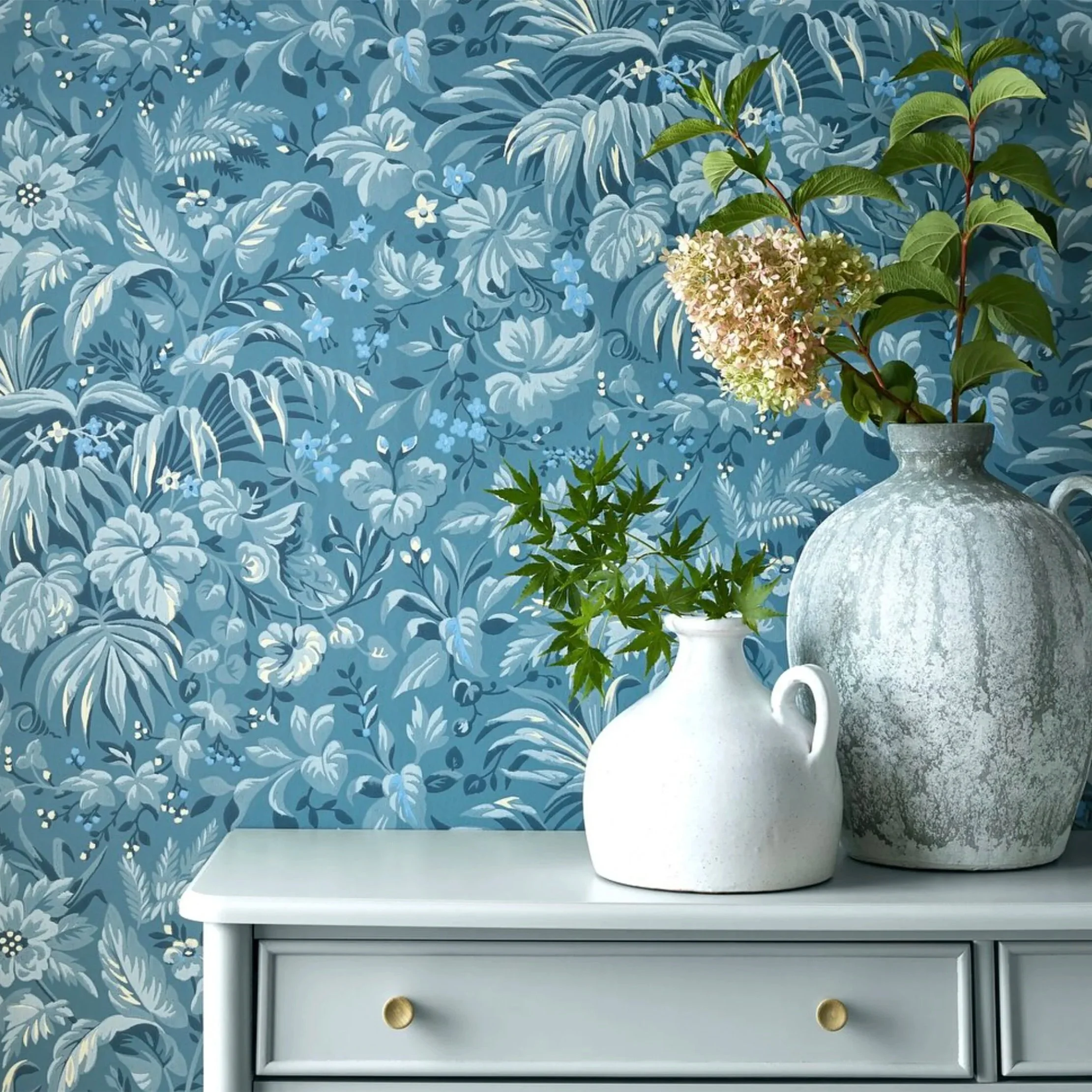
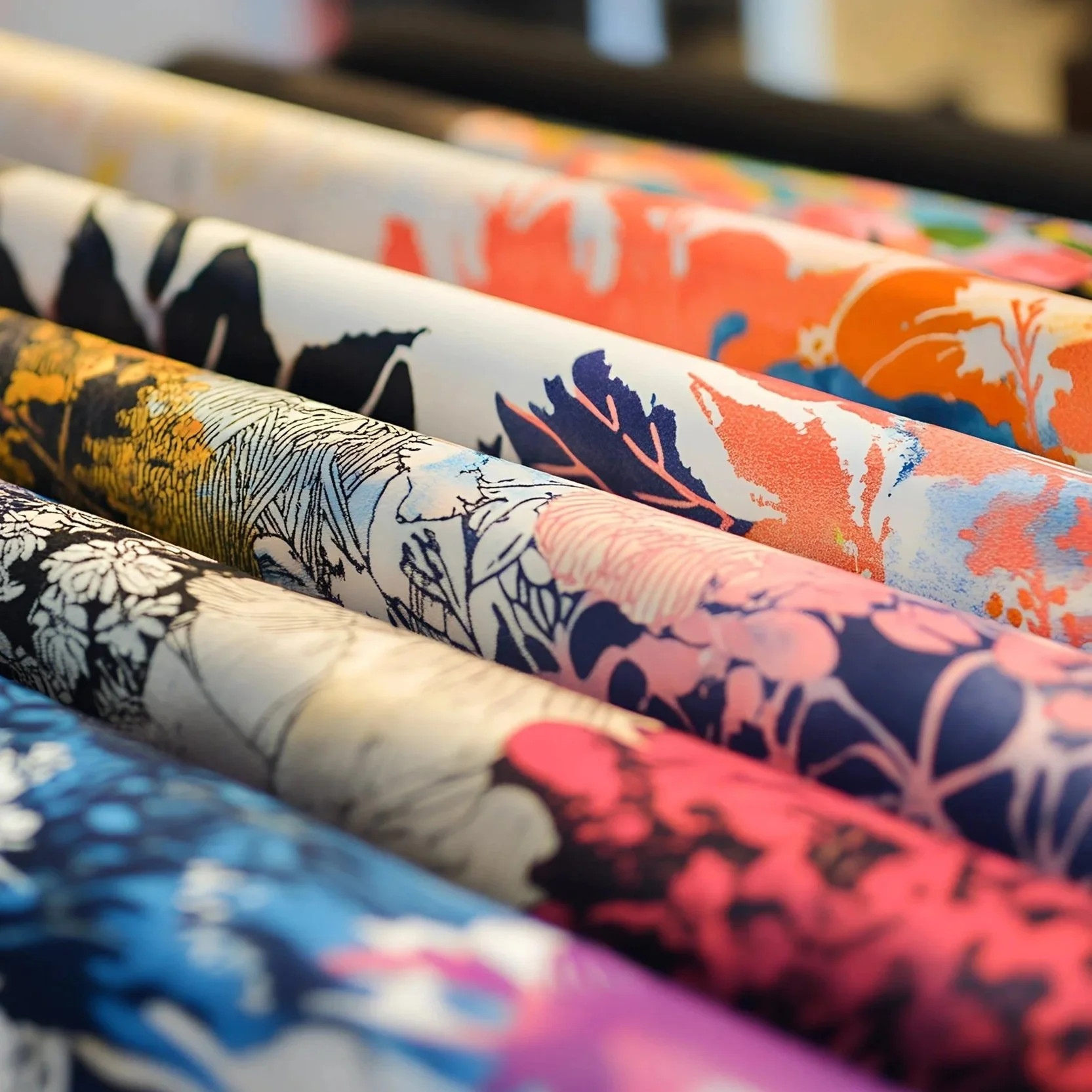
I think that the product has evolved/adapted to meet market demand, but for me, the real X factor has been this element I mentioned before, connecting. If we had not connected with traditional wallpaper manufacturers and understood their market and their challenges, we would not be here today. Similarly, we discovered with our traditional customers (the Print Service Providers) that they too could print and sell wall paper successfully. It is a voyage of discovery that we make together with our customers. Digitally printed wall covering was not take as seriously 10 years ago as it is today. If you walked into the wallpaper hall of Heimtextil then, there were maybe one of two digital wallpaper printers, now, the hall is occupied by at least 20 or 30% . Also, if you walk into print shows like FESPA, ITMA and CPrint, there are also many stands showing wall covering solutions, which was not the case a decade ago.
What market sector excites you the most right now – How will HP technology disrupt that market?
There are many things that excite me about the future. The one that inspire me most is scale. If we continue on the trend of wallpaper: A decade ago, if you were a designer and you wanted to launch a wallpaper brands, it was difficult. To start with, you needed to be able to pay for a minimum order quantity of say 200, or 20,000 rolls. That was enough to stop a small designer dead in his/her tracks. Nowadays, you can walk up to dozens of print service providers who are able to print 10, 20 or 30 rolls for you. This is huge! It means that thousands of aspiring designers can step into the wallpaper market effortlessly. This is what I call democratizing (is that a word?). Just like you have a small studios like Robin Sprong Wallpapers in Capetown, Newton Paisley in UK, or Agustina in Barcelona who are acting like global brands; you also have big brands wanting to act like small local brands. Kit Kat in Japan has over 200 different versions. Large breweries are making micro-brewed beer, and industrial yoghurt companies are going local. A lot of this is made possible by digital print.
Textiles was once an environment of mass production – How do you see the sector changing in the next few years?
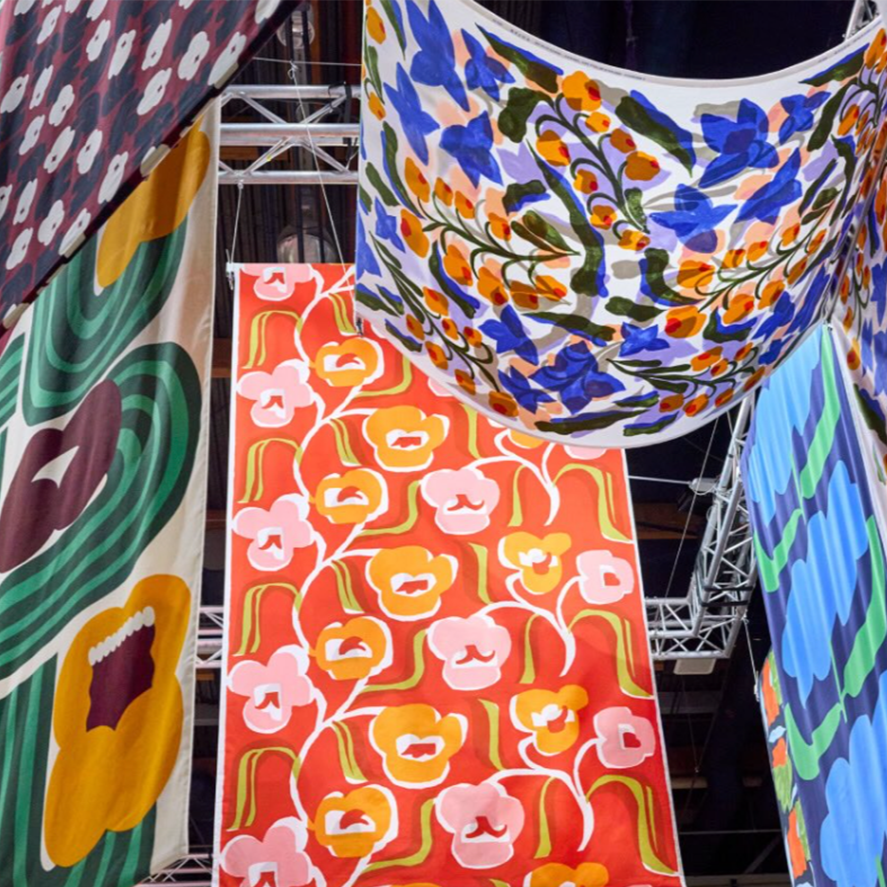
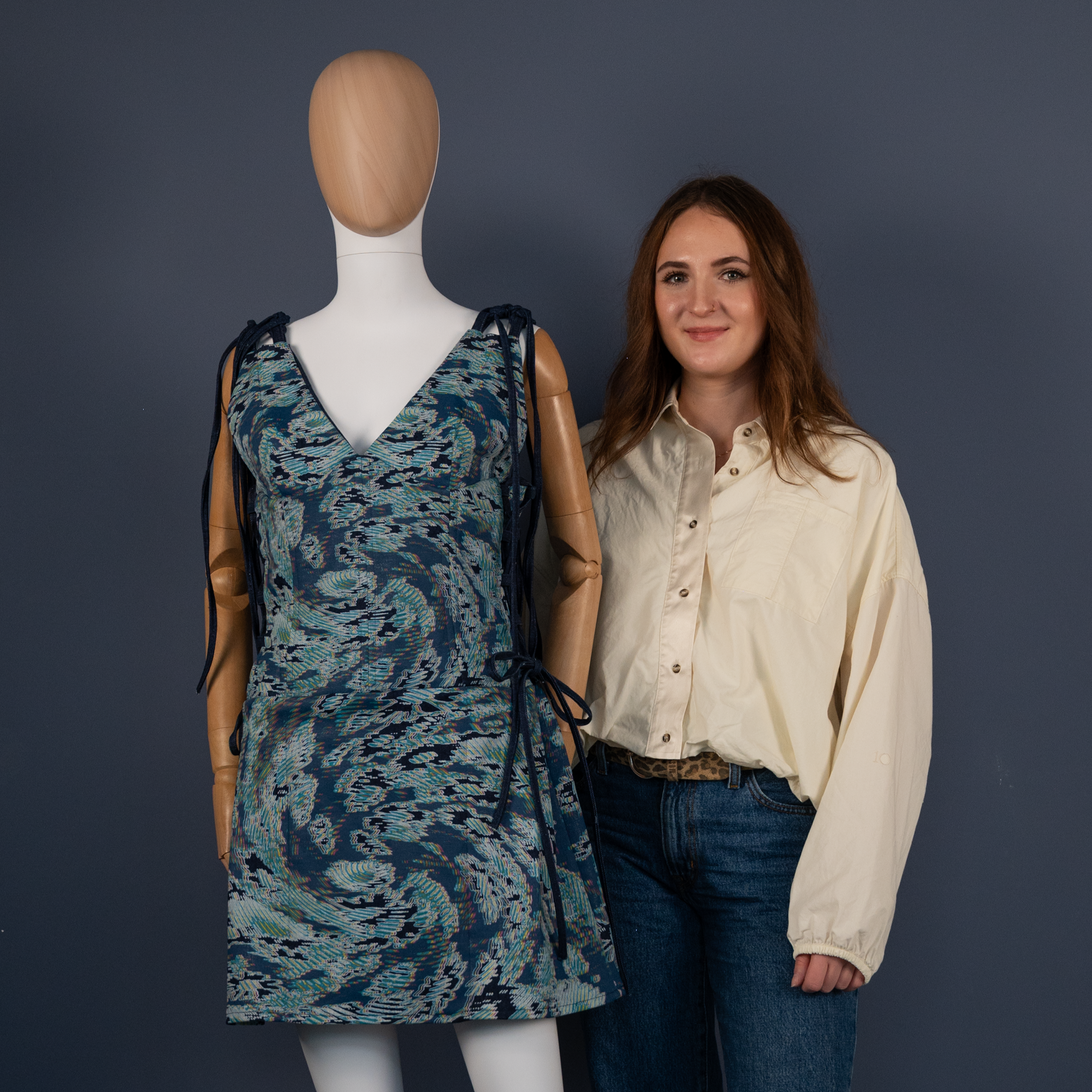
Mass production is moving to sustainable short run production…near-shoring. I think there is a space for both, but what will change is that there will be more smaller companies closer to the brands who are capable of printing short-run batches. Immediacy and faster fashion cycles will need to have a way to satisfy demand in an agile way. If you look at the fashion industry which was a two-season affair. That has turned into a 52 season affair. Also I think that fashion trends will move into many different directions at once, where you can have a world where drainpipe trousers as well as flared trousers would be seen as fashionable at the same time. Digital print will enable this. Industry 4.0.
Sustainability – HP are committed to sustainable manufacturing – Why is On-Demand manufacturing so important for the future of print and the planet?
Not only is is important to reduce waste, but we need to look at the challenge much beyond that. We are changing the way our products are manufactured, used, and recovered as we shift our business model to a circular economy. In manufacturing HP products, key concept in the circular economy is a materials cycle where plastics, metals, and other durable materials are used over and over without being “downcycled” into lower-grade uses, eventually becoming waste. We are looking at sourcing materials that do not harm our environment, but also that are ethically sourced and manufactured and safer too. We are ensuring that there is Zero deforestation when producing paper.
Interior Décor is a sector that’s predicted for extensive growth – Can you tell us more about the HP Décor webinar series and what we can look forward to discovering in the next episode?
Décor is an evolving space. Colours, materials and design styles change rapidly . The big change that is taking place now is the reopening of public spaces. As offices, co-working spaces, restaurants, bars, hotels, shopping malls and retails stores reopen we are all hankering to re-connect. This is the theme of this episode. Our guest speaker, Rachel Nunziata (expert in printed décor) will take us through this re-opening and she will show us what trends we can expect in public spaces.
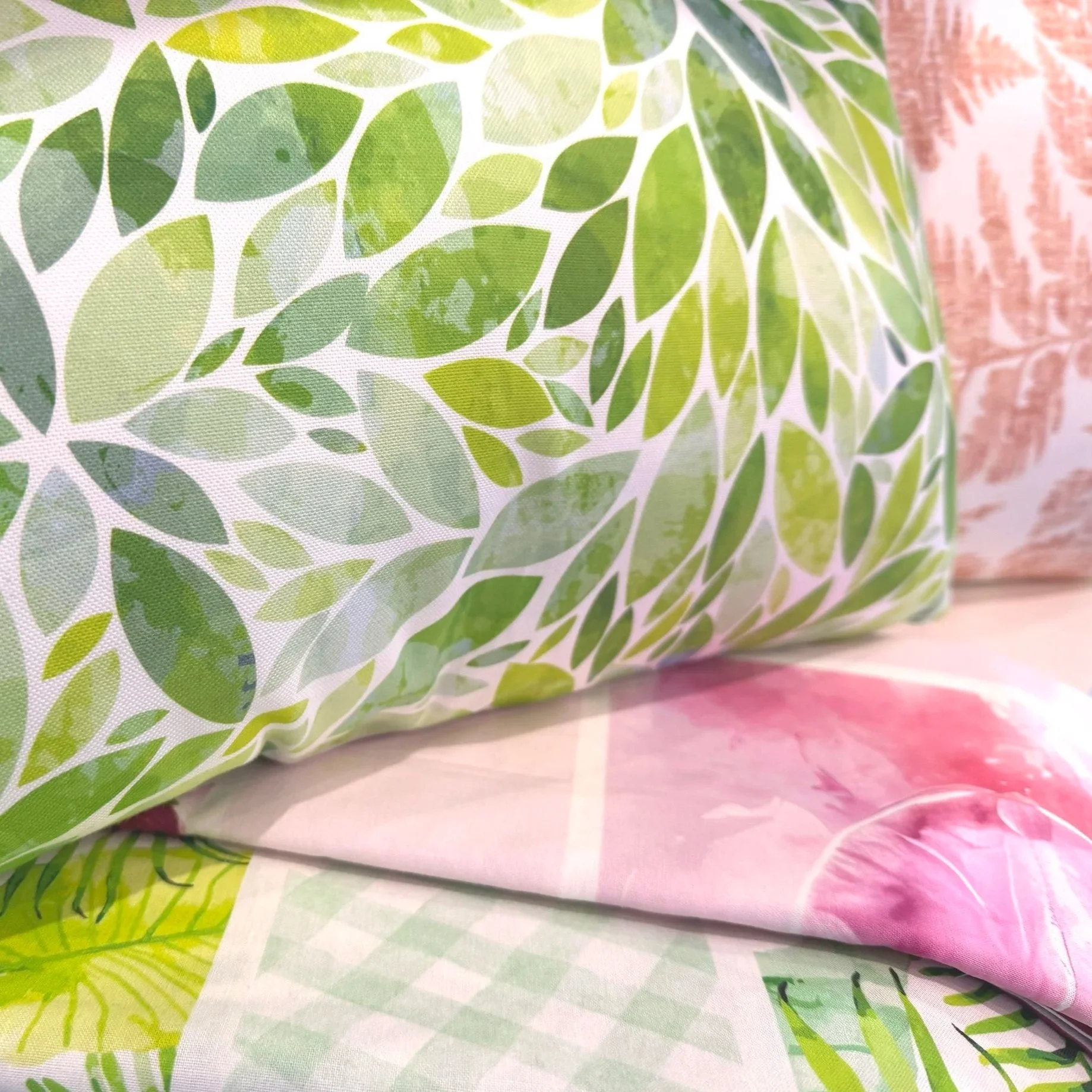
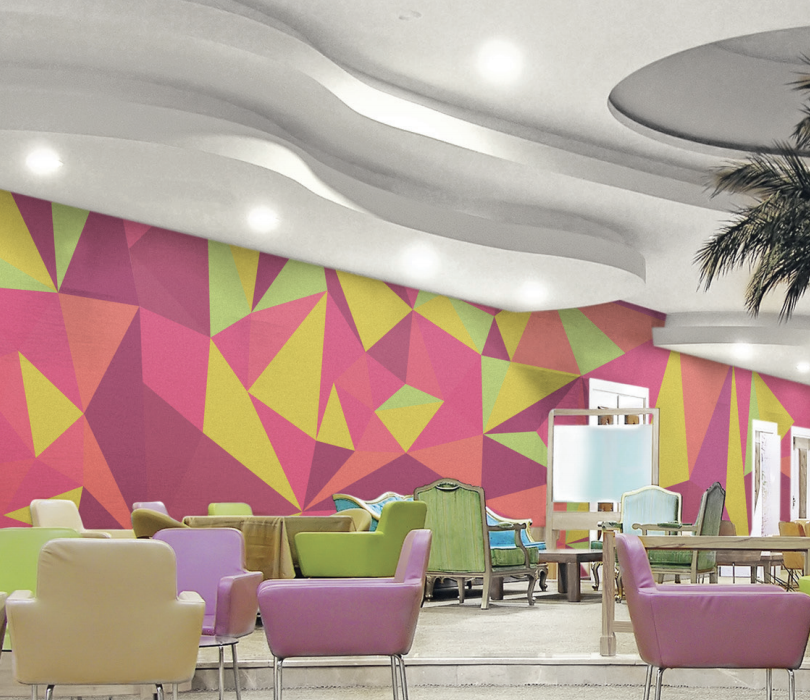
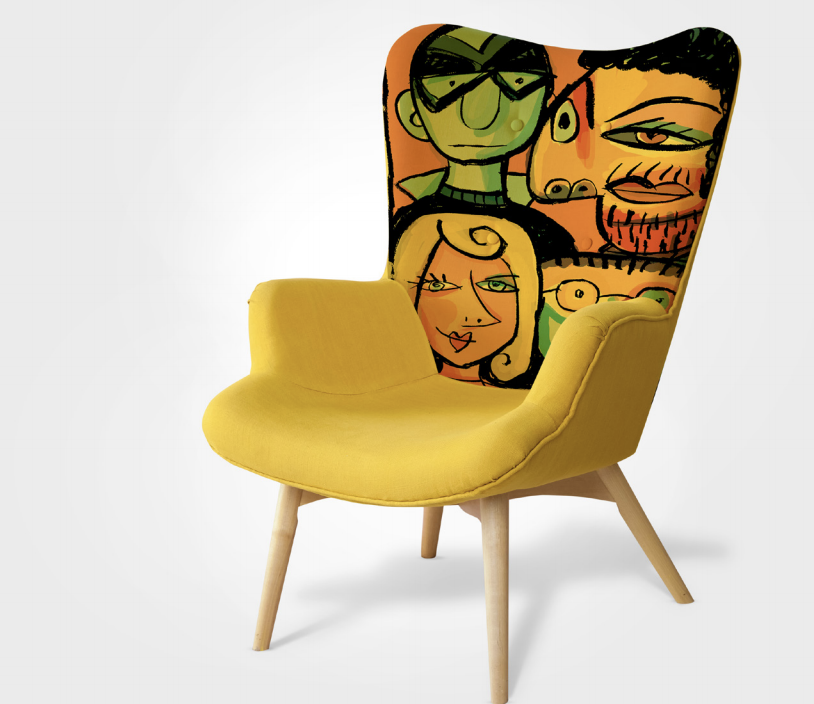
We have also done a “makeover” in a small local co-working space in Barcelona where you will see how a space is transformed with some great designs and a few simple printed applications, printed on our HP latex printers and HP Stitch (Dye sublimation) printers.
I hope you can all attend the event. It’s on the 30th of June at 11:00 CET.