Rebés's story isn't one of nostalgia -
It's a working blueprint for how heritage manufacturers can stay indispensable in a market that rewards speed, certification, and specificity in equal measure. Four million metres of stock mean nothing without the digital printing capability to turn it into something distinctive.
A 150-year name means nothing without the R&D discipline to win a tender for antistatic, carbon-fibre-infused uniform fabric on the first attempt.
Image Credit: Tejidos Rebé
WRITTEN BY DEBBIE McKEEGAN | CEO | Texintel
For over a century and a half, Tejidos Rebés has stood at the intersection of tradition and innovation, redefining what it means to craft textiles responsibly. From a Spanish weaving house founded in 1876 to a certified innovator serving children's fashion, uniforms, and technical Work & Leisure markets across the globe, Rebés has continually rewritten what it means to endure in textiles.
We sat down with the team behind this transformation to understand how they've balanced tradition with technology, family ownership with fearless reinvention, and sustainability commitments with commercial reality. What follows is a candid look at the values, investments, and decisions that have kept Rebés relevant - not despite its history, but because of how it uses it.
Industry and Service
Can you give us an overview of Tejidos Rebés's core service offering, and how it has evolved since the company's founding in 1876?
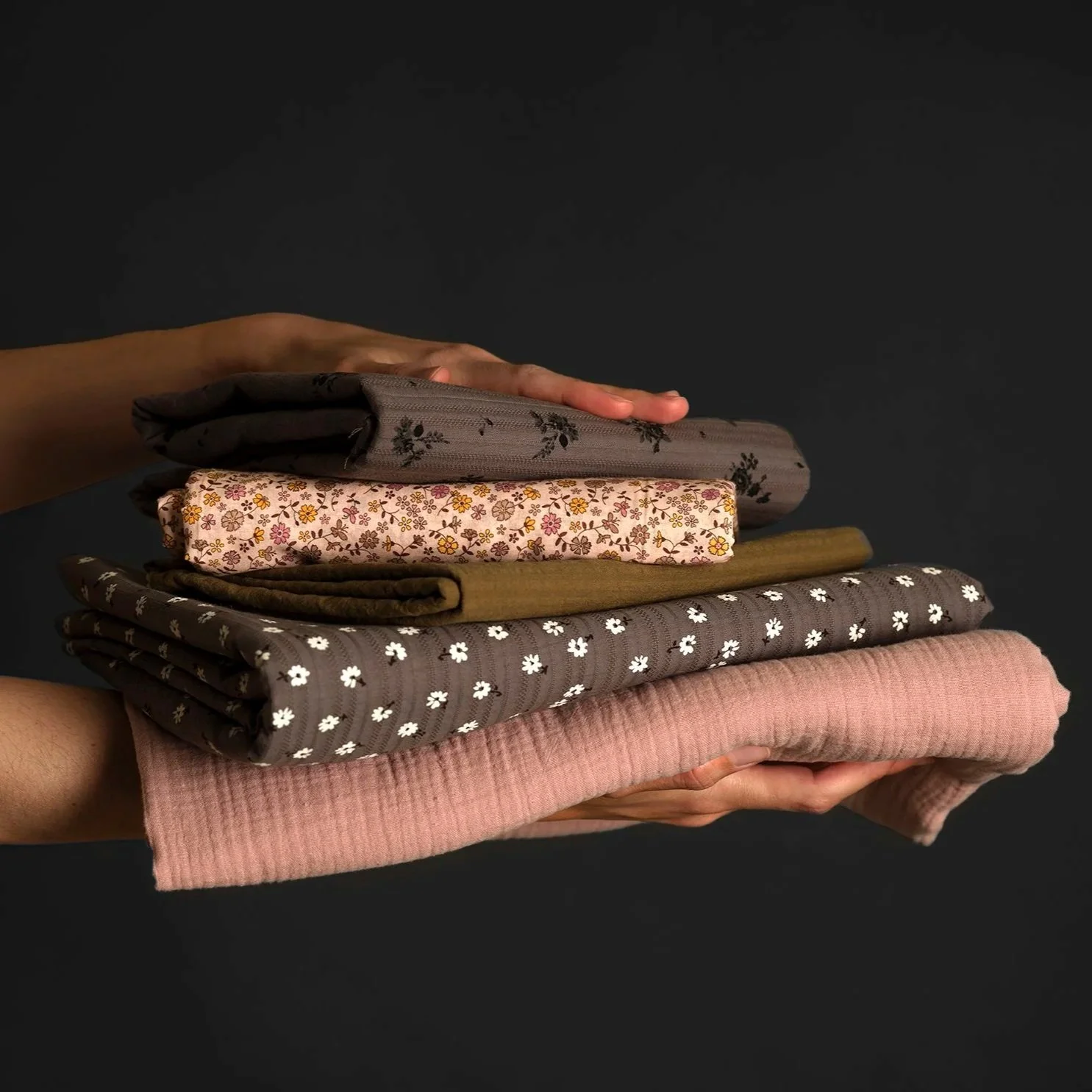
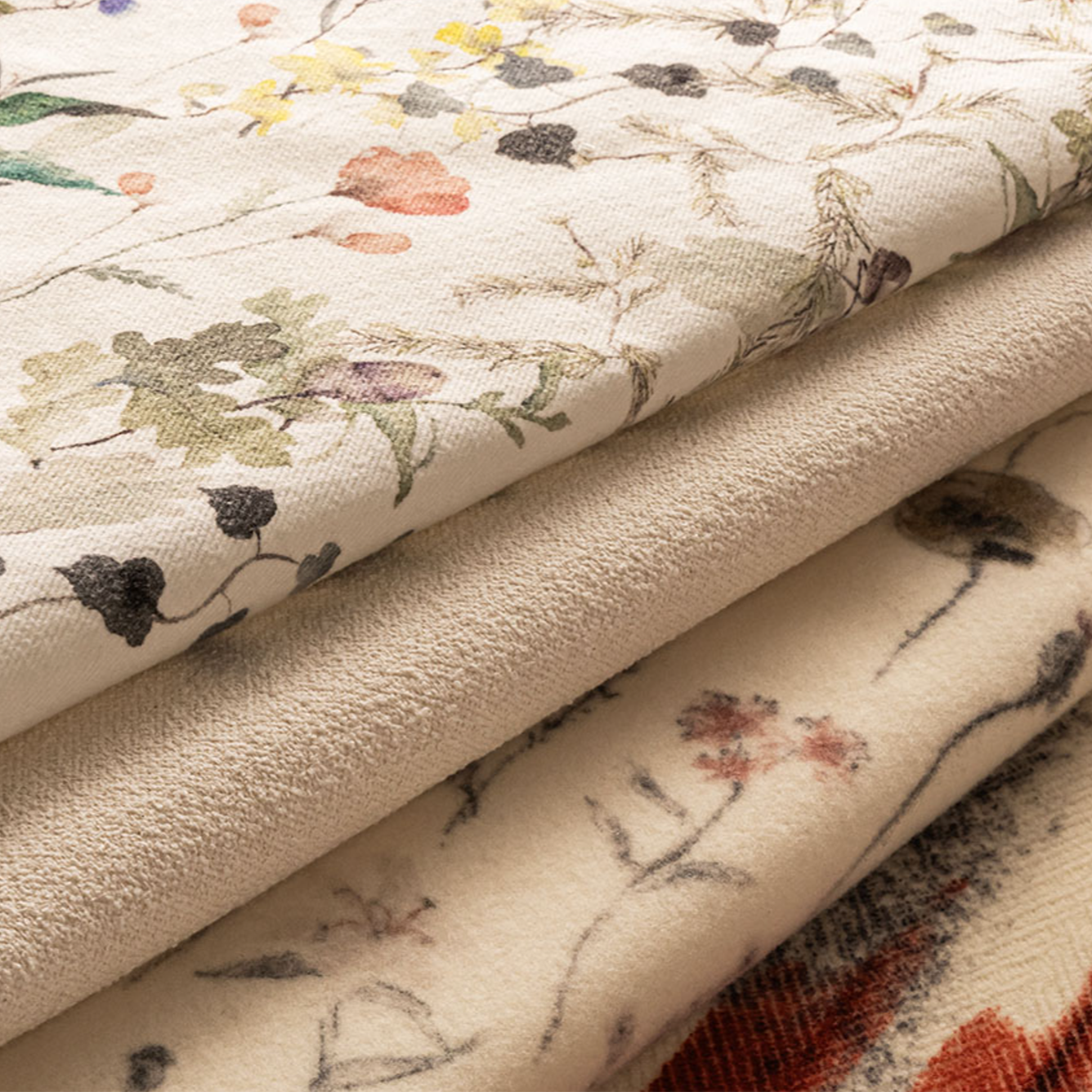
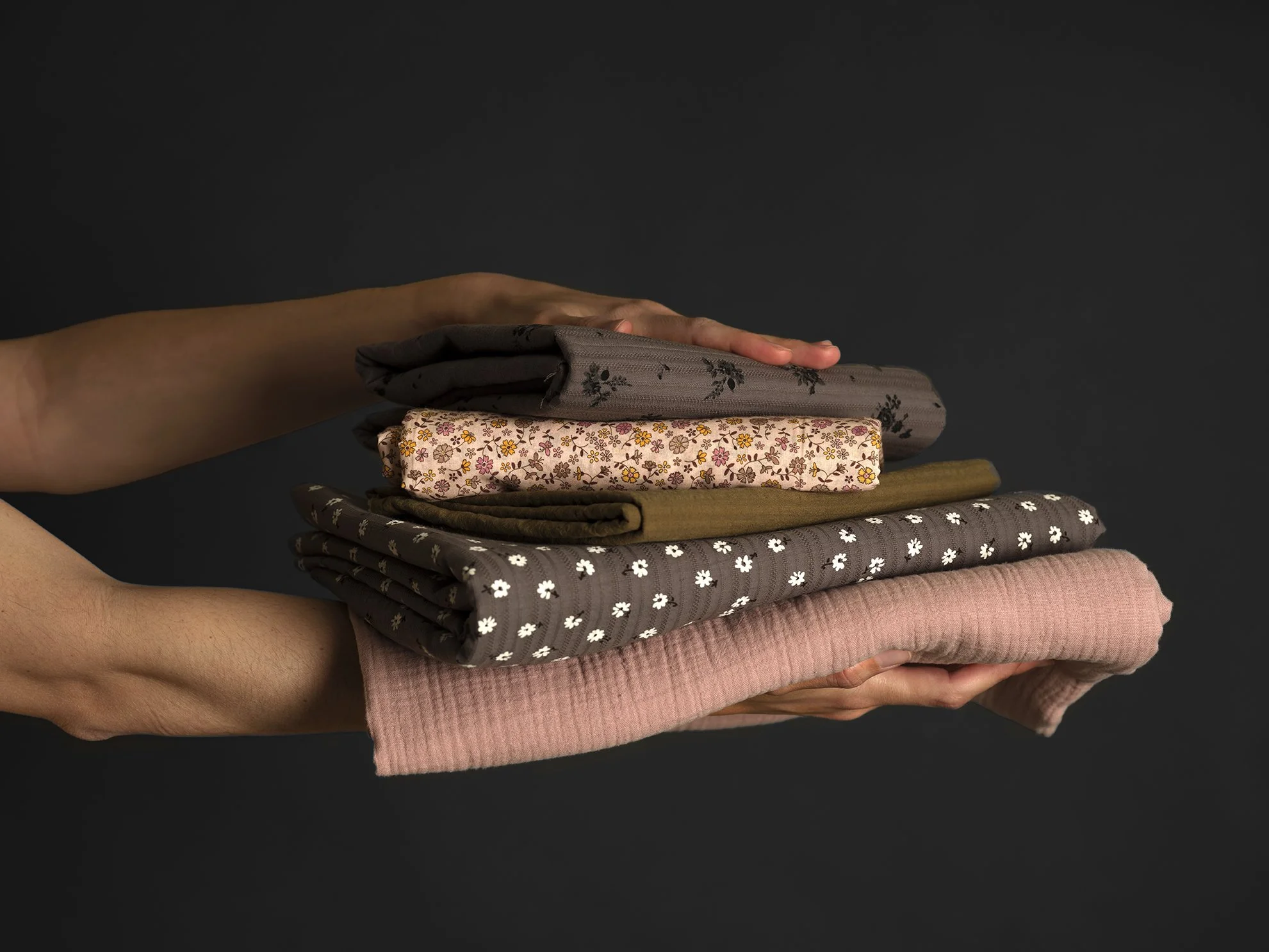
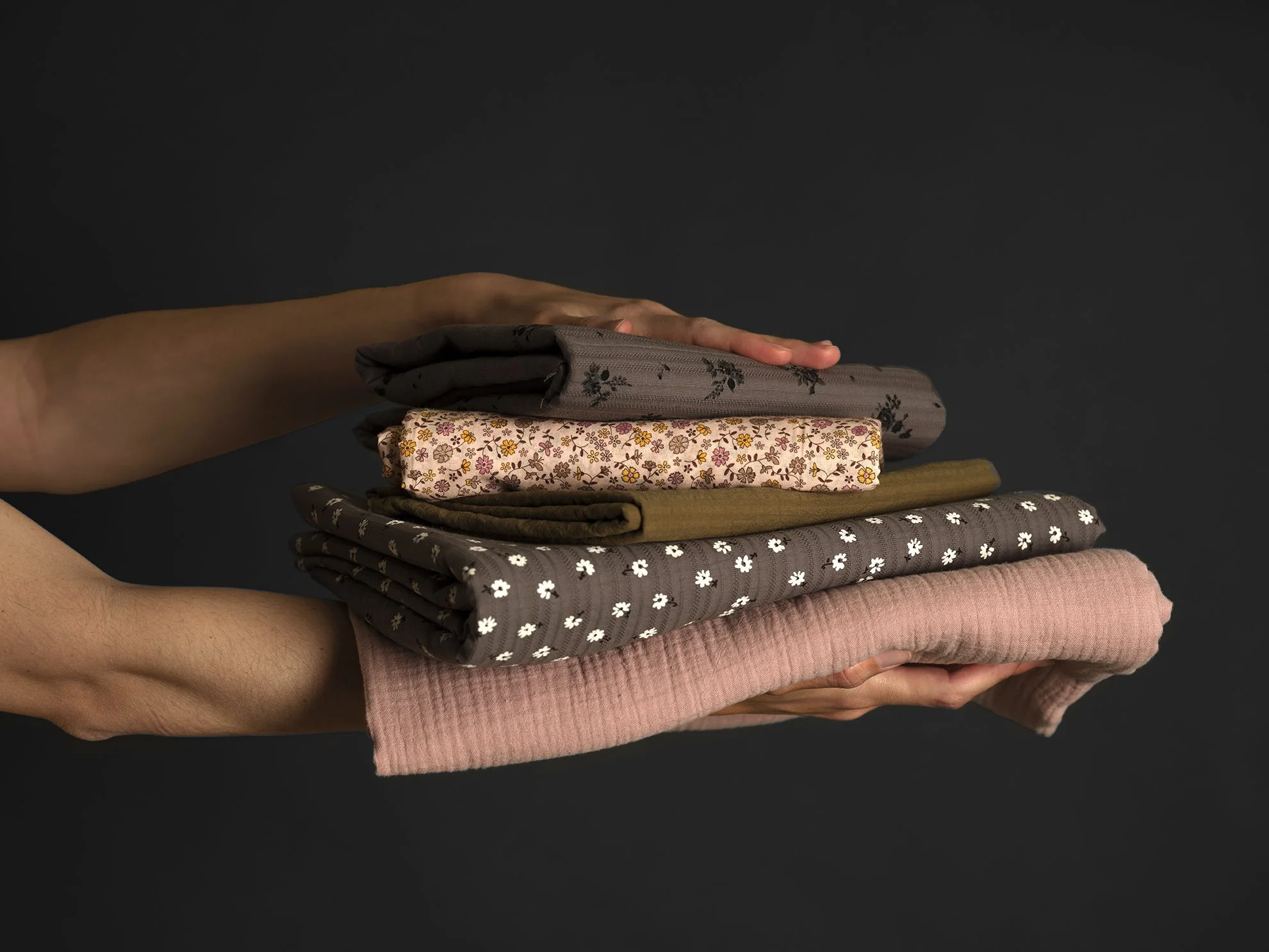
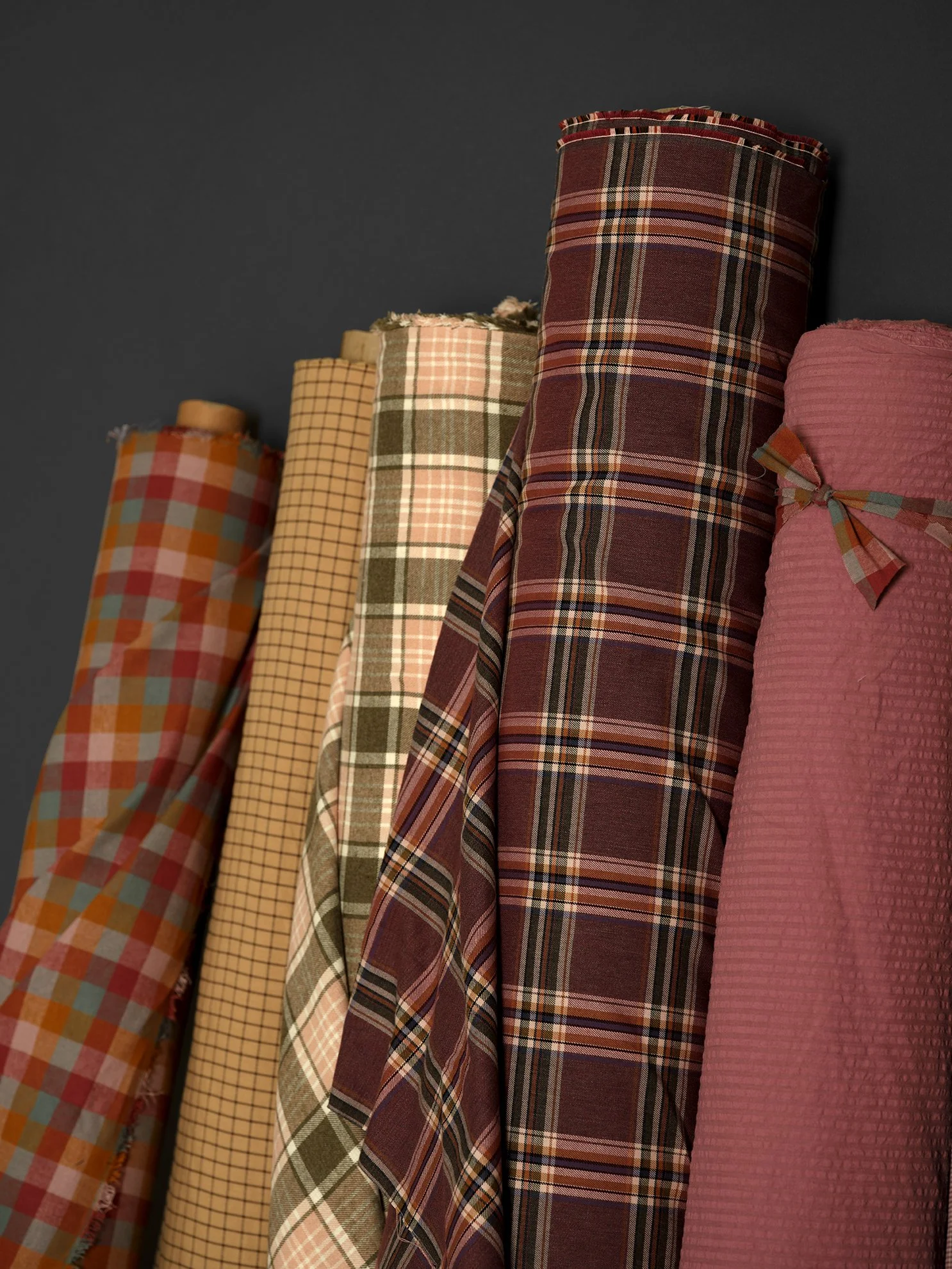
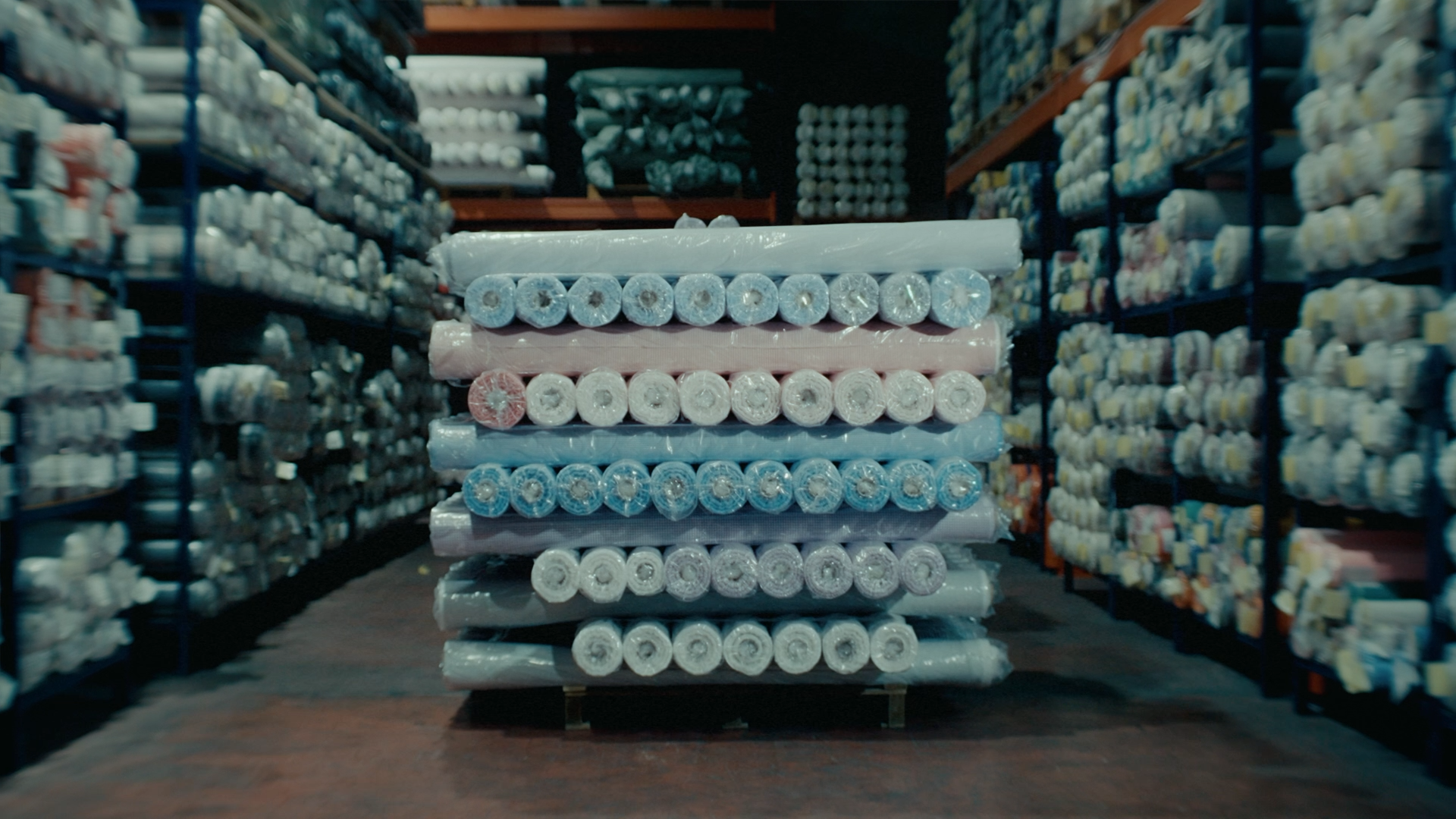
Tejidos Rebés was founded in 1876 and originally specialised in woven yarn-dyed polycotton and cotton fabrics. A major turning point came in 2007 with the acquisition of Simofil, which strengthened our position in children's fashion and expanded our international reach. The last 15 years have been particularly important: exports have grown from approximately 5% to 35% of turnover, and we have reinforced our presence at international trade fairs such as Première Vision, Munich Fabric Start and Colombiatex. Today, we combine fabric design and development, a large Stock Service (approx. 4 million meters of finished fabric), customised production (as we dye, print and weave in Spain), technical advice (as we have textile engineers with huge experience in textile, confection and textile design), quality control and logistics to provide customers with a complete and flexible service.
Which industries do you primarily serve today, and how does your approach differ across these sectors?
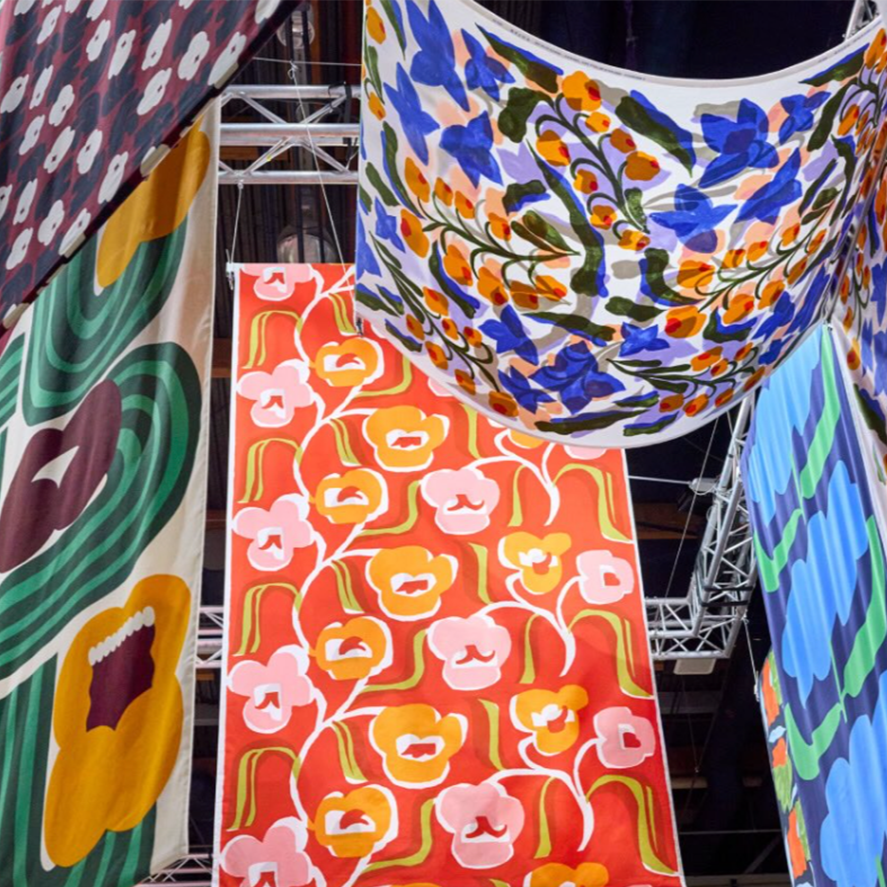
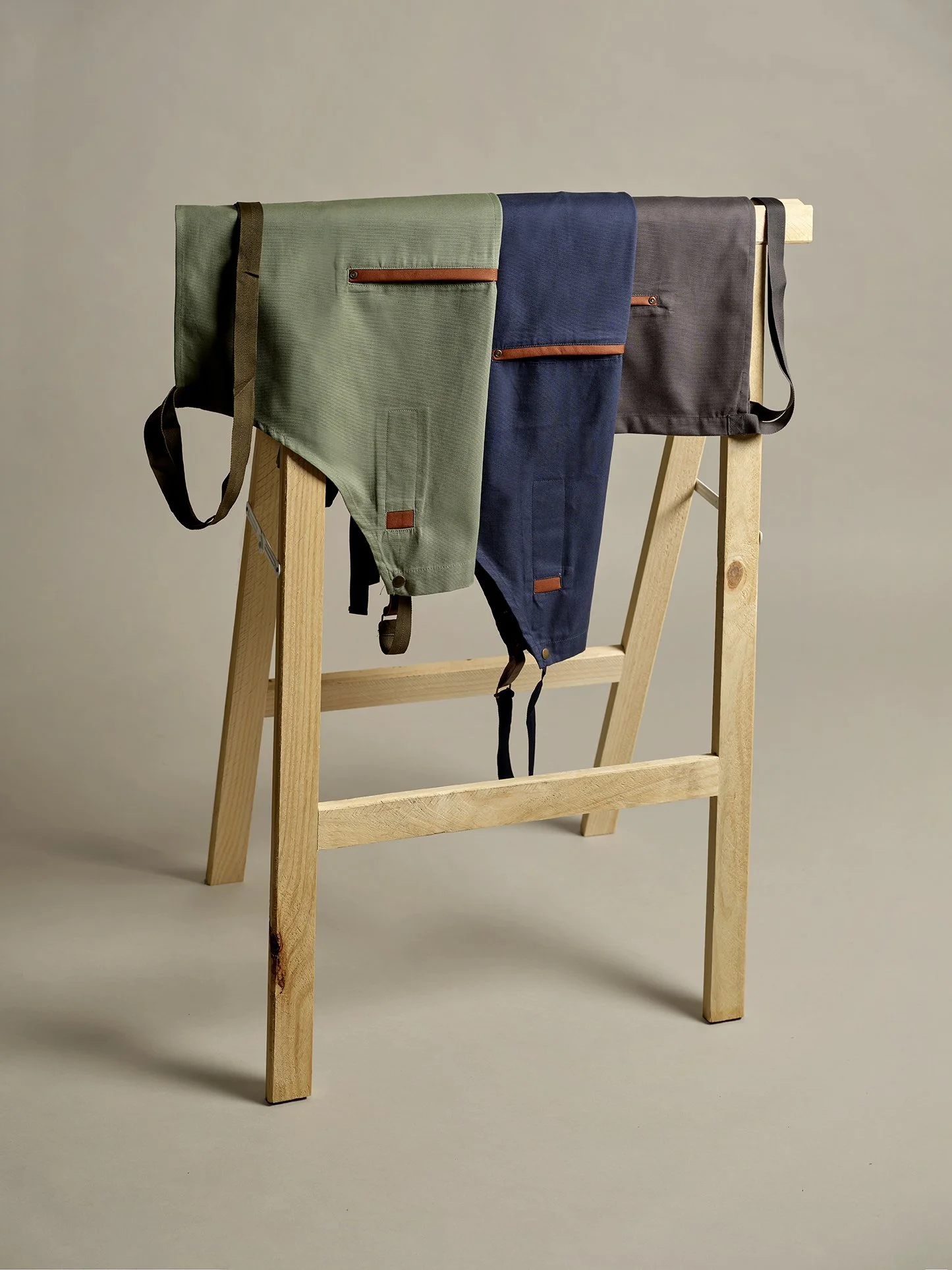
Our main market is children's fashion, where creativity, colour, handle, speed and the ability to develop differentiated collections are essential. We also have a strong position in light uniforms, which we reinforced in 2025 with the launch of DYNAMIC Rebés. This new line focuses on stretch, sustainable fabrics for Work & Leisure applications. In fashion, the emphasis is on design, customisation and agility; in uniforms and Work & Leisure, consistency, comfort, durability and performance become equally important.
How do your Stock Service and bespoke production offerings complement one another in serving clients of varying sizes?
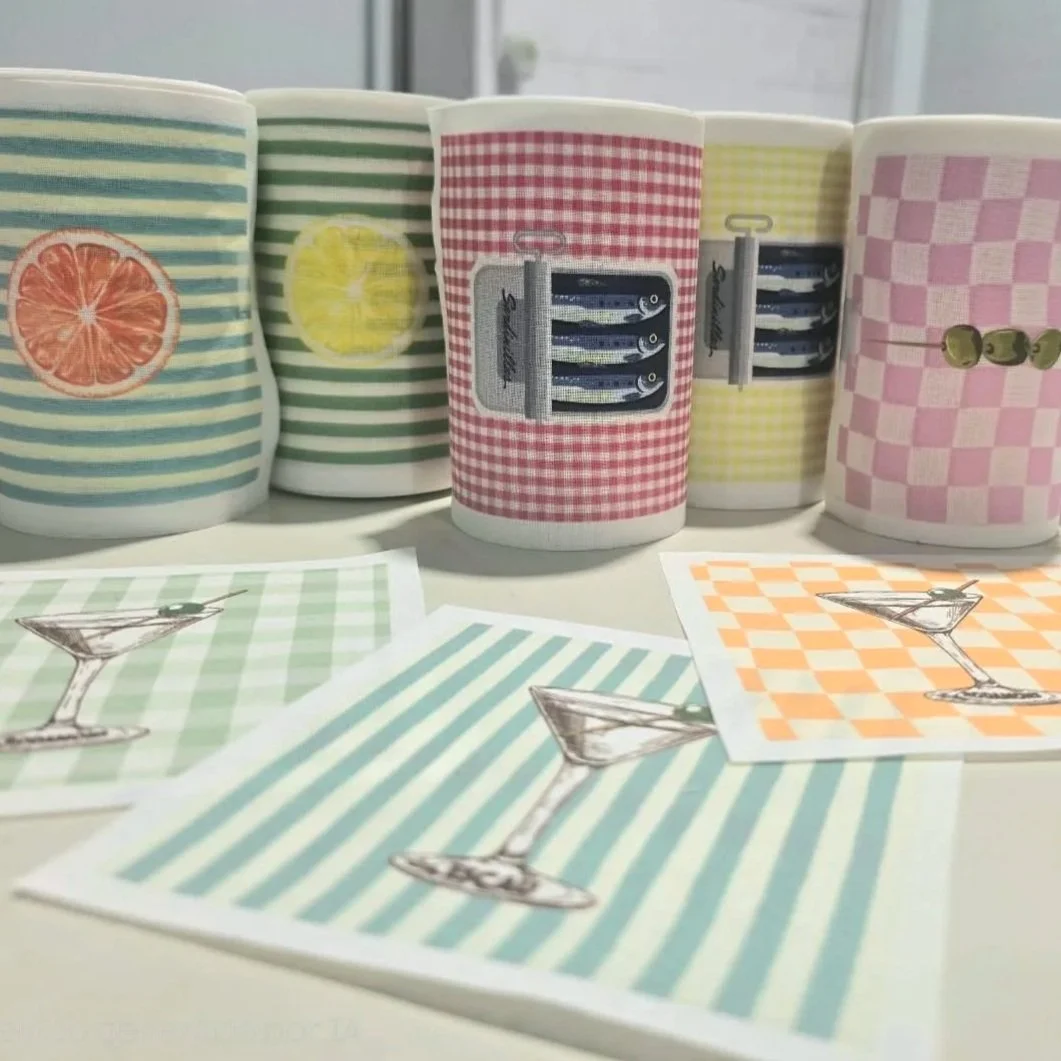
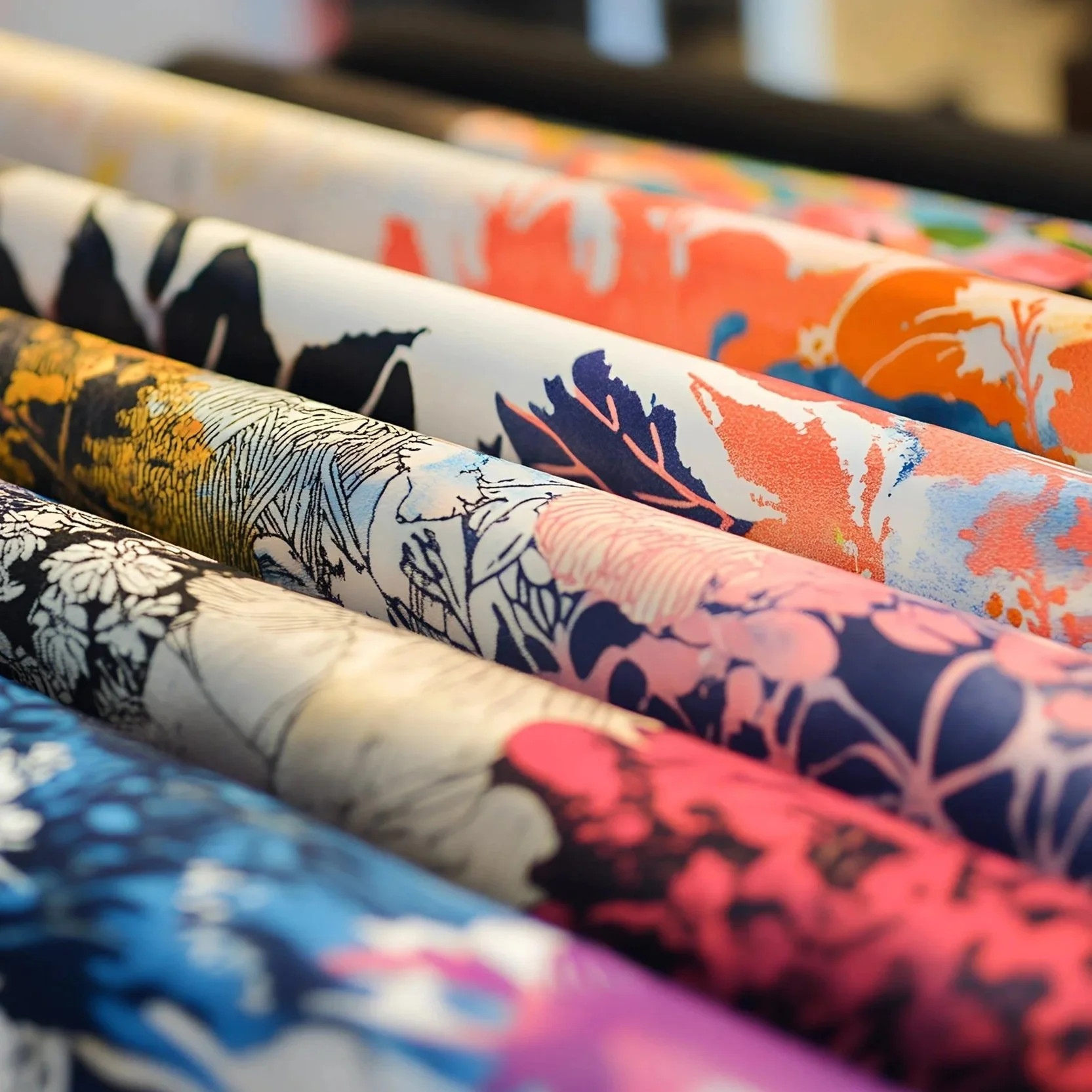
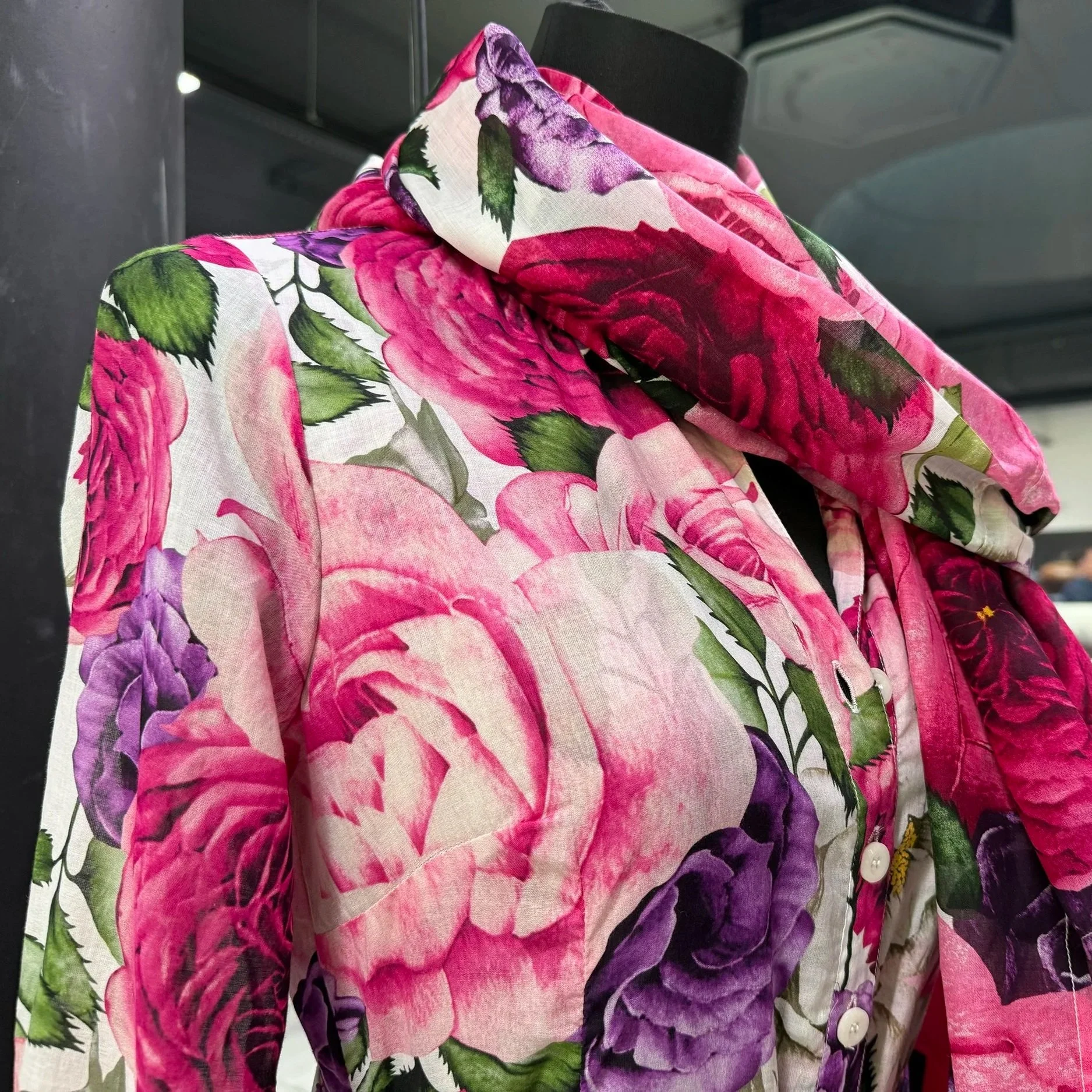
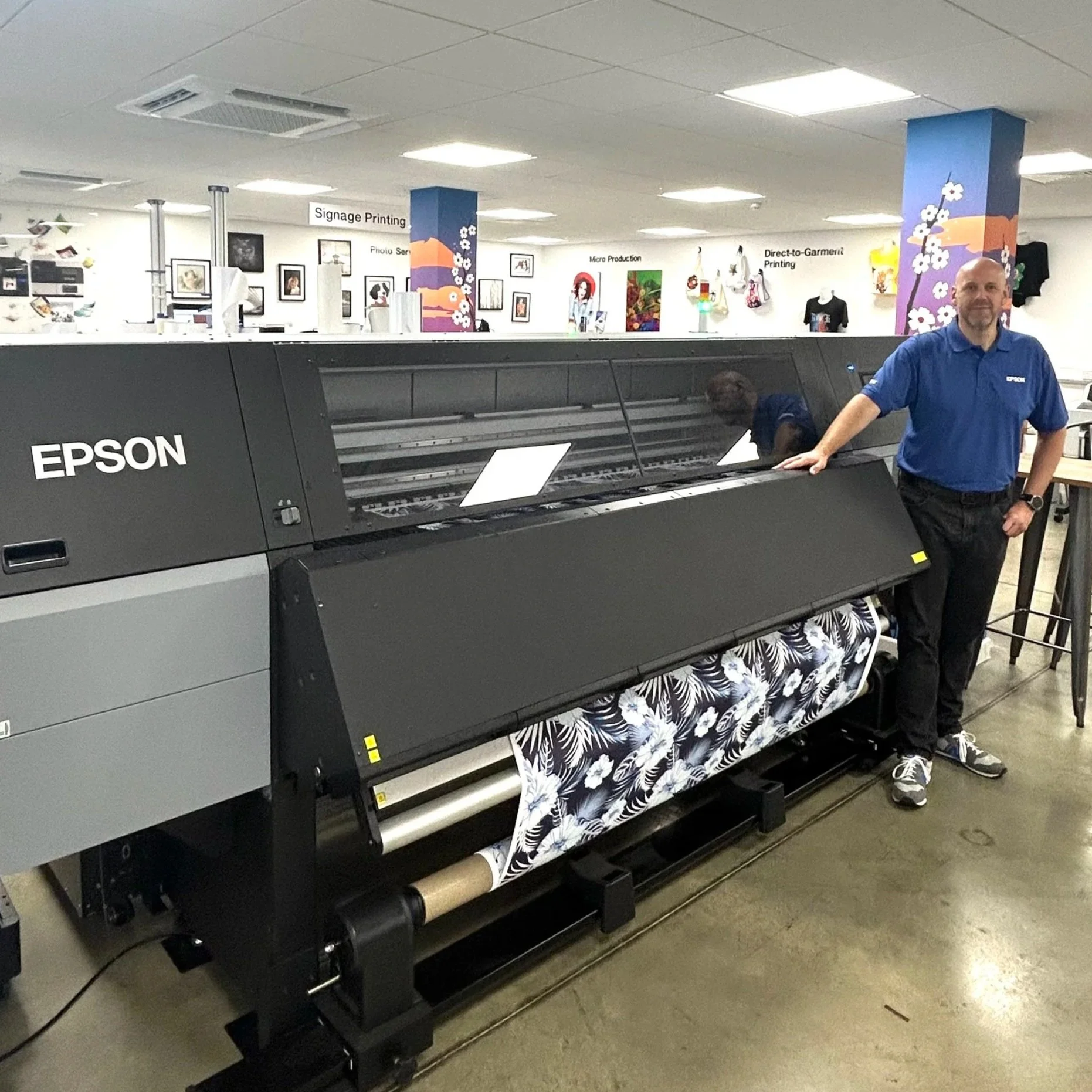
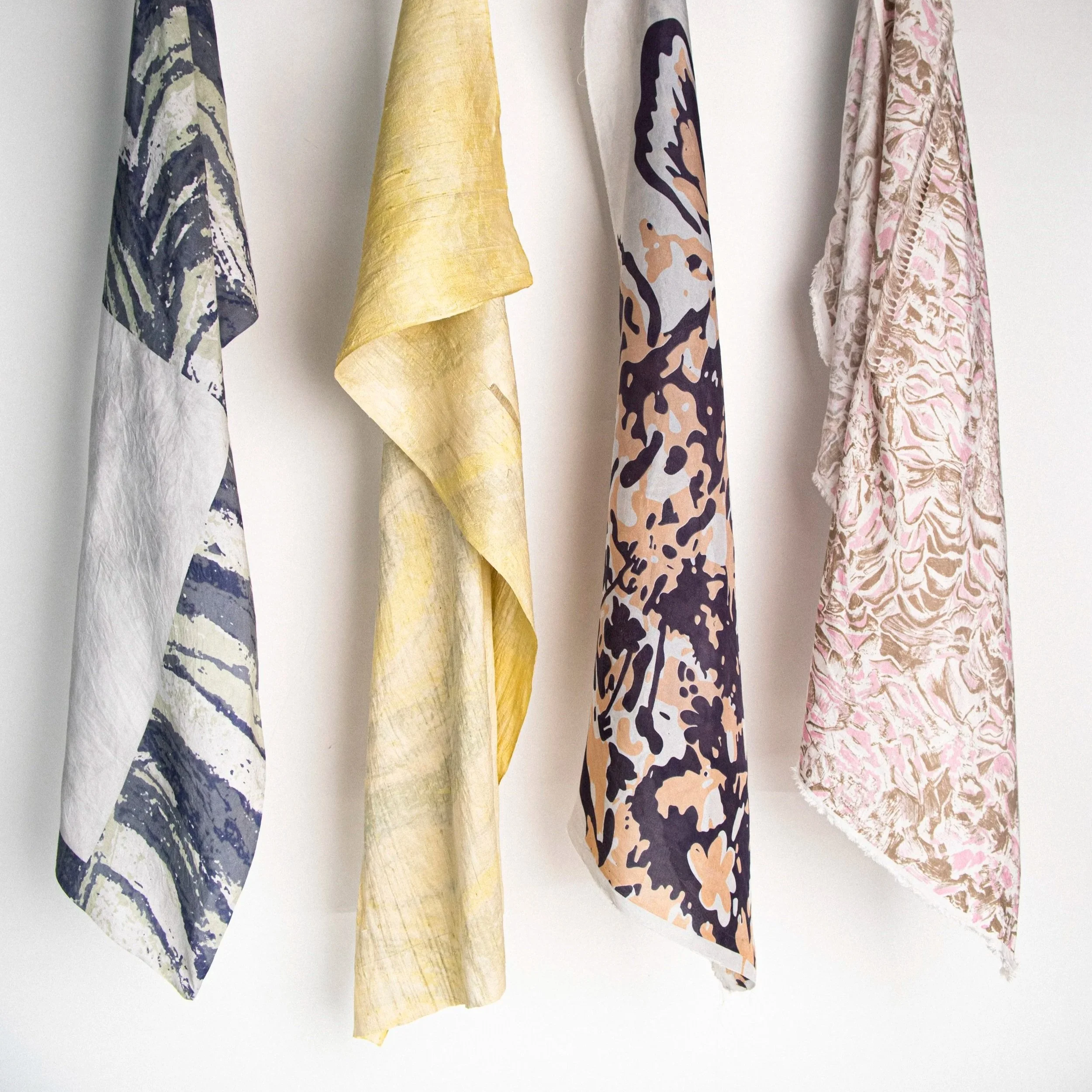
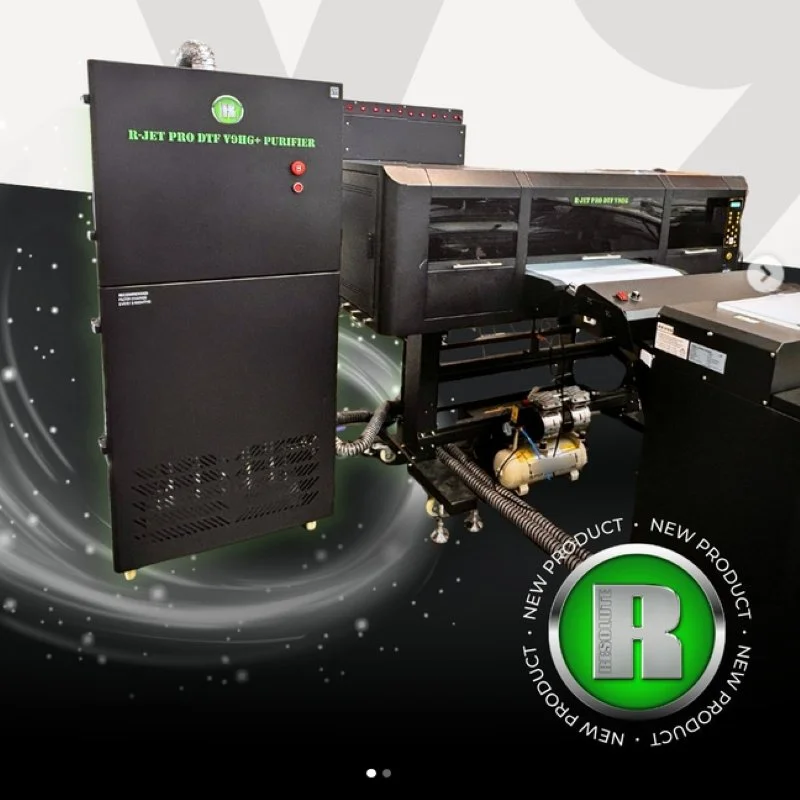
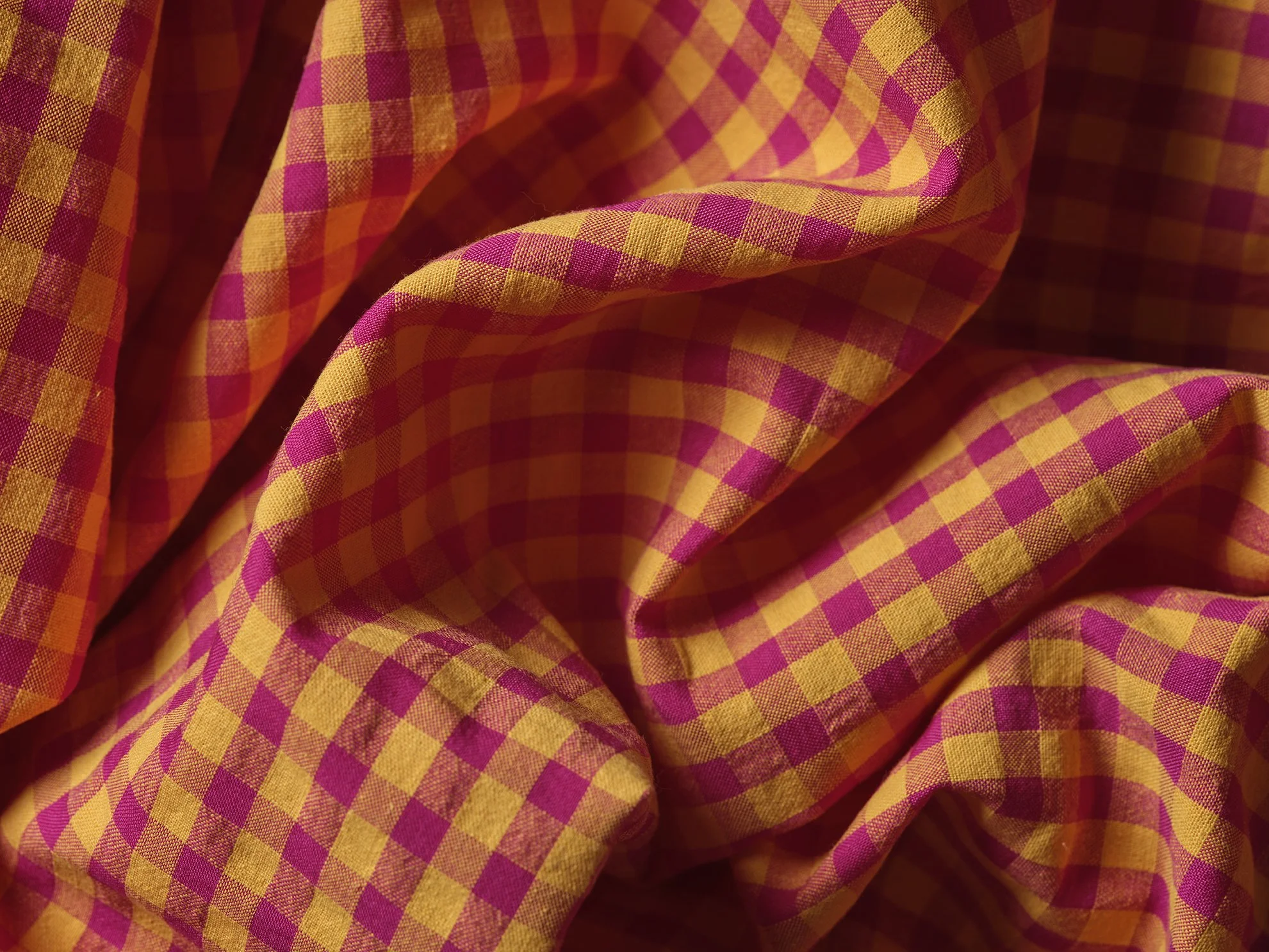
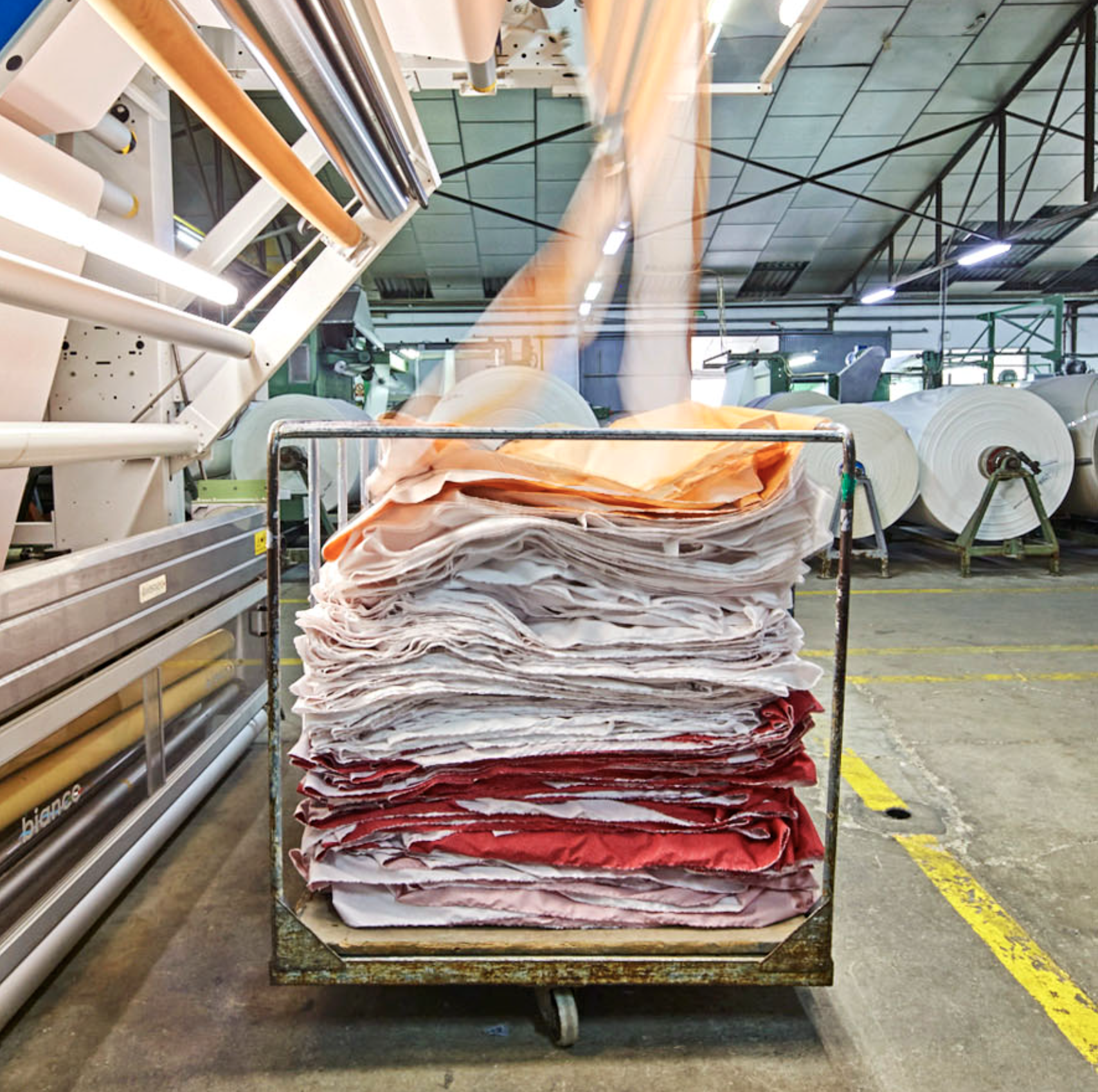
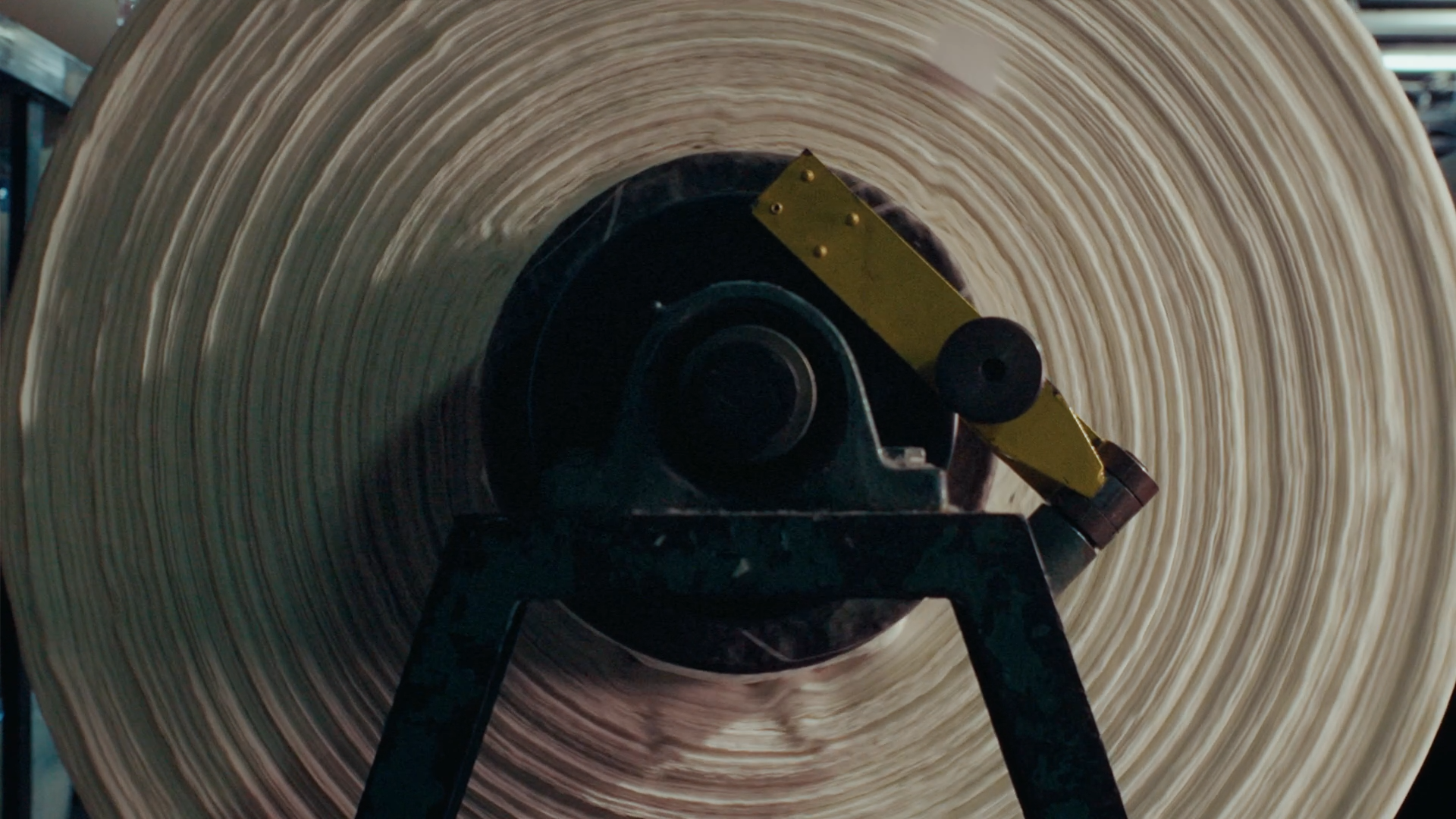
Our Stock Service and bespoke production model are designed to work together. We hold around four million metres of finished fabric, approximately two million metres of greige ready for dyeing or printing, and a significant stock of yarn. We currently weave through 45 looms in Spain, allowing us to offer a fast, personalised and kilometre-zero service. We also print in Spain using both rotary and digital technology, supported by the three Epson Monna Lisa digital printing machines acquired in recent years. This structure allows smaller clients to buy from stock or create capsule collections, while larger programmes can move into fully customised production with short and reliable lead times.
Mission and Culture of Excellence
How would you describe the core values that have guided Tejidos Rebés across 150 years of operation?
The values that have guided Rebés are quality, proximity, flexibility, reliability and a long-term commitment to customers and suppliers. As a family-owned company, we understand that trust is earned over many years, but we also know that continuity depends on constant renewal. Our 150-year history is therefore not only a heritage; it is evidence of our capacity to adapt, innovate and keep serving the market as its needs change.
What does "quality, proximity and flexibility" mean in practice for your team and your clients?
Quality means supplying a fabric that is consistent, technically reliable and appropriate for the customer's final use. Proximity means direct access to a team that understands both the commercial brief and the textile itself, supported by stock and production close to our customers. Flexibility means choosing the right solution for each project: finished stock, greige dyeing or printing, an adapted existing quality, a capsule collection or a completely new development. In practice, these three principles allow us to respond faster and reduce risk for the customer.
How do you maintain a culture of excellence as the business scales and market demands intensify?
We maintain excellence by keeping technical knowledge close to every decision and by involving commercial, R&D, production, quality and logistics teams from the beginning of a project. As the company grows, we continue to invest in specialised people, clearer responsibilities, quality controls and measurable service standards. The objective is to scale without losing the direct communication, product judgement and accountability that customers expect from Rebés.
Investment & Technology
What investments has Tejidos Rebés made in recent years to modernise its production capabilities?
One of our most important recent investments has been the acquisition of three Epson Monna Lisa digital printing machines. This has significantly strengthened our digital printing capacity in Spain and allows us to offer more flexible production, greater design freedom, shorter runs and faster response times. The investment complements our rotary-printing capacity and supports the market's growing demand for differentiated and customised collections. Also, in 2018 we bought a new warehouse with 3,000sqm to increase our stock capacity.
How has technology changed the way you design, produce and deliver fabrics?
Technology has improved personalisation, speed and control throughout the process. Digital tools allow us to move more quickly from design to sampling and production, while digital printing makes shorter and more customised runs commercially viable. Better production, quality and logistics data also gives us more visibility over each order. Every investment has the same practical objective: to give the customer a faster, more accurate and more reliable service.
Are there specific technologies - whether in production, quality control or logistics that have given you a competitive edge?
Our digital printing capability gives us a clear competitive advantage, particularly because of its flexibility and the excellent fastness results achieved by our prints. The three Epson Monna Lisa machines allow us to combine design freedom, accurate colour control, repeatability and shorter production runs. When this is combined with our Stock Service, Spanish weaving capacity and technical quality control, we can respond quickly without compromising industrial quality.
Knowledge & Expertise
With 150 years of experience, how do you ensure that institutional knowledge is preserved and passed on within the business?
Textile knowledge is becoming increasingly scarce in Europe, which makes its preservation even more important. We transfer know-how through daily collaboration between experienced textile specialists and newer members of the team, shared technical reviews, production visits and documented trials. We also see ourselves as more than a supplier: we are a partner and consultant to our customers, helping them select the right fabric and the best finishing route to meet - and whenever possible exceed the quality standard required for the final garment.
What role does R&D play in your operations, particularly in the development of new fabric types or finishing treatments?
R&D is essential to our competitiveness. To compete with production from other countries, we must be flexible and fast - supported by our stock in Spain - but above all we must add value through quality, sustainability and performance. Our R&D team is central to that process: it translates a market or customer need into a viable fabric, tests new fibres, constructions and finishes, and ensures that the result can be reproduced consistently on an industrial scale.
How do your certifications reflect your commitment to technical expertise and industry standards?
Certifications such as GOTS, OEKO-TEX, GRS, OCS, Regenagri and ISO 9001 demonstrate to customers the importance we place on sustainability, product safety, traceability and disciplined quality management. They provide independent evidence that our commitments are supported by controlled processes and verifiable documentation. They also help us guide customers towards the most appropriate certified option for each collection.
Changing Customer Specifications
How have your clients' requirements changed over the past five to ten years, particularly in terms of sustainability, performance and customisation?
The change varies considerably by country and customer profile. We see the strongest focus on sustainability in Nordic markets and among large international groups, where traceability and certified materials are given greater weight. Customisation has also become essential. The internet makes collections immediately visible and easy to compare, so every brand needs to differentiate its garments from the competition. Customers therefore expect more distinctive fabrics, smaller runs and faster development, often while also demanding higher performance.
How does Tejidos Rebés respond when a client comes to you with a specification that has never been produced before?
We first assess whether the project fits the logic and strategic direction of Rebés. If it does, our technical and R&D teams evaluate whether the specification is viable, industrially repeatable and commercially realistic. When the project is aligned and feasible, we commit to it: we select the appropriate yarns and production route, develop trials, test the result and work with the customer until the required balance of aesthetics, performance, timing and price is achieved.
Can you share an example of a particularly complex or evolving client brief that your team successfully delivered on?
A recent example was a tender in Italy to develop the fabric for polo shirts for the Italian Coast Guard. Among other requirements, the specification called for a polyester knitting fabric containing carbon fibre to improve its antistatic behaviour, while also providing a specific degree of stretch, breathability and a very precise white shade. The challenge was not only to achieve the required handle and elasticity, but also the exact white point, because carbon fibre naturally darkens the fabric. After extensive development and adjustments, we achieved the required balance and won the tender. Yarn, woven and dyeing in Spain.
Market Trends & Sustainbility
How is the growing demand for sustainable textiles reshaping your product development and sourcing strategies?
For Rebés, sustainability is a strategic commitment and therefore a basic consideration in product development and sourcing, even though the market does not always treat it as a priority. We remain firm in this direction by developing certified organic and recycled alternatives, strengthening traceability and working with suppliers and brands that share the same priorities. Our aim is not to follow sustainability only when it is fashionable, but to build it consistently into the way we select materials and develop collections.
What led Tejidos Rebés to invest in organic and recycled fabric lines, and how has the market responded?
We invested in organic and recycled lines because we believe they are part of the textile industry's long-term direction and because they allow our customers to reduce the impact of their collections. The market appreciates these options and shows clear interest, but the response is still strongly price-sensitive. In many purchasing decisions, price continues to carry more weight than the added value of sustainability. Our role is to keep offering credible alternatives and explain their value clearly, while recognising the customer's commercial reality.
How do you see the EU sustainability regulatory landscape influencing the textile industry over the next five years?
At present, regulation has not yet transformed the market as much as might have been expected, but we believe the Digital Product Passport will change the scenario significantly. It will increase the importance of both sustainability and traceability by requiring clearer, more structured information throughout the value chain. Over the next five years, textile companies will need to understand very clearly where they add value and reinforce that capability. Businesses that cannot explain the origin, impact and value of their product will find it increasingly difficult to compete.
Company Strategy
What are Tejidos Rebés's primary strategic priorities for the next three to five years?
Our main strategic priority is to demonstrate that Rebés is a strategic partner, not simply a fabric supplier. We want to add textile knowledge and practical value across more of our customers' processes: from fabric selection and finishing to performance, traceability and supply planning. We also want to be a partner in improving their sustainability and in giving them the flexibility to create capsule collections without the complexity or minimum quantities normally associated with bespoke development.
Are there new markets, sectors or product categories you are looking to expand into?
Our main product expansion will be in more technical qualities for Work & Leisure applications, building on the DYNAMIC Rebés line, and in fabrics for sport. These areas fit naturally with our strengths in stretch, comfort, sustainability, performance and customised development. We will focus on categories where our stock position, Spanish production network and technical support allow us to offer something genuinely different.
How do you see the balance between your family-owned heritage and the need to innovate and grow?
Innovation and growth are part of the company's DNA and of the family's way of managing Rebés, so we do not see any conflict between our heritage and the need to evolve. Each generation has had to adapt the company to a new textile market. Family ownership gives us a long-term perspective, while innovation keeps the business relevant and competitive. This alignment between heritage, renewal and ambition is one of the main reasons Rebés remains a reference in the textile industry today.
What this means for the Future of Manufacturing
Rebés's story isn't one of nostalgia - it's a working blueprint for how heritage manufacturers can stay indispensable in a market that rewards speed, certification, and specificity in equal measure. Four million metres of stock mean nothing without the digital printing capability to turn it into something distinctive.
A 150-year name means nothing without the R&D discipline to win a tender for antistatic, carbon-fibre-infused uniform fabric on the first attempt.
As the Digital Product Passport reshapes how the industry proves its claims, and as brands demand ever-shorter development cycles without sacrificing performance, the companies that thrive will be the ones that treat sustainability and technical investment as strategic infrastructure not seasonal talking points. Rebés has placed that bet consistently, generation after generation.