

In this episode, host Debbie McKeegan is joined by textile designers, educators and researchers Rebecca Hoyes and Jo Pierce co-authors of Reimagining Printed Textiles. Together, they explore how colour, pattern and materials can be rethought as the textile industry faces growing environmental challenges.
The conversation looks at emerging natural and bio-based colour sources, including microbial fermentation and dyes made from waste streams. Rebecca and Joe also discuss how patterns can tell stories about a material’s origins, how digital tools can complement craft, and how designers can reduce waste through practical choices such as reworking printed fabrics and using less ink.
Looking ahead, they consider what it will take to build a more nature-positive future for textiles - from scaling promising innovations to sharing knowledge across design, science and industry.
Their message to professionals, designers and students is to stay curious, question established practices and see the whole life-cycle of the materials they create with.
Listen to learn more >>

KEY TOPICS:
Rethink colour: Natural and bio-based dyes—including microbial colour and dyes made from food waste—offer alternatives to conventional inks, though scaling them for industry remains a challenge.
Design for change: Colour and materials don’t always need to be permanent. Fading and biodegradability can be intentional design qualities.
Make pattern meaningful: Patterns can tell stories about a textile’s materials, origins and production—not just decorate it.
Reduce waste through design choices: Reworking existing printed fabrics, reducing ink use and prototyping digitally can help lower impact.
Work across disciplines: A nature-positive textile industry will require collaboration among designers, scientists, educators and manufacturers, as well as a willingness to question established systems.
Chapters
00:00 Introduction to reimagining printed textiles
04:30 Rethinking color origins and natural dyes
06:30 Emerging sustainable dye technologies
09:05 Changing industry paradigms and technological shifts
10:56 Designing for biodegradability and longevity
12:43 Challenging industry mindsets and knowledge sharing
15:02 Consumer awareness and regulatory influences
18:00 Educational approaches and future industry leaders
20:51 Long-lasting colors and shifting trends
23:00 Designing with limitations and natural ecosystems
25:03 Pattern storytelling and provenance
28:01 The power of digital and artisanal practices
30:05 Materials innovation and waste stream utilization
33:59 Reducing waste at the design stage
38:00 Low impact print technologies and industry adoption
44:02 Future of sustainable materials and circularity
49:00 Practical design hacks for practitioners
50:58 Framing textile design around color, pattern, and materials
54:59 Industry collaboration and scaling innovations

In this episode, host Debbie McKeegan is joined by textile designers, educators and researchers Rebecca Hoyes and Jo Pierce co-authors of Reimagining Printed Textiles. Together, they explore how colour, pattern and materials can be rethought as the textile industry faces growing environmental challenges.
The conversation looks at emerging natural and bio-based colour sources, including microbial fermentation and dyes made from waste streams. Rebecca and Joe also discuss how patterns can tell stories about a material’s origins, how digital tools can complement craft, and how designers can reduce waste through practical choices such as reworking printed fabrics and using less ink.
Looking ahead, they consider what it will take to build a more nature-positive future for textiles - from scaling promising innovations to sharing knowledge across design, science and industry.
Their message to professionals, designers and students is to stay curious, question established practices and see the whole life-cycle of the materials they create with.
Listen to learn more >>

In this episode, Debbie McKeegan is joined by Frank Maeder of NedGraphics and Optitex to explore how digital tools are reshaping textile and apparel workflows. They discuss the industry’s push to move faster, reduce waste, and connect teams across design and production—wherever they are in the world.
Frank shares highlights from NedGraphics’ latest release, including OptiNet Cloud, a platform for managing and sharing digital assets and collaborating across teams. The conversation also covers enhancements to rotary printing, tufting simulation, and pattern resizing, as well as an integration that brings more detailed digital yarns into the design workflow.
The episode looks ahead at a more connected creative ecosystem, where cloud collaboration and shared development across NedGraphics and Optitex can help reduce friction between ideas and production. Debbie and Frank also discuss how AI is supporting product development internally—and how continuous improvements can give designers more time to focus on their work.
Listen to learn more >>
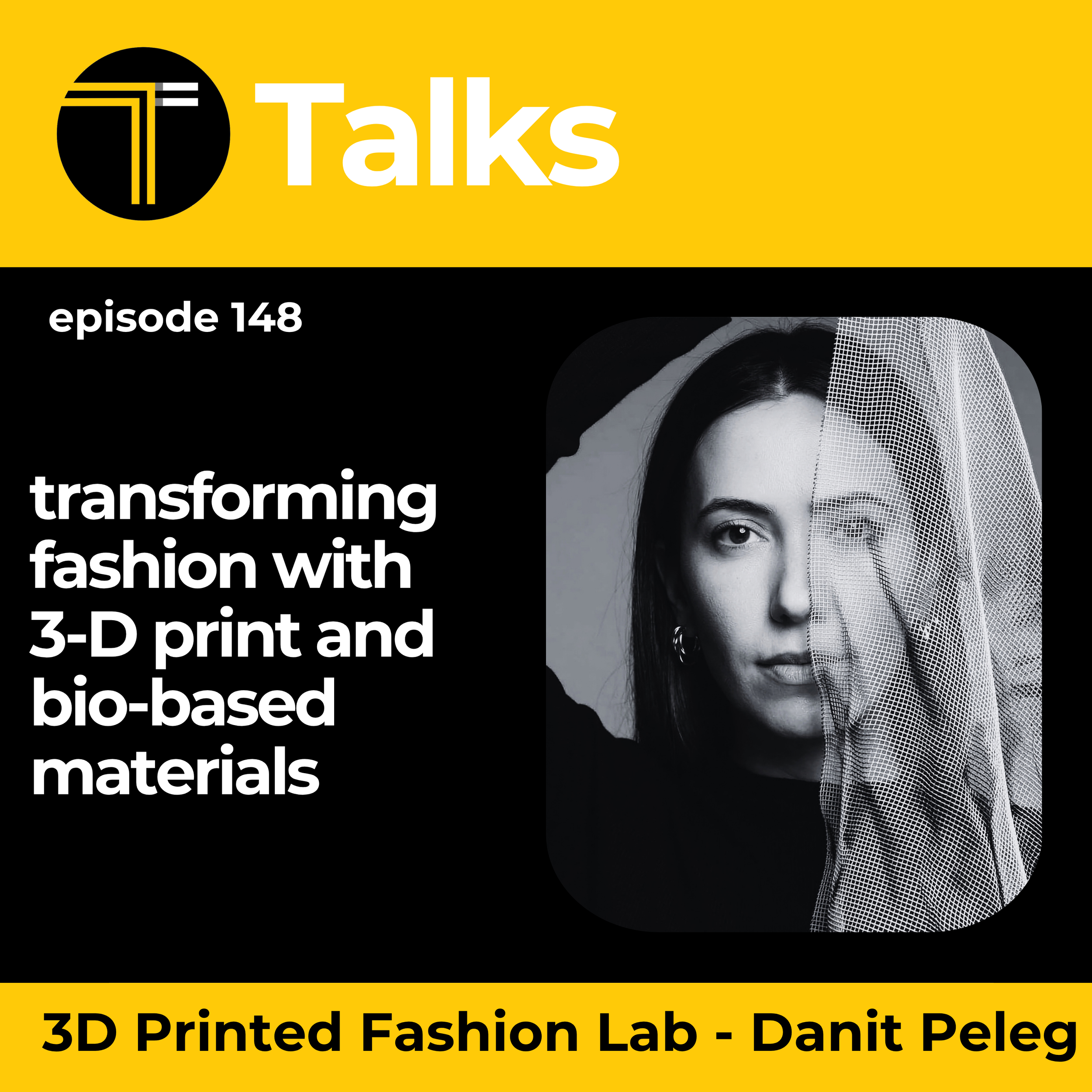
Join host Debbie McKeegan for an inspiring conversation with Danit Peleg, founder of 3D Fashion Lab and a trailblazer in 3D-printed fashion.
Danit reflects on her journey from experimenting with desktop printers to creating soft, wearable textiles—and explores how AI is helping designers turn ideas into garments more quickly. Discover how bio-based materials, custom-fit designs, and on-demand local production could reshape the way fashion is made and consumed, while reducing waste and opening up new creative possibilities for designers and customers alike.
Listen to learn more >>

In this podcast episode, James Watson, Managing Director of Surface Print, discussed the evolution of his fourth-generation family business in Lancashire.
Surface Print combines traditional craftsmanship with digital innovation- investing £2 million in a hybrid rotary screen Gravure machine and £600,000 in new HP digital printers.
The company achieved ISO 14001 accreditation, introduced solar panels, and plans to install a new boiler and water recirculation system. Watson emphasised the importance of balancing traditional techniques with modern technologies to maintain quality and sustainability. The company also leverages AI for efficiency and marketing, while maintaining a family-oriented work culture.
Listen to learn more >>
From Dongles to Digital: Future‑Proof Licensing for Global Creative Teams
Host Debbie McKeegan talks with NedGraphics President Frank Maeder and 10Duke CEO Neil Fenton about the shift from hardware dongles to secure, user‑centric cloud licensing.
They discuss how this transition reduces friction for designers, supports hybrid and global workflows, strengthens security and resilience, and even contributes to sustainability by eliminating physical keys and their shipping footprint.
If you’re in fashion, design, CAD/CAM, or any creative production environment and want to future‑proof your software delivery, this discussion is packed with insight and real‑world examples.
Listen to learn more >>

There's a persistent myth in parts of the industry that sustainability compliance is something that happens upstream - a supplier issue, a sourcing issue, a problem for someone else's department.
The webinar dismantled that assumption convincingly. Marketing teams sit squarely in the firing line.
Every claim on a hangtag, website, product name or Instagram caption now falls under regulatory scrutiny. A brand name suggesting an "eco collection," a product description claiming "sustainable materials," a carousel post about carbon neutrality - all of it counts as a communication subject to the same rules as formal labelling. This is a cross-functional compliance challenge that touches data teams, supplier relationships, legal counsel and brand communications simultaneously.
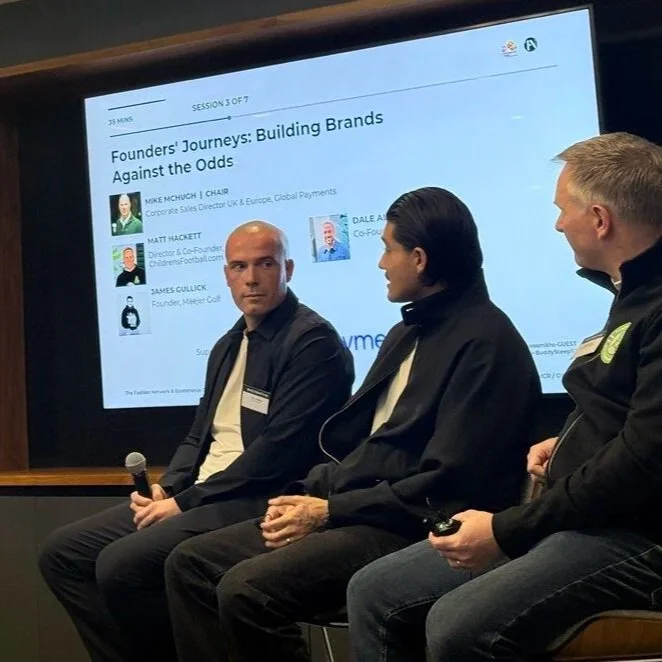
The Ecommerce Leadership Summit North brought together retail and ecommerce leaders in Manchester to discuss the challenges, opportunities and commercial decisions shaping the industry.
Across the day's sessions, speakers explored the future of retail profitability, the growing importance of verifiable product data in AI-driven commerce, the realities of building and scaling brands, and how businesses can protect their margins without compromising customer value. From the discussions on stage to the experiences shared by founders, here are the key insights from this year's summit.
The State of Retail 2027: What Will Separate the Winners from Everyone Else?

This is not simply a matter of faster machines.
It is a question of whether your production model - technology stack, workflow discipline, and quality control - is genuinely built for the realities of club and event merchandise.
Those realities are unforgiving: brand-perfect colour, flawless personalisation, licensing compliance, and turnaround measured in hours rather than weeks.
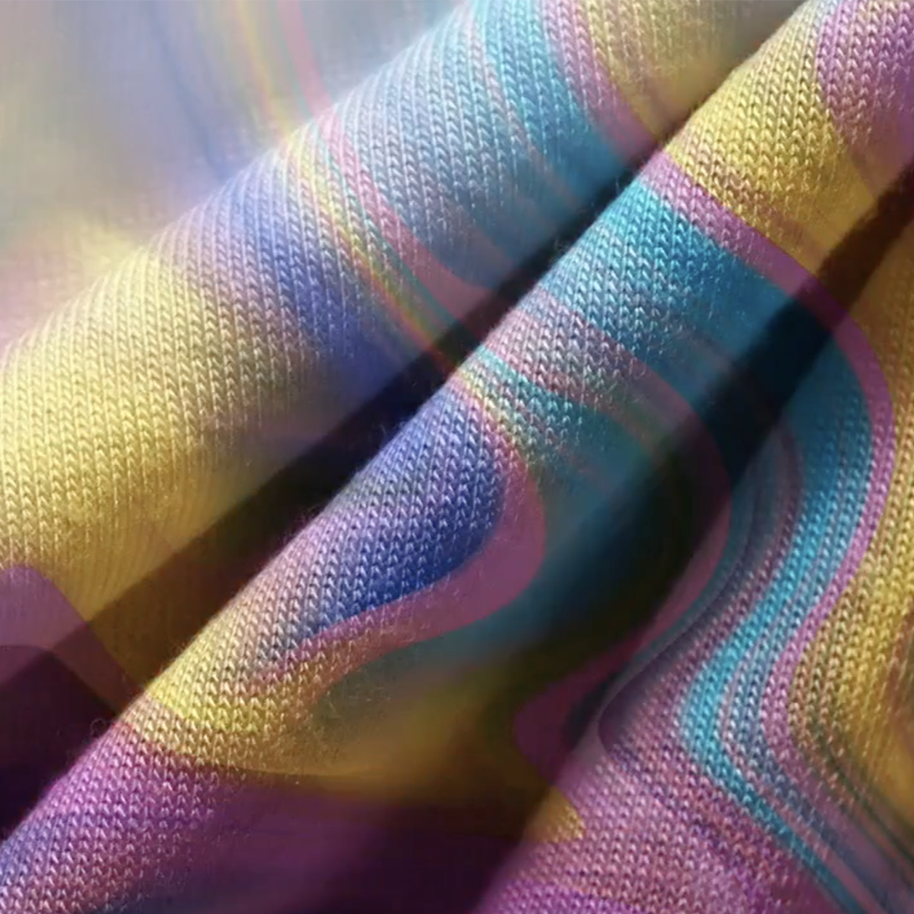
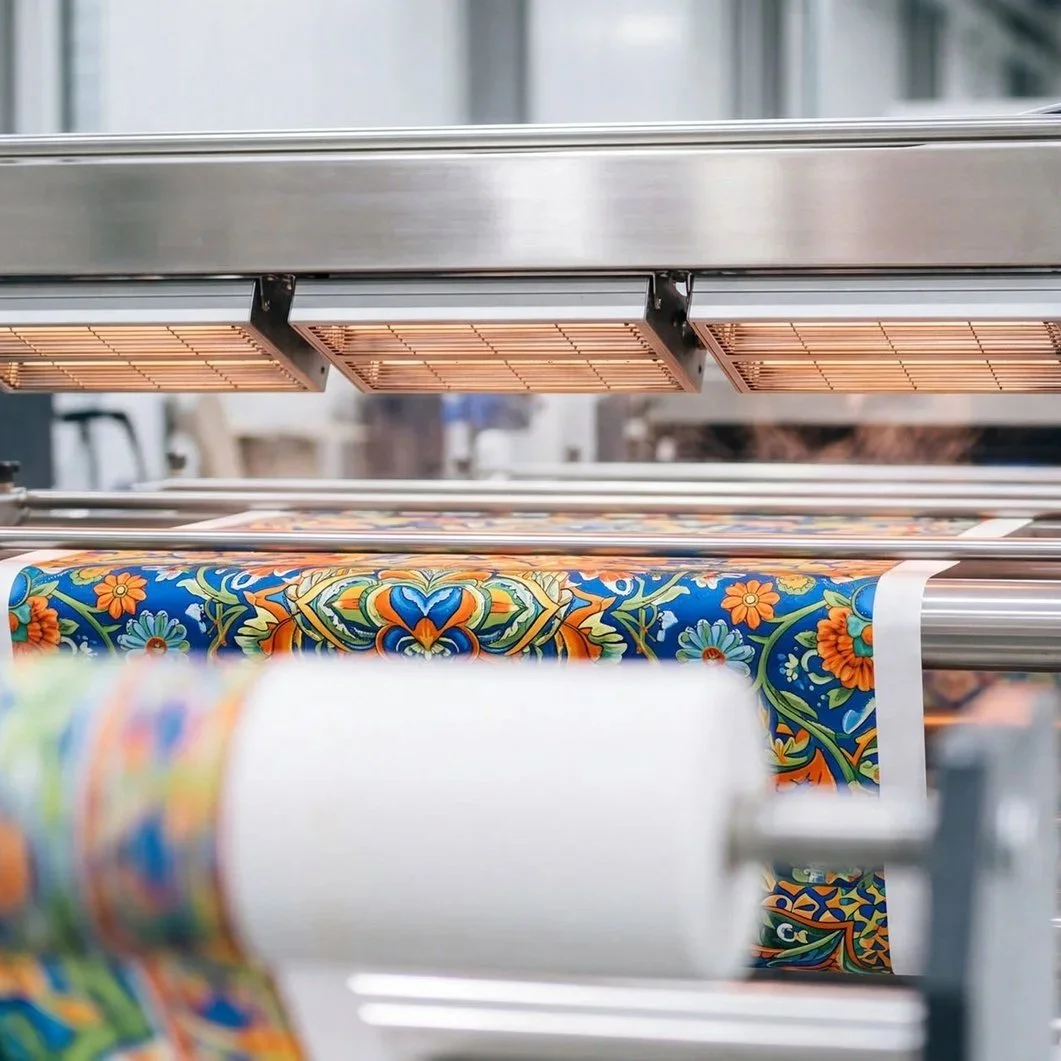
Colour Separation: The Craft Digital Textile Design Shouldn’t Forget
Textile designer Stephan Alker draws on more than 40 years in the industry, going back to his start at Transfertex in 1980, to trace how colour separation moved from drum scanners, hand-retouched films and engraved gravure cylinders to fully digital workflows.
He argues that this production knowledge still matters in the age of digital printing, because properly separated designs give brands far more freedom.
The Path Foward: Connect Every Link:
Design, colour, workflow, production, data. Each link now depends on the one before it, and the printers who will lead the market are those who strengthen the whole chain, not just the machinery at its centre.
So, this autumn, ask the bigger question on your own shop floor.
Not "Which printer?" but "How well does my business connect demand, design and production?"

Madrid, Spain – November 2026 – FabricVision GmbH has announced that its new warehouse in Madrid is now fully operational, bringing local stock closer to print businesses across central Spain. The facility will enable shorter delivery times throughout the Community of Madrid and support a faster, more responsive service for customers in the region.

London, UK – November 2026 – Grey Buscemi, a Fashion MA graduate from Central Saint Martins, University of the Arts London, has been named winner of the Sustainable Fashion/Textiles category at the Global Creative Graduate Showcase 2026. The accolade recognises Buscemi's graduate collection, "In Air Off Air," which challenges conventional garment construction by eliminating sewing entirely.
The Global Creative Graduate Showcase, delivered by Arts Thread in collaboration with Google Arts & Culture, celebrates emerging creative talent across all art and design disciplines. This year's showcase featured 4,371 graduates from 382 universities worldwide, with winners selected by 236 industry judges alongside 446,473 public votes
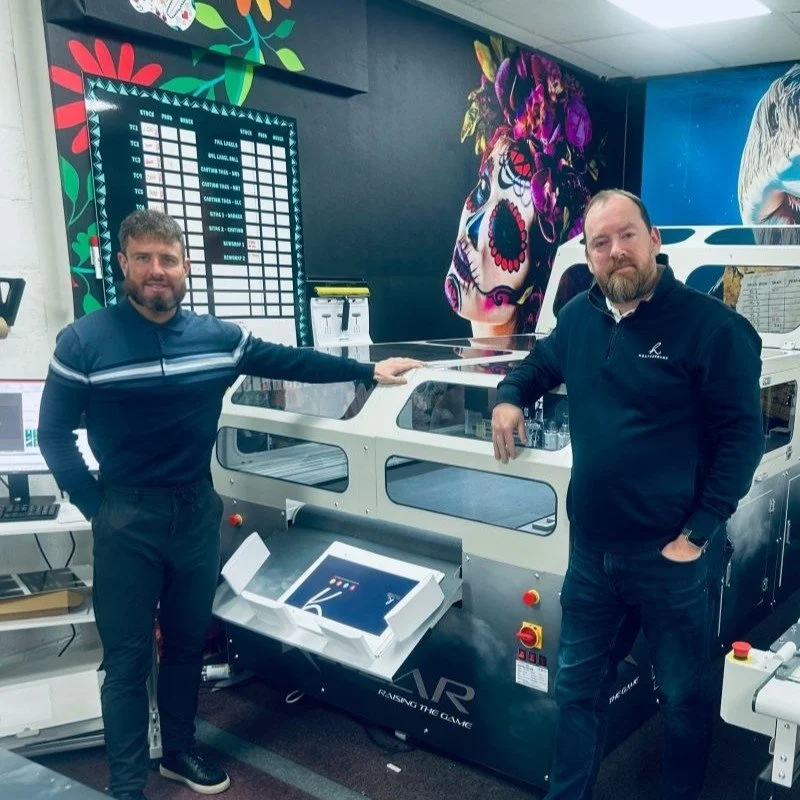
Doncaster, UK – November 2026 – Heatherbank Print, a full-service marketing studio based in Doncaster, has unveiled a new spot raised foil application on its recently installed Razar system from Vivid Laminating Technologies Ltd. The addition is already generating strong demand from clients, with early results showcasing striking, tactile artwork that is difficult to capture in photography alone.

London – UK – November 2026 – Epson Europe B.V. has been named Manufacturer of the Year at the AV Awards 2026, recognising the company's leadership across breakthrough technologies, market impact, and ethical business practices within the AV industry.
The award, presented by AV Magazine, celebrates manufacturers that demonstrate excellence across the full breadth of their operations, from innovation and market leadership to sustainability, diversity, and the development of future skills. For Epson, this recognition reflects a sustained commitment to shaping the direction of the AV sector worldwide.
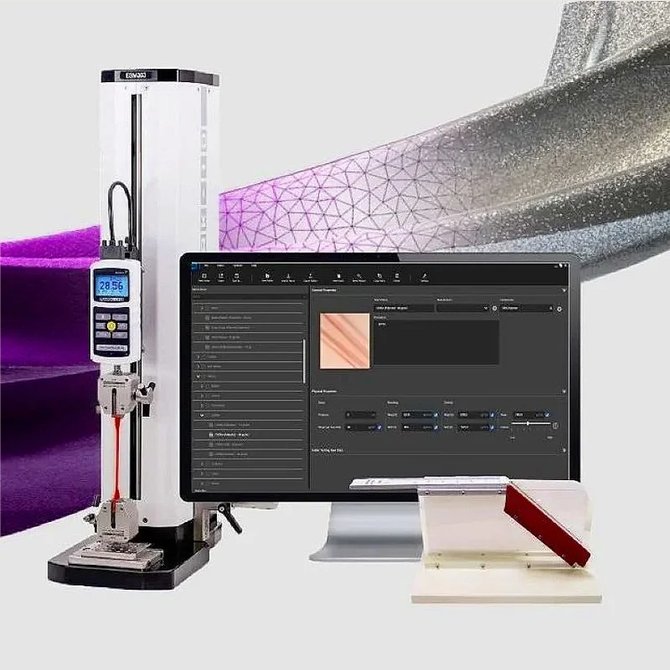
New York – NY – November 2026 – Optitex’s new 3D visualisation capabilities within its Optitex PDS software, enabling fashion and apparel brands to review and approve fit digitally before a single physical sample is cut.
The technology transforms standard 2D patterns into a 3D simulation, complete with tension mapping for advanced fit analysis. This allows design and development teams to assess fit, identify stress points, and approve garments on screen, significantly reducing reliance on costly and time-consuming physical sampling.