
TEXINTEL TALKS - EPISODE 130 - A Deep Dive into the Adobe Print Engine 7 Update with Mike Scrutton of Adobe

In this conversation, Debbie McKeegan, Fespa Textile Ambassador and Mike Scrutton of Adobe discuss the latest innovations in textile printing, focusing on Adobe's PDF Print Engine 7 update and its impact on the industry.
The Adobe PDF print engine introduces groundbreaking technologies for textile printing.
Together they explore the challenges of colour management, the importance of automation, and the future of on-demand manufacturing and personalisation in textile printing.
The discussion also highlights the need for better visualisation tools to meet customer expectations and the potential for exciting advancements in the field.
Listen to learn more >>

KEY TAKEAWAYS:
The Adobe PDF print engine introduces groundbreaking technologies for textile printing.
Colour management is crucial, especially when dealing with non-white substrates.
Automation in the printing process enhances efficiency and reduces waste.
Personalisation in textile printing can vary widely in meaning for different customers.
Visualisation tools are essential for accurately conveying product expectations to customers.
Sustainable manufacturing practices are becoming increasingly important in the industry.
The integration of AI and automation will shape the future of textile printing.
Designers need to work within defined parameters to ensure printability.
The future of printing will involve intelligent automation to streamline processes.
2025 is set to be a transformative year for innovations in the printing industry.
CHAPTERS:
00:00 Introduction and Technical Challenges
00:36 Innovations in Adobe PDF Print Engine 7
04:24 Colour Management in Textile Printing
08:01 The Future of Digital Printing and Automation
11:58 Sustainability and On-Demand Manufacturing
15:52 Visualising the Final Product


In this podcast episode, James Watson, Managing Director of Surface Print, discussed the evolution of his fourth-generation family business in Lancashire.
Surface Print combines traditional craftsmanship with digital innovation- investing £2 million in a hybrid rotary screen Gravure machine and £600,000 in new HP digital printers.
The company achieved ISO 14001 accreditation, introduced solar panels, and plans to install a new boiler and water recirculation system. Watson emphasised the importance of balancing traditional techniques with modern technologies to maintain quality and sustainability. The company also leverages AI for efficiency and marketing, while maintaining a family-oriented work culture.
Listen to learn more >>
From Dongles to Digital: Future‑Proof Licensing for Global Creative Teams
Host Debbie McKeegan talks with NedGraphics President Frank Maeder and 10Duke CEO Neil Fenton about the shift from hardware dongles to secure, user‑centric cloud licensing.
They discuss how this transition reduces friction for designers, supports hybrid and global workflows, strengthens security and resilience, and even contributes to sustainability by eliminating physical keys and their shipping footprint.
If you’re in fashion, design, CAD/CAM, or any creative production environment and want to future‑proof your software delivery, this discussion is packed with insight and real‑world examples.
Listen to learn more >>

In this insightful interview, Dave Conner, Director of Product Marketing at Stahls and Fulfill Engine, shares his journey into the textile industry.
The commercial opportunity presented by printed, personalised merchandise is already a lucrative revenue stream; it is the core driver of growth in a multi-billion-pound industry. And the mandate for print businesses is clear: automate, adapt, and offer undeniable added value, or choose to gradually lose market share.
This is not merely a shift in consumer demand; it is the fundamental evolution of the printed surface. By leveraging adaptive manufacturing, 3D added value, and sustainable surface effects, digital printers can secure their future by offering unique print applications across apparel, interior décor, accessories, and bespoke objects.
Discover how automation, materials, and community collaboration are shaping the future of on-demand garment decoration and fulfilment.
Listen to learn more >>

In this podcast episode, Ulrich Scherbel, CEO of AMSilk, discusses the innovative production of bioengineered spider silk protein and its applications in the textile industry, going far beyond fibre and with the power to radically transform inks and chemistry.
He explains the challenges of scaling up production, the importance of sustainability, and how AMSilk's technology can significantly reduce carbon emissions. The conversation also touches on the role of AI in protein bioengineering and the future vision for transforming the textile supply chain through collaboration and innovation.
Listen to learn more >>

In this insightful interview, Jon Bailey, COO of Precision Proco, shares his journey into the print industry, leadership philosophy, and how embracing change and innovation has shaped his success.
Discover practical lessons on building a resilient business, nurturing talent, and leveraging AI for future growth.
Listen to learn more >>

Colour Is Too Important to Leave to Chance
Print will always be the part of the garment people see first.
But the sum of all parts — the fabric, the trims, the fasteners, the finish — is what determines whether a design actually delivers on its promise. Brands that continue to treat colour as a single creative decision, rather than a coordinated technical discipline spanning their entire supply chain, will keep paying for it in re-dips, delays, and disappointed design teams.
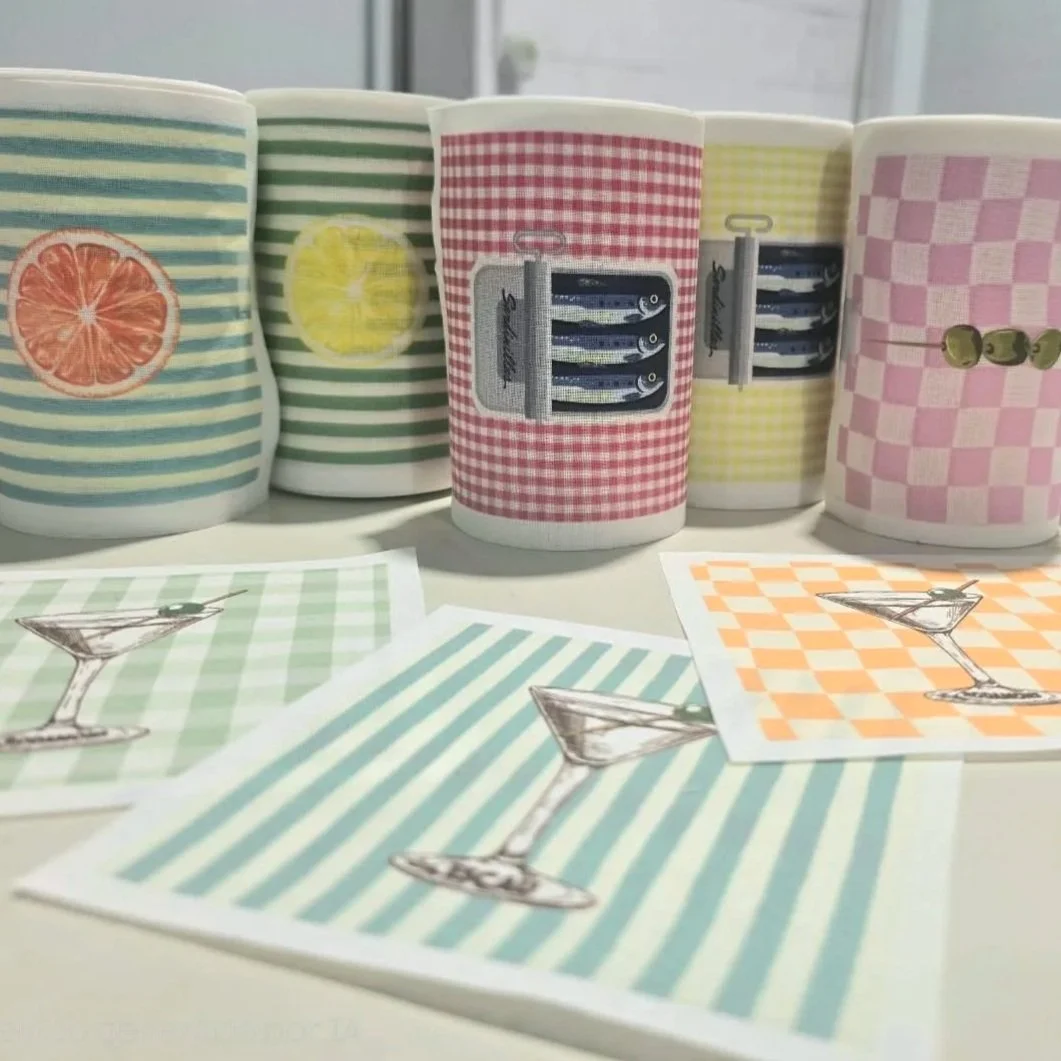
A Century of Textiles, and an Ever-changing World
Few companies can trace their roots back more than a century and still count themselves among their industry's innovators. Texia, headquartered in Monistrol de Montserrat, Spain, is one of them.
But the story of Texia is not simply one of longevity.
It is a story of continual reinvention. As the textile industry has grown more global and competitive, Texia has repeatedly reshaped its business, investing in technology, developing its own brands, and placing sustainability at the centre of its mission. In doing so, it offers a compelling example of how a heritage manufacturer can lead rather than follow through a period of profound industry change. Image Credit: Texia
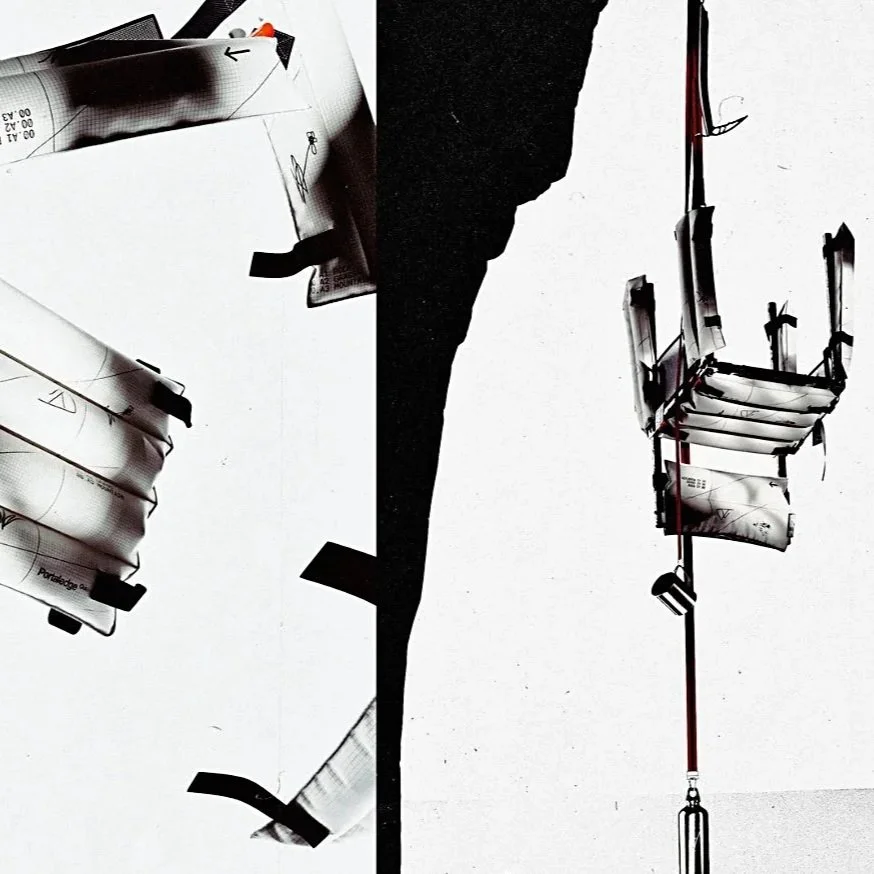
What are we craving Ultimately?
The instinct to slow down while simultaneously optimising every measurable aspect of life isn't a passing curiosity. It's a structural response to a world that feels increasingly unstable, and it's reshaping what people expect from their homes, hotels, workplaces and healthcare environments alike.
For the design and manufacturing sectors, this means rethinking both product and process.
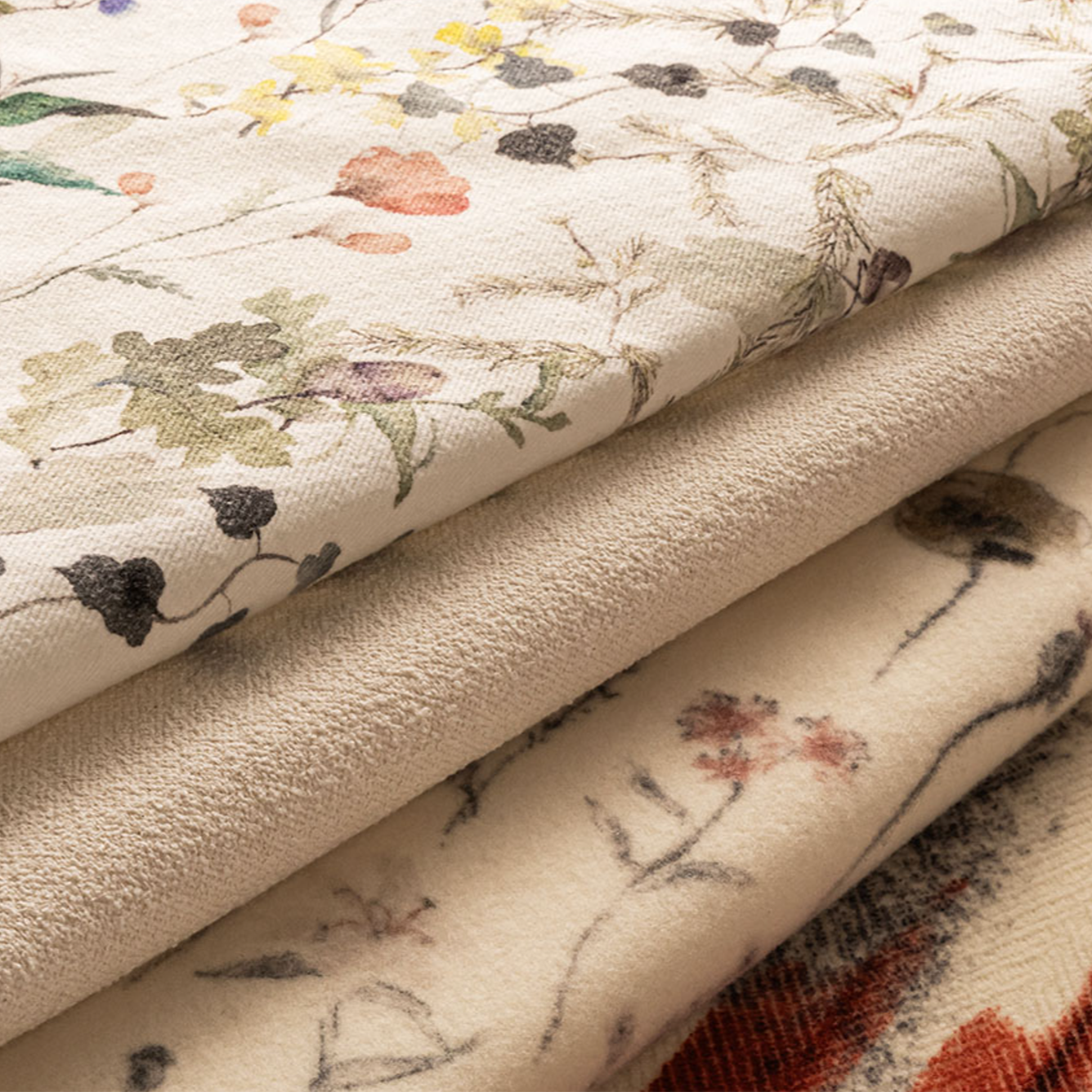
The Structual Shift is Real and its Already Here
Volumes are moving east, where digital production is accelerating rapidly. Consumer behaviour has shifted.
Demand is now driven by personalisation, shorter buying cycles, and an expectation of near-instant responsiveness. Regulatory pressure is intensifying, with supply chain transparency now a legal and commercial fact in many markets. And margins? They are under sustained, structural pressure.
This is not a temporary disruption. It is a fundamental reordering of how textile manufacturing must operate.

The Challenge: Standing Firm as the Industry Shifts
The wallpaper landscape has changed dramatically. Digital printing has lowered the barrier to entry, spawning countless direct-to-consumer brands and pushing much of the market towards faster, cheaper production.
At the same time, manufacturing in the UK has grown steadily harder - rising minimum wage, national insurance, energy and substrate costs all bear down on margins. Surface Print have embraced all of these challenges - and stand resolutely prepared for the future.

Burscough, UK, September 14, 2026: Quality Print Services (QPS) has announced it will showcase six printers from across the ColorJet and Roland DG ranges, alongside Nazdar's alternative digital inks, on its stand (150) at The Sign Show 2026.
Taking place in hall 1 of the NEC in Birmingham from 29 September to 1 October, The Sign Show, co-located with The Print Show, gives visitors access to both events with a single registration.
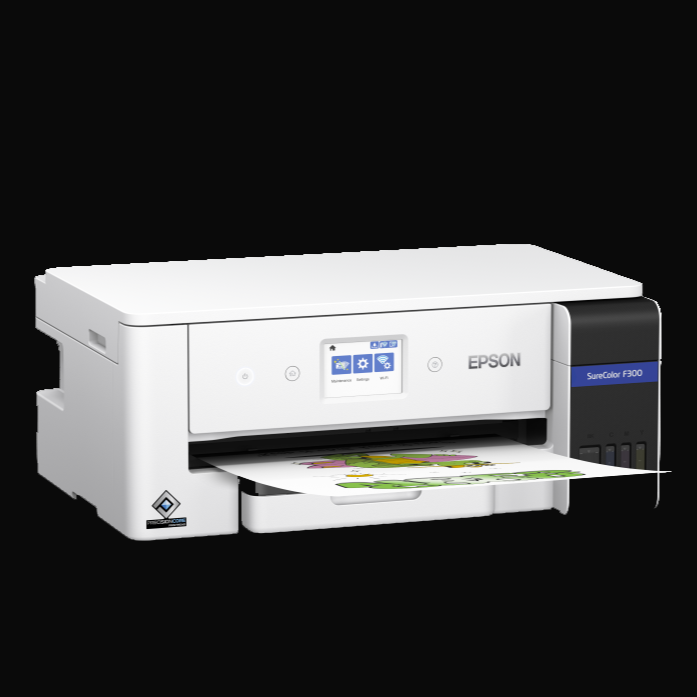
September 2026 - Epson today announces the SureColor SC-F300, a new A3 dye-sublimation printer designed to help small businesses and growing personalisation providers produce professional-quality output with a compact, user-friendly workflow.
The SC-F300 is positioned to help users broaden their product offering – supporting expansion from A4 into

Mortsel – Belgium – September 2026– Agfa has today announced the launch of the Jeti Tauro H3300 HS, a new hybrid UV LED inkjet press that extends its award-winning Tauro family.
Built on technology and insights gathered across the entire Tauro range, the new press is designed to meet the productivity demands of today's print service providers while offering a clear path for future growth.

Summa announces the expansion of its F Series Vantage platform into large-format production environments with the introduction of the F1832, F3220 and F3232.
Designed for high-volume signage, packaging, textile, and industrial applications, the new models extend the philosophy behind the F Series Vantage: delivering productivity gains across the entire workflow.
Alongside the new large-format models, Summa also introduces the F1625CF, a dedicated configuration optimised for dry carbon fibre cutting
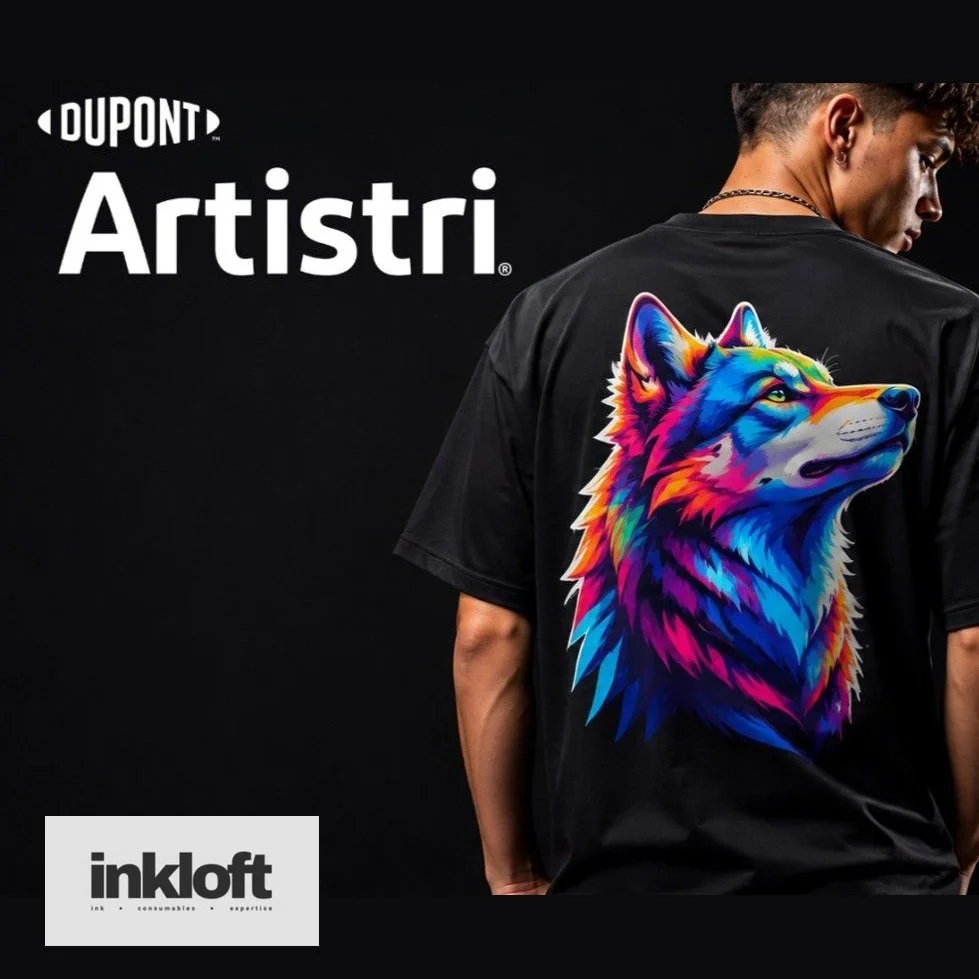
United Kingdom – September 2026 – Inkloft, a new specialist digital printing business founded by Gary Weyman and Andy Hancock, has announced its entry into the direct-to-film (DTF) market.
The company has been appointed as a distributor of DuPont™ Artistri® DTF products, including P1600 inks and Artistri Jettable Adhesive JA1100, both now available to purchase online through inkloft.co.uk.