
Think Big, Print Big: Inside Epson's Vision for the Future of Print Manufacturing
Expanding the Map: New Products and New Revenue Streams:
Across textile, signage, photo and proofing, and CAD ranges, Epson is building product ladders - entry, mid, and high-end - so businesses can bring work in-house rather than outsource it.
“This is about helping businesses say "yes" to their customers more often, turning a single client relationship into multiple revenue streams.”
“In an industry obsessed with the next game-changer, the discipline of listening, refining, and improving what already works is its own competitive advantage”.
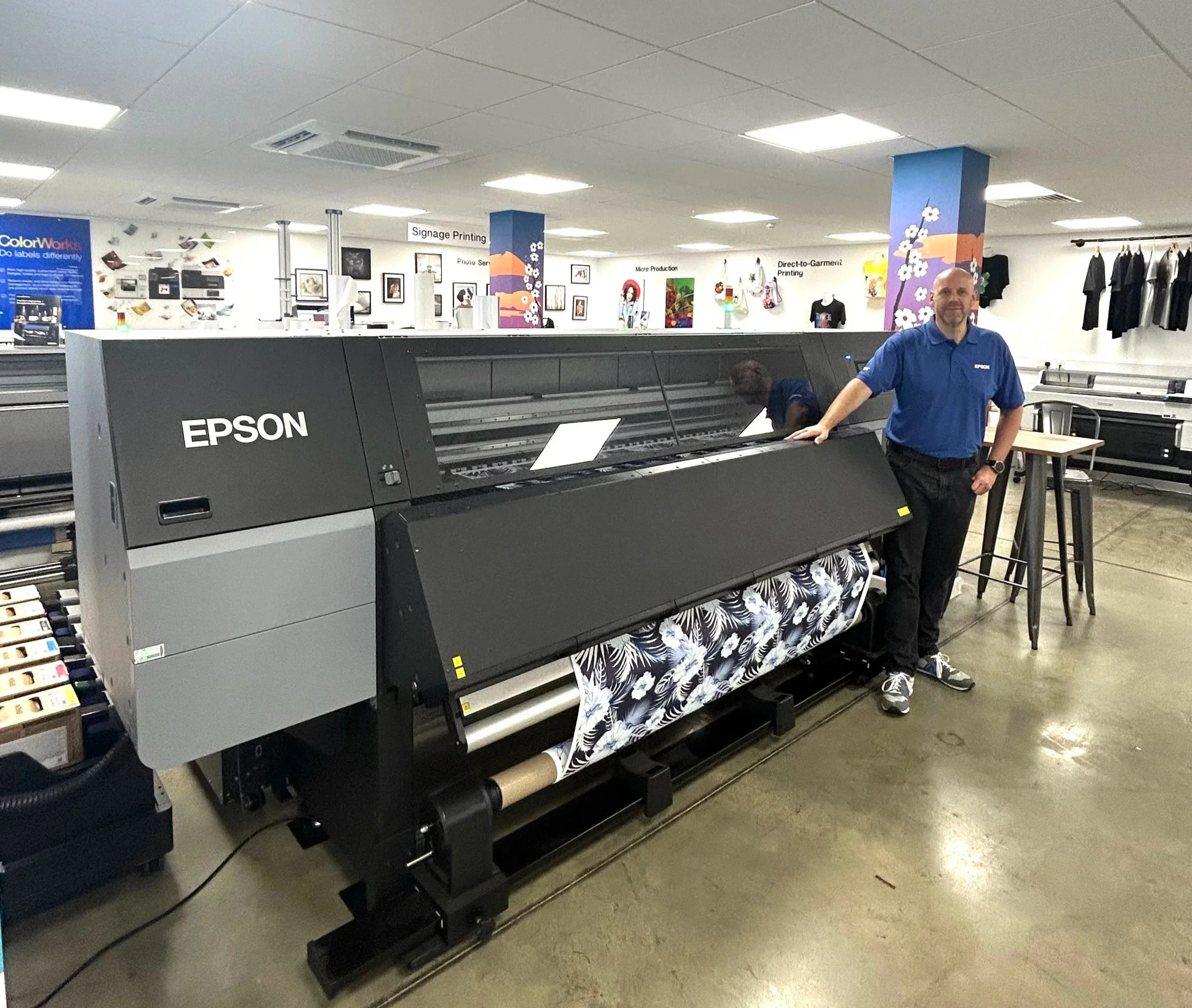
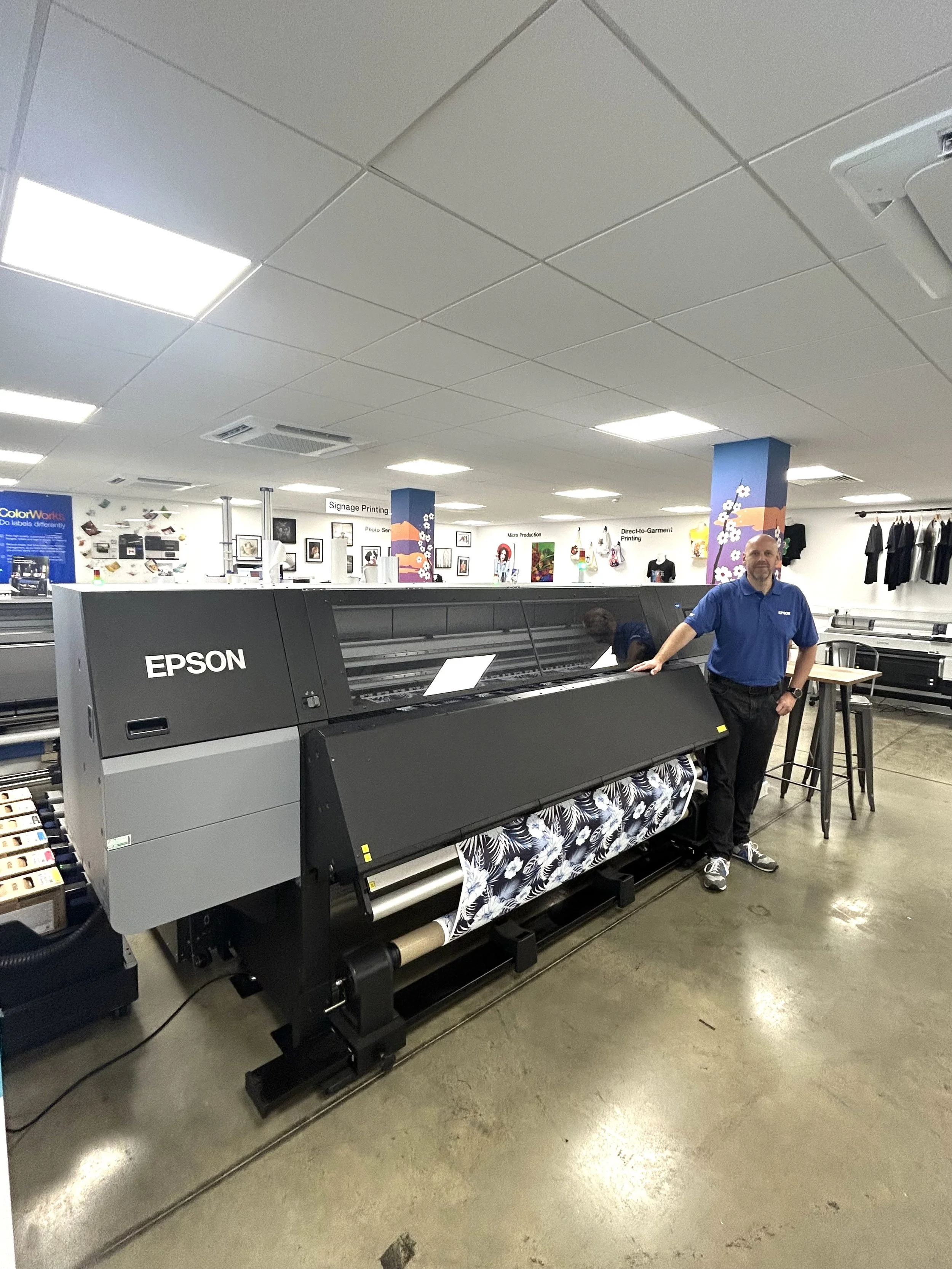
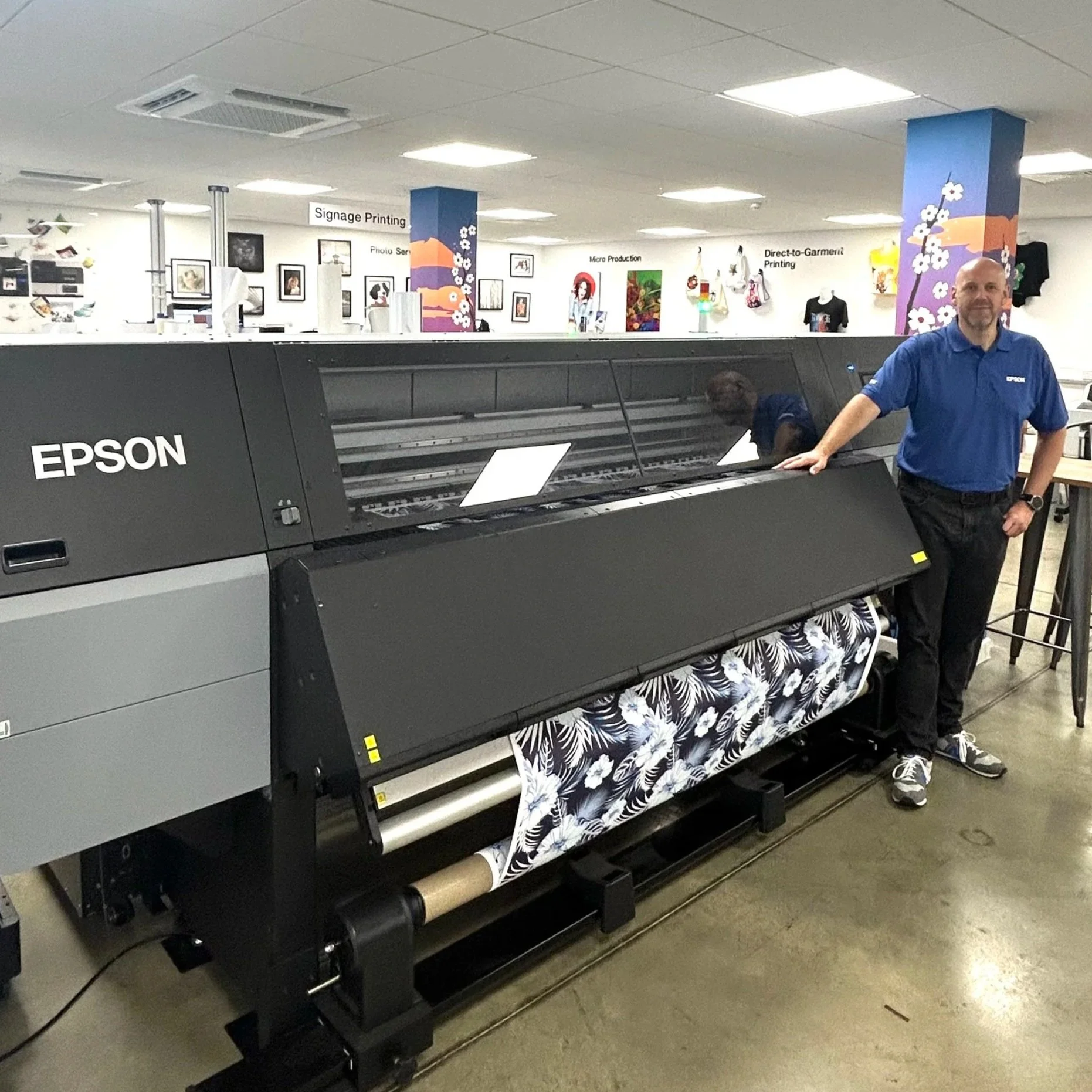
There's a quiet revolution happening just off Junction 20 of the M1. Tucked away in Leicestershire, Epson's innovation centre has become something more than a showroom. It's a place where the future of commercial and industrial print is being tested, questioned, and refined in real time.
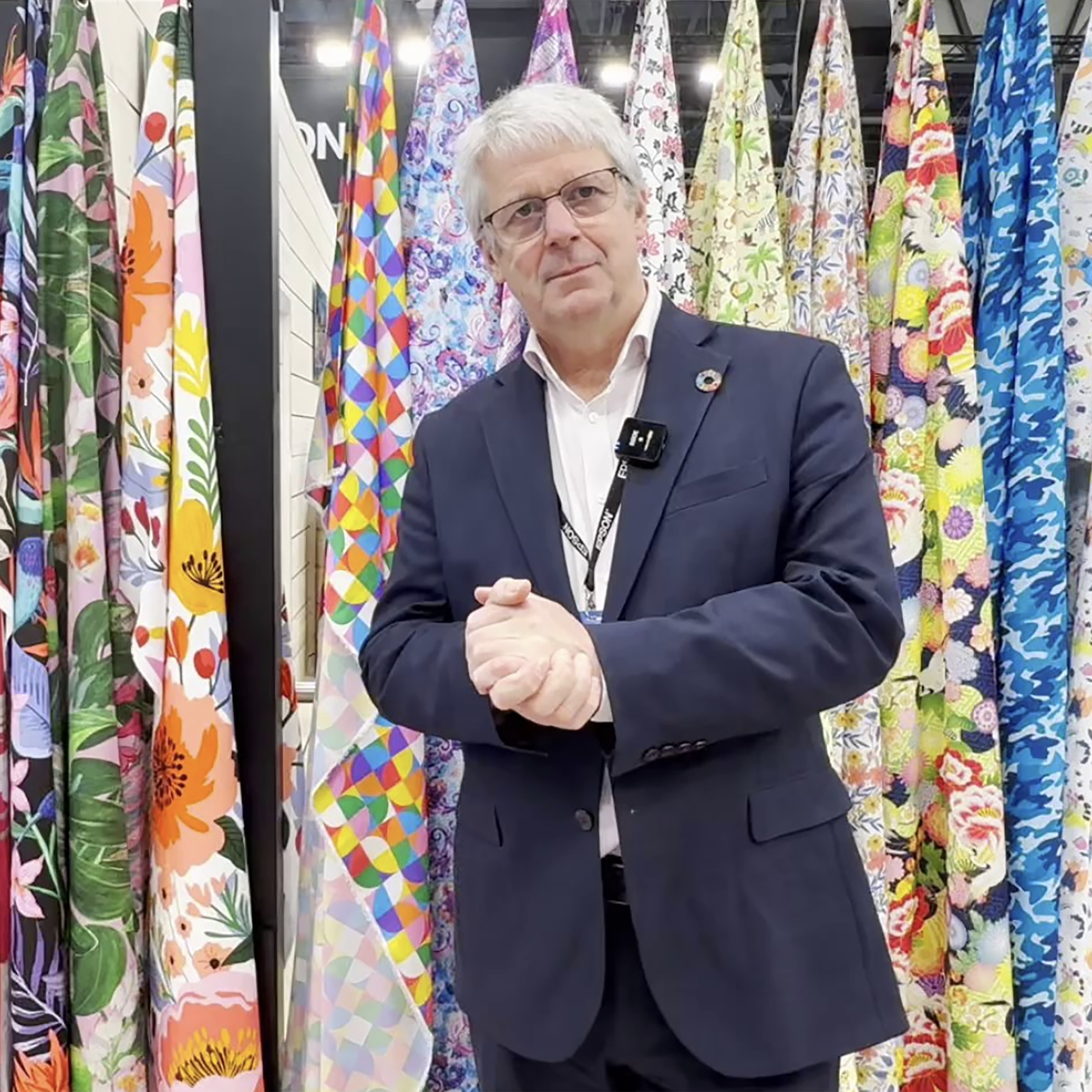
I recently sat down with Rob Weissenberger at Epson's "Think Big Print Big" event, now in its second year, to understand what's actually driving change in print manufacturing, and why the way businesses adopt new technology matters just as much as the technology itself. What emerged was a candid picture of an industry in transition, where the winners won't simply be those with the newest kit, but those who make the smartest, most informed decisions.
Here's what stood out:
The Demo Centre is the Real Innovation
It's tempting to focus on the machines. And there are plenty of them - the facility opened around 18 months ago and, in Rob's words, they're already "running out of space." But the most interesting story isn't the hardware. It's the philosophy behind the space itself.
Trade shows have their place. They generate excitement, gather communities, and put new products in front of large audiences. But as Rob pointed out, the conversations at shows tend to be short, and customers rarely walk away with the depth of understanding they actually need.
The demo centre flips that model. Open Monday to Friday, it allows customers to:
Run their own print files on their own media, rather than relying on polished best-case demonstrations
Test multiple competing technologies side by side, such as resin versus eco-solvent, under one roof
Spend real time with application specialists who understand both the products and the markets they serve
This matters more than it might first appear. The gap between a manufacturer's brochure - running speeds, colour yield, ink consumption per metre - and the genuine, day-to-day production reality is where many businesses lose money. A space designed to close that gap is a quietly radical idea.
Colour: The Hidden Source of Waste
If there was one theme that surfaced again and again in our conversation, it was colour. And specifically, the enormous cost of getting it wrong.
Colour is, as we discussed, often the biggest source of waste in textile production. The problem is insidious because it's an input issue that only reveals itself at output. By the time a mismatched colour appears on the finished product, the material, time, and energy have already been spent. In traditional textiles, the volume of work running slightly off-delta represents a massive, ongoing drain.
This is where Epson's SD-10 spectrophotometer, released a couple of years ago, has proven genuinely transformative. The tool allows users to:
Scan a colour directly from a customer's sample and instantly check, via mobile phone, whether it's even achievable on their Epson device
Bring those values straight into their software RIP to recreate the colour quickly and accurately
Match colours across different print technologies, from eco-solvent S-series printers to dye-sublimation, DTG and the new DTF devices
That last point deserves emphasis. The SD-10 isn't locked to a single machine. A business running a home-furnishings operation might need to match a colour across polyester fabrics, cotton, and wallcoverings, all for a single client scheme - a hotel, perhaps, or a children's nursery. Matching colour across different substrates, batches, and inks at speed has historically been one of the industry's greatest frustrations. Tools like the SD-10 turn that frustration into a simple, factual, near-instant answer: it's a match, or it isn't.
The commercial impact is real. Rob shared that several high-profile sportswear manufacturers have used the SD-10 to transition from rival print technologies over to Epson, precisely because it gave them confidence that colour consistency would survive the switch. In a fast-moving fashion industry built on on-demand production, that confidence is everything.
Kaizen: Why Incremental Beats Revolutionary
One of the more philosophically interesting moments in our discussion was Rob's reflection on how Epson approaches product development.
When a machine lands well and earns respect within the industry, Epson doesn't tear it up and start again. Instead, the focus shifts to incremental, considered improvement - the Japanese principle of Kaizen, or continuous improvement.
The process is genuinely collaborative. Epson gathers feedback from existing customers, and colleagues are brought over from Japan to ask end users a deceptively simple question: if you had a magic wand, what would you change to make this machine even better? That feedback flows back into R&D, and the results appear in subsequent generations.
There's a lesson here that extends well beyond Epson. In an industry obsessed with the next game-changer, the discipline of listening, refining, and improving what already works is its own competitive advantage.
Expanding the Map: New Products, New Revenue Streams
The event showcased new and recent additions to the range, each designed to help businesses open up fresh channels of revenue rather than chase a single trend.
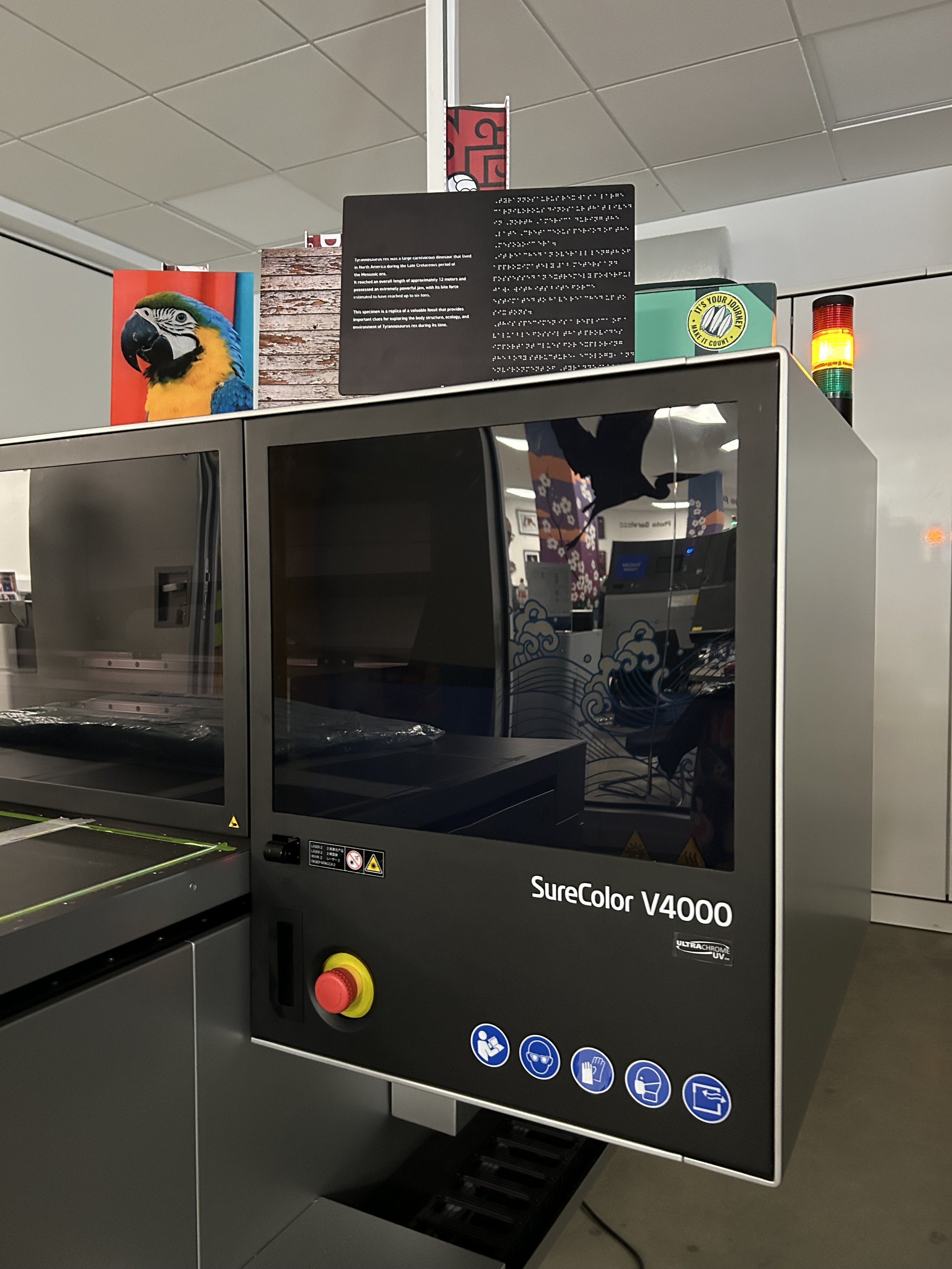
The SureColor V4000, unveiled this year, is a particularly versatile machine that straddles two markets:
Smaller-format signage, such as health and safety signs, with print sizes up to A1+, a zonal vacuum bed for handling A4, A3 and A2 pieces, and an adjustable carriage height that accommodates substrates from 5mm up to 200mm deep
The promotional and gifting market, printing onto golf balls, pens, USB sticks and similar branded items, but at a far higher productivity than its smaller predecessor, the V1000
Meanwhile, Epson has deliberately taken its time entering the DTF (Direct-to-Film) market. Rather than rushing, the company waited to launch an OEM solution it could stand behind -one that delivers the trust, consistent colour, and ease of use customers associate with the brand. The G6000 has sold strongly since launch, and a wider model, the G9000 (covering up to 1.6m), now extends that offering for higher-volume producers, with the ability to print twin rolls simultaneously through a shaker.
The strategic thread running through all of this is clear. Across textile, signage, photo and proofing, and CAD ranges, Epson is building product ladders - entry, mid, and high-end - so businesses can bring work in-house rather than outsource it. As Rob put it, this is about helping businesses say "yes" to their customers more often, turning a single client relationship into multiple revenue streams.
Key Takeaways and Action Points
For business leaders weighing their next move in print manufacturing, several clear principles emerge from this conversation:
Treat colour as a profit-and-loss issue, not a technical afterthought. The waste generated by poor colour matching is real and recurring. Tools like the SD-10 should be viewed as investments in margin, not just convenience.
Test before you commit. Don't buy on the strength of a brochure. Bring your own files and substrates to a demo environment, and make decisions based on your production reality, not best-case figures.
Look for ecosystems, not just machines. The greatest value comes when technologies speak the same language and smooth the journey from input to output. Consider how a new purchase fits within your wider workflow.
Adopt deliberately into emerging markets like DTF. A trusted, well-engineered solution will serve you better over the long term than an early but unstable one.
Use new technology to expand, not just optimise. The smartest businesses are bringing previously outsourced work in-house and opening entirely new channels of revenue and added value.
A Note of Thanks
Our sincere thanks to Rob Weissenberger for taking the time to share his experience and his vision for the future of the textile industry and the technologies that power its manufacturing community. Conversations like this one are a reminder that the future of print won't be built by hardware alone, but by the knowledge, collaboration, and care that surround it.
The doors at Lutterworth, Leicestershire are open Monday to Friday. For any business serious about its next step, that's an invitation worth accepting.


Colour Is Too Important to Leave to Chance
Print will always be the part of the garment people see first.
But the sum of all parts — the fabric, the trims, the fasteners, the finish — is what determines whether a design actually delivers on its promise. Brands that continue to treat colour as a single creative decision, rather than a coordinated technical discipline spanning their entire supply chain, will keep paying for it in re-dips, delays, and disappointed design teams.
A Century of Textiles, and an Ever-changing World
Few companies can trace their roots back more than a century and still count themselves among their industry's innovators. Texia, headquartered in Monistrol de Montserrat, Spain, is one of them.
But the story of Texia is not simply one of longevity.
It is a story of continual reinvention. As the textile industry has grown more global and competitive, Texia has repeatedly reshaped its business, investing in technology, developing its own brands, and placing sustainability at the centre of its mission. In doing so, it offers a compelling example of how a heritage manufacturer can lead rather than follow through a period of profound industry change. Image Credit: Texia
What are we craving Ultimately?
The instinct to slow down while simultaneously optimising every measurable aspect of life isn't a passing curiosity. It's a structural response to a world that feels increasingly unstable, and it's reshaping what people expect from their homes, hotels, workplaces and healthcare environments alike.
For the design and manufacturing sectors, this means rethinking both product and process.
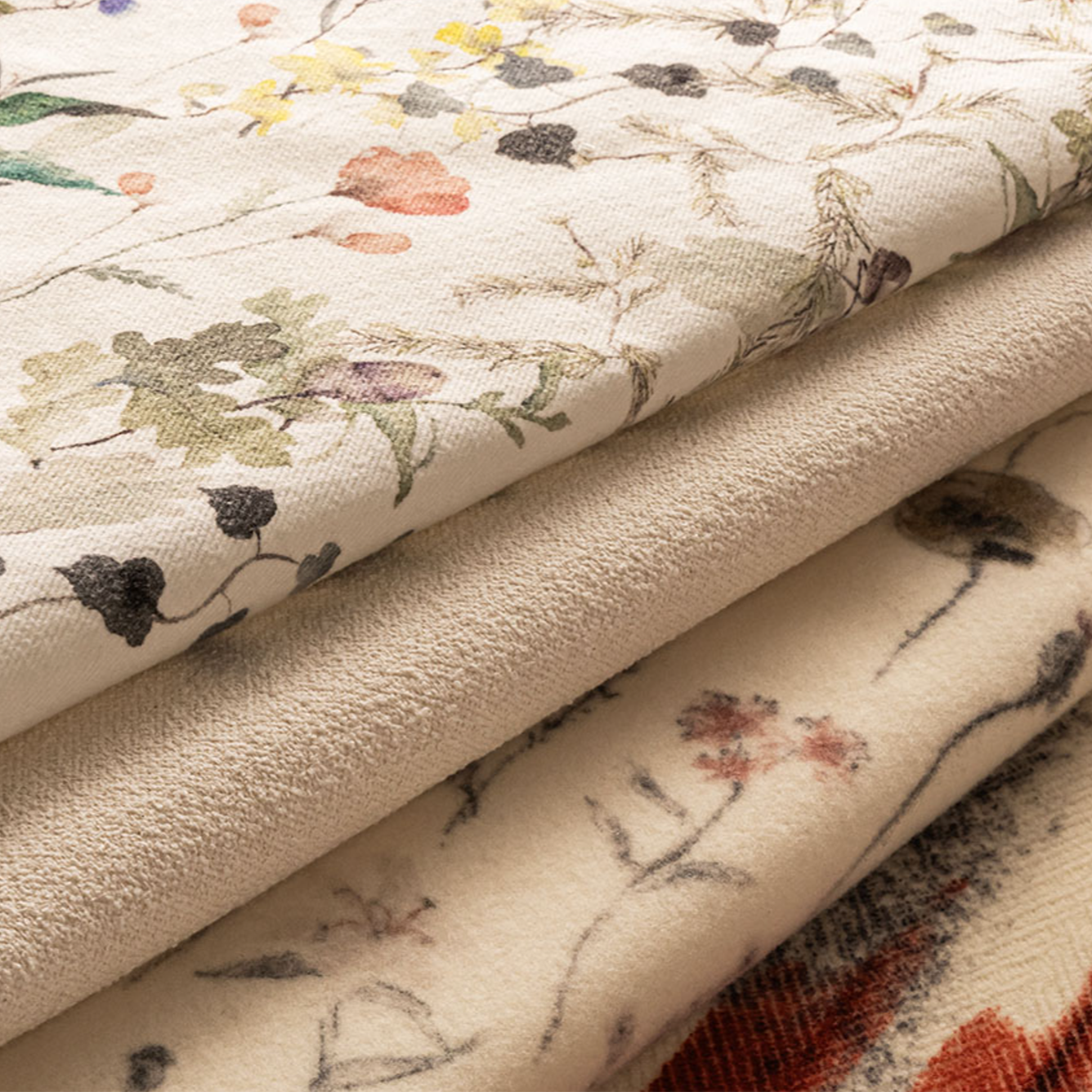
The Structual Shift is Real and its Already Here
Volumes are moving east, where digital production is accelerating rapidly. Consumer behaviour has shifted.
Demand is now driven by personalisation, shorter buying cycles, and an expectation of near-instant responsiveness. Regulatory pressure is intensifying, with supply chain transparency now a legal and commercial fact in many markets. And margins? They are under sustained, structural pressure.
This is not a temporary disruption. It is a fundamental reordering of how textile manufacturing must operate.

The Challenge: Standing Firm as the Industry Shifts
The wallpaper landscape has changed dramatically. Digital printing has lowered the barrier to entry, spawning countless direct-to-consumer brands and pushing much of the market towards faster, cheaper production.
At the same time, manufacturing in the UK has grown steadily harder - rising minimum wage, national insurance, energy and substrate costs all bear down on margins. Surface Print have embraced all of these challenges - and stand resolutely prepared for the future.
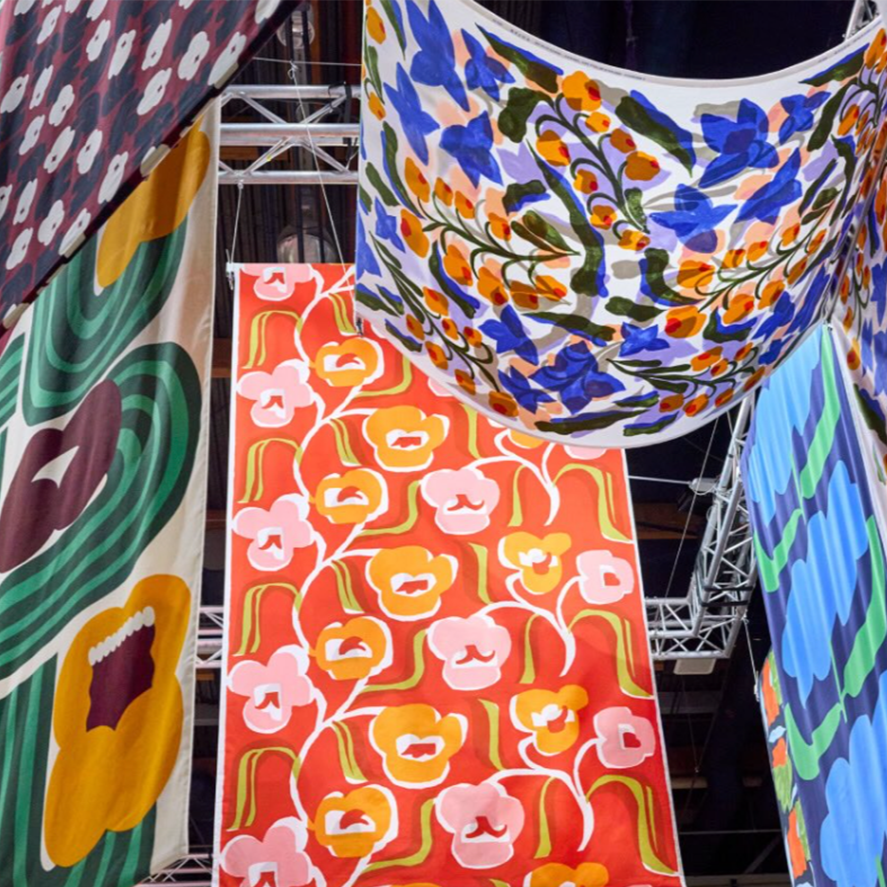
From Helsinki's printing mill to Paris's Le Marais, discover how Marimekko is scaling a design-led brand with purpose, craft, and bold innovation.
But what makes Marimekko's story compelling is not just its aesthetic legacy?

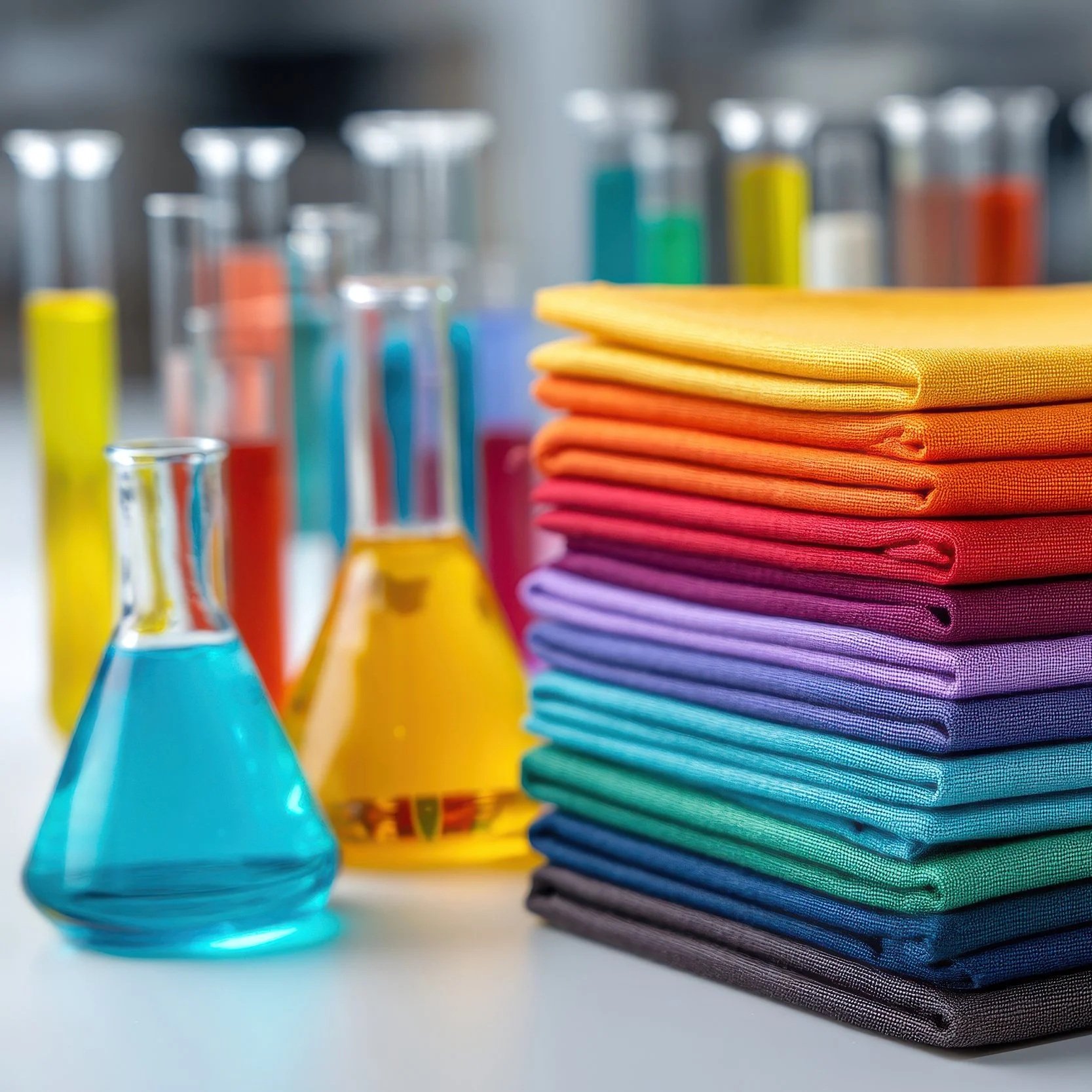
The word "toxic" carries weight. It conjures danger, harm, and things best avoided.
“Yet in the textile industry - Where between 3,000 and 10,000 chemicals move through the supply chain, a reflexive fear of the term is one of our biggest obstacles to progress.”
This article distils the key takeaways and what buyers, designers, and brands should be asking right now.
What Is the Digital Product Passport?
At its core, a Digital Product Passport is a digital record attached to a physical product - For a printed textile product, this means the DPP would capture data on the substrate, inks and dyes used, the printing process and technology, chemical compliance, environmental impact (including water and energy use), supply chain traceability, and end-of-life instructions.
The Market Gap that Changed Everything
Future Fashion was founded in 2019, timed deliberately to coincide with a pivotal moment in global textile technology: the commercial launch of the EFI Reggiani BOLT Single-Pass digital printing system.
The founders recognised that single-pass architecture had fundamentally changed what was industrially possible - and that Pakistan's domestic market had yet to catch up.

Print is no longer defined by the inefficiencies that once characterised it…as advances in production processes and technology have significantly improved its environmental performance.
Taran Rai, Corporate Sustainability Manager at Epson explains why?
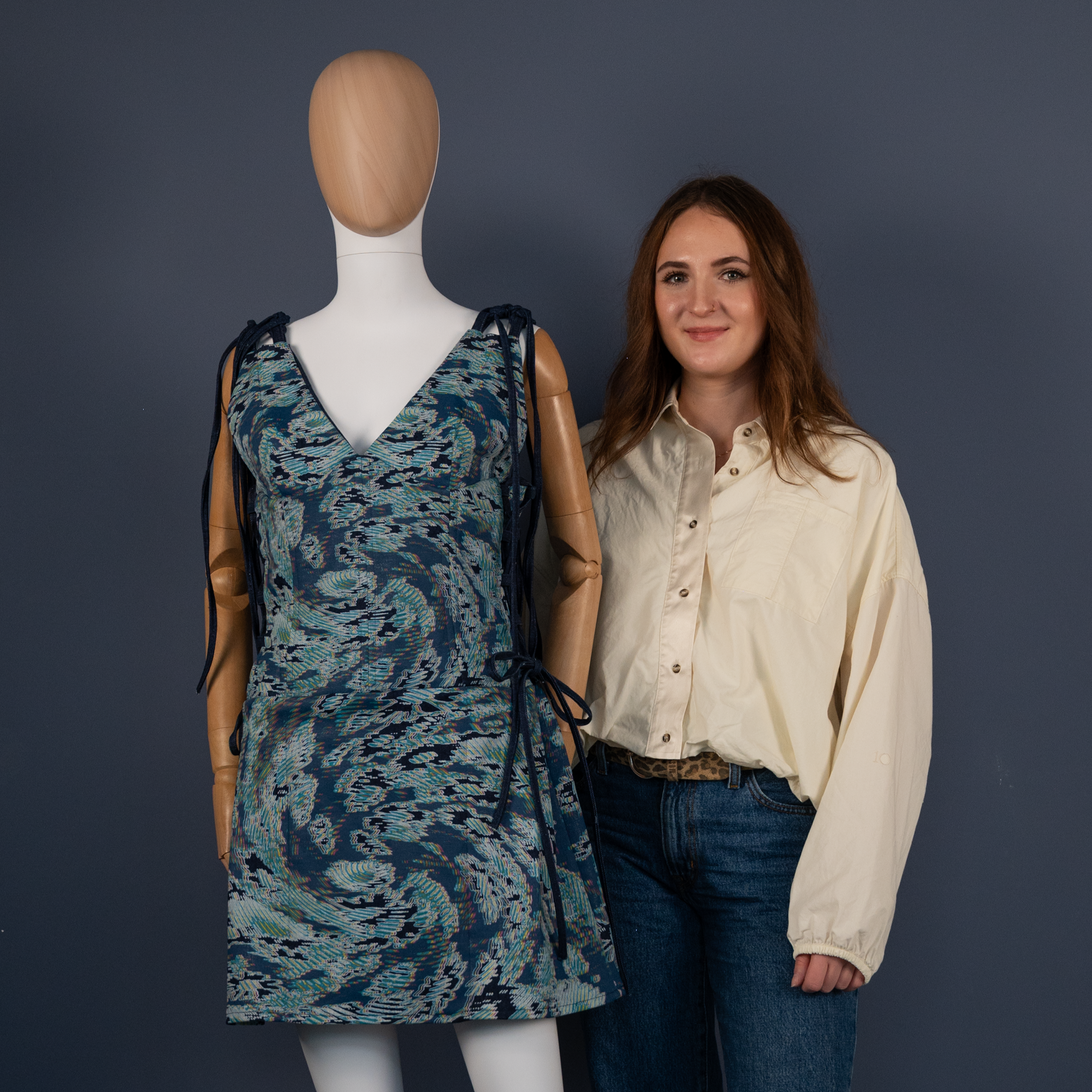
The story of what happens when young designers access digital technology is still being written.
What once was a theoretical sustainability goal seems to have shifted into an active regulatory reality.




Is the Textile Market Finally Recovering?
After a difficult few years, there are genuine reasons for optimism. Duncan was candid about the challenges: "The market for textiles has been very difficult over the last three years. I'm not going to hide the truth there. But the tide is turning.“
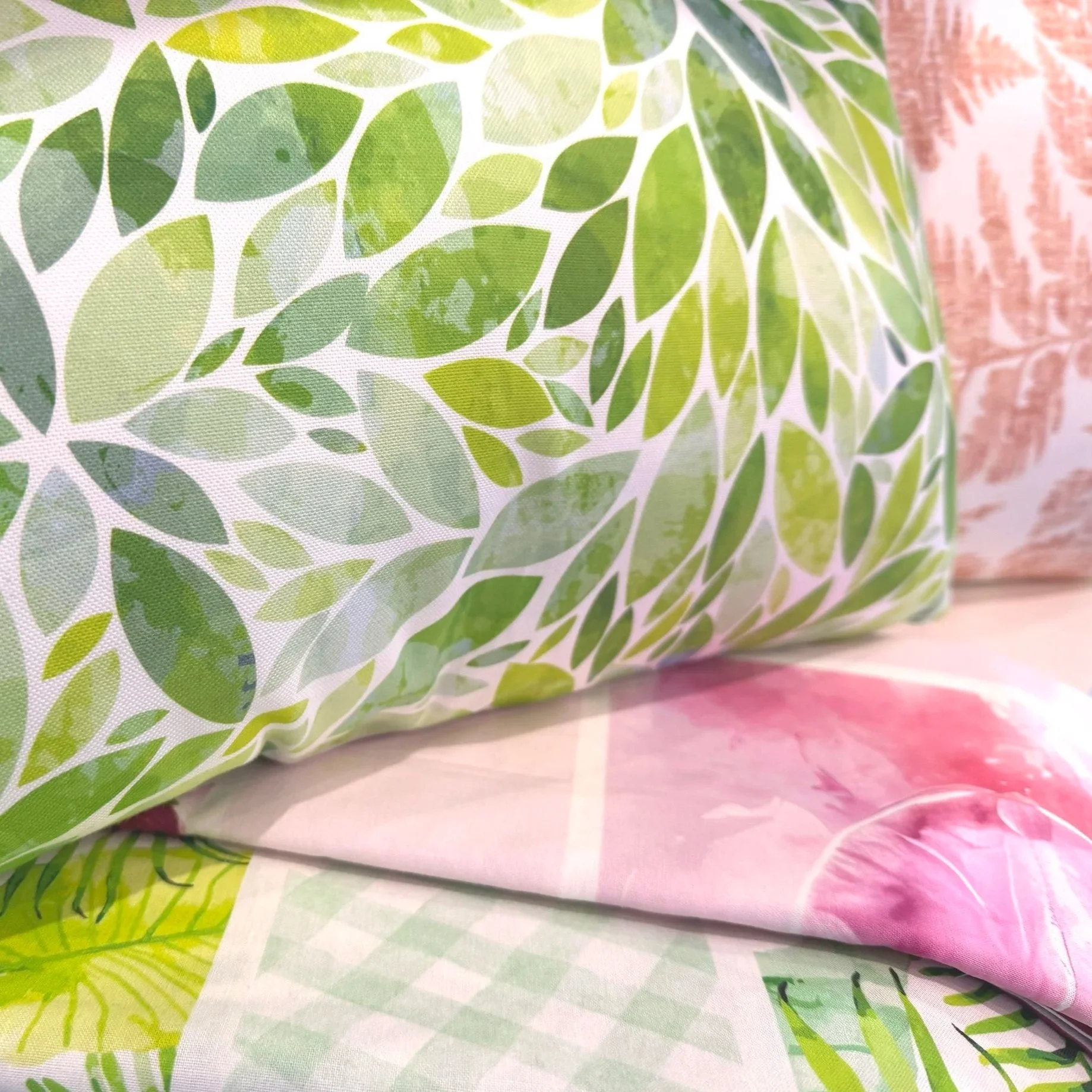
A profound shift is currently reshaping the sector
Changing consumer expectations demand greater design diversity, faster turnaround times, and sustainable manufacturing practices.
To thrive, interior brands must adapt their supply chains, bringing production closer to the end consumer and moving away from bulk manufacturing.
Digital textile printing offers a definitive solution to these operational bottlenecks.

Digital transformation doesn't announce itself.
It accumulates - one innovation at a time - until an entire industry looks back and realises the ground has shifted beneath its feet. That's precisely where textiles stands today.
The conversations happening now about AI, automation, sustainability, and digital product passports are not theoretical. They are shaping decisions being made on factory floors and in boardrooms right now.

“By leveraging advanced digital textile printing, Marylene Madou has successfully merged traditional craftsmanship with cutting-edge technology. Her approach offers a blueprint for how independent designers can scale their brands globally while maintaining a minimal environmental footprint.”
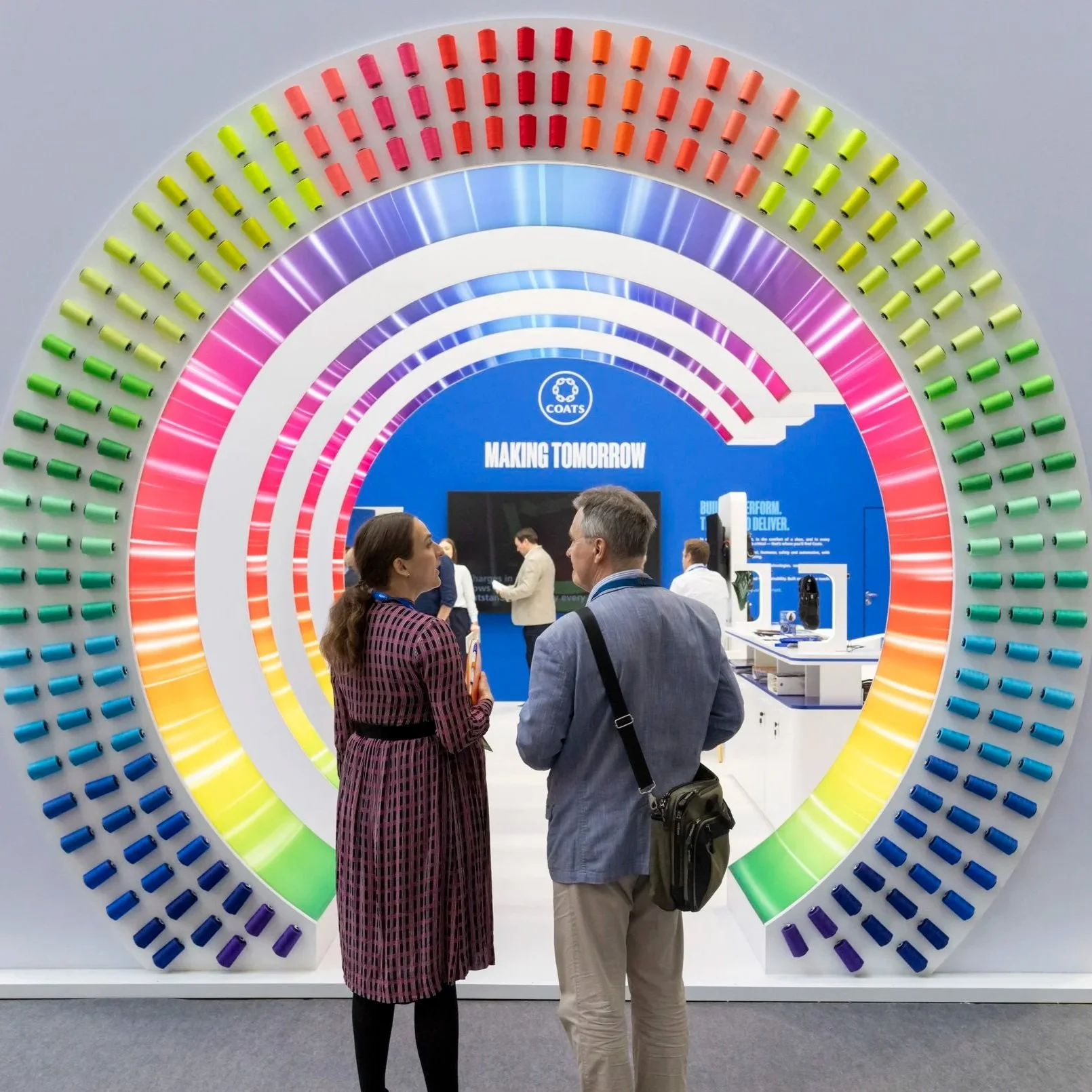
The textile industry is undergoing a vital transformation. As the insights from Techtextil and Texprocess reveal, the path forward relies on a combination of sustainable hardware, intelligent chemistry, and seamless digital workflows.
From Zimmer's industrial-scale energy reductions and Stratasys's on-demand 3D embellishments, to Kornit's single-step technical printing and the unified digital ecosystems of NedGraphics and Optitex, the tools for change are here. To stay competitive, brands and manufacturers must adopt these innovations, moving away from fragmented, wasteful processes towards a truly connected, circular economy.
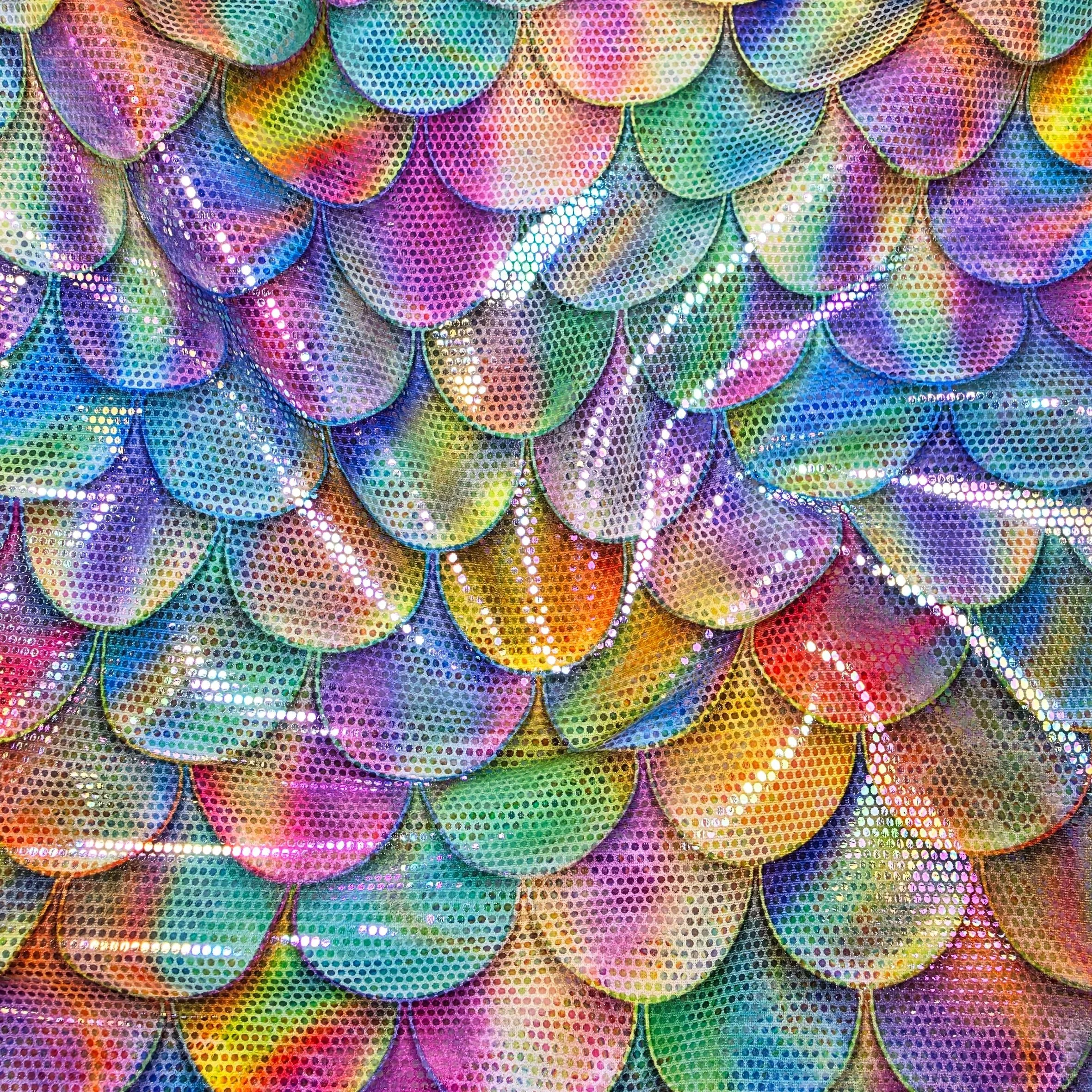
Friedmans stands as a testament to the power of combining traditional textile knowledge with forward-thinking innovation.
“Operating from their UK headquarters, Friedmans now serves a diverse array of sectors, including swimwear, dance, entertainment, sportswear, interior decor, prosthetics, and even pet apparel. With a strategic supply chain that reliably serves clients worldwide”
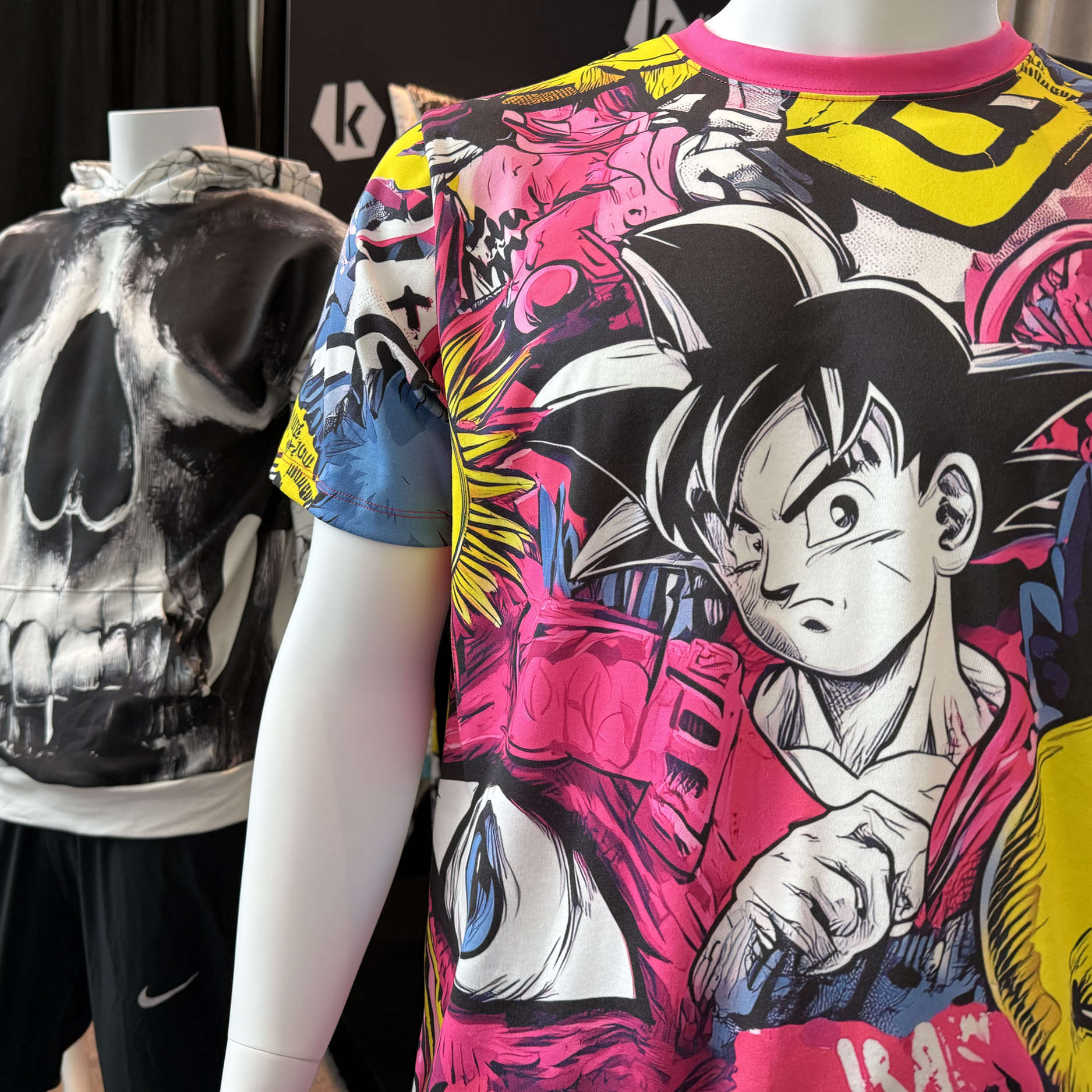
The apparel decoration industry is decisively moving away from isolated, analogue production tools toward connected digital manufacturing environments.
"Kornit’s unwavering commitment to transformative technology continues to disrupt the status quo. For business leaders and innovators ready to capture the future of apparel manufacturing, the path forward is clear”
The Urgent Need for Sustainability at Scale
The transformation at Coats provides a vital blueprint for the wider textile and apparel sector. True sustainability cannot be achieved in silos. As Dearing emphasised:
“Cross-industry collaboration is the engine of meaningful change. Brands, machinery suppliers, chemical providers, and fibre producers must act as an interconnected ecosystem”
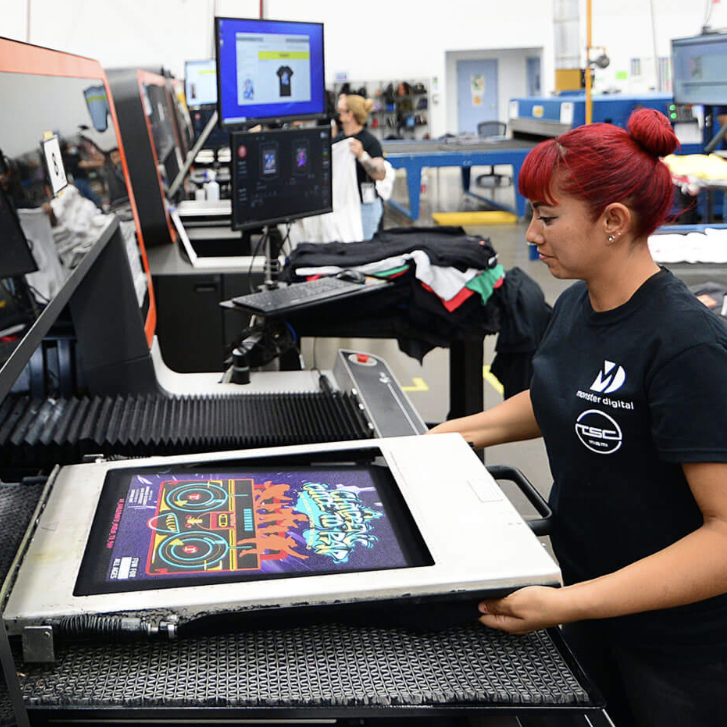
Today’s customers demand superior product quality, real-time data visibility, and lightning-fast turnaround times.
For large-scale garment decorators, managing these expectations while balancing seasonal demand fluctuations - such as the massive surges seen during Black Friday - presents a monumental challenge.
"Relying on transactional vendor relationships and outdated legacy equipment is no longer sufficient to secure long-term stability and growth.”

Printing method is never a secondary detail. It shapes the entire life cycle of a product, from concept to customer. In today’s fashion industry, where margins are tighter and speed matters more than ever, technical knowledge has become a competitive advantage.
“The future of textile design belongs to professionals who can combine creativity with execution, aesthetics with practicality, and vision with production reality”.

Manchester, UK – September 2026 – Source Fashion, Fashion-Enter and the Apparel and Textile Manufacturers' Forum (ATMF) have announced the launch of Made in Manchester & Regions, a new roadshow event bringing together brands, retailers and UK manufacturers to build the commercial case for localised production.
The event will take place at Manchester Hall on 4 November 2026, and is free to attend.
The first in a new programme of regional roadshows, Made in Manchester & Regions will give buyers, brands and retailers the opportunity to meet UK manufacturers, explore local production capabilities, and consider how sourcing closer to home could benefit their businesses.
Industry stakeholders will also come together to address the future of UK manufacturing and identify practical steps to strengthen the sector

Birmingham – September 2026 – Epson UK on Day Two of The Print Show, where the company is showcasing a range of print technologies, including its new SureColor V4000 UV Flatbed printer. T
he event provides a platform for Epson to demonstrate the growing capabilities of UV print alongside its established textile solutions.
Epson UK's presence at The Print Show highlights the company's continued investment in expanding its product range beyond textile printing, into high-quality UV flatbed technology.
The SureColor V4000 has been designed to deliver sharp, vibrant results across a variety of substrates, reinforcing Epson's commitment to versatility and innovation across the print industry.

Frankfurt am Main, Germany – 30 September 2026 – Heimtextil has announced that architect and designer Patricia Urquiola will once again bring her distinctive vision to the Trend Space at Heimtextil 2027, marking the third consecutive year of her collaboration with the fair.
Building on her acclaimed "Bambi" sculpture, Urquiola will unveil two new pieces created specifically for the 2027 edition, expanding her hybrid silver creature into a family of three.
The presentation forms part of the Heimtextil Trends 27/28, "Home-Maxxing – The Performance of Everyday Living", curated by Alcova, and will be on display in the Trend Space from 12 to 15 January 2027
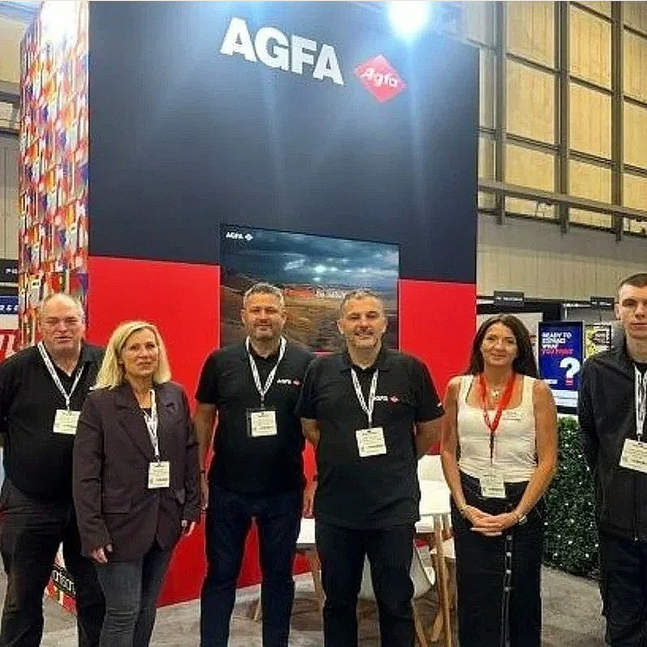
Birmingham, UK – 29 September 2026 – Agfa Inkjet Solutions today opened three days of exhibiting at The Print Show 2026, held at the NEC Birmingham, where the company is demonstrating a complete wide-format production environment designed to boost productivity, efficiency, and application versatility for print businesses.
Visitors to Stand P510 in Hall 1 can see the Anapurna Cierva H3200 in action, seamlessly switching between rigid and roll media

Birmingham – UK – September 2026 – Hybrid Services Ltd, the official Mimaki distributor for the UK and Ireland, has today announced the launch of the new Mimaki UJF200-6042, a UV flatbed printer designed to elevate personalisation and custom printing to new levels of quality and efficiency.
The announcement was made at The Print Show 2026, where the printer is now on display at Stand P400.

Hanover, Germany – September 2026 – ColorGATE, a global provider of colour management and RIP software for digital printing, is reminding print producers of the importance of safeguarding their production environments against unexpected technical issues, device challenges, and downtime.
The company is highlighting its Value Pack programme, an annual software maintenance and support agreement designed to keep printing workflows running smoothly.

Milan, Italy – September 2026 – B-FLEX ITALIA, a global hub for garment decoration, has announced it will present its integrated DTF and thermoadhesive technology ecosystem at VISCOM Italy 2026.
The event will take place on 28 and 29 October at Allianz MiCo, with B-FLEX ITALIA exhibiting at Booth L22.
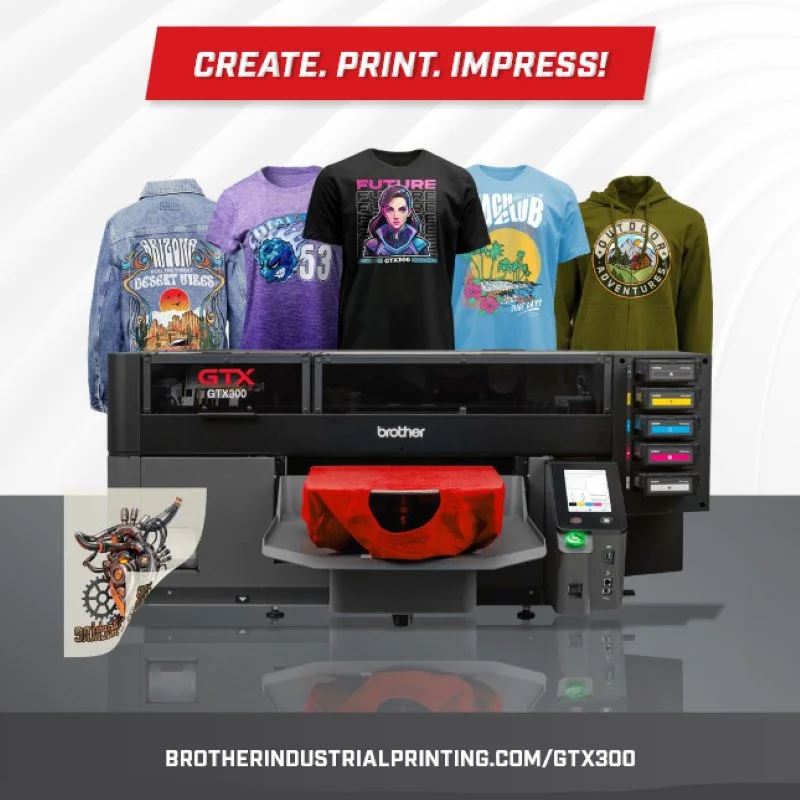
September 28th 2026 – Time is running out to secure a place at tomorrow's live presentation of the Brother GTX300, where industry experts will showcase the printer's capabilities in real time.
Registration closes shortly, offering one final opportunity for professionals to gain firsthand insight into this innovative print technology.
The session will give attendees an exclusive, behind-the-scenes look at the GTX300, exploring what sets it apart in an increasingly competitive market

Birmingham – UK – September 2026 – Douglas Stewart EDU will showcase CorelDRAW Graphics Suite at The Print Show this year, bringing print professionals face-to-face with design technology aimed at improving efficiency and reducing waste across production workflows.
The move comes as new research from CorelDRAW, conducted in partnership with NAPCO Research, reveals the growing role graphic design software plays in the print industry.
The survey of 200 print professionals found that 83% had seen increased efficiency in prepress as a result of using design software, while 59% had specifically invested in upgraded solutions to improve production efficiency.

Birmingham – September 2026 – Nova Chrome UK Limited will showcase the brand new Epson SC-F300 A3 Dye Sublimation Printer at The Print Show next week, giving visitors a first-hand look at the future of dedicated sublimation printing.
The demonstration will take place on stand P240 throughout the event.
As the print industry continues to evolve, Nova Chrome remains committed to bringing forward the technologies that will define its next chapter.

Birmingham – September 2026 – China Print Supplies UK Ltd has announced the completion of its largest exhibition stand to date, marking a significant milestone in the company's presence at The Sign Show.
The build, which took place over two days, reflects the company's continued investment in showcasing its full range of products and capabilities to the sign and print industry.
The scale of the stand underscores China Print Supplies UK Ltd's ambition to strengthen its position as a leading force within the sector.

Dublin, Ireland – September 2026 – digitalprint.ie, Ireland's trusted supplier of digital printing equipment and media, has been recognised by Epson as its No. 1 ProSignage partner in Europe for sales of the manufacturer's Eco-Solvent printer range.
The accolade marks a significant achievement for the Irish company, which has outperformed larger European markets to claim the top spot.
The recognition was presented to John Noonan, Colm McCarthy and the wider digitalprint.ie team, alongside Rob Weisenberger, Epson's Sales Manager for Commercial & Industrial, in celebration of the milestone.

London, UK – September 2026 – Decorex, the UK's leading platform for luxury interior design, today announced that registration is now open for its 2026 edition, taking place at Olympia, London this October.
With less than a fortnight until doors open, the event will once again bring together the materials, makers and ideas shaping the future of high-end interiors.

Ludwigshafen, Germany – September 2026 – BASF has announced the launch of a new portfolio of paper coating dispersions with a reduced Product Carbon Footprint (rPCF), offering customers a practical and cost-effective route to lowering emissions.
Paper coating binders produced at BASF's Ludwigshafen Verbund site are now available with Product Carbon Footprints approximately 20% to 45% lower than their corresponding conventional products.
The new rPCF dispersions apply several levers, including the use of low-PCF raw materials, and are designed to help customers reduce emissions within the "Purchased Goods and Services" category as they work towards their Scope 3.1 carbon reduction targets
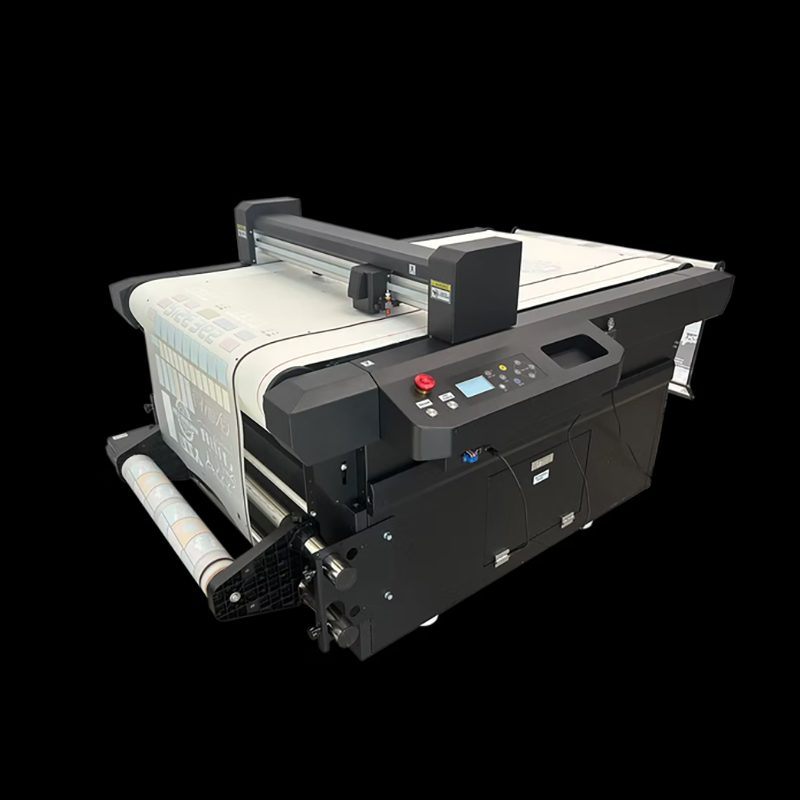
Clay Cross – September 2026 – Resolute DTF has confirmed it will unveil its latest range of digital cutting solutions at The Print Show 2026, held at the NEC Birmingham from 29 September to 1 October.
The announcement reflects the company's continued commitment to advancing production efficiency across the DTF, vinyl, UV DTF transfer and label sectors.
Visitors to Stand P610 will be given a first-hand look at three cutting systems designed to address the industry's growing demand for accuracy, flexibility and streamlined workflows.

Mortsel, Belgium and Londonderry, N.H. – 28 September 2026, 7.45 a.m. CET – Electronics for Imaging, Inc. ("EFI"), a leading industrial inkjet business and portfolio company of Siris, and Agfa-Gevaert ("Agfa") today announced a definitive agreement to combine Agfa's Digital Printing Solutions business ("Agfa DPS") with EFI.
An affiliate of Siris will hold a 60% interest and Agfa will hold a 40% interest in the newly formed company, with Siris and Agfa acting as equal partners under the combined governance structure.
The agreement builds on the global partnership EFI and Agfa established in 2024, which enabled both companies to expand their product offerings through access to complementary technologies.

Leicestershire – September 2026– Vivid Laminating Technologies Ltd, a leading provider of laminating and print finishing systems, has announced its participation in The Print Show, where it will unveil its latest technologies to industry professionals.
The company will be located at Hall 1, Stand P460, welcoming both new and existing customers to experience its systems firsthand.
As exhibition preparations reach their final stages, Vivid is preparing to demonstrate its commitment to innovation and quality in the print finishing sector.

Las Vegas, NV – 25 September 2026 – PRINTING United Expo 2026, produced annually by PRINTING United Alliance, the most comprehensive member-based printing and graphic arts association in North America, concluded today following three dynamic days at the Las Vegas Convention Center.
Preliminary results point to another highly successful gathering of the global printing community, with 27,000 registered attendees from 100 countries and more than 850 exhibitors spanning approximately one million square feet of show floor space. PRINTING United Expo will return next year in Las Vegas from 14-16 September 2027.

London, UK – Septembder 2026 – The UK Fashion & Textile Association (UKFT) has launched the latest edition of its Discover British Brands map, showcasing more than 100 British brands exhibiting across Paris Women's Fashion Week and the SS27 pre-collections from 28 September to 6 October 2026.
The initiative continues UKFT's commitment to strengthening the international standing of UK fashion businesses, giving global buyers and press a clear route into the depth and diversity of British design.

Birmingham, UK – September 2026 – China Print Supplies UK Ltd (CPS UK) has announced its participation in The Sign Show 2026, where the company will present one of its largest-ever line-ups of print and finishing equipment.
The event will take place from 29 September to 1 October 2026 at the NEC Birmingham, with CPS UK exhibiting at stands S220 and S420.

Accrington, UK, September , 2026: Soyang Europe will showcase three core products from the Platinum Technologies LIYU range on its stand at The Sign Show 2026.
Following its debut in 2025, The Sign Show will return to NEC Birmingham this autumn, once again co-located with established print industry exhibition The Print Show.
This year, the two events will run from 29 September to 1 October, with thousands of visitors expected across the shows.
Soyang, which exhibited at several previous editions of The Print Show, will take the largest stand in The Sign Show section of the hall, with a focus on its new distribution partnership with Platinum Technologies LIYU
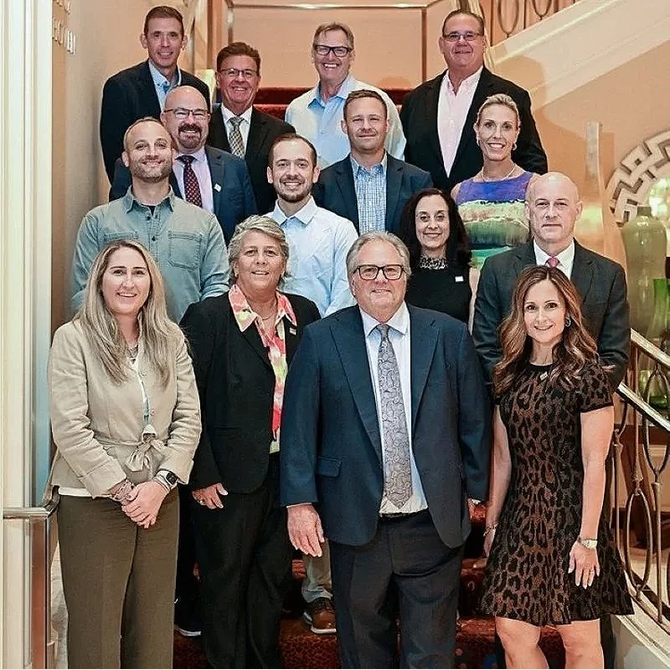
PRINTING United Alliance, the most comprehensive member-based printing and graphic arts association in North America, today announced its 2026–2027 Board of Directors.
The new Board was officially appointed during PRINTING United Expo 2026, held September 23–25 at the Las Vegas Convention Center.

Birmingham, UK – September 2026 – Perfect Colours has announced its participation in The Print Show 2026, taking place at the NEC Birmingham from 29th September to 1st October.
The company will be offering bespoke, hands-on demonstrations of the Canon UK Colorado M5W, giving visitors the opportunity to witness the technology firsthand and explore how it can transform their production capabilities.
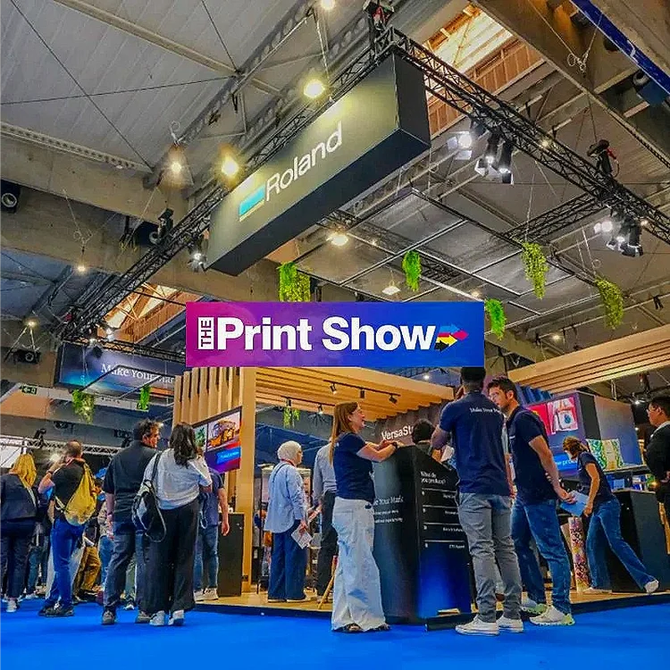
Birmingham, UK – September 2026 – Roland DG will unveil five of its latest product launches together for the first time at a UK trade show, as the digital print technology leader brings its newest innovations to The Print Show 2026.
Taking place from 29 September to 1 October at the NEC Birmingham, visitors to Hall 1, Stand S210 will be among the first in the UK to see the new TrueVis VG4-640, TrueVis MG2-300, TrueVis AG-640, VersaObject IO-300 and VersaObject RC-300 in action.
Spanning eco-solvent, latex and UV printing technologies, the line-up reflects the pace at which digital print continues to evolve, opening new possibilities across sign and graphics production, personalisation and direct-to-object printing.
Anglesey – September 2026 – Nova Chrome UK, one of the UK's longest-standing suppliers of dye sublimation printing solutions, has announced it will exhibit at The Print Show, taking place at NEC Birmingham.
Visitors can find the company at Stand P240, Hall 1, where its specialists will showcase the latest sublimation products and equipment.

Warsaw, Poland – September 2026 – Antigro Designer, a company at the forefront of print-on-demand technology, took part in this week's Warsaw Print Tech Expo, contributing to a critical industry conversation on personalisation and its growing influence on the future of print.
Michał Sitkiewicz, representing Antigro Designer, joined the panel session "We Love Print – Personalizacja z wyobraźnią" to share the company's perspective on where the market is heading.
The session brought together key voices in the print industry to examine how personalisation is no longer a niche offering but a defining feature of modern commerce.

Birmingham, UK – September 2026 – Epson UK & Ireland will be exhibiting at The Print Show 2026, taking place at the NEC Birmingham from 29 September to 1 October 2026.
Visitors can find Epson at Stand S130, where the company will present live demonstrations of its latest professional printing technologies across UV, Direct-to-Garment (DTG), Direct-to-Film (DTF), and flatbed printing.

Ashby de la Zouch – September 2026 – Vivid Laminating Technologies has unveiled its most ambitious innovation to date: the Veloblade Nexus 5x5, a cutting-edge solution engineered to finish materials up to five metres wide and five metres long.
Wrapped in a striking carbon fibre finish, the launch marks a step change in large-format cutting technology for the print, fabric, and textile industries.
The Veloblade Nexus 5x5 is designed to meet the growing industry demand for precision, speed, and scale.
New York - September 2026– NedGraphics, a global leader in textile design technology, has today announced the upcoming launch of NedGraphics 2027, a new generation of software set to redefine how designers bring their creative visions to life.
The countdown to the full reveal is now underway, with the company inviting the industry to follow along as details unfold.
Hanover, Germany – 24 September 2026 – CEMATEX has selected 20 emerging start-ups from nine countries to receive the CEMATEX Start-Up Grant and showcase their innovations at Start-Up Valley during ITMA 2027 in Hanover.
Their participation will be fully funded by CEMATEX, giving promising early-stage companies access to the world's leading textile and garment technology platform.
The selected start-ups span six product areas: Colourants & Chemicals, Fibres, Yarns & Fabrics, Garment Making, Recycling, Software & Automation, and Testing.