
TEXINTEL TALKS - EPISODE 132 - Why Compliance and Regulation Offers a Generational Opportunity to Build a Sustainable Manufacturing Ecosystem

In this conversation, Debbie McKeegan, Brooke Roberts-Islam, and Anja Sadock discuss the critical topic of compliance in the fashion industry - focusing on the increasing number of regulations and the importance of data management in ensuring compliance.
They explore the challenges faced by smaller businesses in navigating these regulations and highlight the opportunities that arise from embracing compliance as a positive step forward.
The discussion emphasises the need for a structured approach to data collection and the importance of mapping supply chains to improve transparency and accountability.
Listen to learn more >>

KEY TAKEAWAYS:
Regulatory compliance is essential for the fashion industry.
The number of regulations has significantly increased recently.
Data management is crucial for compliance and risk assessment.
Smaller businesses face unique challenges in compliance.
Mapping the supply chain is the first step to compliance.
Collaboration among stakeholders is necessary for effective compliance.
Standardisation of data requirements can ease the burden on suppliers.
Understanding regulations can drive business value and impact.
Compliance can create resilience in businesses.
The fashion industry has a significant role in social progression.
CHAPTERS:
00:00 Introduction to the Guests and Topic
05:23 The Importance of Compliance in Fashion
08:22 Challenges in Navigating Regulations
12:11 The Compliance Canvas Explained
17:53 Strategies for Smaller Businesses
25:29 Identifying Key Regulations and Opportunities
To navigate the complexities of the Regulatory landscape, TrusTrace have published the “Data Advantage” playbook and the “Compliance Canvas”, both are available for free download.


In this podcast episode, James Watson, Managing Director of Surface Print, discussed the evolution of his fourth-generation family business in Lancashire.
Surface Print combines traditional craftsmanship with digital innovation- investing £2 million in a hybrid rotary screen Gravure machine and £600,000 in new HP digital printers.
The company achieved ISO 14001 accreditation, introduced solar panels, and plans to install a new boiler and water recirculation system. Watson emphasised the importance of balancing traditional techniques with modern technologies to maintain quality and sustainability. The company also leverages AI for efficiency and marketing, while maintaining a family-oriented work culture.
Listen to learn more >>
From Dongles to Digital: Future‑Proof Licensing for Global Creative Teams
Host Debbie McKeegan talks with NedGraphics President Frank Maeder and 10Duke CEO Neil Fenton about the shift from hardware dongles to secure, user‑centric cloud licensing.
They discuss how this transition reduces friction for designers, supports hybrid and global workflows, strengthens security and resilience, and even contributes to sustainability by eliminating physical keys and their shipping footprint.
If you’re in fashion, design, CAD/CAM, or any creative production environment and want to future‑proof your software delivery, this discussion is packed with insight and real‑world examples.
Listen to learn more >>

In this insightful interview, Dave Conner, Director of Product Marketing at Stahls and Fulfill Engine, shares his journey into the textile industry.
The commercial opportunity presented by printed, personalised merchandise is already a lucrative revenue stream; it is the core driver of growth in a multi-billion-pound industry. And the mandate for print businesses is clear: automate, adapt, and offer undeniable added value, or choose to gradually lose market share.
This is not merely a shift in consumer demand; it is the fundamental evolution of the printed surface. By leveraging adaptive manufacturing, 3D added value, and sustainable surface effects, digital printers can secure their future by offering unique print applications across apparel, interior décor, accessories, and bespoke objects.
Discover how automation, materials, and community collaboration are shaping the future of on-demand garment decoration and fulfilment.
Listen to learn more >>

In this podcast episode, Ulrich Scherbel, CEO of AMSilk, discusses the innovative production of bioengineered spider silk protein and its applications in the textile industry, going far beyond fibre and with the power to radically transform inks and chemistry.
He explains the challenges of scaling up production, the importance of sustainability, and how AMSilk's technology can significantly reduce carbon emissions. The conversation also touches on the role of AI in protein bioengineering and the future vision for transforming the textile supply chain through collaboration and innovation.
Listen to learn more >>

In this insightful interview, Jon Bailey, COO of Precision Proco, shares his journey into the print industry, leadership philosophy, and how embracing change and innovation has shaped his success.
Discover practical lessons on building a resilient business, nurturing talent, and leveraging AI for future growth.
Listen to learn more >>

Colour Is Too Important to Leave to Chance
Print will always be the part of the garment people see first.
But the sum of all parts — the fabric, the trims, the fasteners, the finish — is what determines whether a design actually delivers on its promise. Brands that continue to treat colour as a single creative decision, rather than a coordinated technical discipline spanning their entire supply chain, will keep paying for it in re-dips, delays, and disappointed design teams.
A Century of Textiles, and an Ever-changing World
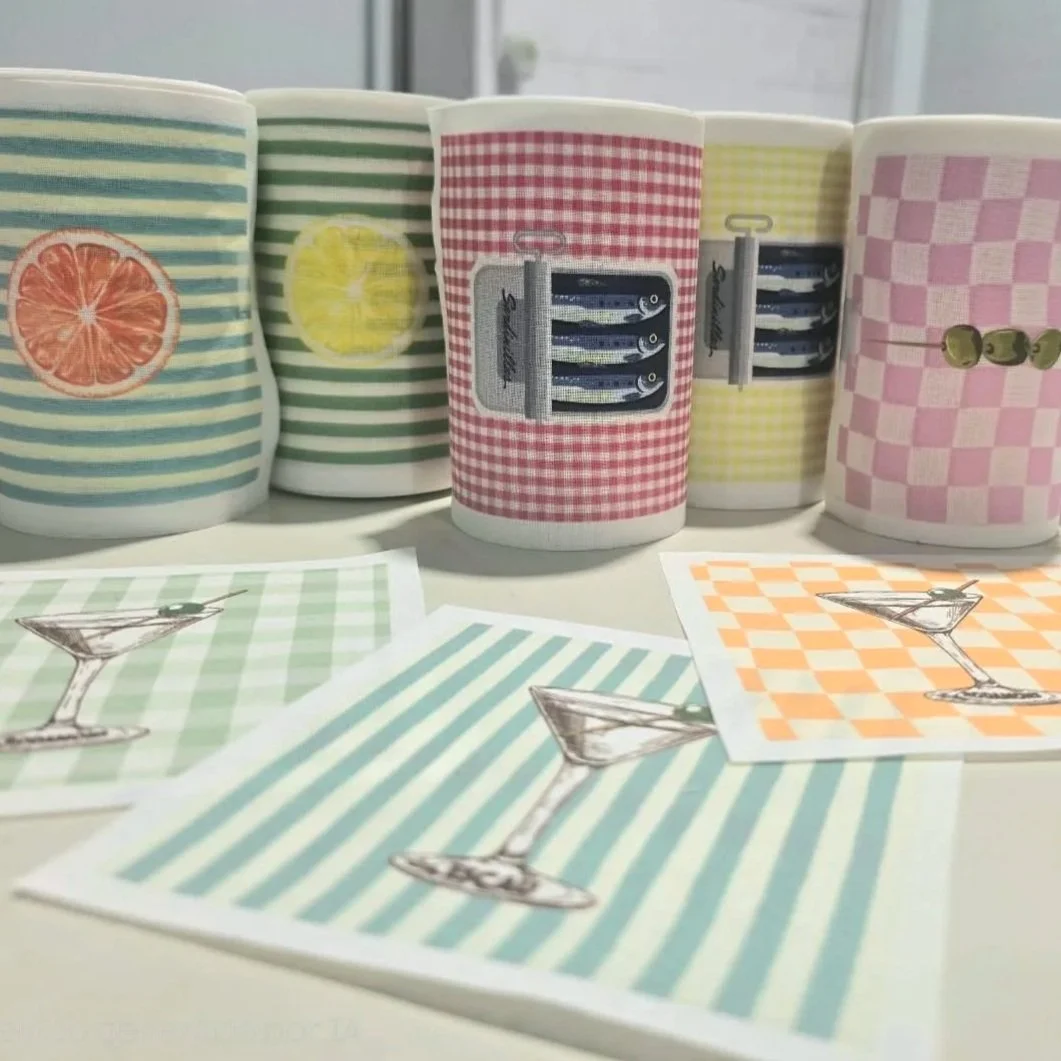
Few companies can trace their roots back more than a century and still count themselves among their industry's innovators. Texia, headquartered in Monistrol de Montserrat, Spain, is one of them.
But the story of Texia is not simply one of longevity.
It is a story of continual reinvention. As the textile industry has grown more global and competitive, Texia has repeatedly reshaped its business, investing in technology, developing its own brands, and placing sustainability at the centre of its mission. In doing so, it offers a compelling example of how a heritage manufacturer can lead rather than follow through a period of profound industry change. Image Credit: Texia
What are we craving Ultimately?
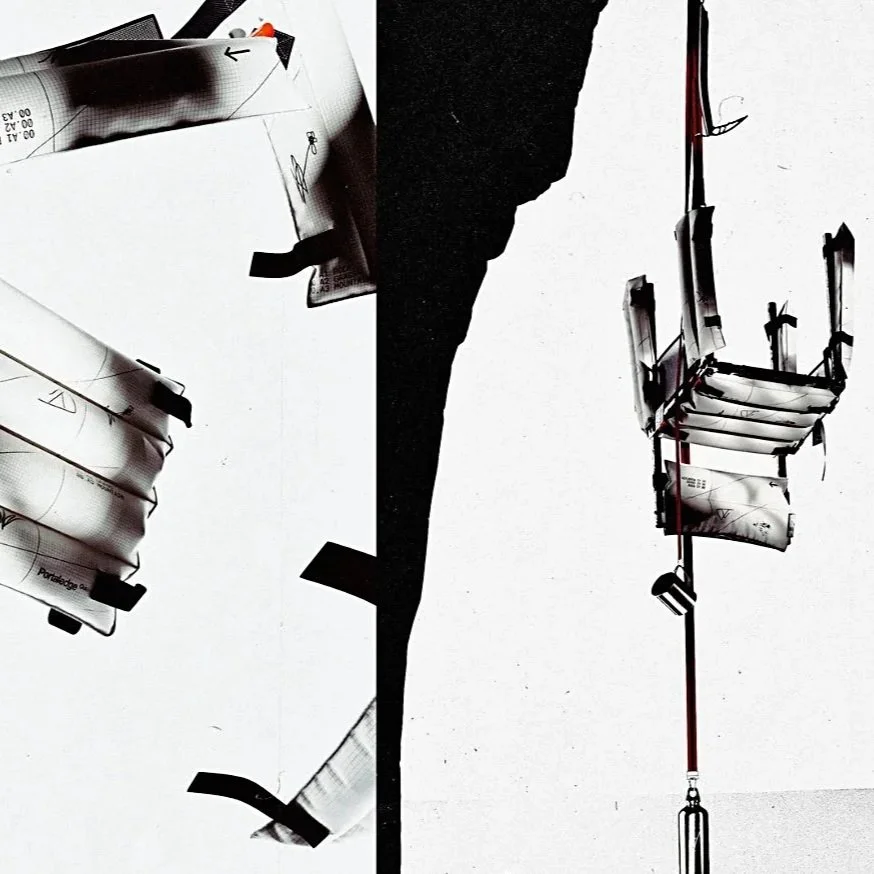
The instinct to slow down while simultaneously optimising every measurable aspect of life isn't a passing curiosity. It's a structural response to a world that feels increasingly unstable, and it's reshaping what people expect from their homes, hotels, workplaces and healthcare environments alike.
For the design and manufacturing sectors, this means rethinking both product and process.
The Structual Shift is Real and its Already Here
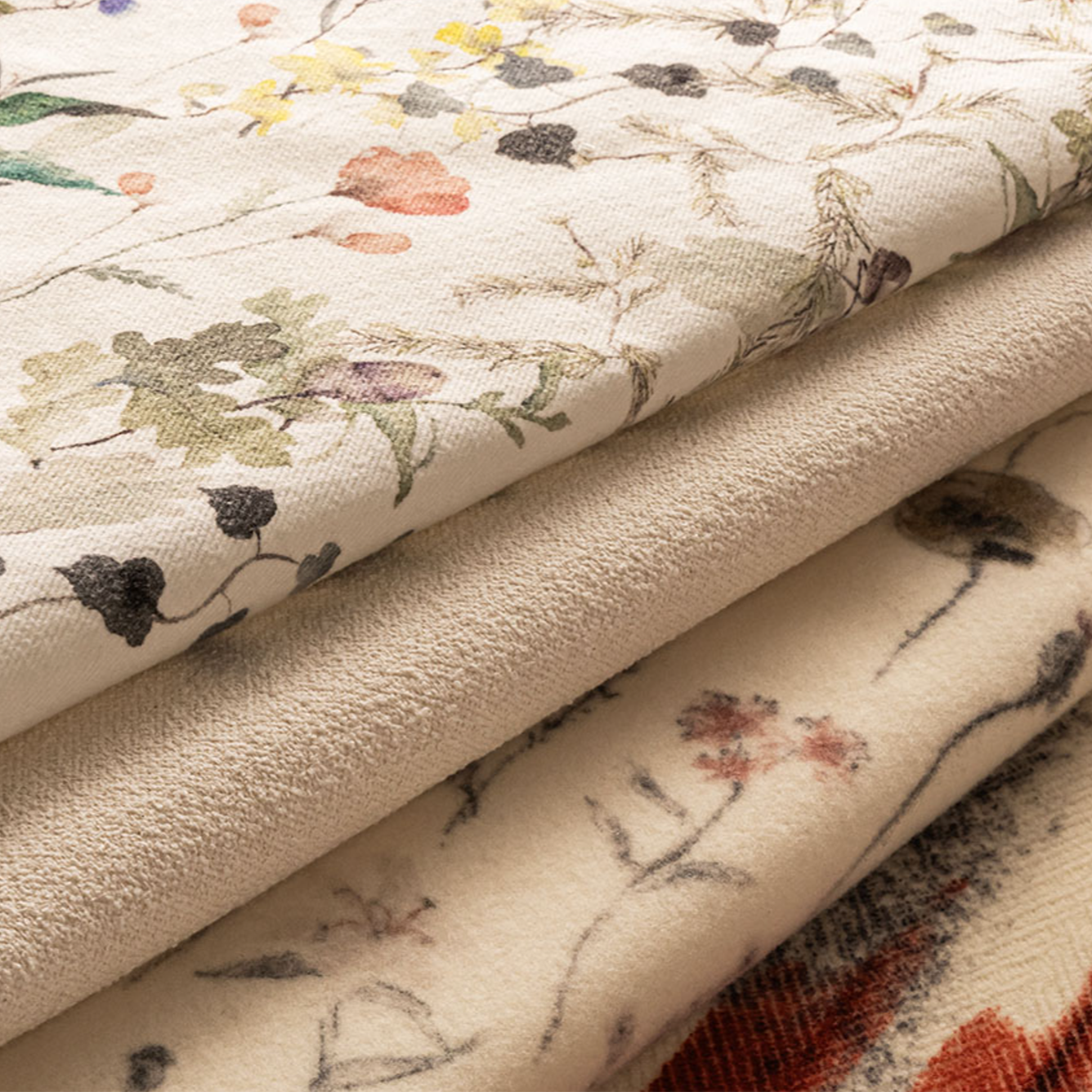
Volumes are moving east, where digital production is accelerating rapidly. Consumer behaviour has shifted.
Demand is now driven by personalisation, shorter buying cycles, and an expectation of near-instant responsiveness. Regulatory pressure is intensifying, with supply chain transparency now a legal and commercial fact in many markets. And margins? They are under sustained, structural pressure.
This is not a temporary disruption. It is a fundamental reordering of how textile manufacturing must operate.

The Challenge: Standing Firm as the Industry Shifts
The wallpaper landscape has changed dramatically. Digital printing has lowered the barrier to entry, spawning countless direct-to-consumer brands and pushing much of the market towards faster, cheaper production.
At the same time, manufacturing in the UK has grown steadily harder - rising minimum wage, national insurance, energy and substrate costs all bear down on margins. Surface Print have embraced all of these challenges - and stand resolutely prepared for the future.

Las Vegas – Nevada – September 2026 – Greentex Global, a global provider of fabrics, blanks, sportswear, apparel and home textiles, has announced its participation in PRINTING United Expo 2026, taking place in Las Vegas from 23 to 25 September.
The company will welcome attendees to Booth C323, where it will present its latest range of sustainable textile solutions for the printing and apparel industries.

Signal Iduna- Park Dortmund– Germany – FabricVision GmbH has confirmed the successful deployment of its STARFLAG and BLOCKFLAG textile solutions in a large-format giant flag application at the German Supercup, one of German football's most closely watched fixtures.
The combination was used by a FabricVision customer to produce a pitch-covering display, demonstrating the fabrics' capability to meet the exacting demands of major sporting events.

Melville, NY – September 2026 – Canon U.S.A., Inc., a leader in digital imaging solutions, has announced it will return as title sponsor of PRINTING United Expo 2026, showcasing its latest innovations in production and large-format print.
Attendees can visit Booth #N5801 at the Las Vegas Convention Center from 23-25 September to experience Canon's diverse range of equipment and solutions.

Thetford – Norfolk - September 21, 2026 - Norfolk-based graphics, signage and print business MultiSigns Ltd said its recent investment in a new Vivid VeloBlade Nexus digital cutting system from Soyang Europe has allowed the company to bring more production in-house and significantly reduce turnaround times for customers

London – UK – September 2026 – ARTS THREAD has announced the call for applications for the Designers in Residence Pforzheim 2027 programme, a fully funded three-month residency hosted at EMMA Creative Center Pforzheim.
The residency will run from 1 April to 30 June 2027, offering emerging designers a rare opportunity to develop their practice within a dedicated creative environment.
Applications close on 2 November 2026 at 23:59 CET.