Beautiful Panel Garments Demand Strategic Thinking
“It's about designing a garment where artwork, pattern making, fabric selection, and manufacturing work together seamlessly. When every stage of the process is carefully considered - the final product doesn't just stand out visually, it tells a story of thoughtful design and technical precision.”.
WRITTEN BY Alessandra Olisia Medeiros at Olisia Design
Consumers often admire engineered prints for their visual impact.
A perfectly placed floral, stripe, or graphic can transform a garment into something memorable and premium. What most people don't realize, however, is that behind every successful engineered print lies an enormous amount of technical planning and collaboration.
Unlike traditional repeat patterns, engineered prints are not simply applied across the fabric. Every artwork is carefully designed to align with the garment's construction, making the print part of the silhouette itself. While the final result can be stunning, it also introduces significant manufacturing challenges that affect cost, production timelines, communication between departments, and overall efficiency.
As textile designers, understanding these challenges allows us to create beautiful products while making strategic decisions throughout the development process.
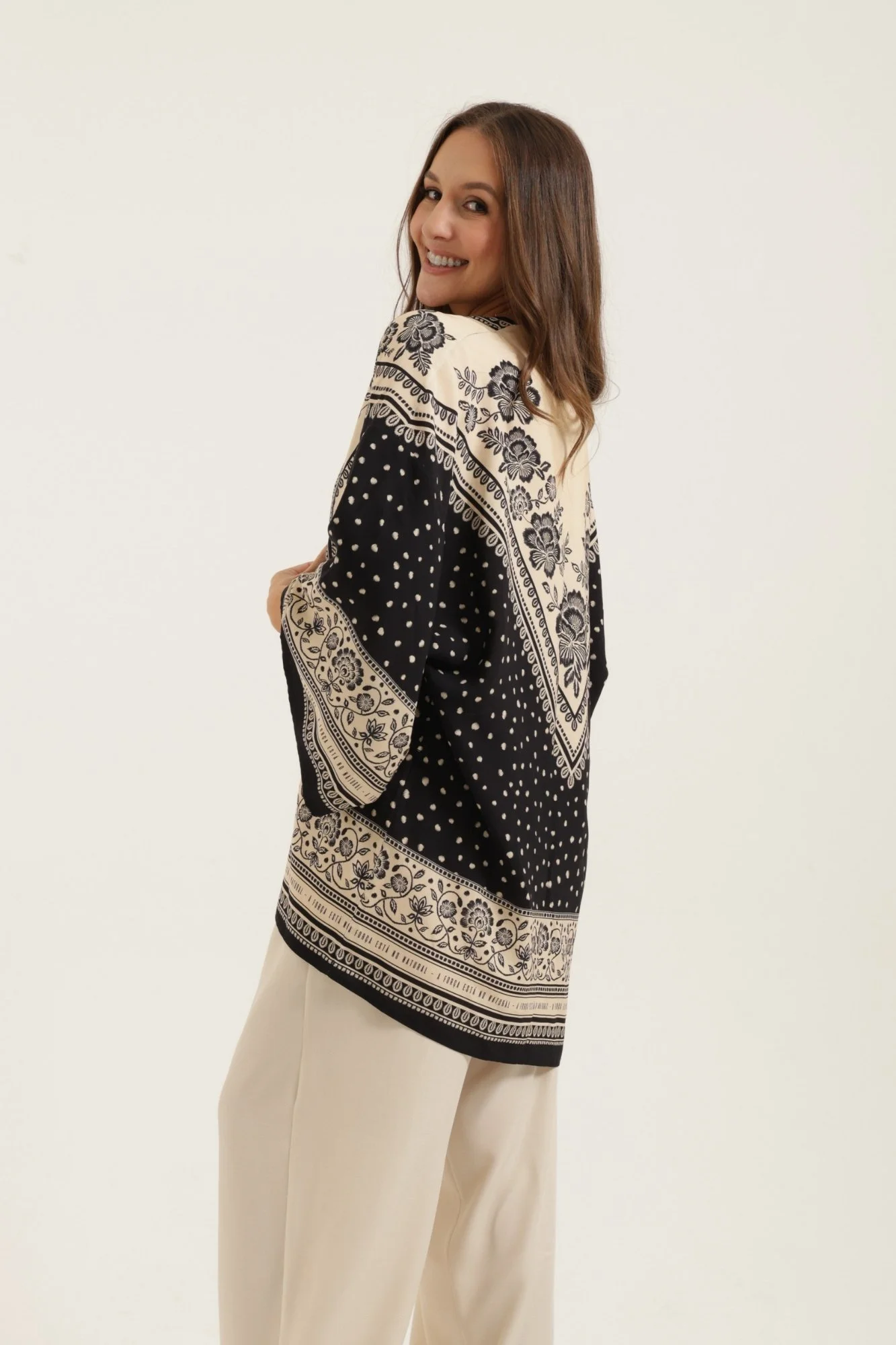
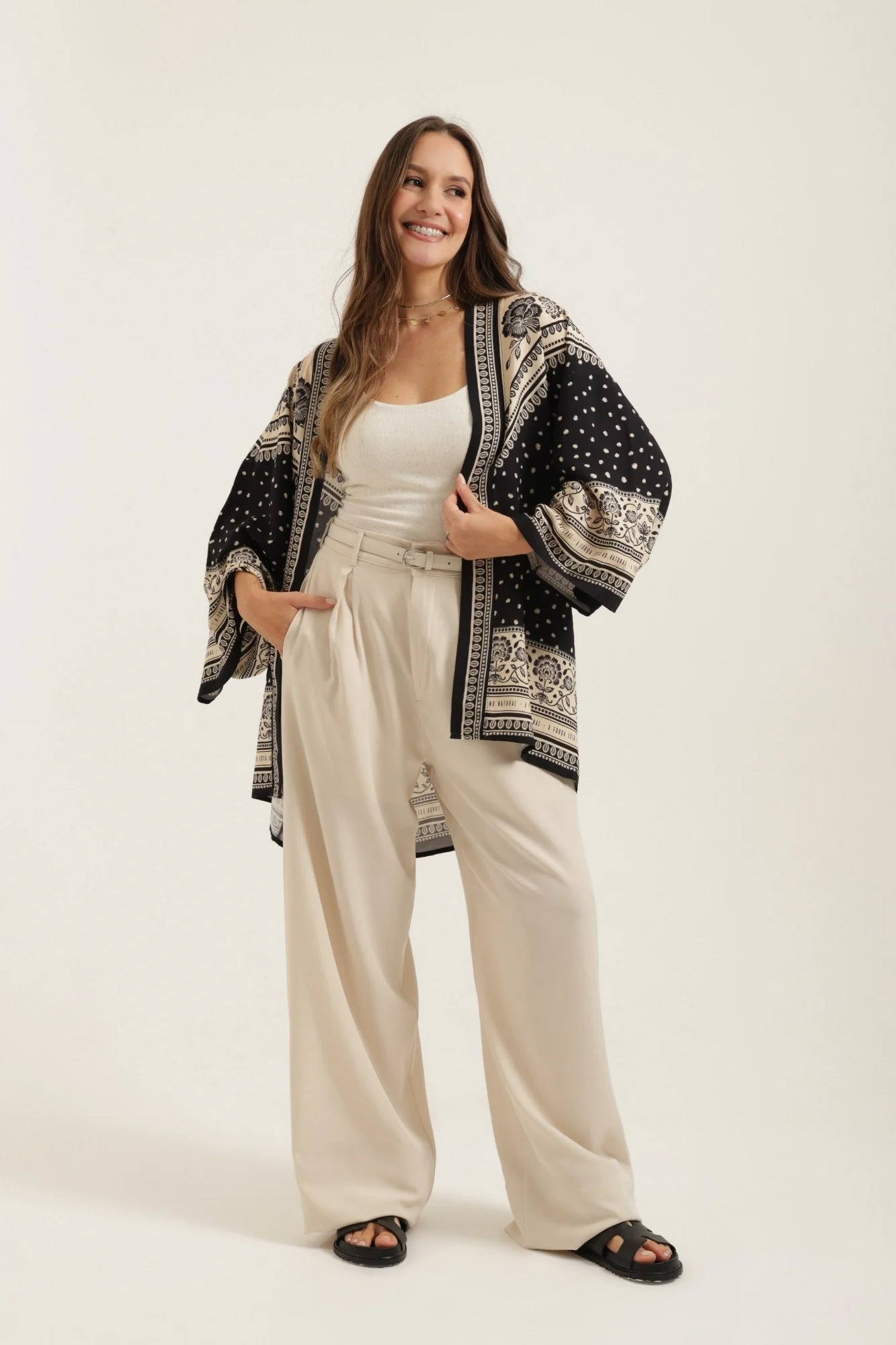
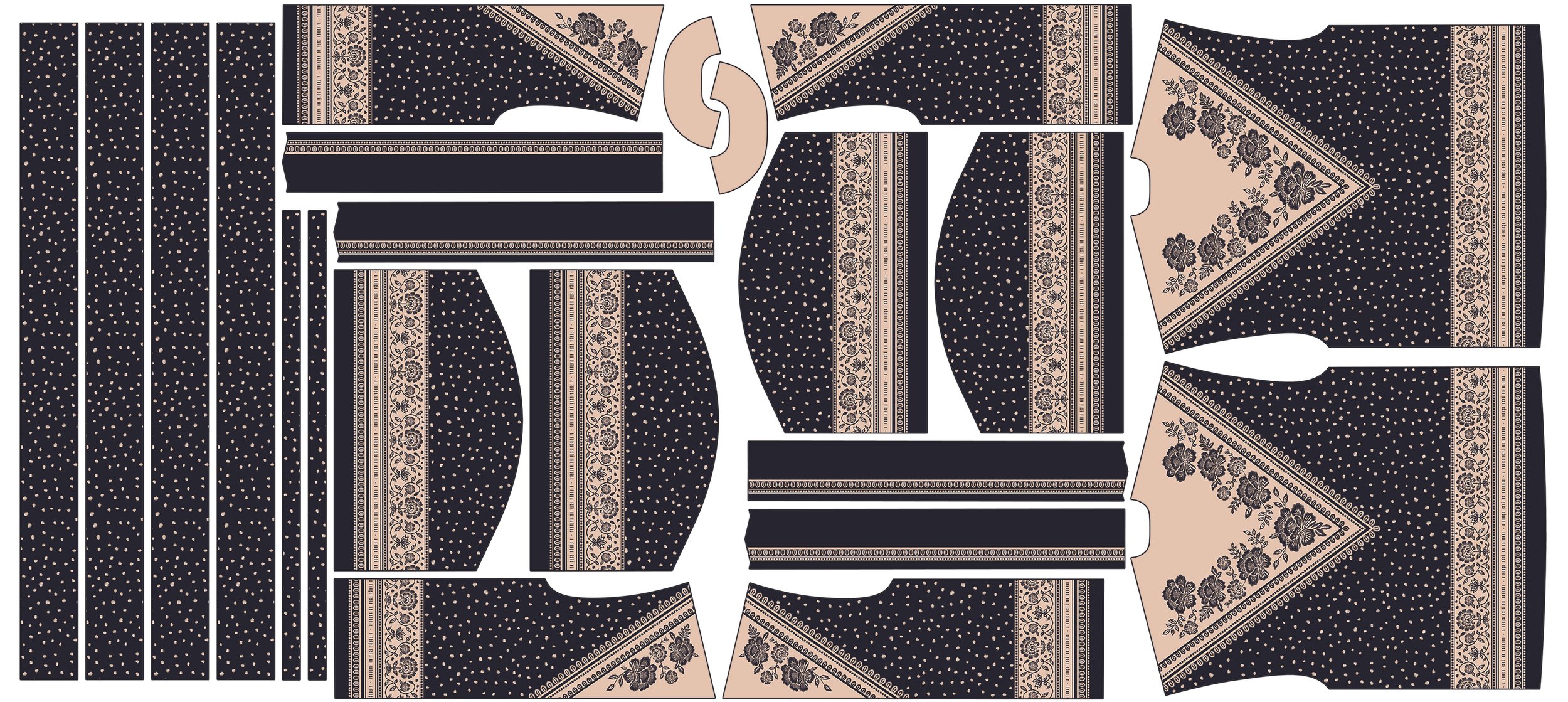
What Is an Engineered Print?
Before discussing production, it's important to understand what makes an engineered print different. A repeat print is designed to tile continuously across the fabric, allowing pattern pieces to be cut almost anywhere within the printed yardage. Placement prints, on the other hand, position artwork in specific areas of a garment, such as a centered graphic on the chest or a decorative motif on the back.
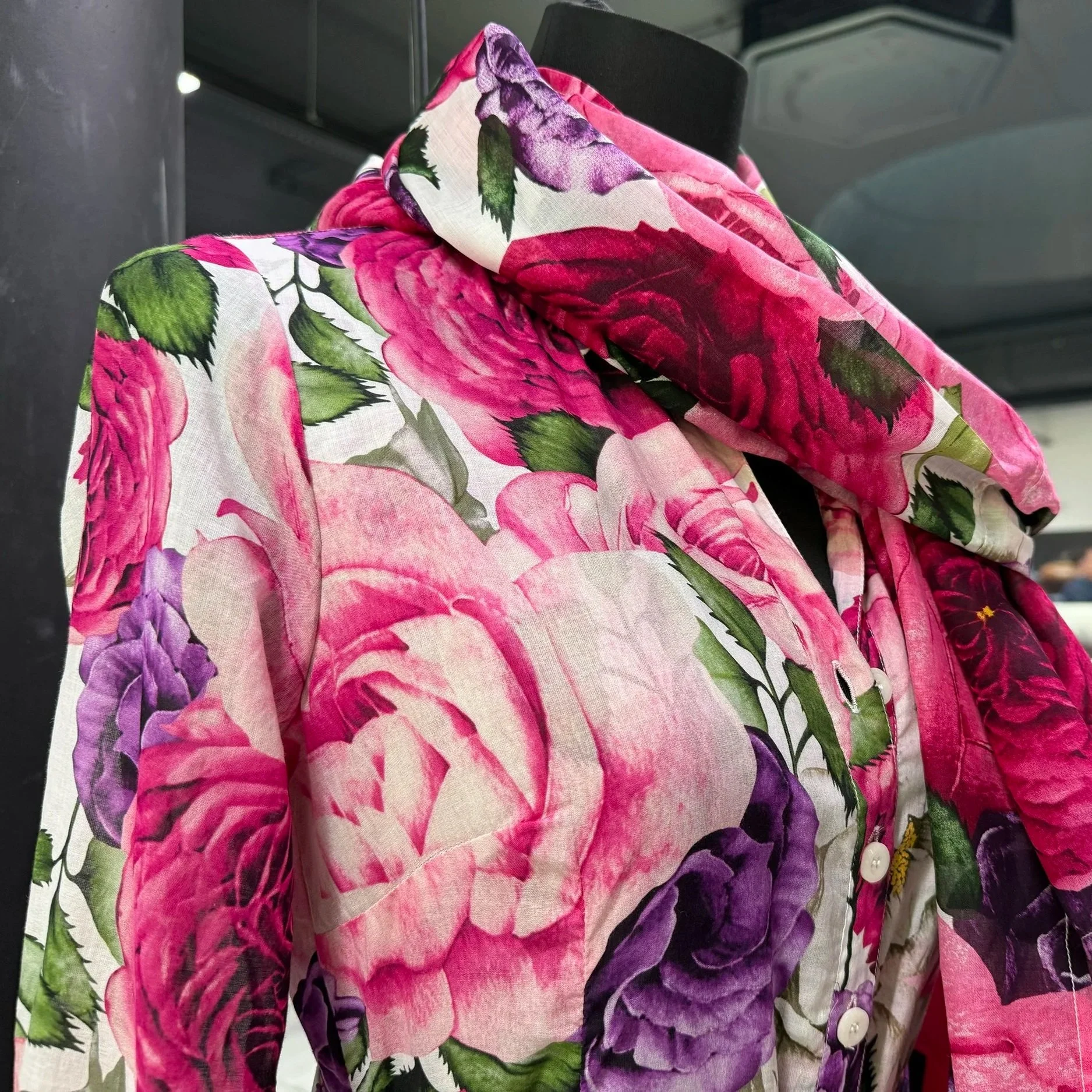
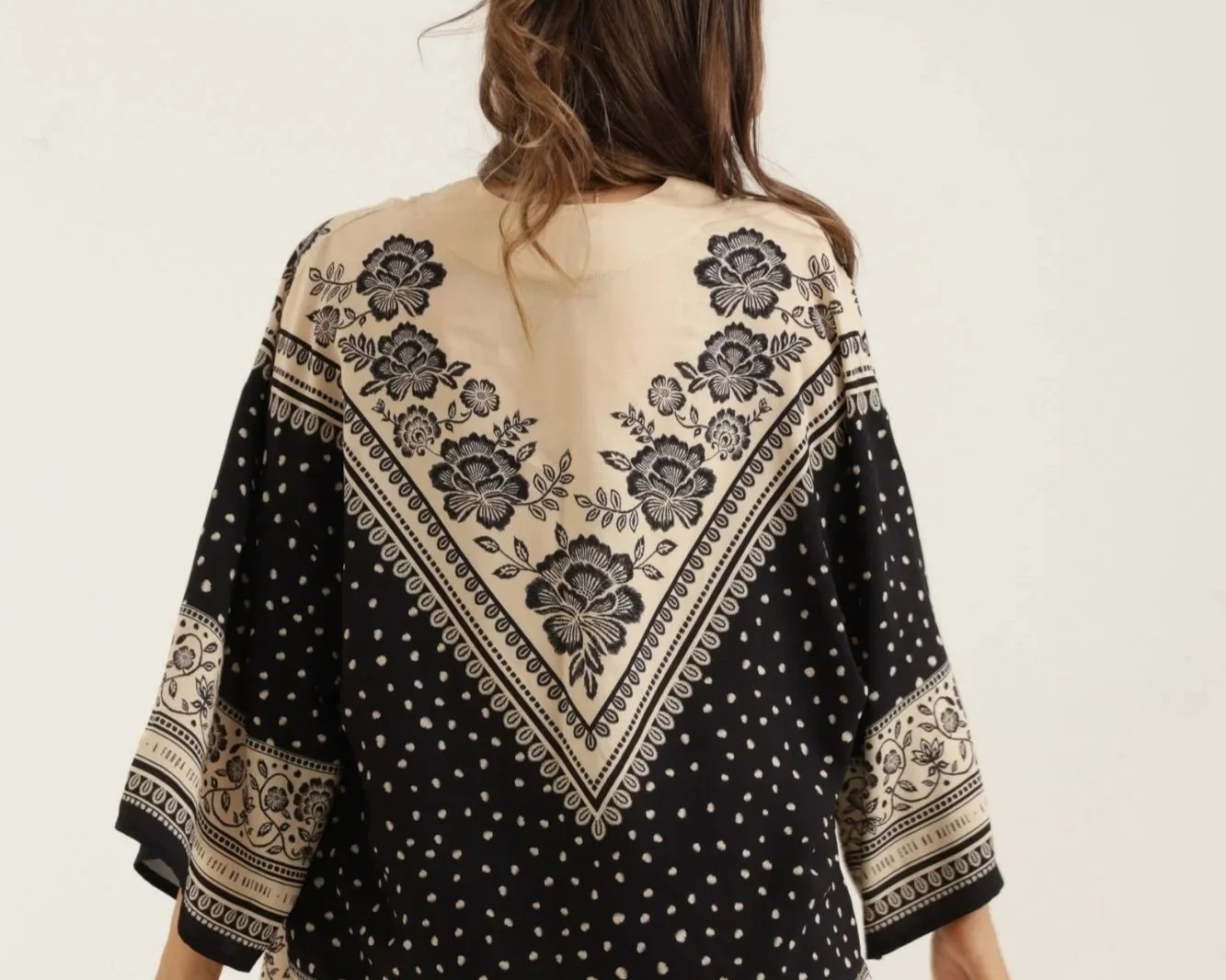
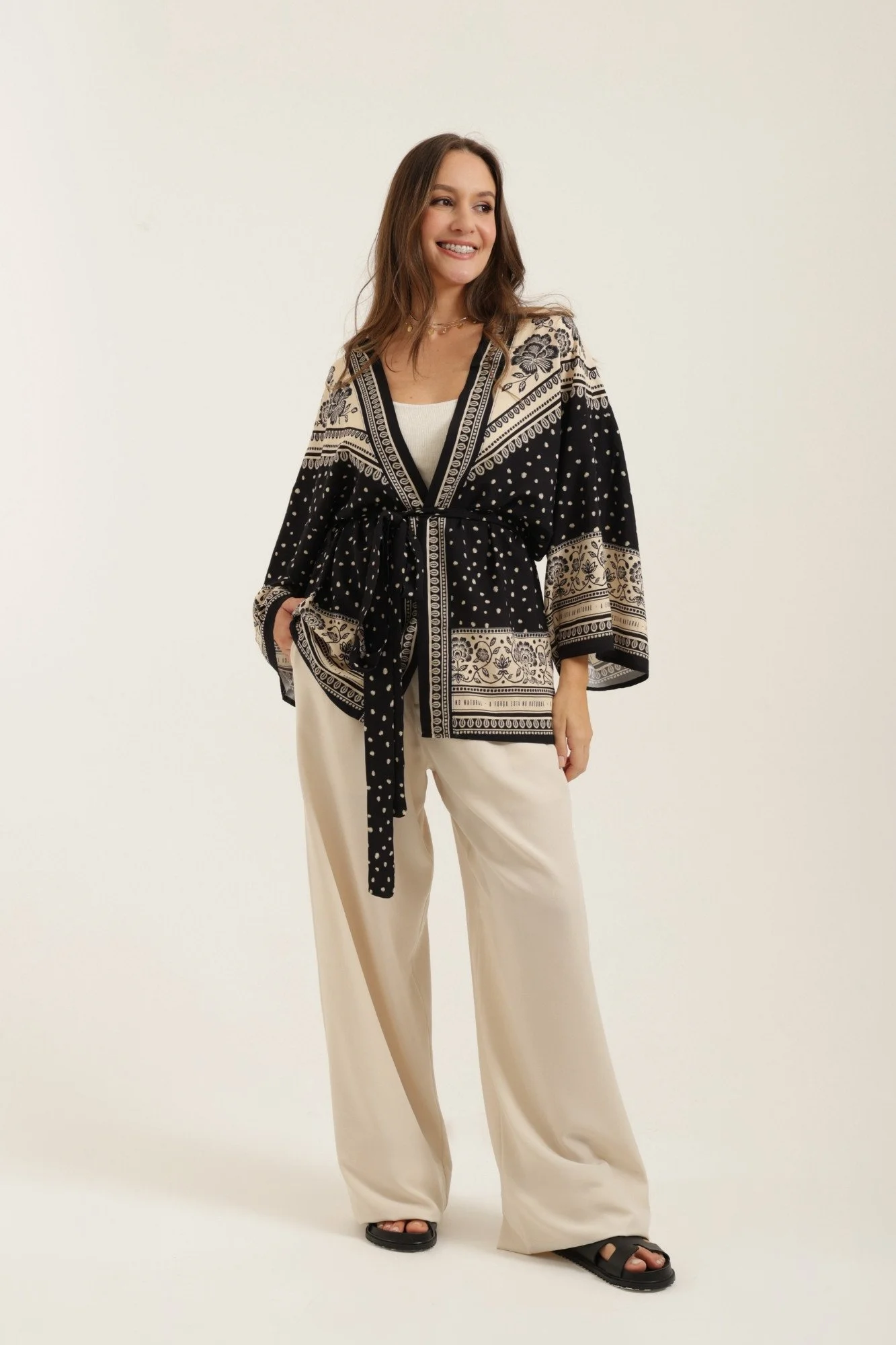
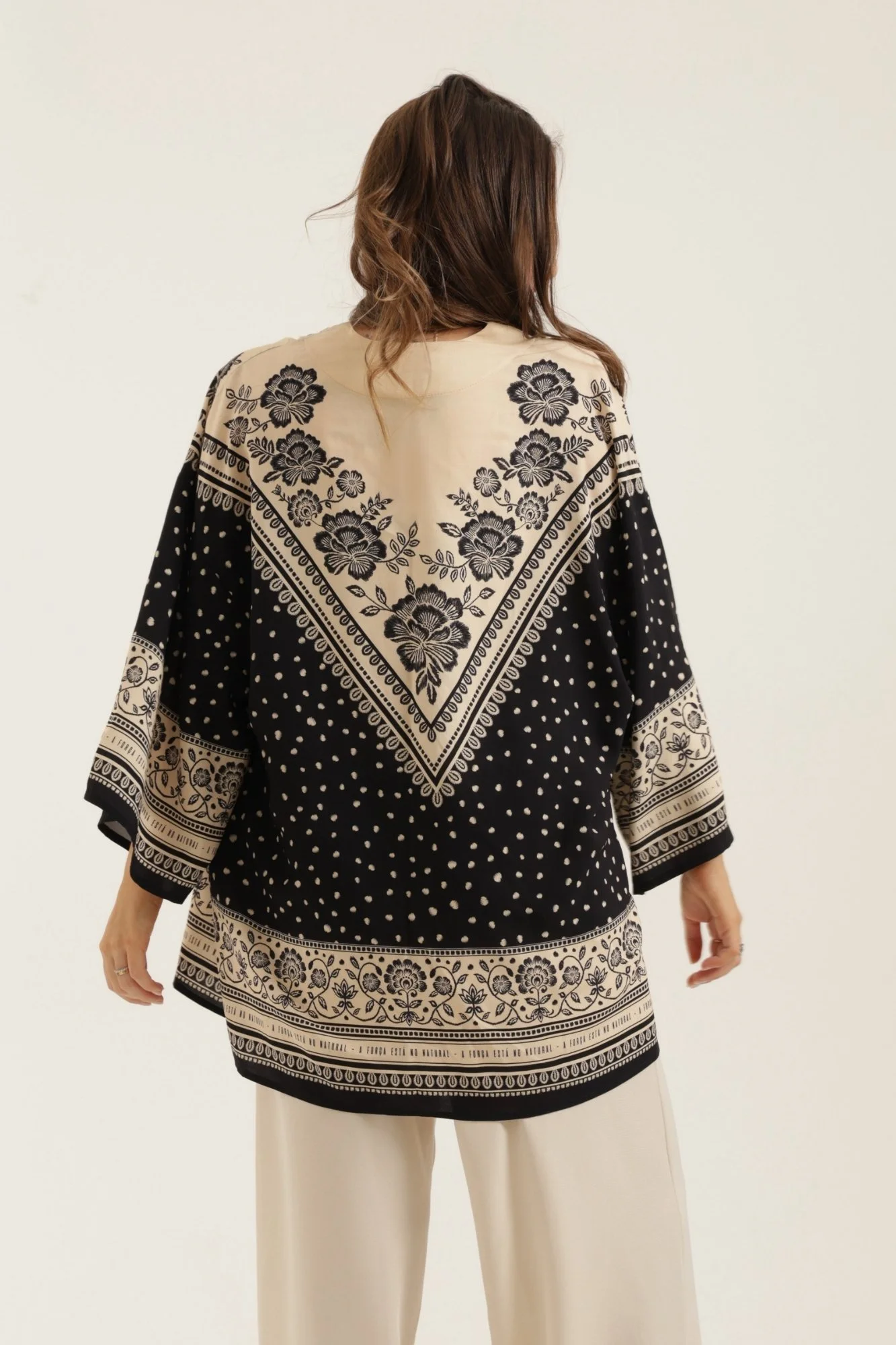
Engineered prints take this concept much further. Instead of decorating a garment, the artwork is developed specifically for every individual pattern piece. The front, back, sleeves, collar, waistband, and even pockets become parts of one continuous visual composition. When assembled correctly, the garment appears as though it was illustrated after being sewn together.
As designers, we have complete control over where every graphic element appears on the garment. Instead of allowing the fabric to dictate the final composition, we intentionally decide how the artwork interacts with the silhouette. This level of creative control allows us to develop truly unique garments, strengthens a brand's identity, and creates a level of differentiation that is difficult to achieve with traditional repeat prints.
However, this level of precision comes with a completely different production workflow. One of the biggest misconceptions about engineered prints is that the process begins with creating the artwork. In reality, it begins much earlier, with communication.
Before creating any artwork, the textile designer and the pattern maker should work closely together to understand the garment's construction, proportions, seam placement, hem dimensions, seam allowances, and overall silhouette. Every technical decision made at this stage influences how the artwork will behave once the garment is cut and sewn. If these conversations happen too late, the design often requires multiple revisions, increasing development time, production costs, and ultimately affecting the product's timeline.
Every Pattern Piece Becomes Part of the Design
Unlike traditional prints, engineered artwork cannot be treated as an independent graphic. Each pattern piece becomes one section of a larger illustration. This means designers must carefully position every element, so that the artwork aligns correctly once the garment is sewn together. Side seams, shoulder seams, sleeves, collars, waistbands, and hems all become critical connection points. Even a few millimeters of misalignment can significantly affect the final appearance.
Because of this, designers often spend hours checking and rechecking the artwork before approving the final layout. Another detail that often goes unnoticed is the placement of pattern notches. These small reference marks help sewing operators understand exactly where garment pieces should align during assembly. Because of this, the textile designer and the pattern maker should discuss the ideal placement of the notches from the very beginning, ensuring they don't interfere with important artwork while making the sewing process much more accurate.
If laser cutting is part of the production process, these notches can already be incorporated into the final artwork file, allowing the cutting machine to identify and cut them automatically. Although they may seem like a minor technical detail, they play a significant role in reducing production errors and improving assembly accuracy.
Pattern nesting, sizes, fabrics and where the design should be placed: The Hidden Steps That Changes Everything
One of the least discussed, but most important, steps in the engineered print process is pattern nesting. Once the garment pattern has been finalized, all pattern pieces are organized into a production marker, also known as pattern nesting, to optimize fabric consumption. Unlike repeat prints, however, engineered artwork cannot simply be placed across the fabric. Every pattern piece must be positioned according to the marker, ensuring that all artwork aligns perfectly once the garment is assembled. If even one piece is positioned incorrectly, the entire production can be compromised.
Fabric width is another important consideration during pattern nesting. A different fabric width may require the entire marker to be reorganized, changing the placement of every pattern piece. Besides optimizing fabric consumption, designers should also consider how artwork positioning can reduce waste while maintaining the intended visual composition.
Another important factor that directly affects engineered prints is fabric behaviour.
Different fabrics shrink, stretch, recover, and react differently during printing, washing, and sewing. Fabrics containing elastane, for example, may stretch inconsistently during production, affecting artwork alignment after assembly.
For this reason, shrinkage testing should always be completed before the artwork is finalized. If the fabric dimensions change unexpectedly, artwork that originally matched perfectly may no longer align after cutting and sewing, requiring costly adjustments or, in some cases, complete redevelopment.
Beyond the fabric itself, garment construction also plays an important role in production success. Experience has taught me that certain construction details naturally increase manufacturing complexity. Curved seams, for example, are much more difficult to match than straight seams. Likewise, stripes crossing collars or curved necklines frequently create alignment challenges during sewing. Sometimes, the best design decision isn't adding more artwork, it's simplifying strategic areas of the garment to reduce manufacturing risks without compromising the overall visual impact. These seemingly small adjustments can significantly reduce waste while improving production consistency.
The challenge that is often underestimated is size grading.
An engineered print that looks perfect on a size Small in some cases, will not automatically work for Medium, Large, or Extra Large. As garments change proportion, the artwork must also be adjusted to preserve the intended visual balance. In many projects, each size requires its own production-ready artwork file. This additional development stage increases both production time and design hours, but it ensures that every customer experiences the garment exactly as it was originally designed, regardless of size.
What Experience Has Taught Me About Engineered Prints
Throughout my career, I've learned that some of the most valuable decisions happen before production even begins. One practice I still follow today is creating a miniature version of the garment before sending the final files to production. Although 3D software has become increasingly sophisticated, I personally still prefer working with small physical mock-ups. They allow me, and everyone involved in the project, to visualize how the artwork will behave once every pattern piece is assembled. More importantly, they often reveal alignment issues long before they become expensive manufacturing problems.
Even with careful planning, unexpected challenges can still arise. I experienced this firsthand on one particular project. We had successfully developed a rotary print and decided to create an engineered-print kimono using the same artwork. The visual concept was approved, the marker was completed, and every artwork piece had been carefully positioned for production. Then, unexpectedly, the manufacturer informed us that the original fabric was no longer available. The replacement fabric had a different width.
At first, it seemed like a minor adjustment. In reality, it affected the entire development process. Because the marker depended on the original fabric width, we had to rebuild the entire layout and reposition every artwork piece from the beginning. As a result, the rotary print collection launched on schedule, while the engineered kimono was delayed because the production process had to be repeated.
That experience reinforced an important lesson for me: in engineered printing, even the smallest manufacturing changes can have major consequences. Today, one of the first questions I ask before starting an engineered print is whether the production fabric has already been confirmed. A seemingly minor adjustment can easily add days, or even weeks, to a project's development timeline.
Before starting an engineered print project, I always ask myself a few essential questions:
Does the added complexity truly create value for the customer?
Has the production fabric already been tested and approved? Have the pattern maker and I aligned from the very beginning?
Can the production timeline realistically support the additional development?
And will the artwork maintain the same visual impact across every garment size?
Answering these questions early helps prevent costly revisions, reduces unnecessary redesigns, and allows the development process to move forward with greater confidence.
Is the Investment Worth It?
Engineered prints undeniably require more time, closer collaboration, and higher production costs. They involve additional development, fabric testing, communication between departments, size-specific adjustments, marker planning, and stricter quality control throughout the entire production process.
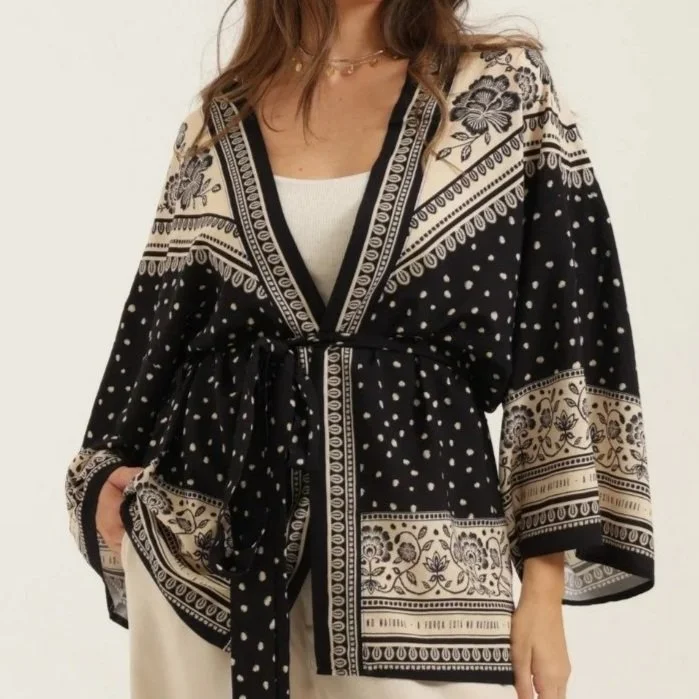
Yet the final result often becomes one of the most distinctive pieces within a collection. Brands such as Farm Rio, a successful Brazilian fashion brand known for its bold prints and beautifully executed engineered garments, have built part of their identity around this level of craftsmanship, transforming engineered prints into products that consumers immediately recognize and value.
For me, the investment goes far beyond creating a beautiful print. It's about designing a garment where artwork, pattern making, fabric selection, and manufacturing work together seamlessly. When every stage of the process is carefully considered, the final product doesn't just stand out visually, it tells a story of thoughtful design and technical precision.
Conclusion
Throughout my experience, I've learned that engineered prints are far more than decorative artwork. They represent one of the closest collaborations between creativity and manufacturing, where every decision, from artwork placement and fabric selection to marker making and size grading, directly influences the final product. Yes, the process requires more time, planning, testing, and investment. But when textile designers, pattern makers, product developers, printers, and sewing teams work in sync, the result is something that couldn't be achieved by any department alone.
That's why I believe engineered prints truly make a difference. Not only because they create visually striking garments, but because they represent one of the purest examples of collaboration in product development. Seeing every area contribute its expertise to deliver a garment exactly as it was envisioned is, in my opinion, one of the most rewarding aspects of working in textile design.
In the end, the most successful engineered prints aren't necessarily the most complex ones.
“They're the ones where creativity and technical planning work together from the very beginning, resulting in garments that are not only visually striking but also feasible to manufacture. That's what transforms a beautiful print into a truly successful product.”
Alessandra Olisia Medeiros at Olisia Design
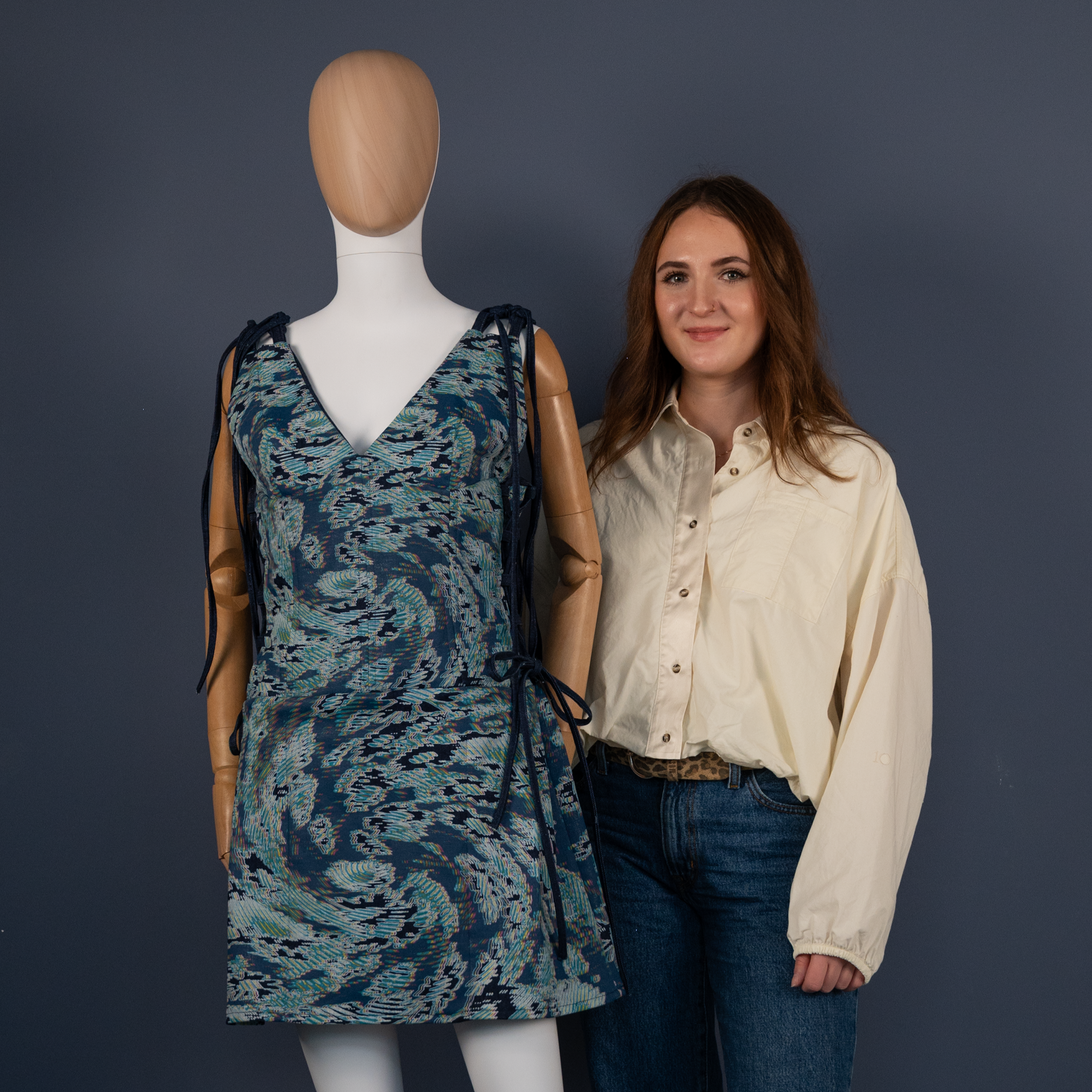
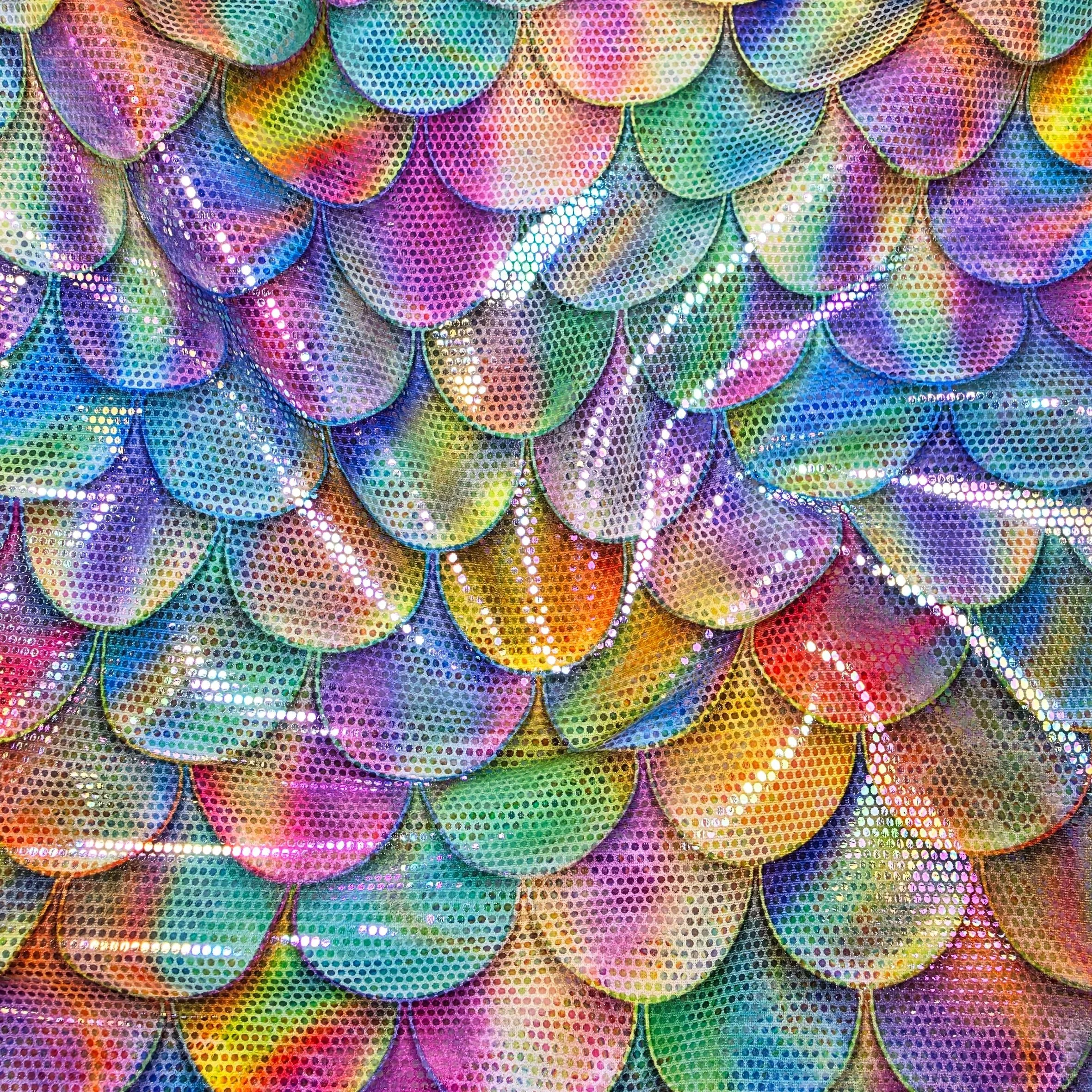
Images: Copyright of the images belongs to the Brazilian brand Zalmy. The surface print designs featured were created by Olisia Design Studio.