How Future Fashion Pvt. is Rewriting the Rules of Industrial Textile Printing
The Market Gap that Changed Everything
Future Fashion was founded in 2019, timed deliberately to coincide with a pivotal moment in global textile technology: the commercial launch of the EFI Reggiani BOLT Single-Pass digital printing system.
The founders recognised that single-pass architecture had fundamentally changed what was industrially possible - and that Pakistan's domestic market had yet to catch up.
WRITTEN BY FESPA TEXTILE AMBASSADOR DEBBIE MCKEEGAN
Pakistan's textile sector is one of the largest in the world. Yet for years, the industry's reliance on conventional rotary screen printing left a significant gap in the market - one that punished smaller brands, penalised creativity, and strained resources at scale.
Rana Muhammad Imran Afzal, General Manager of Processing at Future Fashion Pvt Ltd in Lahore, saw that gap clearly and helped build something to fill it.
This case study draws on a detailed conversation with Rana to explore how Future Fashion Pvt. has transformed digital textile printing from a niche capability into an industrial-scale competitive advantage - and what their journey reveals about the future of fashion manufacturing.
The Market Gap That Started Everything
Future Fashion was founded in 2019, timed deliberately to coincide with a pivotal moment in global textile technology: the commercial launch of the EFI Reggiani BOLT Single-Pass digital printing system. The founders recognised that single-pass architecture had fundamentally changed what was industrially possible - and that Pakistan's domestic market had yet to catch up.
The conventional printing landscape presented three structural problems:
High minimum order quantities (MOQs): Screen engraving costs forced brands to commit to massive volumes per design, locking out mid-tier labels and independent designers entirely.
Design inflexibility: Rotary and flatbed screen methods imposed hard limits on colour counts and pattern repeat lengths.
Slow time-to-market: Weeks of pre-press preparation meant brands routinely missed fast-fashion seasonal windows.
The opportunity was not incremental. It was transformational. Future Fashion invested in building a facility capable of producing 55 to 60 million linear metres of digitally printed textiles annually - with zero screen setup requirements and turnaround times as fast as 15 days.
Who Future Fashion Serves - and Why It Matters
Future Fashion's customer base spans three distinct segments: major domestic fashion retailers running high-volume seasonal collections in fabrics like lawn, silk, viscose, and chiffon; international sourcing offices managing export pipelines to the US and EU; and creative pre-press designers who need precision colour management and total pattern freedom.
What unites these customers is a shared frustration with conventional production constraints. Rana outlined five core challenges that Future Fashion's model directly addresses:
The MOQ bottleneck. By eliminating screen setup costs entirely, Future Fashion allows brands to split large total volumes across a diverse array of designs, panel prints, and SKU mixes within a single production run - rather than committing thousands of metres to a single pattern.
Speed to market. The traditional development cycle of four to eight months has been compressed to 15 days. This enables "Just-In-Time" (JIT) production cycles aligned with real-time consumer demand rather than speculative seasonal forecasting.
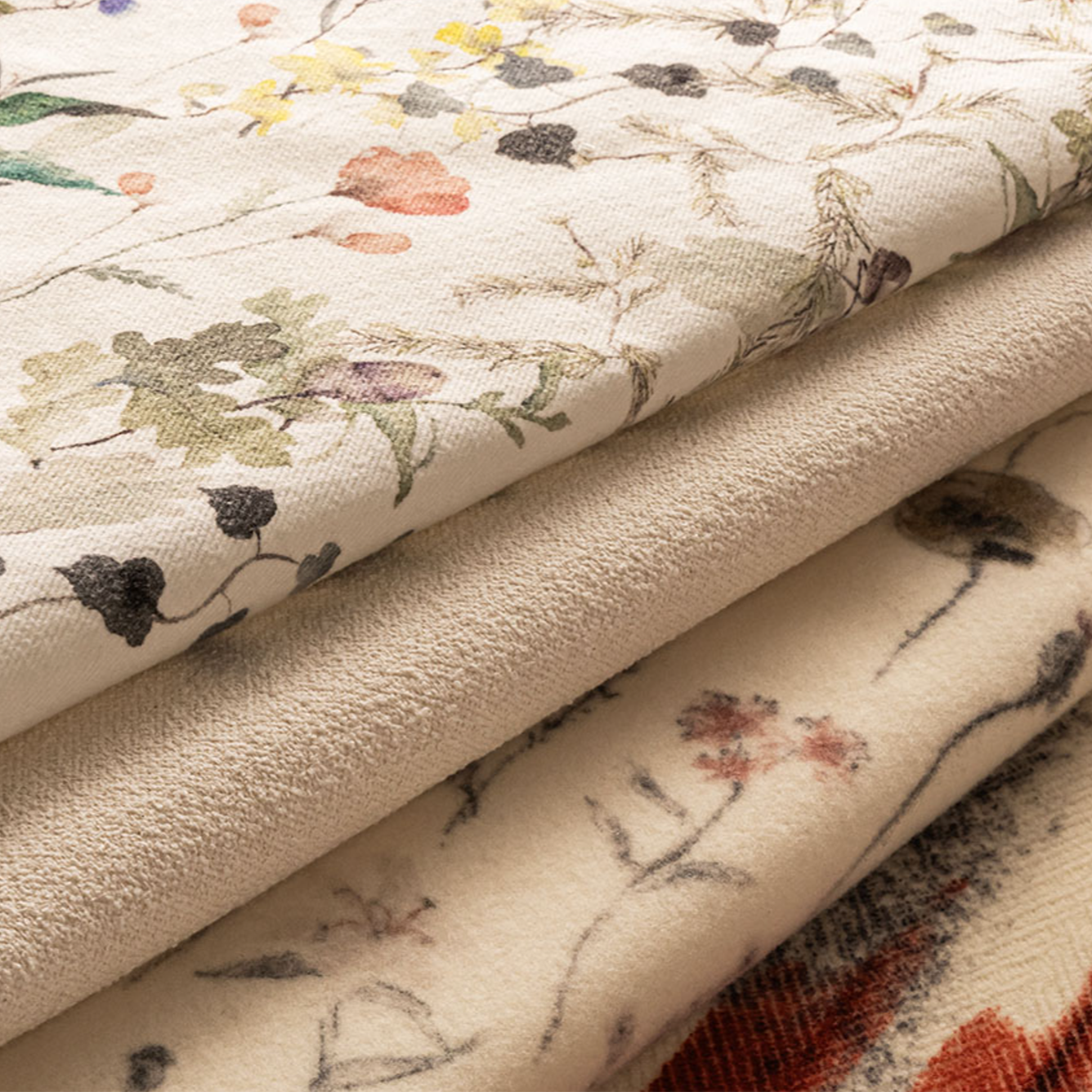
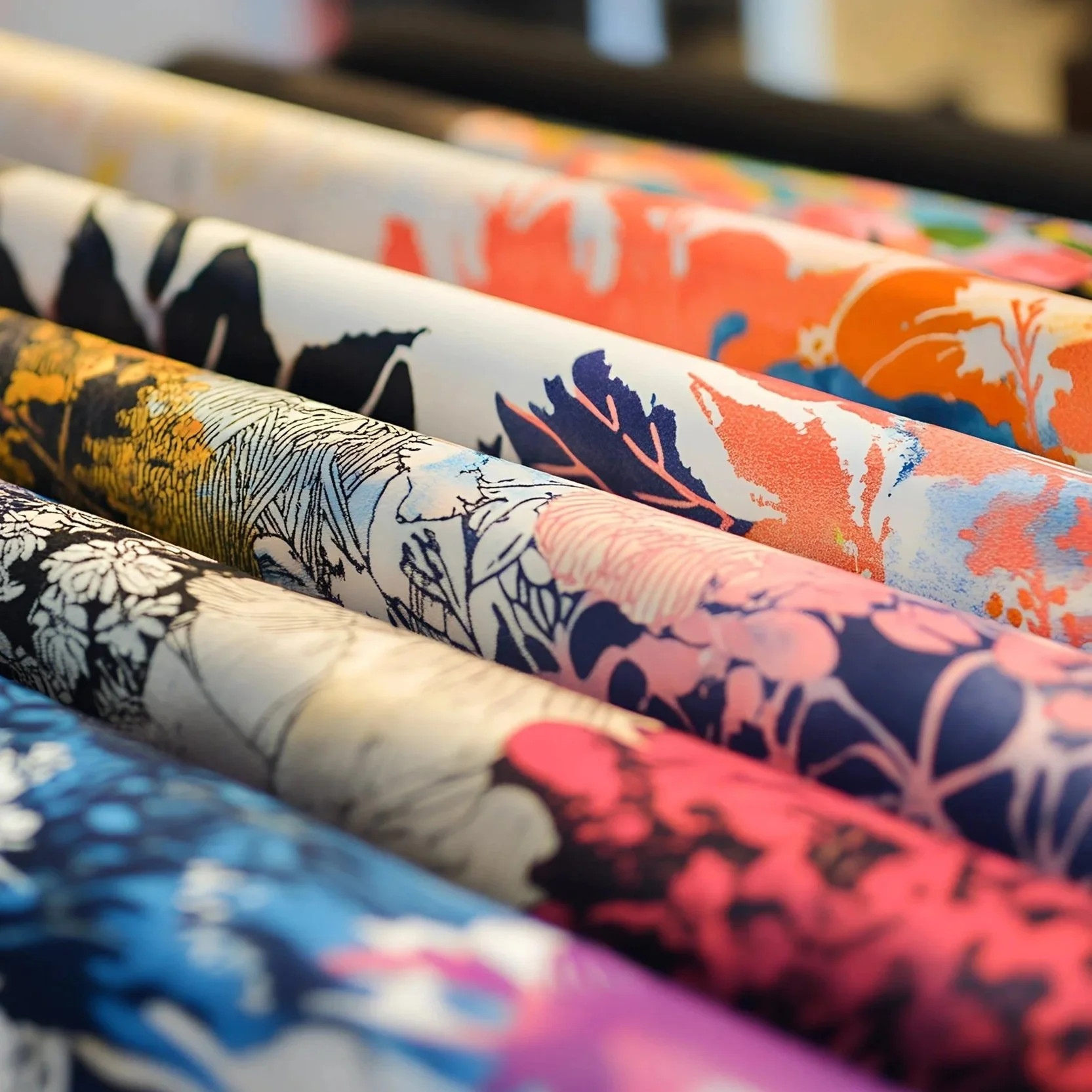
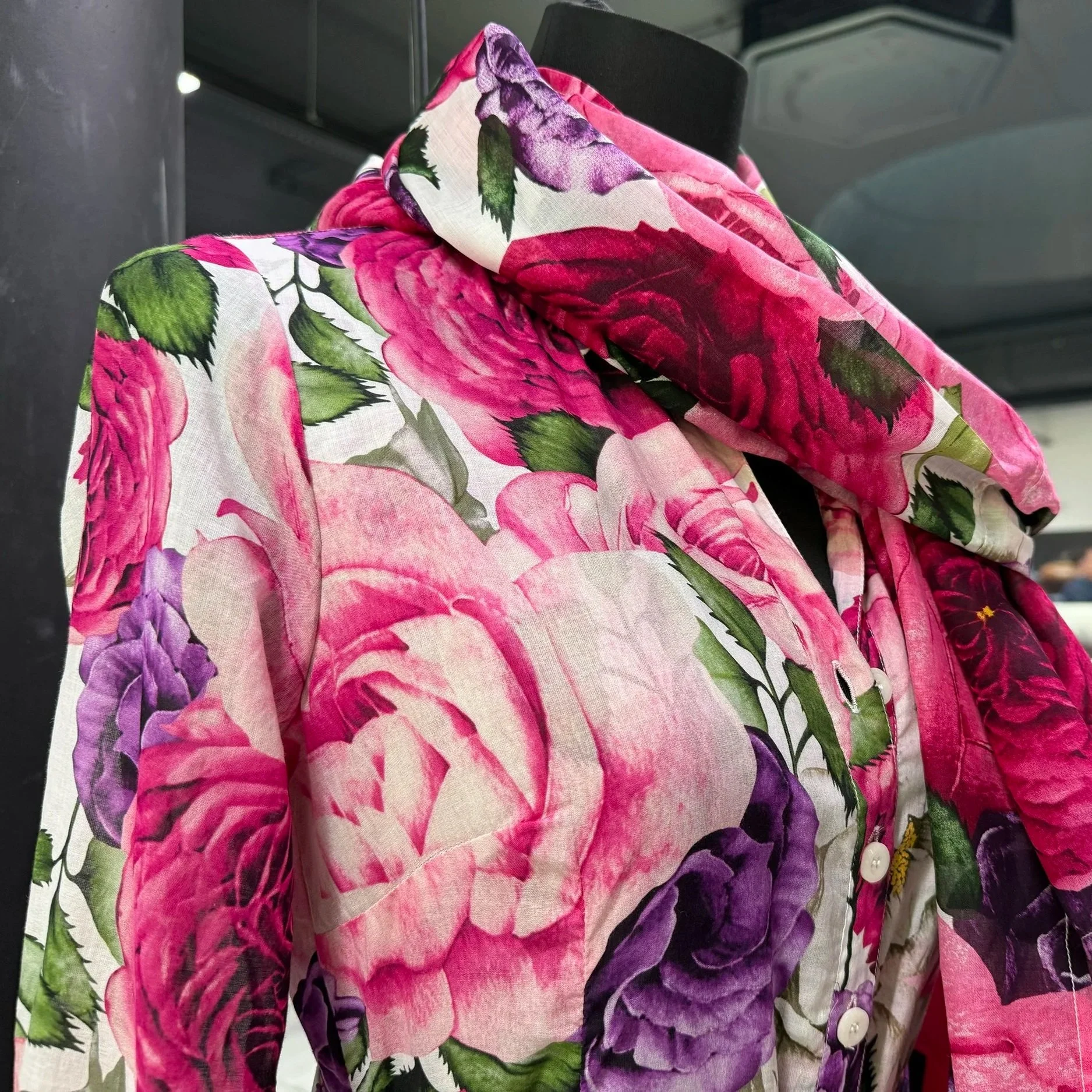
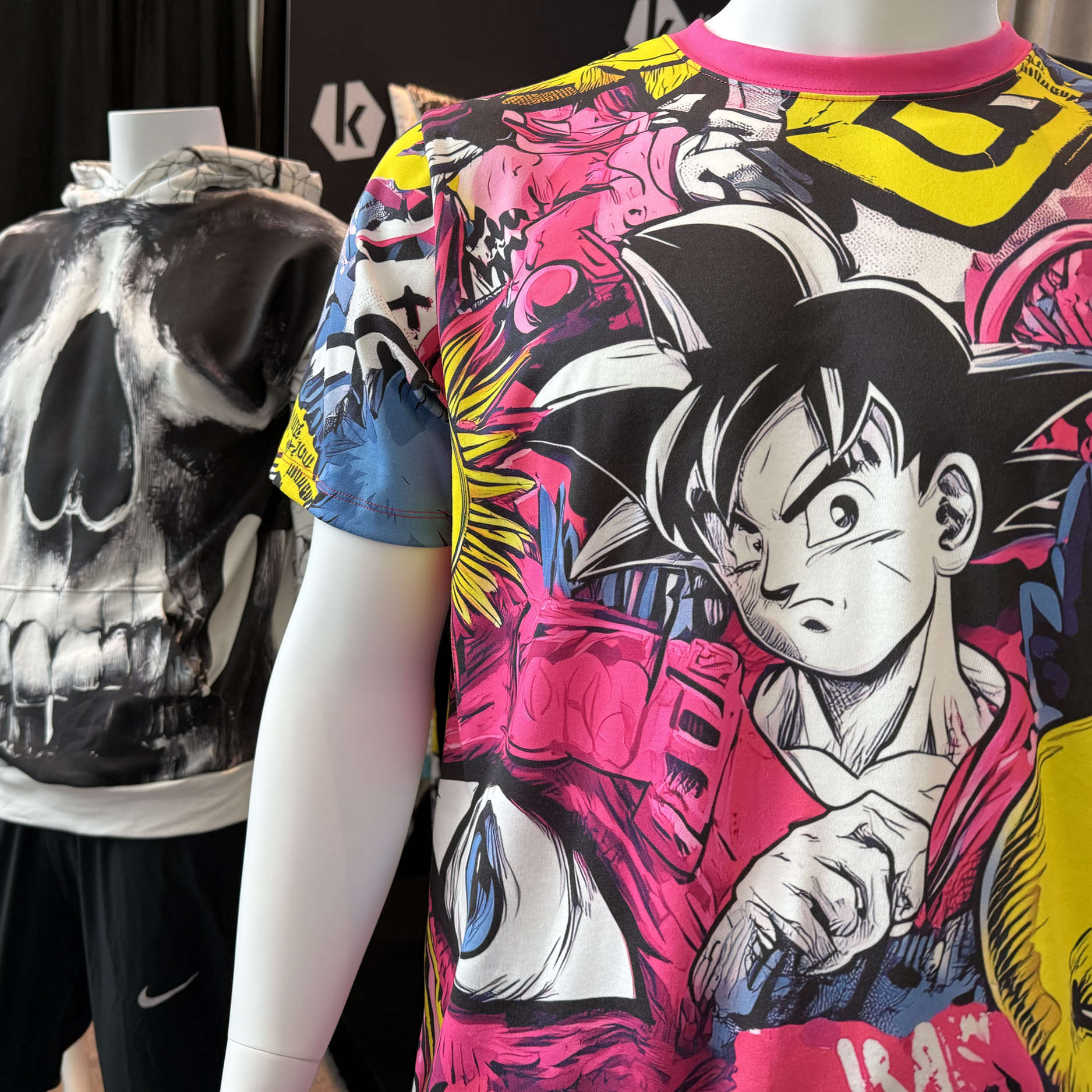
Design intricacy. Digital printing removes all limits on colour and pattern repeat. Intricate florals, seamless panels, micro-geometric structures - all are achievable without registration errors or colour overlap.
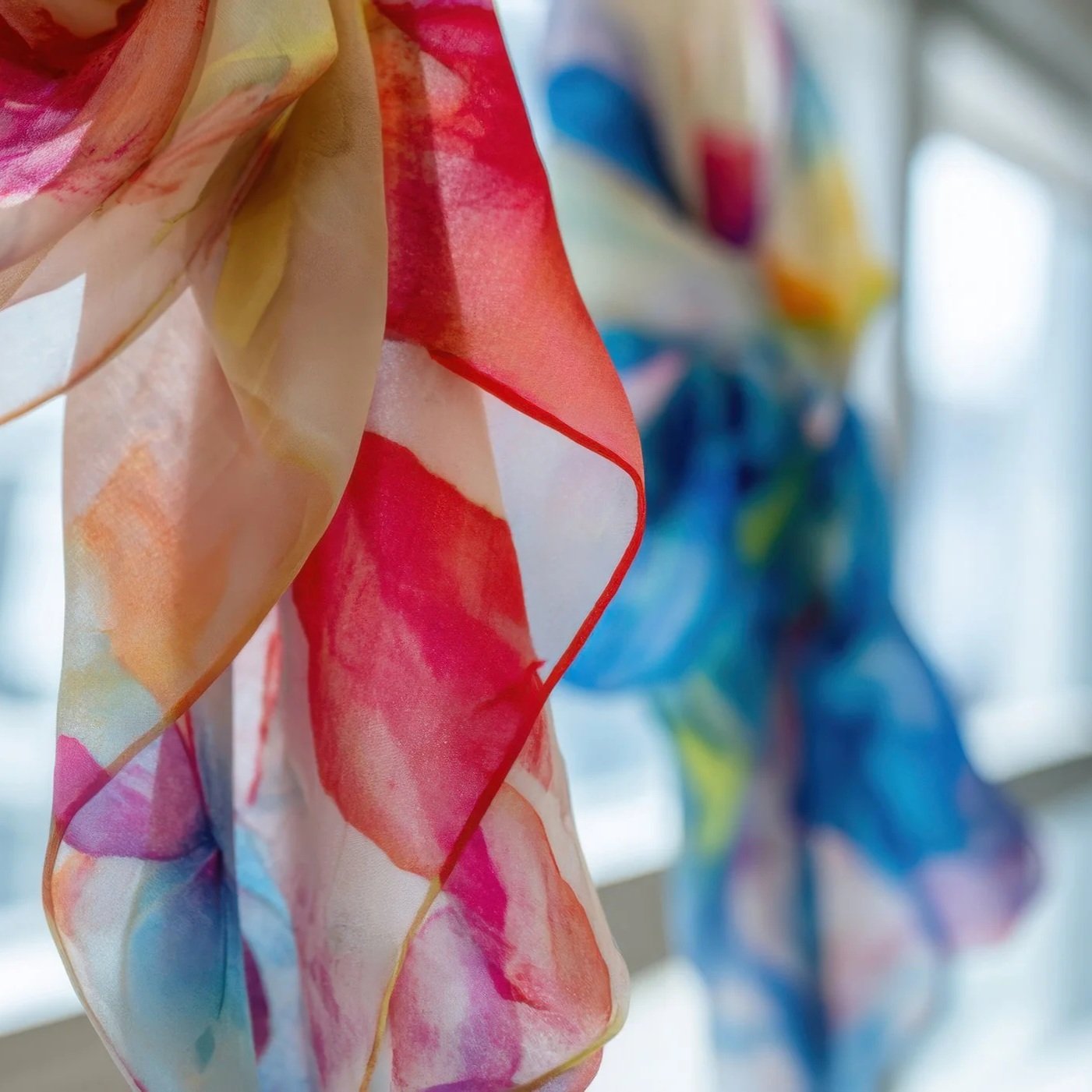
Exact colour calibration across substrates. Matching a structured cotton shirt fabric to a sheer chiffon dupatta is notoriously difficult due to differing fibre absorption rates. Future Fashion's advanced colour profile management - including scaling ink limit profiles down to approximately 60% for delicate fabrics - delivers flawless visual consistency across mixed-fabric ensembles.
Sustainability and compliance. As EU and US markets tighten environmental requirements, conventional water-heavy facilities face growing compliance risk. Digital production dramatically reduces water consumption, eliminates dye-paste wastage, and lowers overall utility demands, making Future Fashion a credible green partner for export-focused brands.
The Competitive Edge of Full Vertical Integration
What distinguishes Future Fashion from a standard digital print house is the decision to consolidate every production stage - fabric preparation, digital printing, dyeing, and finishing - under a single roof.
In a conventional textile model, fabric travels between independent mills, print houses, and finishing facilities, accumulating logistics delays and quality inconsistencies at every handover. Future Fashion eliminates this fragmentation entirely.
The operational benefits are significant across four dimensions:
Lead times. A centralised ERP system synchronises production queues so that fabric moves directly from pre-treatment to single-pass printing to finishing without external transit. The 15-day fast-track benchmark is a direct consequence of this seamless internal pipeline.
Quality control. Digital inks are highly sensitive to pre-treatment chemistry. By controlling preparation in-house, Future Fashion ensures the fabric surface precisely matches the technical profiles of their printing systems. If a colour shift or defect occurs mid-run, operators can immediately consult internal teams - rather than discovering the issue only after thousands of metres have already been printed and shipped elsewhere.
Flexibility. Brands can order solid-dyed fabrics and coordinate them with digitally printed panels from the same production batch. Ink limit adjustments for sheer fabrics are executed in close coordination with the on-site finishing department, enabling rapid technical experimentation that would be logistically impossible across separate facilities.
Customer transparency. With all production stages managed in one location, clients receive real-time order tracking and a single point of accountability. New sample swatches can be designed, printed, and finished within hours - dramatically accelerating buyer approval cycles.
The Technology Driving It All
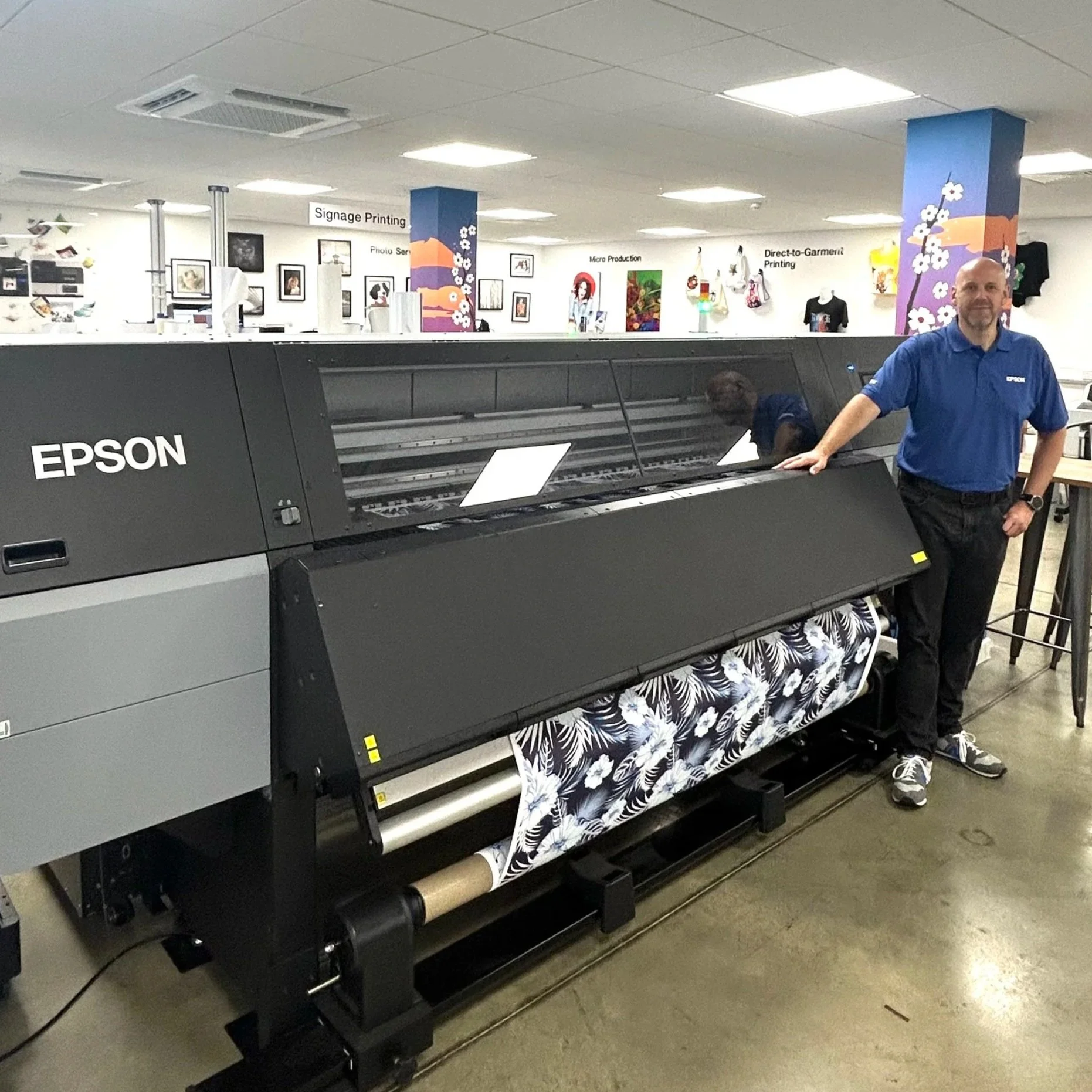
Future Fashion's value proposition rests on a strategic portfolio of industrial printing systems: the EFI Reggiani BOLT, the Atexco THUNDER Vega SP1 2200KN, and the MS JPK Evo. Each platform contributes distinct capabilities.
The BOLT and Atexco THUNDER are single-pass systems in which fabric moves continuously under fixed print beams at speeds reaching 90 metres per minute - comparable to traditional rotary screen printing, but with all the flexibility of digital file handling. The MS JPK Evo's multi-pass architecture, with arrays of up to 32 industrial printheads, bridges the gap between small sampling runs and large bulk production orders.
Across all platforms, three technical capabilities stand out:
Variable drop technology - piezo-electric heads on the BOLT eject ink droplets ranging from 5 to 30 picoliters, capturing micro-fine detail in ethnic or geometric patterns while delivering rich solid-colour coverage.
Inline degassing and active head-crash protection - Atexco and MS systems incorporate intelligent ink-line degassing and laser-based fabric sensors that prevent printhead blockages and fabric snags across continuous high-volume runs.
Automated calibration workflows - integrated scanner bars allow operators to print, scan, and auto-correct colour density mapping in minutes, maintaining colour consistency across multiple fabric substrates within the same production batch.
A Real-World Test: Navigating the Seasonal Festive Rush
While client confidentiality prevents the disclosure of specific brand names, Rana described a representative case study that illustrates the model's impact clearly.
A top-tier domestic retailer - operating over 60 outlets nationwide and specialising in multi-piece seasonal ensembles combining patterned lawn shirts, silk borders, and sheer chiffon dupattas - had previously relied on conventional rotary screen printing for their flagship festive collection. The process demanded six to eight weeks of screen engraving pre-press work, forced them to finalise designs six months before the retail launch, and required high-volume upfront commitments per design, generating significant post-season deadstock.
After transitioning to Future Fashion's integrated digital model, the results were measurable:
Total production lead time was reduced from nine weeks to 15 days.
Deadstock was reduced by 35%, with the brand's JIT reorder strategy allowing them to scale winning designs based on live retail data rather than advance forecasts.
Mixed-fabric colour matching was achieved flawlessly across cotton and chiffon substrates within the same production batch.
Environmental footprint was reduced significantly by eliminating screen washing and chemical dye-paste waste.
The collection also gained a competitive edge on the retail floor - with zero colour limitations and flawless panel registration producing a product that screen printing simply could not replicate.
How Both Sides Measure ROI
Return on investment in digital textile printing looks different depending on which side of the transaction you occupy.
For Future Fashion as the manufacturer, ROI is driven by machine utilisation rates, design diversity across continuous print runs, and the premium speed surcharges enabled by 15-day turnaround capabilities. The traditional "high volume per single design" model has been replaced by a "high utilisation across diverse designs" model - a fundamental shift in how industrial productivity is calculated.
For fashion brands and exporters, evaluating digital printing purely on a cost-per-metre basis misses the point. The true financial return materialises across the entire supply chain: reduced upfront capital risk, minimised deadstock, faster stock turns, and the ability to capture market demand in real time rather than predict it months in advance.
As Rana put it, the two ROI perspectives are complementary. The manufacturer maximises returns through continuous high-speed volume execution. The customer maximises profit through an agile, zero-waste retail model. The integrated digital print model creates a symbiotic ecosystem - each party's success reinforces the other's.
What the Future Holds
Future Fashion's long-term vision is clear: to eliminate analogue production entirely and position digital printing as the total replacement for conventional textile manufacturing - not merely a supplement to it.
The company is actively building toward five macro trends: ultra-short fashion cycles requiring weekly production drops; mass customisation with hundreds of design variants within a single continuous run; AI-assisted design that generates complex artwork files at unprecedented speed; stricter global sustainability mandates; and international market expansion serving EU and US sourcing offices directly from Lahore.
The evolution of cost-effective, printhead-compatible digital pigment inks is particularly anticipated by Future Fashion's leadership, as it will unlock a similar sustainable transformation for blended home textile fabrics - a market that conventional printing currently still dominates.
Key Takeaways for the Industry
Future Fashion's journey offers practical lessons for any manufacturer, brand, or investor navigating the shift toward digital textile production:
Vertical integration is a multiplier. The speed and quality gains of digital printing are amplified when combined with in-house pre-treatment and finishing - not left to rely on fragmented third-party supply chains.
MOQ is no longer a fixed constraint. Single-pass technology redefines minimum order quantities by allowing design diversity within a single continuous run, dramatically reducing inventory risk for fashion brands.
Sustainability is a commercial argument, not just an ethical one. Digital production's reduced water and chemical consumption is increasingly a requirement for EU and US export compliance - not a differentiator, but a baseline.
ROI must be measured holistically. Total lifecycle value - factoring in deadstock reduction, speed-to-market gains, and design freedom - consistently outweighs the raw cost-per-metre comparison with conventional methods.
Technology investment must align with market timing. Future Fashion's founders timed their entry around a specific technology milestone. In a rapidly evolving sector, identifying those inflection points early is a genuine competitive advantage.

A sincere thank you to Rana Muhammad Imran Afzal, GM Processing at Future Fashion Pvt Ltd, for generously sharing his experience, operational insights, and forward-looking vision for Pakistan's textile industry. His perspective offers a compelling blueprint for what digitally integrated manufacturing can achieve - not just in Pakistan, but across the global fashion supply chain.