DESIGNER CASESTUDY: Marylène Madou: Crafting a Sustainable Future with Digital Print
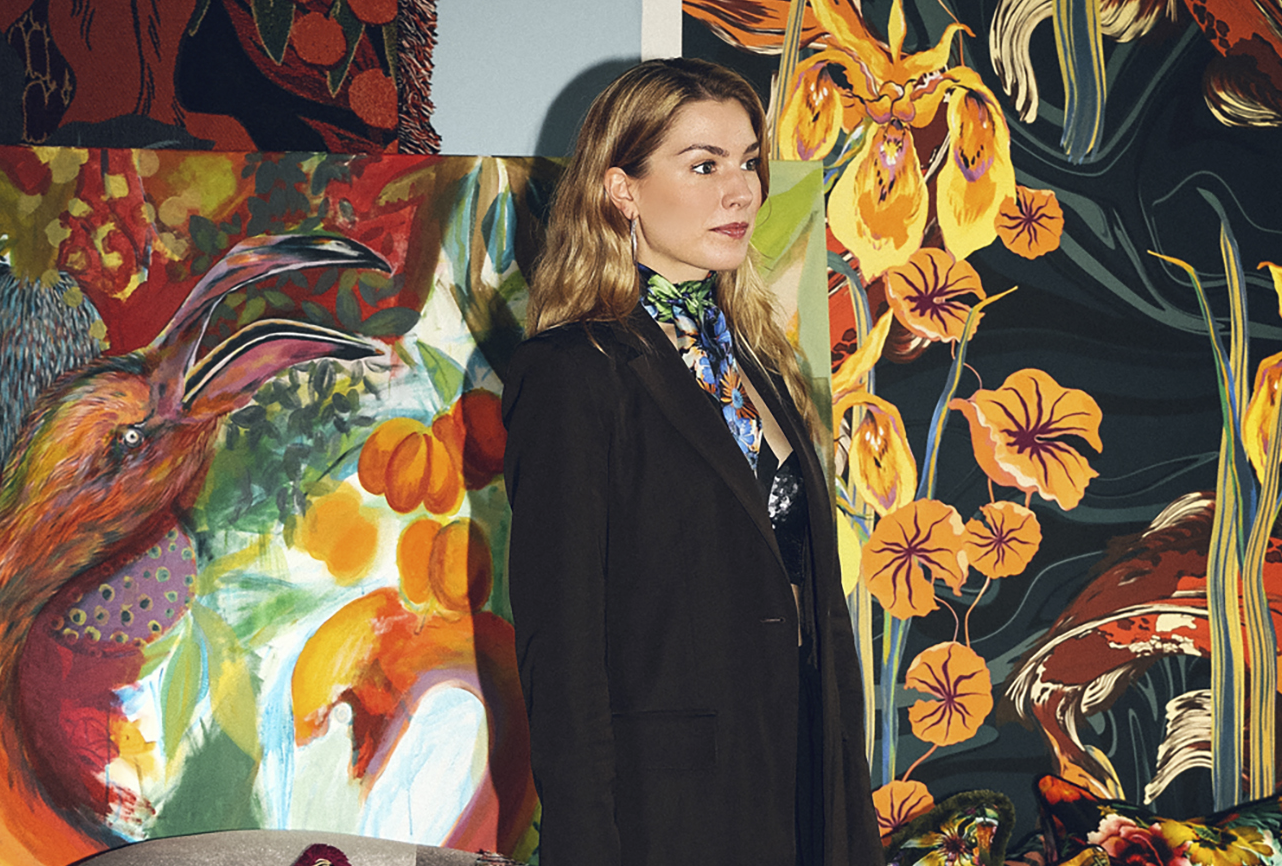
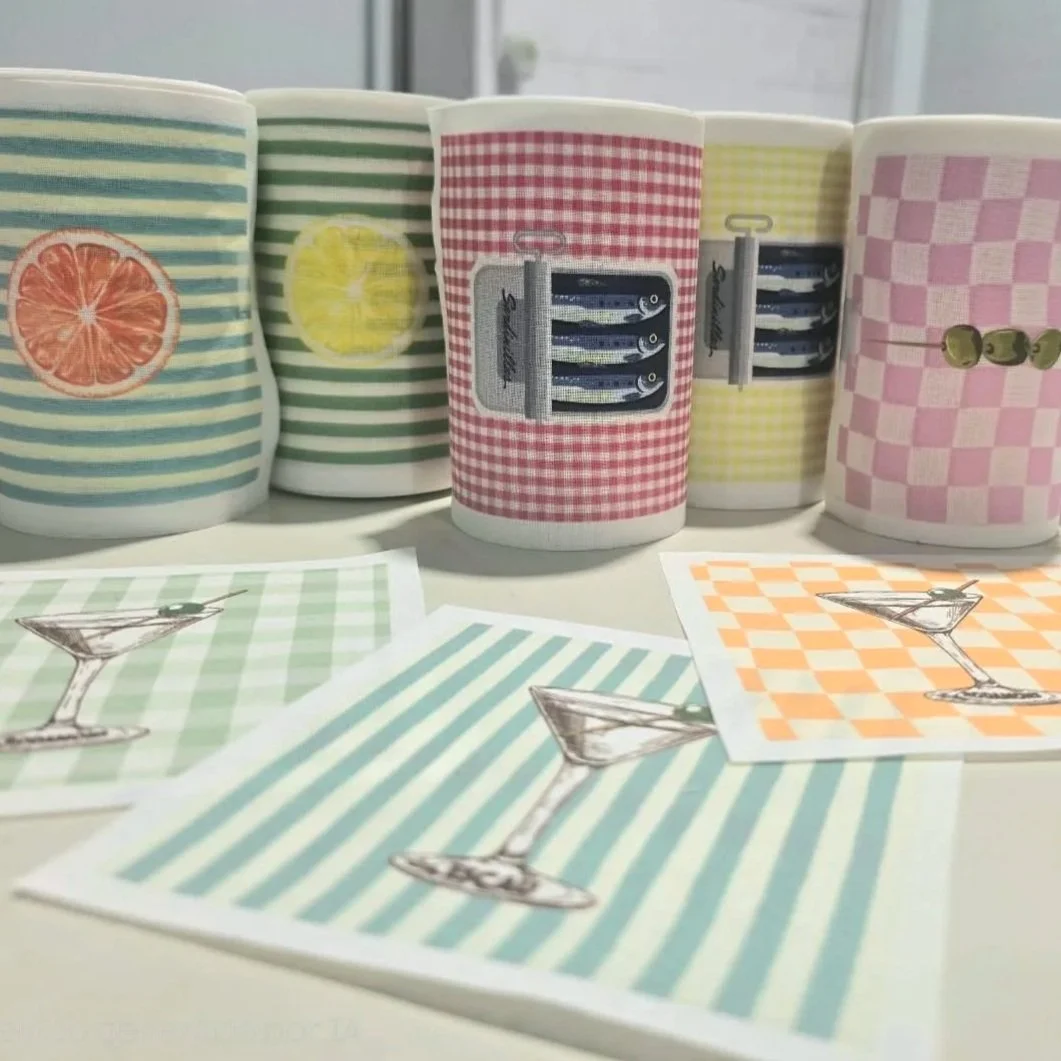
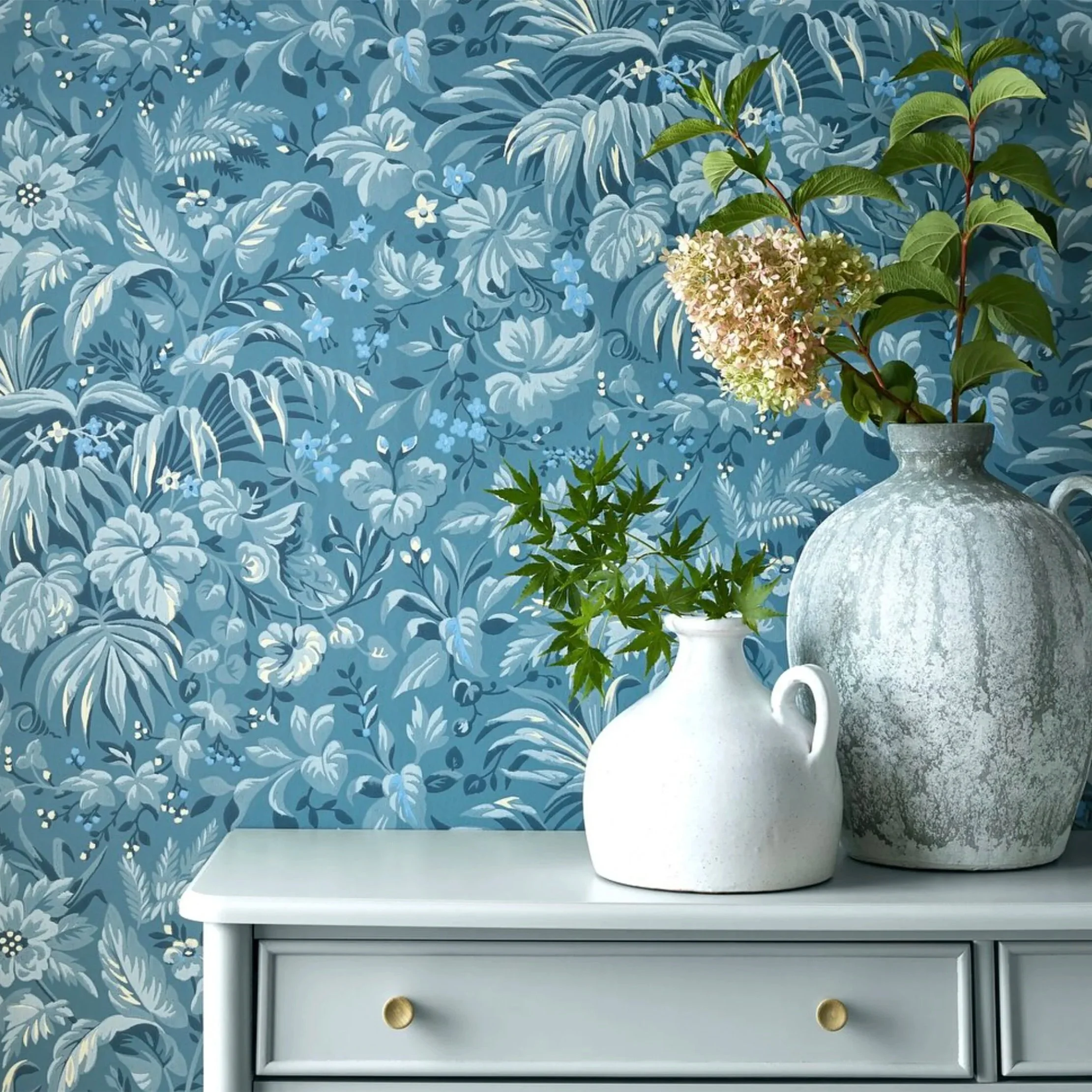
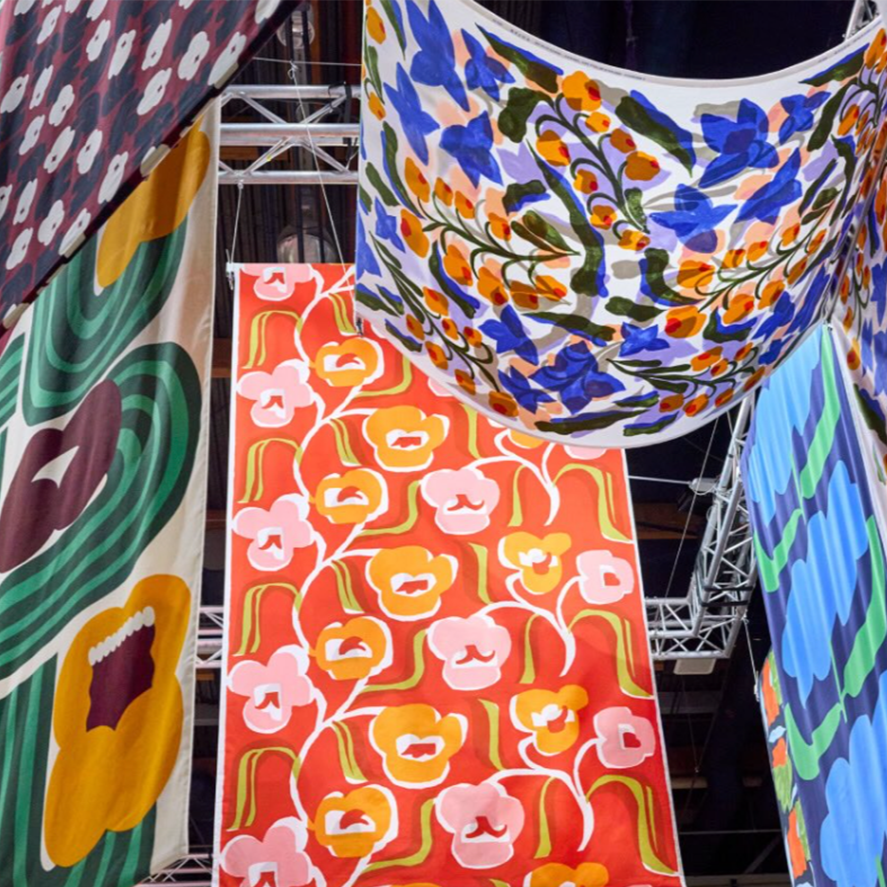
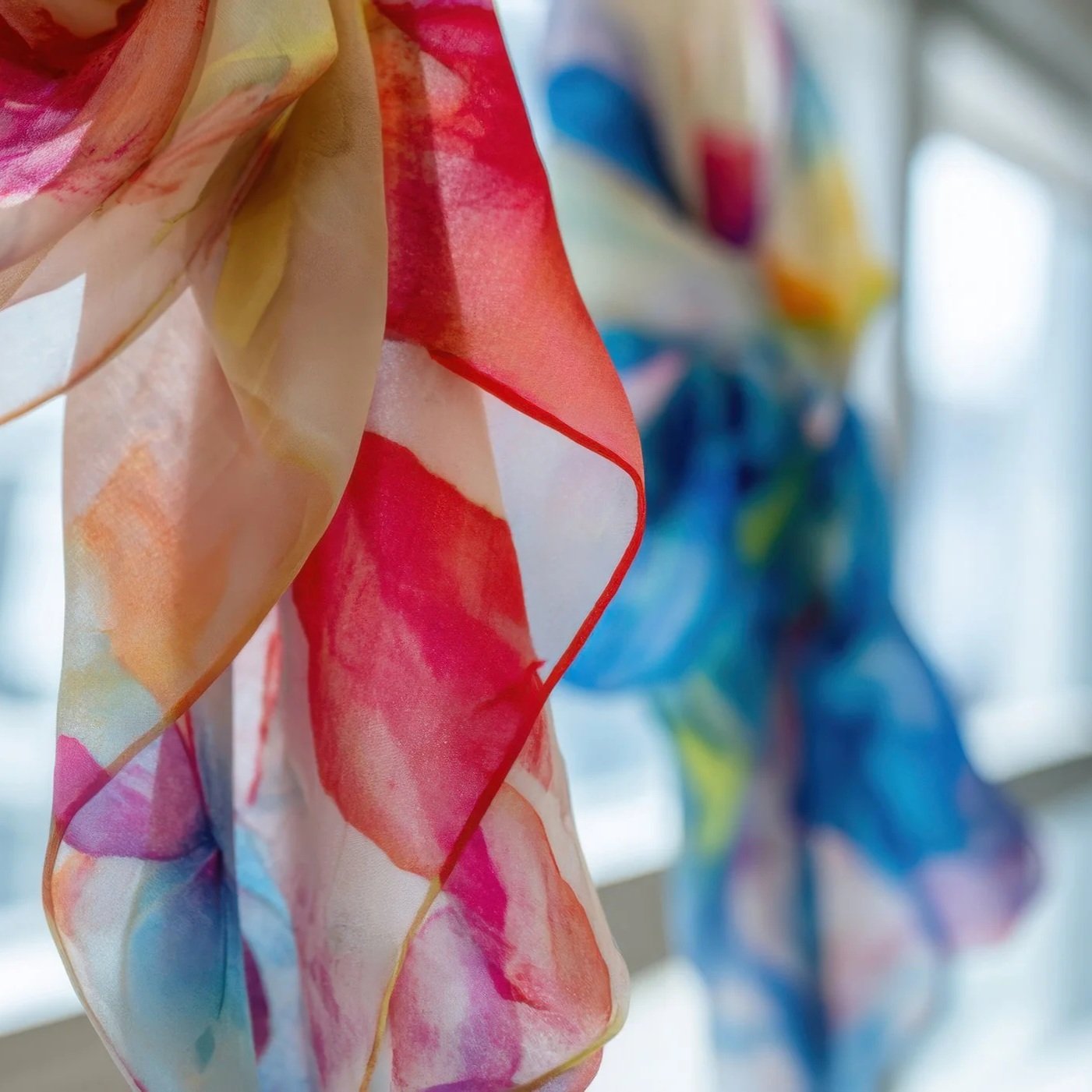
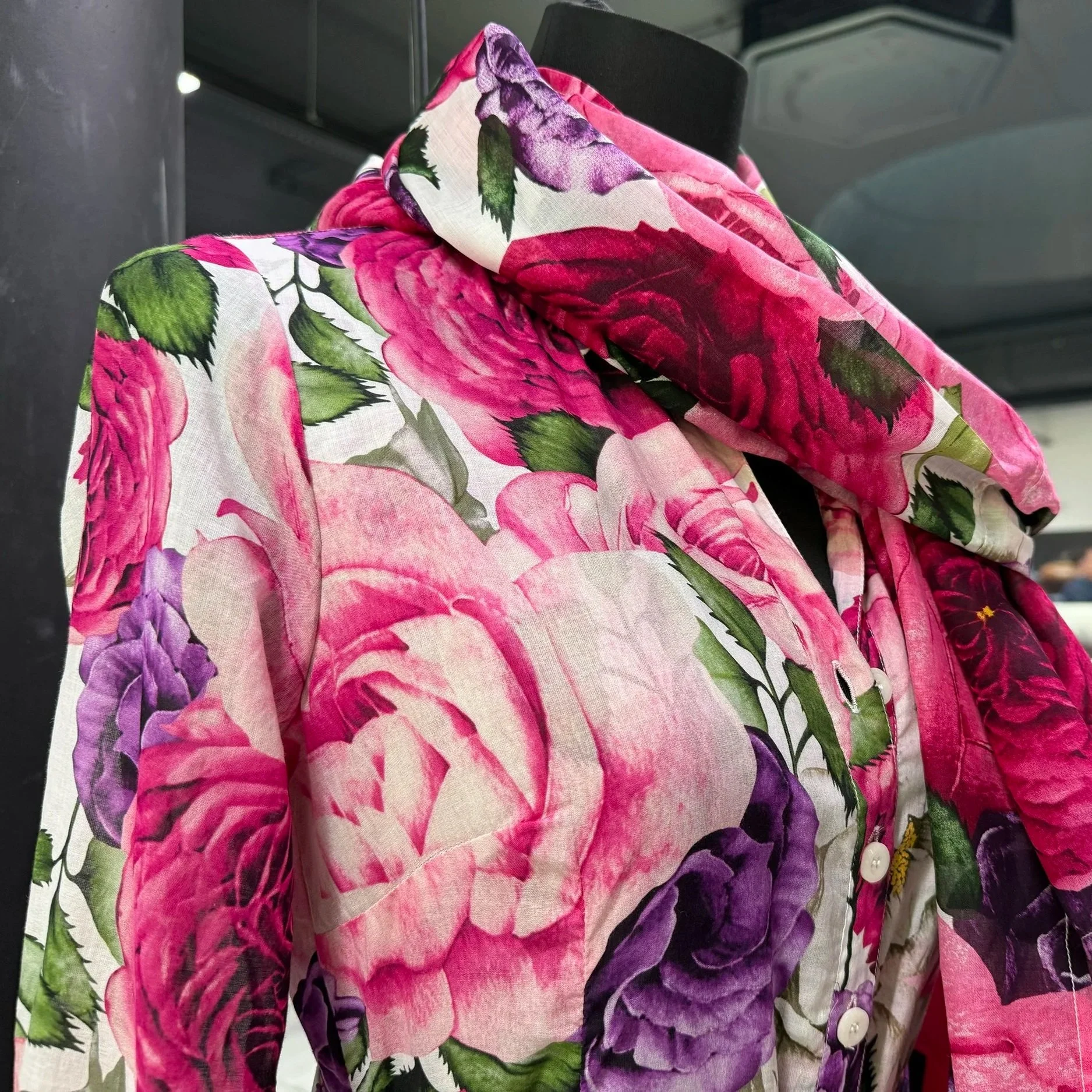
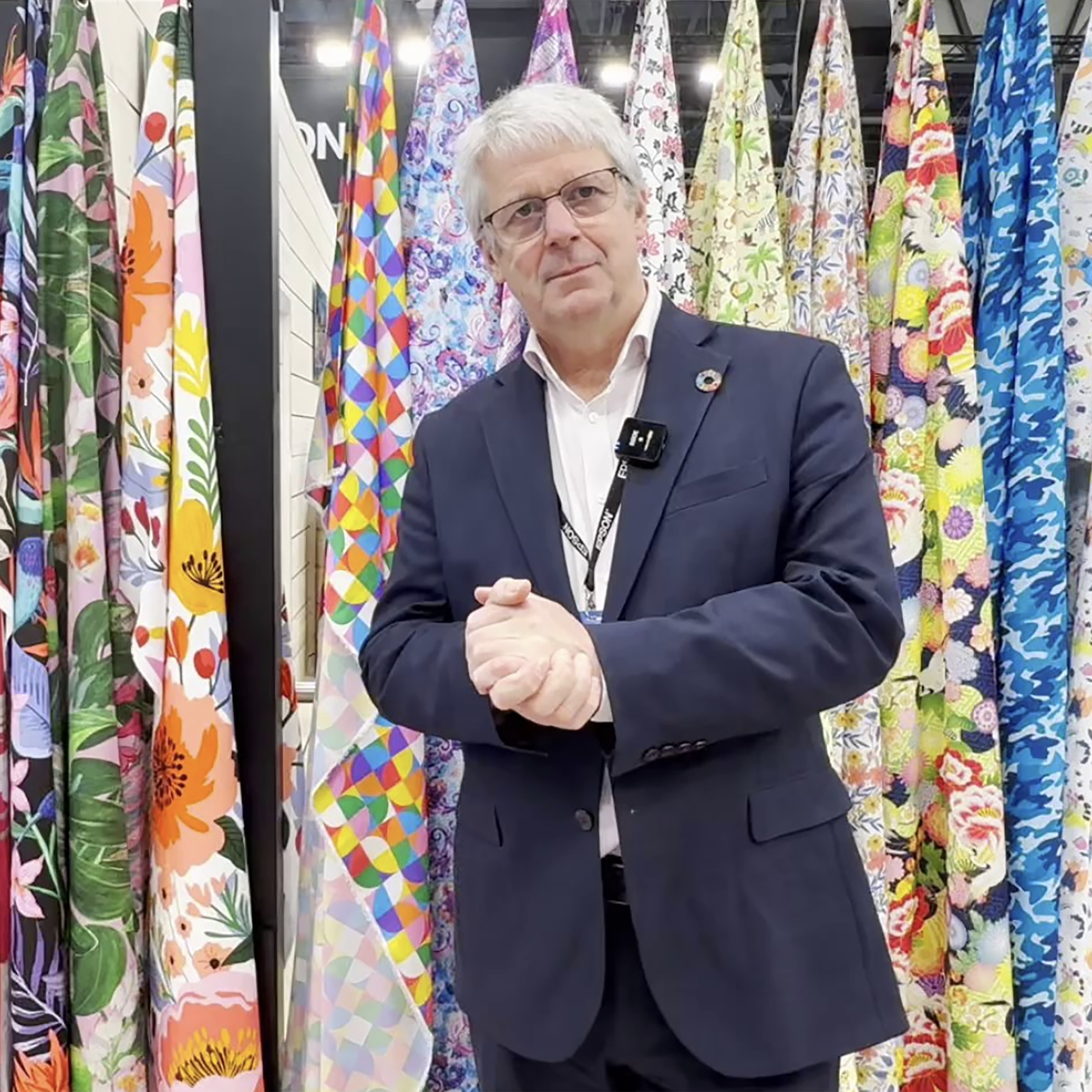
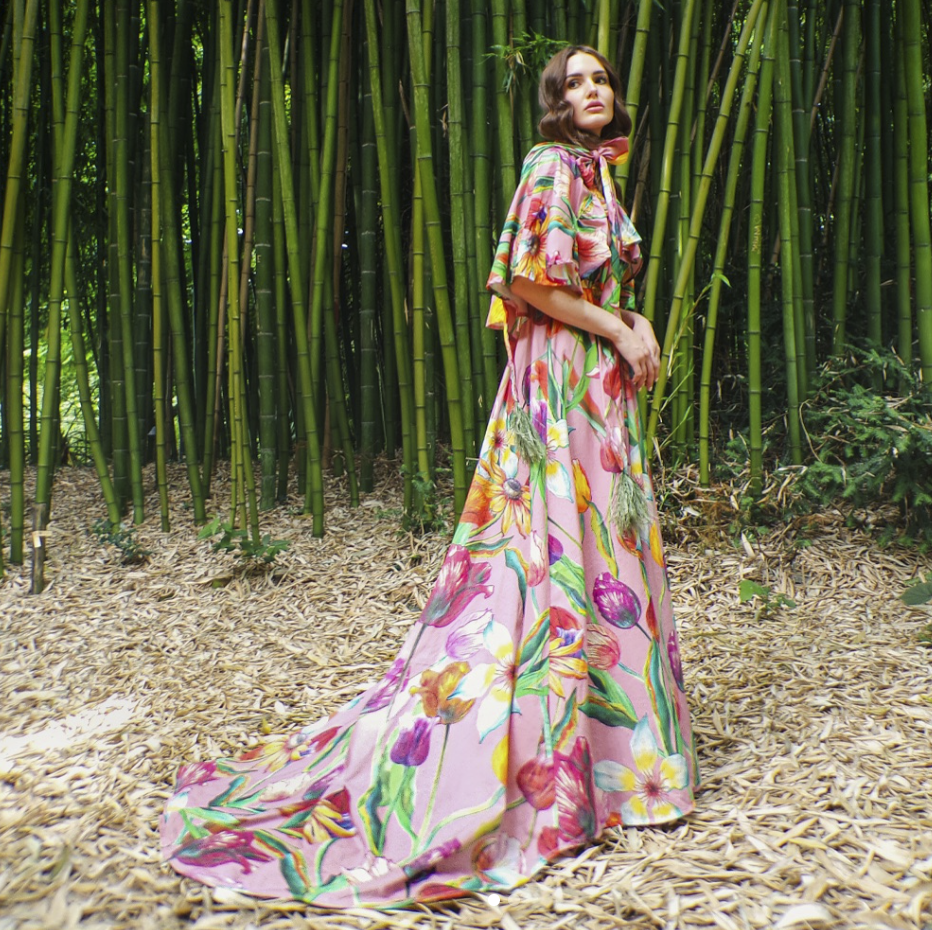
Madou has developed a distinctive style where the print is not merely an afterthought, but the genesis of every creation
“By leveraging advanced digital textile printing, she has successfully merged traditional craftsmanship with cutting-edge technology. Her approach offers a blueprint for how independent designers can scale their brands globally while maintaining a minimal environmental footprint.”
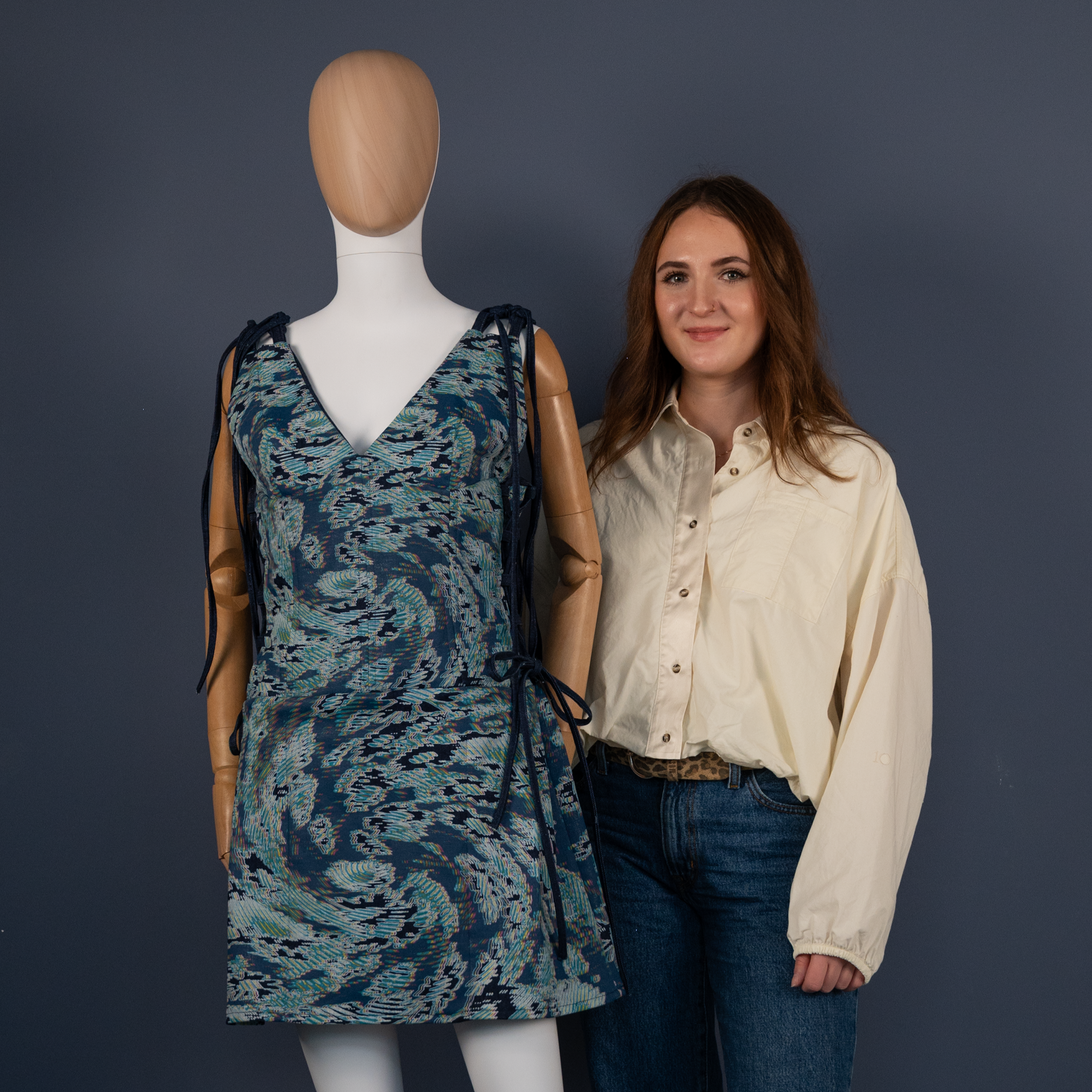
Image Credit: Marylene Madou
A new wave of designers is challenging the traditional textile ecosystem, proving that creativity and sustainability need not be mutually exclusive.
Leading this charge is Belgian textile designer Marylène Madou.
Madou has developed a distinctive style where the print is not merely an afterthought, but the genesis of every creation. By leveraging advanced digital textile printing, she has successfully merged traditional craftsmanship with cutting-edge technology. Her approach offers a blueprint for how independent designers can scale their brands globally while maintaining a minimal environmental footprint. Digital innovation is empowering designers to reclaim control over their production, reduce waste, and reimagine the future of textiles.
The Art of the Narrative Print
Marylène Madou’s journey into textile design began long before her brand’s establishment in 2017. A fascination with the interplay between fashion and interiors, combined with a childhood love for drawing, led her to the LUCA School of Arts in Ghent. It was here that she honed the technical and artistic skills that would define her career, eventually winning the international contest The Silhouette of The Future / 2039 and earning her place as one of the celebrated ‘Limburg Six’ - a nod to the iconic Antwerp Six.
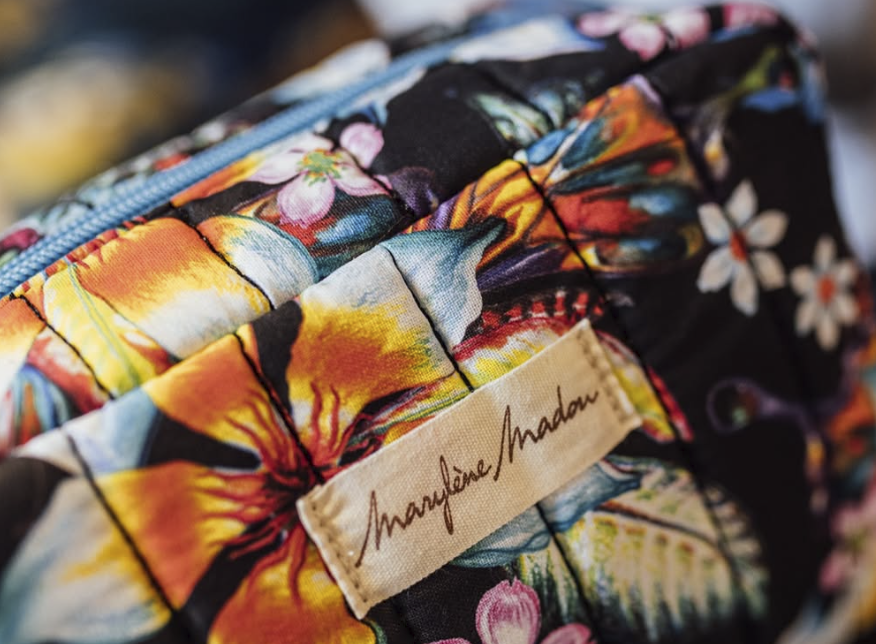
Unlike many contemporary brands that rely on sourced fabrics, Madou’s process is deeply personal. "Marylene Madou, that's me, but it's also the name of my own brand," she explains. "What makes our brand unique is that we only use my own drawings and paintings, which we then print digitally."
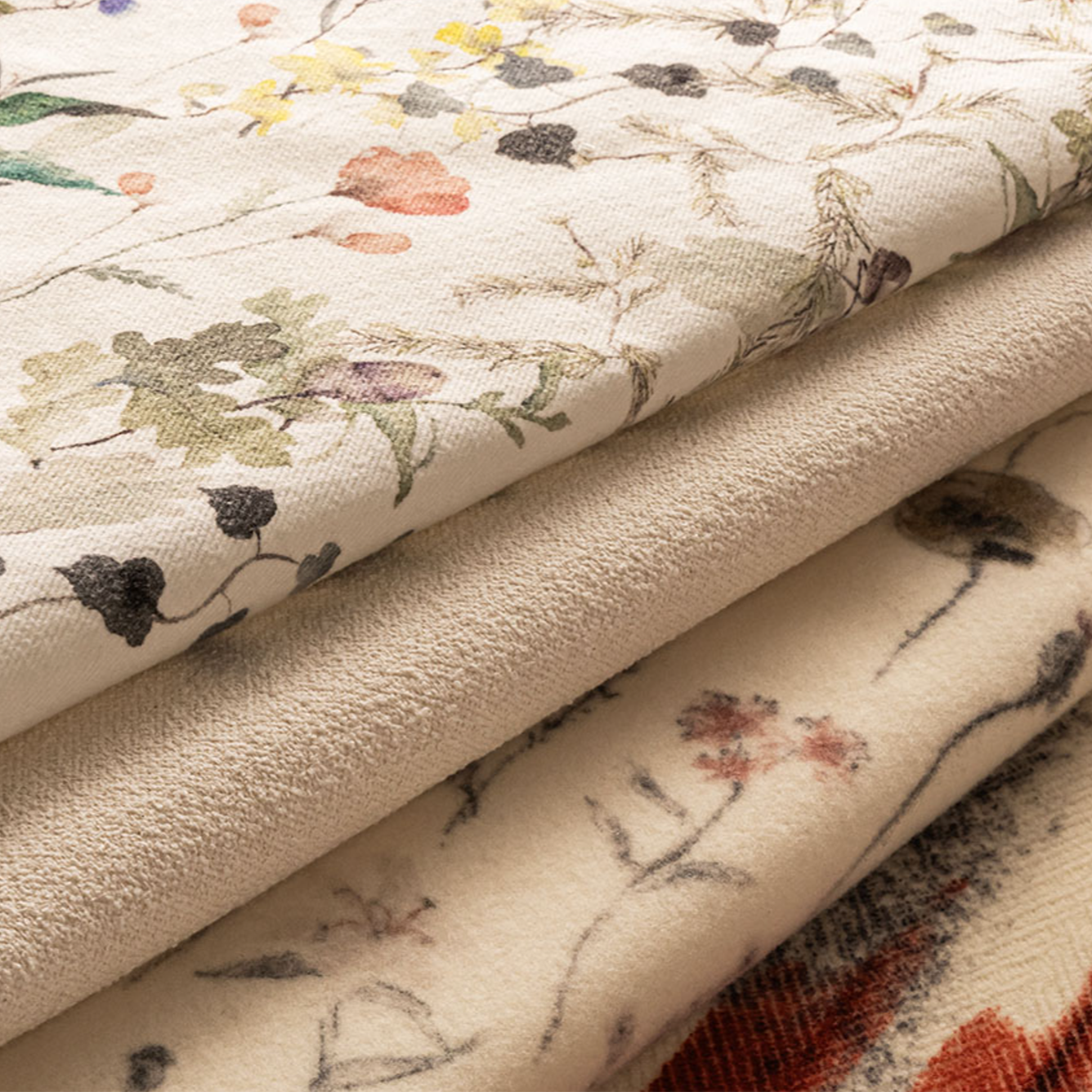
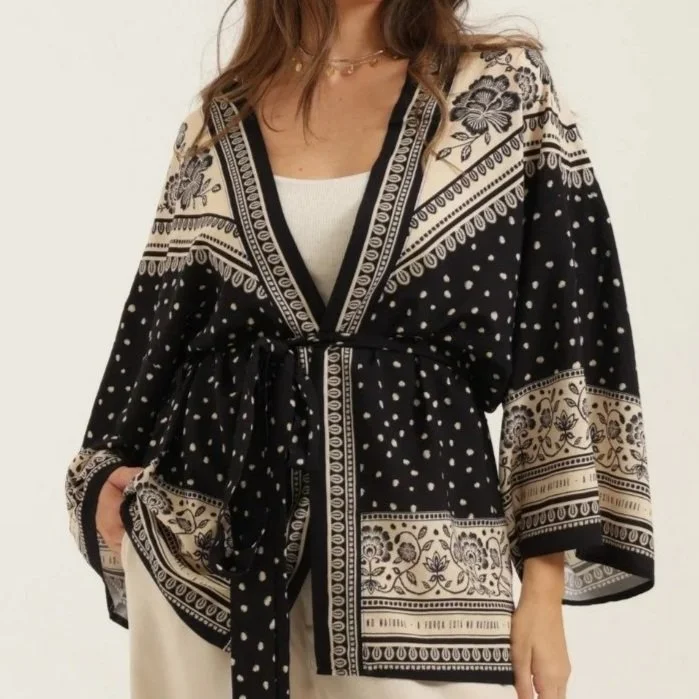
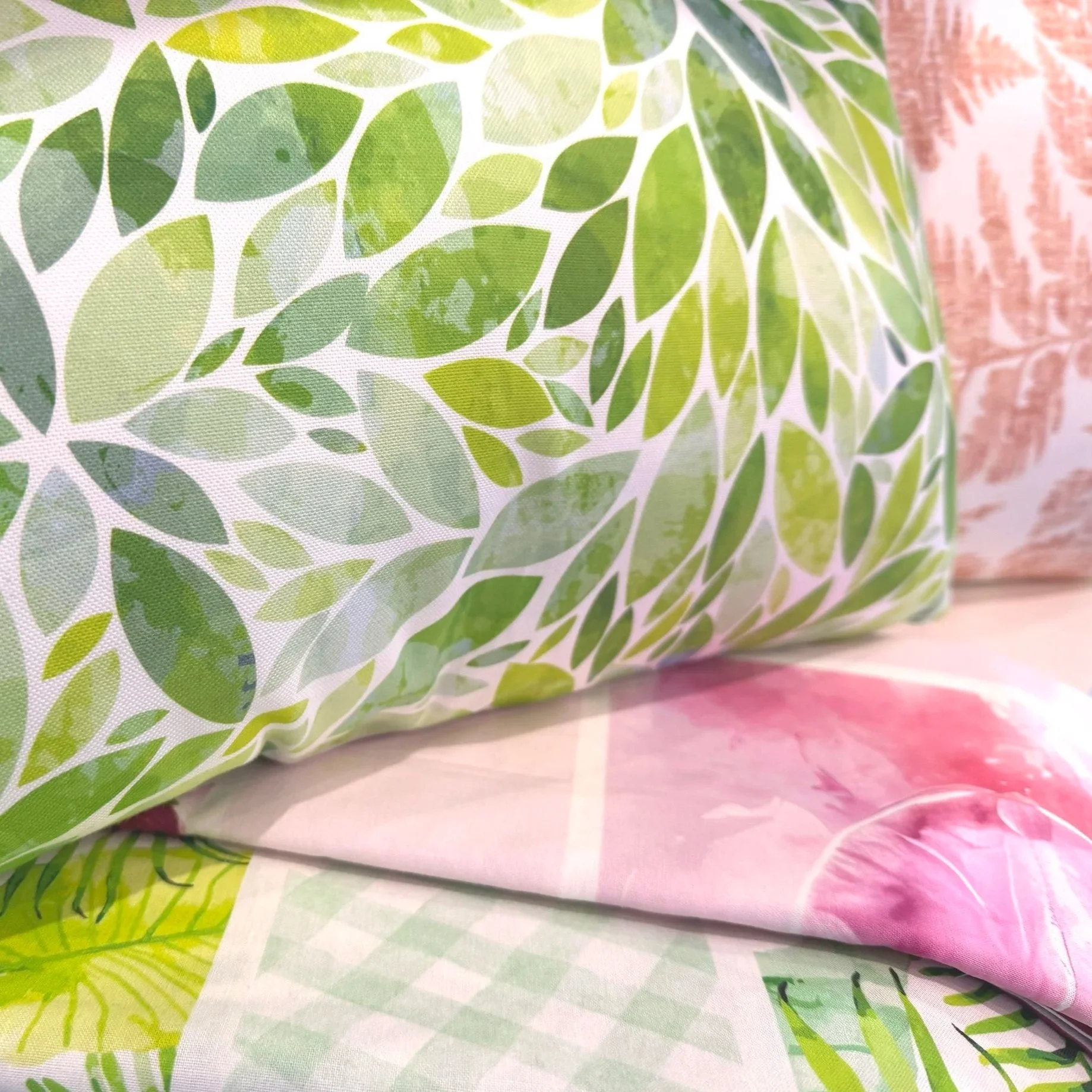
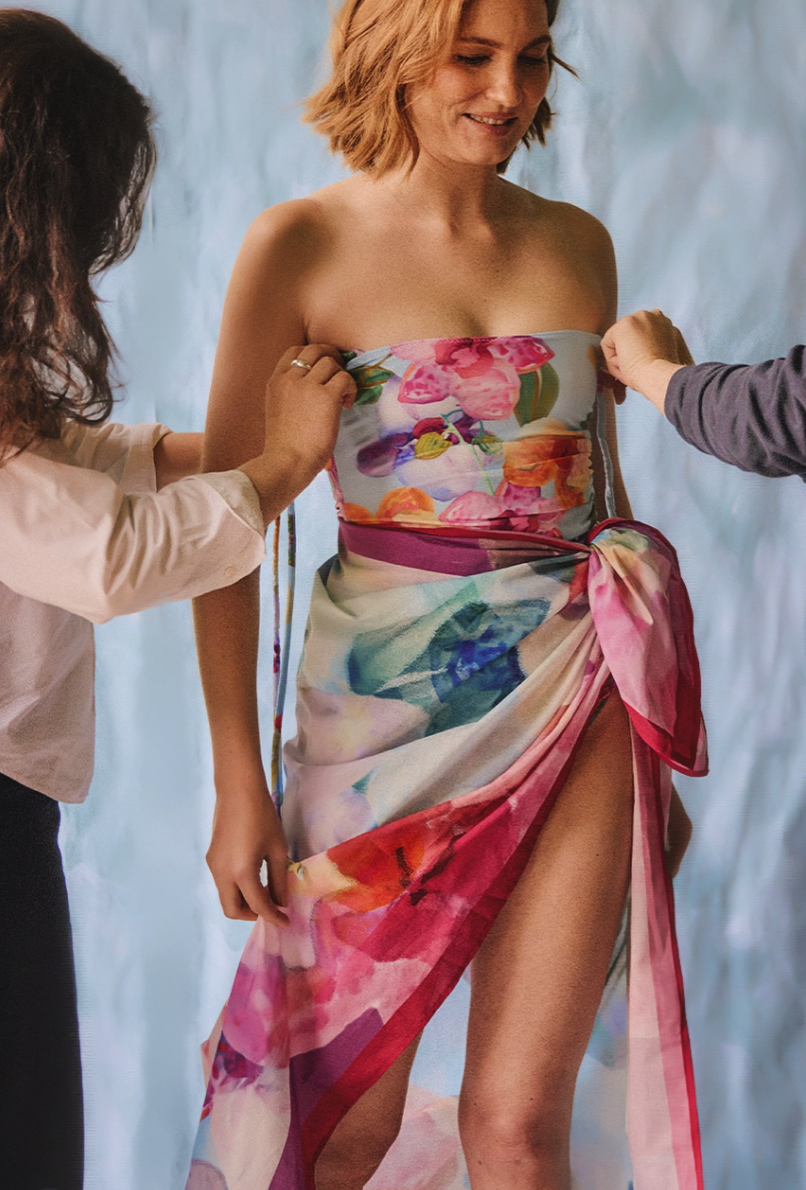
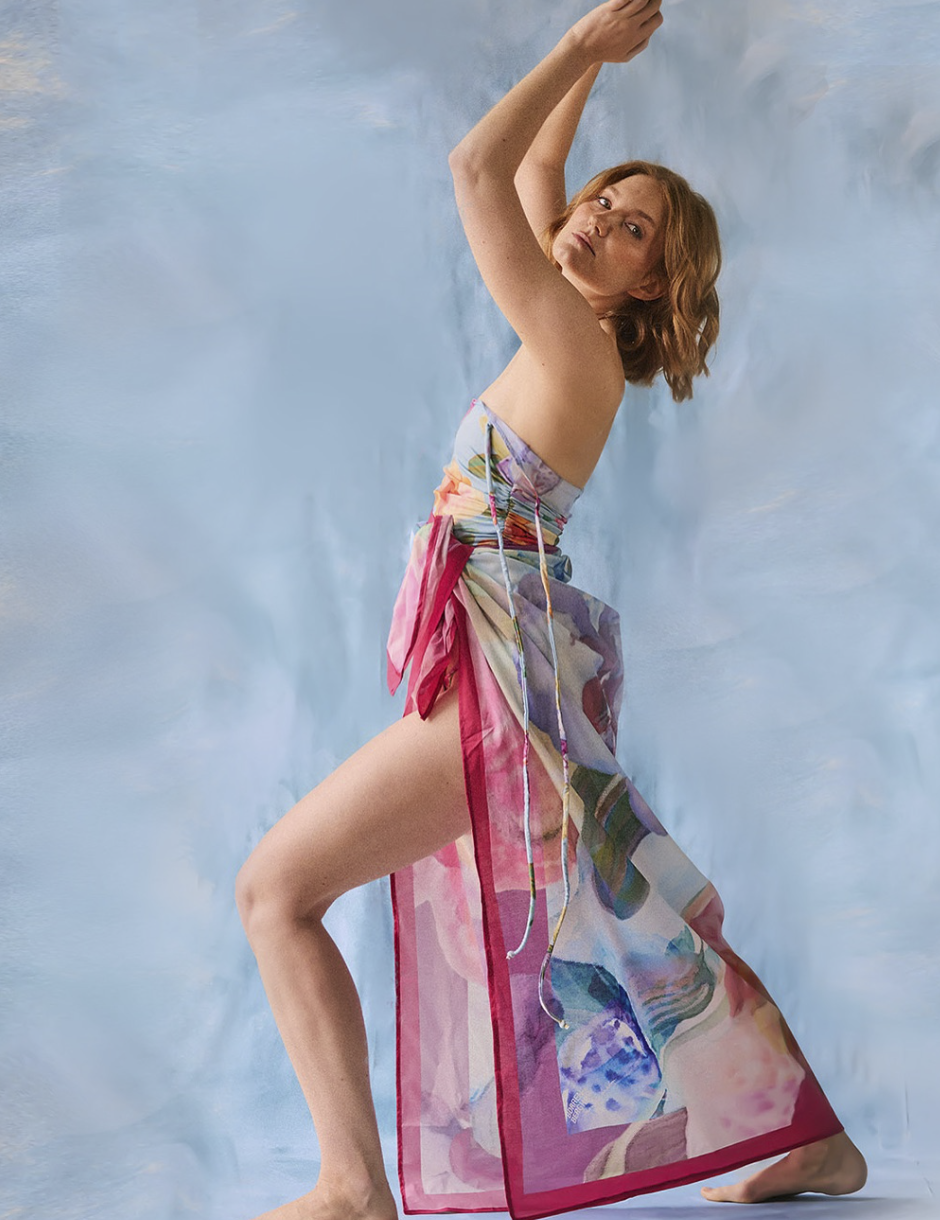
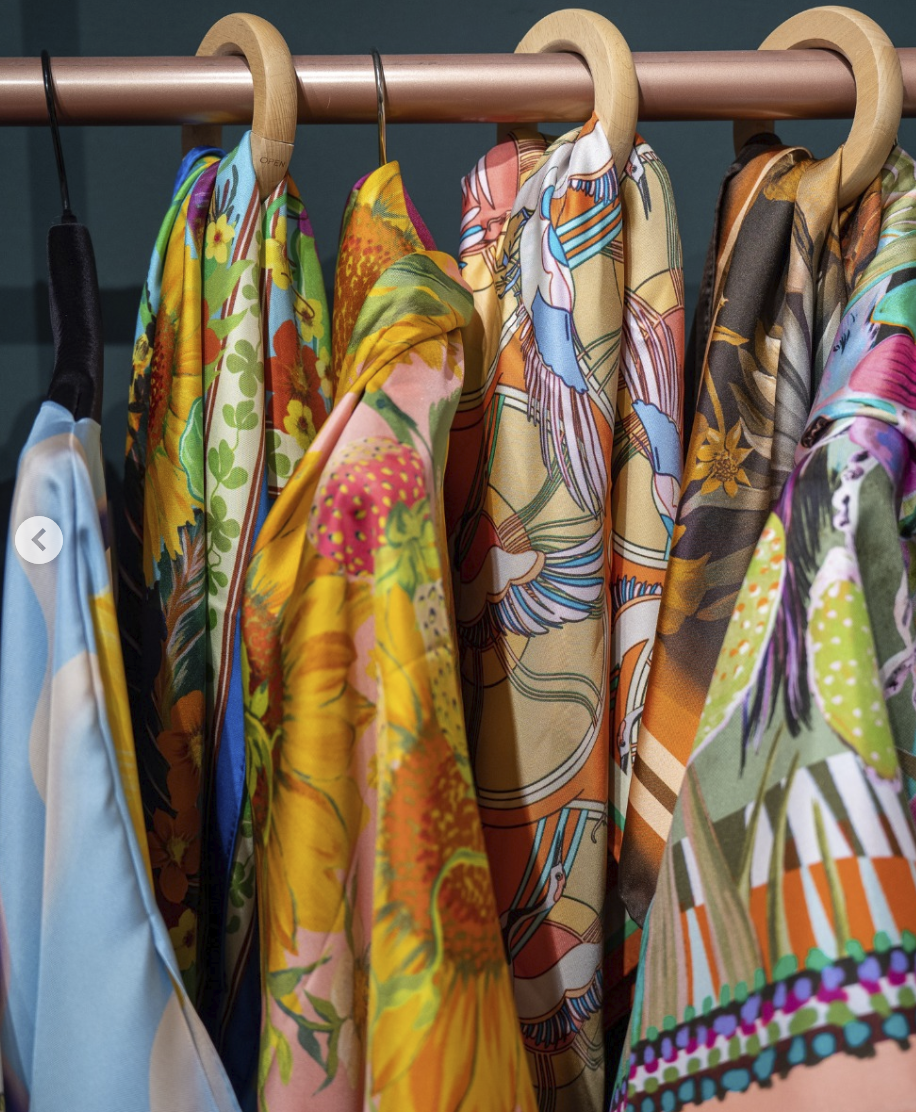
Her aesthetic is eclectic and colourful, often sparked by a single image: an animal on a vase, a vintage taxidermy bird, or the hues of a private family garden. These inspirations are meticulously hand-painted before being translated into the digital realm. This method allows her to layer her designs with meaning and narrative, creating a visual language that is unmistakably her own. By digitising her artwork, Madou bridges the gap between the artisan’s studio and the garment, ensuring that the soul of the original painting is preserved in the final textile.
Disrupting the Seasonal Cycle
One of the most significant ways Madou challenges industry norms is through her business model. The traditional fashion calendar, often dictated by rigid seasonal releases, forces designers to gamble on trends, leading to unsold stock and environmental damage. Madou rejects this pressure.
"We don’t work with seasonal collections," she states. "So now we work annually, with a sort of theme. So that’s how I start, and I create as many illustrations as possible so I can filter and choose."

On-Demand Manufacturing
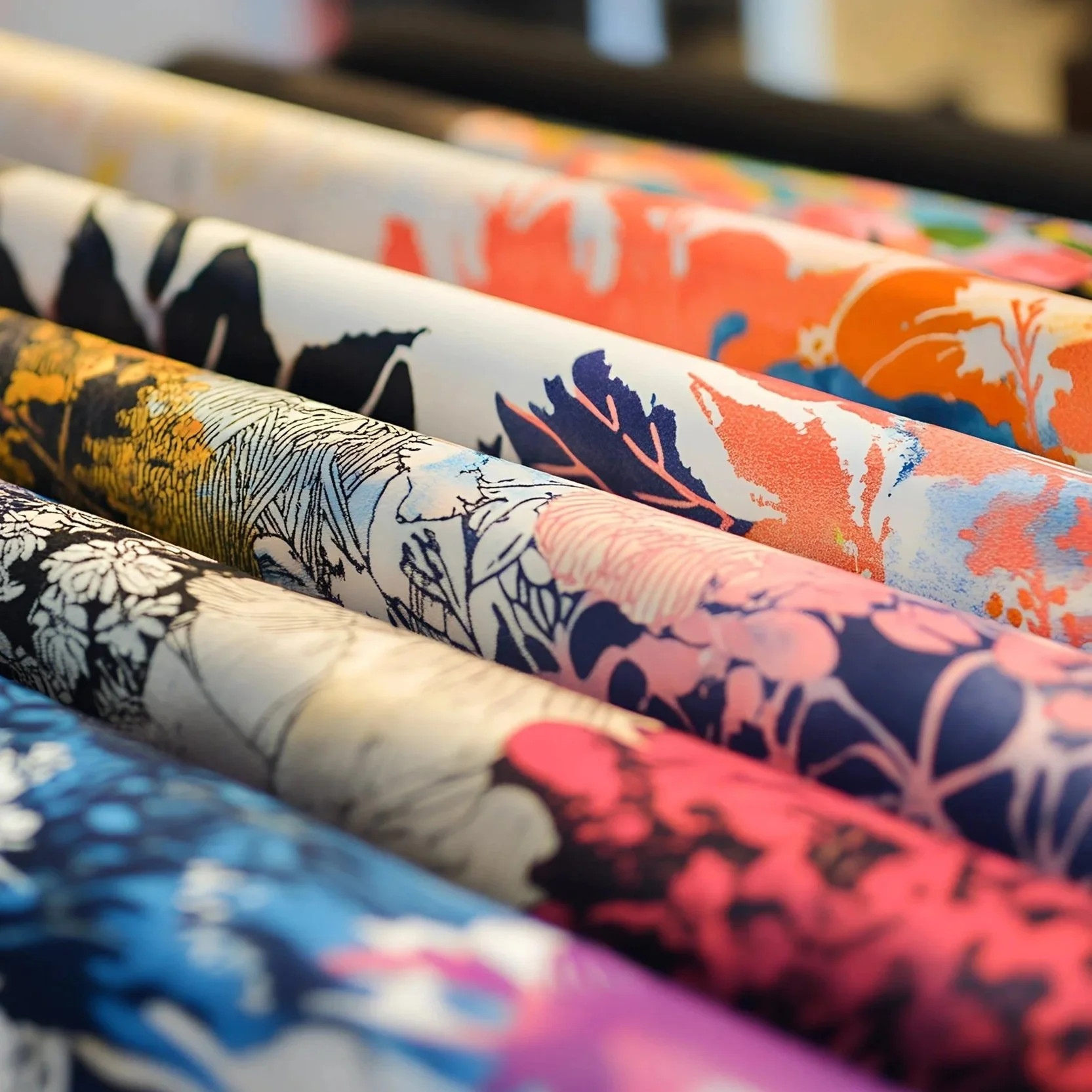
This shift to annual themes is powered by the flexibility of digital printing. It allows the brand to operate on a made-to-measure and on-demand basis, particularly for their interior items and specific clothing lines. This agility is a stark contrast to traditional analogue printing methods, such as rotary screen printing, which require high minimum order quantities (MOQs) to be cost-effective.
Madou explains the strategic advantage of this approach: "We split our production batch into different prints. So, with each print, we work with a low quantity, which means we’re 100% sure it will sell, and we won’t have any waste. Basically, we just don’t overproduce."
By utilising digital technology to produce only what is necessary, the brand eliminates the risk of deadstock. This model proves that economic viability and ecological responsibility can coexist. It empowers the designer to take risks with bold, niche prints without the financial threat of holding thousands of metres of unsold fabric and sewn stock.
Technology as a Creative Partner
For a brand defined by vivid imagery and intricate detail, the choice of technology partner is not merely logistical - it is artistic. The transition from a hand-painted canvas to a printed textile requires machinery that can replicate the artist’s intent with absolute precision. For this, Madou has turned to Epson.
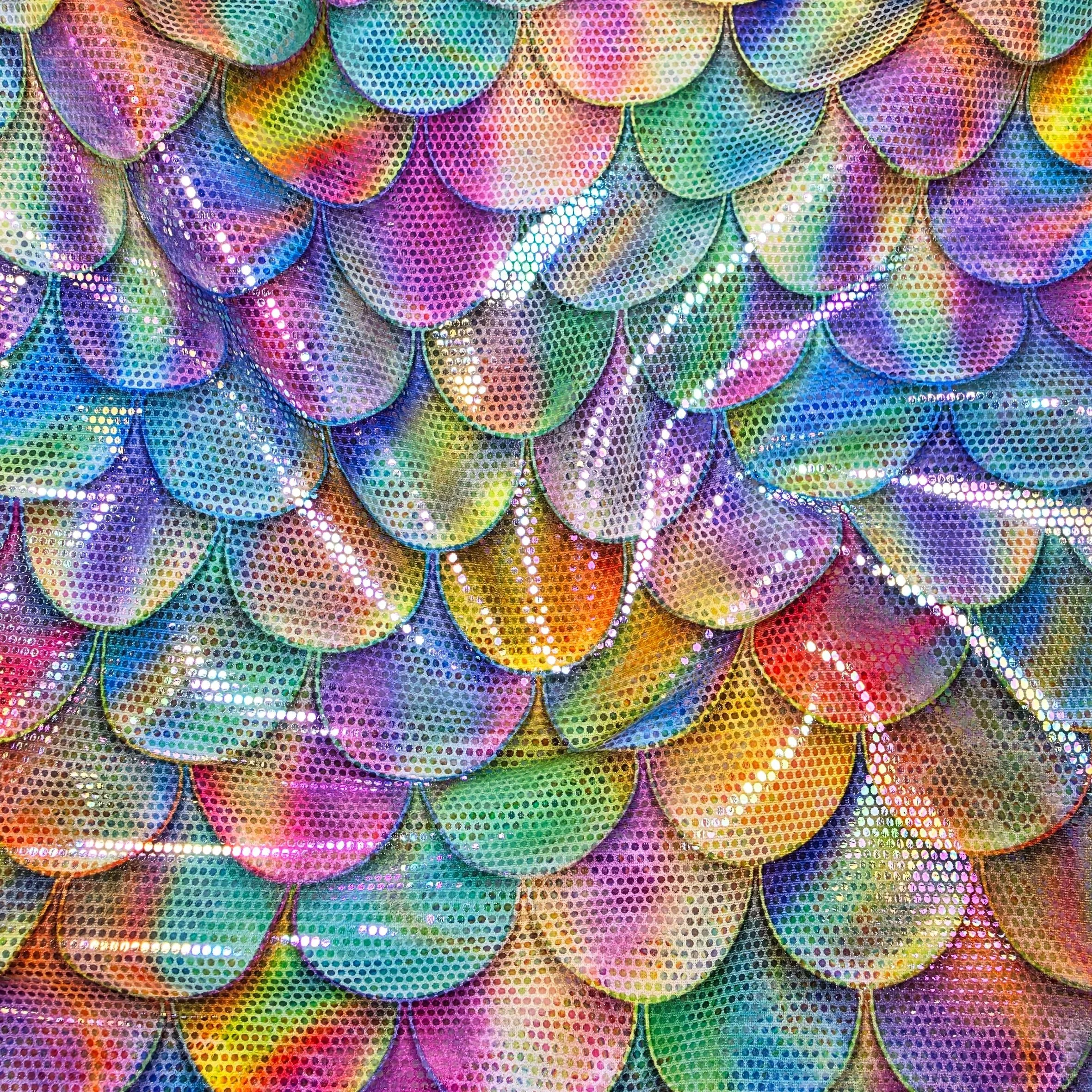
"Almost all our manufacturers work with Epson printers, because they are of exceptional quality, and the printed details really stand out," Madou notes. "And what we make is, of course, very colour-dependent. So, our choice is Epson, because the colours are very vibrant on the fabrics."
From Dye Sublimation to Direct-to-Fabric
Historically, the brand has relied heavily on dye sublimation. This process, where heat transfers dye onto materials, is renowned for producing deep, rich colours on polyester-based fabrics. It has served Madou well, ensuring that the intensity of her original paintings is captured in the final product.
However, as the brand evolves, so does its technological requirements. The industry is seeing a shift towards natural fibres, driven by consumer demand for sustainability and comfort. To meet this need without sacrificing colour quality, Madou has begun exploring Epson’s Monna Lisa series.
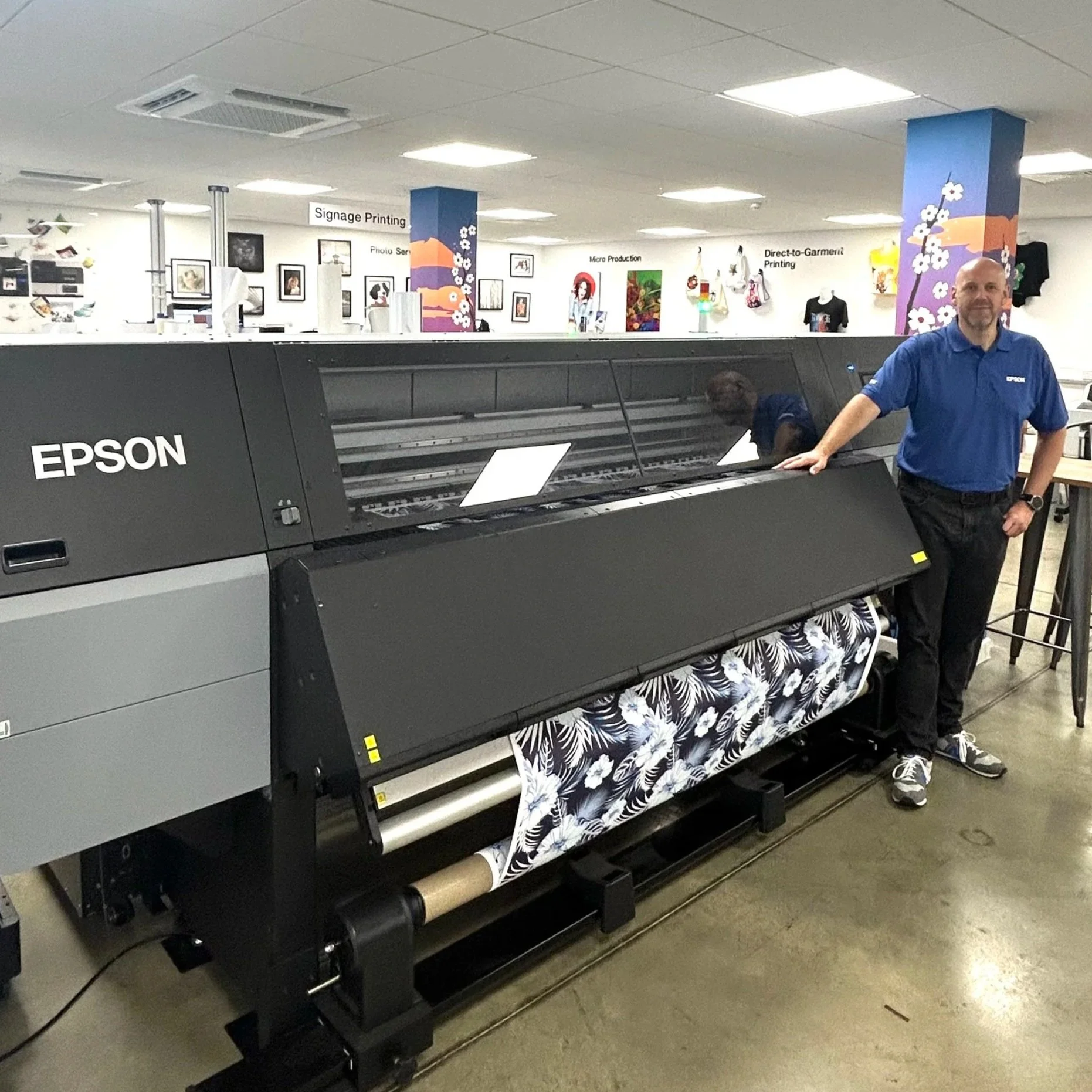
The Monna Lisa is a direct-to-fabric digital textile printer that allows for high-quality printing on a vast array of materials, including organic cotton, silk, and linen. "Now, with the Monna Lisa printer that we’ve had the chance to try, we’ve seen that we can also achieve the same colour intensity on other fabrics, organic fabrics. So, we think that’s great," she says.
The Environmental Impact of the Monna Lisa
Beyond versatility, the Monna Lisa printer addresses critical environmental concerns. Traditional textile printing and finishing are notoriously water-intensive and polluting processes. In contrast, digital direct-to-fabric printing significantly reduces water and energy consumption.
"The Monna Lisa is a printer that processes everything in one go. So, it requires very little water. There are few steps in the process," Madou observes. Furthermore, the Epson Genesta inks used in these machines meet strict environmental standards, ensuring that the chemical footprint of the production is minimised.
This technology also facilitates the brand’s commitment to local production. Because the machinery is relatively compact compared to industrial screen-printing setups, it can be installed in smaller, local facilities. This shortens the supply chain, reduces carbon emissions associated with transport, and allows Madou to maintain closer oversight of the production process. "If we can choose to produce locally, we will definitely do that," she affirms. "The more local, the easier it is for us."
A Blueprint for Collaborative Innovation
The success of Marylène Madou’s brand illustrates a vital lesson for the modern textile print industry: the future of fashion lies in the collaboration between the creative and the technical. Designers can no longer afford to view printing manufacturers merely as service providers; they must view them as strategic partners. When technology providers like Epson develop solutions that prioritise print quality, colour fidelity and environmental efficiency, they empower designers to make ethical choices without compromising their artistic vision.
This synergy allows creatives to experiment with new materials, reduce their carbon footprint, and build business models resilient to the volatility of fast fashion.
FAQ’s
-
Marylène Madou is a Belgian textile designer who uses advanced digital textile printing to transform her original hand-painted artworks directly into finished garments and interiors. Her process treats print as the foundation of every design — not an afterthought — merging traditional artisan craftsmanship with precision digital production to create collections that are both visually distinctive and environmentally responsible.
Madou established her eponymous brand in 2017 after graduating from the LUCA School of Arts in Ghent. Her work is rooted in a deeply personal creative process: each collection begins with hand-painted illustrations — drawn from sources as varied as vintage taxidermy, family gardens, and decorative ceramics — which are then digitised and printed onto fabric with exceptional colour fidelity. The result is a textile language that is unmistakably her own, and impossible to replicate through conventional mass-production methods.
-
Madou's brand operates on a made-to-measure, on-demand production model — enabled entirely by digital textile printing — which allows her to produce small quantities of each print design, ensuring near-zero deadstock. Rather than committing to large minimum order quantities, she splits production runs across multiple prints, manufacturing only what she is confident will sell.
This approach stands in direct contrast to the traditional fashion calendar, which pressures designers into seasonal bulk orders that frequently result in unsold inventory and environmental damage. By working to annual themes rather than rigid seasonal collections, Madou retains creative freedom whilst maintaining full control over stock levels. As she explains: "We split our production batch into different prints. So, with each print, we work with a low quantity, which means we're 100% sure it will sell, and we won't have any waste."
Key sustainability outcomes of this model include:
Zero deadstock risk — production volumes are aligned precisely with anticipated demand
Reduced financial exposure — low MOQs allow experimentation with bold, niche print designs
Shorter supply chains — a preference for local production partners minimises transport-related carbon emissions
-
Madou selects Epson technology — specifically the Monna Lisa direct-to-fabric digital textile printer — because it delivers the vibrant colour intensity her artwork demands across a growing range of sustainable natural fibres, including organic cotton, silk, and linen, while significantly reducing water consumption compared to conventional analogue printing methods.
Historically, the brand relied on dye sublimation printing, which excels at reproducing deep, saturated colour on polyester-based fabrics. As consumer demand shifted towards natural fibres, Madou required a technology capable of matching that same colour fidelity on organic substrates. The Monna Lisa — combined with Epson's Genesta inks, which meet strict environmental certification standards — fulfilled that requirement without compromise.
The environmental advantages are substantive:
Reduced water usage — the Monna Lisa processes printing in a single, streamlined pass, requiring minimal water compared to traditional screen-printing and wet-finishing processes
Lower chemical footprint — Epson Genesta inks are formulated to meet rigorous environmental standards, minimising hazardous chemical discharge
Compact installation — the machine's smaller physical footprint enables deployment in local production facilities, shortening supply chains and reducing transport emissions
Broader material compatibility — direct-to-fabric capability across natural and organic textiles supports a shift away from synthetic, petroleum-derived fabrics