DESIGN: When Young Designers Meet Digital Technology - Great Things Happen - meet Steffi Kestel
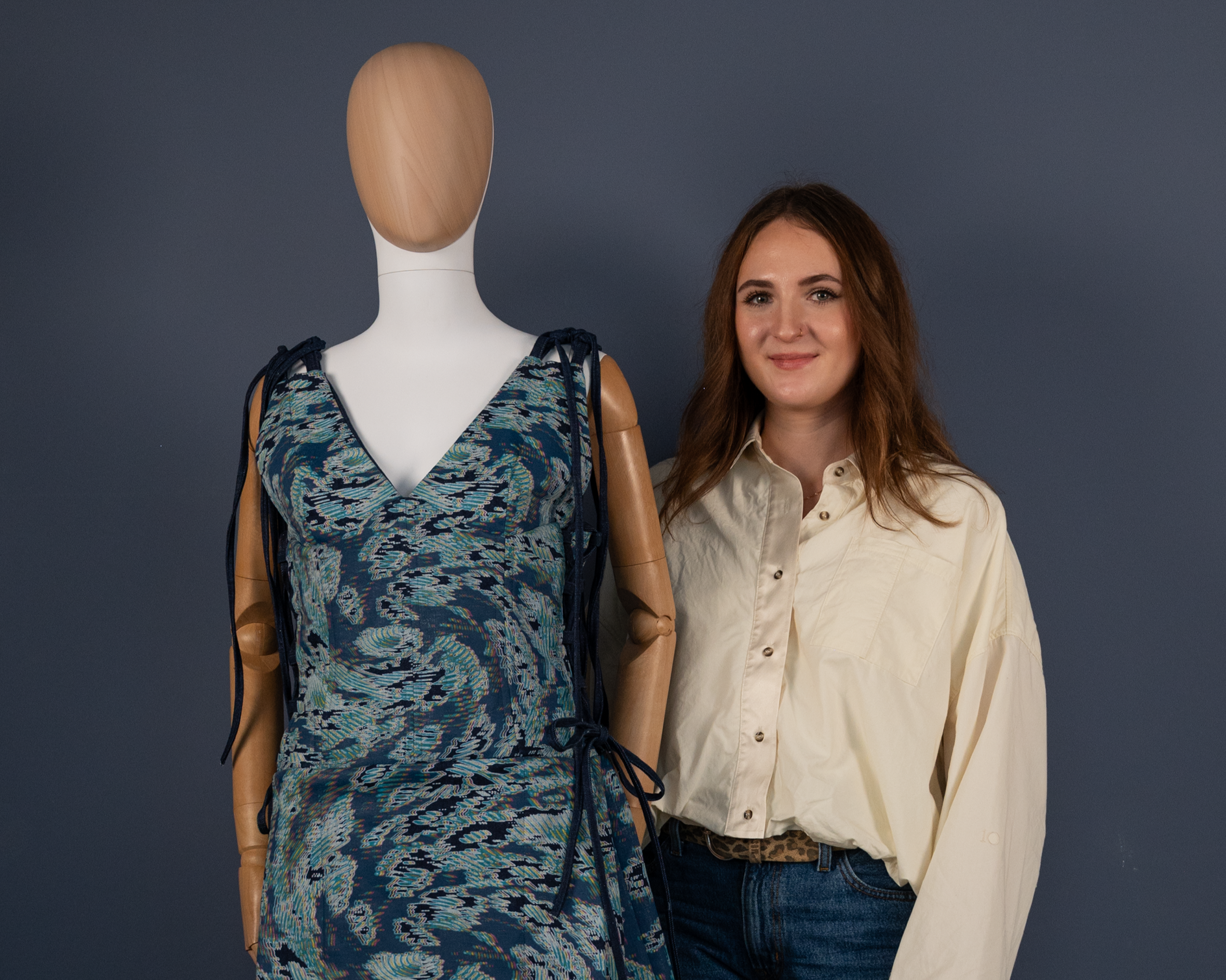
The story of what happens when young designers access digital technology is still being written
“But the early chapters are clear: creativity accelerates, quality becomes democratised, and the barriers between vision and execution narrow dramatically.
Steffie Kestel's “Between Realities” collection is one chapter in that story.
It demonstrates what becomes possible when a digitally fluent designer is given professional tools, institutional support, and the freedom to experiment. The result is not just a beautiful garment - it is a proof of a more sustainable future for fashion…
”
When Young Designers Meet Digital Technology, Great Things Happen
Digital technology is transforming fashion design by giving young creatives like Steffi Kestel, a 27-year-old designer from Seegen, the tools to build slow fashion collections from the ground up. With digital textile printing and precision sewing machines, the next generation of designers is rewriting what independent fashion looks like.
There is a generation of designers who have never known a world without digital tools. They sketch on screens, prototype with printers, and build entire businesses from their bedrooms. But what happens when that natural fluency with technology meets genuine creative vision? The answer, increasingly, looks something like Steffi Kestel.
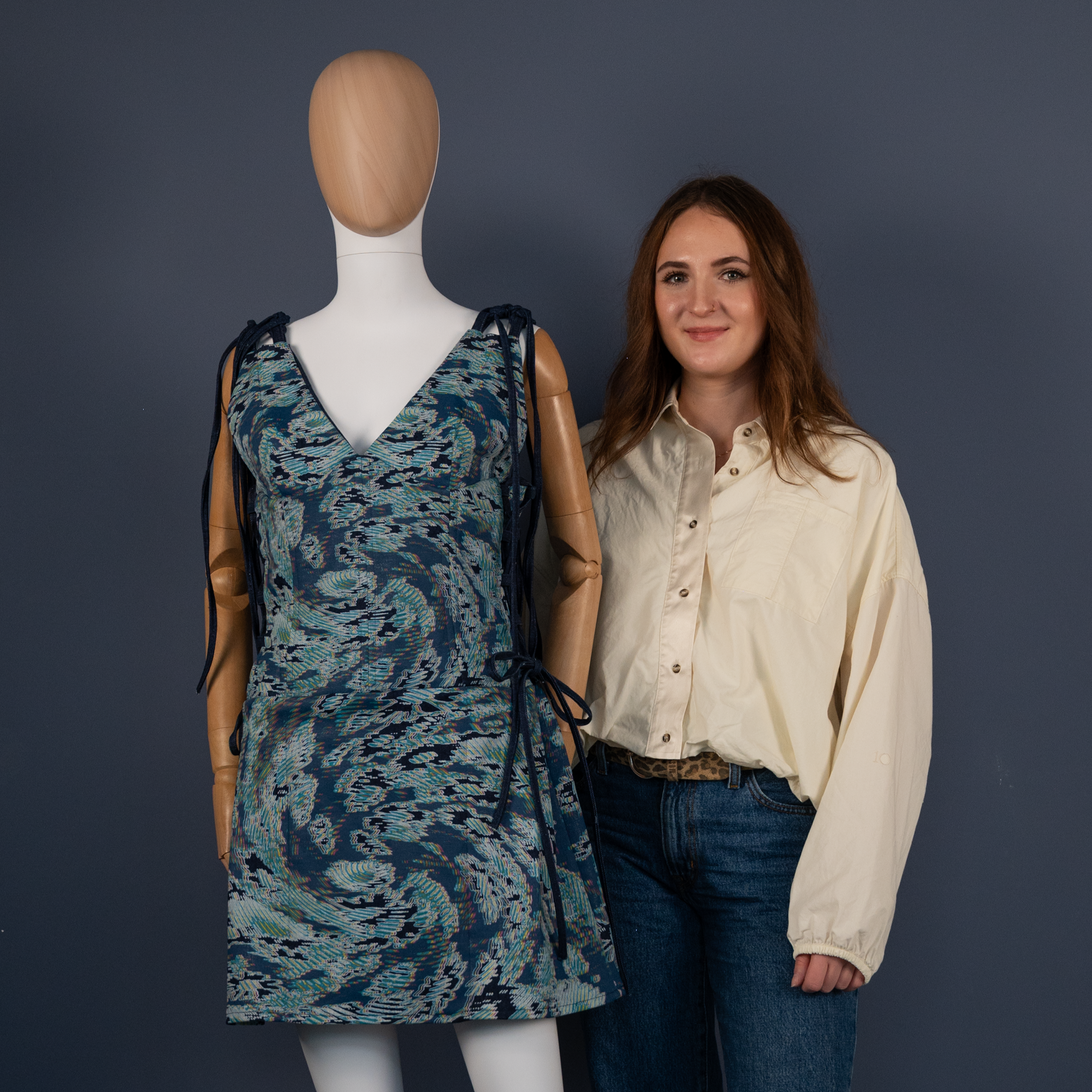
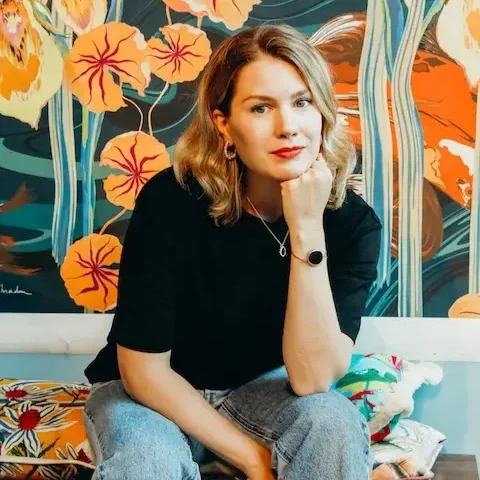
Kestel is a 27-year-old fashion designer from Seegen who studied design engineering with a focus on fashion at the Niederrhein University of Applied Sciences in Mönchengladbach. Her story is not a straightforward one. She came to fashion through architecture, taught herself to sew during her degree, and eventually followed her instincts into the discipline that had always fascinated her. Today, her work sits at the intersection of storytelling, craftsmanship, and digital precision - a combination that is becoming increasingly emblematic of a new era in fashion.
Her first collection, Between Realities, offers a compelling case study in what becomes possible when digital-native designers are handed the right tools. More importantly, it demonstrates the broader shift underway in the fashion industry: one where access to technology is democratising design, enabling slow fashion principles, and empowering young creatives to compete without the backing of large studios or production houses.
How digital technology is democratising fashion design for the next generation
For decades, breaking into fashion meant navigating gatekeepers - studios, manufacturers, industry contacts. The barrier to producing high-quality garments independently was significant. Digital technology has quietly dismantled many of those barriers.
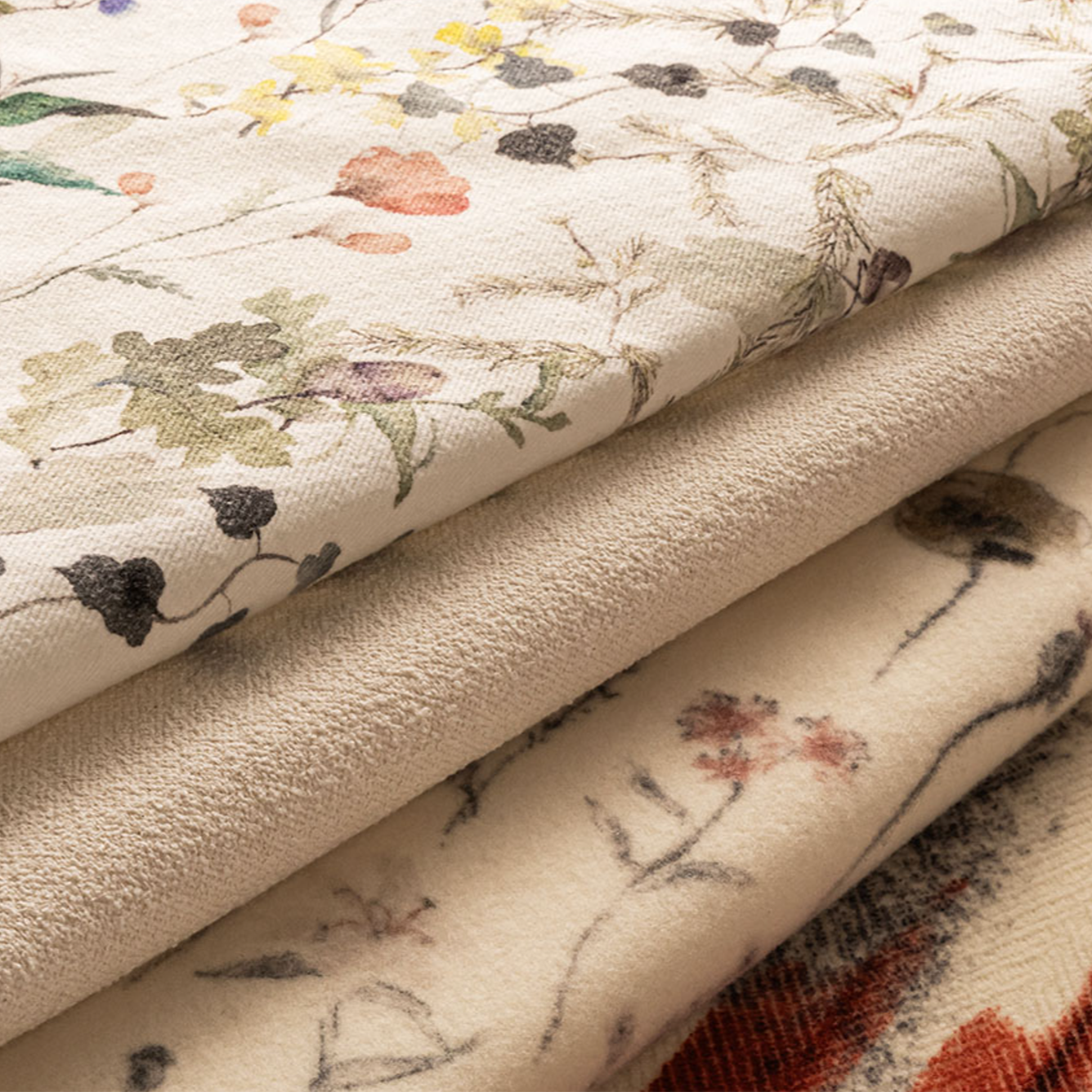
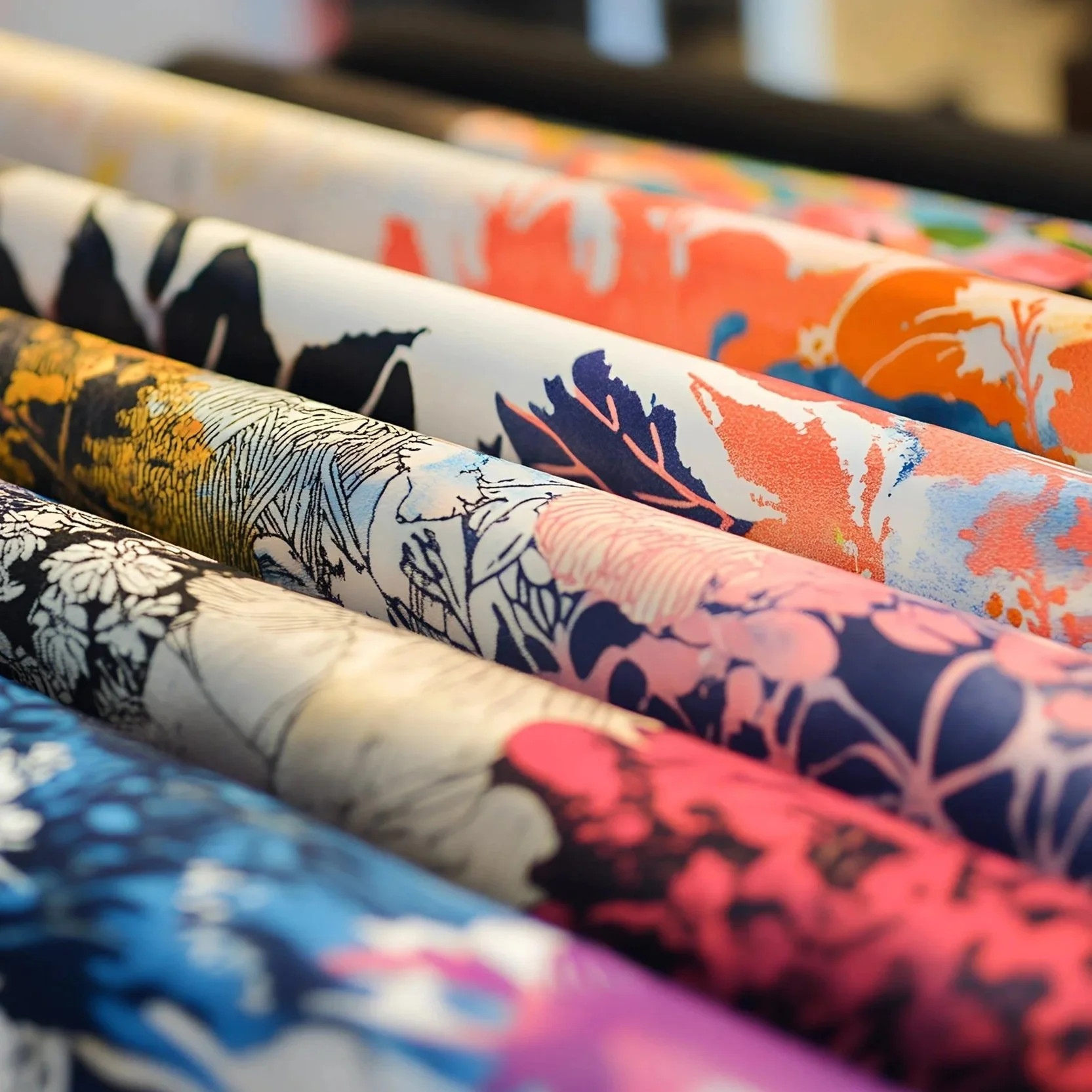
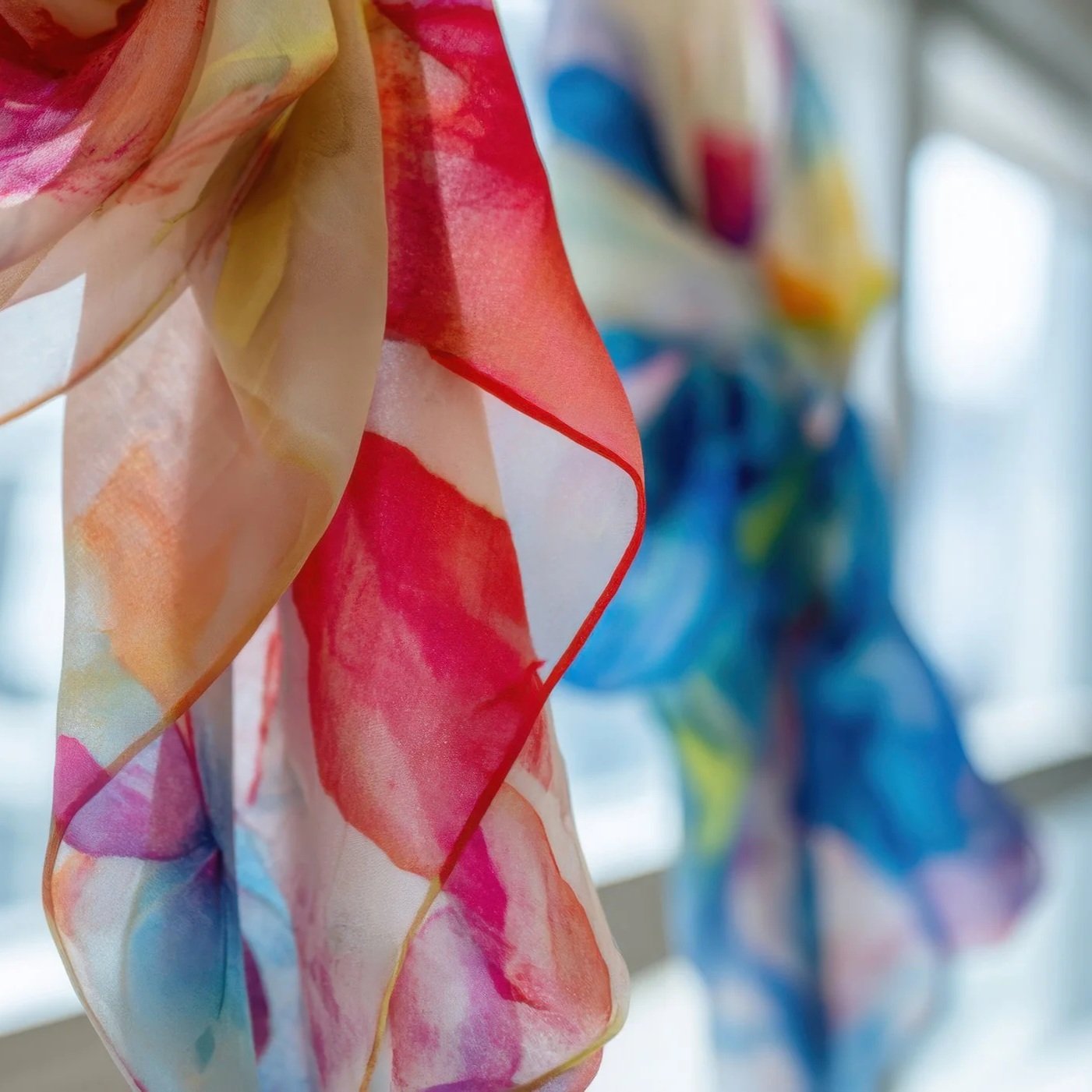
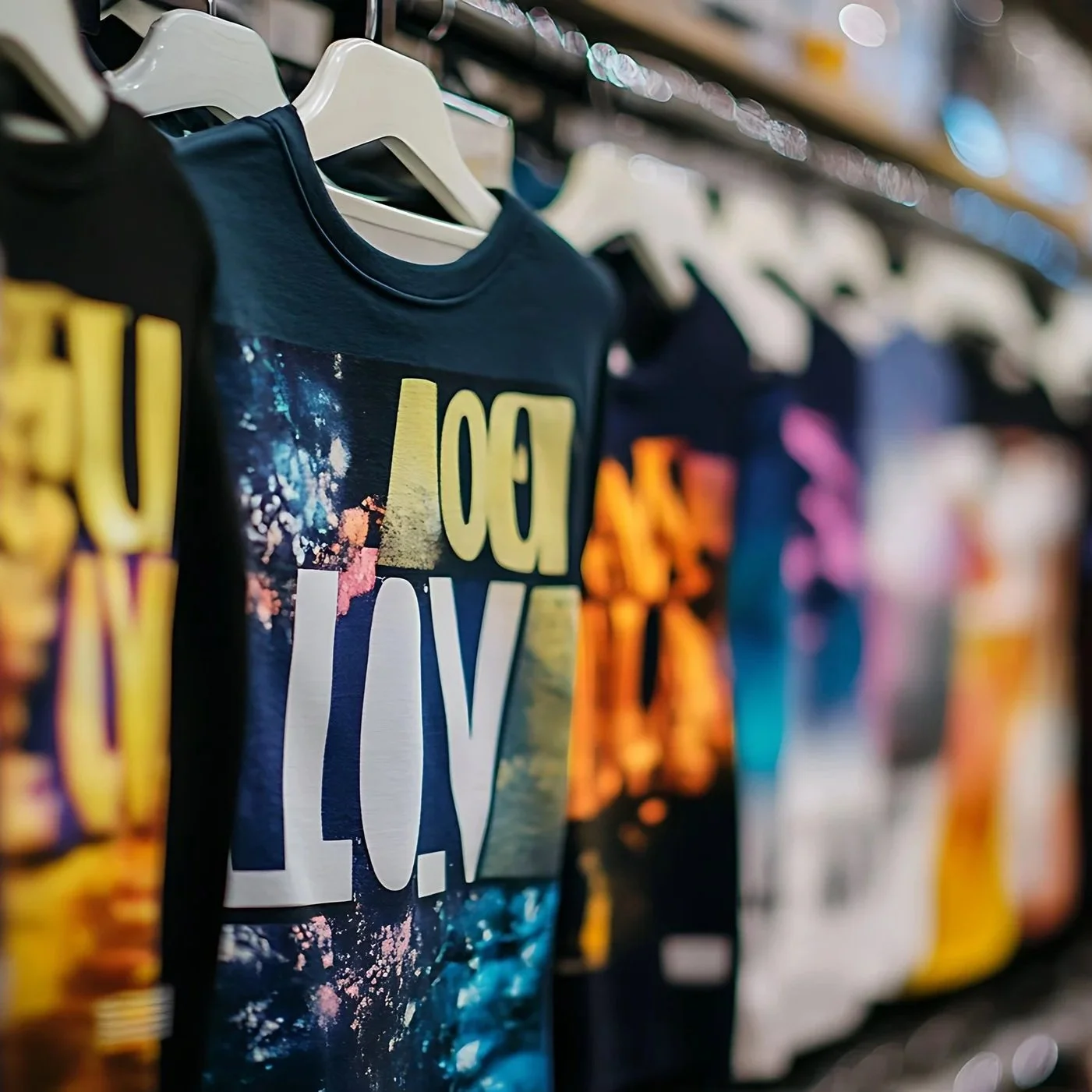
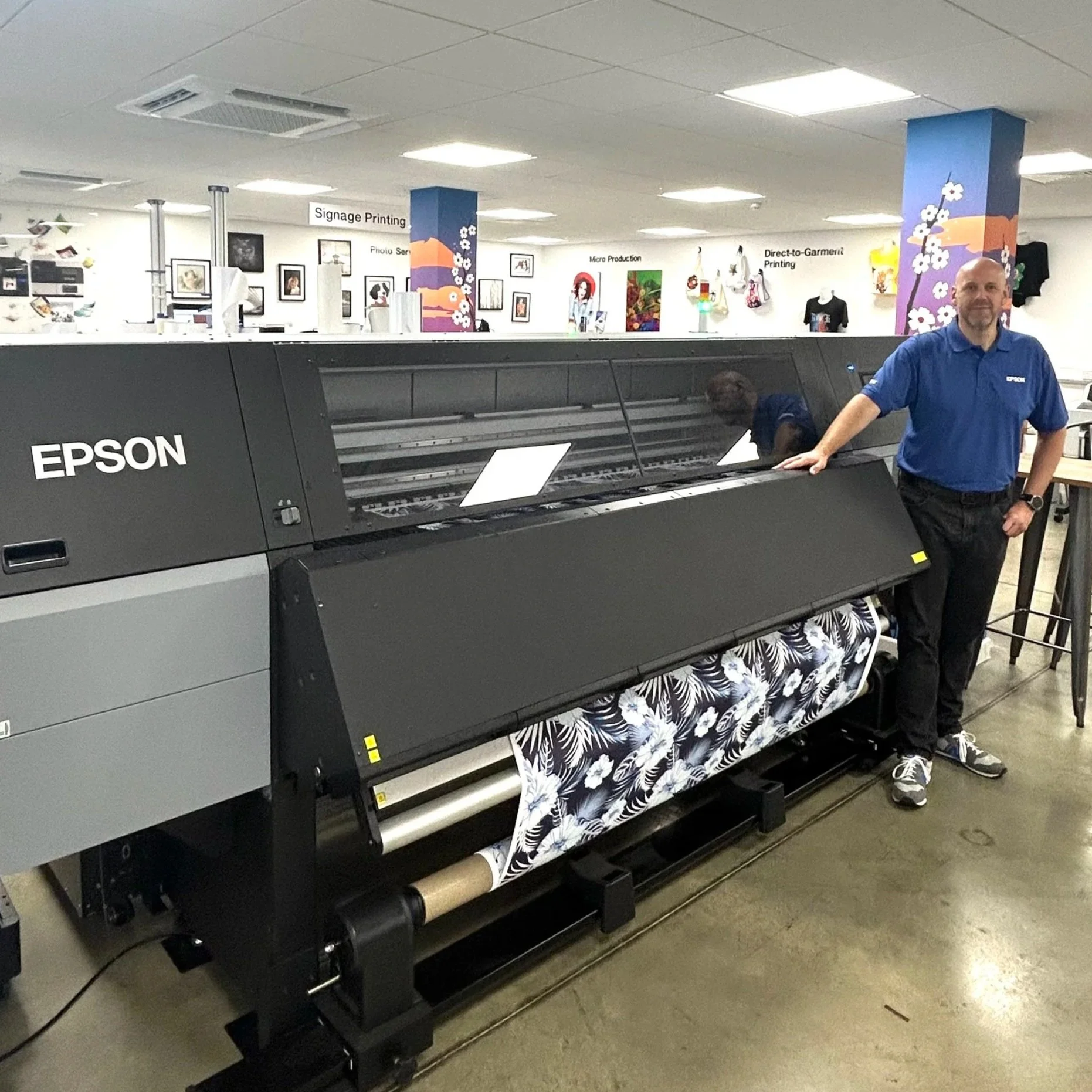
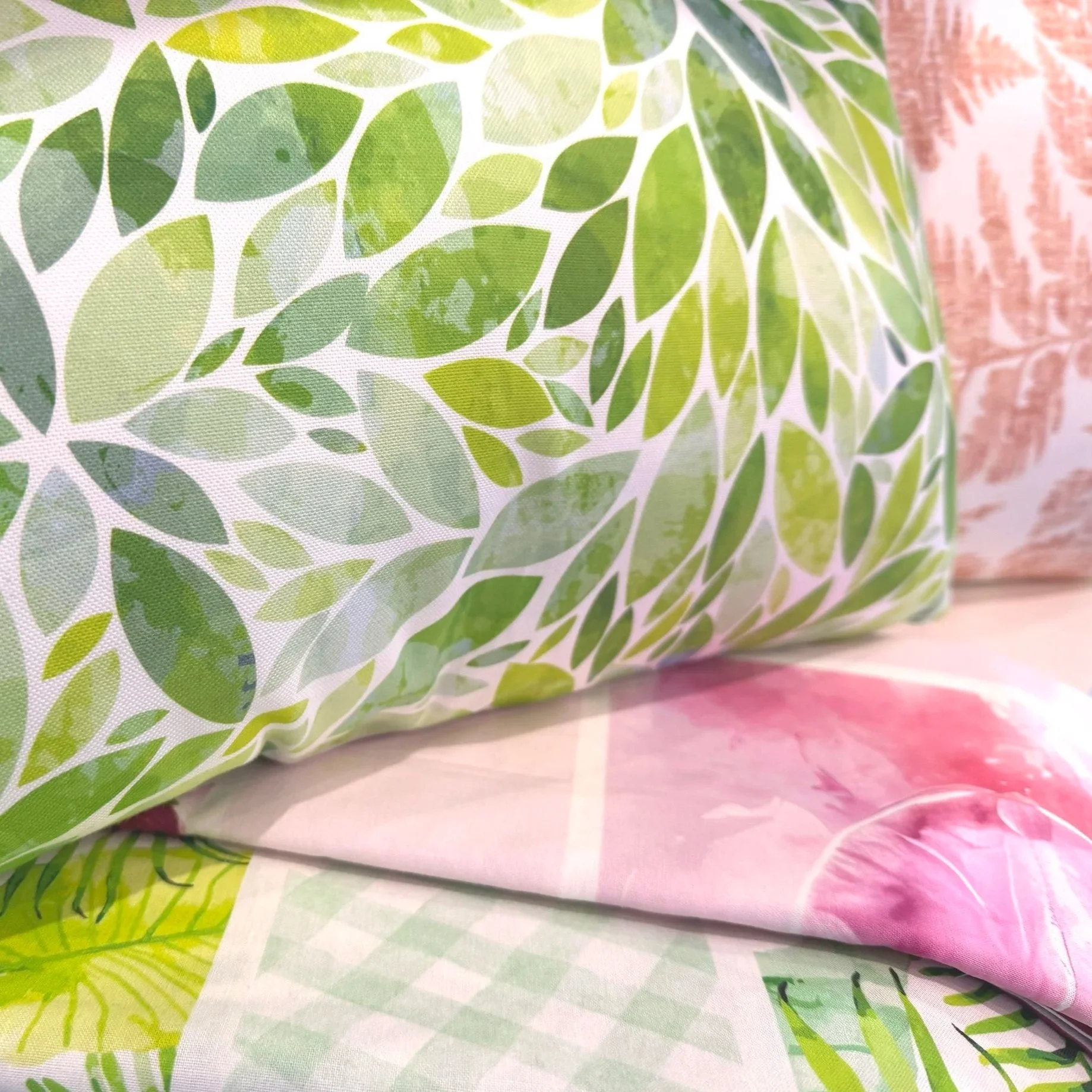
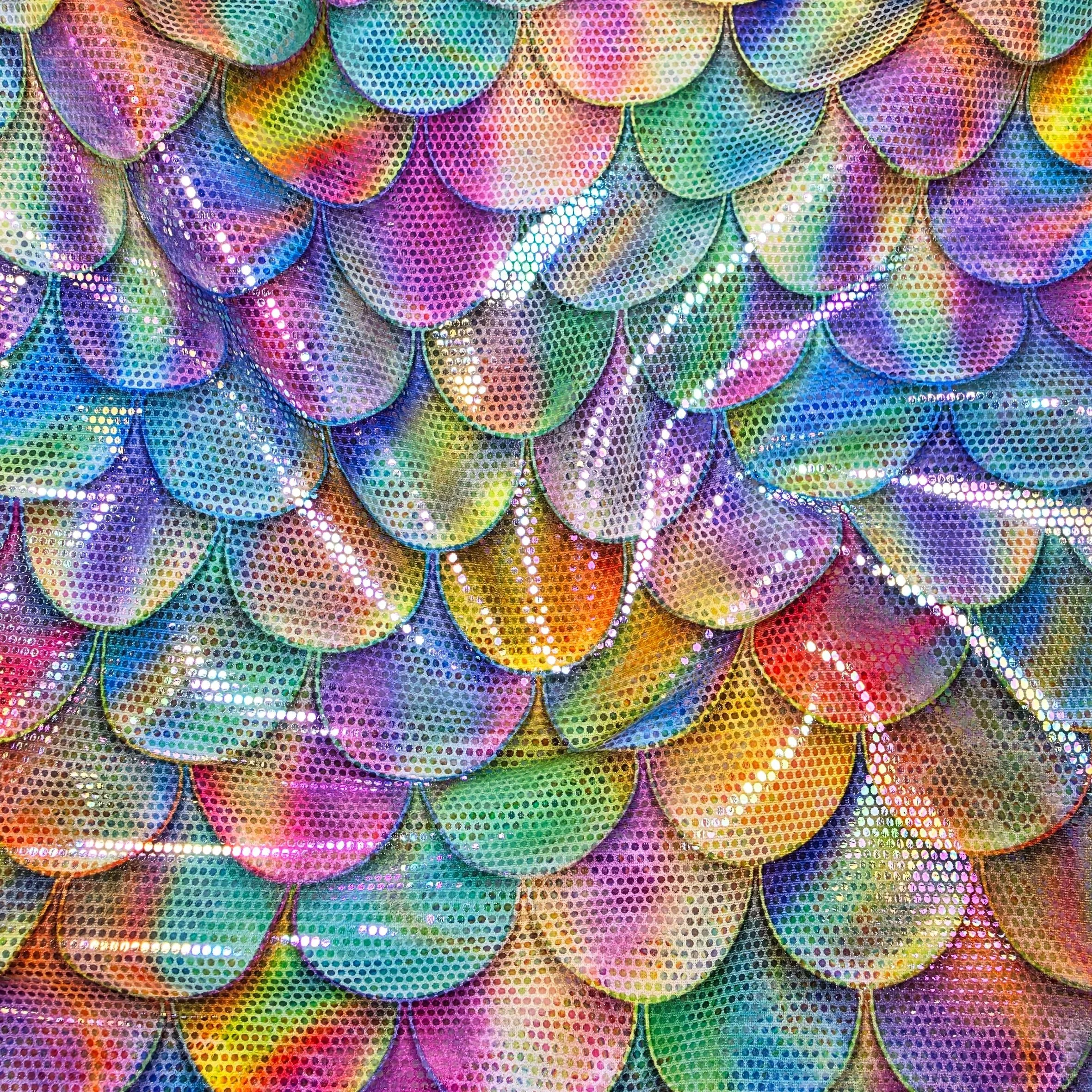
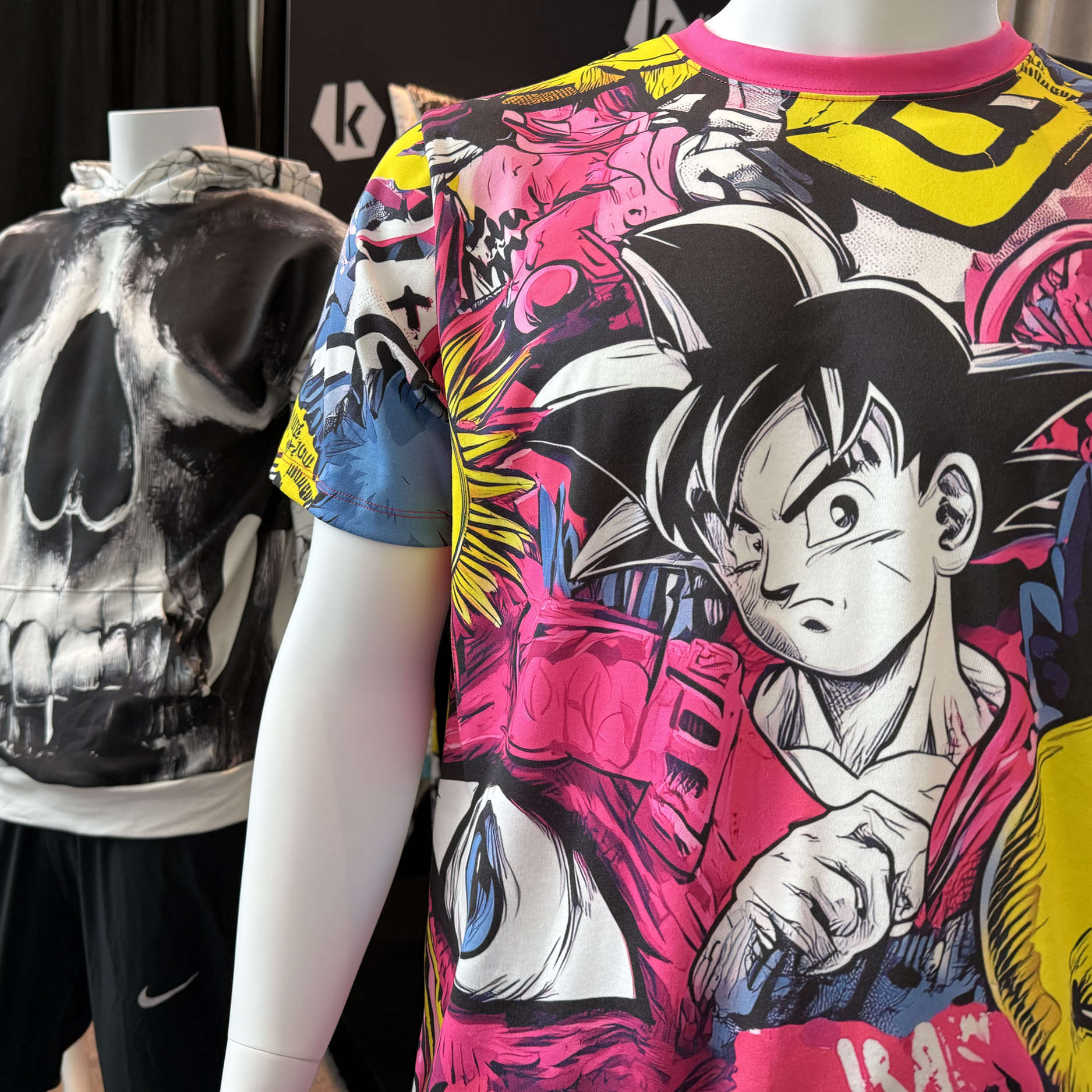
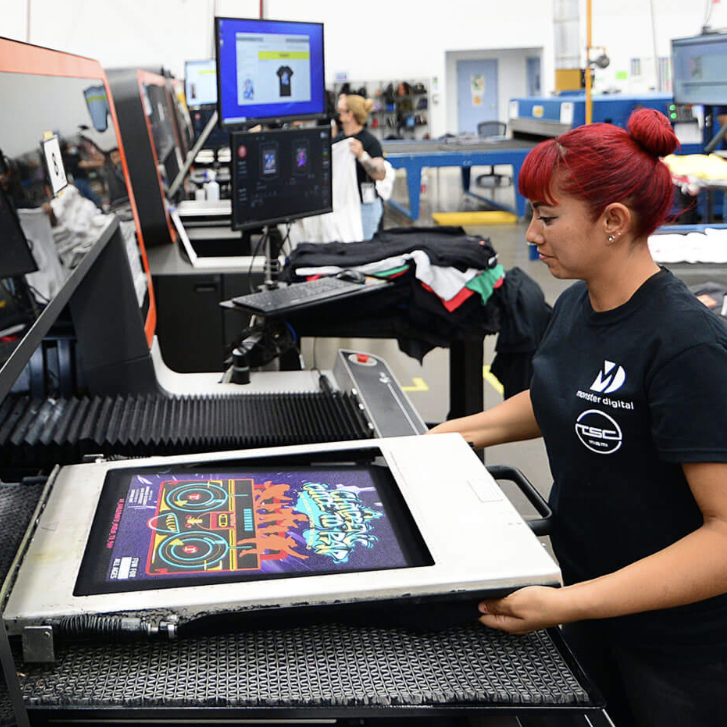
Textile printing, in particular, has changed the equation for independent designers. The ability to produce detailed, colour-accurate prints directly onto fabric at speed and with consistency was once the domain of large production facilities. Now, designers like Kestel can access this capability at university level and, increasingly, at studio scale.
For Kestel, the textile printer was not just a production tool. It was the starting point.
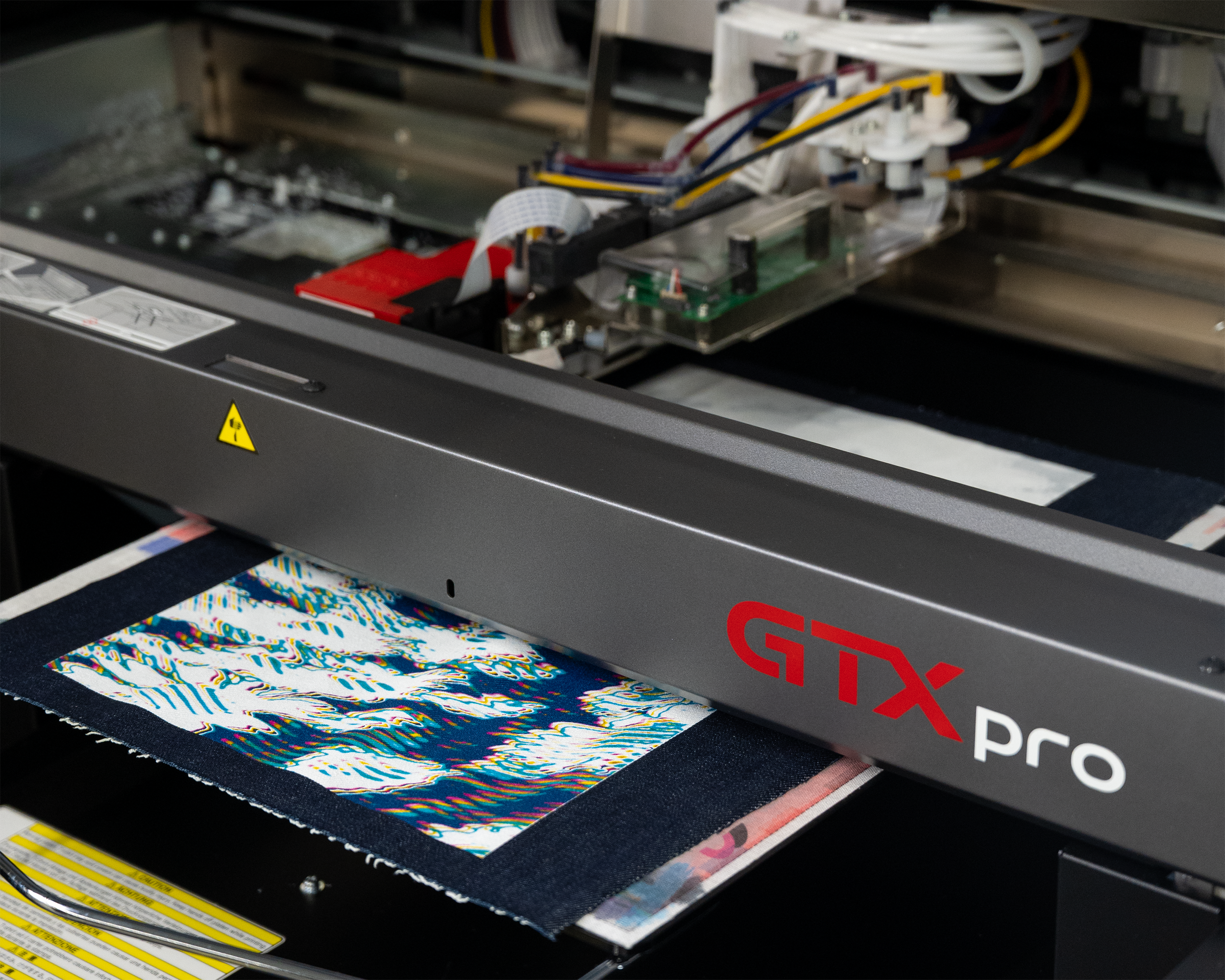
"The Brother DTXPRO printer was the main focus. The printer was the starting point for the dress in the end, because I knew I definitely wanted to test and try out this printer," she explains. "I wanted to see what it could do."
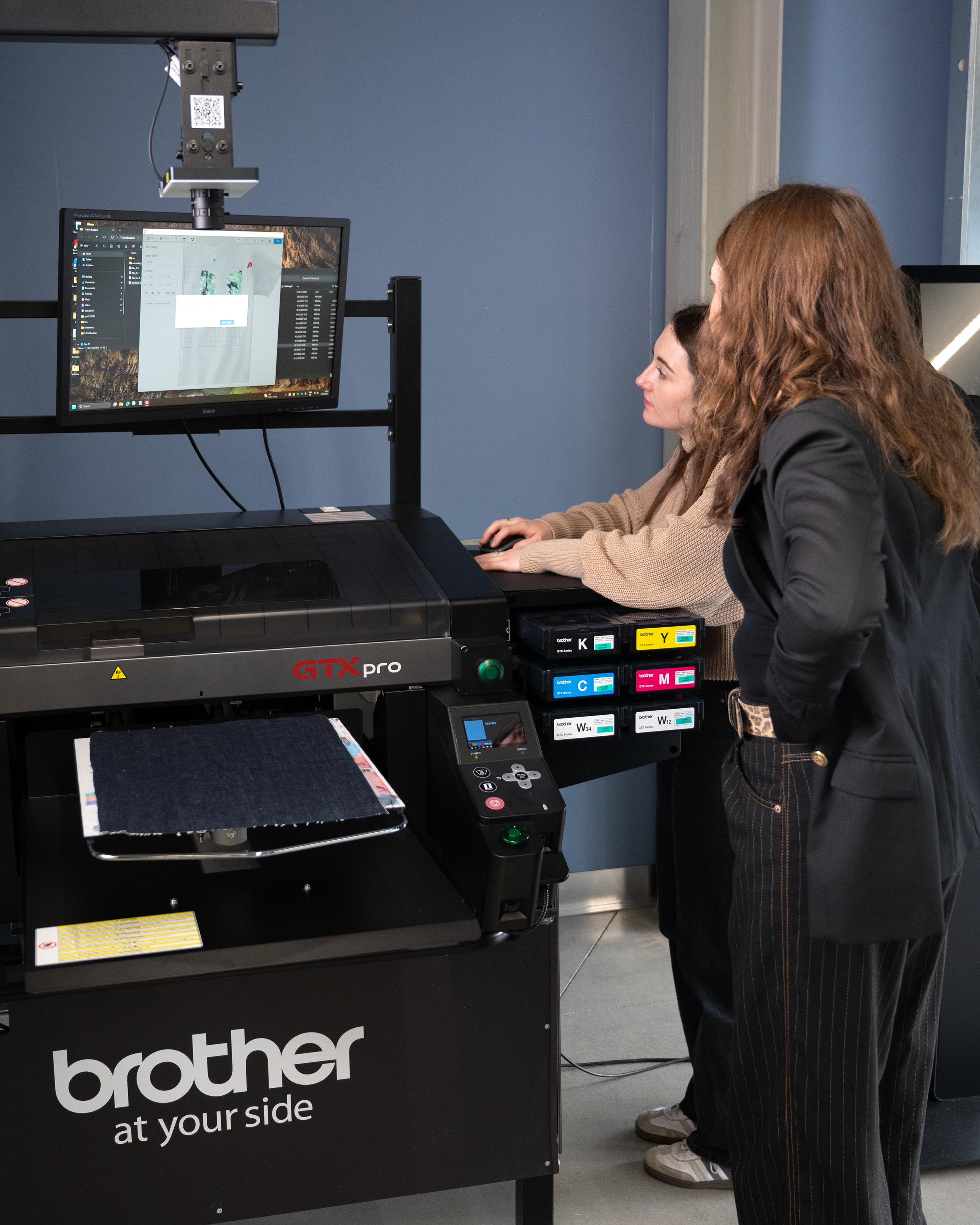
That curiosity - that willingness to push a technology and explore its boundaries - is characteristic of the digital native designer. Where earlier generations might have approached a new tool with caution, Kestel approached it as a collaborator. She developed multiple design files, ran experiments with colour saturation, and used the speed of the technology to her advantage.
"It was super-fast. I had made several files, wasn't sure if I wanted it with more colour, with less colour, what looks best. And then it was super easy to just try everything out," she says. "That way I could see a lot of results in a very short time and then choose the best one."
This iterative, experimental approach to design is only possible when the technology can keep pace with creative thinking. And it is precisely this kind of rapid prototyping that is enabling a new model of slow, considered, intentional fashion - one where every decision is deliberate, but the process of reaching that decision is fast and responsive.

What Steffie Kestel's "Between Realities" collection reveals about storytelling in fashion
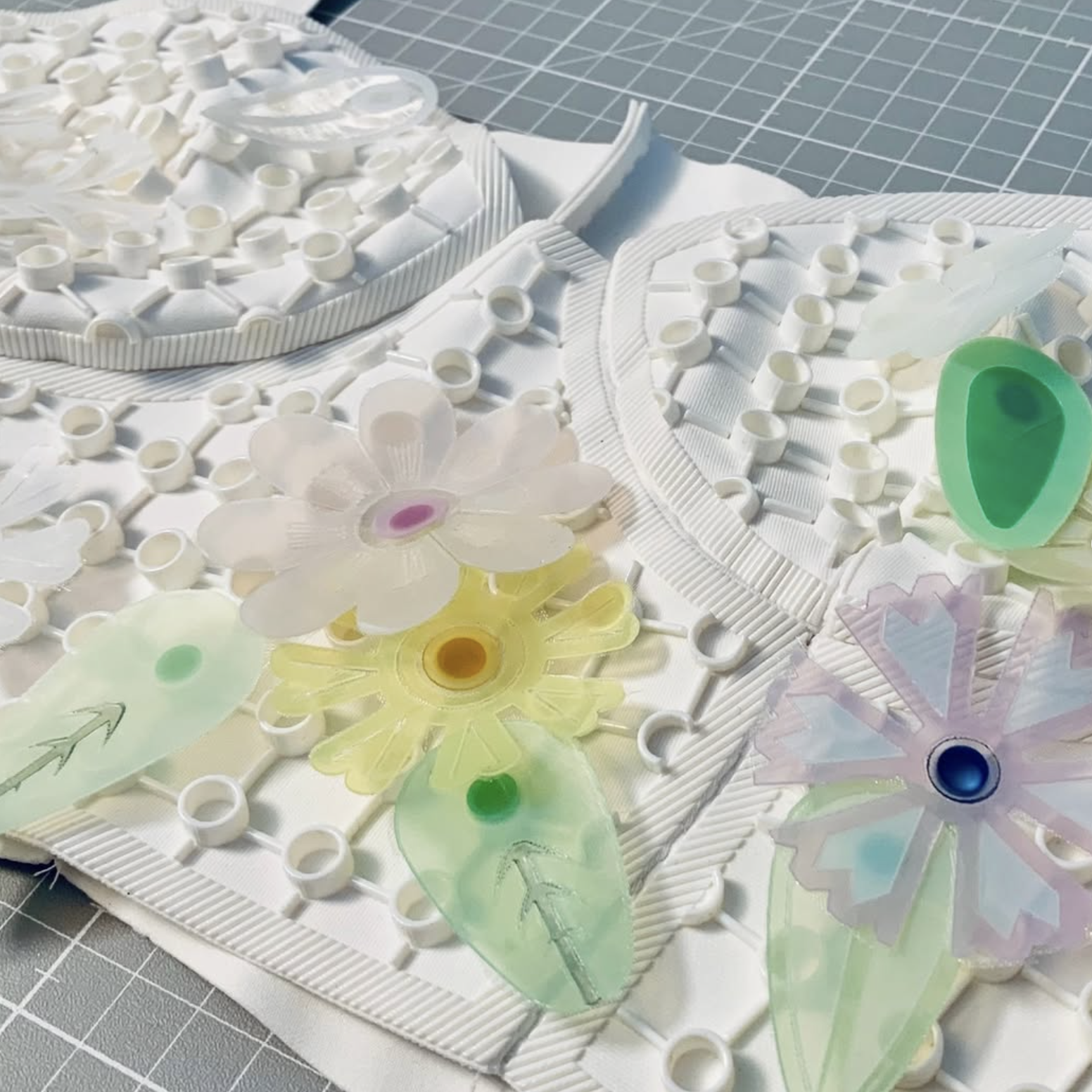
Between Realities is inspired by a single scene from Alice in Wonderland - the moment Alice lies in a flower meadow, just before the rabbit appears. It is a scene of innocence and unknowing, a quiet moment before a world begins to distort.
That conceptual depth is worth noting. Kestel did not start with a fabric or a silhouette. She started with a story.
"I made a mood board just off this scene and the story I want to tell, so that I can kind of guide myself - so I have a reference point to always come back to if I get a bit lost in the design process," she explains.
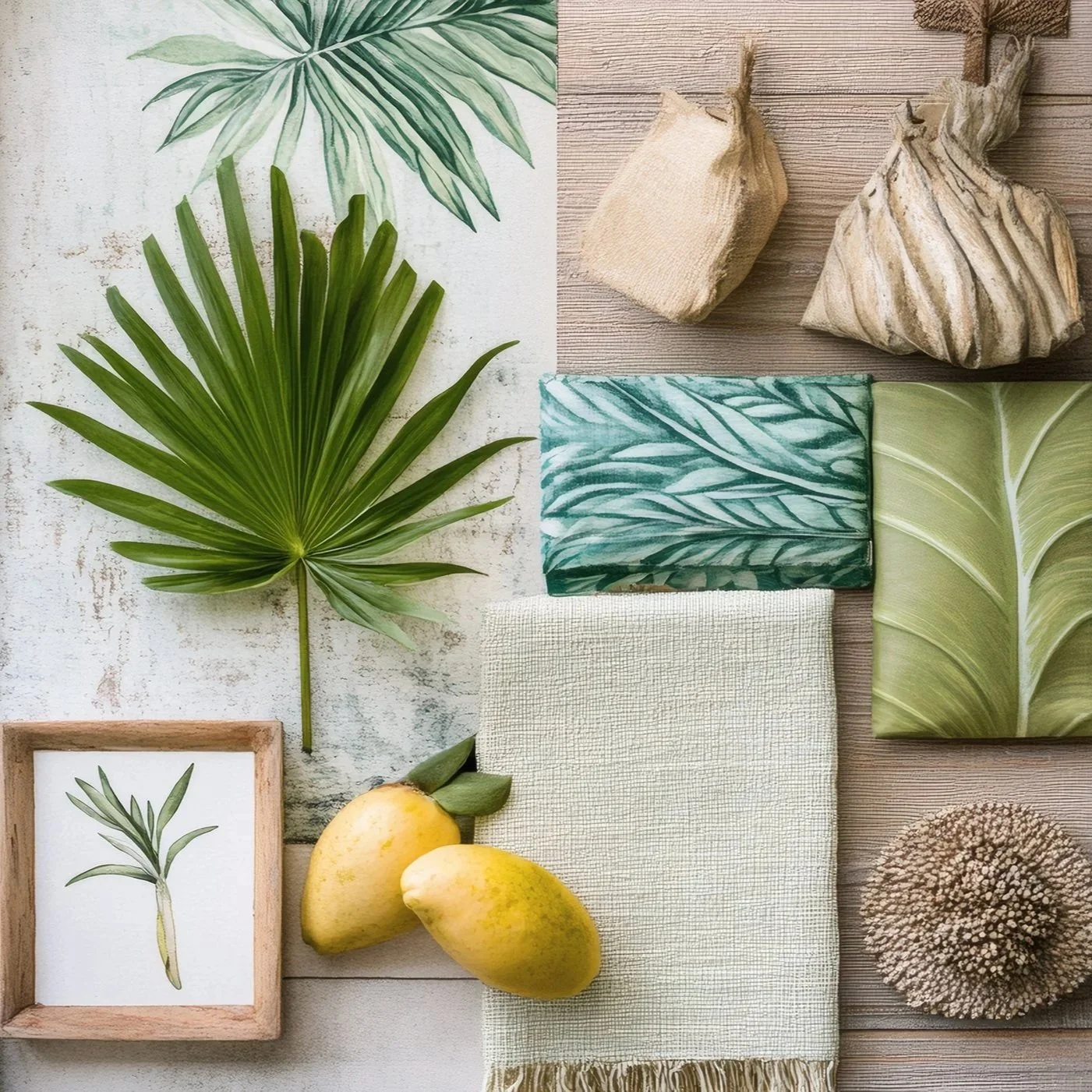
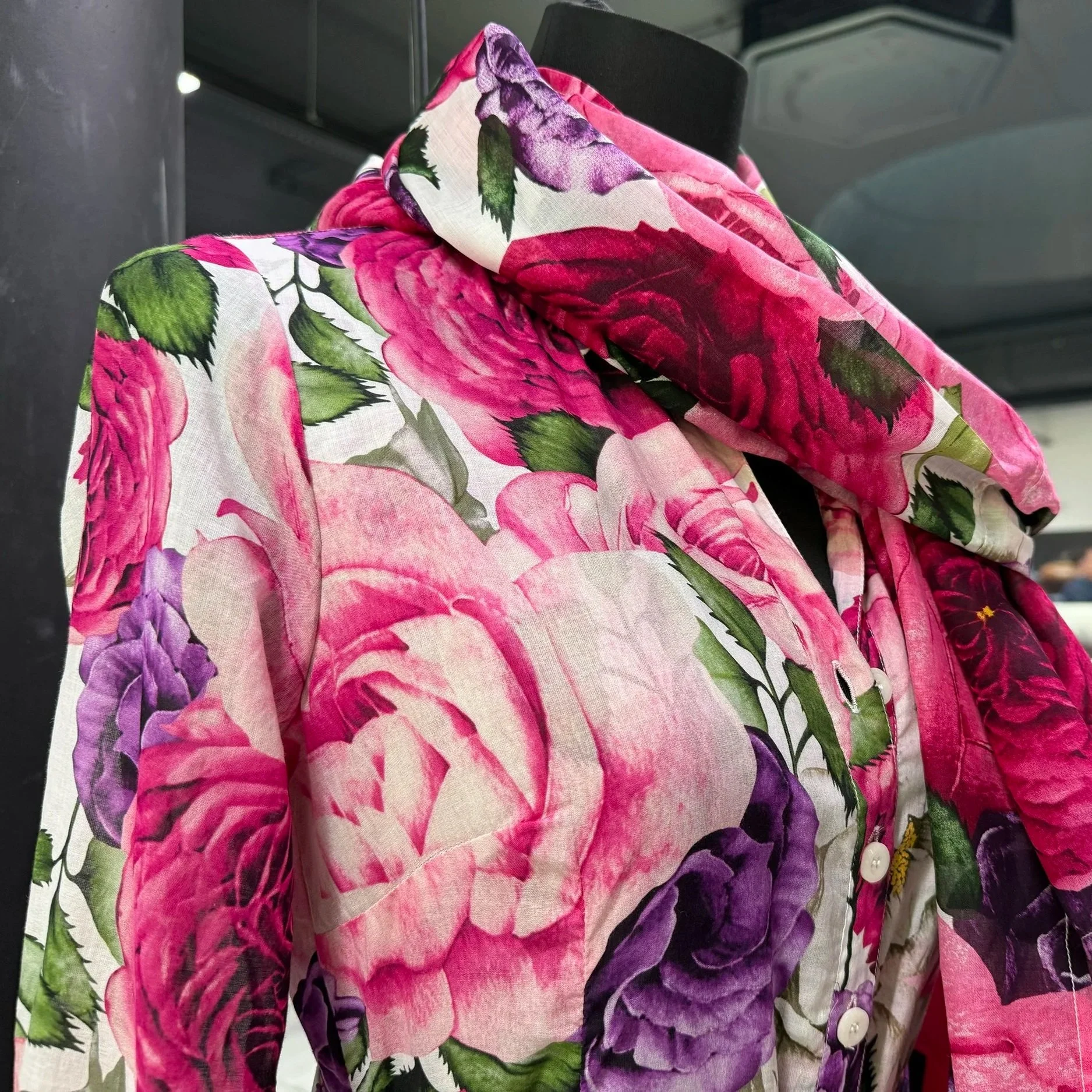
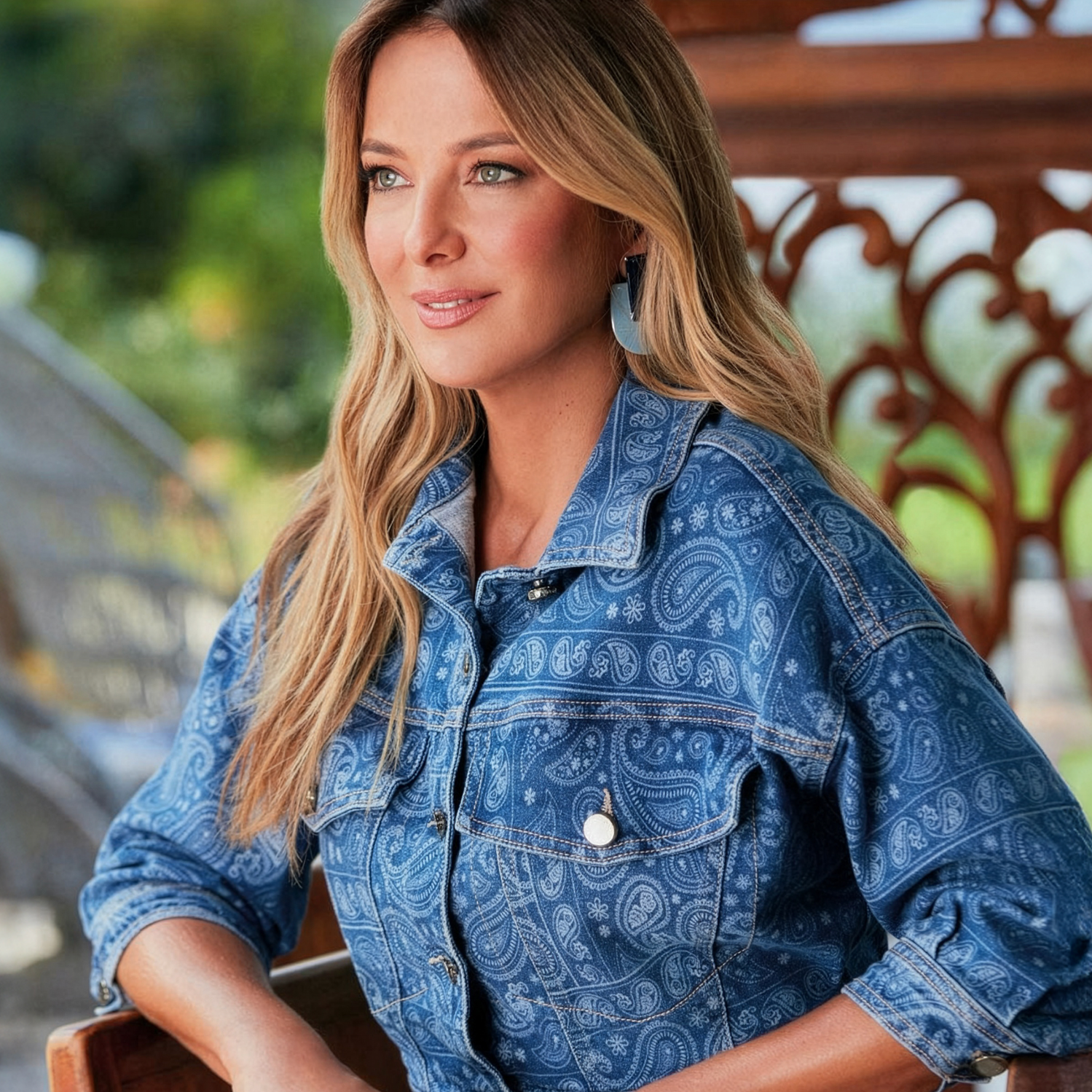
The mood board anchored every subsequent decision: the floral all-over print representing Alice's meadow, the choice of dark denim as a base, the colour palette of blue, magenta, cyan, and yellow that would blend into the fabric rather than sit on top of it.
This approach - story first, then design - reflects a broader movement in fashion towards meaning and intentionality. It is the antithesis of fast fashion, where speed of production overrides any other consideration. Here, the technology serves the story rather than replacing it. Digital tools enabled Kestel to realise her vision precisely and efficiently, but the vision itself came from a deeply human place.
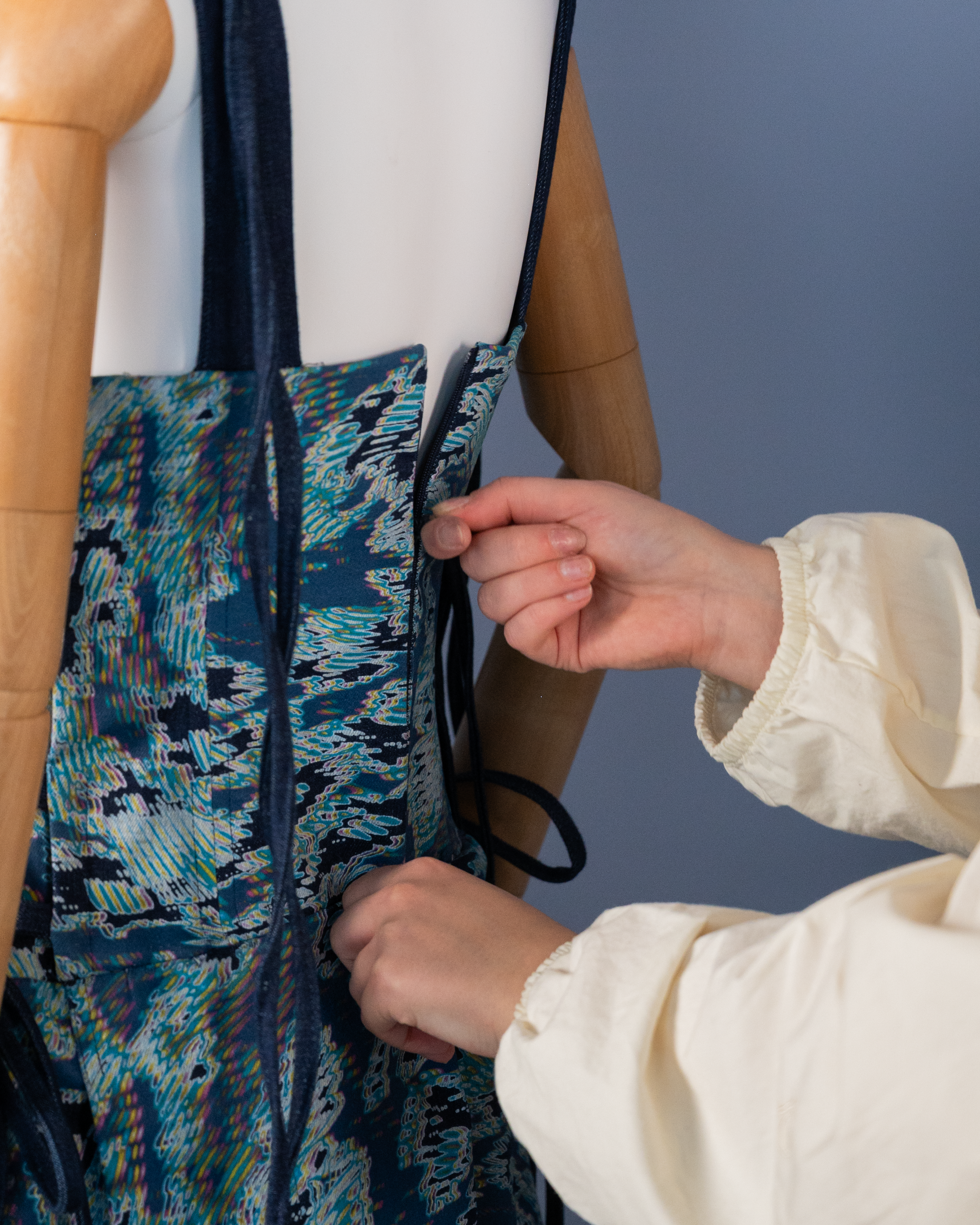
The result speaks for itself. By printing the design as a continuous all-over print from top to bottom, Kestel achieved a seamless effect where the pattern becomes part of the fabric itself - not a stamp applied to a surface, but something that feels integral to the garment's identity.
Why vibrant colour accuracy on dark fabric is a game-changer for independent designers
One of the most technically challenging aspects of textile printing is maintaining colour fidelity on dark fabrics. The tendency for rich tones to be absorbed or distorted by darker base materials has historically limited what independent designers could achieve without specialist equipment.
Kestel chose dark denim deliberately - in part because she wanted to test the technology, and in part because she felt it would best serve her design. The risk paid off.
"What actually surprised and thrilled me about the textile printer was how vibrant the colours came out and how saturated they looked, especially since I also printed on dark denim," she says. "I wasn't sure if the colours would turn out the way I saw them on the screen, and I was actually very surprised at how good it looked - how bright the colours actually were."
For independent designers building collections without a large production budget, this level of colour accuracy and reliability changes what is achievable. It closes the gap between what a designer can visualise and what they can produce - a gap that has historically favoured large-scale operations with access to specialist printing technology.
How precision sewing technology supports craftsmanship at a student level
Design does not end with the print. The construction of a garment demands equal precision, and this is where access to quality sewing technology becomes critical.
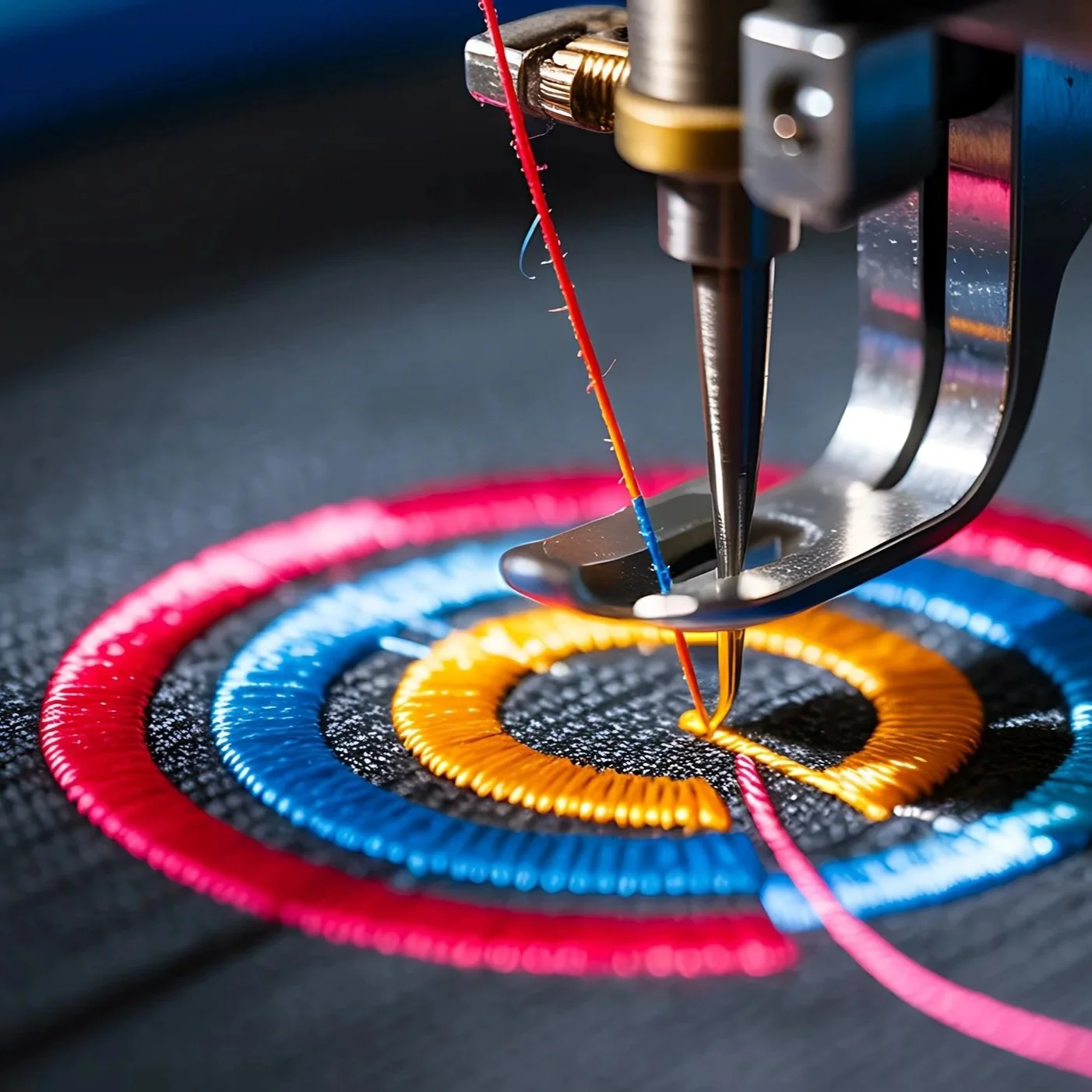
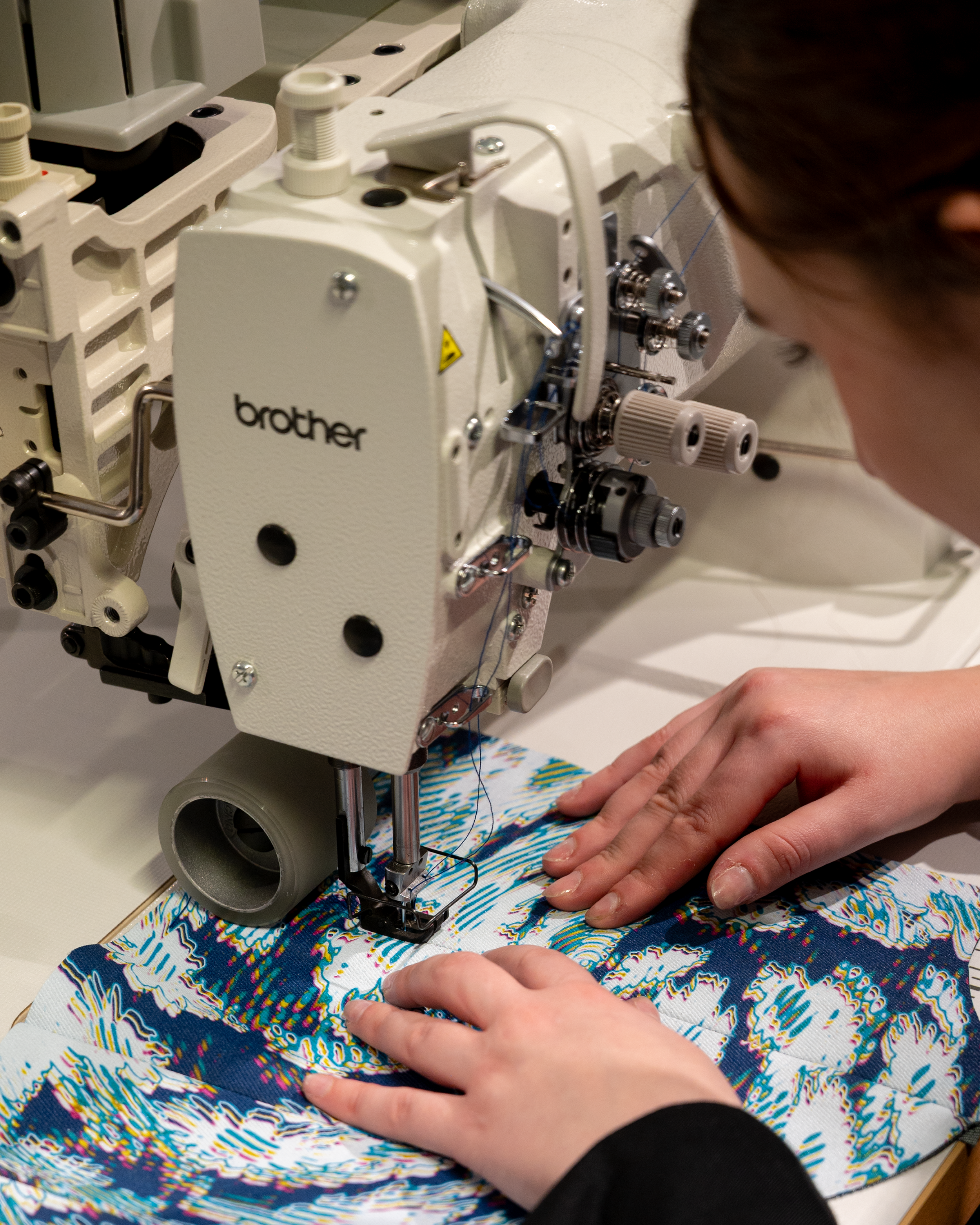
Kestel used Brother Industrial sewing machines in her university's sewing lab throughout the construction of her dress. The equipment is freely available to students - a deliberate decision by the institution to ensure that high-quality tools are not a privilege but a standard.
"Because of the quality that Brother just delivers, it's of course super easy to sew a really precise garment and work cleanly," Kestel notes.
The dress includes detailed lacing on the side - a construction element that presented a real challenge. Thick layers and intricate detailing are testing for any machine. But the precision available through quality industrial equipment allowed Kestel to execute her vision without compromise.
"The sewing machine handled it without any problems," she says. "Of course, you always have to work precisely... but it worked out better than I thought."
This matters beyond the individual garment. For young designers learning their craft, the ability to work with tools that do not limit their ambition builds confidence and capability simultaneously. The skills developed using professional-grade equipment translate directly into professional practice.
Why partnerships between educational institutions and technology brands matter for the future of fashion
The story of Kestel's collection is also a story about collaboration. Brother's presence in the university's sewing lab is not incidental - it is a deliberate investment in the next generation of fashion talent.
When technology brands partner with educational institutions, the benefits run in both directions. Students gain access to professional tools that would otherwise be out of reach. Technology brands gain early advocates: designers who learn their craft using specific tools, develop fluency with them, and carry that familiarity into their professional lives.
More broadly, these partnerships accelerate the adoption of new technology across the industry. When young designers graduate having worked extensively with digital textile printing and precision sewing equipment, they do not need to be convinced of its value. They already know what it can do. They have pushed its boundaries, discovered its capabilities, and formed a creative relationship with it.
Kestel's experience is illustrative. She did not receive the printer with hesitation. She received it with curiosity, ran experiments, and produced a result that surprised even her. That is the outcome of a generation that has grown up treating technology as a creative partner rather than a production tool.
What this means for slow fashion and independent design businesses
The convergence of storytelling, digital precision, and accessible technology is creating conditions that are genuinely favourable for slow fashion. Independent designers no longer need large production runs to access professional results. They do not need to compromise on quality or colour or construction to operate at a small scale.
This shift carries significant implications for how fashion businesses are built. A designer like Kestel - experimental, timeless, constructive, as she describes her own aesthetic - can build a business around her vision from the ground up, using tools that are already available to her.
Print design, in particular, offers a powerful mechanism for differentiation. As Kestel puts it: "Print design is just something incredibly individual. It can really give garments that extra something, and it gives you the opportunity to stand out from others and create your own recognition value."
That recognition value is the foundation of a sustainable brand. It is what turns a garment into a statement, and a designer into a voice worth following.
The future belongs to those who know how to use the tools
The story of what happens when young designers access digital technology is still being written. But the early chapters are clear: creativity accelerates, quality becomes democratised, and the barriers between vision and execution narrow dramatically.
Steffie Kestel's “Between Realities” collection is one chapter in that story. It demonstrates what becomes possible when a digitally fluent designer is given professional tools, institutional support, and the freedom to experiment. The result is not just a beautiful garment - it is a proof of concept for a more open, more individual, and more sustainable future for fashion.
The question is no longer whether young designers can compete with the established industry. Increasingly, they are redefining what competition looks like.