

“Compliance to the United Nations SDG’s initiatives and the removal of hazardous chemicals via the ZDHC (roadmap to zero) compliance, have dramatically reduced or entirely removed toxic chemicals from the textile supply chain” - Simon Daplyn, Sun Chemical
The Evolution of Digital Textile Printing alongside Sustainable Ink technology
– with Simon Daplyn of Sun Chemical
WRITTEN BY DEBBIE MCKEEGAN - FESPA TEXTILE AMBASSADOR
The Textile printing industry crosses many disciplines, it’s a sector steeped in knowledge passed down over the generations by textile professionals. Over the last 20 years practitioners have converged to reform the technology now utilized in the sector. We often forget that behind each and every garment and each metre of print, there are hundreds (if not thousands) of product touchpoints and technicians who’s applied expertise generates each and every product that makes the journey from design through production and finally reaches retail.
The supply chain is complex and global, and yet for Textiles the process of printed manufacture is identical regardless of location.
The Industry is struggling to reduce its carbon footprint and must gradually make the transition to clean, efficient production. Digital technologies that encompass all aspects of manufacture are in the early stages of adoption with just 6% of textiles currently being printed using digital technologies.
However, the digital textile print market is set to reach $266.38 billion dollars by 2023, that equates to 2.17 billion metres of printed textiles (source: Smithers Pira).
The digitisation of the print route is well underway. Albeit at a slower pace than many would wish for if we are to make a significant impact towards reversing climate change and reducing the Industries current carbon footprint - which remains a sizable 10% of all global carbon emissions.
In our recent Fespa podcast Debbie McKeegan our Textile Ambassador caught up with Dr. Simon Daplyn the Global head of Marketing at Sun Chemical
Simon is a self-professed sustainability evangelist, and his doctorate in 2004 was a study of Digital Textile Printing specializing in ink formulation and chemistry. Simon has a deep technical knowledge of the textile sector, and an equal passion for the digital textile industries positive sustainability attributes. Here’s a summary of the key takeaways from our conversation.
Listen to the full Podcast <<Here>>
In the last 15 years the potential digital inkjet printing speed has skipped from 10m per hour to an astounding 90 linear meters per minute. There have been many technical advances required to reach this super-fast speed. Success can be attributed to industry wide collaboration within software, machinery engineers, print head technologies, chemistry and ink formulation professionals.
Digital Textile printing technologies now equal or even overtake the speed of conventional rotary printing when output is measured against speed of process.
With an important and significant difference – digital technologies are energy efficient, production results in very little water usage and as such, digital textile printing offers a sustainable alternative to traditional rotary print routes.
The fashion Industry as an example is set to continue its seismic growth and its estimated that by 2030 printed production for the fashion industry alone, will consume 158 billion cubic litres of water per year.
Much of the worlds industrial print is sourced from locations that are already short on water resources, and its predominantly in these locations that 20% of the world’s wastewater originates. Of this figure 8% is defined as from printed textiles. Green-house gas emissions produced during textile processing are currently 1.2 billion tons annually. Sources: Ellen MacArthur Foundation, United Nations, Greenpeace.
The technologies exist for the industry to switch to clean energy sources and alternate methods of production.
As consumer awareness becomes a significant factor in the purchasing process, adoption of digital technologies is set to accelerate. Sustainable sourcing is now at the forefront of the supply chain as consumer behavior shifts in favour of environmentally sourced products. Labelling is increasingly required to deliver the provenance of the products offered for sale. The first step may very well be to quantify the products carbon footprint as we have witnessed in the food and packaging industry. Items must offer transparency to gain consumer confidence. The Covid-19 crisis has given everybody the opportunity to reconsider the throw away culture, climate change, over consumption, and raise awareness of the real impact of the textile industries carbon footprint.
The crucial benefits of digital textile printing are in resource efficiency and production agility.
Compared to rotary production, digital uses a fraction of the energy consumed in traditional printing. Other benefits include the reduced chemical consumption and huge savings on the water needed for processing and printing. Digital textile printing presents a compelling argument for sustainable manufacturing, where alongside numerous benefits, carbon emissions can be reduced by as much as 80% using digital technology. Waste is not often discussed when considering the value of print, and yet the ability to print on demand delivers valuable reductions in unused meterage, unsold products and precious resources.
Covid-19 has placed a strain on the world’s textile supply chains.
Digital technologies offer the ability to restructure the traditional supply route and a pressing opportunity to reap the benefits of print-on-demand by moving to a flexible, agile supply base that’s located closer to the consumer. But there are issues, and this switch demands investment and the replenishment of manufacturing resources. Sewing skills are in short supply and the world is also heavily reliant on China for polyester, currently China supply almost 80% of the polyester textile printed globally.
The digital textile industry has evolved over many years, and innovations in ink technologies have had a significant part to play in the speed with which jet technologies now deliver printed fabrics at 90 metres per minute.
Whilst the inks used in rotary and digital are of the same source, their preparation for digital manufacturing requires the appliance of science. The first digital inks were reactive and dye sublimation which launched the technology; however, pigment ink is the most popular ink for traditional production and still holds roughly 50% of the marketplace. Digital pigment technology is set for huge growth as over the years advancements in chemical formulation have developed to offer high speed production. One of the strongest benefits of pigment production using digital tech, is that it’s almost a waterless process. Fabric is printed and heat-set, and ready for end use.
Another sustainability benefit for digital production is the use of eco-friendly inks.
Compliance to the United Nations SDG’s initiatives and the removal of hazardous chemicals via the ZDHC (roadmap to zero) compliance, have dramatically reduced or entirely removed toxic chemicals from the textile supply chain. Other innovations in ink technologies continue for all ink sets which improve both colour gamut, print quality at speed, and application diversity for specialist fabrics and market sectors. Direct to fabric printing is increasingly popular for dye sublimation inks, here both ink suppliers and paper manufacturers have collaborated to reduce the weight of papers, increase paper absorption and reduce total ink usage.
As the technology for digital printing advances, its inherent sustainable credentials cannot be ignored by the traditional textile industry.
Affordability alongside performance will drive sustainable change and reduce the industries carbon footprint, whilst delivering product diversity at scale, alongside sustainable manufacturing. The textile industry is set for growth, as printed meterage increases the technologies and inks that we choose have never been more important.
Listen to the full podcast here >



This is not simply a matter of faster machines.
It is a question of whether your production model - technology stack, workflow discipline, and quality control - is genuinely built for the realities of club and event merchandise.
Those realities are unforgiving: brand-perfect colour, flawless personalisation, licensing compliance, and turnaround measured in hours rather than weeks.

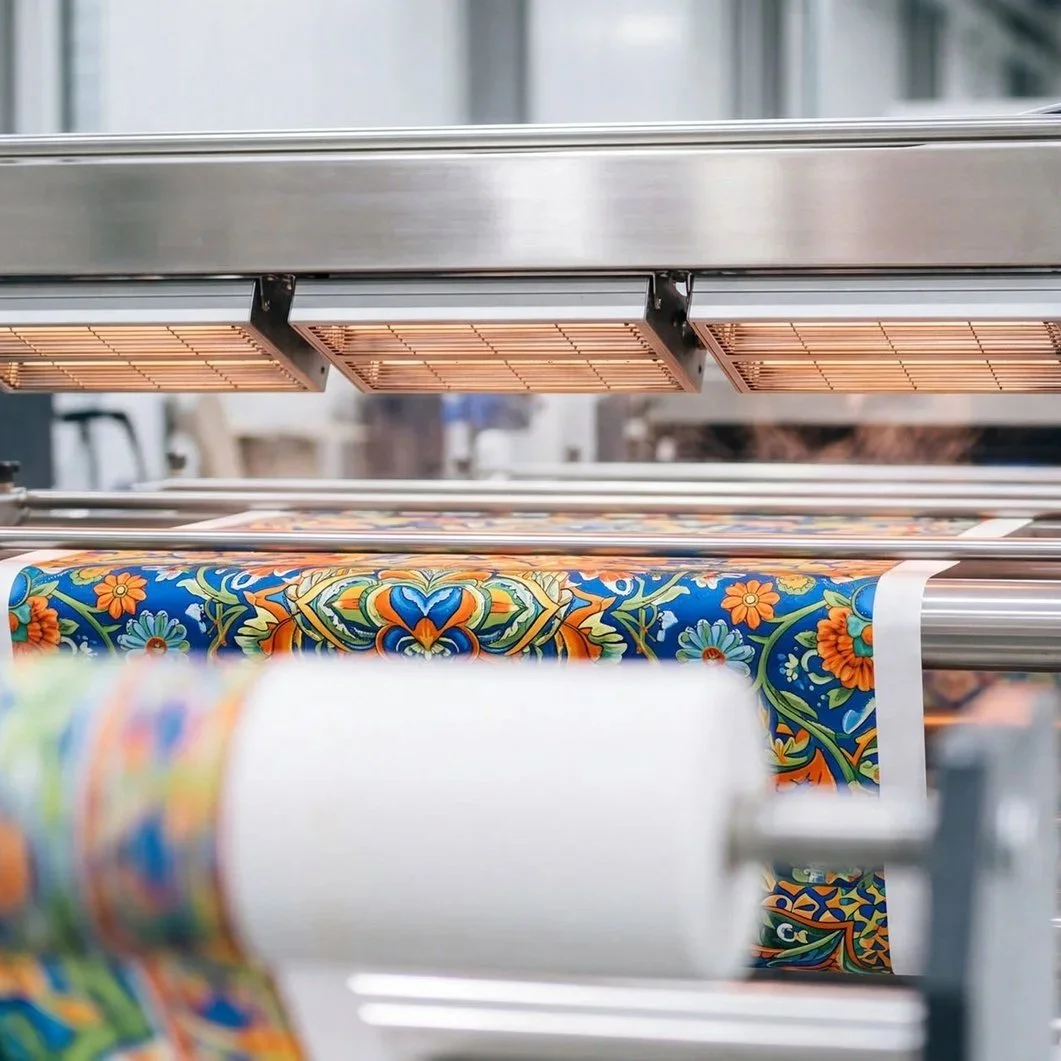
Colour Separation: The Craft Digital Textile Design Shouldn’t Forget
Textile designer Stephan Alker draws on more than 40 years in the industry, going back to his start at Transfertex in 1980, to trace how colour separation moved from drum scanners, hand-retouched films and engraved gravure cylinders to fully digital workflows.
He argues that this production knowledge still matters in the age of digital printing, because properly separated designs give brands far more freedom.
The Path Foward: Connect Every Link:
Design, colour, workflow, production, data. Each link now depends on the one before it, and the printers who will lead the market are those who strengthen the whole chain, not just the machinery at its centre.
So, this autumn, ask the bigger question on your own shop floor.
Not "Which printer?" but "How well does my business connect demand, design and production?"
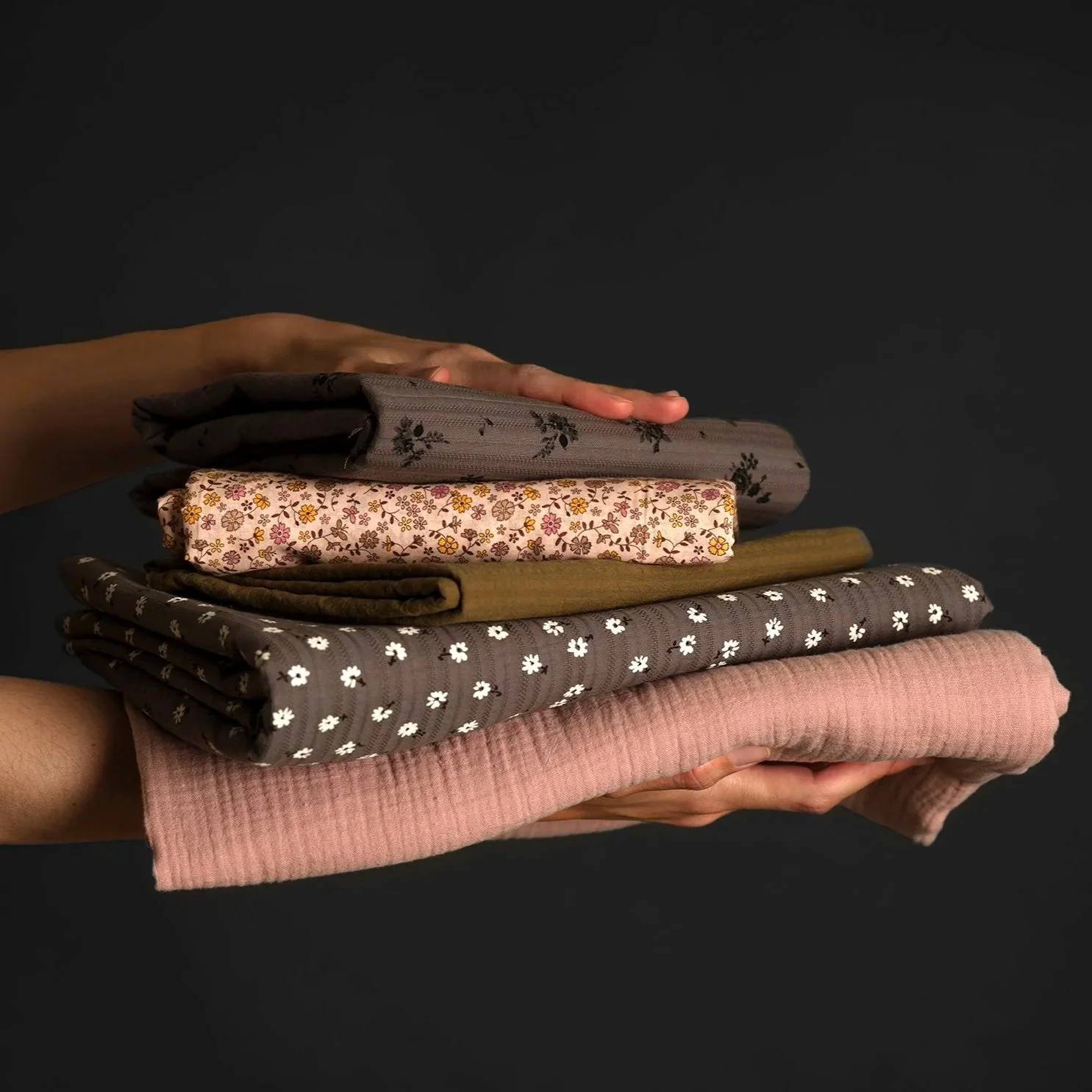
Rebés's story isn't one of nostalgia - It's a working blueprint for how heritage manufacturers can stay indispensable in a market that rewards speed, certification, and specificity in equal measure. Four million metres of stock mean nothing without the digital printing capability to turn it into something distinctive.
A 150-year name means nothing without the R&D discipline to win a tender for antistatic, carbon-fibre-infused uniform fabric on the first attempt.
Image Credit: Tejidos Rebé

What if the next dress you wore never touched the factory floor?
This is no longer a fringe experiment. It is a maturing production model, backed by genuine material science, real circularity, and an AI-assisted workflow that is becoming more accessible by the month.
Her advice to designers and brands alike is refreshingly practical: start small, get hands-on with an accessible 3D printer, and build fluency before the technology becomes table stakes. The businesses that treat this moment with curiosity, rather than scepticism, will be the ones shaping fashion's next decade rather than reacting to it.

The 2027 FESPA Awards are now open for entry, and the message to businesses across textiles, apparel, interiors and beyond is simple: your work deserves recognition. Every gold winner featured here started in the same place every entrant does - with a project they believed was worth submitting.
As the only independent awards programme with 18 categories dedicated to print and signage, FESPA offers a genuinely global stage, with shortlisted entries displayed at FESPA Global Print Expo in Spring 2027.

Colour Is Too Important to Leave to Chance
Print will always be the part of the garment people see first.
But the sum of all parts — the fabric, the trims, the fasteners, the finish — is what determines whether a design actually delivers on its promise. Brands that continue to treat colour as a single creative decision, rather than a coordinated technical discipline spanning their entire supply chain, will keep paying for it in re-dips, delays, and disappointed design teams.

A Century of Textiles, and an Ever-changing World
Few companies can trace their roots back more than a century and still count themselves among their industry's innovators. Texia, headquartered in Monistrol de Montserrat, Spain, is one of them.
But the story of Texia is not simply one of longevity.
It is a story of continual reinvention. As the textile industry has grown more global and competitive, Texia has repeatedly reshaped its business, investing in technology, developing its own brands, and placing sustainability at the centre of its mission. In doing so, it offers a compelling example of how a heritage manufacturer can lead rather than follow through a period of profound industry change. Image Credit: Texia

What are we craving Ultimately?
The instinct to slow down while simultaneously optimising every measurable aspect of life isn't a passing curiosity. It's a structural response to a world that feels increasingly unstable, and it's reshaping what people expect from their homes, hotels, workplaces and healthcare environments alike.
For the design and manufacturing sectors, this means rethinking both product and process.
The Structual Shift is Real and its Already Here
Volumes are moving east, where digital production is accelerating rapidly. Consumer behaviour has shifted.
Demand is now driven by personalisation, shorter buying cycles, and an expectation of near-instant responsiveness. Regulatory pressure is intensifying, with supply chain transparency now a legal and commercial fact in many markets. And margins? They are under sustained, structural pressure.
This is not a temporary disruption. It is a fundamental reordering of how textile manufacturing must operate.

The Challenge: Standing Firm as the Industry Shifts
The wallpaper landscape has changed dramatically. Digital printing has lowered the barrier to entry, spawning countless direct-to-consumer brands and pushing much of the market towards faster, cheaper production.
At the same time, manufacturing in the UK has grown steadily harder - rising minimum wage, national insurance, energy and substrate costs all bear down on margins. Surface Print have embraced all of these challenges - and stand resolutely prepared for the future.

From Helsinki's printing mill to Paris's Le Marais, discover how Marimekko is scaling a design-led brand with purpose, craft, and bold innovation.
But what makes Marimekko's story compelling is not just its aesthetic legacy?

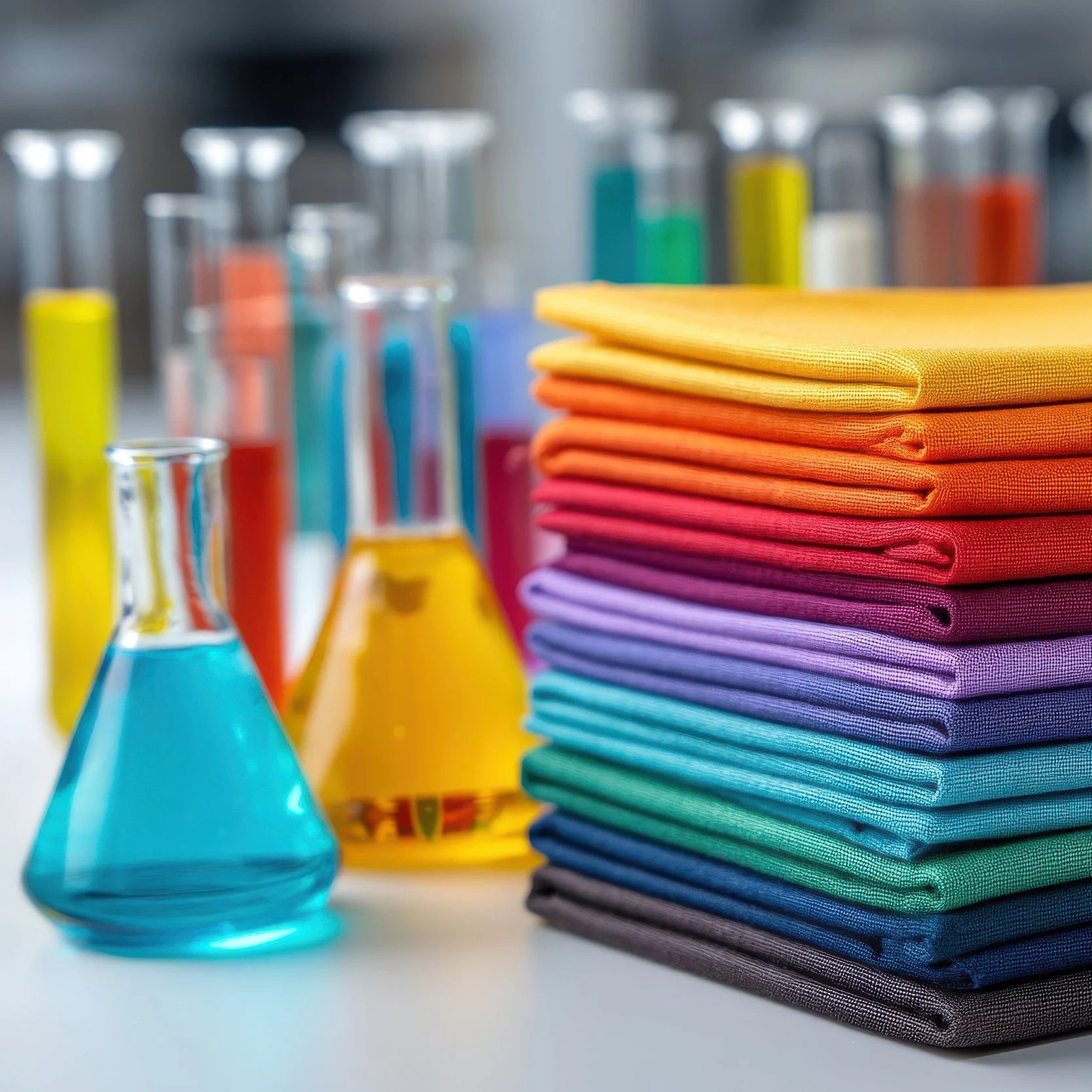
The word "toxic" carries weight. It conjures danger, harm, and things best avoided.
“Yet in the textile industry - Where between 3,000 and 10,000 chemicals move through the supply chain, a reflexive fear of the term is one of our biggest obstacles to progress.”
This article distils the key takeaways and what buyers, designers, and brands should be asking right now.
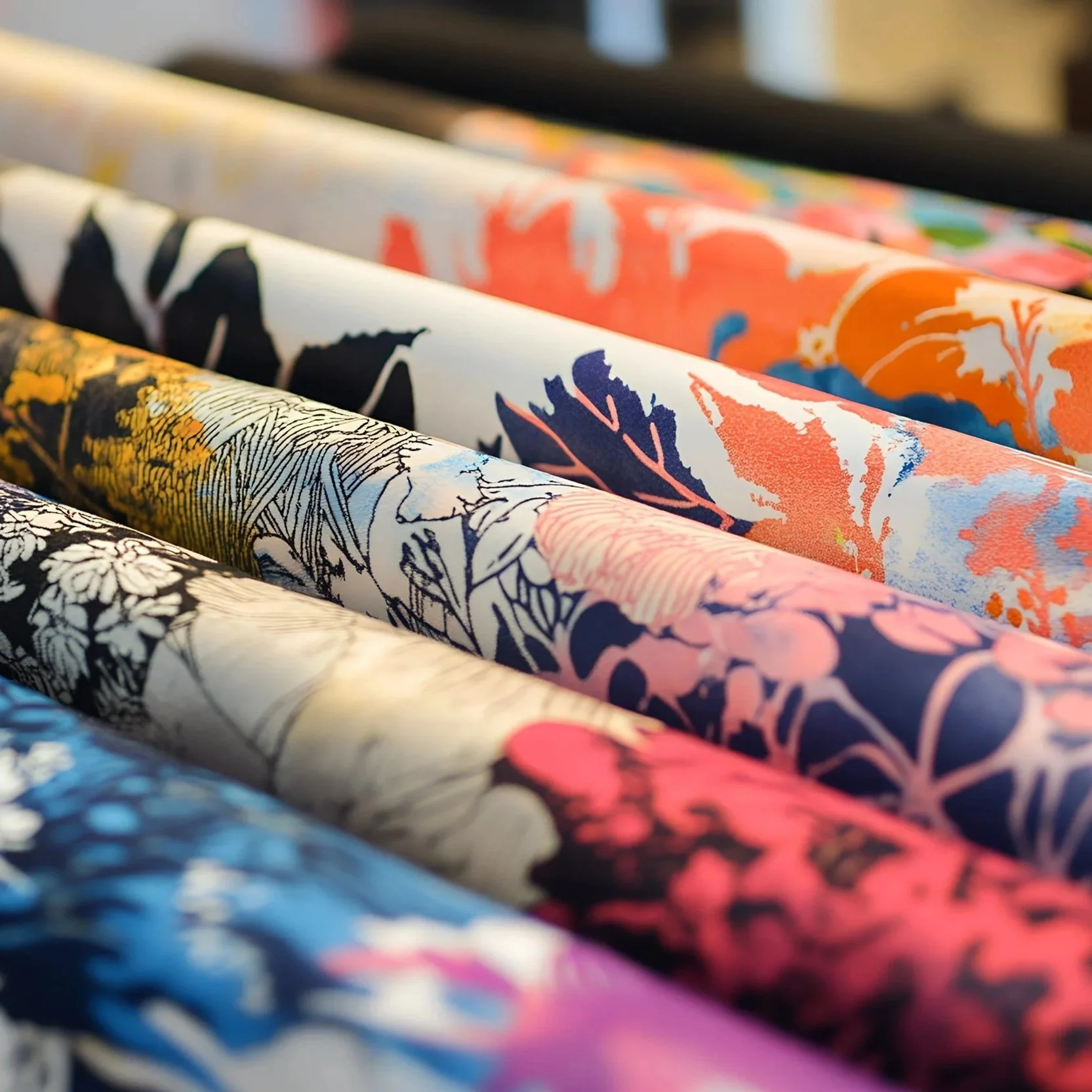
What Is the Digital Product Passport?
At its core, a Digital Product Passport is a digital record attached to a physical product - For a printed textile product, this means the DPP would capture data on the substrate, inks and dyes used, the printing process and technology, chemical compliance, environmental impact (including water and energy use), supply chain traceability, and end-of-life instructions.

The Market Gap that Changed Everything
Future Fashion was founded in 2019, timed deliberately to coincide with a pivotal moment in global textile technology: the commercial launch of the EFI Reggiani BOLT Single-Pass digital printing system.
The founders recognised that single-pass architecture had fundamentally changed what was industrially possible - and that Pakistan's domestic market had yet to catch up.

Print is no longer defined by the inefficiencies that once characterised it…as advances in production processes and technology have significantly improved its environmental performance.
Taran Rai, Corporate Sustainability Manager at Epson explains why?
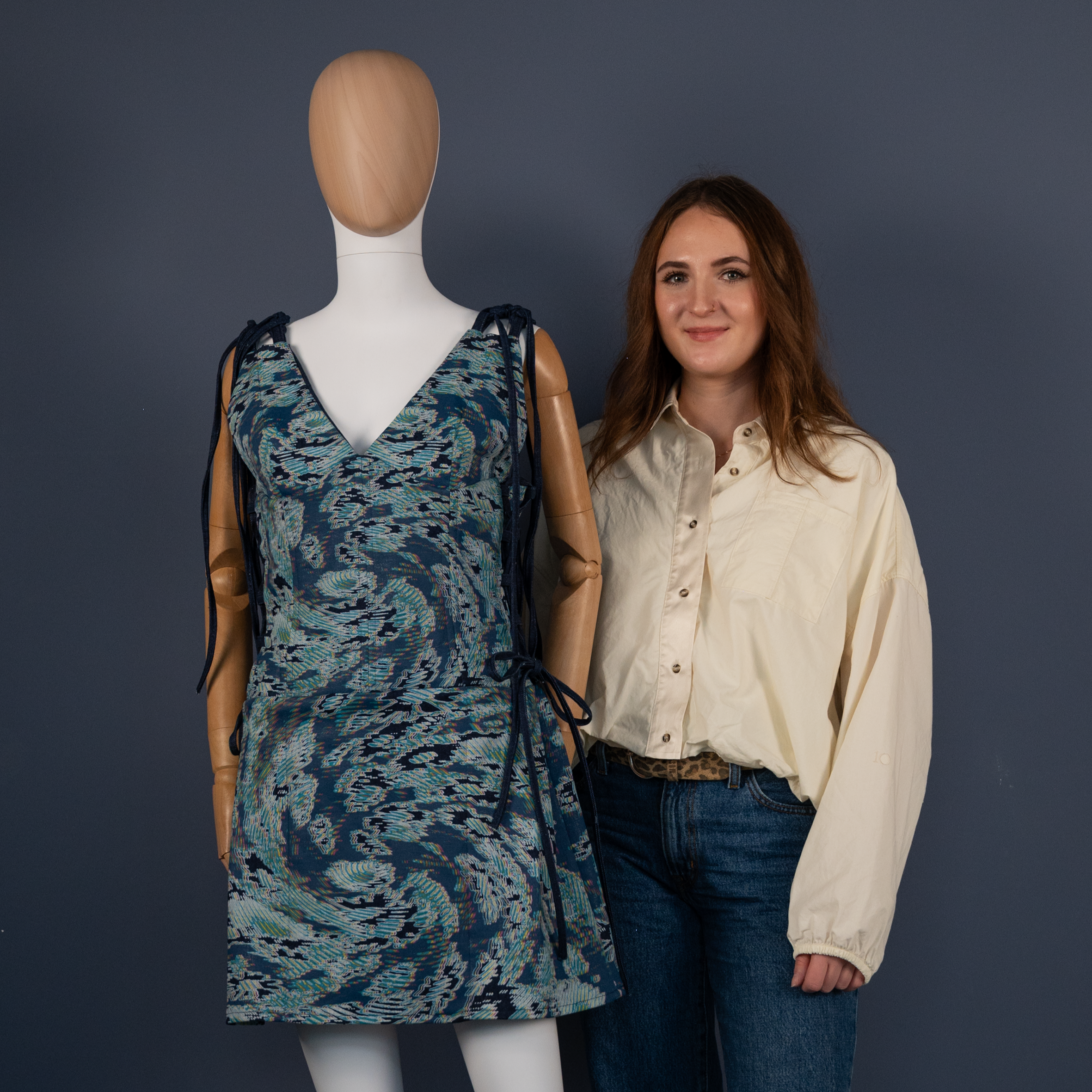
The story of what happens when young designers access digital technology is still being written.

What once was a theoretical sustainability goal seems to have shifted into an active regulatory reality.

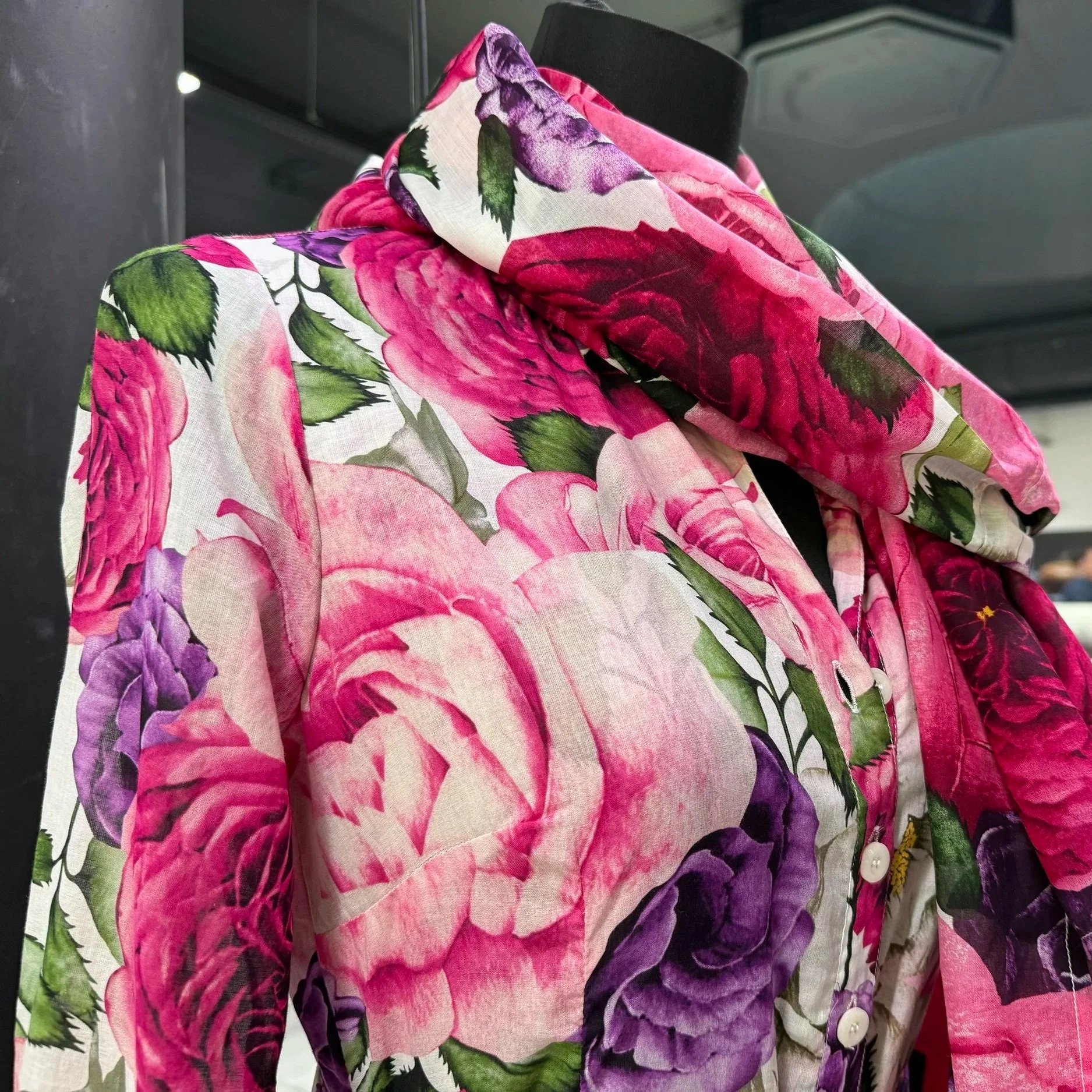



Is the Textile Market Finally Recovering?
After a difficult few years, there are genuine reasons for optimism. Duncan was candid about the challenges: "The market for textiles has been very difficult over the last three years. I'm not going to hide the truth there. But the tide is turning.“
A profound shift is currently reshaping the sector
Changing consumer expectations demand greater design diversity, faster turnaround times, and sustainable manufacturing practices.
To thrive, interior brands must adapt their supply chains, bringing production closer to the end consumer and moving away from bulk manufacturing.
Digital textile printing offers a definitive solution to these operational bottlenecks.

Digital transformation doesn't announce itself.
It accumulates - one innovation at a time - until an entire industry looks back and realises the ground has shifted beneath its feet. That's precisely where textiles stands today.
The conversations happening now about AI, automation, sustainability, and digital product passports are not theoretical. They are shaping decisions being made on factory floors and in boardrooms right now.

“By leveraging advanced digital textile printing, Marylene Madou has successfully merged traditional craftsmanship with cutting-edge technology. Her approach offers a blueprint for how independent designers can scale their brands globally while maintaining a minimal environmental footprint.”

Farnham, UK – October 2026 – The Centre for Sustainable Design® at UCA, in association with The British Standards Institution, will host a free webinar on 10th November 2026 to help fashion, clothing and textile businesses understand the EU's Empowering Consumers for the Green Transition (ECGT) Directive (EU) 2024/825 and its practical implications, particularly for small and medium-sized enterprises (SMEs).
Taking place from 10:00 to 11:00 AM (GMT) via Teams, the session arrives as the new rules come into force across the EU from 27 September 2026, placing tighter scrutiny on how fashion and textile businesses communicate sustainability to consumers.
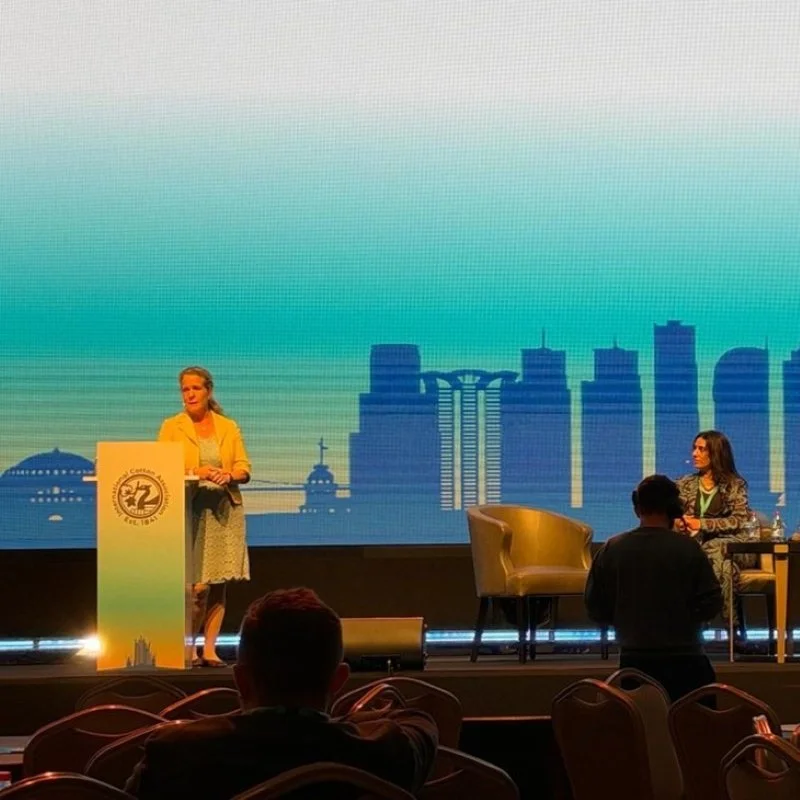
Istanbul – Turkiye - October 2026 – Better Cotton, the world's leading sustainability initiative for cotton, has reaffirmed its commitment to regenerative agriculture following its recent transition to a regenerative standard system.
The announcement comes as Chief Operating Officer Lena Staafgard reflects on the organisation's participation in the International Cotton Association Ltd (ICA) annual trade event in Türkiye, where sustainability and responsible sourcing featured prominently in industry discussions.

London, UK – 15 October 2026 – Canon today announced that it has been named a "Leader" in the IDC MarketScape: Worldwide Sustainability Programs and Services Hardcopy 2026 Vendor Assessment (doc #US54139426, June 2026).
This marks the second time Canon has achieved this recognition, following its first appearance as a Leader in the 2023 assessment.

Falmouth, UK – October 2026 – Seasalt Cornwall today celebrates two decades since becoming the first fashion company to achieve Soil Association certification to the Global Organic Textile Standard (GOTS), a milestone that has shaped the company's approach to sourcing, design and production ever since.
The certification, first achieved in 2005, came at a time when the Soil Association was known predominantly for its work with organic vegetables

Geretsried, Germany –October 2026 – – Rudolf GmbH, a leading innovator in textile finishing solutions, has announced the launch of four new smart concepts designed specifically for the sports and outdoor industry.
The move marks a significant shift from single-product solutions towards holistic, application-driven finishing systems that address the evolving demands of performance apparel.
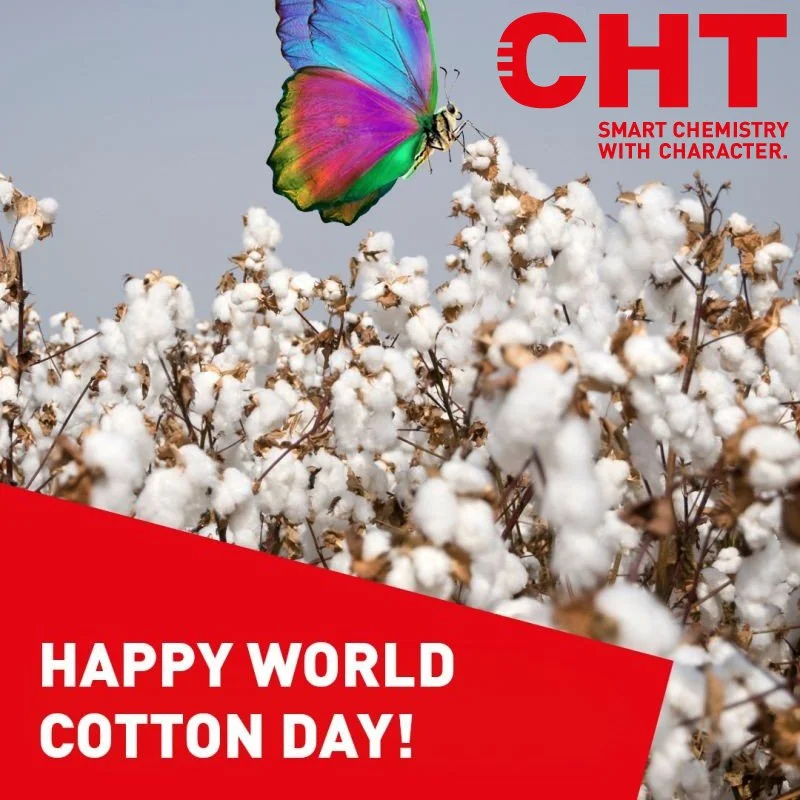
Tubingen – Deutschland – May 7th 2026 – CHT Group, a global leader in speciality chemicals, has marked World Cotton Day by featuring The WOW Concept by CHT Textile Solutions, a new approach designed to make the dyeing of cellulosic fibres more resource-efficient.
The concept combines BEZAKTIV ONE dyes with selected process auxiliaries to reduce water and energy consumption while maintaining the colour performance the market demands

Valencia, Spain – October 2026 – Canon has joined the Sustainable Print Manifesto as a Development Partner, strengthening a growing coalition of industry leaders committed to making print more sustainable.
The announcement coincides with the launch of an Implementation Framework for More Sustainable Print, unveiled this week at the FuturePrint Packaging, Labels and DTS Summit in Valencia. Other Development Partners include Cimpress, Domino, Gallus, HP, Nazdar and Sun Chemical.

London, UK – September 2026 – New Look, M&S, Sainsbury's, Oxfam and Circle-8 today announce The Circuit, a new collaborative model bringing together retailers, textile recovery partners, automated sorting, recyclers, digital innovators and manufacturers to build new circular textile value chains and transform UK generated post-consumer textiles into future circular raw materials.
The first phase will focus on testing, learning and developing the operational frameworks needed to support future scale-up.
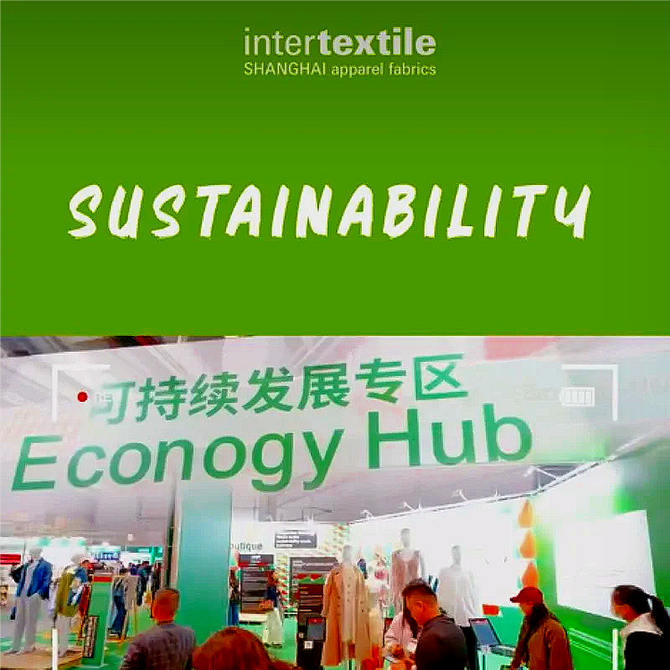
Shanghai, China – August 2026 – Intertextile Shanghai Apparel Fabrics – Autumn Edition 2026 is set to open its doors on 25 August at the National Exhibition and Convention Center (Shanghai), welcoming thousands of global industry players across three days of sourcing, networking, and trend forecasting.
Spanning 240,000 sqm, the edition will feature over 3,500 exhibitors from 30 countries and regions, organised under four key pillars: Fashion Forward, Performance Textiles, Sustainability, and Textile Future.

From 27 September 2026, stricter rules against greenwashing and higher requirements for sustainability labels will take effect in the European Union.
OEKO-TEX® has taken the new provisions as an occasion to further develop its governance structure.
In doing so, OEKO-TEX® not only meets the requirements of the EU Directive on Empowering Consumers for the Green Transition (EmpCo, EU 2024/825) but also prepares itself for future regulatory developments.

Munich, Germany – August 2026 – PERFORMANCE DAYS is set to premiere the Sustainability Exchange at its upcoming trade fair, taking place 13–14 October 2026 in Munich.
The new dedicated space brings together leading voices across certification, compliance, circularity, and collaboration to help industry professionals translate complex sustainability challenges into practical solutions.

New Delhi, India – August 2026 – IKEA, the global home furnishing retailer, has announced its partnership with the Regenerative Cotton Accelerator Programme (RCAP) as a strategic member.
The partnership will see IKEA join RCAP's Steering Group, contributing its cotton sourcing and supply chain expertise to accelerate the adoption of regenerative cotton across India.
Launched in February 2026, RCAP is a joint initiative by Solidaridad Asia, WWF-India, Regenagri and Control Union..

The invention, a dark adsorbent material that can be added to wastewater and separated with a magnet, builds on the team’s 2022 breakthrough in microplastics removal, extending performance to much smaller particles and more complex wastewater.
Microplastics are an increasing global concern, with growing evidence of their presence in water systems.
The researchers say the ability to remove micro‑ and nano‑plastics under practical conditions sets this work apart.

Winterthur – Switzerland - July, 2026 – Recycling Powerhouse Ltd. was established in July 2026 to industrialize, standardize and scale textile recycling.
Based in Switzerland, the venture will operate a franchise-driven business model that enables the production of high-quality, certified recycled yarns.
The project is supported by the following partners: Rieter Group, the world’s leading system supplier for natural and man-made fibers, Säntis Textiles, a Swiss textile engineering company, and Valvan, a Belgian sorting technology company.

Singapore, July 2026 – DyStar, a leading specialty chemicals company with more than a century of expertise in product development and innovation, today announced the release of its FY2025 Sustainability Report, marking a significant milestone in its sustainability journey and reinforcing its commitment to long-term value creation
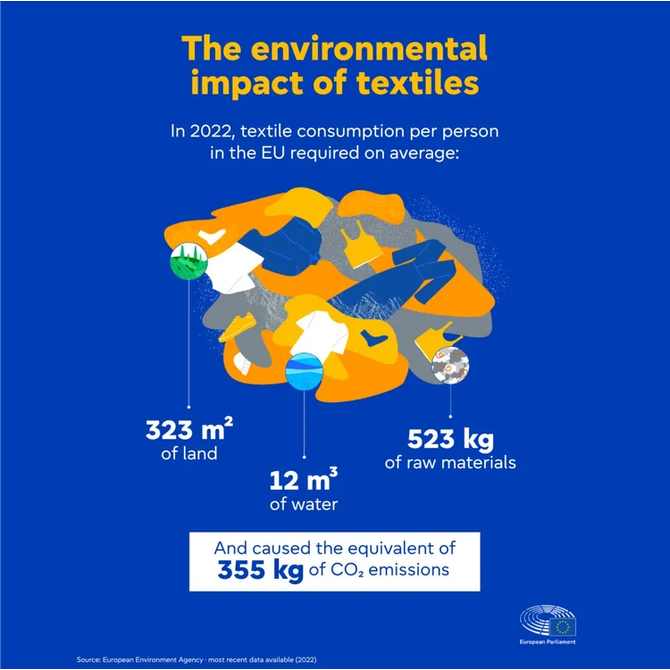
Germany, France and the Netherlands are advocating coordinated European action against ultra-fast fashion.
The three Member States raised the topic at today’s EU Environment Council in Luxembourg, and called on the European Commission to make existing and planned EU provisions more effective against short-lived, low quality textiles.
Their call was supported by other Member States, including Slovenia and Denmark.

LONDON, June 11: Textile Exchange has published its new polyester Life Cycle Assessment (LCA) study, providing robust, accurate, and credible data to strengthen the fashion, textile, and apparel industry’s understanding of the impacts of different types of polyester production.
The study is the second in a series of LCA studies led by Textile Exchange and addresses key gaps and limitations in the LCA data currently available for polyester.

Widnes, Cheshire - 5 June 2026 – On World Environment Day, Roberts Group International has announced a pioneering partnership with St Helens Council, Seamster & Shepherd, and Hope Academy.
The initiative, titled Hope for the Earth: From Reclaimed Textiles to Sustainable Student Fashion Show, empowers students to transform reclaimed textiles into original fashion pieces ahead of a summer showcase event in July.
The collaborative project addresses the urgent need for circularity in the fashion industry by bringing the sustainability message directly into the classroom.

Shenzhen, June 2026 – To address the urgent need for sustainable practices and digital transformation within the global fashion industry, the Intertextile Shenzhen Apparel Fabrics and Yarn Expo Shenzhen will return from 9 to 11 June 2026.
Held at the Shenzhen Convention and Exhibition Center, the event will host over 600 international exhibitors across 45,000 square metres.

The innovative washing process SMART WASH represents a modern, high-performance, and environmentally conscious approach to textile care.
The targeted combination of the products BEIPLEX GREEN, BEICLEAN ECO, BEIPUR ANP, BEIBLEACH WP 35, and BEIACID CIT creates a holistic, sustainable washing and bleaching concept.
Stuttgart, Germany – May 2026 - Global Organic Textile Standard (GOTS) certification continued to grow in 2025, with nearly 18,000 certified facilities worldwide, despite ongoing geopolitical uncertainty and rapidly evolving regulatory requirements across global textile supply chains.
New figures released today in the 2025 Annual Report for Global Standard, the nonprofit that owns and operates GOTS, show that uptake of robust, independently governed sustainability standards remains a priority for companies seeking to manage risk, substantiate claims and meet rising expectations on transparency and due diligence.
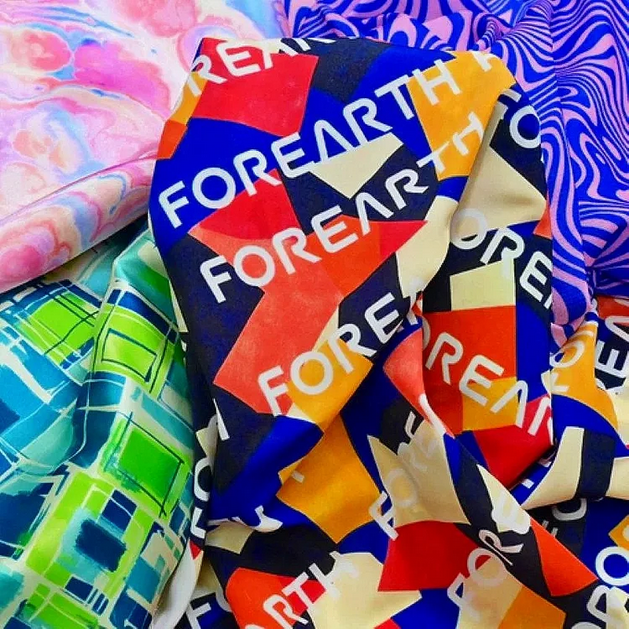
Kyocera Document Solutions has highlighted its FOREARTH, a pioneering water-free textile production concept designed to drastically reduce energy consumption and greenhouse gas emissions.
By addressing the critical need for sustainable manufacturing, this innovation sets a new standard for the textile industry, minimising environmental impact while streamlining the entire printing process.

ECCO, in partnership with Spinnova, announces the launch of the limited edition ECCO BIOM® 720, a first-of-its-kind shoe utilising an often overlooked leather by-product, transformed into a protein-based fibre.
The fibres are produced using patented technology that advances material innovation while reducing waste and supporting full resource use across the leather and textile industry.

Newark - Delaware - May 2026 – The global digital textile printing market is set for a substantial transformation, having crossed a valuation of USD 6.1 billion in 2025.
According to recent market forecasts by FMI, the sector is projected to surpass USD 6.6 billion in 2026, expanding at a compound annual growth rate of 7.7 per cent.
Driven by the urgent need for sustainable production and fast fashion customisation, the market is on track to reach a total valuation of USD 13.9 billion by 2036.
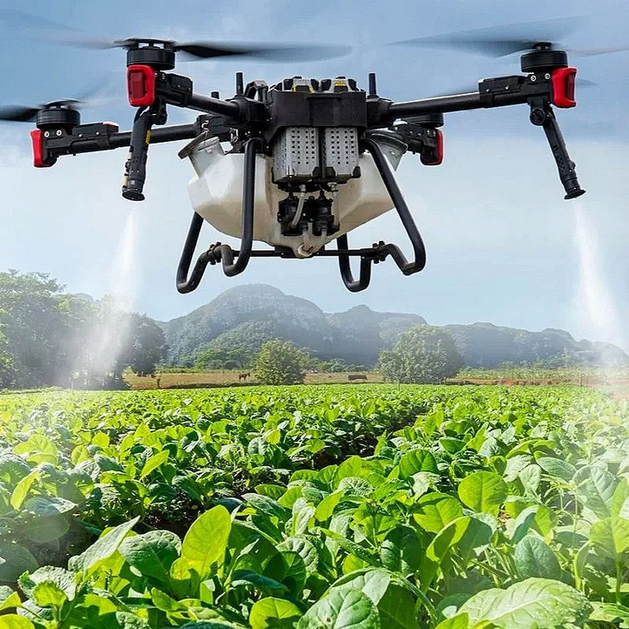
Cagliari - Italy – May 2026 – To address the escalating crisis of water scarcity in the Mediterranean basin, the Interreg NEXT MED Programme has officially announced the launch of the SWAMED project.
This international initiative introduces smarter irrigation systems and modern agricultural technology to farming communities across the region. By deploying innovative, data-driven solutions, the project seeks to safeguard the future of agriculture in areas where every drop of water is critical for survival and economic stability.
The SWAMED project is spearheaded by the Università degli Studi della Campania "Luigi Vanvitelli" in Italy, operating in close collaboration with a strategic coalition of partners from Tunisia, Egypt, Greece, and Türkiye.

Washington DC - 24 April 2026 – The Bezos Earth Fund has announced a $34 million commitment to advance breakthrough sustainable materials for the global fashion and textile industry.
Working with leading scientists across the United States, these new grants aim to reinvent the fabrics used in everyday clothing, focusing on next-generation materials that replicate the feel of rayon, silk, and cotton while drastically improving upon the environmental impact of conventional manufacturing.

ISTANBUL, Türkiye – April 2026 – In a critical step towards securing a sustainable and ethical future for the global textile industry, Textile Exchange and the Organic Cotton Accelerator have officially announced the comprehensive agenda for the upcoming Organic Cotton Summit.
This vital industry event is scheduled to take place from the 2nd to the 4th of June 2026 at the Istanbul Marriott Hotel Sisli in Türkiye.
By bringing together global stakeholders, the summit aims to urgently address the pressing challenges facing agricultural supply chains and to build organic cotton systems that are resilient, fair, and economically viable for all participants.

Manchester, UK – April 2026 – John Hogg Technical Solutions has announced a strategic minority equity investment in SwitchDye Limited, a University of Leeds spin-out.
This vital partnership aims to rapidly scale SwitchDye's pioneering CO2-responsive, drop-in dyeing system, answering the urgent industry need to significantly reduce chemical intensity, energy use, and water consumption in the dyeing of polyester and other synthetic fibres.

April 2026 - As sustainability expectations rise across the fashion industry, Lectra has announced the publication of a new document aimed at helping brands reduce their environmental impact while remaining competitive.
The newly released insights detail how fashion brands can overcome the four main barriers to sustainable product development, providing the necessary data clarity to make better, environmentally conscious decisions.

London - April 2026 – In a decisive response to the escalating global need for urgent climate action, Ricoh today announced a comprehensive revision of its environmental, social, and governance targets.
Launched as a cornerstone of its fiscal 2026 mid-term strategy, the company is significantly accelerating its efforts to realise a decarbonised society.
By raising its greenhouse gas emissions reduction goals and renewable energy adoption targets, Ricoh is firmly linking sustainable innovation with its global business operations to lead the industry toward a greener future.
The organisation has elevated its fiscal 2030 target for reducing Scope 1 and 2 greenhouse gas emissions from 63 percent to 75 percent, compared with fiscal 2015 levels.