


Manchester, UK – April 2026 – John Hogg Technical Solutions has announced a strategic minority equity investment in SwitchDye Limited, a University of Leeds spin-out.
This vital partnership aims to rapidly scale SwitchDye's pioneering CO2-responsive, drop-in dyeing system, answering the urgent industry need to significantly reduce chemical intensity, energy use, and water consumption in the dyeing of polyester and other synthetic fibres.
The commercial-scale textile dyeing process uses carbonated water to drive colour into the fibre, eliminating the need for auxiliary chemicals that typically account for up to 90 percent of total chemical mass.
Crucially, the technology functions as a drop-in solution for standard dyehouse equipment, enabling mills to implement these sustainable changes immediately without abandoning existing machinery.
Harrison Oates, Chief Technology Officer at SwitchDye, said, “Partnering with John Hogg gives us the technical expertise and industry reach to move from lab success into consistent, real-world application.
Over the coming months, we’ll be working closely with dyehouses and brands to demonstrate how the technology integrates into existing equipment and delivers measurable savings.”
The innovative system streamlines operations by reducing rinse stages and shortening machine time, resulting in approximately 40 percent less water usage and meaningful energy savings compared to conventional polyester dyeing.
Because the process is entirely reversible, colour can be easily removed at the end of the garment's life, championing genuine textile-to-textile recycling and a circular economy.
Sam Walton, Chief Technical Officer at John Hogg, commented, “The partnership with SwitchDye marks the start of an inspiring journey with the potential to improve the future of textile manufacturing for many years to come. At John Hogg, we have always taken pride in understanding our customers’ needs and the evolving demands of the market. Being part of an innovation that delivers a true step forward in sustainable dyeing technology is something we are genuinely excited about. We also see clear alignment between our businesses, with John Hogg’s wider capabilities helping to accelerate SwitchDye’s path to commercialisation.”
Professor Nick Plant, Pro-Vice-Chancellor for Research and Innovation at the University of Leeds, added, “Switchdye’s pioneering approach to polyester dyeing will help to drive a more circular and sustainable textile industry. This is another example of the outstanding talent that exists within our research community and our strength in nurturing and supporting innovation in new technologies.”
SwitchDye is set to commence structured pilots with selected dyehouses and brand supply chains to validate performance at mill scale, quantify resource reductions, and ensure colour fastness and reproducibility.
About John Hogg and SwitchDye
Headquartered in Manchester, UK, its portfolio spans high-specification colour solutions for lubricants, greases, and textiles.
The system is designed to be auxiliary-free, drop-in compatible with existing dyehouse equipment, and reversible to support circularity.


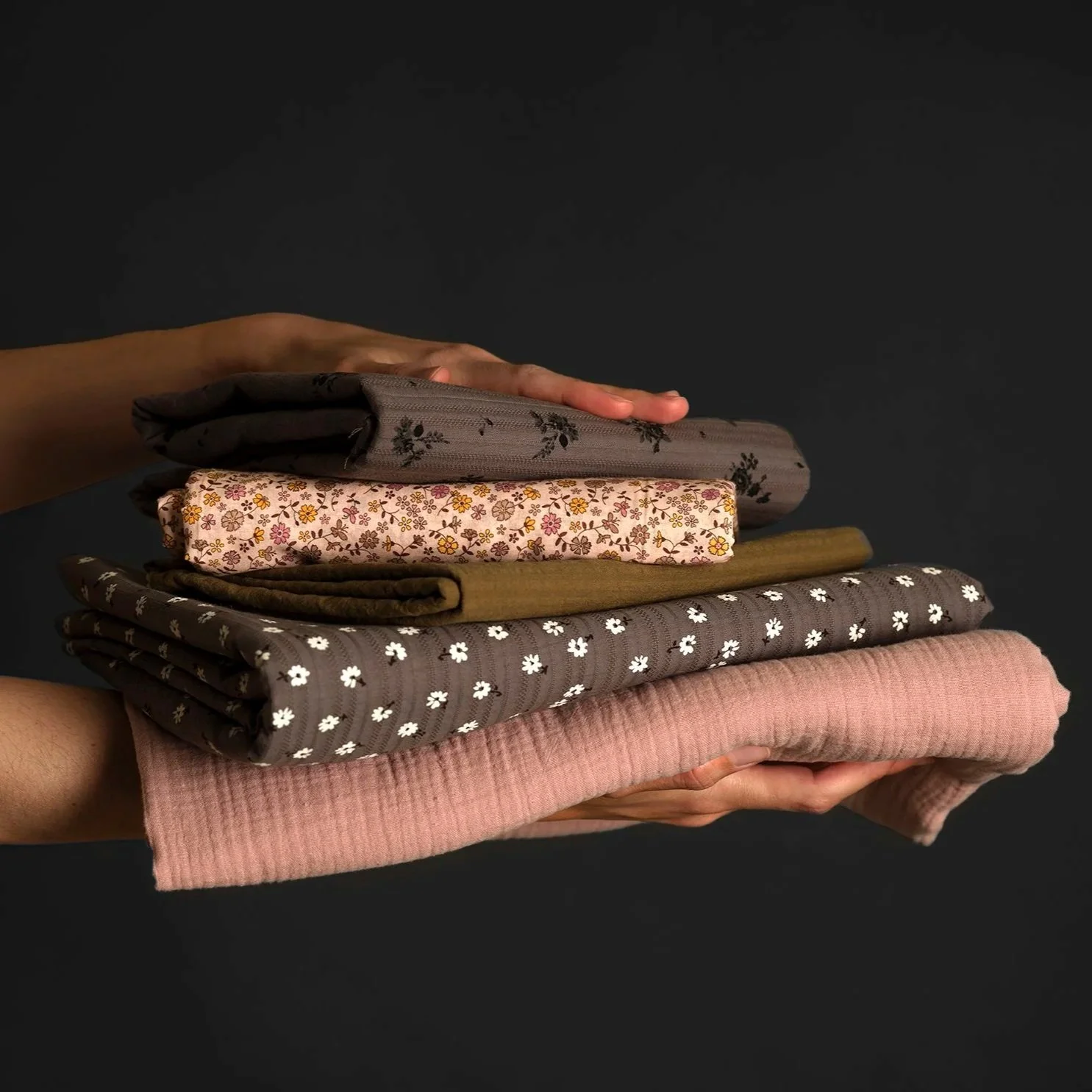
Rebés's story isn't one of nostalgia - It's a working blueprint for how heritage manufacturers can stay indispensable in a market that rewards speed, certification, and specificity in equal measure. Four million metres of stock mean nothing without the digital printing capability to turn it into something distinctive.
A 150-year name means nothing without the R&D discipline to win a tender for antistatic, carbon-fibre-infused uniform fabric on the first attempt.
Image Credit: Tejidos Rebé

What if the next dress you wore never touched the factory floor?
This is no longer a fringe experiment. It is a maturing production model, backed by genuine material science, real circularity, and an AI-assisted workflow that is becoming more accessible by the month.
Her advice to designers and brands alike is refreshingly practical: start small, get hands-on with an accessible 3D printer, and build fluency before the technology becomes table stakes. The businesses that treat this moment with curiosity, rather than scepticism, will be the ones shaping fashion's next decade rather than reacting to it.

The 2027 FESPA Awards are now open for entry, and the message to businesses across textiles, apparel, interiors and beyond is simple: your work deserves recognition. Every gold winner featured here started in the same place every entrant does - with a project they believed was worth submitting.
As the only independent awards programme with 18 categories dedicated to print and signage, FESPA offers a genuinely global stage, with shortlisted entries displayed at FESPA Global Print Expo in Spring 2027.

Colour Is Too Important to Leave to Chance
Print will always be the part of the garment people see first.
But the sum of all parts — the fabric, the trims, the fasteners, the finish — is what determines whether a design actually delivers on its promise. Brands that continue to treat colour as a single creative decision, rather than a coordinated technical discipline spanning their entire supply chain, will keep paying for it in re-dips, delays, and disappointed design teams.
A Century of Textiles, and an Ever-changing World
Few companies can trace their roots back more than a century and still count themselves among their industry's innovators. Texia, headquartered in Monistrol de Montserrat, Spain, is one of them.
But the story of Texia is not simply one of longevity.
It is a story of continual reinvention. As the textile industry has grown more global and competitive, Texia has repeatedly reshaped its business, investing in technology, developing its own brands, and placing sustainability at the centre of its mission. In doing so, it offers a compelling example of how a heritage manufacturer can lead rather than follow through a period of profound industry change. Image Credit: Texia
What are we craving Ultimately?
The instinct to slow down while simultaneously optimising every measurable aspect of life isn't a passing curiosity. It's a structural response to a world that feels increasingly unstable, and it's reshaping what people expect from their homes, hotels, workplaces and healthcare environments alike.
For the design and manufacturing sectors, this means rethinking both product and process.
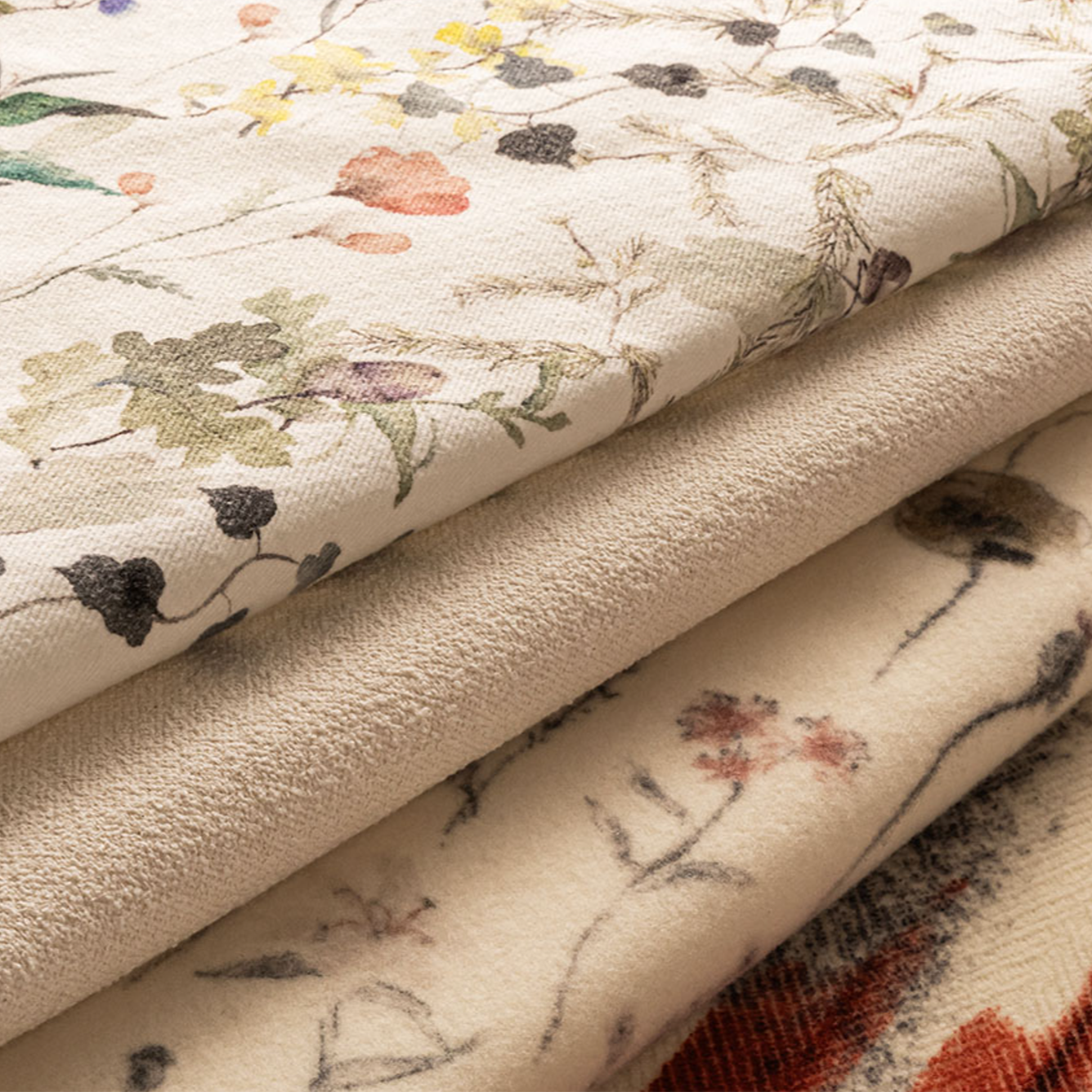
The Structual Shift is Real and its Already Here
Volumes are moving east, where digital production is accelerating rapidly. Consumer behaviour has shifted.
Demand is now driven by personalisation, shorter buying cycles, and an expectation of near-instant responsiveness. Regulatory pressure is intensifying, with supply chain transparency now a legal and commercial fact in many markets. And margins? They are under sustained, structural pressure.
This is not a temporary disruption. It is a fundamental reordering of how textile manufacturing must operate.

The Challenge: Standing Firm as the Industry Shifts
The wallpaper landscape has changed dramatically. Digital printing has lowered the barrier to entry, spawning countless direct-to-consumer brands and pushing much of the market towards faster, cheaper production.
At the same time, manufacturing in the UK has grown steadily harder - rising minimum wage, national insurance, energy and substrate costs all bear down on margins. Surface Print have embraced all of these challenges - and stand resolutely prepared for the future.
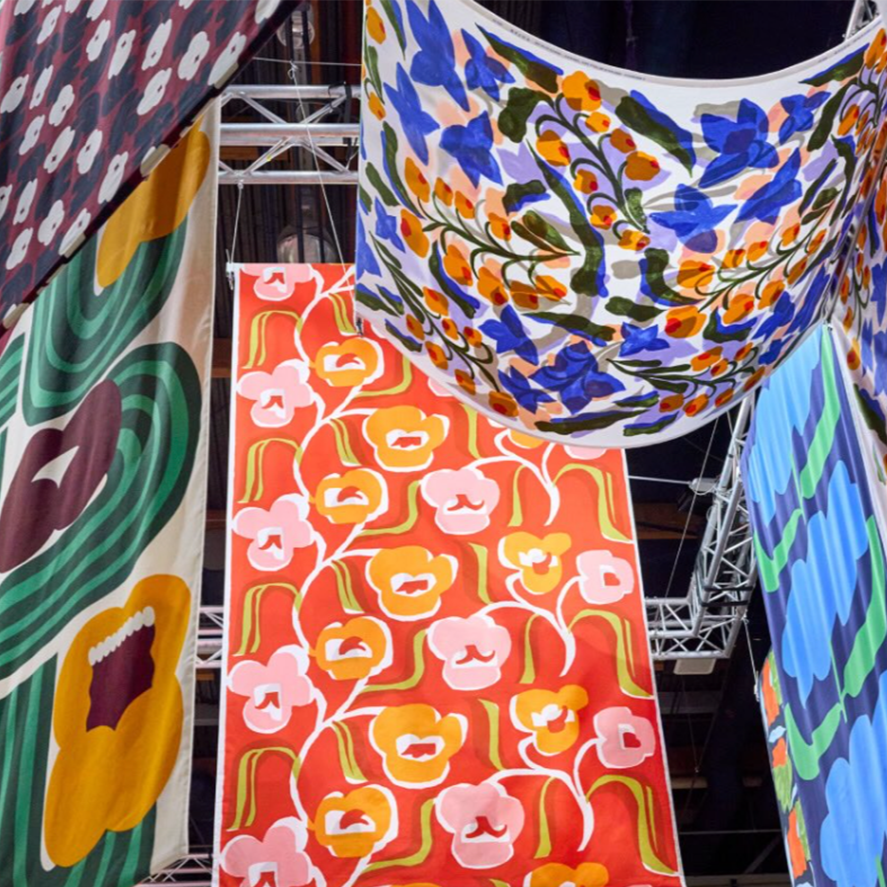
From Helsinki's printing mill to Paris's Le Marais, discover how Marimekko is scaling a design-led brand with purpose, craft, and bold innovation.
But what makes Marimekko's story compelling is not just its aesthetic legacy?

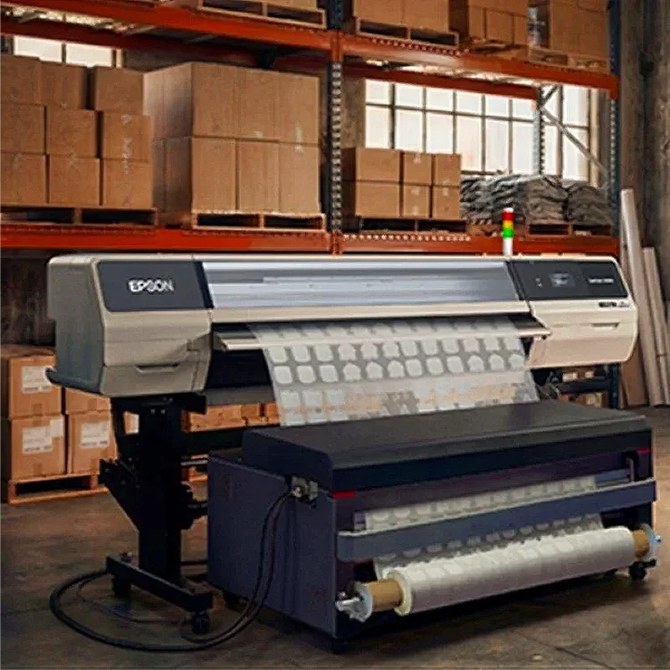
October 2026 – Epson has today featured the availability of the SureColor G9000, the first high-production, roll-to-roll Direct-To-Film (DTFilm) printer in its line-up.
Designed for commercial garment decorators and textile producers, the new printer addresses the industry's growing demand for greater speed, reliability and reduced hands-on maintenance, whatever the production environment.
The SureColor G9000 is built around a complete Epson ecosystem, combining Epson inks, printheads and software with Epson EdgePrint or Fiery Digital Factory RIPs

Frankfurt am Main, 14th October 2026 – With the new premium segment Carpets & Rugs Excellence, the Comfort & Connect area and the Heimtextil Trends 27/28, Heimtextil 2027 is sharpening its offering for a market under pressure.
Running from 12 to 15 January 2027, the leading trade fair for home and contract textiles and textile design will showcase innovations across the entire value chain, from fibres and yarns to designs by international studios, finished collections and complete interior solutions.

Milan, Italy – October 2026 – BARBIERI Electronics, a leading innovator in colour measurement technology, today announced its participation in VISCOM Italia 2026, taking place at Allianz MiCo in Milan on 28–29 October 2026.
The company will exhibit at Booth A14 alongside its Italian distributor, Tecnologie Grafiche, presenting its latest spectrophotometer solutions to the digital printing industry.

Altham – Lancashire – October 2026 – Soyang Europe has announced the appointment of Glen Nunkoo as its new Business Development Manager.
Glen joins the team with over 20 years of industry experience across both hardware and media, and will be responsible for managing customer relationships across the Midlands and North West regions.
Glen's appointment reflects Soyang's ongoing commitment to strengthening its customer relationships and delivering a consistently high standard of service as the business continues to grow.
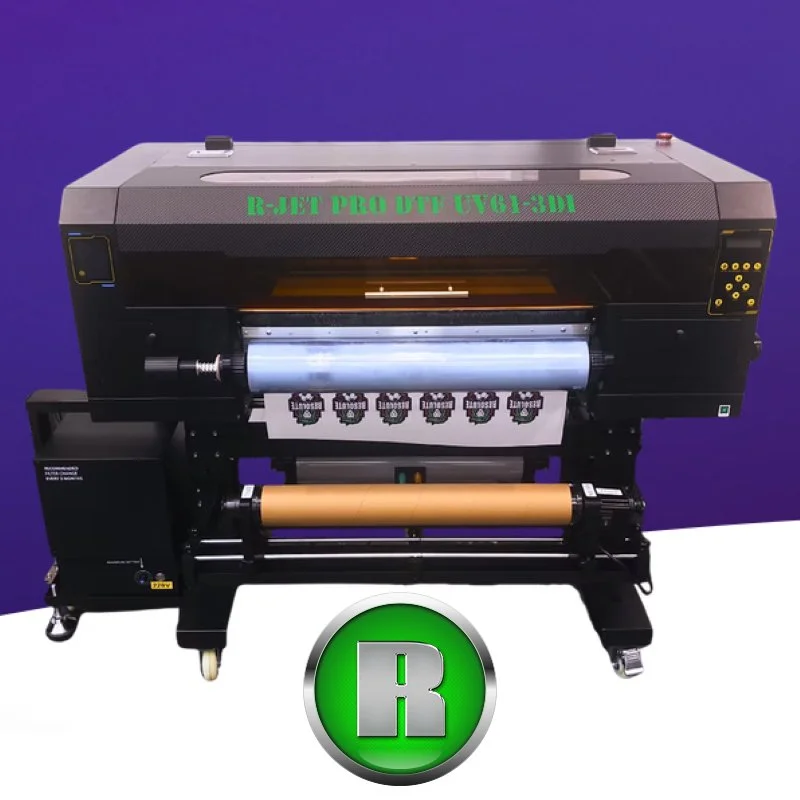
Clay Cross- UK – October 2026– Resolute DTF today features their R-JET PRO DTF™ UV61-3Di, a UV DTF printer engineered to elevate promotional products with striking three-dimensional effects.
Using advanced tilt print head technology, the new machine produces stunning TPU and Crystal Patch embossed finishes on a wide range of everyday items, offering businesses a new way to differentiate their products in an increasingly competitive market.
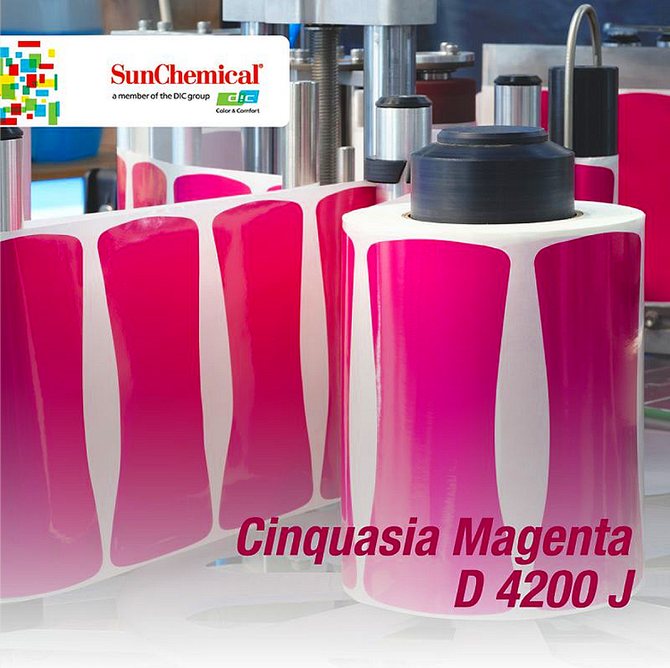
SOUTH NORMANTON, UK – October 2026 – Sun Chemical today featured Cinquasia® Magenta D 4200 J, a state-of-the-art Quinacridone pigment engineered specifically for digital ink formulations.
The new pigment delivers vibrant yellowish magenta shades alongside outstanding colour performance, reinforcing Sun Chemical's position at the forefront of pigment innovation for the printing industry.
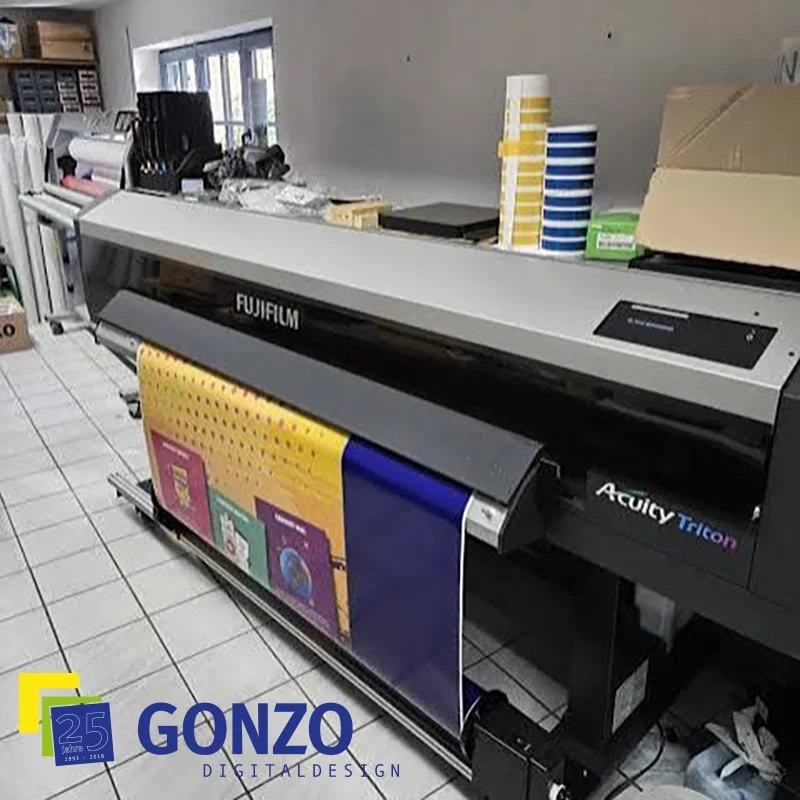
Ratingen, Germany – October 2026 – Gonzo Design, a full-service advertising specialist covering textile printing, digital printing, signage and vehicle lettering, has invested in Fujifilm's Acuity Triton large-format UV inkjet printer featuring Aquafuze ink technology.
The move marks a significant step in the company's drive to raise print quality, broaden application versatility and improve air quality within its production facility.
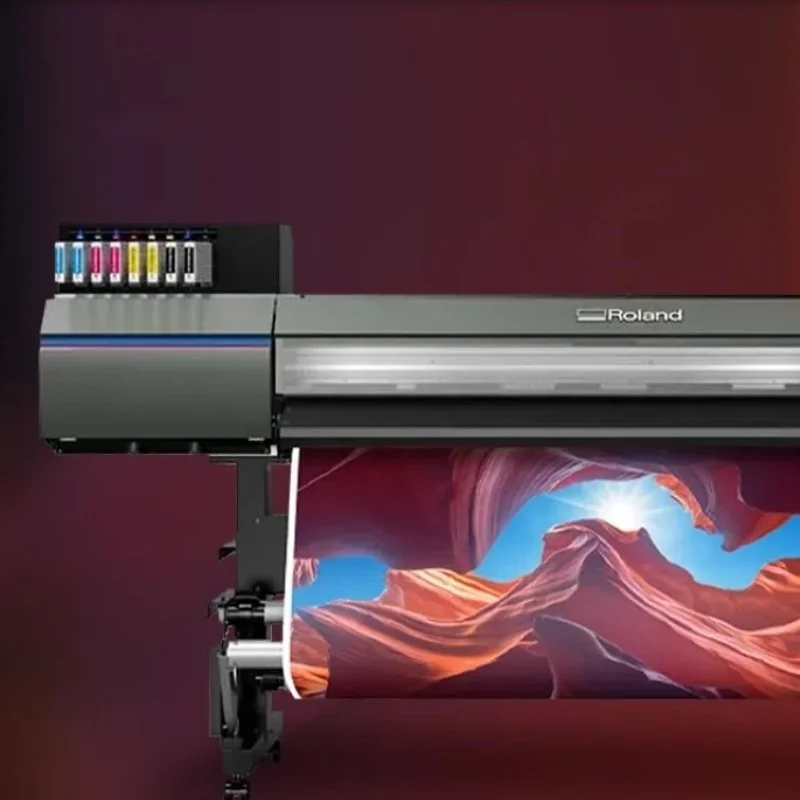
Reading – UK – October 2026– Roland DG Europe today highlights the DGXpress ER-641, a dedicated print-only solution designed to help print businesses deliver professional-grade graphics without stretching their budgets.
The new device addresses a growing need in the industry: balancing high-quality output with manageable production costs and everyday workflow demands.
As print businesses look to scale, every investment must work harder to justify its place in day-to-day operations.
The ER-641 has been engineered with this challenge in mind, offering a focused, print-only solution that keeps both initial investment and ongoing running costs firmly in check.

Tokyo – Japan – October 2026 – Klieverik has announced the successful delivery and installation of another GTC131-2000SP FL calendering line, which has safely arrived at its new home with a customer in Japan.
The milestone underscores Klieverik's continued commitment to providing reliable, high-performance machinery to manufacturers across the globe.

Leicester, UK – October 2026 – VeriVide Limited, a leading provider of colour assessment solutions, has confirmed its attendance at the Society of Dyers and Colourists (SDC) Coloration & Finishing Conference 2026, taking place in Bradford on the 15th October.
The company will exhibit throughout the event and deliver presentations on the industry's transition to LED lighting and the evolution of visual and digital colour assessment

Ottawa, Ontario – October 2026 – Corel today announced it will host a live webinar exploring how organisations can unify branding, signage, print and digital work into a single, flexible creative workflow.
The session takes place tomorrow, October 14th , and is open to creative professionals, studio leads and business owners looking to streamline how their teams produce and deliver work across formats.

Bologna, Italy – October 2026 – Valiani, a leading innovator in precision cutting technology, has today announced the launch of its new GEN 2 cutting machine at FAMAART Bologna.
Designed specifically for high-volume matboard production, GEN 2 represents a significant step forward in the industry's pursuit of greater efficiency without compromising on quality.

Fremont – Ca – October 2026 - Fiery, a global leader in digital front end (DFE) technology for print, has announced that the full recording of its webinar, Beyond CMYK: From More Colours to More Impact, is now available on demand.
The session addresses a pressing challenge facing today's commercial print providers: how to move beyond the limitations of standard CMYK to meet rising client demands for bold, brand-accurate colour.

Dubai, UAE – October 2026 – FESPA’s exclusive Leadership Exchange event, FLEX, will return to Dubai on 26 November 2026, bringing together senior figures from across the Middle East's print and signage industries for a day of strategic dialogue and knowledge sharing.
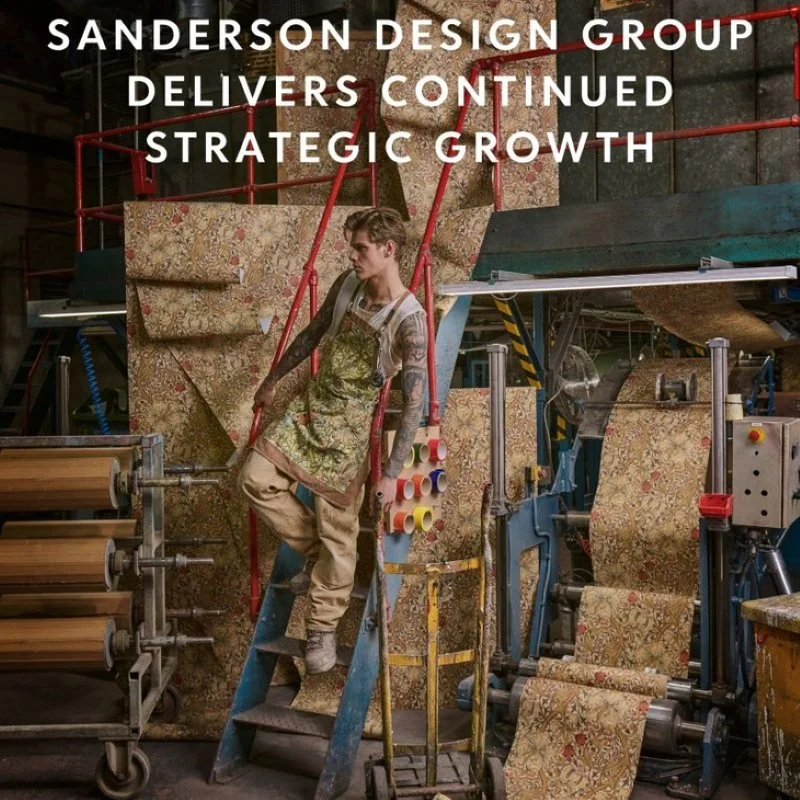
London, UK – October 2026 – Sanderson Design Group plc. has today announced a robust first-half performance, underpinned by sustained momentum across its business and the continued delivery of its focused growth strategy.
The results highlight the Group's growing international reach and its commitment to building a more resilient, sustainable future for the design industry.
Revenue for the period rose to £51.4m, while statutory profit before tax increased by 69% to £2.5m.
Adjusted profit before tax also grew significantly, up 47% to £3.3m

Telford, UK – October 2026 – China Print Supplies UK Ltd has today released its new 2026 price list, introducing new machines, updated bundle deals, and revised pricing across its range of print, cutting, and finishing solutions.
The updated catalogue reflects the company's ongoing commitment to equipping print businesses with reliable, cost-effective equipment as the industry continues to evolve.
With new machinery added to the lineup and refreshed bundle options, China Print Supplies UK aims to make it easier for customers to find solutions tailored to their operational needs and budgets.

Burgdorf, Switzerland / Geretsried, Germany, October, 2026 – Long-lasting performance textiles require solutions that address a wide range of consumer expectations, from lasting freshness and comfort to reliable protection against the elements.
SANITIZED and RUDOLF are highlighting their latest innovations, demonstrating how specialized textile technologies can support the functional durability and wearability of modern apparel.

Altstätten, Switzerland – October 2026 – Zünd has announced that it will open its headquarters in Altstätten, Switzerland, on 18–19 November 2026 for Zünd Technology Days 2026, a two-day event dedicated to live technology demonstrations, expert presentations, and an in-depth look at real-world production processes.
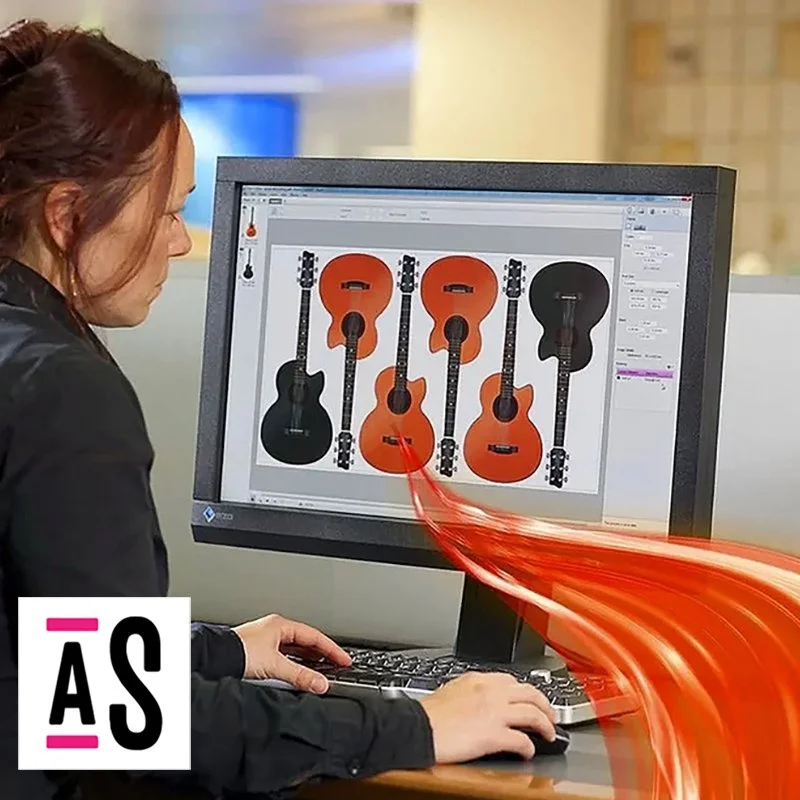
Milan, Italy – October 2026 – Agfa has confirmed its participation in Viscom Italia 2026, the international trade fair dedicated to visual communication and graphic arts.
The event will take place on 28–29 October 2026 at the Allianz MiCo Convention Center in Milan, with doors open daily from 9:30 AM to 6:00 PM.
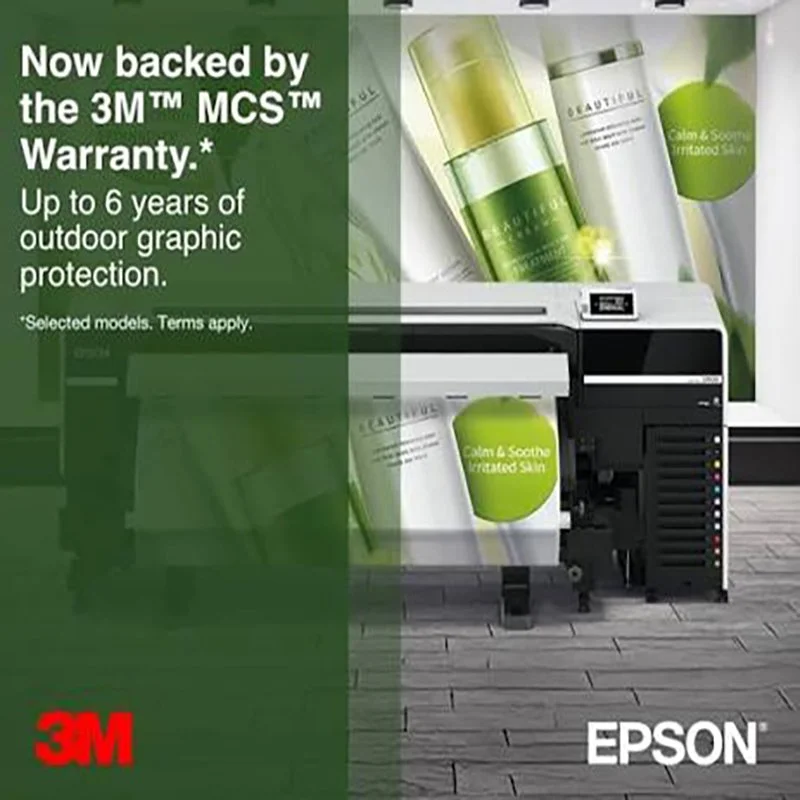
Watford = Hertfordshire- October – 2026 – Epson has announced that selected SureColor printers and inks are now covered by the 3M™ MCS™ Warranty, marking a significant step forward in the company's ongoing commitment to delivering durable, high-performance graphics solutions.
The certification reinforces the longstanding relationship between Epson and 3M, and underscores both companies' shared dedication to quality and innovation in the graphics industry.

London, UK – October 2026 – ARTSTHREAD has today launched the Public Vote for its seventh annual Global Creative Graduate Showcase, inviting audiences worldwide to discover and support the next generation of creative talent.
The vote is now live at vote.artsthread.com, giving the public the opportunity to engage directly with graduating work from across the globe.

Shanghai – China -October 2026 – BARBIERI Electronics, a global leader in professional colour measurement solutions, has announced its participation in ALL IN PRINT CHINA 2026, taking place from 12–16 October 2026 at the Shanghai New International Expo Centre.
The company will exhibit alongside its partner, Beijing Dingli Xintong Technology Co. Ltd, at Booth N2A219, where COO and Co-Managing Director Viktor Lazzeri will meet with customers, partners and print professionals from across the industry

Bracknell – Berkshire - October 2026 - UFABRIK has added IGEPA Hungária to its expanding European distribution network, bringing its digital textile portfolio to customers across Hungary through one of the country’s leading print and visual communications suppliers.
The agreement will see IGEPA Hungária introduce the UFABRIK range to customers from its operations in Budapest and Nyíregyháza, with local stockholding, technical support, and wide-format availability up to 5 metres.

New York – NY – October 2026 – Optitex, a global leader in fashion technology solutions, has announced a significant update to its CutPlan software, introducing Purchase Order (PO) Wise capability as part of its O/26.1 release.
The new feature allows manufacturers to plan multiple Purchase Orders for the same style independently, addressing a long-standing inefficiency within the cut planning process.

United Kingdom – September 2026 – Inkloft, a new specialist digital printing business founded by Gary Weyman and Andy Hancock, has announced its entry into the direct-to-film (DTF) market.
The company has been appointed as a distributor of DuPont™ Artistri® DTF products, including P1600 inks and Artistri Jettable Adhesive JA1100, both now available to purchase online through inkloft.co.uk.

Peterborough, UK – October 2026 – Snuggle Ltd has today reaffirmed its commitment to redefining industrial garment decoration, combining high-volume output with environmentally responsible production methods at its Peterborough facility.
The announcement highlights the company's investment in water-based pigment ink digital printing technology, a move designed to cut the environmental footprint of large-scale apparel decoration without compromising on quality.
At the core of Snuggle's operation is industrial water-based pigment ink digital printing, which replaces the chemical-heavy alternatives traditionally used across the sector.

Manchester – October 2026 – Premier Digital Textiles has today highlighted its 33130 Achill Natural Linen, a beautifully understated fabric defined by timeless texture and natural character.
The luxurious fabric reflects the company's ongoing commitment to quality materials that serve both designers and the environment

Gent – Belgium – October 2026 – Kongsberg Precision Cutting Systems has announced its participation in India CorrExpo 2026, following a successful week exhibiting at PRINTING United Expo 2026.
The company will showcase its latest advancements in digital cutting and routing technology, demonstrating how businesses across print, display, packaging and signage can achieve greater precision, productivity and scalability.
The event will take place from 14 to 16 October 2026 at the Bombay Exhibition Centre in Mumbai, where Kongsberg will be exhibiting at Booth B80, Hall 4.

Konica Minolta Business Solutions (UK) Ltd has reinforced its two‑ decade partnership with Epson by expanding the range of Epson wide format print technologies now available for live demonstration at its UK Client Engagement Centre (CEC) in Dunstable.
The move reflects Konica Minolta’s commitment to supporting the UK commercial print sector with a broader, more versatile portfolio and giving customers hands‑on access to leading solutions.
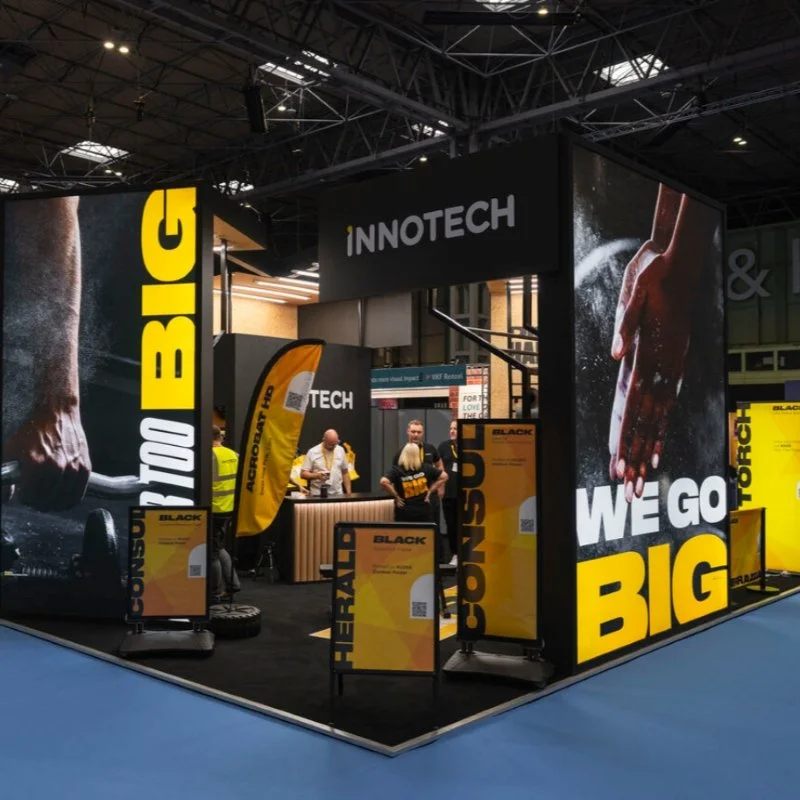
Coalville – Leicestershire – October 2026 – Innotech Digital & Display has concluded a successful first-time exhibition at The Print Show, held at the NEC over three days, unveiling its new Black Display Hardware Collection and demonstrating its materials in action through a series of industry partnerships.
The event marked a significant milestone for Innotech, offering the company its first opportunity to engage directly with the wider print community on this platform.
Visitors to the stand were able to explore product samples, view the newly launched Black Display Hardware Collection, and speak with the Innotech team about the latest developments in digital and display materials