
Industry Insights & Opinion
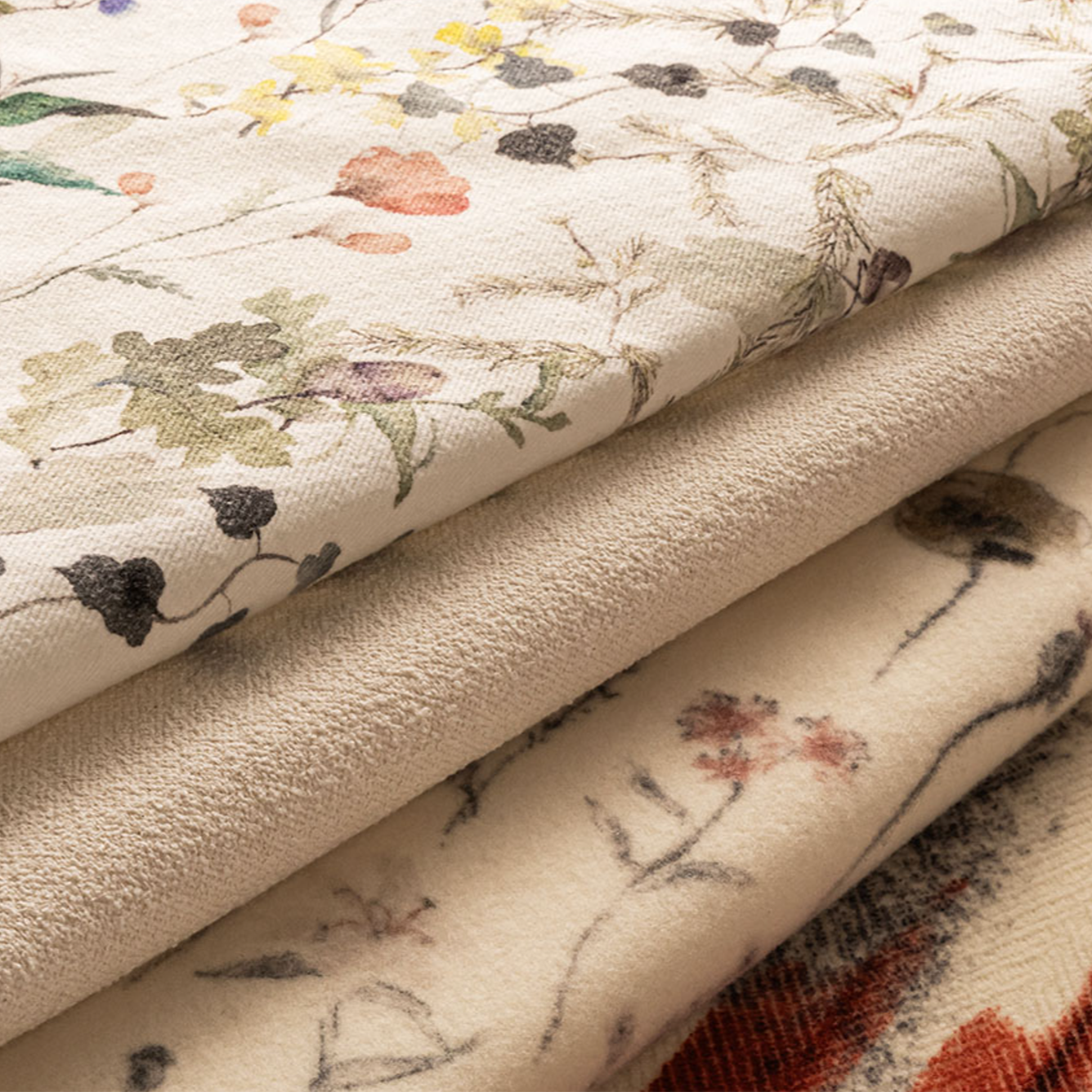
The Textile Reset: What Industrial-Scale Digital Textile Production Really Looks Like
The Structual Shift is Real and its Already Here
Volumes are moving east, where digital production is accelerating rapidly. Consumer behaviour has shifted.
Demand is now driven by personalisation, shorter buying cycles, and an expectation of near-instant responsiveness. Regulatory pressure is intensifying, with supply chain transparency now a legal and commercial fact in many markets. And margins? They are under sustained, structural pressure.
This is not a temporary disruption. It is a fundamental reordering of how textile manufacturing must operate.

Surface Print: Where Heritage Wallcovering Craft Meets Digital Production and Innovation
The Challenge: Standing Firm as the Industry Shifts
The wallpaper landscape has changed dramatically. Digital printing has lowered the barrier to entry, spawning countless direct-to-consumer brands and pushing much of the market towards faster, cheaper production.
At the same time, manufacturing in the UK has grown steadily harder - rising minimum wage, national insurance, energy and substrate costs all bear down on margins. Surface Print have embraced all of these challenges - and stand resolutely prepared for the future.

Decor on Demand: How Design-to-Dispatch is Reshaping the Printed Interior
What if covering a wall or window was never really the point?
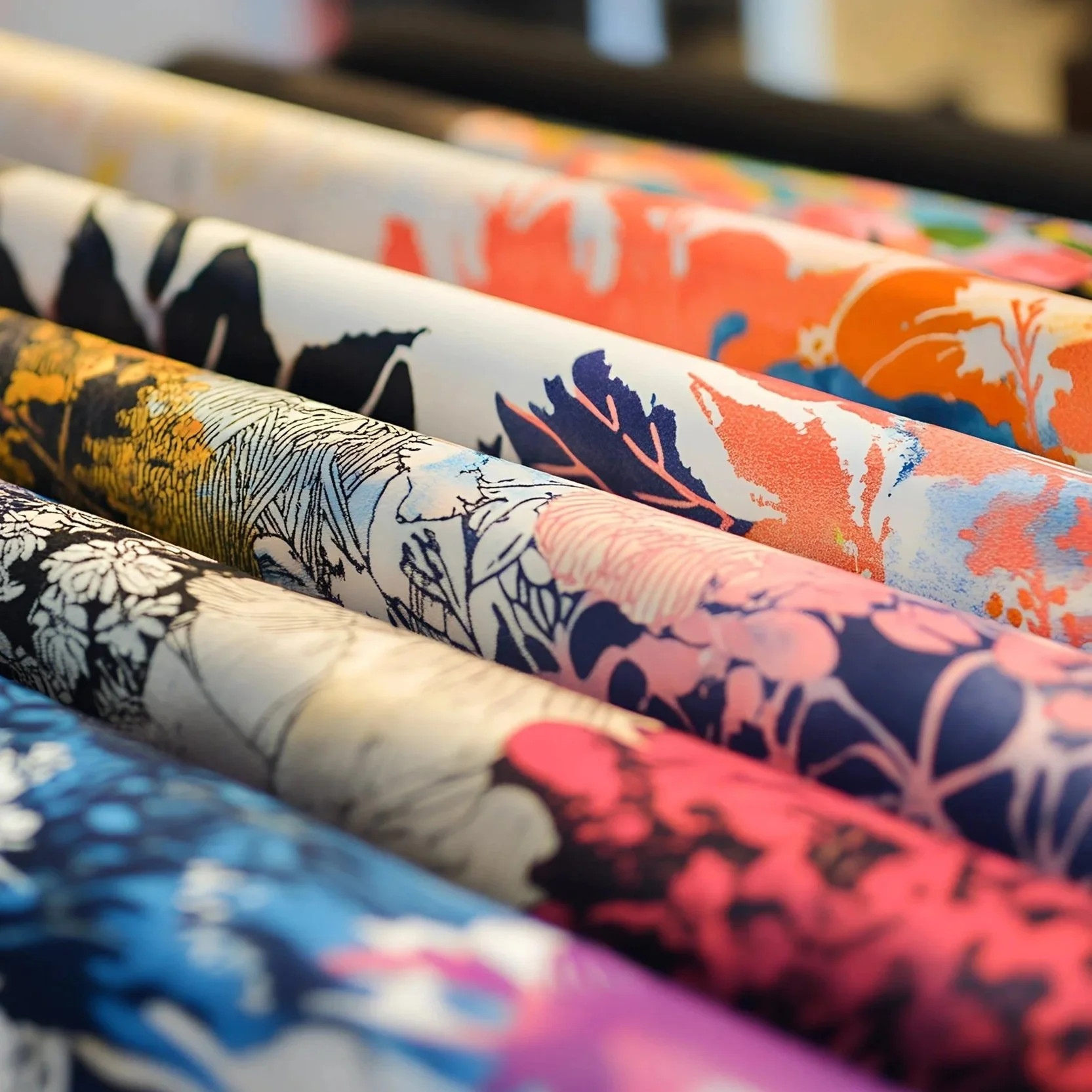
The Digital Product Passport (DPP) What Every Textile Printing Business Needs to Know
What Is the Digital Product Passport?
At its core, a Digital Product Passport is a digital record attached to a physical product - For a printed textile product, this means the DPP would capture data on the substrate, inks and dyes used, the printing process and technology, chemical compliance, environmental impact (including water and energy use), supply chain traceability, and end-of-life instructions.
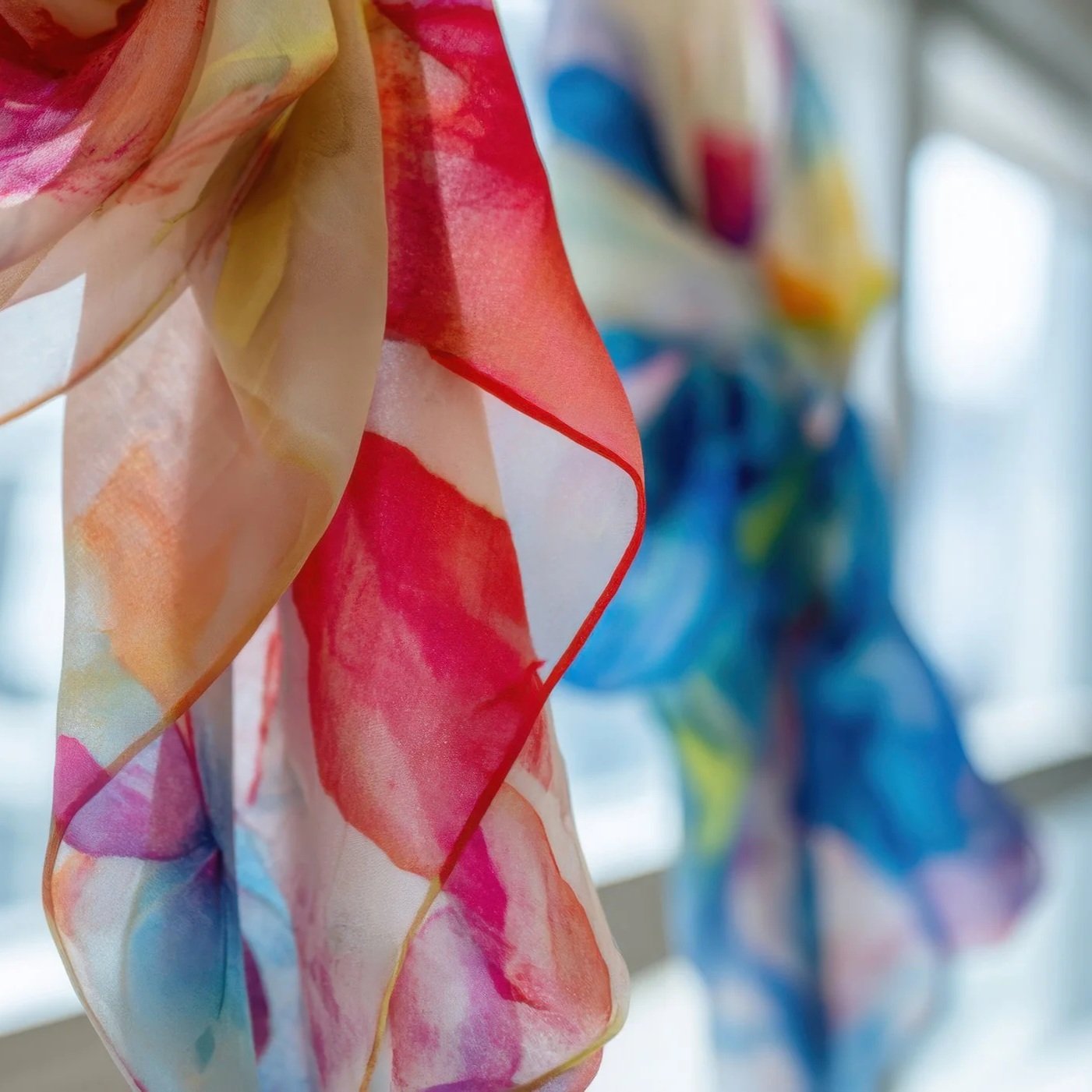
How Future Fashion Pvt. is Rewriting the Rules of Industrial Textile Printing
The Market Gap that Changed Everything
Future Fashion was founded in 2019, timed deliberately to coincide with a pivotal moment in global textile technology: the commercial launch of the EFI Reggiani BOLT Single-Pass digital printing system.
The founders recognised that single-pass architecture had fundamentally changed what was industrially possible - and that Pakistan's domestic market had yet to catch up.
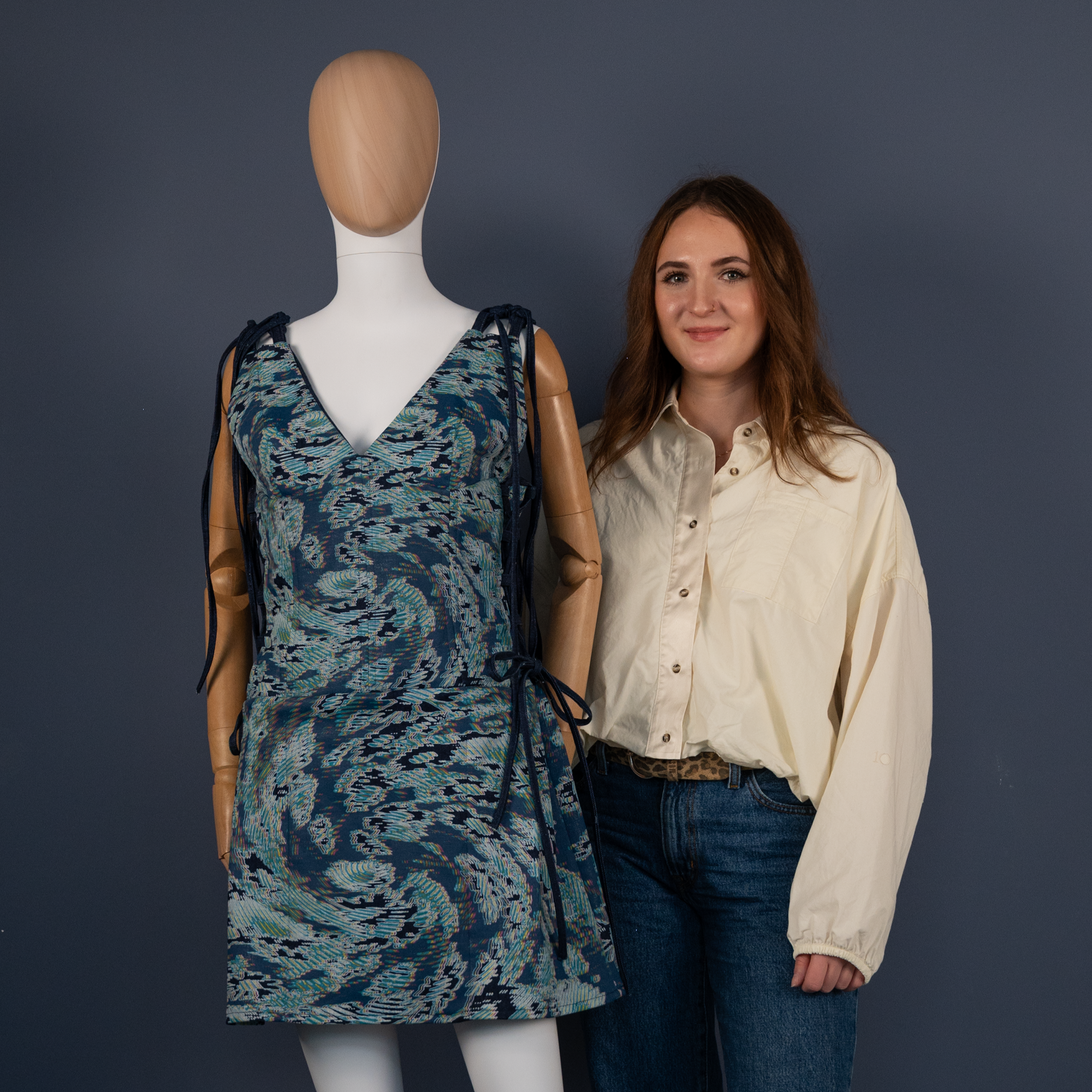
DESIGN: When Young Designers Meet Digital Technology - Great Things Happen - meet Steffi Kestel
The story of what happens when young designers access digital technology is still being written.
The Hidden Cost of Engineered Prints: Why Beautiful Designs Demand Strategic Thinking
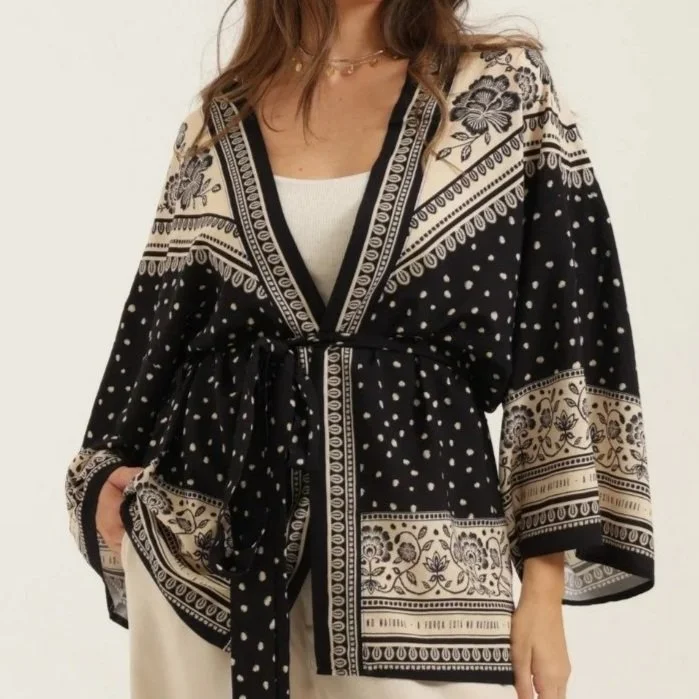
A perfectly placed floral, stripe, or graphic can transform a garment
A Blueprint for Mastering High-Value, On-Demand Digital Garment Decoration
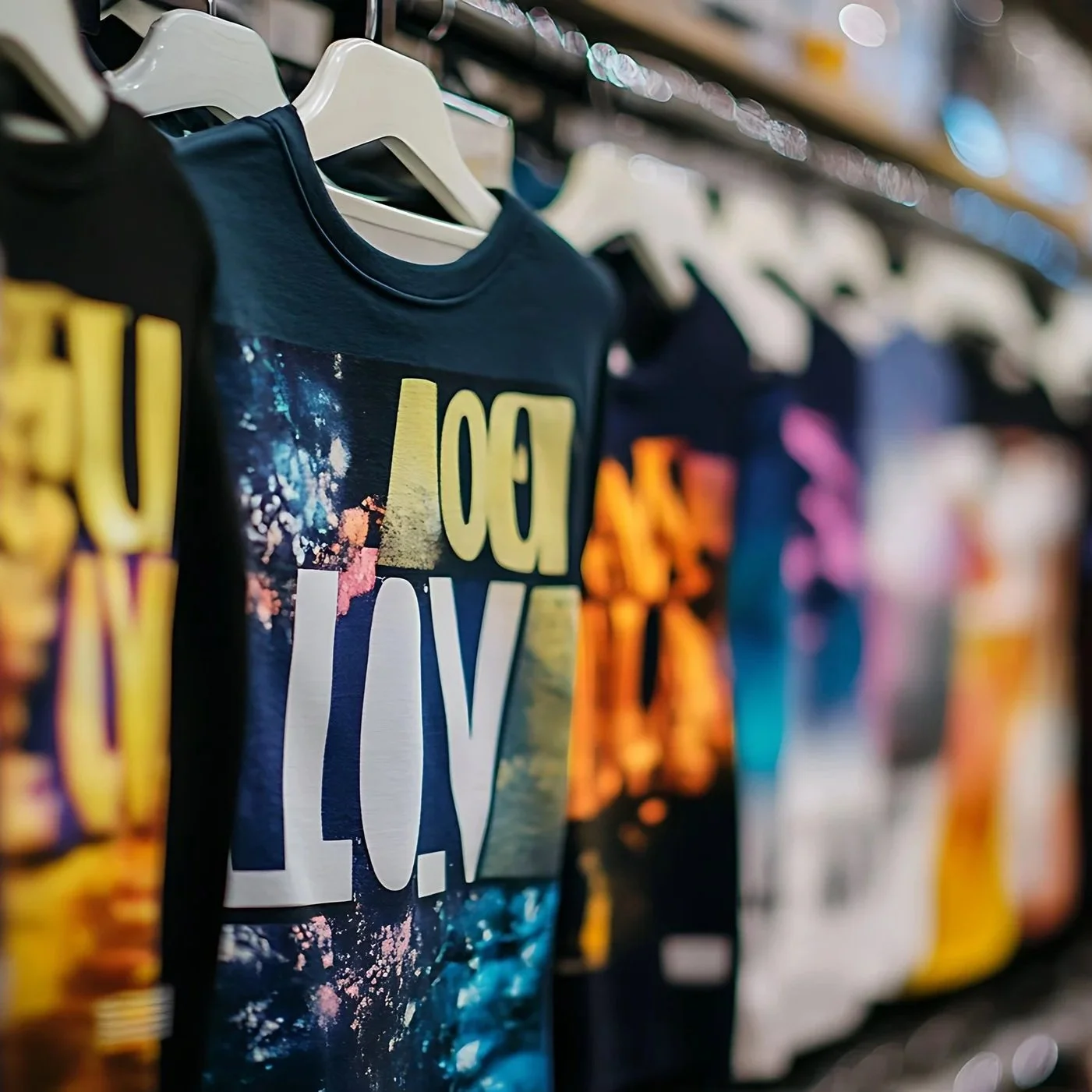
Today’s consumers do not just want a printed t-shirt.
Durst NEXT and Why the Future of Textile Print Belongs to Those Who Innovate Now
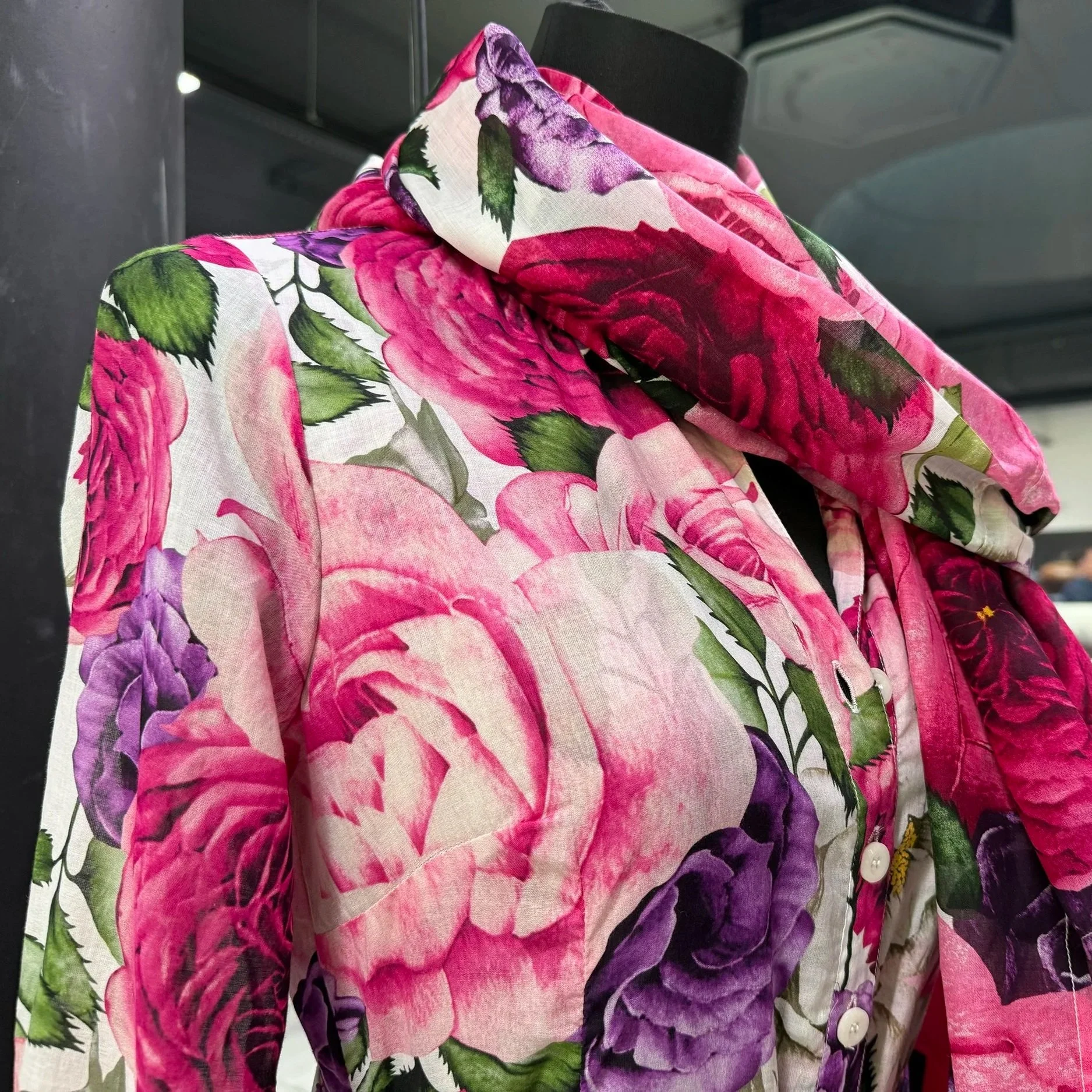
What does it mean to truly lead an industry through transformation?
How Embellishment and Surface Effects Are Redefining Garment Decor
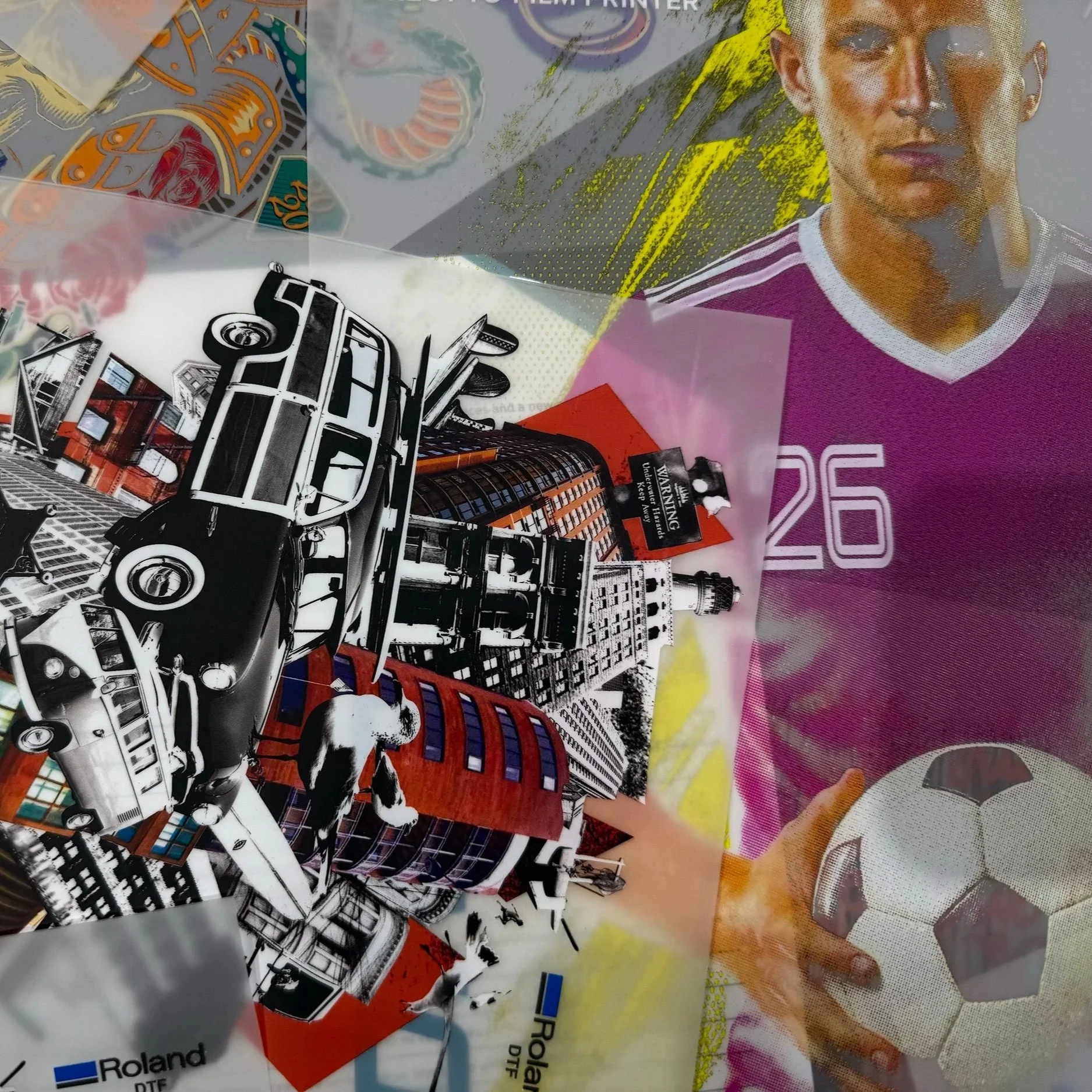
Premiumisation: The Customer Demand Driving Innovation

INDUSTRY INSIGHT: The Digital Switch: Textile Technologies Reshaping an Industry at Fespa 2026
Digital transformation doesn't announce itself.
It accumulates - one innovation at a time - until an entire industry looks back and realises the ground has shifted beneath its feet. That's precisely where textiles stands today.
The conversations happening now about AI, automation, sustainability, and digital product passports are not theoretical. They are shaping decisions being made on factory floors and in boardrooms right now.
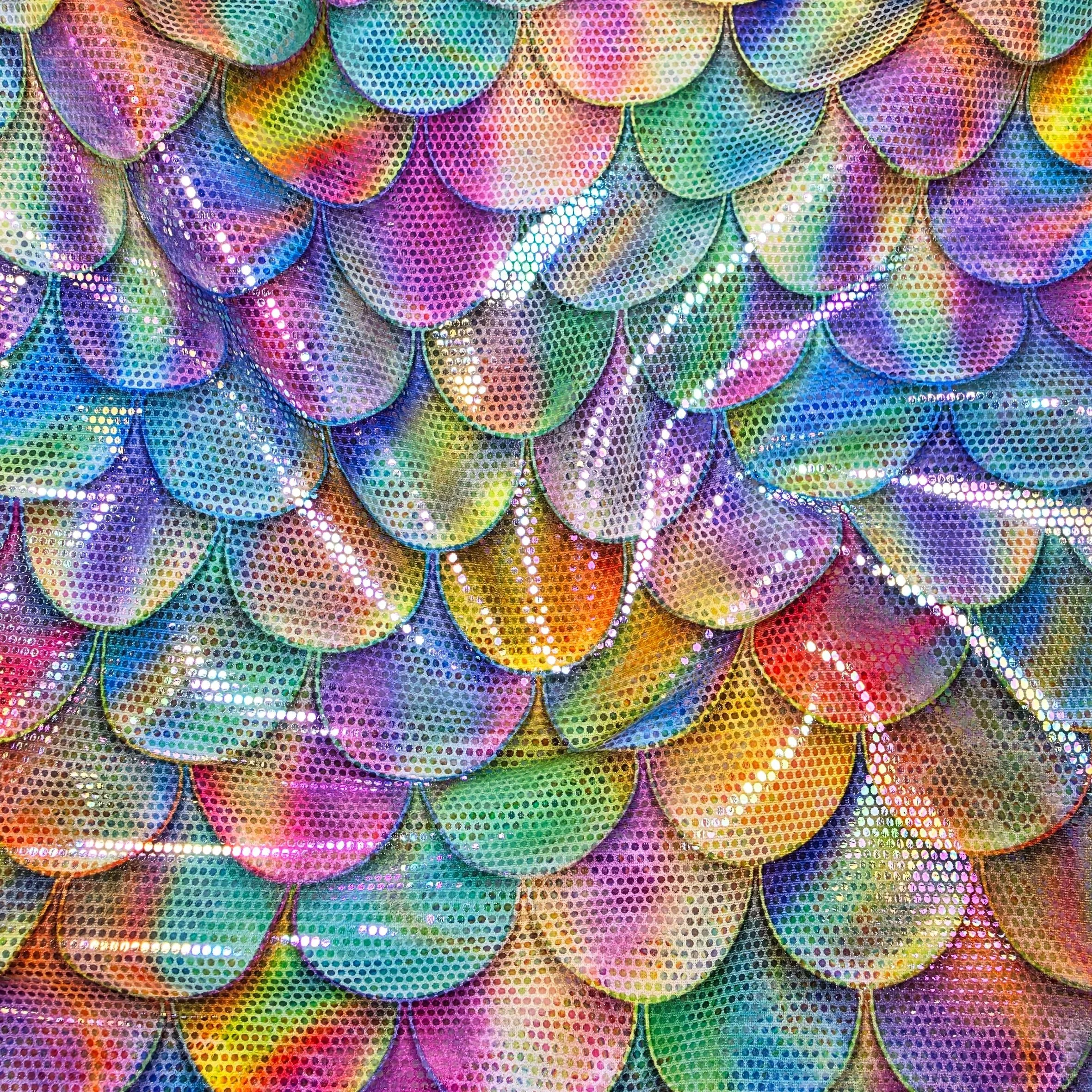
CASE STUDY: Friedmans: Mastering Bespoke Textile Printing for a Global Market with Forward Thinking Innovation
Friedmans stands as a testament to the power of combining traditional textile knowledge with forward-thinking innovation.
“Operating from their UK headquarters, Friedmans now serves a diverse array of sectors, including swimwear, dance, entertainment, sportswear, interior decor, prosthetics, and even pet apparel. With a strategic supply chain that reliably serves clients worldwide”

INDUSTRY INSIGHT: From Design to Fabric: Does Printing Method Matter? A Designer Perspective from Alessandra Olisia Medeiros
Printing method is never a secondary detail. It shapes the entire life cycle of a product, from concept to customer. In today’s fashion industry, where margins are tighter and speed matters more than ever, technical knowledge has become a competitive advantage.
“The future of textile design belongs to professionals who can combine creativity with execution, aesthetics with practicality, and vision with production reality”.
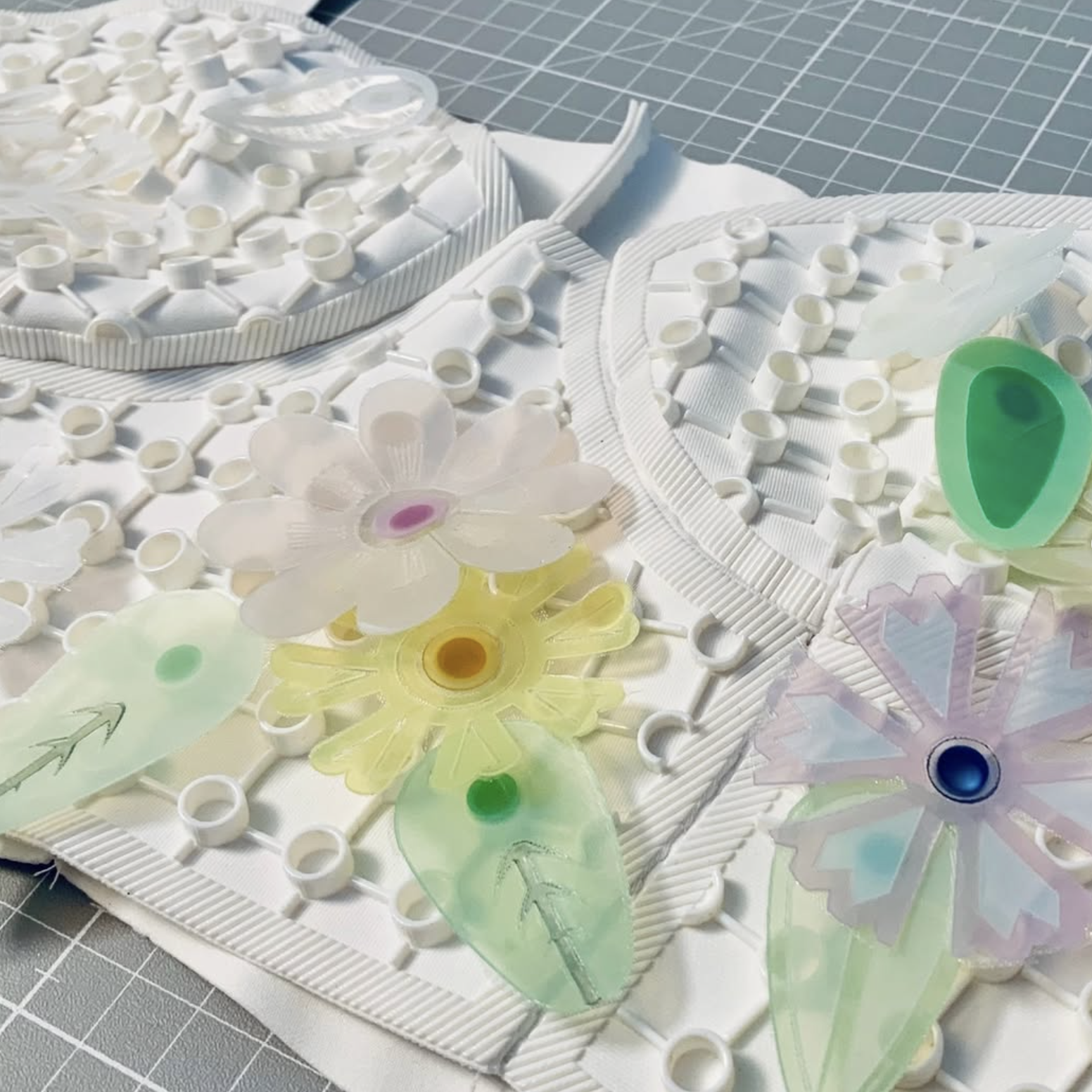
INDUSTRY INSIGHT: The Future of Merch is Personal: How Adaptive Manufacturing and 3D Embellishment are Innovating Print
Are we witnessing the reinvention of Merch driven by adaptive, digital technologies?
The commercial opportunity presented by printed, personalised merchandise is already a lucrative revenue stream; it is the core driver of growth in a multi-billion-pound industry. And the mandate for print businesses is clear: automate, adapt, and offer undeniable added value, or choose to gradually lose market share.
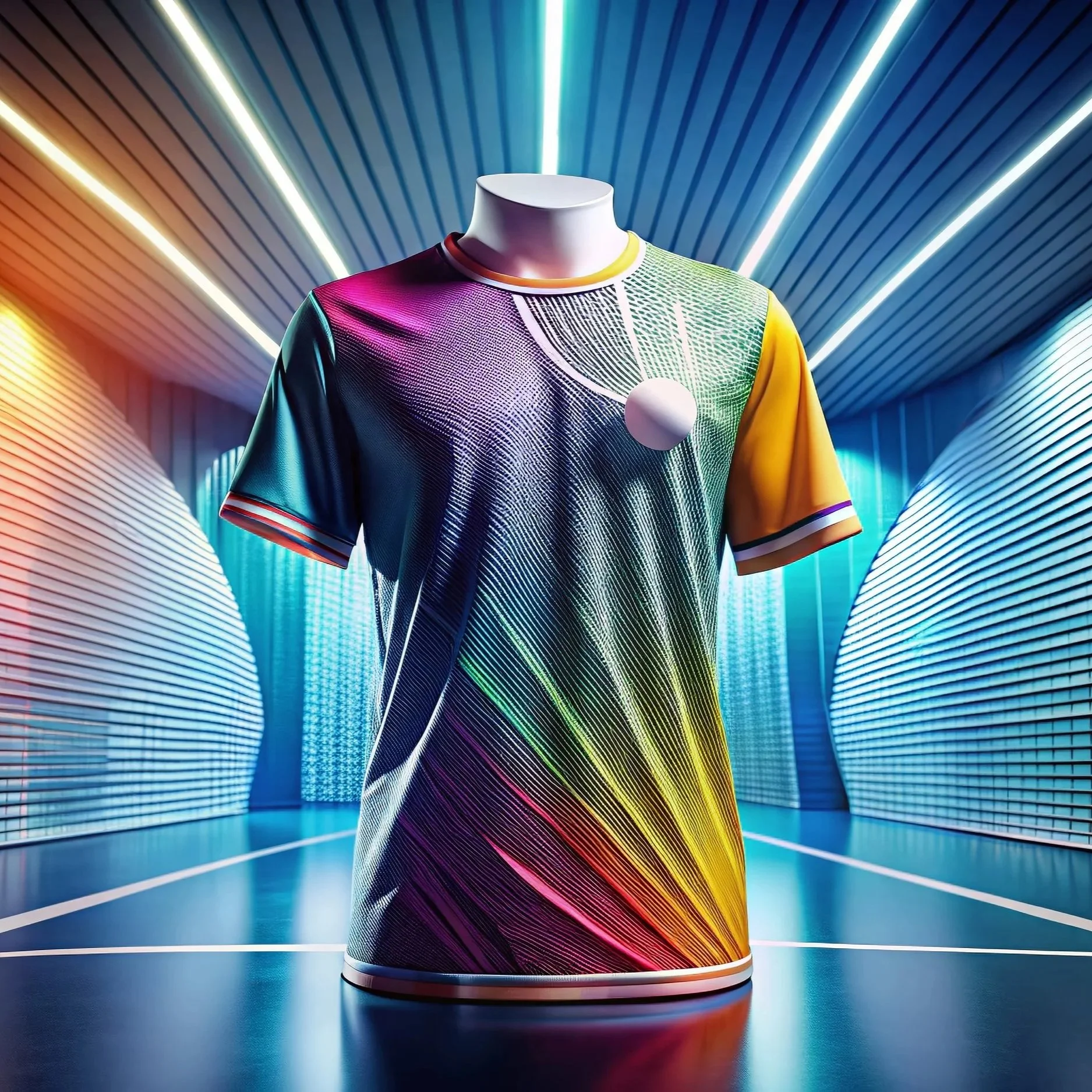
INDUSTRY INSIGHT: Leveraging AI Software to Increase Profitability and Scale Agile Print Production - Automate or Get Left Behind
All Apparel Manufacturers face an Urgent Mandate: “Automate or be Left Behind”.
Industry leaders like Super Nova Sports and Ryozo International were struggling with severe pre-press bottlenecks and unsustainable fabric waste. By integrating AI Sublimation Software into their workflows, these forward-thinking businesses eliminated manual variable data entry, boosted fabric efficiency to over 80%, and reduced delivery times by more than half, establishing a highly profitable, agile, and environmentally responsible production model.

INDUSTRY INSIGHT: Why Colour Consistency is the Hardest Part of Making a Product and the Business Case for Getting Colour Right
A swimsuit might start life as a sketch. By the time it reaches the shop floor, dozens of hands have touched it - designers, dye houses, printers, trim manufacturers, quality controllers. Each one interprets colour in their own way, under their own conditions, with their own tools. The result is often a product that looks nothing like the original vision.
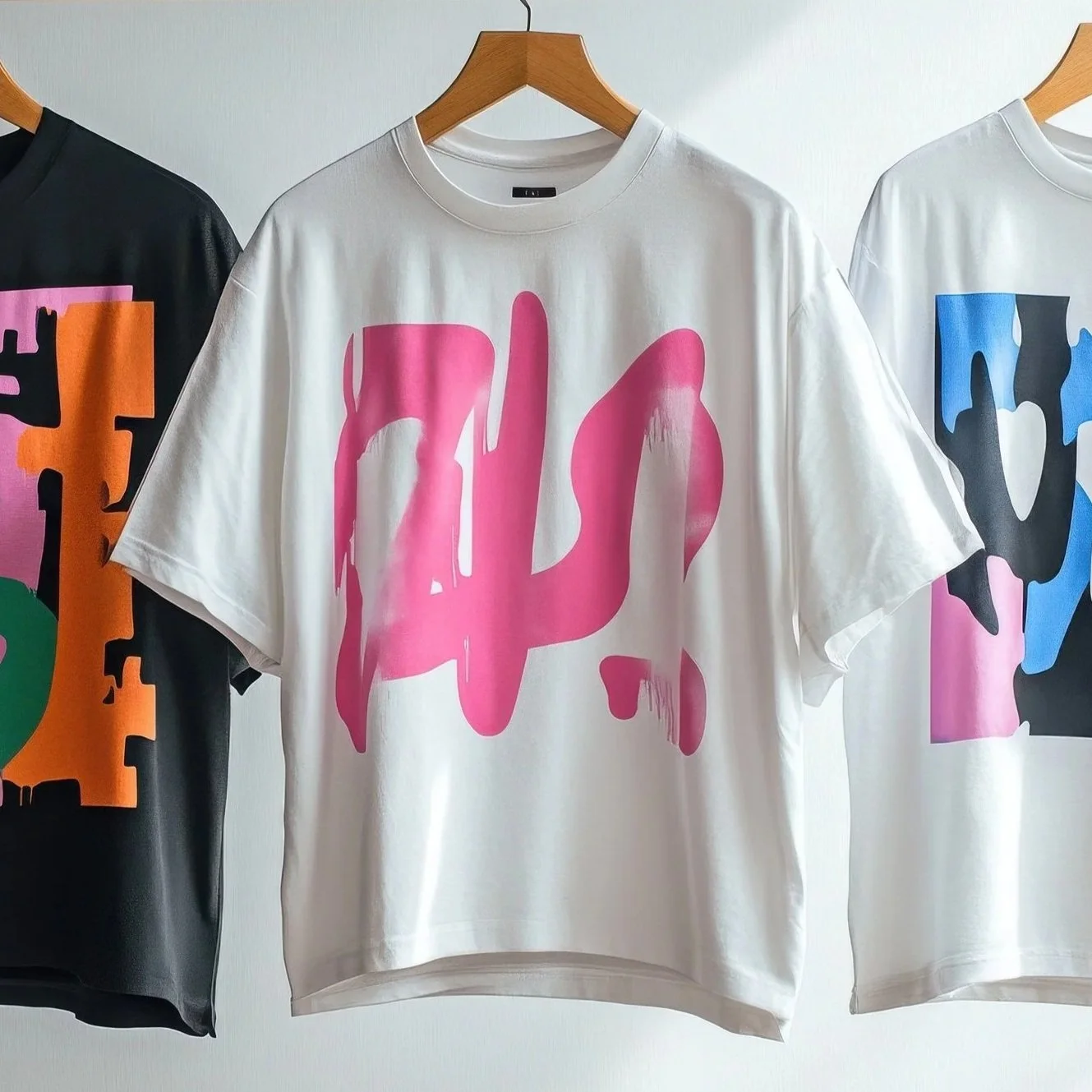
INDUSTRY INSIGHT: DTG and DTF Decoration: Technologies for Added Value and Improved Profitability
The latest innovations offer compelling solutions to long-standing challenges: reducing setup times, eliminating minimum order quantities, and delivering exceptional print quality across diverse fabric types.
For many print businesses, the challenge is how quickly you can integrate these technologies to maintain competitive advantage in an ever-evolving ecosystem.
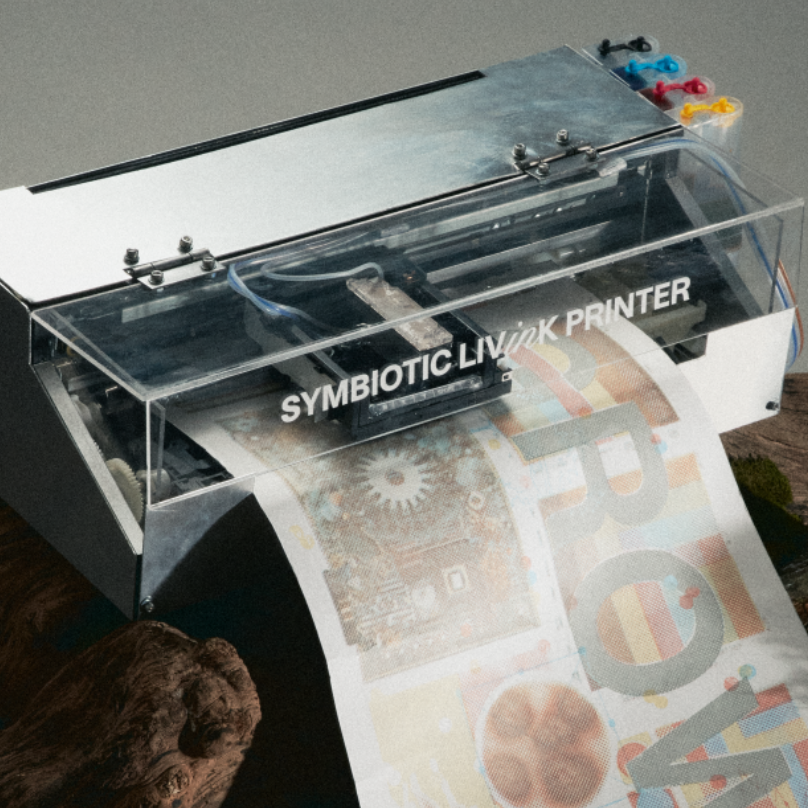
INDUSTRY INSIGHT: Is the Future of Print Temporary? Does Ink need to last forever? Redefining Printed Ink with GrowInk
A New Lifecycle: Application and Degradation
“We can continue with the status quo of toxic permanence, or we can embrace the intelligence of nature. Technologies like GrowInk prove that we can have vibrant, functional colour without the lasting environmental cost.
By accepting that not everything needs to last forever, we might just build a future that does.”
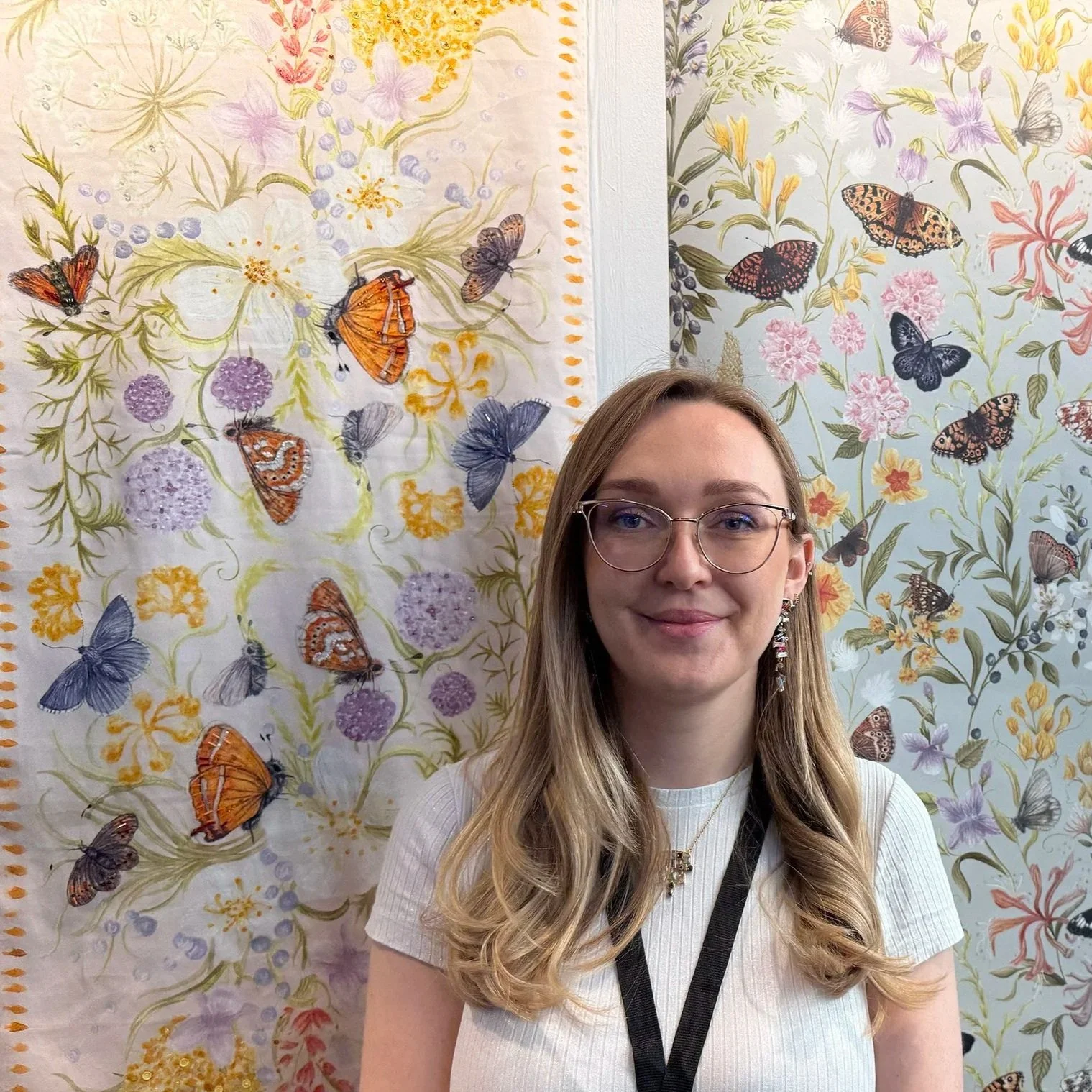
GEEENGRADS: Lydia Hill wins the Epson ECO STORIES Textile Challenge at the Surface Design Show, London
“Design can better our world by expanding empathy and education, to increase awareness – that’s why I am a GREEN GRAD” - Lydia Hill.
"After many years of feeling out of place, I have found like-minded people who share my passion for the planet. Amazing advice from industry professionals has given me the confidence and encouragement to pursue my goals and aim higher than before.”

Survival of the Fastest: Why 2026 is the Year the Printed Apparel Textile Industry Must Pivot or Perish
The Greatest Opportunity for Commercial Reinvention seen in Decades
“As traditional supply chains fracture under new tariffs and rising input costs, the manufacturers who will thrive are those who transition from being passive producers of stock to agile partners in on-demand, digital ecosystems.”.