
Industry Insights & Opinion

Why the Maths of Colour Controls the Sum of All Parts in Apparel
Colour Is Too Important to Leave to Chance
Print will always be the part of the garment people see first.
But the sum of all parts — the fabric, the trims, the fasteners, the finish — is what determines whether a design actually delivers on its promise. Brands that continue to treat colour as a single creative decision, rather than a coordinated technical discipline spanning their entire supply chain, will keep paying for it in re-dips, delays, and disappointed design teams.
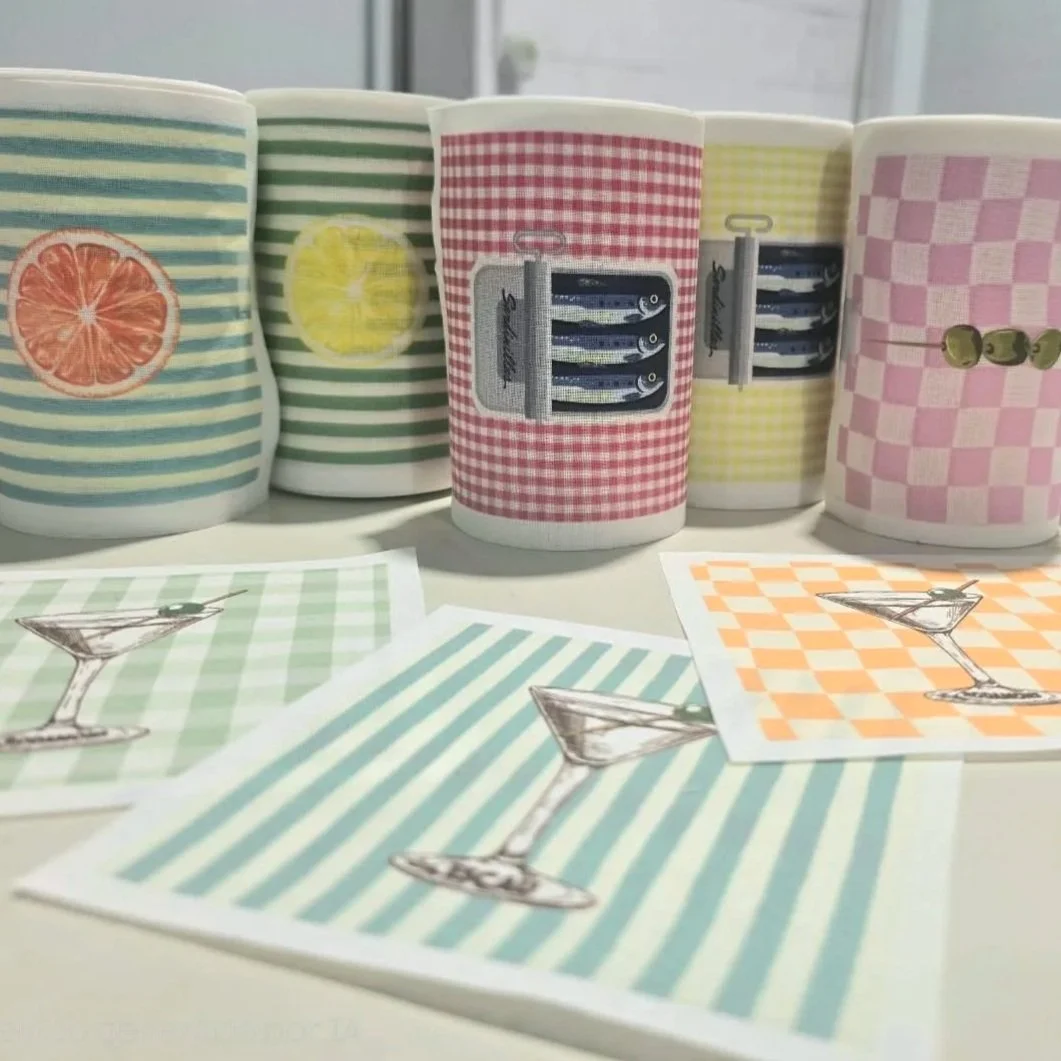
How Texia Reinvented a Century of Textile manufacturing with Epson Monna Lisa Technology
A Century of Textiles, and an Ever-changing World
Few companies can trace their roots back more than a century and still count themselves among their industry's innovators. Texia, headquartered in Monistrol de Montserrat, Spain, is one of them.
But the story of Texia is not simply one of longevity.
It is a story of continual reinvention. As the textile industry has grown more global and competitive, Texia has repeatedly reshaped its business, investing in technology, developing its own brands, and placing sustainability at the centre of its mission. In doing so, it offers a compelling example of how a heritage manufacturer can lead rather than follow through a period of profound industry change. Image Credit: Texia
Heimtex Trends 27/28 - Home-Maxxing: Why the Home Has Become Our Most Demanding Performance Space
What are we craving Ultimately?
The instinct to slow down while simultaneously optimising every measurable aspect of life isn't a passing curiosity. It's a structural response to a world that feels increasingly unstable, and it's reshaping what people expect from their homes, hotels, workplaces and healthcare environments alike.
For the design and manufacturing sectors, this means rethinking both product and process.
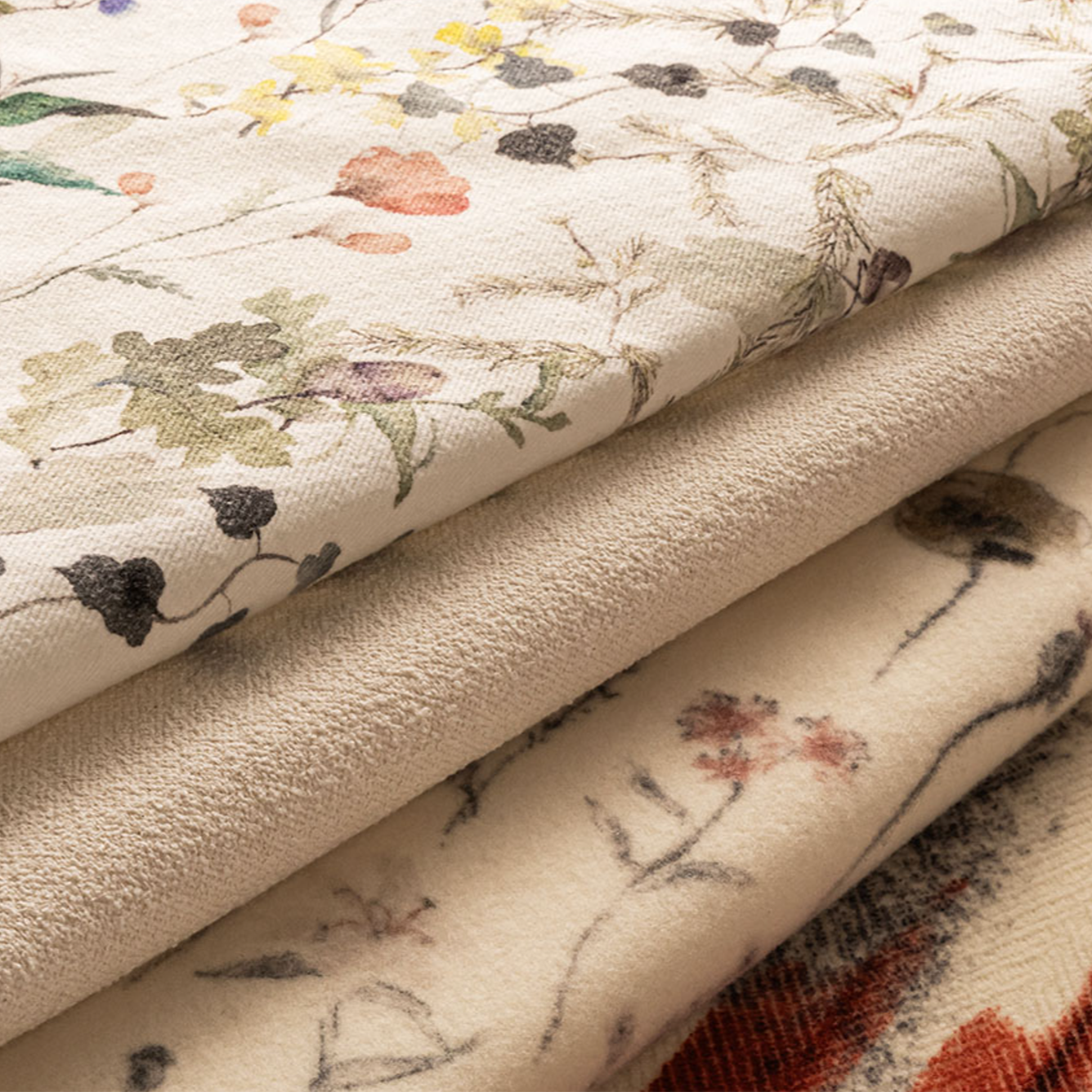
The Textile Reset: What Industrial-Scale Digital Textile Production Really Looks Like
The Structual Shift is Real and its Already Here
Volumes are moving east, where digital production is accelerating rapidly. Consumer behaviour has shifted.
Demand is now driven by personalisation, shorter buying cycles, and an expectation of near-instant responsiveness. Regulatory pressure is intensifying, with supply chain transparency now a legal and commercial fact in many markets. And margins? They are under sustained, structural pressure.
This is not a temporary disruption. It is a fundamental reordering of how textile manufacturing must operate.

Surface Print: Where Heritage Wallcovering Craft Meets Digital Production and Innovation
The Challenge: Standing Firm as the Industry Shifts
The wallpaper landscape has changed dramatically. Digital printing has lowered the barrier to entry, spawning countless direct-to-consumer brands and pushing much of the market towards faster, cheaper production.
At the same time, manufacturing in the UK has grown steadily harder - rising minimum wage, national insurance, energy and substrate costs all bear down on margins. Surface Print have embraced all of these challenges - and stand resolutely prepared for the future.
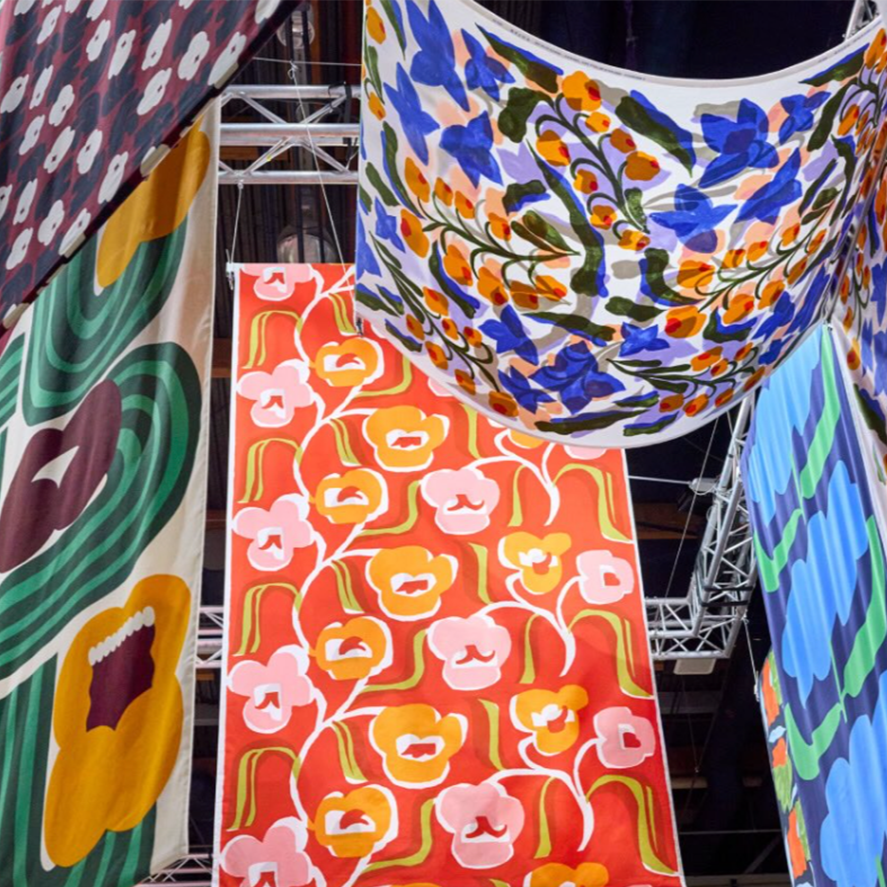
CASE STUDY: How Marimekko Turned Bold Prints Into a Global Blueprint - from the banks of the Seine to the markets of Asia-Pacific
From Helsinki's printing mill to Paris's Le Marais, discover how Marimekko is scaling a design-led brand with purpose, craft, and bold innovation.
But what makes Marimekko's story compelling is not just its aesthetic legacy?

Decor on Demand: How Design-to-Dispatch is Reshaping the Printed Interior
What if covering a wall or window was never really the point?
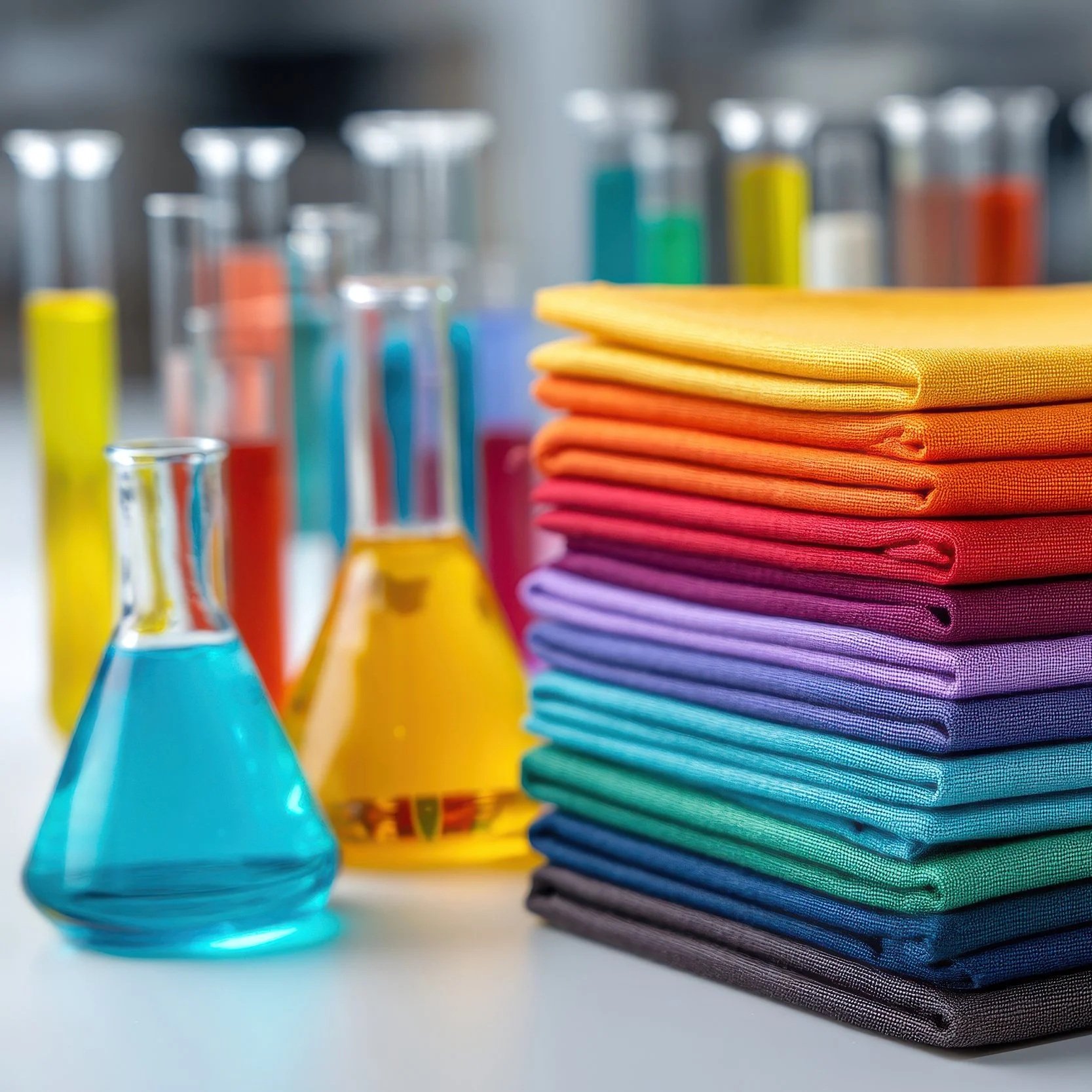
Unpacking Toxicity in Textiles: Myths, Facts, and Solutions
The word "toxic" carries weight. It conjures danger, harm, and things best avoided.
“Yet in the textile industry - Where between 3,000 and 10,000 chemicals move through the supply chain, a reflexive fear of the term is one of our biggest obstacles to progress.”
This article distils the key takeaways and what buyers, designers, and brands should be asking right now.
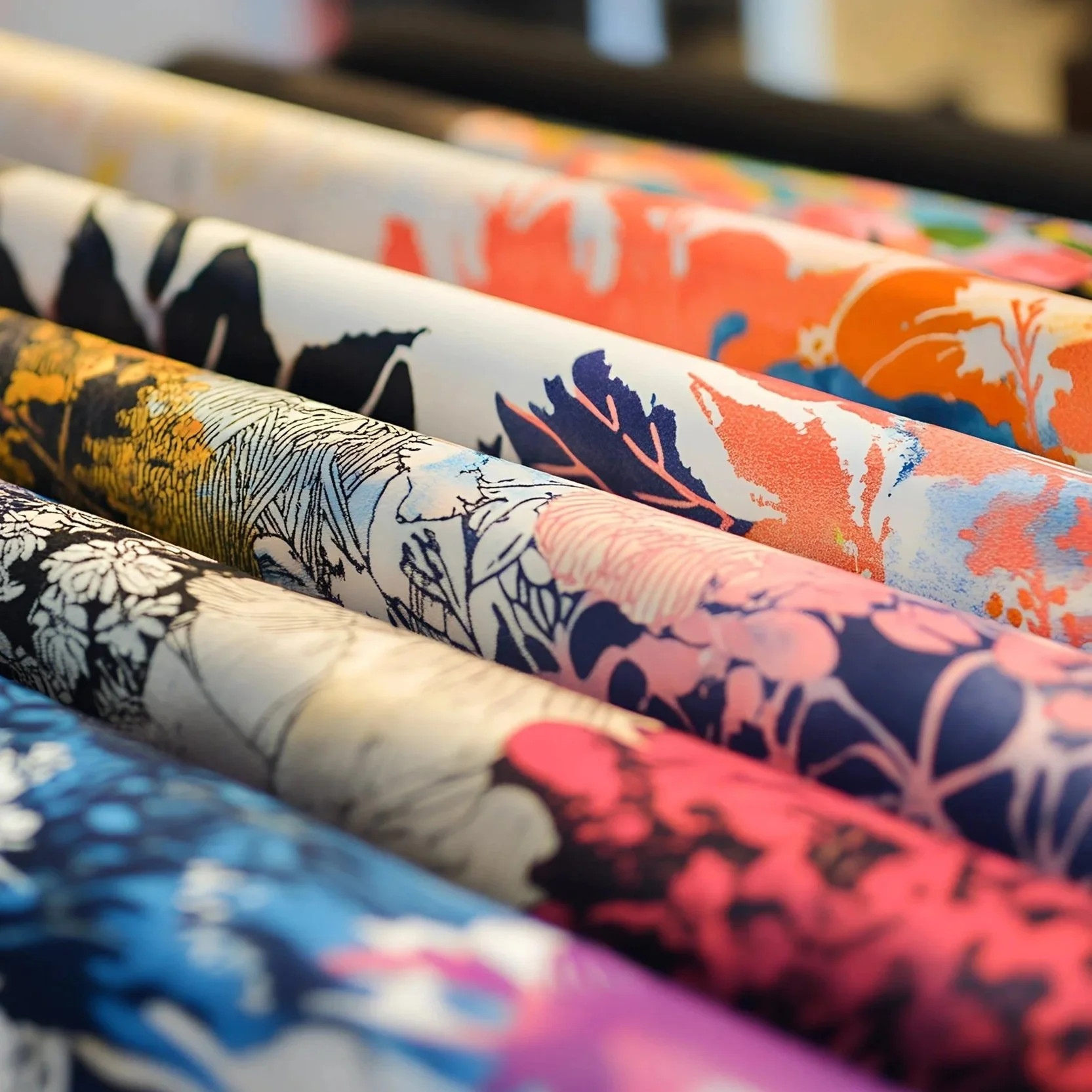
The Digital Product Passport (DPP) What Every Textile Printing Business Needs to Know
What Is the Digital Product Passport?
At its core, a Digital Product Passport is a digital record attached to a physical product - For a printed textile product, this means the DPP would capture data on the substrate, inks and dyes used, the printing process and technology, chemical compliance, environmental impact (including water and energy use), supply chain traceability, and end-of-life instructions.
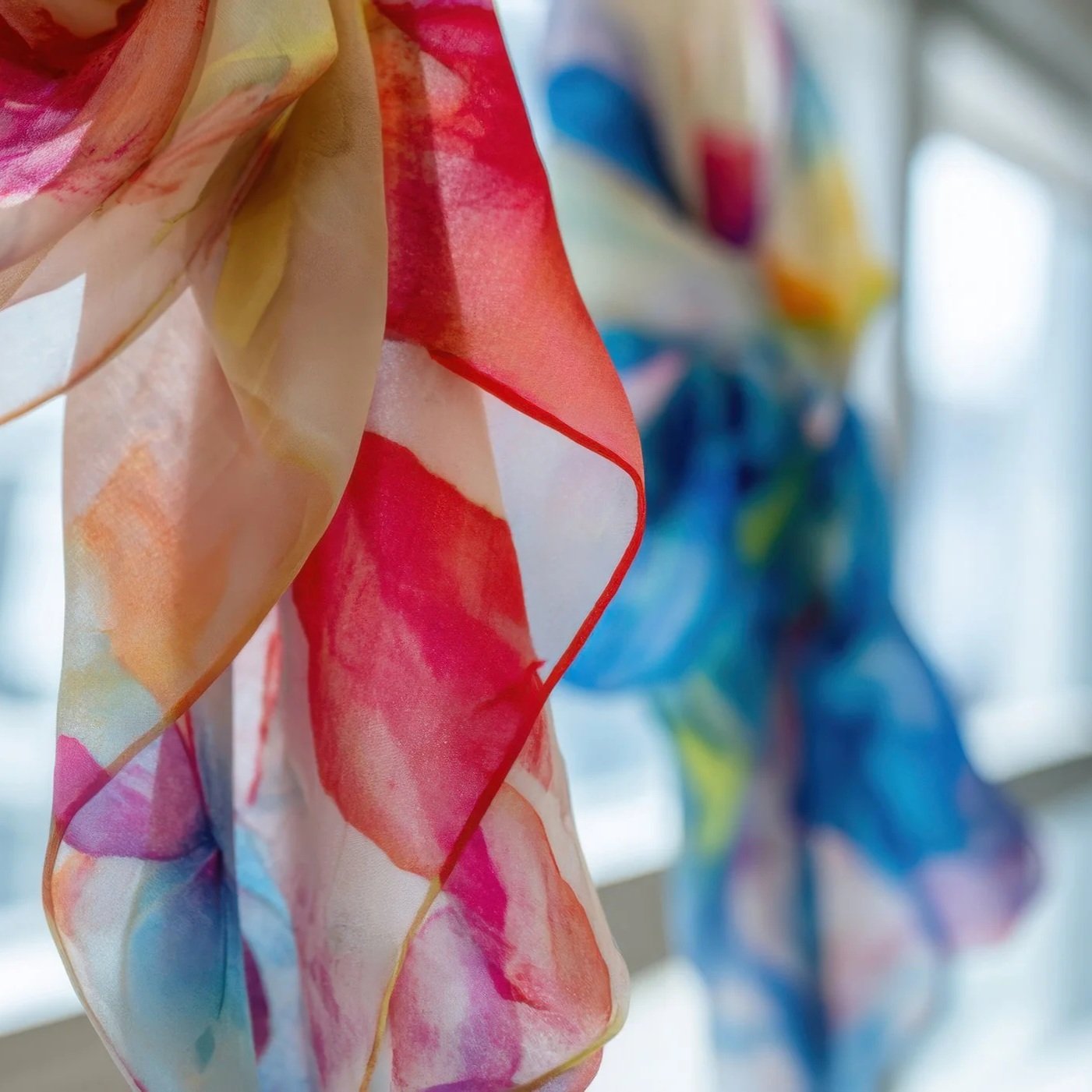
How Future Fashion Pvt. is Rewriting the Rules of Industrial Textile Printing
The Market Gap that Changed Everything
Future Fashion was founded in 2019, timed deliberately to coincide with a pivotal moment in global textile technology: the commercial launch of the EFI Reggiani BOLT Single-Pass digital printing system.
The founders recognised that single-pass architecture had fundamentally changed what was industrially possible - and that Pakistan's domestic market had yet to catch up.

The Digital vs Print Sustainability Argument needs Reframing. Here’s why?
Print is no longer defined by the inefficiencies that once characterised it…as advances in production processes and technology have significantly improved its environmental performance.
Taran Rai, Corporate Sustainability Manager at Epson explains why?
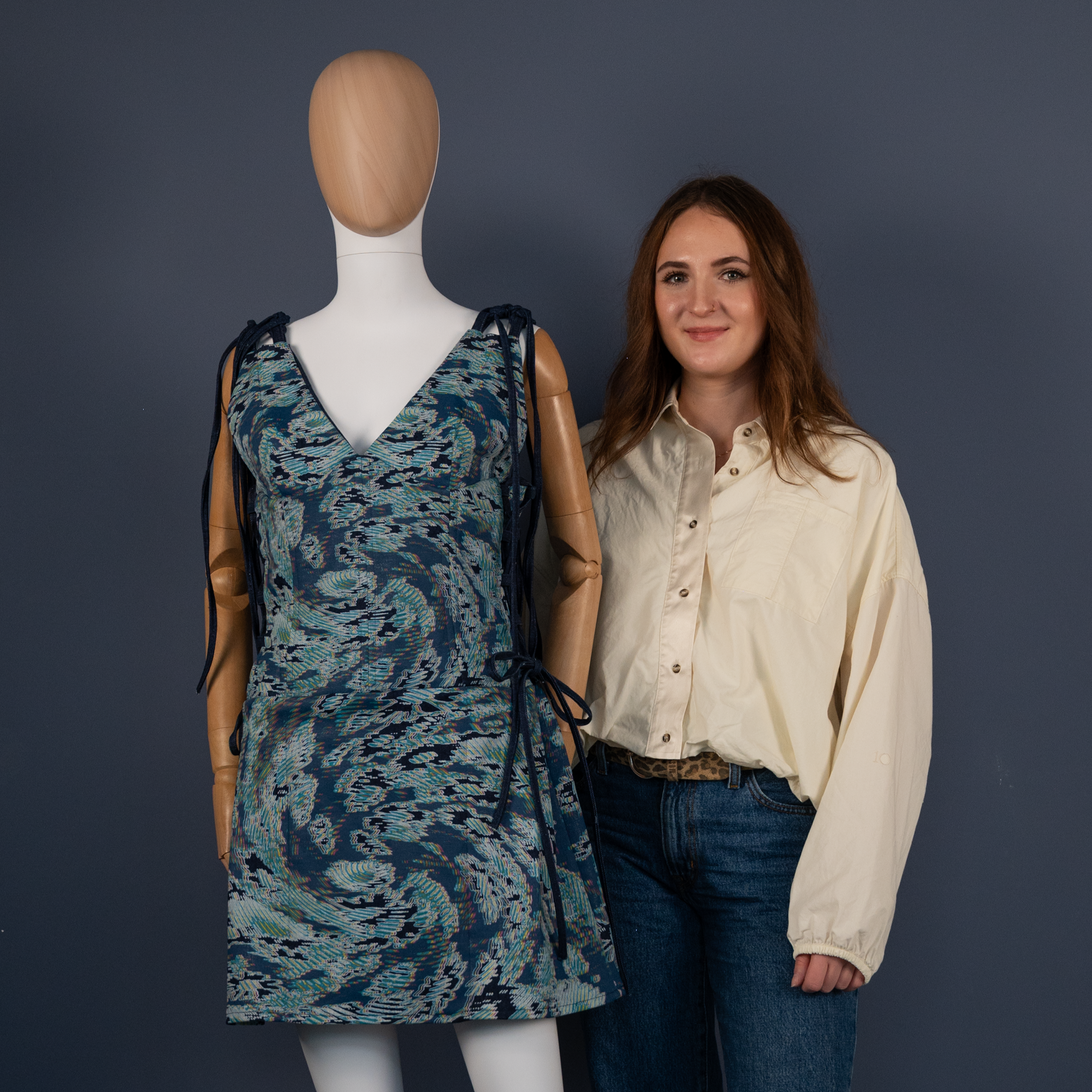
DESIGN: When Young Designers Meet Digital Technology - Great Things Happen - meet Steffi Kestel
The story of what happens when young designers access digital technology is still being written.

The Hidden Cost of Engineered Prints: Why Beautiful Designs Demand Strategic Thinking
A perfectly placed floral, stripe, or graphic can transform a garment
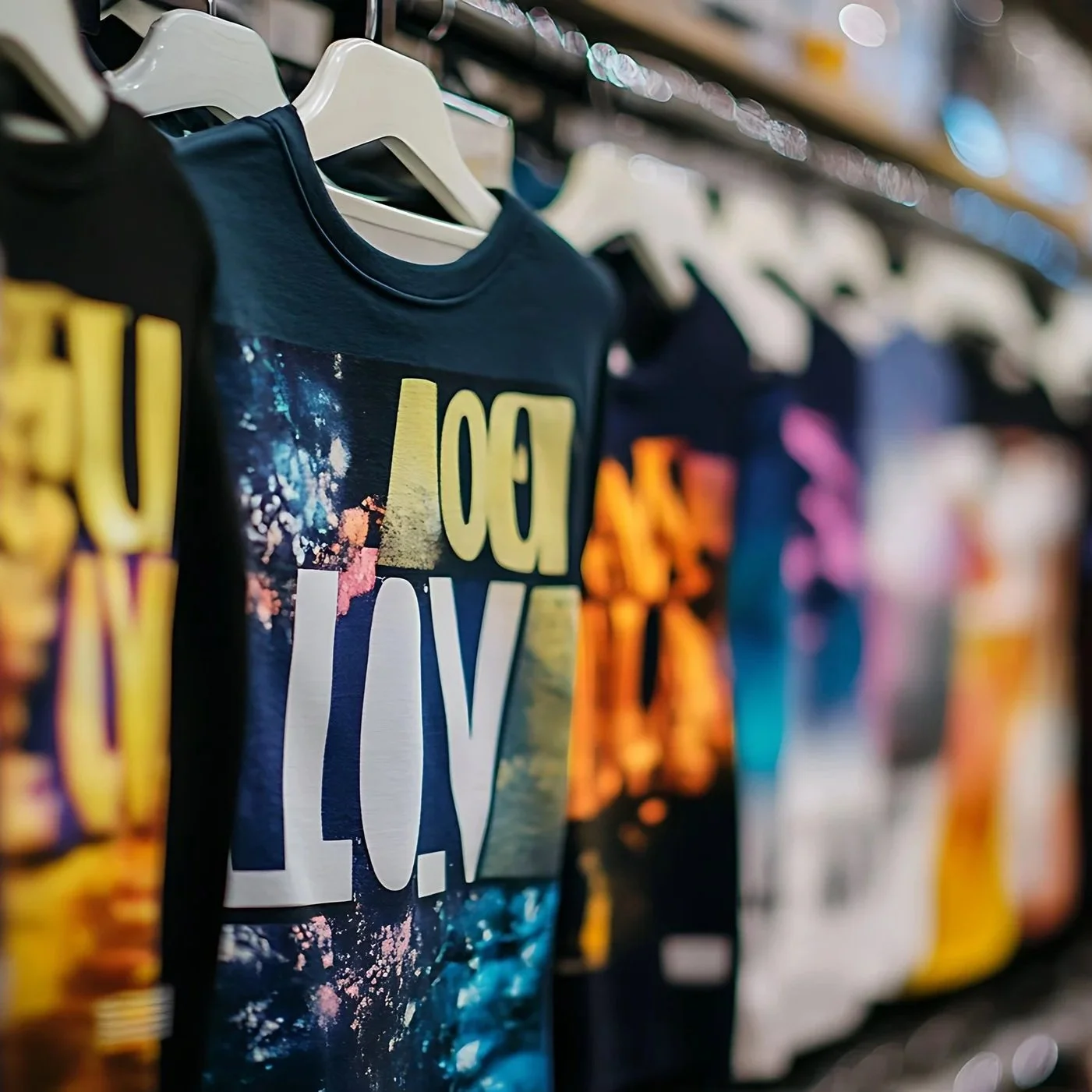
A Blueprint for Mastering High-Value, On-Demand Digital Garment Decoration
Today’s consumers do not just want a printed t-shirt.
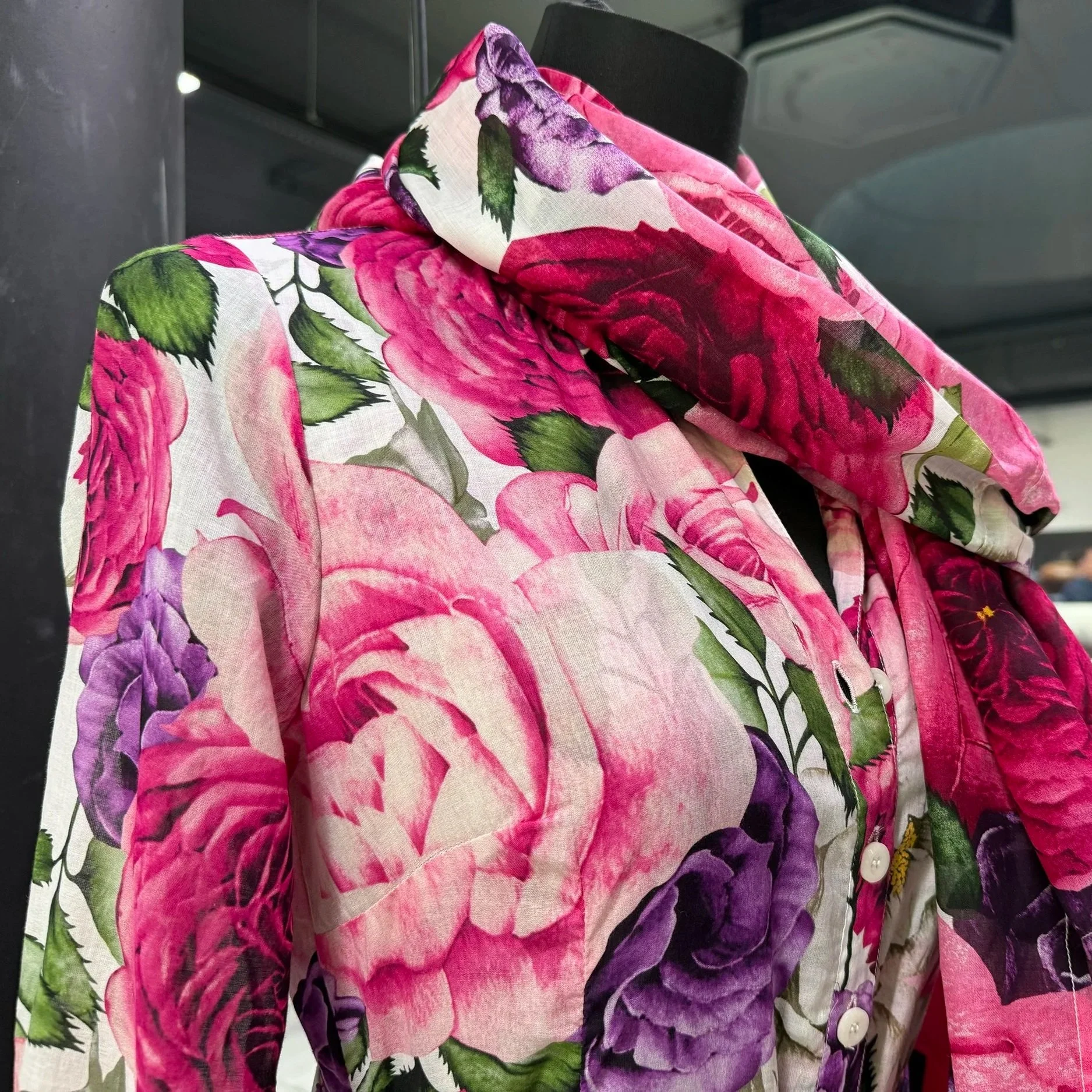
Durst NEXT and Why the Future of Textile Print Belongs to Those Who Innovate Now
What does it mean to truly lead an industry through transformation?

Securing the Future of Creative Production: Key Insights from Our Latest Roundtable
The Security Case for Indentity Based Licensing

Designers of the Next Decade: Spotlighting the Best in Print at New Designers 2026
The Printed Textile Industry Does Not Sustain Itself.
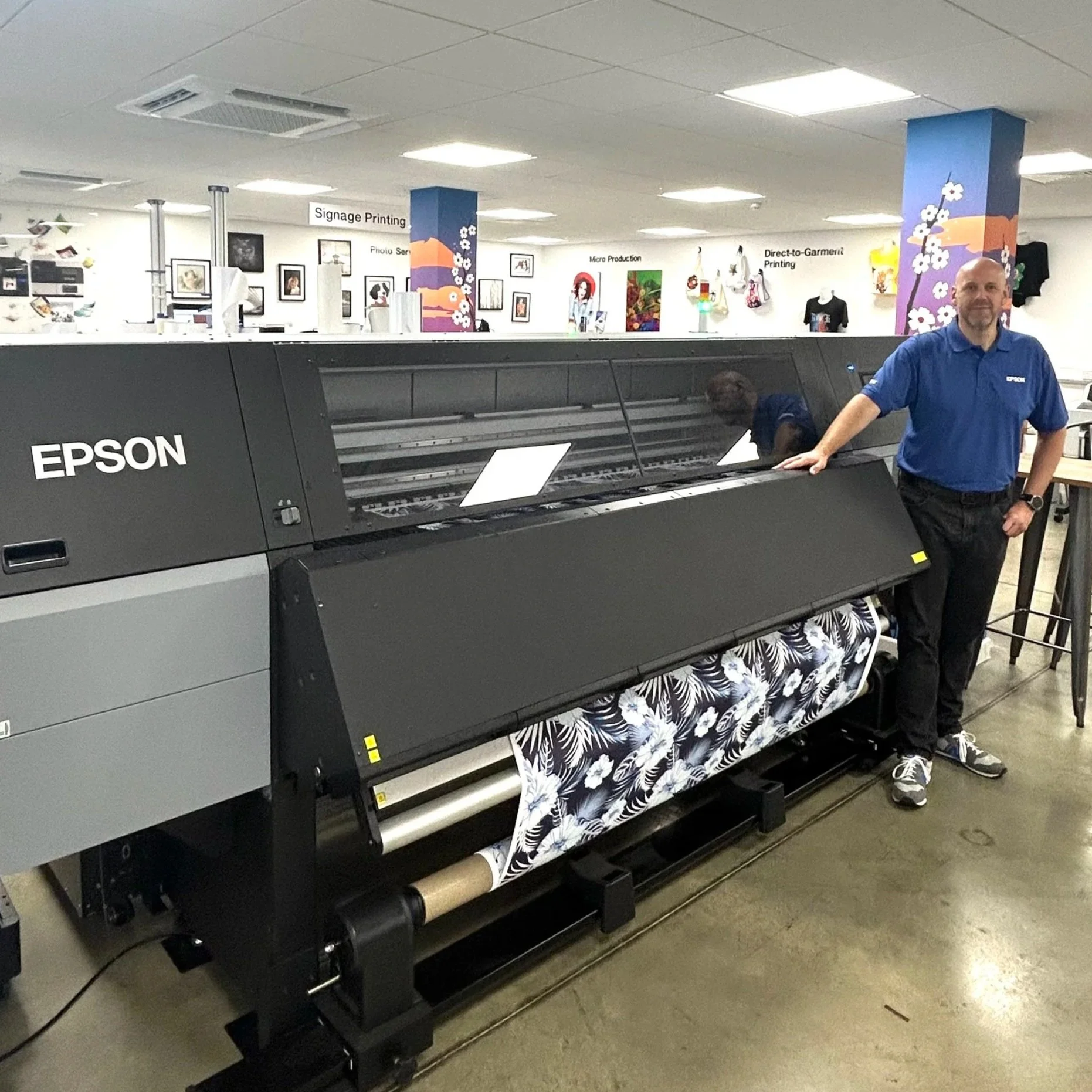
Think Big, Print Big: Inside Epson's Vision for the Future of Print Manufacturing
Expanding the Map: New Products and New Revenue Streams.
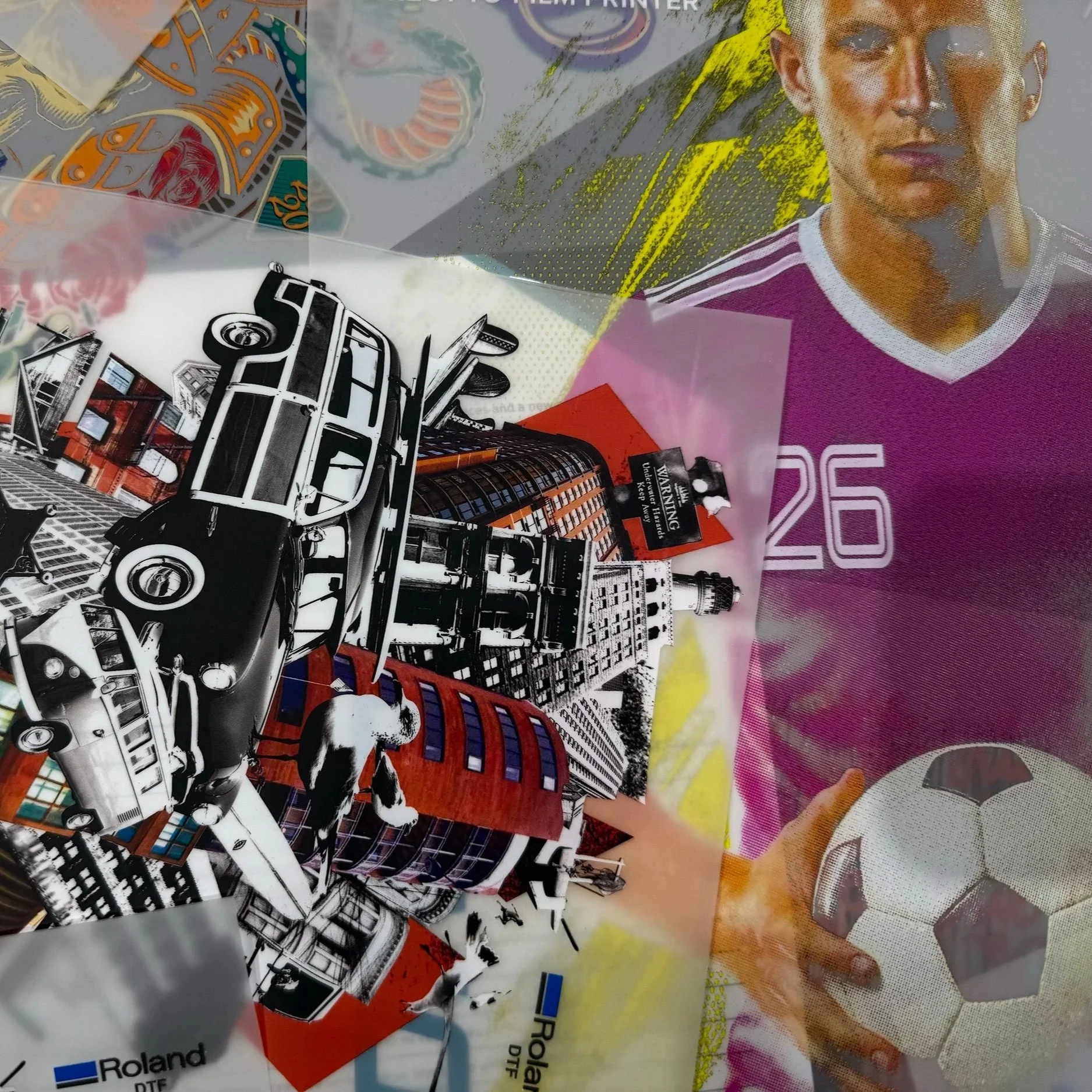
How Embellishment and Surface Effects Are Redefining Garment Decor
Premiumisation: The Customer Demand Driving Innovation
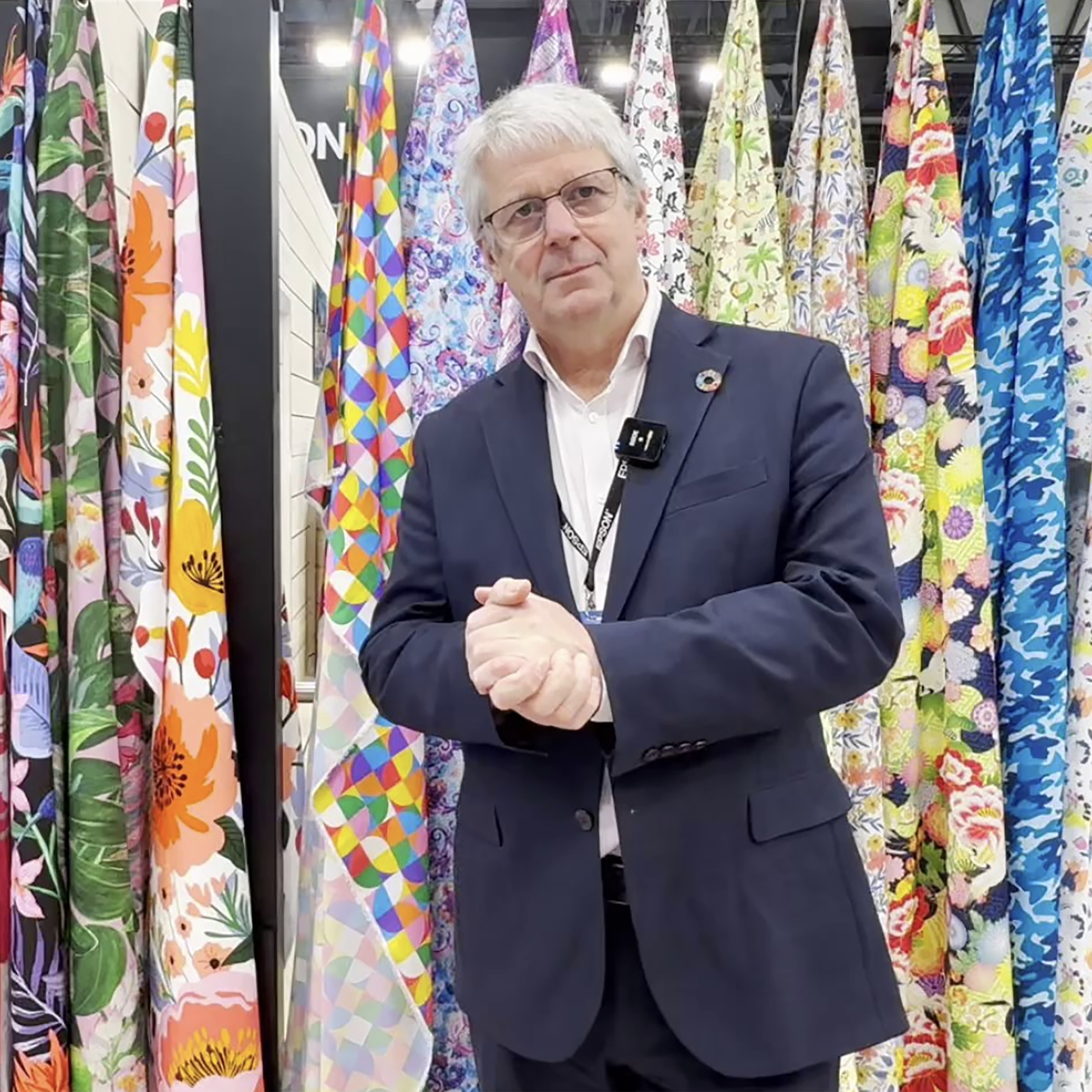
Digital Textile Printing is Changing Fast: Here's what Epson's Duncan Ferguson had to say at FESPA 2026
Is the Textile Market Finally Recovering?
After a difficult few years, there are genuine reasons for optimism. Duncan was candid about the challenges: "The market for textiles has been very difficult over the last three years. I'm not going to hide the truth there. But the tide is turning.“