

There's a persistent myth in parts of the industry that sustainability compliance is something that happens upstream - a supplier issue, a sourcing issue, a problem for someone else's department.
Every claim on a hangtag, website, product name or Instagram caption now falls under regulatory scrutiny. A brand name suggesting an "eco collection," a product description claiming "sustainable materials," a carousel post about carbon neutrality - all of it counts as a communication subject to the same rules as formal labelling. This is a cross-functional compliance challenge that touches data teams, supplier relationships, legal counsel and brand communications simultaneously.
Regulation has arrived in fashion's boardrooms, and this time it isn't optional. The EU's Empowering Consumers for the Green Transition Directive (ECGT) has been fully in force across member states since 27 September 2026.
For an industry built on seasonal speed and marketing flexibility, that's a watershed moment. The question is no longer whether regulation will reshape how fashion brands communicate sustainability. It's how quickly businesses can adapt before enforcement catches up with them.
A recent webinar hosted by the Centre for Sustainable Design (CFSD) at UCA, delivered as part of the EU-funded Just Fashion Project and led by Professor Martin Charter alongside Sashini Jinasena, offered one of the clearest breakdowns yet of what this directive actually demands. It was a masterclass in cutting through regulatory fog and it confirmed something we've long believed: clarity is about to become a competitive advantage.
A Directive Five Years in the Making
Until recently, fashion, clothing and textiles sat largely outside product-based environmental regulation. Sectors like electronics, packaging and automotive have lived with this kind of scrutiny for two decades or more. Textiles didn't. That changed with the European Commission's second Circular Economy Action Plan in 2020, which pulled fashion firmly into regulatory focus.
The ECGT Directive is the sharpest expression of that shift so far. It's not a standalone law - it's an amendment to two existing pieces of consumer legislation: the Unfair Commercial Practices Directive and the Consumer Rights Directive. What it does is reinforce those frameworks with twelve specific environmental provisions designed to stop vague, unverifiable, or misleading green claims from reaching consumers.
Crucially, as Martin Charter noted, this is a horizontal law. It applies across every sector, not just fashion, and it applies to anyone placing products on the EU market -manufacturers, importers, distributors and remote sellers alike. There is nowhere to hide behind a supply chain technicality.
One important clarification from the webinar: the parallel Green Claims Directive, which would have required every environmental claim to be backed by a full life-cycle assessment, has now been officially withdrawn from the regulatory process. That's a meaningful relief for SMEs, many of whom lacked the resources for LCA-grade substantiation. But don't mistake its removal for a softer regulatory environment. The ECGT Directive alone carries real teeth.
Why This Isn't Just a Supplier Problem
There's a persistent myth in parts of the industry that sustainability compliance is something that happens upstream - a supplier issue, a sourcing issue, a problem for someone else's department. The webinar dismantled that assumption convincingly.
Marketing teams sit squarely in the firing line. Every claim on a hangtag, website, product name or Instagram caption now falls under regulatory scrutiny. A brand name suggesting an "eco collection," a product description claiming "sustainable materials," a carousel post about carbon neutrality - all of it counts as a communication subject to the same rules as formal labelling. This is a cross-functional compliance challenge that touches data teams, supplier relationships, legal counsel and brand communications simultaneously.
What the Directive Actually Prohibits
The restrictions fall into several clear categories, and understanding them is the first step toward compliance.
Generic environmental claims. Terms like "environmentally friendly," "green," or "sustainable" are now restricted unless backed by what the directive calls "excellent environmental performance" in practice, alignment with a recognised Type I eco-label (such as the EU Ecolabel or the Blue Angel) combined with credible supporting data.
Unsubstantiated sustainability labels. A sustainability label is any voluntary trust mark or quality mark implying environmental or social benefit. Under the directive, these must be backed by third-party verification that is genuinely independent - not, as Charter pointedly observed, a certification scheme where the verifying body shares board members with the consultancy that helped design it. Arm's-length verification is now non-negotiable.
Misleading carbon claims. Generic "carbon neutral" claims - particularly those built on offsetting rather than genuine emissions reduction - face intense scrutiny. A T-shirt marketed as carbon neutral because a brand purchased offsets elsewhere in its business is, in Charter's words, "extremely problematic." Claims about future targets, such as net zero by 2040, must be backed by verifiable methodology and measurable milestones.
Durability and repairability misinformation. Claiming a garment will last ten years without evidence, or presenting a product as repairable when no repair infrastructure exists, now falls foul of the directive. Where an EU repairability score exists for a product category, that information must be shared with consumers before purchase.
Irrelevant or incomparable claims. Fashion retailers can no longer rank their own products as "most sustainable" on a comparison page without disclosing the criteria used - largely because no credible EU-wide comparison standard yet exists for the sector.
The guiding principle running through all of this is simple enough to repeat as a mantra, and Charter did exactly that throughout the session: review, verify, align.
The Cost of Getting It Wrong
This isn't a symbolic regulation. For major cross-border infringements, national law allows fines of up to 4% of a trader's annual turnover, with a mandatory minimum ceiling of at least €2 million in qualifying cases. National consumer protection bodies, supported by a cooperation network across member states, now have the authority - and increasingly the inclination to enforce it. Charter noted that fines for misleading environmental claims are already becoming more visible across Europe and the UK, a clear signal that this is not a paper tiger.
There's also a quieter risk worth naming: reputational damage. A study referenced in the webinar found that 59% of retailers reviewed in a 2021 sample failed to communicate environmental claims appropriately. The fashion sector's track record here is weak, and consumers are increasingly literate enough to notice.
The Opportunity Hiding Inside the Compliance Burden
Here's where this story turns genuinely positive, and it's the point too many compliance conversations miss entirely. Brands that get ahead of this directive aren't just avoiding fines - they're building a trust advantage that competitors stuck in vague, unsubstantiated messaging simply cannot match.
Consumers have spent years wading through greenwashing fatigue. A brand that can say, clearly and confidently, "this garment is certified to the EU Ecolabel standard" or "this claim is backed by third-party verified data" isn't just compliant - it's differentiated. In a market where shoppers are increasingly sceptical of sustainability messaging, precision becomes a selling point. Clarity converts.
This is particularly true for SMEs, who often assume that resource constraints put them at a disadvantage against larger competitors with dedicated legal and compliance teams. In reality, smaller brands can move faster. A focused audit of claims across packaging, website copy and product descriptions is an achievable project for a lean team in a way it simply isn't for a sprawling global retailer with thousands of SKUs and layers of marketing sign-off.
The webinar was candid about one genuine gap: there is currently no clear, dedicated funding or support mechanism for SMEs navigating this transition, despite Charter raising the issue directly with the European Commission and the Joint Research Centre (JRC). That's a legitimate frustration, and one worth raising through trade associations and national bodies. But the absence of hand-holding doesn't have to mean paralysis. The businesses that act now, even informally, will be the ones setting the pace when more detailed regulation - including the forthcoming Eco-design for Sustainable Products Regulation (ESPR) and Digital Product Passport requirements - lands later this decade.
Six Actionable Takeaways for Textile Businesses
Drawing directly from the webinar's guidance, here is a practical starting checklist:
Assign ownership. Designate someone - even part-time - to monitor regulatory developments across ECGT, ESPR, textile labelling and extended producer responsibility. The board and marketing function both need visibility.
Audit every environmental claim. Review labelling, hangtags, websites, product names and social content. Flag generic terms like "eco," "green" or "sustainable" wherever they appear without supporting evidence.
Verify against Type I standards. Check whether any sustainability labels you use align with genuine third-party-verified Type I eco-labels (such as the EU Ecolabel). Be wary of self-declared or "Type II" claims that lack independent backing.
Scrutinise carbon and future claims. Avoid generic carbon neutrality language tied to offsetting. Any future targets (net zero commitments, emissions reduction goals) need a credible, documented methodology behind them.
Strengthen durability and repairability information. Only make lifespan or repairability claims that are evidenced. Where guarantees exceeding two years are offered, prepare for the associated EU harmonised guarantee labelling requirements.
Build an internal review process. Create a simple checklist or sign-off process between marketing, compliance and supplier-facing teams before any new environmental claim goes live, including on social media.
The Direction of Travel Is Clear
Martin Charter's closing message was unambiguous: this regulation sits within a much larger wave - ESPR, the Digital Product Passport, textile labelling reform and extended producer responsibility are all converging on the same point. Demand-side consumer protection is catching up with the supply-side rules that sectors like electronics and automotive have lived under for years.
For fashion, clothing and textile businesses, particularly SMEs, the task now is not to achieve perfect compliance overnight - nobody expects that, and even the regulators are still working through grey areas around durability scoring and non-EU label recognition. The task is to start. Review your claims. Verify your evidence. Align with credible standards. The brands that treat this moment as an opportunity to communicate with real precision, rather than a bureaucratic hurdle to survive, will be the ones consumers trust - and the ones that win business while competitors are still scrambling to catch up.
The regulation is in force. The direction is set. The only question left is who moves first.


There's a persistent myth in parts of the industry that sustainability compliance is something that happens upstream - a supplier issue, a sourcing issue, a problem for someone else's department.
The webinar dismantled that assumption convincingly. Marketing teams sit squarely in the firing line.
Every claim on a hangtag, website, product name or Instagram caption now falls under regulatory scrutiny. A brand name suggesting an "eco collection," a product description claiming "sustainable materials," a carousel post about carbon neutrality - all of it counts as a communication subject to the same rules as formal labelling. This is a cross-functional compliance challenge that touches data teams, supplier relationships, legal counsel and brand communications simultaneously.
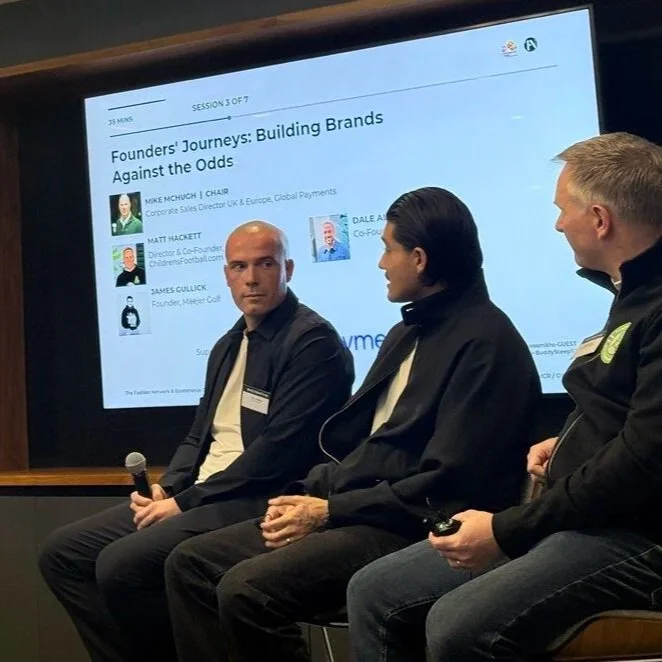
The Ecommerce Leadership Summit North brought together retail and ecommerce leaders in Manchester to discuss the challenges, opportunities and commercial decisions shaping the industry.
Across the day's sessions, speakers explored the future of retail profitability, the growing importance of verifiable product data in AI-driven commerce, the realities of building and scaling brands, and how businesses can protect their margins without compromising customer value. From the discussions on stage to the experiences shared by founders, here are the key insights from this year's summit.
The State of Retail 2027: What Will Separate the Winners from Everyone Else?

This is not simply a matter of faster machines.
It is a question of whether your production model - technology stack, workflow discipline, and quality control - is genuinely built for the realities of club and event merchandise.
Those realities are unforgiving: brand-perfect colour, flawless personalisation, licensing compliance, and turnaround measured in hours rather than weeks.

Colour Separation: The Craft Digital Textile Design Shouldn’t Forget
Textile designer Stephan Alker draws on more than 40 years in the industry, going back to his start at Transfertex in 1980, to trace how colour separation moved from drum scanners, hand-retouched films and engraved gravure cylinders to fully digital workflows.
He argues that this production knowledge still matters in the age of digital printing, because properly separated designs give brands far more freedom.
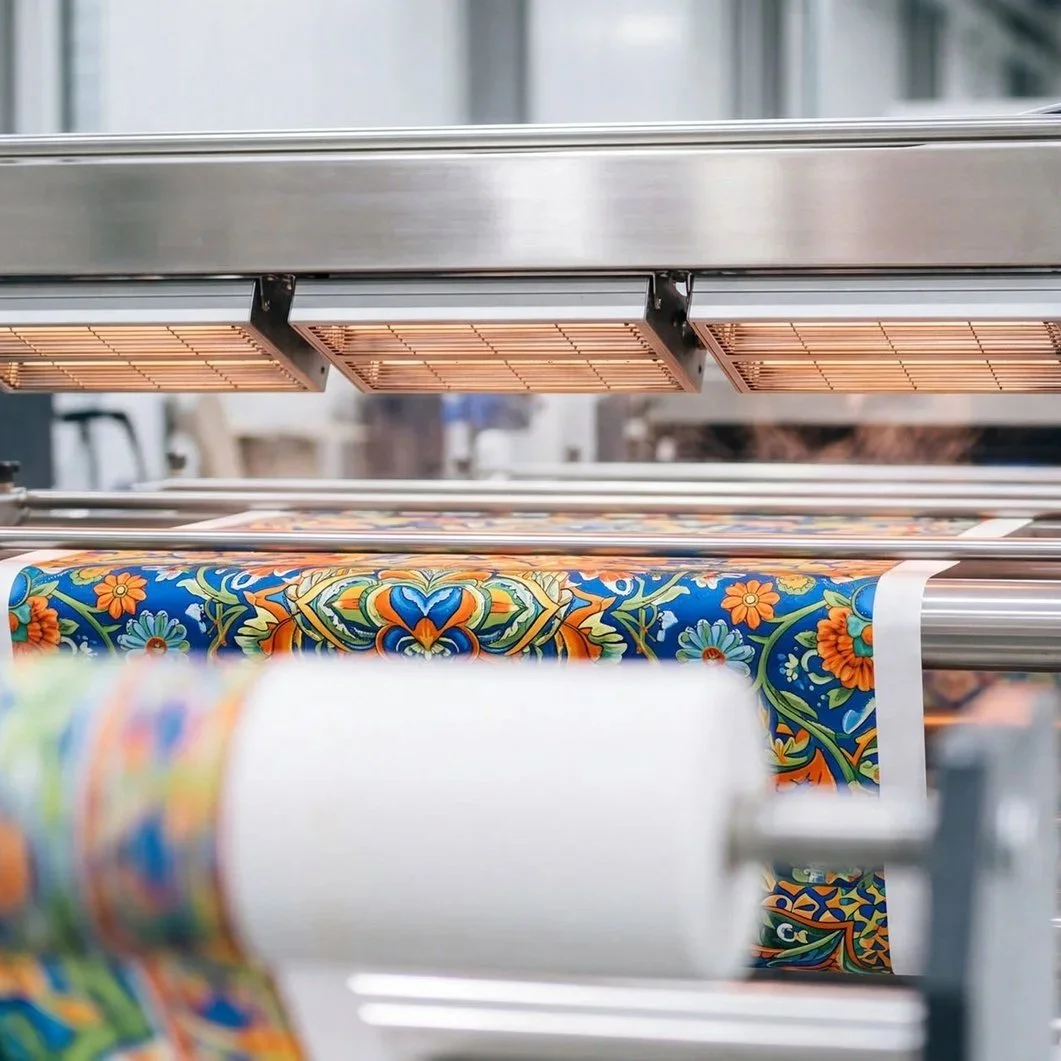
The Path Foward: Connect Every Link:
Design, colour, workflow, production, data. Each link now depends on the one before it, and the printers who will lead the market are those who strengthen the whole chain, not just the machinery at its centre.
So, this autumn, ask the bigger question on your own shop floor.
Not "Which printer?" but "How well does my business connect demand, design and production?"
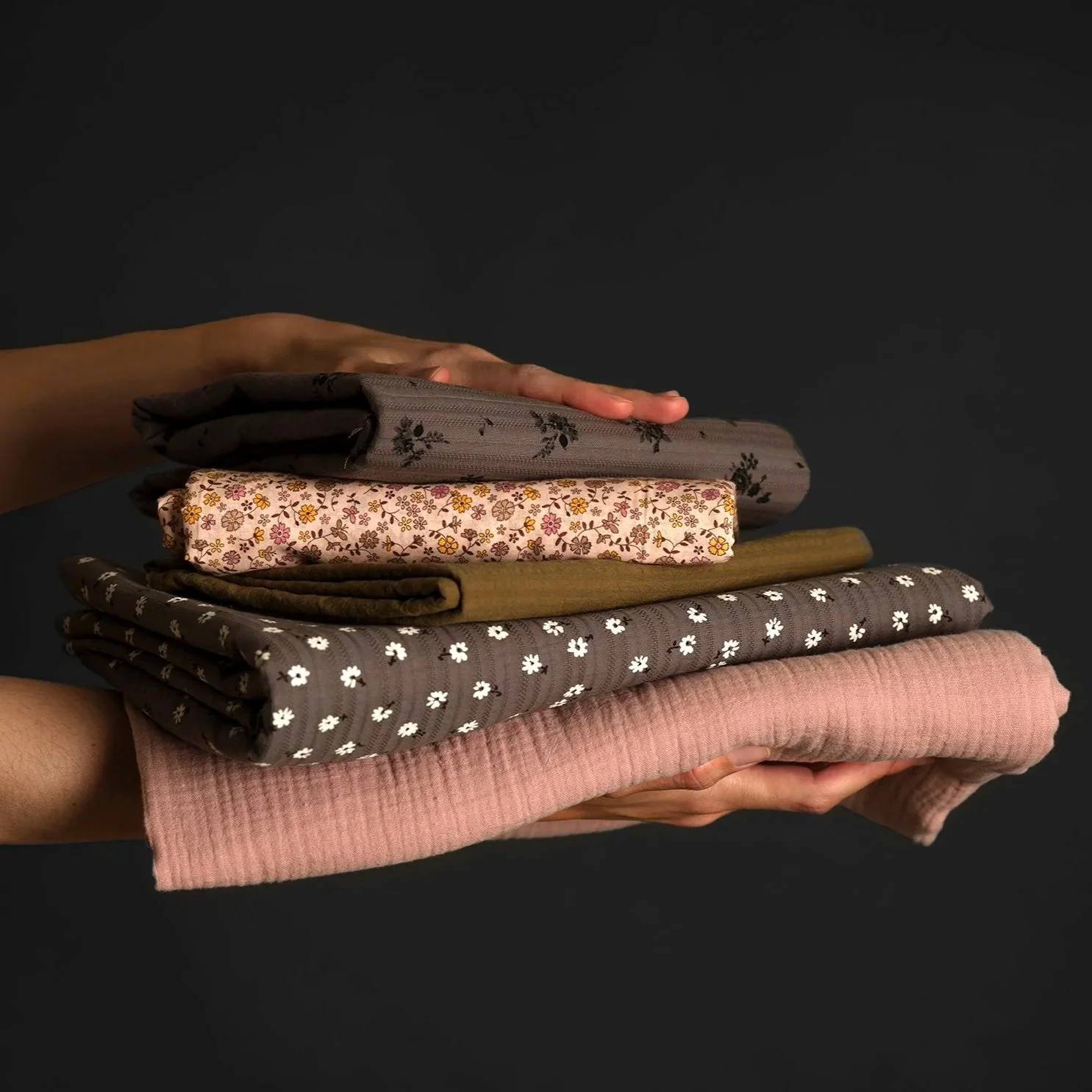
Rebés's story isn't one of nostalgia - It's a working blueprint for how heritage manufacturers can stay indispensable in a market that rewards speed, certification, and specificity in equal measure. Four million metres of stock mean nothing without the digital printing capability to turn it into something distinctive.
A 150-year name means nothing without the R&D discipline to win a tender for antistatic, carbon-fibre-infused uniform fabric on the first attempt.
Image Credit: Tejidos Rebé

What if the next dress you wore never touched the factory floor?
This is no longer a fringe experiment. It is a maturing production model, backed by genuine material science, real circularity, and an AI-assisted workflow that is becoming more accessible by the month.
Her advice to designers and brands alike is refreshingly practical: start small, get hands-on with an accessible 3D printer, and build fluency before the technology becomes table stakes. The businesses that treat this moment with curiosity, rather than scepticism, will be the ones shaping fashion's next decade rather than reacting to it.

The 2027 FESPA Awards are now open for entry, and the message to businesses across textiles, apparel, interiors and beyond is simple: your work deserves recognition. Every gold winner featured here started in the same place every entrant does - with a project they believed was worth submitting.
As the only independent awards programme with 18 categories dedicated to print and signage, FESPA offers a genuinely global stage, with shortlisted entries displayed at FESPA Global Print Expo in Spring 2027.

Colour Is Too Important to Leave to Chance
Print will always be the part of the garment people see first.
But the sum of all parts — the fabric, the trims, the fasteners, the finish — is what determines whether a design actually delivers on its promise. Brands that continue to treat colour as a single creative decision, rather than a coordinated technical discipline spanning their entire supply chain, will keep paying for it in re-dips, delays, and disappointed design teams.
A Century of Textiles, and an Ever-changing World
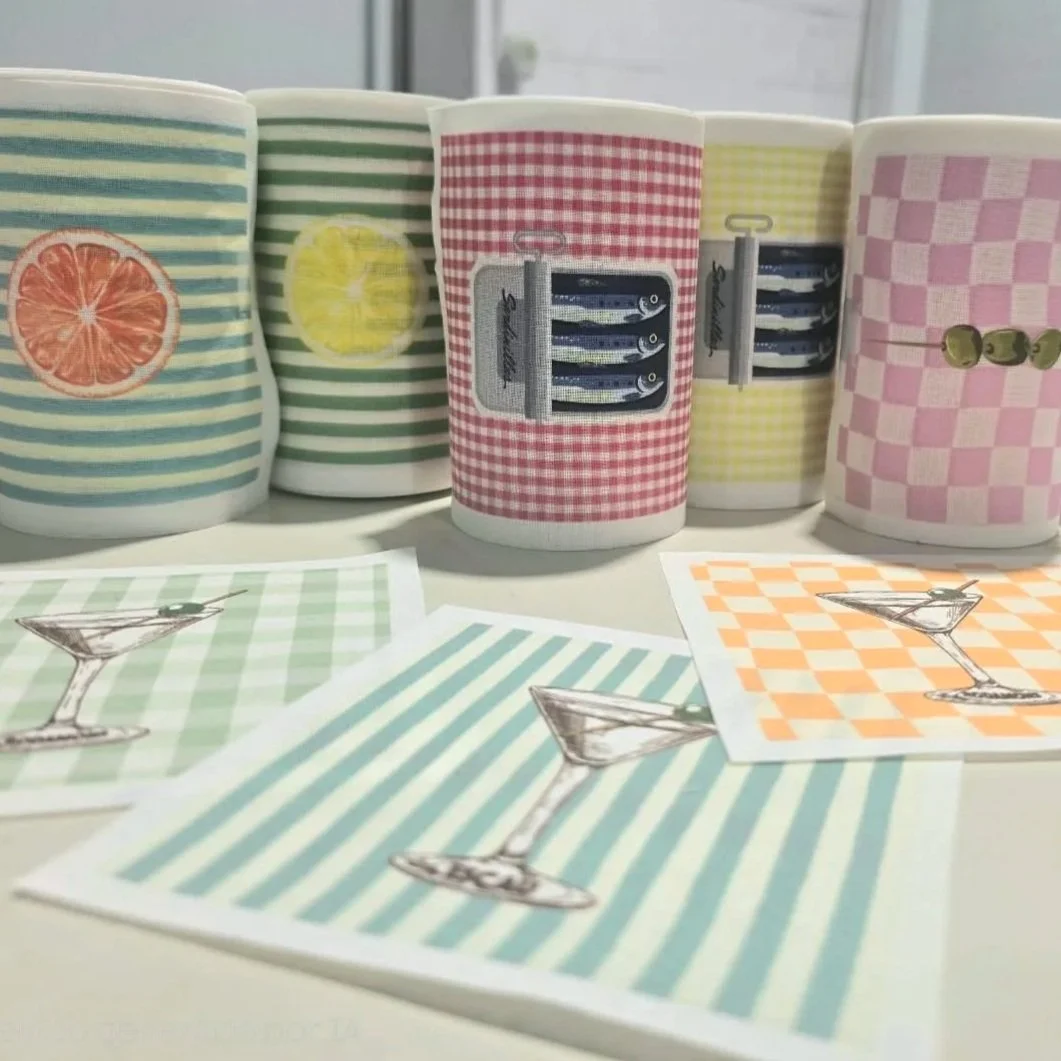
Few companies can trace their roots back more than a century and still count themselves among their industry's innovators. Texia, headquartered in Monistrol de Montserrat, Spain, is one of them.
But the story of Texia is not simply one of longevity.
It is a story of continual reinvention. As the textile industry has grown more global and competitive, Texia has repeatedly reshaped its business, investing in technology, developing its own brands, and placing sustainability at the centre of its mission. In doing so, it offers a compelling example of how a heritage manufacturer can lead rather than follow through a period of profound industry change. Image Credit: Texia

What are we craving Ultimately?
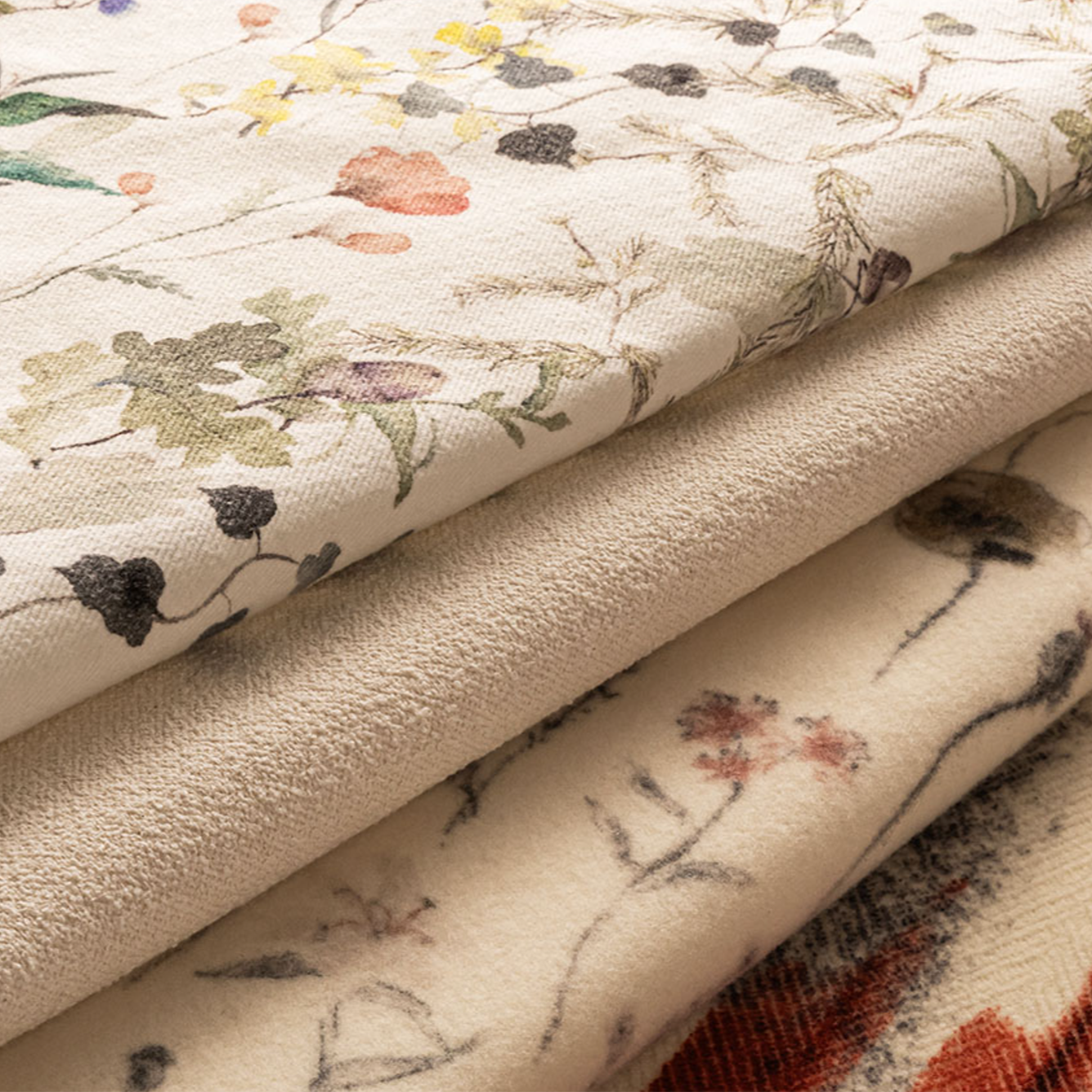
The instinct to slow down while simultaneously optimising every measurable aspect of life isn't a passing curiosity. It's a structural response to a world that feels increasingly unstable, and it's reshaping what people expect from their homes, hotels, workplaces and healthcare environments alike.
For the design and manufacturing sectors, this means rethinking both product and process.
The Structual Shift is Real and its Already Here
Volumes are moving east, where digital production is accelerating rapidly. Consumer behaviour has shifted.
Demand is now driven by personalisation, shorter buying cycles, and an expectation of near-instant responsiveness. Regulatory pressure is intensifying, with supply chain transparency now a legal and commercial fact in many markets. And margins? They are under sustained, structural pressure.
This is not a temporary disruption. It is a fundamental reordering of how textile manufacturing must operate.

The Challenge: Standing Firm as the Industry Shifts
The wallpaper landscape has changed dramatically. Digital printing has lowered the barrier to entry, spawning countless direct-to-consumer brands and pushing much of the market towards faster, cheaper production.
At the same time, manufacturing in the UK has grown steadily harder - rising minimum wage, national insurance, energy and substrate costs all bear down on margins. Surface Print have embraced all of these challenges - and stand resolutely prepared for the future.
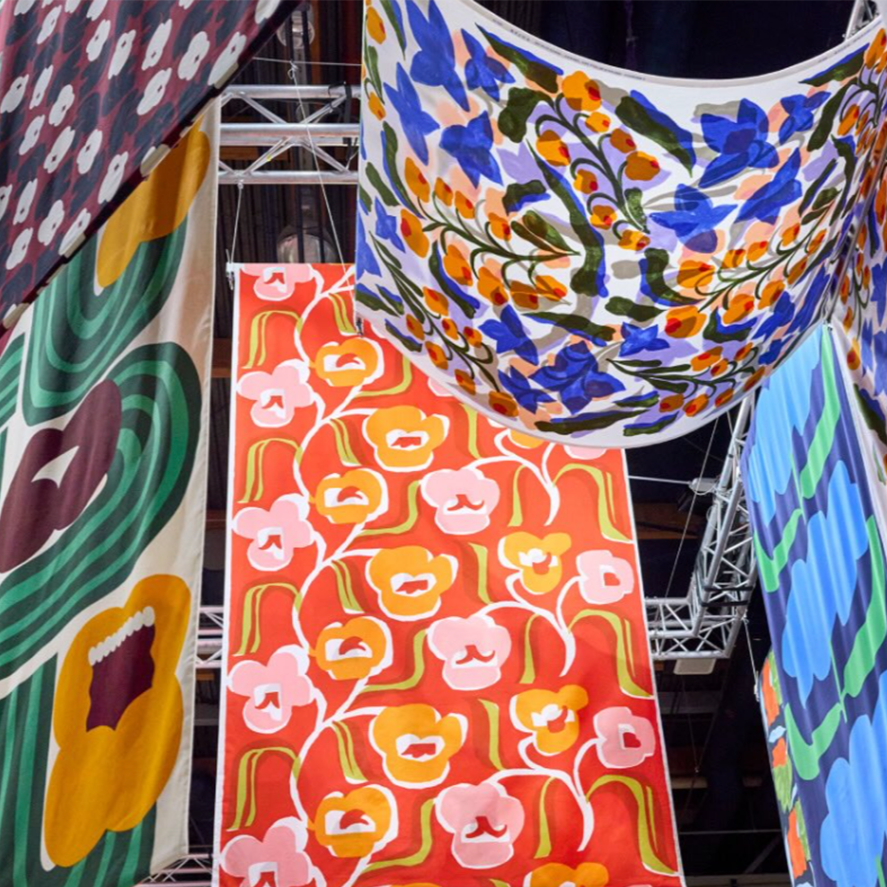
From Helsinki's printing mill to Paris's Le Marais, discover how Marimekko is scaling a design-led brand with purpose, craft, and bold innovation.
But what makes Marimekko's story compelling is not just its aesthetic legacy?


The word "toxic" carries weight. It conjures danger, harm, and things best avoided.
“Yet in the textile industry - Where between 3,000 and 10,000 chemicals move through the supply chain, a reflexive fear of the term is one of our biggest obstacles to progress.”
This article distils the key takeaways and what buyers, designers, and brands should be asking right now.
What Is the Digital Product Passport?
At its core, a Digital Product Passport is a digital record attached to a physical product - For a printed textile product, this means the DPP would capture data on the substrate, inks and dyes used, the printing process and technology, chemical compliance, environmental impact (including water and energy use), supply chain traceability, and end-of-life instructions.

The Market Gap that Changed Everything
Future Fashion was founded in 2019, timed deliberately to coincide with a pivotal moment in global textile technology: the commercial launch of the EFI Reggiani BOLT Single-Pass digital printing system.
The founders recognised that single-pass architecture had fundamentally changed what was industrially possible - and that Pakistan's domestic market had yet to catch up.

Print is no longer defined by the inefficiencies that once characterised it…as advances in production processes and technology have significantly improved its environmental performance.
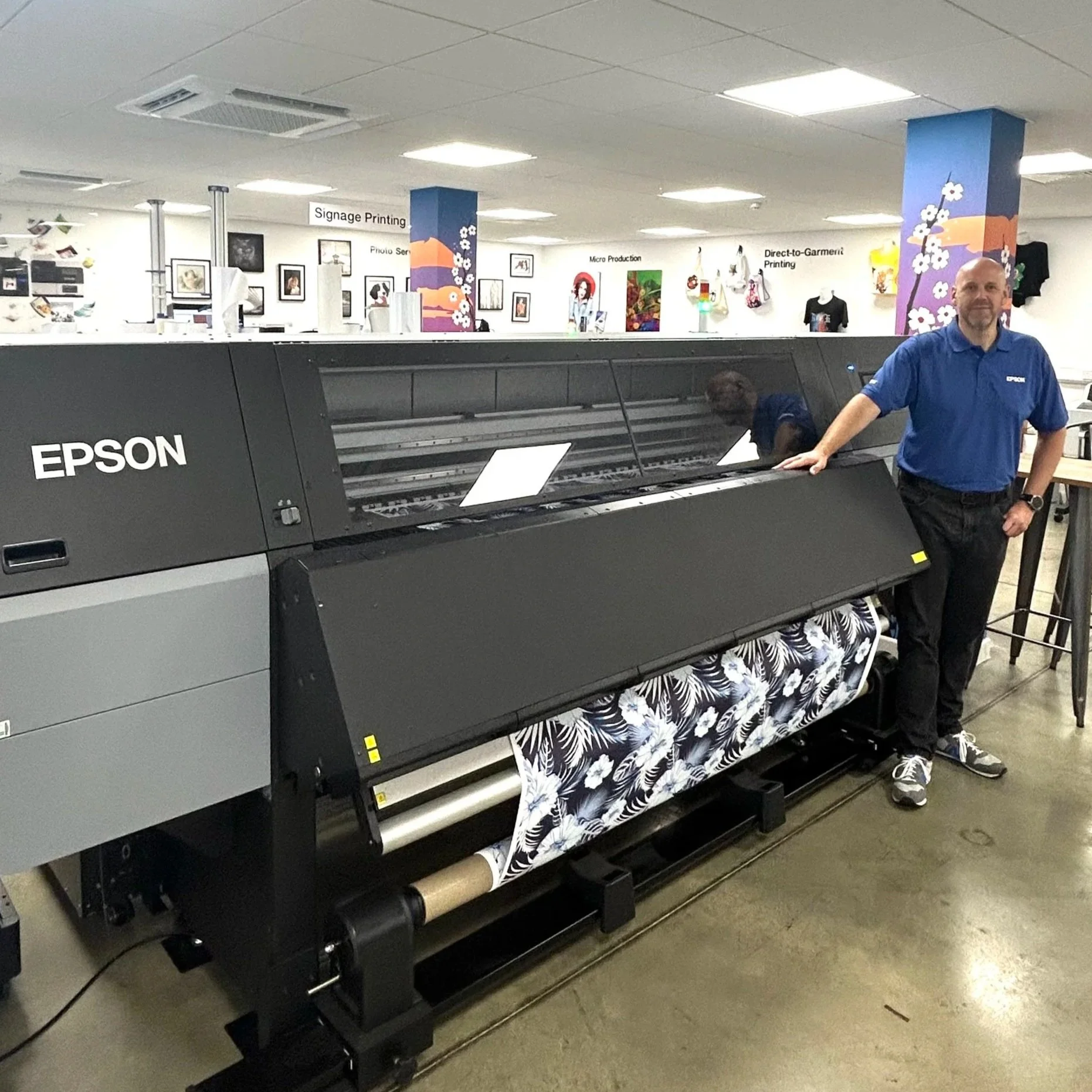
Taran Rai, Corporate Sustainability Manager at Epson explains why?
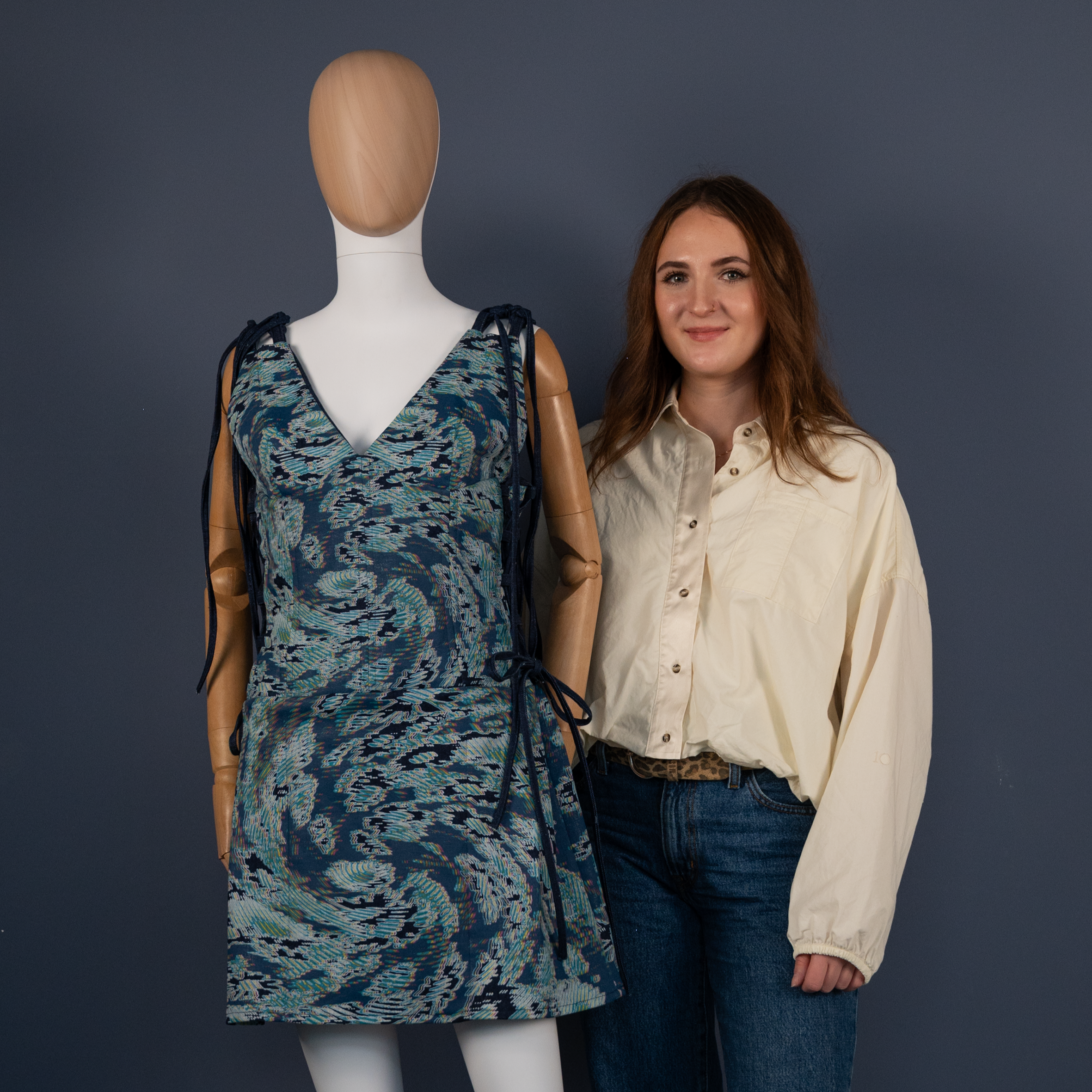
The story of what happens when young designers access digital technology is still being written.
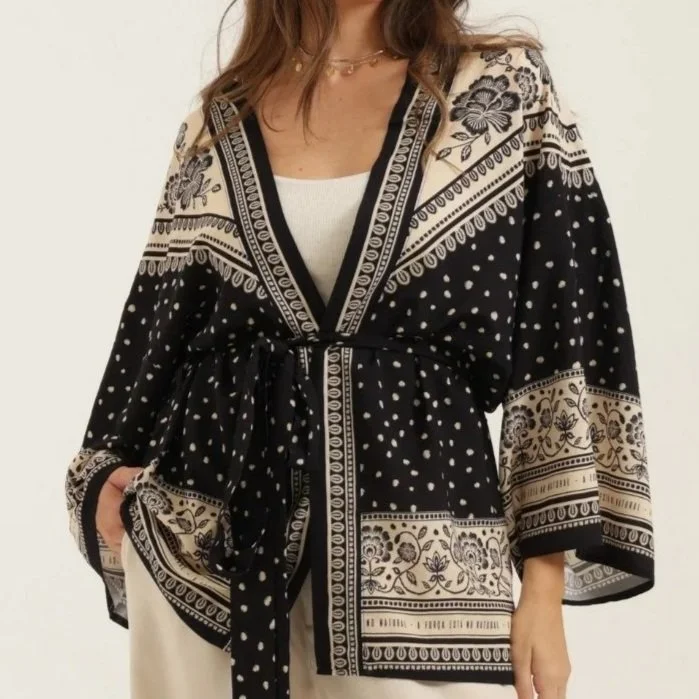
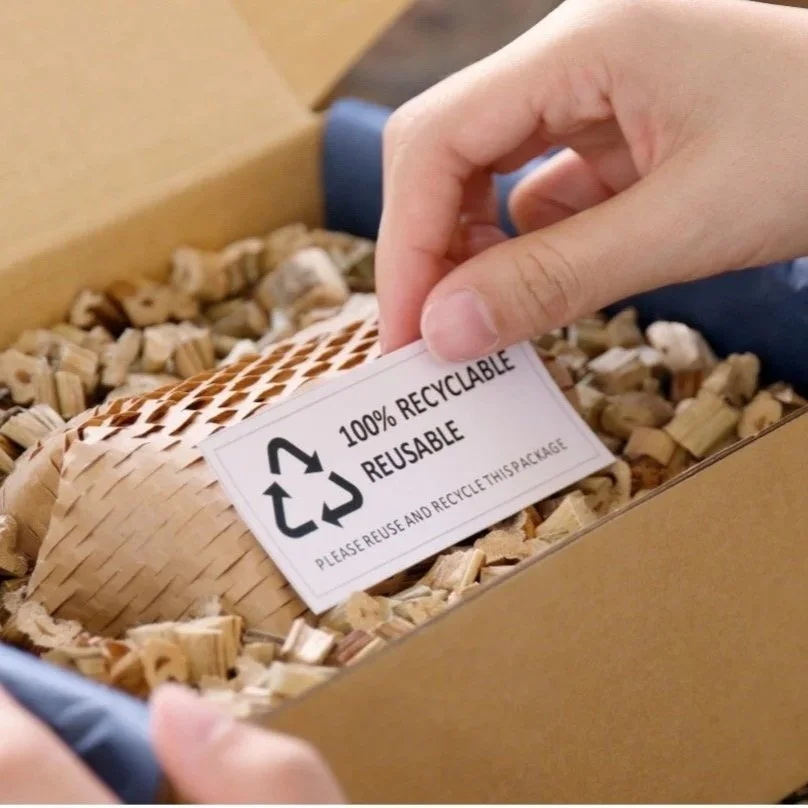
What once was a theoretical sustainability goal seems to have shifted into an active regulatory reality.




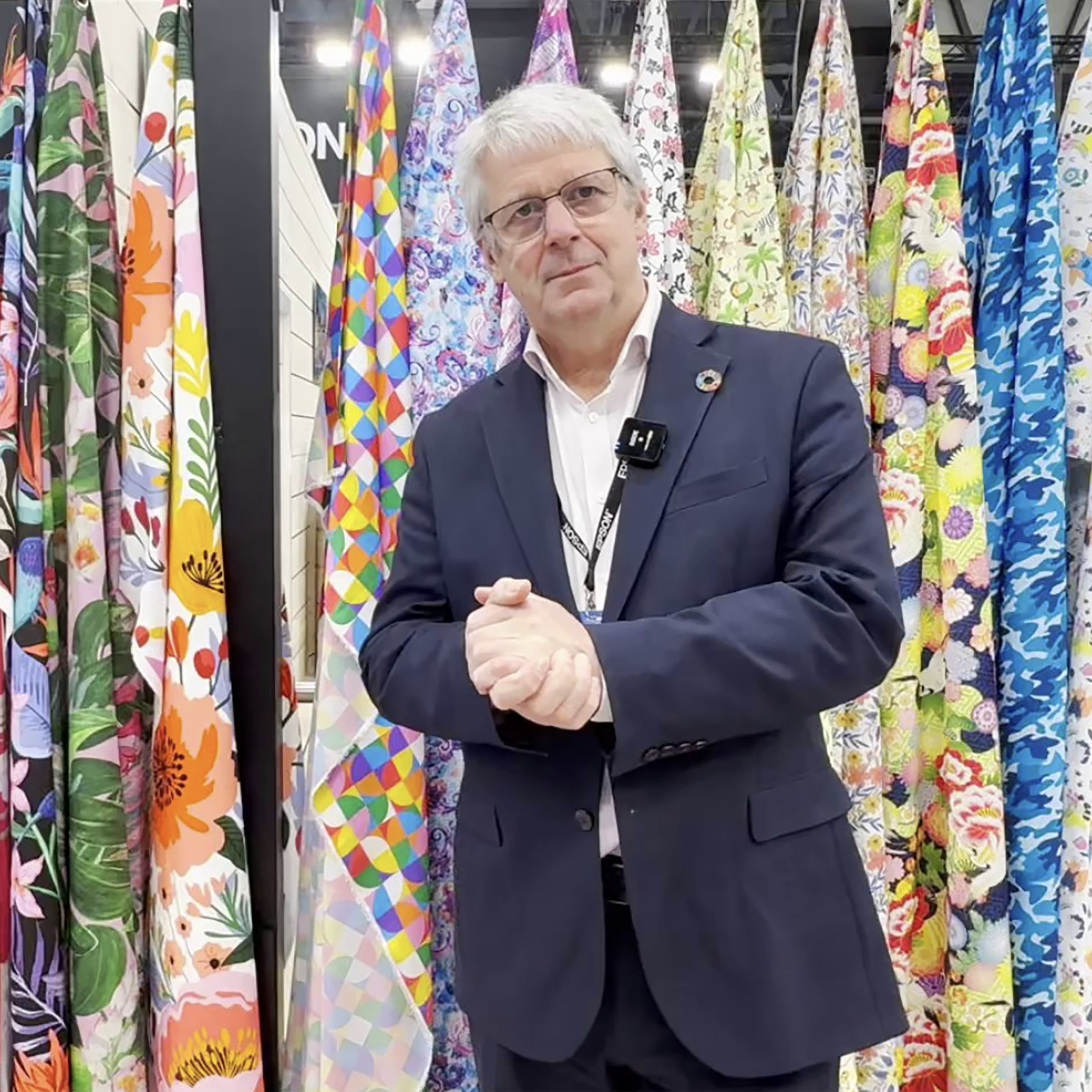
Is the Textile Market Finally Recovering?
After a difficult few years, there are genuine reasons for optimism. Duncan was candid about the challenges: "The market for textiles has been very difficult over the last three years. I'm not going to hide the truth there. But the tide is turning.“
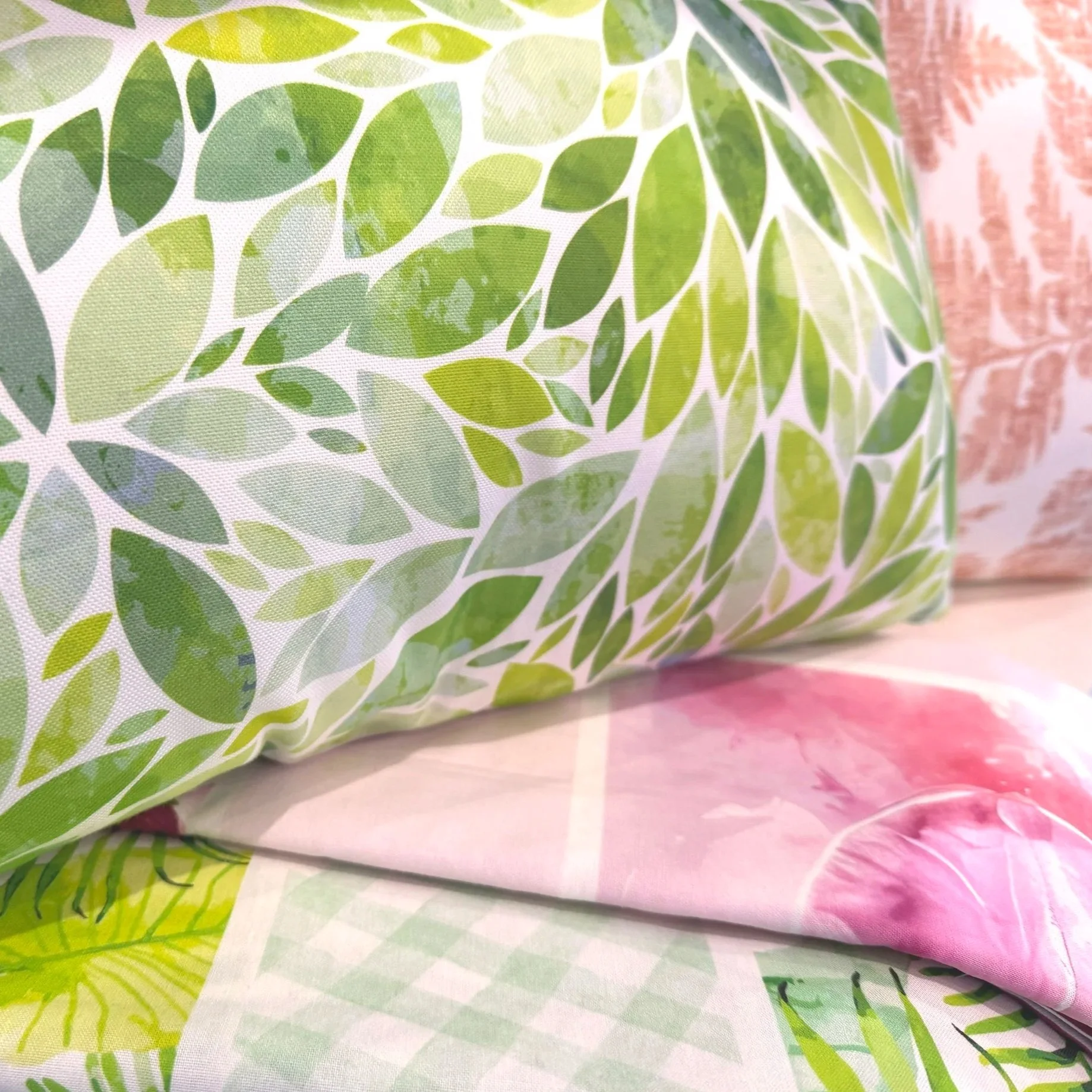
A profound shift is currently reshaping the sector
Changing consumer expectations demand greater design diversity, faster turnaround times, and sustainable manufacturing practices.
To thrive, interior brands must adapt their supply chains, bringing production closer to the end consumer and moving away from bulk manufacturing.
Digital textile printing offers a definitive solution to these operational bottlenecks.

Milano – Italy – November 2026 – Lectra, the global technology leader dedicated to fashion, automotive and furniture industries, today announced that Missoni, the iconic Italian fashion house, has successfully deployed Kubix Link PLM to centralise product data, strengthen cross-department collaboration and integrate its supply chain. The initiative has delivered operational time savings of up to 60%, reinforcing the growing industry need for connected, data-driven product lifecycle management
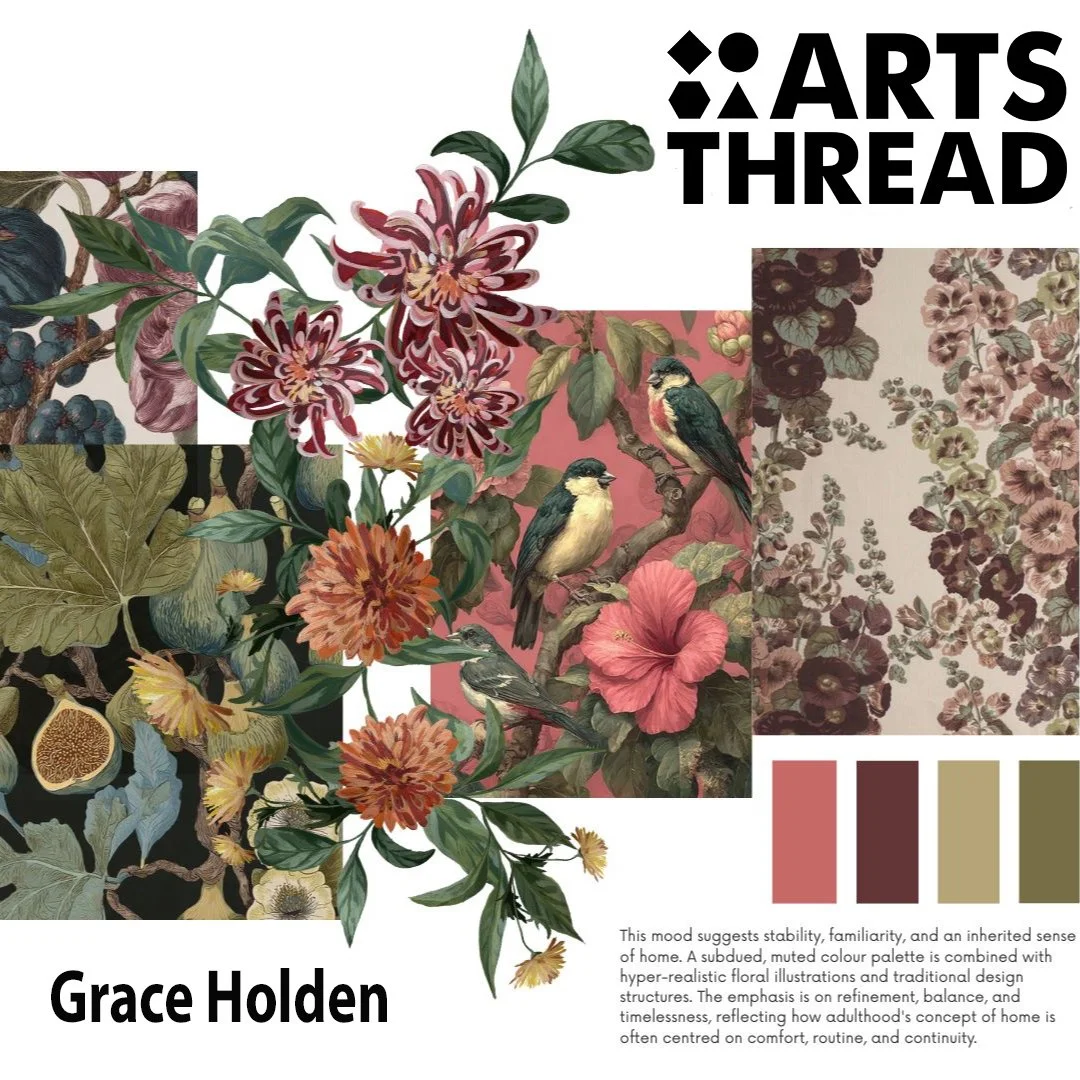
London, UK – November 2026 – ARTS THREAD, in collaboration with Google Arts & Culture, has announced Grace Holden as the winner of the Textiles – Print/Embroidery category at the Global Creative Graduate Showcase 2026. Holden, a graduate of the Design for Textiles BA (Hons) programme at Heriot-Watt University, was recognised for her project "Stories in Bloom," which explores themes of belonging and memory through layered, nature-inspired visual narratives.
PARSIPPANY, N.J., U.S.A. – November 9th, 2026 – Sun Chemical has released its sixteenth annual Sustainability Report, detailing measurable progress across its global operations, product portfolio, supply chain and workforce while reinforcing the company’s commitment to transparent, data-driven sustainability performance.
The report reflects Sun Chemical’s continued work to embed sustainability into business strategy and daily decision-making. Guided by the “five Rs” framework – Reuse, Reduce, Renew, Recycle and Redesign – the company is advancing resource efficiency, circular product design and responsible value-chain practices
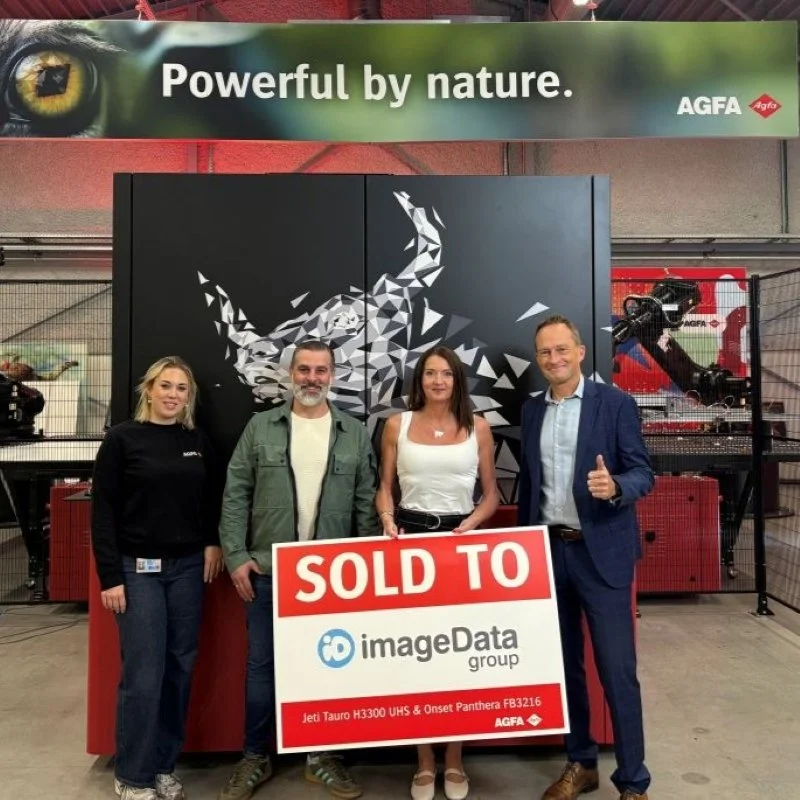
Willerby – East Yorkshire – UK – November 2026 – Agfa Inkjet Solutions has announced a major double investment from Image Data Group, with the installation of two new presses: a Panthera and a Tauro. The move marks a significant expansion of production capacity for the UK-based print specialist and reinforces Agfa's position as a trusted partner for high-performance inkjet technology.
The dual investment sees both machines operating side by side at Image Data Group's facility, delivering a substantial boost in production capacity, productivity, and operational flexibility. For Agfa, the announcement represents more than a sale—it reflects a deepening relationship with a customer committed to scaling its capabilities for the future.

Dorking – UK – November 2026 – FESPA has announced the launch of MERCH by FESPA, a new event bringing together the people, ideas and opportunities shaping the merchandise industry. The event will be co-located with FESPA Global Print Expo at Messe Munich, Germany, from 6 to 9 April 2027.
MERCH by FESPA will spotlight the fast-growing world of branded merchandise and product personalisation, spanning sectors as diverse as music, sports, entertainment and the creator economy. The event is designed to connect printers, brands, merchandise professionals and creators, offering a dedicated space to explore the trends, technologies and creative possibilities redefining the industry.
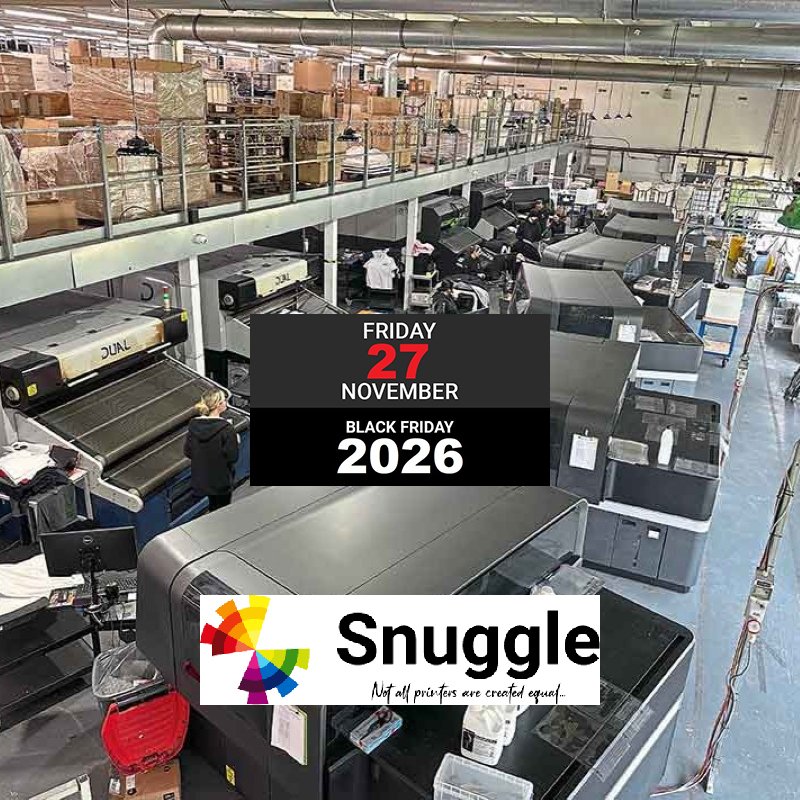
Peterborough, UK – November 2026 – Snuggle Ltd, a print-on-demand and trade print fulfilment specialist, has outlined how its 40,000 sq ft operation is prepared to support brands through the upcoming peak trading season, as retailers brace for a surge in Black Friday and Christmas demand.
With peak season fast approaching, Snuggle Ltd is urging businesses to scrutinise the reliability of their fulfilment partners before committing to high-volume trading periods. The company says that too many brands discover the limitations of their supply chain only when it is too late, risking stock shortages, quality lapses, and reputational damage during the busiest weeks of the year.

Lyon, France – November 2026 – Epson France has confirmed its renewed partnership with C!Print as a Gold Sponsor, reaffirming its commitment to driving innovation across the print and visual communication industry. The company will return to the 2027 edition of the trade show to showcase its latest advancements to professionals in the sector.
Among the innovations on display will be ContourJet, Epson's newly unveiled technology for direct inkjet printing on three-dimensional objects.

Altham Lancashire – November 2026 – Soyang Europe Ltd has been awarded Carbon Reduced Operation Certification by CarbonQuota for 2025, marking a significant milestone in the company's commitment to reducing its environmental impact. The certification follows a year of measurable progress, with carbon intensity per full-time employee falling by 9% compared with 2024.

Bergamo, Italy – November 2026 – Electronics For Imaging (EFI) welcomed customers, partners, and industry professionals to its Customer Experience Center in Bergamo, Italy, for EFI Ignite EMEA, a flagship event dedicated to the future of industrial textile printing and display graphics. The event drew representatives from 15 companies and more than 30 VIP guests, underscoring the growing demand for innovation in digital print
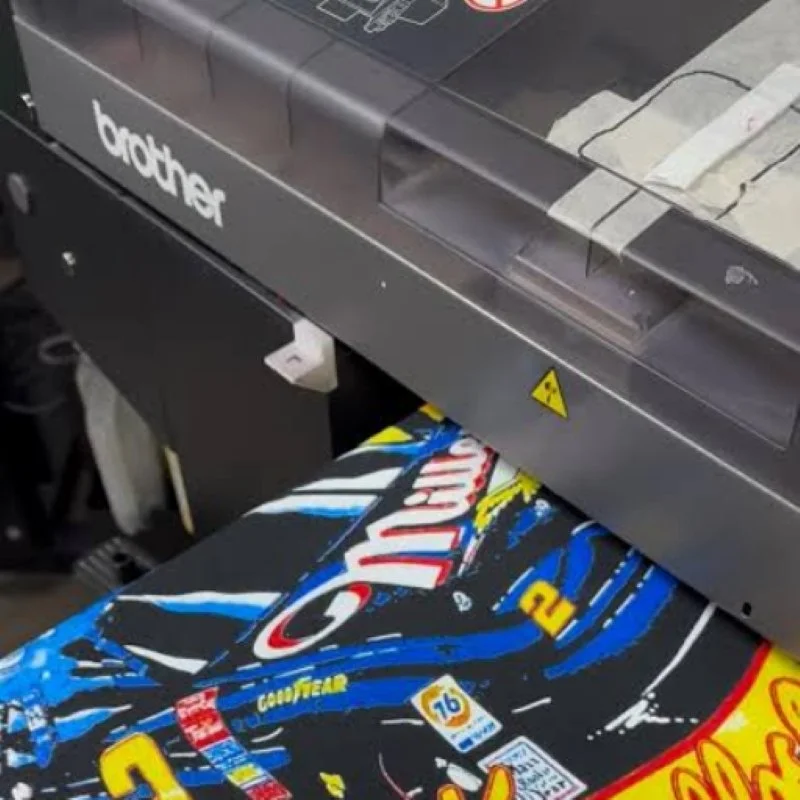
Emmerich am Rhein, Nordrhein-Westfalen – November 2026 – Brother Industrial Printing EMEA has announced the launch of PT 8158, a new pretreatment solution designed to elevate direct-to-garment (DTG) printing through improved sustainability, enhanced print quality, and a better production environment. The launch reflects the company's ongoing commitment to driving meaningful change across the textile printing industry.
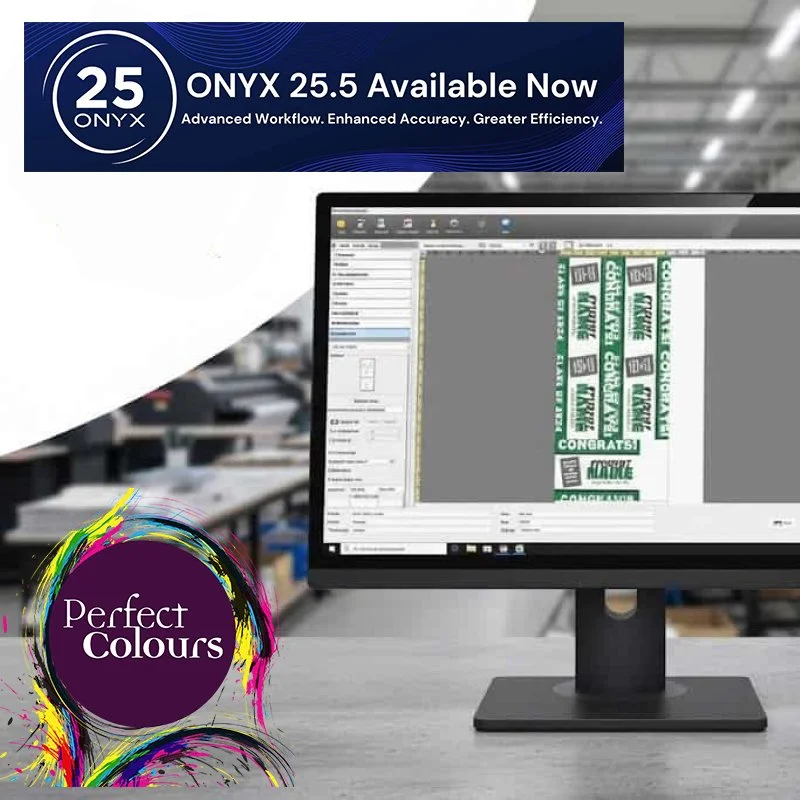
Uxbridge – UK – November 2026 – Perfect Colours has announced the release of Onyx 25.5, the latest update to its industry-leading print workflow software. The new version introduces a range of enhancements designed to help print businesses work faster, smarter, and more sustainably.
The upgrade comes as the print industry continues to grapple with rising demands for efficiency and environmental responsibility. Onyx 25.5 has been engineered to meet these challenges head-on, equipping print professionals with the tools they need to stay ahead of the curve.

Dubai, UAE – November 2026 – Heimtextil is strengthening its presence in the Middle East's interior design and hospitality sectors, partnering for the first time with Downtown Design, the region's leading design fair held as part of Dubai Design Week. Together with Milan-based design platform Alcova, Heimtextil is presenting the Heimtextil Trends 27/28 "The Performance of Everyday Living" in Dubai from 4 to 8 November. The compact presentation, featuring film, text and visual elements, offers the international and regional design community fresh insight into the key trend themes shaping the industry's future.

GREEN GRADS at YORKTON WORKSHOPS
Regenerative design, waste reduction and reuse, biomaterials, preserving crafts, rescuing species, nurturing nature and more: eco-projects at the cutting edge.
25 new GREEN GRADS - making 300 GREEN GRADS in total.
Makers Innovators Activists
Saturday November 14th, 11-7PM | Sunday November 15th, 11-6PM | 1-3 Yorkton Street, London E2 8NH
Admission free
Sponsored by Pearson Lloyd, hosting the show in their gallery for the third time.

Las Vegas, NV – Monotech Systems Limited, a globally-acclaimed Indian manufacturer and one-stop solution provider for the printing and packaging industry, has been chosen by Kongsberg Precision Cutting Systems (PCS) as its India distribution partner. The agreement, signed by Mr TP Jain, Managing Director of Monotech Systems Limited, and Mr Stuart Fox, CEO of Kongsberg PCS, was finalised during Printing United Expo 2026, held at the Las Vegas Convention Center.
Under the terms of the partnership, Monotech Systems Limited is authorised to distribute the full range of Kongsberg X and C Series digital cutting systems across India, bringing precision cutting technology to the country's fast-evolving signage and display industry at a time when producers face mounting pressure to deliver faster, more sustainable, and more customised output.

The Lancashire print specialist is extending its print-on-demand model from wall coverings into textiles with the Epson Monna Lisa ML-13000.

Shrewsbury, UK – November 2026 – Big Value Banners, a UK-based manufacturer of custom printed banners and signage, has chosen the Veloblade Nexus from Vivid Laminating Technologies Ltd to support its growing production capabilities. The announcement follows a period of evaluation, culminating in staff training completed today in Shropshire.

Exclusive Mimaki distributor, Hybrid Services will host two Mimaki Technology Taster Days at its Crewe showroom this November, giving businesses the opportunity to explore their next printing investment, diversification or upgrade in a relaxed, informal setting.
Taking place on Thursday 12th and 19th November, from 10am - 4pm, the events are designed for companies at any stage of their research, including those still considering which direction to take. Visitors can explore the Mimaki range, see printed applications and discuss their ideas with Hybrid’s product specialists.

Milan, 4 November 2026 – The 37th edition of Viscom, the international exhibition dedicated to visual communication, has concluded in Milan, debuting its new Exhibition & Conference format at the Allianz MiCo Convention Centre. The refreshed venue and identity reflect the transformations underway across the industry, delivering two dynamic days that brought together 5,189 visitors and more than 90 exhibitors to explore the sector's emerging opportunities.

Wednesday, November 04, 2026 - Aarhus, DK & Milwaukee, WI — To provide the proper level of support for customers in the Americas, Mikkelsen Innovation ApS has registered and started its U.S. subsidiary, FASTSEWN, Inc., located in Milwaukee, WI. In addition to the U.S. sales and management team, Steve Aranoff (Chief Business Officer) and Jim Manelski (Director of Sales, Americas), whom many in the industry already know, industry veteran Ranjan Singh has now joined as COO for FASTSEWN, Inc. Part of the engineering team is also in Milwaukee, bringing the number of U.S. employees to six so far.

Oswestry, UK – November 2026 – China Print Supplies (CPS) has confirmed it can supply ink, spare parts and servicing for Gongzheng printers across the UK, following the voluntary liquidation of Your Embroidery Services (YES) on 15 October. YES notified customers by email on 20 October that it could no longer provide servicing, technical assistance or customer support.
Gongzheng was one of the brands YES supplied in the UK, covering UV flatbed, eco solvent and UV DTF machines. The sudden withdrawal of support has left an unknown number of owners without a clear path to consumables, parts or engineering help, raising concerns about machine downtime across the sector.
CPS already supplies Gongzheng equipment and holds the supplier relationships needed to source consumables and parts for any Gongzheng machine in the country, regardless of where it was originally purchased.

South Normanton - UK – November 2026 - As the out-of-home advertising market continues its rapid expansion, Sun Chemical is driving the industry's shift toward water-based ink technology with its Streamline™ Toccata range, engineered to meet the rising demand for high-quality, durable graphics while reducing environmental impact.

London, UK – November 2nd 2026 – Spandex UK has today announced a new partnership with HP, bringing HP Latex printing technology to its customers across the UK. The collaboration marks a significant expansion of Spandex's large-format hardware offering, giving its customers greater choice across print technologies.
The initial line-up under this partnership will include the HP Latex 630, 730 and 830 series. These additions build on Spandex's existing portfolio, reinforcing its commitment to equipping sign and display professionals with the tools they need to stay competitive in an evolving industry.

Malvern – Worcestershire – November 2026 Vivid Laminating Technologies has announced that PB Signs, a leading UK print and signage specialist, has chosen its multi-award-winning Velobade Nexus for use across its production operations. The decision follows a thorough review of the market, with PB Signs selecting the Velobade Nexus as the finishing solution best suited to its high standards of craftsmanship.

Speciality print leaders from five Southern European countries will meet in Porto next month for the eleventh FESPA Southern European Congress, taking place on 11–12 November at HF Ipanema Porto, Portugal.
The two-day event, which is organised by five FESPA member associations – FESPA France, FESPA Italia, FESPA España, APIGRAF (Portugal) and the FESPA Hellas Association (Greece) – gives members of the community in Southern Europe the opportunity to benchmark their own strategies against peers facing similar conditions, as well as compare notes with neighbouring markets on customer expectations, workforce shortages, investment and new technology.

Batley, West Yorkshire – October 2026 – Roaches International, a member of the British Textile Machinery Association (BTMA), has dispatched its largest integrated order for textile laboratory equipment to date.
A total of 19 testing machines weighing more than two tonnes have been delivered for a new laboratory being established by Indonesia's Alia Digital Printex, underscoring the British manufacturer's capability to supply complete testing facilities rather than individual instruments alone.

Mortsel, Belgium – October 29th 2026 – Agfa Inkjet Solutions has announced Experience Day 2026, a hands-on event dedicated to demonstrating how advanced inkjet printing and precision finishing can work together within a single, integrated workflow.
The event will take place on Thursday, 26 November 2026, from 09:00 to 15:00 at Agfa Headquarters in Mortsel, Belgium.
Developed in partnership with Kongsberg Precision Cutting Systems, Experience Day 2026 will give print service providers a first-hand look at how combining print and finishing technologies can boost productivity, broaden application possibilities, and open up new business opportunities across sectors including signage, display, packaging, and corrugated production.

Balrothery, Ireland – October 2026 – Retink Graphics has added a second Epson SureColor R5000L latex printer to its Balrothery production floor, supplied by digitalprint.ie.
The investment follows strong returns from the company's first R5000L, which the team says paid for itself before they decided to expand.

Tübingen, Baden-Württemberg – October 2026 - The CHT Group has announced the expansion of its dyes portfolio with two new additions: BEMACID Brilliant Blue F-WN for polyamide and wool, and BEZAKTIV Solar Yellow ONE for flexible dyeing processes.
The launch reinforces CHT Group's commitment to delivering high-performance, sustainable colorant solutions for the global textile industry.
Both new dyes address growing demand among textile manufacturers for products that combine color brilliance, process reliability, and responsible formulation.
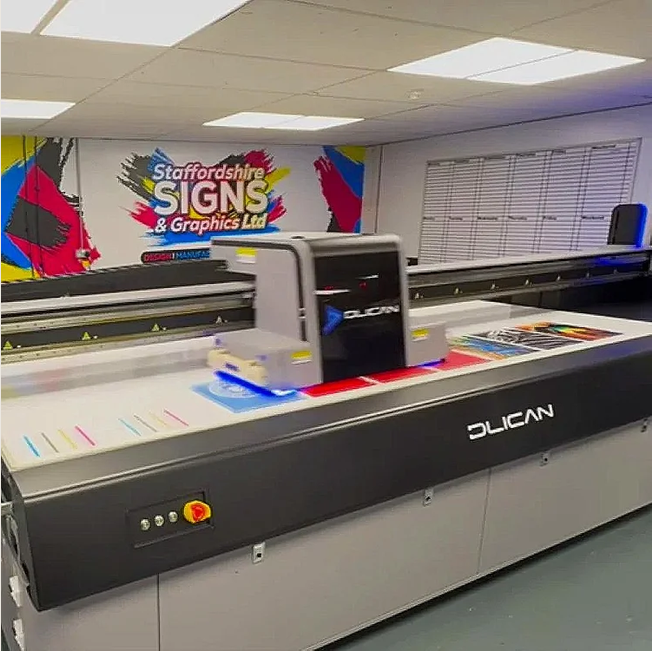
Staffordshire, UK – October 2026 – Staffordshire Signs & Graphics Ltd has announced the installation of a new DLI-3325 flatbed printer, supplied by China Print Supplies UK Ltd.
The investment marks a significant step forward for the business, enhancing its production capabilities and expanding the range of signage solutions it can offer customers.
The installation follows months of careful planning, with the new machine now in place and undergoing fine-tuning and staff training ahead of full commissioning
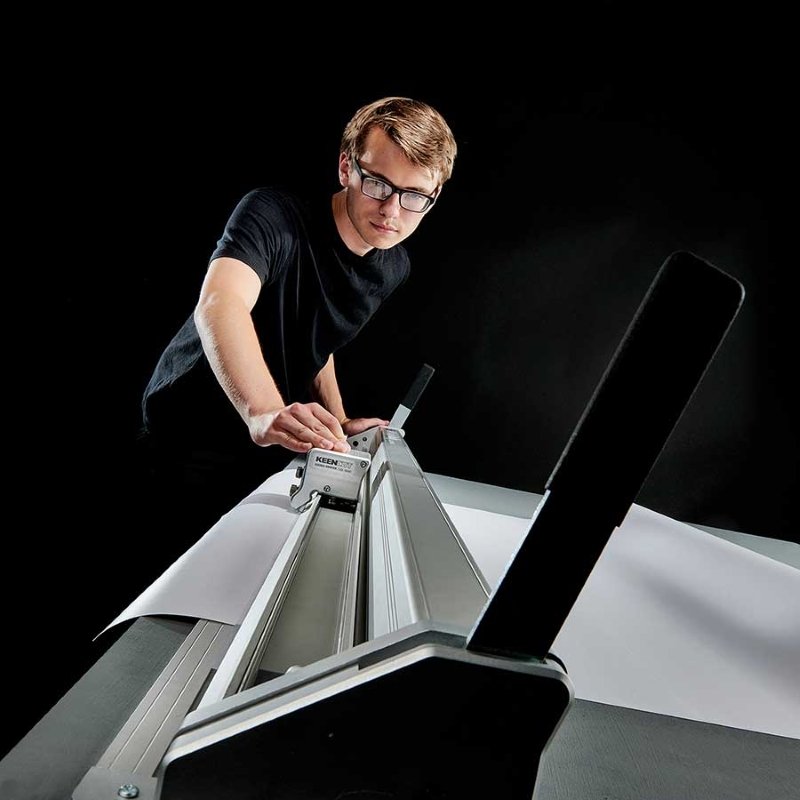
Corby – Northants – October 2026 – Keencut Ltd, a leading innovator in the cutting and finishing equipment industry, has today highlighted its Evolution3 Lift & Hover technology, a breakthrough system designed to make material positioning faster, easier and more accurate than ever before.
The new technology allows operators to adjust, align and achieve perfect positioning with precise control, all through simple single-person operation.
By streamlining what has traditionally been a multi-step, often cumbersome process, Keencut is addressing a long-standing challenge faced by professionals across the sign-making, graphics and framing industries: achieving exact cutting precision without compromising on speed or efficiency.