

GREEN GRADS at YORKTON WORKSHOPS
Regenerative design, waste reduction and reuse, biomaterials, preserving crafts, rescuing species, nurturing nature and more: eco-projects at the cutting edge.
25 new GREEN GRADS - making 300 GREEN GRADS in total.
Makers Innovators Activists
Saturday November 14th, 11-7PM | Sunday November 15th, 11-6PM | 1-3 Yorkton Street, London E2 8NH
Admission free
Sponsored by Pearson Lloyd, hosting the show in their gallery for the third time.
“Today’s Graduates are Tomorrow’s Planet.”



Come and play a guitar made from recycled plastic, and try out a neat gadget to recycle soft plastics at home. Experience kinetic “breathing” lights; find a fridge built by bacteria and materials from seaweed, fruit peel and eggshells.
These are just a few innovations on show at Green Grads at Yorkton Workshops over the weekend of November 14/15 in East London. Coming together are 25 Green Grads, who graduated in design, engineering craft or art from UK Universities this year, with a common commitment to a greener cleaner world. They are tackling such environmental issues such as regenerative design, fostering nature, waste reduction and reuse, and much more.
Their interventions will be timely. For “design has a powerful role to play in fighting the climate crisis,” affirms the Design Council, currently implementing their major Design for the Planet plan of action. The Design Council adds that “80% of the environmental impact of products is determined at the design stage.”
Ideas from the Green Grads include a neat gadget that sits on a worktop which can compact “soft” plastics. These include bread wrappings, crisp packets and other food wrappings which cannot be recycled at home, and must be taken back to a supermarket. But only 7% make the journey. Now they can be reduced to hard discs which can go into domestic recycling bins. Try this out on Gabriel Barnett’s working model.
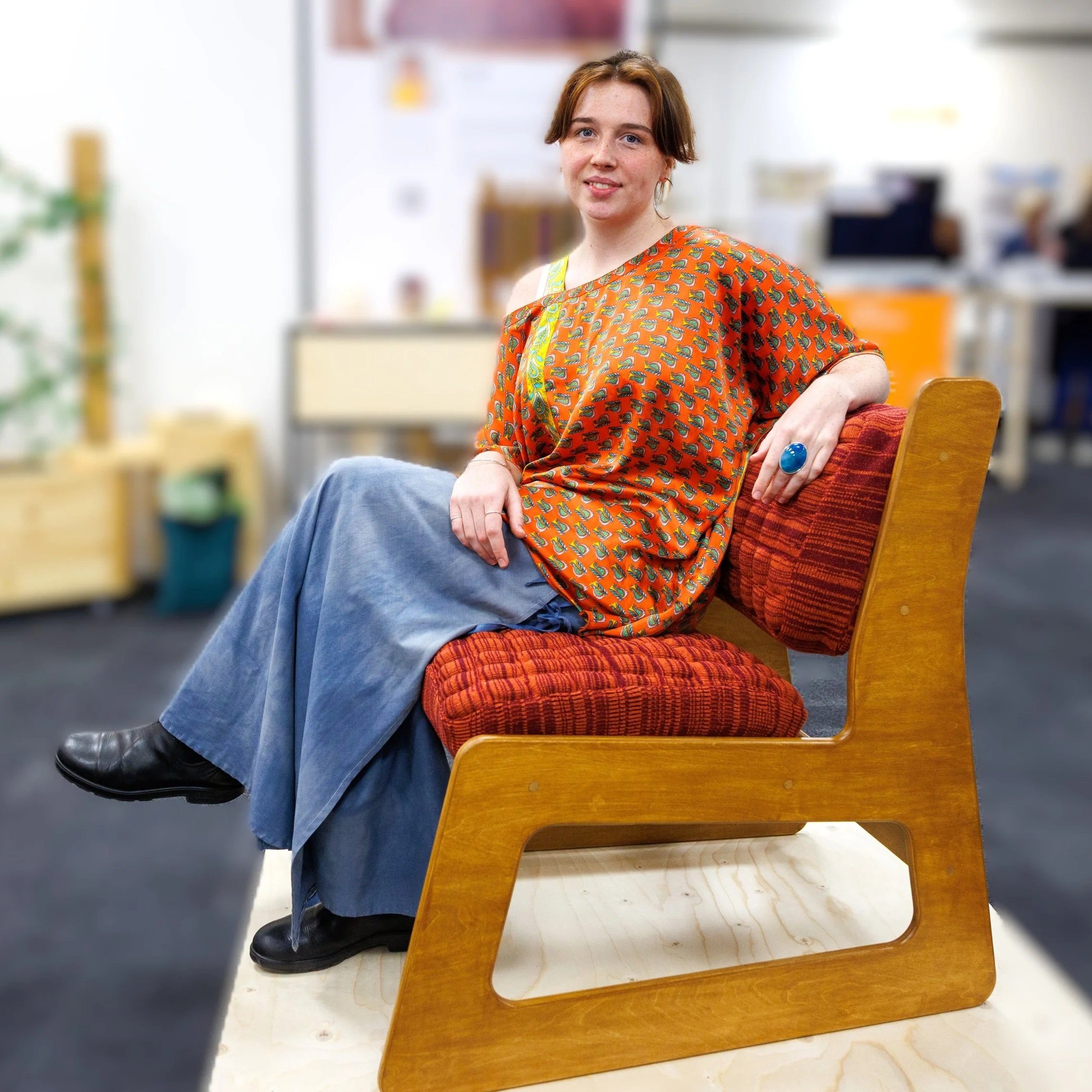
Waste is a rich resource in the hands of the Green Grads. Currently guitars are made from a plethora of exotic wood veneers. In protest, Adam Allcorn has made a “timberless” guitar from recycled PET – “a unique high-quality instrument.” At end of life, materials can be melted down and repurposed, says the designer. Katy Pilling has made a springy knitted upholstery covering with integral pockets stuffed with waste shredded textiles. Eva Xiste is transforming cotton hotel waste into elegant footwear to replace the single-use polyester slippers that go to landfill after a two-day stay.
Recycling cardboard consumes energy and chemicals...and weakens fibres until they cannot be used. So why not catch the card before it gets pulped? Accordingly, Antoine Mehdi El Adib has invented CardWich. A simple process flattens sheets of corrugated card, bonds layers together with a water-based starch and applies pressure at low heat. The resulting boards are strong, lightweight, and biodegradable. They can be produced locally from waste already in circulation, using simple tools and minimal energy.
Aluminium can be endlessly recycled with just 5% of the energy needed for a primary process and 95% fewer carbon emissions. Dan Davies highlights this with aluminium door furniture, using traditional methods of sandcasting.
According to the Design Council, “33% of cost-effective climate change mitigations can come from nature-based solutions.” As proposed by many Green Grads at this show.
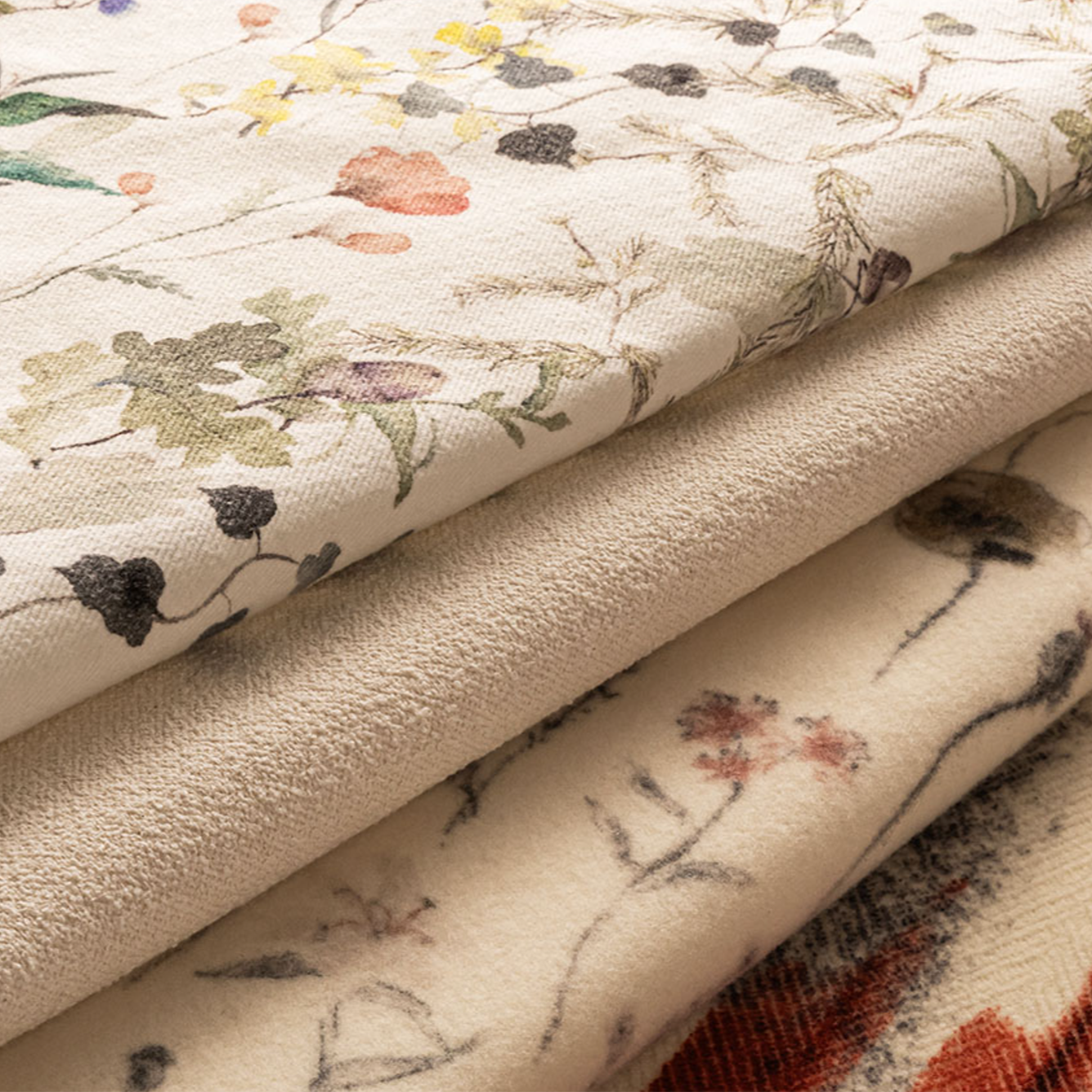
Biomaterials made from natural sources fit the bill nicely. Nefali Vitoraki is making them from fruit peel, Neve Mills from eggshells, and Ruby Holt from seaweed. A bulbous cupboard on metal legs is Xero Cool, a futuristic if speculative, refrigerator by Audrey Levy, “built by bacteria and powered by the sun,” Conventional refrigeration, she says, is an eco-disaster, accounting for around 8% of global emissions. “On a heating planet, the way we produce cold degrades far-reaching ecosystems and actually makes the Earth hotter.” By contrast Xero Cool is a “solar chiller” insulated with bacterial cellulose xerogel, a highly porous solid with superior thermal resistance.
Oscar Nicol-Schwarz wants to “reconnect people with the natural world” through his cloud-like interactive kinetic lights which “breathe” in and out as you pass.
Currently the UK imports around 80% of its timber, ignoring the potential of local supplies. Antoine Leger has created a clever “connector” for coppiced wood, which makes possible a whole raft of structures, overcoming the inherent discrepancies in the timber. Ed Satchell has made a chair by hand to “celebrate the land,” using coppiced timber and waste wool from his family farm.
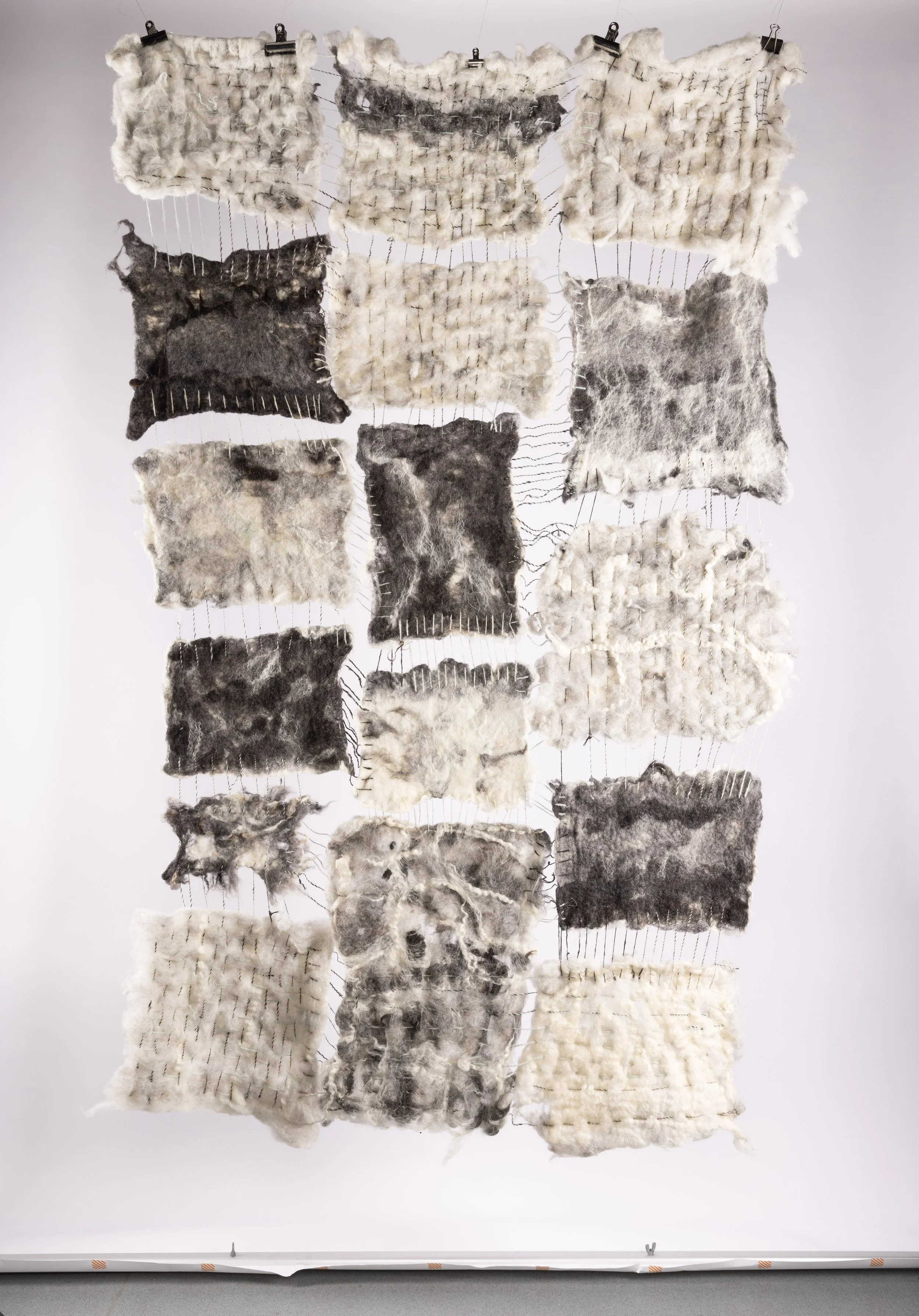
The Wool We Waste is a spectacular wall hanging: a group protest by the Mud Collective, five graduates from the RCA. “In a time of globalised supply chains and synthetic fibres, turning to a local, renewable material is an act of reconnection, to landscape, to craft, and to ecological thinking.”
The work of Iris Reed is a plea for the preservation, revival even, of heritage crafts, with their stories of history and place, and sustainable production using local materials and slow low-energy techniques.
Beautiful joyous colourful animal sculptures have been created by ceramicist Susie Lonie. But the collection is called “Disappearance” and each celebrates an endangered or vulnerable species.
Celebrating the power of photography is Zoe Irving from Falmouth University who has made Textile Tales, especially for the show, a large-scale zine spotlighting in pictures and text five recent graduate colleagues who are foraging dyes, gathering wool and reviving heritage crafts. Or, as does Ruby Bolt, looking to the future with biomaterials.
* SUCCESS! is a special feature showing how GREEN GRADS have made a difference since 2021.
**Set up in 2021, GREEN GRADS is platform supporting new UK graduates “with ideas to heal the planet.” Its founder Barbara Chandler was awarded an MBE in the King’s Birthday Honours June 2026 “We do shows, run a website and YouTube channel, host smaller events and happening and generally nurture and promote our GREEN GRADS,” she says.
“Go Green Grads Go” was just one comment on the recent GREEN GRADS crowdfunder which recently raised £5,350 from 79 supporters. Over half the contributors were GREEN GRADS making the venture community funded to a large part.
@greengradsuk