
The Ecommerce Leadership Summit North brought together retail and ecommerce leaders in Manchester to discuss the challenges, opportunities and commercial decisions shaping the industry.
Across the day's sessions, speakers explored the future of retail profitability, the growing importance of verifiable product data in AI-driven commerce, the realities of building and scaling brands, and how businesses can protect their margins without compromising customer value.
From the discussions on stage to the experiences shared by founders, here are the key insights from this year's summit.
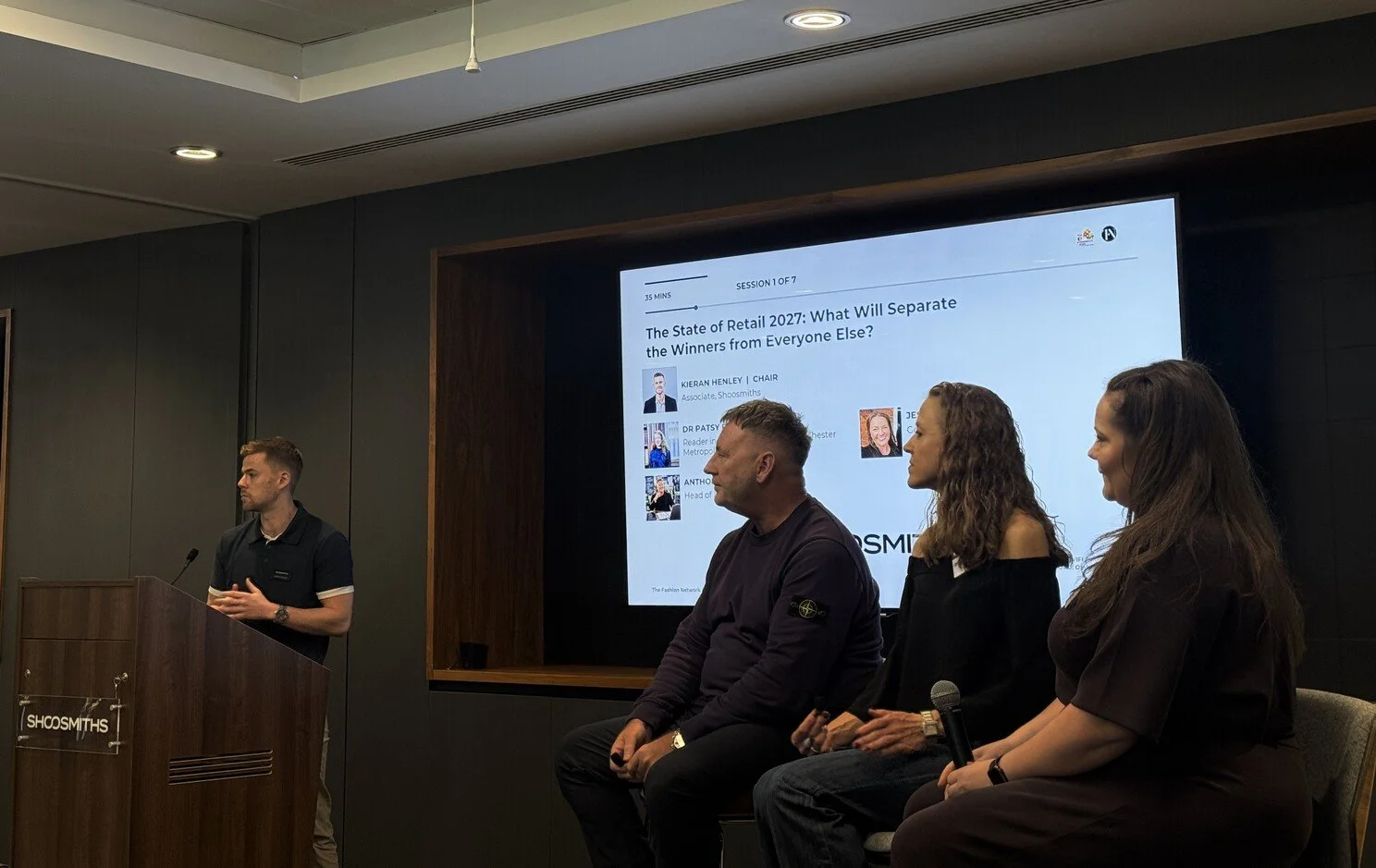
The State of Retail 2027: What Will Separate the Winners from Everyone Else?
Featuring Jess Pizzey of Hurleys, Anthony Ward Head of Licensing at THG, Dr Patsy Perry Reader in Fashion Marketing at The Manchester Metropolitan University, and Kieran Henley Associate at Shoosmiths.
Retail growth is becoming a more complicated equation. With acquisition costs under pressure and consumers more selective about where they spend, the panel explored why sales growth alone is no longer enough to measure success.
Profitability, customer retention and the ability to give shoppers a reason to return were recurring themes. Businesses need to understand which customers are genuinely valuable over time, rather than focusing solely on the volume of new customers they can bring through the door. Better forecasting and more considered stock decisions are equally important, particularly when demand can be difficult to predict and excess inventory quickly eats into margins.
The discussion also highlighted the continued value of human connection in retail. Family heritage, customer service and a clear sense of identity can help brands stand out in a crowded market, particularly when shoppers have more choice than ever. For some businesses, that means leaning into what makes them distinctive rather than trying to compete with the biggest players on price or scale. The panel pointed to opportunities in areas including wellness, jewellery, resale and repair, alongside the potential for licensing to help brands reach new audiences. Mid-market retailers also have an opportunity to make value part of their proposition without relying on constant discounting.
There are, however, no easy forecasts. The panel discussed how changing consumer behaviour, new spending priorities and emerging influences such as weight-loss medication could affect demand across different categories.
The wider point was that retailers need to remain alert to shifts in behaviour without building their strategies around assumptions that have yet to be proven.
For 2027, the challenge is not simply to sell more. It's to understand where demand is coming from, what customers value and which parts of the business can deliver sustainable returns.
AI Is Changing Product Discovery, But Can Your Brand Be Trusted?
Featuring Ankur Modi, M11 Labs
As AI reshapes how consumers discover and evaluate products, brands face a new challenge, making sure the information being surfaced about them is accurate, complete and credible.
In this session, Ankur Modi of M11 Labs explored the idea of a “zero trust” environment for ecommerce. As AI-generated content becomes easier to produce, the volume of information online is increasing, making it harder for consumers and AI-powered systems to distinguish reliable product claims from inaccurate or misleading ones. That creates a problem for brands that have traditionally relied on search visibility and well- optimised content to support discovery.
SEO and generative engine optimisation still matter, but visibility alone may not be enough if the information behind a product listing is inconsistent or cannot be verified.
Product data is becoming a more important part of the customer acquisition equation. Incorrect details, incomplete product information or discrepancies between platforms can affect how products appear in search, whether they are eligible for certain placements and whether customers can confidently make a purchase. Small errors can have a direct commercial impact.
Modi's argument was that brands need to pay closer attention to their digital presence across the places where products are discovered. That means checking not only whether information exists, but whether it is accurate, consistent and sufficiently detailed for both customers and AI-driven systems to interpret.
The session also previewed M11 Labs' Open Market research, which explores the use of AI agents to assess and debate brand claims. It offered a glimpse of a future in which brands may increasingly need to substantiate what they say about their products, rather than relying on messaging alone.
As AI becomes more involved in product discovery, the quality of a brand's underlying information could become a competitive advantage.
Strong creative and marketing will remain important, but they need to be supported by reliable product data that can stand up to scrutiny.
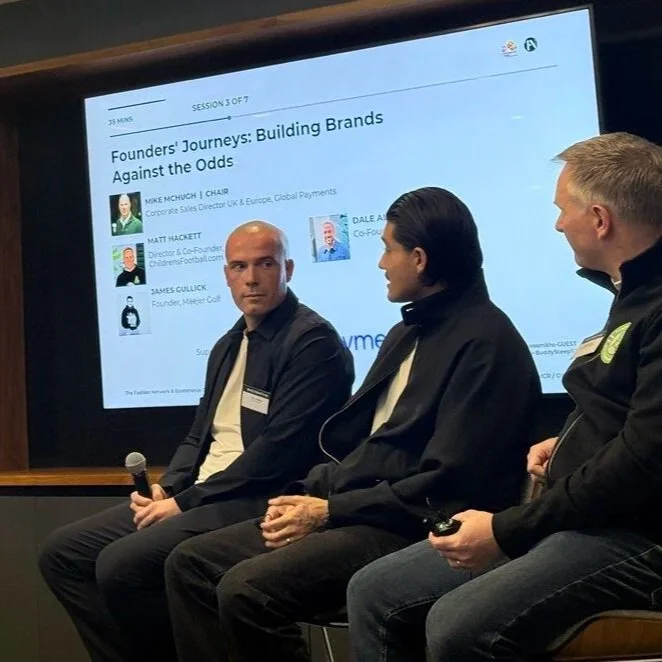
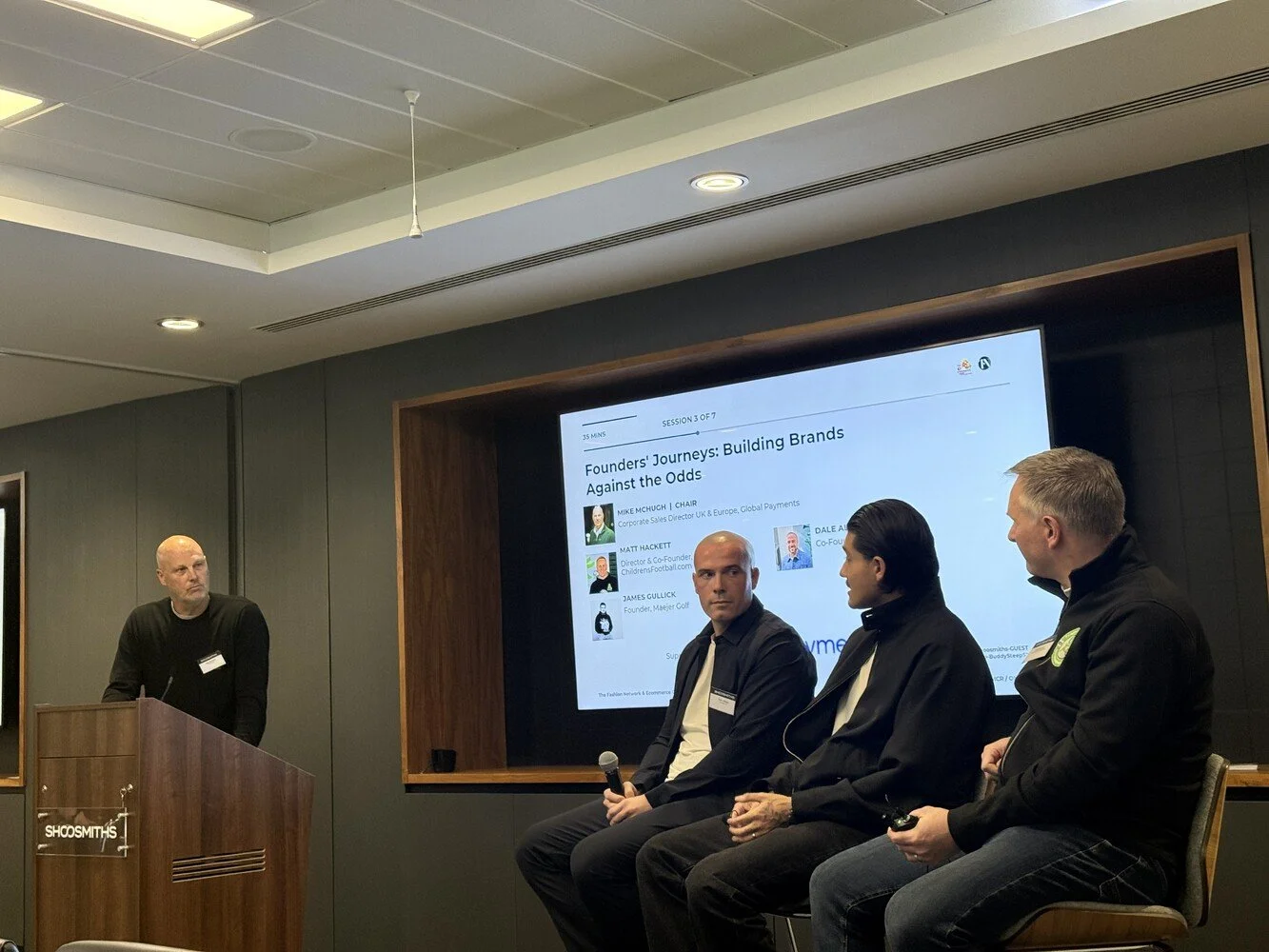
Founders' Stories: Building Brands Against the Odds with Global Payments Inc.
Featuring Dale Allman Director of Union 22, James Gullick Founder of Maejer Golf and ⚽ Matt Hackett Director and Co-Founder of ChildrensFootball.com. Chaired by Global Payments Inc.'s Mike McHugh.
Building a successful brand rarely follows a straight line. The founders' discussion offered a candid look at the setbacks, decisions and changes in direction that can sit behind a business's growth.
Dale Allman from Union 22 recalled how the business's opening was delayed by construction work in 2016, followed by a major stock loss when £30,000 worth of goods became tied up with creditors. His experience also challenged the assumption that bigger brands necessarily deliver better returns. Smaller labels, including Herno, had proved more profitable, reinforcing the value of understanding the numbers behind the products a retailer chooses to stock.
For Union 22, customer service and word of mouth remain central to building loyalty. The advice was practical: when a problem feels overwhelming, break it down into smaller wins and focus on what can be addressed next. Not every setback can be avoided, but how a business responds can make a significant difference.
James Gullick, founder of Maejer Golf and previously part of Represent, spoke about the pressures that come with rapid expansion. Growing from £6 million to £50 million in three years brought opportunity, but also exposed the operational risks of scaling too quickly. A warehouse move in December left the business without stock for six weeks, while expansion into the US created challenges around brand sentiment. His experience underlined the importance of matching ambition with operational readiness.
High-profile partnerships and social media can build awareness, but growth also depends on understanding how customers actually shop. In golf, wholesale remains an important route to reaching consumers, particularly in a category where customers may discover products through clubs and specialist retailers.
⚽ Matt Hackett of ChildrensFootball.com shared a different starting point. After launching with a dropshipping model that failed in its first week, he found himself processing orders manually and using his garden shed to keep the business moving. The experience prompted a shift in focus, away from selling directly to parents and towards supplying clubs and schools. That change opened up a clearer business opportunity, while the growth of female football offered further potential.
The discussion also touched on the practical use of AI, including generating Shopify product descriptions to save time on repetitive tasks.
Across the three stories, the common thread was the importance of adapting when the original plan stops working. Growth can bring new customers and revenue, but it also introduces operational complexity, financial risk and difficult decisions about where to focus.
The founders' experiences showed that resilience is not simply about pushing through problems. It is about recognising when something needs to change and acting on it.
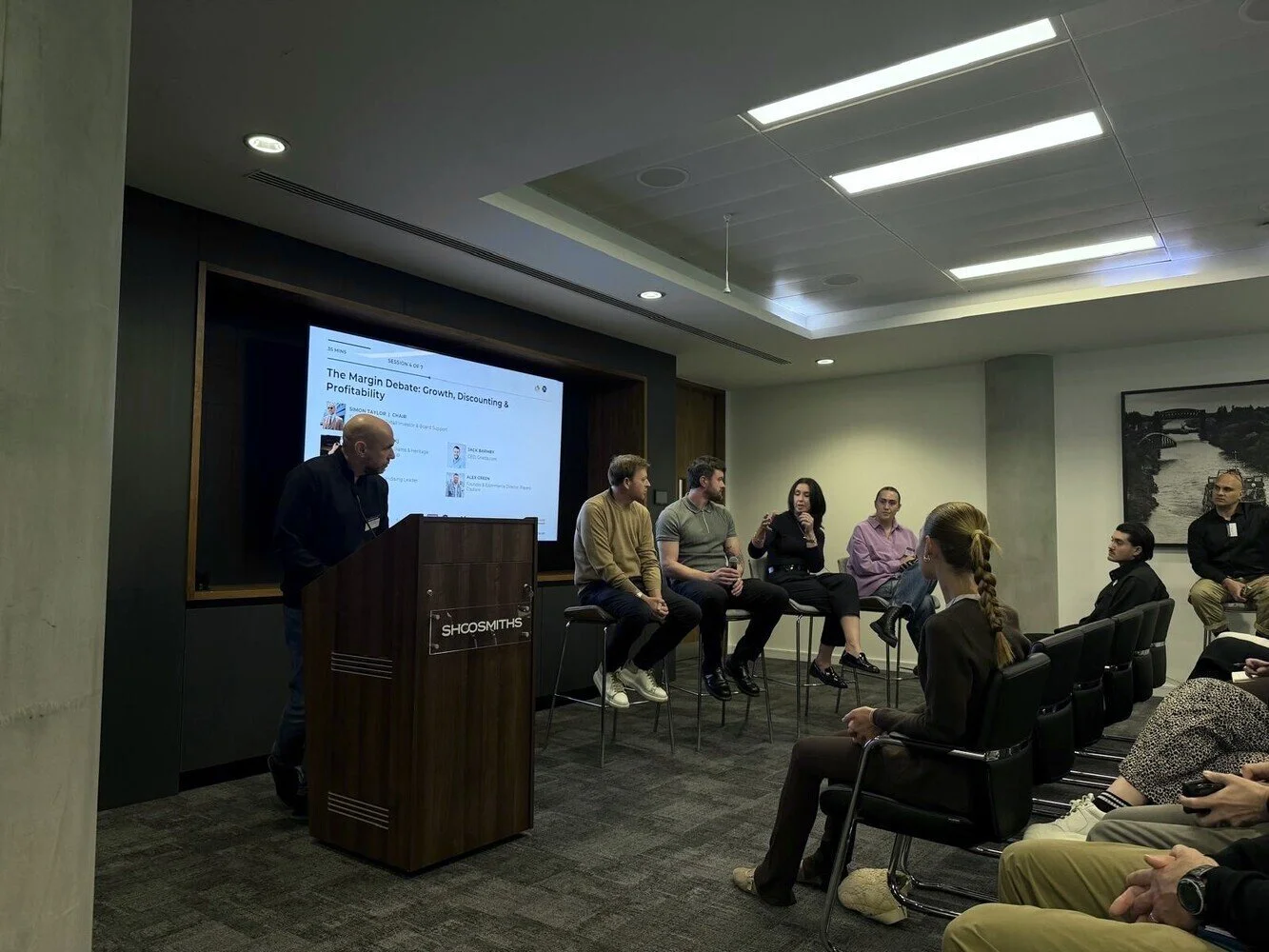
The Margin Debate: Growth, Discounting and Profitability with Gnatta
Featuring Grace Hunt (Monk) Head Of Trade at N Brown Group, Anna Whalley Fractional Merchandising Leader, Jack Barmby CEO of Gnatta, Alex Green Founder and Ecommerce Director at Players Couture and Fractional NED, Retail Investor and Board Support Simon Taylor.
Discounting can deliver a short-term sales lift, but the panel questioned what happens when promotions become an expected part of the customer relationship.
When shoppers learn to wait for the next offer, full-price demand can become harder to sustain. Rather than treating every sales dip as a reason to discount, brands need to be clearer about the purpose of each promotion and what they expect it to achieve. In some cases, adding value through service, benefits or a more relevant customer experience may be a better option than reducing the price.
The financial impact also needs to be understood beyond the headline discount. Alex Green illustrated how a 20% reduction on a product carrying a 60% margin can require a substantial increase in sales volume to compensate. Delivery and fulfilment costs can further erode profitability if they are not factored into the calculation.
That makes margin a business-wide responsibility, rather than something that sits solely with the finance team. Marketing, ecommerce, customer service and operations all influence the cost of acquiring and retaining customers.
The panel discussed the importance of aligning teams around shared commercial goals while ensuring that individual performance measures reflect the decisions each team can actually control.
The picture can become more complicated for brands selling through marketplaces, where the commercial model and cost structure differ from direct-to-consumer sales. Businesses need to understand how profitability is measured across each channel rather than applying the same assumptions everywhere.
Customer retention was another important part of the conversation.
Relevant marketing, personalisation and effective post-purchase communication can help give customers a reason to return without relying on repeated promotions. Customer service also plays a role in protecting long-term value, particularly when problems arise after the sale.
AI offers opportunities to improve efficiency, but the panel warned against losing sight of customer trust. Generic brand identities, misleading product imagery and poorly governed automation can undermine the experience a business is trying to improve. Cost savings are of limited value if they come at the expense of credibility or customer confidence, and businesses also need to consider the skills and oversight required to use these tools effectively.
The discussion reinforced that profitable growth depends on understanding the full cost of a sale, being more deliberate about promotions and ensuring that decisions made across the business support the same commercial objectives. Discounting can have a place in the strategy, but it should be a considered choice rather than a default response.
The Bigger Picture
Across the Ecommerce Leadership Summit North, a consistent theme emerged: sustainable growth depends on making better decisions with the information, resources and customer relationships businesses already have.
Retailers need to look beyond turnover to understand the quality of their growth.
Brands need reliable product information as AI changes how shoppers discover and assess products.
Founders need the flexibility to adapt when their original plans meet the realities of running a business. And teams need to understand how everyday decisions, from discounting to customer service, affect the bottom line.
The sessions approached these challenges from different angles, but all returned to the importance of understanding what drives value, where risk sits and what makes a business resilient over the long term.