WHY IS ADOBE PHOTOSHOP THE BEST TOOL ON THE MARKET FOR TEXTILE DESIGN AND COLOUR MANAGEMENT?

“We launch a collection, produce a print run and if it has succeeded, we produce it again. With good color management, not only will it be possible to print what we have sold but also we will be able to repeat the production as many times as necessary without changing the result” - Inedit
GUEST ARTICLE | ON BEHALF OF INEDIT SOFTWARE SOLUTION FOR TEXTILE
Adobe Photoshop: The leading tool in the design
In the last decades, Adobe Photoshop has positioned itself as one of the most important tools in the management of pixel-based images.
With Photoshop, not only do we have at our disposal a wide range of tools for editing, transforming, and enhancing images, but you can also access a wide range of customized tools that provide the best results regardless of which industry you work in.
For instance, our sector: is textile design and printing. With the power of Photoshop and the external add-ons, we have in our hands the perfect tool to make our work faster and more efficient.
But do not forget that the job of a textile designer is not over when the design is finished, there are different processes that are necessary and we must ensure their success. One of the most important processes is Color Management.
Color management in textile design and printing
Color management is one of the most popular terms in our industry. Broadly speaking, color management is the process of converting the representation of colors in different devices (for example, converting the color we see on a screen to the one we will see on fabric) to reproduce colors as accurately as possible.
When we start a creative process, we imagine shapes accompanied by a color palette. This same palette is the one we reproduce when we design and the one we expect to be printed at the time of production. Furthermore, one of the particularities of the textile sector and in particular digital printing is the repetition of the productions: We launch a collection, produce a print run and if it has succeeded, we produce it again. With good color management, not only will it be possible to print what we have sold but also we will be able to repeat the production as many times as necessary without changing the result.
So why do you need to know about color management if you are a textile designer? Because it is the only way that the colors we imagine in our head, which we later capture in Photoshop, will be the same ones we will see printed in the collection.
Why choose Photoshop for color reproduction?
To the initial question of the post Why is Photoshop the best tool in the market for textile designers? The answer is: Because it is the tool that will best suit your color management needs.
And, how do we do it? Photoshop has four key processes that will help us maintain color accuracy throughout the design and printing process:
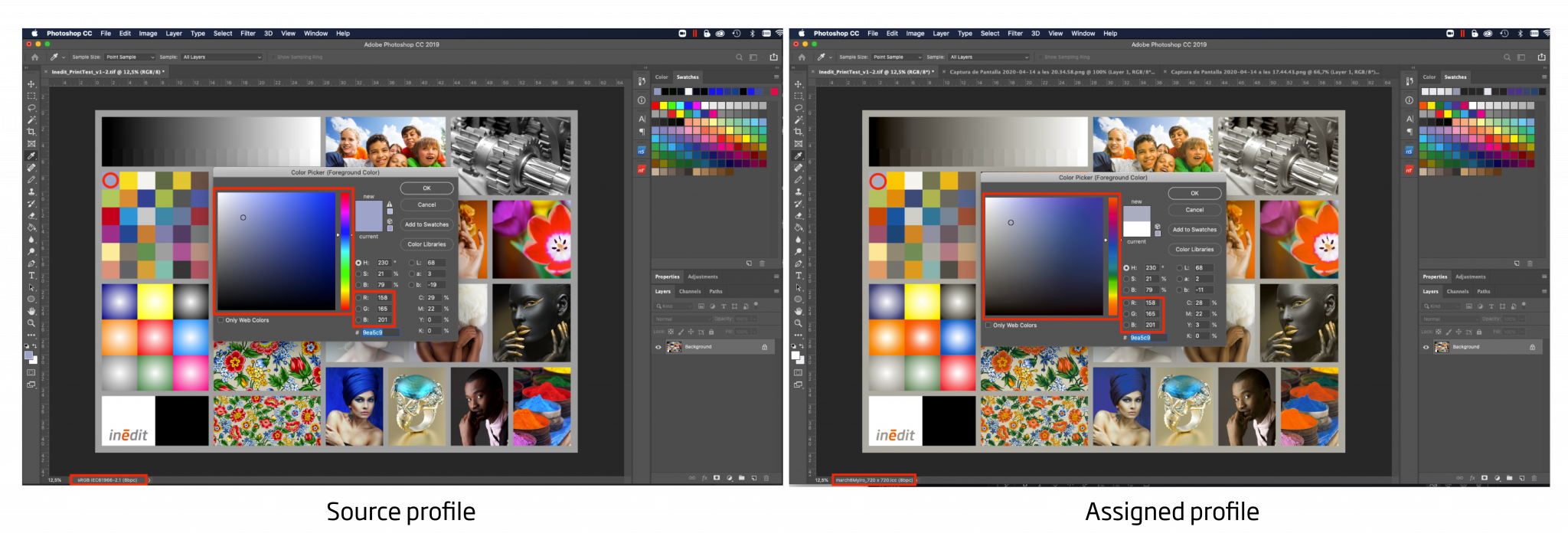
Allows you to work with embedded profiles: This makes it much easier to work with color management. If we work with an image with an embedded profile, we will see the colors that your output device will be able to reproduce, and we will also be capable of maintaining this information for the production department.
Allows you to assign color profiles to your designs (Edit > Assign profile): With this tool, you can change the profile you will work with. We will change the initial profile of the image for the one we select. In this process, the RGB coding is maintained but the colors will be changed since the color profiles are responsible for giving the values to the RGB. If these are different, the colors will change to fit the selected profile.
It has the functions to convert (Edit>Convert to profile) and test a profile (View>Test Fit): The difference between assigning and converting a profile, is that the latter, when we select a profile for change, will not maintain the RGB coding, trying to preserve the color results as much as possible within the profile. The function of testing a profile is very similar to that of converting the profile, but it simply shows it in Photoshop, without modifying the image. This way, we can simulate the output colors of the job. The function of testing a profile is very similar to that of converting the profile, but it does not modify the image, it simply displays a preview of the results in Photoshop. This way, we can simulate the output colors of the work. If we use both tools at the same time, we will have our design prepared with the profile we want to use and, in addition, we will be able to see the simulation once printed on paper or fabric

You will be able to send a file to be printed preserving the color management previously done:
Finally, the same tool, as we have mentioned before, will allow you to send all the information about the image and the profile to the production department, so as not to lose any information of our work.
If you want to know a little more about it, you can watch this webinar where Gerard explains in detail the steps to follow for color management with Adobe Photoshop®.

Colour Is Too Important to Leave to Chance
Print will always be the part of the garment people see first.
But the sum of all parts — the fabric, the trims, the fasteners, the finish — is what determines whether a design actually delivers on its promise. Brands that continue to treat colour as a single creative decision, rather than a coordinated technical discipline spanning their entire supply chain, will keep paying for it in re-dips, delays, and disappointed design teams.
A Century of Textiles, and an Ever-changing World
Few companies can trace their roots back more than a century and still count themselves among their industry's innovators. Texia, headquartered in Monistrol de Montserrat, Spain, is one of them.
But the story of Texia is not simply one of longevity.
It is a story of continual reinvention. As the textile industry has grown more global and competitive, Texia has repeatedly reshaped its business, investing in technology, developing its own brands, and placing sustainability at the centre of its mission. In doing so, it offers a compelling example of how a heritage manufacturer can lead rather than follow through a period of profound industry change. Image Credit: Texia
What are we craving Ultimately?
The instinct to slow down while simultaneously optimising every measurable aspect of life isn't a passing curiosity. It's a structural response to a world that feels increasingly unstable, and it's reshaping what people expect from their homes, hotels, workplaces and healthcare environments alike.
For the design and manufacturing sectors, this means rethinking both product and process.
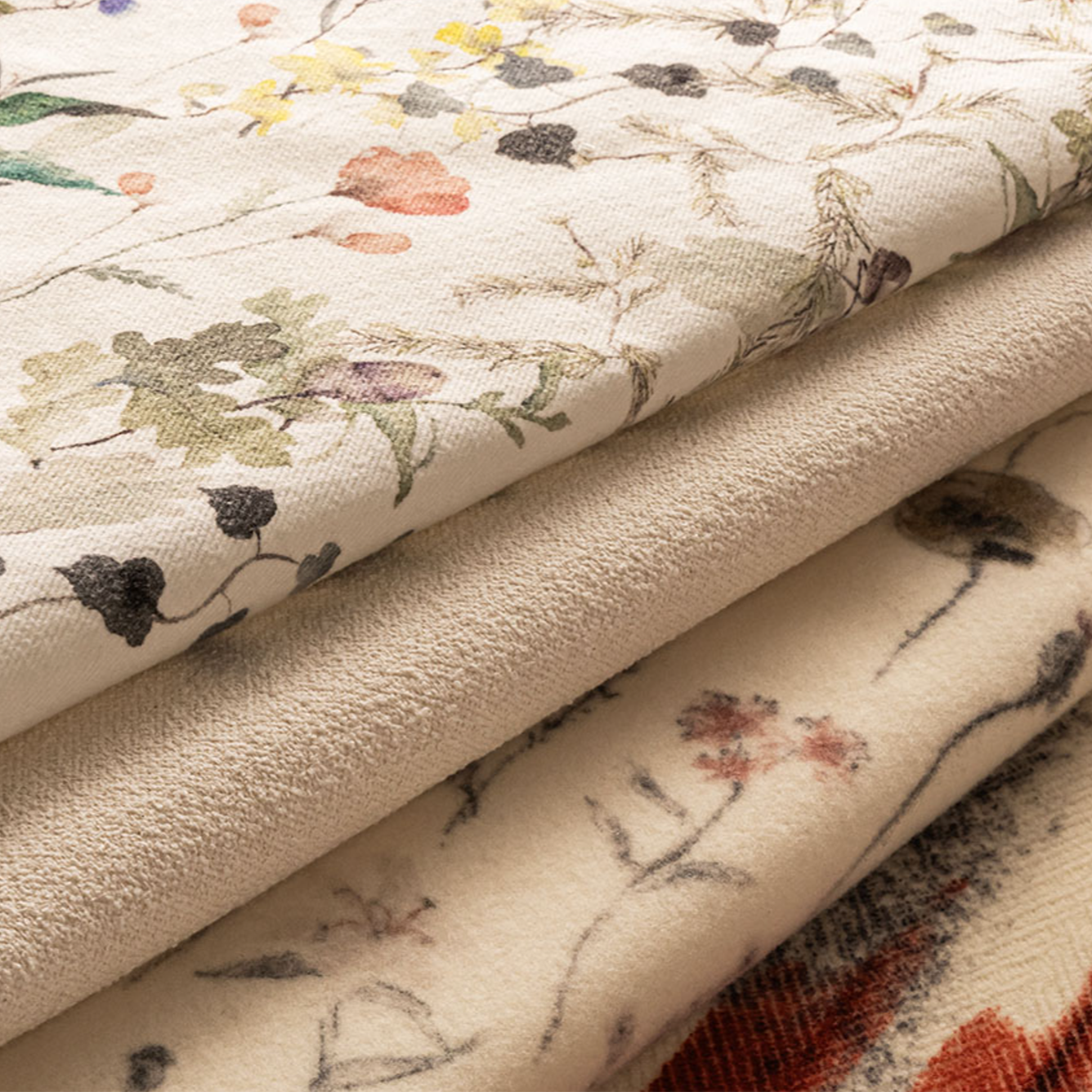
The Structual Shift is Real and its Already Here
Volumes are moving east, where digital production is accelerating rapidly. Consumer behaviour has shifted.
Demand is now driven by personalisation, shorter buying cycles, and an expectation of near-instant responsiveness. Regulatory pressure is intensifying, with supply chain transparency now a legal and commercial fact in many markets. And margins? They are under sustained, structural pressure.
This is not a temporary disruption. It is a fundamental reordering of how textile manufacturing must operate.
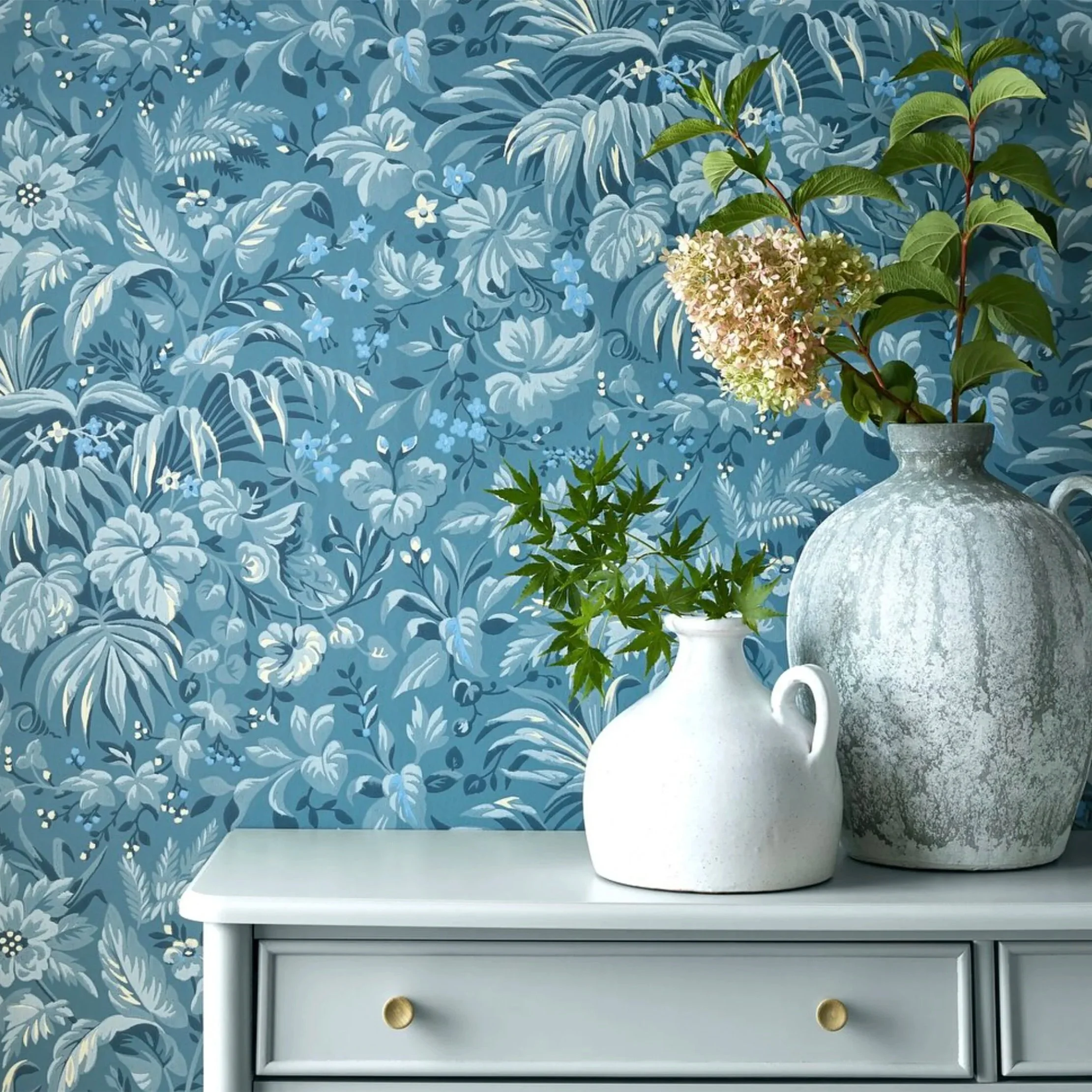
The Challenge: Standing Firm as the Industry Shifts
The wallpaper landscape has changed dramatically. Digital printing has lowered the barrier to entry, spawning countless direct-to-consumer brands and pushing much of the market towards faster, cheaper production.
At the same time, manufacturing in the UK has grown steadily harder - rising minimum wage, national insurance, energy and substrate costs all bear down on margins. Surface Print have embraced all of these challenges - and stand resolutely prepared for the future.
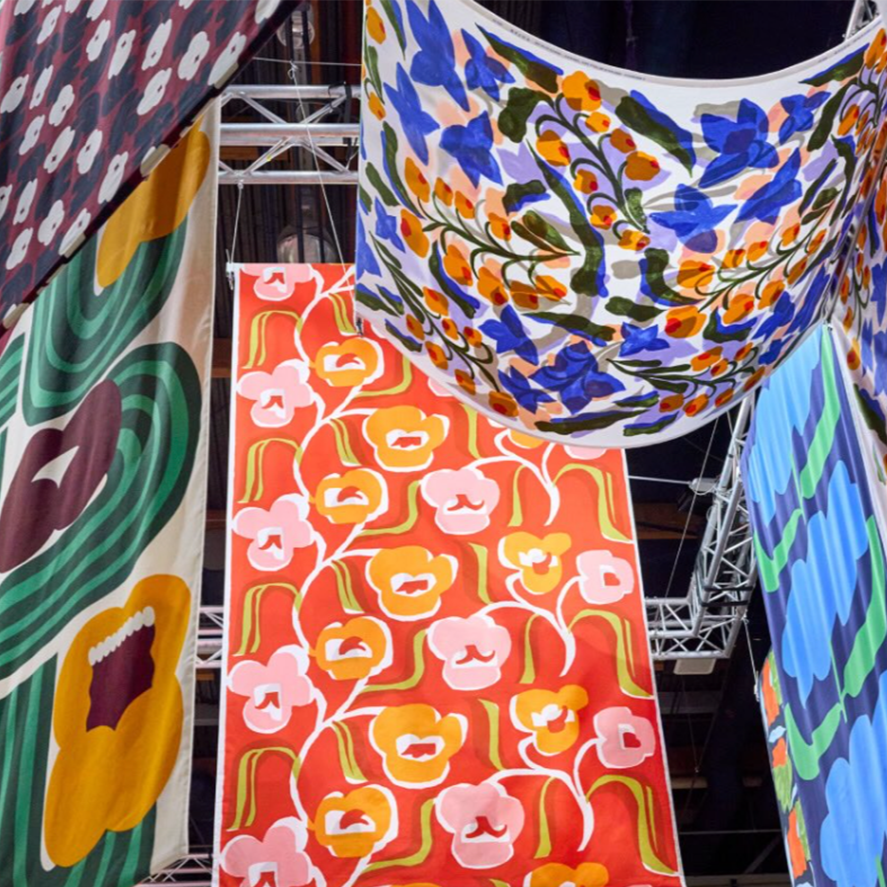
From Helsinki's printing mill to Paris's Le Marais, discover how Marimekko is scaling a design-led brand with purpose, craft, and bold innovation.
But what makes Marimekko's story compelling is not just its aesthetic legacy?
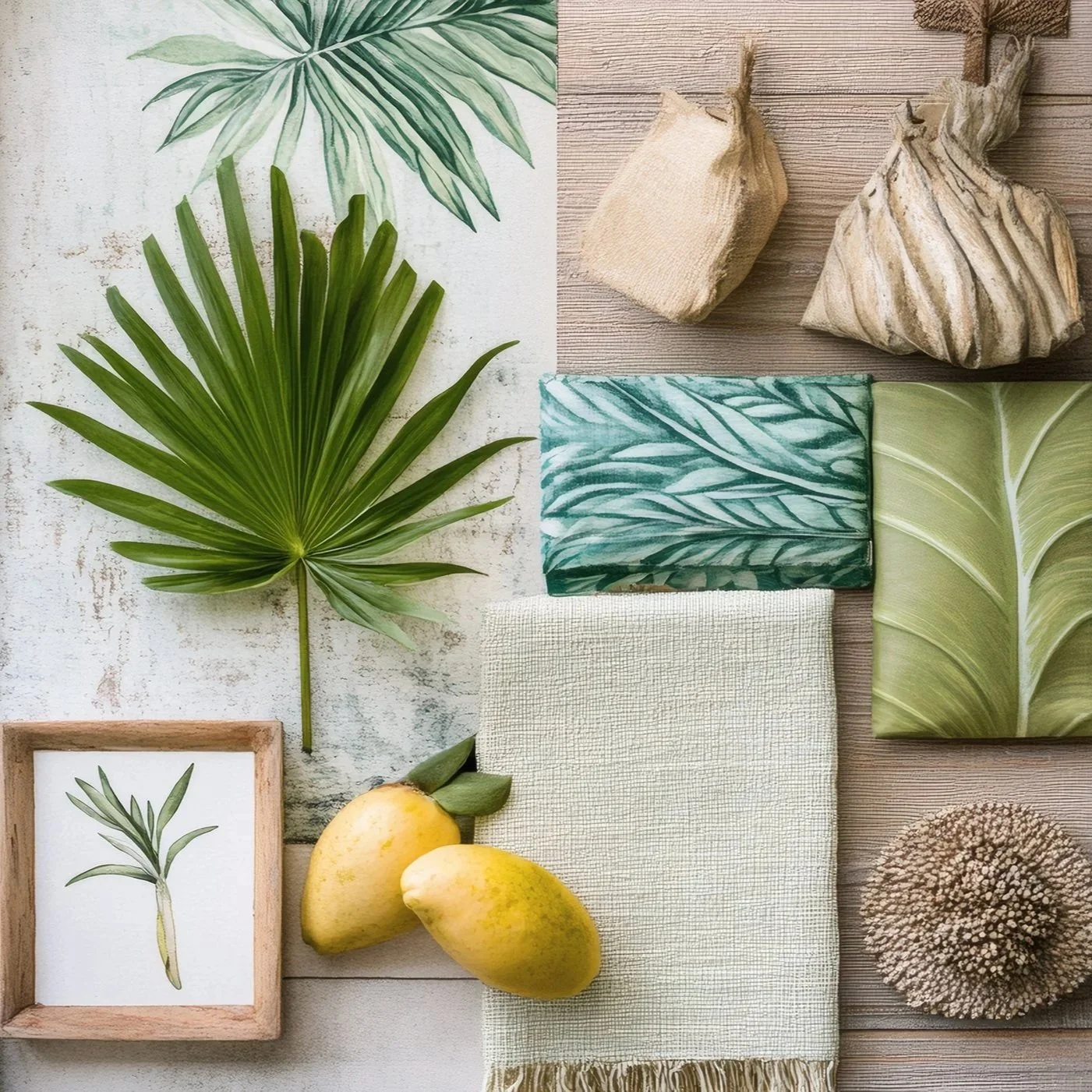
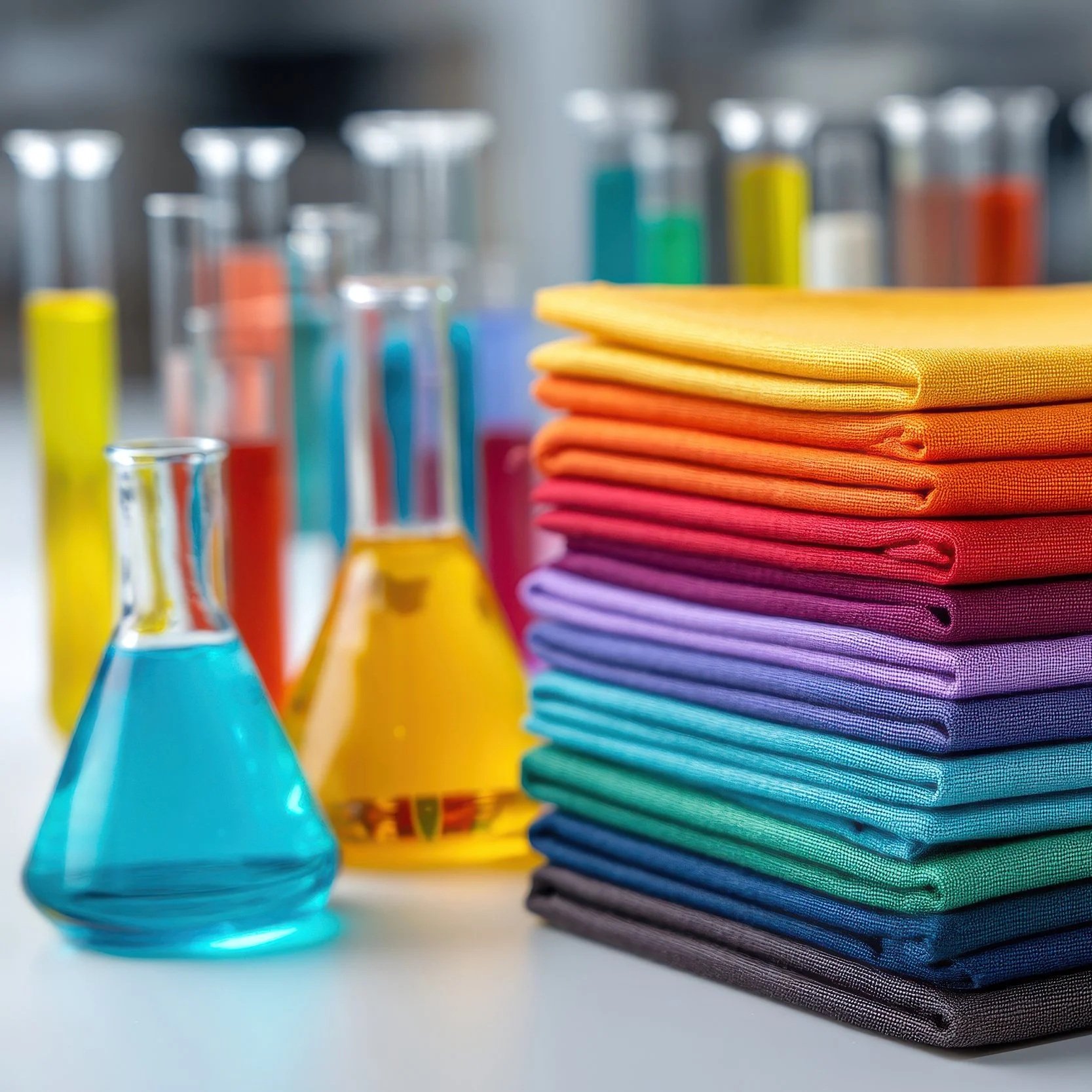
The word "toxic" carries weight. It conjures danger, harm, and things best avoided.
“Yet in the textile industry - Where between 3,000 and 10,000 chemicals move through the supply chain, a reflexive fear of the term is one of our biggest obstacles to progress.”
This article distils the key takeaways and what buyers, designers, and brands should be asking right now.
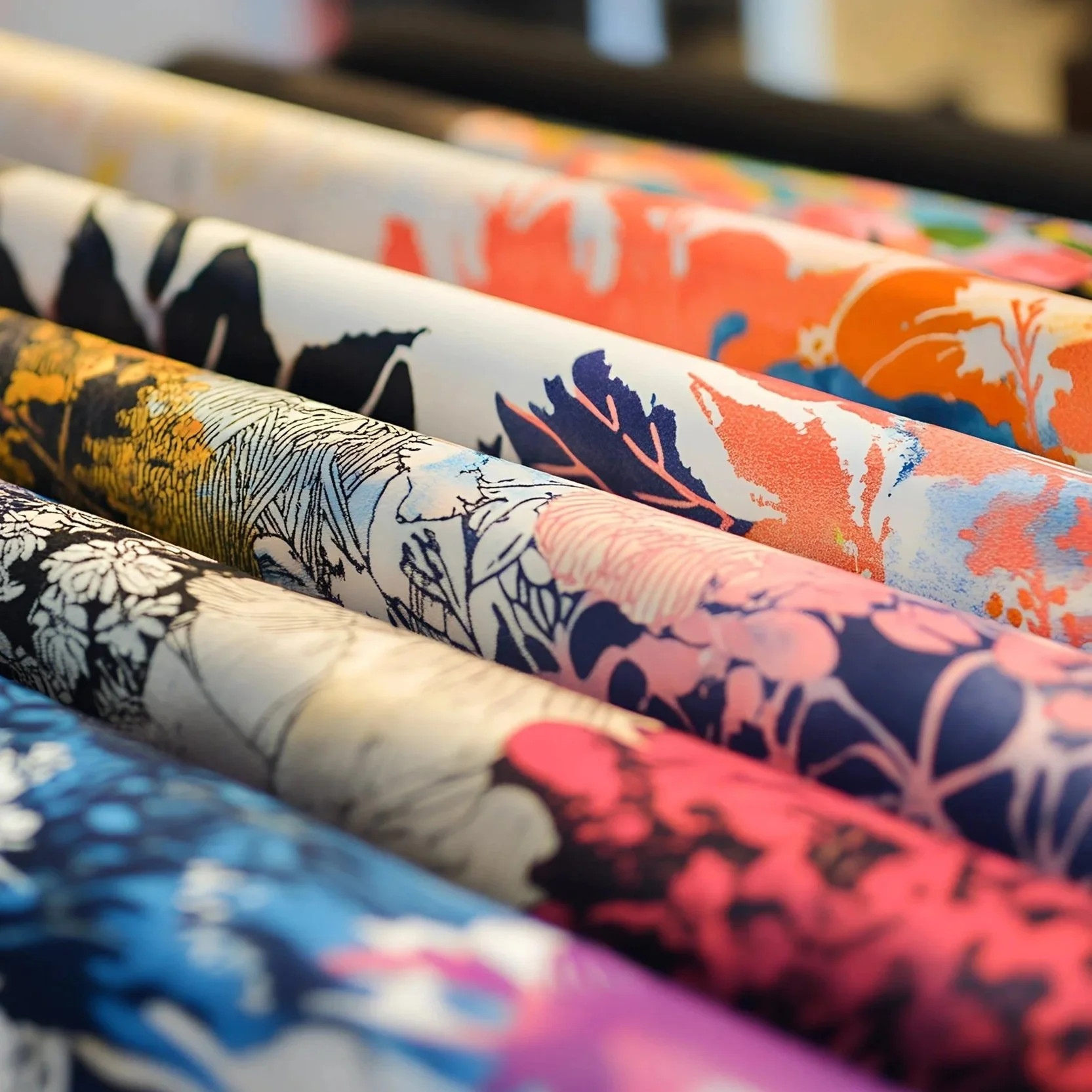
What Is the Digital Product Passport?
At its core, a Digital Product Passport is a digital record attached to a physical product - For a printed textile product, this means the DPP would capture data on the substrate, inks and dyes used, the printing process and technology, chemical compliance, environmental impact (including water and energy use), supply chain traceability, and end-of-life instructions.
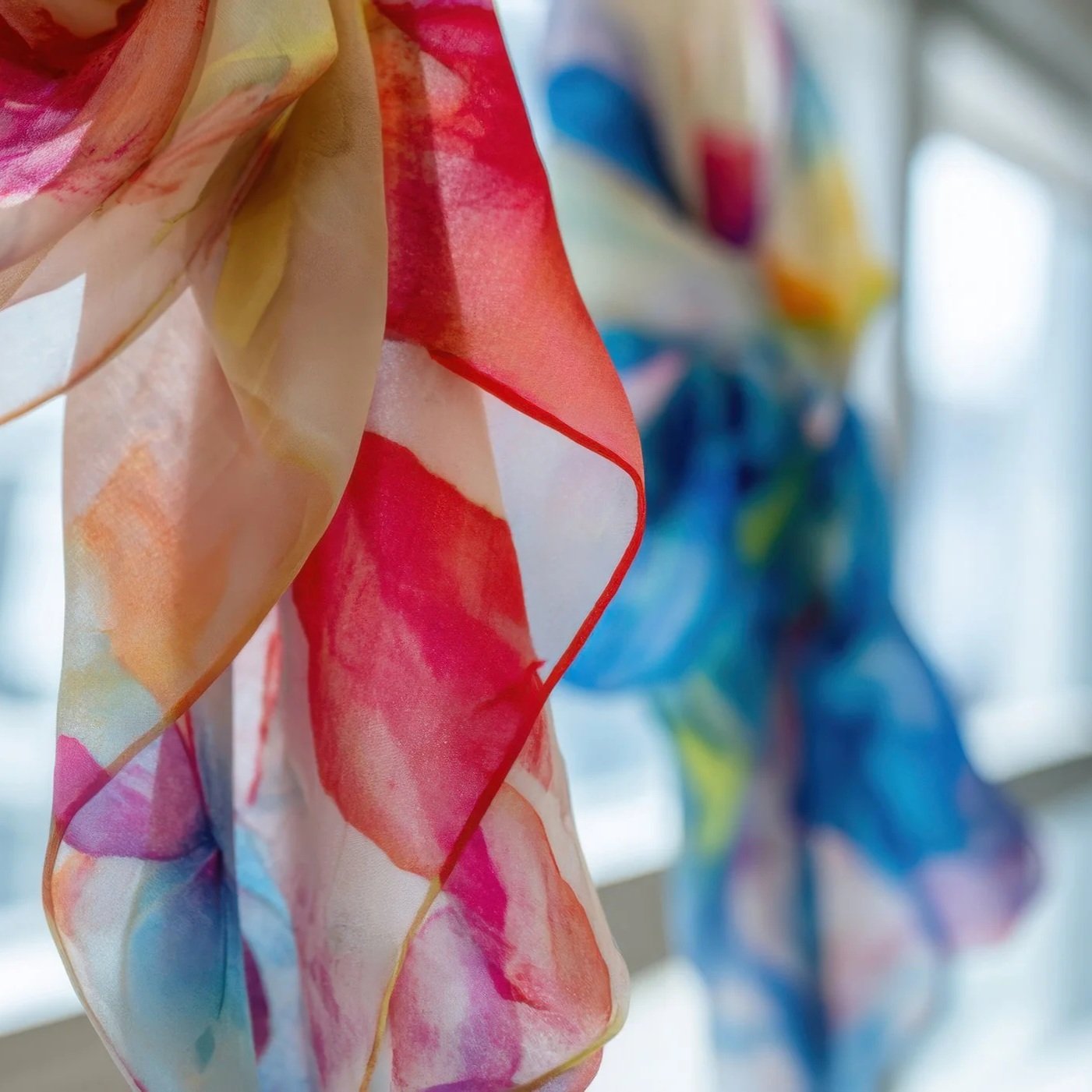
The Market Gap that Changed Everything
Future Fashion was founded in 2019, timed deliberately to coincide with a pivotal moment in global textile technology: the commercial launch of the EFI Reggiani BOLT Single-Pass digital printing system.
The founders recognised that single-pass architecture had fundamentally changed what was industrially possible - and that Pakistan's domestic market had yet to catch up.

Print is no longer defined by the inefficiencies that once characterised it…as advances in production processes and technology have significantly improved its environmental performance.
Taran Rai, Corporate Sustainability Manager at Epson explains why?
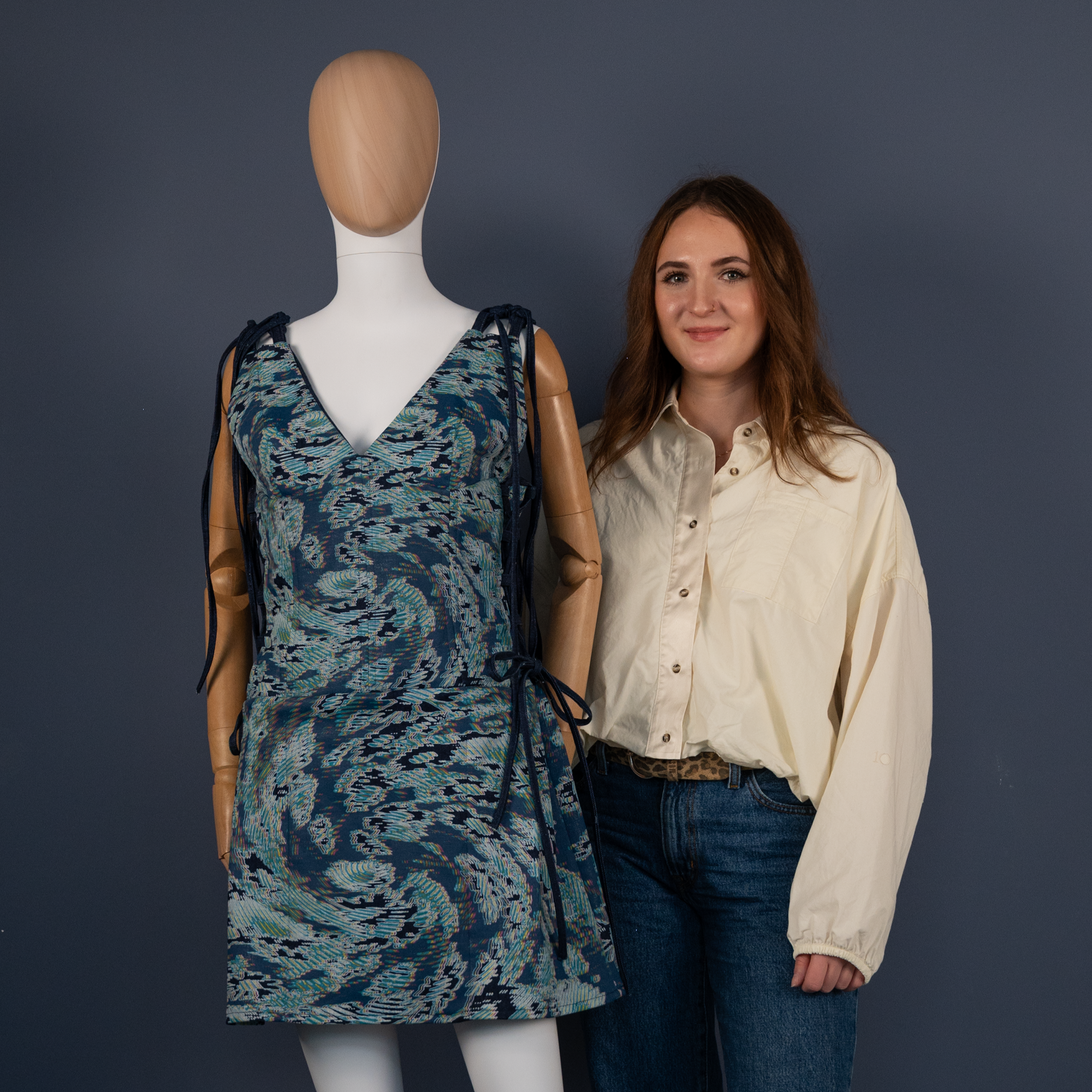
The story of what happens when young designers access digital technology is still being written.
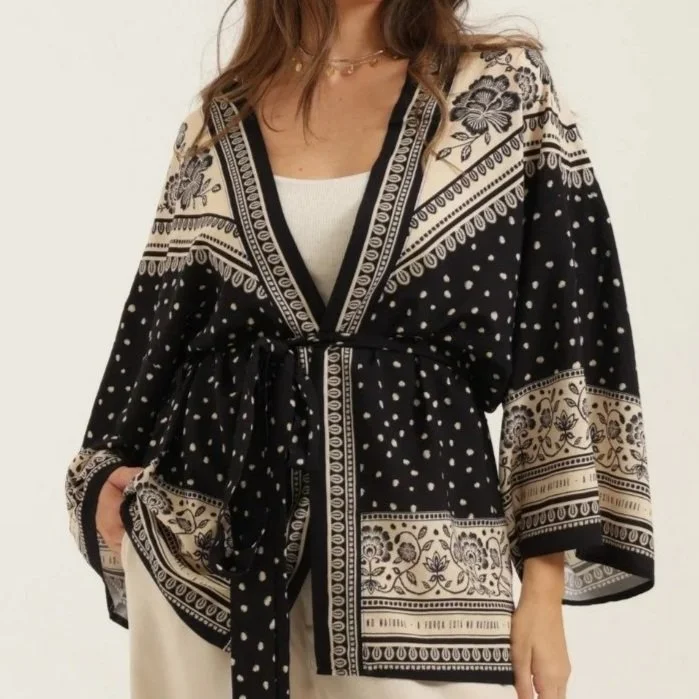
What once was a theoretical sustainability goal seems to have shifted into an active regulatory reality.
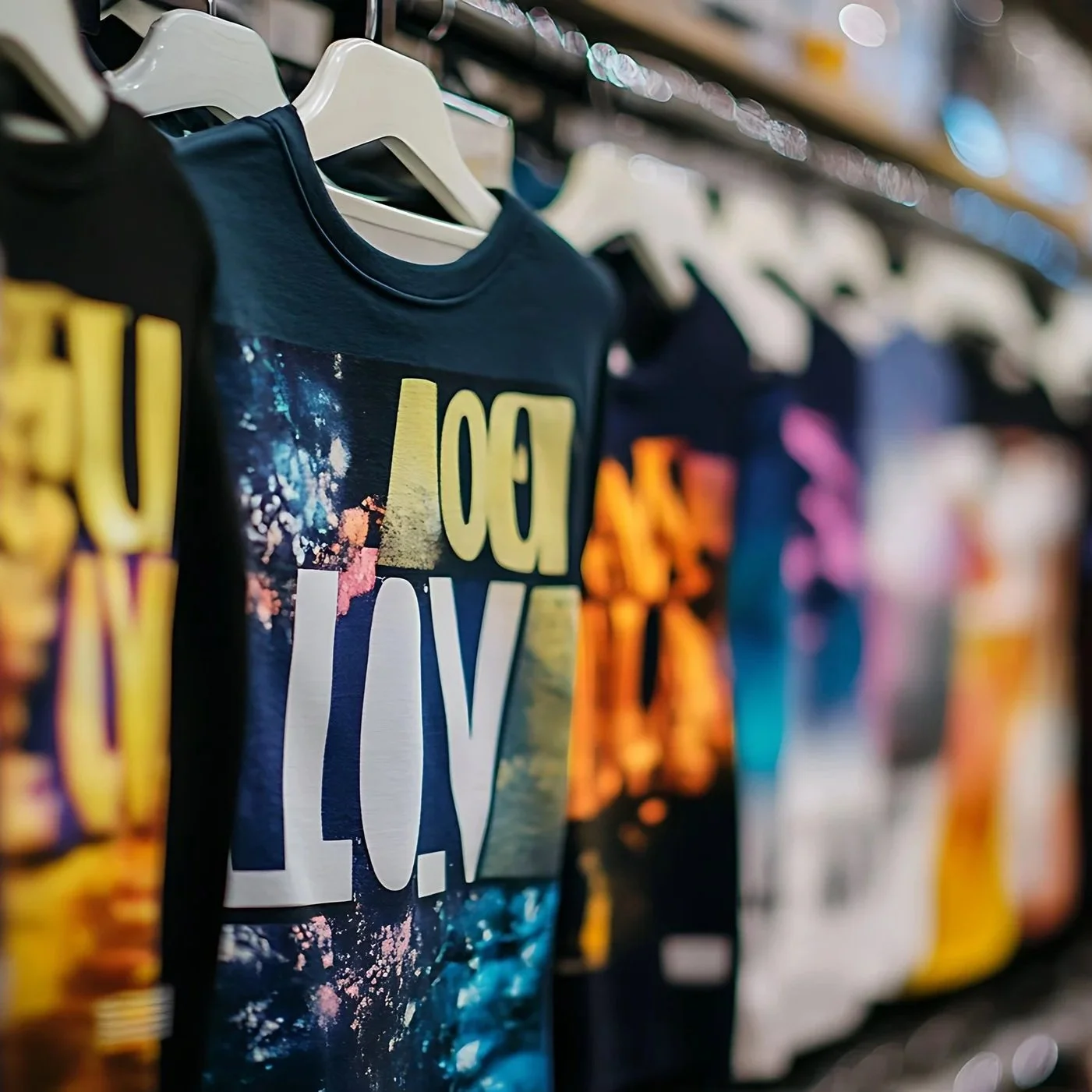
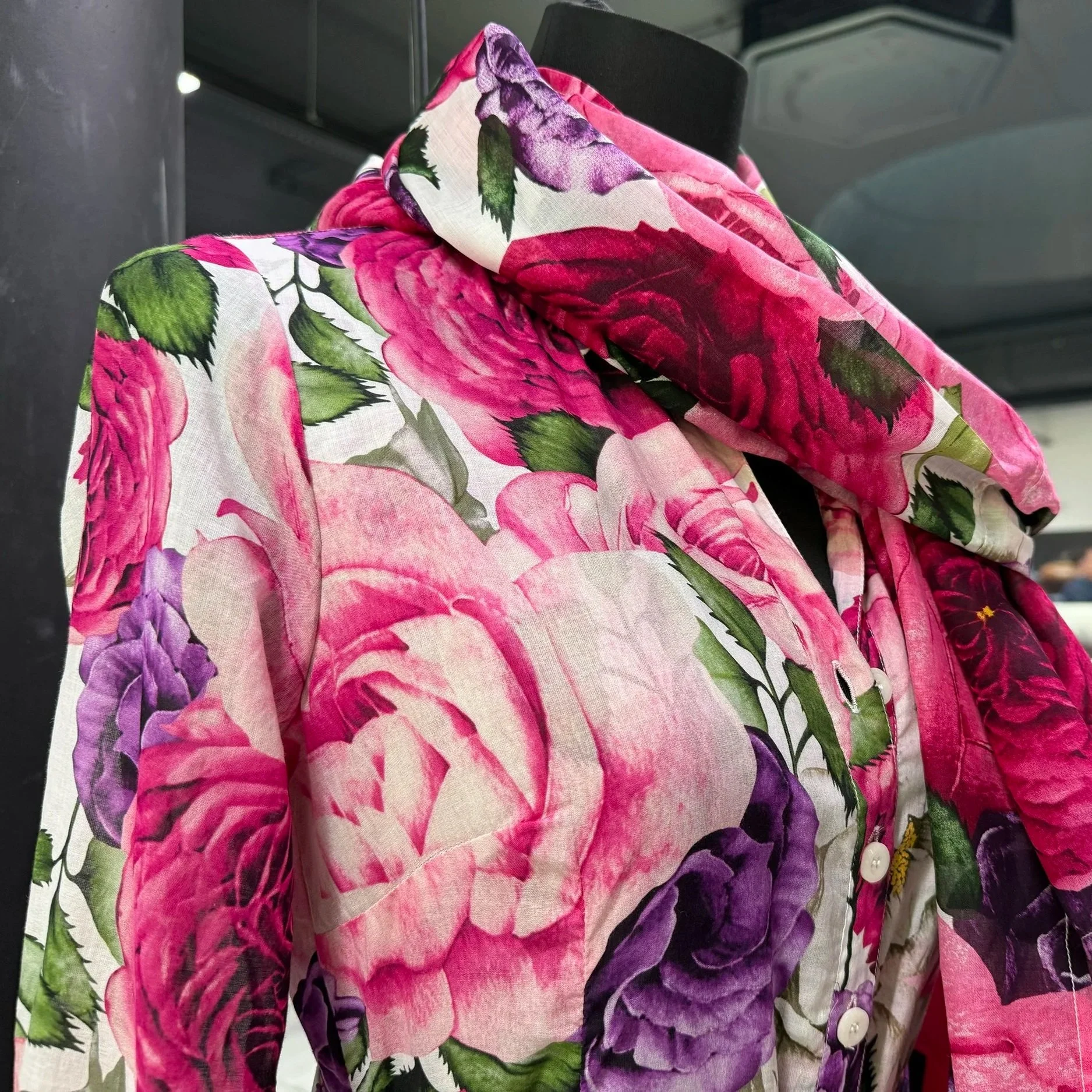


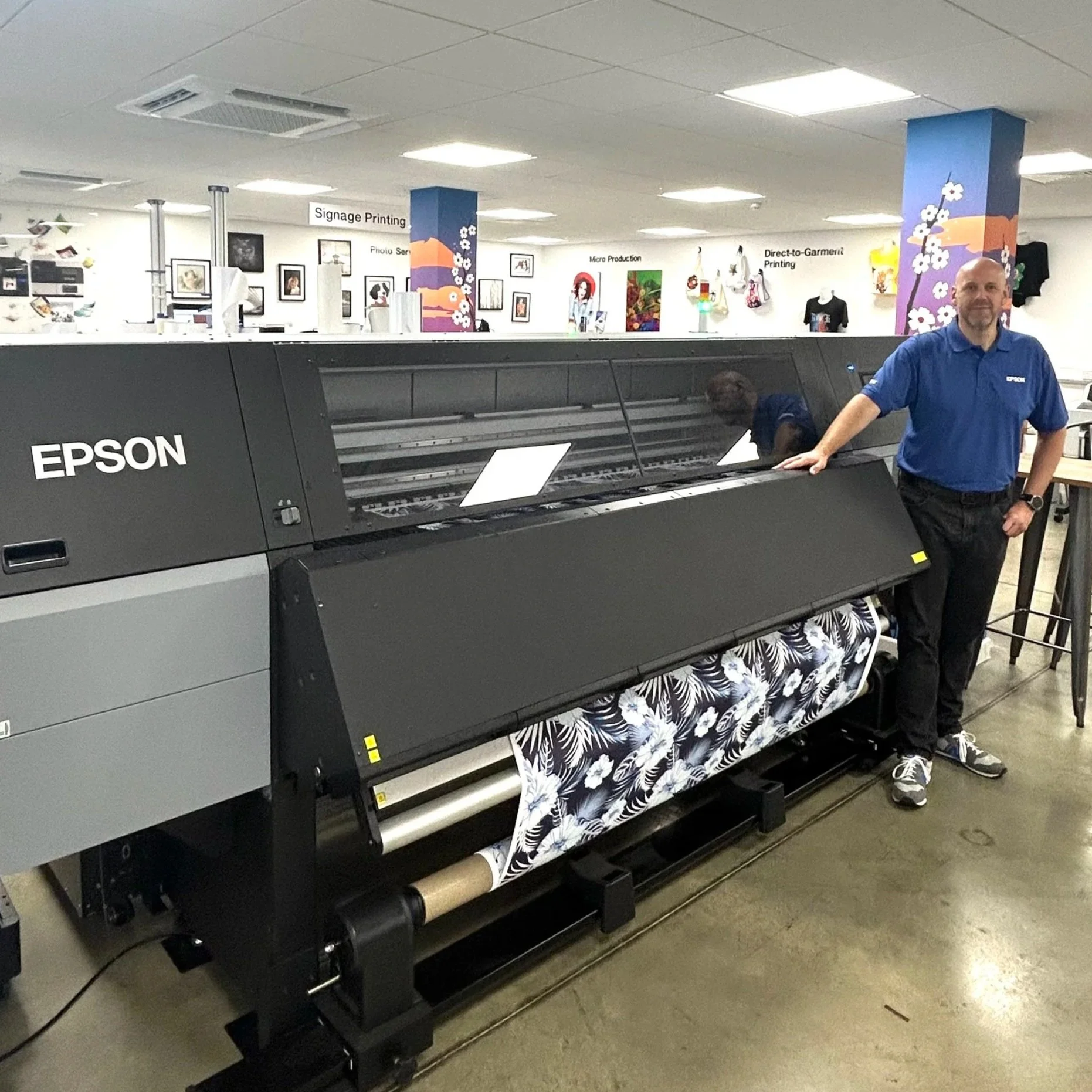
Is the Textile Market Finally Recovering?
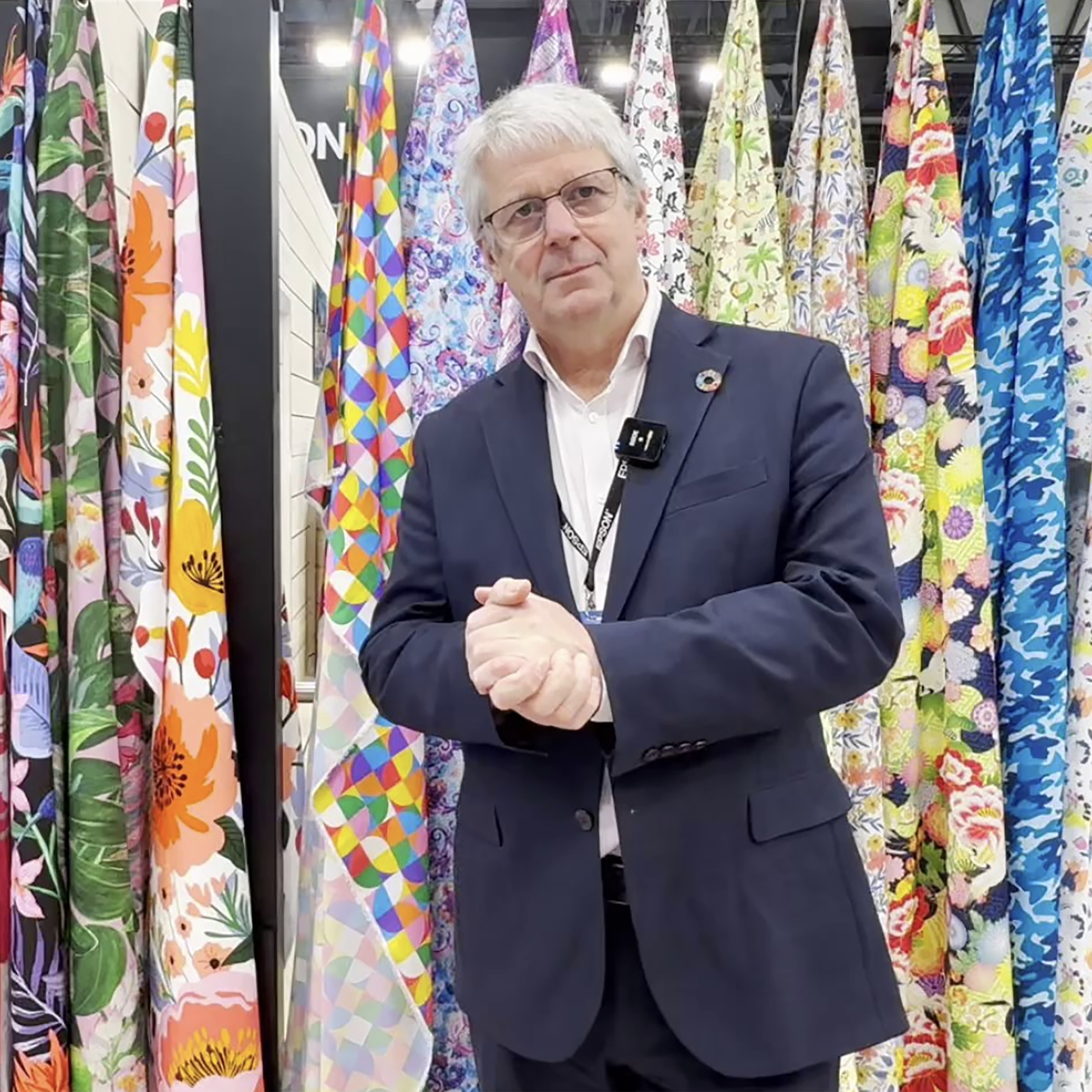
After a difficult few years, there are genuine reasons for optimism. Duncan was candid about the challenges: "The market for textiles has been very difficult over the last three years. I'm not going to hide the truth there. But the tide is turning.“
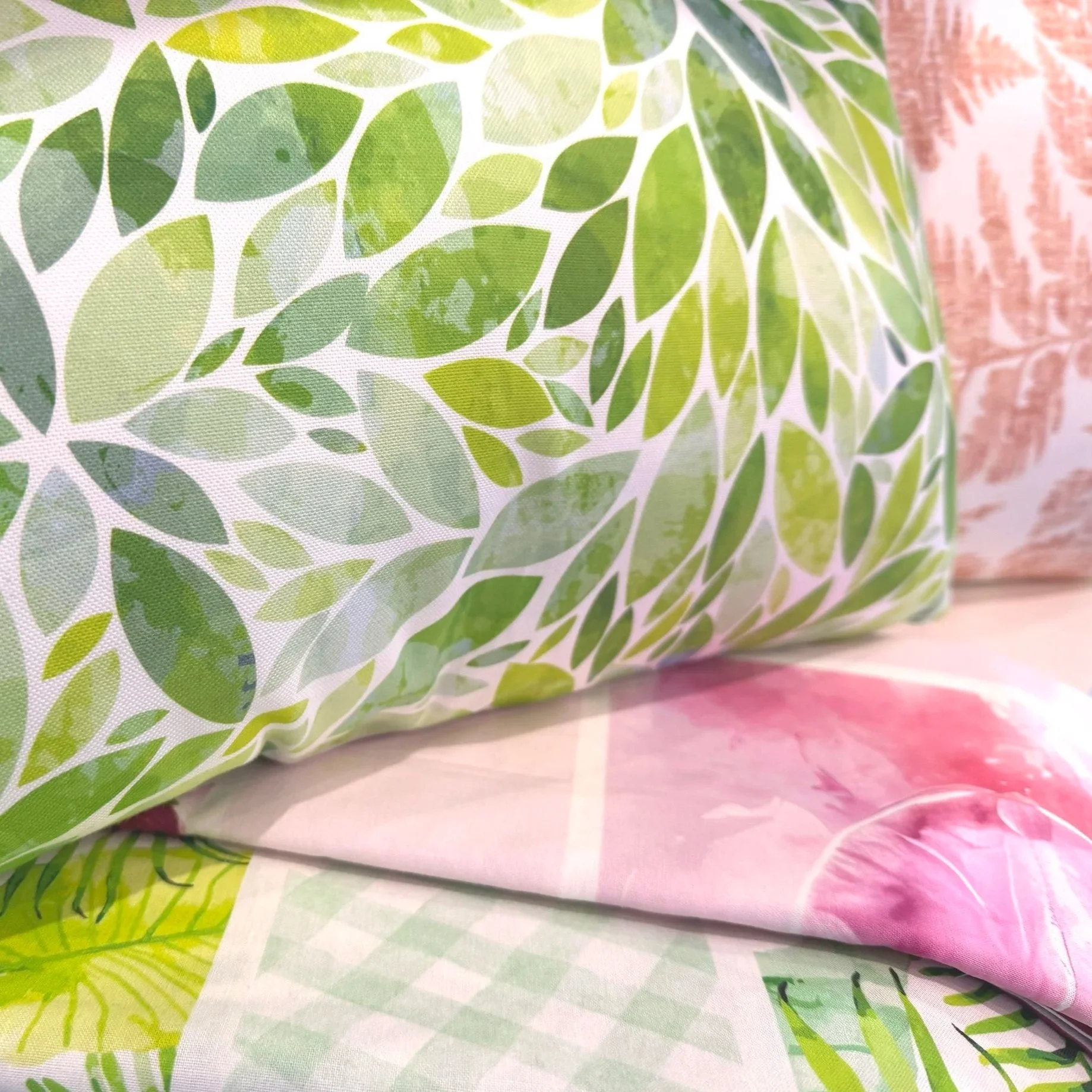
A profound shift is currently reshaping the sector
Changing consumer expectations demand greater design diversity, faster turnaround times, and sustainable manufacturing practices.
To thrive, interior brands must adapt their supply chains, bringing production closer to the end consumer and moving away from bulk manufacturing.
Digital textile printing offers a definitive solution to these operational bottlenecks.

Digital transformation doesn't announce itself.
It accumulates - one innovation at a time - until an entire industry looks back and realises the ground has shifted beneath its feet. That's precisely where textiles stands today.
The conversations happening now about AI, automation, sustainability, and digital product passports are not theoretical. They are shaping decisions being made on factory floors and in boardrooms right now.

“By leveraging advanced digital textile printing, Marylene Madou has successfully merged traditional craftsmanship with cutting-edge technology. Her approach offers a blueprint for how independent designers can scale their brands globally while maintaining a minimal environmental footprint.”
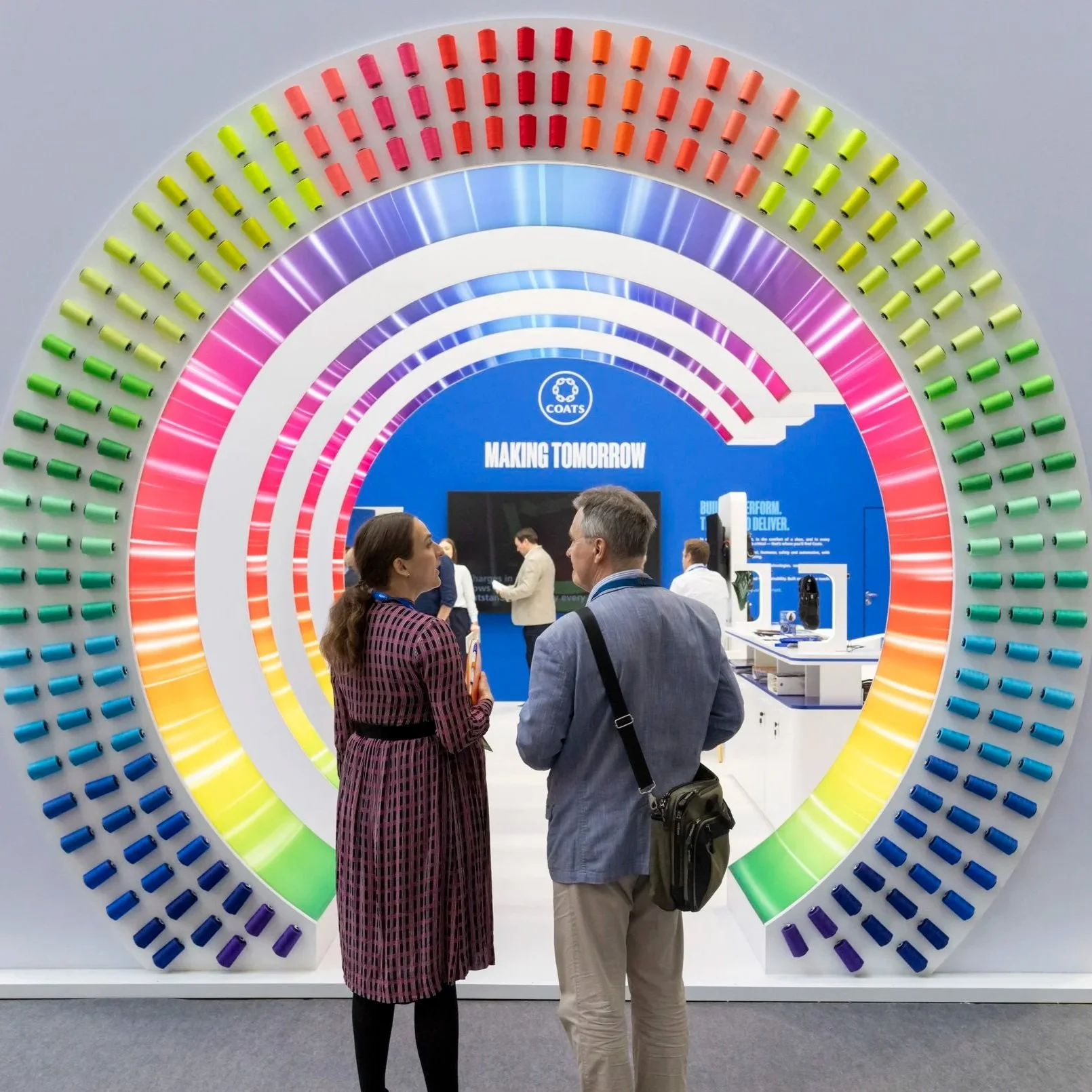
The textile industry is undergoing a vital transformation. As the insights from Techtextil and Texprocess reveal, the path forward relies on a combination of sustainable hardware, intelligent chemistry, and seamless digital workflows.
From Zimmer's industrial-scale energy reductions and Stratasys's on-demand 3D embellishments, to Kornit's single-step technical printing and the unified digital ecosystems of NedGraphics and Optitex, the tools for change are here. To stay competitive, brands and manufacturers must adopt these innovations, moving away from fragmented, wasteful processes towards a truly connected, circular economy.
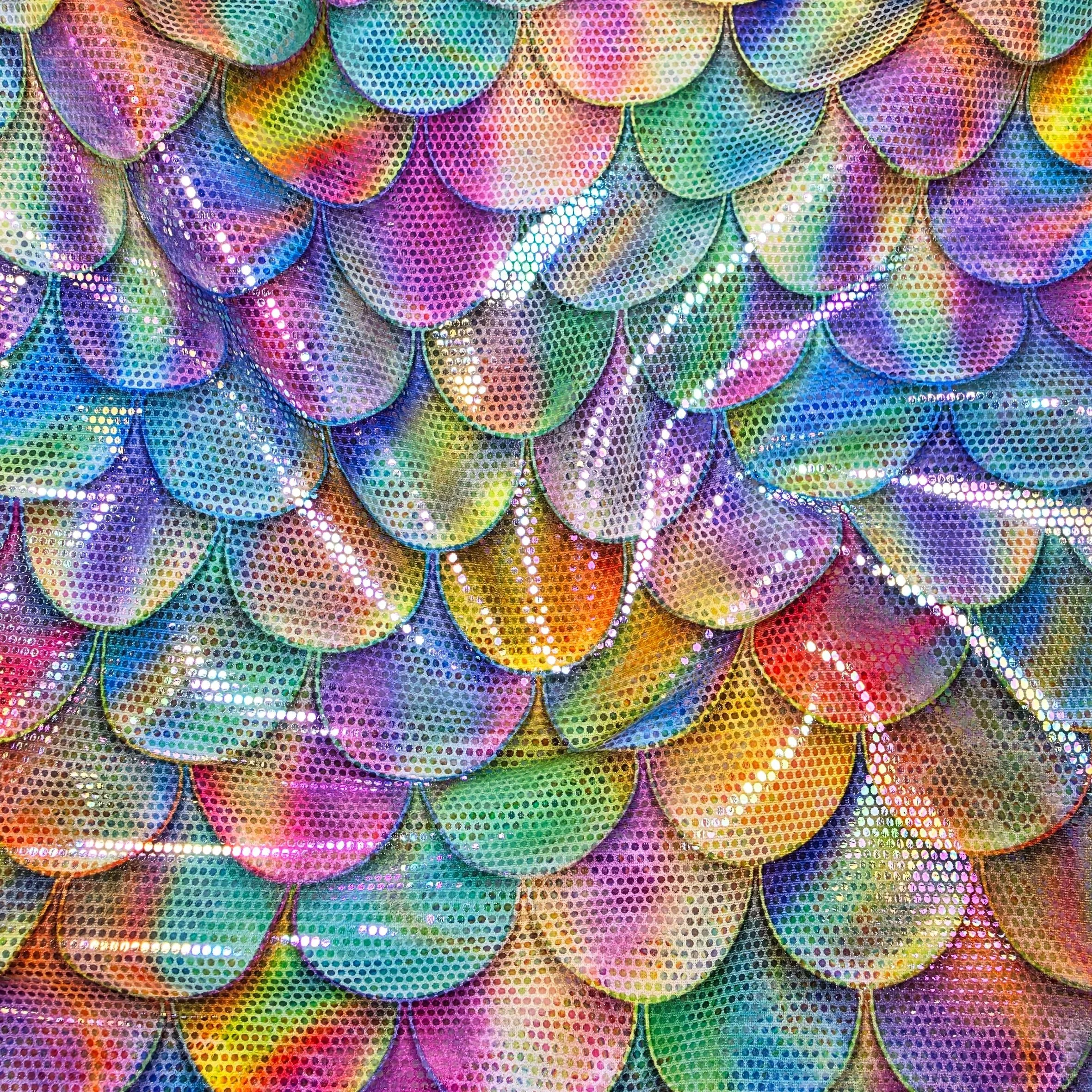
Friedmans stands as a testament to the power of combining traditional textile knowledge with forward-thinking innovation.
“Operating from their UK headquarters, Friedmans now serves a diverse array of sectors, including swimwear, dance, entertainment, sportswear, interior decor, prosthetics, and even pet apparel. With a strategic supply chain that reliably serves clients worldwide”
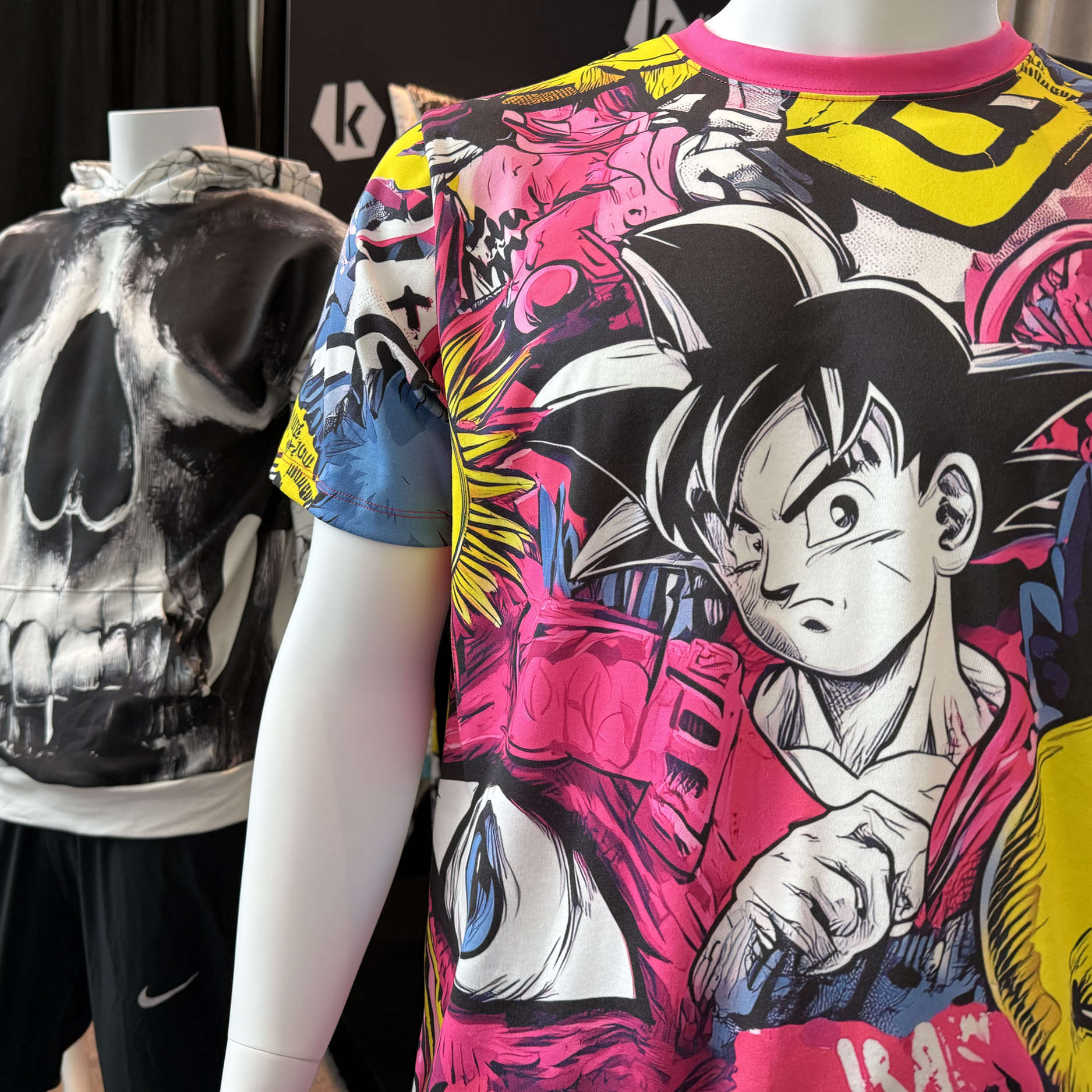
The apparel decoration industry is decisively moving away from isolated, analogue production tools toward connected digital manufacturing environments.
"Kornit’s unwavering commitment to transformative technology continues to disrupt the status quo. For business leaders and innovators ready to capture the future of apparel manufacturing, the path forward is clear”
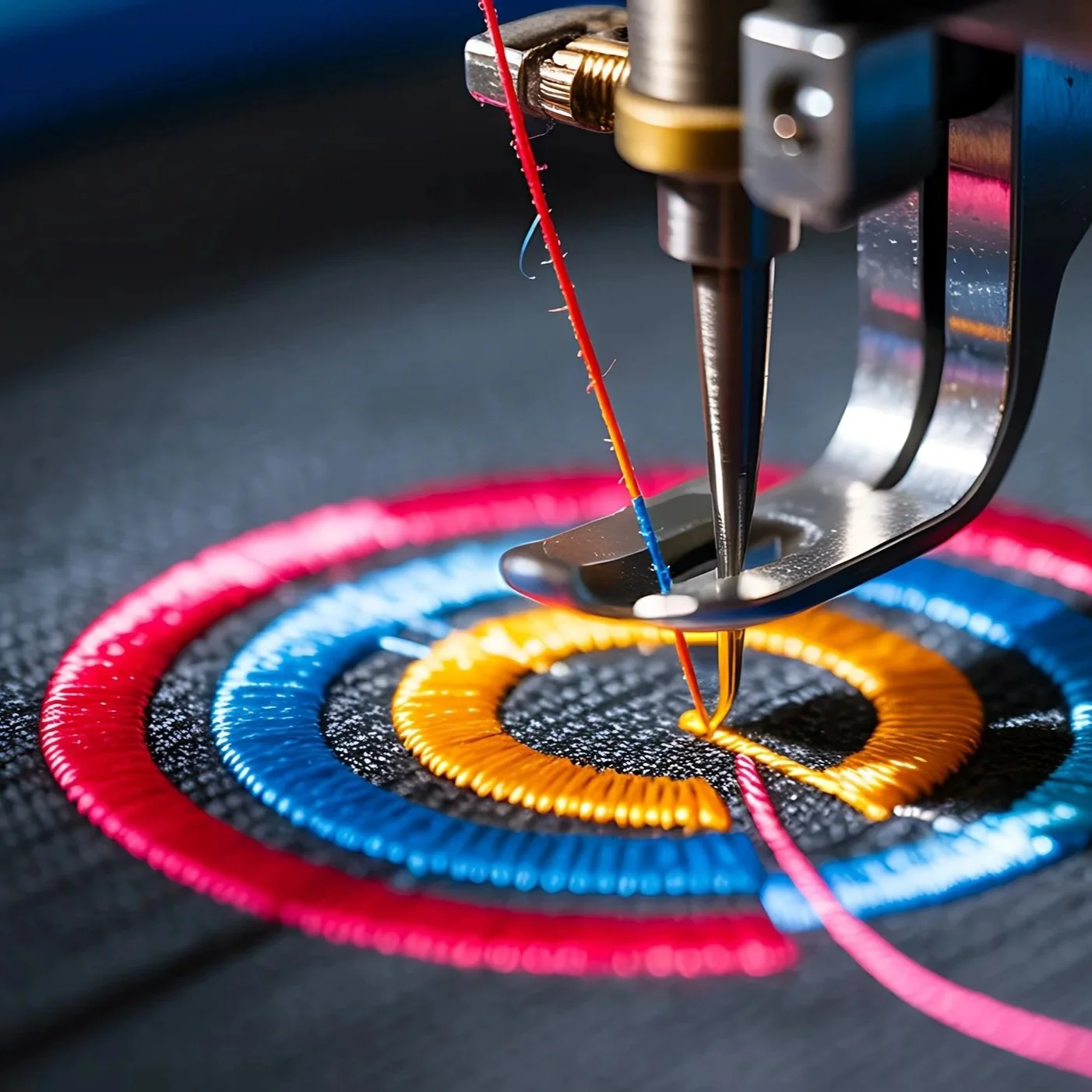
The Urgent Need for Sustainability at Scale
The transformation at Coats provides a vital blueprint for the wider textile and apparel sector. True sustainability cannot be achieved in silos. As Dearing emphasised:
“Cross-industry collaboration is the engine of meaningful change. Brands, machinery suppliers, chemical providers, and fibre producers must act as an interconnected ecosystem”
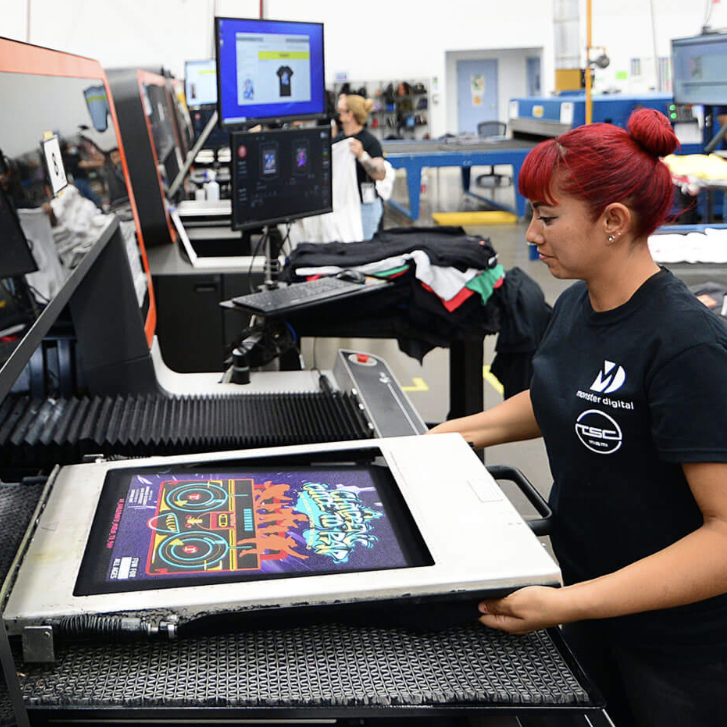
Today’s customers demand superior product quality, real-time data visibility, and lightning-fast turnaround times.
For large-scale garment decorators, managing these expectations while balancing seasonal demand fluctuations - such as the massive surges seen during Black Friday - presents a monumental challenge.
"Relying on transactional vendor relationships and outdated legacy equipment is no longer sufficient to secure long-term stability and growth.”

Printing method is never a secondary detail. It shapes the entire life cycle of a product, from concept to customer. In today’s fashion industry, where margins are tighter and speed matters more than ever, technical knowledge has become a competitive advantage.
“The future of textile design belongs to professionals who can combine creativity with execution, aesthetics with practicality, and vision with production reality”.
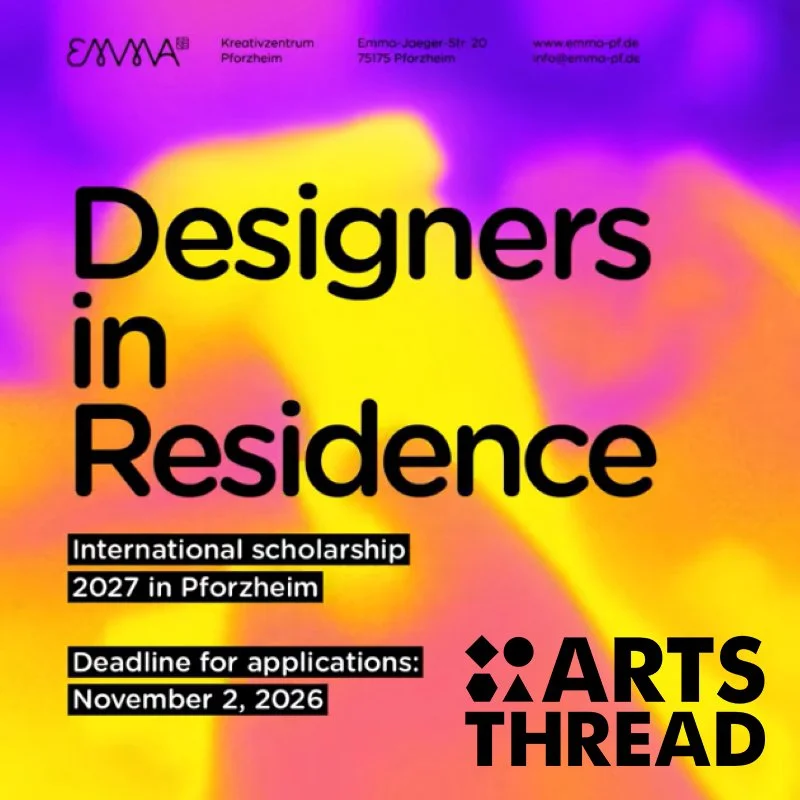
London – UK – September 2026 – ARTS THREAD has announced the call for applications for the Designers in Residence Pforzheim 2027 programme, a fully funded three-month residency hosted at EMMA Creative Center Pforzheim.
The residency will run from 1 April to 30 June 2027, offering emerging designers a rare opportunity to develop their practice within a dedicated creative environment.
Applications close on 2 November 2026 at 23:59 CET.
London, UK – September 2026 – The Only Natural International Student Design Competition 2026, supported by Artsthread, has revealed its Category and People's Choice winners.
Selected from an exceptional field of entries from student designers across the globe, this year's winning projects span Fashion and Home, showcasing outstanding creativity, craftsmanship and innovation in the use of natural materials.
Altrincham – Cheshire – August 2926 – Friedmans Ltd, a UK-based textile manufacturer and digital printing specialist, has announced the expansion of its wholesale stretch fabric and digital printing services, offering designers, brands, and businesses an accessible route to fully customised fabric solutions with low minimum order quantities and fast turnaround times.
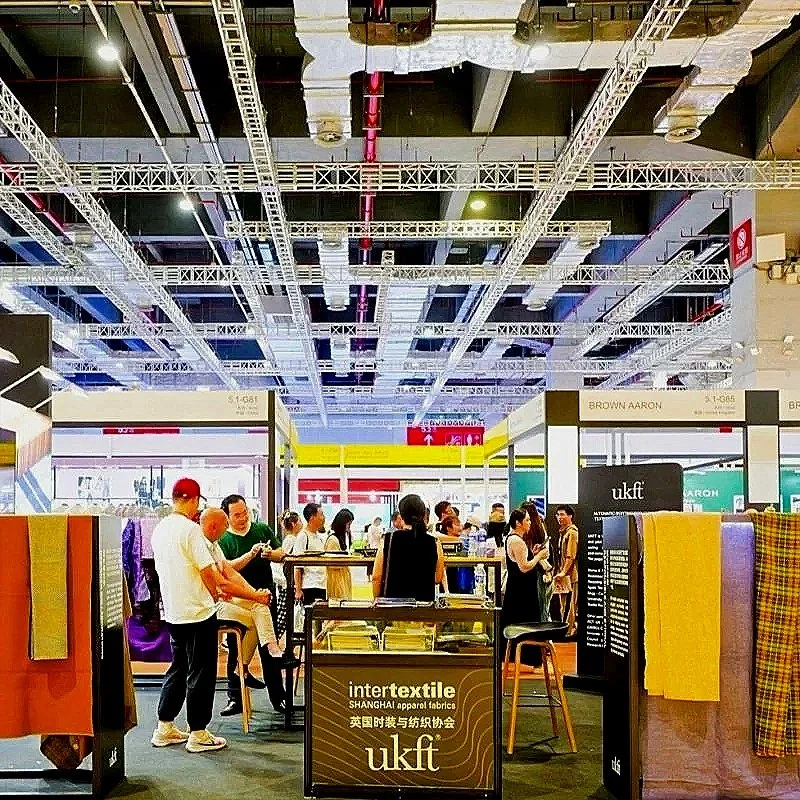
London, UK – July 2026 – The UK Fashion and Textile Association (UKFT) has announced its participation at two of Asia's most prominent textile trade events: Intertextile Shanghai Apparel Fabrics (25–27 August 2026) and CINTE Techtextil China (1–3 September 2026).
The organisation will promote and support British companies across both shows, connecting international buyers, brands, and industry partners with the full breadth of UK textile expertise.

London, UK – June 2026 – ARTS THREAD is delighted to announce that Alina Gamboa, VP Head of Design at Polo & RLX Men's (Ralph Lauren), has joined the judging panel for the Global Creative Graduate Showcase 2026, presented in collaboration with Google Arts & Culture.
Gamboa will lend her expertise to the Fashion, Accessories and Textiles categories.
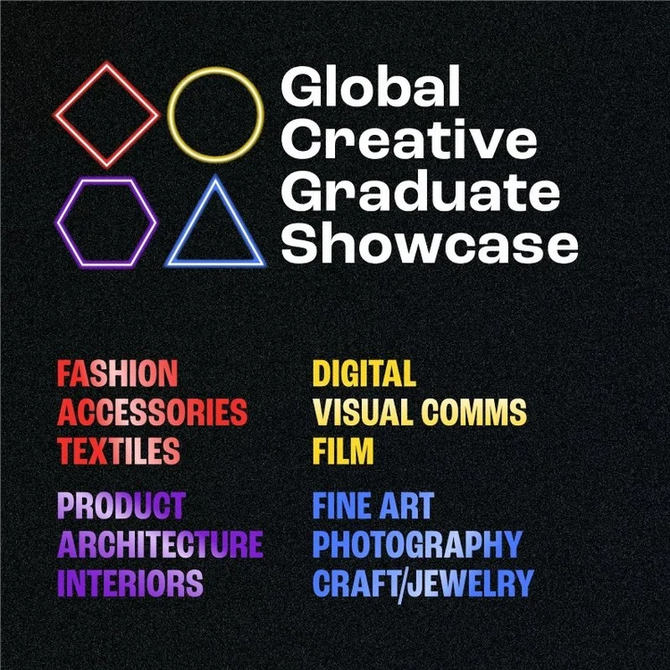
The 2026 judging panel comprises esteemed leaders spanning diverse sectors, including digital visual communications, film, fashion, accessories, textiles, product design, architecture, interiors, fine art, photography, contemporary craft, and jewellery.
Over the forthcoming weeks, ARTS THREAD will individually unveil the judges from A to Z across its official social media platforms. This phased announcement highlights the calibre of expertise awaiting this year's cohort of creators.
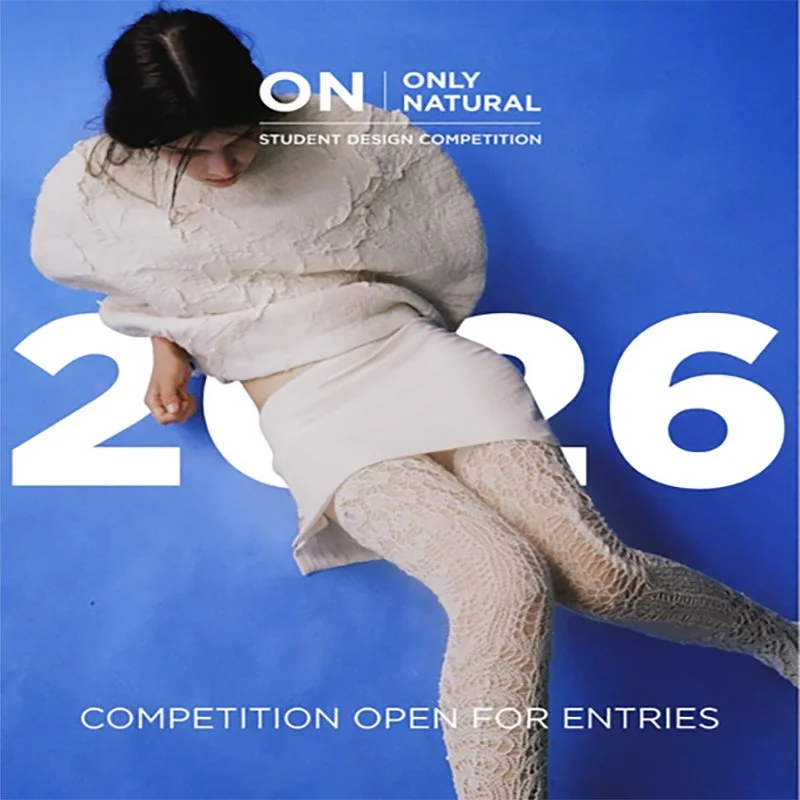
London May 2026 – ARTS THREAD has officially opened applications for The Only Natural Student Design Competition 2026, an urgent call to action for visionary designers ready to disrupt the fashion, furniture, and furnishings industries.
Aimed at students and recent graduates from the cohorts of 2024 and 2025, the global competition challenges emerging talent to abandon synthetic, oil-derived materials in favour of renewable and durable natural fibres.
Submissions are open immediately and will be accepted until the 30th of June 2026.
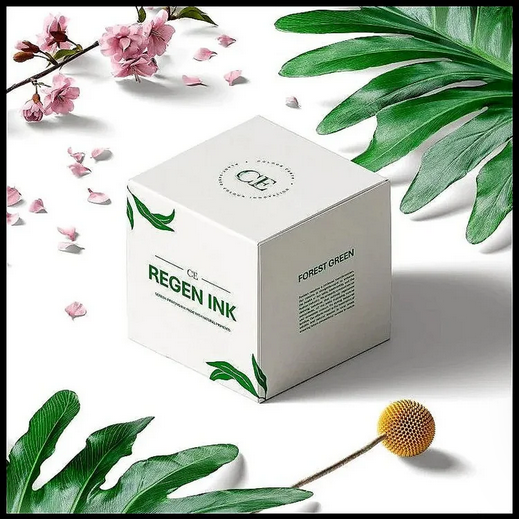
FALMOUTH, UK – April 2026– Falmouth University BA (Hons) Textile Design graduate and technician Meredith Wood has been named a Top 20 finalist in the prestigious H&M Foundation’s Global Change Award.
Through her pioneering company, Colour Earth, Wood and her co-founders are addressing urgent environmental issues by developing scalable, lower-impact plant-based pigments to replace highly polluting petrochemical synthetic dyes.

London April 2026 – ARTS THREAD has officially announced the opening of the seventh edition of the Global Creative Graduate Showcase.
This proactive initiative provides a crucial platform for art and design students graduating between September 2025 and August 2026.
By inviting graduates from anywhere in the world, including Southern Hemisphere students graduating after September 2025, the organisation continues to address the urgent need to elevate emerging talent in a rapidly evolving global market.

London – March - 2026 – Arts Thread has announced its continued partnership with TEX+ for 2026, reaffirming its commitment to supporting emerging textile graduates as they transition from education into professional careers.
TEX+ is a career accelerator designed to bridge the gap between the next generation of textile designers and industry professionals.
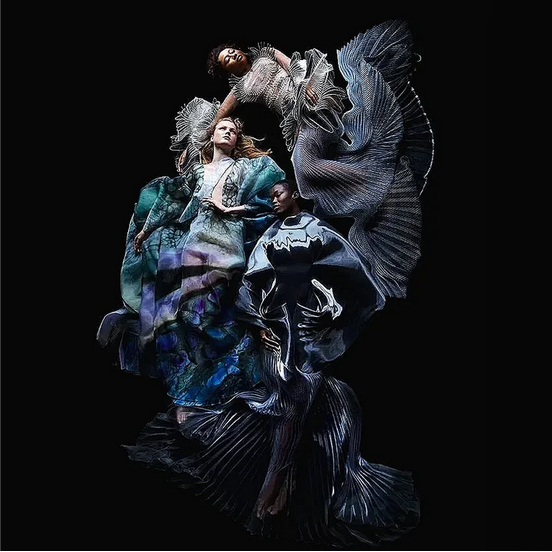
NEW YORK – January 2026– The Brooklyn Museum is proud to announce the North American debut of Iris van Herpen: Sculpting the Senses, a major exhibition running from 16 May to 6 December 2026.
This global presentation celebrates one of the most forward-thinking fashion designers of this generation, exploring the convergence of traditional couture artisanship with innovative technologies.
Organised by the Musée des Arts Décoratifs, Paris, this extensive exhibition reveals the experimental spirit that has reshaped 21st-century fashion
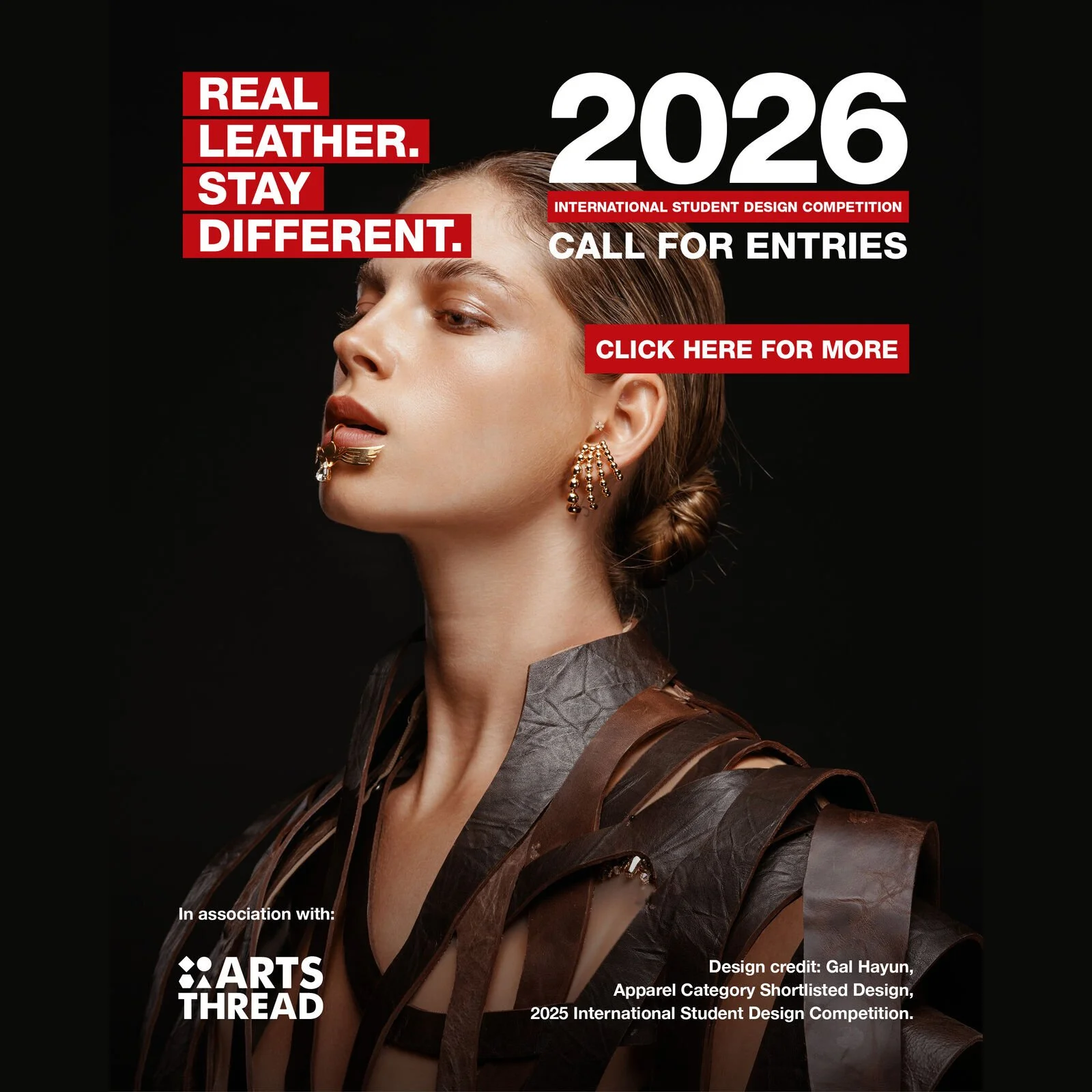
London January 2026 – Arts Thread has announced it is partnering with Real Leather. Stay Different. for the sixth consecutive year to launch the International Student Design Competition 2026.
This global initiative seeks to identify the best new designers from around the world who are dedicated to promoting slow style and a more sustainable future for the fashion industry.
The competition aims to address the urgent environmental crisis created by the fast fashion business model.

London, United Kingdom – January 2026 – ARTS THREAD has announced a strategic collaboration with Mikser to launch Design Link, a transformative project supported by British Council Serbia.
This new initiative aims to bridge the gap between skill development, digital visibility, and international opportunities for young creatives, empowering them to become catalysts for positive societal change.
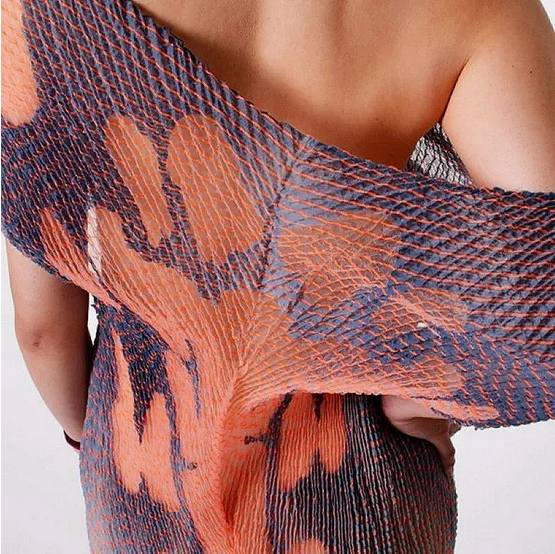
London 2025 – Ian Krebs, a Master’s graduate from the Swedish School of Textiles, has been announced as the winner of the prestigious Arts Thread 2025 Textiles Knit/Weave Award.
Recognised for a forward-thinking approach that marries traditional craftsmanship with digital technology, Krebs’ winning project challenges the fashion industry’s perception of standard materials by reimagining jersey as a dynamic, sculptural medium.
The award-winning project investigates the latent potential of machine-made tubular knits, transforming a fabric typically regarded as utilitarian and plain into complex, expressive garments.

December 2025 – Fotoba International Srl, a leader in finishing solutions for the wide-format printing industry, has announced it will be showcasing its latest cutting and rewinding technology at Heimtextil 2026.
The presentation will feature the XLA 320 and XLA 170 automatic cutters, alongside the REW 162 coreless rewinder, highlighting significant advancements in the production of seamless wall coverings and digitally printed wallpapers.
These innovative solutions are designed to meet the growing demand for automated, high-precision finishing in the interior design and décor sector.

GLASGOW, Scotland – December 2025 – Timorous Beasties, the internationally acclaimed design studio known for its surreal and provocative textiles, has announced the launch of its latest collection, "Straight Out the Jungle."
Released to celebrate the studio’s 35th anniversary, this lavish new range introduces a richly decorative world of tropical intrigue, available across wallpapers, fabrics, and accessories.
"Straight Out the Jungle" represents a bold crossing of the threshold into the wild, encapsulating nature in its most untamed and unapologetic form

ArtsThread is proud to announce Kristian Falden as the winner of the Textiles - Print/Embroidery category at the Global Creative Graduate Showcase 2025.
Falden, a recent graduate of the Fashion and Textile Design MA programme at the Swedish School of Textiles, was selected for his outstanding and innovative work in a highly competitive international field.

ArtsThread has announced Anastasiia Pozhydaeva, a graduate of the London College of Fashion, University of the Arts London, as the winner of the Formal/Couture category in the Global Creative Graduate Showcase 2025.
Her winning womenswear collection, titled "Echo," explores themes of cultural memory and emotional resilience inspired by life in Ukraine before the war.
London November 2025 – ARTS THREAD, in collaboration with the global athletic apparel company lululemon, today announced the launch of the "Apparel & Accessories Design Challenge: Life in Motion".
This new initiative invites emerging designers to create versatile apparel that supports a dynamic, modern lifestyle, seamlessly transitioning from athletic activities to work and social environments.
The challenge is designed to discover and champion the next generation of design talent. Participants are encouraged to submit innovative designs that reflect the realities of daily life, where movement and adaptability are key.
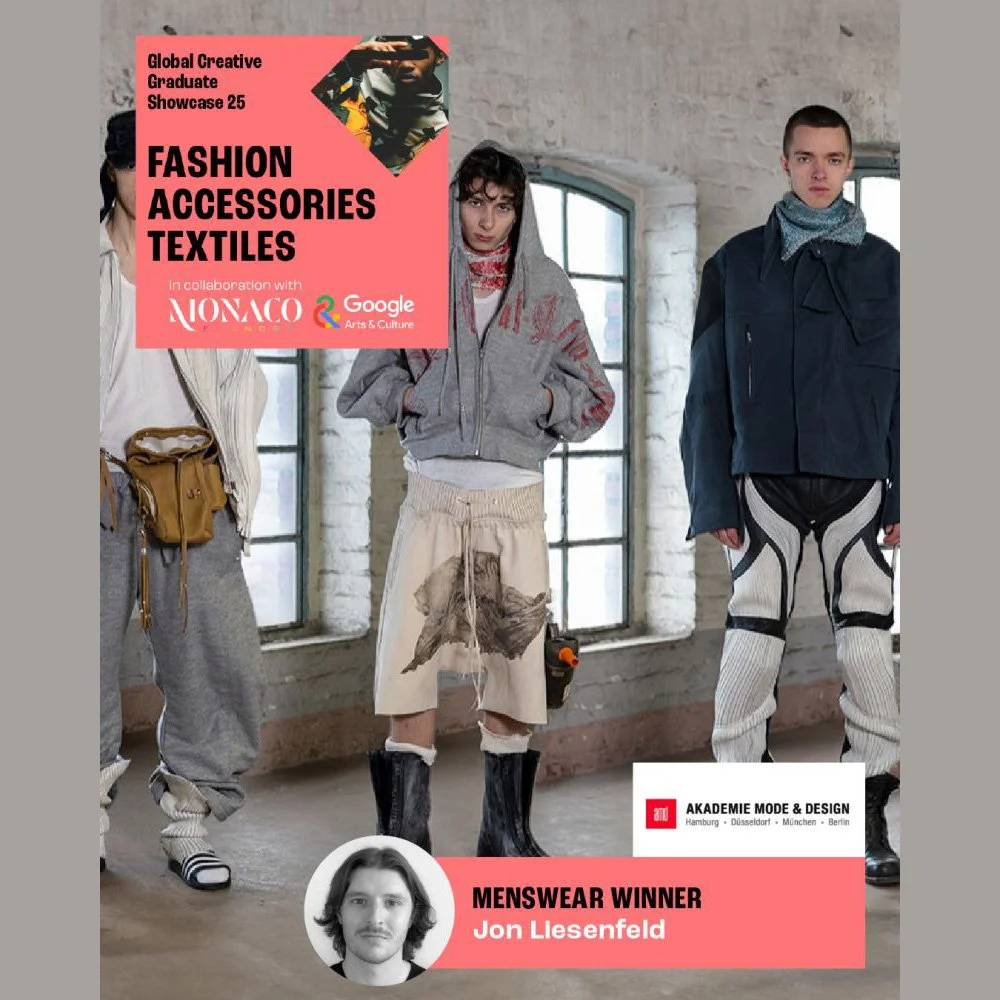
London, UK – November 2025 – ARTS THREAD, the leading digital platform for emerging artists and designers, has announced the winners of its annual Global Creative Graduate Showcase for 2025.
The showcase celebrates the next generation of creative talent from around the world, providing a vital platform for graduates to gain international exposure and connect with industry leaders.
This year's winners were selected from a highly competitive field, with entries spanning furniture, installation art, and menswear.

Orlando, FL - October 13, 2025 – Leading print finishing equipment manufacturer Keencut has announced it will preview its groundbreaking new cutting machine at Printing United Florida, taking place 22–24 October.
The innovative technology marks the beginning of what the company describes as "a new era in print finishing."
The cutting-edge machine has been engineered to deliver faster, smarter, and more effortless cutting capabilities, reinforcing Keencut's commitment to making "Cutting Made Easy" for print professionals worldwide.
Industry visitors will have exclusive access to live demonstrations throughout the three-day exhibition.

October 2025 – Leading textile printing company Friedmans Ltd has announced the acquisition of a new MIMAKI TX330 1800 pigment printer, significantly expanding its digital printing capabilities and production capacity.
This strategic investment represents the company's continued commitment to innovation and quality in the competitive textile printing market.
The new MIMAKI TX330 1800 pigment printer will enable Friedmans Ltd to deliver faster turnaround times while maintaining exceptional colour accuracy across its comprehensive range of printed fabrics

October 2025 The Made Smarter Adoption programme is helping London manufacturers accelerate their digital adoption, improve productivity and strengthen sustainability.
If your business produces a physical product within the M25, you may be eligible for free, government-funded support including grants, training and fully paid interns, designed to help you make the most of digital technology.

LONDON, October 2025 – ARTS THREAD has officially opened public voting for the Global Creative Graduate Showcase, the world's largest online showcase for emerging artists and designers.
The public is invited to explore the work of 500 shortlisted graduates and cast their votes for the most innovative projects across four main areas: Fashion/Accessories/Textiles, Digital/Visual Communication/Film, Product/Architecture/Interiors, and Fine Art/Photography/Craft/Jewelry.

London, UK – September 2025 – Arts Thread, the leading creative network connecting emerging talent with industry opportunities, has announced the winners of its inaugural Only Natural Student Fashion Competition 2025.
The competition, focused on sustainable and natural design approaches, attracted submissions from fashion students worldwide.
The competition recognised outstanding work across three categories, with winners demonstrating exceptional creativity in sustainable fashion design.
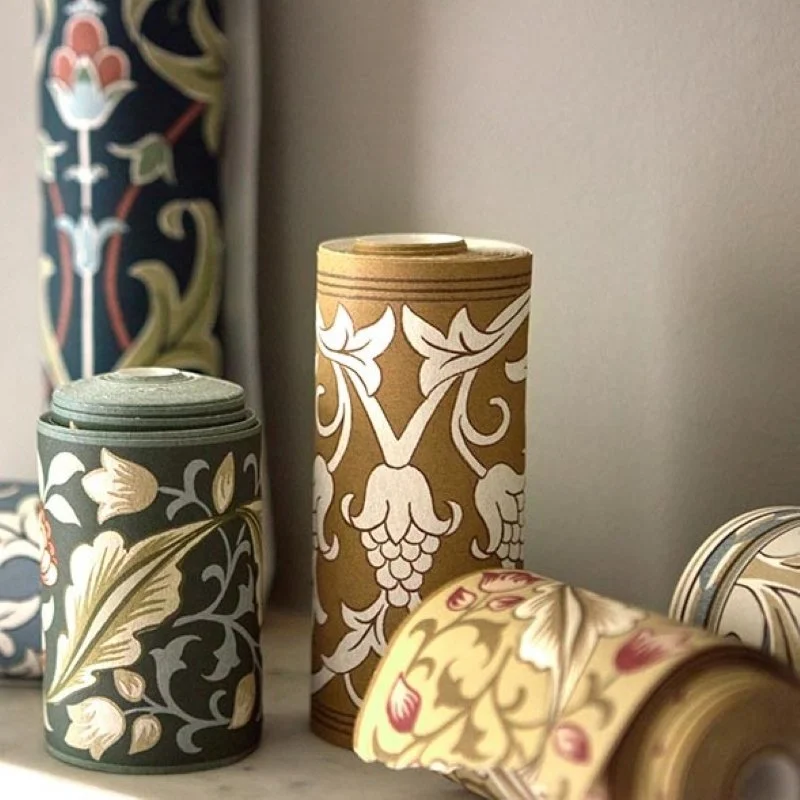
Morris & Co., the luxury heritage fabric and wallpaper design house and original company founded by William Morris in 1861, presents The Unfinished Works, a series of designs born from an exploration of The Huntington in California, USA.
In an unspoken exchange between artists throughout history, the designers at Morris & Co. have picked up the pen laid down by William Morris and John Henry Dearle to create The Unfinished Works.