WHAT ARE ACID INKS FOR DIGITAL TEXTILE PRINTING AND WHY ARE THEY USED?

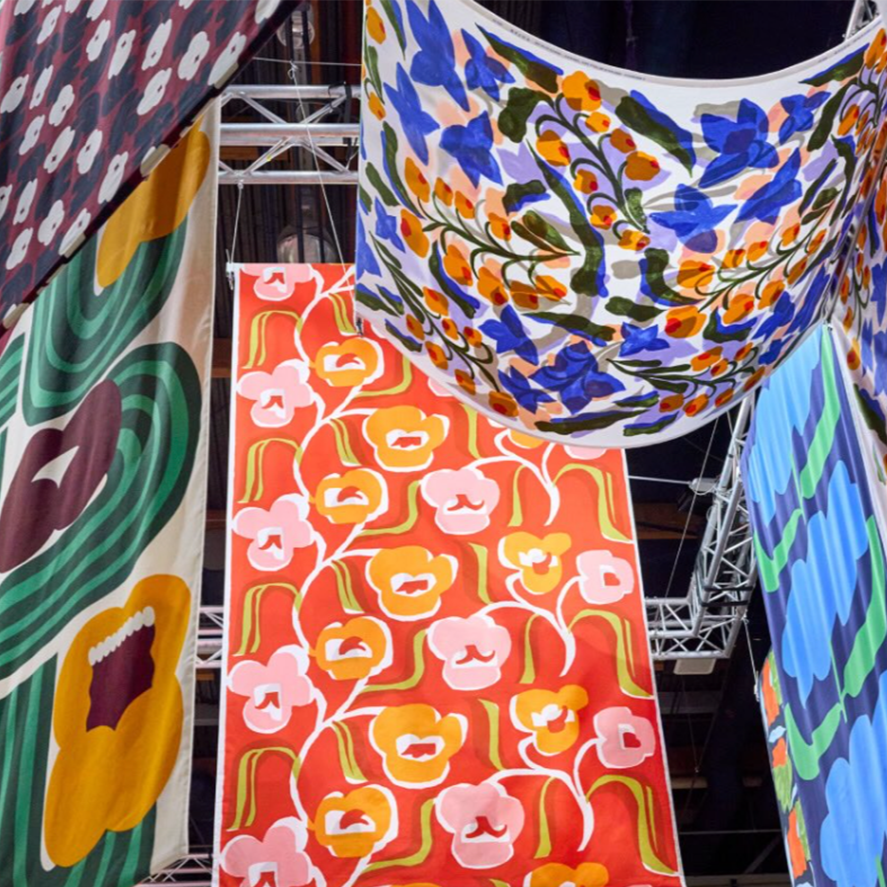
“The glorious colours, and the fabric softness of Acid digital prints enhance the natural beauty of Silk and fine fabrics. When used to print onto synthetic fibres such as Nylon – Acid dyes deliver durability and high performance in extreme conditions.”
What are Acid Inks and why are they used in digital textile printing?
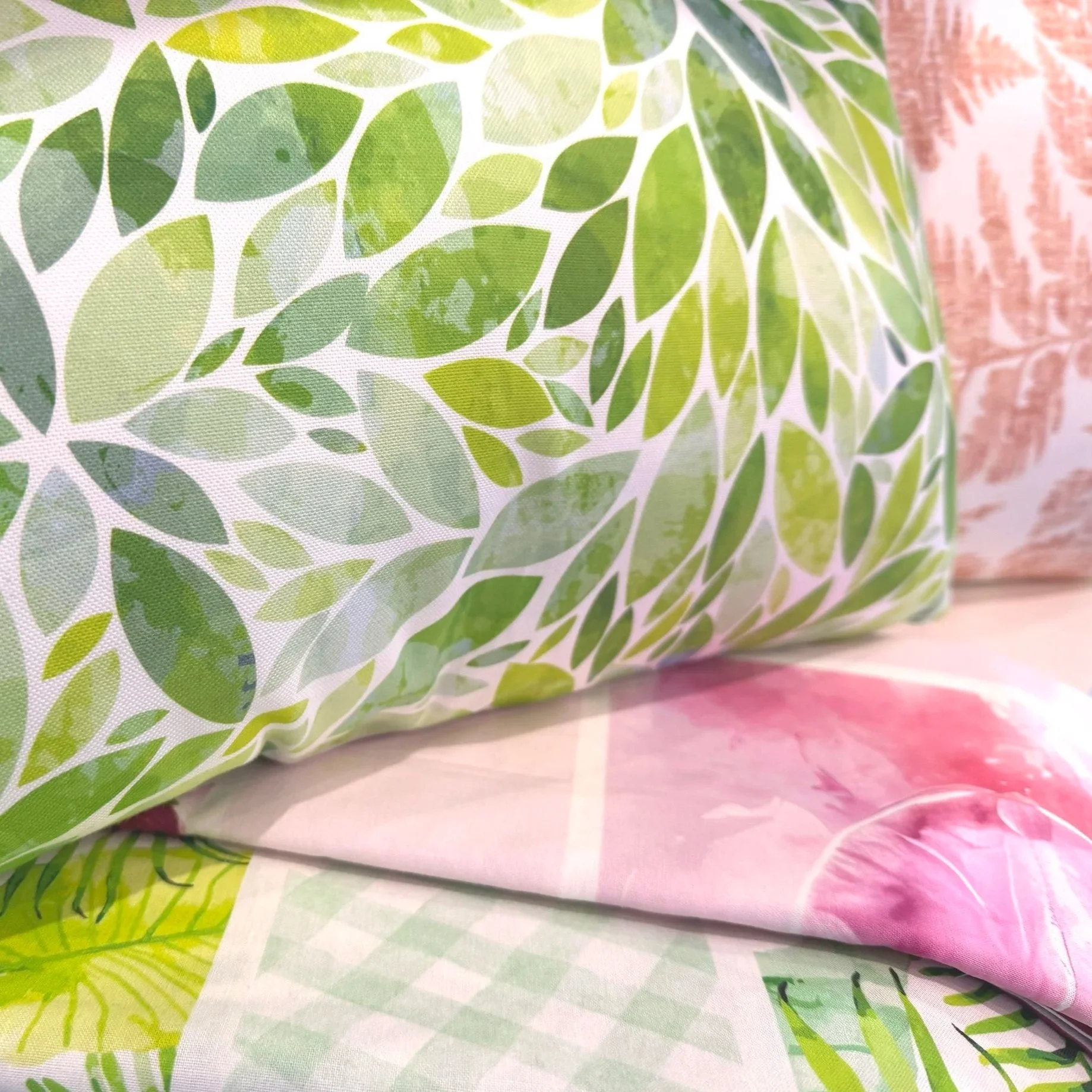
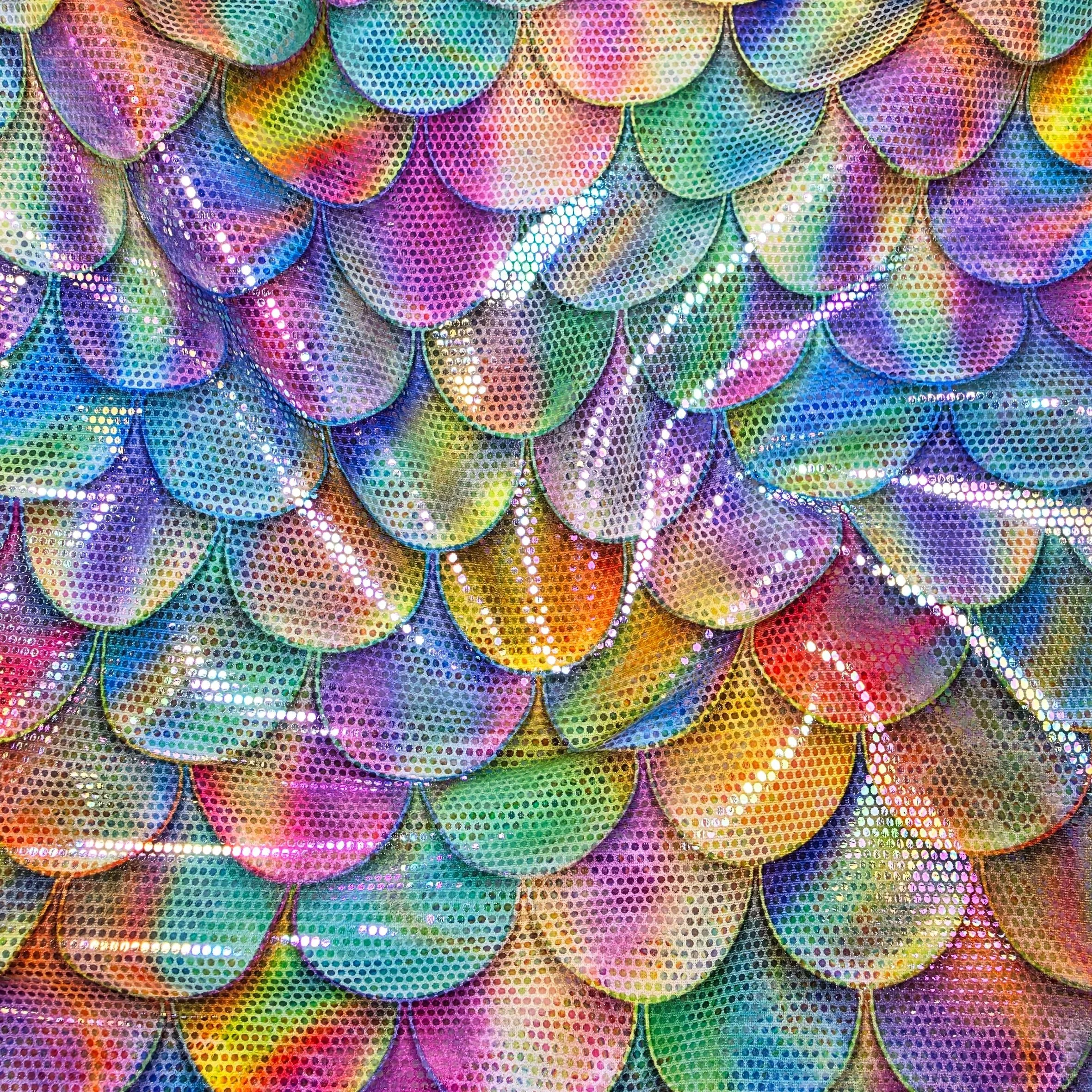
With outstanding colour brilliance, light fastness and wash fastness Acid inks are a firm favourite for high quality ink jet printing and are used by the top-end fashion apparel industry for the printing of delicate silks, soft cashmeres and colourful sports and swimwear.
Acid inks are often used when the product requires the ink to penetrate through to the reverse side of the material and the process delivers a high print quality resembling the ‘push through’ of a traditional, rotary or flatbed printing process. Acid inks are also known for their vibrant colours and are used specifically when printing fabrics such as wool, nylon, leather and silk that do not retain colour easily.
Besides wool, nylon and silk, acid inks are regularly used for printing aquatic clothing, which is often made of blended Lycra and Nylon fibres for durability and performance, whilst giving good colour penetration on stretch. Acid inks deliver high colour brilliance, but also have a high tolerance for chlorine and salt water.
In spite of their many advantages, their widespread use is limited by the exacting and complicated process route that has to be undertaken, accordingly, in a digital textile printing market estimated to reach $8.8 billion by 2027 (Allied Market Research) - Acid inks only account for 15-17% of the total printed. (Verified Market Research)
What are Acid Inks?
A soluble acid dye in water with added humectants, polymers, and surfactants. These ingredients combined - control flow, jetting, and wetting behaviour in the printhead and on the substrate. Humectants also manage drying at the printhead nozzle to allow good printhead operation. Pre-treatment of the fabric is required to control the pH level reaction or fixation, limit penetration and sideways bleed of the ink across the fibres, so vital in printing a delicate silk fabric. Pre-treatment recipes vary, but many of them are set using a Polymerisation product based on acrylate. This, combined with a highly effective migration inhibitor, enables sharpness of print and fastness of colour.
After printing, the fabric must be steamed at 100 to 102 degrees Celsius for 35 to 40 minutes, a time-consuming process, that requires a purpose-built steamer capable of processing the fabric in saturated steam without water drips or droppers – which result in high seconds (print faults).
A post wash process is also required because there will be unfixed dye and remaining pre-treatment chemicals present in the fabric. A number of wash cycles will be needed to remove waste ink before the required performance of the final print can be achieved.
So, after all the trouble was it worth it?
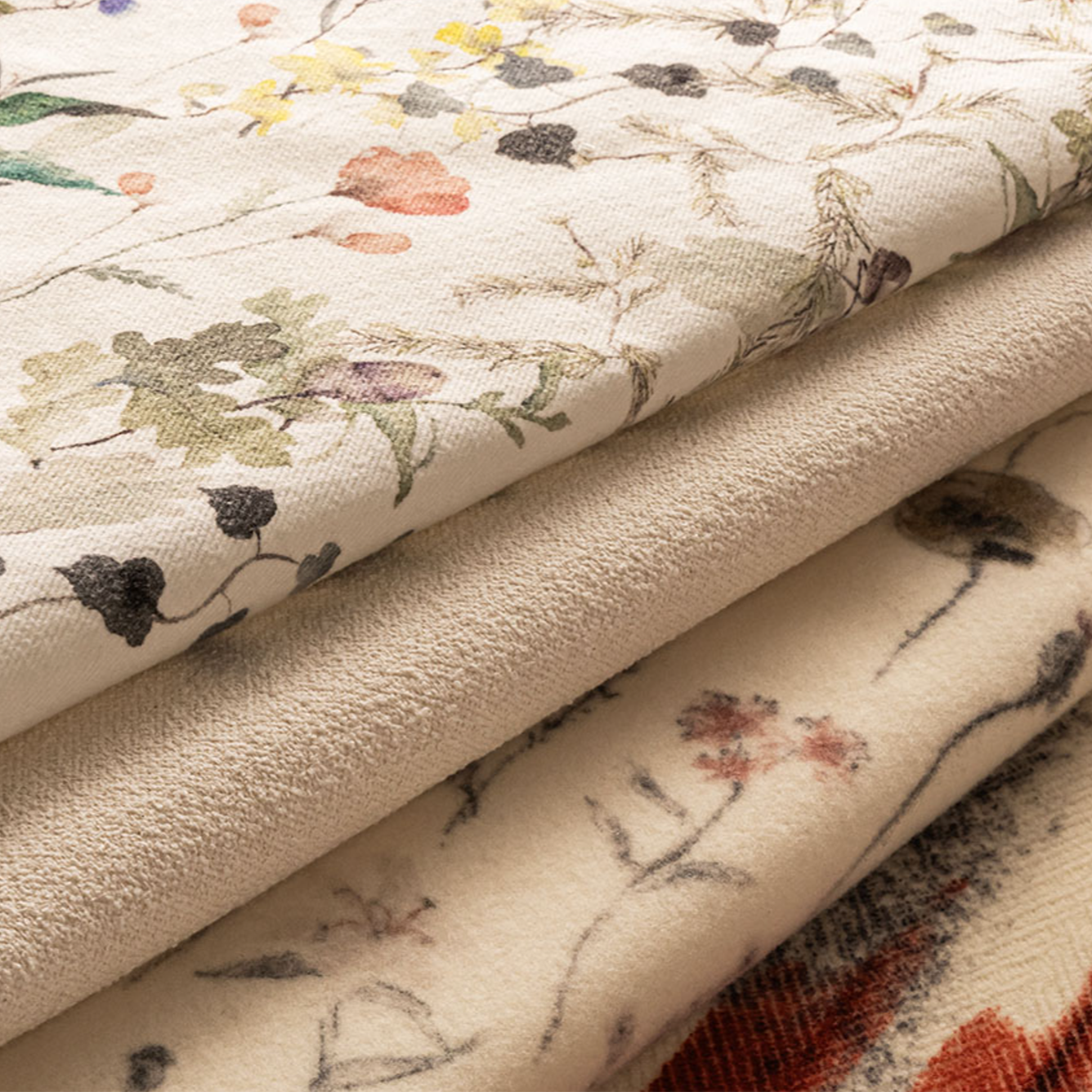
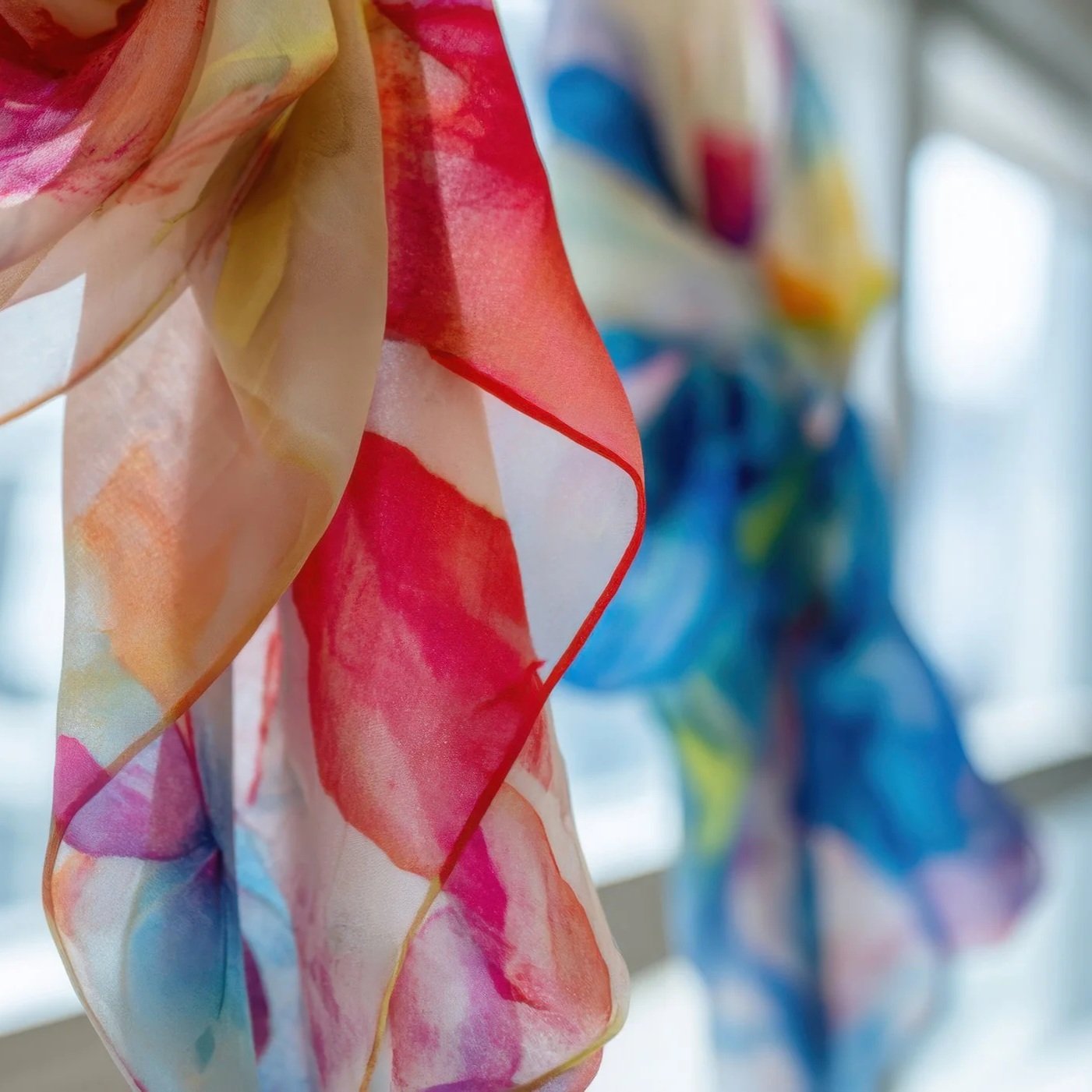
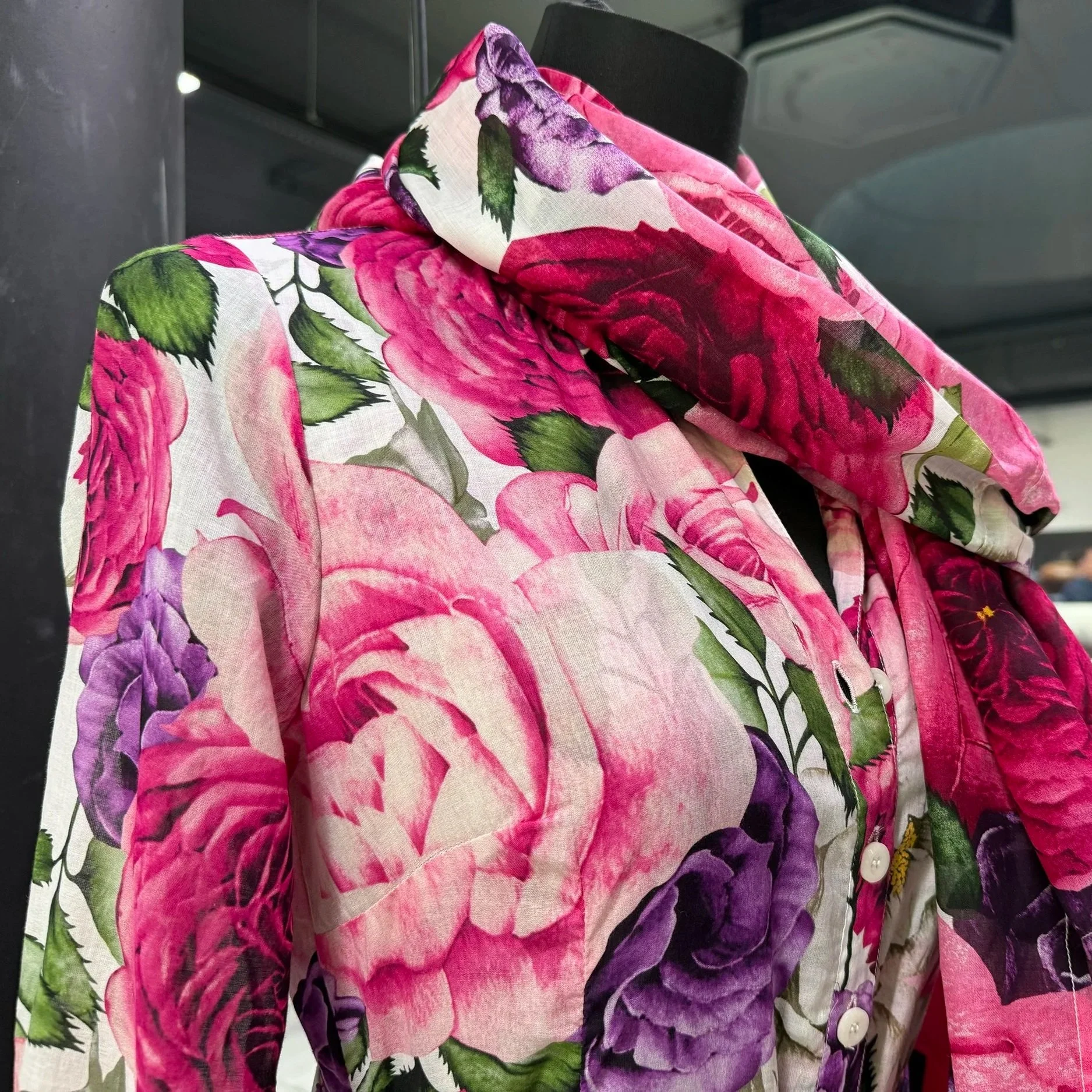
The beautiful folds and colours of a luxuriant printed silk or cashmere give you the answer. Silk is one of the most precious and beautiful fibres given to us by nature, and it rightly enjoys the top spot when it comes to fabric choice. Acid printing of silk gives the most perfect result and enjoys pride of place throughout the renowned Como Silk District of Milan.
Beyond that, just glancing through the collections of the top fashion houses, whether Chanel, Louis Vuitton or Hermes bear witness to the lasting attraction of luxury textiles.
The glorious colours, and the fabric softness of Acid digital prints enhance the natural beauty of Silk and fine fabrics. When used to print onto synthetic fibres such as Nylon – Acid dyes deliver durability and high performance in extreme conditions.