
TEXTILES AND APPAREL, SUSTAINABILITY IS KEY BUT PROGRESS REMAINS SLOW - GUEST ARTICLE FROM CARY SHERBURNE

“We all have a role to play, whether we are suppliers, manufacturers, brands, associations, journalists, consumers or upstart companies looking to make dramatic changes. So the question for you, dear reader, is: What’s in your closet?” - Writes Cary Sherburne - WhatTheyThink
GUEST ARTICLE WRITTEN BY CARY SHERBURNE OF WHATTHEYTHINK
This was a year of recovery for textiles and apparel as supply chain issues began to settle a bit, and suppliers were back online after the pandemic.
Consumers were also buying—both online and back in-stores, which is good news for brands. Senior Editor Cary Sherburne looks back at how the industry has slowly started to embrace sustainability and some of the initiatives to keep an eye on in 2023.
The current fashion system uses high volumes of non-renewable resources to produce clothes that are used only for a short period of time before they are incinerated or placed in landfills.
This was a year of recovery for textiles and apparel as supply chain issues (still a problem) began to settle a bit, and suppliers were back online after the pandemic. Consumers were also buying—both online and back in-stores, which is good news for brands.
Sustainability is still a key issue for the industry, however incremental progress is being made. Some brands are all in, such as Patagonia.
The company has long been known as one of the earliest clothing companies to put sustainability at the top of the list, from its inception, actually. In case you missed it, Patagonia founder Yvon Chouinard, a billionaire, is giving the entire company away to fight the Earth’s climate devastation.
Decision-making authority has been given to a trust that will oversee the company’s mission and values. That trust controls 2% of the stock. The other 98% of the company’s stock will go to a non-profit called the Holdfast Collective, which will use every dollar received to fight the environmental crisis, protect nature and biodiversity and support thriving communities.
Each year, the money Patagonia makes after reinvesting in the business will be distributed to the non-profit to help fight the environmental crisis. But they are an exception on the producer side.
Patagonia is still in the minority as they take on sustainability issues.
Too many companies are still focused on fast fashion and ephemeral trends. This has many deleterious effects on the environment—and is actually bad for the industry itself.
We see proof that going after revenue based on short-term self-interest is to no one’s long-term benefit. Clothing is typically made overseas using labor that isn’t treated well. Brands negotiate tough pricing that gives them the best margins while making it tough for their suppliers to stay in business. Plus, a lot of that “stuff,” which none of us really needs, ends up in the landfill.
“Globally, an estimated 92 million tons of textile waste is created each year, and the equivalent to a rubbish truck full of clothes ends up in landfill sites every second,” according to recent data from BBC. “By 2030, we are expected as a whole to be discarding more than 134 million tons of textiles a year.”
The story states that the current fashion system uses high volumes of non-renewable resources to produce clothes that are used only for a short period of time before they are incinerated or placed in landfills. And with 60% or more of the fabric content coming from fossil fuel feedstocks, these materials will stay in those landfills basically forever. So they use non-renewable resources that are wasted when the garment is worn once or twice and then thrown away.
We can certainly blame the brands for this behavior, and we should. But consumers also need to play a strong role in driving change in this trend. If no one is buying the stuff, it doesn’t matter how cheaply it is made, the brands will ultimately be forced to change their business practices. It will take time, though.
Sustainable Fibers
That being said, many suppliers to the industry are working hard to develop more sustainable feedstocks. We expect to see this accelerate in 2023 and beyond, bringing the volume of these materials to a critical mass that can make a difference. Here are just a few examples.
Lycra: One interesting project is underway at Lycra, perhaps better known by its generic names, spandex or elastane.
Back in the day, your jeans were probably 100% cotton. But as we saw waistlines expanding and consumers looking for more comfort in the form of stretchy fabric, you would probably be hard pressed to find jeans that don’t contain some percentage of spandex. Comfortable, yes. Sustainable, not really.
QIRA, a new fiber from Lycra, will use feedstocks from field corn grown by Iowa farmers, and consists of a next-generation 1,4-butanediol (BDO) as a primary ingredient.
BDO is a chemical commodity used to make polyesters, plastics and spandex fibers, but heretofore has come from petrochemical feedstocks.
The result is an estimated 70% of Lycra fiber derived from annually renewable feedstock, saving up to 93% of greenhouse gas emissions when replacing fossil fuel feedstocks. The company also notes this substitution maintains the high-quality performance consumers are used to with Lycra.
Biologic Feedstocks
Biologic feedstocks are increasingly being used as well, including vegan leather created from almost any fibrous plant material, with mushrooms being at the top of the list.
Companies like MycoWorks and MyForestFoods are active in this space, and we expect many others to join the fray in the coming year. Some brands are already adopting these vegan leathers, but again, it’s a very small percentage of the whole market.
Smartfiber AG has developed a fiber created from seaweed, which is processed and mixed with cellulose to create a plant-based yarn. To ensure sustainability without over harvesting, producers harvest a crop every four years, giving the plants time to regrow. The plant is naturally dried, chopped and added to the cellulose.
It does use chemicals, but in a closed-loop process that does not release chemicals into the environment, as is the case with many other chemical-based processes. The fiber biodegrades and is compostable.
Brands and fabric manufacturers would be well-served to get in on the ground floor of these efforts. Maybe seaweed and mushrooms are not your thing, but there are plenty of other fiber types that do not use petrochemical feedstocks yet deliver the required performance.
In the case of mushroom leather, brands can do even more with it than they can with natural leather without the immense ecological impact of the traditional leather-making process, from pastures and cattle feed to a wide range of toxic chemicals used in the tanning process.
Greenwashing
Consumers also have a responsibility to look into manufacturer claims about their sustainability.
For example, PrettyLittleThing, a fast fashion brand, has made big waves about launching a fast fashion resale marketplace. This is perhaps to compete with reputable resale sites such as Real Real, Poshmark, ThredUp and DePOP. But the big splash only represents about 1% of revenues.
Speaking of online and in-store resale and rental sites, we expect those to continue to gain steam in 2023. As I speak especially to Gen-Zers, a growing component of the buying population, they are taking advantage of these sites.
One friend’s daughter has been in multiple weddings this past year and has used Real Real as the key source for bridesmaid dresses. These can be worn once and then popped back into the resale market for someone else to use, instead of ending up with a closet full of (often pretty ugly) bridesmaid dresses that will never be worn again. Wasn’t there a movie about that?
Another friend’s daughter has created her entire wardrobe using DePOP—buy, wear, sell back, buy something else, etc. The more these types of sites grow, the more pressure there will be on brands to change their business models.
Europe is way ahead of the U.S. in passing regulations that punish greenwashers, but even in the U.S. pressure is being placed on manufacturers across all industries that are putting forward false claims about their sustainability. As consumers, it is our responsibility to dig into the claims to validate their veracity and act accordingly.
Digitalization
We will increasingly see more digitalization of the entire supply chain in 2023 and beyond.
Digital textile printing continues to get faster, better and more affordable—especially when you look at the total life cycle cost. It enables companies like Raspberry Creek Fabrics and BMC.fashion to produce locally in smaller, highly customized runs with exquisite designs, eliminating all that back and forth of heavy fabric from Asia.
Cut-and-sew operations are popping up as well, including SAI-TEX in Los Angeles, BMC.fashion in Phoenix, Sonora Stitch Factory in Tucson, and North Carolina based Sparty Mill.
Again, these are just scratching the surface, but all are taking advantage of digital technologies, for design, production and for training, and helping reshore more of the textiles and apparel industry.
We should also mention the growing number of educational initiatives, such as ISAIC in Detroit, that are attracting new labor to the cut-and-sew business.
Graphene is Great
We can’t end this outlook without sharing news about Graphene and its increasing use in the textile industry. Why is this important? It goes back to getting rid of cheap, throwaway clothing and also making garments and other textile products more functional.
Graphene, whether covalently bonded into the fiber or used as a coating, has many properties that add value to fabric and apparel. This includes increasing strength, improved abrasion resistance, thermal and anti-microbial properties and conductive properties, the latter of which will be making huge contributions to functional fabrics and wearables.
Graphene, discovered in 2004, has made its way into a number of industries, and is now gaining traction in textiles, including textiles used in the auto industry. There are already graphene-enhanced products on the market, including in sportswear, protective gear and more.
So keep a look out for new developments here as we move into 2023 and beyond.
Graphene is increasingly used in the textiles industry.
Looking Ahead
Despite the reputation of the textiles and apparel industry as one of earth’s most prolific polluters, progress is being made, and the new technologies being developed by suppliers to the industry—as well as pressure from consumers—are two keys to turning this bad situation around.
It’s a huge industry. It won’t happen overnight. But we expect to see new initiatives chipping away at the traditional models in 2023 and beyond.
We all have a role to play, whether we are suppliers, manufacturers, brands, associations, journalists, consumers or upstart companies looking to make dramatic changes. So the question for you, dear reader, is: What’s in your closet?
About Cary Sherburne: Cary Sherburne is a well-known author, journalist and marketing consultant whose practice is focused on marketing communications strategies for the printing and publishing industries.
Cary Sherburne is available for speaking engagements and consulting projects. To get more information contact us. Please offer your feedback to Cary. She can be reached at cary@whattheythink.com.


Colour Is Too Important to Leave to Chance
Print will always be the part of the garment people see first.
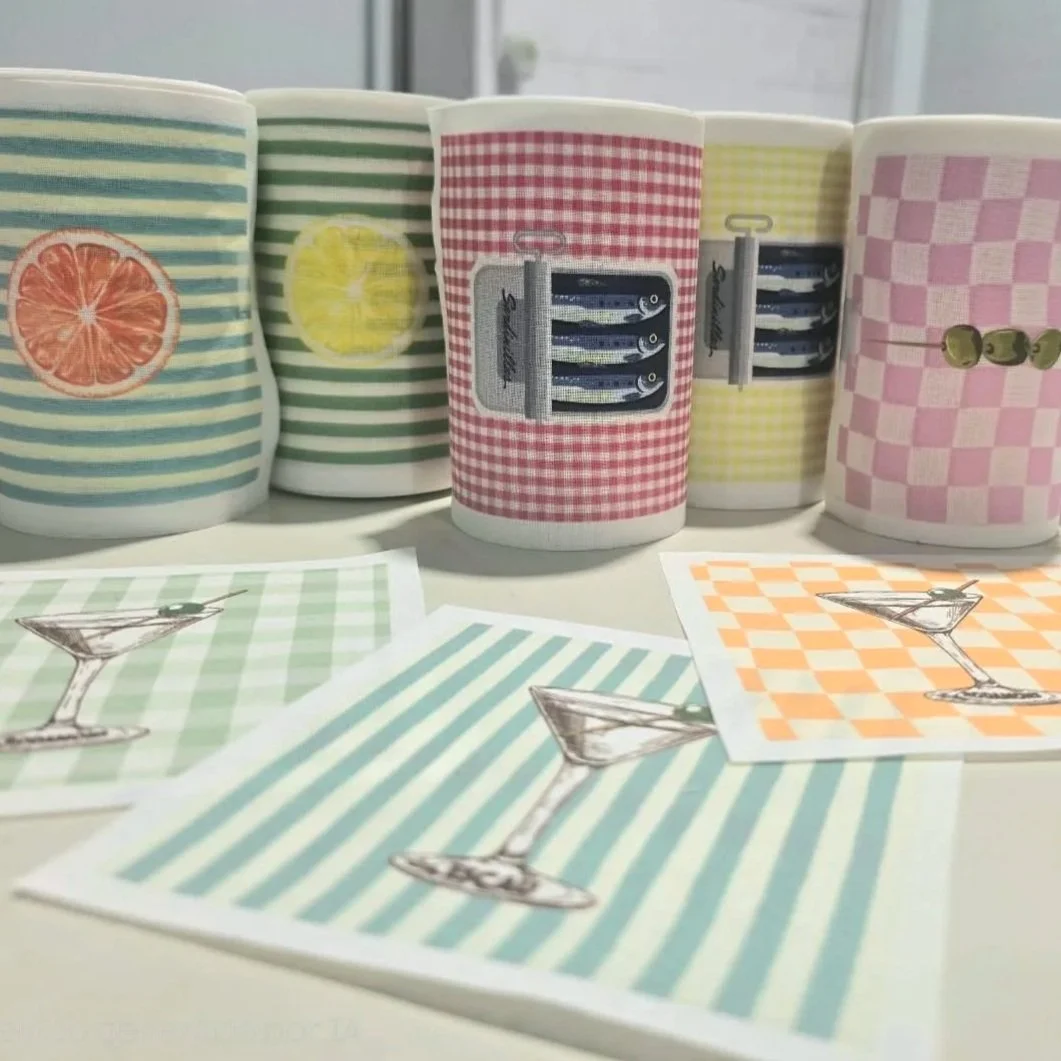
But the sum of all parts — the fabric, the trims, the fasteners, the finish — is what determines whether a design actually delivers on its promise. Brands that continue to treat colour as a single creative decision, rather than a coordinated technical discipline spanning their entire supply chain, will keep paying for it in re-dips, delays, and disappointed design teams.
A Century of Textiles, and an Ever-changing World
Few companies can trace their roots back more than a century and still count themselves among their industry's innovators. Texia, headquartered in Monistrol de Montserrat, Spain, is one of them.
But the story of Texia is not simply one of longevity.
It is a story of continual reinvention. As the textile industry has grown more global and competitive, Texia has repeatedly reshaped its business, investing in technology, developing its own brands, and placing sustainability at the centre of its mission. In doing so, it offers a compelling example of how a heritage manufacturer can lead rather than follow through a period of profound industry change. Image Credit: Texia

What are we craving Ultimately?
The instinct to slow down while simultaneously optimising every measurable aspect of life isn't a passing curiosity. It's a structural response to a world that feels increasingly unstable, and it's reshaping what people expect from their homes, hotels, workplaces and healthcare environments alike.
For the design and manufacturing sectors, this means rethinking both product and process.
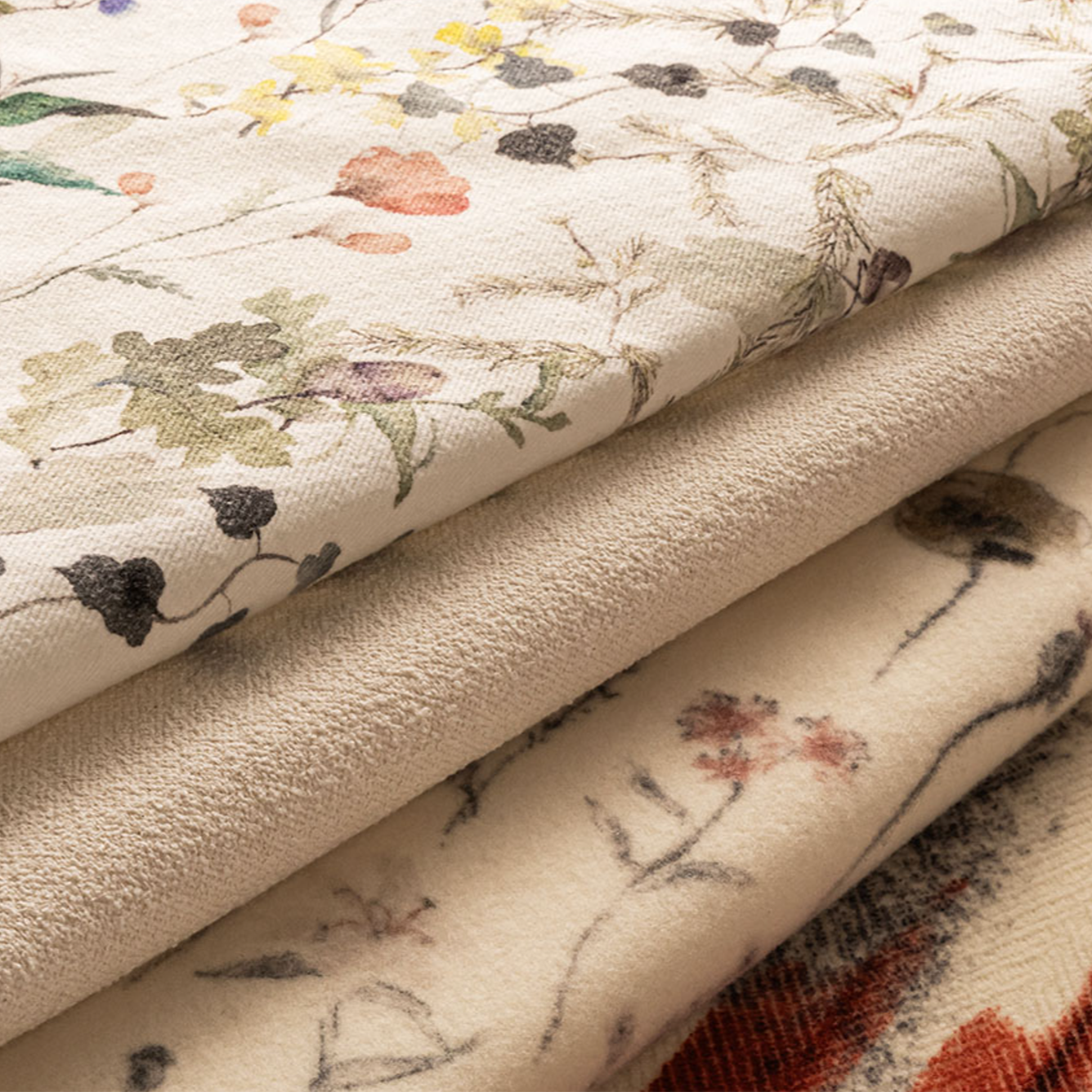
The Structual Shift is Real and its Already Here
Volumes are moving east, where digital production is accelerating rapidly. Consumer behaviour has shifted.
Demand is now driven by personalisation, shorter buying cycles, and an expectation of near-instant responsiveness. Regulatory pressure is intensifying, with supply chain transparency now a legal and commercial fact in many markets. And margins? They are under sustained, structural pressure.
This is not a temporary disruption. It is a fundamental reordering of how textile manufacturing must operate.

The Challenge: Standing Firm as the Industry Shifts
The wallpaper landscape has changed dramatically. Digital printing has lowered the barrier to entry, spawning countless direct-to-consumer brands and pushing much of the market towards faster, cheaper production.
At the same time, manufacturing in the UK has grown steadily harder - rising minimum wage, national insurance, energy and substrate costs all bear down on margins. Surface Print have embraced all of these challenges - and stand resolutely prepared for the future.
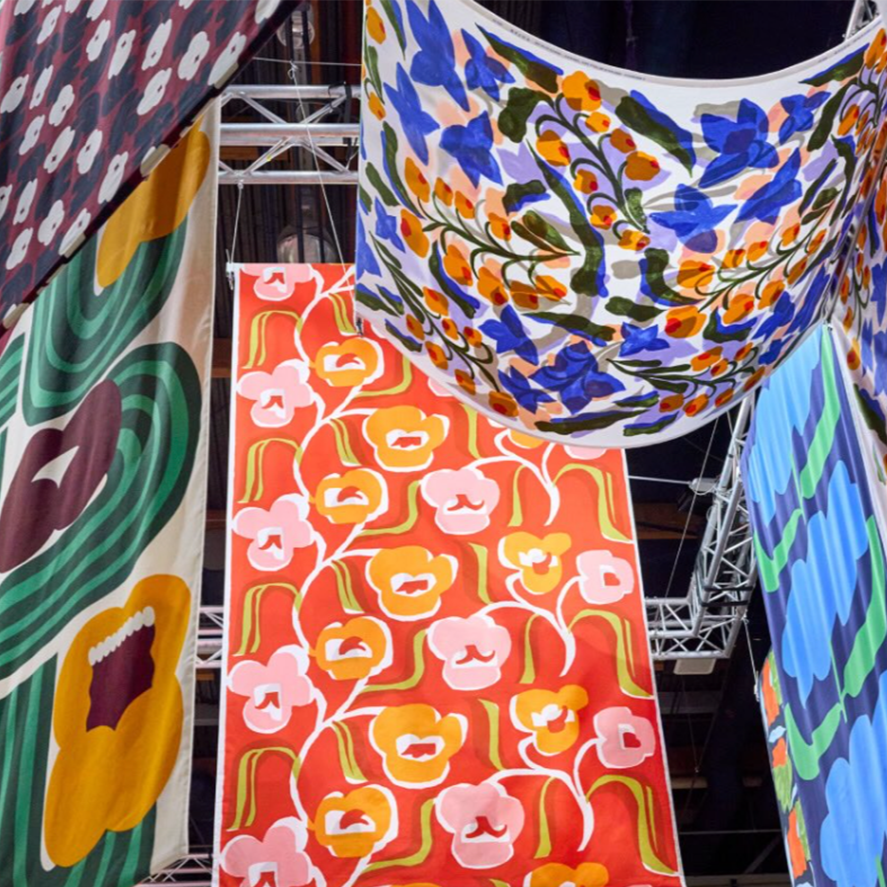
From Helsinki's printing mill to Paris's Le Marais, discover how Marimekko is scaling a design-led brand with purpose, craft, and bold innovation.
But what makes Marimekko's story compelling is not just its aesthetic legacy?

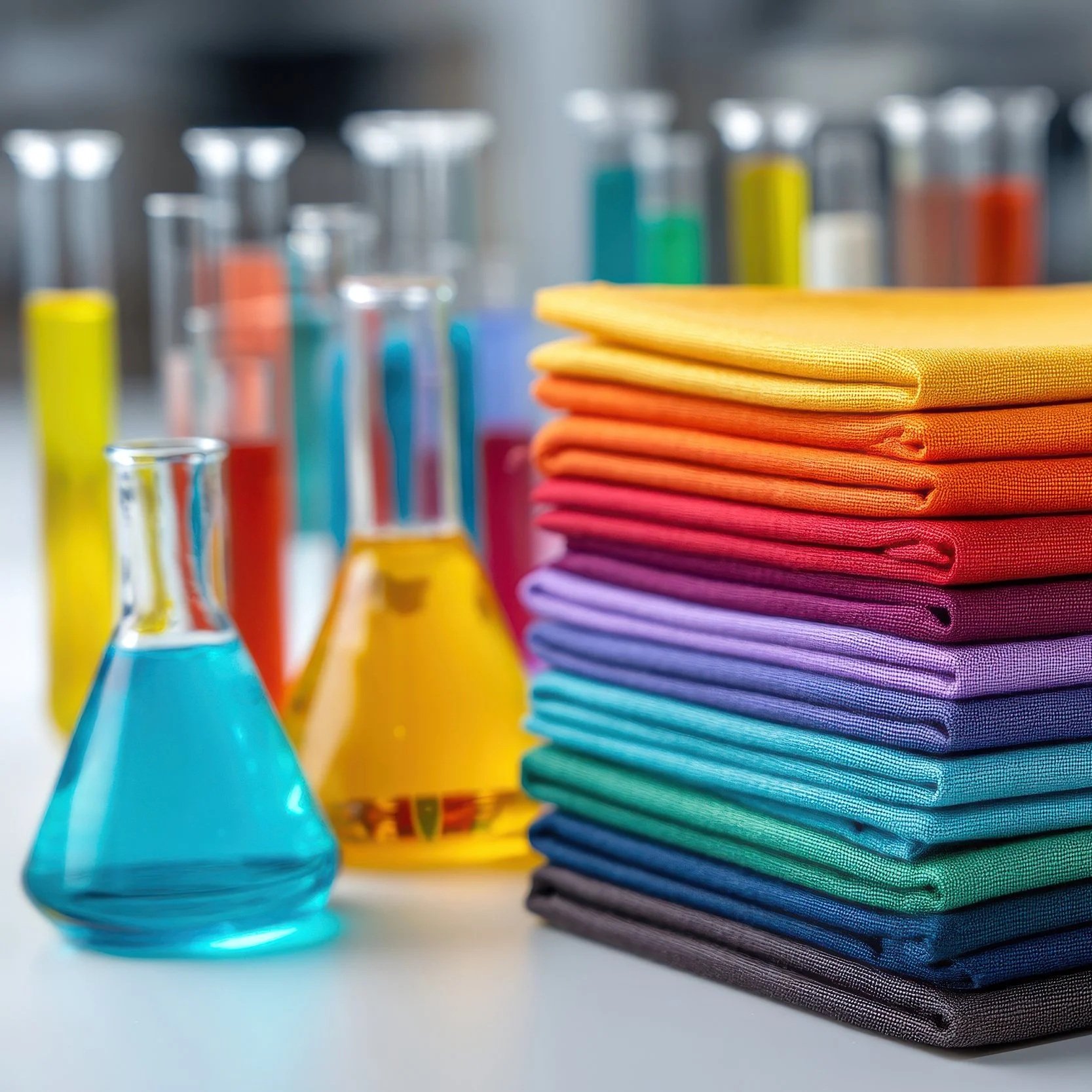
The word "toxic" carries weight. It conjures danger, harm, and things best avoided.
“Yet in the textile industry - Where between 3,000 and 10,000 chemicals move through the supply chain, a reflexive fear of the term is one of our biggest obstacles to progress.”
This article distils the key takeaways and what buyers, designers, and brands should be asking right now.
What Is the Digital Product Passport?
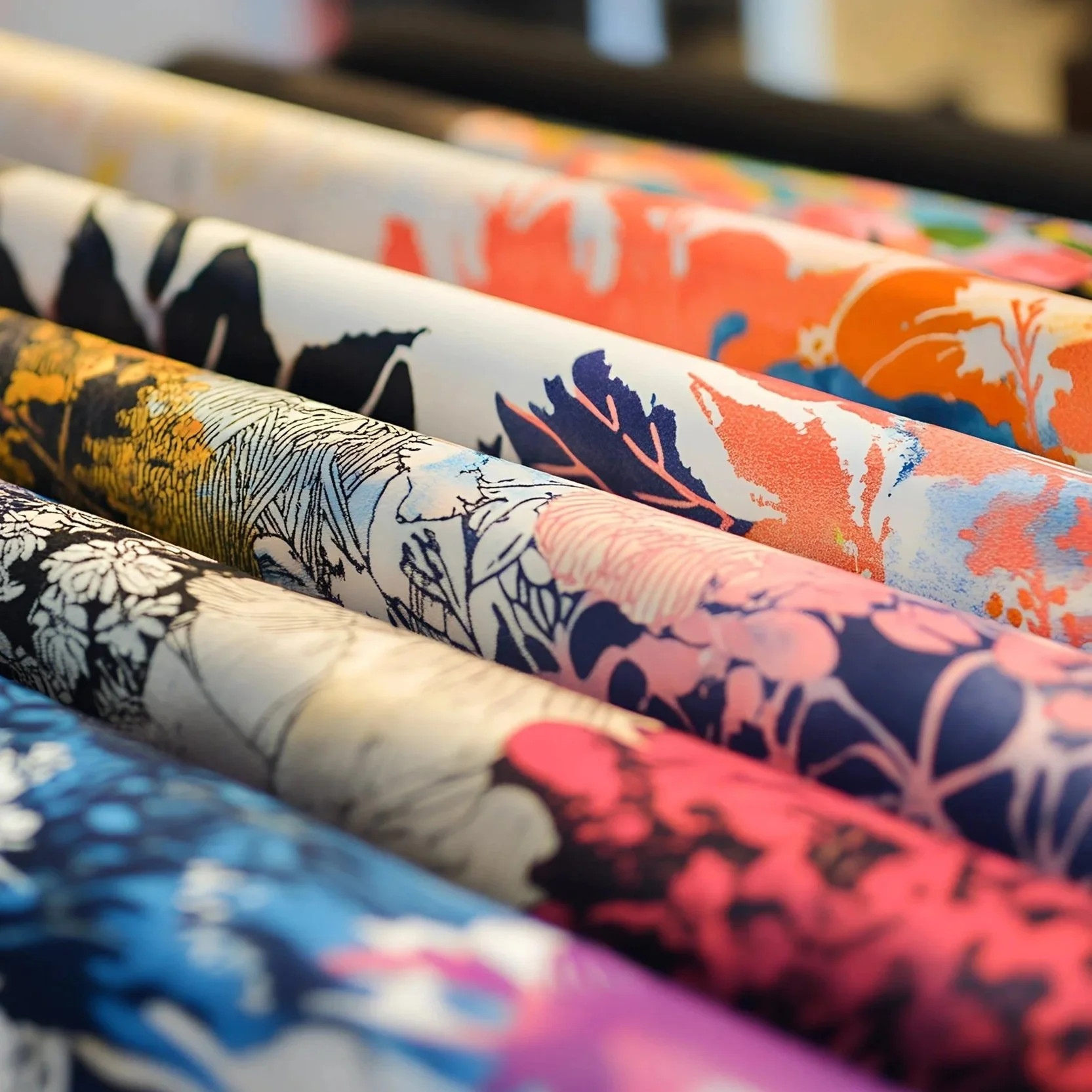
At its core, a Digital Product Passport is a digital record attached to a physical product - For a printed textile product, this means the DPP would capture data on the substrate, inks and dyes used, the printing process and technology, chemical compliance, environmental impact (including water and energy use), supply chain traceability, and end-of-life instructions.
The Market Gap that Changed Everything
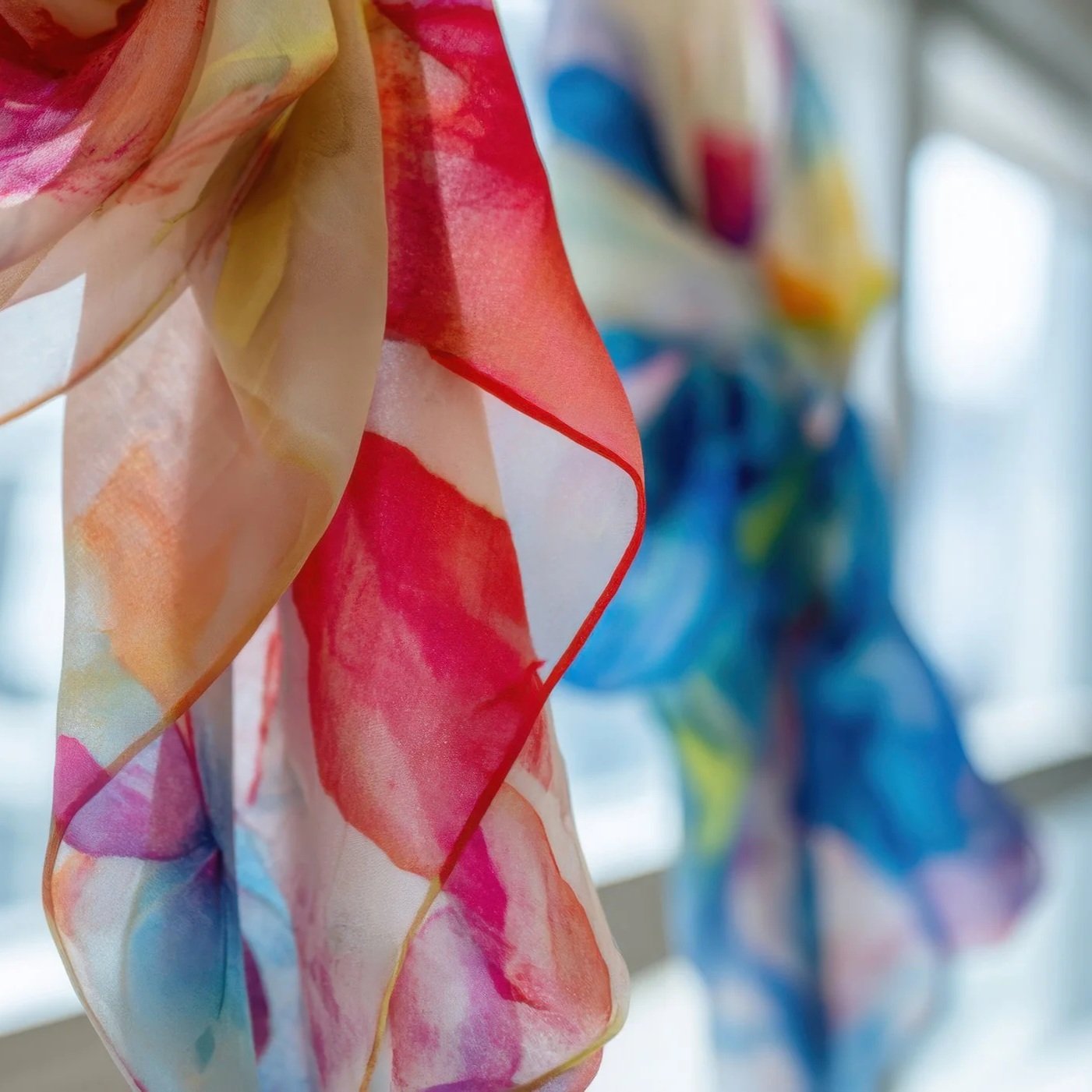
Future Fashion was founded in 2019, timed deliberately to coincide with a pivotal moment in global textile technology: the commercial launch of the EFI Reggiani BOLT Single-Pass digital printing system.
The founders recognised that single-pass architecture had fundamentally changed what was industrially possible - and that Pakistan's domestic market had yet to catch up.

Print is no longer defined by the inefficiencies that once characterised it…as advances in production processes and technology have significantly improved its environmental performance.
Taran Rai, Corporate Sustainability Manager at Epson explains why?
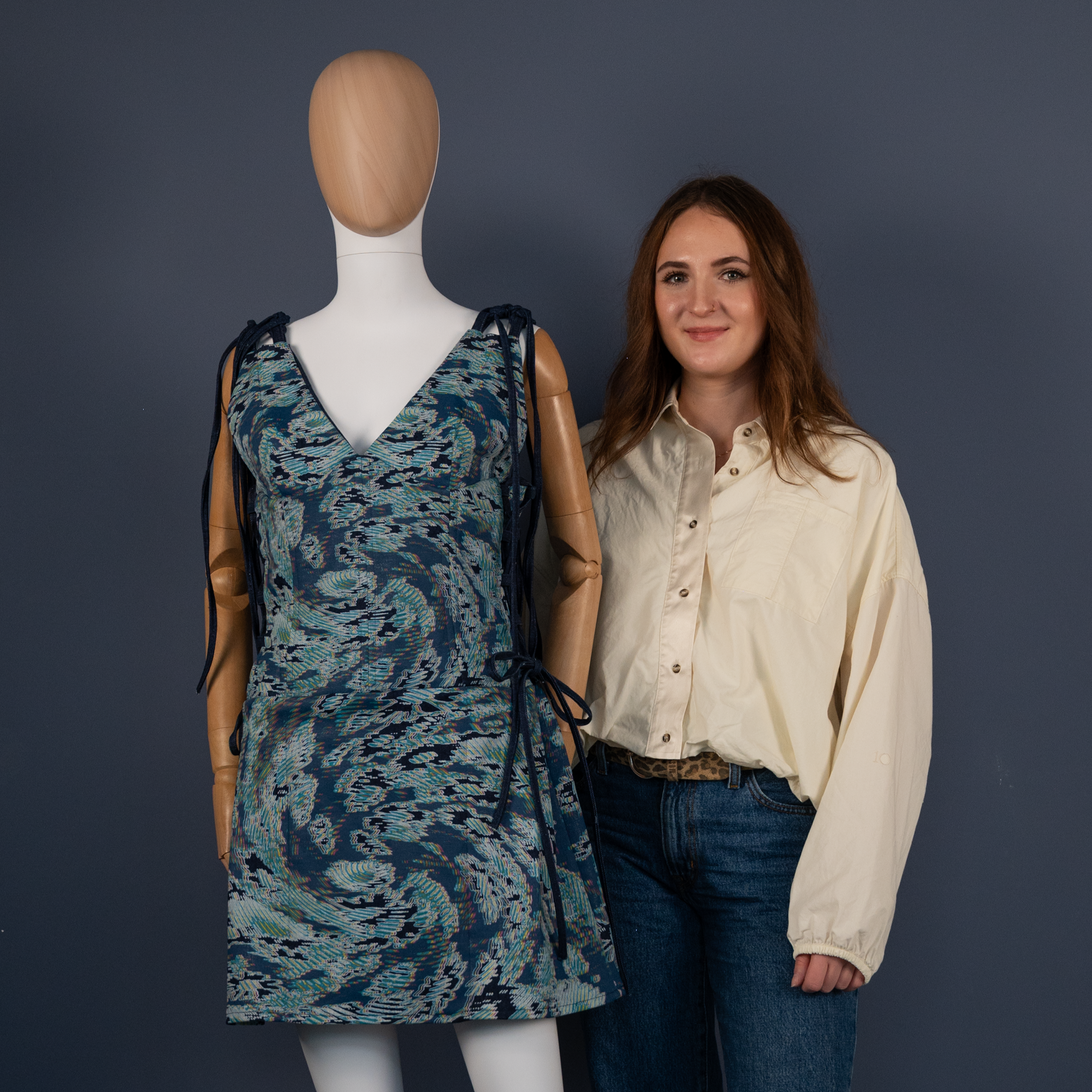
The story of what happens when young designers access digital technology is still being written.
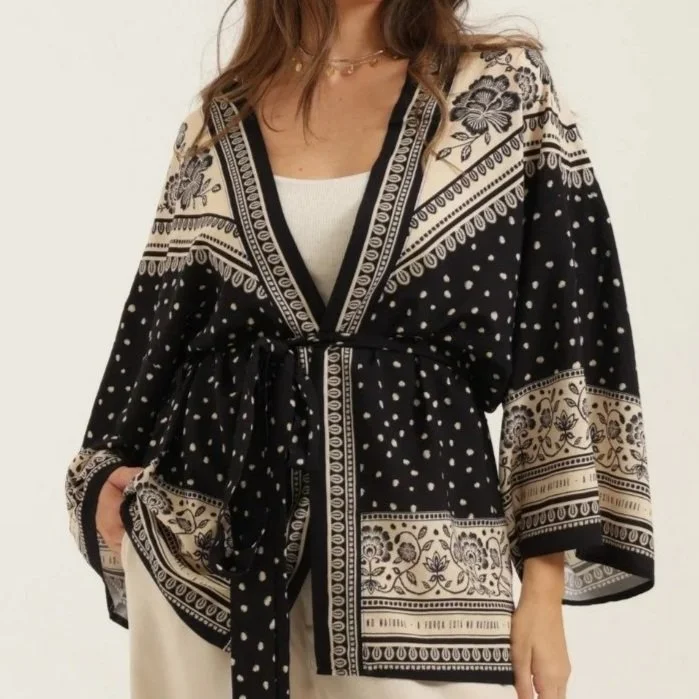
What once was a theoretical sustainability goal seems to have shifted into an active regulatory reality.




Is the Textile Market Finally Recovering?
After a difficult few years, there are genuine reasons for optimism. Duncan was candid about the challenges: "The market for textiles has been very difficult over the last three years. I'm not going to hide the truth there. But the tide is turning.“
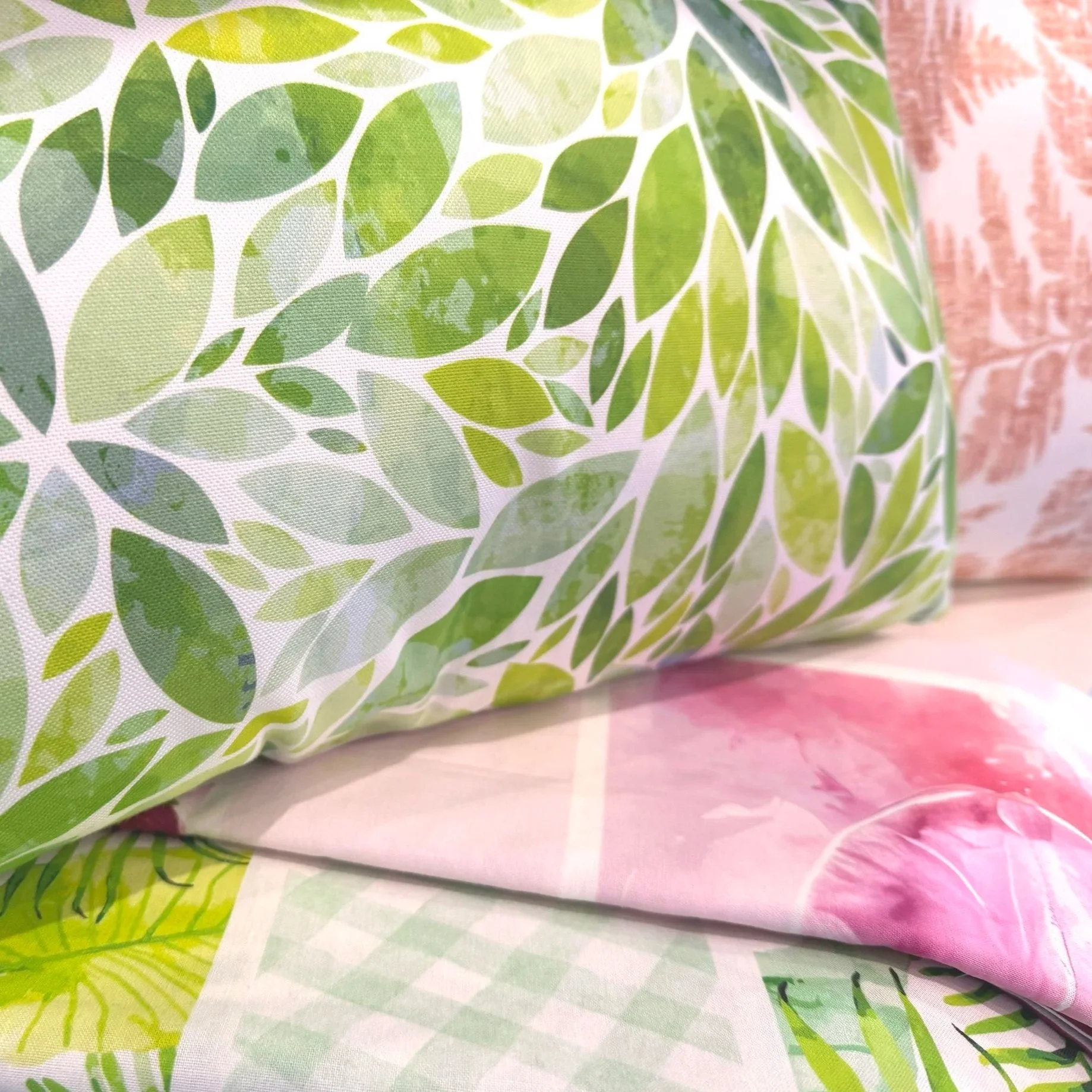
A profound shift is currently reshaping the sector
Changing consumer expectations demand greater design diversity, faster turnaround times, and sustainable manufacturing practices.
To thrive, interior brands must adapt their supply chains, bringing production closer to the end consumer and moving away from bulk manufacturing.
Digital textile printing offers a definitive solution to these operational bottlenecks.

Digital transformation doesn't announce itself.
It accumulates - one innovation at a time - until an entire industry looks back and realises the ground has shifted beneath its feet. That's precisely where textiles stands today.
The conversations happening now about AI, automation, sustainability, and digital product passports are not theoretical. They are shaping decisions being made on factory floors and in boardrooms right now.

“By leveraging advanced digital textile printing, Marylene Madou has successfully merged traditional craftsmanship with cutting-edge technology. Her approach offers a blueprint for how independent designers can scale their brands globally while maintaining a minimal environmental footprint.”
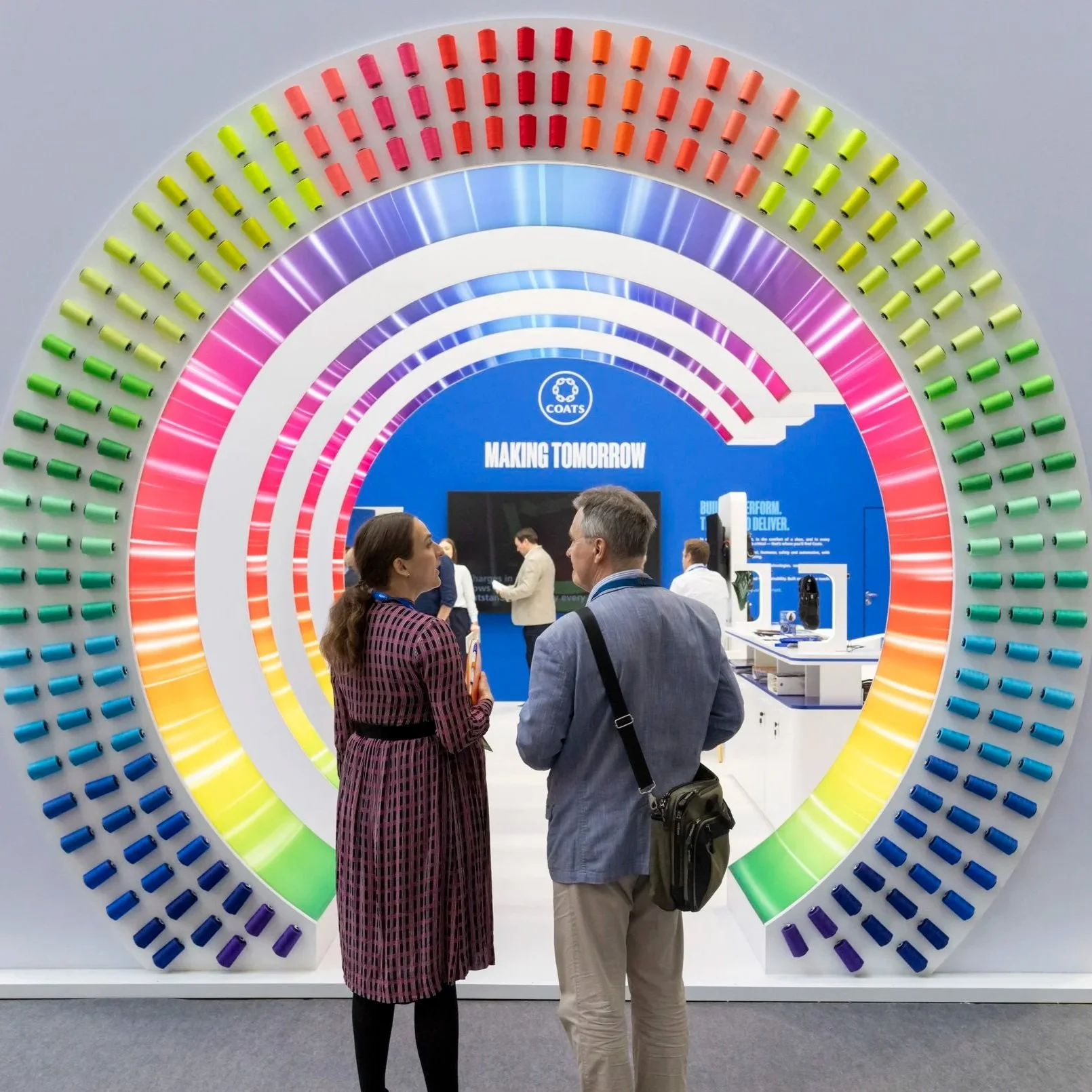
The textile industry is undergoing a vital transformation. As the insights from Techtextil and Texprocess reveal, the path forward relies on a combination of sustainable hardware, intelligent chemistry, and seamless digital workflows.
From Zimmer's industrial-scale energy reductions and Stratasys's on-demand 3D embellishments, to Kornit's single-step technical printing and the unified digital ecosystems of NedGraphics and Optitex, the tools for change are here. To stay competitive, brands and manufacturers must adopt these innovations, moving away from fragmented, wasteful processes towards a truly connected, circular economy.
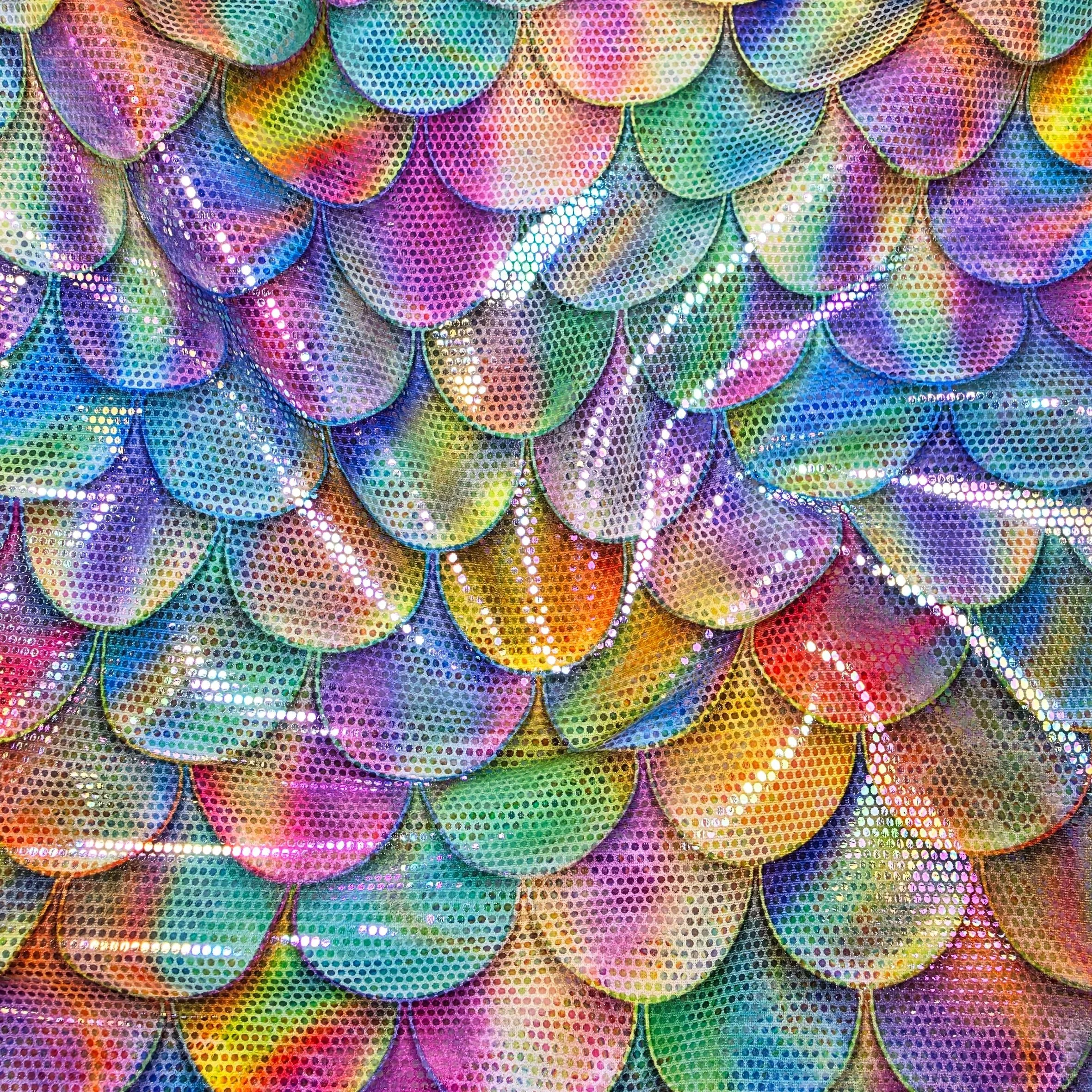
Friedmans stands as a testament to the power of combining traditional textile knowledge with forward-thinking innovation.
“Operating from their UK headquarters, Friedmans now serves a diverse array of sectors, including swimwear, dance, entertainment, sportswear, interior decor, prosthetics, and even pet apparel. With a strategic supply chain that reliably serves clients worldwide”
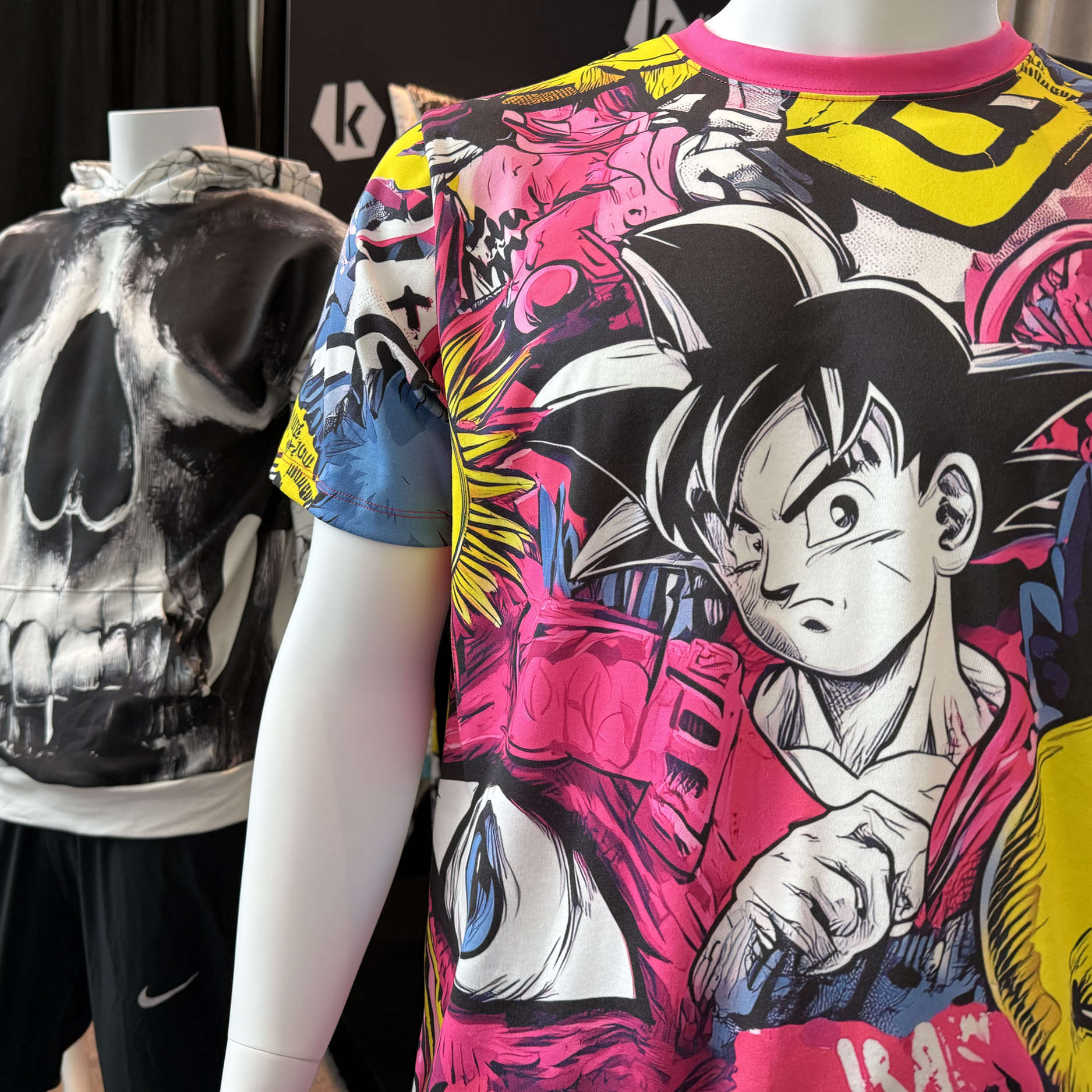
The apparel decoration industry is decisively moving away from isolated, analogue production tools toward connected digital manufacturing environments.
"Kornit’s unwavering commitment to transformative technology continues to disrupt the status quo. For business leaders and innovators ready to capture the future of apparel manufacturing, the path forward is clear”
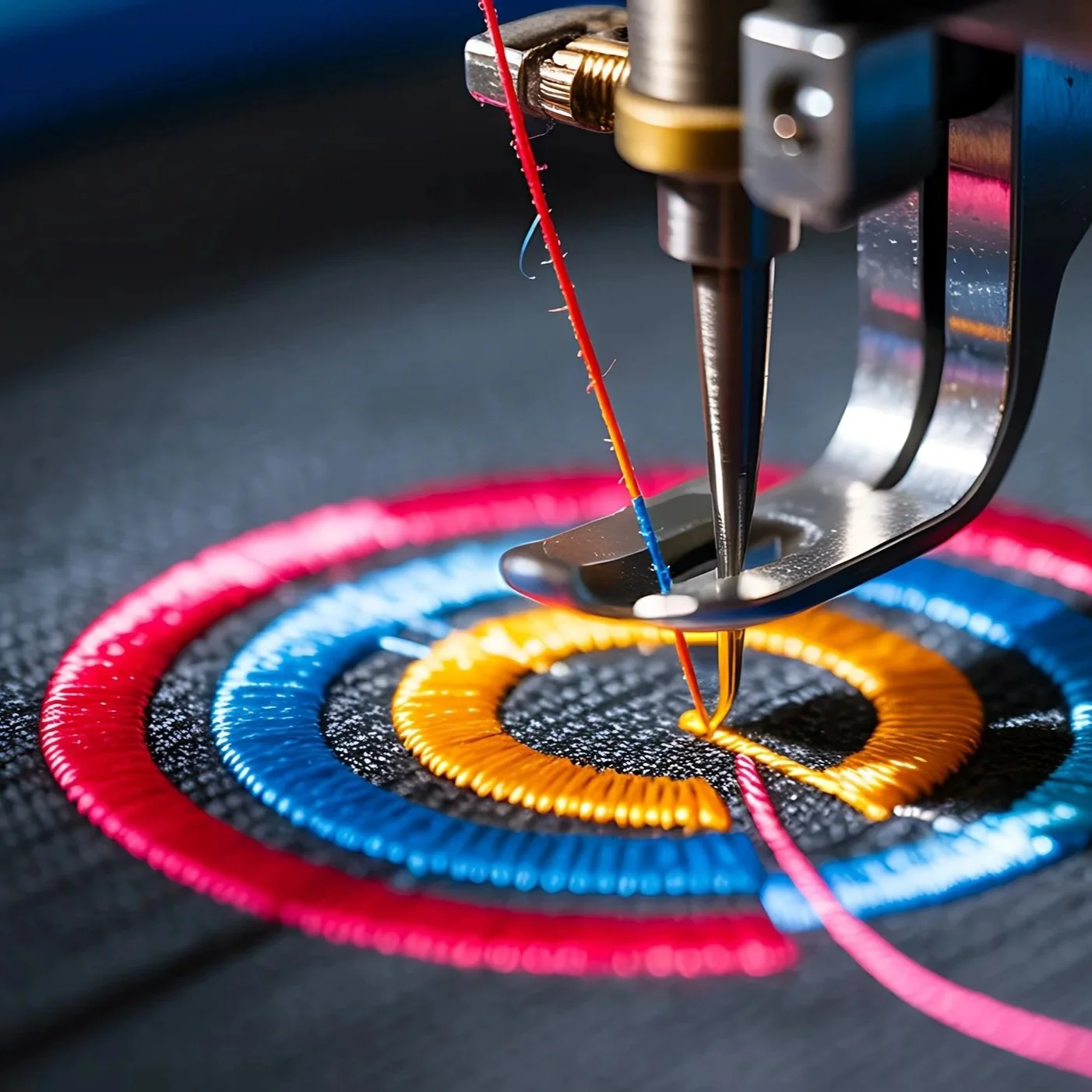
The Urgent Need for Sustainability at Scale
The transformation at Coats provides a vital blueprint for the wider textile and apparel sector. True sustainability cannot be achieved in silos. As Dearing emphasised:
“Cross-industry collaboration is the engine of meaningful change. Brands, machinery suppliers, chemical providers, and fibre producers must act as an interconnected ecosystem”
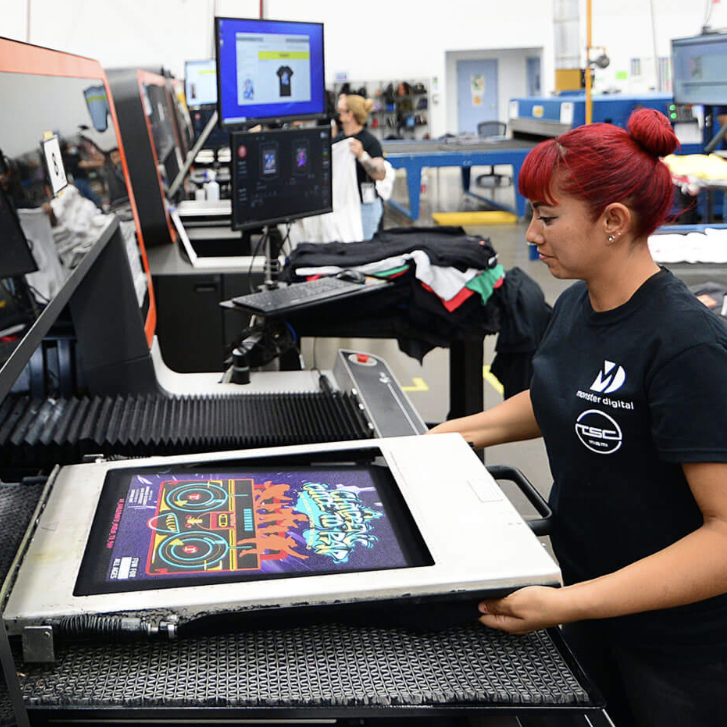
Today’s customers demand superior product quality, real-time data visibility, and lightning-fast turnaround times.
For large-scale garment decorators, managing these expectations while balancing seasonal demand fluctuations - such as the massive surges seen during Black Friday - presents a monumental challenge.
"Relying on transactional vendor relationships and outdated legacy equipment is no longer sufficient to secure long-term stability and growth.”

Printing method is never a secondary detail. It shapes the entire life cycle of a product, from concept to customer. In today’s fashion industry, where margins are tighter and speed matters more than ever, technical knowledge has become a competitive advantage.
“The future of textile design belongs to professionals who can combine creativity with execution, aesthetics with practicality, and vision with production reality”.
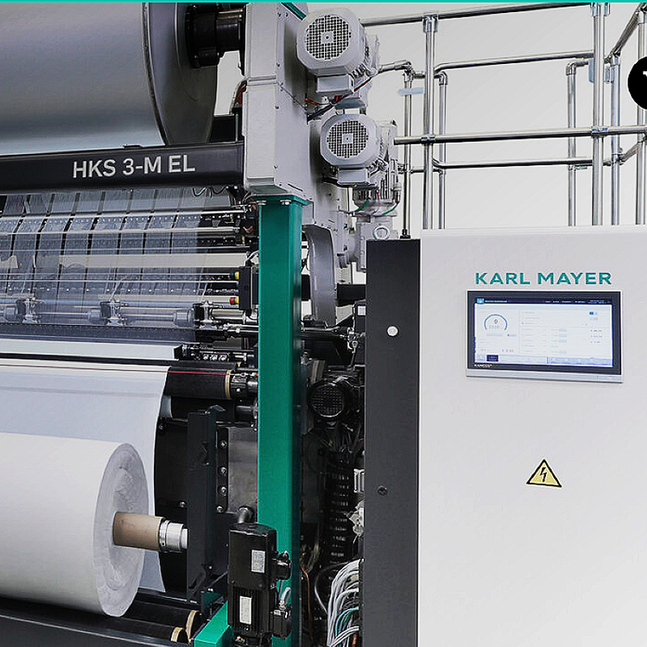
Oberthausen – Germany – September 2026 – KARL MAYER has announced the launch of a new, highly productive model of its HKS 3-M EL, engineered to meet the escalating demands of the sporting goods market.
The extra-wide tricot machine combines a working width of 330", expandable by a further 10", with production speeds of up to 2,800 min⁻¹, setting a new performance benchmark for manufacturers of modern sporting goods.
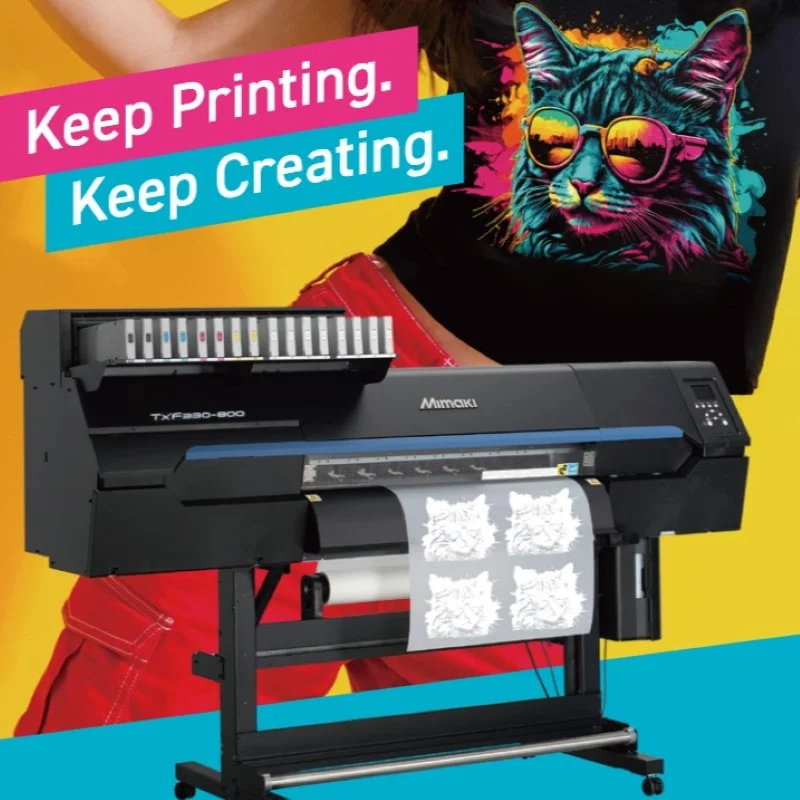
Crewe – Cheshire - UK – 18 September 2026 – Hybrid Services Ltd, the official Mimaki distributor for the UK and Ireland, today highlighted how Mimaki's advanced white ink technology is setting a new standard for Direct-to-Film (DTF) printing, addressing a critical challenge facing garment decorators across the industry.

Tonbridge – UK – September 2026 Compass Business Finance will return to The Print Show this year, inviting visitors to explore their game plans for growth and the strategic decisions that can help drive long-term success in an increasingly fast-moving market.
Located on Stand P580, Compass will deliver an immersive experience designed to explore the challenges, opportunities and key business decisions facing print companies today.
Rather than offering generic advice, the stand will encourage visitors to think differently about their ambitions, investment priorities, and the practical steps required to move their businesses forward with confidence

Anglesey – September 2026 – Nova Chrome UK has today announced the launch of the Filmjet Mini, a new series of all-in-one direct-to-film (DTF) printers designed to eliminate the complexity of running separate printing, powder application, and curing units.
Built by PolyPrint, a garment printer manufacturer since 2006, the Filmjet Mini brings together everything a business needs to start DTF production within a single, compact machine.

China Print Supplies has expanded its textile offering with nine Gongzheng Apsaras printers, covering dye sublimation, direct-to-fabric pigment printing and hybrid working.
The full range is available now, and adds textile to a Gongzheng line-up the company already sells across UV and eco-solvent.
You can learn more about these printers by talking to China Print Supplies at The Print Show later this month (stands S220 and S420).

Dorking – UK – September 2026 – FESPA has announced a new instalment of its FESPA Insights webinar series, focusing on one of the garment decoration industry's fastest-growing opportunities: personalised apparel.
The session, titled "Scaling Your Personalised Apparel Business", will take place on 29 September 2026 at 14:00 BST.

Burscough, UK, September 14, 2026: Quality Print Services (QPS) has announced it will showcase six printers from across the ColorJet and Roland DG ranges, alongside Nazdar's alternative digital inks, on its stand (150) at The Sign Show 2026.
Taking place in hall 1 of the NEC in Birmingham from 29 September to 1 October, The Sign Show, co-located with The Print Show, gives visitors access to both events with a single registration.

September 2026 - Epson today announces the SureColor SC-F300, a new A3 dye-sublimation printer designed to help small businesses and growing personalisation providers produce professional-quality output with a compact, user-friendly workflow.
The SC-F300 is positioned to help users broaden their product offering – supporting expansion from A4 into

Mortsel – Belgium – September 2026– Agfa has today announced the launch of the Jeti Tauro H3300 HS, a new hybrid UV LED inkjet press that extends its award-winning Tauro family.
Built on technology and insights gathered across the entire Tauro range, the new press is designed to meet the productivity demands of today's print service providers while offering a clear path for future growth.

Summa announces the expansion of its F Series Vantage platform into large-format production environments with the introduction of the F1832, F3220 and F3232.
Designed for high-volume signage, packaging, textile, and industrial applications, the new models extend the philosophy behind the F Series Vantage: delivering productivity gains across the entire workflow.
Alongside the new large-format models, Summa also introduces the F1625CF, a dedicated configuration optimised for dry carbon fibre cutting
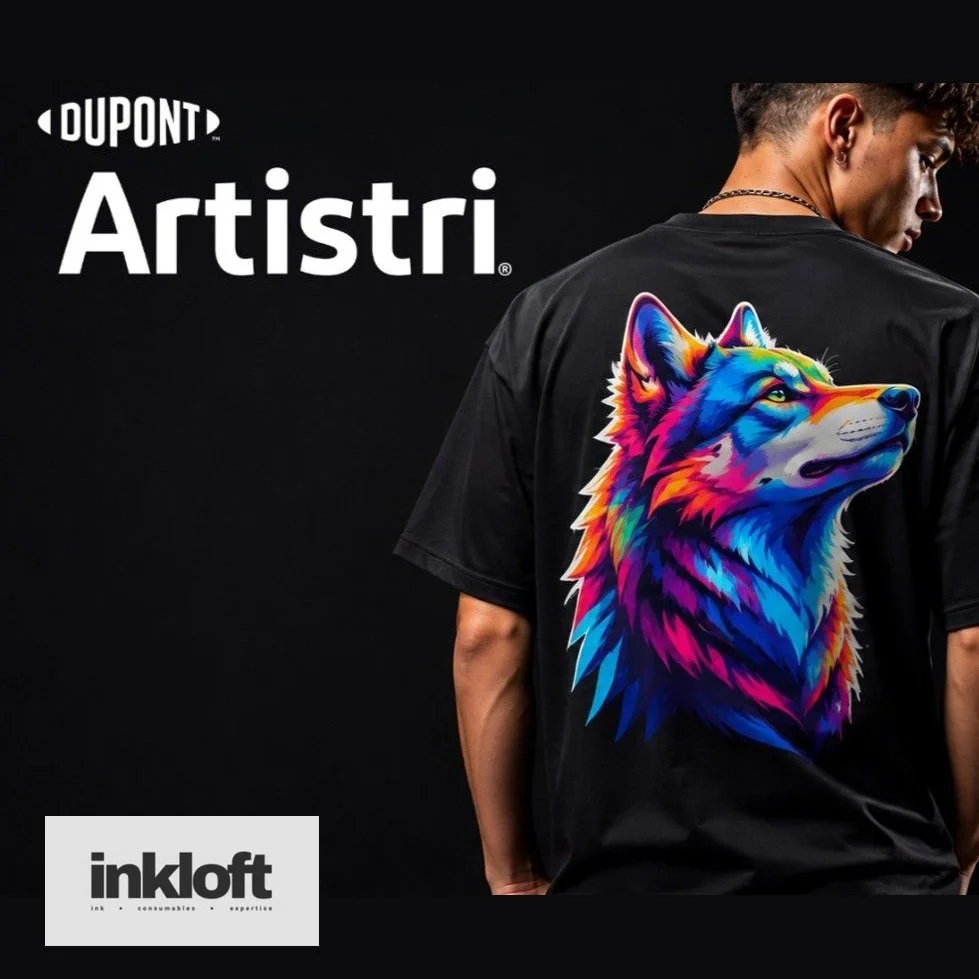
United Kingdom – September 2026 – Inkloft, a new specialist digital printing business founded by Gary Weyman and Andy Hancock, has announced its entry into the direct-to-film (DTF) market.
The company has been appointed as a distributor of DuPont™ Artistri® DTF products, including P1600 inks and Artistri Jettable Adhesive JA1100, both now available to purchase online through inkloft.co.uk.

Tokyo, Japan – September 2026 – Seiko Epson Corporation today announced the launch of CONTOURJET, a new brand for its Direct-to-Shape Printing System, combining Epson's proprietary inkjet and robotics technologies to meet the growing global demand for decorating complex three-dimensional objects.
Under the CONTOURJET brand, Epson will deliver a total solution encompassing enhanced system performance, inks, related software, implementation support, and maintenance services.
The offering is designed to help customers improve efficiency in decoration processes, reduce environmental impact, and unlock a wider range of creative designs.

LAS VEGAS, NV. September 15, 2026 – Fiery, LLC, the print industry’s leading innovator of digital front ends (DFEs) and workflow software, today announced it is showcasing an end-to-end portfolio of solutions that power all corners of the digital print room at PRINTING United 2026 in Las Vegas, Nevada.
Fiery’s award-winning products power printing’s broadest range of applications, including commercial print, large format, industrial inkjet, direct-to-film, direct-to-garment, and more.
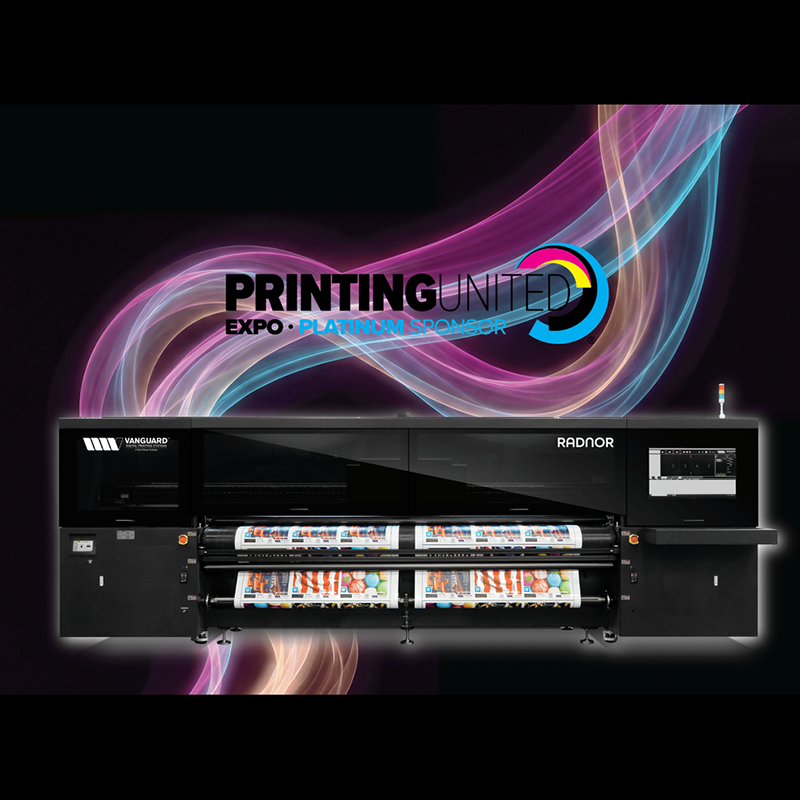
Franklin, TN – September 2026: Vanguard Digital Printing Systems, a Durst Group Company, returns to the PRINTING United Expo with a lineup that reflects the fast moving, boundary pushing, revolutionary company it has become.
In booth C1514, visitors will experience Vanguard’s proven technology, continued innovation and an all-new solution that will change the way print formed service providers think about production.

Birmingham, UK – September 2026 – Perfect Colours has announced its participation in The Print Show 2026, taking place at the NEC Birmingham from 29th September to 1st October.
The company will be offering bespoke, hands-on demonstrations of the Canon UK Colorado M5W, giving visitors the opportunity to witness the technology firsthand and explore how it can transform their production capabilities.

Leicester – UK = September 2026– Vivid Laminating Technologies Ltd, a leading innovator in finishing technology, has announced that its award-winning Veloblade Nexus has been selected by 5 Studio UK, a specialist in large-format print and exhibition stand production, to support the creation of high-quality exhibition stands.
The Veloblade Nexus was chosen for its precision etching and engraving capabilities, which allow 5 Studio UK to deliver premium wood-finished displays for clients across the UK, Europe, and beyond.

Telford, UK – September 2026 – China Print Supplies UK Ltd will unveil the Gongzheng ThunderJet AQ1602S at The Sign Show, offering visitors a hands-on demonstration of its latest entry-level eco-solvent printer at stand S220 + S240.
The ThunderJet AQ1602S is a professional 1.6m eco-solvent printer engineered for high-quality signage, graphics, and display production

Reading, UK – 15 September 2026 – HP has announced it will showcase four machines from its HP Latex portfolio, alongside the HP DesignJet Z9+ and HP PrintOS Production Hub, at The Print Show and The Sign Show 2026.
Taking place from 29 September to 1 October in Hall 1 of the NEC Birmingham, the event will feature live demonstrations and application examples highlighting opportunities across sign-making and wide-format print.

Paris - France – September 15th 2026 – Optitex, a global leader in fashion technology, has today announced the release of O/26.1, the latest evolution of its industry-leading software suite.
The update strengthens the tools that fashion and apparel businesses rely on daily, introducing enhanced pattern design capabilities, more flexible cut planning, and a smoother, more connected cloud experience through OPTINEDCloud, formerly known as O/Cloud.
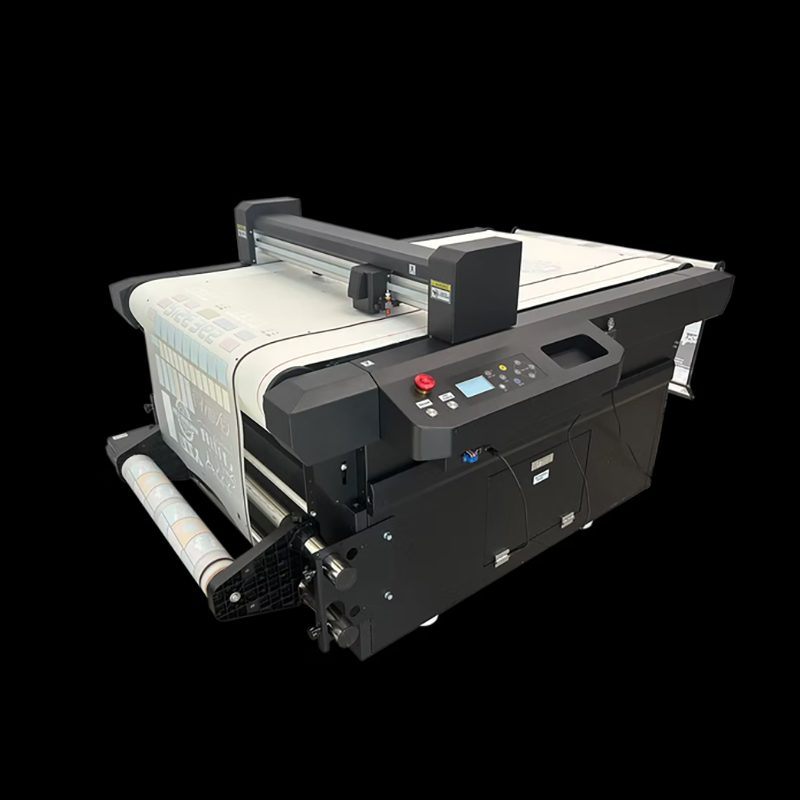
Clay Cross – September 2026 – Resolute DTF has confirmed it will unveil its latest range of digital cutting solutions at The Print Show 2026, held at the NEC Birmingham from 29 September to 1 October.
The announcement reflects the company's continued commitment to advancing production efficiency across the DTF, vinyl, UV DTF transfer and label sectors.
Visitors to Stand P610 will be given a first-hand look at three cutting systems designed to address the industry's growing demand for accuracy, flexibility and streamlined workflows.

Hamamatsu, Japan – September, 2026 – Roland DG, a leading manufacturer of wide-format digital printing solutions, has announced the launch of the TrueVis MG2 Series, a next-generation UV printer/cutter range comprising the MG2-640 and MG2-300.
Designed to help print businesses increase profitability, the new series combines significantly higher productivity, exceptional print quality, advanced application capabilities and lower running costs in a single integrated UV Print & Cut solution.

September 2026 – Georg+Otto Friedrich GmbH, a fourth-generation German textile manufacturer, today announced its participation in PRINTING United Expo 2026, North America's largest gathering of the print industry.
The company will exhibit at Booth C1996 from 23–25 September 2026 at the Las Vegas Convention Center.
The expo represents a pivotal opportunity for Georg+Otto Friedrich to demonstrate how warp-knitted polyester is reshaping the possibilities of digital printing.

Altrincham – Cheshire – Funki Fabrics has today released its Autumn/Winter 2026 fabric trend report, identifying four key directions set to define the season: warm neutrals, deep jewel tones, vampy cherry reds and dark, moody botanicals.
The report offers designers across dancewear, performance wear, costume and beyond a clear framework for translating seasonal colour and print movements into fabric choices.
According to Funki Fabrics, AW26 marks a decisive shift towards richer, more dramatic palettes.
Cool creams and pale beiges are giving way to toasted beige, camel and biscuit browns, offering warmth and versatility as either standalone tones or a base for bolder accents.

Colombo, Sri Lanka – September 2026 – Winterquilts (Pvt) Ltd., one of Sri Lanka's leading garment manufacturers and exporters, has invested in Coats Digital's award-winning GSDCost solution together with its newly launched AI-powered GSDQuest platform.
The move is designed to standardise garment costing, improve costing accuracy and accelerate Bill of Labour generation across the company's manufacturing operations.

London, UK – September 2026 – The Only Natural International Student Design Competition 2026, supported by Artsthread, has revealed its Category and People's Choice winners.
Selected from an exceptional field of entries from student designers across the globe, this year's winning projects span Fashion and Home, showcasing outstanding creativity, craftsmanship and innovation in the use of natural materials.

Bressanone – September 2026 – Durst Graphics today features its P5 350 CORE, a new 3.5-metre hybrid printing platform designed to serve as an accessible entry point into the wider Durst Ecosystem.
The system brings together proven technologies from across the P5 portfolio, offering print businesses a reliable and future-ready first step into industrial digital printing.
This machine reflects Durst's continued commitment to lowering the barrier to entry for print operators seeking dependable, scalable technology without compromising on quality or performance.

Peterborough -September 2026 – Snuggle, a leading trade fulfilment provider, has today announced it is the first company in Europe to install three Epson G9000 DTF systems, marking a significant expansion of its production capacity to meet surging demand from trade customers across the UK and Europe.
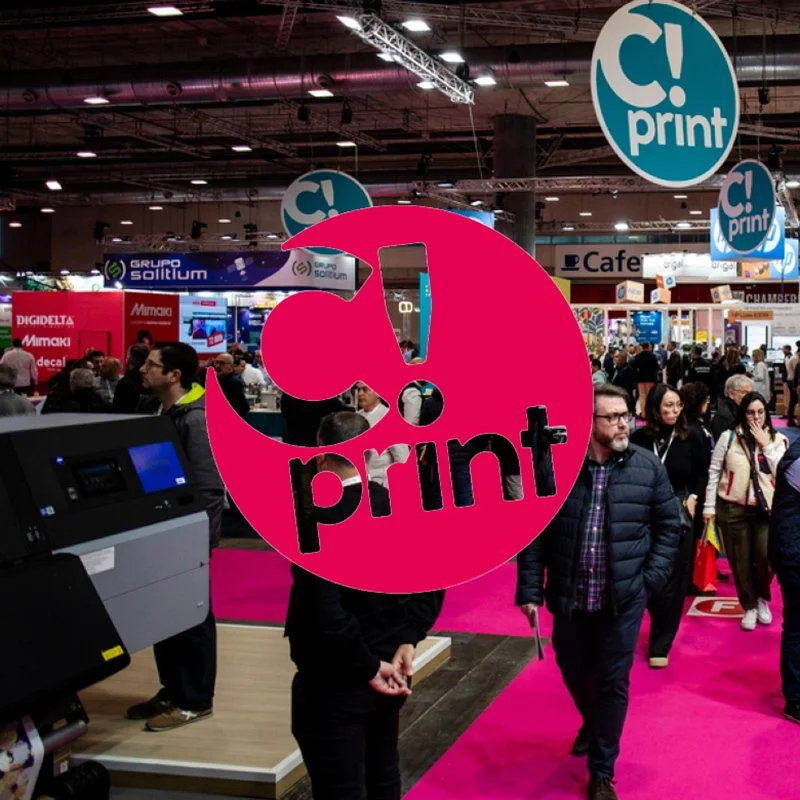
The graphic industry is changing at high speed. Automation, artificial intelligence, personalization, new materials and sustainability are transforming the way products are made while, at the same time, opening up new business opportunities for professionals in the sector.
Against this backdrop, C!Print Madrid 2027 will bring together manufacturers, distributors, printers and professionals from the printing and visual communication world at IFEMA MADRID from January 12 to 14, showcasing the technologies and trends driving this evolution.
This eleventh edition arrives with a strong market response: 90% of its more than 7,000 m² of exhibition space is already booked, with leading companies in the sector such as HP, Epson, Fujifilm, Roland DG, Mimaki, Digidelta and Konica Minolta, among others
Las Vegas – Nevada – September 2026 – BARBIERI electronics, a specialist in colour measurement technology, has announced its sponsorship of the G7+ Exchange, an industry gathering set to take place ahead of PRINTING United Expo 2026.
The event will bring together experts and professionals from across the printing sector to discuss advancements in colour management and print quality.
The G7+ Exchange will be held on 22 September 2026 at the Las Vegas Convention Center, Room N109, as part of the broader PRINTING United Expo.

FREMONT, CA. September, 2026– Fiery, LLC, the leading provider of digital front ends for the print industry, today announced it will host an exclusive webinar titled "Beyond CMYK: From more colours to more impact" on Tuesday, 6th October 2026 at 5:00pm CEST.
The 45-minute session will explore how commercial print businesses can move beyond the constraints of standard CMYK to unlock bolder colours, sharper precision, and stronger margins through expanded gamut printing.
As brands increasingly demand vibrant, exact colour matching, print providers who rely solely on standard CMYK risk falling behind.