
INSPIRING INTERIORS NEW OPPORTUNITIES FOR FURNISHINGS


FESPA’s Textile Ambassador, Debbie McKeegan discusses the growing expansion of design and product diversity in the Home Furnishings marketplace.
Exciting times ahead for Digital Printers in the Contract and Home Décor marketplace, as sales are forecast to advance significantly over the next five years.
IMAGE CREDITS:
Lucy Javanshir has a unique design brand, and a passion for Geometrics. Featured here with and her stunning digitally products.
ATADesigns and Switchscene Printing collaborate and offer a brand new range of wall-covering and mural designs for the Care Home sector.
Upholsterer Jay Blades has been working with Race Furniture on a new heritage collection. Seen here is Timourous Beasties Marble Gum fabric in velvet.
As the Millennial generation’s demand for customisation grows we are witnessing a flurry of new marketplaces and opportunities for the Interior industry. A proliferation of new products and business concepts have emerged to inspire and satisfy our demand for customisation and personalisation within the Contract and Home Décor markets.
Fuelled by the ease of access to Digital print there has been a veritable explosion of Designer-Makers, Textile Craftsmen and new Textile Converters, all of whom are contributing to a massive expansion of design and product diversity in the Home Furnishing Marketplace.
The key to this has been the development of a virtually risk-free Industry 4.0 business model, enabled by Digital Printing, where small orders can be produced, as economically, and as quickly and efficiently by the small companies, as by the large Industrial concerns.
Removing technical boundaries for many emerging designers, Digital Printing has given a new degree of freedom to the Textile product designer, with, for example repeat size and number of colours becoming insignificant in the production process when ordered online utilising web to print software.
The result of this has been evident in all aspects of the Home Furnishing Market. Bespoke wall-coverings are enormously popular both with the general public but also with the Interior design community. Feature Walls are now a neccesary part of many commercial Interior schemes, giving clarity and provenance to the ideas of designer, and an exciting Interior for the client.
Digital Printing offers unlimited creativity, design scale and exceptional, consistent print quality, all of which enables the designer to indulge their imagination and to create unique customised Interiors, for commercial or residential spaces.
Customised printed textiles, drapes and accessories, such as ready-made curtains, cushions and throws, can be ordered online, and delivered in days, allowing the Designer the freedom to experiment, as never before, with design, colour and style. A fast-growing marketplace, for localised production and centralised micro-factories offering easy access to affordable products, which can then retailed via outlets, such as Etsy to John Lewis and from Liberty to Designer’s Guild.
But, perhaps the most significant Décor growth is in the Contract Décor sector of Furnishings, where the short run capacity of Digital print, combined with its impeccable technical credentials are revolutionising the Furniture and Lighting sectors.
Themed Fabrics and Furnishings for Hotels are increasingly popular, as the Hospitality Industry moves deeper and deeper into branded lifestyle marketing.
Today it is vital for the Hotel, not just to provide accomodation, but also, a visual and cultural experience, and the industry has looked to the Interior Designer to provide the ambiance and surroundings to reinforce this offer.
In turn, the Interior Designer has looked to harness Digital printing to provide the Fire Certified Fabrics and Wallcoverings, showing unique design concepts and looks, in small but significant quantities.
As a result, the demand for Dye-sub printing of Flame Resistant polyester fabrics has never been higher, and the prospects look good for the future.
Digitally printed FR fabric provides technically certified product that not only satisfies the performance regulations of the hospitality sector but also facilitates design diversity and allows the creativity, of the designer to shine through.
Opportunities abound and there are exciting times ahead for the Furnishings market and creative communities.
Freedom in Design & Colour combined with Digital Textile Printing allows the Interior designer to create their unique signature and style to produce truly unique and Inspiring Interiors.
FESPA Global Print Expo 2019 is Europe’s largest speciality print exhibition for screen and digital wide format print, textile printing and signage solutions. Located in the East Entrance of the Messe Munich, Printeriors 2019 will take the form of an interactive visitor experience, demonstrating a host of interior décor applications, such as wallpaper, lightboxes, soft furnishings including curtains and cushions, table tops and sideboards, window graphics and chairs.
Please use promo code FESG902 to register for free.

Colour Is Too Important to Leave to Chance
Print will always be the part of the garment people see first.
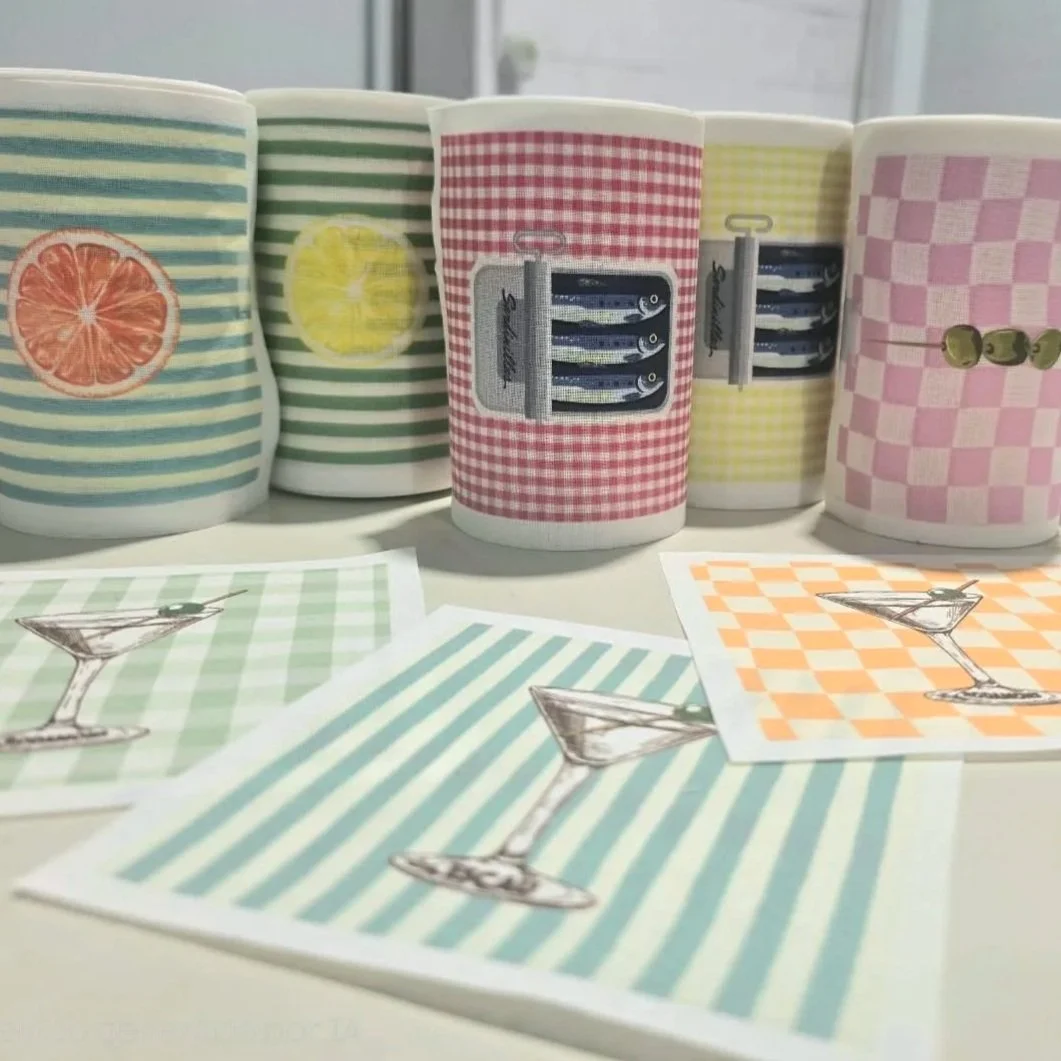
But the sum of all parts — the fabric, the trims, the fasteners, the finish — is what determines whether a design actually delivers on its promise. Brands that continue to treat colour as a single creative decision, rather than a coordinated technical discipline spanning their entire supply chain, will keep paying for it in re-dips, delays, and disappointed design teams.
A Century of Textiles, and an Ever-changing World
Few companies can trace their roots back more than a century and still count themselves among their industry's innovators. Texia, headquartered in Monistrol de Montserrat, Spain, is one of them.
But the story of Texia is not simply one of longevity.
It is a story of continual reinvention. As the textile industry has grown more global and competitive, Texia has repeatedly reshaped its business, investing in technology, developing its own brands, and placing sustainability at the centre of its mission. In doing so, it offers a compelling example of how a heritage manufacturer can lead rather than follow through a period of profound industry change. Image Credit: Texia
What are we craving Ultimately?
The instinct to slow down while simultaneously optimising every measurable aspect of life isn't a passing curiosity. It's a structural response to a world that feels increasingly unstable, and it's reshaping what people expect from their homes, hotels, workplaces and healthcare environments alike.
For the design and manufacturing sectors, this means rethinking both product and process.
The Structual Shift is Real and its Already Here
Volumes are moving east, where digital production is accelerating rapidly. Consumer behaviour has shifted.
Demand is now driven by personalisation, shorter buying cycles, and an expectation of near-instant responsiveness. Regulatory pressure is intensifying, with supply chain transparency now a legal and commercial fact in many markets. And margins? They are under sustained, structural pressure.
This is not a temporary disruption. It is a fundamental reordering of how textile manufacturing must operate.

The Challenge: Standing Firm as the Industry Shifts
The wallpaper landscape has changed dramatically. Digital printing has lowered the barrier to entry, spawning countless direct-to-consumer brands and pushing much of the market towards faster, cheaper production.
At the same time, manufacturing in the UK has grown steadily harder - rising minimum wage, national insurance, energy and substrate costs all bear down on margins. Surface Print have embraced all of these challenges - and stand resolutely prepared for the future.
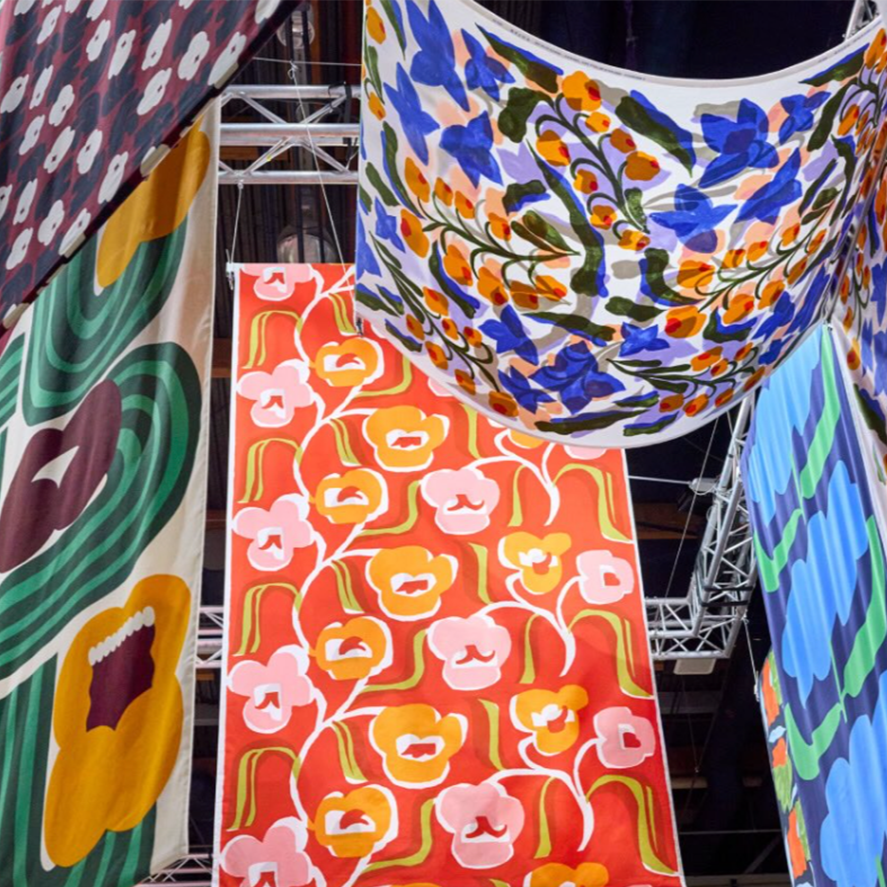
From Helsinki's printing mill to Paris's Le Marais, discover how Marimekko is scaling a design-led brand with purpose, craft, and bold innovation.
But what makes Marimekko's story compelling is not just its aesthetic legacy?

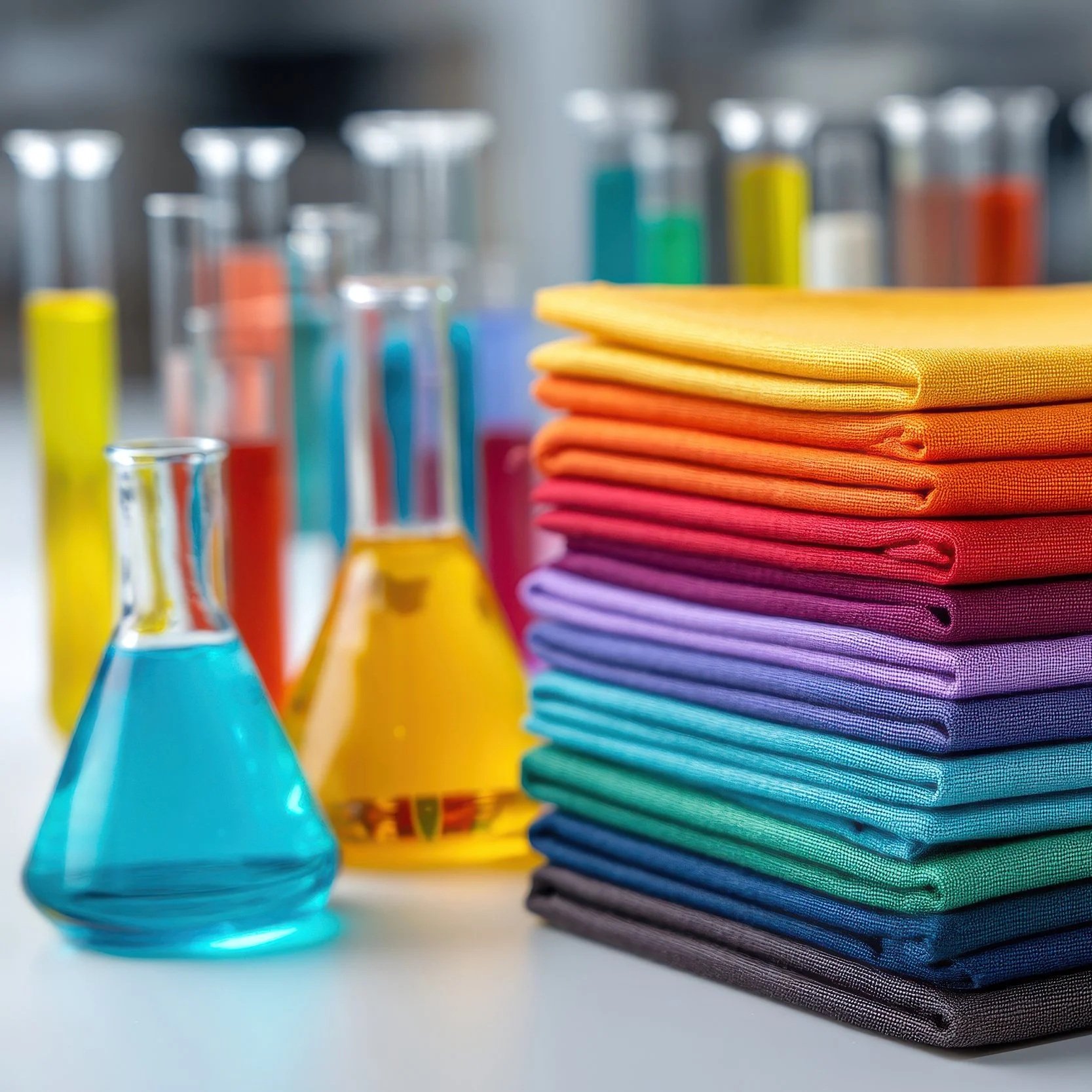
The word "toxic" carries weight. It conjures danger, harm, and things best avoided.
“Yet in the textile industry - Where between 3,000 and 10,000 chemicals move through the supply chain, a reflexive fear of the term is one of our biggest obstacles to progress.”
This article distils the key takeaways and what buyers, designers, and brands should be asking right now.
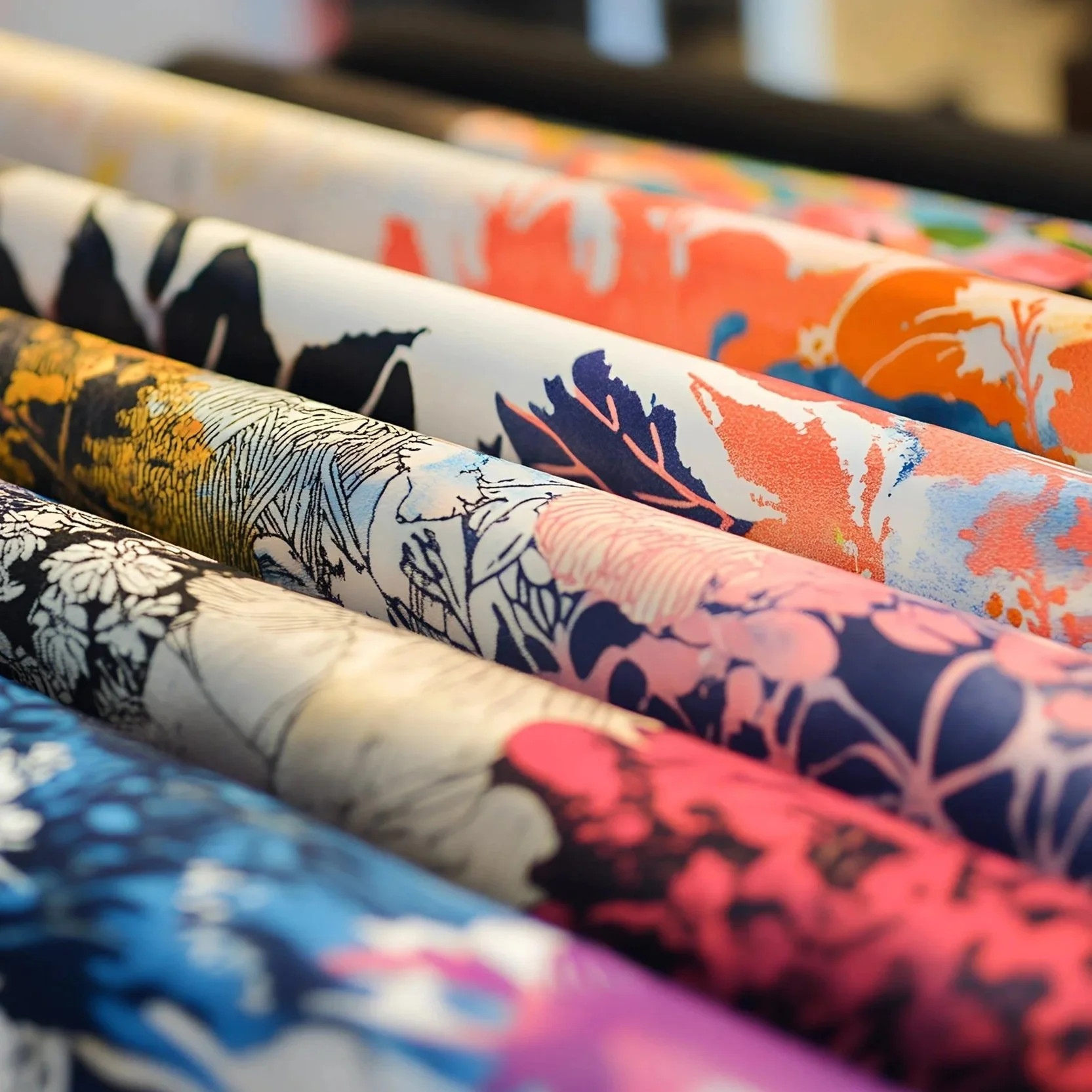
What Is the Digital Product Passport?
At its core, a Digital Product Passport is a digital record attached to a physical product - For a printed textile product, this means the DPP would capture data on the substrate, inks and dyes used, the printing process and technology, chemical compliance, environmental impact (including water and energy use), supply chain traceability, and end-of-life instructions.
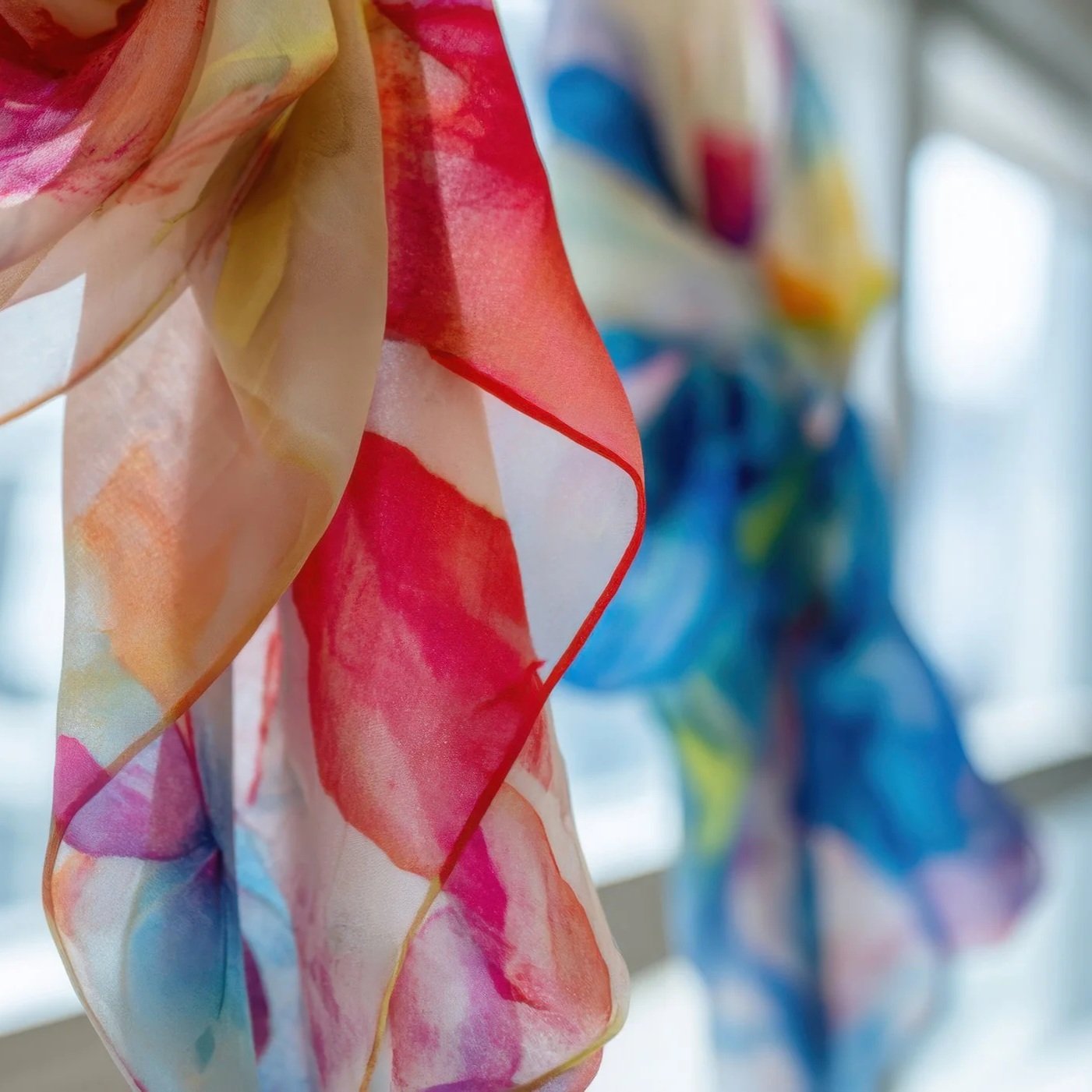
The Market Gap that Changed Everything
Future Fashion was founded in 2019, timed deliberately to coincide with a pivotal moment in global textile technology: the commercial launch of the EFI Reggiani BOLT Single-Pass digital printing system.
The founders recognised that single-pass architecture had fundamentally changed what was industrially possible - and that Pakistan's domestic market had yet to catch up.

Print is no longer defined by the inefficiencies that once characterised it…as advances in production processes and technology have significantly improved its environmental performance.
Taran Rai, Corporate Sustainability Manager at Epson explains why?
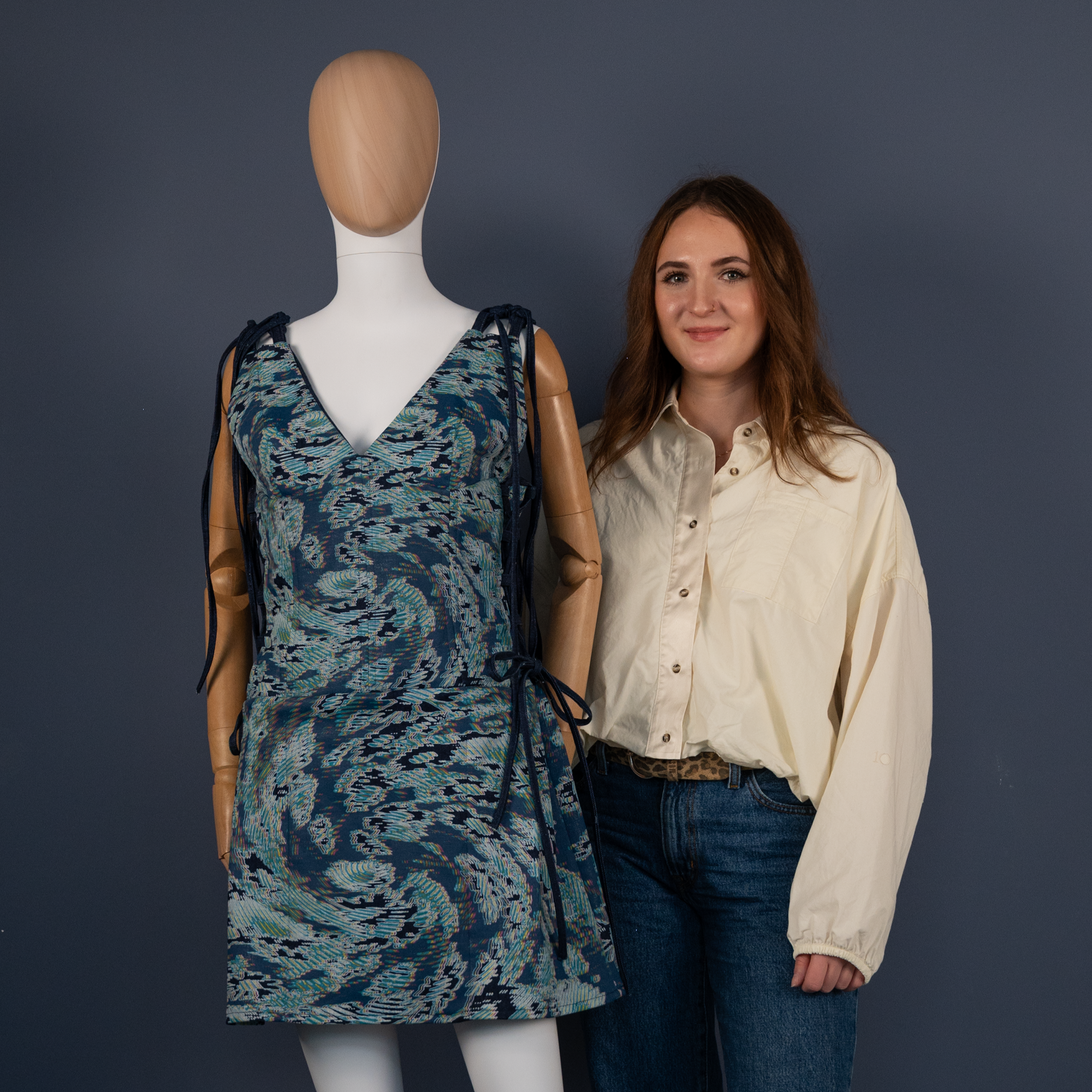
The story of what happens when young designers access digital technology is still being written.
What once was a theoretical sustainability goal seems to have shifted into an active regulatory reality.


Is the Textile Market Finally Recovering?
After a difficult few years, there are genuine reasons for optimism. Duncan was candid about the challenges: "The market for textiles has been very difficult over the last three years. I'm not going to hide the truth there. But the tide is turning.“
A profound shift is currently reshaping the sector
Changing consumer expectations demand greater design diversity, faster turnaround times, and sustainable manufacturing practices.
To thrive, interior brands must adapt their supply chains, bringing production closer to the end consumer and moving away from bulk manufacturing.
Digital textile printing offers a definitive solution to these operational bottlenecks.

Digital transformation doesn't announce itself.
It accumulates - one innovation at a time - until an entire industry looks back and realises the ground has shifted beneath its feet. That's precisely where textiles stands today.
The conversations happening now about AI, automation, sustainability, and digital product passports are not theoretical. They are shaping decisions being made on factory floors and in boardrooms right now.

“By leveraging advanced digital textile printing, Marylene Madou has successfully merged traditional craftsmanship with cutting-edge technology. Her approach offers a blueprint for how independent designers can scale their brands globally while maintaining a minimal environmental footprint.”
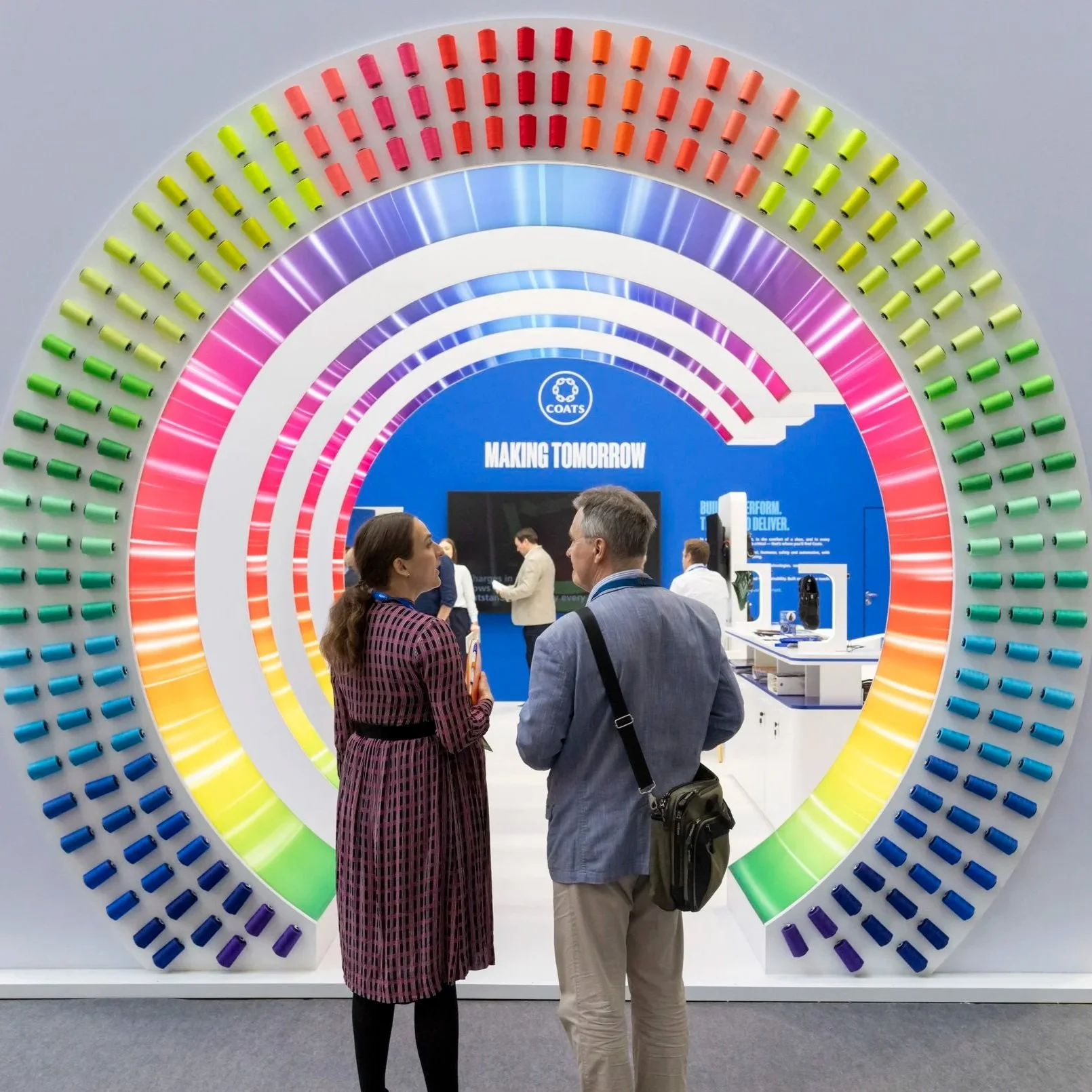
The textile industry is undergoing a vital transformation. As the insights from Techtextil and Texprocess reveal, the path forward relies on a combination of sustainable hardware, intelligent chemistry, and seamless digital workflows.
From Zimmer's industrial-scale energy reductions and Stratasys's on-demand 3D embellishments, to Kornit's single-step technical printing and the unified digital ecosystems of NedGraphics and Optitex, the tools for change are here. To stay competitive, brands and manufacturers must adopt these innovations, moving away from fragmented, wasteful processes towards a truly connected, circular economy.
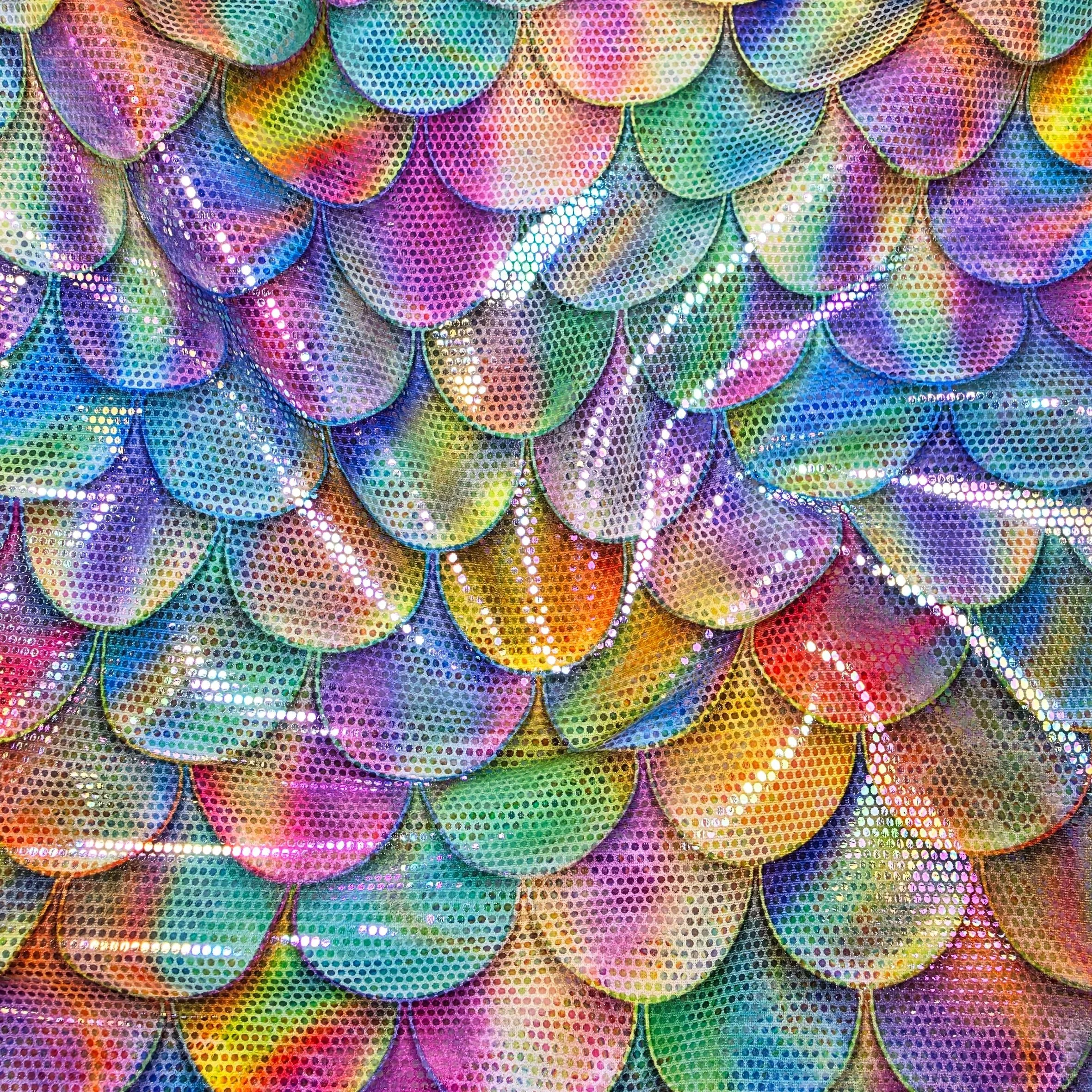
Friedmans stands as a testament to the power of combining traditional textile knowledge with forward-thinking innovation.
“Operating from their UK headquarters, Friedmans now serves a diverse array of sectors, including swimwear, dance, entertainment, sportswear, interior decor, prosthetics, and even pet apparel. With a strategic supply chain that reliably serves clients worldwide”
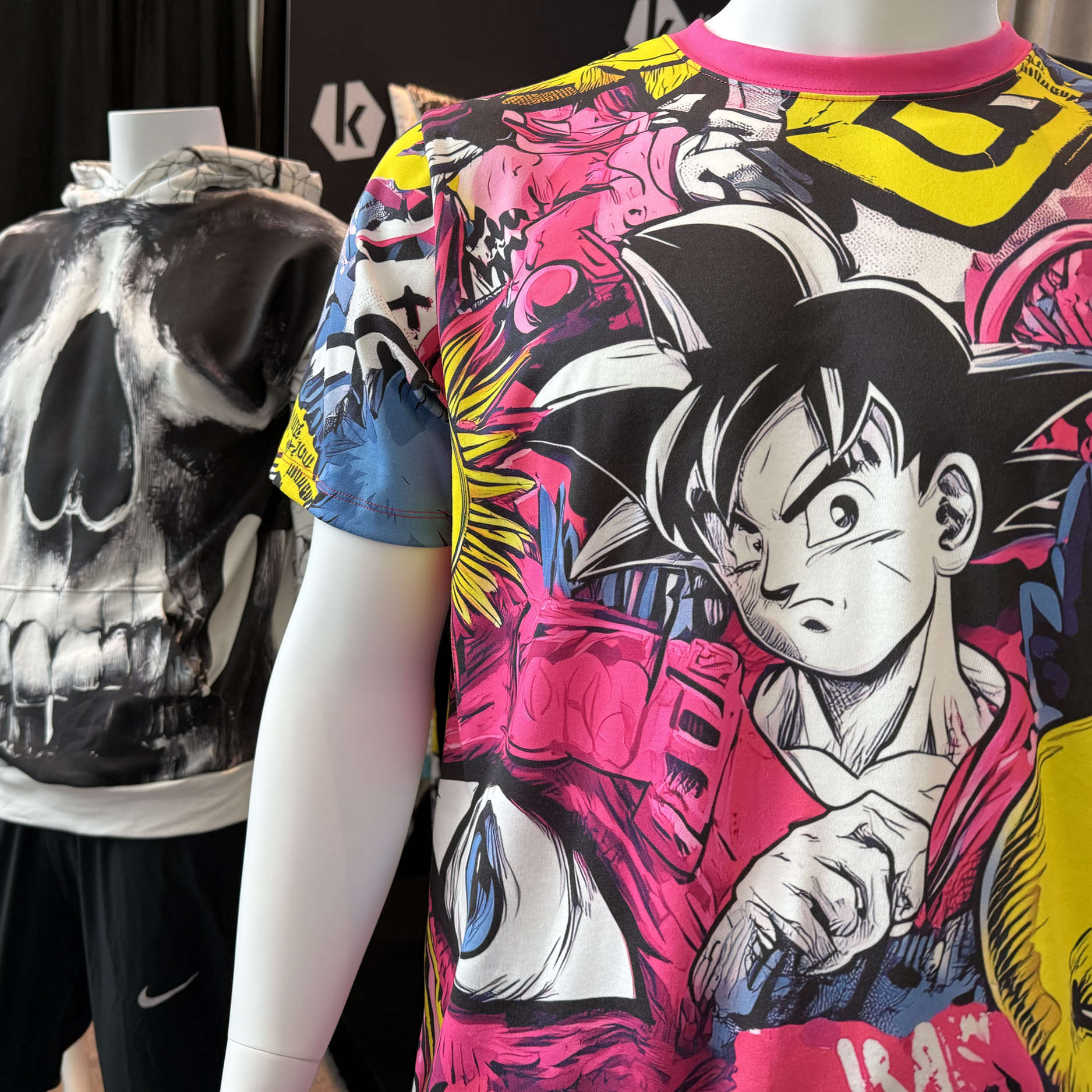
The apparel decoration industry is decisively moving away from isolated, analogue production tools toward connected digital manufacturing environments.
"Kornit’s unwavering commitment to transformative technology continues to disrupt the status quo. For business leaders and innovators ready to capture the future of apparel manufacturing, the path forward is clear”
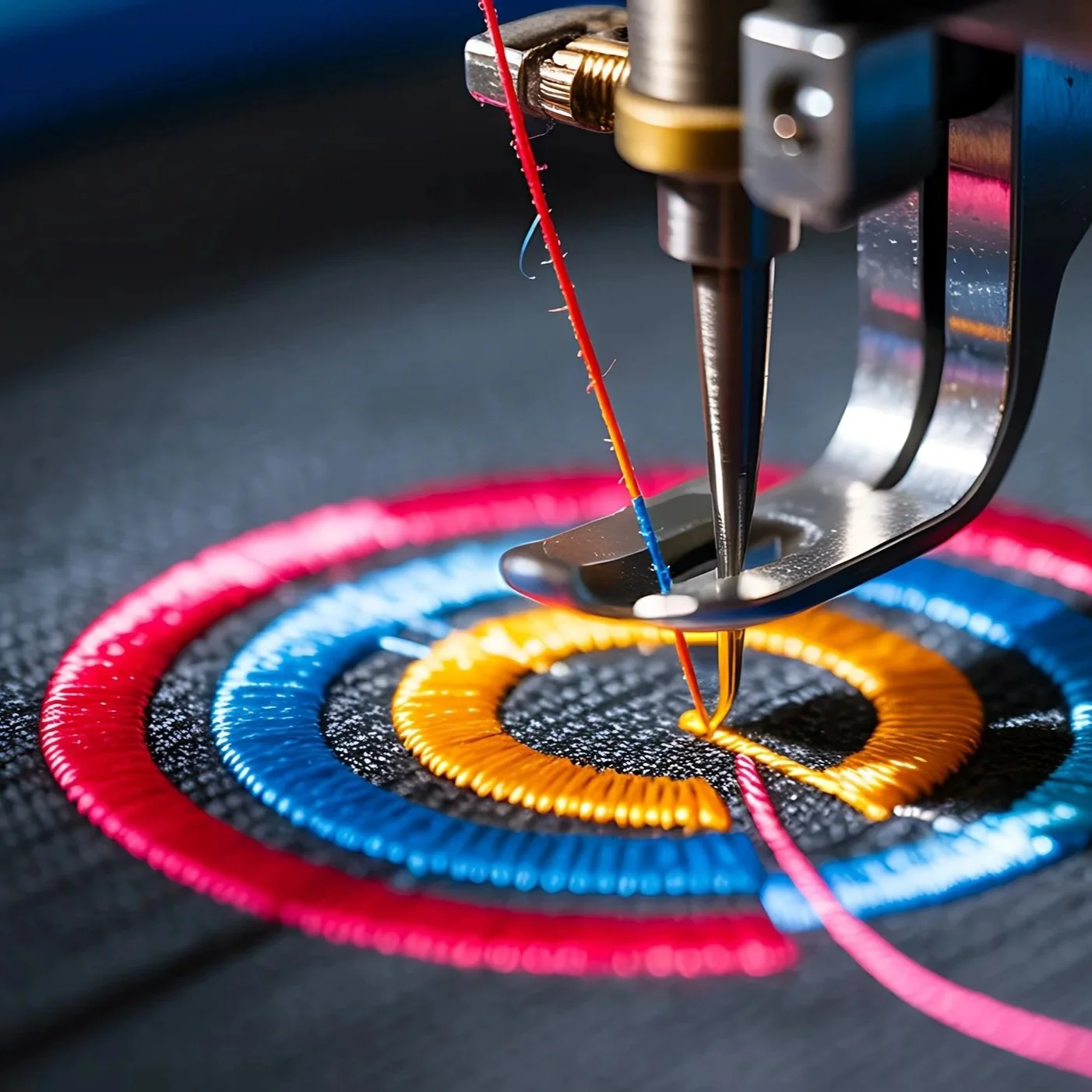
The Urgent Need for Sustainability at Scale
The transformation at Coats provides a vital blueprint for the wider textile and apparel sector. True sustainability cannot be achieved in silos. As Dearing emphasised:
“Cross-industry collaboration is the engine of meaningful change. Brands, machinery suppliers, chemical providers, and fibre producers must act as an interconnected ecosystem”
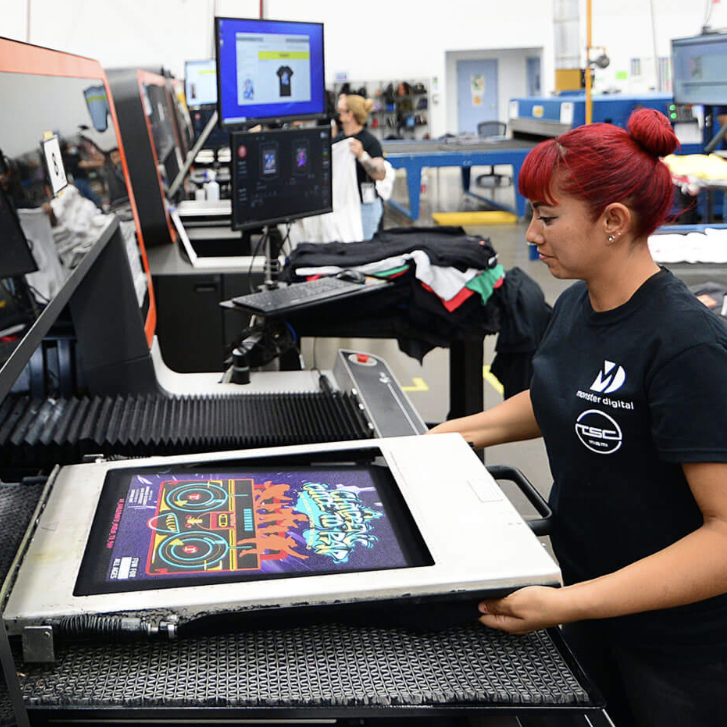
Today’s customers demand superior product quality, real-time data visibility, and lightning-fast turnaround times.
For large-scale garment decorators, managing these expectations while balancing seasonal demand fluctuations - such as the massive surges seen during Black Friday - presents a monumental challenge.
"Relying on transactional vendor relationships and outdated legacy equipment is no longer sufficient to secure long-term stability and growth.”

Printing method is never a secondary detail. It shapes the entire life cycle of a product, from concept to customer. In today’s fashion industry, where margins are tighter and speed matters more than ever, technical knowledge has become a competitive advantage.
“The future of textile design belongs to professionals who can combine creativity with execution, aesthetics with practicality, and vision with production reality”.

In this podcast episode, James Watson, Managing Director of Surface Print, discussed the evolution of his fourth-generation family business in Lancashire.
Surface Print combines traditional craftsmanship with digital innovation- investing £2 million in a hybrid rotary screen Gravure machine and £600,000 in new HP digital printers.
The company achieved ISO 14001 accreditation, introduced solar panels, and plans to install a new boiler and water recirculation system. Watson emphasised the importance of balancing traditional techniques with modern technologies to maintain quality and sustainability. The company also leverages AI for efficiency and marketing, while maintaining a family-oriented work culture.
Listen to learn more >>
From Dongles to Digital: Future‑Proof Licensing for Global Creative Teams
Host Debbie McKeegan talks with NedGraphics President Frank Maeder and 10Duke CEO Neil Fenton about the shift from hardware dongles to secure, user‑centric cloud licensing.
They discuss how this transition reduces friction for designers, supports hybrid and global workflows, strengthens security and resilience, and even contributes to sustainability by eliminating physical keys and their shipping footprint.
If you’re in fashion, design, CAD/CAM, or any creative production environment and want to future‑proof your software delivery, this discussion is packed with insight and real‑world examples.
Listen to learn more >>
In this insightful interview, Dave Conner, Director of Product Marketing at Stahls and Fulfill Engine, shares his journey into the textile industry.
The commercial opportunity presented by printed, personalised merchandise is already a lucrative revenue stream; it is the core driver of growth in a multi-billion-pound industry. And the mandate for print businesses is clear: automate, adapt, and offer undeniable added value, or choose to gradually lose market share.
This is not merely a shift in consumer demand; it is the fundamental evolution of the printed surface. By leveraging adaptive manufacturing, 3D added value, and sustainable surface effects, digital printers can secure their future by offering unique print applications across apparel, interior décor, accessories, and bespoke objects.
Discover how automation, materials, and community collaboration are shaping the future of on-demand garment decoration and fulfilment.
Listen to learn more >>

In this podcast episode, Ulrich Scherbel, CEO of AMSilk, discusses the innovative production of bioengineered spider silk protein and its applications in the textile industry, going far beyond fibre and with the power to radically transform inks and chemistry.
He explains the challenges of scaling up production, the importance of sustainability, and how AMSilk's technology can significantly reduce carbon emissions. The conversation also touches on the role of AI in protein bioengineering and the future vision for transforming the textile supply chain through collaboration and innovation.
Listen to learn more >>

In this insightful interview, Jon Bailey, COO of Precision Proco, shares his journey into the print industry, leadership philosophy, and how embracing change and innovation has shaped his success.
Discover practical lessons on building a resilient business, nurturing talent, and leveraging AI for future growth.
Listen to learn more >>

In this conversation, Meike Nieuwenhuis shares her multifaceted approach to fashion design, emphasising the importance of collaboration, upcycling, and engaging with cultural heritage.
She discusses her experiences with digital printing and the Epson Innovation day at the NautaSign micro-factory, highlighting the need for sustainable practices in the fashion industry.
Listen to learn more >>

In this episode, MeiLin Wan, founder of GenuTrace, discusses the critical importance of traceability in the textile industry, particularly in light of increasing regulations and consumer expectations. With nearly a billion pounds of materials tracked under her leadership, MeiLin emphasises the shift from marketing claims to scientifically substantiated proof of sustainability. She highlights the need for both physical and digital verification methods, such as DNA testing and isotope analysis, to ensure that products are ethically sourced and compliant with regulations like the UFLPA. The conversation also touches on the evolving relationships between manufacturers and retailers, the challenges of integrating new technologies, and the necessity of transparency throughout the supply chain.
Listen to learn more >>

In this podcast, we explore the innovative world of sustainable inks with Punch Perrasin, founder of GrowInk and a 2025 graduate of Central St.Martins, London.
The conversation delves into the environmental challenges posed by traditional inks and how GrowInk’s research is redefining the printing industry with biodegradable inks derived from natural sources. Punch shares his journey from studying Material Fusion at Central Saint Martins to developing inks that not only provide colour but also contribute to environmental sustainability.
The discussion highlights the importance of collaboration between science and design, the challenges faced in research, and the potential for a shift in consumer perception towards temporary inks. Ultimately, the podcast emphasises the need for a more sustainable approach to printing and the role of the next generation in driving this change.
Listen to learn more >>

In this podcast episode, Carry Somers discusses her book, 'The Nature of Fashion,' which explores the deep connections between fashion, nature, and sustainability. She emphasises the importance of understanding fashion's botanical past to envision a more sustainable future. The conversation delves into the impact of natural fibres, the exploitation within the fashion industry, and the lessons we can learn from history. Carry shares inspiring stories of individuals working to revive traditional textile practices and highlights the need for a balance between modern innovation and ancient wisdom. Ultimately, she calls for a shift in perspective, urging listeners to see the deeper connections behind the materials we use in fashion.
Listen to learn more >>

In this podcast, Debbie McKeegan interviews Frank Maeder, president of NedGraphics and Optitex to discuss the latest 2026 software release and its significance in the textile design industry.
They explore the importance of software updates, the integration of AI in design tools, and the introduction of new features like AI-assisted tagging and colourway generation.
The conversation also delves into realism and simulation in textile design, highlighting the launch of the OPTINED Academy for training users on these advanced tools. Overall, the episode emphasises the need for continuous adaptation and learning in a rapidly evolving industry.
Listen to learn more >>