
INDUSTRY INSIGHT: Is the Future of Print Temporary? Does Ink need to last forever? Redefining Printed Ink with GrowInk
A New Lifecycle: Application and Degradation
“We can continue with the status quo of toxic permanence, or we can embrace the intelligence of nature. Technologies like GrowInk prove that we can have vibrant, functional colour without the lasting environmental cost.
By accepting that not everything needs to last forever, we might just build a future that does.”
WRITTEN BY FESPA TEXTILE AMBASSADOR DEBBIE MCKEEGAN
We often judge the quality of a printed product by its longevity. Does the colour fade? Will it withstand the rain?
For decades, the printing industry has chased permanence, developing chemical formulations designed to last forever. Yet, this pursuit of durability has created a massive environmental paradox: we print permanent ink onto disposable products.
When a single-use coffee cup or a fast-fashion garment is discarded, the material might eventually break down, but the synthetic dyes and microplastics within the ink often remain, leaching into our soil and waterways. This disconnect between the lifecycle of the product, and the lifecycle of the ink is a critical design flaw in the manufacturing supply chain.
But what if ink could do more than just provide colour? What if it could actively help the material beneath it return to the earth?
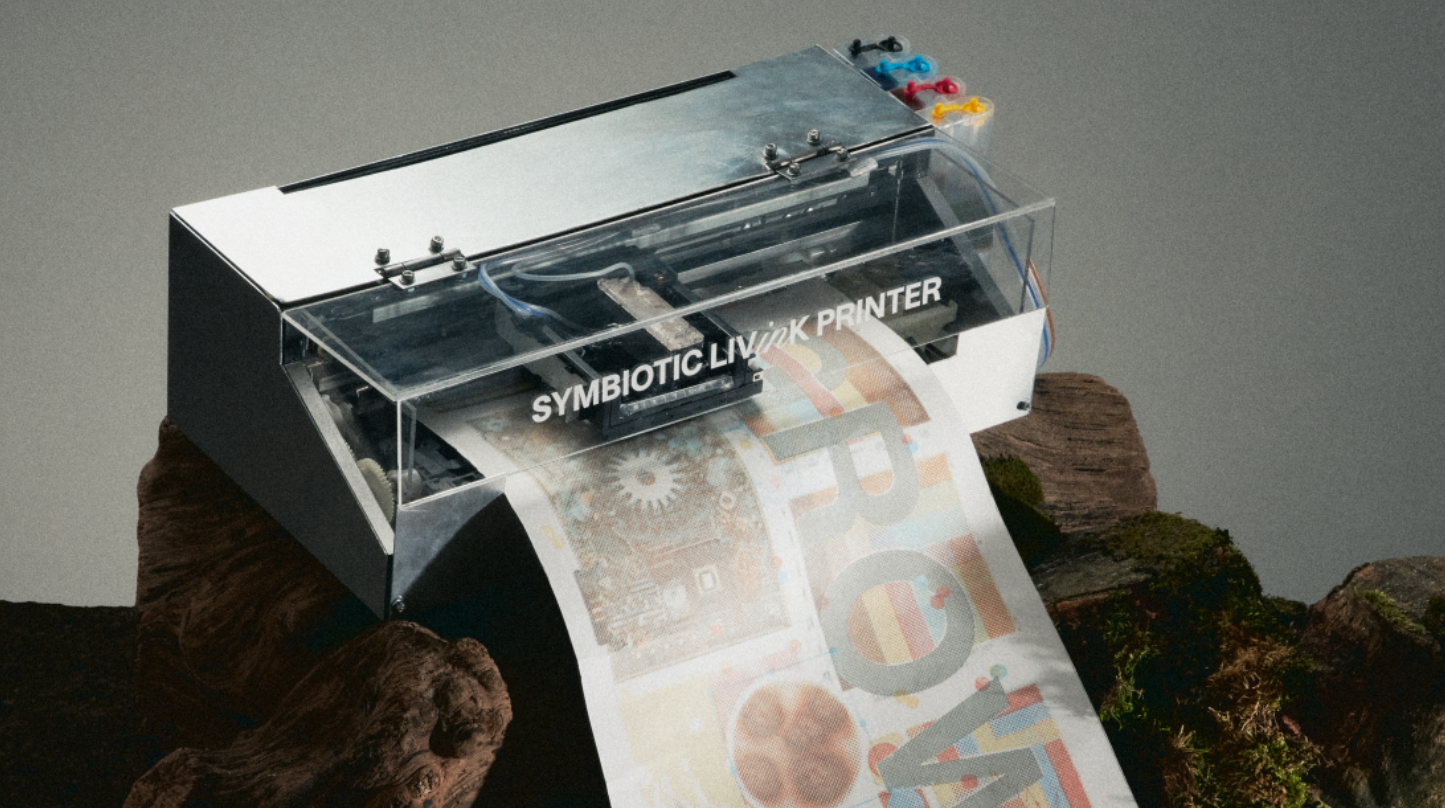
This is the question driving GrowInk, a groundbreaking innovation founded by "Punch" Perrasin, a graduate of Central Saint Martins. By exploring an alternative lifecycle for ink, one that involves both application and degradation, GrowInk is challenging our perceptions of value and rewriting the rules of circularity in the printing industry.
The Problem with Permanence
The current standard for industrial ink relies heavily on petrochemicals. From digital textile printing to packaging, the process is extractive and consumptive. We extract resources, process them with harsh chemicals to ensure stability, apply them to materials, and eventually discard them.
Nature, however, operates differently. In the natural world, there is no waste, only feedstock for the next cycle. A fallen leaf provides nutrients for the soil. This concept of symbiosis is largely absent in modern printing.
As discussed in a recent Fespa podcast, the industry faces significant environmental drawbacks. The sheer volume of synthetic dyes entering our ecosystem contributes to pollution and hinders the biodegradability of otherwise compostable materials. To truly build circularity into the value chain, we cannot simply focus on the substrate (the paper or fabric); we must address the chemistry sitting on top of it.
Enter GrowInk: Where Biology Meets Design
GrowInk represents a radical shift from chemical engineering to biological design. The concept was born from a simple observation of waste in London, specifically, the persistence of litter. Perrasin sought to create a solution where the ink itself could degrade plastic and other materials.
The innovation lies in its ingredients. Instead of synthetic polymers, GrowInk utilizes natural pigments derived from:
Flowers and Fungi: For vibrant reds, blues, and yellows.
Charcoal and natural sources: For deep blacks.
However, the true breakthrough is not just the source of the colour, but the inclusion of specific bacteria. GrowInk is a living material. The bacterial component within the formulation remains dormant while dry but becomes active under specific environmental conditions, accelerating the degradation process of the ink and potentially the material it is printed on.
The Colour Spectrum of Nature
One of the historical challenges with natural dyes has been achieving a full spectrum of colour that rivals synthetic options. GrowInk has successfully developed a primary palette: Red, Blue, Yellow, and Black. This mimics the CMYK standard used in traditional printing, suggesting that bio-based alternatives can eventually scale to meet industrial needs without sacrificing aesthetic variety.
A New Lifecycle: Application and Degradation
To understand the potential of GrowInk, we must look at its lifecycle. Traditional ink has a linear life: it is applied, and it stays. GrowInk introduces a circular lifecycle.
1. Creation: Pigments are cultivated from renewable resources (fungi, bacteria, plants).
2. Application: The ink is applied to textiles or packaging, providing the necessary branding or design.
3. Degradation: Once the product's useful life is over, the ink acts as a catalyst for decomposition.
This creates a regenerative loop. By bringing nature back to the printing industry, manufacturers can remove harmful, toxic chemicals from the supply chain. It ensures that the end-of-life process is considered at the very beginning of the design phase.
Shifting Consumer Perceptions
Perhaps the biggest hurdle facing innovations like GrowInk is not scientific, but psychological. Consumers and brands equate "high quality" with "permanent."
If you buy a luxury handbag, you expect the colour to last for decades. However, does a cardboard shipping box need that same level of permanence? Does a promotional t-shirt for an event need to last for ten years?
Perrasin argues for a shift towards "temporary ink." Just as flowers bloom and fade, there is value in ephemerality. For industries like packaging and fast-moving consumer goods, a temporary ink that fades or decomposes aligns perfectly with the actual lifespan of the product.
This requires a re-education of the market. We need to stop viewing fading as a defect and start seeing it as a feature of sustainability, a sign that the product is designed to leave no trace.
Rewiring the Value Chain for Circularity
Integrating biotechnology into digital textile printing and packaging requires a systemic restructure. It is not enough to simply swap a cartridge; the entire approach to manufacturing must adapt.
From Extraction to Cultivation
The future supply chain will look less like a chemical plant and more like a laboratory or a farm. "Growing" ink reduces the carbon footprint associated with mining and processing synthetic pigments.
Collaboration is Key
As highlighted by the development of GrowInk, this transition requires intense collaboration between scientists and designers. Material Fusion at the intersection of design, biology, and engineering is where the most effective environmental technologies are emerging. Designers identify the application and the aesthetic need, while scientists provide the biological mechanism to achieve it.
The Future of Regenerative Print
The journey of GrowInk is just beginning. With plans to establish a studio that produces both sustainable graphic work and the inks themselves, the goal is to offer clients a complete ecosystem. Brands could commission designs knowing that the very medium used to print them supports the planet rather than harming it.
As we look toward 2026 and beyond, the print industry is at a pivot point. We can continue with the status quo of toxic permanence, or we can embrace the intelligence of nature. Technologies like GrowInk prove that we can have vibrant, functional colour without the lasting environmental cost.
By accepting that not everything needs to last forever, we might just build a future that does.
Visit Fespa Global Expo 2026 in Barcelona 19th-22nd May
To stay ahead in the rapidly evolving world of digital printing and customisation, there is no better place to be than the Fespa Global Expo in Barcelona. From 19th to 22nd May, this premier event will showcase cutting-edge technologies, innovative solutions, and invaluable industry insights, all under one roof. Connect with thought leaders, discover groundbreaking advancements, and gain the tools and knowledge needed to revolutionise your business.
Don’t miss this unparalleled opportunity to shape your future in the print and product personalisation landscape.


The 2027 FESPA Awards are now open for entry, and the message to businesses across textiles, apparel, interiors and beyond is simple: your work deserves recognition. Every gold winner featured here started in the same place every entrant does - with a project they believed was worth submitting.
As the only independent awards programme with 18 categories dedicated to print and signage, FESPA offers a genuinely global stage, with shortlisted entries displayed at FESPA Global Print Expo in Spring 2027.

Colour Is Too Important to Leave to Chance
Print will always be the part of the garment people see first.
But the sum of all parts — the fabric, the trims, the fasteners, the finish — is what determines whether a design actually delivers on its promise. Brands that continue to treat colour as a single creative decision, rather than a coordinated technical discipline spanning their entire supply chain, will keep paying for it in re-dips, delays, and disappointed design teams.
A Century of Textiles, and an Ever-changing World
Few companies can trace their roots back more than a century and still count themselves among their industry's innovators. Texia, headquartered in Monistrol de Montserrat, Spain, is one of them.
But the story of Texia is not simply one of longevity.
It is a story of continual reinvention. As the textile industry has grown more global and competitive, Texia has repeatedly reshaped its business, investing in technology, developing its own brands, and placing sustainability at the centre of its mission. In doing so, it offers a compelling example of how a heritage manufacturer can lead rather than follow through a period of profound industry change. Image Credit: Texia
What are we craving Ultimately?
The instinct to slow down while simultaneously optimising every measurable aspect of life isn't a passing curiosity. It's a structural response to a world that feels increasingly unstable, and it's reshaping what people expect from their homes, hotels, workplaces and healthcare environments alike.
For the design and manufacturing sectors, this means rethinking both product and process.
The Structual Shift is Real and its Already Here
Volumes are moving east, where digital production is accelerating rapidly. Consumer behaviour has shifted.
Demand is now driven by personalisation, shorter buying cycles, and an expectation of near-instant responsiveness. Regulatory pressure is intensifying, with supply chain transparency now a legal and commercial fact in many markets. And margins? They are under sustained, structural pressure.
This is not a temporary disruption. It is a fundamental reordering of how textile manufacturing must operate.

The Challenge: Standing Firm as the Industry Shifts
The wallpaper landscape has changed dramatically. Digital printing has lowered the barrier to entry, spawning countless direct-to-consumer brands and pushing much of the market towards faster, cheaper production.
At the same time, manufacturing in the UK has grown steadily harder - rising minimum wage, national insurance, energy and substrate costs all bear down on margins. Surface Print have embraced all of these challenges - and stand resolutely prepared for the future.
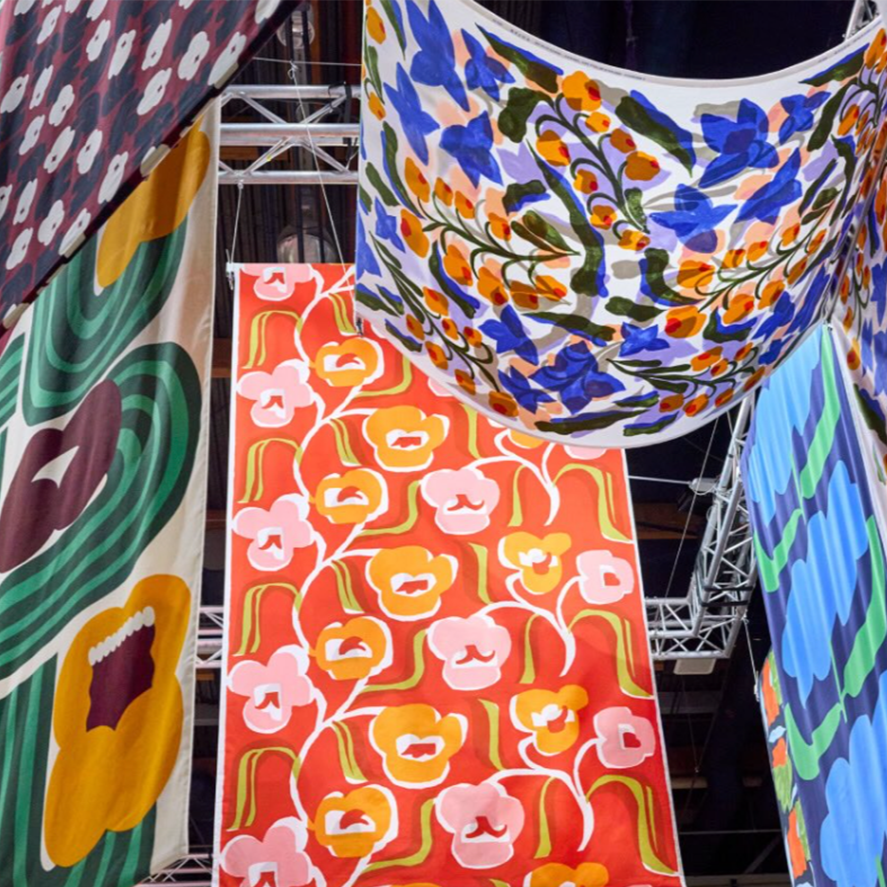
From Helsinki's printing mill to Paris's Le Marais, discover how Marimekko is scaling a design-led brand with purpose, craft, and bold innovation.
But what makes Marimekko's story compelling is not just its aesthetic legacy?

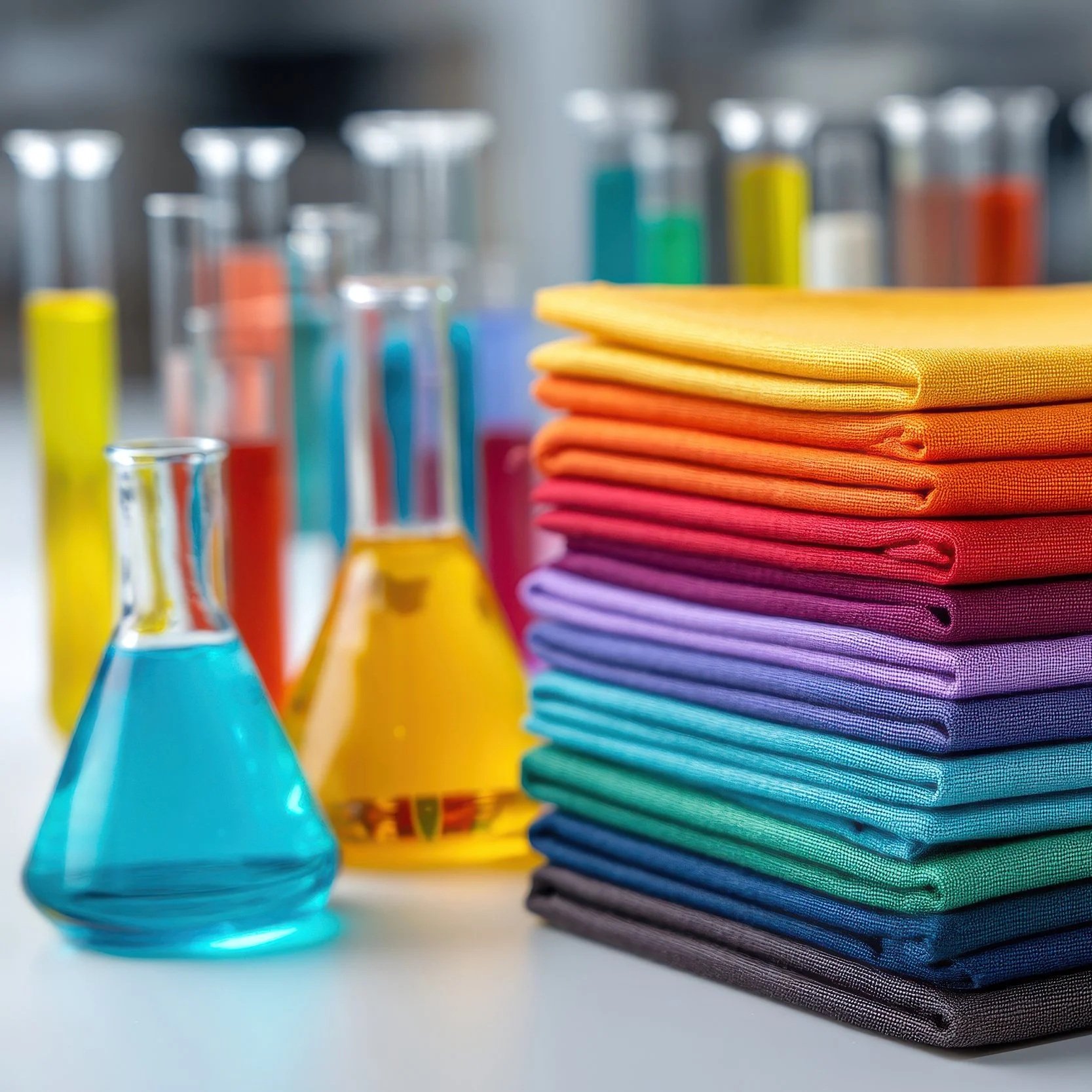
The word "toxic" carries weight. It conjures danger, harm, and things best avoided.
“Yet in the textile industry - Where between 3,000 and 10,000 chemicals move through the supply chain, a reflexive fear of the term is one of our biggest obstacles to progress.”
This article distils the key takeaways and what buyers, designers, and brands should be asking right now.
What Is the Digital Product Passport?
At its core, a Digital Product Passport is a digital record attached to a physical product - For a printed textile product, this means the DPP would capture data on the substrate, inks and dyes used, the printing process and technology, chemical compliance, environmental impact (including water and energy use), supply chain traceability, and end-of-life instructions.
The Market Gap that Changed Everything
Future Fashion was founded in 2019, timed deliberately to coincide with a pivotal moment in global textile technology: the commercial launch of the EFI Reggiani BOLT Single-Pass digital printing system.
The founders recognised that single-pass architecture had fundamentally changed what was industrially possible - and that Pakistan's domestic market had yet to catch up.

Print is no longer defined by the inefficiencies that once characterised it…as advances in production processes and technology have significantly improved its environmental performance.
Taran Rai, Corporate Sustainability Manager at Epson explains why?
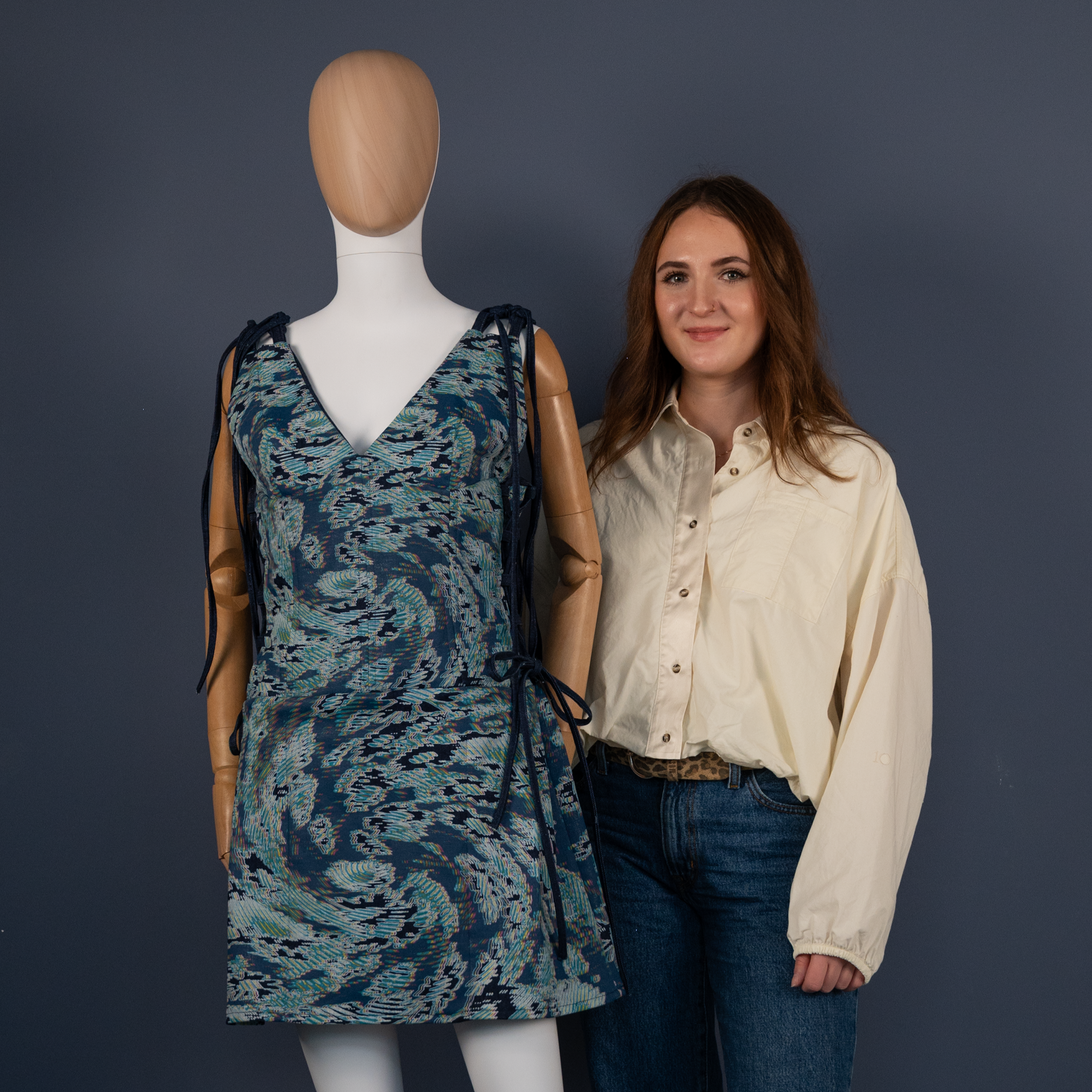
The story of what happens when young designers access digital technology is still being written.

What once was a theoretical sustainability goal seems to have shifted into an active regulatory reality.



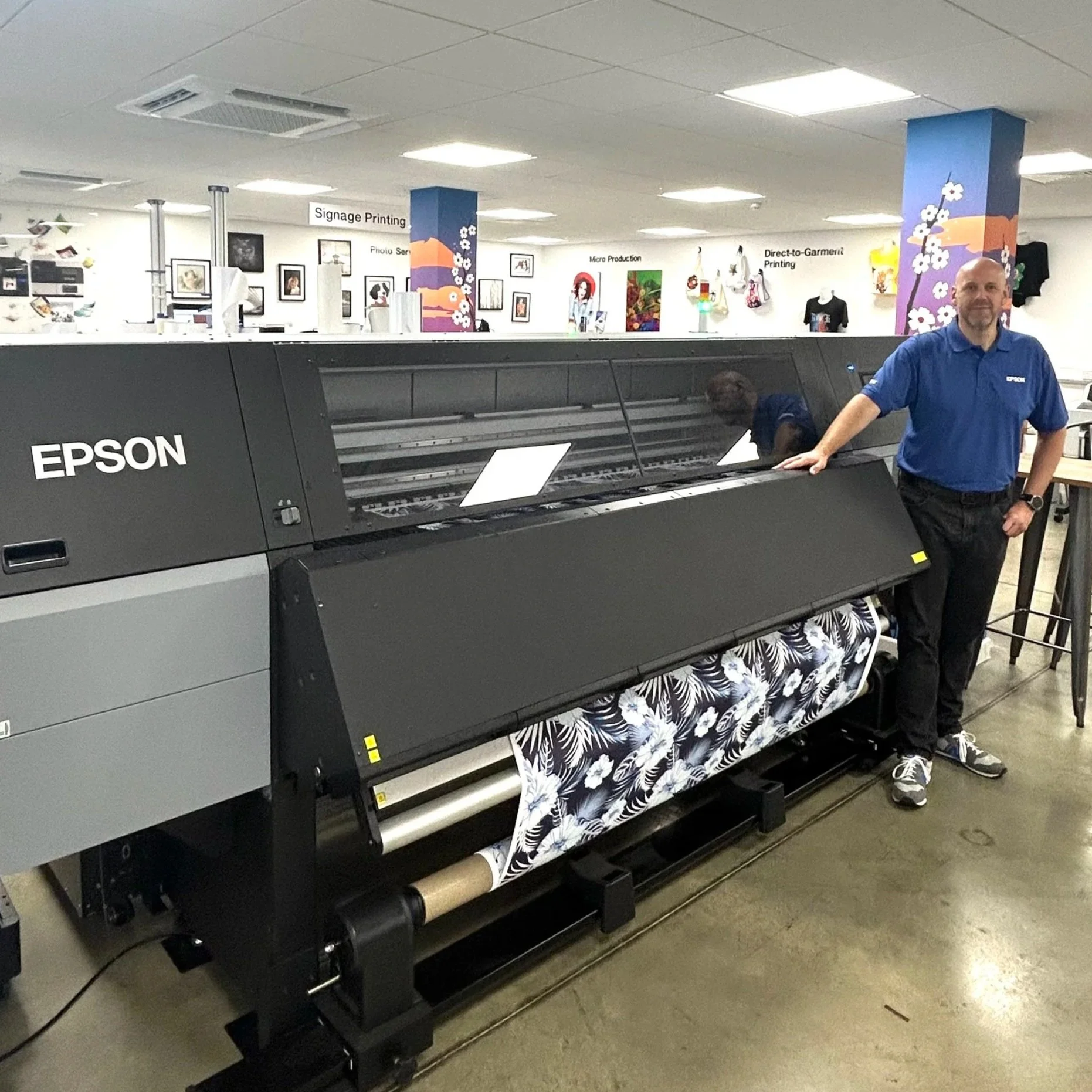

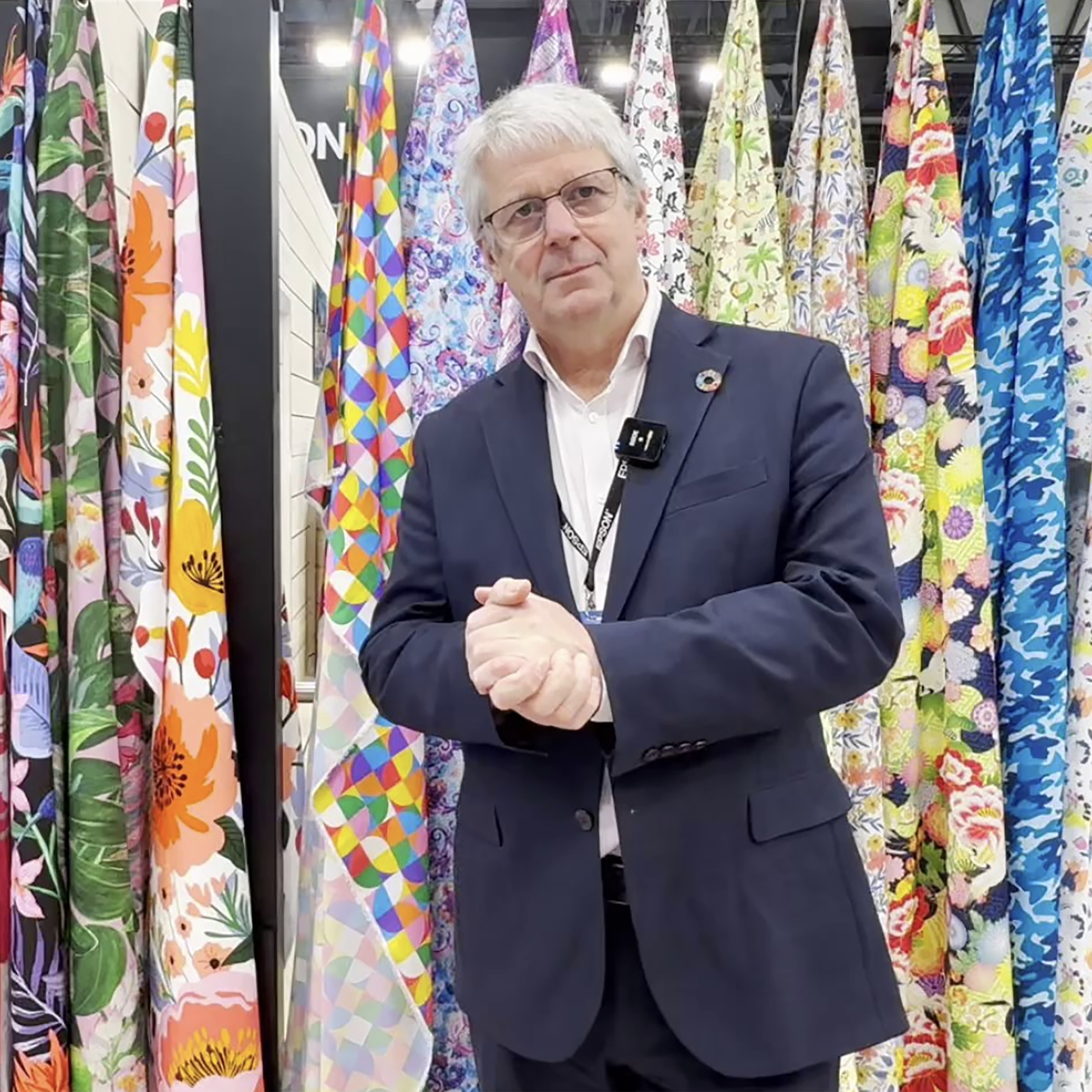
Is the Textile Market Finally Recovering?
After a difficult few years, there are genuine reasons for optimism. Duncan was candid about the challenges: "The market for textiles has been very difficult over the last three years. I'm not going to hide the truth there. But the tide is turning.“
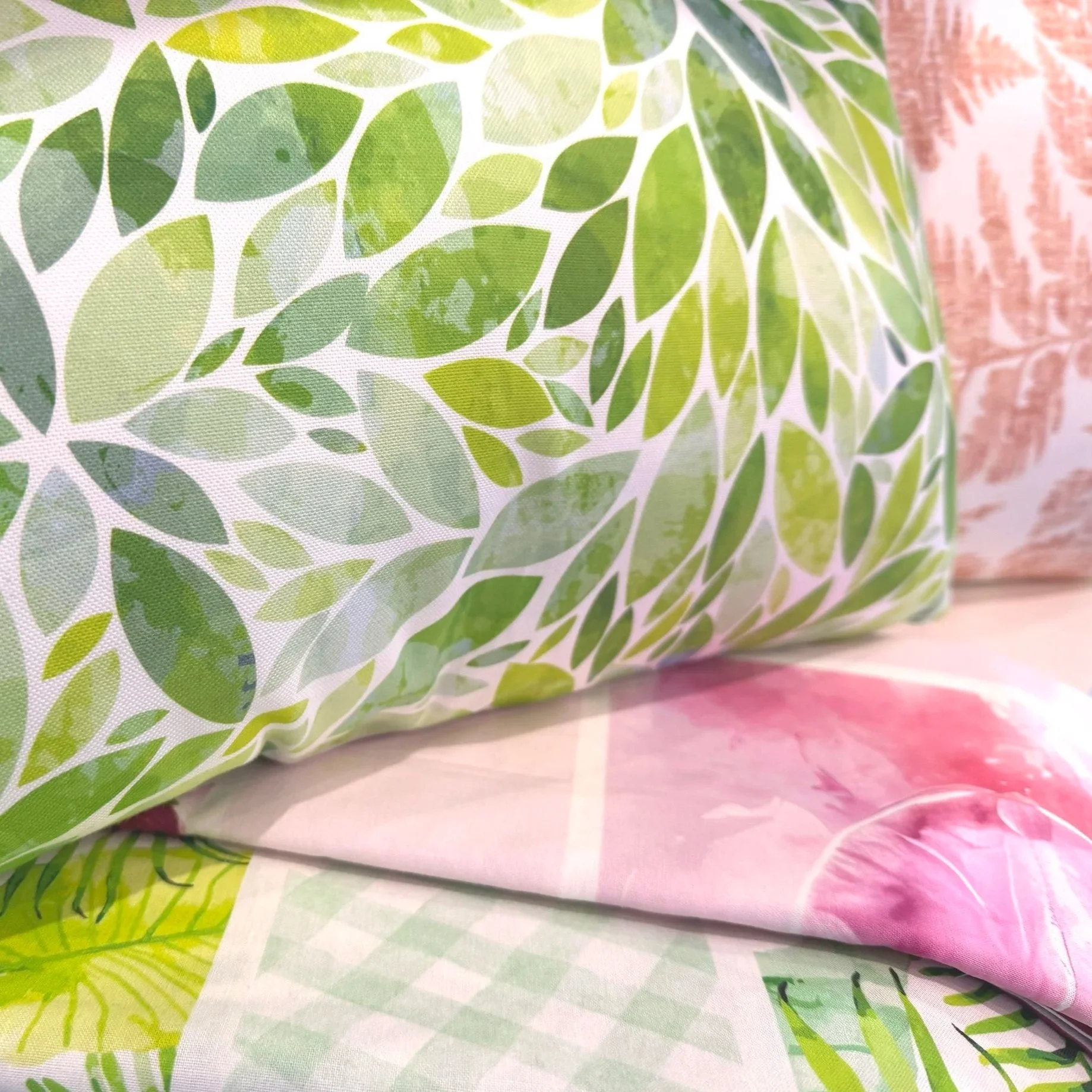
A profound shift is currently reshaping the sector
Changing consumer expectations demand greater design diversity, faster turnaround times, and sustainable manufacturing practices.
To thrive, interior brands must adapt their supply chains, bringing production closer to the end consumer and moving away from bulk manufacturing.
Digital textile printing offers a definitive solution to these operational bottlenecks.

Digital transformation doesn't announce itself.
It accumulates - one innovation at a time - until an entire industry looks back and realises the ground has shifted beneath its feet. That's precisely where textiles stands today.
The conversations happening now about AI, automation, sustainability, and digital product passports are not theoretical. They are shaping decisions being made on factory floors and in boardrooms right now.

“By leveraging advanced digital textile printing, Marylene Madou has successfully merged traditional craftsmanship with cutting-edge technology. Her approach offers a blueprint for how independent designers can scale their brands globally while maintaining a minimal environmental footprint.”
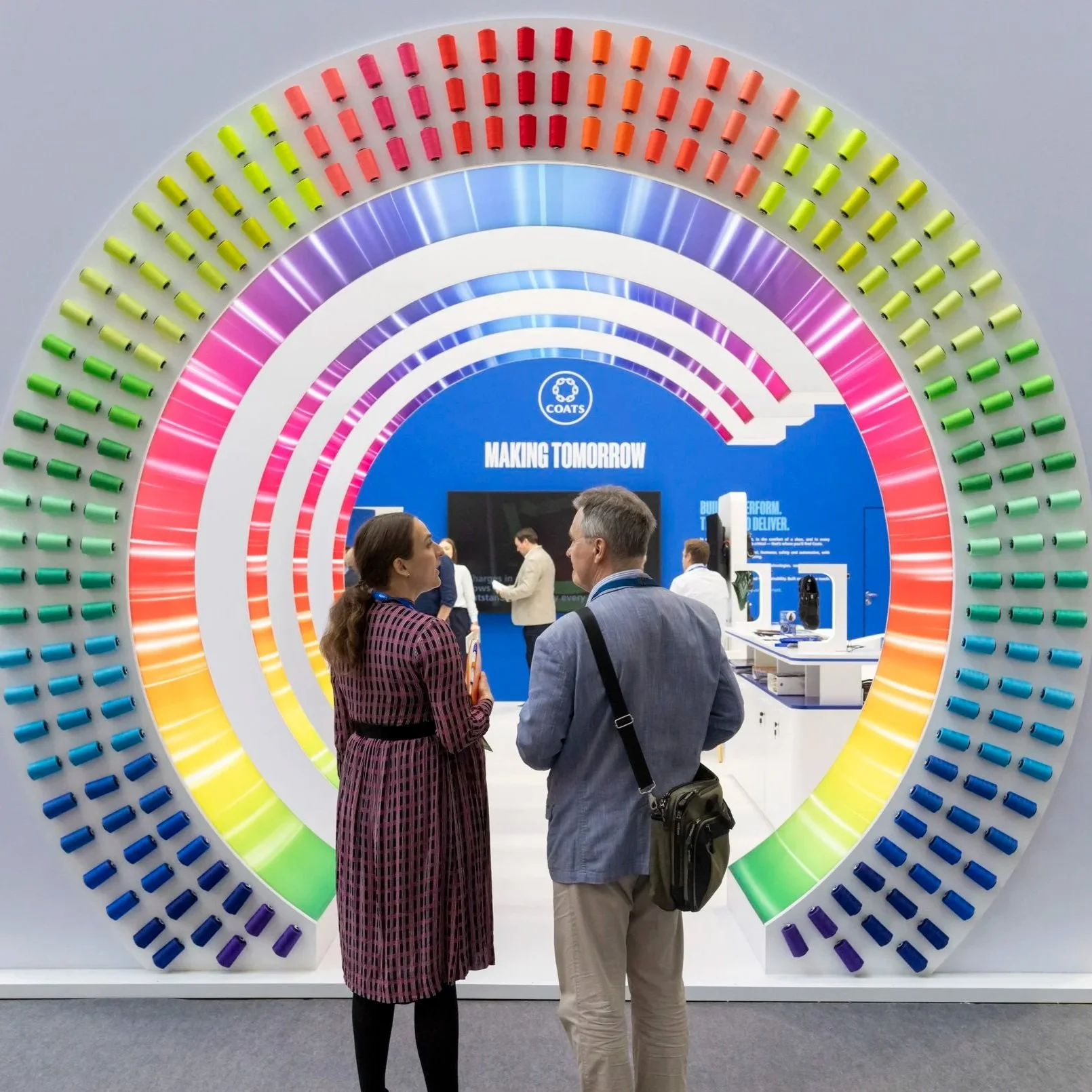
The textile industry is undergoing a vital transformation. As the insights from Techtextil and Texprocess reveal, the path forward relies on a combination of sustainable hardware, intelligent chemistry, and seamless digital workflows.
From Zimmer's industrial-scale energy reductions and Stratasys's on-demand 3D embellishments, to Kornit's single-step technical printing and the unified digital ecosystems of NedGraphics and Optitex, the tools for change are here. To stay competitive, brands and manufacturers must adopt these innovations, moving away from fragmented, wasteful processes towards a truly connected, circular economy.
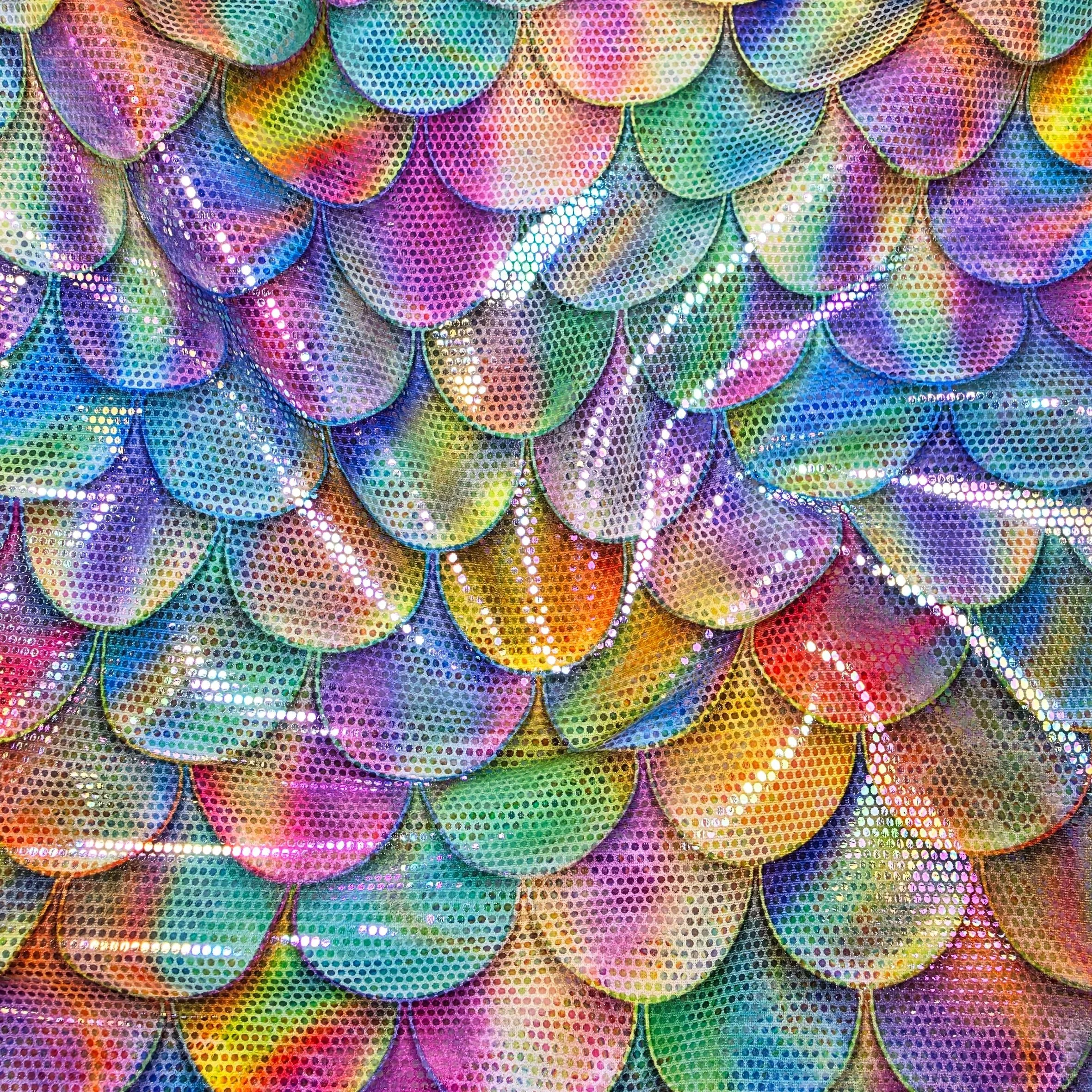
Friedmans stands as a testament to the power of combining traditional textile knowledge with forward-thinking innovation.
“Operating from their UK headquarters, Friedmans now serves a diverse array of sectors, including swimwear, dance, entertainment, sportswear, interior decor, prosthetics, and even pet apparel. With a strategic supply chain that reliably serves clients worldwide”
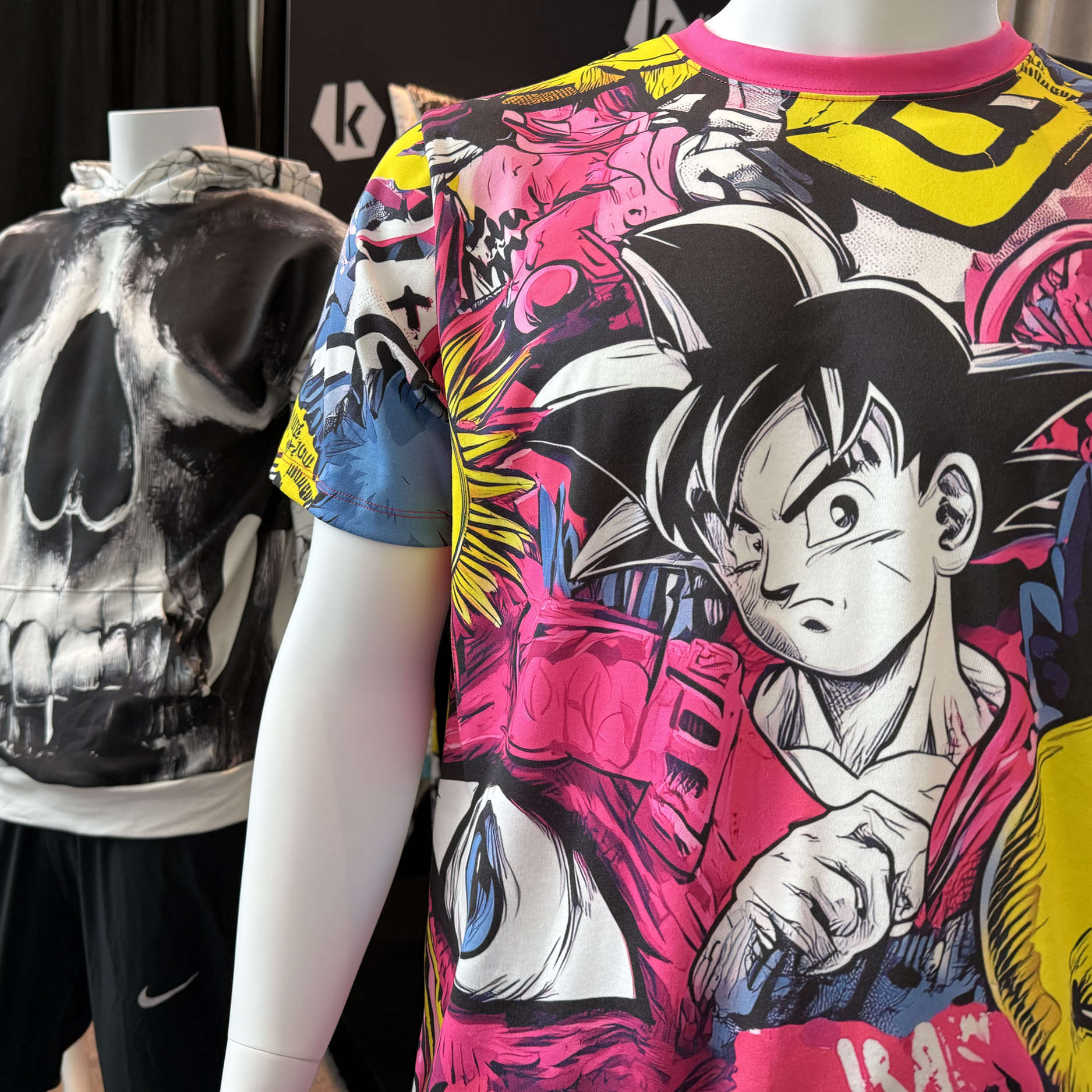
The apparel decoration industry is decisively moving away from isolated, analogue production tools toward connected digital manufacturing environments.
"Kornit’s unwavering commitment to transformative technology continues to disrupt the status quo. For business leaders and innovators ready to capture the future of apparel manufacturing, the path forward is clear”
The Urgent Need for Sustainability at Scale
The transformation at Coats provides a vital blueprint for the wider textile and apparel sector. True sustainability cannot be achieved in silos. As Dearing emphasised:
“Cross-industry collaboration is the engine of meaningful change. Brands, machinery suppliers, chemical providers, and fibre producers must act as an interconnected ecosystem”
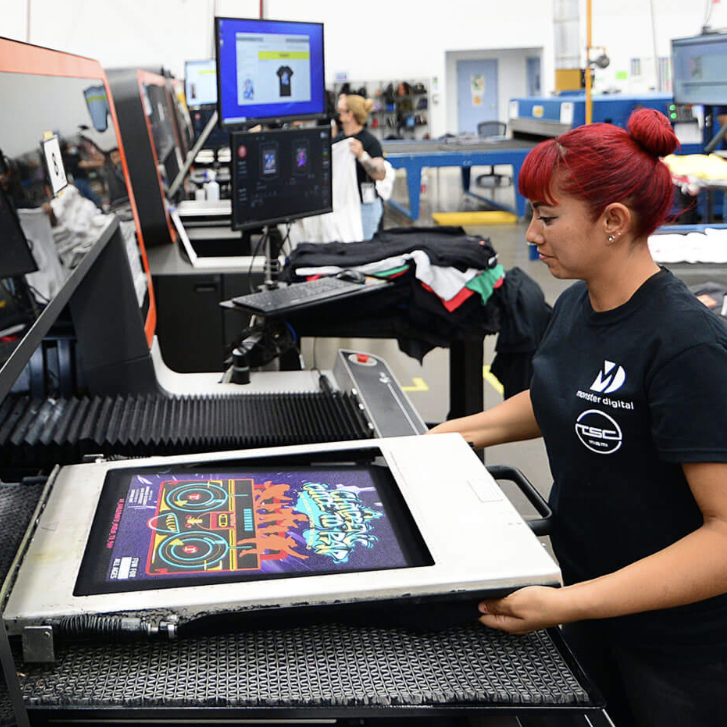
Today’s customers demand superior product quality, real-time data visibility, and lightning-fast turnaround times.
For large-scale garment decorators, managing these expectations while balancing seasonal demand fluctuations - such as the massive surges seen during Black Friday - presents a monumental challenge.
"Relying on transactional vendor relationships and outdated legacy equipment is no longer sufficient to secure long-term stability and growth.”

London, UK – 25 September 2026 – Sanderson Design Group PLC (AIM: SDG), the luxury interior furnishings group, today announced a 10-year licensing agreement with Dunelm for Designers Guild, the luxury interiors brand acquired by Dunelm in April 2025.
Under the Agreement, Sanderson Design Group has been granted the sole licence to design, manufacture and sell Designers Guild wallpapers, fabrics and paint worldwide.
The Agreement grants Sanderson Design Group access to Designers Guild's extensive archive design library, alongside the opportunity to create new designs under the brand, in exchange for a royalty fee paid to Dunelm

Zoetermeer - Netherlands - October 2026 – Papergraphics has announced that its Netherlands branch is now an accredited partner for Canon printers, bringing the acclaimed GP and PRO series to Dutch customers for the first time.
The accreditation builds on Papergraphics' long-standing Canon partnership in the UK, extending the same calibre of large-format printing hardware to the Dutch market.
Neuss – Germany – October 2026 – B-FLEX Italia has announced a partnership with Epson Deutschland GmbH to showcase the future of direct-to-film printing at the Epson Production Days event in October.
The collaboration will bring B-FLEX's DTF film and hot-melt powder together with Epson's SureColor G9000 printer in live, twin-roll demonstrations designed to show how materials and machinery combine to maximise both quality and output in real production settings

Las Vegas – NV – October 2026 – Greentex, a leading supplier of sustainable textiles for apparel, home goods and sportswear, successfully concluded its participation at Printing United 2026, where the company connected with customers, partners and industry professionals to showcase its latest eco-conscious fabric solutions.
The event brought together key players across the printing and textile industries, offering Greentex the opportunity to demonstrate how sustainable materials can meet the rigorous demands of modern digital printing and textile customisation.
Attendees had the chance to see live demonstrations of Greentex's fabric offerings, including its recycled polyester and BCI cotton ranges, both designed to reduce environmental impact without compromising on performance or quality.

Birmingham – UK – October 2026 – China Print Supplies UK Ltd has concluded a successful three-day exhibition at The Sign Show, where the company showcased its latest range of printers, cutting tables, and equipment bundles to industry professionals and visitors.
Throughout the event, the China Print Supplies UK team engaged with attendees, delivered live demonstrations of its machinery, and discussed how its growing product range can help signage and print businesses stay ahead in an increasingly competitive and sustainability-conscious market.
“We were thrilled with the turnout and engagement at this year's Sign Show. Conversations with visitors reinforced the direction we're taking as a business — one that puts innovation and responsible manufacturing at the forefront," said China Print Supplies UK Ltd.

Dorking – UK – October 2026 – FESPA has announced that its 2027 edition in Munich will bring together five specialist events into a single destination, offering exhibitors an unprecedented opportunity to reach audiences spanning print, signage, merchandising, wrapping and textiles.
The consolidated event reflects the increasingly interconnected nature of the speciality print and signage industries, where brands and suppliers are seeking more efficient ways to engage with buyers across multiple disciplines.
By combining five dedicated events, FESPA 2027 will enable exhibitors to showcase their offerings to a broader and more diverse audience, all within one venue

Leicester, UK – October 2026 – De Montfort University Leicester (DMU) will open a landmark exhibition celebrating the work of fashion icon Dame Zandra Rhodes, following her decision to donate a significant part of her personal archive to the university.
Zandra Rhodes: Archive Unfolded will showcase highlights from a donation spanning six decades of Rhodes' career, from 1964 to 2025, featuring thousands of objects including licensed work, press cuttings, film, opera material and colour transparencies.
The gift follows Dame Zandra's Honorary Doctorate of the Arts from DMU in 2023, when she announced her intention to place a key part of her archive with the university's Special Collections.

London, UK – September 2026 – ARTS THREAD hosted an in-person judging event for its Global Creative Graduate Showcase at the Zaha Hadid Gallery, Barbican, bringing together industry judges to evaluate the next generation of creative talent.
The event also marked the introduction of the ARTS THREAD Vault, a new initiative set to shape how creative work is archived and accessed.
The gathering reflects ARTS THREAD's ongoing commitment to supporting emerging creatives as they transition from education into industry, while also advancing the infrastructure that underpins creative recognition and opportunity on a global scale.

SOUTH NORMANTON, UK – October 2026 – Sun Chemical has reaffirmed its commitment to sustainable innovation with the continued development of its Streamline™ aqueous ink solutions, as the graphics industry accelerates its transition towards water-based technology.
The shift comes amid rising demand for printing solutions that reduce volatile organic compound (VOC) emissions, minimise odour, and deliver vibrant, high-performance colour
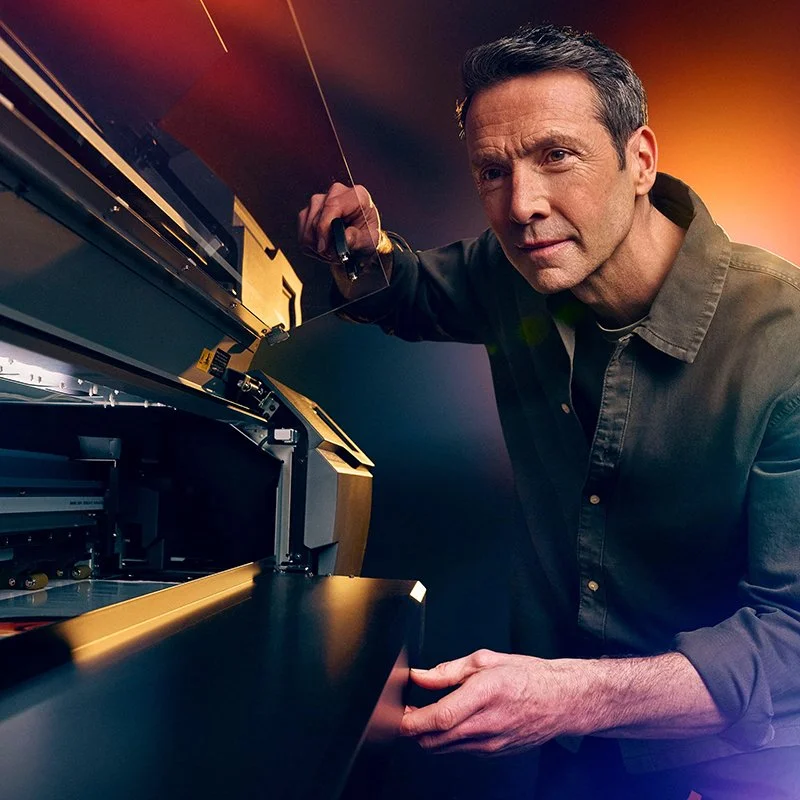
Madrid, Spain – October 2026 – Roland DG, a global leader in digital printing and visual communication technology, is looking forward to its participation in C!Print Madrid 2027, taking place from 12 to 14 January 2027.
The company will present its evolving ecosystem of printing, automation, and branding solutions under its new positioning, "Make Your Mark," reflecting a shift from machine supplier to value-creation partner for brands and professionals across Europe.

Leicester, UK – October 2026 – VeriVide Limited, a leading provider of colour assessment and quality control solutions, today announced that it will take to the stage at the AATCC International Summit in Wilmington, United States, to present on the evolving landscape of colour evaluation technology.
Stephen Tongue and Chris Hipps, representing VeriVide, will deliver a session titled "Evolution of Visual and Digital Evaluation Tools for Color Assessment, Fastness Grading, and Stain Analysis."
The presentation will examine how colour evaluation practices have developed over time, exploring the enduring role of visual assessment alongside the growing adoption of digital tools for fastness grading and stain analysis.

October 1st 2026– Soyang Europe has announced the appointment of Colin Werrett as Senior Business Development Manager within its Hardware Team.
The appointment reflects Soyang's continued commitment to strengthening its expertise as the business scales to meet the evolving demands of the print and graphics industry.
Werrett brings 32 years of experience in print and graphics to the role, joining at a pivotal moment as Soyang continues to expand its Hardware division.
He will report directly to Andy Webb, Commercial Director, and will work closely with the wider Hardware Team to drive business development and support the company's growth strategy.

Mönchengladbach - Germany – October 2026 – Trützschler Card Clothing (TCC) has expanded its regional service network across Peru, Colombia and Ecuador, giving customers in the Andean region direct access to faster support, shorter lead times and local technical expertise.
The move underscores Trützschler's long-term commitment to the textile and nonwovens industries of South America, strengthening its presence in markets where quality and productivity remain top priorities

Birmingham, UK – October 1st 2026 – Vivid Laminating Technologies Ltd has announced the sale of a 3.2m Veloblade Nexus to GES – Global Experience Specialists, sealed on the final day of The Print Show at the National Exhibition Centre (NEC).
The machine will be delivered to GES's site, located less than a mile from the show, tomorrow.
The sale marks the fourth Veloblade Nexus purchased by GES, underscoring the company's continued confidence in Vivid's laminating and finishing technology as it scales its large-format print operations.
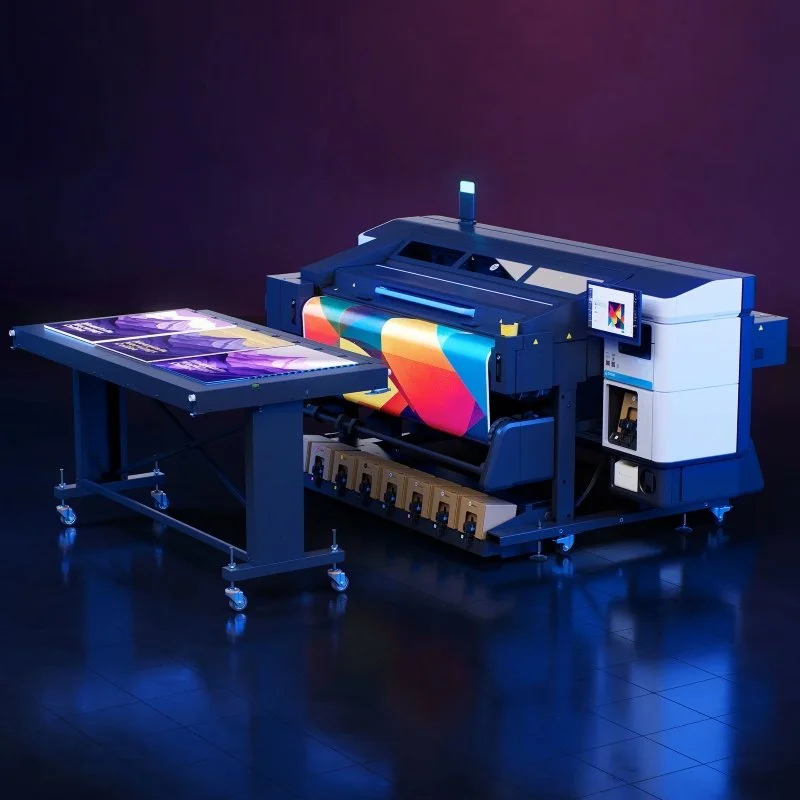
HP has launched the HP Latex R530 AI Printer, the first compact, all-in-one rigid and flexible large-format printer powered by cloud and edge AI.
Designed to transform production environments, the new printer aims to help businesses simplify operations and grow profits through intelligent automation.
The HP Latex R530 AI Printer brings together intelligence at both the printer level and across the broader workflow.
By embedding AI capabilities directly into the device and connecting it to cloud-based tools, HP says the printer is built to reduce manual decision-making and support more predictable, consistent results for print operators.

Manchester, UK – September 2026 – Source Fashion, Fashion-Enter and the Apparel and Textile Manufacturers' Forum (ATMF) have announced the launch of Made in Manchester & Regions, a new roadshow event bringing together brands, retailers and UK manufacturers to build the commercial case for localised production.
The event will take place at Manchester Hall on 4 November 2026, and is free to attend.
The first in a new programme of regional roadshows, Made in Manchester & Regions will give buyers, brands and retailers the opportunity to meet UK manufacturers, explore local production capabilities, and consider how sourcing closer to home could benefit their businesses.
Industry stakeholders will also come together to address the future of UK manufacturing and identify practical steps to strengthen the sector

Birmingham – September 2026 – Epson UK on Day Two of The Print Show, where the company is showcasing a range of print technologies, including its new SureColor V4000 UV Flatbed printer. T
he event provides a platform for Epson to demonstrate the growing capabilities of UV print alongside its established textile solutions.
Epson UK's presence at The Print Show highlights the company's continued investment in expanding its product range beyond textile printing, into high-quality UV flatbed technology.
The SureColor V4000 has been designed to deliver sharp, vibrant results across a variety of substrates, reinforcing Epson's commitment to versatility and innovation across the print industry.

Frankfurt am Main, Germany – 30 September 2026 – Heimtextil has announced that architect and designer Patricia Urquiola will once again bring her distinctive vision to the Trend Space at Heimtextil 2027, marking the third consecutive year of her collaboration with the fair.
Building on her acclaimed "Bambi" sculpture, Urquiola will unveil two new pieces created specifically for the 2027 edition, expanding her hybrid silver creature into a family of three.
The presentation forms part of the Heimtextil Trends 27/28, "Home-Maxxing – The Performance of Everyday Living", curated by Alcova, and will be on display in the Trend Space from 12 to 15 January 2027
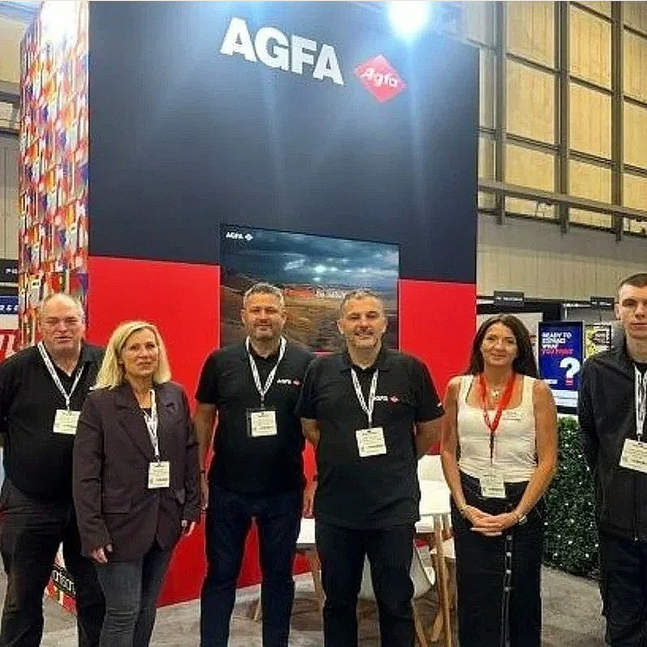
Birmingham, UK – 29 September 2026 – Agfa Inkjet Solutions today opened three days of exhibiting at The Print Show 2026, held at the NEC Birmingham, where the company is demonstrating a complete wide-format production environment designed to boost productivity, efficiency, and application versatility for print businesses.
Visitors to Stand P510 in Hall 1 can see the Anapurna Cierva H3200 in action, seamlessly switching between rigid and roll media

Birmingham – UK – September 2026 – Hybrid Services Ltd, the official Mimaki distributor for the UK and Ireland, has today announced the launch of the new Mimaki UJF200-6042, a UV flatbed printer designed to elevate personalisation and custom printing to new levels of quality and efficiency.
The announcement was made at The Print Show 2026, where the printer is now on display at Stand P400.

Hanover, Germany – September 2026 – ColorGATE, a global provider of colour management and RIP software for digital printing, is reminding print producers of the importance of safeguarding their production environments against unexpected technical issues, device challenges, and downtime.
The company is highlighting its Value Pack programme, an annual software maintenance and support agreement designed to keep printing workflows running smoothly.

Milan, Italy – September 2026 – B-FLEX ITALIA, a global hub for garment decoration, has announced it will present its integrated DTF and thermoadhesive technology ecosystem at VISCOM Italy 2026.
The event will take place on 28 and 29 October at Allianz MiCo, with B-FLEX ITALIA exhibiting at Booth L22.
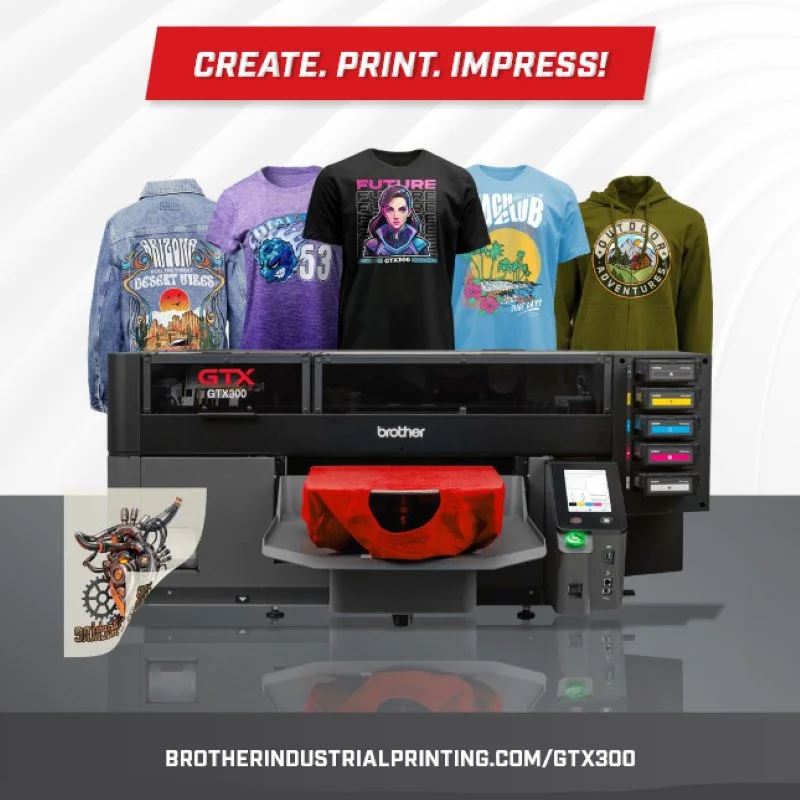
September 28th 2026 – Time is running out to secure a place at tomorrow's live presentation of the Brother GTX300, where industry experts will showcase the printer's capabilities in real time.
Registration closes shortly, offering one final opportunity for professionals to gain firsthand insight into this innovative print technology.
The session will give attendees an exclusive, behind-the-scenes look at the GTX300, exploring what sets it apart in an increasingly competitive market

Birmingham – UK – September 2026 – Douglas Stewart EDU will showcase CorelDRAW Graphics Suite at The Print Show this year, bringing print professionals face-to-face with design technology aimed at improving efficiency and reducing waste across production workflows.
The move comes as new research from CorelDRAW, conducted in partnership with NAPCO Research, reveals the growing role graphic design software plays in the print industry.
The survey of 200 print professionals found that 83% had seen increased efficiency in prepress as a result of using design software, while 59% had specifically invested in upgraded solutions to improve production efficiency.

Birmingham – September 2026 – Nova Chrome UK Limited will showcase the brand new Epson SC-F300 A3 Dye Sublimation Printer at The Print Show next week, giving visitors a first-hand look at the future of dedicated sublimation printing.
The demonstration will take place on stand P240 throughout the event.
As the print industry continues to evolve, Nova Chrome remains committed to bringing forward the technologies that will define its next chapter.

Birmingham – September 2026 – China Print Supplies UK Ltd has announced the completion of its largest exhibition stand to date, marking a significant milestone in the company's presence at The Sign Show.
The build, which took place over two days, reflects the company's continued investment in showcasing its full range of products and capabilities to the sign and print industry.
The scale of the stand underscores China Print Supplies UK Ltd's ambition to strengthen its position as a leading force within the sector.

Dublin, Ireland – September 2026 – digitalprint.ie, Ireland's trusted supplier of digital printing equipment and media, has been recognised by Epson as its No. 1 ProSignage partner in Europe for sales of the manufacturer's Eco-Solvent printer range.
The accolade marks a significant achievement for the Irish company, which has outperformed larger European markets to claim the top spot.
The recognition was presented to John Noonan, Colm McCarthy and the wider digitalprint.ie team, alongside Rob Weisenberger, Epson's Sales Manager for Commercial & Industrial, in celebration of the milestone.

London, UK – September 2026 – Decorex, the UK's leading platform for luxury interior design, today announced that registration is now open for its 2026 edition, taking place at Olympia, London this October.
With less than a fortnight until doors open, the event will once again bring together the materials, makers and ideas shaping the future of high-end interiors.

Ludwigshafen, Germany – September 2026 – BASF has announced the launch of a new portfolio of paper coating dispersions with a reduced Product Carbon Footprint (rPCF), offering customers a practical and cost-effective route to lowering emissions.
Paper coating binders produced at BASF's Ludwigshafen Verbund site are now available with Product Carbon Footprints approximately 20% to 45% lower than their corresponding conventional products.
The new rPCF dispersions apply several levers, including the use of low-PCF raw materials, and are designed to help customers reduce emissions within the "Purchased Goods and Services" category as they work towards their Scope 3.1 carbon reduction targets
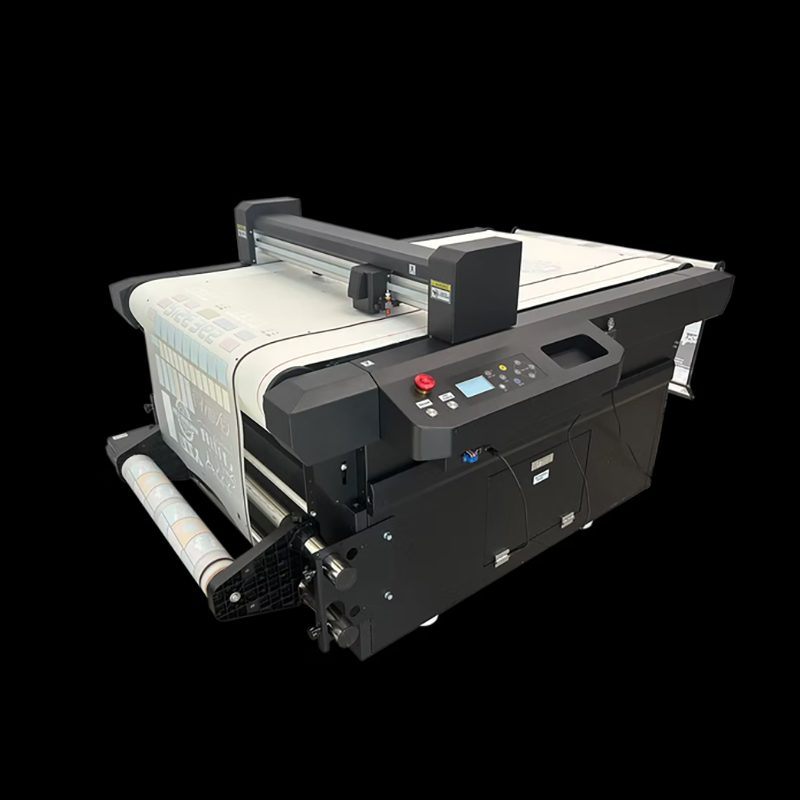
Clay Cross – September 2026 – Resolute DTF has confirmed it will unveil its latest range of digital cutting solutions at The Print Show 2026, held at the NEC Birmingham from 29 September to 1 October.
The announcement reflects the company's continued commitment to advancing production efficiency across the DTF, vinyl, UV DTF transfer and label sectors.
Visitors to Stand P610 will be given a first-hand look at three cutting systems designed to address the industry's growing demand for accuracy, flexibility and streamlined workflows.