
Industry Insights & Opinion
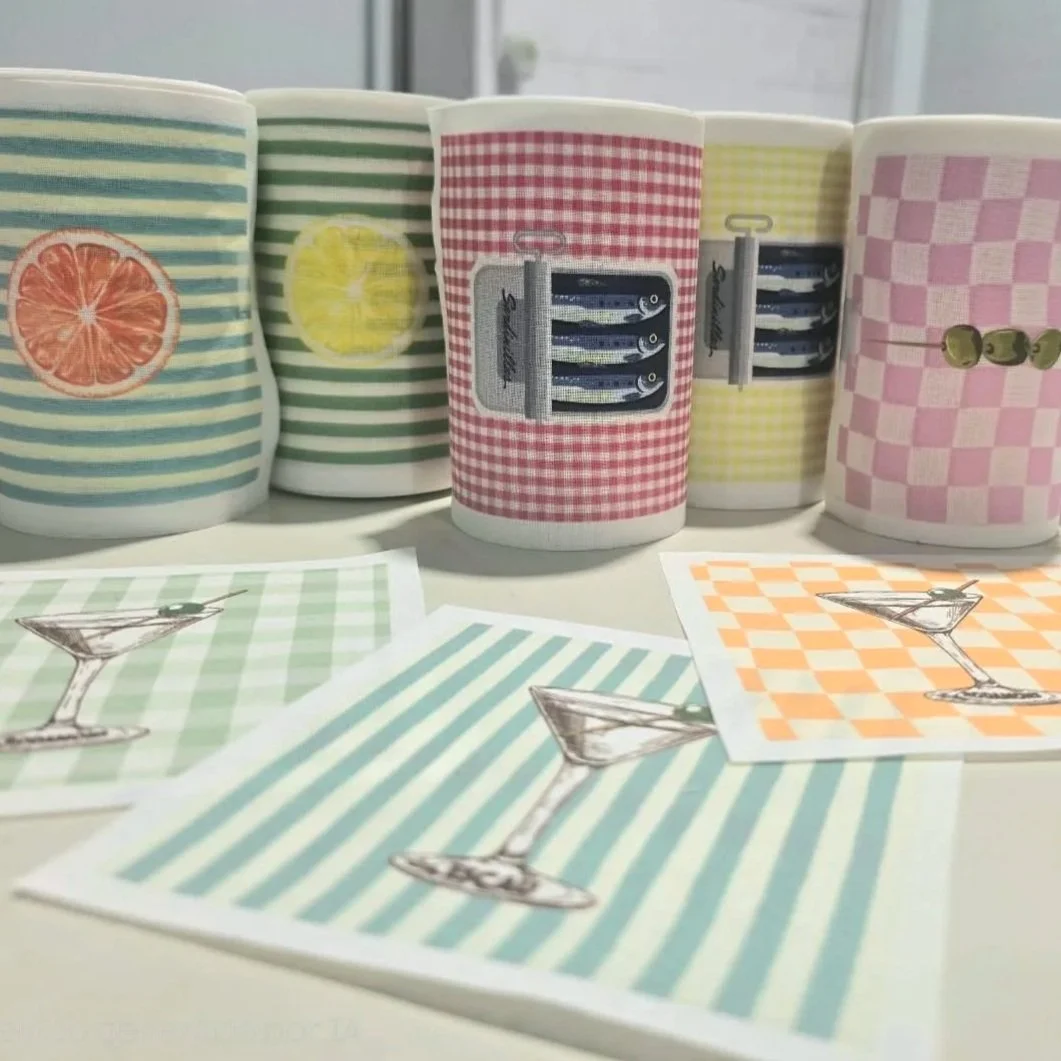
How Texia Reinvented a Century of Textile manufacturing with Epson Monna Lisa Technology
A Century of Textiles, and an Ever-changing World
Few companies can trace their roots back more than a century and still count themselves among their industry's innovators. Texia, headquartered in Monistrol de Montserrat, Spain, is one of them.
But the story of Texia is not simply one of longevity.
It is a story of continual reinvention. As the textile industry has grown more global and competitive, Texia has repeatedly reshaped its business, investing in technology, developing its own brands, and placing sustainability at the centre of its mission. In doing so, it offers a compelling example of how a heritage manufacturer can lead rather than follow through a period of profound industry change. Image Credit: Texia

Decor on Demand: How Design-to-Dispatch is Reshaping the Printed Interior
What if covering a wall or window was never really the point?
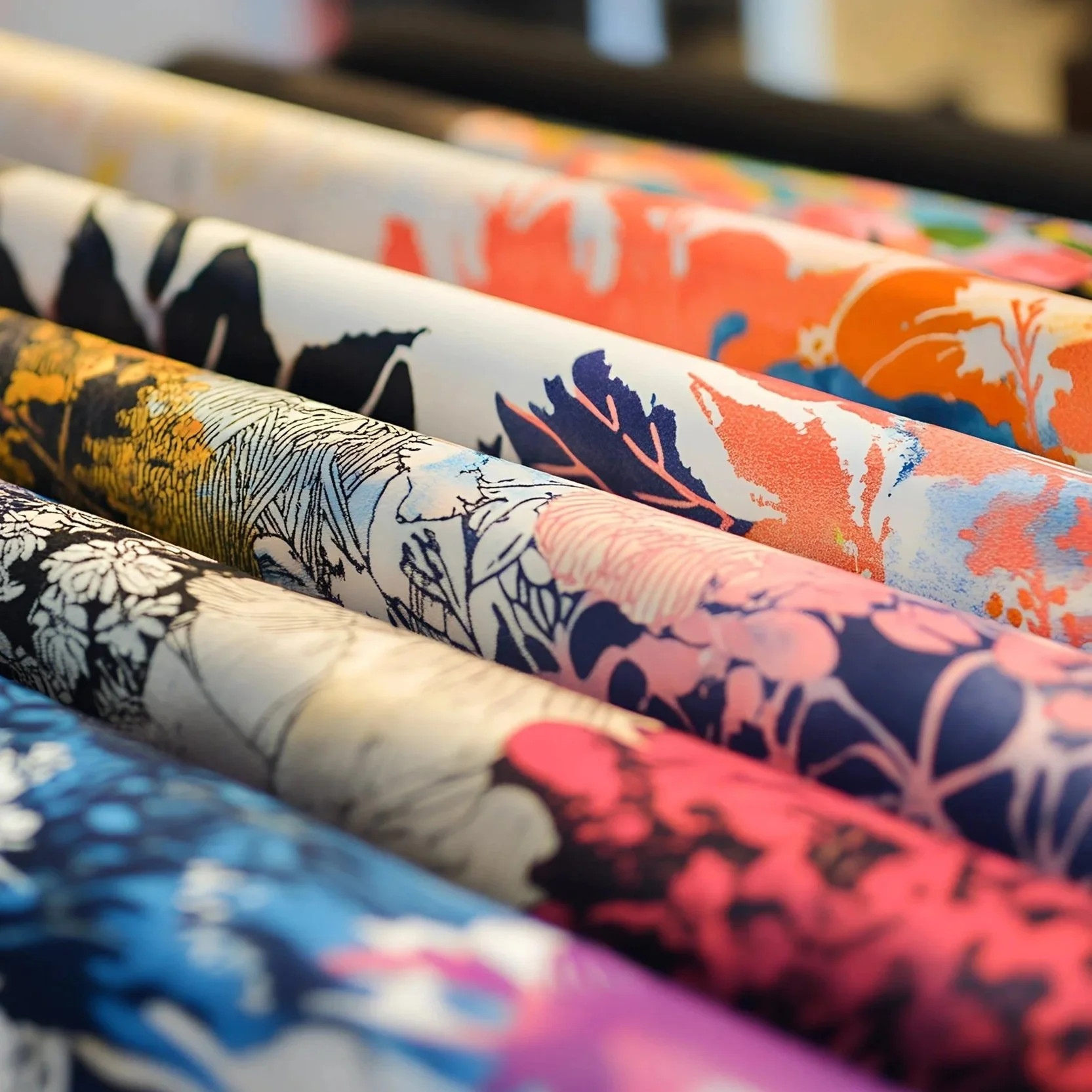
The Digital Product Passport (DPP) What Every Textile Printing Business Needs to Know
What Is the Digital Product Passport?
At its core, a Digital Product Passport is a digital record attached to a physical product - For a printed textile product, this means the DPP would capture data on the substrate, inks and dyes used, the printing process and technology, chemical compliance, environmental impact (including water and energy use), supply chain traceability, and end-of-life instructions.

The Digital vs Print Sustainability Argument needs Reframing. Here’s why?
Print is no longer defined by the inefficiencies that once characterised it…as advances in production processes and technology have significantly improved its environmental performance.
Taran Rai, Corporate Sustainability Manager at Epson explains why?
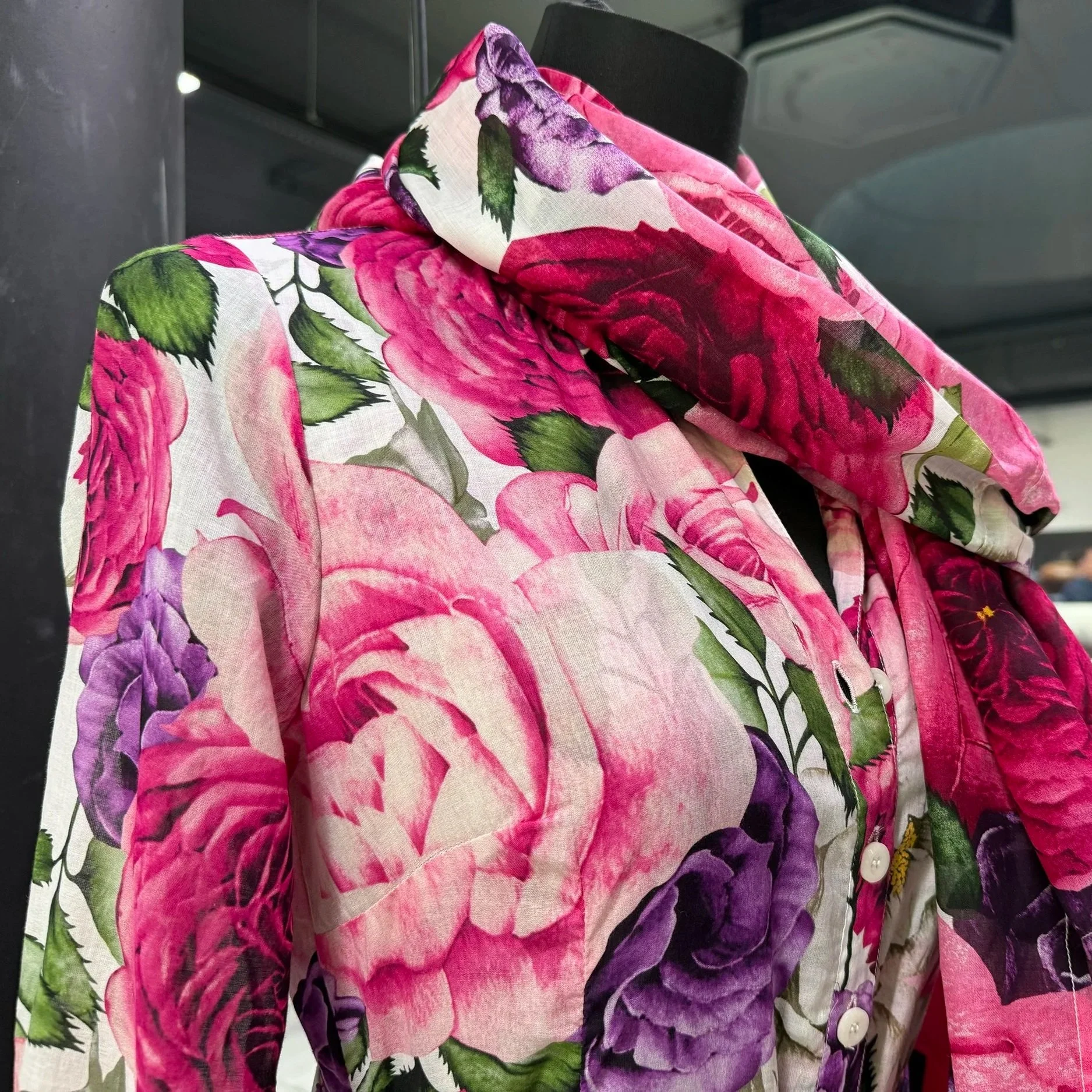
Durst NEXT and Why the Future of Textile Print Belongs to Those Who Innovate Now
What does it mean to truly lead an industry through transformation?
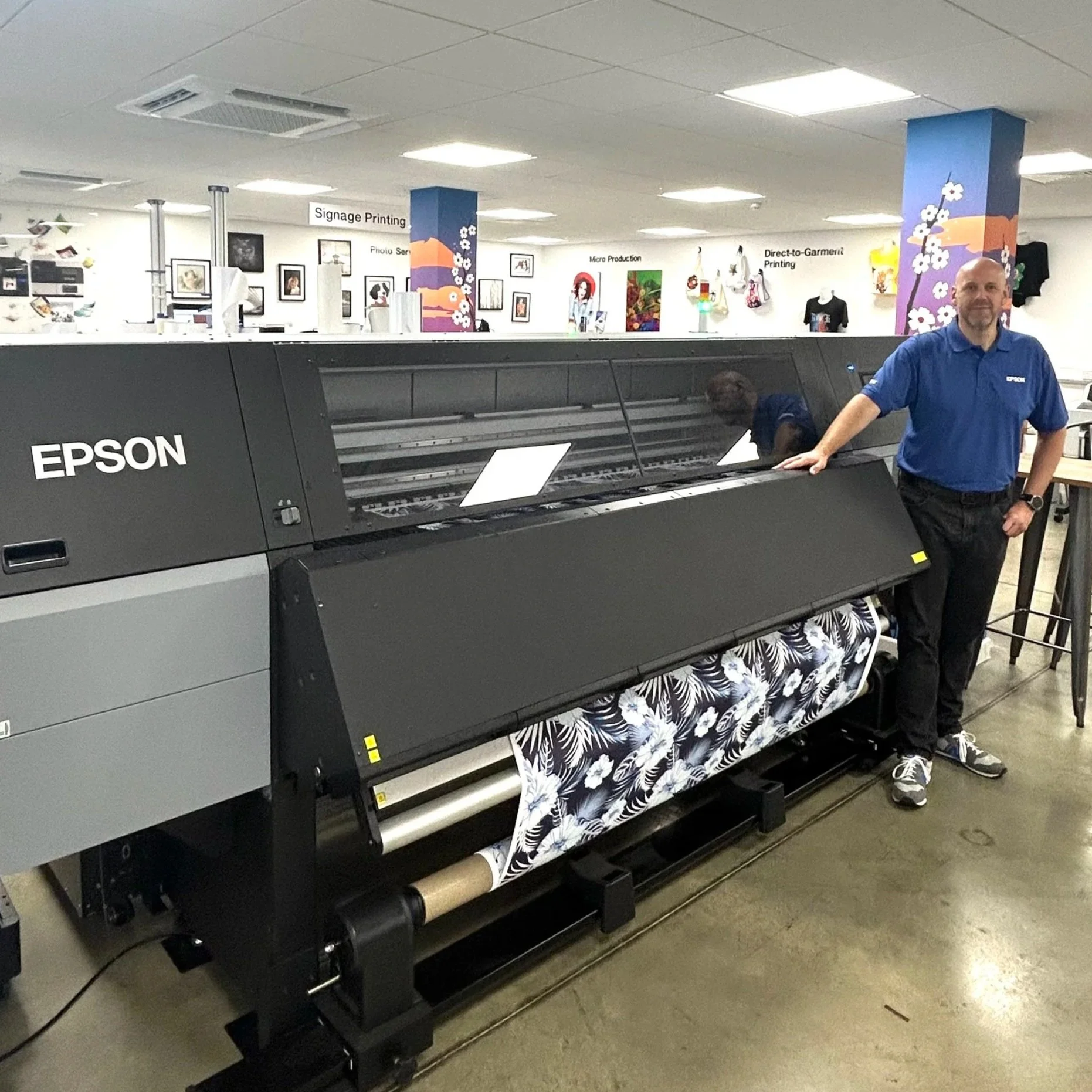
Think Big, Print Big: Inside Epson's Vision for the Future of Print Manufacturing
Expanding the Map: New Products and New Revenue Streams.
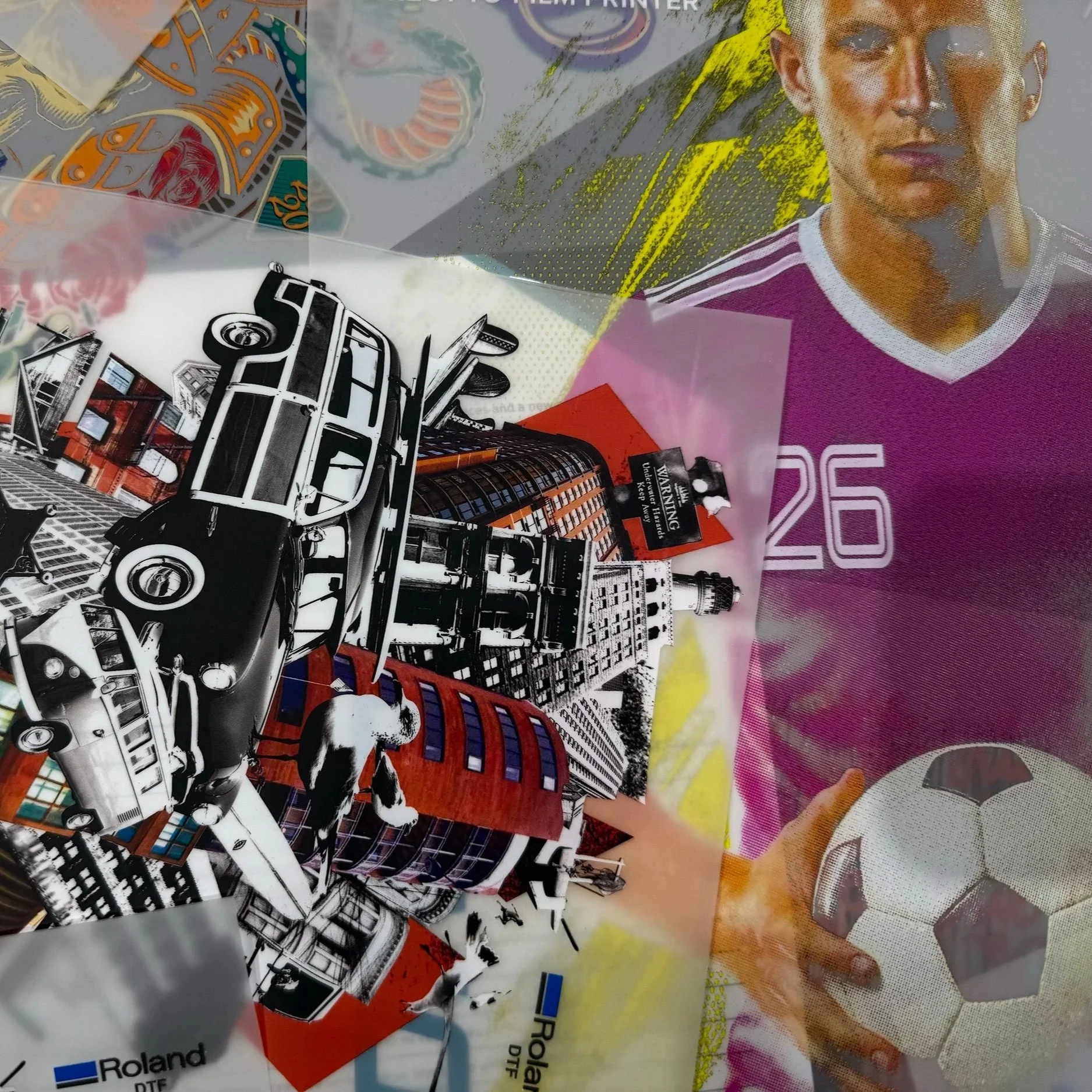
How Embellishment and Surface Effects Are Redefining Garment Decor
Premiumisation: The Customer Demand Driving Innovation
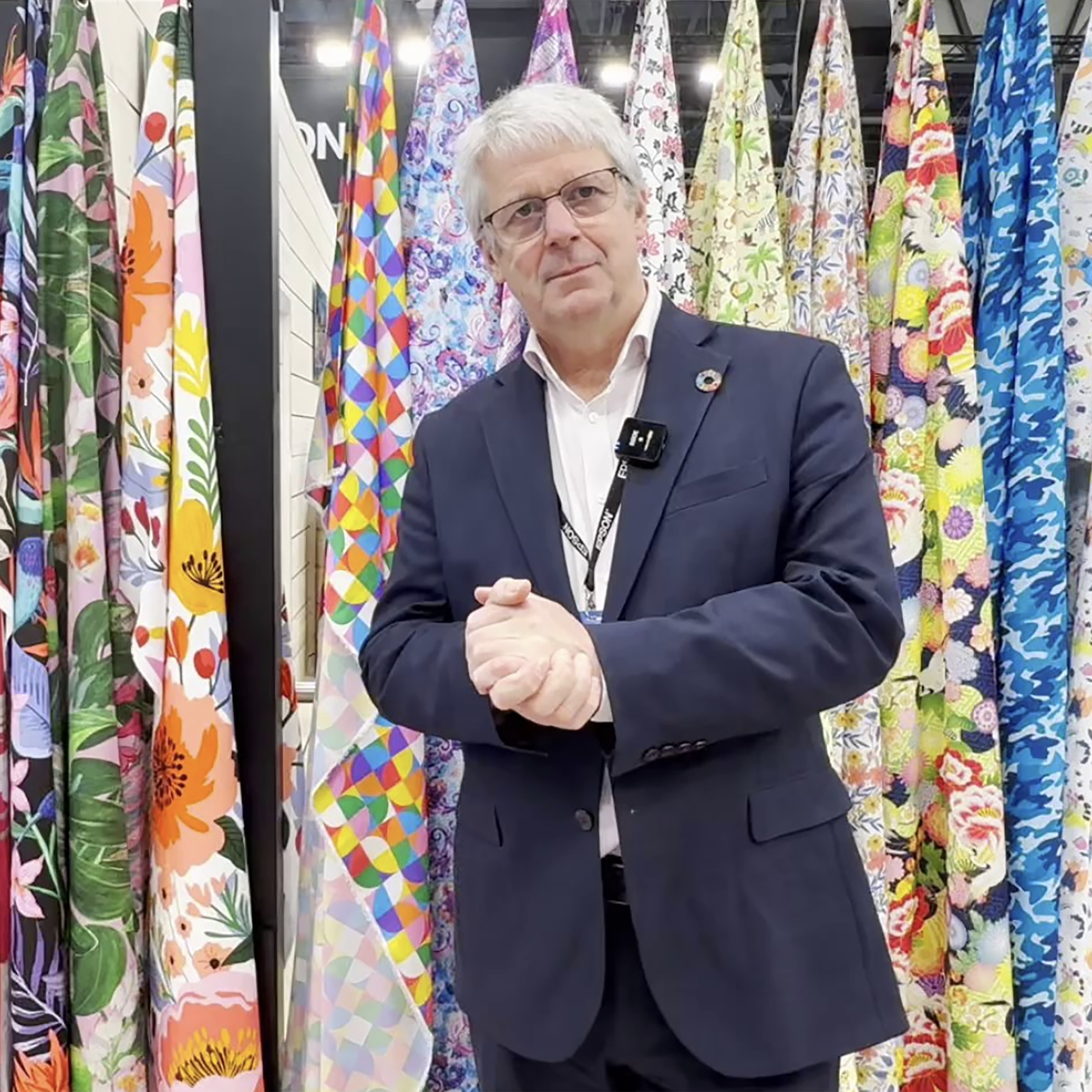
Digital Textile Printing is Changing Fast: Here's what Epson's Duncan Ferguson had to say at FESPA 2026
Is the Textile Market Finally Recovering?
After a difficult few years, there are genuine reasons for optimism. Duncan was candid about the challenges: "The market for textiles has been very difficult over the last three years. I'm not going to hide the truth there. But the tide is turning.“
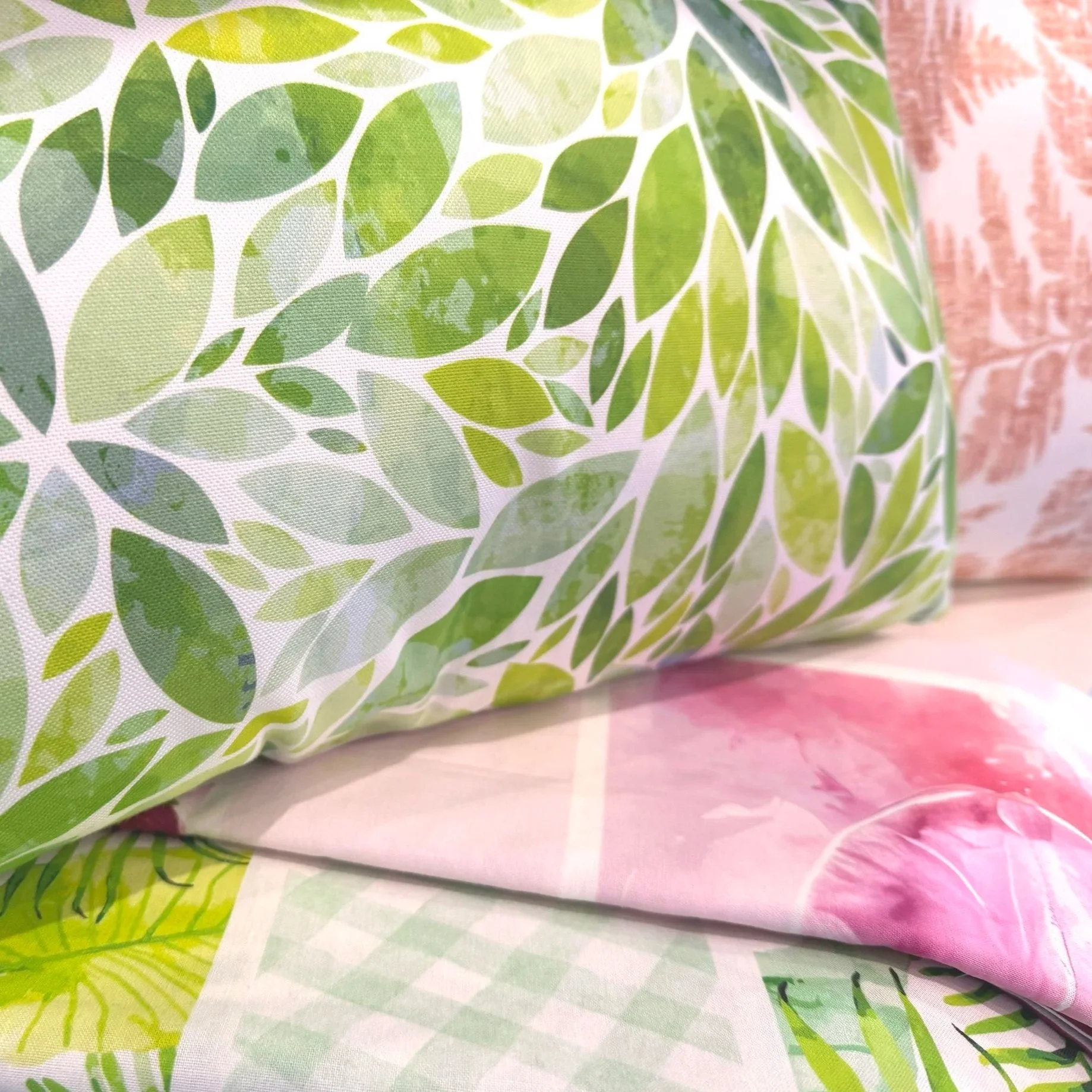
INDUSTRY INSIGHT: Discover how Waterless Digital Textile Printers like the EFI Reggiani ecoNEXT Plus are Driving Sustainable Agile Manufacturing in Home Decor
A profound shift is currently reshaping the sector
Changing consumer expectations demand greater design diversity, faster turnaround times, and sustainable manufacturing practices.
To thrive, interior brands must adapt their supply chains, bringing production closer to the end consumer and moving away from bulk manufacturing.
Digital textile printing offers a definitive solution to these operational bottlenecks.

INDUSTRY INSIGHT: The Digital Switch: Textile Technologies Reshaping an Industry at Fespa 2026
Digital transformation doesn't announce itself.
It accumulates - one innovation at a time - until an entire industry looks back and realises the ground has shifted beneath its feet. That's precisely where textiles stands today.
The conversations happening now about AI, automation, sustainability, and digital product passports are not theoretical. They are shaping decisions being made on factory floors and in boardrooms right now.

DESIGNER CASESTUDY: Marylène Madou: Crafting a Sustainable Future with Digital Print
“By leveraging advanced digital textile printing, Marylene Madou has successfully merged traditional craftsmanship with cutting-edge technology. Her approach offers a blueprint for how independent designers can scale their brands globally while maintaining a minimal environmental footprint.”
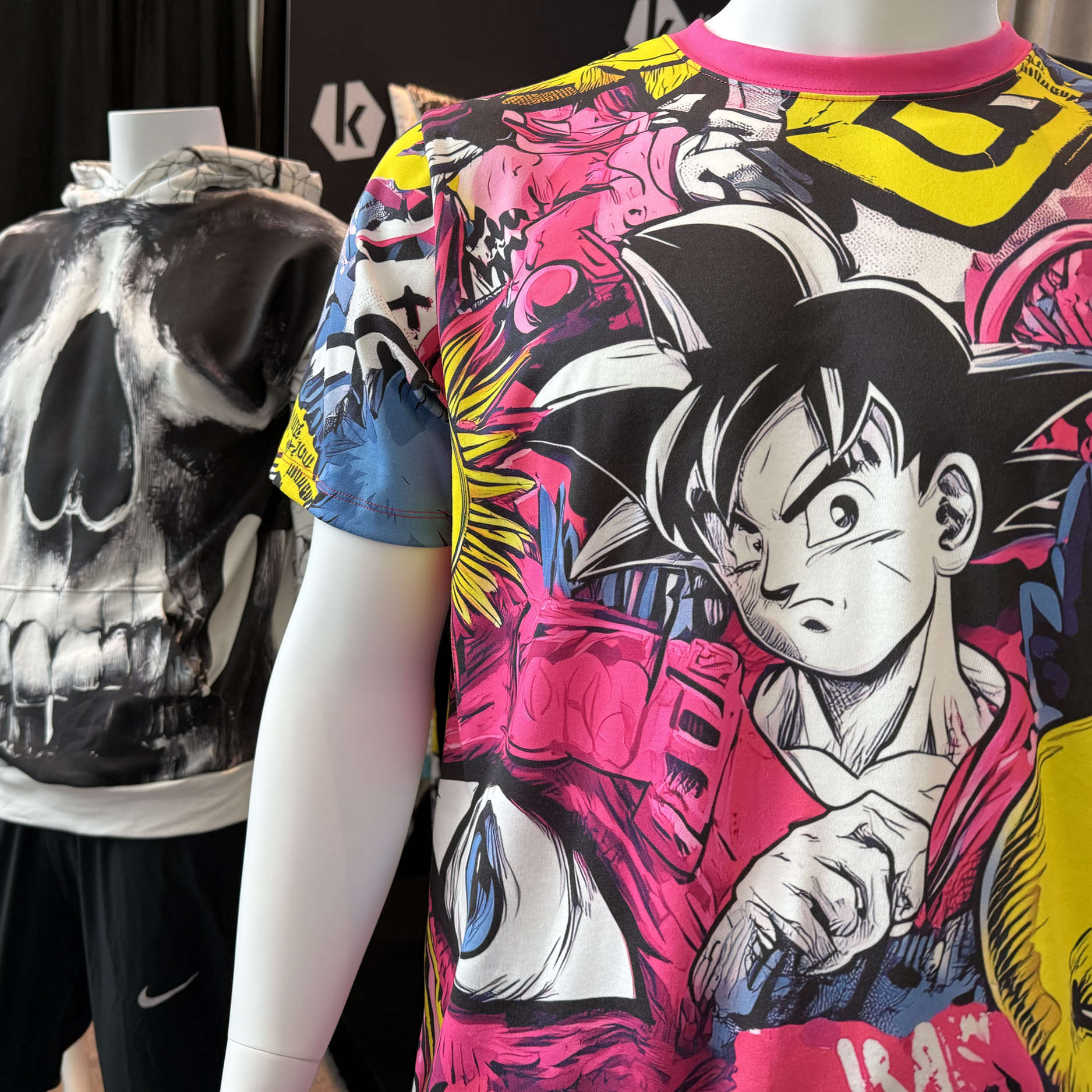
INDUSTRY INSIGHT: Powering the Global Print on Demand Community with Pixel Perfect Precision and Purpose
The apparel decoration industry is decisively moving away from isolated, analogue production tools toward connected digital manufacturing environments.
"Kornit’s unwavering commitment to transformative technology continues to disrupt the status quo. For business leaders and innovators ready to capture the future of apparel manufacturing, the path forward is clear”
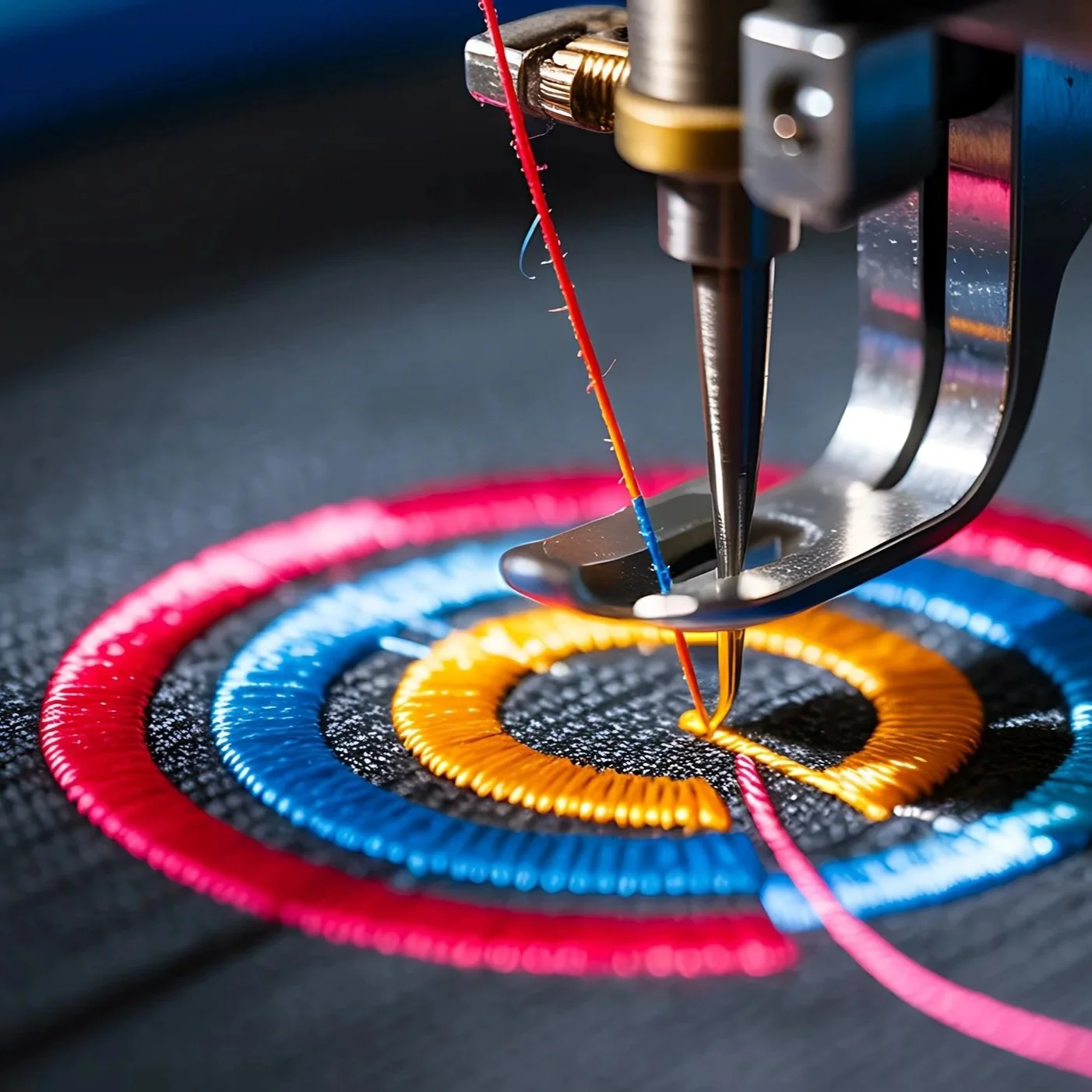
EXPERT INTERVIEW: Innovating Sustainability Through Innovation and Waste Transformation with Chris Dearing of COATS
The Urgent Need for Sustainability at Scale
The transformation at Coats provides a vital blueprint for the wider textile and apparel sector. True sustainability cannot be achieved in silos. As Dearing emphasised:
“Cross-industry collaboration is the engine of meaningful change. Brands, machinery suppliers, chemical providers, and fibre producers must act as an interconnected ecosystem”
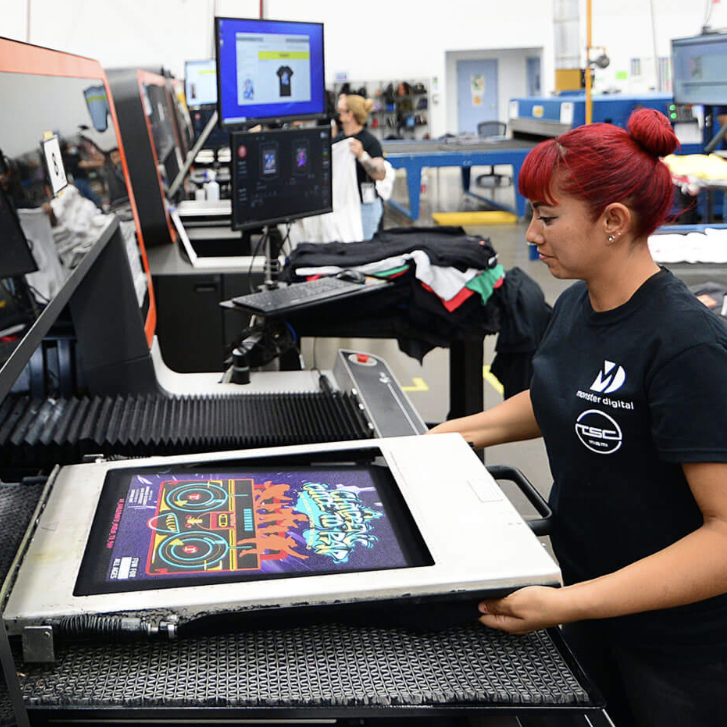
EXPERT INTERVIEW: Adapting Ecommerce: How Monster Digital Mastered Agile Merch Fulfilment - We interview Jaymes Clements
Today’s customers demand superior product quality, real-time data visibility, and lightning-fast turnaround times.
For large-scale garment decorators, managing these expectations while balancing seasonal demand fluctuations - such as the massive surges seen during Black Friday - presents a monumental challenge.
"Relying on transactional vendor relationships and outdated legacy equipment is no longer sufficient to secure long-term stability and growth.”

INDUSTRY INSIGHT: Leveraging AI Software to Increase Profitability and Scale Agile Print Production - Automate or Get Left Behind
All Apparel Manufacturers face an Urgent Mandate: “Automate or be Left Behind”.
Industry leaders like Super Nova Sports and Ryozo International were struggling with severe pre-press bottlenecks and unsustainable fabric waste. By integrating AI Sublimation Software into their workflows, these forward-thinking businesses eliminated manual variable data entry, boosted fabric efficiency to over 80%, and reduced delivery times by more than half, establishing a highly profitable, agile, and environmentally responsible production model.

EXPERT INTERVIEW: The Future of Wallcoverings - We Interview Paul Restarick to Explore Epson Resin Printing
The European digital wallcovering marketplace is expanding at an impressive rate.
“For print professionals and interior designers, this transition presents a distinct set of challenges. Achieving flawless colour consistency, managing complex substrates, and meeting stringent environmental standards are no longer optional extras; they are fundamental requirements for commercial success.”

INDUSTRY INSIGHT: Why Colour Consistency is the Hardest Part of Making a Product and the Business Case for Getting Colour Right
A swimsuit might start life as a sketch. By the time it reaches the shop floor, dozens of hands have touched it - designers, dye houses, printers, trim manufacturers, quality controllers. Each one interprets colour in their own way, under their own conditions, with their own tools. The result is often a product that looks nothing like the original vision.
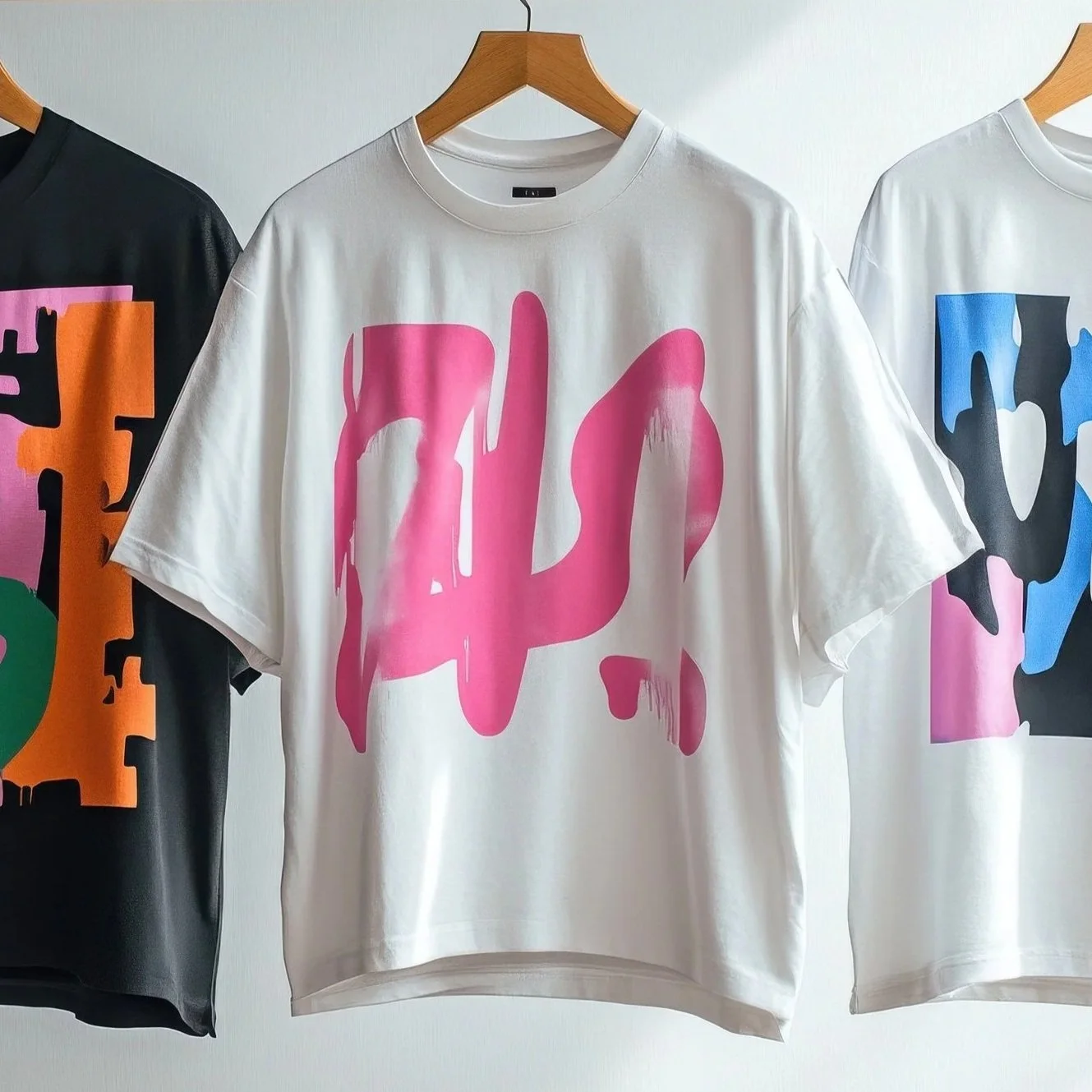
INDUSTRY INSIGHT: DTG and DTF Decoration: Technologies for Added Value and Improved Profitability
The latest innovations offer compelling solutions to long-standing challenges: reducing setup times, eliminating minimum order quantities, and delivering exceptional print quality across diverse fabric types.
For many print businesses, the challenge is how quickly you can integrate these technologies to maintain competitive advantage in an ever-evolving ecosystem.
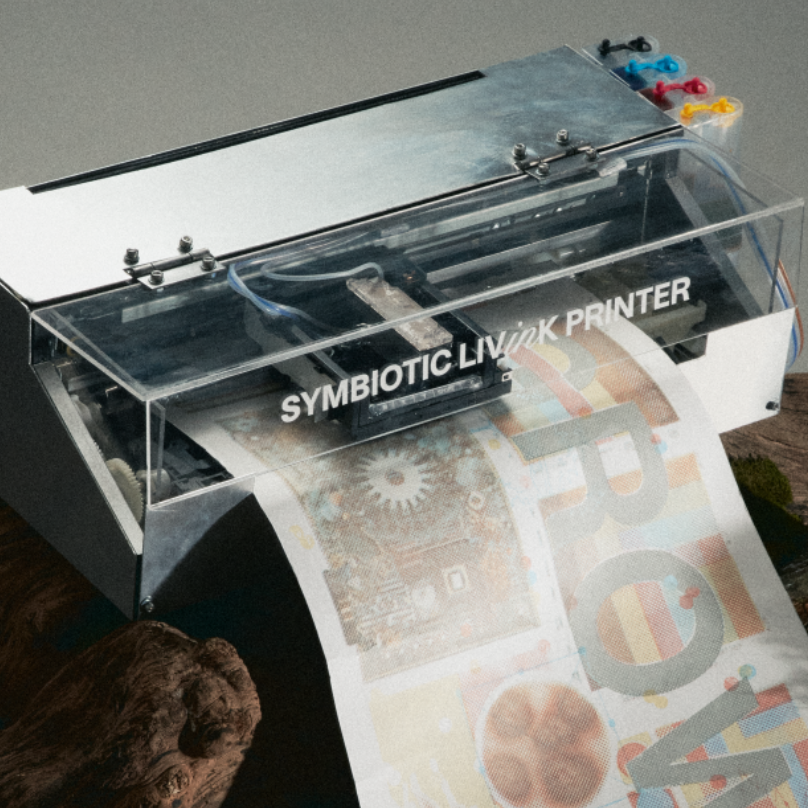
INDUSTRY INSIGHT: Is the Future of Print Temporary? Does Ink need to last forever? Redefining Printed Ink with GrowInk
A New Lifecycle: Application and Degradation
“We can continue with the status quo of toxic permanence, or we can embrace the intelligence of nature. Technologies like GrowInk prove that we can have vibrant, functional colour without the lasting environmental cost.
By accepting that not everything needs to last forever, we might just build a future that does.”

INDUSTRY INSIGHT: Synthetic or Human? Why Rethinking Your Marketing Strategy is Essential in the Age of AI
The stark reality: the strategies that secured your market share yesterday may well render you invisible tomorrow.
The influx of Generative AI has created a dichotomy on the web: the Synthetic and the Human. As AI floods the internet with competent but commoditised content, the value of genuine human insight is skyrocketing.
The challenge now is not how to use AI to do more, but how to use your humanity to matter more