CASE STUDY: Connecting Design and Manufacturing Across Industries using NedGraphics X Optitex
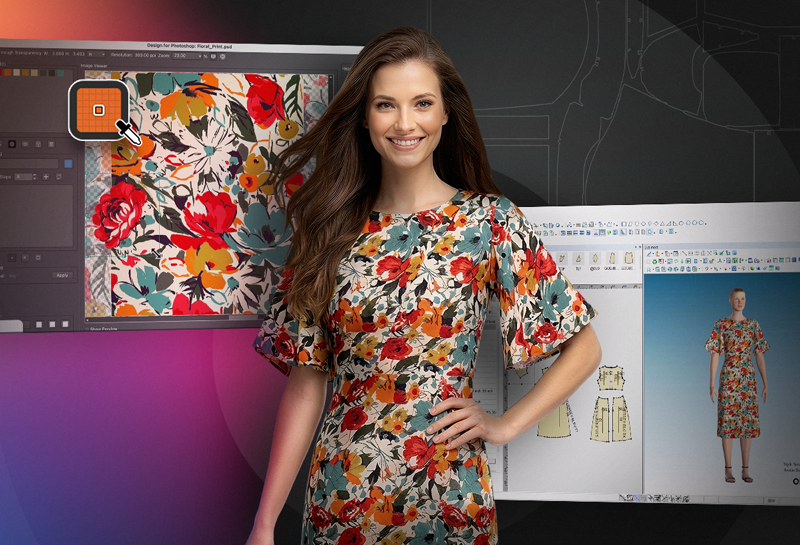
The Future of Manufacturing belongs to those who Embrace Connected Digital Ecosystems
“Whether you produce garments, car interiors, or home furnishings, the transition from creative concept to production-ready product often remains fragmented. Design teams work tirelessly to develop compelling materials, yet technical teams struggle to interpret these visions without losing data along the way.”
The manufacturing sector faces mounting pressure to operate more efficiently while delivering exceptional creative excellence. Whether you produce garments, car interiors, or home furnishings, the transition from creative concept to production-ready product often remains fragmented.
Design teams work tirelessly to develop compelling materials, yet technical teams struggle to interpret these visions without losing data along the way.
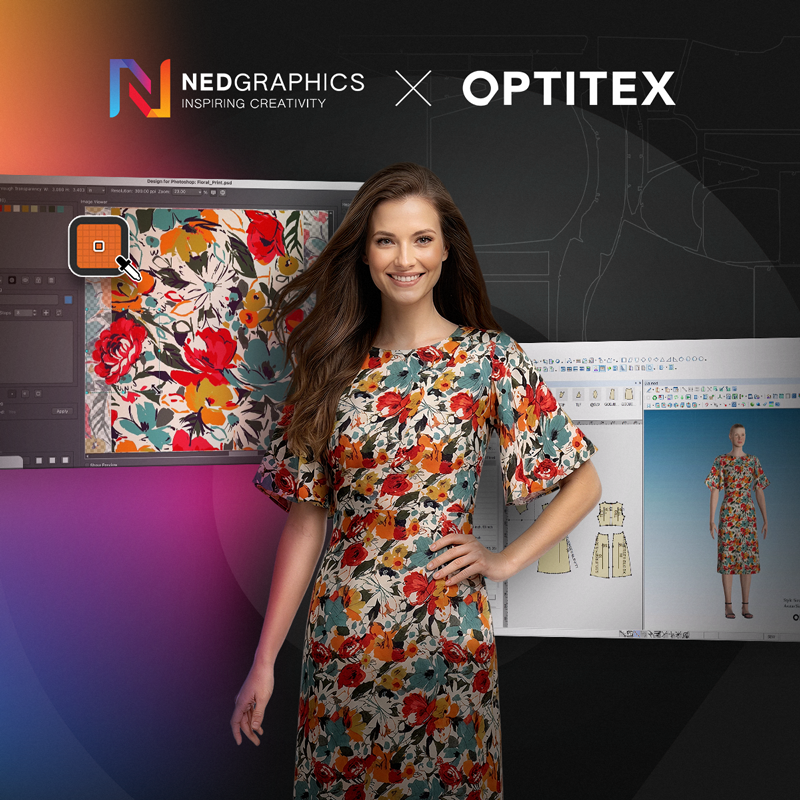
NedGraphics and Optitex recognised this fundamental challenge. By integrating advanced digital textile design software with precision pattern development, 3D simulation, and production preparation tools, including nesting, companies can now achieve a truly seamless end-to-end workflow. This unified approach eliminates data silos, reduces material waste, accelerates time-to-market, and empowers teams across the Fashion and Apparel, Automotive interiors, and Furniture industries to collaborate effectively.
The Core Challenge: Fragmented Production
Professionals across multiple sectors continue to grapple with significant operational challenges that hinder productivity and profitability. When design, pattern development, and production operate independently, communication gaps inevitably form.
Textile design and production sit at the heart of fashion, automotive, and furniture manufacturing. Yet, when textile designers complete their work in one system and patternmakers begin fresh in another, valuable data and creative intent get lost in translation. This disconnect leads to unnecessary material waste, missed sustainability targets, and increased costs. Furthermore, the absence of high-fidelity digital prototyping forces teams to rely on physical samples. This traditional approach extends development timelines and creates bottlenecks that delay market entry.
Frank Maeder, President of NedGraphics and Optitex, notes the urgency of this issue: "For too long, textile design, pattern development, and production have operated in silos, creating inefficiencies, rework, and unnecessary expenses. Breaking down these walls is essential for a sustainable future."
Addressing Specific Industry Pain Points
While the overarching need for integrated workflows is universal, different types of customers face unique challenges. The NedGraphics and Optitex ecosystem addresses the specific needs of these distinct sectors:
Fashion Brands and Apparel Manufacturers
Fashion brands constantly battle tight deadlines and the need for rapid trend response. Their primary pain point is ensuring that the original creative vision translates perfectly into the final garment without endless physical sampling. Apparel manufacturers, on the other hand, focus heavily on margins and operational efficiency. They need to optimise fabric yield, reduce cutting errors, and accelerate production setups. The integrated workflow allows brands to validate designs in 3D instantly, while giving manufacturers precise data for marker making and nesting optimisation resulting in minimising fabric waste.
Automotive Interior Manufacturers
The automotive industry demands absolute precision and strict compliance with safety and quality standards. Manufacturers of car interiors deal with expensive materials like technical fabrics and leather. Their main pain points involve the precise placement of materials across complex 3D shapes and managing the high costs of physical prototyping. By using an integrated digital workflow, automotive teams can simulate seating and interior components in 3D, ensuring patterns align perfectly before a single piece of expensive material is cut.
Furniture Brands and Upholstery Manufacturers
Furniture brands face the challenge of visualising how large-scale patterns and woven fabrics will look on bulky items like sofas and chairs. Upholstery manufacturers struggle with the physical demands of matching complex patterns across various panels and managing the immense material waste associated with trial and error. The digital ecosystem allows furniture designers to apply intricate jacquard or printed designs to 3D furniture models. This ensures pattern matching is resolved digitally, saving vast amounts of fabric and dramatically reducing the need for costly physical prototypes.
Example Workflows for Diverse Needs
NedGraphics and Optitex connect every stage of product development. The flexibility of this ecosystem means it can be tailored to countless specific operational needs. To illustrate how this integration functions in practice, consider these three examples of possible workflows among numerous other configurations:
1. Print 3D Suite: A New Era of Design Integration
For apparel designers the Print 3D Suite represents a significant advancement in digital workflow integration, combining the strengths of Optitex Adobe plugins and NedGraphics for Adobe plugins. This new bundle empowers designers and technical teams to bridge the gap between creative design and technical execution - no matter which industry they serve.
By integrating NedGraphics for Adobe plugins and Optitex 3D Design for Illustrator (3DDI), users gain a powerful platform for seamless design-to-visualisation workflows. Optitex customers can leverage Print 3D Suite alongside PDS 3D Creator, allowing them to generate their own 3D assets within PDS 3D and visualise or map them directly in Adobe Illustrator using the dedicated plug-ins.
Importantly, PDS 3D is not a requirement for NedGraphics only customers. The suite provides access to a comprehensive 3D model library via 3DDI, enabling all users to create and visualise designs in true three-dimensional detail - even without proprietary in-house 3D development. For businesses needing unique or proprietary 3D assets, custom 3D asset creation is available for an additional fee, further extending the possibilities for truly tailored solutions.
This flexible solution enables end-to-end collaboration, creative exploration, and technical precision for brands and manufacturers across fashion, automotive interiors, and furniture upholstery.
2. Jacquard and PDS with O/Cloud: Unified Furniture Development
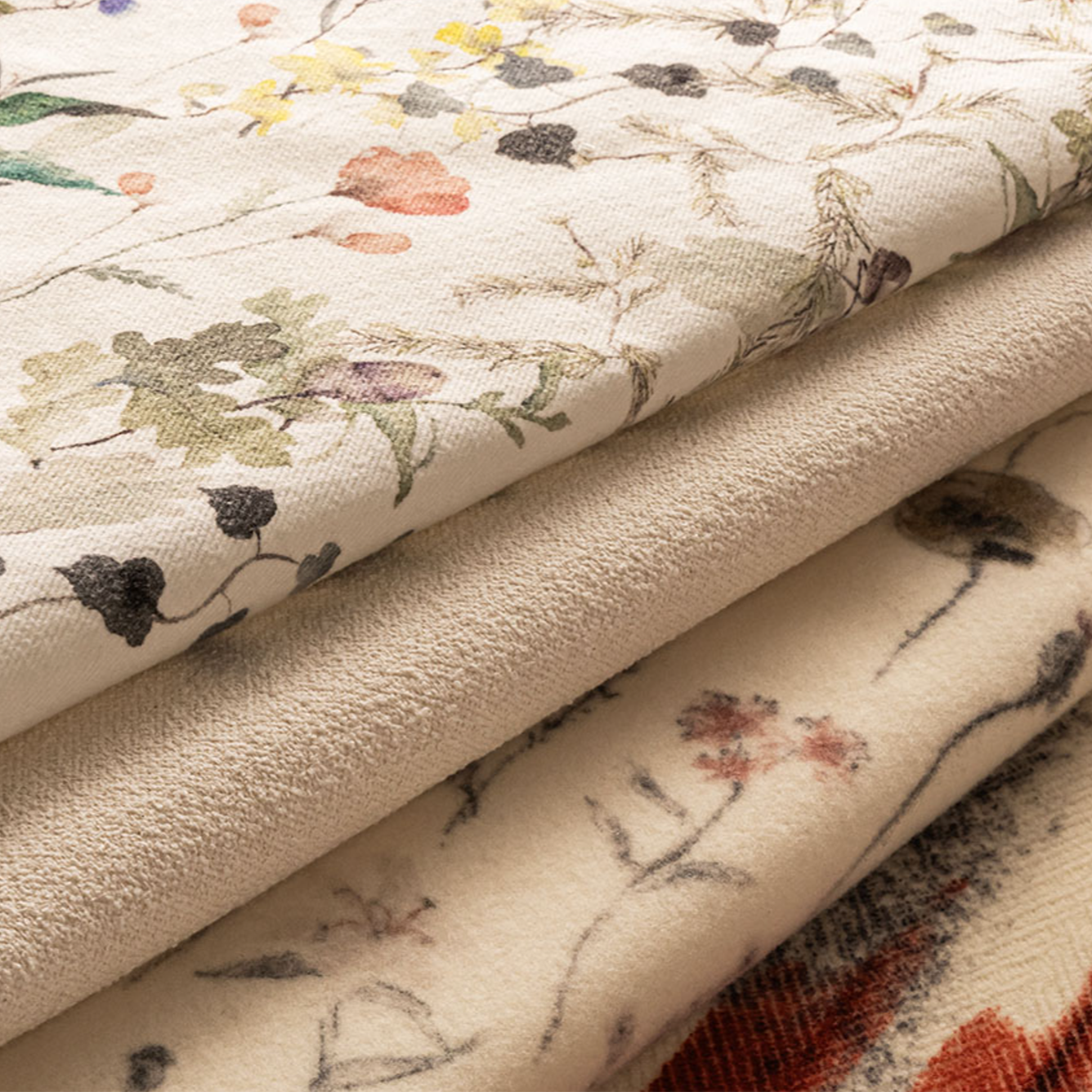
For upholstery and woven fabric applications, NedGraphics Jacquard combined with Optitex PDS and O/Cloud delivers a powerful solution. Designers create intricate woven patterns, complete with accurate weave structures. This data transfers directly to the Optitex 3D environment, where furniture upholstery can be virtually prototyped with realistic fabric behaviour. Technical teams can validate fit and assess fabric performance without producing bulky physical samples. Cloud-based collaboration enables real-time sharing across global teams, dramatically shortening approval cycles.
3. Precision Engineering for Automotive Interiors
In this workflow scenario, automotive creative teams utilise the integrated software to handle technical textiles. Design intent and material specifications move directly into the PDS 3D prototyping phase. Engineers can assess the stretch, tension, and placement of materials on car seats and interior panels. By adjusting markers digitally in Marker solution, based on the physical properties of the textiles, automotive manufacturers eliminate guesswork, reduce the consumption of premium materials, and ensure the final product meets rigorous industry standards.
Driving Sustainability and Efficiency
The seamless integration of NedGraphics and Optitex delivers measurable improvements across all three major industries. By connecting textile design directly to pattern development and production preparation, brands and manufacturers eliminate redundant work and accelerate time-to-market.
Designers and manufacturers now work from a shared vision, with transparent access to all design details and production specifications. This unified approach ensures the final product consistently meets aesthetic expectations and functional requirements. Furthermore, precise grading, digital 3D fit analysis, and optimized marker-making lead to substantial reductions in physical waste. This improvement directly supports urgent corporate sustainability initiatives while delivering vital cost savings.
The ability to visualise realistic fabric behaviour in 3D before production negates manufacturing errors. Brands can respond more quickly to market demands, gaining a significant competitive advantage while reducing their environmental footprint.
The Net Gains
The seamless integration of NedGraphics and Optitex delivers measurable improvements across key performance indicators:
Production efficiency gains: By connecting textile design directly to product development and production, fashion brands and manufacturers eliminate redundant work and accelerate development timelines. Teams report significantly reduced setup times and fewer production errors.
Enhanced creative collaboration: Designers and manufacturers now work from a shared vision, with transparent access to all design details and production specifications. This unified approach ensures the final product consistently meets both aesthetic expectations and functional requirements.
Reduced material waste: Optimised marker-making and digital sampling capabilities lead to substantial reductions in fabric waste. This improvement directly supports corporate sustainability initiatives whilst delivering cost savings.
Improved product quality: The ability to visualise realistic fabric behaviour in 3D before production begins means fewer surprises during manufacturing. Products better reflect the designer's original intent, leading to higher customer satisfaction and reduced returns.
Faster time-to-market: Digital workflows and real-time collaboration eliminate bottlenecks in the development process. Brands can respond more quickly to market trends and consumer demands, gaining competitive advantage.
As Maeder emphasises: "This connected approach also makes sustainability actionable. Digital sampling and virtual prototyping significantly reduce physical samples, material waste, and transportation, allowing brands to deliver high-quality, creative collections with a smaller environmental footprint."
The Path to Connected Manufacturing
The future of manufacturing belongs to those who embrace connected digital ecosystems. The integrated NedGraphics and Optitex workflow demonstrates that seamless production across fashion, automotive, and furniture industries is achievable today. By breaking down traditional barriers between design and manufacturing, this merger empowers professionals to work smarter, reduce waste, and bring exceptional products to market faster.