

The Coming Year will Test the Resilience and Adaptability of Every Player in the Textile Sector.
“From apparel to interior décor, the challenges are interconnected, creating compound effects that can stifle growth or unlock unprecedented opportunities. This article will explore the pivotal trends of technology integration, supply chain resilience, regulatory compliance, production efficiency, and dynamic market shifts.”
Written by FESPA Textile Ambassador Debbie McKeegan
Top 5 Trends Shaping the Textile Print Industry in 2026:
The forces of technological disruption, supply chain volatility, and evolving market demands are not just on the horizon; they are actively reshaping the textile landscape. For businesses to thrive, a reactive stance is no longer sufficient. A proactive, forward-thinking strategy is essential to navigate the complexities of 2026 and beyond.
This analysis breaks down the five most significant trends defining the industry and offers actionable insights for print professionals ready to lead the charge.
The coming year will test the resilience and adaptability of every player in the textile sector.
From apparel to interior décor, the challenges are interconnected, creating compound effects that can stifle growth or unlock unprecedented opportunities. This article will also explore the pivotal trends of technology integration, supply chain resilience, regulatory compliance, production efficiency, and dynamic market shifts.
Understanding these forces is the first step toward building a more profitable, sustainable, and competitive future for your business:
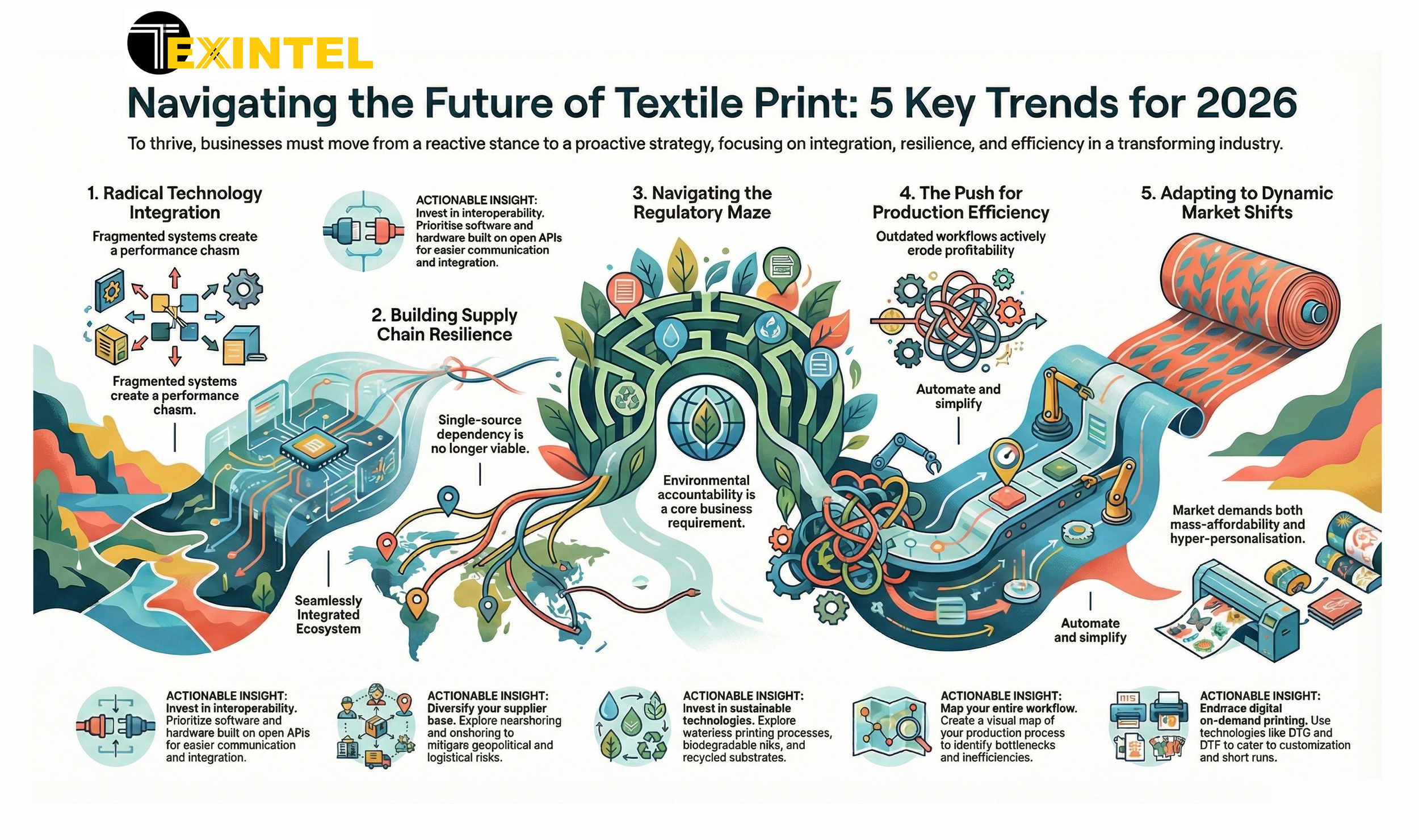
1. Radical Technology Integration
The gap between legacy systems and modern digital workflows is becoming a chasm. In 2025, simply owning digital equipment is not enough. The focus must shift to creating a seamlessly integrated technology ecosystem that connects every stage of production, from design to dispatch. Businesses still operating in silos, with fragmented software and hardware, will face significant bottlenecks and competitive disadvantages.
The Challenge of a Fragmented Ecosystem:
Many textile businesses have adopted digital solutions piecemeal over the years. A design team might use advanced CAD software, while the print room relies on outdated RIPs, and inventory is managed on a separate, unconnected platform. This fragmentation creates friction, slows down production, and leads to costly errors. Furthermore, a persistent skills gap across the sector means that even with the right technology, the expertise to maximise its potential is often lacking.
Actionable Insights:
Conduct a Technology Audit: Evaluate your entire workflow, from initial design to final finishing. Identify where communication breaks down and where manual processes are creating inefficiencies.
Invest in Interoperability: Prioritise software and hardware that can communicate. Look for solutions built on open APIs that allow for easier integration with existing and future systems. A unified platform for colour management, job queuing, and production monitoring is crucial.
Upskill Your Workforce: Invest in continuous training for your teams. This includes not only machine operation but also workflow management software, data analysis, and digital design principles. Empowering your staff is the most effective way to close the skills gap.
2. Building Supply Chain Resilience
The volatility of the past few years has exposed deep-seated vulnerabilities in global supply chains. In 2026, the pressures on material availability, cost stability, and logistical certainty will intensify. Dependence on geographically concentrated suppliers, coupled with fluctuating raw material costs, creates a high-risk environment. Businesses that fail to build resilience into their supply chains will struggle to maintain margins and meet customer expectations.
From Vulnerability to Agility
Cost pressures often force compromises on quality, creating a conflict with rising consumer demands for durable, high-quality products. The traditional model of sourcing from a single, low-cost region is no longer a viable long-term strategy. The imperative is to build a more diversified, agile, and transparent supply network.
Actionable Insights:
Diversify Your Supplier Base: Reduce dependence on any single country or supplier. Explore near-shoring and on-shoring options to create a more balanced and responsive supply chain that can mitigate geopolitical and logistical risks.
Embrace Data for Forecasting: Utilise inventory management software and data analytics to better predict material needs and market fluctuations. This allows for smarter purchasing decisions and reduces the risk of stock-outs or overstocking.
Foster Stronger Supplier Partnerships: Move beyond transactional relationships. Collaborate with key suppliers on forecasting, quality control, and sustainability initiatives. A strong partnership can provide greater flexibility and priority access during periods of high demand or disruption.
3. Navigating the Regulatory Maze
Environmental accountability is no longer a niche concern; it is a core business requirement. In 2026, regulatory pressures will continue to mount, demanding greater transparency, reduced environmental impact, and a tangible commitment to the circular economy. For the print industry, this means re-evaluating everything from ink chemistry and substrate sourcing to energy consumption and waste management.
Compliance as a Competitive Advantage
While navigating regulations can seem daunting and costly, it also presents an opportunity. Businesses that lead in sustainability can attract top talent, win over environmentally conscious consumers, and often operate more efficiently. The transition to a circular model, where waste is minimised and resources are reused, challenges traditional linear production process but is essential for long-term viability.
Actionable Insights:
Stay Ahead of Legislation: Proactively monitor upcoming environmental regulations at local, national, and international levels. Engage with industry associations to understand the potential impact on your operations.
Invest in Sustainable Technologies: Explore waterless printing processes, biodegradable inks, and substrates made from recycled or renewable materials. Conduct an energy audit of your facility to identify opportunities for reduction.
Communicate Your Efforts: Transparency is key. Use your website, social media, and product labelling to clearly communicate your sustainability initiatives. Back up your claims with recognised certifications to build trust and credibility.
4. The Urgent Push for Production Efficiency
Outdated workflows and complex sourcing processes are actively eroding profitability. In a market where speed and agility are paramount, operational inefficiency is a critical threat. The challenge lies in untangling decades of established, yet cumbersome, processes and replacing them with streamlined, automated, and intelligent workflows that boost output while reducing waste.
Optimising Every Touchpoint
From the moment an order is received to the point it is shipped, every touch-point is an opportunity for optimisation. Manual order entry, inconsistent colour management, and inefficient finishing processes all contribute to delays and increased costs. The goal for 2026 is to automate where possible and simplify everywhere else.
Actionable Insights:
Map Your Entire Workflow: Create a detailed visual map of your production process. This exercise will quickly highlight redundant steps, bottlenecks, and areas ripe for improvement.
Implement a Print MIS/ERP System: A robust Management Information System (MIS) or Enterprise Resource Planning (ERP) platform is the backbone of an efficient operation. It can automate quoting, order entry, scheduling, and invoicing, freeing up valuable human resources for higher-value tasks.
Standardise Processes: Establish and document standard operating procedures (SOPs) for key tasks like colour matching, machine setup, and quality control. Standardisation reduces variability and errors, leading to more consistent and reliable output.
5. Adapting to Dynamic Market Shifts
The modern consumer market is a study in contradictions. There is a simultaneous demand for mass-market affordability and hyper-personalised products. Product lifecycles are shrinking, requiring unprecedented agility, yet sustainability goals demand more thoughtful, long-lasting goods. For textile printers, navigating these conflicting demands is the ultimate challenge.
Balancing Personalisation and Production
The ecosystem of mass production is ill-equipped to handle the demand for unique, on-demand items. This shift requires a fundamental rethinking of production models, moving away from large, speculative runs towards more agile, just-in-time manufacturing. Businesses that can successfully pivot will capture a significant and growing market segment.
Actionable Insights:
Embrace Digital On-Demand Printing: Technologies like Single-Step Roll-to-roll, Direct-to-Garment (DTG) and Direct-to-Film (DTF) are built for personalisation and short runs. Integrating these technologies allows you to cater to the B2B & B2C marketS and offer customised products without the need for massive inventory.
Develop a Hybrid Model: For many businesses, the solution is not to abandon mass production, but to supplement it with an agile production line. This hybrid approach allows you to serve both contract clients, and the personalisation market effectively.
Listen to Market Data: Use social media listening tools, customer surveys, and sales data to stay on top of fast-moving trends. Agility is not just about production speed; it is about the speed at which you can respond to what the market wants next.
Conclusion: Preparing for 2026
The textile print industry is in a state of profound transformation. The five trends outlined above—technology integration, supply chain resilience, regulatory compliance, production efficiency, and market dynamics—are not independent challenges but interconnected forces that will define success in the coming year.
The path forward requires decisive action and strategic investment.
It is time to move beyond discussion and begin implementation. By auditing your technology, diversifying your supply chain, prioritising sustainability, streamlining your workflows, and embracing market agility, you can position your business not just to survive, but to lead in the new era of textile printing.
The future belongs to those who prepare for it today.



The print industry is at a turning point. According to new research from Printing United Alliance, sales across the sector grew 4.1% in the first half of 2026 - yet real sales actually fell 0.5%, as operating costs climbed 5.7% against price increases of just 3.6%. The result? Nearly three-quarters of businesses surveyed (73.7%) reported profitability that was flat or declining.
And yet a minority are pulling away from the pack. Profit leaders grew sales by 14.1% and real sales by 9.9% - more than three times the industry rate. What separates them isn't luck, scale, or deeper pockets. It's discipline, agility, and a willingness to confront structural change head-on rather than waiting for it to pass.
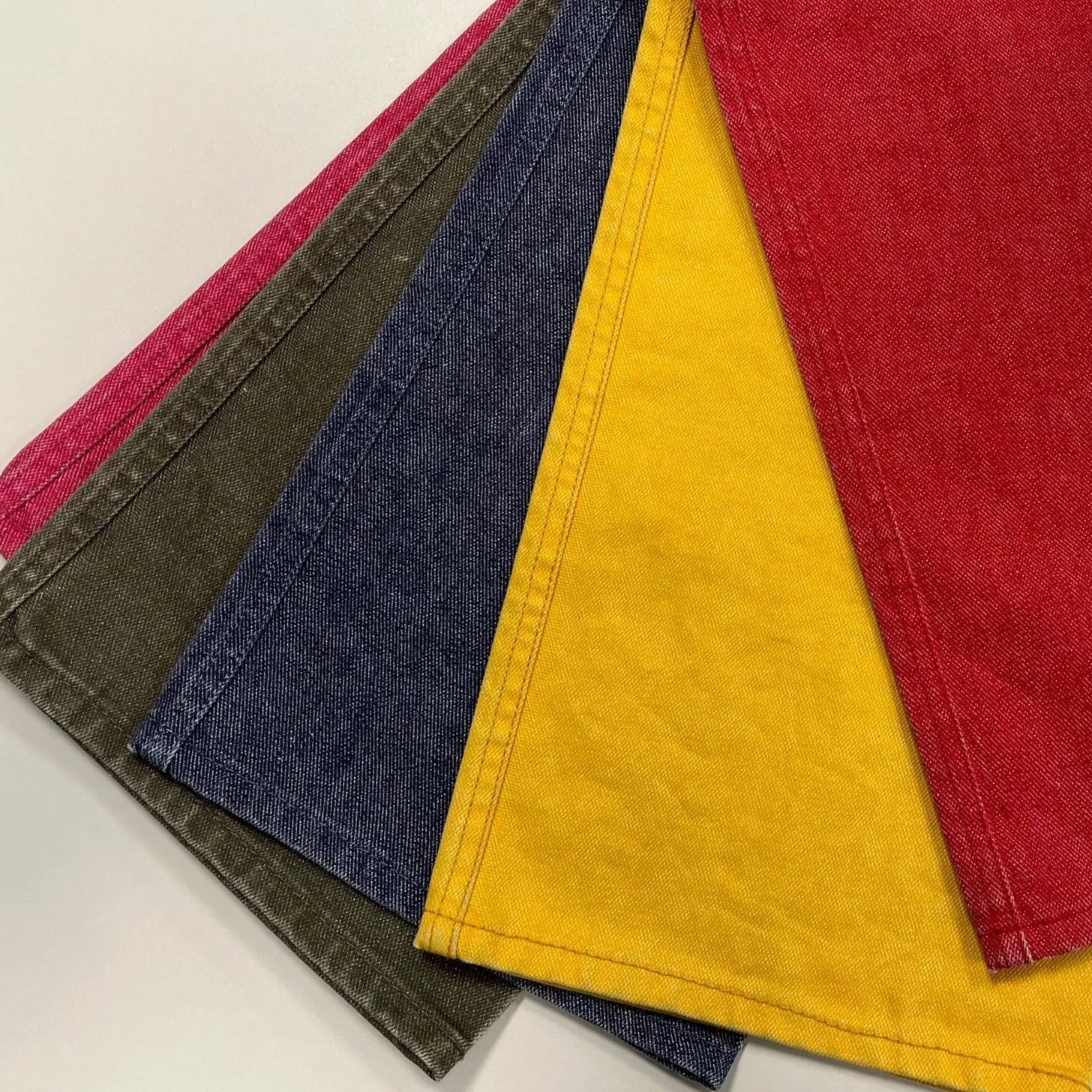
The global denim market produces billions of garments every year, and that scale has always come at a cost.
As environmental regulation tightens, resources grow scarcer, and consumers demand both originality and accountability, the industry faces a question it can no longer defer: can denim keep its soul while changing how it's made?
The answer, increasingly, is digital.

Does creativity live in your head or your hand?
The honest answer, as this new generation of AI-powered tools makes clear, is both, now working in closer partnership than ever before.
The head conceives, directs, and judges; the hand, whether holding a pencil or typing a prompt, still shapes the final outcome. For studios and professionals across the print and textile ecosystem, the opportunity now is to master this partnership before it becomes the industry standard rather than the competitive edge.

Is the future of fashion manufacturing local?
Manchester Made didn't offer easy answers, and it shouldn't have - the challenges facing domestic manufacturing are structural, not sentimental. But it did offer a clear set of principles that every designer, supplier, printer and manufacturer serving the fashion ecosystem should take seriously.

There's a persistent myth in parts of the industry that sustainability compliance is something that happens upstream - a supplier issue, a sourcing issue, a problem for someone else's department.
The webinar dismantled that assumption convincingly. Marketing teams sit squarely in the firing line.
Every claim on a hangtag, website, product name or Instagram caption now falls under regulatory scrutiny. A brand name suggesting an "eco collection," a product description claiming "sustainable materials," a carousel post about carbon neutrality - all of it counts as a communication subject to the same rules as formal labelling. This is a cross-functional compliance challenge that touches data teams, supplier relationships, legal counsel and brand communications simultaneously.

The Ecommerce Leadership Summit North brought together retail and ecommerce leaders in Manchester to discuss the challenges, opportunities and commercial decisions shaping the industry.
Across the day's sessions, speakers explored the future of retail profitability, the growing importance of verifiable product data in AI-driven commerce, the realities of building and scaling brands, and how businesses can protect their margins without compromising customer value. From the discussions on stage to the experiences shared by founders, here are the key insights from this year's summit.
The State of Retail 2027: What Will Separate the Winners from Everyone Else?

This is not simply a matter of faster machines.
It is a question of whether your production model - technology stack, workflow discipline, and quality control - is genuinely built for the realities of club and event merchandise.
Those realities are unforgiving: brand-perfect colour, flawless personalisation, licensing compliance, and turnaround measured in hours rather than weeks.

Colour Separation: The Craft Digital Textile Design Shouldn’t Forget
Textile designer Stephan Alker draws on more than 40 years in the industry, going back to his start at Transfertex in 1980, to trace how colour separation moved from drum scanners, hand-retouched films and engraved gravure cylinders to fully digital workflows.
He argues that this production knowledge still matters in the age of digital printing, because properly separated designs give brands far more freedom.
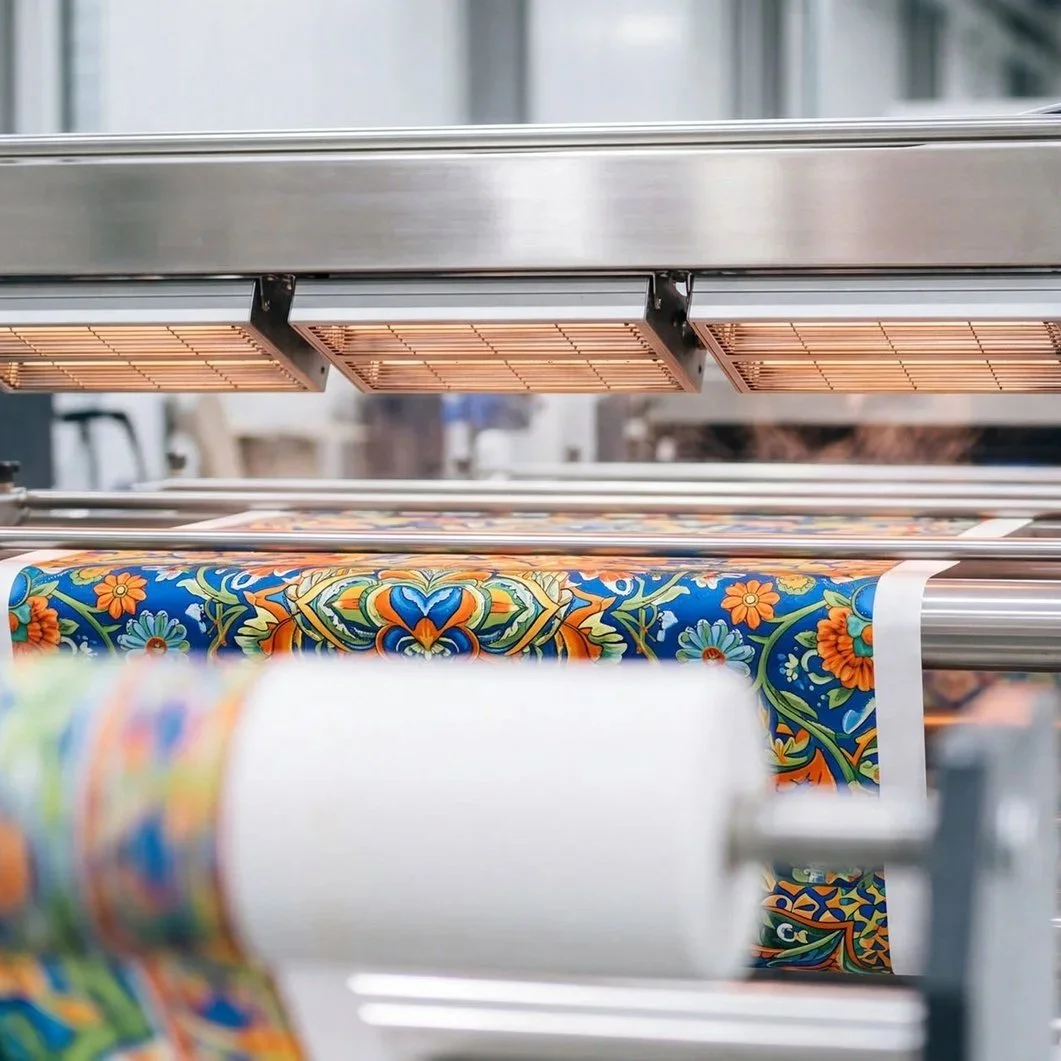
The Path Foward: Connect Every Link:
Design, colour, workflow, production, data. Each link now depends on the one before it, and the printers who will lead the market are those who strengthen the whole chain, not just the machinery at its centre.
So, this autumn, ask the bigger question on your own shop floor.
Not "Which printer?" but "How well does my business connect demand, design and production?"
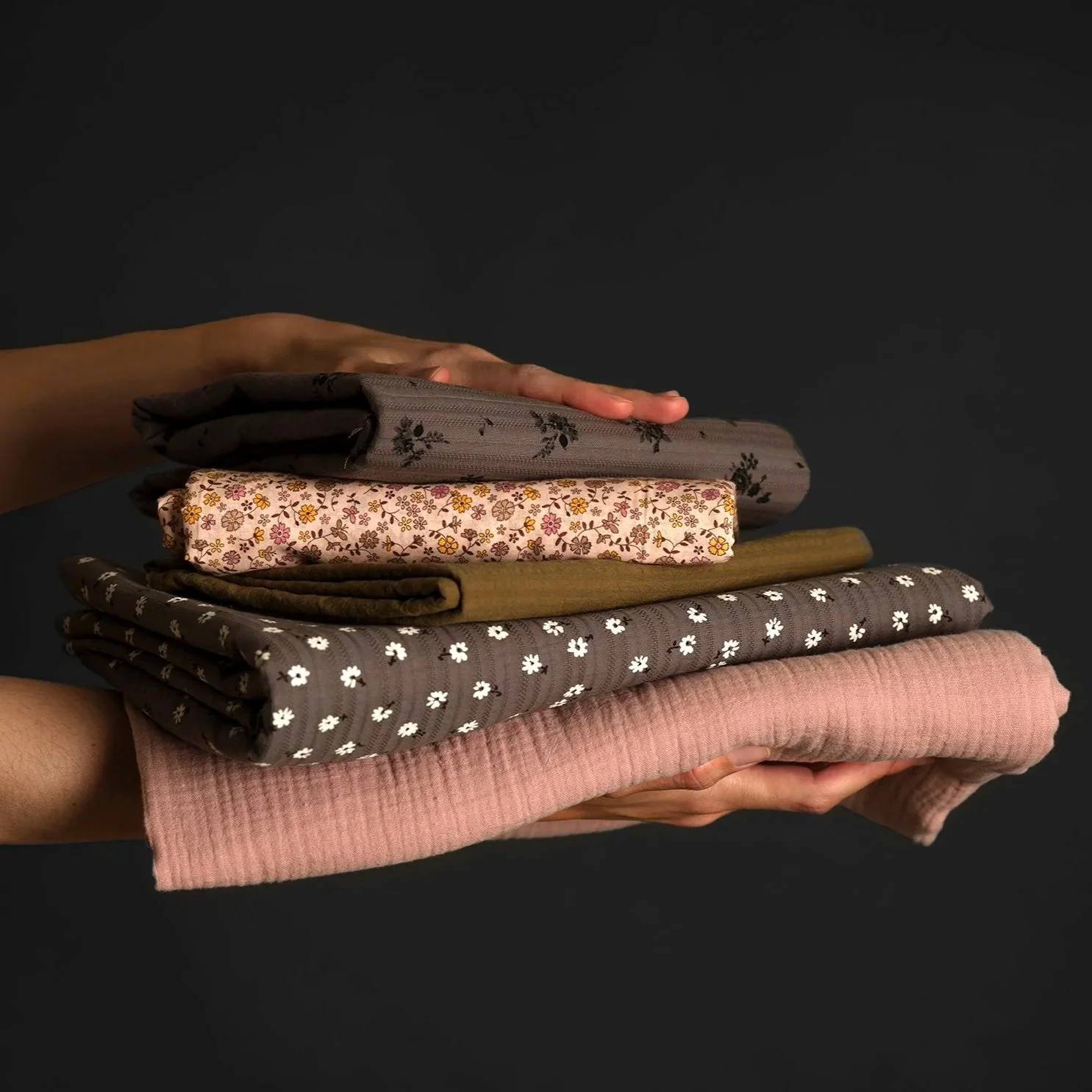
Rebés's story isn't one of nostalgia - It's a working blueprint for how heritage manufacturers can stay indispensable in a market that rewards speed, certification, and specificity in equal measure. Four million metres of stock mean nothing without the digital printing capability to turn it into something distinctive.
A 150-year name means nothing without the R&D discipline to win a tender for antistatic, carbon-fibre-infused uniform fabric on the first attempt.
Image Credit: Tejidos Rebé

What if the next dress you wore never touched the factory floor?
This is no longer a fringe experiment. It is a maturing production model, backed by genuine material science, real circularity, and an AI-assisted workflow that is becoming more accessible by the month.
Her advice to designers and brands alike is refreshingly practical: start small, get hands-on with an accessible 3D printer, and build fluency before the technology becomes table stakes. The businesses that treat this moment with curiosity, rather than scepticism, will be the ones shaping fashion's next decade rather than reacting to it.

The 2027 FESPA Awards are now open for entry, and the message to businesses across textiles, apparel, interiors and beyond is simple: your work deserves recognition. Every gold winner featured here started in the same place every entrant does - with a project they believed was worth submitting.
As the only independent awards programme with 18 categories dedicated to print and signage, FESPA offers a genuinely global stage, with shortlisted entries displayed at FESPA Global Print Expo in Spring 2027.

Colour Is Too Important to Leave to Chance
Print will always be the part of the garment people see first.
But the sum of all parts — the fabric, the trims, the fasteners, the finish — is what determines whether a design actually delivers on its promise. Brands that continue to treat colour as a single creative decision, rather than a coordinated technical discipline spanning their entire supply chain, will keep paying for it in re-dips, delays, and disappointed design teams.
A Century of Textiles, and an Ever-changing World
Few companies can trace their roots back more than a century and still count themselves among their industry's innovators. Texia, headquartered in Monistrol de Montserrat, Spain, is one of them.
But the story of Texia is not simply one of longevity.
It is a story of continual reinvention. As the textile industry has grown more global and competitive, Texia has repeatedly reshaped its business, investing in technology, developing its own brands, and placing sustainability at the centre of its mission. In doing so, it offers a compelling example of how a heritage manufacturer can lead rather than follow through a period of profound industry change. Image Credit: Texia
What are we craving Ultimately?
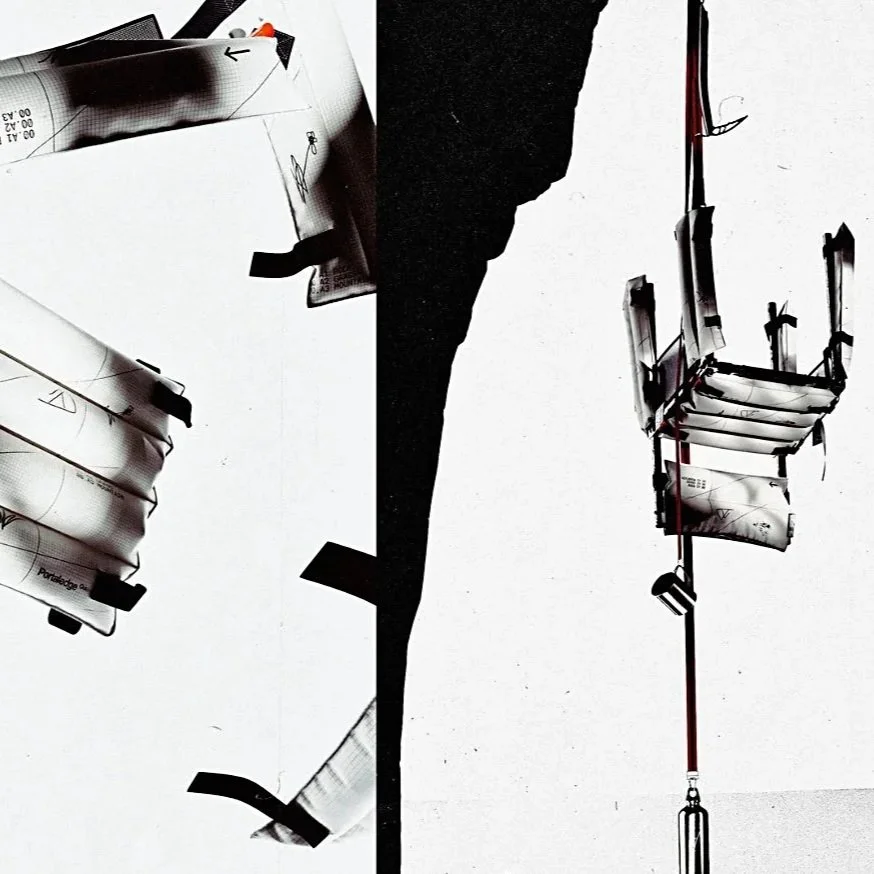
The instinct to slow down while simultaneously optimising every measurable aspect of life isn't a passing curiosity. It's a structural response to a world that feels increasingly unstable, and it's reshaping what people expect from their homes, hotels, workplaces and healthcare environments alike.
For the design and manufacturing sectors, this means rethinking both product and process.
The Structual Shift is Real and its Already Here
Volumes are moving east, where digital production is accelerating rapidly. Consumer behaviour has shifted.
Demand is now driven by personalisation, shorter buying cycles, and an expectation of near-instant responsiveness. Regulatory pressure is intensifying, with supply chain transparency now a legal and commercial fact in many markets. And margins? They are under sustained, structural pressure.
This is not a temporary disruption. It is a fundamental reordering of how textile manufacturing must operate.

The Challenge: Standing Firm as the Industry Shifts
The wallpaper landscape has changed dramatically. Digital printing has lowered the barrier to entry, spawning countless direct-to-consumer brands and pushing much of the market towards faster, cheaper production.
At the same time, manufacturing in the UK has grown steadily harder - rising minimum wage, national insurance, energy and substrate costs all bear down on margins. Surface Print have embraced all of these challenges - and stand resolutely prepared for the future.
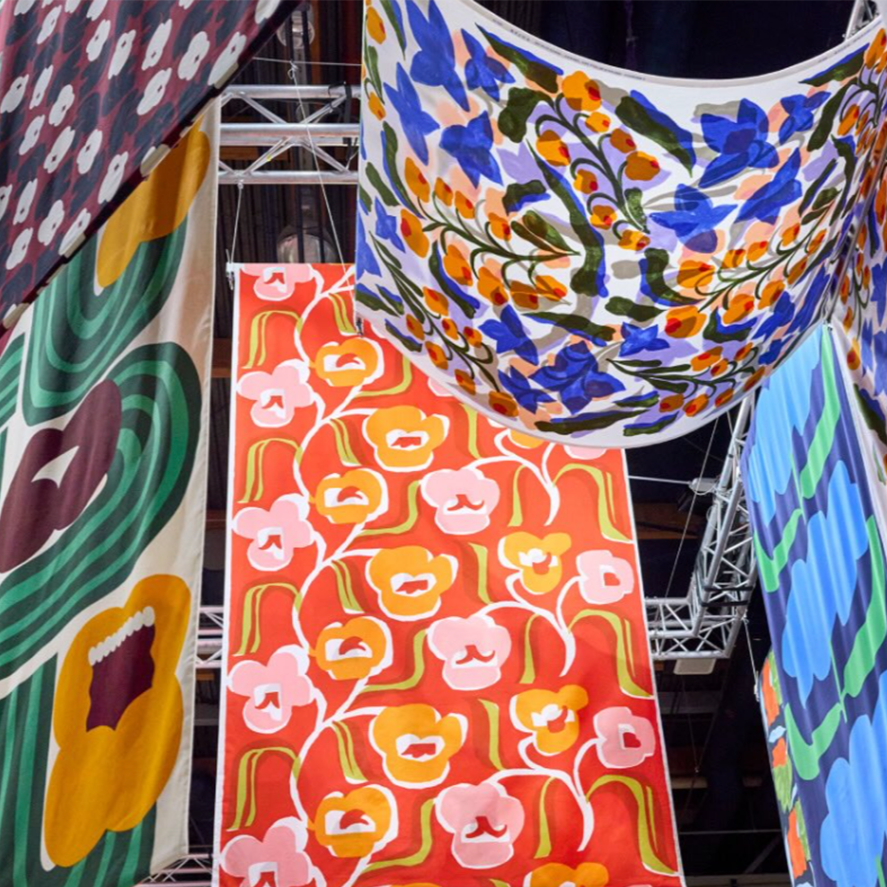
From Helsinki's printing mill to Paris's Le Marais, discover how Marimekko is scaling a design-led brand with purpose, craft, and bold innovation.
But what makes Marimekko's story compelling is not just its aesthetic legacy?

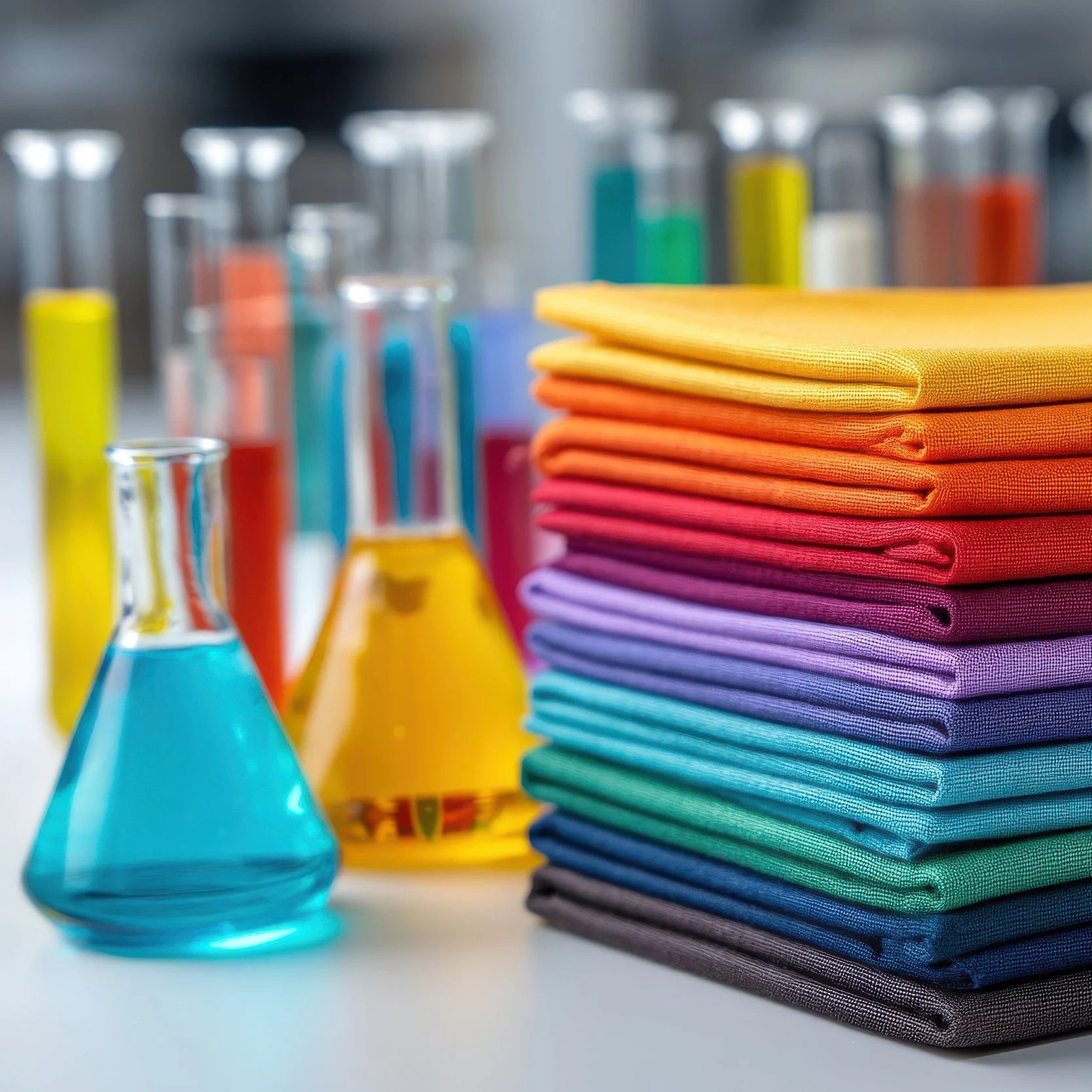
The word "toxic" carries weight. It conjures danger, harm, and things best avoided.
“Yet in the textile industry - Where between 3,000 and 10,000 chemicals move through the supply chain, a reflexive fear of the term is one of our biggest obstacles to progress.”
This article distils the key takeaways and what buyers, designers, and brands should be asking right now.
What Is the Digital Product Passport?
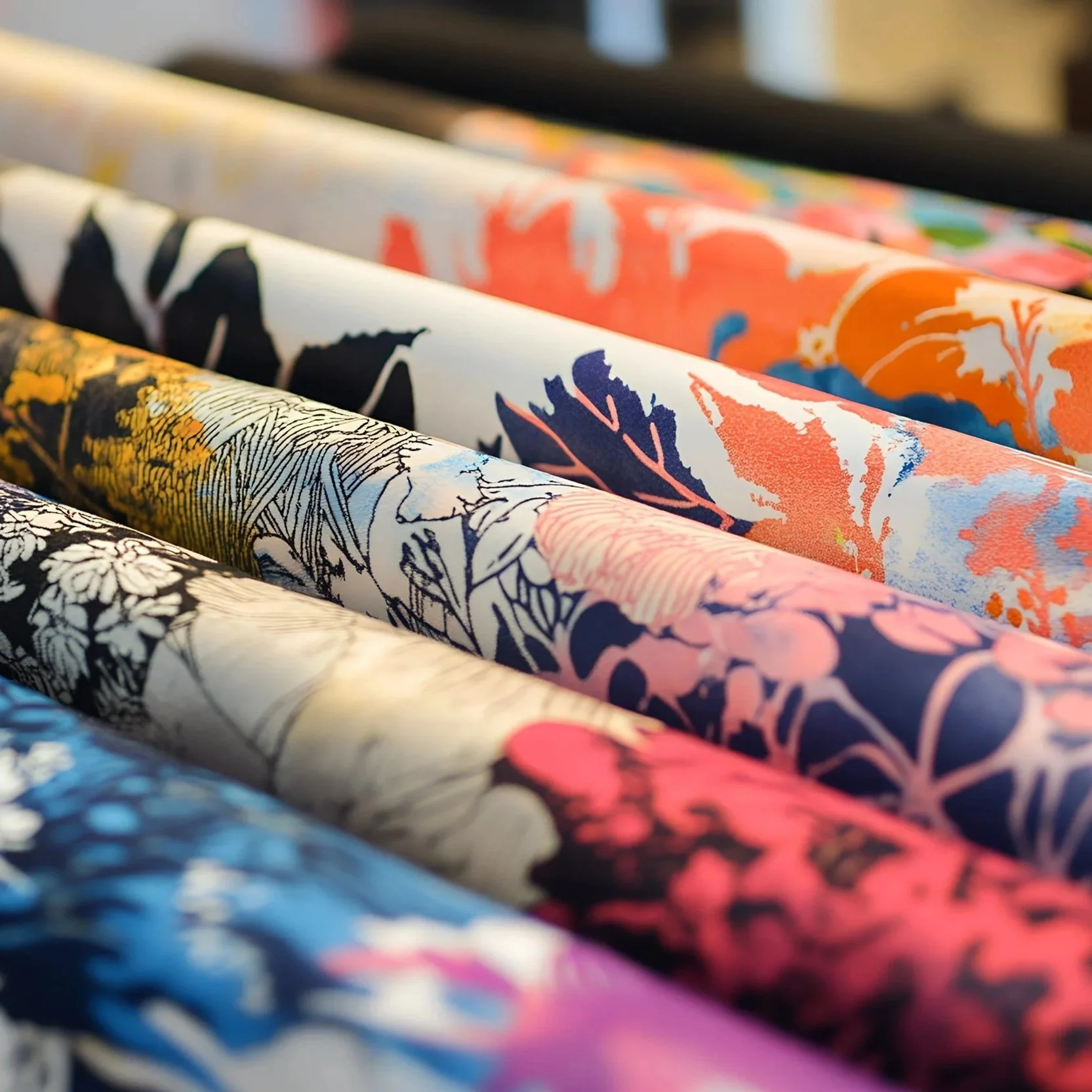
At its core, a Digital Product Passport is a digital record attached to a physical product - For a printed textile product, this means the DPP would capture data on the substrate, inks and dyes used, the printing process and technology, chemical compliance, environmental impact (including water and energy use), supply chain traceability, and end-of-life instructions.
The Market Gap that Changed Everything
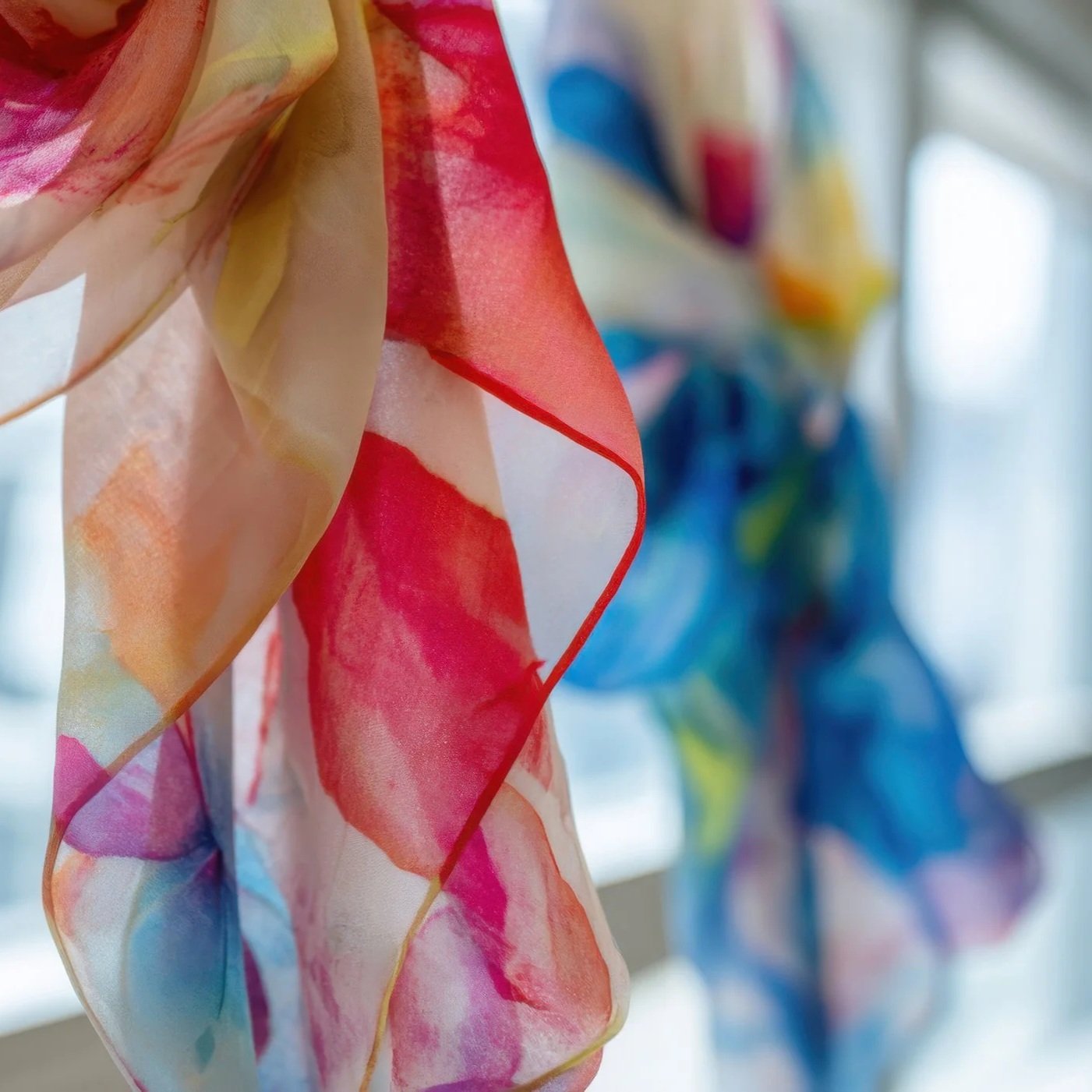
Future Fashion was founded in 2019, timed deliberately to coincide with a pivotal moment in global textile technology: the commercial launch of the EFI Reggiani BOLT Single-Pass digital printing system.
The founders recognised that single-pass architecture had fundamentally changed what was industrially possible - and that Pakistan's domestic market had yet to catch up.

Print is no longer defined by the inefficiencies that once characterised it…as advances in production processes and technology have significantly improved its environmental performance.
Taran Rai, Corporate Sustainability Manager at Epson explains why?
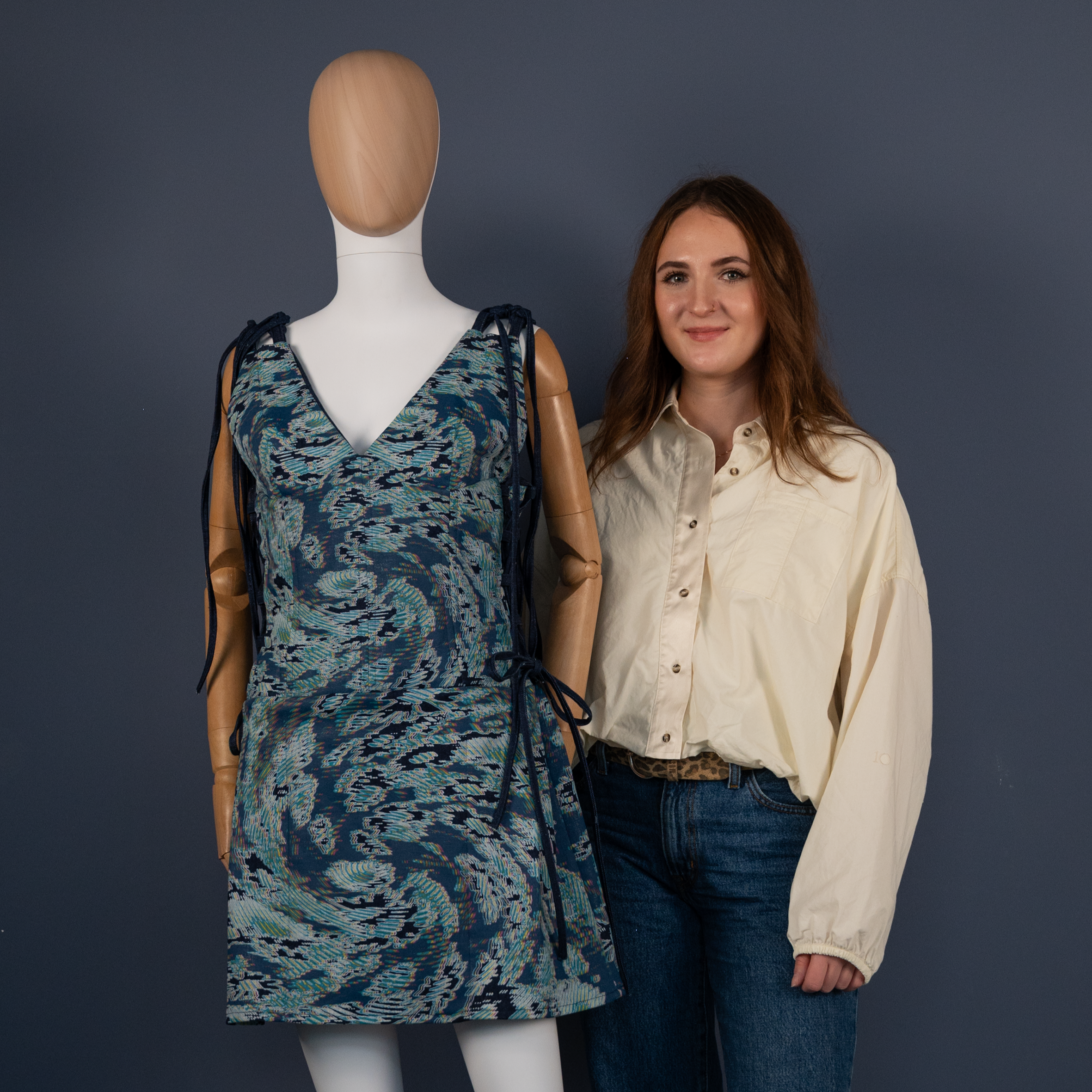
The story of what happens when young designers access digital technology is still being written.
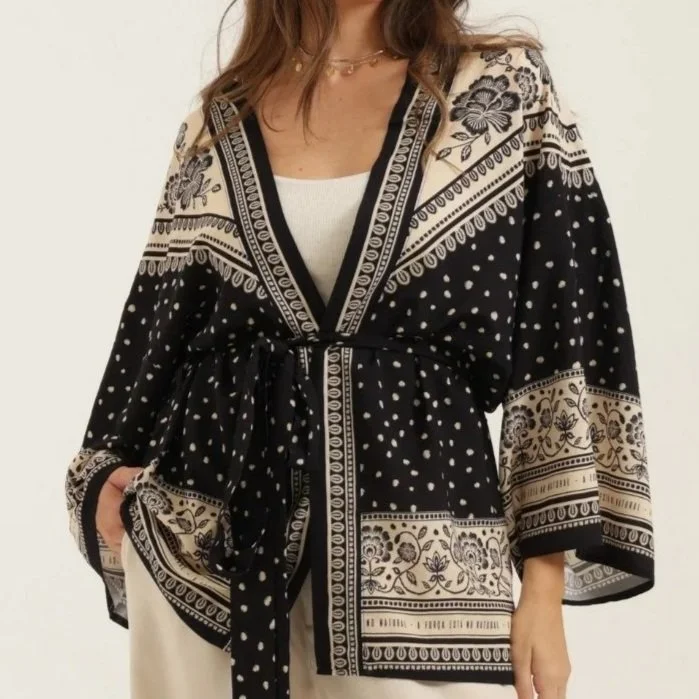
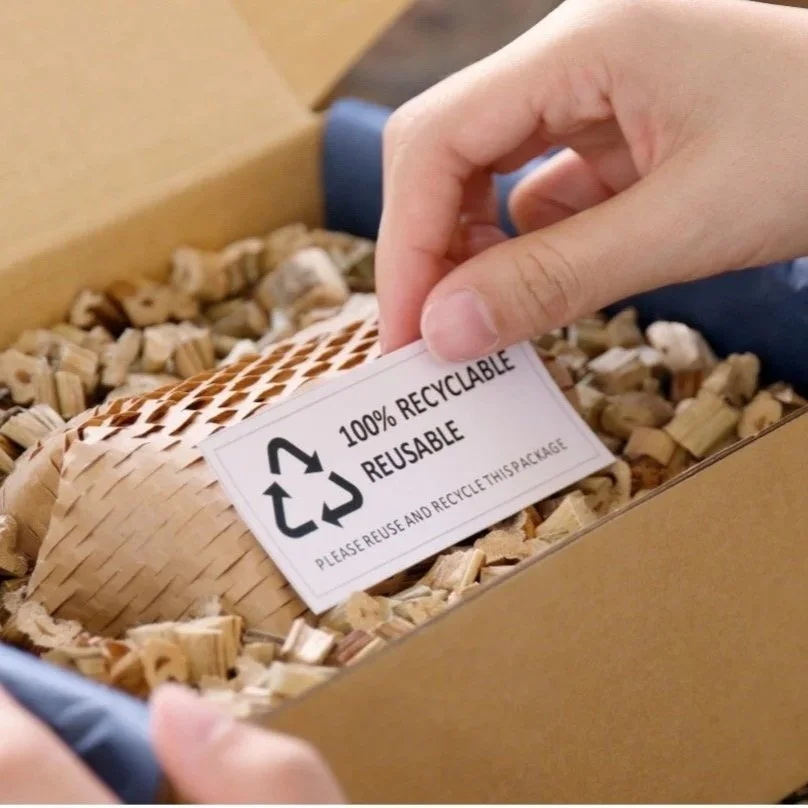
What once was a theoretical sustainability goal seems to have shifted into an active regulatory reality.

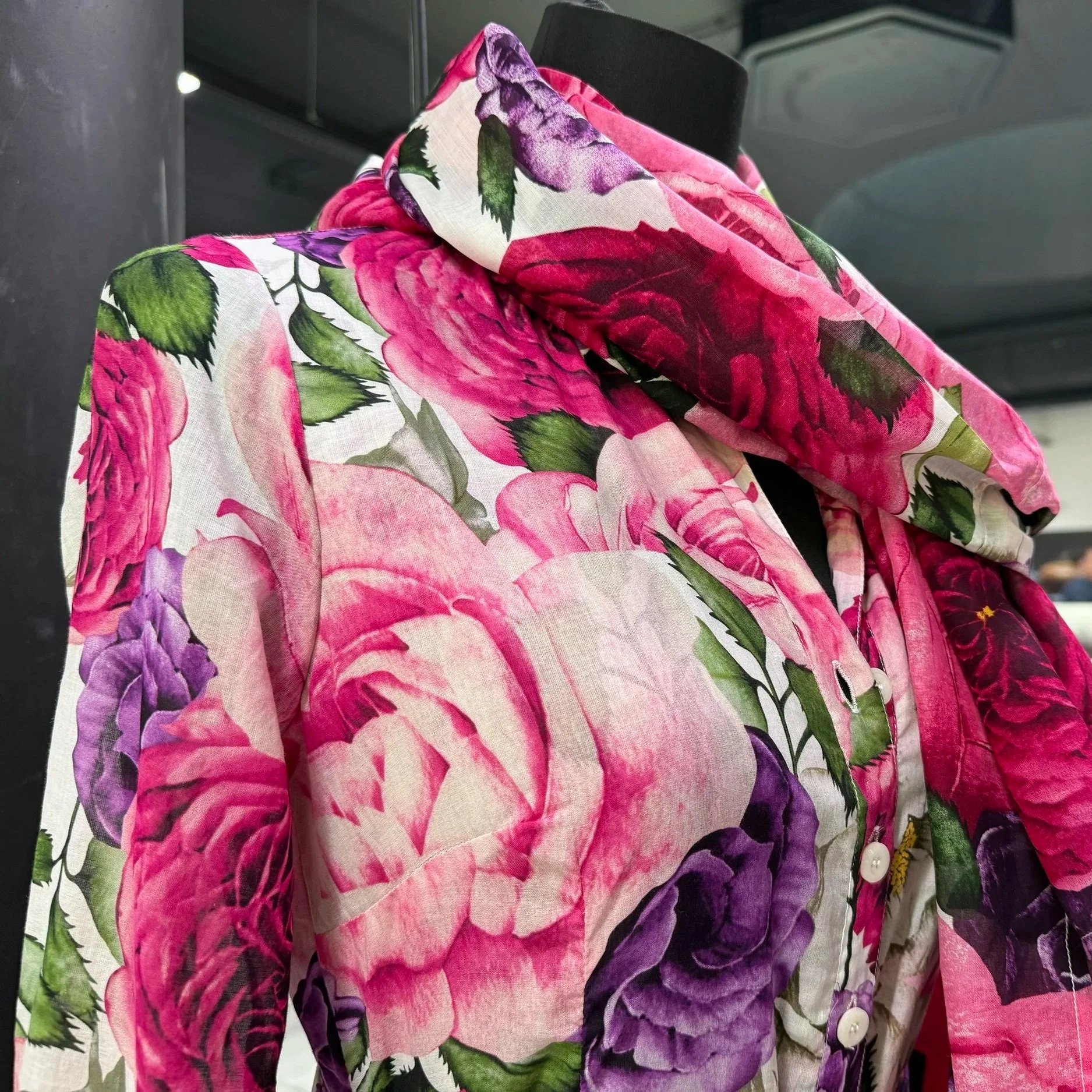



24 November 2026: FESPA will bring the global speciality print and visual communications industries together at Messe Munich, Germany, from 6-9 April 2027 for FESPA 2027, with registration to attend now open.
Featuring five co-located shows – FESPA Global Print Expo, European Sign Expo, Textile from FESPA, WrapFest and MERCH, the event will be the place for experts to discover the latest technologies and materials, share knowledge and make valuable industry connections. A programme of talks and panel discussions will also offer visitors insights into emerging trends, industry challenges and new business opportunities.
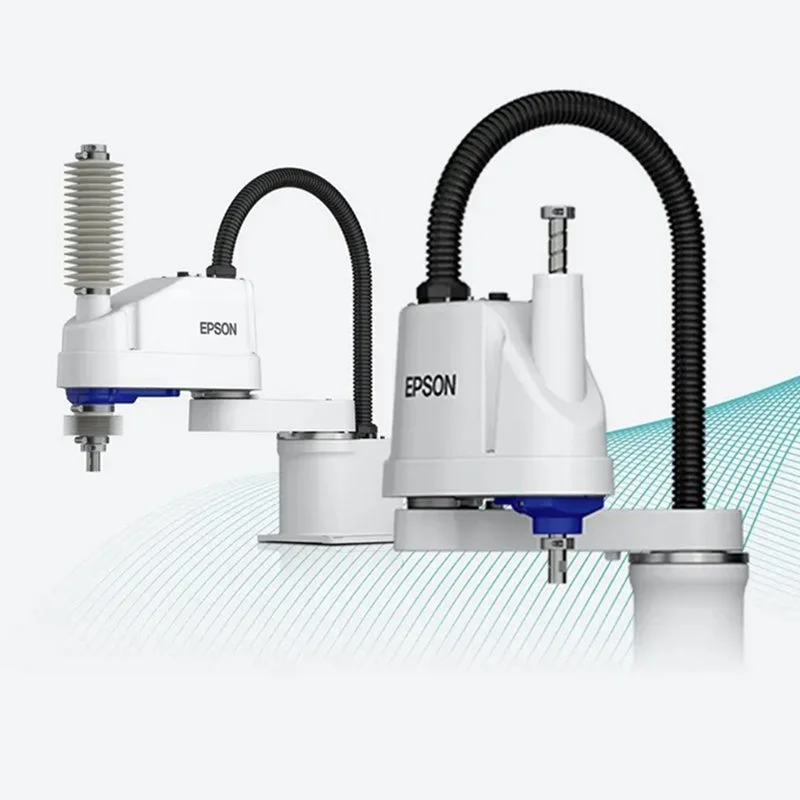
November 2026 – New research from Epson Europe finds that manufacturers are actively exploring robotics to improve productivity and overcome labour pressures, but integrating robots into existing production environments remains a challenge. Repetitive handling tasks present a clear opportunity for automation, with SCARA robots offering the speed, precision, and consistency these applications demand. The research reveals that 44% of manufacturers with European operations are already using, implementing, or considering SCARA robots, indicating strong interest in the technology.
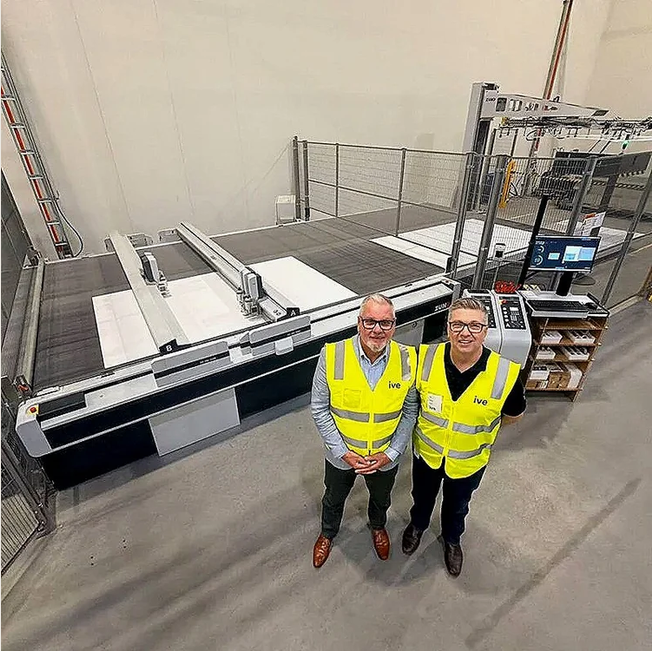
Sydney, Australia – November 2026 - IVE Group has installed its second automated Zünd D3 cutting table with automated board handling at its new Kemps Creek facility, a move designed to boost productivity and reduce labour across its growing digital printing operations.
The company has purchased its second Zünd D3 3XL-3200 dualbeam cutting table, fitted with a BHS150 automatic board handling system, within its new digital printing facility in Sydney. According to Zünd Australia managing director Dale Hawkins, the process behind selecting the technology and building a business case for the installation closely mirrored the identical setup completed at IVE's Braeside facility in September 2024.

Cape Town, South Africa – November 2026: NUtec Digital Ink has announced the launch of its new Ruby R15-ELS-MI UV-cured hybrid ink, developed as a cost-effective alternative for selected Mimaki® printers using LUS and ELS ink sets.
Optimised for LED-UV curing, the new ink delivers vibrant colour density and versatile performance across rigid and flexible substrates, offering print service providers greater application flexibility while potentially reducing operating costs.
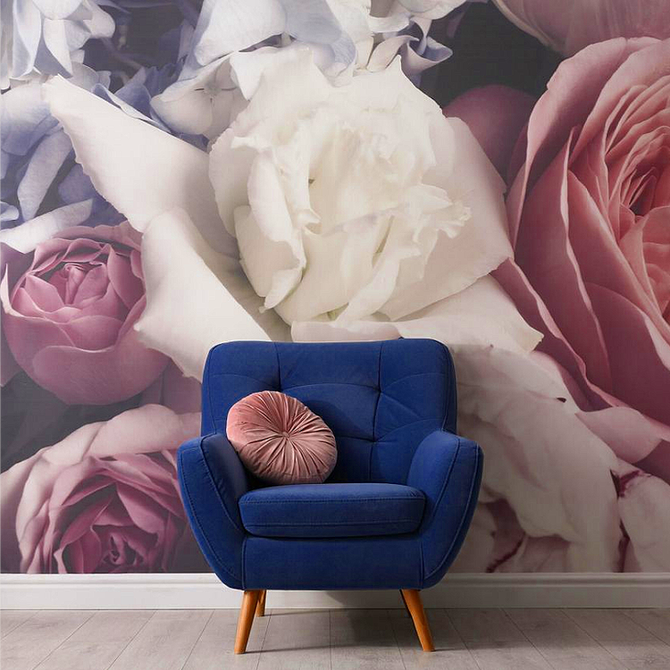
Venlo, The Netherlands – November 2026 – Canon Production Printing has today drawn attention to a significant shift taking place at the intersection of architecture, interior design and print technology, as walls increasingly evolve from simple surfaces into storytelling spaces within modern built environments.
The company notes that walls across offices, hospitality venues, healthcare facilities, homes and retail stores are being reimagined as integral elements of experience design, rather than passive backdrops. This transformation reflects a wider move towards personalisation, with brands and designers now expecting wall graphics, wallpapers, acoustic panels and decorative elements to express unique identities and local context.
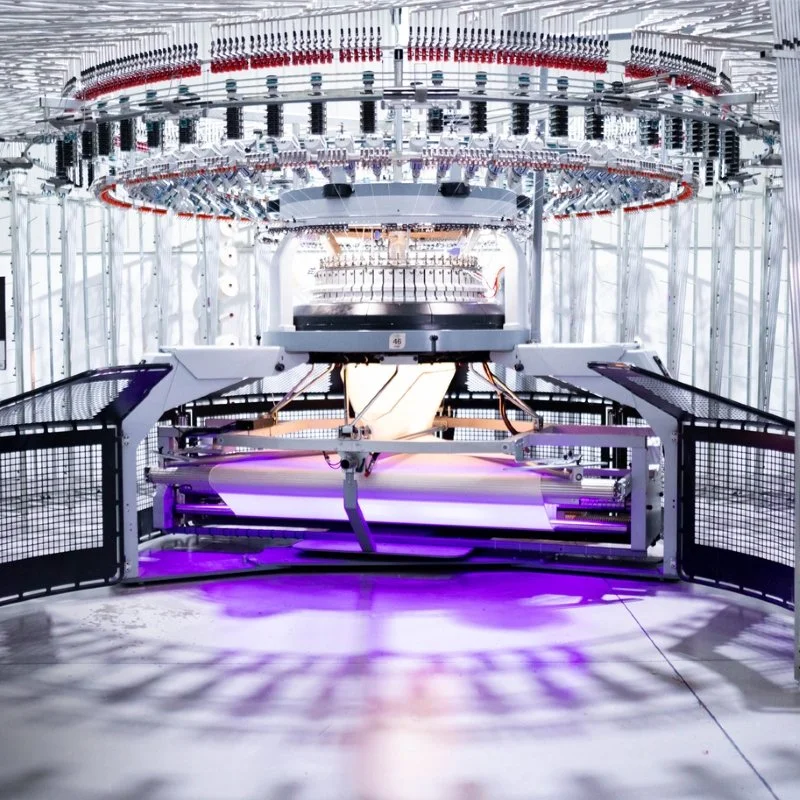
Hanover, Germany – November 2026 – ITMA, the world's leading textile and garment technology exhibition, has highlighted the growing urgency for manufacturers to connect fragmented digital systems across the production chain, as the industry moves beyond isolated digitalisation towards fully integrated manufacturing ahead of ITMA 2027 in Hanover.

Kramsach Austria - November 2026 – aeoon Technologies GmbH, a developer of industrial direct-to-garment (DTG) printing solutions, has reiterated its focus on engineering machines designed specifically for the demands of professional textile manufacturing. The announcement highlights the distinction between printers built for sample production and those engineered to withstand the rigours of industrial-scale output.
Peterborough, UK – November 2026 – Snuggle Ltd, a supplier specialising in garment printing and decoration, has announced a limited-time promotional offer on its Earth Positive EP301 Black Hoodie, giving clothing brands and resellers an affordable route to expand their ranges with sustainably produced garments.

Oswestry – UK – November 2026 – China Print Supplies UK Ltd has announced an opportunity for one UK print business to become a showcase partner for its Hapond UP3321D, a dual 3.2m UV printer, at a saving of £40,000 against the recommended retail price. The partner will secure the machine for £75,000 plus VAT, compared to its RRP of £115,000 plus VAT.

Miami - Florida – November 2026 – Roland DG Corporation, a leading provider of digital printing solutions, has won three awards at The Drum B2B Awards 2026 for its global brand refresh and Make Your Mark campaign.
Announced at The Drum B2B Awards ceremony in Miami, Roland DG received Silver in Photography & Illustration, Silver in Corporate Positioning, and Bronze in Brand Positioning.
The recognition follows the global launch of Make Your Mark in April 2026, which introduced a refreshed brand message, visual identity and creative platform designed to reflect both Roland DG's more than four decades of engineering excellence and the evolving ambitions of its customers around the world.
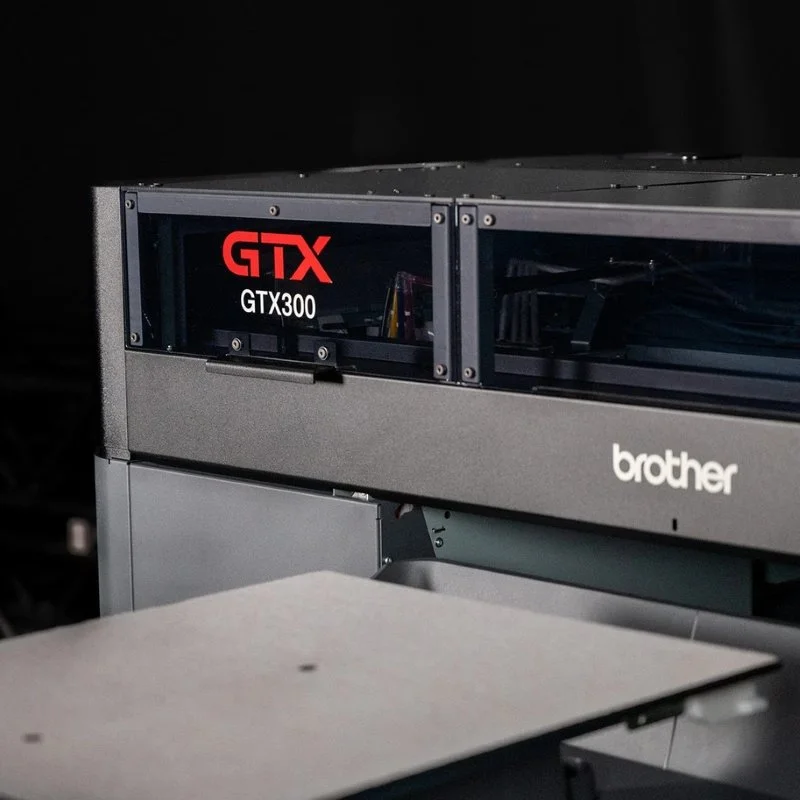
Emmerich am Rhein, Nordrhein-Westfalen – November 2026 - Brother Industrial EMEA has announced a new offer designed to support printing businesses as they prepare to scale operations ahead of 2027. Customers who purchase the Brother GTX300, a hybrid direct-to-garment (DTG) and direct-to-film (DTF) printer, will receive an additional ink set free of charge as part of the promotion.
The GTX300 allows businesses to combine two printing methods within a single device. Operators can print directly onto cotton using DTG technology, or extend their offering to polyester, blended fabrics, and other materials using DTF. This flexibility is intended to help printing businesses diversify their product ranges without investing in multiple machines.

London, UK – November 2026 – ARTS THREAD, in collaboration with Google Arts & Culture, has announced the winners of its Global Creative Graduate Showcase 2026, with Abi Jade, an Illustration BA (Hons) graduate from Norwich University of the Arts, taking the top honour in the Illustration category. The announcement caps a showcase that drew entries from thousands of graduating creatives across the globe, underscoring the scale and ambition of the next generation entering the creative industries.
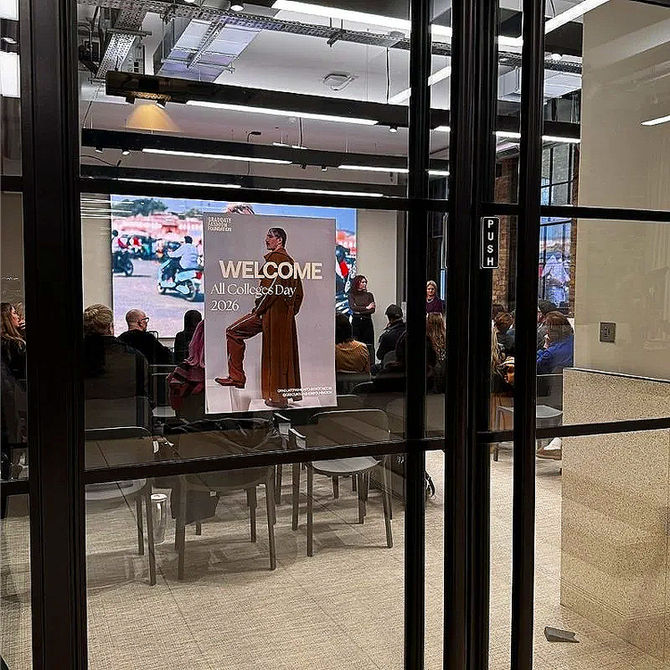
London, UK – November 2026 – The Graduate Fashion Foundation hosted its annual All Colleges Day on Friday, 13th November 2026, at The Mills Fabrica in London, bringing together trustees and guests from member universities across the country alongside leading industry voices. The event underscored the Foundation's continued commitment to shaping a more inclusive, sustainable, and connected future for fashion education.

Eckbolsheim – France – November 2026 – Caldera has announced the release of Direct-to-Film 2.7, introducing a connected workflow with CalderaColor designed to help print operators achieve more accurate and controlled colour matching. The update addresses a long-standing industry challenge: a colour that appears correct on screen can look markedly different once printed, depending on the equipment, inks, and materials used in production.
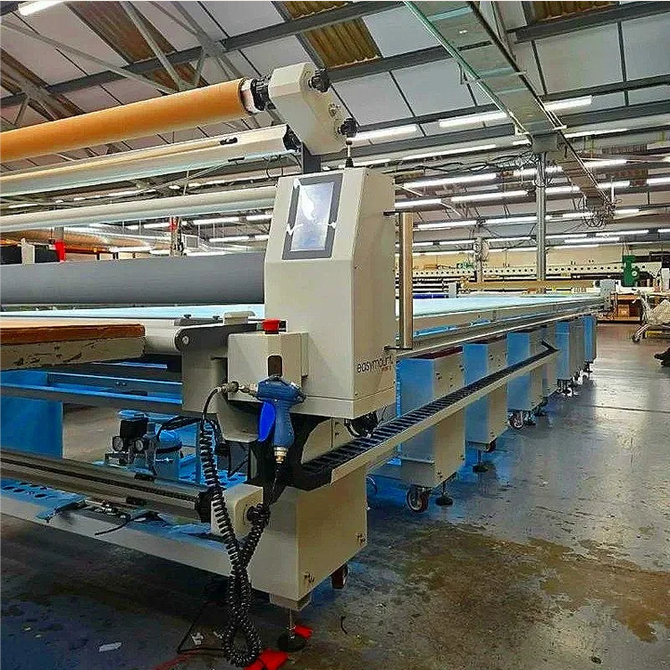
Stoke 0n Trent - UK– November 2026 – Vivid Laminating Technologies Ltd has announced that its award-winning Easymount Hybrid has been selected by Aura Brand Solutions, a leading provider of brand implementation and image management services, as the longest Easymount Hybrid produced to date.
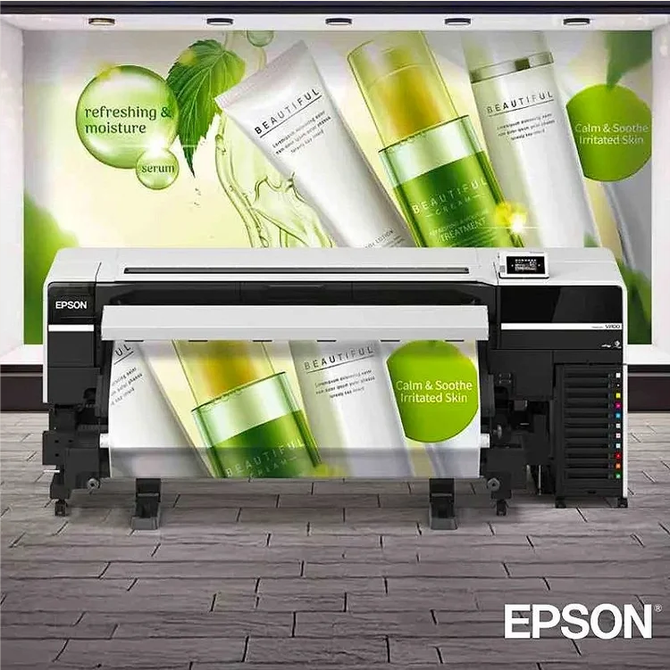
Hamilton – Scotland – November 2026 – Epson today announced a new customer case study highlighting how Cube Wraps, a specialist in vehicle graphics, has transformed its production capabilities with the Epson SureColor S9100 printer. The case study, featuring Director Gary Smillie, details how the technology has enabled faster turnaround times, improved colour performance, and greater operational reliability.
Shanghai, China – November 2026 – EFI Reggiani has announced its participation in ITMA ASIA + CITME 2026, taking place from 20–24 November 2026 at the National Exhibition and Convention Centre (NECC) in Shanghai. The company will exhibit in Hall H8.1, Booth C38, as part of the National Group Sector organised by ACIMIT and the Italian Trade Agency (ITA), representing Italian textile machinery excellence on the global stage.

Leicester, UK – November 2026 – VeriVide, a global leader in colour and appearance assessment technology, today featured their UltraView60 and UltraView90 models, two exciting additions to their industry-leading tuneable LED light booth range. Designed to give manufacturers and retailers the flexibility to choose the right fit for their workspace without compromising on precision, the two models mark a significant step forward in making consistent, reliable colour assessment accessible across every stage of production.
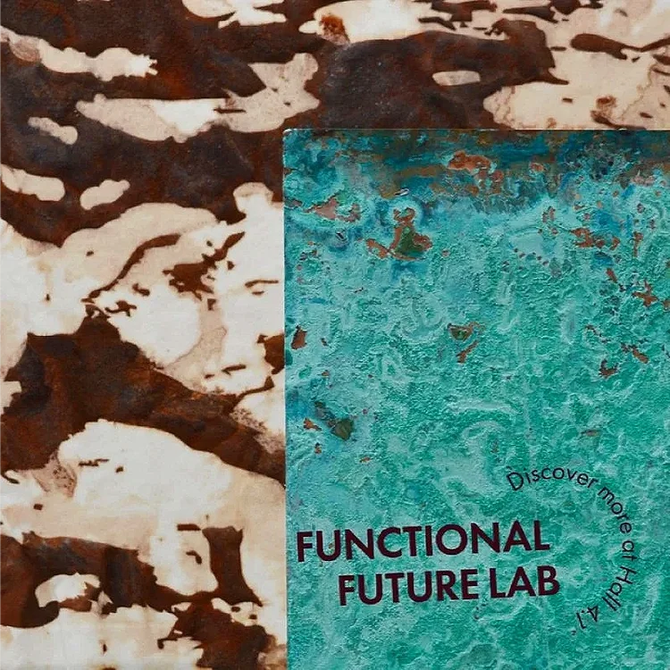
Frankfurt, Germany – November 2026 – Heimtextil, the world's leading trade fair for home and contract textiles, has announced a significant new addition to its 2027 edition. In partnership with Future Fabrics Expo, Heimtextil will introduce the Functional Futures Lab, a dedicated showcase exploring the future of functional materials across architecture, interior design, and hospitality.
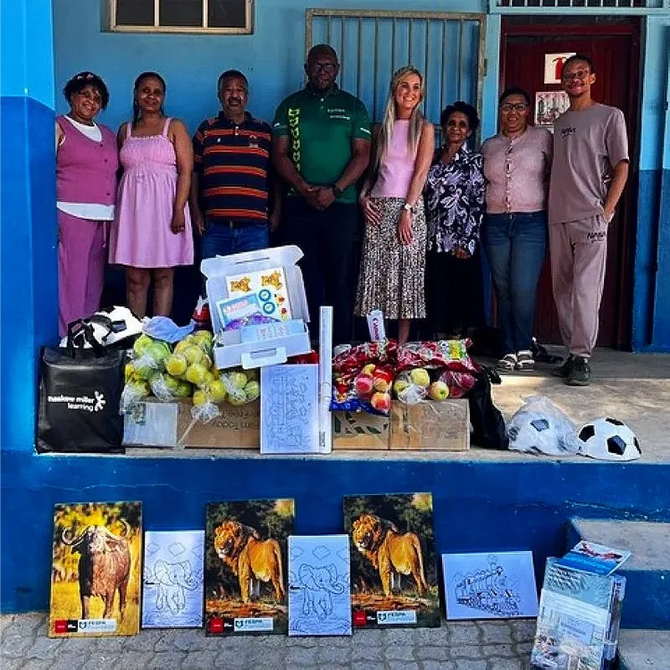
Malmesbury, South Africa – November 2026 – The FESPA Foundation has delivered a substantial collection of donations to three schools in the Western Cape, South Africa, following contributions gathered from exhibitors at the FESPA Global Print Expo in Barcelona and the FESPA Africa Expo, co-located with Africa Print Expo.

Altrincham – Cheshire – UK – November 2026 –OmbreMe from Funkifabrics is a new service that allows customers to design and order bespoke ombré fabrics. The offering enables users to select their own colours and customise the gradient, resulting in a fabric created entirely to their specification.

Accrington – Lancashire – November 2026 – Soyang Europe has announced a new combination of printing technology and textile engineering, bringing exceptional colour vibrancy and stunning backlit results to the wide-format display market. The pairing of the LIYU Platinum PCT UV Roll-to-Roll Printer with Soyang's ST-601 RCY Backlit textile is designed to help brands and display specifiers create eye-catching graphics without compromising on sustainability.
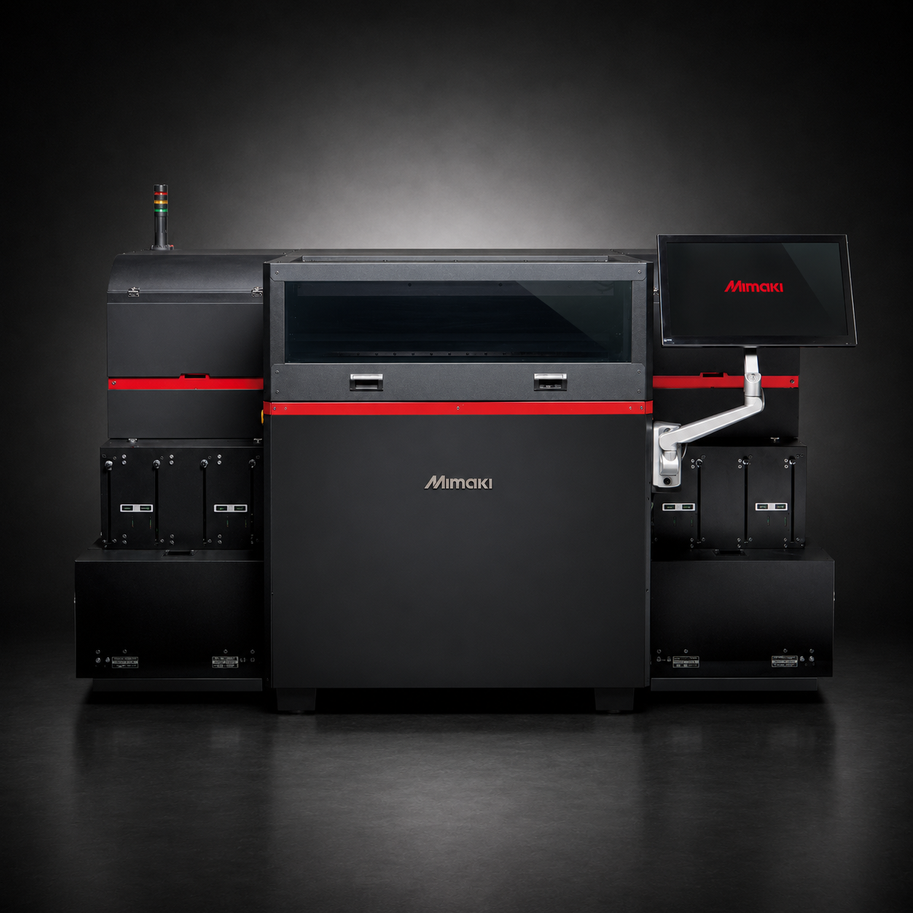
November 2026 - Mimaki has announced the world premiere of its new 3DUJ-553MkII full-colour 3D printer at Formnext 2026 (Hall 2.1, Booth F129, 17–20 November, Frankfurt, Germany). Designed to produce more vivid and more realistic models and prototypes at a lower production cost, the new printer combines richer colour reproduction, from delicate to deep tones, lifelike material effects and improved production efficiency, creating new opportunities for product designers and model makers across the product development process.

Dusseldorf – Germany – November 2026 – Barbieri has announced its participation in the Industrial Print Integration Conference 2026, taking place from 24–25 November 2026 at the Crowne Plaza Düsseldorf/Neuss in Germany. The company's COO and Co-Managing Director, Viktor Lazzeri, will take the stage to deliver a presentation titled "Robotic Spectral Colour Quality Control: Integrating Autonomous Colour Measurement into Industrial Printing Workflows."
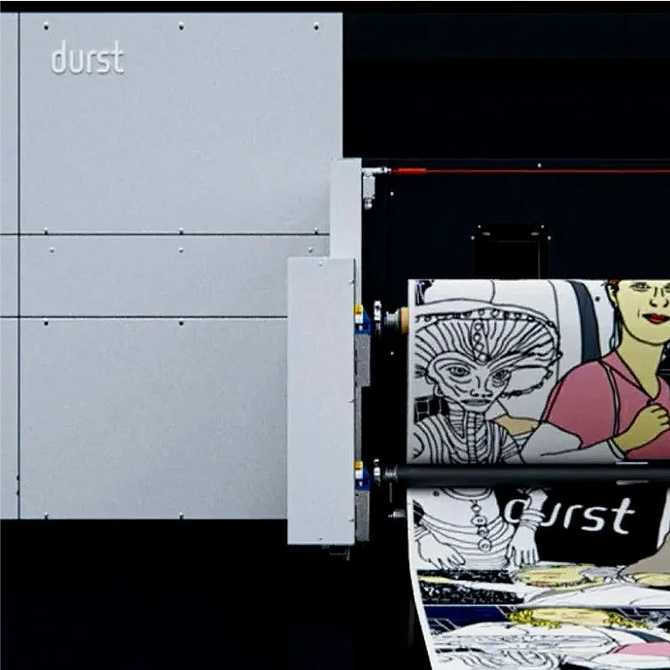
Athens, Greece – November 2026 – Multiplo, part of the EVIN Intzoglou group, has announced a significant investment in the Durst P5 350 TEX iSUB digital printer, marking the first installation of this model in Greece. The move strengthens the company's production capabilities in large-format digital textile printing and reflects its ongoing commitment to quality, innovation and sustainability.

San Francisco, CA – November 2026 – Microsoft’s Ignite 2026, is its flagship technical conference for IT professionals, developers, business leaders and partners, taking place from 17–20 November at Moscone Center in San Francisco, with a digital attendance option available worldwide. The event will bring together the global Microsoft community to explore the latest advancements in artificial intelligence, cloud computing, security and enterprise technology.
Klagenfurt, Austria –November 2026 – Zimmer Austria, a leading manufacturer of printing, coating and finishing machinery for the textile industry, has announced its participation in India ITME 2026, taking place from 4–9 December 2026. The company will exhibit at the A.T.E. Enterprises Pvt. Ltd. booth, Hall No. 1, Stall H1-A5, presenting technology engineered for precision and efficiency across textile production.
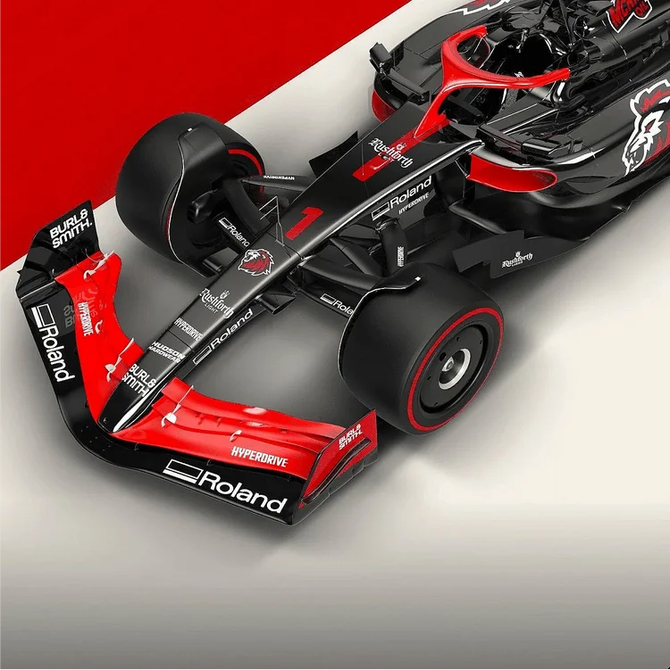
Geel – Belgium – November 2026 – Roland DG Europe has announced the availability of two dedicated print-only solutions, the DGXpress ER-641 and the TrueVis XP-640, designed to give large-format graphics businesses the flexibility to choose equipment suited to their specific production priorities. As print businesses increasingly weigh up whether an integrated print-and-cut solution is truly necessary for their operations. According to Roland DG Europe, the right equipment choice depends on what a business produces, how its workflow operates, and where it wants to grow, rather than on which machine offers the most features.

Manchester – November 2026 – Premier Digital Textiles has today highlighted its 2456 Cuddle Fleece, an ultra-soft, plush fabric engineered to deliver both exceptional comfort and outstanding print performance. Arriving as the colder nights draw in, the new fabric is designed to meet growing demand for cosy, high-quality home textiles that don't compromise on visual appeal.

Madrid, Spain – November 2026 – Epson has confirmed its participation in C!Print Madrid 2027, Spain's leading trade fair for the visual communication, textile printing and personalisation industry, taking place at IFEMA Madrid from 12 to 14 January. The company will use the event to showcase tangible business opportunities for the sector, headlined by the Spanish debut of its new small-format sublimation printing solution, the SureColor F300, following its recent global launch.