
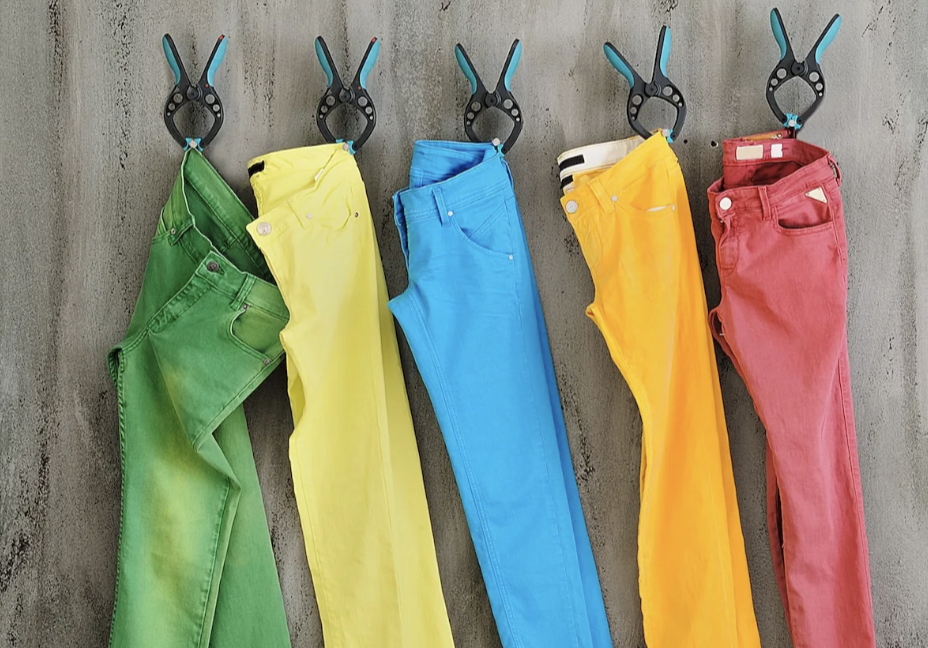
The global denim market produces billions of garments every year, and that scale has always come at a cost.
As environmental regulation tightens, resources grow scarcer, and consumers demand both originality and accountability, the industry faces a question it can no longer defer: can denim keep its soul while changing how it's made?
The answer, increasingly, is digital.
In 1873, a tailor and a merchant riveted together the first pair of blue jeans, and in doing so, created one of the most enduring materials in human history. Denim has clothed miners, rock stars, presidents, and teenagers. It has survived war, recession, and a hundred and fifty years of changing fashion cycles. Few textiles can claim that kind of staying power.
But denim’s next chapter will be a shared one, co-authored by the designers, chemists, engineers and manufacturers who are redefining what’s possible.
The global denim market produces billions of garments every year, and that scale has always come at a cost. Conventional dyeing is one of the most water- and chemical-intensive processes in apparel manufacturing. As environmental regulation tightens, resources grow scarcer, and consumers demand both originality and accountability, the industry faces a question it can no longer defer: can denim keep its soul while changing how it's made?
The answer, increasingly, is digital.
The Pressures Reshaping Denim Production
Denim manufacturers today are navigating a convergence of challenges that no single fix can resolve.
Speed. Fashion cycles have compressed dramatically. Brands need to move from concept to shelf faster than traditional dye lots and minimum order quantities allow. Waiting weeks for a large production run to become economically viable is no longer compatible with how trends move.
Waste. Overproduction remains endemic in apparel. Committing to large dye lots to achieve cost efficiency often means producing more than the market will absorb, resulting in unsold inventory, markdowns, and landfill.
Environmental pressure. Conventional indigo dyeing is notoriously resource-hungry, consuming vast quantities of water and chemicals per garment. As climate accountability becomes a boardroom issue rather than a marketing line, this is no longer sustainable, literally or reputationally.
Precious resources. Water scarcity is not a distant concern for the textile industry; it's an operational reality in many of the regions where denim is produced. Every litre saved in dyeing is a litre available elsewhere.
Regulation. Frameworks such as GOTS, OEKO-TEX, and ZDHC are raising the bar for what "responsible manufacturing" means, and regulators are following close behind. Compliance is shifting from optional differentiator to baseline expectation.
Addressing any one of these in isolation is manageable. Addressing all five simultaneously, without sacrificing the creative and commercial identity that makes denim valuable, is the real challenge the industry is wrestling with.
A Short History of an Industry Built on Compromise
For most of its history, denim manufacturing has been defined by trade-offs. Want more colour variety? Expect more water and chemical use. Want lower environmental impact? Expect fewer creative options. Want to test a new wash or shade? Expect to commit to a minimum order quantity large enough to make the dye bath worthwhile.
This logic has shaped the entire category. Indigo became denim's defining colour not purely out of aesthetic preference, but because the dyeing infrastructure built around it was difficult and costly to diversify. Manufacturers optimised for efficiency within a narrow colour palette rather than exploring the full creative spectrum, because exploring it meant drowning in water, chemicals, and wasted stock. That compromise is now being dismantled.
Digital Dyeing: The Use Case for Reinvention
Inkjet-based digital dyeing technology applies colour directly and precisely, without the volume of water, chemicals, and energy that conventional dye baths demand. For denim specifically, this opens possibilities that simply weren't commercially viable before.
Solutions such as the EFI™ Reggiani ecoDENIM Solution illustrate what this shift looks like in practice. Rather than replacing the denim manufacturing process wholesale, digital dyeing integrates directly into existing workflows. Cutting, sewing, and finishing remain unchanged. Garments retain the authentic denim look and hand-feel that consumers instinctively recognise and expect. What changes is how colour gets there, and what becomes possible once it does.
Beyond Indigo: A New Creative Canvas
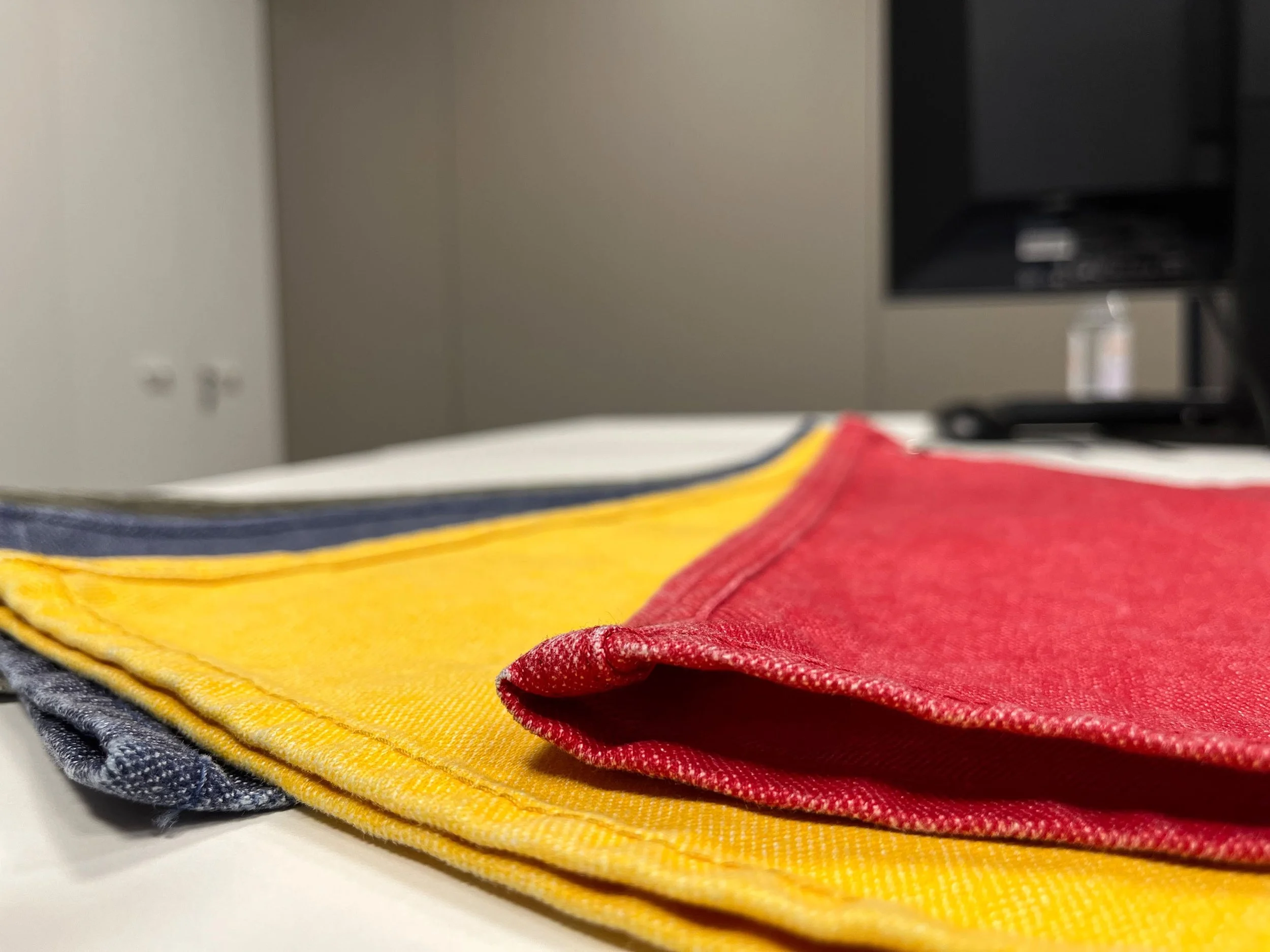
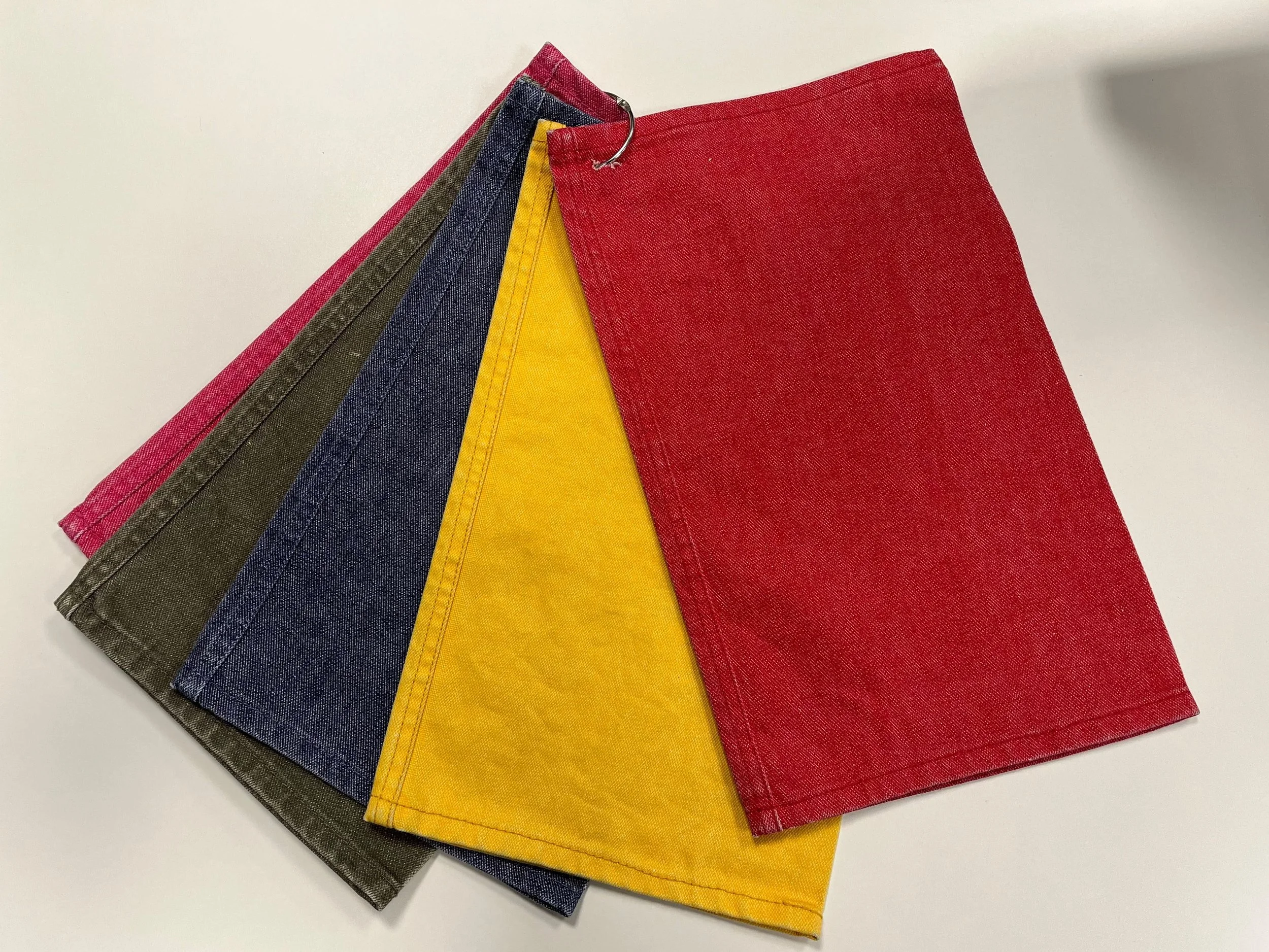
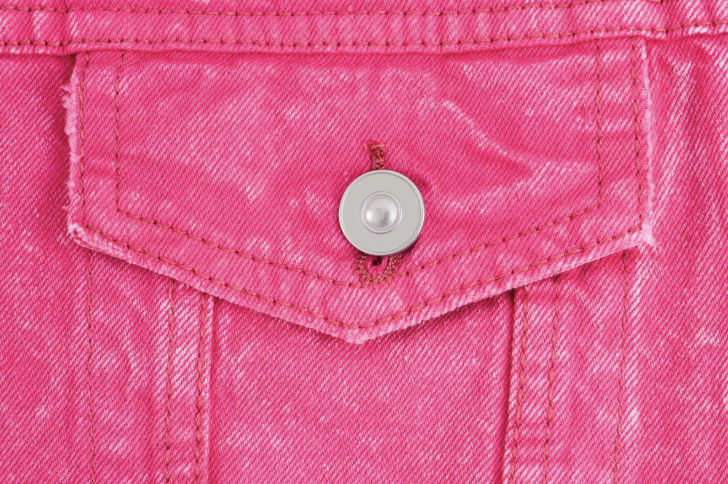
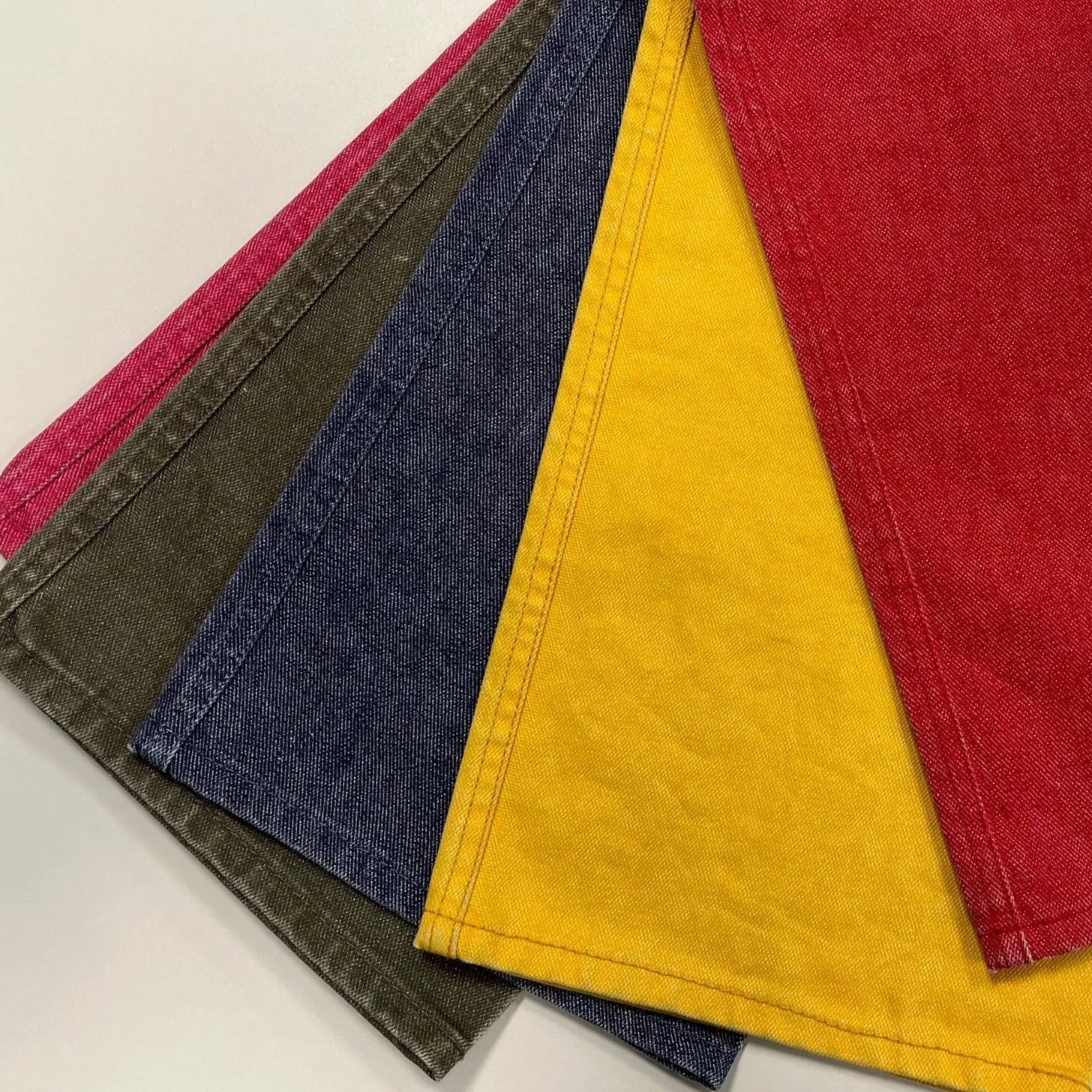
Indigo built denim's identity, but it was never the only colour worth exploring, it was simply the only one that made commercial sense at scale. Digital dyeing removes that constraint. Manufacturers can now access millions of shades with accurate, repeatable colour reproduction, from khakis and greens to pinks and yellows, alongside advanced textures, patterns, and fully personalised colourways, all with tunable wash fastness and durability.
This isn't a gimmick. It's a genuine expansion of denim's creative vocabulary, giving designers and brands a canvas they have never had access to before, while keeping the fabric unmistakably denim.

On-Demand Production: Making Every Run Size Work
Perhaps the most commercially significant shift is the removal of minimum order quantities. Digital dyeing makes it economically viable to produce a single sample run or an industrial-scale order with the same technology and the same facility footprint.
This matters enormously for the speed and waste pressures outlined earlier. Brands can test new colours and designs in small batches, respond to emerging trends in real time, and produce closer to actual demand rather than forecasted demand. The result is less inventory risk, less markdown pressure, and considerably less textile waste entering the supply chain.
Environmental Benefit: The Numbers That Matter
The sustainability case for digital denim production isn't incremental, it's transformational. Technologies like the ecoDENIM Solution can reduce water and chemical consumption by up to 99% compared with conventional dyeing, alongside lower energy use. For an industry under mounting pressure to demonstrate credible progress against frameworks like GOTS, OEKO-TEX, and ZDHC, that is not a marginal improvement. It's a fundamentally different environmental equation.
Combine that water and chemical reduction with less overproduction through on-demand manufacturing, and the cumulative environmental impact compounds significantly, less waste, less resource extraction, less strain on regions already facing water stress.
Technology as a Competitive Differentiator
For manufacturers, the strategic implication is clear: digital dyeing is no longer simply a sustainability initiative sitting alongside the business, it is becoming a genuine source of competitive advantage.
Brands that adopt digital dyeing capability can offer colour ranges and personalisation options their competitors structurally cannot, without the lead times or inventory risk that would previously have made such variety commercially unviable. They can respond to a trending colourway within weeks rather than seasons. They can serve niche or premium segments with small-batch, high-value collections that were never previously profitable to produce.
Crucially, because solutions like ecoDENIM integrate into existing production workflows rather than demanding a wholesale retooling, the barrier to adoption is lower than the scale of the opportunity suggests. Manufacturers don't need to abandon the expertise and infrastructure they've built; they need to extend it.
This matters globally. Whether a manufacturer operates in established denim-producing regions or emerging textile hubs, the pressures of speed, waste, resource scarcity, and regulation are universal. The manufacturers who move first on digital dyeing will set the benchmark that the rest of the industry is ultimately forced to follow.
Mapping the Future of Denim
So, what does the next chapter actually look like?
Picture a denim industry where colour is no longer a constraint but a creative lever, where a manufacturer can produce a 50-unit capsule collection in an experimental shade with the same ease as a 50,000-unit run in classic indigo. Picture water and chemical consumption falling by nearly two orders of magnitude across an entire product category, at genuine industrial scale, not as a boutique exception. Picture brands competing on originality and responsiveness rather than simply on price and volume, because the technology finally allows both.
This is not a speculative future. The capability exists today, proven in active production environments and developed through sustained collaboration between technology providers and manufacturers. What remains is adoption, and adoption at pace.
Denim has always been a material defined by reinvention: from workwear to counterculture symbol, from counterculture symbol to global fashion staple. Its next reinvention is environmental and creative at once, and it is already underway.
The opportunity in front of manufacturers now is not whether to engage with digital denim production, but how quickly. The businesses that treat this as a strategic priority today, rather than a future consideration, will be the ones defining denim's next 150 years, for their customers, their margins, and the planet.
"Our goal with the ecoDENIM Solution is to give denim producers the tools to diversify their business and unlock new market opportunities. From rapid prototyping and sampling to colorful capsule collections and differentiated product lines, we are helping customers reimagine what denim can be." Micol Gamba, Sr. Director, Product Management.
Denim changed the world once. It's ready to do it again.

The global denim market produces billions of garments every year, and that scale has always come at a cost.
As environmental regulation tightens, resources grow scarcer, and consumers demand both originality and accountability, the industry faces a question it can no longer defer: can denim keep its soul while changing how it's made?
The answer, increasingly, is digital.
Does creativity live in your head or your hand?
The honest answer, as this new generation of AI-powered tools makes clear, is both, now working in closer partnership than ever before.
The head conceives, directs, and judges; the hand, whether holding a pencil or typing a prompt, still shapes the final outcome. For studios and professionals across the print and textile ecosystem, the opportunity now is to master this partnership before it becomes the industry standard rather than the competitive edge.

Is the future of fashion manufacturing local?
Manchester Made didn't offer easy answers, and it shouldn't have - the challenges facing domestic manufacturing are structural, not sentimental. But it did offer a clear set of principles that every designer, supplier, printer and manufacturer serving the fashion ecosystem should take seriously.

There's a persistent myth in parts of the industry that sustainability compliance is something that happens upstream - a supplier issue, a sourcing issue, a problem for someone else's department.
The webinar dismantled that assumption convincingly. Marketing teams sit squarely in the firing line.
Every claim on a hangtag, website, product name or Instagram caption now falls under regulatory scrutiny. A brand name suggesting an "eco collection," a product description claiming "sustainable materials," a carousel post about carbon neutrality - all of it counts as a communication subject to the same rules as formal labelling. This is a cross-functional compliance challenge that touches data teams, supplier relationships, legal counsel and brand communications simultaneously.
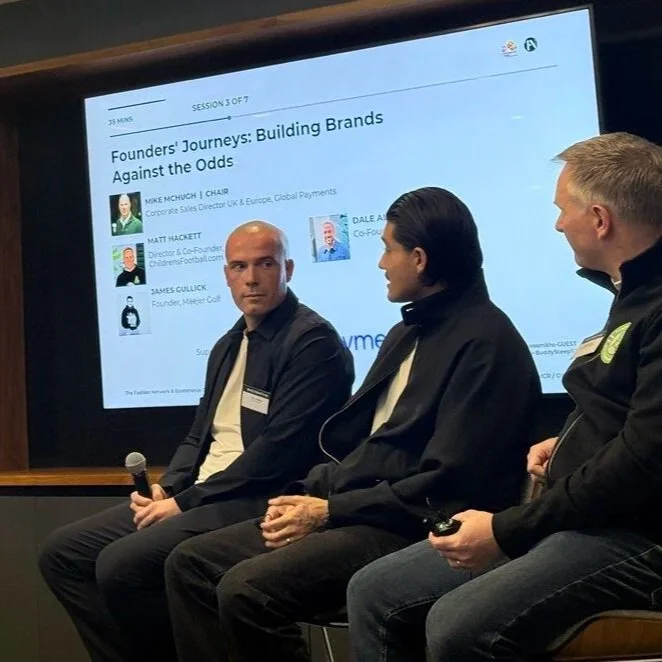
The Ecommerce Leadership Summit North brought together retail and ecommerce leaders in Manchester to discuss the challenges, opportunities and commercial decisions shaping the industry.
Across the day's sessions, speakers explored the future of retail profitability, the growing importance of verifiable product data in AI-driven commerce, the realities of building and scaling brands, and how businesses can protect their margins without compromising customer value. From the discussions on stage to the experiences shared by founders, here are the key insights from this year's summit.
The State of Retail 2027: What Will Separate the Winners from Everyone Else?

This is not simply a matter of faster machines.
It is a question of whether your production model - technology stack, workflow discipline, and quality control - is genuinely built for the realities of club and event merchandise.
Those realities are unforgiving: brand-perfect colour, flawless personalisation, licensing compliance, and turnaround measured in hours rather than weeks.
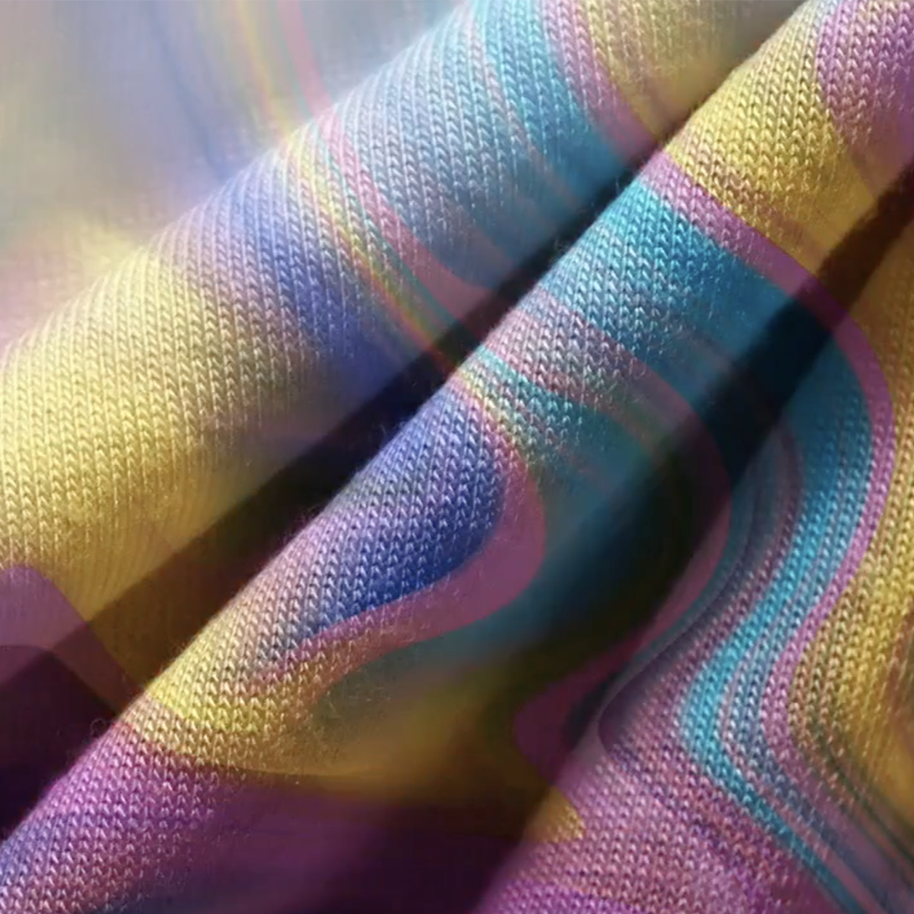
Colour Separation: The Craft Digital Textile Design Shouldn’t Forget
Textile designer Stephan Alker draws on more than 40 years in the industry, going back to his start at Transfertex in 1980, to trace how colour separation moved from drum scanners, hand-retouched films and engraved gravure cylinders to fully digital workflows.
He argues that this production knowledge still matters in the age of digital printing, because properly separated designs give brands far more freedom.
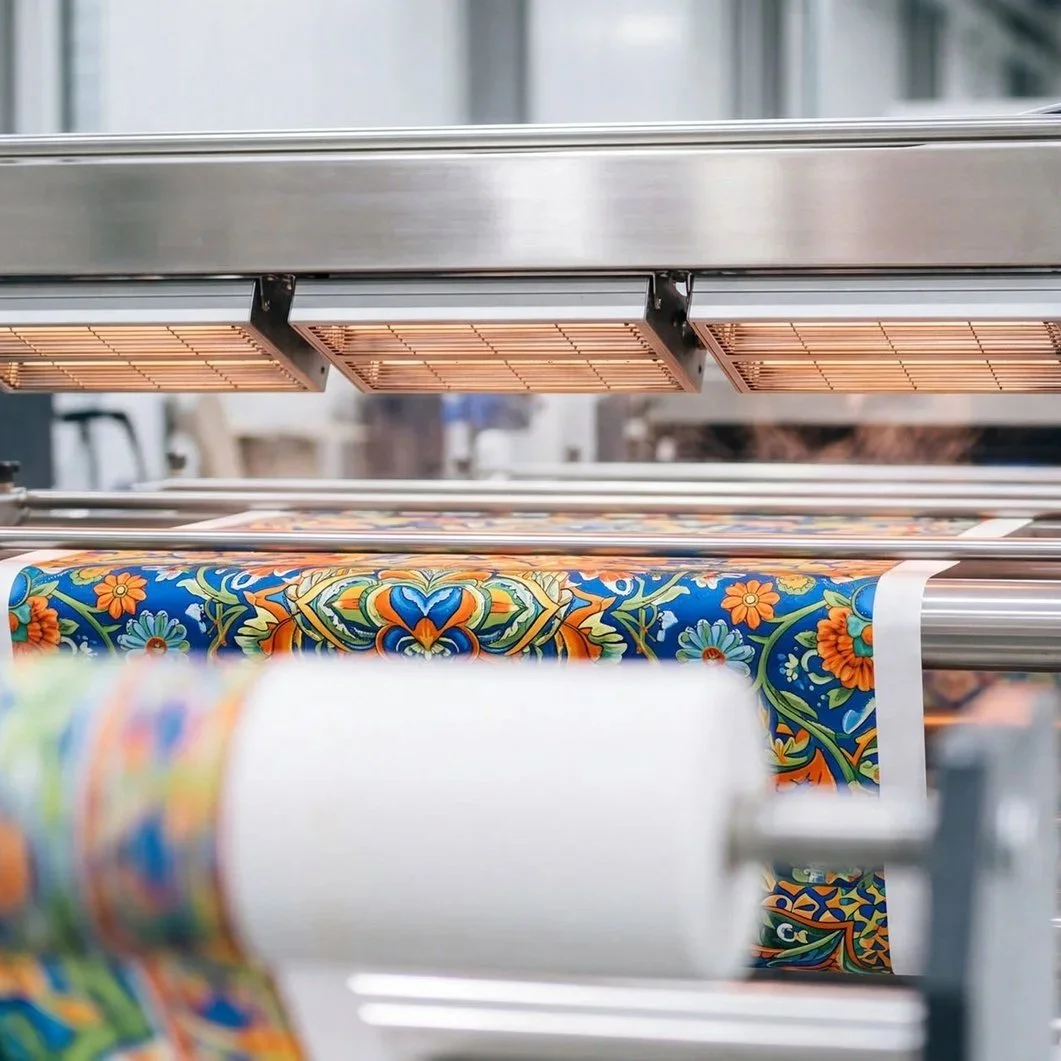
The Path Foward: Connect Every Link:
Design, colour, workflow, production, data. Each link now depends on the one before it, and the printers who will lead the market are those who strengthen the whole chain, not just the machinery at its centre.
So, this autumn, ask the bigger question on your own shop floor.
Not "Which printer?" but "How well does my business connect demand, design and production?"
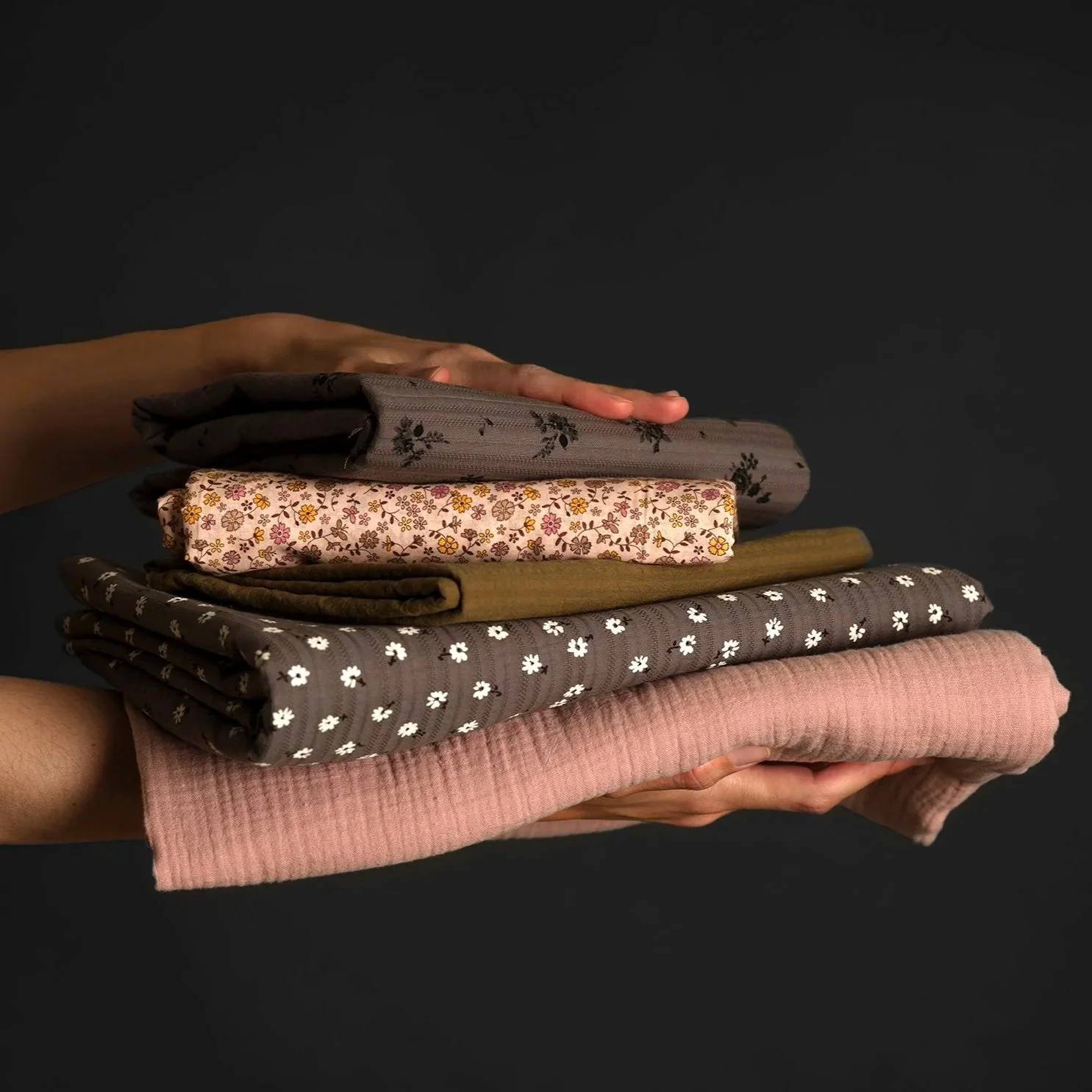
Rebés's story isn't one of nostalgia - It's a working blueprint for how heritage manufacturers can stay indispensable in a market that rewards speed, certification, and specificity in equal measure. Four million metres of stock mean nothing without the digital printing capability to turn it into something distinctive.
A 150-year name means nothing without the R&D discipline to win a tender for antistatic, carbon-fibre-infused uniform fabric on the first attempt.
Image Credit: Tejidos Rebé

What if the next dress you wore never touched the factory floor?
This is no longer a fringe experiment. It is a maturing production model, backed by genuine material science, real circularity, and an AI-assisted workflow that is becoming more accessible by the month.
Her advice to designers and brands alike is refreshingly practical: start small, get hands-on with an accessible 3D printer, and build fluency before the technology becomes table stakes. The businesses that treat this moment with curiosity, rather than scepticism, will be the ones shaping fashion's next decade rather than reacting to it.

The 2027 FESPA Awards are now open for entry, and the message to businesses across textiles, apparel, interiors and beyond is simple: your work deserves recognition. Every gold winner featured here started in the same place every entrant does - with a project they believed was worth submitting.
As the only independent awards programme with 18 categories dedicated to print and signage, FESPA offers a genuinely global stage, with shortlisted entries displayed at FESPA Global Print Expo in Spring 2027.

Colour Is Too Important to Leave to Chance
Print will always be the part of the garment people see first.
But the sum of all parts — the fabric, the trims, the fasteners, the finish — is what determines whether a design actually delivers on its promise. Brands that continue to treat colour as a single creative decision, rather than a coordinated technical discipline spanning their entire supply chain, will keep paying for it in re-dips, delays, and disappointed design teams.
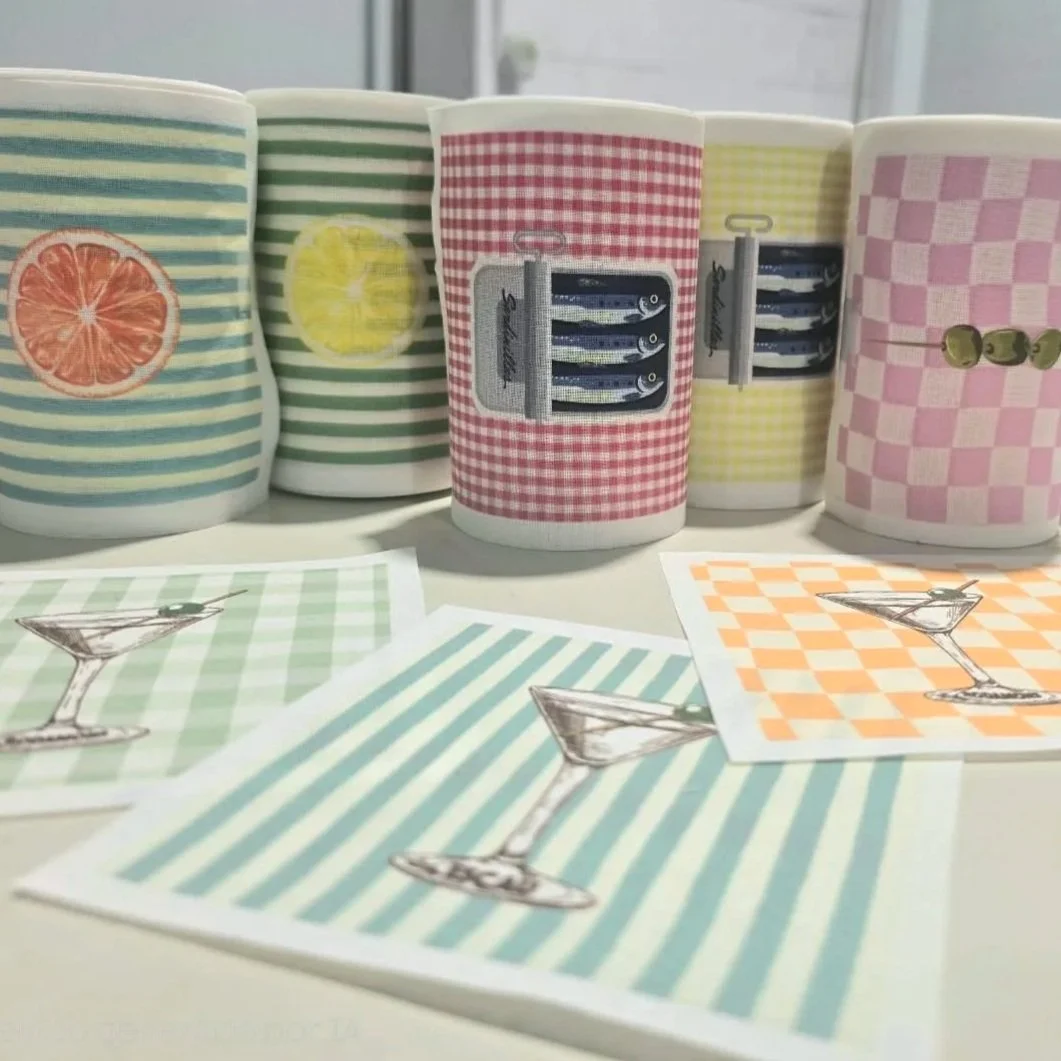
A Century of Textiles, and an Ever-changing World
Few companies can trace their roots back more than a century and still count themselves among their industry's innovators. Texia, headquartered in Monistrol de Montserrat, Spain, is one of them.
But the story of Texia is not simply one of longevity.
It is a story of continual reinvention. As the textile industry has grown more global and competitive, Texia has repeatedly reshaped its business, investing in technology, developing its own brands, and placing sustainability at the centre of its mission. In doing so, it offers a compelling example of how a heritage manufacturer can lead rather than follow through a period of profound industry change. Image Credit: Texia
What are we craving Ultimately?
The instinct to slow down while simultaneously optimising every measurable aspect of life isn't a passing curiosity. It's a structural response to a world that feels increasingly unstable, and it's reshaping what people expect from their homes, hotels, workplaces and healthcare environments alike.
For the design and manufacturing sectors, this means rethinking both product and process.
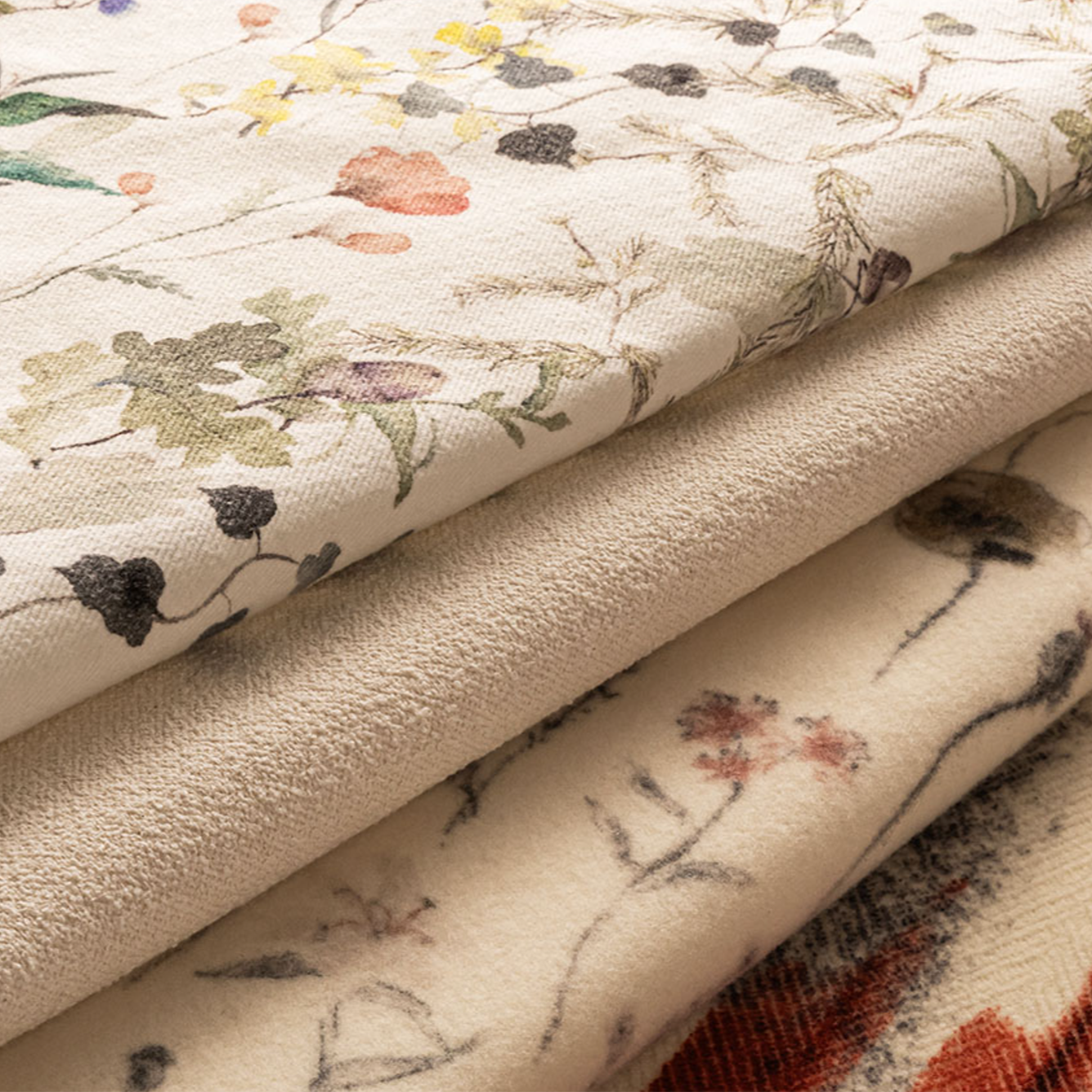
The Structual Shift is Real and its Already Here
Volumes are moving east, where digital production is accelerating rapidly. Consumer behaviour has shifted.
Demand is now driven by personalisation, shorter buying cycles, and an expectation of near-instant responsiveness. Regulatory pressure is intensifying, with supply chain transparency now a legal and commercial fact in many markets. And margins? They are under sustained, structural pressure.
This is not a temporary disruption. It is a fundamental reordering of how textile manufacturing must operate.

The Challenge: Standing Firm as the Industry Shifts
The wallpaper landscape has changed dramatically. Digital printing has lowered the barrier to entry, spawning countless direct-to-consumer brands and pushing much of the market towards faster, cheaper production.
At the same time, manufacturing in the UK has grown steadily harder - rising minimum wage, national insurance, energy and substrate costs all bear down on margins. Surface Print have embraced all of these challenges - and stand resolutely prepared for the future.
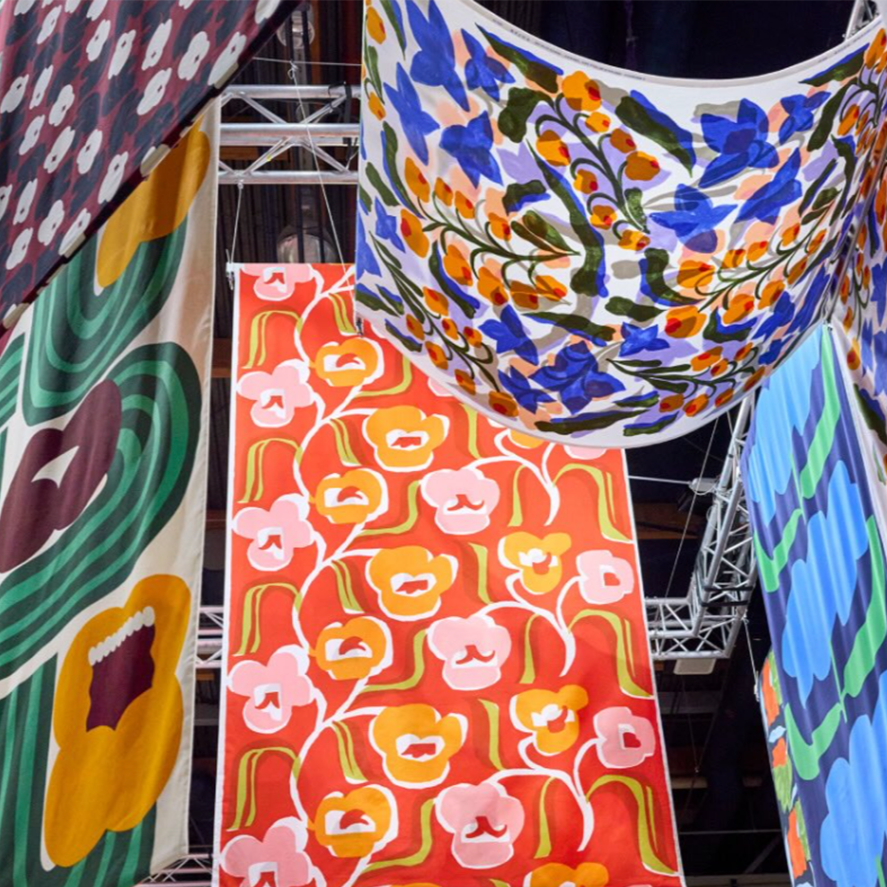
From Helsinki's printing mill to Paris's Le Marais, discover how Marimekko is scaling a design-led brand with purpose, craft, and bold innovation.
But what makes Marimekko's story compelling is not just its aesthetic legacy?

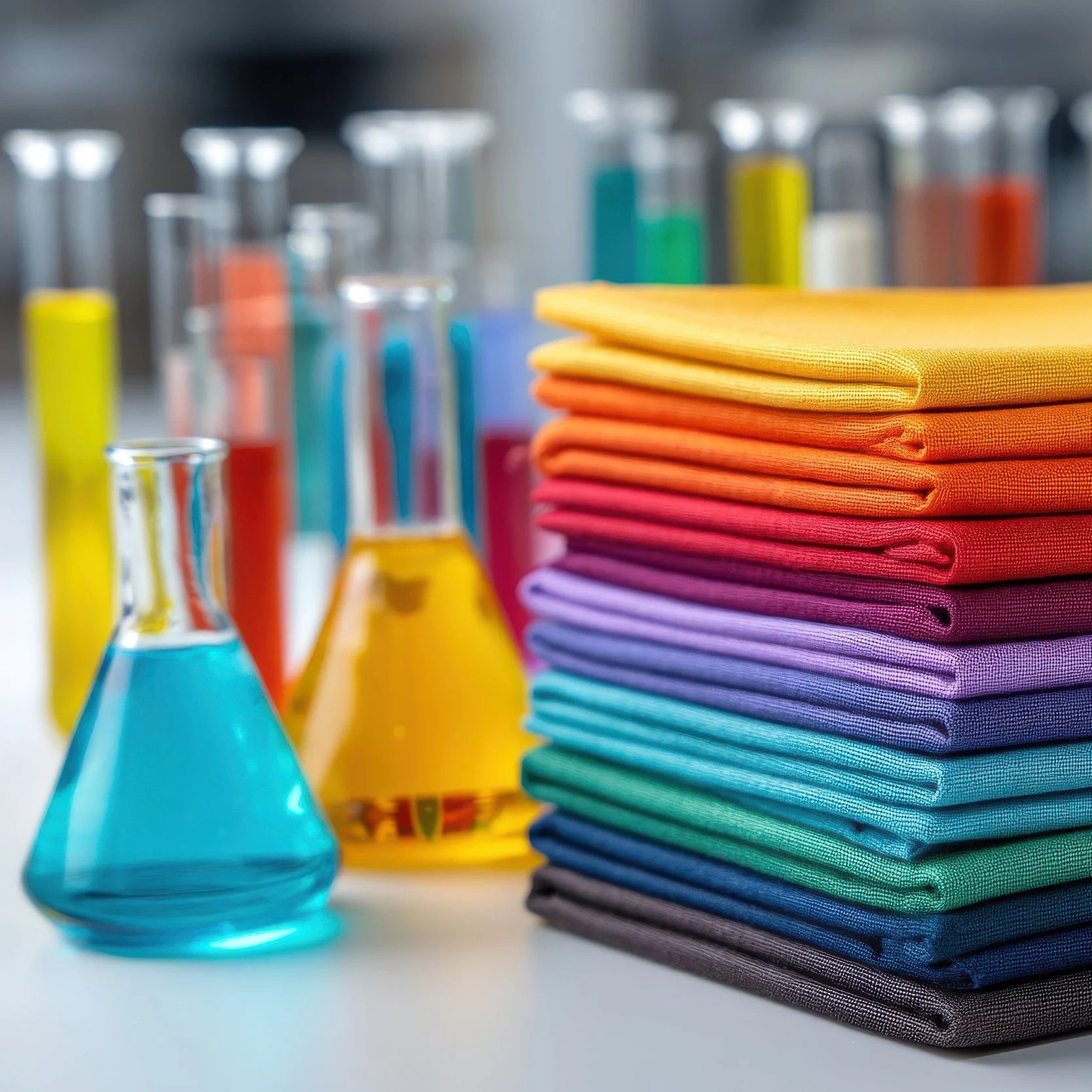
The word "toxic" carries weight. It conjures danger, harm, and things best avoided.
“Yet in the textile industry - Where between 3,000 and 10,000 chemicals move through the supply chain, a reflexive fear of the term is one of our biggest obstacles to progress.”
This article distils the key takeaways and what buyers, designers, and brands should be asking right now.
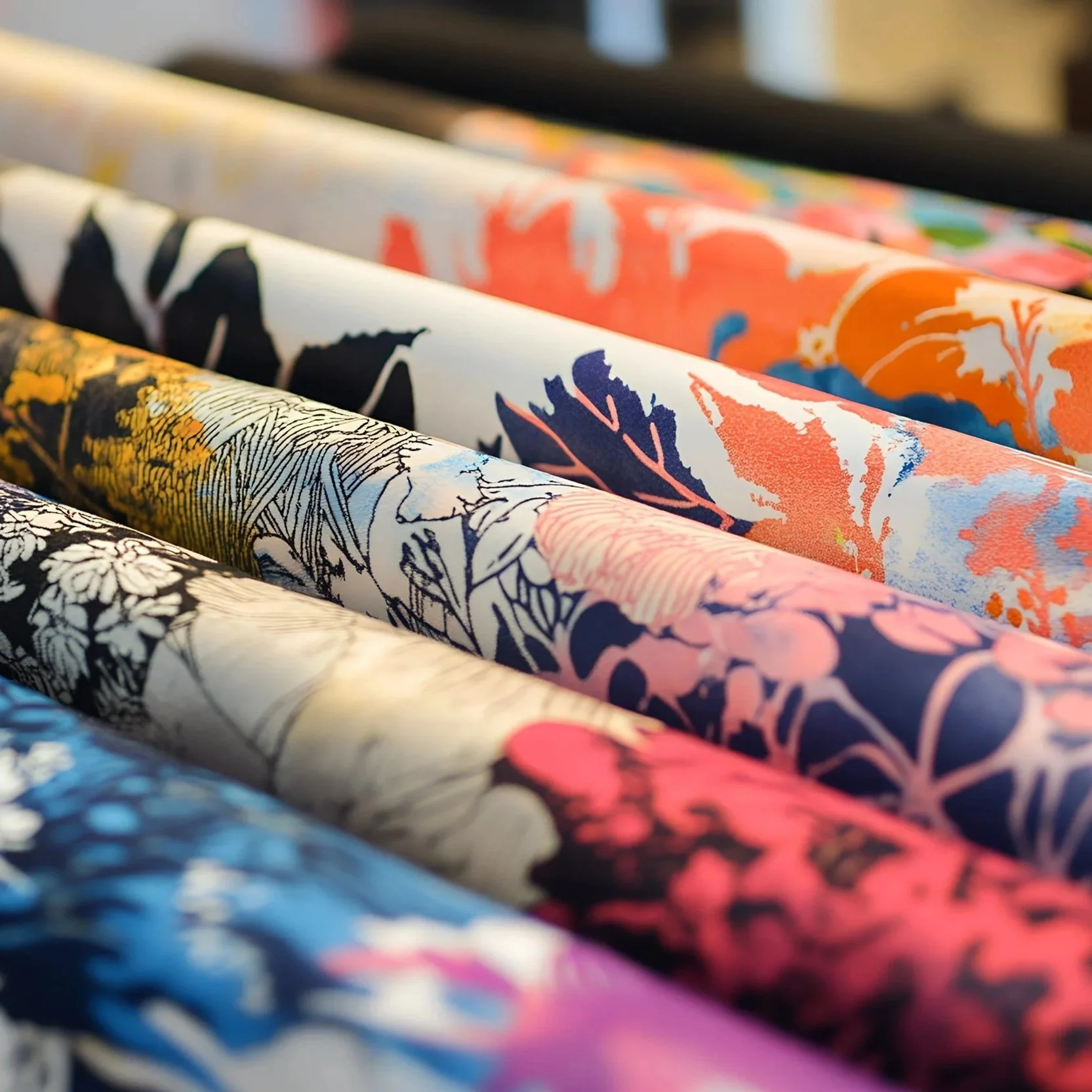
What Is the Digital Product Passport?
At its core, a Digital Product Passport is a digital record attached to a physical product - For a printed textile product, this means the DPP would capture data on the substrate, inks and dyes used, the printing process and technology, chemical compliance, environmental impact (including water and energy use), supply chain traceability, and end-of-life instructions.
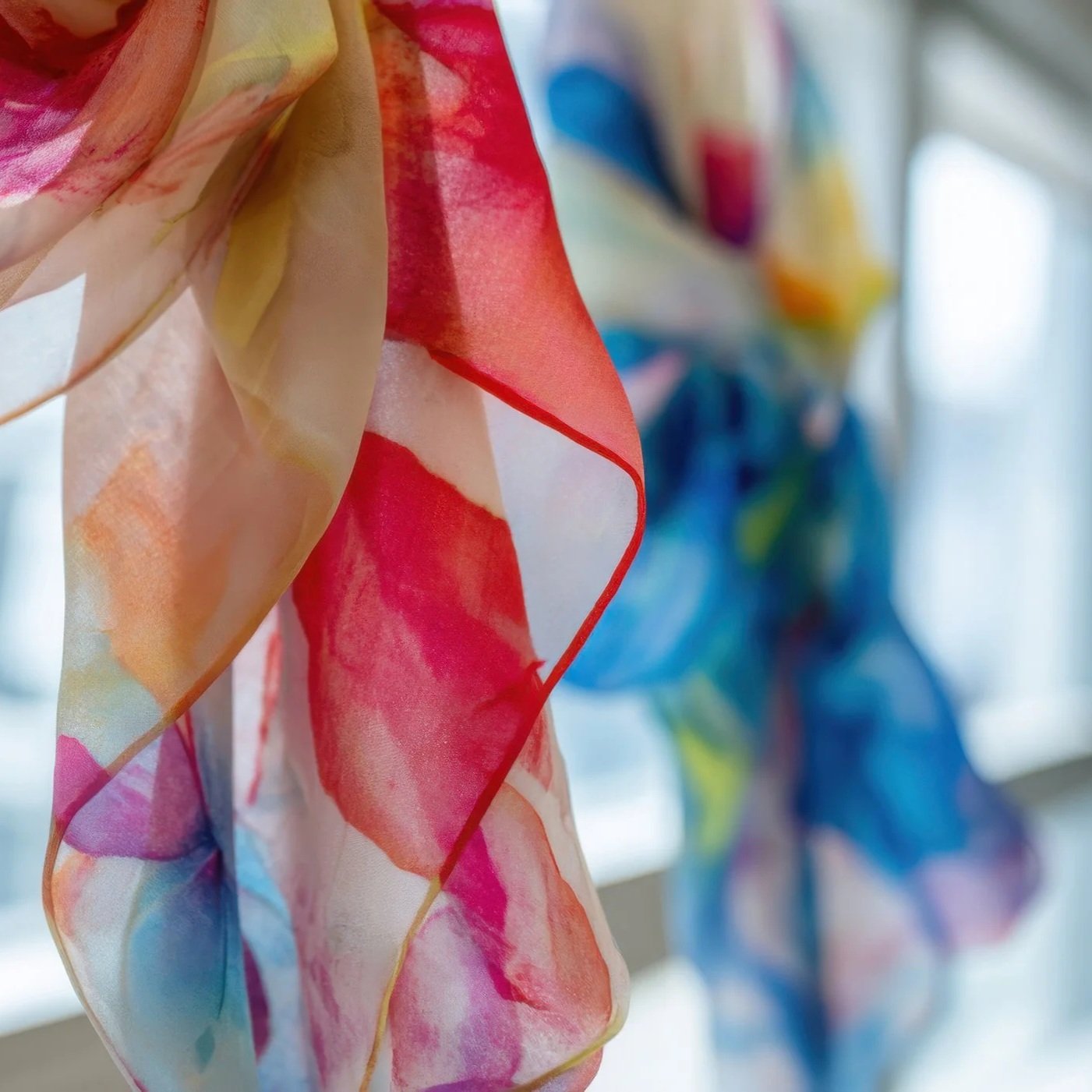
The Market Gap that Changed Everything
Future Fashion was founded in 2019, timed deliberately to coincide with a pivotal moment in global textile technology: the commercial launch of the EFI Reggiani BOLT Single-Pass digital printing system.
The founders recognised that single-pass architecture had fundamentally changed what was industrially possible - and that Pakistan's domestic market had yet to catch up.

Print is no longer defined by the inefficiencies that once characterised it…as advances in production processes and technology have significantly improved its environmental performance.
Taran Rai, Corporate Sustainability Manager at Epson explains why?
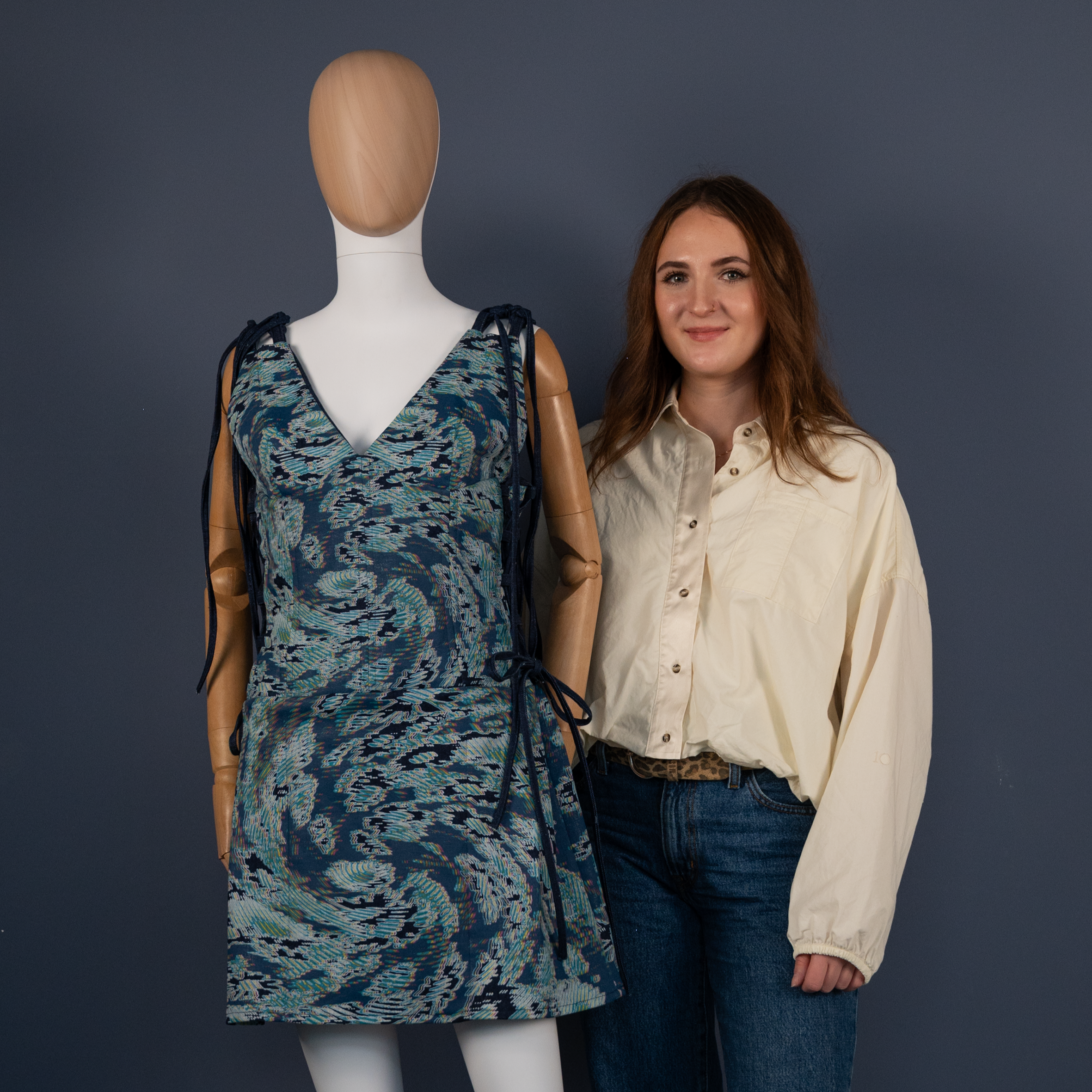
The story of what happens when young designers access digital technology is still being written.
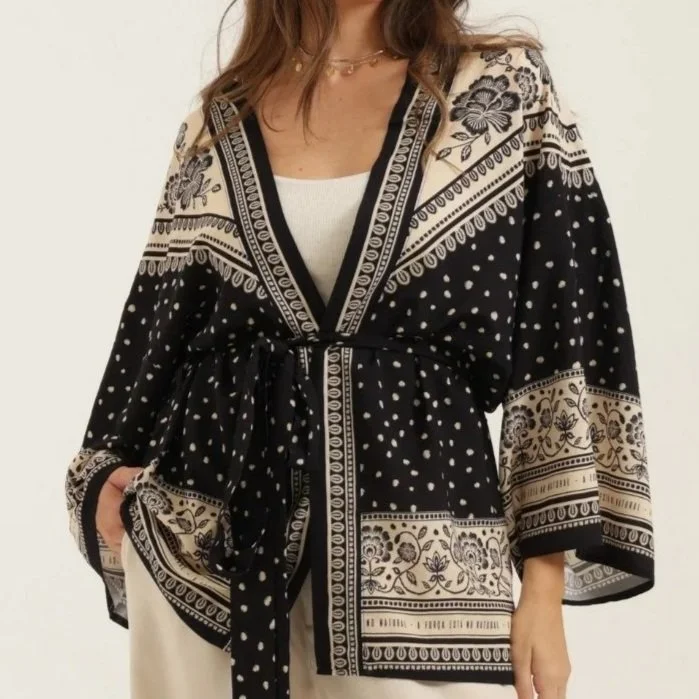
What once was a theoretical sustainability goal seems to have shifted into an active regulatory reality.

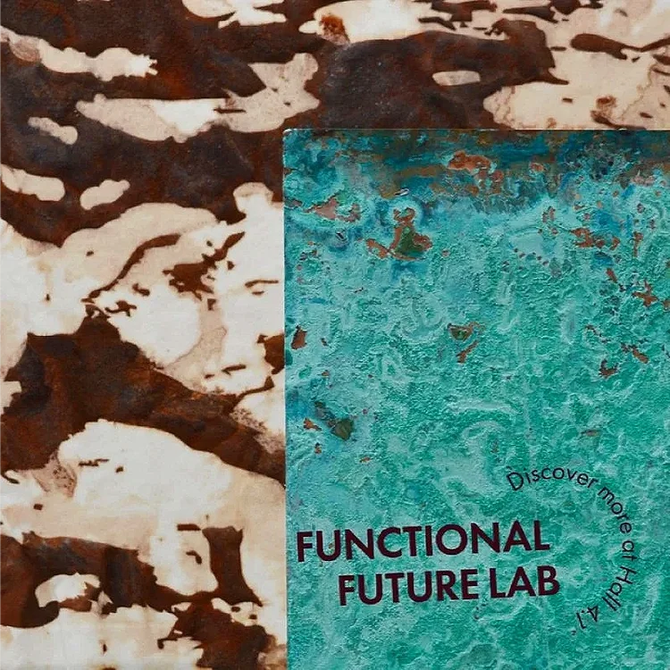
Frankfurt, Germany – November 2026 – Heimtextil, the world's leading trade fair for home and contract textiles, has announced a significant new addition to its 2027 edition. In partnership with Future Fabrics Expo, Heimtextil will introduce the Functional Futures Lab, a dedicated showcase exploring the future of functional materials across architecture, interior design, and hospitality.
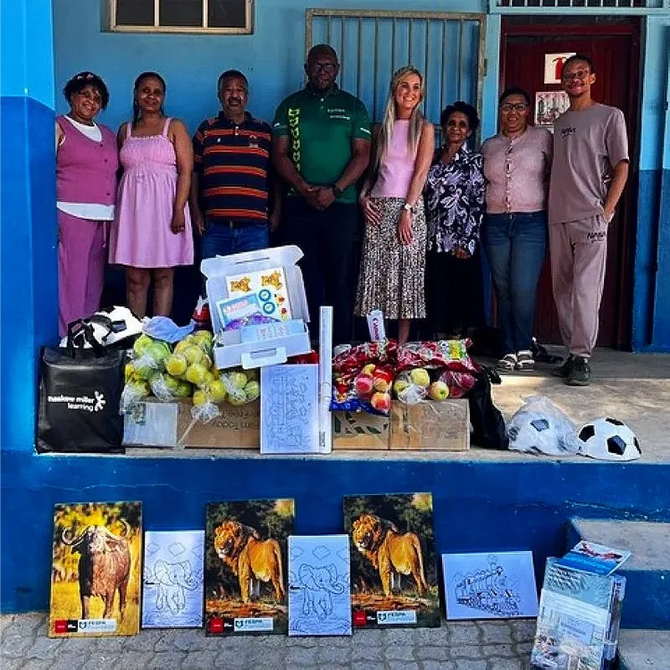
Malmesbury, South Africa – November 2026 – The FESPA Foundation has delivered a substantial collection of donations to three schools in the Western Cape, South Africa, following contributions gathered from exhibitors at the FESPA Global Print Expo in Barcelona and the FESPA Africa Expo, co-located with Africa Print Expo.
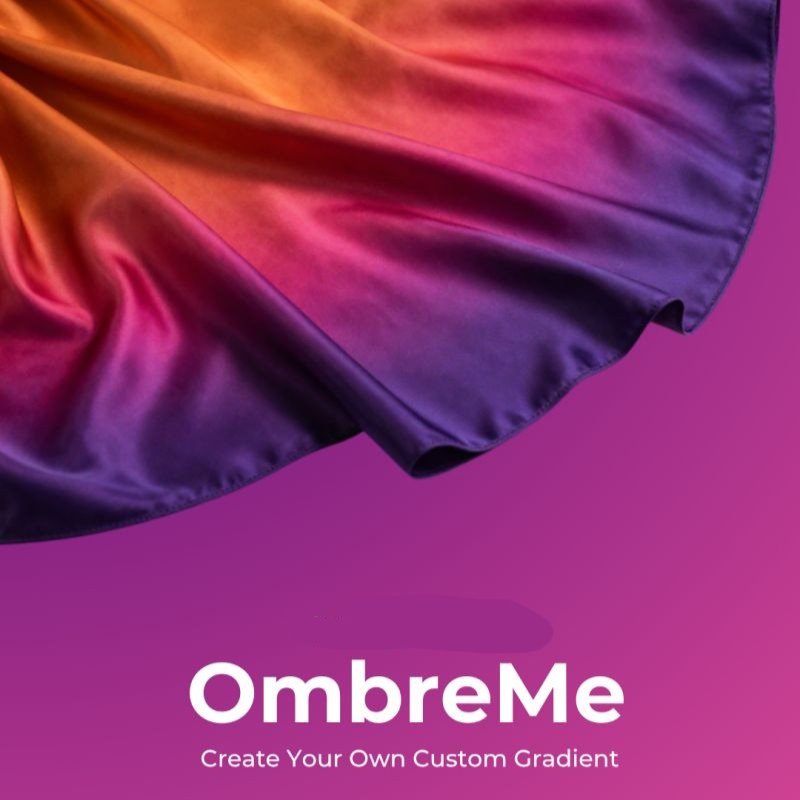
Altrincham – Cheshire – UK – November 2026 –OmbreMe from Funkifabrics is a new service that allows customers to design and order bespoke ombré fabrics. The offering enables users to select their own colours and customise the gradient, resulting in a fabric created entirely to their specification.

Accrington – Lancashire – November 2026 – Soyang Europe has announced a new combination of printing technology and textile engineering, bringing exceptional colour vibrancy and stunning backlit results to the wide-format display market. The pairing of the LIYU Platinum PCT UV Roll-to-Roll Printer with Soyang's ST-601 RCY Backlit textile is designed to help brands and display specifiers create eye-catching graphics without compromising on sustainability.
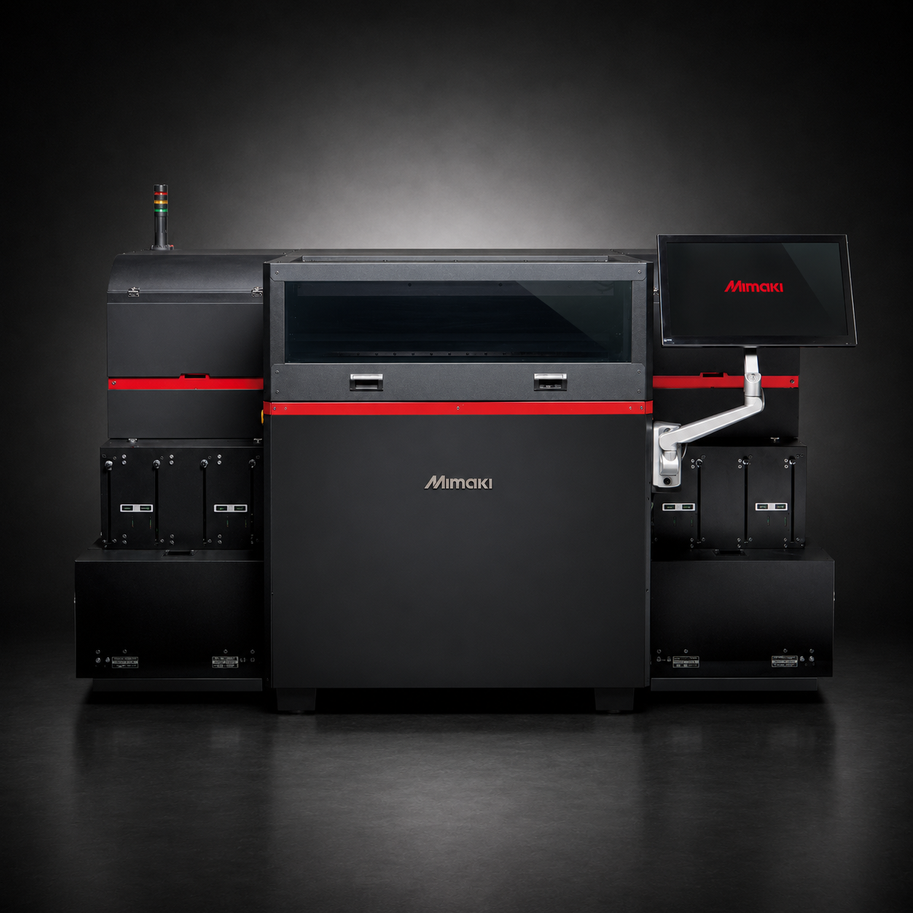
November 2026 - Mimaki has announced the world premiere of its new 3DUJ-553MkII full-colour 3D printer at Formnext 2026 (Hall 2.1, Booth F129, 17–20 November, Frankfurt, Germany). Designed to produce more vivid and more realistic models and prototypes at a lower production cost, the new printer combines richer colour reproduction, from delicate to deep tones, lifelike material effects and improved production efficiency, creating new opportunities for product designers and model makers across the product development process.

Dusseldorf – Germany – November 2026 – Barbieri has announced its participation in the Industrial Print Integration Conference 2026, taking place from 24–25 November 2026 at the Crowne Plaza Düsseldorf/Neuss in Germany. The company's COO and Co-Managing Director, Viktor Lazzeri, will take the stage to deliver a presentation titled "Robotic Spectral Colour Quality Control: Integrating Autonomous Colour Measurement into Industrial Printing Workflows."
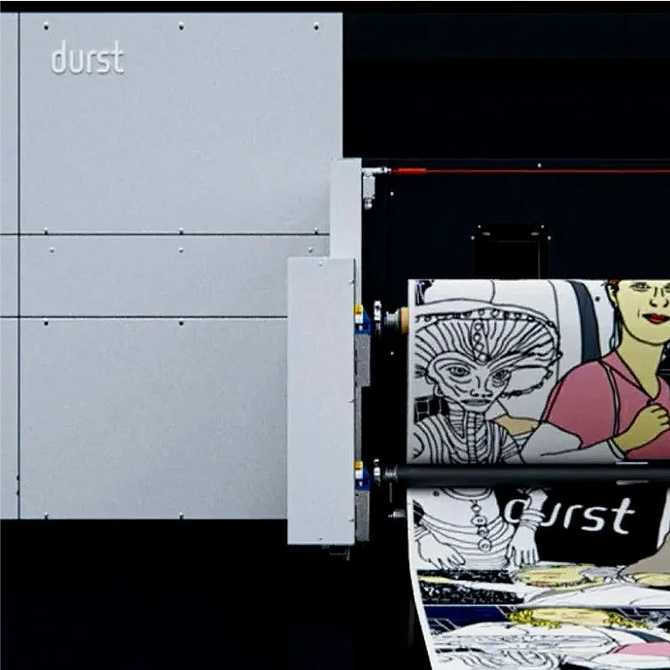
Athens, Greece – November 2026 – Multiplo, part of the EVIN Intzoglou group, has announced a significant investment in the Durst P5 350 TEX iSUB digital printer, marking the first installation of this model in Greece. The move strengthens the company's production capabilities in large-format digital textile printing and reflects its ongoing commitment to quality, innovation and sustainability.

San Francisco, CA – November 2026 – Microsoft’s Ignite 2026, is its flagship technical conference for IT professionals, developers, business leaders and partners, taking place from 17–20 November at Moscone Center in San Francisco, with a digital attendance option available worldwide. The event will bring together the global Microsoft community to explore the latest advancements in artificial intelligence, cloud computing, security and enterprise technology.
Klagenfurt, Austria –November 2026 – Zimmer Austria, a leading manufacturer of printing, coating and finishing machinery for the textile industry, has announced its participation in India ITME 2026, taking place from 4–9 December 2026. The company will exhibit at the A.T.E. Enterprises Pvt. Ltd. booth, Hall No. 1, Stall H1-A5, presenting technology engineered for precision and efficiency across textile production.
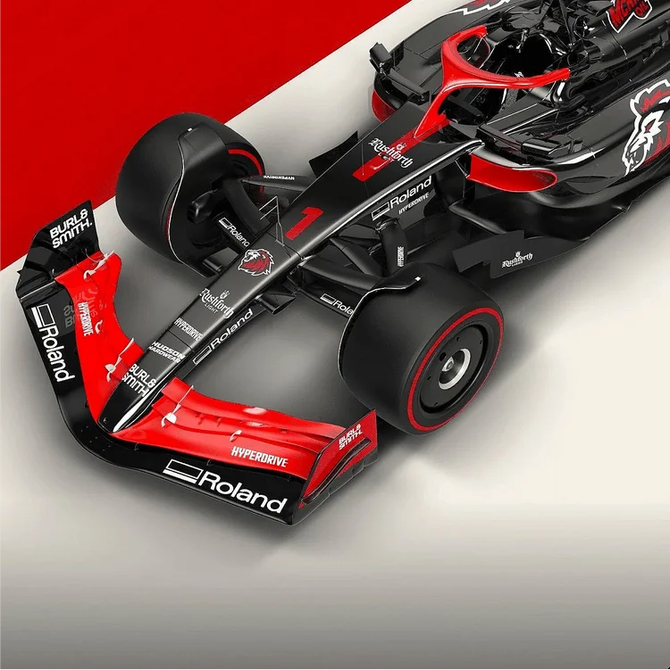
Geel – Belgium – November 2026 – Roland DG Europe has announced the availability of two dedicated print-only solutions, the DGXpress ER-641 and the TrueVis XP-640, designed to give large-format graphics businesses the flexibility to choose equipment suited to their specific production priorities. As print businesses increasingly weigh up whether an integrated print-and-cut solution is truly necessary for their operations. According to Roland DG Europe, the right equipment choice depends on what a business produces, how its workflow operates, and where it wants to grow, rather than on which machine offers the most features.

Manchester – November 2026 – Premier Digital Textiles has today highlighted its 2456 Cuddle Fleece, an ultra-soft, plush fabric engineered to deliver both exceptional comfort and outstanding print performance. Arriving as the colder nights draw in, the new fabric is designed to meet growing demand for cosy, high-quality home textiles that don't compromise on visual appeal.

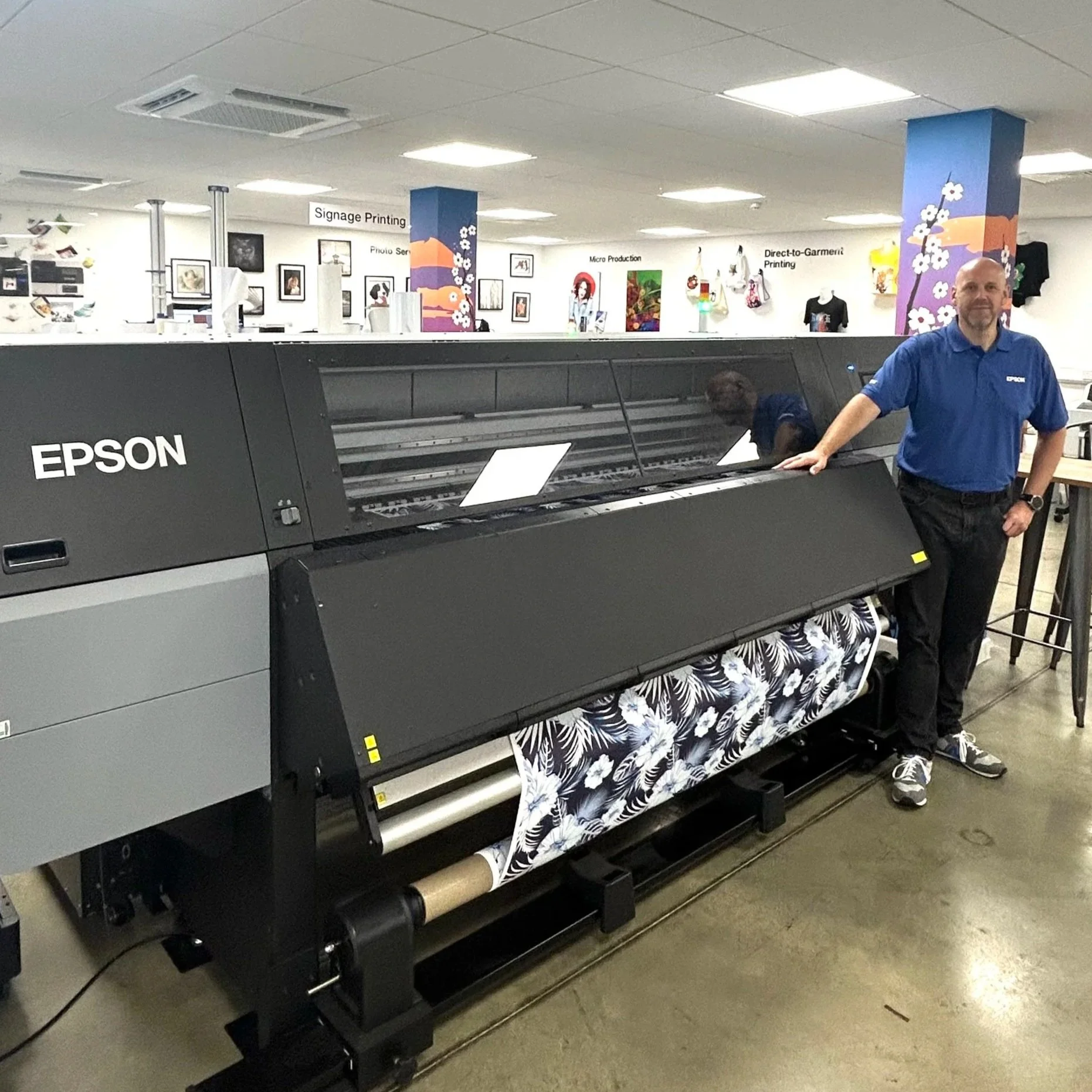
Madrid, Spain – November 2026 – Epson has confirmed its participation in C!Print Madrid 2027, Spain's leading trade fair for the visual communication, textile printing and personalisation industry, taking place at IFEMA Madrid from 12 to 14 January. The company will use the event to showcase tangible business opportunities for the sector, headlined by the Spanish debut of its new small-format sublimation printing solution, the SureColor F300, following its recent global launch.
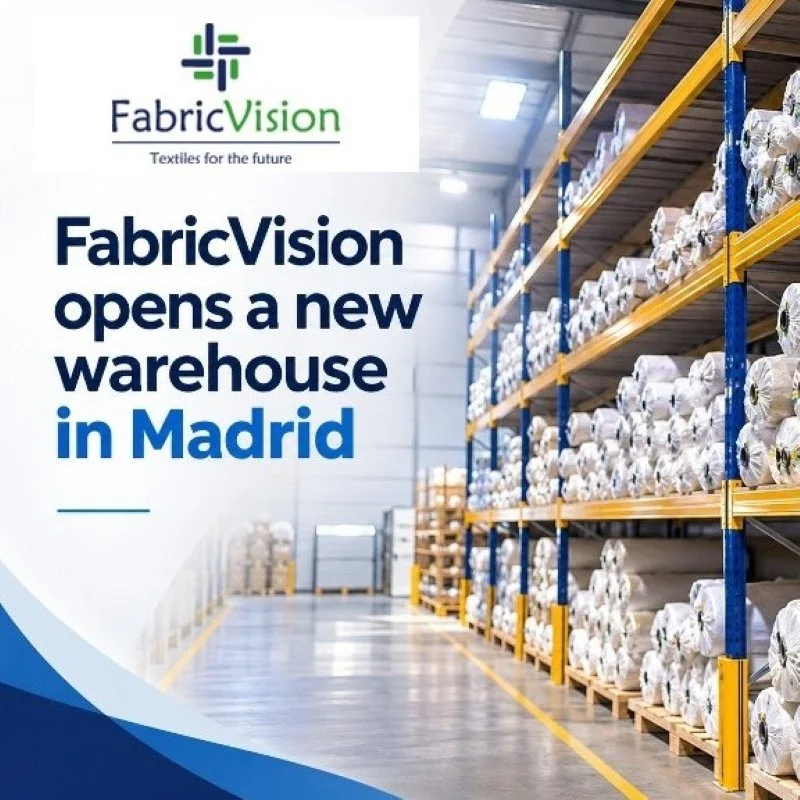
Madrid, Spain – November 2026 – FabricVision GmbH has announced that its new warehouse in Madrid is now fully operational, bringing local stock closer to print businesses across central Spain. The facility will enable shorter delivery times throughout the Community of Madrid and support a faster, more responsive service for customers in the region.

London, UK – November 2026 – Grey Buscemi, a Fashion MA graduate from Central Saint Martins, University of the Arts London, has been named winner of the Sustainable Fashion/Textiles category at the Global Creative Graduate Showcase 2026. The accolade recognises Buscemi's graduate collection, "In Air Off Air," which challenges conventional garment construction by eliminating sewing entirely.
The Global Creative Graduate Showcase, delivered by Arts Thread in collaboration with Google Arts & Culture, celebrates emerging creative talent across all art and design disciplines. This year's showcase featured 4,371 graduates from 382 universities worldwide, with winners selected by 236 industry judges alongside 446,473 public votes
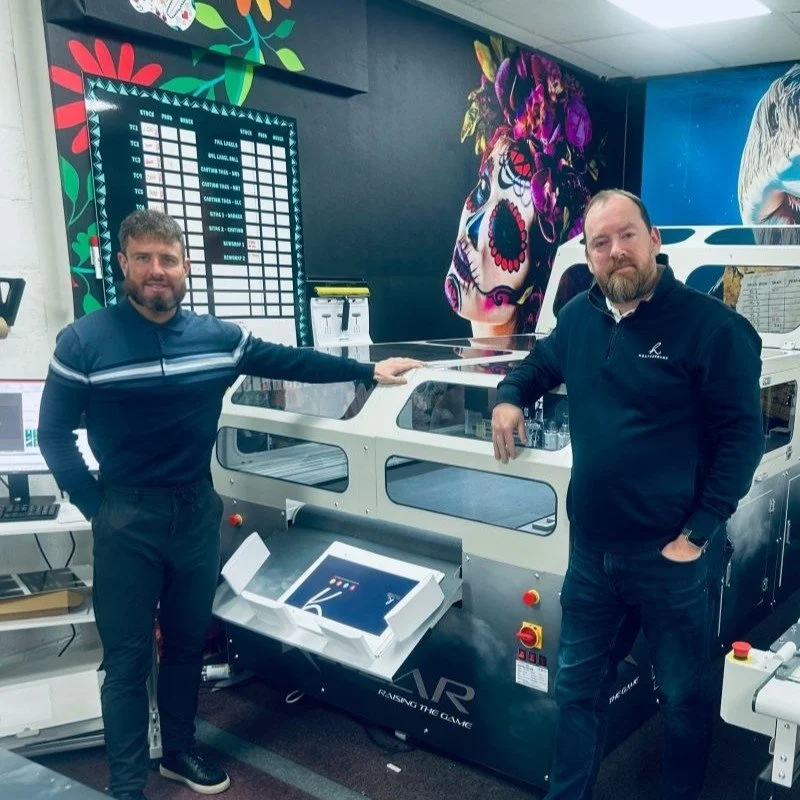
Doncaster, UK – November 2026 – Heatherbank Print, a full-service marketing studio based in Doncaster, has unveiled a new spot raised foil application on its recently installed Razar system from Vivid Laminating Technologies Ltd. The addition is already generating strong demand from clients, with early results showcasing striking, tactile artwork that is difficult to capture in photography alone.

London – UK – November 2026 – Epson Europe B.V. has been named Manufacturer of the Year at the AV Awards 2026, recognising the company's leadership across breakthrough technologies, market impact, and ethical business practices within the AV industry.
The award, presented by AV Magazine, celebrates manufacturers that demonstrate excellence across the full breadth of their operations, from innovation and market leadership to sustainability, diversity, and the development of future skills. For Epson, this recognition reflects a sustained commitment to shaping the direction of the AV sector worldwide.
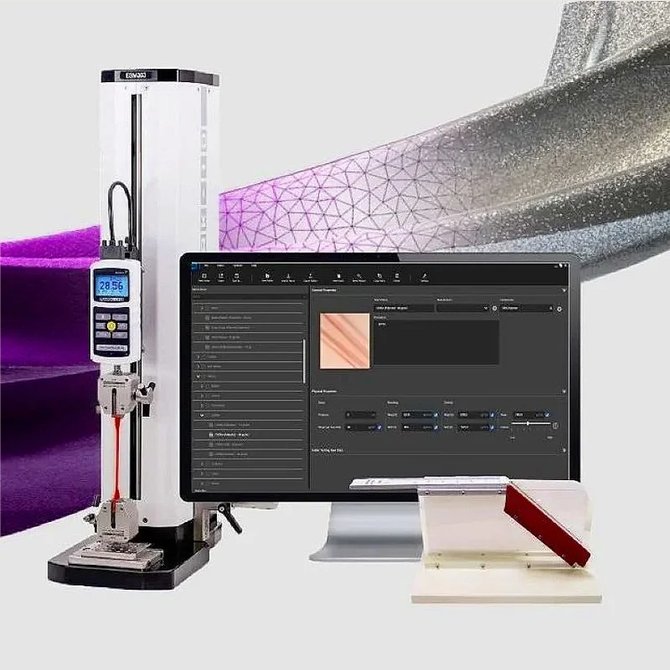
New York – NY – November 2026 – Optitex’s new 3D visualisation capabilities within its Optitex PDS software, enabling fashion and apparel brands to review and approve fit digitally before a single physical sample is cut.
The technology transforms standard 2D patterns into a 3D simulation, complete with tension mapping for advanced fit analysis. This allows design and development teams to assess fit, identify stress points, and approve garments on screen, significantly reducing reliance on costly and time-consuming physical sampling.
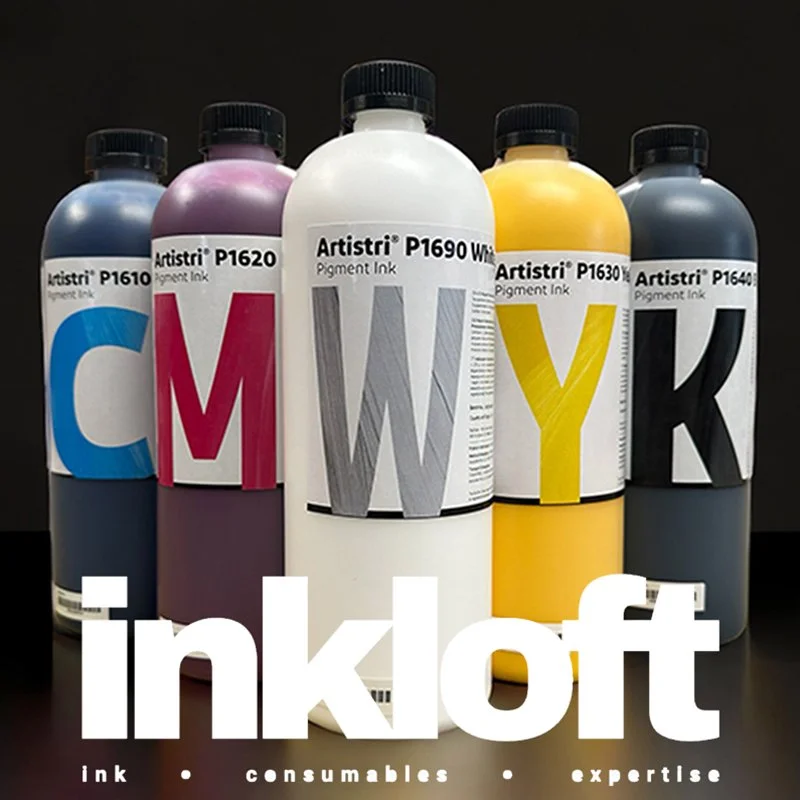
Newcastle on Tyne – November 2026– Inkloft Ltd, a UK-based supplier of direct-to-film (DTF) printing consumables, has marked its two-month anniversary with the announcement that it is now the official UK distributor for DuPont Artistri DTF inks. The milestone comes alongside a flawless delivery record, with every order fulfilled from UK stock and delivered the next day since launch.
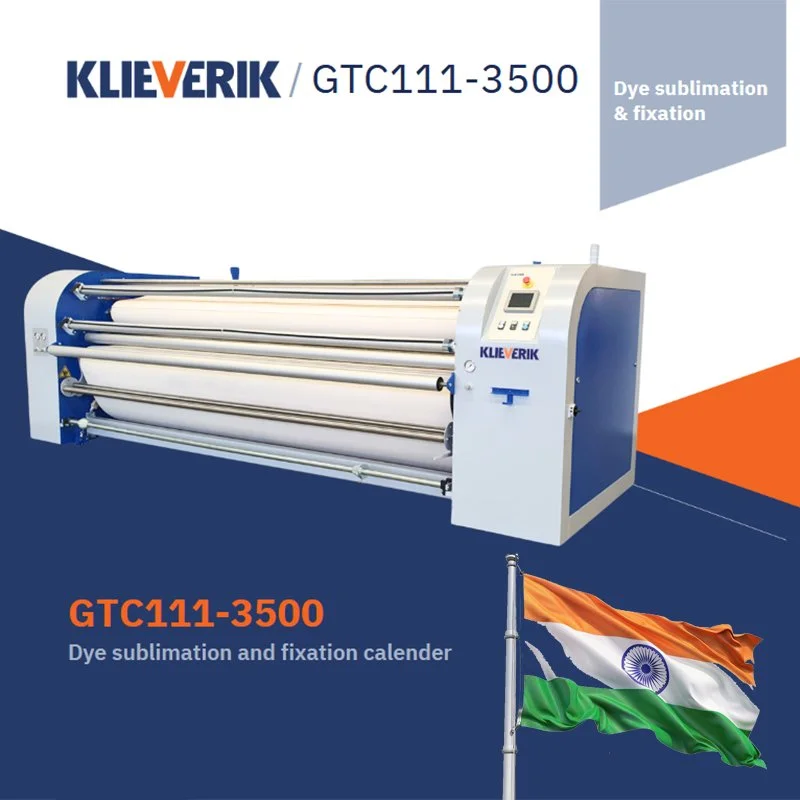
Mumbai - India – November 2026 – Klieverik has announced the successful installation of a new machine at D'Decor Home Fabrics, one of India's leading home textile manufacturers. This marks the second Klieverik installation completed in India within the past month, underscoring the sustained demand for reliable, high-performance production solutions across this key market.

Changzhou, China – November 2026 – KARL MAYER will unveil the MULTIPLY BX, a new composite machine purpose-built for the wind power industry, at its Product Show during ITMA ASIA 2026 in Changzhou. Engineered for high speed and maximum efficiency, the machine is designed to meet surging demand in growth markets such as China, where wind turbine manufacturing continues to accelerate.

Dorking – UK – November 2026 – FESPA has announced that entries are now open for the Young Star category of the FESPA Awards, inviting students, apprentices and junior professionals aged 16 to 25 to showcase their work to the global print and signage community. Entry is free, with submissions accepted until 2 December 2026.
The Young Star category recognises emerging talent working or studying in a print-related discipline, whether through independent projects or contributions to joint or team work. Entrants are encouraged to put forward work that challenged them, an idea they brought to life, or a finished result they are proud of, giving
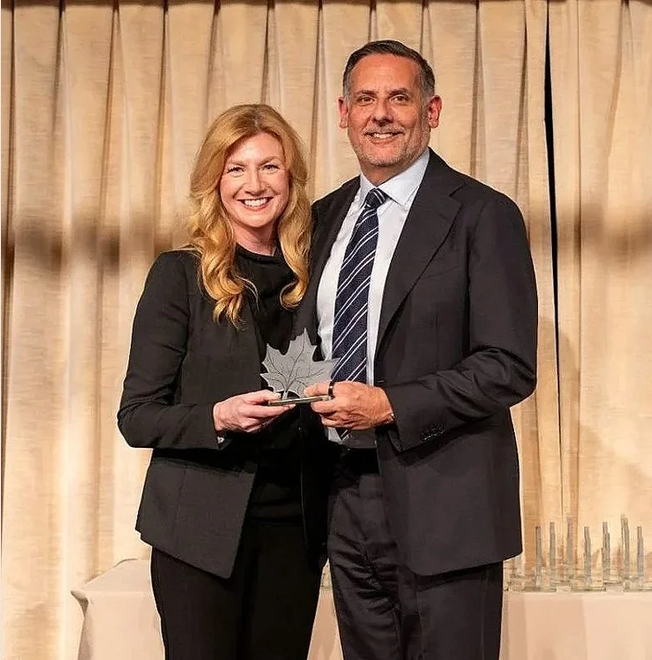
Toronto, Canada – November 2026 – Fiery today announced that its CEO, Micah Kornberg, has been named Emerging Leader of the Year at the 20th annual Canadian Printing Awards, presented by PrintAction at the Palais Royale in Toronto. The award recognises outstanding leadership within Canada's print industry and marks a significant milestone in Kornberg's career with the company.

Exclusive Mimaki distributor, Hybrid Services will host two Mimaki Technology Taster Days at its Crewe showroom this November, giving businesses the opportunity to explore their next printing investment, diversification or upgrade in a relaxed, informal setting.
Taking place on Thursday 12th and 19th November, from 10am - 4pm, the events are designed for companies at any stage of their research, including those still considering which direction to take. Visitors can explore the Mimaki range, see printed applications and discuss their ideas with Hybrid’s product specialists.

Oswestry, UK – November 2026 – China Print Supplies UK Ltd has announced the launch of its new Dlican DLI-3325 printer and GK-3225 cutting table bundle, a solution designed to meet the rising demands of industrial print, large format, and high-volume production environments. The bundle is available now, with pricing starting from £121,490+VAT or finance options from £531.16 per week.

Lancashire, UK – 11 November 2024 – Pincroft Dyeing and Printing has today paused to honour the men and women who served and sacrificed during times of conflict, joining communities across the nation in a moment of remembrance.
As part of its Remembrance Day observance, the company reflected on the courage and sacrifice of those who gave so much for the freedoms enjoyed by future generations. Staff across the business took time to acknowledge the contribution of armed forces personnel, past and present, whose service continues to shape the values the company holds today
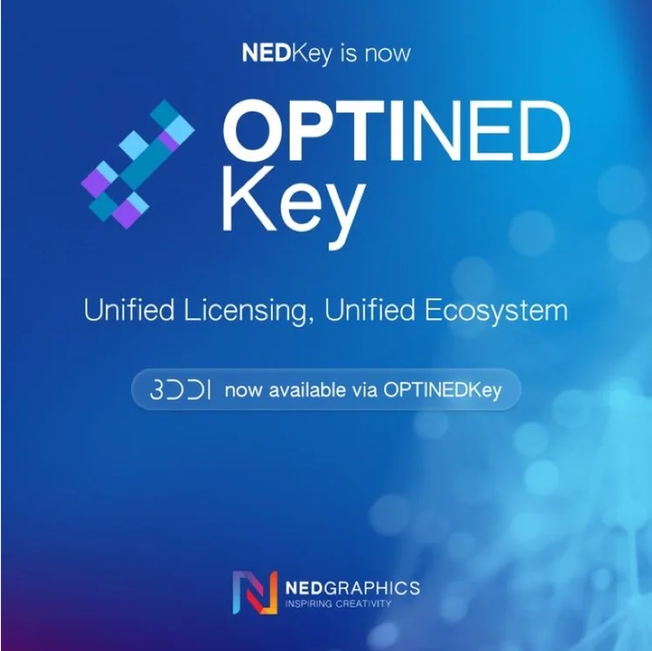
New York City – USA – November 2026 – NedGraphics has announced two connected updates within its NedGraphics 2027 release, bringing its licensing systems and 3D design tools together under a single, unified identity. The changes are designed to simplify how fashion and design teams manage access across their software ecosystem, reducing friction for distributed and hybrid teams.

Milano – Italy – November 2026 – Lectra, the global technology leader dedicated to fashion, automotive and furniture industries, today announced that Missoni, the iconic Italian fashion house, has successfully deployed Kubix Link PLM to centralise product data, strengthen cross-department collaboration and integrate its supply chain. The initiative has delivered operational time savings of up to 60%, reinforcing the growing industry need for connected, data-driven product lifecycle management
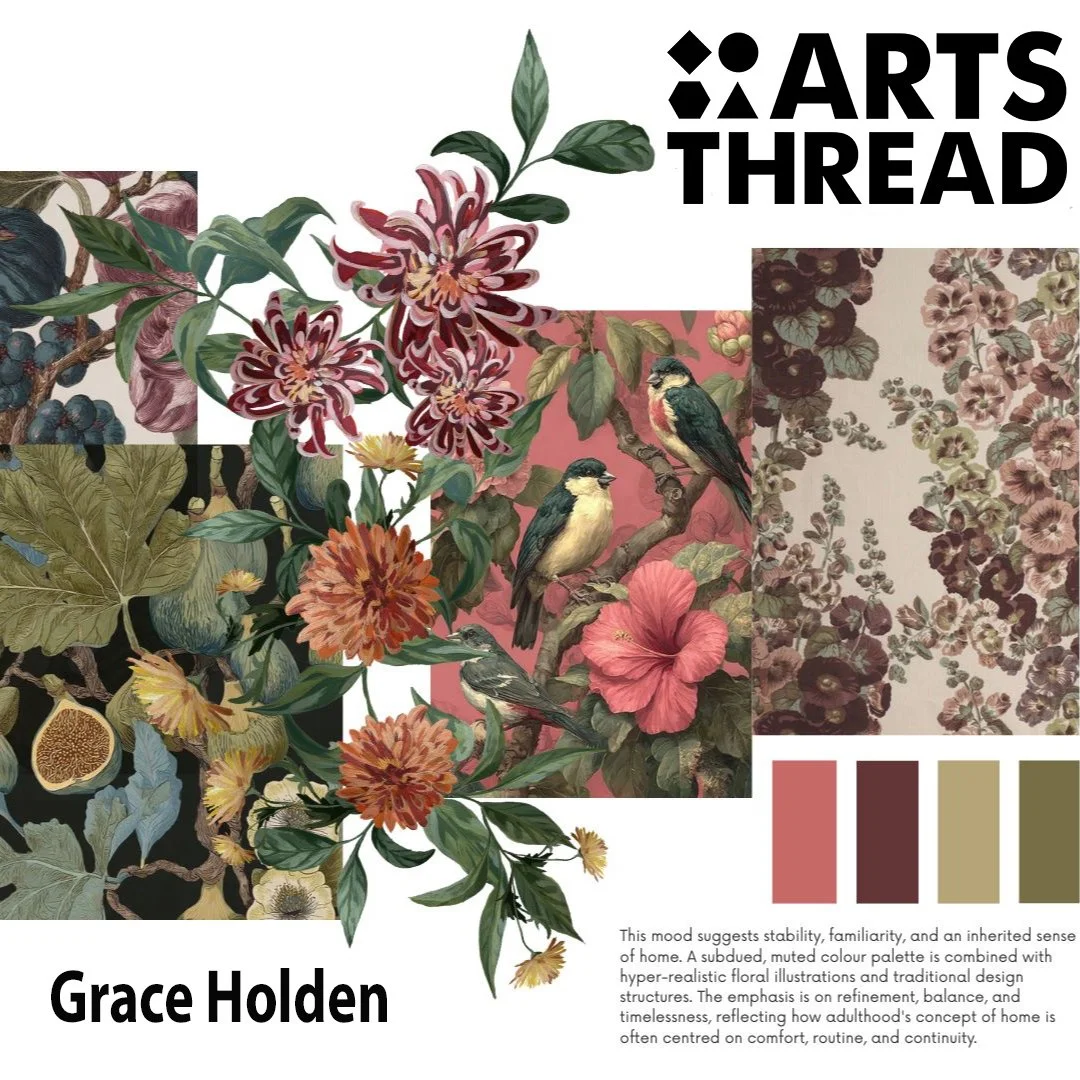
London, UK – November 2026 – ARTS THREAD, in collaboration with Google Arts & Culture, has announced Grace Holden as the winner of the Textiles – Print/Embroidery category at the Global Creative Graduate Showcase 2026. Holden, a graduate of the Design for Textiles BA (Hons) programme at Heriot-Watt University, was recognised for her project "Stories in Bloom," which explores themes of belonging and memory through layered, nature-inspired visual narratives.
PARSIPPANY, N.J., U.S.A. – November 9th, 2026 – Sun Chemical has released its sixteenth annual Sustainability Report, detailing measurable progress across its global operations, product portfolio, supply chain and workforce while reinforcing the company’s commitment to transparent, data-driven sustainability performance.
The report reflects Sun Chemical’s continued work to embed sustainability into business strategy and daily decision-making. Guided by the “five Rs” framework – Reuse, Reduce, Renew, Recycle and Redesign – the company is advancing resource efficiency, circular product design and responsible value-chain practices
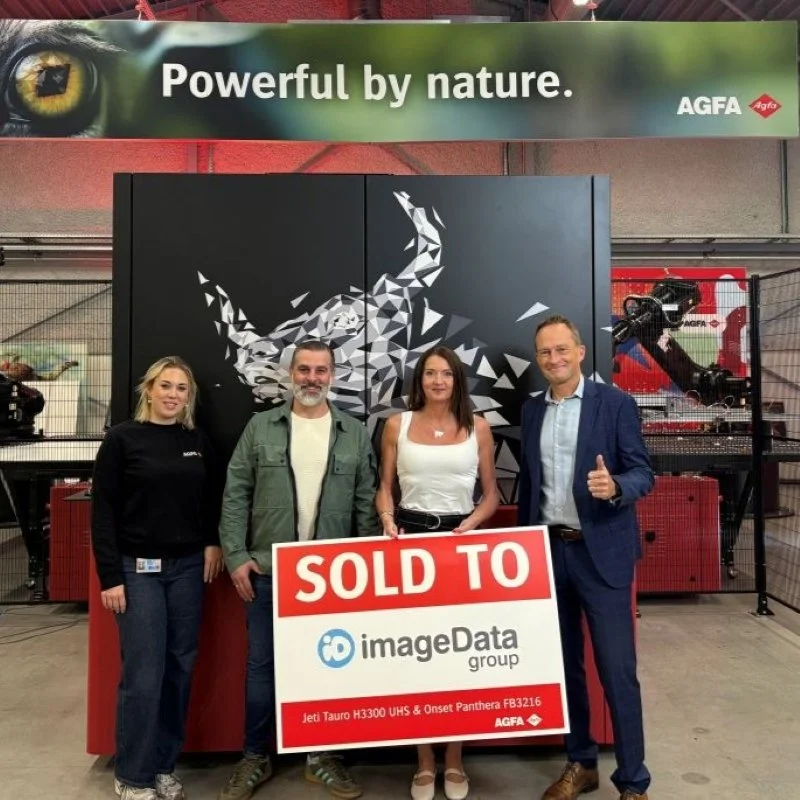
Willerby – East Yorkshire – UK – November 2026 – Agfa Inkjet Solutions has announced a major double investment from Image Data Group, with the installation of two new presses: a Panthera and a Tauro. The move marks a significant expansion of production capacity for the UK-based print specialist and reinforces Agfa's position as a trusted partner for high-performance inkjet technology.
The dual investment sees both machines operating side by side at Image Data Group's facility, delivering a substantial boost in production capacity, productivity, and operational flexibility. For Agfa, the announcement represents more than a sale—it reflects a deepening relationship with a customer committed to scaling its capabilities for the future.