
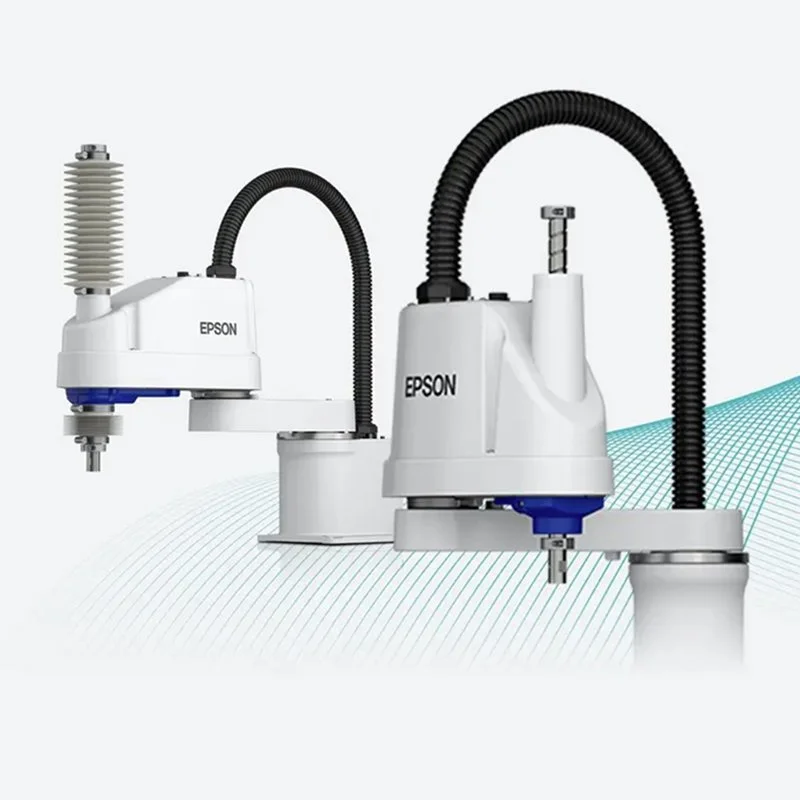

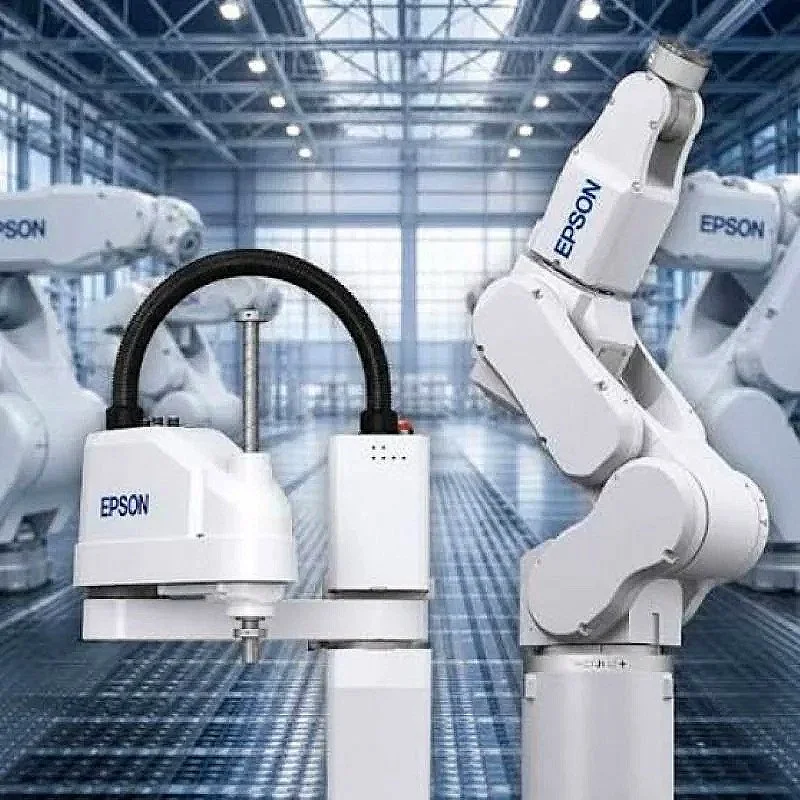

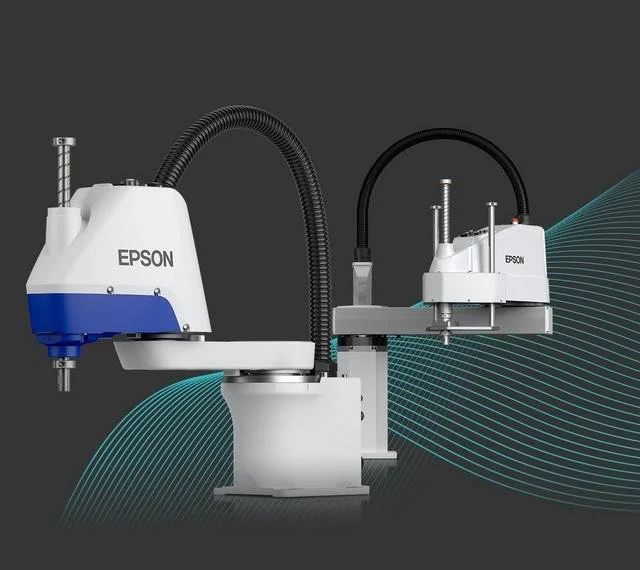
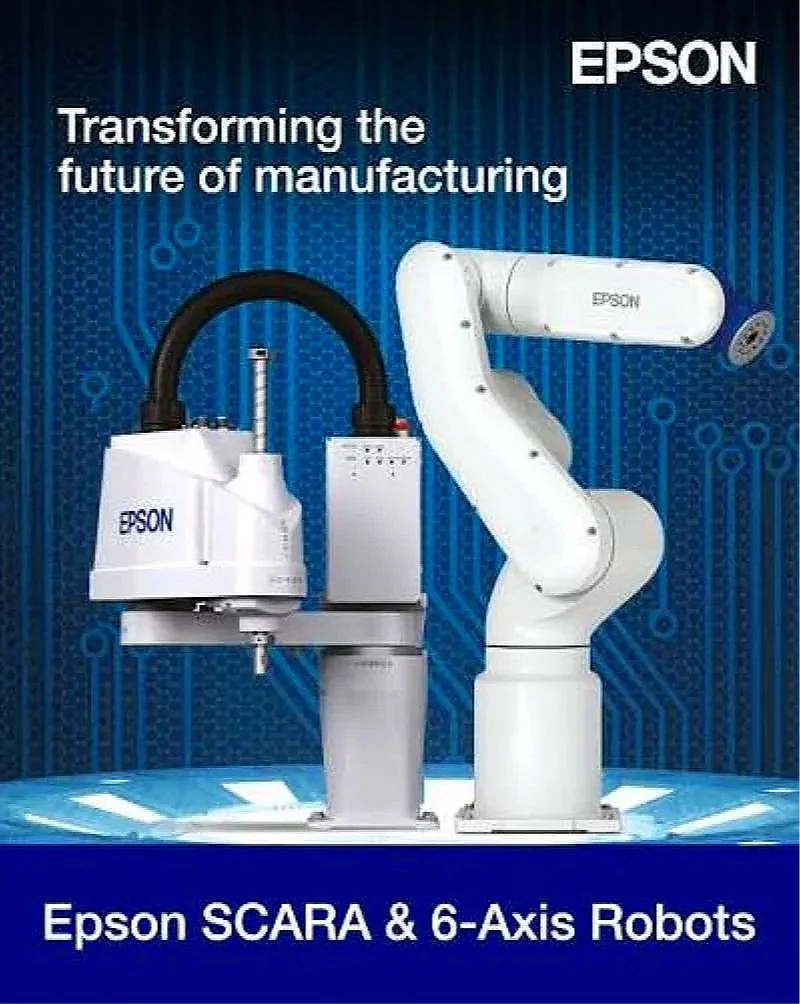
November 2026 – New research from Epson Europe finds that manufacturers are actively exploring robotics to improve productivity and overcome labour pressures, but integrating robots into existing production environments remains a challenge. Repetitive handling tasks present a clear opportunity for automation, with SCARA robots offering the speed, precision, and consistency these applications demand. The research reveals that 44% of manufacturers with European operations are already using, implementing, or considering SCARA robots, indicating strong interest in the technology.
There is also considerable room for growth. Pick-and-place is the leading potential application at 31%, followed by packaging at 24%. Together, these two processes account for 55% of respondents, giving SCARA suppliers a clearly defined initial use case around fast, repetitive product and component handling.
Ease Of Integration Is The Biggest Barrier
However, the challenge comes into focus when manufacturers consider how robots can work alongside existing production lines. Integration with existing production is one of the biggest barriers to robot adoption, cited by 21% of respondents. At the same time, 31% said that simpler integration is the clearest way to encourage adoption, more than twice the next most frequently cited specific factor, intuitive or low-code programming (13%). All-in-one systems with integrated controllers were cited by 9%. High-speed precision was prioritised by 7%, highlighting the importance of making SCARA robots’ performance benefits easier to access through simpler deployment.
Skills Shortages Make Integration Harder
The preference for easier implementation is closely linked to skills shortages. Recruiting automation or engineering specialists is the greatest workforce challenge for 43% of respondents. Skills shortages are delaying projects for 22%, while 18% say they make integration harder. In other words, a lack of specialist expertise directly adds to the complexity of integrating robots. Confidence in internal capabilities reflects this pressure: only 14% are very confident their business has the skills needed to implement and support industrial robots, while 45% are not very or not at all confident.
AI-Enabled Automation Is Also Expected To Reshape Skills Requirements.
More than two-thirds (69%) of respondents expect AI-enabled automation to increase or change the skills their workforce needs over the next three years, with 26% saying it will widen the existing skills gap. Only 13% think it will reduce the need for specialist skills. Together, these findings point to the value of making integration and programming simpler, so that adopting automation is more manageable for businesses with limited engineering resources.
“For many established production tasks, SCARA robots deliver the speed and precision manufacturers need,” Spanier concludes. “Simpler integration and programming will empower manufacturers to apply that capability where it will deliver the clearest operational benefit. In the current economic environment, these are essential capabilities for any manufacturer focused on maximising efficiency.”
Epson’s SCARA Portfolio
Epson’s broad SCARA portfolio includes all-in-one models with built-in controllers, giving manufacturers options to suit different production requirements and available space. Its service and support network provides help with robot selection, integration, training and ongoing maintenance, supporting businesses as they build their automation capabilities.
About Epson
Epson is a global technology leader whose philosophy of efficient, compact, and precise innovation enriches people’s lives and helps create a better world. The company focuses on solving societal issues through innovations in home and office printing, commercial and industrial printing, manufacturing, visual communications, and lifestyle. Epson aims to become carbon negative and free from reliance on exhaustible underground resources—such as oil and metal—by 2050.
About Epson Europe B.V.
Epson Europe B.V. is a subsidiary of Seiko Epson Corporation, a global technology leader dedicated to connecting people, things, and information through its original efficient, compact, and precision technologies. The company offers a wide range of products, including AV solutions, printers, and robotics, with a strong focus on sustainability, diversity, and ethical business practices. For more information, visit epson.eu

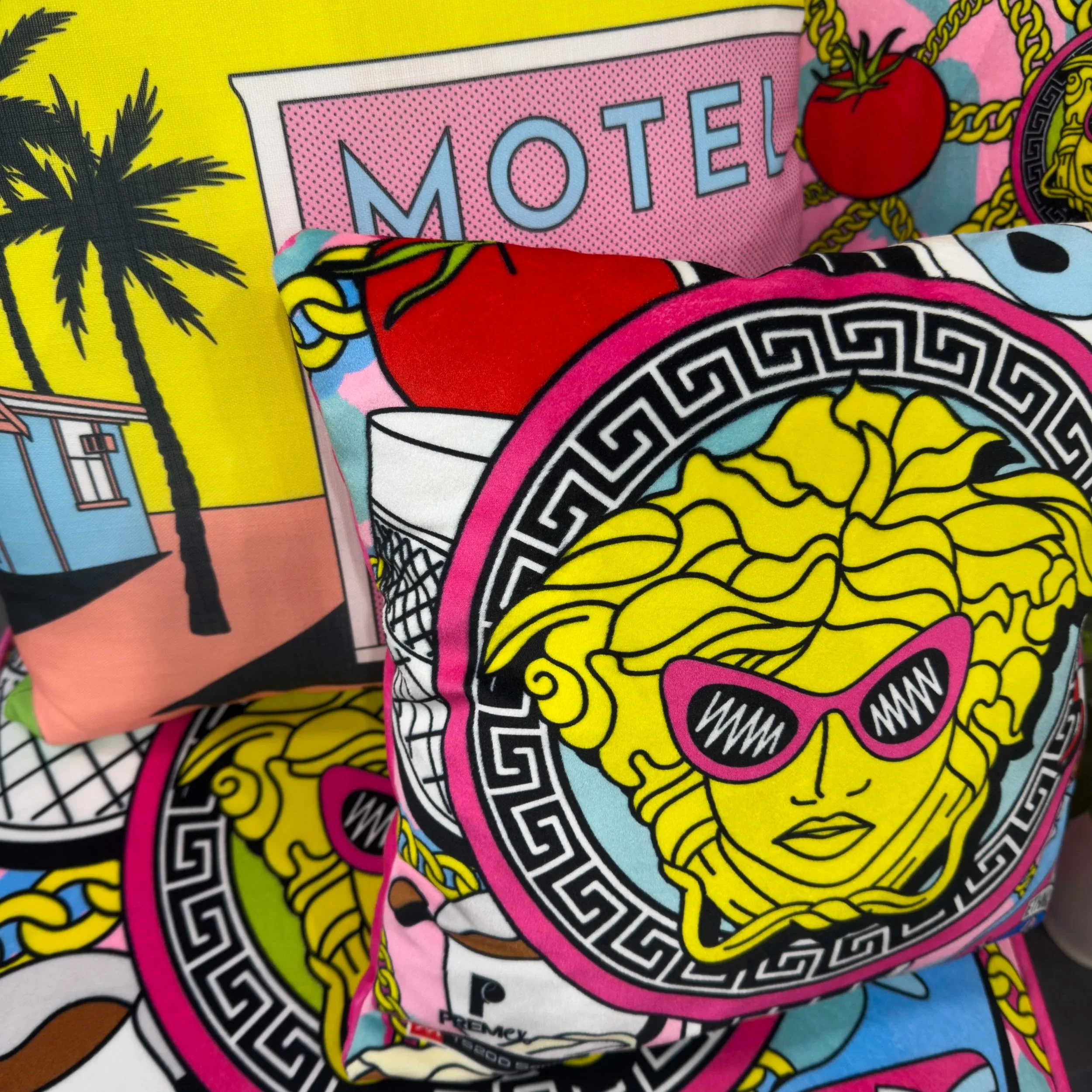
The print industry is at a turning point. According to new research from Printing United Alliance, sales across the sector grew 4.1% in the first half of 2026 - yet real sales actually fell 0.5%, as operating costs climbed 5.7% against price increases of just 3.6%. The result? Nearly three-quarters of businesses surveyed (73.7%) reported profitability that was flat or declining.
And yet a minority are pulling away from the pack. Profit leaders grew sales by 14.1% and real sales by 9.9% - more than three times the industry rate. What separates them isn't luck, scale, or deeper pockets. It's discipline, agility, and a willingness to confront structural change head-on rather than waiting for it to pass.
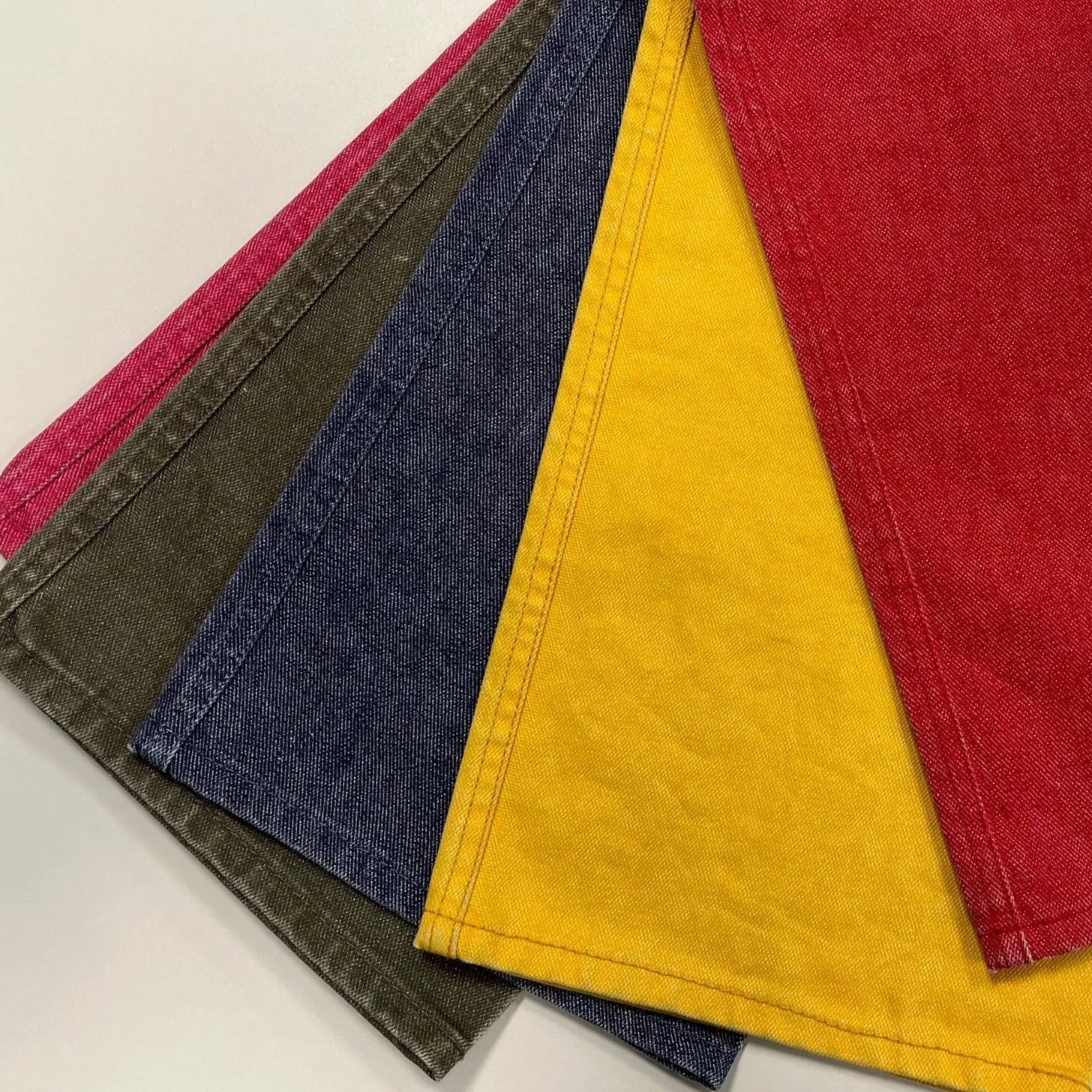
The global denim market produces billions of garments every year, and that scale has always come at a cost.
As environmental regulation tightens, resources grow scarcer, and consumers demand both originality and accountability, the industry faces a question it can no longer defer: can denim keep its soul while changing how it's made?
The answer, increasingly, is digital.

Does creativity live in your head or your hand?
The honest answer, as this new generation of AI-powered tools makes clear, is both, now working in closer partnership than ever before.
The head conceives, directs, and judges; the hand, whether holding a pencil or typing a prompt, still shapes the final outcome. For studios and professionals across the print and textile ecosystem, the opportunity now is to master this partnership before it becomes the industry standard rather than the competitive edge.

Is the future of fashion manufacturing local?
Manchester Made didn't offer easy answers, and it shouldn't have - the challenges facing domestic manufacturing are structural, not sentimental. But it did offer a clear set of principles that every designer, supplier, printer and manufacturer serving the fashion ecosystem should take seriously.

There's a persistent myth in parts of the industry that sustainability compliance is something that happens upstream - a supplier issue, a sourcing issue, a problem for someone else's department.
The webinar dismantled that assumption convincingly. Marketing teams sit squarely in the firing line.
Every claim on a hangtag, website, product name or Instagram caption now falls under regulatory scrutiny. A brand name suggesting an "eco collection," a product description claiming "sustainable materials," a carousel post about carbon neutrality - all of it counts as a communication subject to the same rules as formal labelling. This is a cross-functional compliance challenge that touches data teams, supplier relationships, legal counsel and brand communications simultaneously.
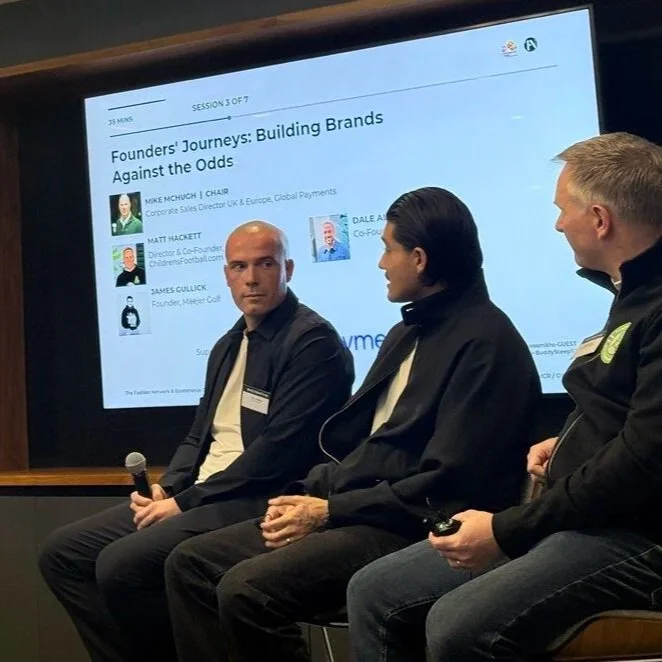
The Ecommerce Leadership Summit North brought together retail and ecommerce leaders in Manchester to discuss the challenges, opportunities and commercial decisions shaping the industry.
Across the day's sessions, speakers explored the future of retail profitability, the growing importance of verifiable product data in AI-driven commerce, the realities of building and scaling brands, and how businesses can protect their margins without compromising customer value. From the discussions on stage to the experiences shared by founders, here are the key insights from this year's summit.
The State of Retail 2027: What Will Separate the Winners from Everyone Else?

This is not simply a matter of faster machines.
It is a question of whether your production model - technology stack, workflow discipline, and quality control - is genuinely built for the realities of club and event merchandise.
Those realities are unforgiving: brand-perfect colour, flawless personalisation, licensing compliance, and turnaround measured in hours rather than weeks.

Colour Separation: The Craft Digital Textile Design Shouldn’t Forget
Textile designer Stephan Alker draws on more than 40 years in the industry, going back to his start at Transfertex in 1980, to trace how colour separation moved from drum scanners, hand-retouched films and engraved gravure cylinders to fully digital workflows.
He argues that this production knowledge still matters in the age of digital printing, because properly separated designs give brands far more freedom.
The Path Foward: Connect Every Link:
Design, colour, workflow, production, data. Each link now depends on the one before it, and the printers who will lead the market are those who strengthen the whole chain, not just the machinery at its centre.
So, this autumn, ask the bigger question on your own shop floor.
Not "Which printer?" but "How well does my business connect demand, design and production?"
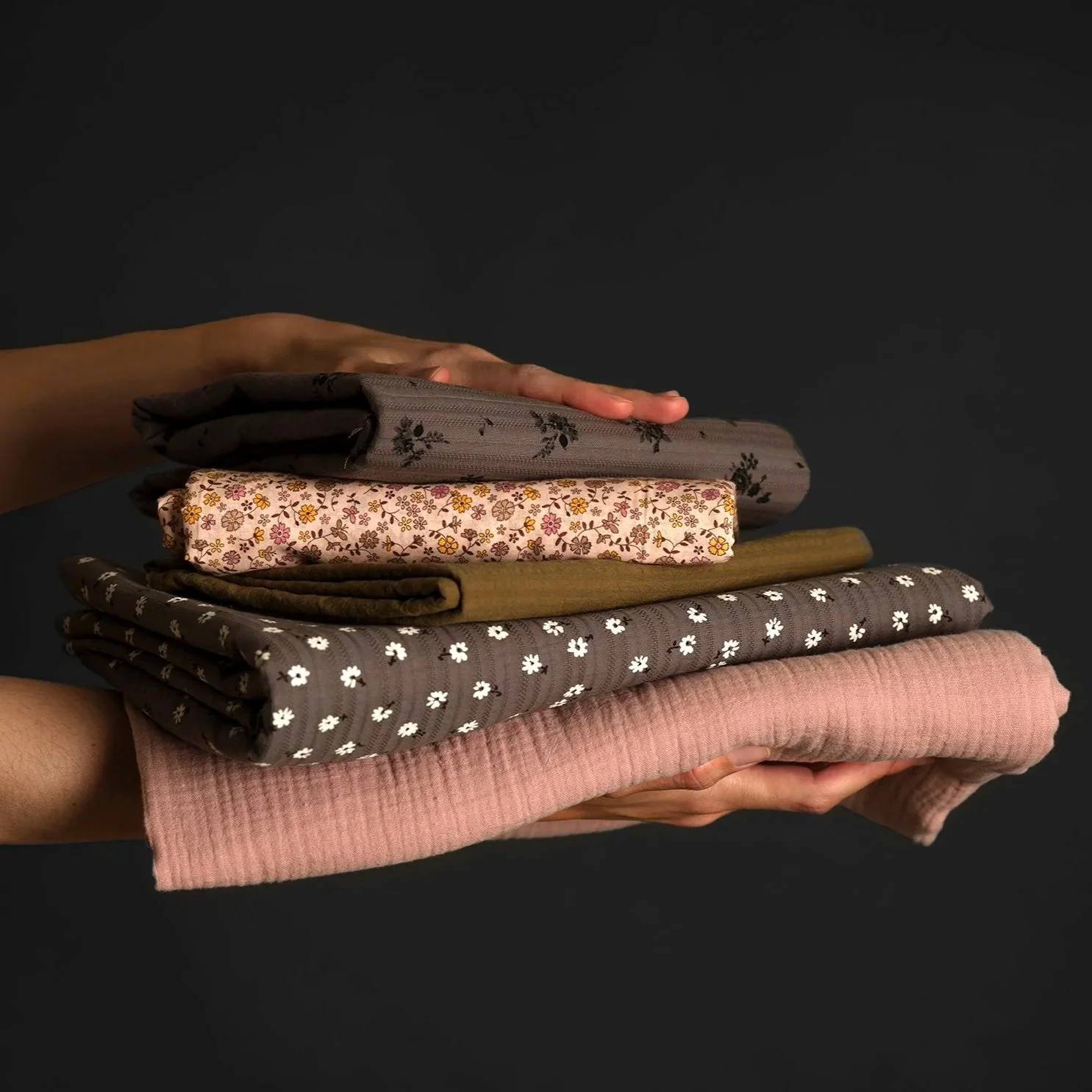
Rebés's story isn't one of nostalgia - It's a working blueprint for how heritage manufacturers can stay indispensable in a market that rewards speed, certification, and specificity in equal measure. Four million metres of stock mean nothing without the digital printing capability to turn it into something distinctive.
A 150-year name means nothing without the R&D discipline to win a tender for antistatic, carbon-fibre-infused uniform fabric on the first attempt.
Image Credit: Tejidos Rebé

24 November 2026: FESPA will bring the global speciality print and visual communications industries together at Messe Munich, Germany, from 6-9 April 2027 for FESPA 2027, with registration to attend now open.
Featuring five co-located shows – FESPA Global Print Expo, European Sign Expo, Textile from FESPA, WrapFest and MERCH, the event will be the place for experts to discover the latest technologies and materials, share knowledge and make valuable industry connections. A programme of talks and panel discussions will also offer visitors insights into emerging trends, industry challenges and new business opportunities.
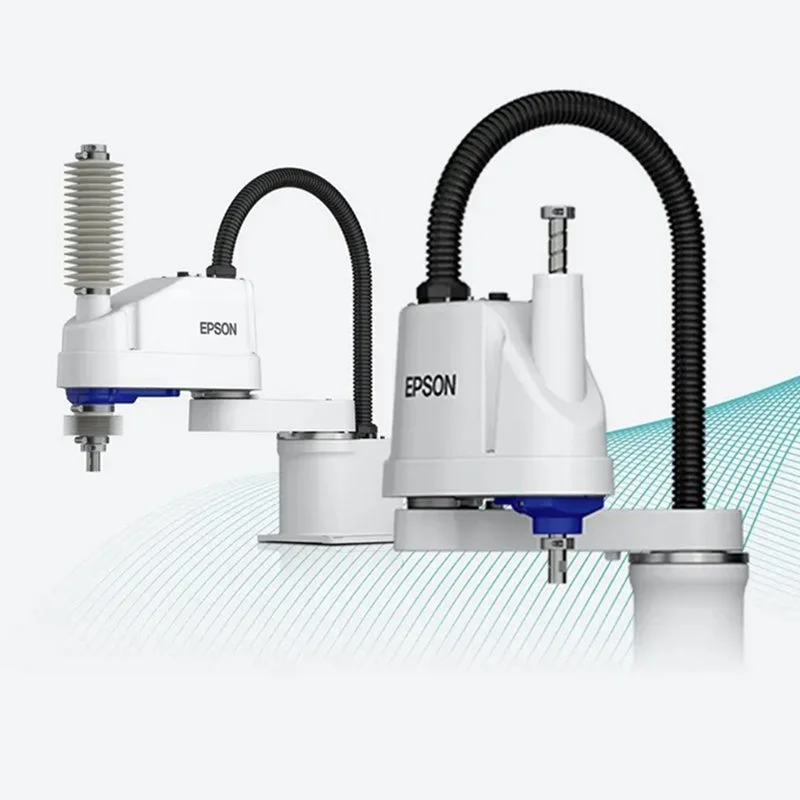
November 2026 – New research from Epson Europe finds that manufacturers are actively exploring robotics to improve productivity and overcome labour pressures, but integrating robots into existing production environments remains a challenge. Repetitive handling tasks present a clear opportunity for automation, with SCARA robots offering the speed, precision, and consistency these applications demand. The research reveals that 44% of manufacturers with European operations are already using, implementing, or considering SCARA robots, indicating strong interest in the technology.
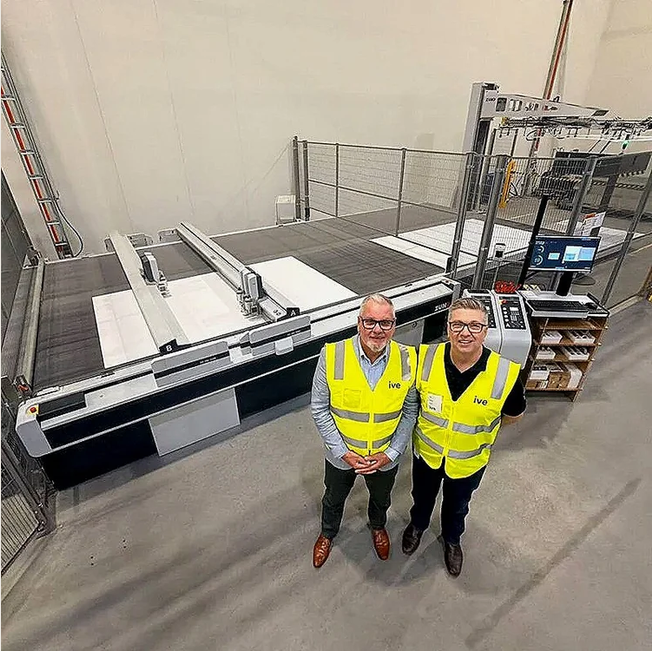
Sydney, Australia – November 2026 - IVE Group has installed its second automated Zünd D3 cutting table with automated board handling at its new Kemps Creek facility, a move designed to boost productivity and reduce labour across its growing digital printing operations.
The company has purchased its second Zünd D3 3XL-3200 dualbeam cutting table, fitted with a BHS150 automatic board handling system, within its new digital printing facility in Sydney. According to Zünd Australia managing director Dale Hawkins, the process behind selecting the technology and building a business case for the installation closely mirrored the identical setup completed at IVE's Braeside facility in September 2024.
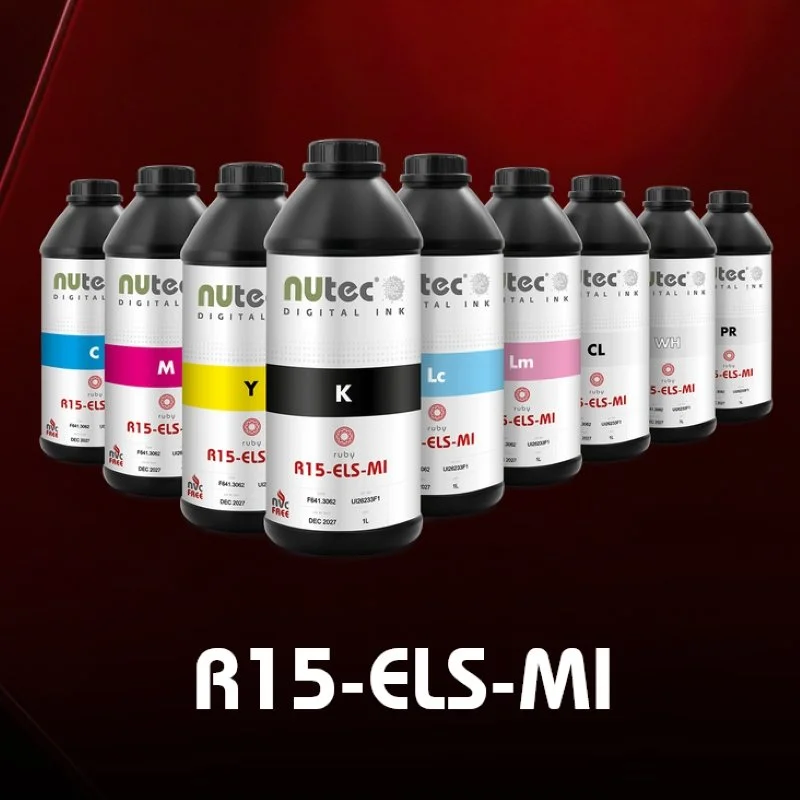
Cape Town, South Africa – November 2026: NUtec Digital Ink has announced the launch of its new Ruby R15-ELS-MI UV-cured hybrid ink, developed as a cost-effective alternative for selected Mimaki® printers using LUS and ELS ink sets.
Optimised for LED-UV curing, the new ink delivers vibrant colour density and versatile performance across rigid and flexible substrates, offering print service providers greater application flexibility while potentially reducing operating costs.
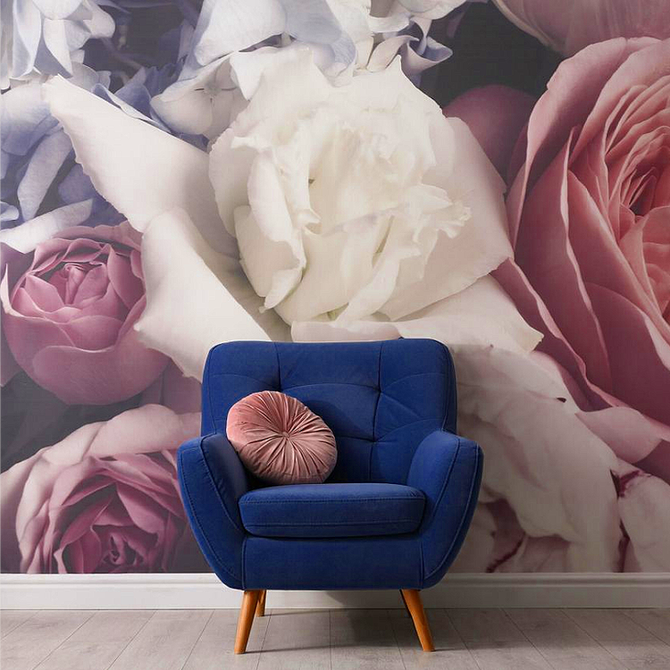
Venlo, The Netherlands – November 2026 – Canon Production Printing has today drawn attention to a significant shift taking place at the intersection of architecture, interior design and print technology, as walls increasingly evolve from simple surfaces into storytelling spaces within modern built environments.
The company notes that walls across offices, hospitality venues, healthcare facilities, homes and retail stores are being reimagined as integral elements of experience design, rather than passive backdrops. This transformation reflects a wider move towards personalisation, with brands and designers now expecting wall graphics, wallpapers, acoustic panels and decorative elements to express unique identities and local context.
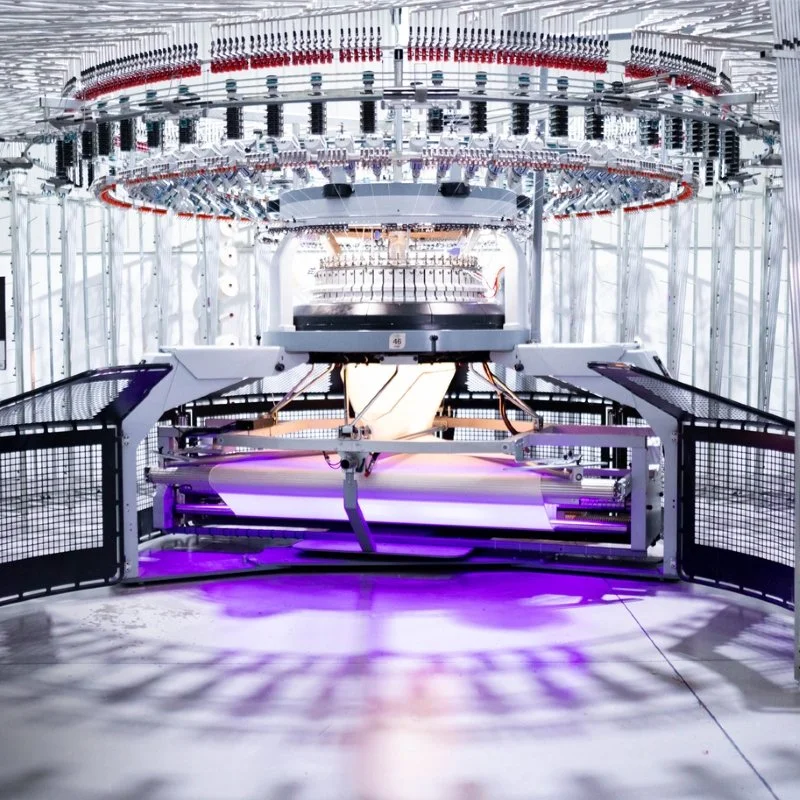
Hanover, Germany – November 2026 – ITMA, the world's leading textile and garment technology exhibition, has highlighted the growing urgency for manufacturers to connect fragmented digital systems across the production chain, as the industry moves beyond isolated digitalisation towards fully integrated manufacturing ahead of ITMA 2027 in Hanover.

Kramsach Austria - November 2026 – aeoon Technologies GmbH, a developer of industrial direct-to-garment (DTG) printing solutions, has reiterated its focus on engineering machines designed specifically for the demands of professional textile manufacturing. The announcement highlights the distinction between printers built for sample production and those engineered to withstand the rigours of industrial-scale output.

Peterborough, UK – November 2026 – Snuggle Ltd, a supplier specialising in garment printing and decoration, has announced a limited-time promotional offer on its Earth Positive EP301 Black Hoodie, giving clothing brands and resellers an affordable route to expand their ranges with sustainably produced garments.

Oswestry – UK – November 2026 – China Print Supplies UK Ltd has announced an opportunity for one UK print business to become a showcase partner for its Hapond UP3321D, a dual 3.2m UV printer, at a saving of £40,000 against the recommended retail price. The partner will secure the machine for £75,000 plus VAT, compared to its RRP of £115,000 plus VAT.

Miami - Florida – November 2026 – Roland DG Corporation, a leading provider of digital printing solutions, has won three awards at The Drum B2B Awards 2026 for its global brand refresh and Make Your Mark campaign.
Announced at The Drum B2B Awards ceremony in Miami, Roland DG received Silver in Photography & Illustration, Silver in Corporate Positioning, and Bronze in Brand Positioning.
The recognition follows the global launch of Make Your Mark in April 2026, which introduced a refreshed brand message, visual identity and creative platform designed to reflect both Roland DG's more than four decades of engineering excellence and the evolving ambitions of its customers around the world.
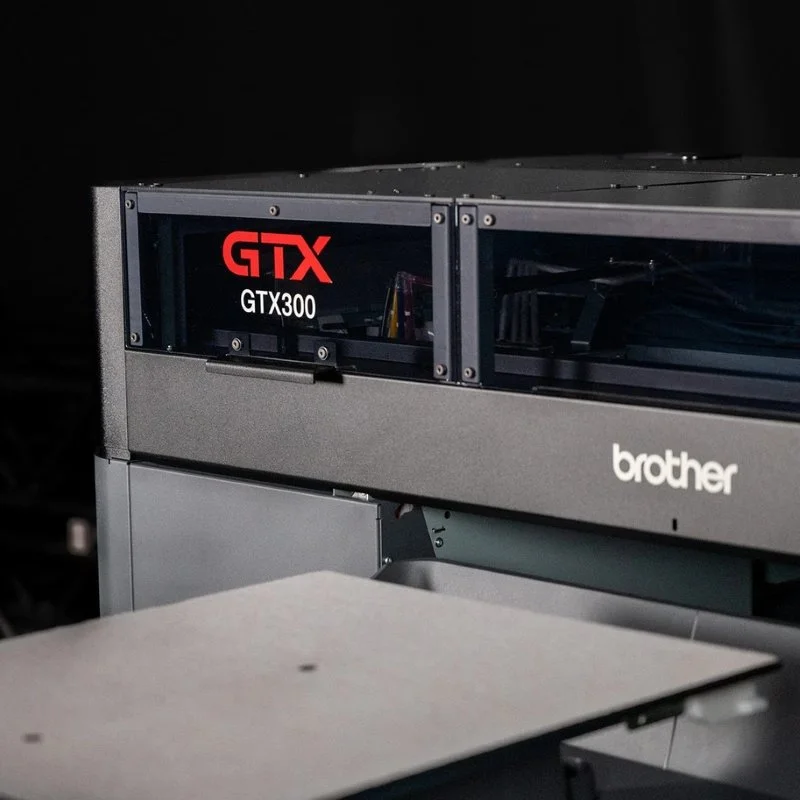
Emmerich am Rhein, Nordrhein-Westfalen – November 2026 - Brother Industrial EMEA has announced a new offer designed to support printing businesses as they prepare to scale operations ahead of 2027. Customers who purchase the Brother GTX300, a hybrid direct-to-garment (DTG) and direct-to-film (DTF) printer, will receive an additional ink set free of charge as part of the promotion.
The GTX300 allows businesses to combine two printing methods within a single device. Operators can print directly onto cotton using DTG technology, or extend their offering to polyester, blended fabrics, and other materials using DTF. This flexibility is intended to help printing businesses diversify their product ranges without investing in multiple machines.

London, UK – November 2026 – ARTS THREAD, in collaboration with Google Arts & Culture, has announced the winners of its Global Creative Graduate Showcase 2026, with Abi Jade, an Illustration BA (Hons) graduate from Norwich University of the Arts, taking the top honour in the Illustration category. The announcement caps a showcase that drew entries from thousands of graduating creatives across the globe, underscoring the scale and ambition of the next generation entering the creative industries.
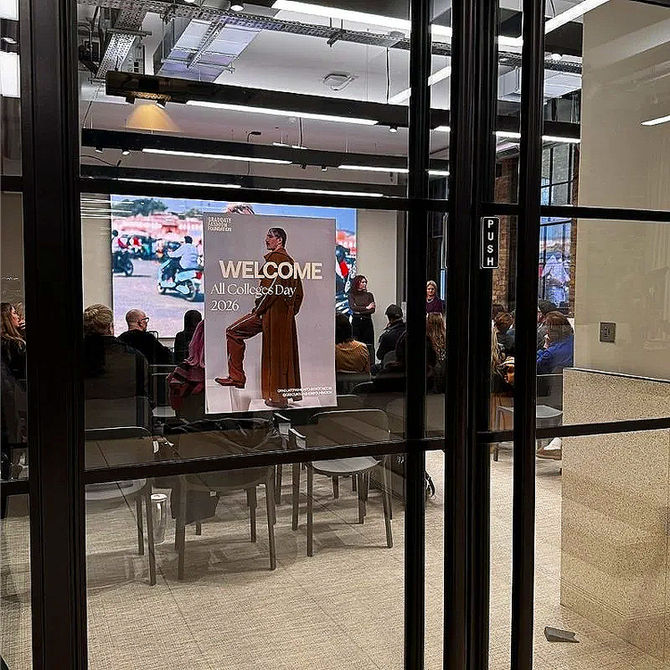
London, UK – November 2026 – The Graduate Fashion Foundation hosted its annual All Colleges Day on Friday, 13th November 2026, at The Mills Fabrica in London, bringing together trustees and guests from member universities across the country alongside leading industry voices. The event underscored the Foundation's continued commitment to shaping a more inclusive, sustainable, and connected future for fashion education.
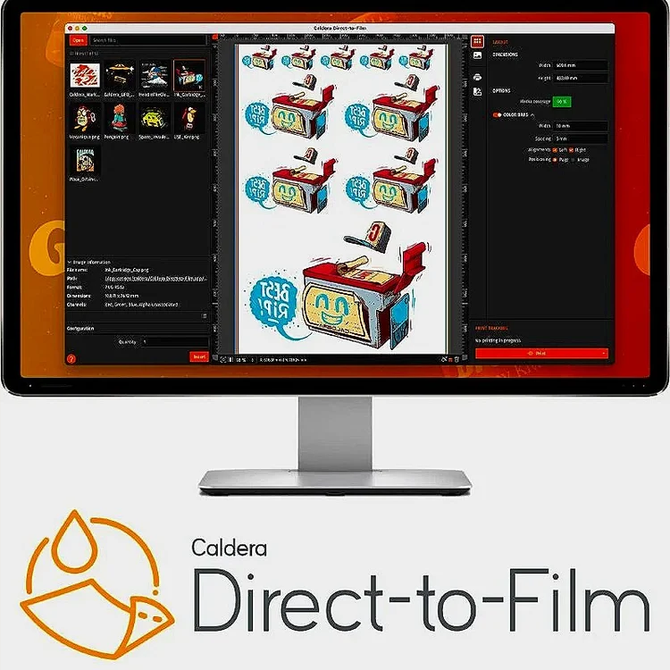
Eckbolsheim – France – November 2026 – Caldera has announced the release of Direct-to-Film 2.7, introducing a connected workflow with CalderaColor designed to help print operators achieve more accurate and controlled colour matching. The update addresses a long-standing industry challenge: a colour that appears correct on screen can look markedly different once printed, depending on the equipment, inks, and materials used in production.
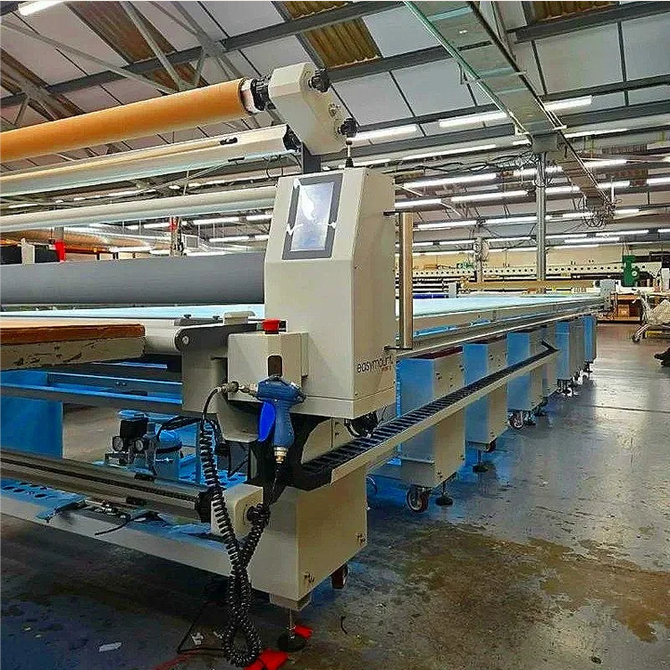
Stoke 0n Trent - UK– November 2026 – Vivid Laminating Technologies Ltd has announced that its award-winning Easymount Hybrid has been selected by Aura Brand Solutions, a leading provider of brand implementation and image management services, as the longest Easymount Hybrid produced to date.
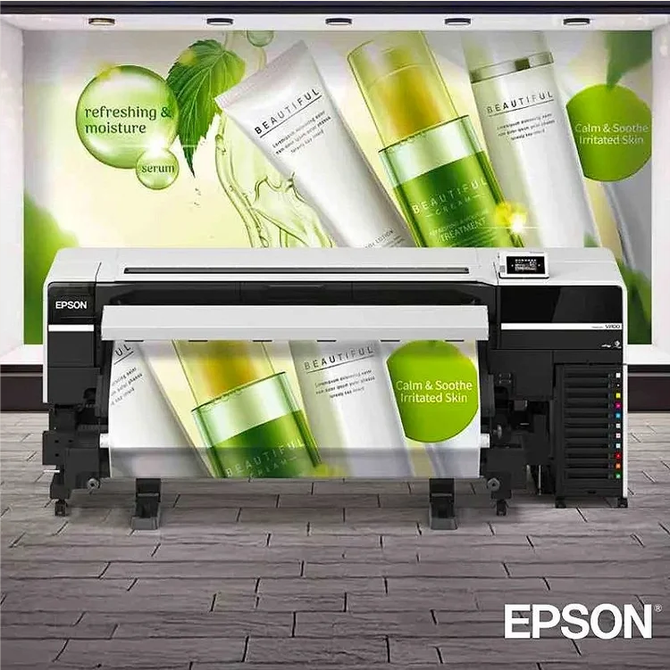
Hamilton – Scotland – November 2026 – Epson today announced a new customer case study highlighting how Cube Wraps, a specialist in vehicle graphics, has transformed its production capabilities with the Epson SureColor S9100 printer. The case study, featuring Director Gary Smillie, details how the technology has enabled faster turnaround times, improved colour performance, and greater operational reliability.

Shanghai, China – November 2026 – EFI Reggiani has announced its participation in ITMA ASIA + CITME 2026, taking place from 20–24 November 2026 at the National Exhibition and Convention Centre (NECC) in Shanghai. The company will exhibit in Hall H8.1, Booth C38, as part of the National Group Sector organised by ACIMIT and the Italian Trade Agency (ITA), representing Italian textile machinery excellence on the global stage.
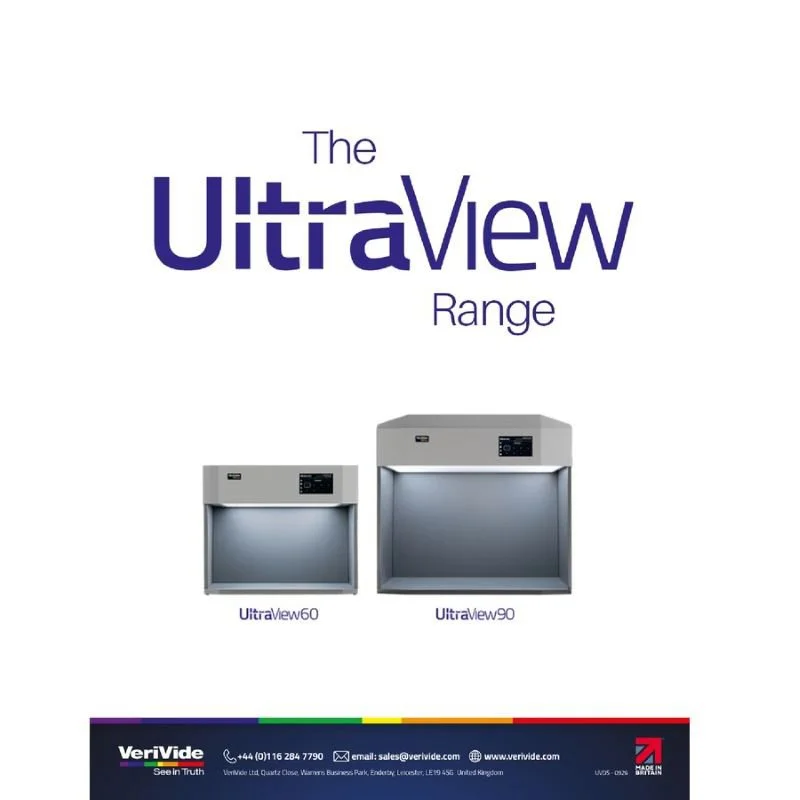
Leicester, UK – November 2026 – VeriVide, a global leader in colour and appearance assessment technology, today featured their UltraView60 and UltraView90 models, two exciting additions to their industry-leading tuneable LED light booth range. Designed to give manufacturers and retailers the flexibility to choose the right fit for their workspace without compromising on precision, the two models mark a significant step forward in making consistent, reliable colour assessment accessible across every stage of production.
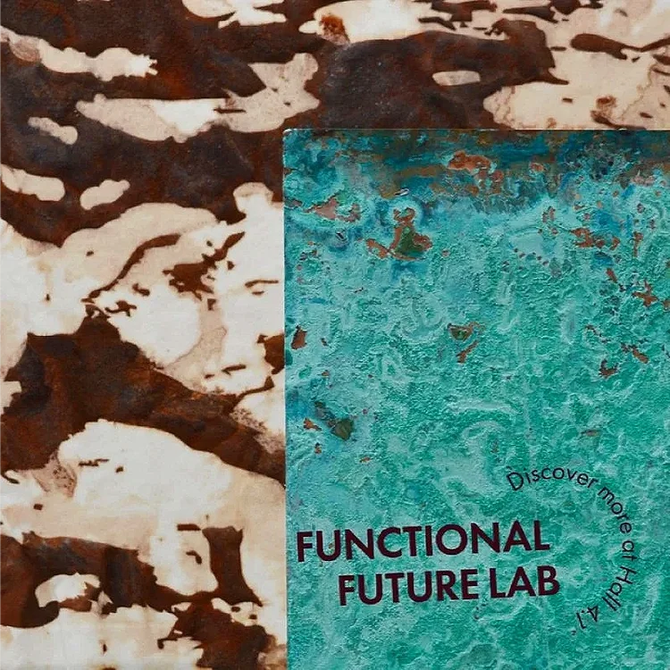
Frankfurt, Germany – November 2026 – Heimtextil, the world's leading trade fair for home and contract textiles, has announced a significant new addition to its 2027 edition. In partnership with Future Fabrics Expo, Heimtextil will introduce the Functional Futures Lab, a dedicated showcase exploring the future of functional materials across architecture, interior design, and hospitality.

Malmesbury, South Africa – November 2026 – The FESPA Foundation has delivered a substantial collection of donations to three schools in the Western Cape, South Africa, following contributions gathered from exhibitors at the FESPA Global Print Expo in Barcelona and the FESPA Africa Expo, co-located with Africa Print Expo.

Altrincham – Cheshire – UK – November 2026 –OmbreMe from Funkifabrics is a new service that allows customers to design and order bespoke ombré fabrics. The offering enables users to select their own colours and customise the gradient, resulting in a fabric created entirely to their specification.

Accrington – Lancashire – November 2026 – Soyang Europe has announced a new combination of printing technology and textile engineering, bringing exceptional colour vibrancy and stunning backlit results to the wide-format display market. The pairing of the LIYU Platinum PCT UV Roll-to-Roll Printer with Soyang's ST-601 RCY Backlit textile is designed to help brands and display specifiers create eye-catching graphics without compromising on sustainability.
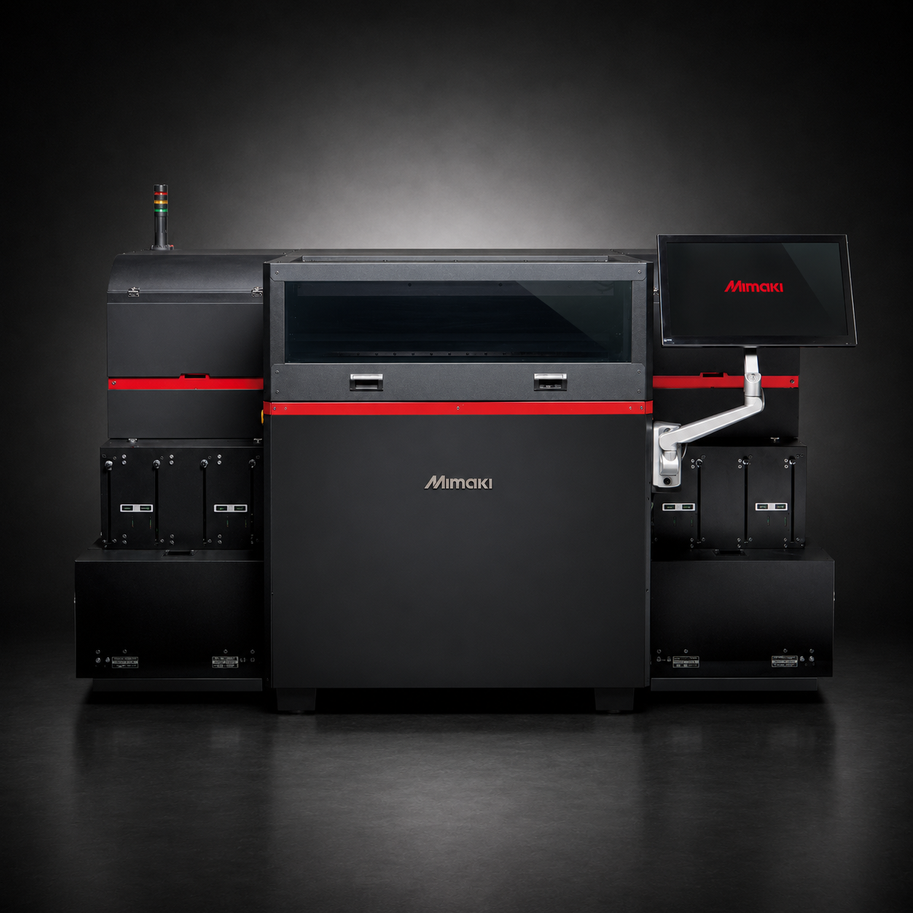
November 2026 - Mimaki has announced the world premiere of its new 3DUJ-553MkII full-colour 3D printer at Formnext 2026 (Hall 2.1, Booth F129, 17–20 November, Frankfurt, Germany). Designed to produce more vivid and more realistic models and prototypes at a lower production cost, the new printer combines richer colour reproduction, from delicate to deep tones, lifelike material effects and improved production efficiency, creating new opportunities for product designers and model makers across the product development process.

Dusseldorf – Germany – November 2026 – Barbieri has announced its participation in the Industrial Print Integration Conference 2026, taking place from 24–25 November 2026 at the Crowne Plaza Düsseldorf/Neuss in Germany. The company's COO and Co-Managing Director, Viktor Lazzeri, will take the stage to deliver a presentation titled "Robotic Spectral Colour Quality Control: Integrating Autonomous Colour Measurement into Industrial Printing Workflows."
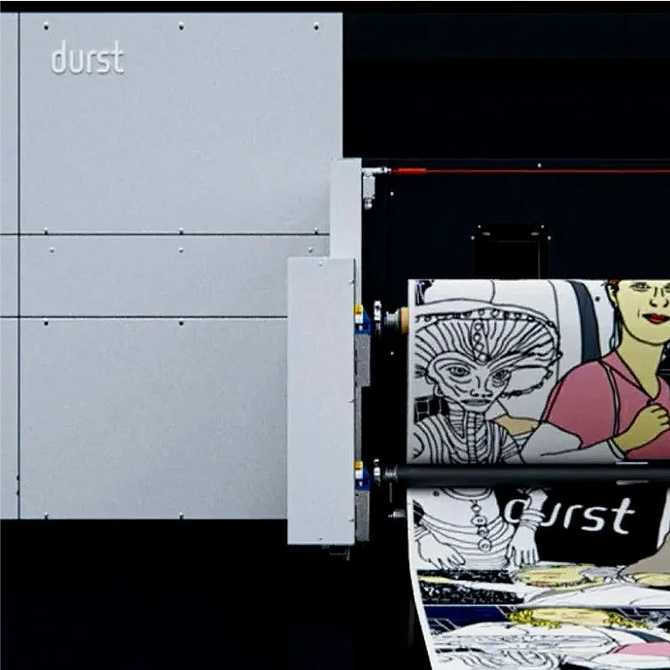
Athens, Greece – November 2026 – Multiplo, part of the EVIN Intzoglou group, has announced a significant investment in the Durst P5 350 TEX iSUB digital printer, marking the first installation of this model in Greece. The move strengthens the company's production capabilities in large-format digital textile printing and reflects its ongoing commitment to quality, innovation and sustainability.

San Francisco, CA – November 2026 – Microsoft’s Ignite 2026, is its flagship technical conference for IT professionals, developers, business leaders and partners, taking place from 17–20 November at Moscone Center in San Francisco, with a digital attendance option available worldwide. The event will bring together the global Microsoft community to explore the latest advancements in artificial intelligence, cloud computing, security and enterprise technology.
Klagenfurt, Austria –November 2026 – Zimmer Austria, a leading manufacturer of printing, coating and finishing machinery for the textile industry, has announced its participation in India ITME 2026, taking place from 4–9 December 2026. The company will exhibit at the A.T.E. Enterprises Pvt. Ltd. booth, Hall No. 1, Stall H1-A5, presenting technology engineered for precision and efficiency across textile production.
Geel – Belgium – November 2026 – Roland DG Europe has announced the availability of two dedicated print-only solutions, the DGXpress ER-641 and the TrueVis XP-640, designed to give large-format graphics businesses the flexibility to choose equipment suited to their specific production priorities. As print businesses increasingly weigh up whether an integrated print-and-cut solution is truly necessary for their operations. According to Roland DG Europe, the right equipment choice depends on what a business produces, how its workflow operates, and where it wants to grow, rather than on which machine offers the most features.

Manchester – November 2026 – Premier Digital Textiles has today highlighted its 2456 Cuddle Fleece, an ultra-soft, plush fabric engineered to deliver both exceptional comfort and outstanding print performance. Arriving as the colder nights draw in, the new fabric is designed to meet growing demand for cosy, high-quality home textiles that don't compromise on visual appeal.

Madrid, Spain – November 2026 – Epson has confirmed its participation in C!Print Madrid 2027, Spain's leading trade fair for the visual communication, textile printing and personalisation industry, taking place at IFEMA Madrid from 12 to 14 January. The company will use the event to showcase tangible business opportunities for the sector, headlined by the Spanish debut of its new small-format sublimation printing solution, the SureColor F300, following its recent global launch.