
Industry Insights & Opinion

Why the Maths of Colour Controls the Sum of All Parts in Apparel
Colour Is Too Important to Leave to Chance
Print will always be the part of the garment people see first.
But the sum of all parts — the fabric, the trims, the fasteners, the finish — is what determines whether a design actually delivers on its promise. Brands that continue to treat colour as a single creative decision, rather than a coordinated technical discipline spanning their entire supply chain, will keep paying for it in re-dips, delays, and disappointed design teams.
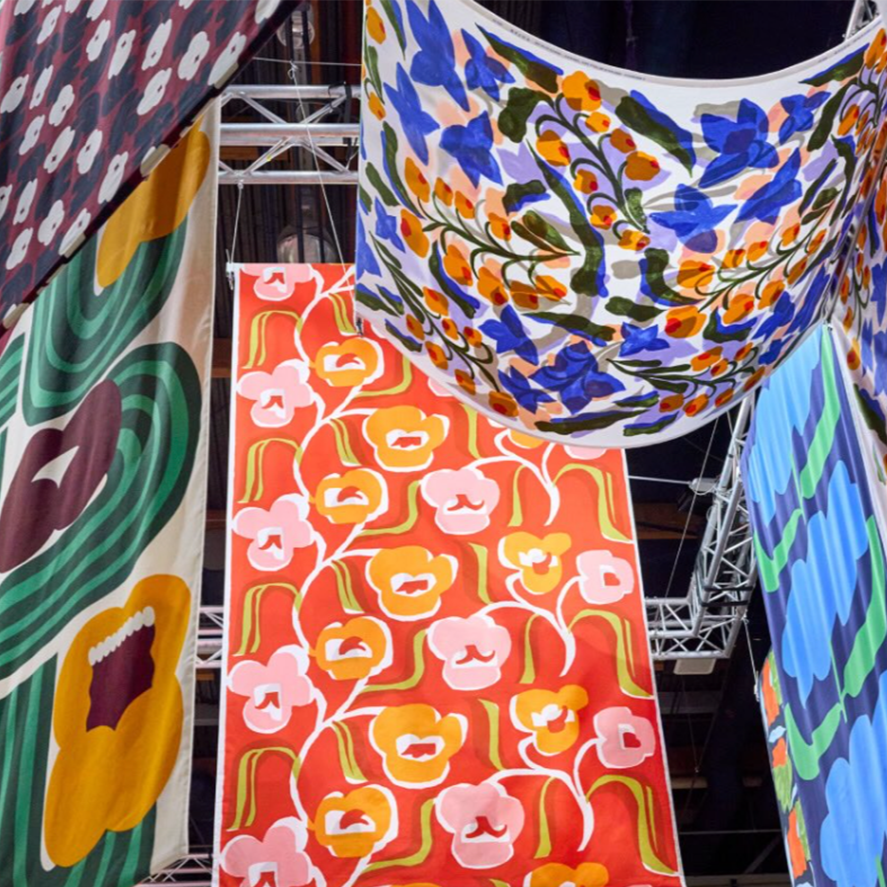
CASE STUDY: How Marimekko Turned Bold Prints Into a Global Blueprint - from the banks of the Seine to the markets of Asia-Pacific
From Helsinki's printing mill to Paris's Le Marais, discover how Marimekko is scaling a design-led brand with purpose, craft, and bold innovation.
But what makes Marimekko's story compelling is not just its aesthetic legacy?

Securing the Future of Creative Production: Key Insights from Our Latest Roundtable
The Security Case for Indentity Based Licensing

INDUSTRY INSIGHT: A Measured Perspective on Powderless DTF Chemistry, Cost, and Production Reality - Dr. Madhu Kaushik
Powderless DTF is an important area of innovation. It deserves research, investment, and thoughtful development.
“But at its current stage, it often feels like the industry is attempting to commercialize the concept ahead of the underlying chemistry and system readiness”.
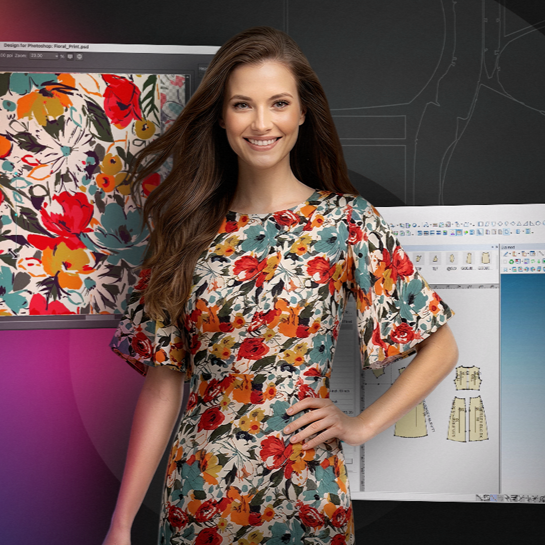
CASE STUDY: Connecting Design and Manufacturing Across Industries using NedGraphics X Optitex
The Future of Manufacturing belongs to those who Embrace Connected Digital Ecosystems
“Whether you produce garments, car interiors, or home furnishings, the transition from creative concept to production-ready product often remains fragmented. Design teams work tirelessly to develop compelling materials, yet technical teams struggle to interpret these visions without losing data along the way.”
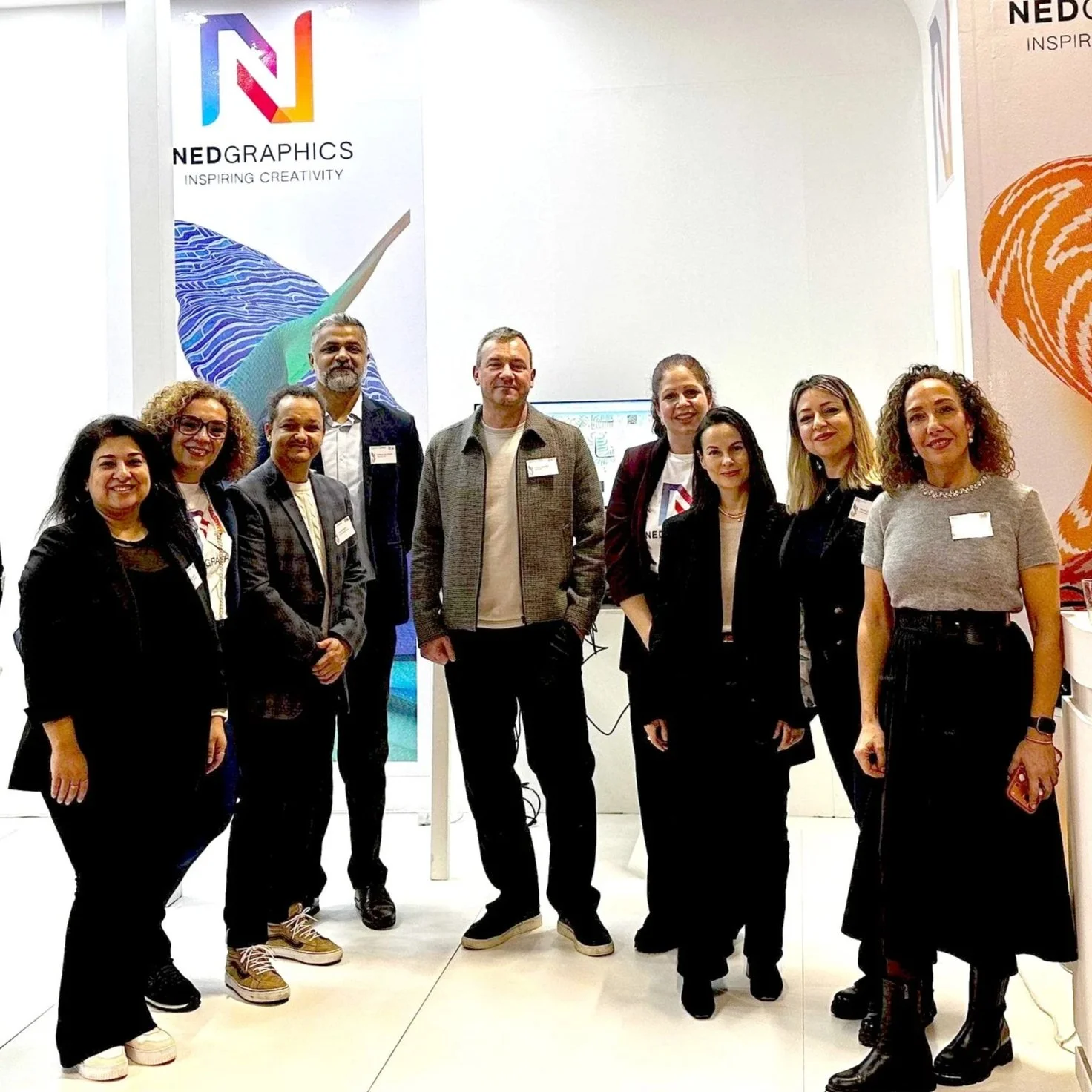
Heimtextil 2026 - At the Heart of a Changing Textile Industry - A NedGraphics Restrospective
For our community, the takeaway is clear.
Innovation does not happen in isolation. If you are serious about shaping the future of textile design and production, you need to be present where ideas, experience, and perspective converge. Engage in the conversations, build relationships beyond transactions, and invest in spaces that allow you to learn not just from technology, but from one another. That is where lasting progress is made.
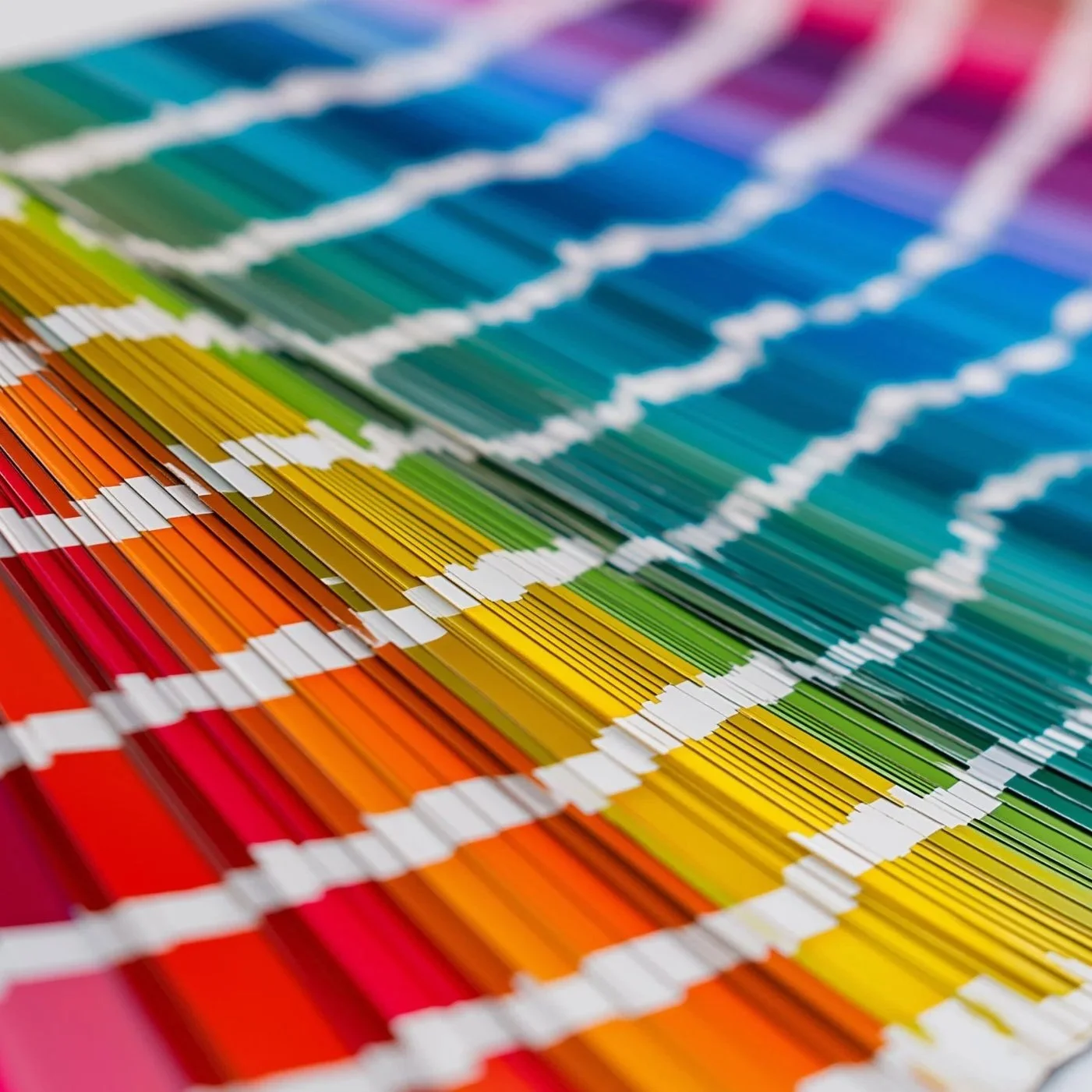
EXPERT INSIGHT: Why Prints Fail: The Role of Lighting & ISO Compliance and The Hidden Lighting Crisis
“We are moving towards a future where waste is unacceptable—both economically and environmentally. Allowing lighting mismatches to create colour rejections is an unforced error.
The solution requires investment, but it is an investment that pays for itself by preventing a single rejected print run”.
- Lou Prestia

INDUSTRY OPINION: Autopsy of a Transition that Never Happened and The Material State of the Textile System
“2025 did not constitute a transition year. It constituted a consolidation of narrative capability”.
“The system became better at explaining why change was underway, better at projecting inevitability, and better at managing contradiction. It did not become better at altering fibre composition, reducing throughput, or decarbonising production at scale.”
Shivam Gusain - Founder at Decypher

CASE STUDY: Rethinking Software Licensing Models: It's Time to Evolve Beyond the Dongle
Is your software licensing model holding your business back?
For years, the industry relied on cumbersome hardware dongles and static license keys to manage access. We accepted them as a necessary inconvenience - a clunky but functional way to protect intellectual property.
The future of software licensing is not about locking down devices; it’s about empowering users. It’s time for a fundamental shift towards flexible, secure, and user-centric cloud solutions.

INDUSTRY INSIGHT: The Nature of Fashion: Reconnecting Our Wardrobes to the World we Interview Carry Somers
The challenges facing fashion today—overconsumption, pollution, a broken recycling system, and the myth of true circularity—are not isolated technical problems.
“To build a truly sustainable future for fashion, we must do more than innovate; we must remember. We must look back to the botanical origins of our clothing to understand how to move forward..”
Carry Somers - Nature of Fashion

INDUSTRY INSIGHT: Top 5 Trends Shaping the Textile Print Industry in 2026 - Prepare for the Year Ahead
The Coming Year will Test the Resilience and Adaptability of Every Player in the Textile Sector.
“From apparel to interior décor, the challenges are interconnected, creating compound effects that can stifle growth or unlock unprecedented opportunities. This article will explore the pivotal trends of technology integration, supply chain resilience, regulatory compliance, production efficiency, and dynamic market shifts.”
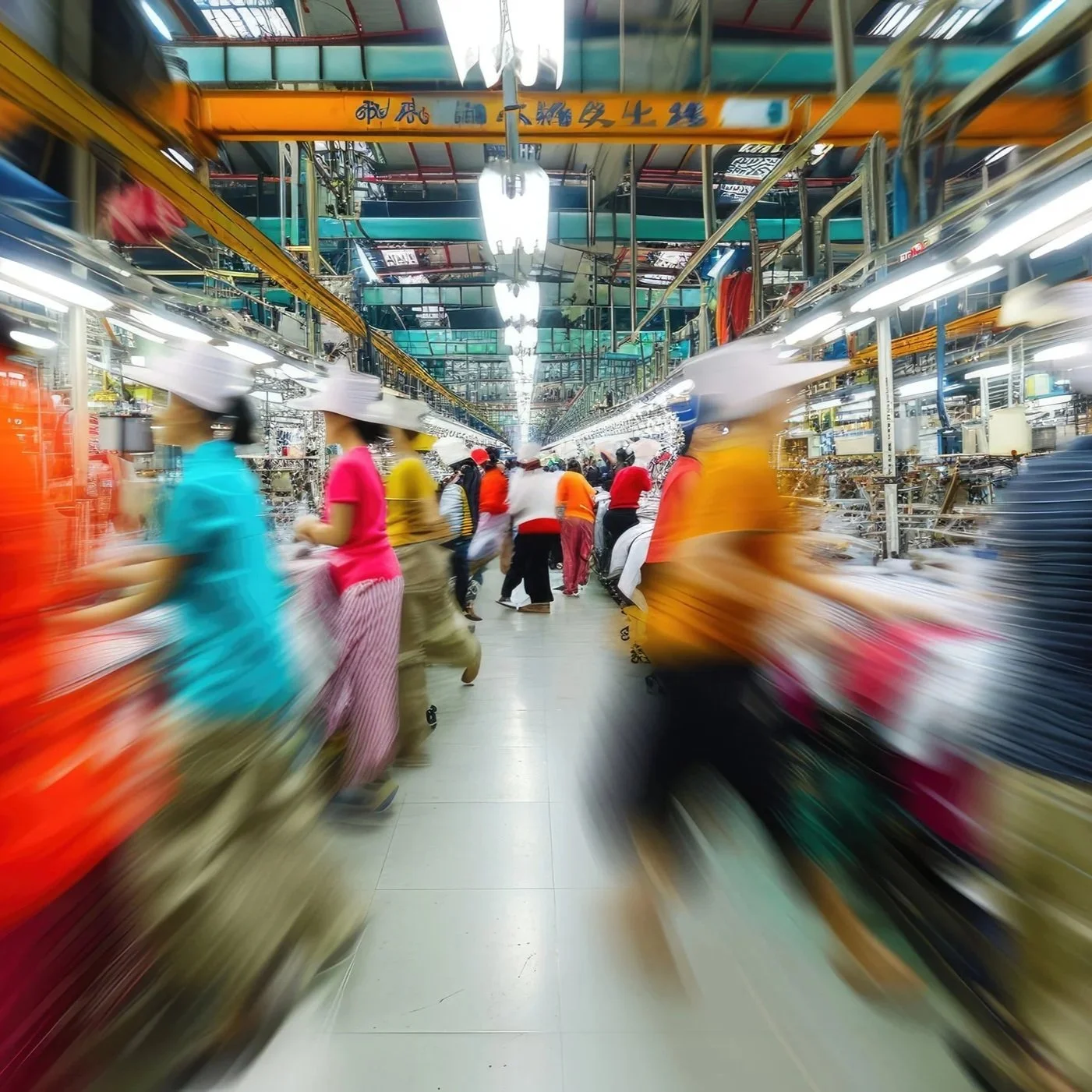
INDUSTRY OPINION: The Annual Report of Avoiding the Obvious: Is the Fashion Ecosystem Really Making Significant Environmental Progress?
What work was actually done and what work was not?
“Brands need to do the work that actually reduces emissions rather than the work they find interesting, exciting or convenient. Do the work that matters. Fix the processes that carry the load. Touch the machinery you have spent years avoiding.”
Shivam Gusain - Founder at Decypher
INDUSTRY INSIGHT: Innovating Sustainability and the Future of Bio Materials with David Williamson of Modern Meadow
To mitigate the environmental impact of polyester and cotton, both innovation and systemic change are essential.
“The ultimate goal is a circular economy where materials are designed to last and then be effectively recycled at their end of life. The predicted growth of polyester and cotton consumption underscores the urgency of this mission. We cannot continue to rely on inefficient, linear systems.”
David Williamson - Modern Meadow
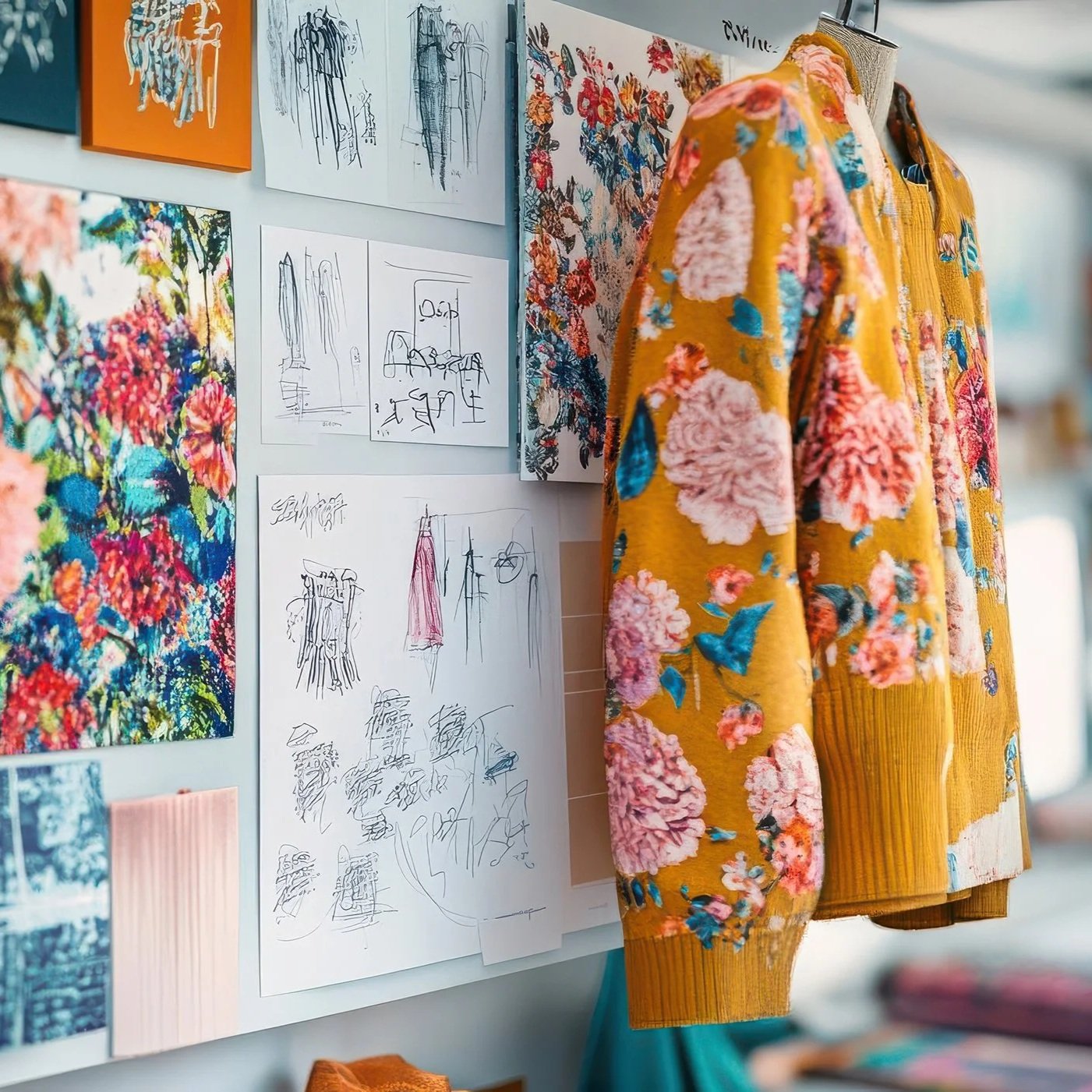
INDUSTRY DEBATE: Resilience Redefined: Preparing Supply Chains for an Uncertain Future with The Fashion Network
The era of 'set it and forget it' supply chains is over.
The challenges are immense, but they are not insurmountable. The path forward requires a fundamental shift in mindset—from reactive crisis management to proactive, strategic resilience-building.
For every designer, supplier, and retailer in the textile marketplace, the message is clear: the most valuable investment you can make is in the stability of your supply chain.
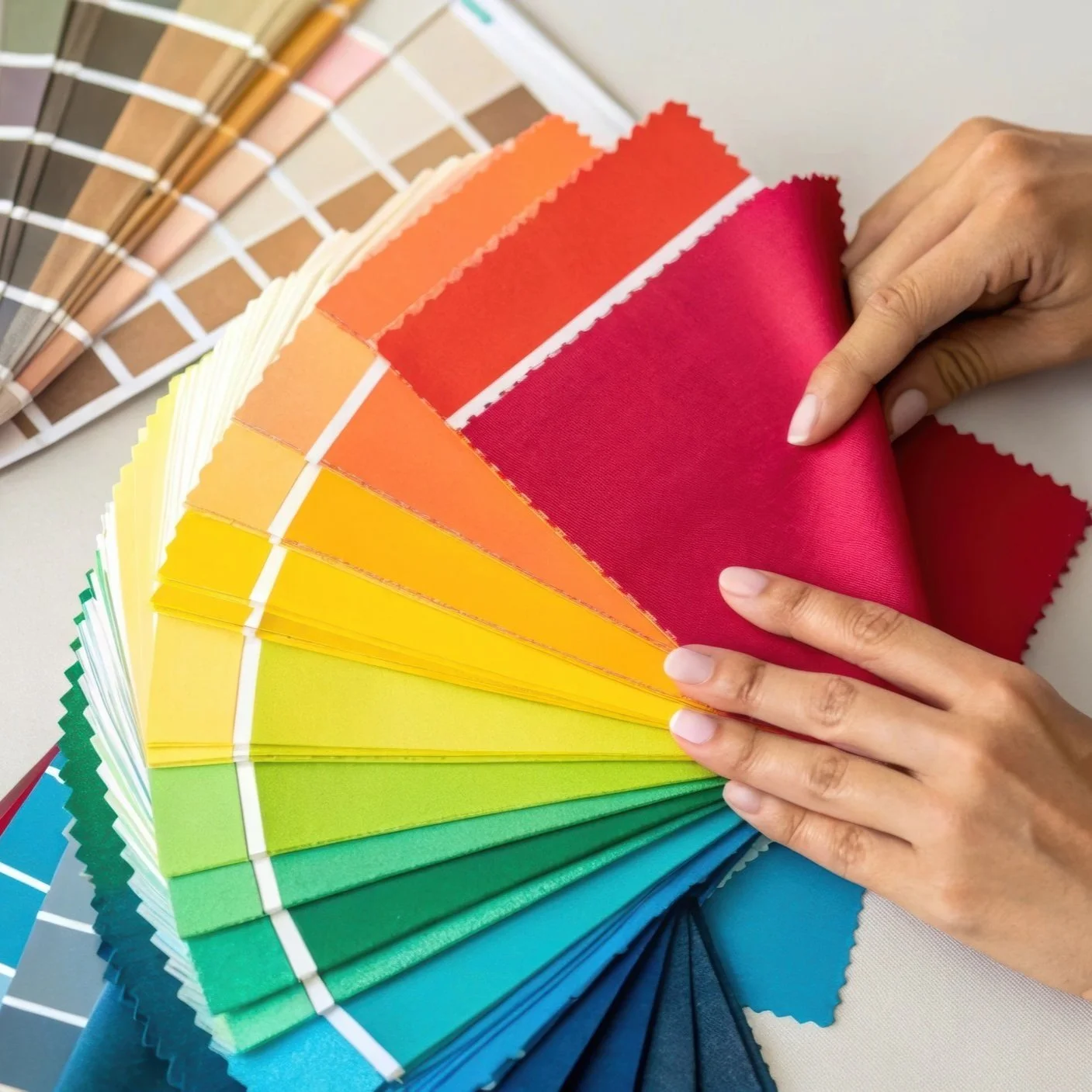
COLOUR MATCHING: A Deep Dive into the Science of Colour and the increasing requirement for the use of Spectral Data for Digital Printing
Textile brands in all segments of the market require textiles to be manufactured with conformance to a colour tolerance. This is a tolerance for each colour in the finished product - matching the colour to the specified shade for the design or colourway, typically as QTX spectral data. - Lou Prestia

INDUSTRY OPINION: The Surplus Strikes Back! People in fashion like to talk about waste in terms that can be seen
Waste is still too often treated as a matter of what happens at the end of the value chain, as though the real problem begins only once a garment is unsold or discarded.
In reality, the damage is already baked in much earlier. If one fifth of production volume is destined never to reach a consumer, then one fifth of all the energy, water, chemistry, and labour that went into that production is squandered the moment the order is placed.
Shivam Gusain - Founder at Decypher
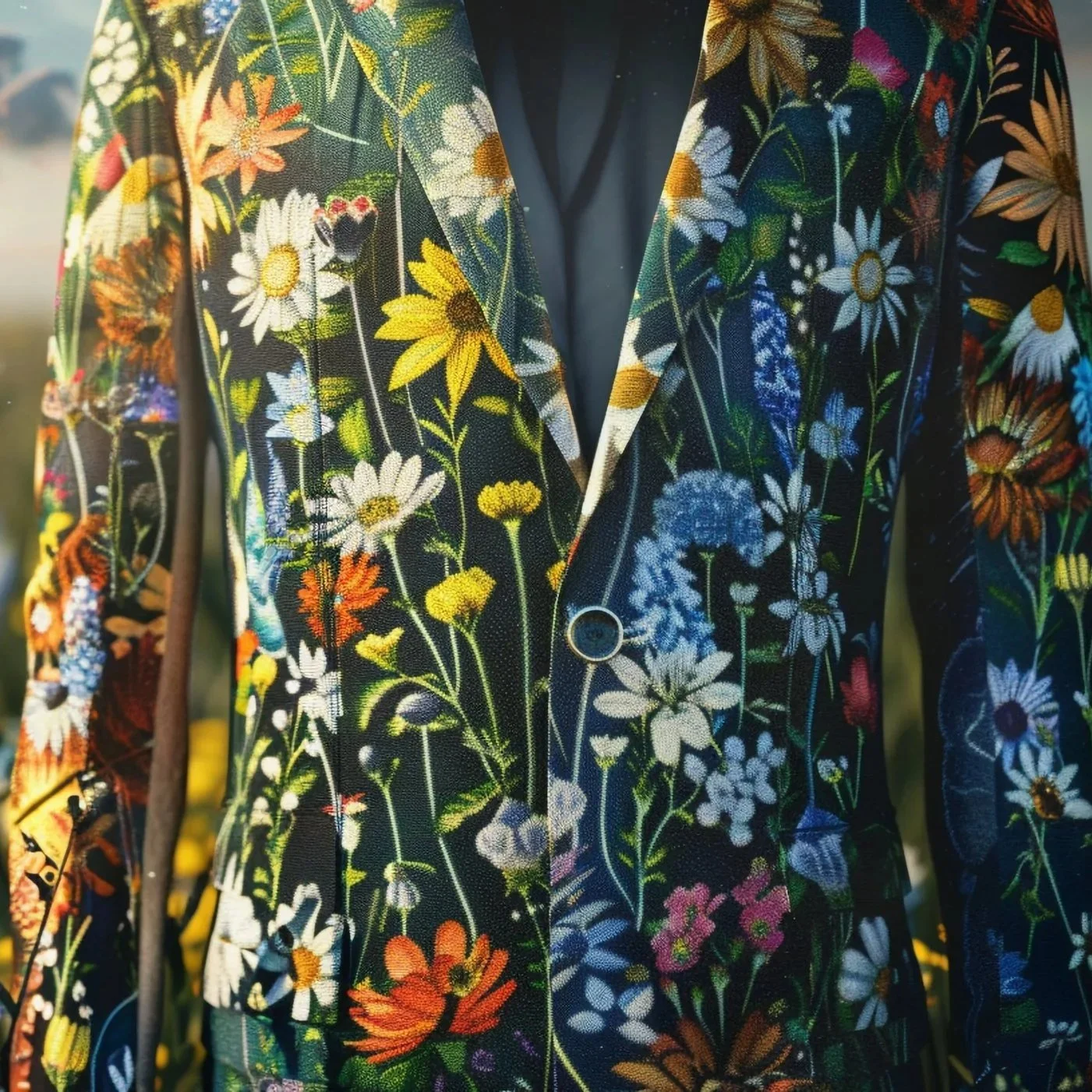
INDUSTRY DEBATE: Is fashion's digital revolution a threat to creativity or its greatest opportunity?
Is fashion's digital revolution a threat to creativity or its greatest opportunity?
This is the central question facing an industry grappling with immense pressure to be faster, more efficient, and, crucially, more sustainable. The old ways of working – endless physical samples, lengthy lead times, and significant material waste – are no longer viable. The future, it seems, is not just knocking at the door; it has broken it down.

TRENDS: Perfect Imperfection: The Future of Design and Craftsmanship in the Age of AI - A preview of Alcova’s Installation for Heimtextil 2026
“The Future of Design is Not a Battle of Human Versus Machine. It is a Dialogue. ”
By embracing AI as a partner, celebrating the unique qualities of human creativity, and demanding the protections we deserve, we can ensure that the next era of design is not one of obsolescence, but one of unprecedented innovation and profound authenticity. The machine can generate an image, but only a human can create meaning.
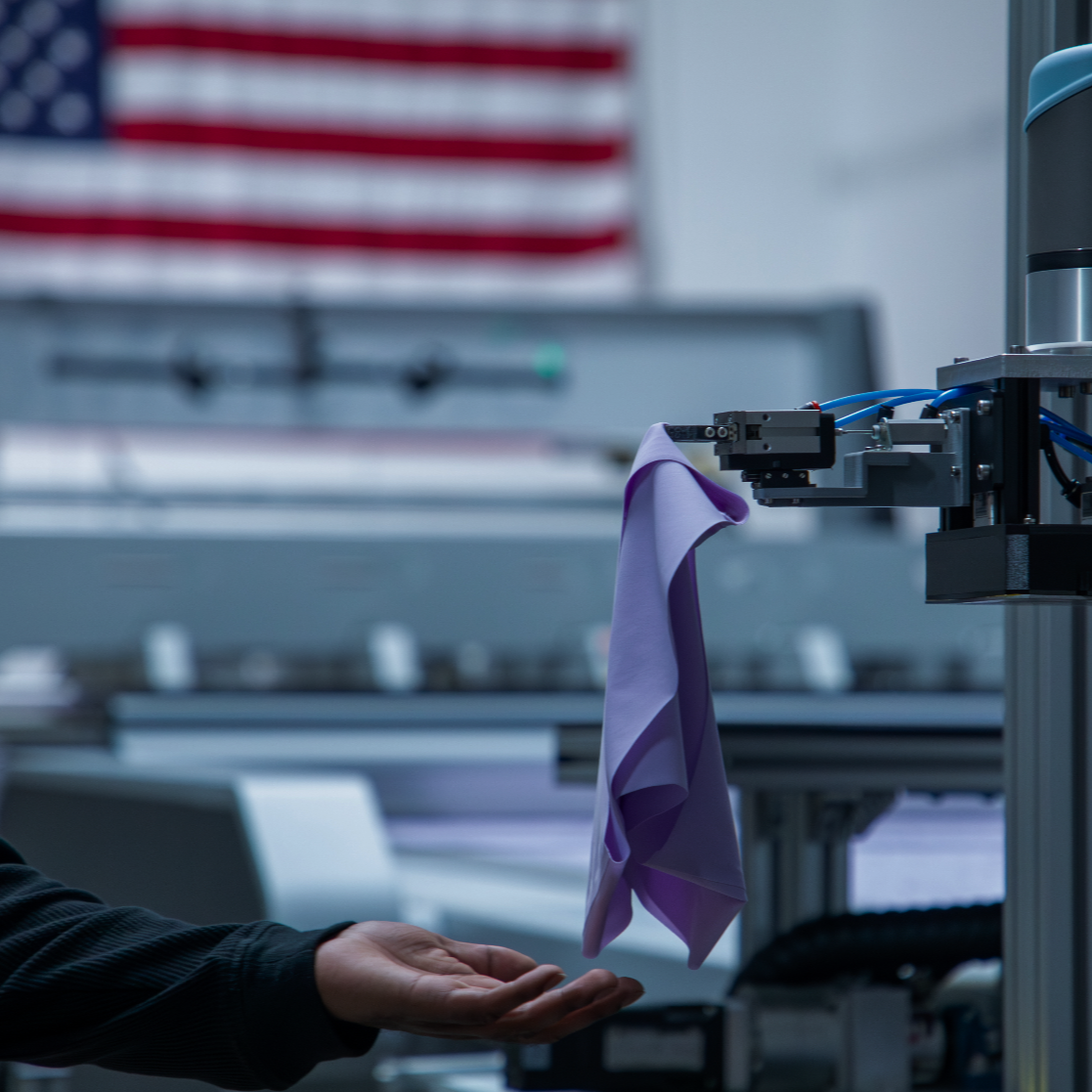
THE FUTURE OF FASHION: How Robotic Automation and Digital Adhesives Are Revolutionising Apparel Manufacturing
By bringing manufacturing closer to home, brands can respond to trends in real-time, drastically improve their sell-through rates, and operate with a far lighter environmental touch. CreateMe’s approach aligns perfectly with the macro trend towards distributed, on-demand production, offering a blueprint for a more agile, efficient, and sustainable future.

FUTURE VISION: New Developments and Market Trends Reshaping Decor and Apparel Manufacturing for 2026 and Beyond
Transforming Textiles: What began as a digital transformation driven by consumer demands for personalisation and shorter lead times has evolved into a fundamental restructuring of how printed textiles are conceived, designed, and manufactured. As we advance towards 2026, digital textile printing has emerged as the cornerstone of a new manufacturing paradigm that prioritises sustainability, efficiency, and technological integration.