

The challenges facing fashion today—overconsumption, pollution, a broken recycling system, and the myth of true circularity—are not isolated technical problems.
“To build a truly sustainable future for fashion, we must do more than innovate; we must remember. We must look back to the botanical origins of our clothing to understand how to move forward..”
Carry Somers - Nature of Fashion
Is it possible to tell the story of humanity through a single thread?
This question is more than a poetic musing; it’s a critical inquiry into our past, present, and future. For too long, the fashion industry has operated in a state of profound disconnection from the natural world. We fill our wardrobes with garments, yet we remain psychologically alienated from what we wear, blind to the ecosystems and histories woven into every fibre.
The challenges facing fashion today—overconsumption, pollution, a broken recycling system, and the myth of true circularity—are not isolated technical problems. They are symptoms of a deeper issue: a fundamental separation from nature that began thousands of years ago and has now reached a breaking point.
To build a truly sustainable future for fashion, we must do more than innovate; we must remember. We must look back to the botanical origins of our clothing to understand how to move forward.
One voice at the forefront of this conversation is Carry Somers, the author of The Nature of Fashion, a thought-provoking exploration of reconnecting fashion with nature. Her insights were recently shared in an inspiring podcast with Debbie McKeegan, the CEO of Texintel, and Fespa Textile Ambassador - where they discussed the intersection of tradition, innovation, and sustainability in the industry. This dialogue underscores the urgent need to reimagine fashion’s relationship with the natural world, drawing from both historical wisdom and cutting-edge technology to shape a more responsible future.
The Illusion of the "Natural" Fibre
"The conversation around sustainable fashion often simplifies into a battle between "good" natural fibres and "bad" synthetics. While the devastating impact of synthetic microfibres is well-documented—my own scientific research voyage from the Galapagos to Easter Island confirmed their pervasive presence in our oceans—the story of natural fibres is far more complex" explained Carry Somers.
A shocking truth is that many so-called natural fibres are no longer truly natural by the time they reach our closets. They undergo intensive chemical processing that alters their cellular structure, rendering them unrecognisable to the microorganisms that would otherwise break them down. Recent research at Rudyard Lake, Staffordshire, a site with a textile production history dating back to the Industrial Revolution, revealed that natural fibres like cotton and linen dominate the sediment layers. These fibres, laden with dyes and finishing chemicals, act as vectors, carrying other pollutants into our ecosystems.
This contamination is a direct result of an industrial model that treats nature not as a partner, but as a resource to be extracted and controlled. Our reliance on monoculture crops, like modern white cotton, has decimated biodiversity and erased millennia of agricultural wisdom. This system is not just environmentally destructive; it’s built on a history of exploitation and greed that continues to this day.
Forgetting Our Roots: A History of Disconnection
To understand how we arrived here, we must look beyond the factory floor and into our collective past. The separation of humanity from nature is a long story, but its acceleration during the Enlightenment solidified a worldview that placed humans above the natural world. This philosophical shift had tangible consequences, fuelling colonial expansion and the industrialisation of textile production.
The history of fashion is intertwined with the history of colonialism. The drive for materials like cotton and indigo fuelled exploitation and erased indigenous knowledge systems that had cultivated textiles in harmony with their environments for centuries. We lost not only plant varieties but also the cyclical thinking and reciprocal relationships that defined these cultures.
Today, this disconnection manifests as overconsumption. We buy more and wear less than ever before, treating garments as disposable commodities rather than cherished items with a story and a connection to the earth. This lack of meaning is the true crisis of modern fashion.
Weaving the Future: Blending Ancient Wisdom with Modern Innovation
The path forward is not a simple return to the past, but a thoughtful integration of ancient wisdom with modern innovation. The future of fashion lies in rediscovering and revaluing the materials and methods that have been pushed to the margins.
Across the world, inspiring individuals and communities are already leading the way:
Reviving Lost Colours: In Peru, Yolanda Contreras is working to revive ancient strains of coloured cotton, rebuilding a textile system that is both culturally significant and inherently sustainable, as it removes the need for dyeing.
Rediscovering Agave: In Oaxaca, Mexico, designers and artisans are rediscovering the potential of agave fibres, transforming a plant once seen as a byproduct into a source of regenerative material.
Championing Henequen: The revival of henequen, a type of agave, in the Yucatan peninsula demonstrates how traditional crops can be reintroduced to create sustainable economic opportunities and restore ecological balance.
These examples are not about nostalgia; they are about resilience, creativity, and a fundamentally different way of thinking. They embrace cyclical models of production, where waste from one process becomes a resource for another. They prioritise community well-being and ecological health over endless growth. This is the new definition of innovation.
A Call to Action: It Starts with Seeing Differently
As consumers, we hold the power to accelerate this shift. But it requires more than just buying products labelled "sustainable." The most radical act you can take is to change the way you see.
Before you make your next purchase, pause and ask: What is the nature of this garment? Where did its fibres grow? What landscape and which hands brought it into being? By seeking out the stories behind our clothes, we begin to restore the meaning that has been lost. We transform from passive consumers into active participants in a more beautiful and equitable fashion system.
Understanding the botanical origins of our clothing is not just an intellectual exercise; it is an act of reconnection. It allows us to see our wardrobes not as a collection of disposable trends, but as a tangible link to the soil, the water, and the diverse cultures of our planet.
The journey ahead is long, but it is a hopeful one.
Fashion has the potential to be a force for immense good—to regenerate ecosystems, empower communities, and reconnect us to the natural world. It all begins with a single thread and a commitment to understanding its story.
Ready to change your perspective? Explore sustainable fashion choices and start reconnecting with the story behind your clothes.


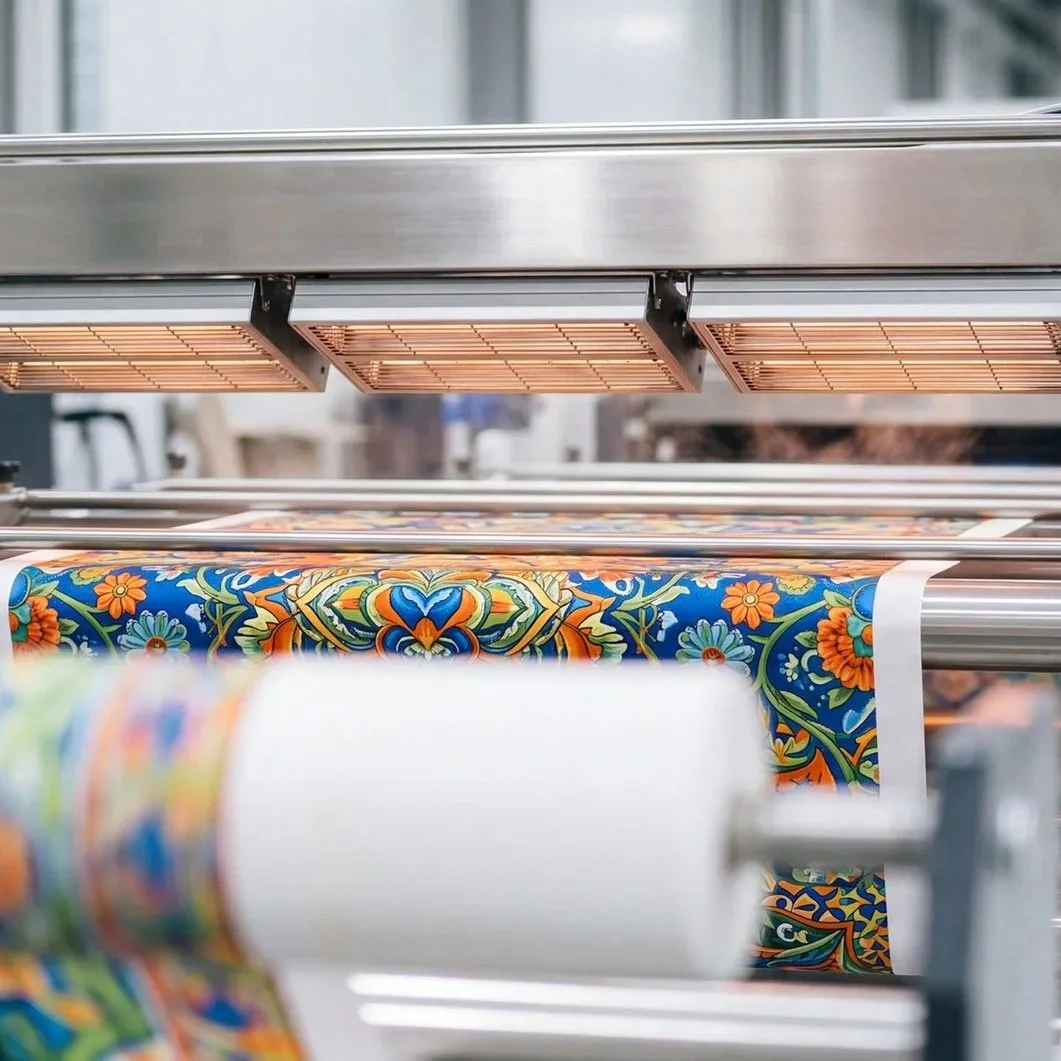
The Path Foward: Connect Every Link:
Design, colour, workflow, production, data. Each link now depends on the one before it, and the printers who will lead the market are those who strengthen the whole chain, not just the machinery at its centre.
So, this autumn, ask the bigger question on your own shop floor.
Not "Which printer?" but "How well does my business connect demand, design and production?"
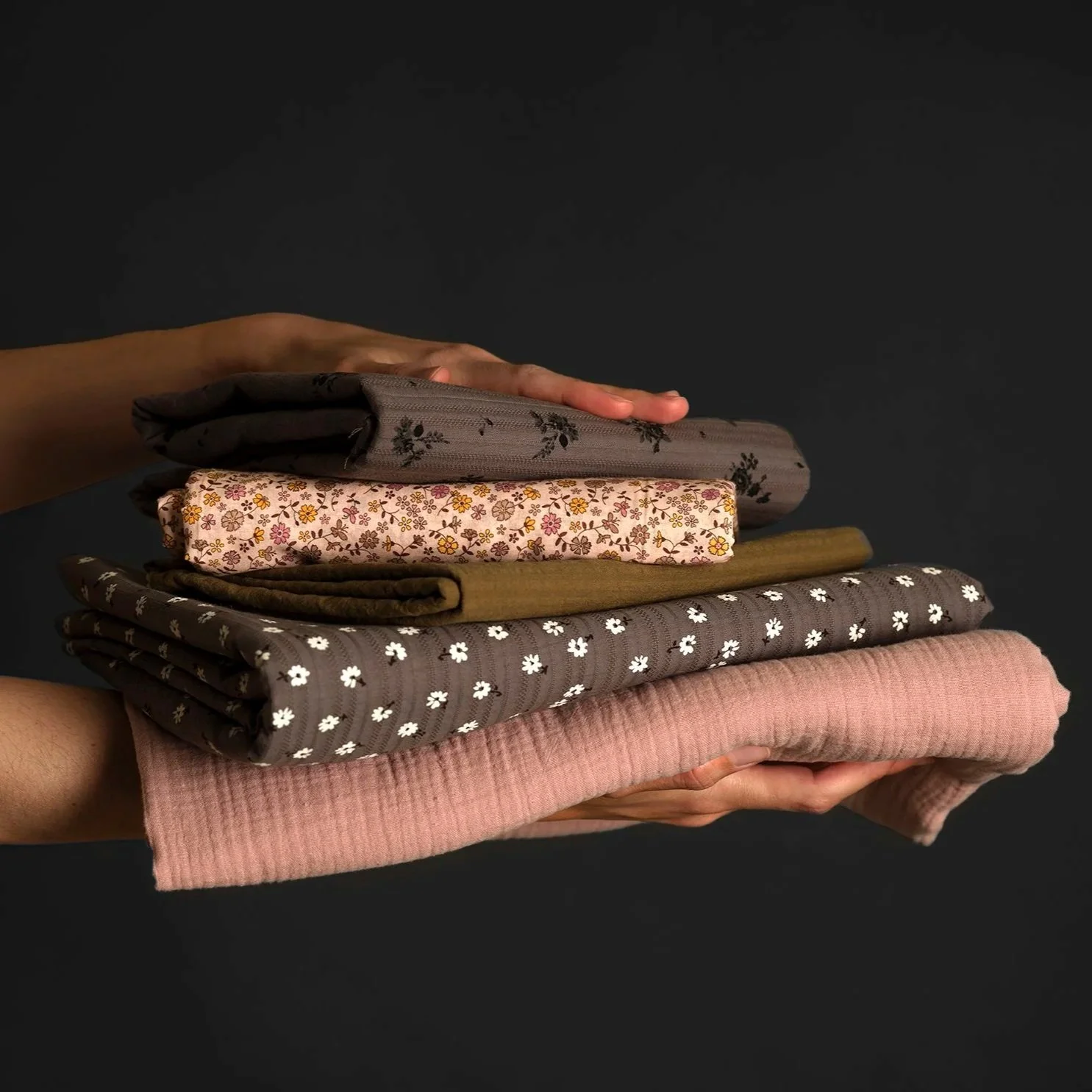
Rebés's story isn't one of nostalgia - It's a working blueprint for how heritage manufacturers can stay indispensable in a market that rewards speed, certification, and specificity in equal measure. Four million metres of stock mean nothing without the digital printing capability to turn it into something distinctive.
A 150-year name means nothing without the R&D discipline to win a tender for antistatic, carbon-fibre-infused uniform fabric on the first attempt.
Image Credit: Tejidos Rebé

What if the next dress you wore never touched the factory floor?
This is no longer a fringe experiment. It is a maturing production model, backed by genuine material science, real circularity, and an AI-assisted workflow that is becoming more accessible by the month.
Her advice to designers and brands alike is refreshingly practical: start small, get hands-on with an accessible 3D printer, and build fluency before the technology becomes table stakes. The businesses that treat this moment with curiosity, rather than scepticism, will be the ones shaping fashion's next decade rather than reacting to it.

The 2027 FESPA Awards are now open for entry, and the message to businesses across textiles, apparel, interiors and beyond is simple: your work deserves recognition. Every gold winner featured here started in the same place every entrant does - with a project they believed was worth submitting.
As the only independent awards programme with 18 categories dedicated to print and signage, FESPA offers a genuinely global stage, with shortlisted entries displayed at FESPA Global Print Expo in Spring 2027.

Colour Is Too Important to Leave to Chance
Print will always be the part of the garment people see first.
But the sum of all parts — the fabric, the trims, the fasteners, the finish — is what determines whether a design actually delivers on its promise. Brands that continue to treat colour as a single creative decision, rather than a coordinated technical discipline spanning their entire supply chain, will keep paying for it in re-dips, delays, and disappointed design teams.
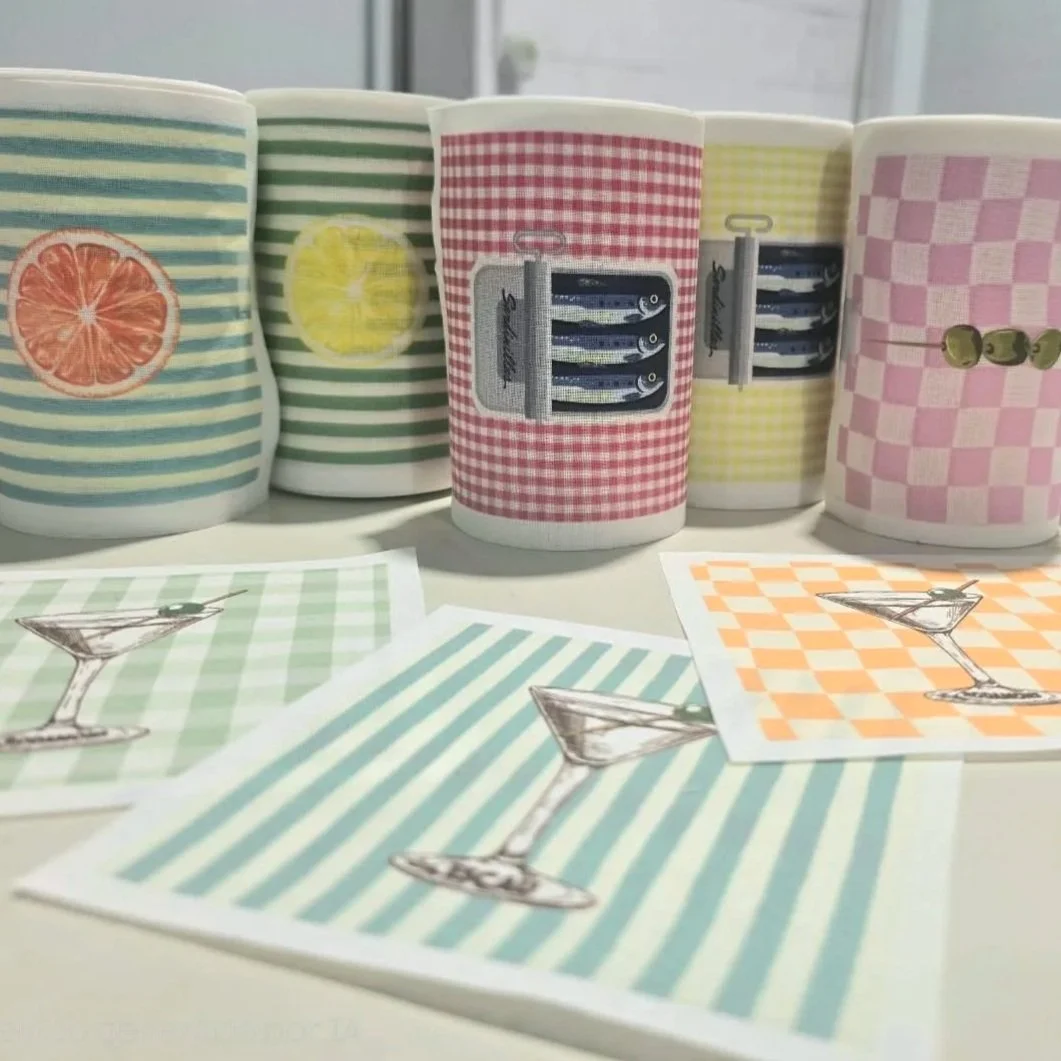
A Century of Textiles, and an Ever-changing World
Few companies can trace their roots back more than a century and still count themselves among their industry's innovators. Texia, headquartered in Monistrol de Montserrat, Spain, is one of them.
But the story of Texia is not simply one of longevity.
It is a story of continual reinvention. As the textile industry has grown more global and competitive, Texia has repeatedly reshaped its business, investing in technology, developing its own brands, and placing sustainability at the centre of its mission. In doing so, it offers a compelling example of how a heritage manufacturer can lead rather than follow through a period of profound industry change. Image Credit: Texia
What are we craving Ultimately?
The instinct to slow down while simultaneously optimising every measurable aspect of life isn't a passing curiosity. It's a structural response to a world that feels increasingly unstable, and it's reshaping what people expect from their homes, hotels, workplaces and healthcare environments alike.
For the design and manufacturing sectors, this means rethinking both product and process.
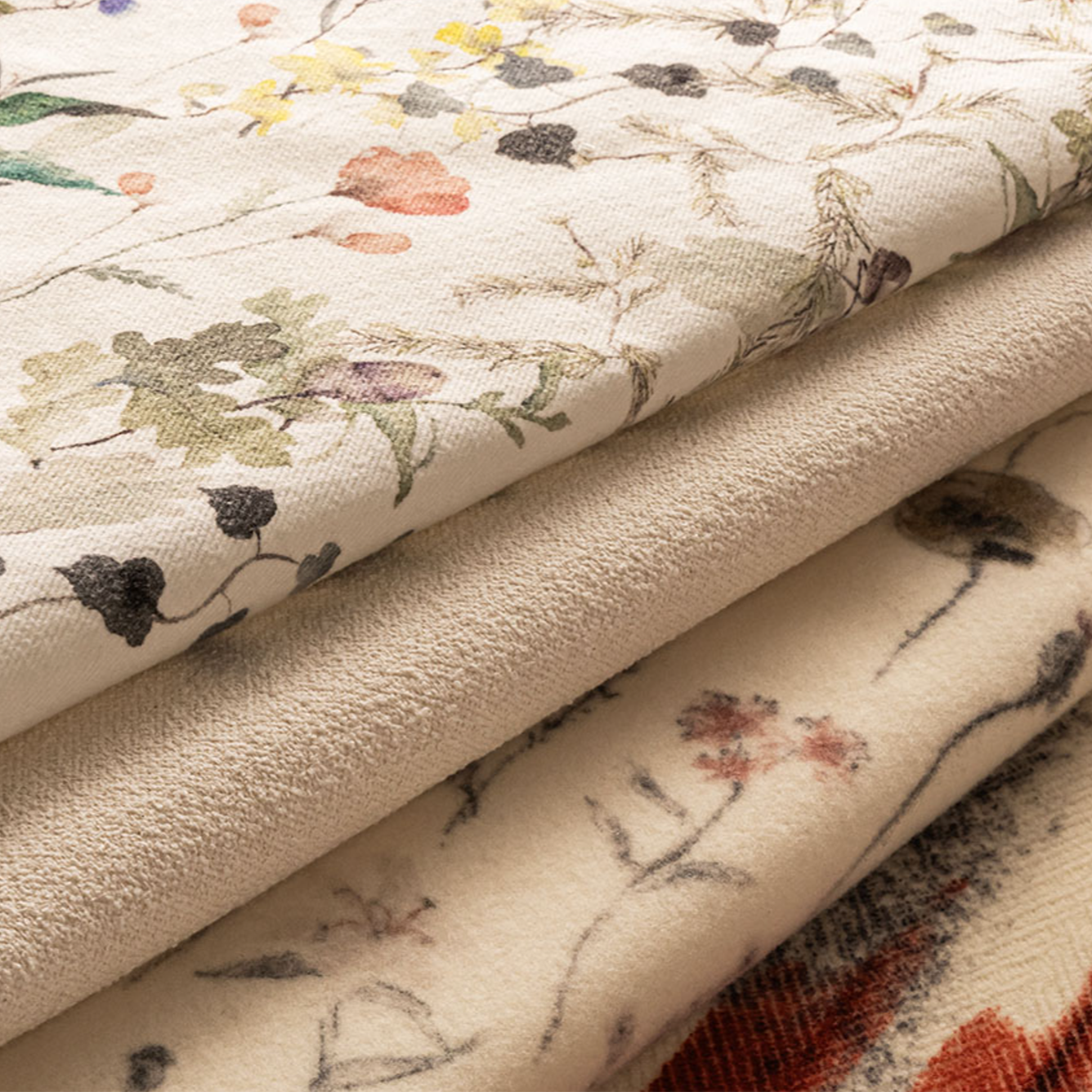
The Structual Shift is Real and its Already Here
Volumes are moving east, where digital production is accelerating rapidly. Consumer behaviour has shifted.
Demand is now driven by personalisation, shorter buying cycles, and an expectation of near-instant responsiveness. Regulatory pressure is intensifying, with supply chain transparency now a legal and commercial fact in many markets. And margins? They are under sustained, structural pressure.
This is not a temporary disruption. It is a fundamental reordering of how textile manufacturing must operate.

The Challenge: Standing Firm as the Industry Shifts
The wallpaper landscape has changed dramatically. Digital printing has lowered the barrier to entry, spawning countless direct-to-consumer brands and pushing much of the market towards faster, cheaper production.
At the same time, manufacturing in the UK has grown steadily harder - rising minimum wage, national insurance, energy and substrate costs all bear down on margins. Surface Print have embraced all of these challenges - and stand resolutely prepared for the future.
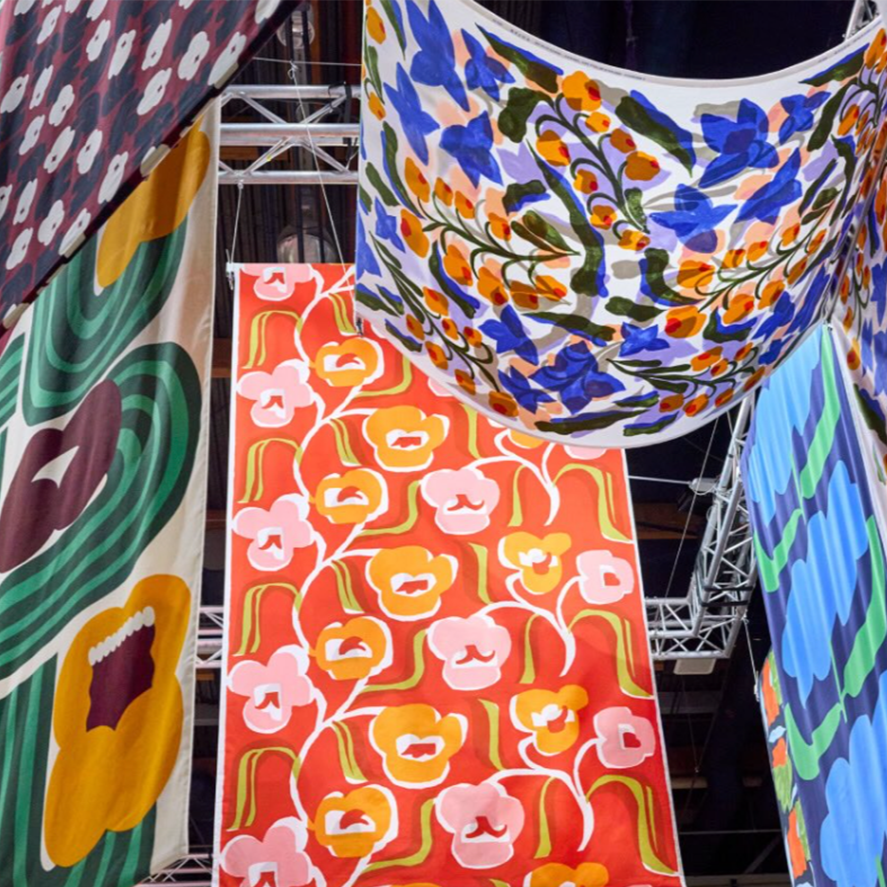
From Helsinki's printing mill to Paris's Le Marais, discover how Marimekko is scaling a design-led brand with purpose, craft, and bold innovation.
But what makes Marimekko's story compelling is not just its aesthetic legacy?

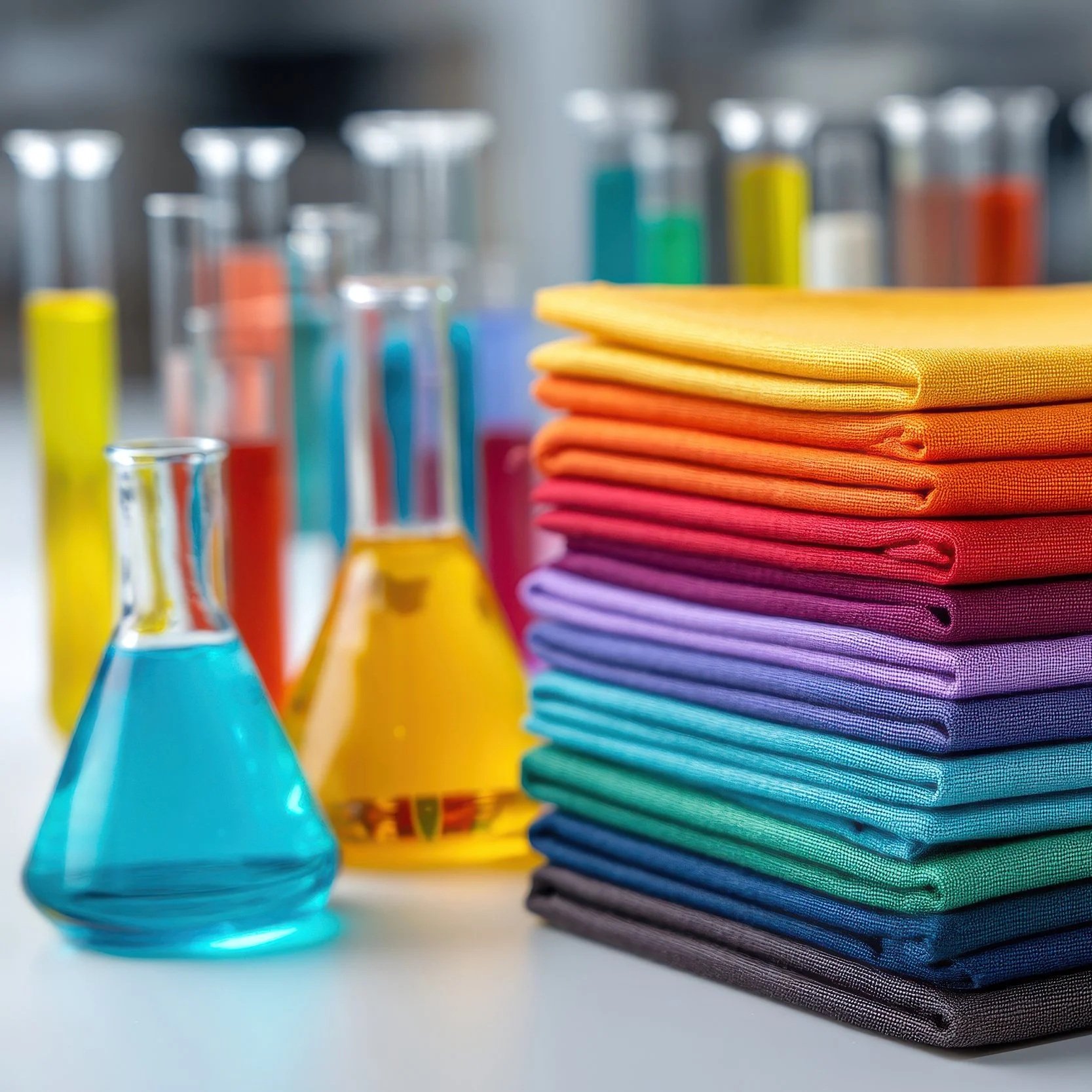
The word "toxic" carries weight. It conjures danger, harm, and things best avoided.
“Yet in the textile industry - Where between 3,000 and 10,000 chemicals move through the supply chain, a reflexive fear of the term is one of our biggest obstacles to progress.”
This article distils the key takeaways and what buyers, designers, and brands should be asking right now.
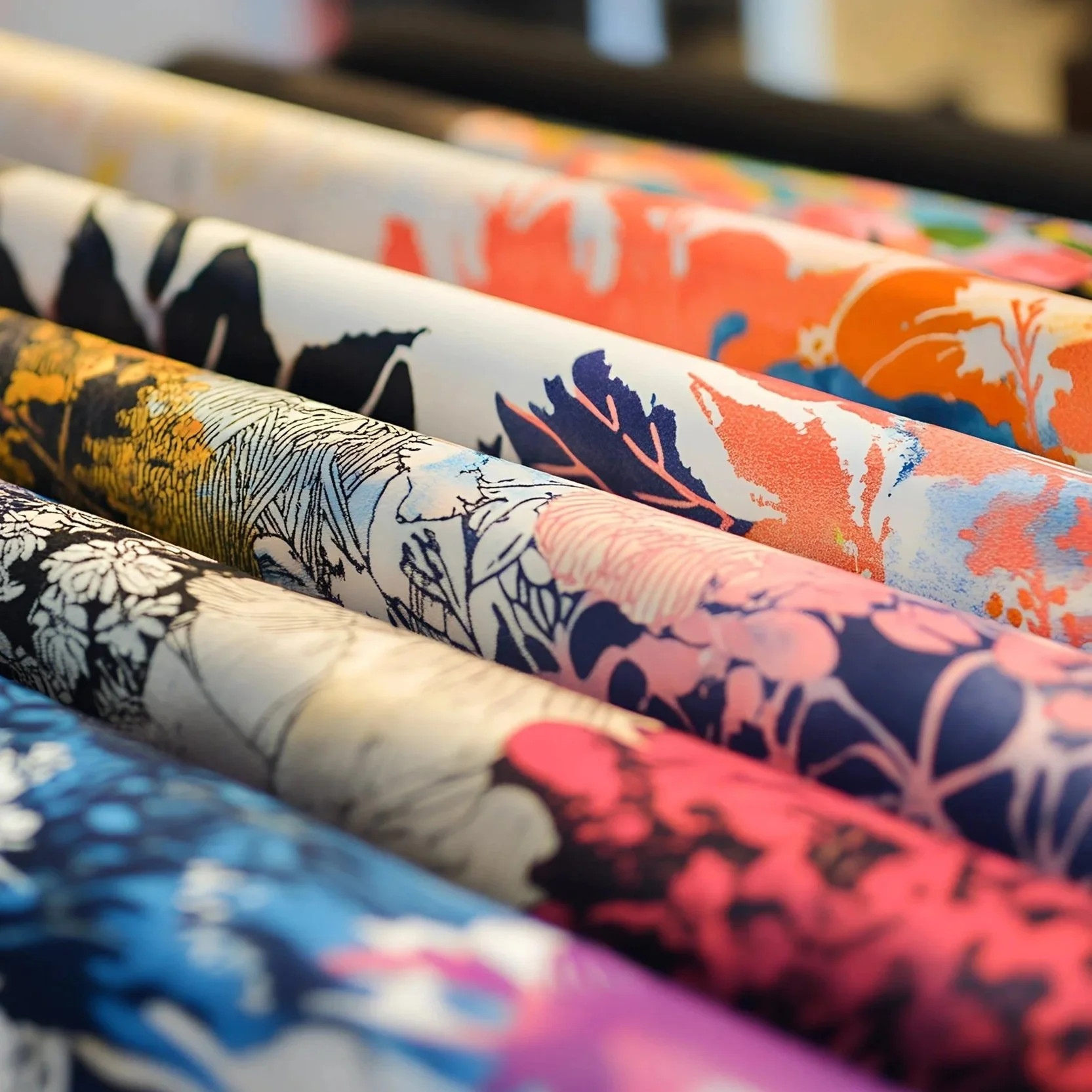
What Is the Digital Product Passport?
At its core, a Digital Product Passport is a digital record attached to a physical product - For a printed textile product, this means the DPP would capture data on the substrate, inks and dyes used, the printing process and technology, chemical compliance, environmental impact (including water and energy use), supply chain traceability, and end-of-life instructions.
The Market Gap that Changed Everything
Future Fashion was founded in 2019, timed deliberately to coincide with a pivotal moment in global textile technology: the commercial launch of the EFI Reggiani BOLT Single-Pass digital printing system.
The founders recognised that single-pass architecture had fundamentally changed what was industrially possible - and that Pakistan's domestic market had yet to catch up.

Print is no longer defined by the inefficiencies that once characterised it…as advances in production processes and technology have significantly improved its environmental performance.
Taran Rai, Corporate Sustainability Manager at Epson explains why?
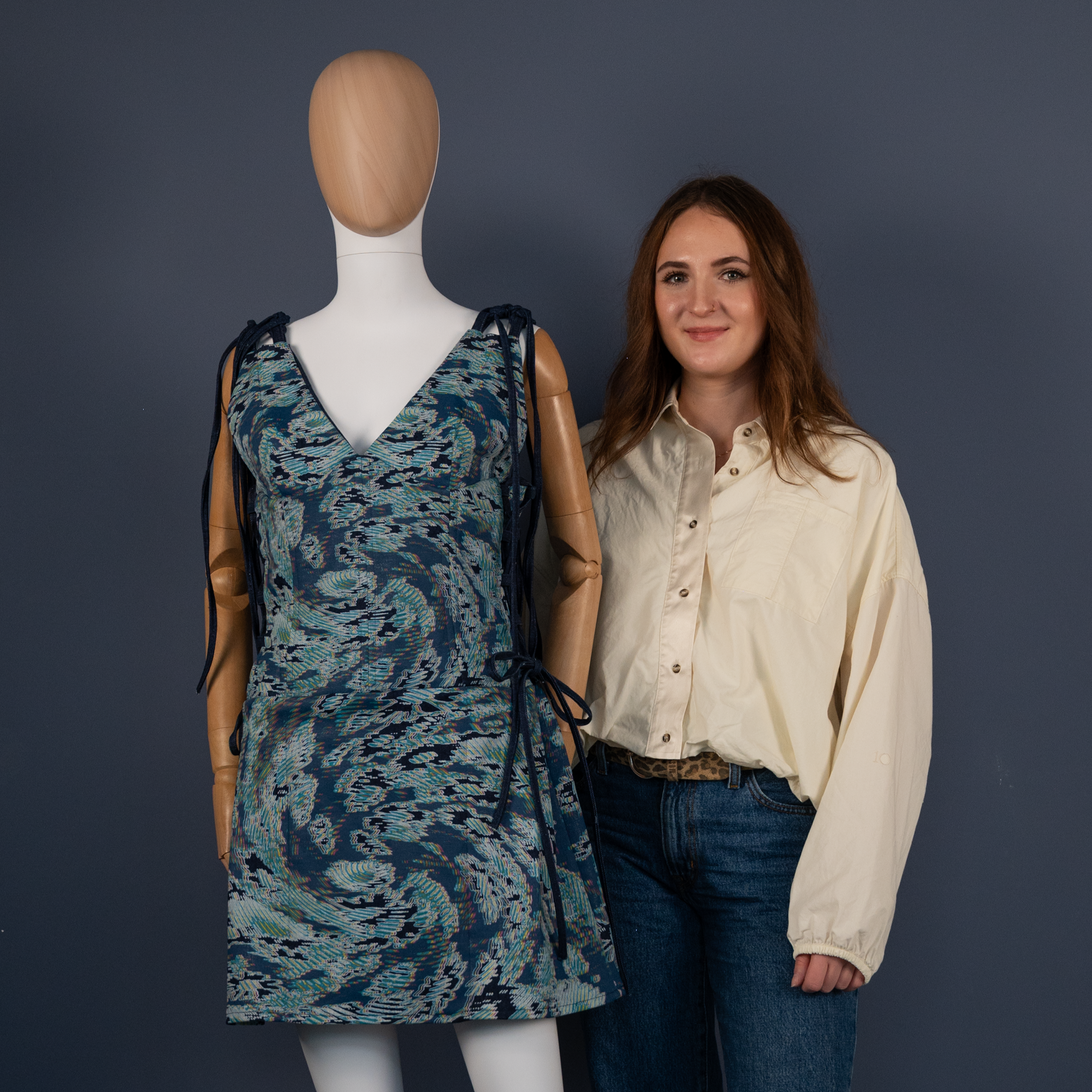
The story of what happens when young designers access digital technology is still being written.
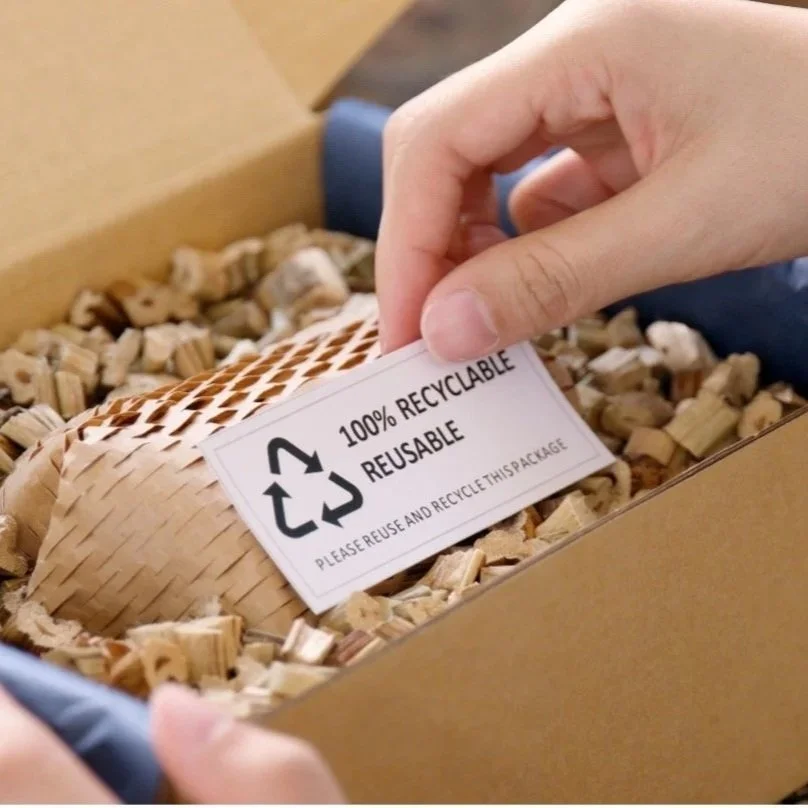
What once was a theoretical sustainability goal seems to have shifted into an active regulatory reality.



Is the Textile Market Finally Recovering?
After a difficult few years, there are genuine reasons for optimism. Duncan was candid about the challenges: "The market for textiles has been very difficult over the last three years. I'm not going to hide the truth there. But the tide is turning.“
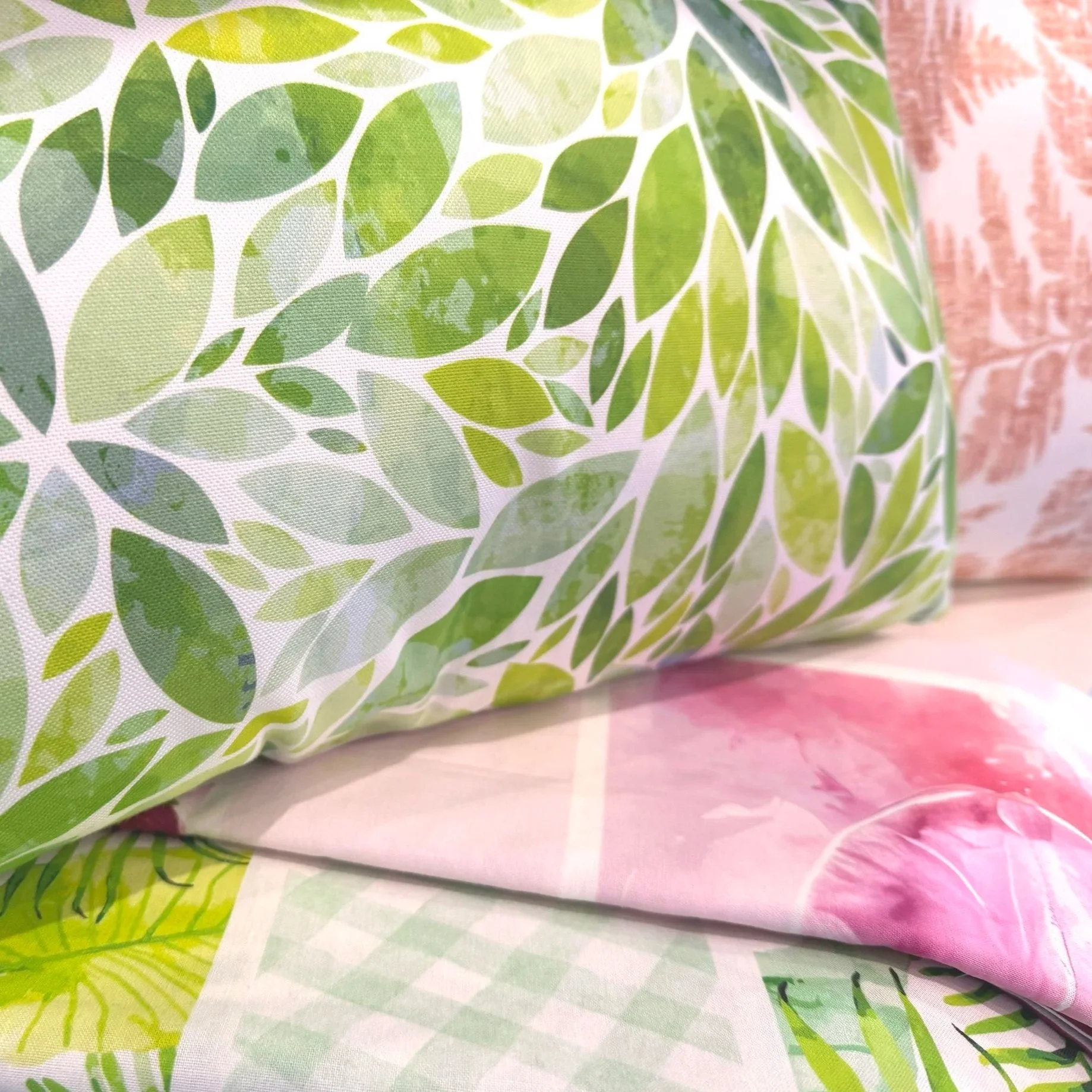
A profound shift is currently reshaping the sector
Changing consumer expectations demand greater design diversity, faster turnaround times, and sustainable manufacturing practices.
To thrive, interior brands must adapt their supply chains, bringing production closer to the end consumer and moving away from bulk manufacturing.
Digital textile printing offers a definitive solution to these operational bottlenecks.

Digital transformation doesn't announce itself.
It accumulates - one innovation at a time - until an entire industry looks back and realises the ground has shifted beneath its feet. That's precisely where textiles stands today.
The conversations happening now about AI, automation, sustainability, and digital product passports are not theoretical. They are shaping decisions being made on factory floors and in boardrooms right now.

“By leveraging advanced digital textile printing, Marylene Madou has successfully merged traditional craftsmanship with cutting-edge technology. Her approach offers a blueprint for how independent designers can scale their brands globally while maintaining a minimal environmental footprint.”
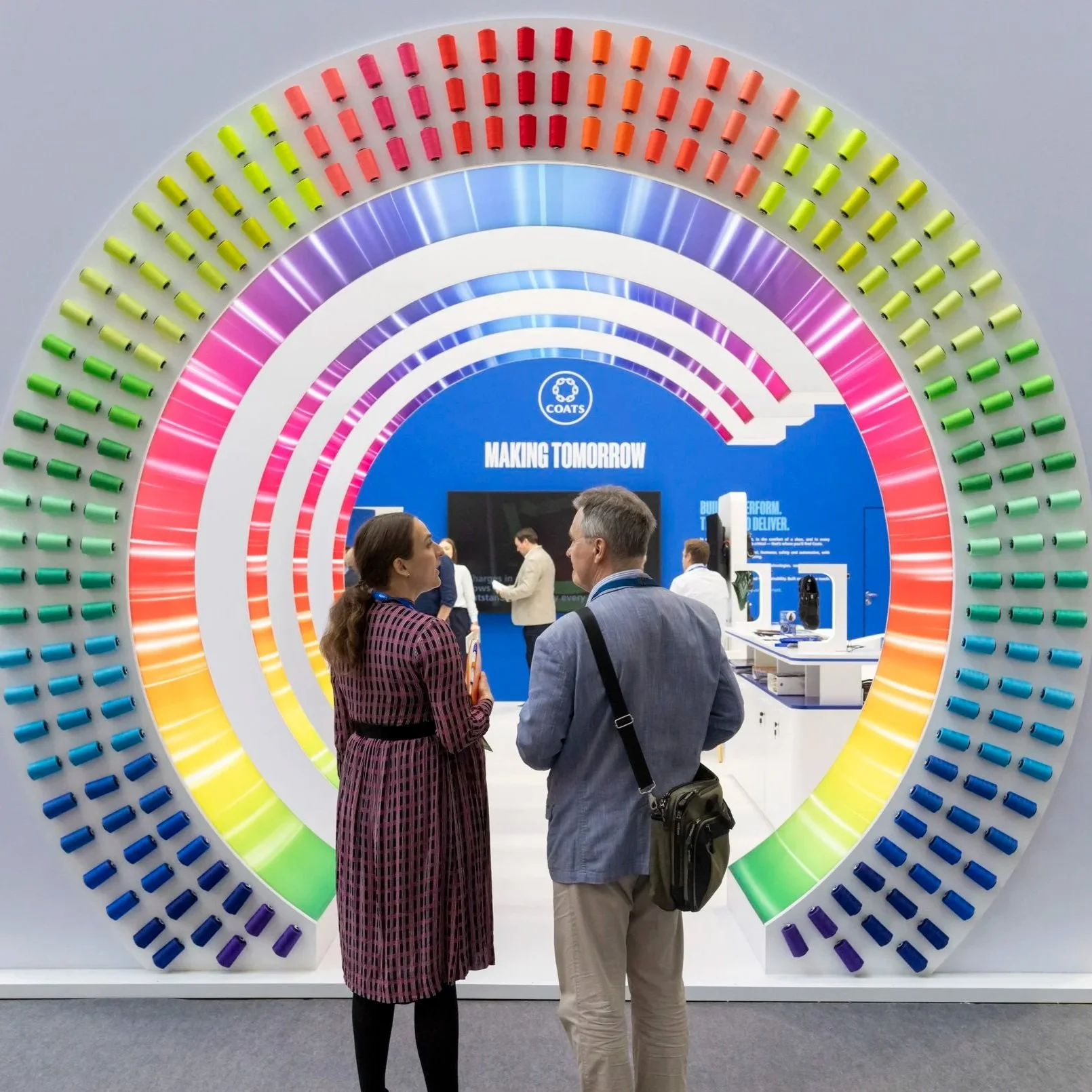
The textile industry is undergoing a vital transformation. As the insights from Techtextil and Texprocess reveal, the path forward relies on a combination of sustainable hardware, intelligent chemistry, and seamless digital workflows.
From Zimmer's industrial-scale energy reductions and Stratasys's on-demand 3D embellishments, to Kornit's single-step technical printing and the unified digital ecosystems of NedGraphics and Optitex, the tools for change are here. To stay competitive, brands and manufacturers must adopt these innovations, moving away from fragmented, wasteful processes towards a truly connected, circular economy.
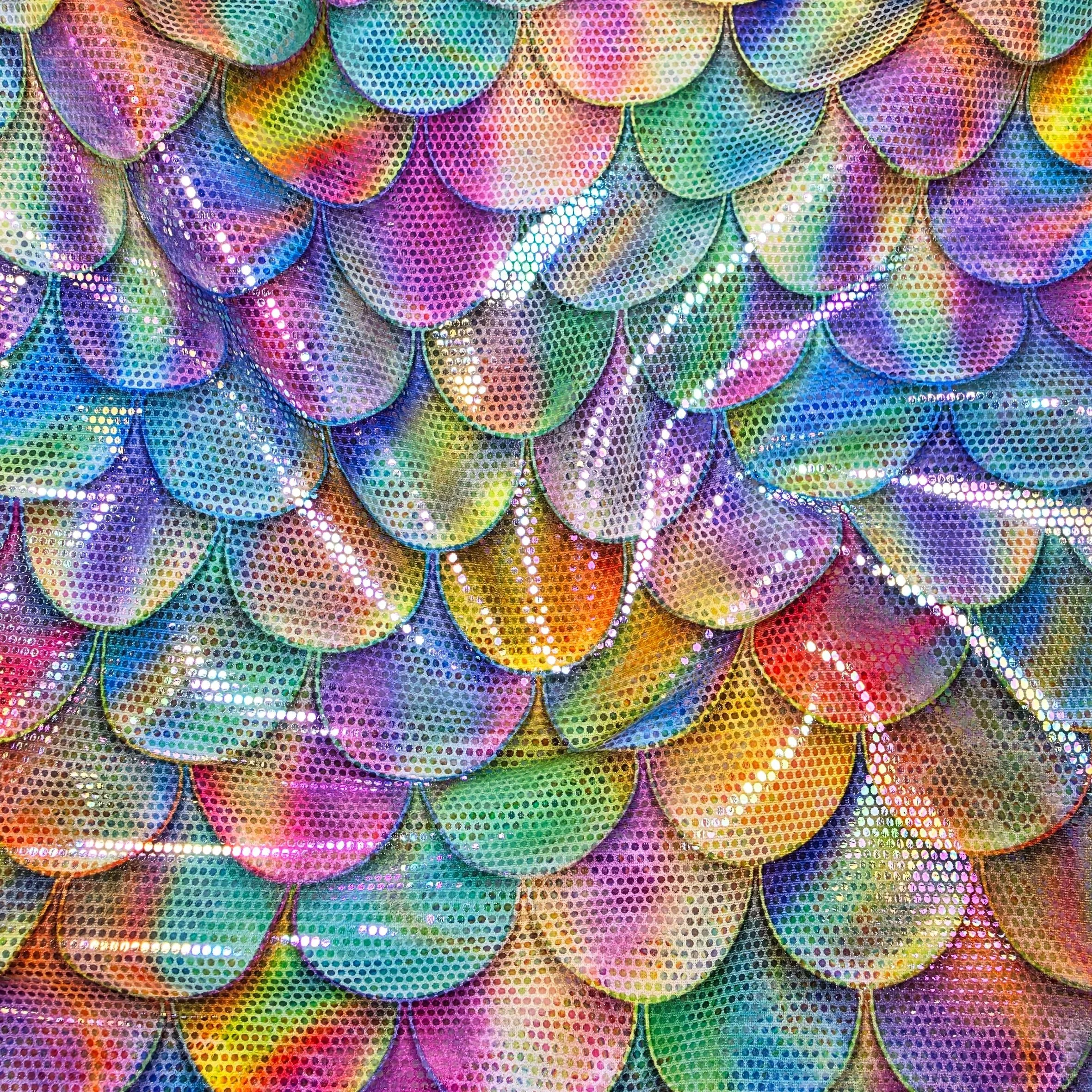
Friedmans stands as a testament to the power of combining traditional textile knowledge with forward-thinking innovation.
“Operating from their UK headquarters, Friedmans now serves a diverse array of sectors, including swimwear, dance, entertainment, sportswear, interior decor, prosthetics, and even pet apparel. With a strategic supply chain that reliably serves clients worldwide”

Istanbul – Turkiye – October 2026 – Optimum Digital has announced that Kilim Home, an established Turkish carpet manufacturer serving international markets, has invested in its direct-to-carpet printing technology.
The move strengthens Kilim Home's production capabilities and marks a significant step forward in the company's ongoing embrace of innovation within digital carpet manufacturing.
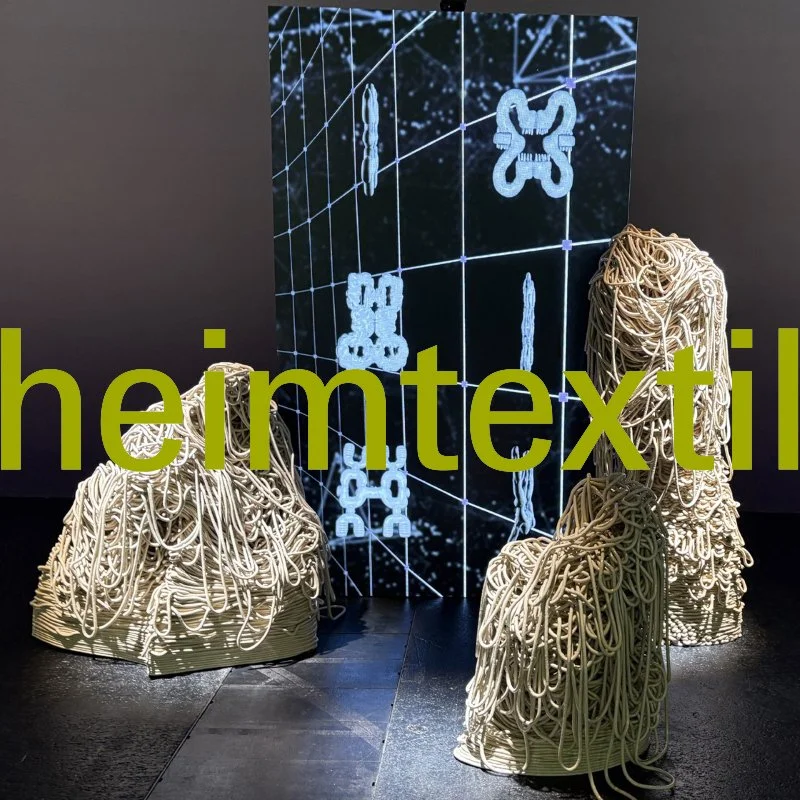
Frankfurt am Main, Germany – 27 October 2026 – Heimtextil, the international trade fair for home and contract textiles, has announced the launch of the Functional Futures Lab, a new showcase curated in partnership with Future Fabrics Expo.
Taking place from 12 to 15 January 2027 in Hall 4.1, the exhibition will spotlight materials engineered to meet the evolving functional demands of architecture, interior design and hospitality, from thermal regulation to flame resistance and durability.
The Functional Futures Lab will present both visionary prototypes and commercially available solutions, with each exhibit's stage of development made transparent through Technology Readiness Levels

Shanghai, People's Republic of China – October 2026 – KARL MAYER will present a comprehensive portfolio of advanced warp knitting and warp preparation technologies at ITMA ASIA 2026, taking place from 20 to 24 November at the National Exhibition and Convention Center (NECC) in Shanghai.
The company's presence spans two exhibition halls, with warp knitting innovations on display in Hall 4.1, Booth C18, and warp preparation solutions featured in Hall 3, Booth
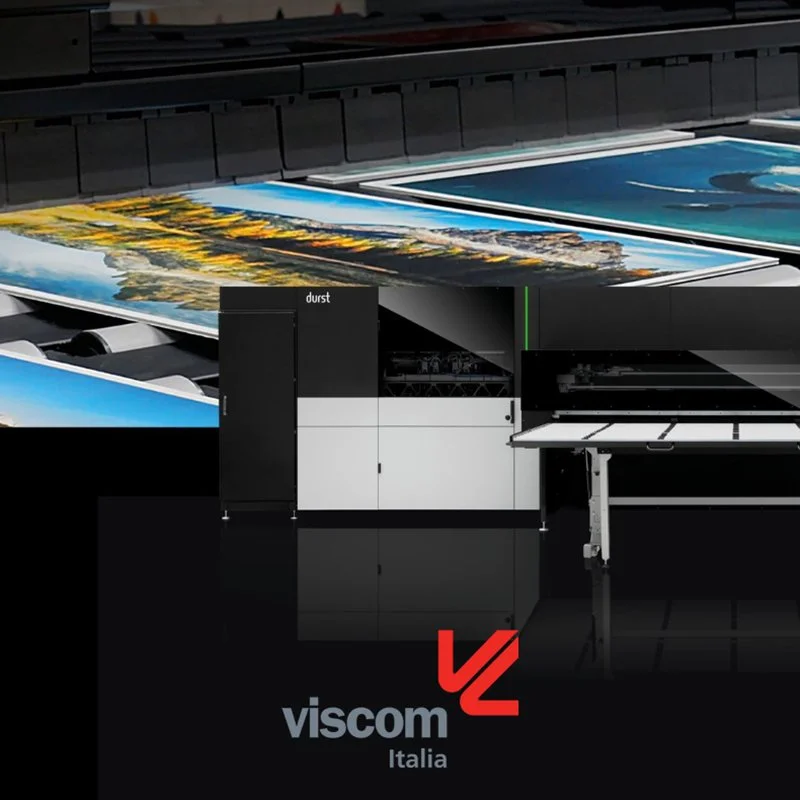
Bolzano, Italy – 26 October 2026 – Durst will participate as Leading Sponsor at Viscom 2026, taking place on 28 and 29 October at Allianz MiCo Milan.
In the year marking its 90th anniversary, the South Tyrolean company returns to the leading event for the Italian visual communication market with a new format, a new location, and the Italian debut of a new printing technology.
Durst's presence at Viscom underscores the company's commitment to maintaining close dialogue with customers, prospects, and industry professionals.
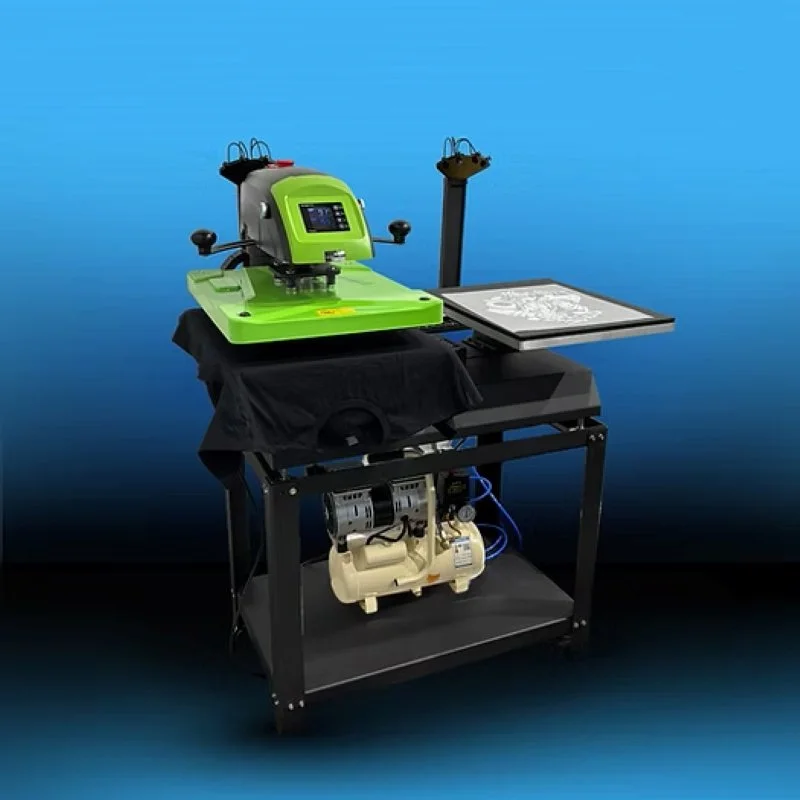
Clay Cross – UK – July 2026 – Resolute highlights its new DTF Pneumatic Twin Platen Heat Press, a professional-grade heat press designed to help print shops increase output, improve consistency, and reduce downtime across high-volume production runs.
The machine's dual-platen design allows operators to prepare the next garment while the current one is being pressed, significantly reducing idle time and increasing throughput.
This makes it particularly well-suited to print shops running large direct-to-film (DTF) and transfer print operations, where speed and consistency are critical.

Pattern Room Launches New Pattern Room Experience, Making Online Design-to-Pattern Faster Than Ever
Victoria, Australia, 27/10/2026 – Pattern Room, the online pattern-making studio founded by Australian pattern maker Julia Watts, today announced the launch of its updated platform, introducing a new guided design pathway, an in-house sampling service, and an expanded catalogue of styles for apparel businesses worldwide.
The update is designed to make it faster and easier for designers, garment technicians, and manufacturers to move from concept to production-ready pattern, without the friction that has traditionally slowed the early stages of garment development.

Athens , Greece – 23 October 2026 – UFABRIK has extended its European distribution network into Greece with the appointment of TSEKMERES GS, an established supplier to the country's textile, screen and large-format digital printing industries.
The agreement brings UFABRIK's digital textile portfolio to a market where UV and Latex technologies remain dominant, but where dye-sublimation is emerging as a significant area of potential growth.
The partnership will focus on providing high-quality textiles for silicone edge graphics (SEG) applications, alongside a wider substrate offering for the Greek market.

São Paulo, Brazil – October 2026 – FESPA has announced that FESPA Brasil 2027 will take place from 1 – 4 March in the Blue and White Pavilions of Expo Center Norte, São Paulo.
The leading digital printing exhibition will bring together the sector's biggest global players to showcase the latest solutions across packaging, textiles, signage, and personalised products.
As one of the most visited exhibitions organised by FESPA, FESPA Brasil 2027 will give visitors access to complete solutions and technological innovations spanning print shops, packaging and labels, textile printing, personalised products, 3D printing, and signage and wide format, among other sectors

New York City, USA, October, 2026 – NedGraphics, a global leader in textile and apparel design software, today announced the official launch of NedGraphics 2027, a major software release designed to bring creativity, technology, and production closer together through a more connected and flexible digital ecosystem.
At the center of NedGraphics 2027 is OPTINEDCloud, a new cloud storage and asset management environment integrated across key NedGraphics applications.
OPTINEDCloud gives design, approval, and production teams a centralized space to store, organize, visualize, share, and manage product development files.
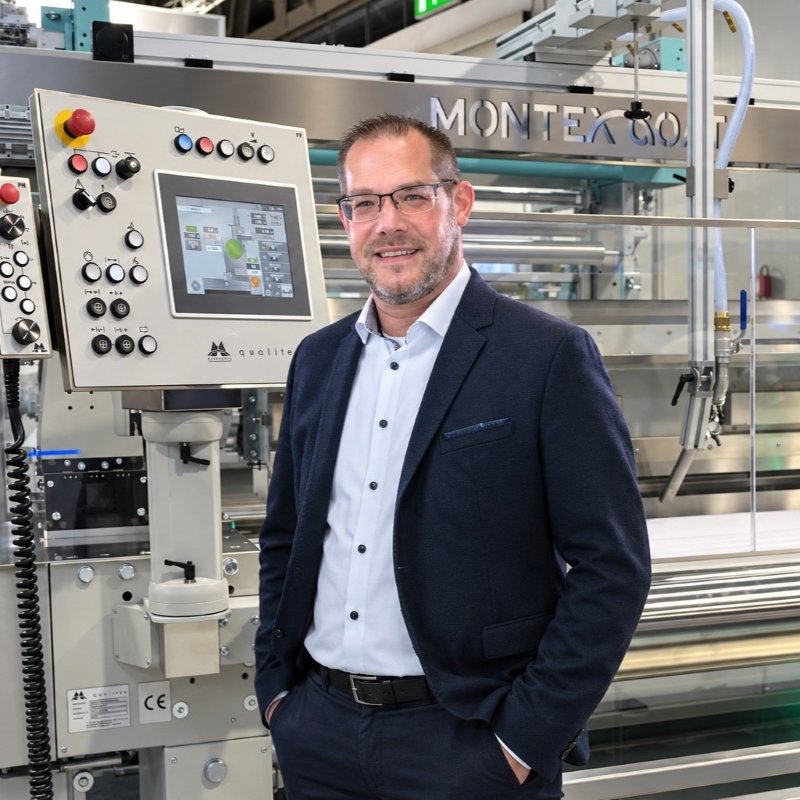
Mönchengladbach, Germany – Monforts will showcase its latest advances in finishing, coating and energy-efficient processing at India ITME 2026, as the region's textile manufacturers increasingly look beyond volume production towards higher-value fabrics.
The German finishing machinery specialist will exhibit in Greater Noida , India at stand A5 in Hall 1 from December 4-9.

Milan, Italy – October 22nd 2026 – Agfa Inkjet Solutions today announced it will present its award-winning Jeti Bronco H3300 HS live at Viscom Italia 2026, taking place 28–29 October at the Allianz MiCo Convention Center.
Visitors can see the hybrid wide-format printer in action at Stand 8 B17/C20, where Agfa will demonstrate its capabilities for sign and display businesses seeking greater productivity without compromising on image quality.
The 3.3-metre Bronco H3300 HS delivers print speeds of up to 450 m²/h while maintaining high image quality, combining the flexibility to handle both rigid and roll media in a single hybrid platform.

Berlin, Germany – 21 October 2026 – NVIDIA today announced that Europe's leading ecosystem partners are adopting the NVIDIA DSX™ AI Factory Platform to build AI factories that minimise water consumption for cooling and use less power for the same AI output.
The platform also helps partners bring new capacity online faster and adapt workload power consumption to support grid reliability.
NVIDIA DSX is a full-stack AI factory reference architecture, co-innovated with the world's leading infrastructure companies, in which compute, networking, storage, software, power and cooling are codesigned as one system.
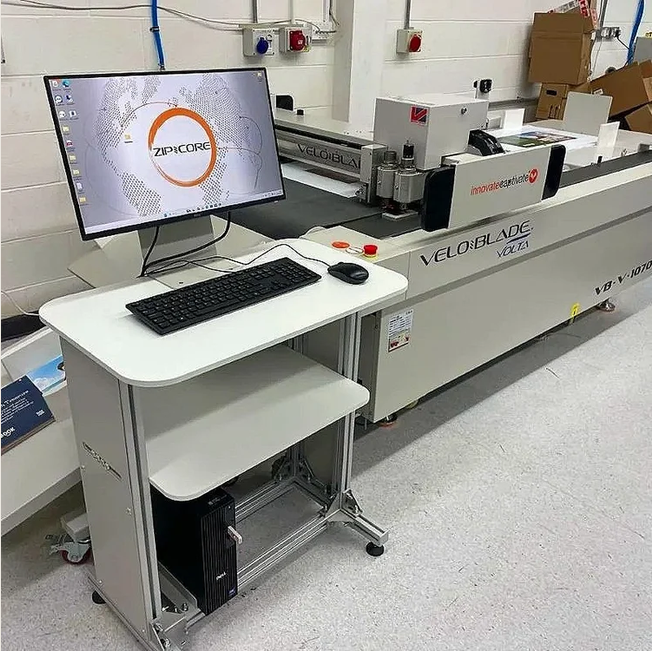
East Sussex, UK – October 2026 – Vivid Laminating Technologies has announced that Pureprint Group, a leading print and marketing services business, has selected its multi award-winning Veloblade technology for use across its operations.
The decision underscores a shared commitment to innovation and efficiency within the print industry.
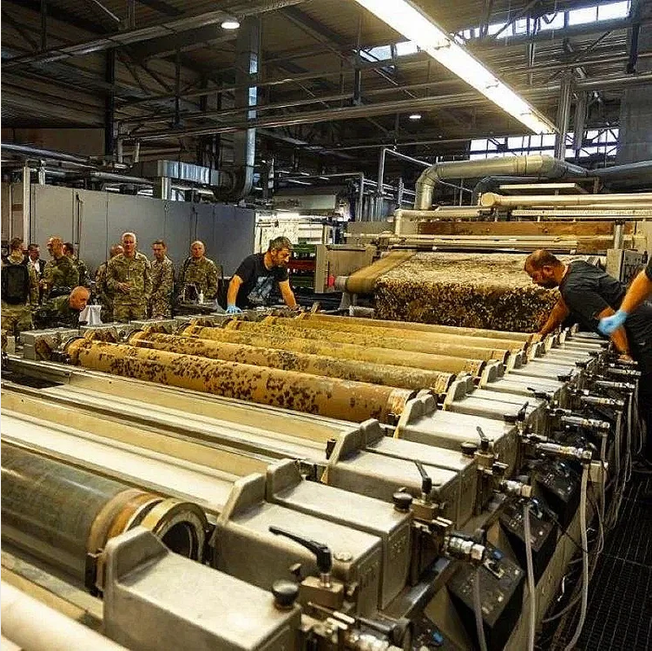
Imst – Ostreich – October 2026 – DyStar, a global leader in textile chemistry and innovative solutions, has announced its pivotal role in helping Textildruck Imst (TDI) achieve successful certification of the German "Multitarn" camouflage print.
The achievement, reached within a matter of months despite an ambitious timeline and exceptionally stringent requirements, enabled production to commence on schedule as part of a strategic collaboration with Getzner Textil.
The certification process demanded rigorous standards across colour performance, durability, infrared signature, and safety compliance.
From the outset, DyStar supported TDI by supplying the necessary products, technical expertise, and hands-on application support required to meet these demanding benchmarks.

Milan, Italy – October 2026– Epson will present its latest advancements in signage, UV printing and textile customisation at VISCOM 2026, taking place at Allianz MiCo Milan on 28-29 October.
Visitors can find Epson at Gate 3, Stand G14, where the company's specialists will demonstrate how its newest technologies are helping businesses expand into high-value applications through superior print quality and precise colour management.
As visual communication and personalisation markets continue to evolve at pace, Epson is positioning itself at the forefront of that change.

Leicester, UK – October 2026 – VeriVide is an official RAL Distributor in the United Kingdom, giving UK designers, specifiers and manufacturers direct access to the complete range of RAL colour standard products.
The appointment reinforces VeriVide's commitment to supporting the architecture, interior design, and industrial design sectors with reliable, globally recognised tools for accurate colour communication.

South Normanton – UK – October 2026 – Sun Chemical, a global leader in printing inks, coatings, and pigments, today reinforced the importance of looking beyond colour when selecting dyes for printing inks, urging formulators and manufacturers to weigh performance data alongside colour accuracy to achieve reliable, long-lasting results.
While colour remains a defining factor in dye selection, Sun Chemical emphasises that performance properties are equally critical to a dye's overall suitability for an application.
These include lightfastness, which is shaped by dye concentration, binder composition, substrate, and testing conditions; resistance properties, such as bleed resistance and over-lacquering resistance; and migration behaviour, which can vary depending on the substrate, coating, and storage conditions.
United Kingdom – October 2026 – Textile Skills Centre has announced a new Design to Print Competition in partnership with Prinfab, the UK's leading digital fabric printer.
The competition invites UK schoolchildren aged 5 to 18 to submit original textile designs or artwork for the chance to see their work professionally printed onto fabric.
The initiative aims to give young designers a tangible, industry-standard outcome for their creative work, while introducing them to the practical realities of textile design and digital printing.

Telford, UK – October 2026 – Ricoh UK has announced the return of Print Evolution Live, its flagship industry event, for a fourth consecutive year.
Taking place on 10-11 November 2026 at Ricoh's Telford site, the event will once again bring together leaders from across the print sector to explore the strategic shifts shaping the industry's future.
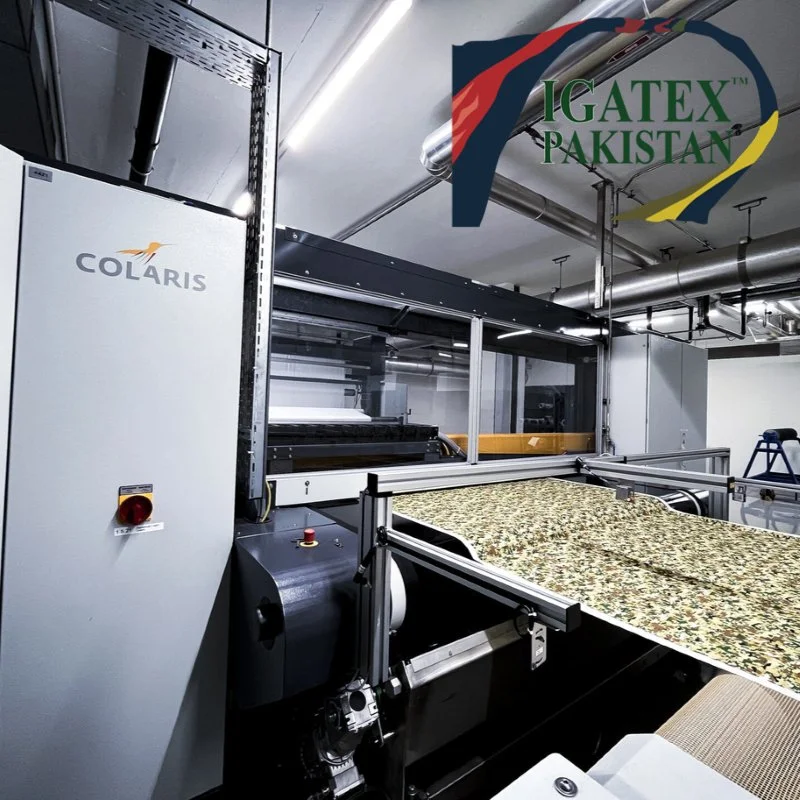
Karachi – Pakistan – October 2026 – ZIMMER AUSTRIA successfully concluded its participation at IGATEX PAKISTAN 2026, one of the region's leading exhibitions for textile and garment technology.
The event highlighted a growing shift among Pakistani manufacturers toward high-value technical textile production, a trend that aligns closely with ZIMMER AUSTRIA's innovative solutions.
Throughout the exhibition, ZIMMER AUSTRIA demonstrated the capabilities of its #magnoroll and #colaris technologies, both designed to support manufacturers moving into advanced technical textile segments, including coating, printing, and specialty fabric production.

Southend – Essex – October 2026 – Vivid Laminating Technologies Ltd has announced the successful installation of its multi award-winning VeloBlade Nexus cutting system at Guardian Exhibition and Display, a leading name in the exhibition and display industry.
The installation, completed last week, equips Guardian Display with one of the most advanced cutting solutions available, reinforcing the sector's ongoing shift towards greater automation and precision.

Uxbridge, UK – October 2026 – Perfect Colours will host a Celebration in Colour event on Thursday 5 November at the Xerox UK IC Centre in Uxbridge, giving attendees a first-hand look at the new Proficio colour presses in action.
The event will showcase the capabilities of the Proficio range, with live demonstrations featuring a striking collection of fluorescent colours designed to push the boundaries of what print professionals can achieve with colour technology.

Goor – Netherlands – October 2026 – ColGraphix, a company at the forefront of innovation in the transfer paper industry, today announced the appointment of Gijsbert Harmsen as its new Senior Account Manager.
Harmsen brings with him a wealth of industry expertise and an extensive professional network, strengthening ColGraphix's position as it continues to lead the market into a more sustainable and efficient future.
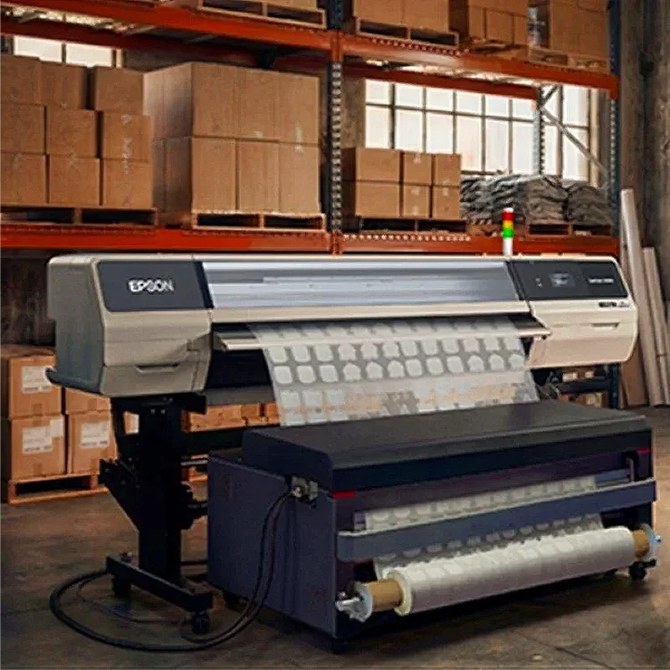
October 2026 – Epson has today featured the availability of the SureColor G9000, the first high-production, roll-to-roll Direct-To-Film (DTFilm) printer in its line-up.
Designed for commercial garment decorators and textile producers, the new printer addresses the industry's growing demand for greater speed, reliability and reduced hands-on maintenance, whatever the production environment.
The SureColor G9000 is built around a complete Epson ecosystem, combining Epson inks, printheads and software with Epson EdgePrint or Fiery Digital Factory RIPs

Frankfurt am Main, 14th October 2026 – With the new premium segment Carpets & Rugs Excellence, the Comfort & Connect area and the Heimtextil Trends 27/28, Heimtextil 2027 is sharpening its offering for a market under pressure.
Running from 12 to 15 January 2027, the leading trade fair for home and contract textiles and textile design will showcase innovations across the entire value chain, from fibres and yarns to designs by international studios, finished collections and complete interior solutions.

Milan, Italy – October 2026 – BARBIERI Electronics, a leading innovator in colour measurement technology, today announced its participation in VISCOM Italia 2026, taking place at Allianz MiCo in Milan on 28–29 October 2026.
The company will exhibit at Booth A14 alongside its Italian distributor, Tecnologie Grafiche, presenting its latest spectrophotometer solutions to the digital printing industry.

Altham – Lancashire – October 2026 – Soyang Europe has announced the appointment of Glen Nunkoo as its new Business Development Manager.
Glen joins the team with over 20 years of industry experience across both hardware and media, and will be responsible for managing customer relationships across the Midlands and North West regions.
Glen's appointment reflects Soyang's ongoing commitment to strengthening its customer relationships and delivering a consistently high standard of service as the business continues to grow.
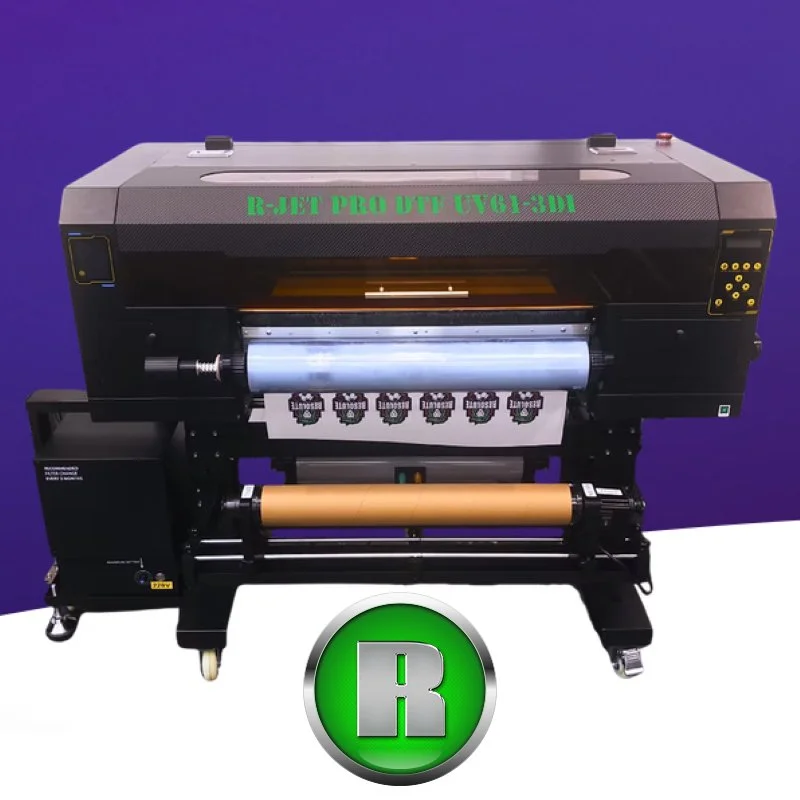
Clay Cross- UK – October 2026– Resolute DTF today features their R-JET PRO DTF™ UV61-3Di, a UV DTF printer engineered to elevate promotional products with striking three-dimensional effects.
Using advanced tilt print head technology, the new machine produces stunning TPU and Crystal Patch embossed finishes on a wide range of everyday items, offering businesses a new way to differentiate their products in an increasingly competitive market.

SOUTH NORMANTON, UK – October 2026 – Sun Chemical today featured Cinquasia® Magenta D 4200 J, a state-of-the-art Quinacridone pigment engineered specifically for digital ink formulations.
The new pigment delivers vibrant yellowish magenta shades alongside outstanding colour performance, reinforcing Sun Chemical's position at the forefront of pigment innovation for the printing industry.
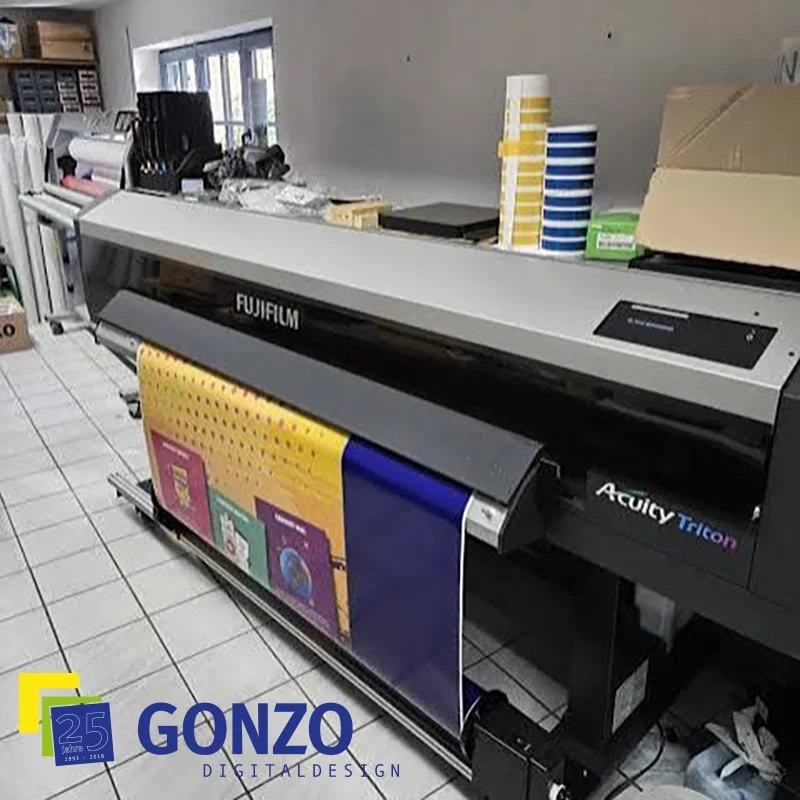
Ratingen, Germany – October 2026 – Gonzo Design, a full-service advertising specialist covering textile printing, digital printing, signage and vehicle lettering, has invested in Fujifilm's Acuity Triton large-format UV inkjet printer featuring Aquafuze ink technology.
The move marks a significant step in the company's drive to raise print quality, broaden application versatility and improve air quality within its production facility.