
TEXINTEL LIVE INTERVIEW - Steen Mikkelsen of Fastsewn discusses the challenges and innovations in sewing automation.
In this conversation, Steen Mikkelsen of Fastsewn discusses the challenges and innovations in sewing automation.
He highlights the complexities of sewing due to the flexible nature of textiles and the need for precise handling. Mikkelsen shares insights into his innovative solutions that aim to automate sewing processes, reduce handling time, and improve efficiency in manufacturing.
The discussion also touches on the future applications of this technology across various industries and the potential for job creation as automation evolves.
Watch to learn more >>
In this conversation, the discussion also touches on the future applications of this technology across various industries and the potential for job creation as automation evolves.
KEY TAKEAWAYS
1. Sewing is one of the largest industries that has not been automated.
2. The handling of flexible textiles is the main challenge in sewing automation.
3. Innovative solutions can eliminate unnecessary processes in manufacturing.
4. Automation can significantly reduce the time spent on handling materials.
5. The future of sewing technology includes contouring and shaping capabilities.
6. Robotics in sewing will not replace skilled seamstresses in couture.
7. Automation can support on-demand business models in manufacturing.
8. The technology can be applied to various industries beyond textiles.
9. Job creation may increase as automation takes over repetitive tasks.
10. Rethinking traditional processes is essential for future manufacturing efficiency.

In this roundtable, NedGraphics President Frank Maeder and 10Duke CEO Neil Fenton unpack one of the least glamorous - but most business critical - topics in creative production: Software licensing.
Together, they explore why legacy hardware dongles and static license keys are holding the industry back, how COVID exposed their limitations, and why user‑centric, identity‑based licensing is now essential for global, hybrid workflows. From roaming designers in New York to production teams in remote factories, they reveal how to remove friction, reduce downtime, and keep creative tools securely in the hands of the people who need them.
If you’re in fashion, design, CAD/CAM, or any creative production environment and want to future‑proof your software delivery, this discussion is packed with insight and real‑world examples.
Watch to learn more >>

Join us in Barcelona at the Epson booth as Debbie McKeegan the FESPA Textile Ambassador talks with Duncan Ferguson, Vice President, Commercial and Industrial Printing at Epson Europe, about the future of textile printing.
We explore how digital product passports, sustainable production, and advanced solutions like the Monna Lisa 13000 and SureColor SC-F20000 are reshaping the UK and European textile markets.
Watch to learn more >>
Join us at the FESPA exhibition in Barcelona as Debbie McKeegan the FESPA Textile Ambassador speak with Micol Gamba of EFI Reggiani to explore the new ecoNEXT Plus pigment printing solution for home textiles.
We discuss how this waterless, beltless, industrial-level printer simplifies digital production, supports local manufacturing, delivers high-quality colour (including a unique violet), and provides detailed data on energy and water consumption to meet today’s sustainability and digital product passport demands.
Watch to learn more >>
Join Debbie McKeegan in Barcelona as she talks with Dr. Simon from Sun Chemical about the future of textile printing.
They discuss the launch of Zenia Sapphire pigment inks with upgraded wash fastness, the slow but crucial shift from analog to digital textile printing, and how education, skills, and supply-chain partnerships can unlock on-demand, sustainable production.
They also explore upcoming digital product passports, why chemistry and transparency matter, and what the industry must do now to prepare for 2027–2033 compliance.
Watch to learn more >>

Debbie McKeegan, FESPA Textile Ambassador, interviews Charlie Saunders, founder of Tidy Merch, a Swedish print-on-demand company that has transformed its business by shifting from hardware to smart software with Gelato Connect.
Discover how they doubled revenue, kept their team intact, and improved work-life balance by investing in integrated production software instead of more machines.
Watch to learn more >>

Debbie McKeegan, the FESPA Textile Ambassador, talks with Danna Drion from Mimaki about the real value of trade shows in today’s increasingly digital and AI‑driven world.
In this conversation, we discuss why events like FESPA remain essential for the textile print and signage community - offering something you simply can’t get online: human connection. Danna shares Mimaki’s experience of FESPA as a leading global show that consistently delivers strong ROI, high‑quality leads, and a clear view of where the industry is heading.
Watch to learn more >>

In this interview from Techtextil in Frankfurt, Debbie McKeegan, CEO of Texintel, speaks with Andreas Rass CEO of Zimmer Austria, about the latest advances in digital textile printing and the current state of the textile and carpet industries.
They introduce Zimmer’s new Coloris 72 digital textile printer platform, designed for higher accessibility, strong remote service, reduced manpower needs, and a water‑recycling blanket washing system that dramatically cuts water consumption and boosts sustainability.
Together, they discuss the growth of technical and military textiles, the resilience of the carpet sector (notably in Turkey), rising energy and polyester costs, and the increasing importance of near‑shoring, secure supply chains, and trusted ink and technology partnerships to build a more sustainable and professional textile industry.
Watch to learn more >>
At Texprocess, Frankfurt, Debbie McKeegan of TexIntel talks with Adam Dakin of Verivide about why LED lighting and color‑accurate workflows are essential for today’s textile, fashion, and home furnishings industries.
They discuss the shift away from fluorescent lighting, how tools like Ultraview light booths, VisionView, and the DigiEye imaging system ensure consistent colour from design to retail, and how virtual colour approvals can cut waste, speed up product development, and help brands meet customer expectations worldwide.
Watch to learn more >>
At Texprocess, Debbie McKeegan of Textintel interviews Zehavit Reisin of Stratasys about their innovative 3D fashion technology which prints directly onto textiles.
Zehavit explains how Stratasys, with 35+ years in 3D printing, uses acrylic-based photopolymers to create durable mechanical adhesion to fabric—strong enough to withstand 40°C machine washes. They explore real-world applications, from haute couture and concept car interiors to defence and wearable tech, all driven by on-demand, sustainable production and customer-led creativity.
The conversation highlights how this technology can personalise and extend the life of garments, support stock-free, on-demand manufacturing at scale, and empower brands to push the boundaries of fashion and textiles.
Watch to learn more >>
In this interview recorded at TexProcess, Frankfurt, we speak with Frank Maeder, head of the team behind NedGraphics and Optitex about how they’re connecting digital textile design and apparel design into one seamless, end-to-end digital workflow.
They explain how integrating textile design with Apparel pattern development across the workflow reduces waste, shortens development cycles, and improves collaboration between brands, manufacturers, and suppliers worldwide. By sharing fabric data and specifications digitally from the start, designers can create the right product first time, every time, boosting creativity while cutting time, cost, and physical sampling.
Watch to learn more >>
Debbie McKeegan, CEO of Texintel, interviews Chris Dearing - Vice President of Sustainability at Coats, at the Texprocess trade show in Frankfurt.
Coats, a global thread manufacturer with around 20,000 employees in over 50 countries, has made sustainability central to its strategy, structured around five pillars: energy, materials, water, waste, and people, aligned with the UN SDGs. Chris explains that Coats has SBTi‑aligned 2030 targets and a 2050 net-zero goal, has already cut scope 1 and 2 emissions by 46% from a 2019 baseline, and moved to about 62% renewable electricity with a target of 100% by 2030, including work to electrify fossil-fuel boilers.
Watch to learn more >>

At Texprocess Frankfurt, Debbie McKeegan of Texintel talks with Giovanni Pizzamiglio from Kornit Digital about the new Presto Max Plus.
Giovanni explains how Kornit is evolving from fashion into technical textiles, using a new abrasion-resistant polymer “DuraTech” to create durable, stretchable prints for sportswear, footwear, and even military camouflage.
They discuss replacing complex analog processes with single-step digital printing, precise print positioning on woven fabrics, and new possibilities for interior décor, performance wear, and advanced protective textiles.
Watch to learn more >>
Debbie McKeegan, CEO of Texintel, interviews Jaymes Clements from Monster Digital inc. at the Kornit Konnections event in Florida.
Monster Digital, a premier contract print manufacturer, specialises in DTG (Direct-to-Garment) printing, capable of producing over 180,000 prints daily. They own over 70 DTG printers, all industrial-grade, and emphasise continuous capital investment in technology.
Clements highlights their agility in adapting to new technologies and their diverse customer base, including brands, sports teams, and corporate clients. He stresses the importance of strategic relationships over transactional ones, and the need for stability in the supply chain to maintain quality and meet customer expectations.
Watch to learn more >>
Debbie McKeegan, CEO of Texintel, interviews Shawn Sckoropad from Printeez Inc, a 10-year-old Canadian print-on-demand company.
Printeez specialises in large volume fulfilment and on-demand services, using proprietary software for seamless integration with stores. They produce up to 350,000 units in bulk per month, and 57,000 units per fortnight on-demand during peak seasons and serve 7,000 users.
Shawn highlights the shift from analog to digital, the development of their own app, and the challenges of building a user-friendly interface. Looking to the future, they aim to double down on e-commerce, expand locally, and explore partnerships in Europe, emphasising agility and focus.
Watch to learn more >>
Debbie McKeegan, CEO of Texintel, interviews Alan Gentry from T- Formation about his garment decoration company's evolving transition from analog screen printing to digital printing.
Alan's company, established in 1987, initially handled large volume orders but shifted to smaller orders post-COVID. They discovered the Kornit Apollo at Kornit Konnections in 2024, which prints 350 units an hour, significantly improving efficiency.
Alan's company now uses digital machines alongside screen technology. They also leverage Fullfil Engine for seamless fulfilment, enabling them to handle one-piece orders to thousands efficiently.
Watch to learn more >>

In this exclusive interview from Printwear & Promotion Live in Birmingham, Debbie McKeegan speaks with Rob Simpson, General Manager for DuPont Artistri Digital Printing Solutions, about the launch of DuPont’s new jettable adhesive technology for DTF (Direct-to-Film) printing.
Rob explains how this jettable adhesive replaces traditional powder in the DTF process, delivering a cleaner workflow and opening up new creative and technical possibilities for apparel decorators. DuPont has developed a solution that not only simplifies production but also enables smoother gradients, fade-outs, and more precise control of ink layers.
Watch to learn more >>

In this Texintel Live interview Debbie McKeegan (CEO of Texintel) talks with Julian Wright, Sales Director of Amaya Sales UK about how the garment decoration market is evolving, particularly around Direct-to-Garment (DTG) and Direct-to-Film (DTF) technologies.
They discuss how DTF has surged over the last 3- 4 years, where it fits alongside DTG, and why many customers are unsure when and where to invest. Julian explains how Epson’s standardised, high‑uptime systems and Amaya’s knowledge-led approach help customers choose the right technology mix, from entry-level to more industrial solutions like the Epson SureColor G9000.
The conversation highlights the importance of reliable partners, premium consumables, and future-proof solutions that deliver not just a machine, but a complete, long-term service and ecosystem for growing print businesses.
Watch to learn more >>
In this short interview, they explore how dye sublimation now goes far beyond mugs and T‑shirts, opening up new opportunities in textiles, décor, signage, promotional carpets, and floor graphics.
Duncan explains the TS200’s 8‑colour ink set, including fluorescent pink and fluorescent yellow, plus violet and orange to extend the colour gamut. These neon’s are ideal for fashion, children’s wear, event branding, and décor—especially where brands need high-impact, accurate colour and that on‑trend fluorescent look.
With a competitive entry-level price (under £6,500), a two‑year warranty, and fast, easy-to-use operation, the Mimaki TS200 -1600 offers an accessible way for print businesses to expand into new markets and respond to a broad range of customer demands from a single machine.
Watch to learn more >>
Filmed live at Printwear & Promotion in Birmingham, Debbie McKeegan, CEO of Texintel, talks with Grant Cooke, Product Manager: Textile, SureColor Printers, Sublimation, Direct To Film (DTF) & Direct To Garment (DTG) Solutions at Epson Europe B.V about:
Moving from DTG with DTF mode to true roll-to-roll DTF
The evolution from the G6000 to the G9000
64" wide printing, higher throughput, and automated maintenance
How software, shakers, and cutters now integrate for a seamless DTF workflow
If you’re in garment decoration, custom apparel, or screen print looking to go digital, this conversation shows how modern DTF can deliver speed, reliability, and scalable production.
Watch to learn more >>
In this interview, Debbie McKeegan speaks with Colin Marsh, MD at Resolute DTF about a major shift in garment decoration technology.
The launch of jetable adhesives, a new DTF ink innovation developed in collaboration with DuPont, Artistri.
Colin explains how this innovation combines ink and adhesive jetting (using no powder), delivers a soft DTG-like hand feel with high durability on cotton and polyester, and opens up new creative possibilities for printers.
They also discuss Resolute UK-based manufacturing, supply chain control, and steps toward more sustainable and circular production.
Watch to learn more >>
In this conversation, Debbie McKeegan speaks with Johan Spies of HP at FESPA Middle East in Dubai about HP’s latest Latex printing technologies.
They discuss the HP Latex A330 roll-to-roll printer and the R530 hybrid printer, highlighting their water-based inks, ability to print on both flexible and rigid materials, and how these solutions support the fast-growing Middle East market through a strong partnership with Redington.
Both speakers highlight the rapid growth and vast opportunities in the Middle East and Johan’s excitement to return next year and see how customers have grown with HP’s solutions.
Watch to learn more >>
In this conversation, Debbie McKeegan, Texintel CEO and Fespa Textile Ambassador, speaks with Viktor Lazzeri of Barbieri Electronics.
This conversation, recorded live at Fespa Middle East in Dubai, explores the rapidly growing opportunities for the print industry across the region. Barbieri Electronics highlight the strong demand for quality, innovation, and colour accuracy, and the critical role of trusted technology partners in supporting this fast-evolving, increasingly digital market.
Together, the speakers frame the Middle East as a vibrant, optimistic hub where the right print technologies can unlock significant new growth.
Watch to learn more >>
In this conversation, Debbie McKeegan, Texintel CEO and Fespa Textile Ambassador, interviews Jon Bailey of Precision Proco Group in the UK to explore how his company has grown from a local business into a global partnership. John shares insights into the technology stack that underpins their success, their journey of scaling internationally, and the increasing importance of personalisation. Together, we discuss why knowledge sharing, community, and strategic partnerships are essential in today’s connected world, and how clear guiding principles - combined with the willingness to course-correct can drive sustainable growth in fast-evolving markets like the Middle East.
Watch to learn more >>
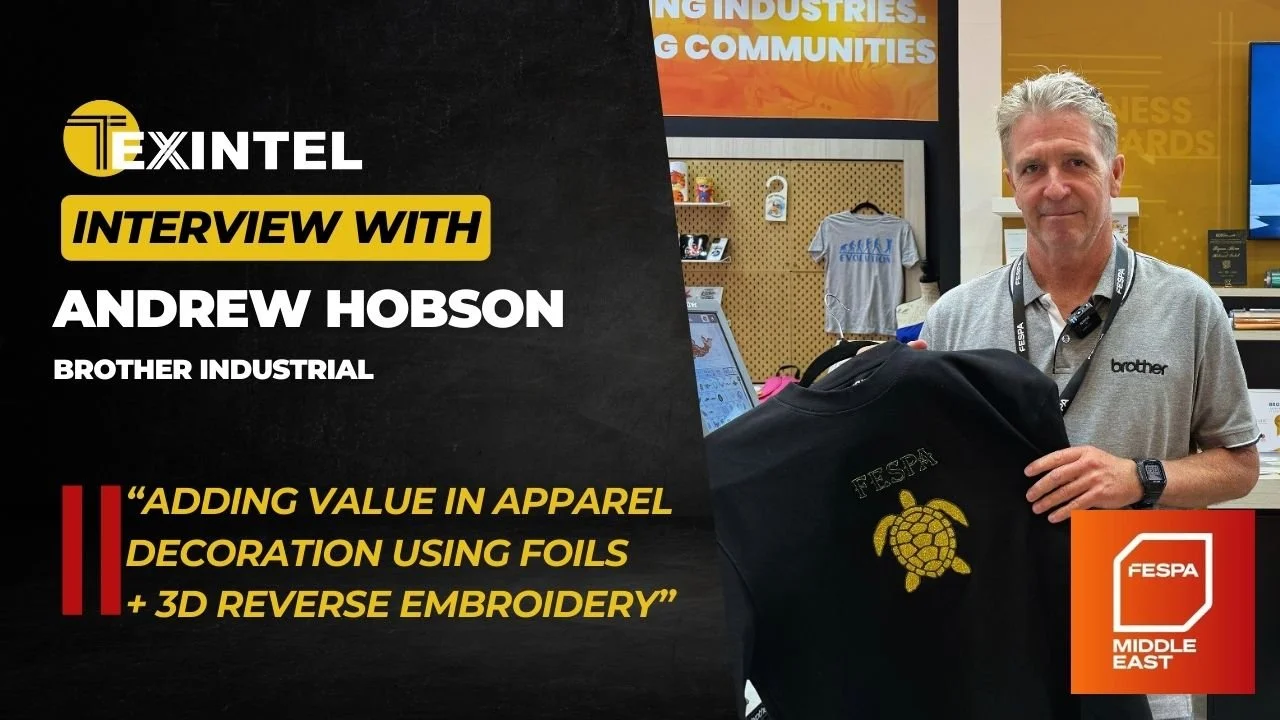
In this conversation, Debbie McKeegan, Texintel CEO and Fespa Textile Ambassador, interviews Andrew Hobson about Brother Industrial textile technology.
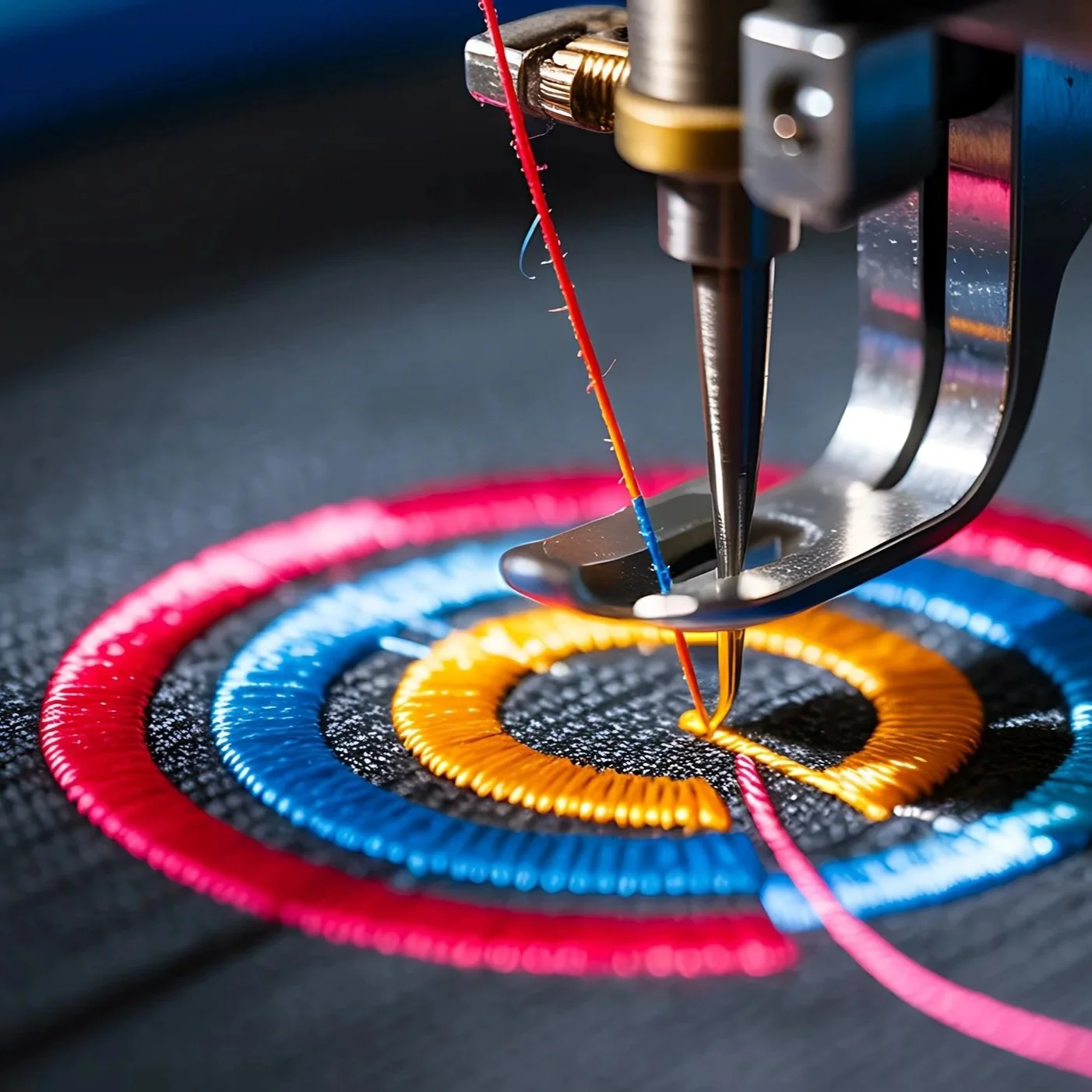
They discuss a t-shirt embellished using a six-needle embroidery machine, heat transfer, and cutting technology. The design includes a gold heat transfer, a tortoise shell pattern, and a reverse 3D effect on the back. This technology adds value and creates a unique, textured appearance, appealing to the Garment Decoration market in the Middle East.
Watch to learn more >>
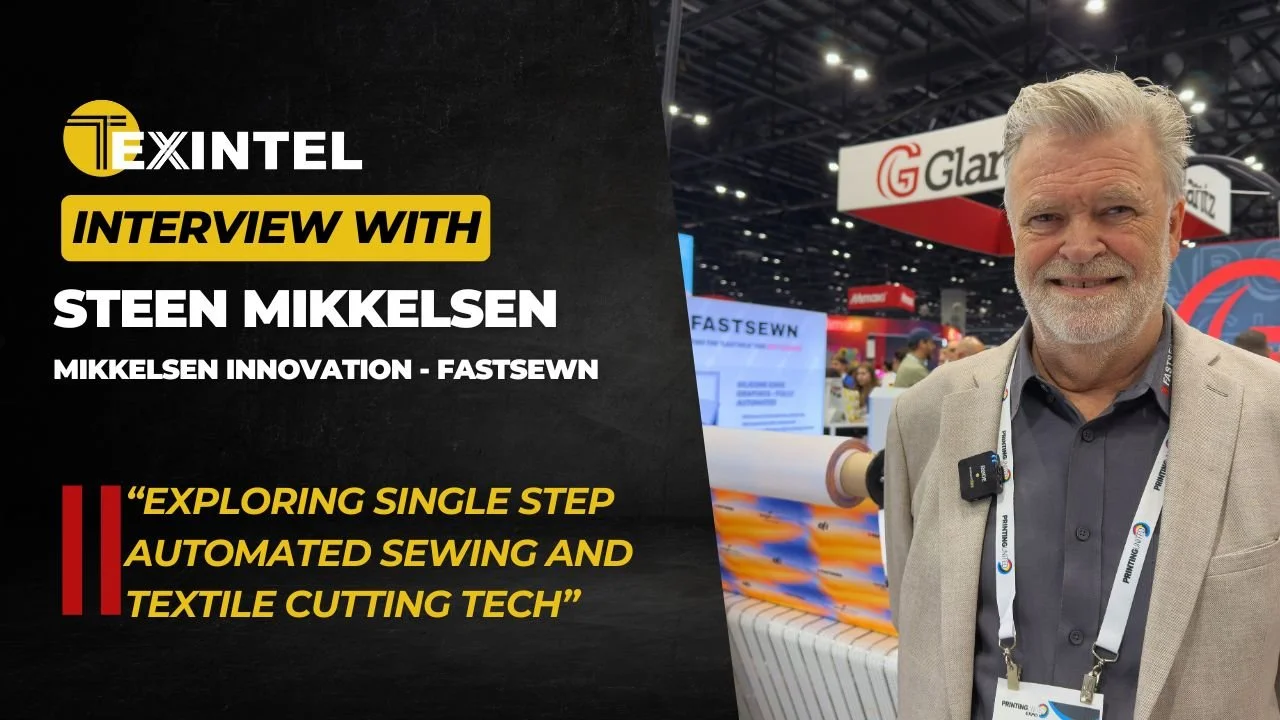
In this conversation, Steen Mikkelsen of Fastsewn discusses the challenges and innovations in sewing automation.
He highlights the complexities of sewing due to the flexible nature of textiles and the need for precise handling. Mikkelsen shares insights into his innovative solutions that aim to automate sewing processes, reduce handling time, and improve efficiency in manufacturing. The discussion also touches on the future applications of this technology across various industries and the potential for job creation as automation evolves.
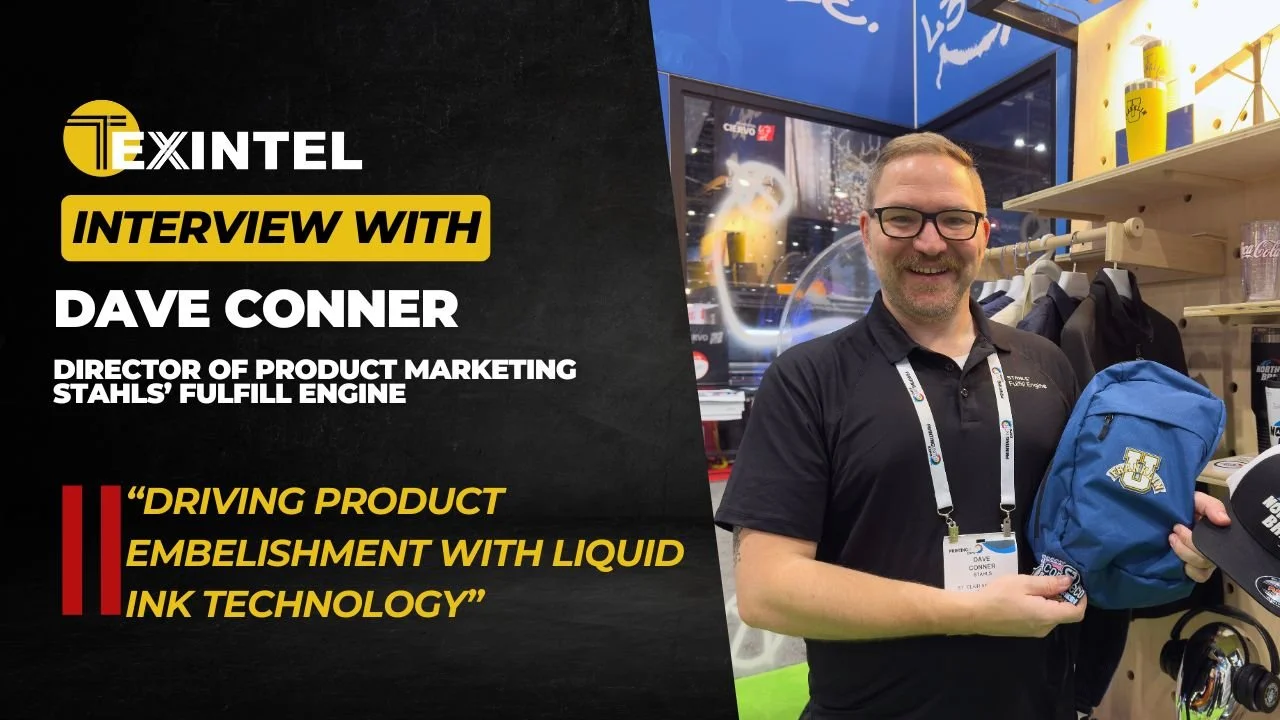
In this conversation, Dave Connor discusses the innovative Liquid Ink technology from Stahls' Fulfill Engine, which revolutionises dimensional decorating by allowing real-time design and customisation.
The technology reduces traditional pain-points such as minimum quantities and setup fees, enabling decorators to create premium, tactile products on demand. The discussion also highlights the future of personalisation in merchandise and the global opportunities for printers and garment decorators.
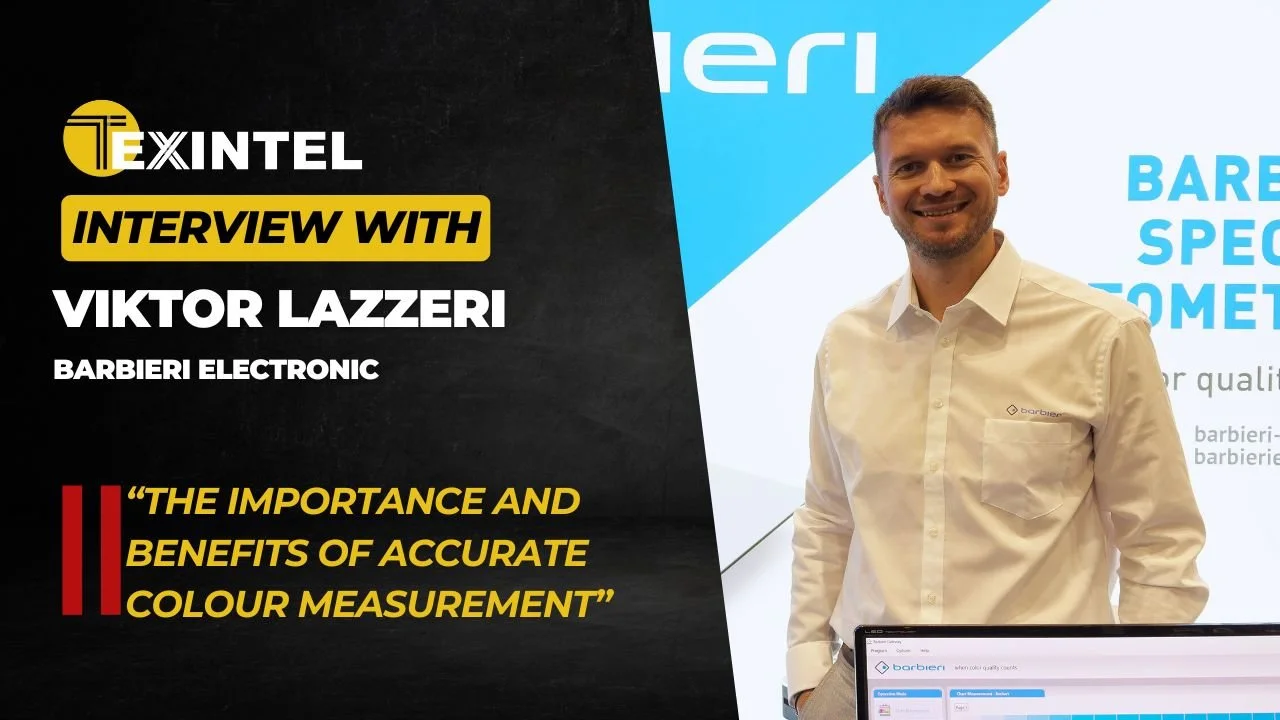
Debbie McKeegan interviews Viktor Lazzeri from Barbieri Electronic at Printing United in Orlando about the critical need for accurate colour measurement in the printing and textile industry.
Viktor explained the rising demand for colour accuracy, showcased Barbieri Electronic's latest spectrophotometers, and emphasised how precise colour measurement improves workflow efficiency, reduces waste, and ensures customer satisfaction.
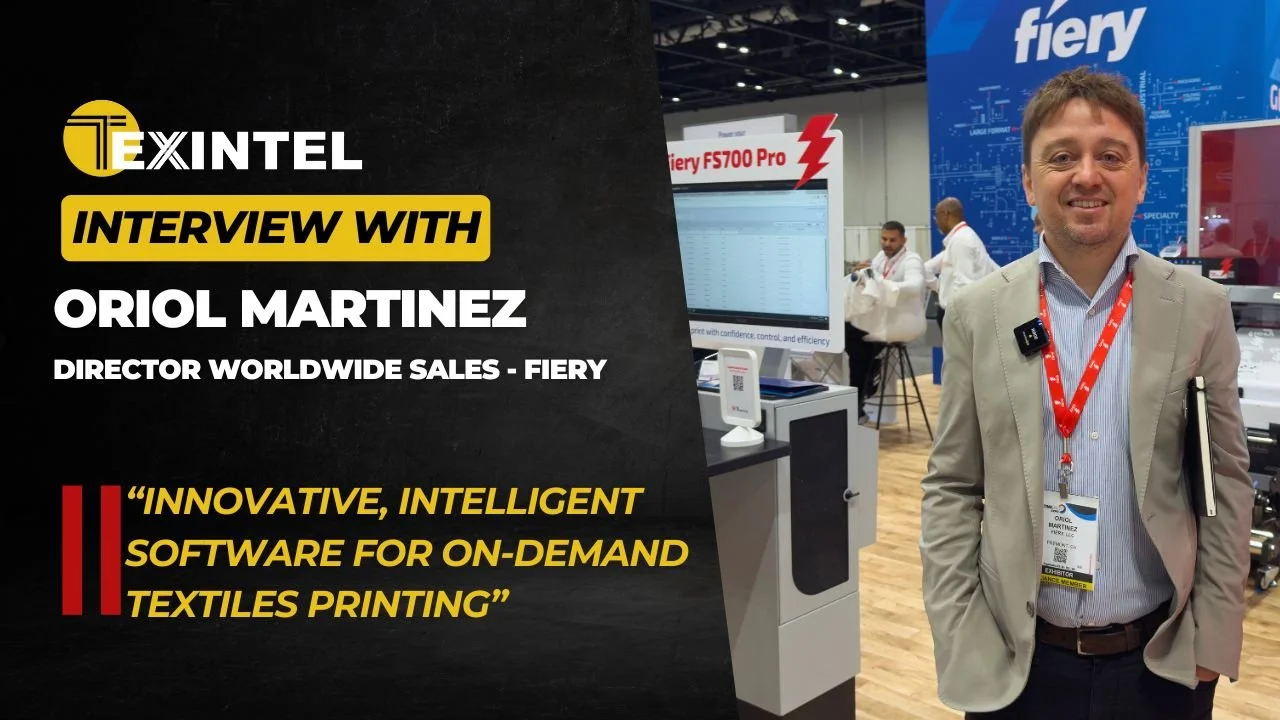
In this conversation, Oriol Martinez, the director of worldwide sales at Fiery, discusses the latest trends in the printing industry, particularly focusing on the launch of Digital Factory Version 12.
The conversation highlights the importance of colour management, automation, and the evolving needs of customers in the DTF market. The speakers emphasise the necessity for improved productivity and quality in printing, as well as the challenges posed by increased competition.
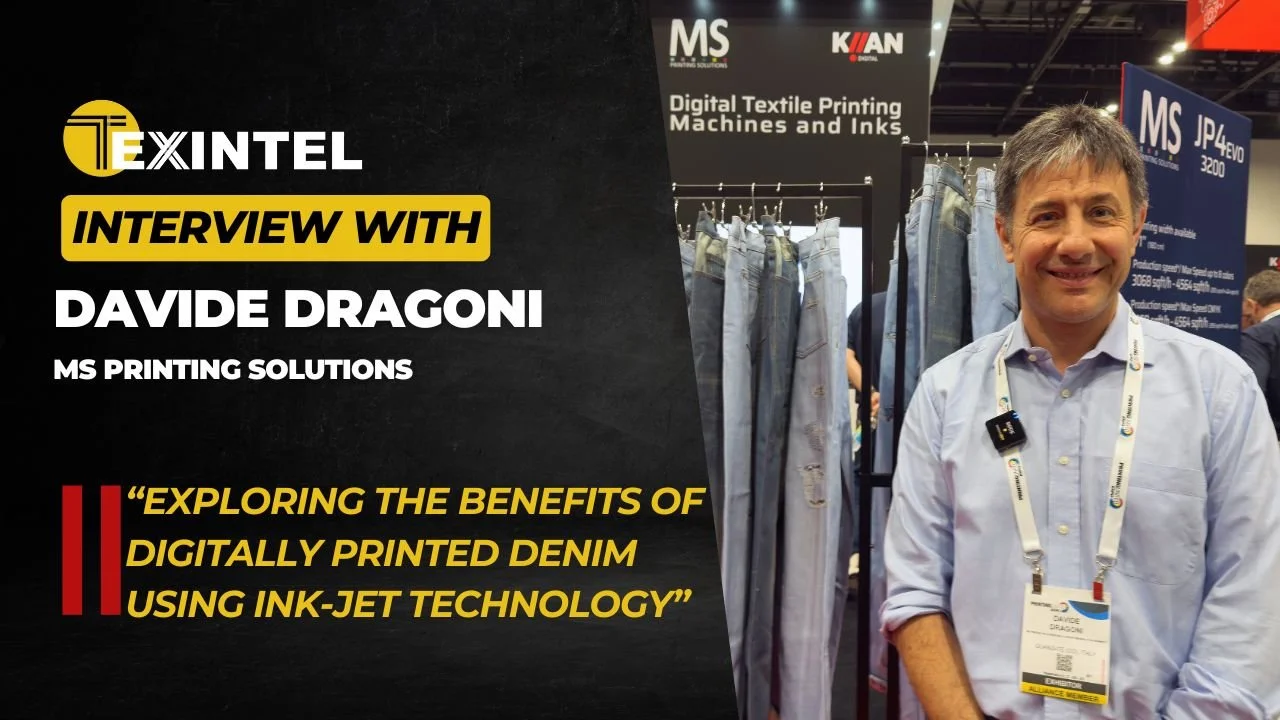
In this conversation, Debbie McKeegan and Davide Dragoni discuss the advancements in sustainable practices within the denim industry.
Particularly focusing on digital printing technologies that significantly reduce water usage and enhance supply chain efficiency. They explore the importance of certifications and traceability in ensuring eco-friendly production methods, highlighting the role of pigment printing in creating a more sustainable future for textiles.
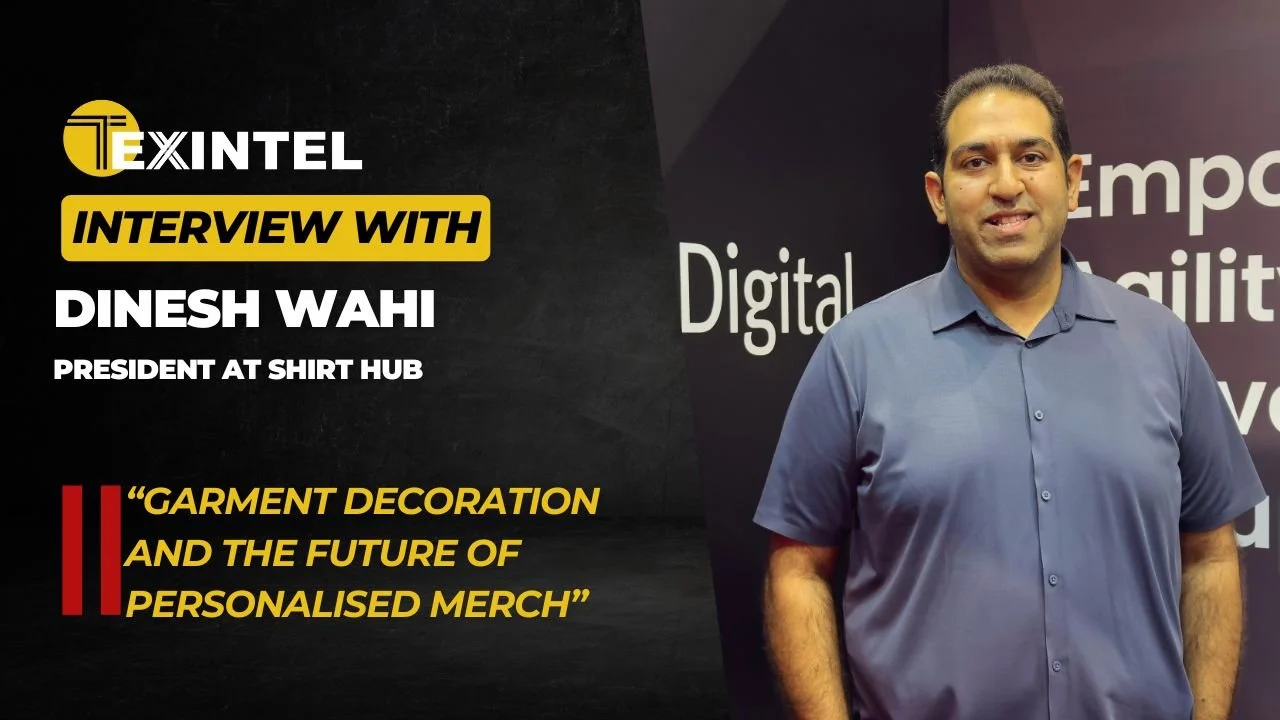
In this conversation, Debbie McKeegan, CEO of Texintel, interviews Dinesh Wahi, the President at Shirt Hub.
They explore the evolution of the apparel decoration industry, particularly focusing on digital printing and the impact of technology and AI.
They discuss the challenges and opportunities presented by social media trends, the importance of community in the industry, and the future of work in light of AI advancements.

Colour Is Too Important to Leave to Chance
Print will always be the part of the garment people see first.
But the sum of all parts — the fabric, the trims, the fasteners, the finish — is what determines whether a design actually delivers on its promise. Brands that continue to treat colour as a single creative decision, rather than a coordinated technical discipline spanning their entire supply chain, will keep paying for it in re-dips, delays, and disappointed design teams.
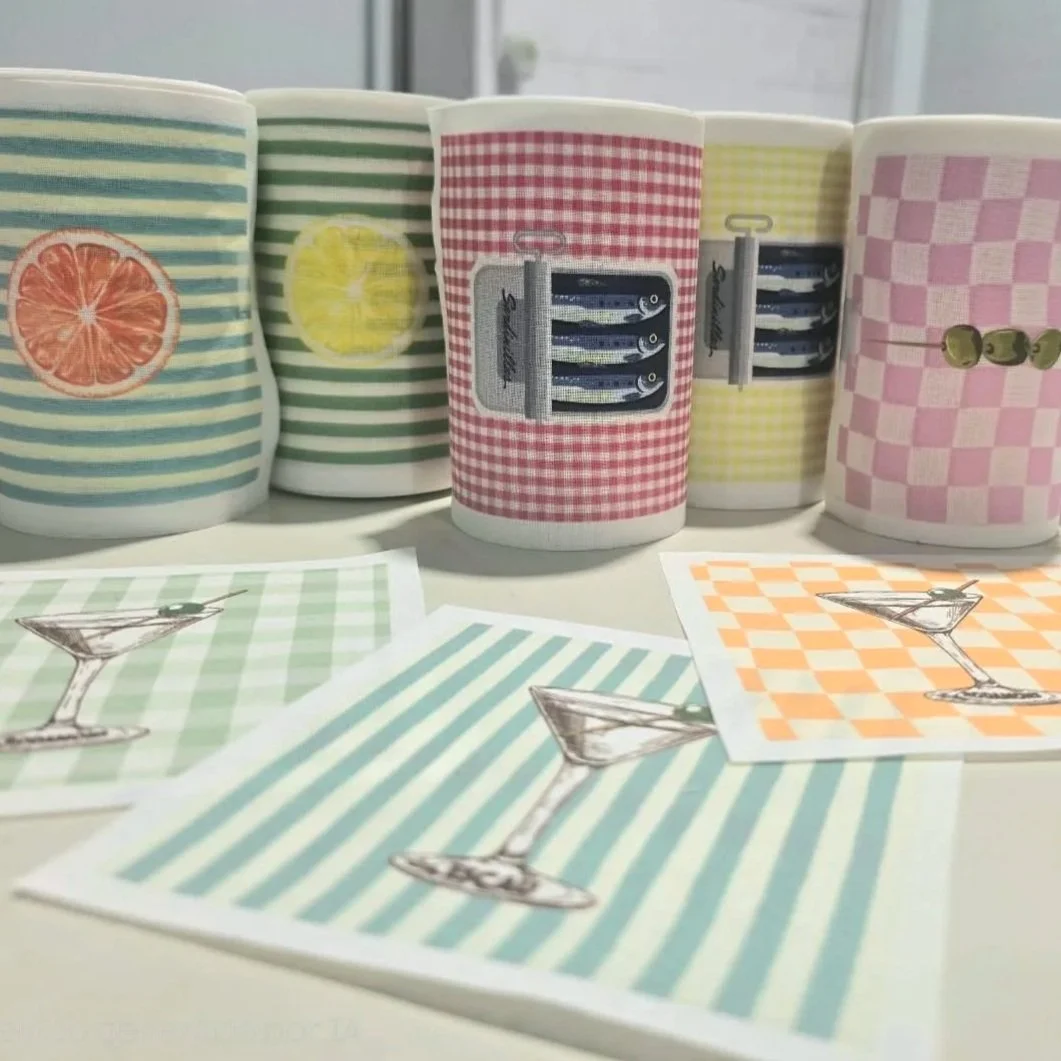
A Century of Textiles, and an Ever-changing World
Few companies can trace their roots back more than a century and still count themselves among their industry's innovators. Texia, headquartered in Monistrol de Montserrat, Spain, is one of them.
But the story of Texia is not simply one of longevity.
It is a story of continual reinvention. As the textile industry has grown more global and competitive, Texia has repeatedly reshaped its business, investing in technology, developing its own brands, and placing sustainability at the centre of its mission. In doing so, it offers a compelling example of how a heritage manufacturer can lead rather than follow through a period of profound industry change. Image Credit: Texia
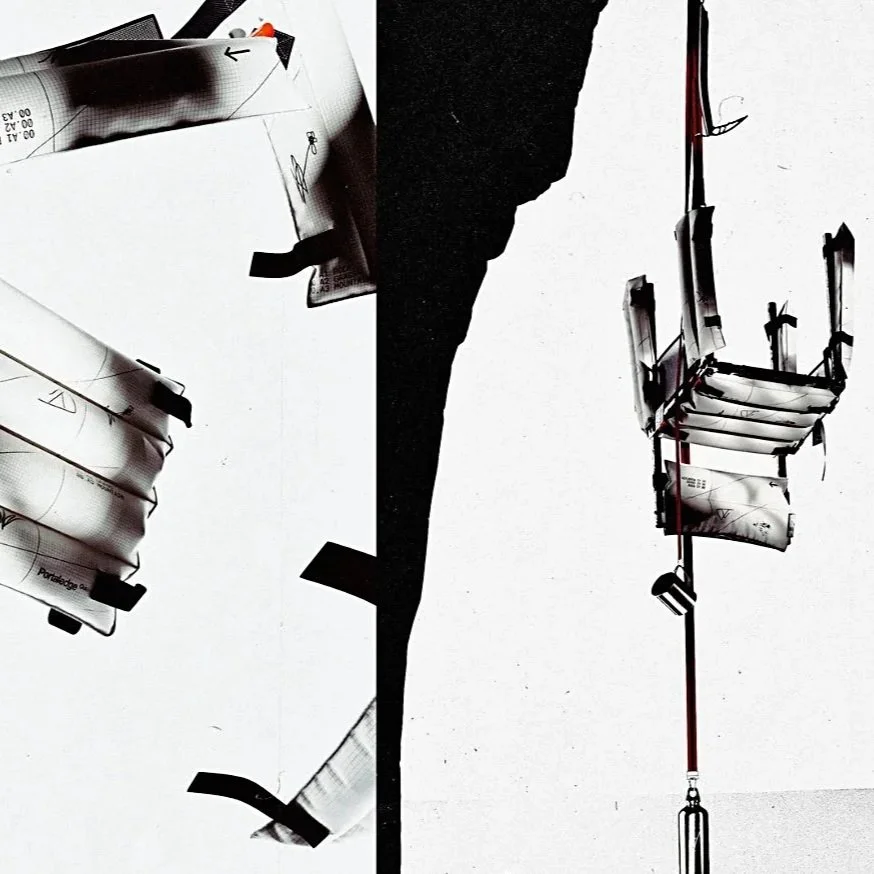
What are we craving Ultimately?
The instinct to slow down while simultaneously optimising every measurable aspect of life isn't a passing curiosity. It's a structural response to a world that feels increasingly unstable, and it's reshaping what people expect from their homes, hotels, workplaces and healthcare environments alike.
For the design and manufacturing sectors, this means rethinking both product and process.
The Structual Shift is Real and its Already Here
Volumes are moving east, where digital production is accelerating rapidly. Consumer behaviour has shifted.
Demand is now driven by personalisation, shorter buying cycles, and an expectation of near-instant responsiveness. Regulatory pressure is intensifying, with supply chain transparency now a legal and commercial fact in many markets. And margins? They are under sustained, structural pressure.
This is not a temporary disruption. It is a fundamental reordering of how textile manufacturing must operate.

The Challenge: Standing Firm as the Industry Shifts
The wallpaper landscape has changed dramatically. Digital printing has lowered the barrier to entry, spawning countless direct-to-consumer brands and pushing much of the market towards faster, cheaper production.
At the same time, manufacturing in the UK has grown steadily harder - rising minimum wage, national insurance, energy and substrate costs all bear down on margins. Surface Print have embraced all of these challenges - and stand resolutely prepared for the future.
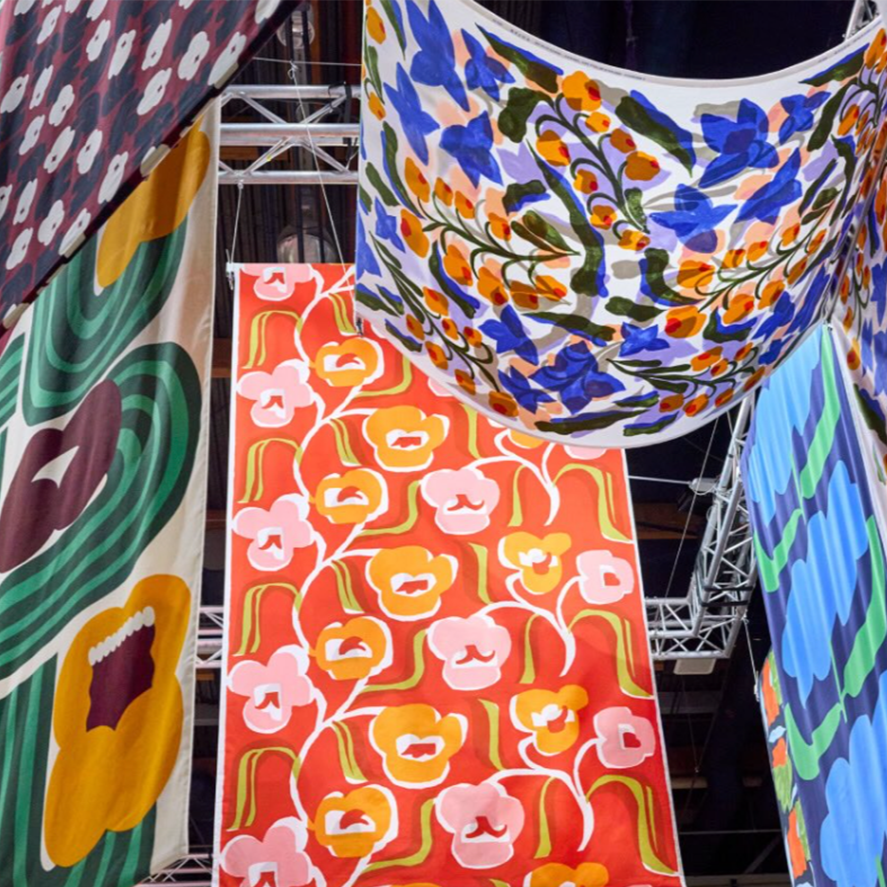
From Helsinki's printing mill to Paris's Le Marais, discover how Marimekko is scaling a design-led brand with purpose, craft, and bold innovation.
But what makes Marimekko's story compelling is not just its aesthetic legacy?

The word "toxic" carries weight. It conjures danger, harm, and things best avoided.
“Yet in the textile industry - Where between 3,000 and 10,000 chemicals move through the supply chain, a reflexive fear of the term is one of our biggest obstacles to progress.”
This article distils the key takeaways and what buyers, designers, and brands should be asking right now.
What Is the Digital Product Passport?
At its core, a Digital Product Passport is a digital record attached to a physical product - For a printed textile product, this means the DPP would capture data on the substrate, inks and dyes used, the printing process and technology, chemical compliance, environmental impact (including water and energy use), supply chain traceability, and end-of-life instructions.
The Market Gap that Changed Everything
Future Fashion was founded in 2019, timed deliberately to coincide with a pivotal moment in global textile technology: the commercial launch of the EFI Reggiani BOLT Single-Pass digital printing system.
The founders recognised that single-pass architecture had fundamentally changed what was industrially possible - and that Pakistan's domestic market had yet to catch up.

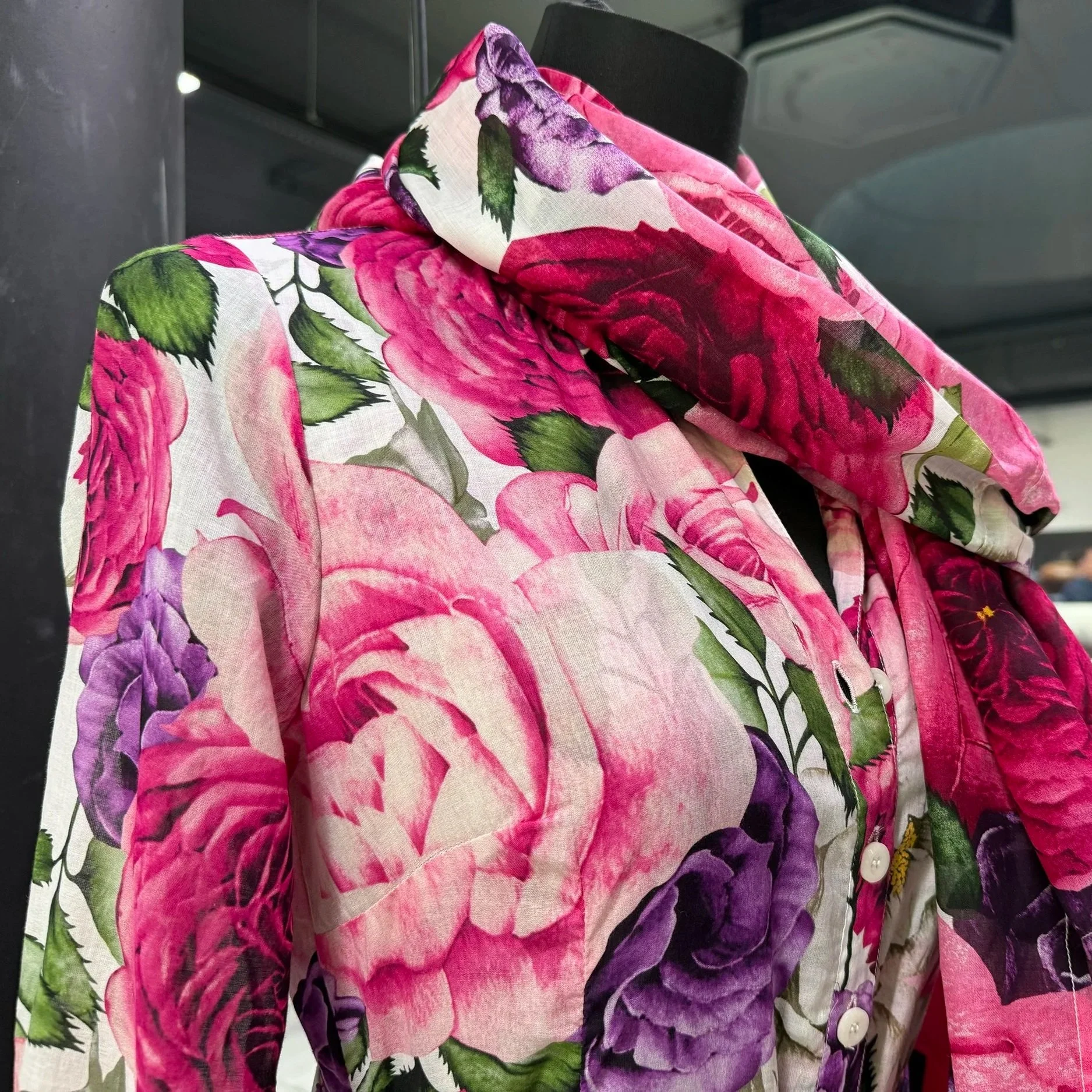
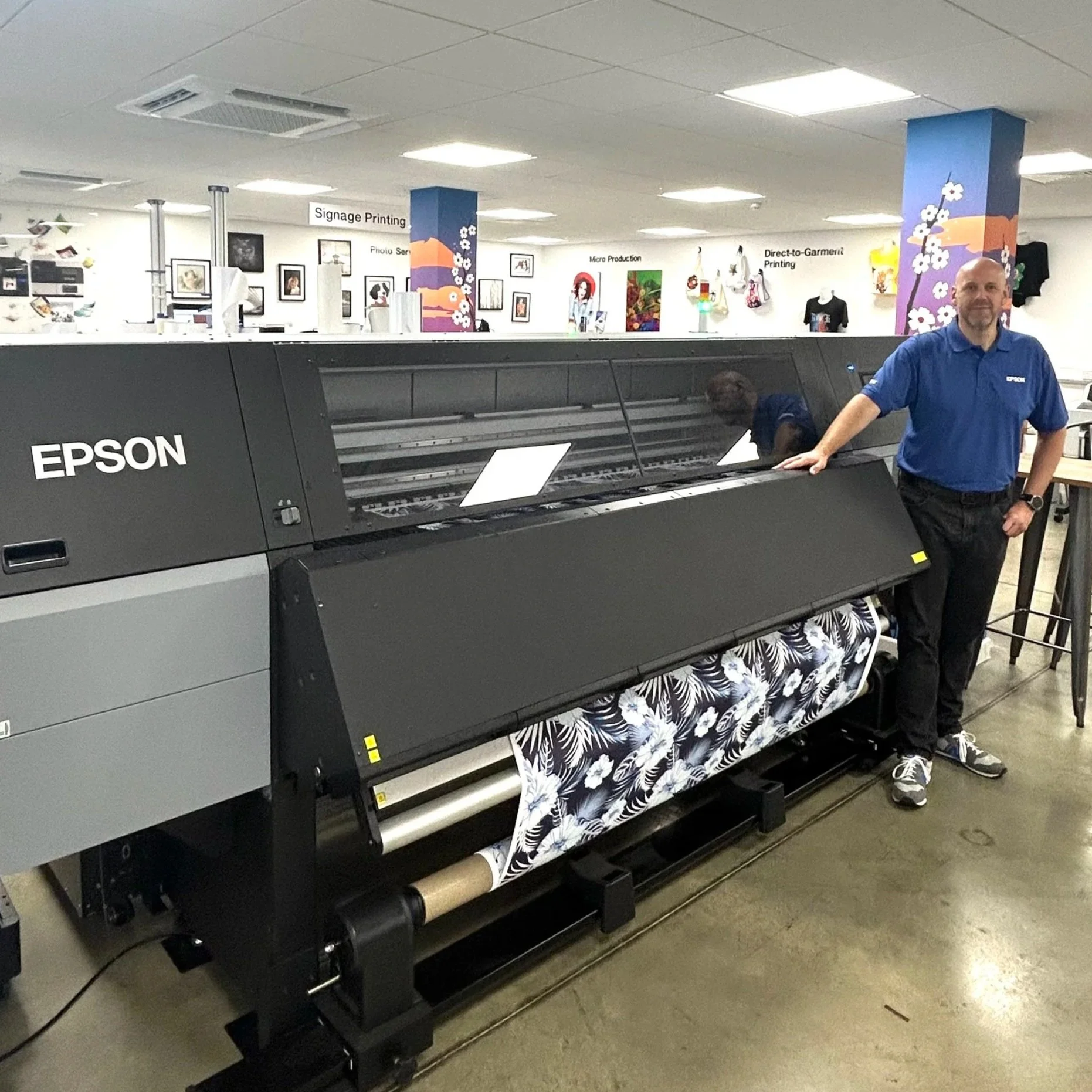
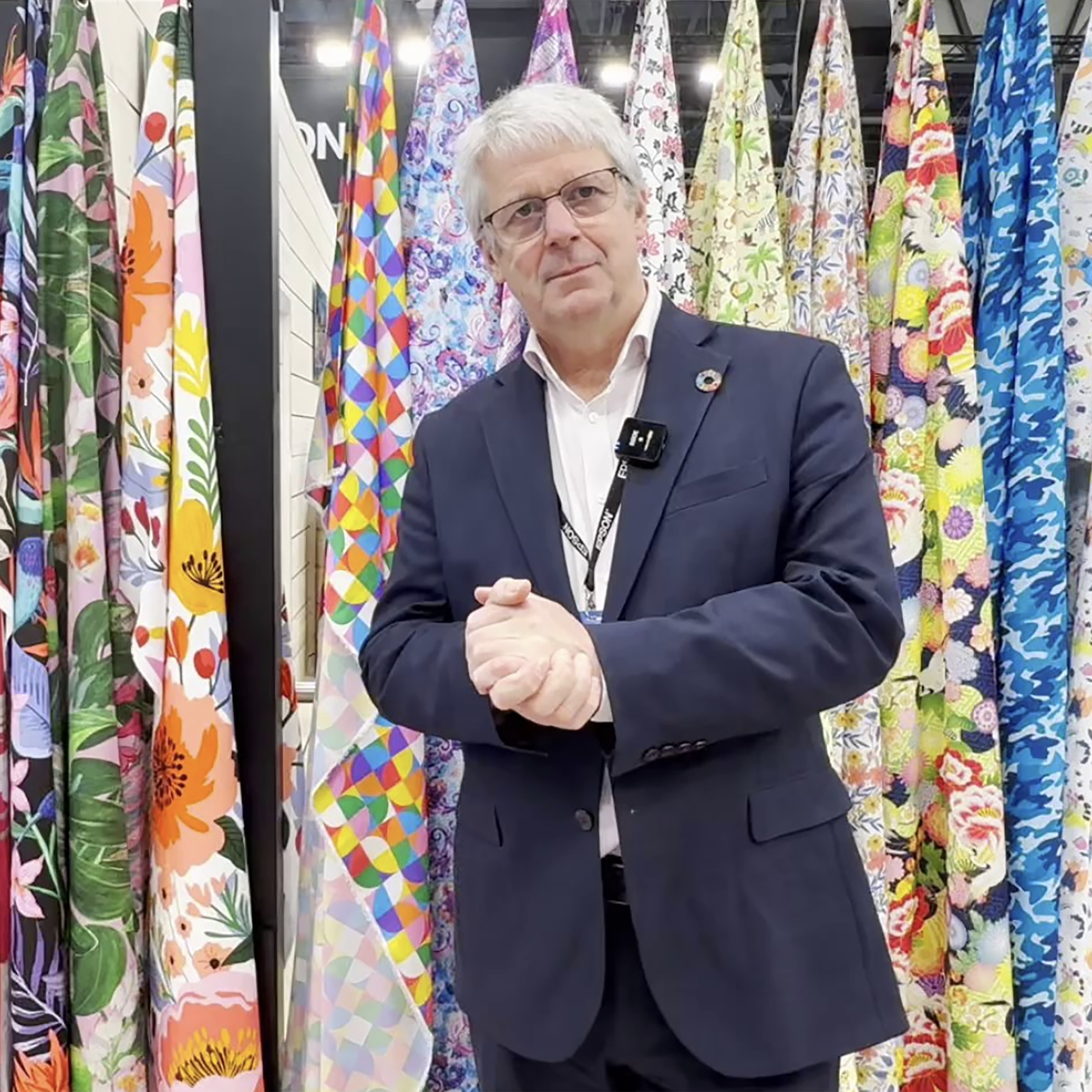
Print is no longer defined by the inefficiencies that once characterised it…as advances in production processes and technology have significantly improved its environmental performance.
Taran Rai, Corporate Sustainability Manager at Epson explains why?
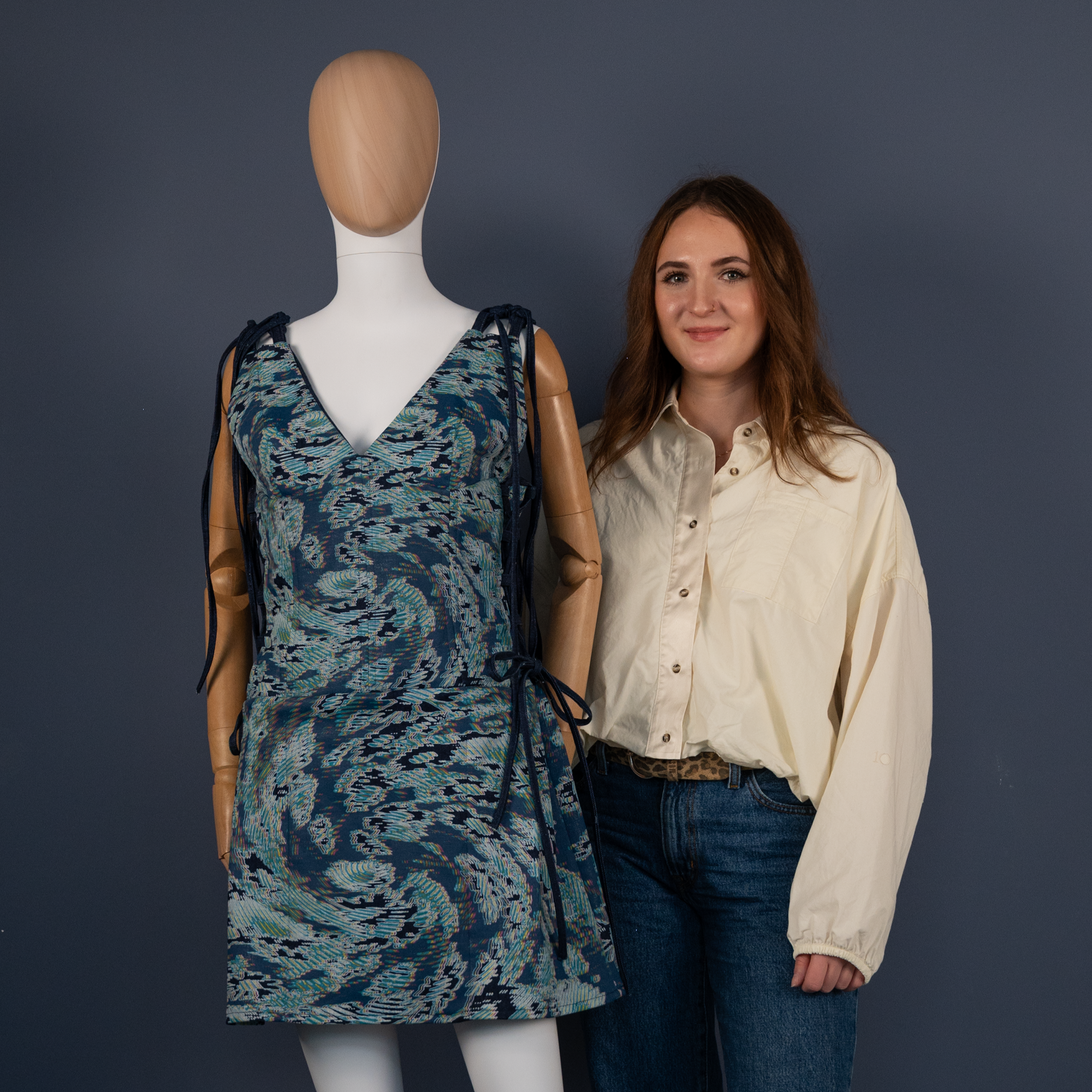
The story of what happens when young designers access digital technology is still being written.
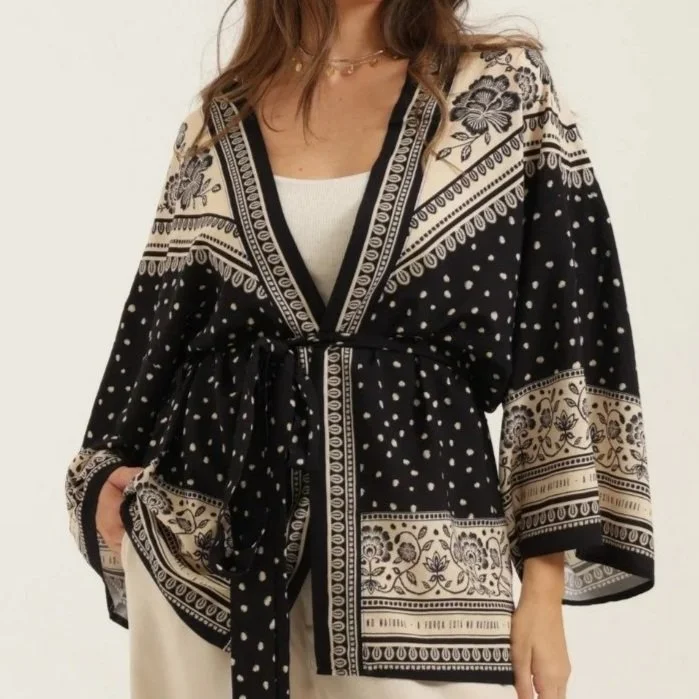
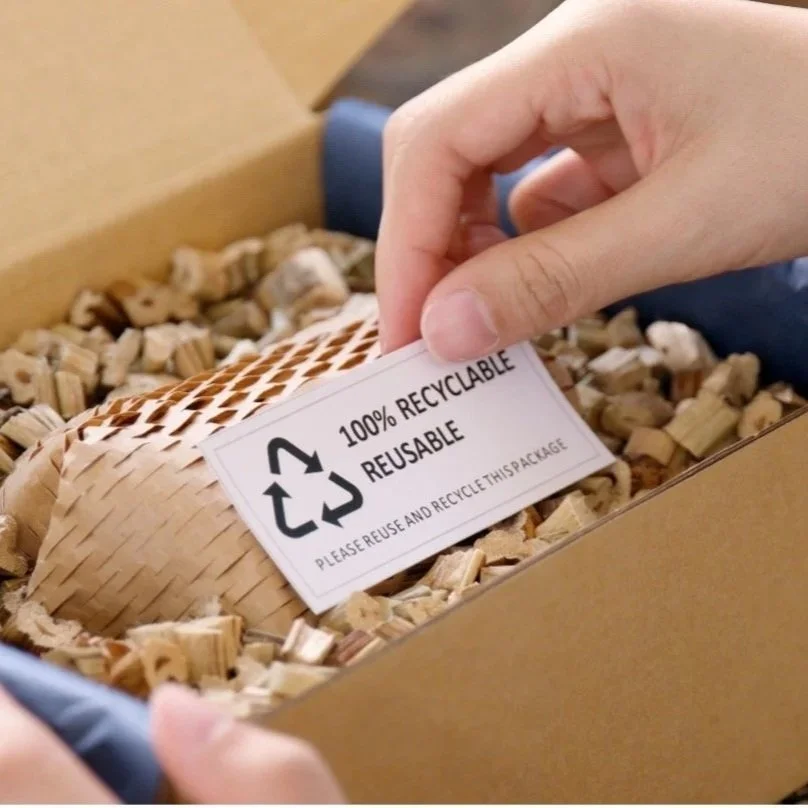
What once was a theoretical sustainability goal seems to have shifted into an active regulatory reality.



Is the Textile Market Finally Recovering?
After a difficult few years, there are genuine reasons for optimism. Duncan was candid about the challenges: "The market for textiles has been very difficult over the last three years. I'm not going to hide the truth there. But the tide is turning.“
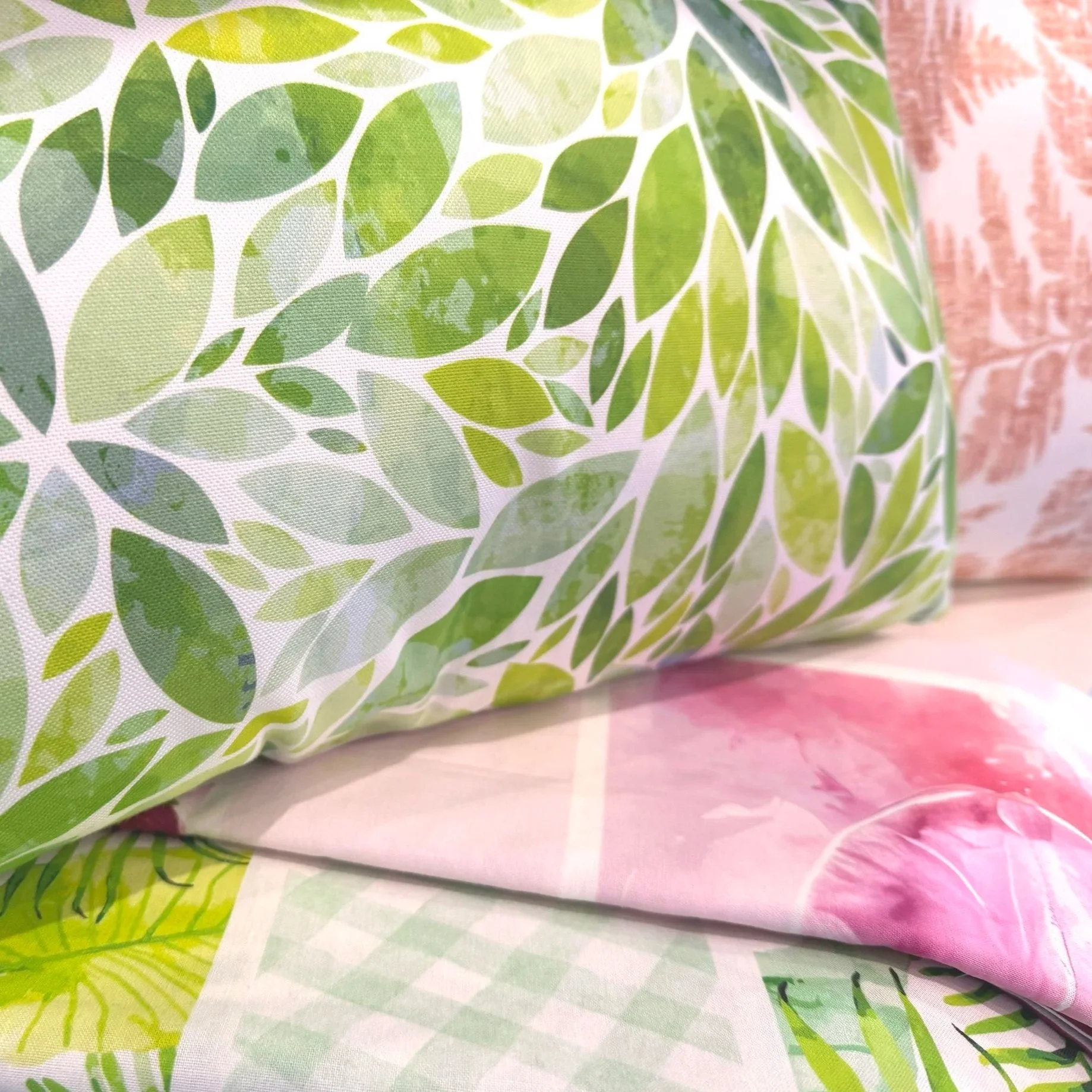
A profound shift is currently reshaping the sector
Changing consumer expectations demand greater design diversity, faster turnaround times, and sustainable manufacturing practices.
To thrive, interior brands must adapt their supply chains, bringing production closer to the end consumer and moving away from bulk manufacturing.
Digital textile printing offers a definitive solution to these operational bottlenecks.

Digital transformation doesn't announce itself.
It accumulates - one innovation at a time - until an entire industry looks back and realises the ground has shifted beneath its feet. That's precisely where textiles stands today.
The conversations happening now about AI, automation, sustainability, and digital product passports are not theoretical. They are shaping decisions being made on factory floors and in boardrooms right now.

“By leveraging advanced digital textile printing, Marylene Madou has successfully merged traditional craftsmanship with cutting-edge technology. Her approach offers a blueprint for how independent designers can scale their brands globally while maintaining a minimal environmental footprint.”
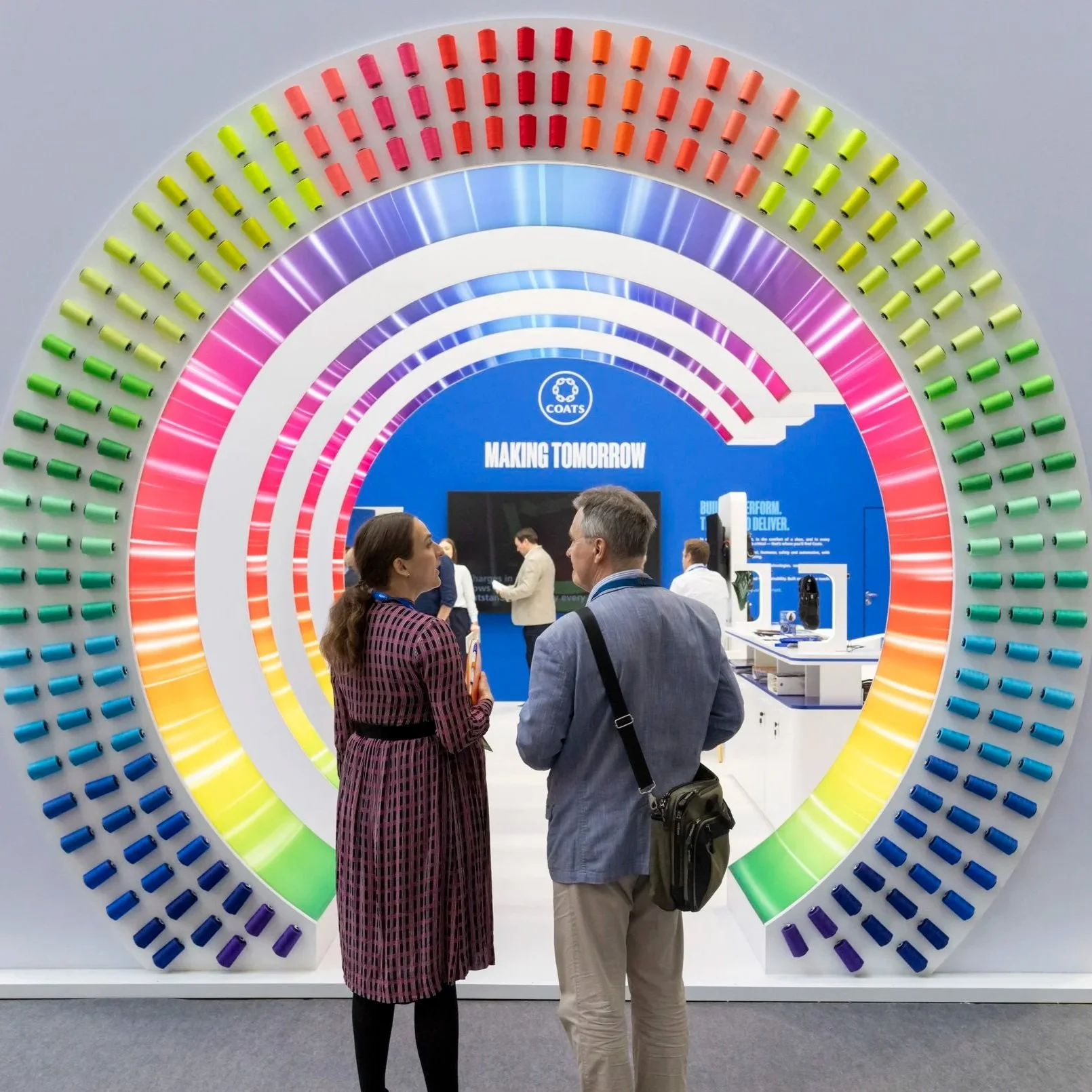
The textile industry is undergoing a vital transformation. As the insights from Techtextil and Texprocess reveal, the path forward relies on a combination of sustainable hardware, intelligent chemistry, and seamless digital workflows.
From Zimmer's industrial-scale energy reductions and Stratasys's on-demand 3D embellishments, to Kornit's single-step technical printing and the unified digital ecosystems of NedGraphics and Optitex, the tools for change are here. To stay competitive, brands and manufacturers must adopt these innovations, moving away from fragmented, wasteful processes towards a truly connected, circular economy.
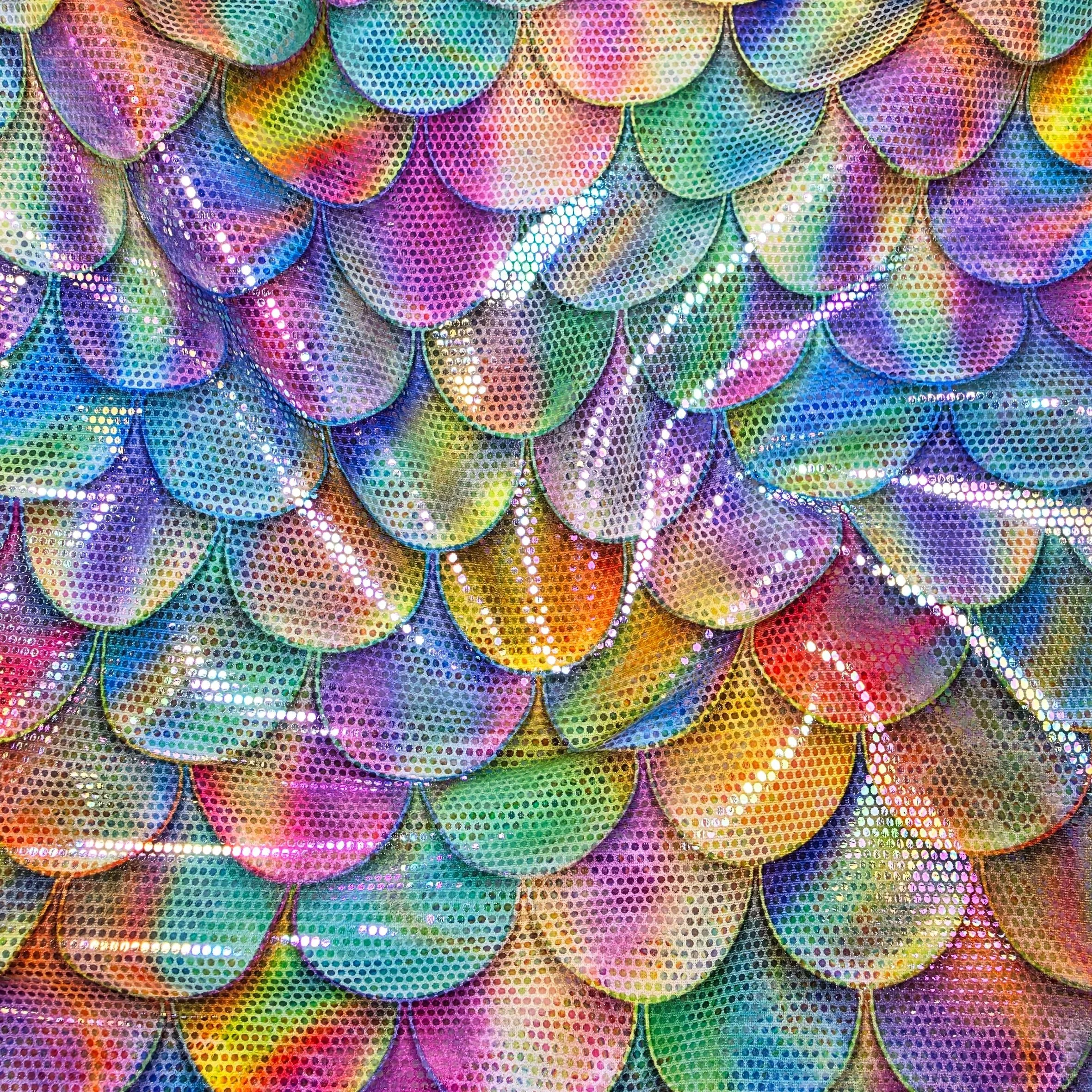
Friedmans stands as a testament to the power of combining traditional textile knowledge with forward-thinking innovation.
“Operating from their UK headquarters, Friedmans now serves a diverse array of sectors, including swimwear, dance, entertainment, sportswear, interior decor, prosthetics, and even pet apparel. With a strategic supply chain that reliably serves clients worldwide”
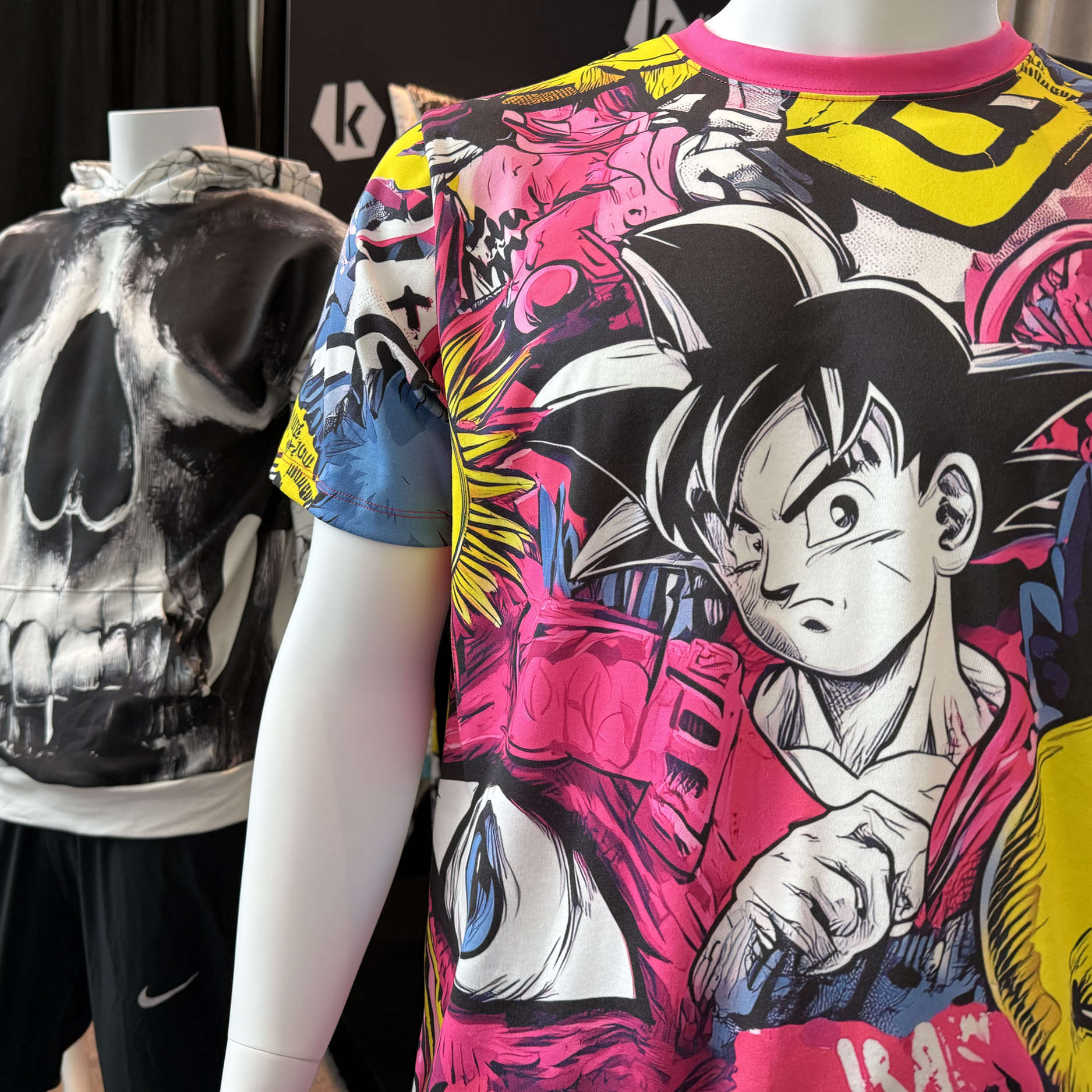
The apparel decoration industry is decisively moving away from isolated, analogue production tools toward connected digital manufacturing environments.
"Kornit’s unwavering commitment to transformative technology continues to disrupt the status quo. For business leaders and innovators ready to capture the future of apparel manufacturing, the path forward is clear”
The Urgent Need for Sustainability at Scale
The transformation at Coats provides a vital blueprint for the wider textile and apparel sector. True sustainability cannot be achieved in silos. As Dearing emphasised:
“Cross-industry collaboration is the engine of meaningful change. Brands, machinery suppliers, chemical providers, and fibre producers must act as an interconnected ecosystem”
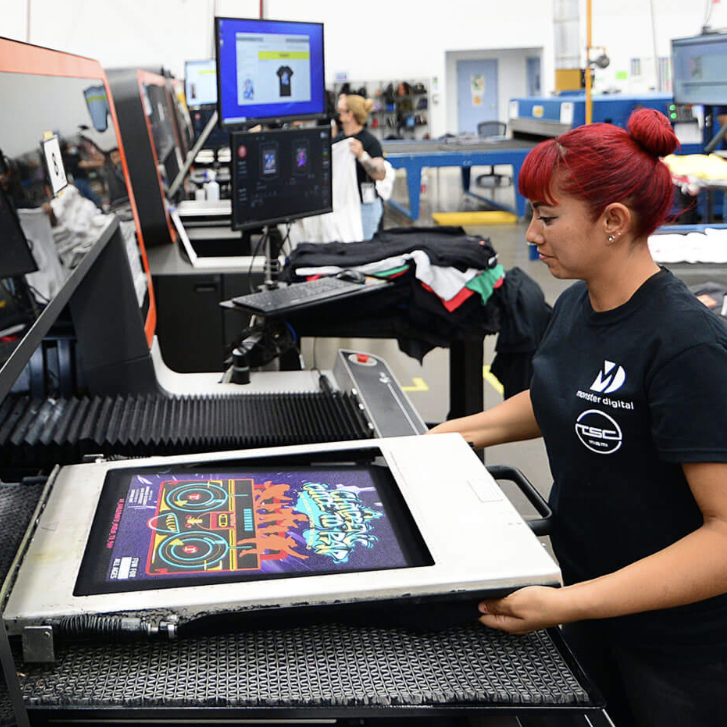
Today’s customers demand superior product quality, real-time data visibility, and lightning-fast turnaround times.
For large-scale garment decorators, managing these expectations while balancing seasonal demand fluctuations - such as the massive surges seen during Black Friday - presents a monumental challenge.
"Relying on transactional vendor relationships and outdated legacy equipment is no longer sufficient to secure long-term stability and growth.”

Printing method is never a secondary detail. It shapes the entire life cycle of a product, from concept to customer. In today’s fashion industry, where margins are tighter and speed matters more than ever, technical knowledge has become a competitive advantage.
“The future of textile design belongs to professionals who can combine creativity with execution, aesthetics with practicality, and vision with production reality”.

Birmingham, UK – September 2026 – Epson UK & Ireland will be exhibiting at The Print Show 2026, taking place at the NEC Birmingham from 29 September to 1 October 2026.
Visitors can find Epson at Stand S130, where the company will present live demonstrations of its latest professional printing technologies across UV, Direct-to-Garment (DTG), Direct-to-Film (DTF), and flatbed printing.

Ashby de la Zouch – September 2026 – Vivid Laminating Technologies has unveiled its most ambitious innovation to date: the Veloblade Nexus 5x5, a cutting-edge solution engineered to finish materials up to five metres wide and five metres long.
Wrapped in a striking carbon fibre finish, the launch marks a step change in large-format cutting technology for the print, fabric, and textile industries.
The Veloblade Nexus 5x5 is designed to meet the growing industry demand for precision, speed, and scale.
New York - September 2026– NedGraphics, a global leader in textile design technology, has today announced the upcoming launch of NedGraphics 2027, a new generation of software set to redefine how designers bring their creative visions to life.
The countdown to the full reveal is now underway, with the company inviting the industry to follow along as details unfold.

Hanover, Germany – 24 September 2026 – CEMATEX has selected 20 emerging start-ups from nine countries to receive the CEMATEX Start-Up Grant and showcase their innovations at Start-Up Valley during ITMA 2027 in Hanover.
Their participation will be fully funded by CEMATEX, giving promising early-stage companies access to the world's leading textile and garment technology platform.
The selected start-ups span six product areas: Colourants & Chemicals, Fibres, Yarns & Fabrics, Garment Making, Recycling, Software & Automation, and Testing.
Crewe = Cheshire – UK – September 2026 Three new UV flatbed printers with updated automation and productivity capabilities, all equipped with next generation RasterLink workflow and RIP software will launch on the Hybrid stand at The Print Show
Mimaki has announced the introduction of three new UV flatbed printers: the large-format JFX220-2515, and the small-format UJF200 Series (UJF200-3042 and UJF200-6042).
Developed to make advanced UV printing easier to operate and more accessible to print service providers, the new products combine simplified workflows and increased automation to support more efficient, productive print operations.

Frankfurt am Main, 23 September 2026 – Even more young design talent and creative ideas: at the upcoming Heimtextil, the New Talent Area returns for its second edition with a stronger presence.
From 12 to 15 January 2027, the curated area will welcome more than 30 participants, many of whom are presenting on the international stage for the first time.
In Frankfurt, they will showcase exciting textile designs, surprising materials and market-ready products.

Leicester – UK – September 23rd 2026 – Pantone has today announced the addition of 224 new colours to its globally recognised Matching System, marking one of the most significant expansions in the standard's history.
The update reflects a wider industry shift towards bolder, more expressive colour choices in design, and the new shades are now available through VeriVide's latest Pantone Formula Guide, Colour Bridge, and Solid Chips.
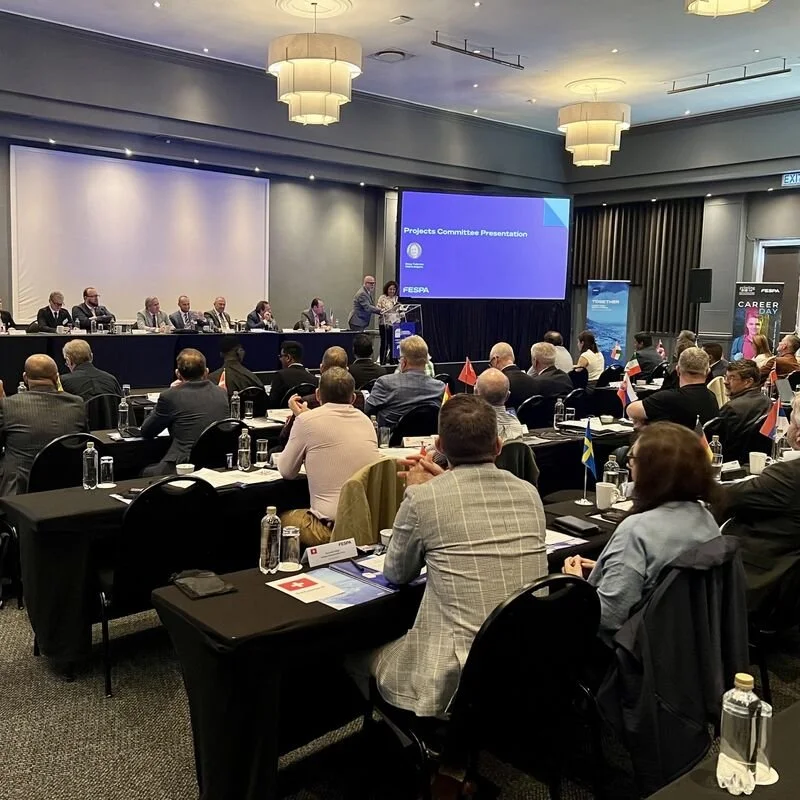
Cape Town, South Africa – September 2026 – FESPA has concluded a successful General Assembly in Cape Town, bringing together the Presidents of its 37 National Associations alongside the FESPA Ltd team for a week of strategic discussion and collaboration.
The annual gathering serves as a cornerstone event for the global print and signage community, offering leadership a dedicated forum to address the pressing challenges and emerging opportunities shaping the industry's future

Upper Caldecote - September 2026 – Print-Spec, a Bedfordshire-based provider of industrial screen printing and safety signage solutions, has announced a new equipment partnership that will see the business adopt the VelobladeNexus cutting system.
The move follows a collaboration between Spandex UK and Vivid Laminating Technologies Ltd, aimed at identifying the right technology to support Print-Spec's continued growth.

Paris, September 2026 – Lectra today announced the launch of Apogy, its cloud-based solution dedicated to product development, the critical phase between garment design and production.
Nearly fifty years after establishing the global standard for CAD solutions dedicated to the fashion industry, Lectra is opening a new chapter with Apogy, combining artificial intelligence, industry-specific agents and product data to revolutionise the way products are designed and developed.

Las Vegas, NV – August 2026 – Sun Chemical today announced its participation in PRINTING United Expo 2026, taking place 23-25 September 2026 at the Las Vegas Convention Centre.
Visitors are invited to booth C2880, where the company will present its latest advances in digital ink, textile, industrial, and sustainability-focused printing solutions designed to help printers transform their businesses.
At the heart of Sun Chemical's presence is a commitment to helping customers improve print quality, enhance sustainability, and optimise productivity.
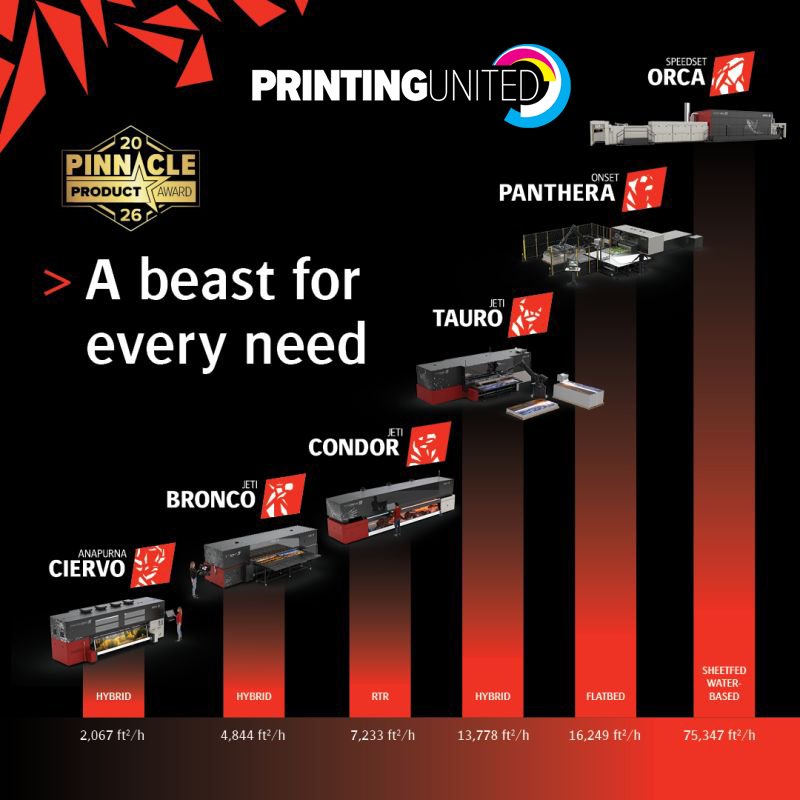
Las Vegas, NV – August 2026 – Agfa will return to PRINTING United Expo 2026, one of the printing industry's most important events, to connect with print professionals from across North America and beyond.
The company will exhibit at Booths 1149 and 1161 at the Las Vegas Convention Centre from 23–25 September 2026.
At the show, Agfa will demonstrate how its latest inkjet solutions help businesses increase productivity, expand application possibilities, and stay ahead in a rapidly evolving print market.
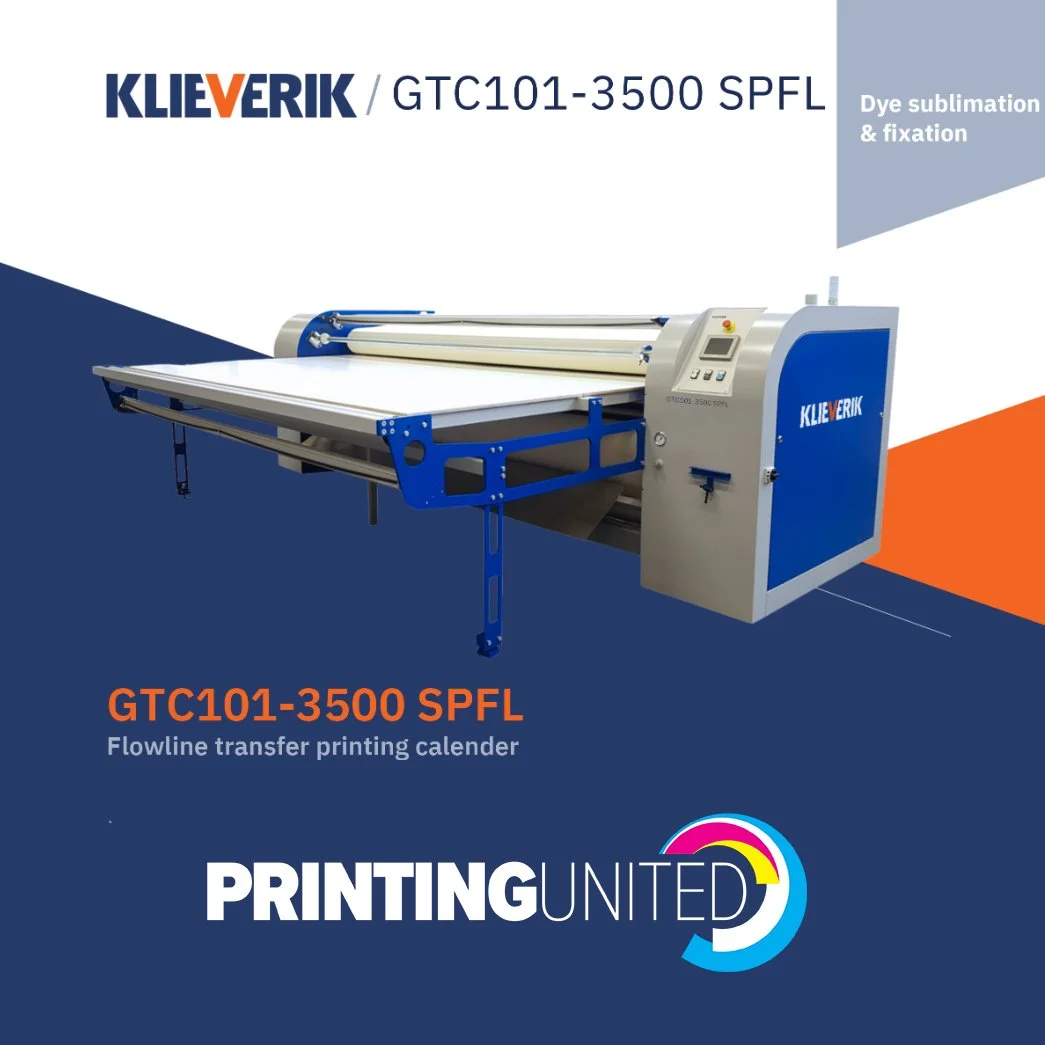
Groningen, Netherlands – September 2026– Klieverik, a recognised innovator in sublimation calendaring technology will bring live sublimation production to PRINTING United Expo 2026 in Las Vegas.
Visitors are invited to witness the Klieverik GTC101-3500 in action at Booth C2015, where the company will demonstrate the machine's capabilities in real time

Las Vegas, NV – September 2026 – Barbieri Electronics, a leading innovator in colour measurement and management solutions, today announced its participation in PRINTING United Expo 2026, where the company will unveil its latest advancements in colour technology for digital and textile printing.
Attendees can visit Barbieri Electronics at booth C-841 to experience live product demonstrations and engage directly with company leadership.

Las Vegas, NV – September 2026 – Caldera, a leading provider of print workflow software solutions, has announced its participation in PRINTING United Expo 2026, taking place 23–25 September 2026 at the Las Vegas Convention Center.
Visitors can find Caldera at Booth C1469, where the company will showcase its latest innovations in print workflow automation, colour management, and apparel decoration.

Aarhus, DK & Milwaukee, WI — September 2, 2026 — FASTSEWN will showcase the next generation of its flatbed automated textile finishing at PRINTING United 2026 with the U.S. debut demonstration of its innovative full 3.3M width StitchNCut™ flatbed sewing and laser cutting solution.
This solution is designed specifically for high-volume production of Silicone Edge Graphics (SEG), pillowcase graphics, and other grand-format and industrial textile applications.
The centerpiece of the launch will be live remote demonstrations from FASTSEWN’s headquarters, where attendees will see the company’s full-size StitchNCut 3.3-meter automated flatbed sewing and laser cutting system producing finished SEG graphics and pillow graphics under real market-based production conditions.

Ottawa, Ontario – September 2026 – Corel today announced the CorelDRAW® Graphics Suite September 2026 Update, delivering dramatically expanded AI capabilities, including Text-to-vector AI, giving customers total creative control as they work faster, explore a multitude of creative options, and generate high-quality vector artwork that's ready for any project.
CorelDRAW's new AI tools have been designed to accelerate workflows while keeping the user's inspiration at the centre of the creative process.

LOS ALAMITOS, Calif. – September, 2026 – Epson will showcase its latest digital printing solutions at PRINTING United Expo 2026, the annual event bringing together the print industry to explore the latest innovations in commercial, apparel, packaging, wide-format and specialty printing.
Taking place Sept. 23-25 at the Las Vegas Convention Center in Las Vegas, Nevada, Epson will introduce new solutions for textile applications and showcase its extensive portfolio of commercial, industrial and business inkjet solutions.

Brixen, 22 September 2026 – Durst Group, a leading manufacturer of advanced digital printing and production technologies, has reached a significant milestone with its P5 500 TEX iSUB.
50 systems have been sold worldwide since its market introduction at FESPA Global Print Expo 2025.

Blackpool, UK – September 2026– Standfast & Barracks has been named Global Business of the Year at the 2026 British Insurance Business Awards (BIBAs), recognising the company's sustained growth and impact across international markets, including its expanding presence in the United States.
The award was presented on Friday evening at a ceremony in Blackpool, where members of the Standfast team gathered to celebrate the achievement together.

Garden Grove, Calif. – 21 September 2026 – Media One ("M1"), a leading full-service integrator and value-added distributor of wide-format printing solutions, today announced it has acquired the U.S. business and assets of Premex Solutions, a leading supplier of high-quality, print-ready fabrics for the digital textile printing industry.
The acquisition strengthens Media One's home décor and apparel offering with expanded fabrics, pigment printing technology and technical expertise, reinforcing the company's commitment to delivering forward-thinking, end-to-end solutions across the industry

Las Vegas – Nevada – September 2026 – Greentex Global, a global provider of fabrics, blanks, sportswear, apparel and home textiles, has announced its participation in PRINTING United Expo 2026, taking place in Las Vegas from 23 to 25 September.
The company will welcome attendees to Booth C323, where it will present its latest range of sustainable textile solutions for the printing and apparel industries.

Signal Iduna- Park Dortmund– Germany – FabricVision GmbH has confirmed the successful deployment of its STARFLAG and BLOCKFLAG textile solutions in a large-format giant flag application at the German Supercup, one of German football's most closely watched fixtures.
The combination was used by a FabricVision customer to produce a pitch-covering display, demonstrating the fabrics' capability to meet the exacting demands of major sporting events.

Melville, NY – September 2026 – Canon U.S.A., Inc., a leader in digital imaging solutions, has announced it will return as title sponsor of PRINTING United Expo 2026, showcasing its latest innovations in production and large-format print.
Attendees can visit Booth #N5801 at the Las Vegas Convention Center from 23-25 September to experience Canon's diverse range of equipment and solutions.

Thetford – Norfolk - September 21, 2026 - Norfolk-based graphics, signage and print business MultiSigns Ltd said its recent investment in a new Vivid VeloBlade Nexus digital cutting system from Soyang Europe has allowed the company to bring more production in-house and significantly reduce turnaround times for customers

London – UK – September 2026 – ARTS THREAD has announced the call for applications for the Designers in Residence Pforzheim 2027 programme, a fully funded three-month residency hosted at EMMA Creative Center Pforzheim.
The residency will run from 1 April to 30 June 2027, offering emerging designers a rare opportunity to develop their practice within a dedicated creative environment.
Applications close on 2 November 2026 at 23:59 CET.
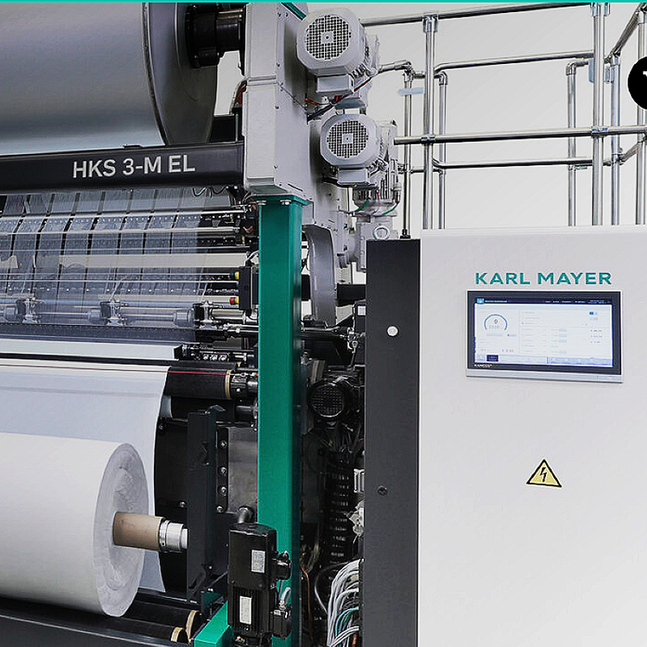
Oberthausen – Germany – September 2026 – KARL MAYER has announced the launch of a new, highly productive model of its HKS 3-M EL, engineered to meet the escalating demands of the sporting goods market.
The extra-wide tricot machine combines a working width of 330", expandable by a further 10", with production speeds of up to 2,800 min⁻¹, setting a new performance benchmark for manufacturers of modern sporting goods.
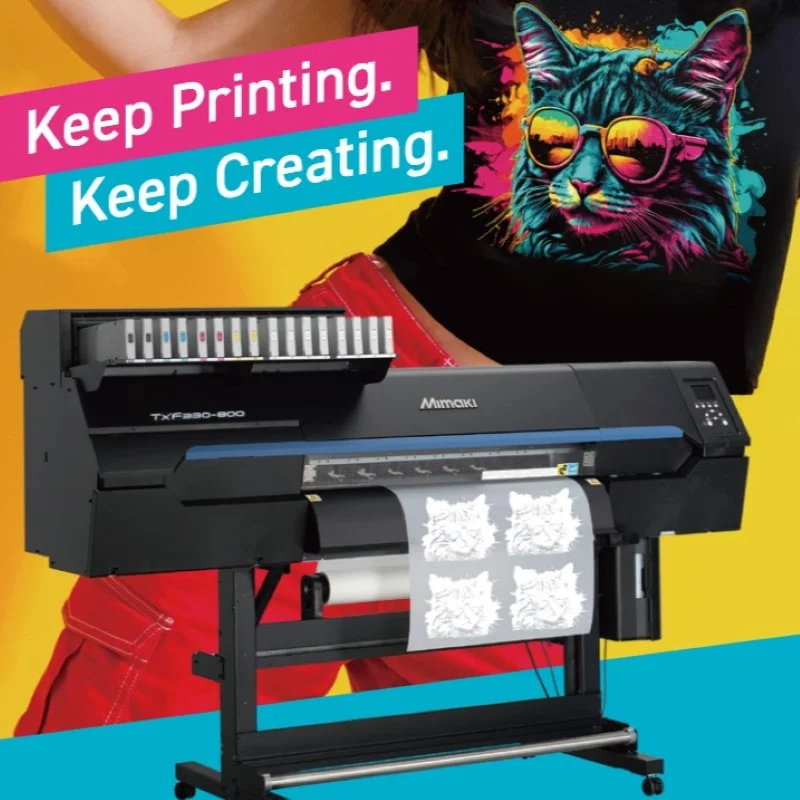
Crewe – Cheshire - UK – 18 September 2026 – Hybrid Services Ltd, the official Mimaki distributor for the UK and Ireland, today highlighted how Mimaki's advanced white ink technology is setting a new standard for Direct-to-Film (DTF) printing, addressing a critical challenge facing garment decorators across the industry.
Tonbridge – UK – September 2026 Compass Business Finance will return to The Print Show this year, inviting visitors to explore their game plans for growth and the strategic decisions that can help drive long-term success in an increasingly fast-moving market.
Located on Stand P580, Compass will deliver an immersive experience designed to explore the challenges, opportunities and key business decisions facing print companies today.
Rather than offering generic advice, the stand will encourage visitors to think differently about their ambitions, investment priorities, and the practical steps required to move their businesses forward with confidence
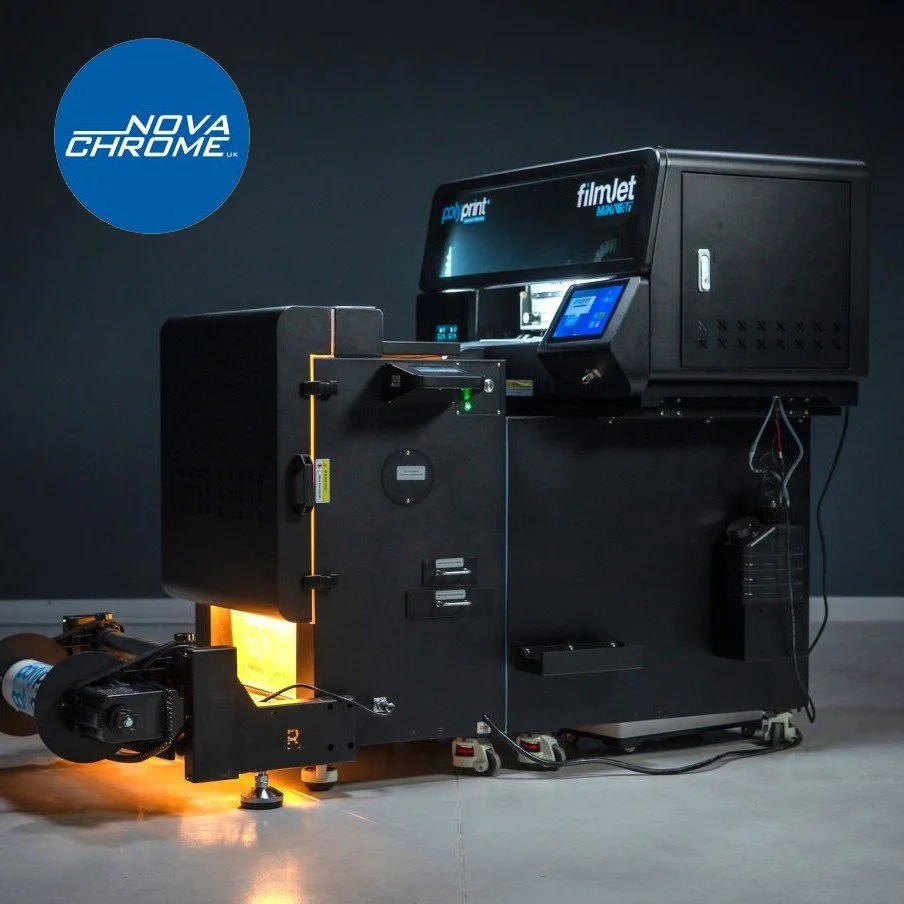
Anglesey – September 2026 – Nova Chrome UK has today announced the launch of the Filmjet Mini, a new series of all-in-one direct-to-film (DTF) printers designed to eliminate the complexity of running separate printing, powder application, and curing units.
Built by PolyPrint, a garment printer manufacturer since 2006, the Filmjet Mini brings together everything a business needs to start DTF production within a single, compact machine.