
Textile Printing in the Middle East and North Africa:
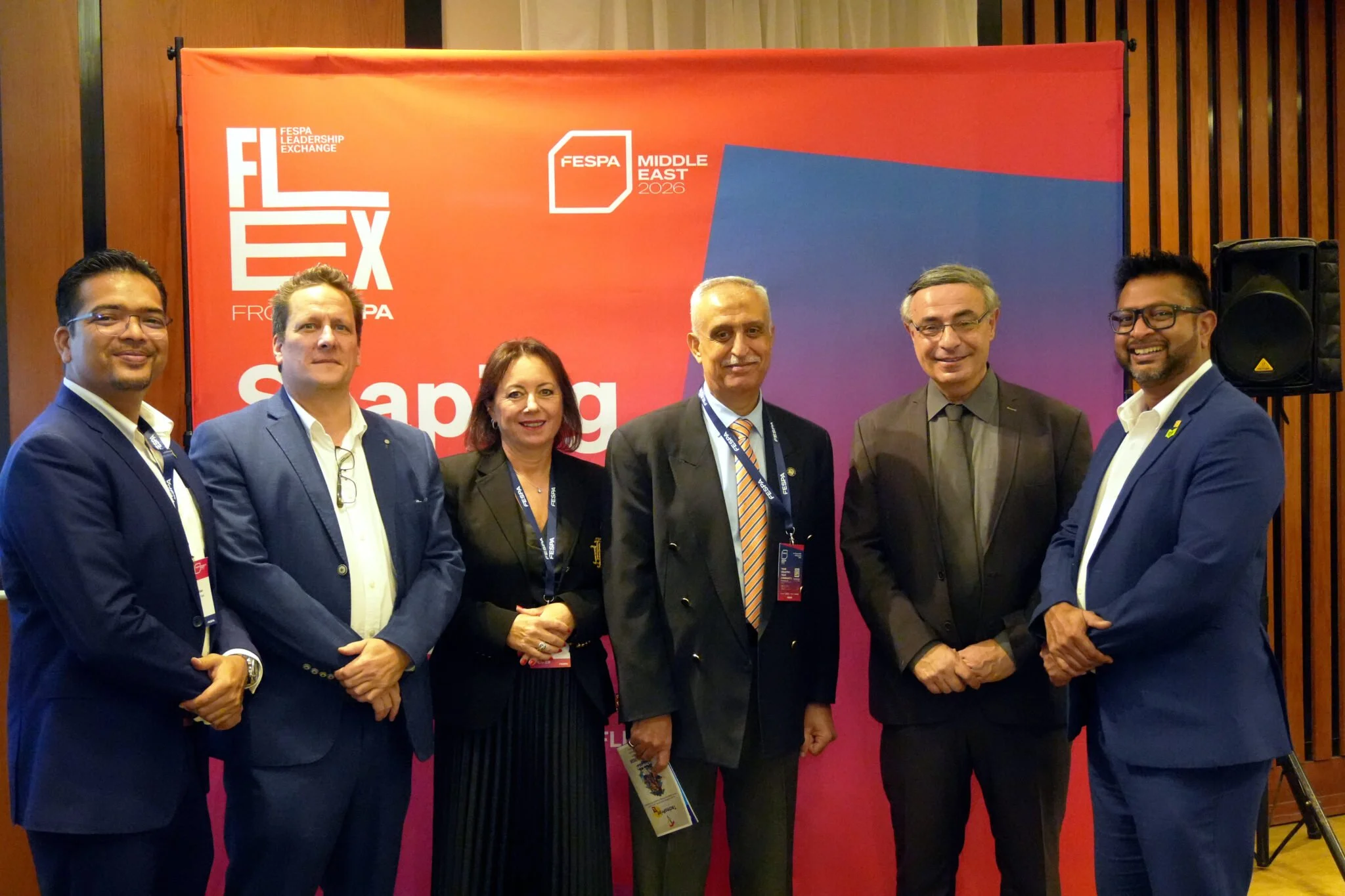
“At the recent FESPA Flex Middle East event, Debbie McKeegan, FESPA’s Textile Ambassador, met with leaders and innovators in the sector to discuss the development and digital transformation of the industry.”.
Image Credit: FESPA
WRITTEN BY FESPA TEXTILE AMBASSADOR DEBBIE MCKEEGAN
The Middle East and North Africa hold a rich and storied heritage in textile production, with roots stretching back thousands of years. Known for its skilled craftsmanship, the region has long been a renowned for textile artistry.
Today, the region with a population of over 500 million, is once again positioning itself as a future leader in the adoption and development of cutting-edge manufacturing within the textile sector. With significant investment in digital printing solutions, automated production and an increasing commitment to sustainability, the region is redefining traditional practices while meeting the demands of evolving markets. This seamless blend of heritage and innovation primes the Middle East as a strategic player in shaping the global textile industry's future.
At the recent FESPA Flex Middle East event, Debbie McKeegan, FESPA’s Textile Ambassador, met with leaders and innovators in the sector to discuss the development and digital transformation of the industry. With decades of experience and a print legacy going back many decades, she shared some serious insights on moving from analogue to digital. Her presentation wasn’t just about digital technology, market shifts and innovation - it was a call for the industry to modernise, go digital, and rewire the supply chain.
For those who missed the session, here are the critical insights and strategic keynotes from her presentation.
The Inevitable Shift: From Analogue to Digital
To understand where the industry is heading, one must appreciate the speed of digital and complexity of its evolution. McKeegan contextualised the current landscape by reflecting on her own family’s history in printing. "This transition was not simply about swapping one machine for another, a digital version; it represented a fundamental change in how we conceive production. The industry is currently in a state of flux. The traditional, reactive business models that relied on mass production and long lead times are becoming obsolete. In their place, we are seeing the rise of digital textile printing, born out of a necessity for knowledge, speed, and innovation".
Meeting the Demands of the 'Amazon Generation'
A recurring theme throughout the presentation was the changing profile of the consumer. We are now serving the 'Amazon Generation'—a demographic that demands speed, personalisation, and instant gratification. This shift has forced manufacturers to rethink their strategies entirely.
The challenge lies in balancing this need for speed with ethical, profitable production. The days of speculative production are numbered; the future belongs to on-demand manufacturing. To unlock opportunities in this new marketplace, printers must invest in technology that allows for agility. It is no longer enough to print; one must print intelligently, reducing inventory risk and responding to market trends in real-time.
Innovation in Machinery and Inks
McKeegan highlighted several technological leaps that are facilitating this shift. The industry is moving away from complex, water-drenched processes towards more efficient solutions:
Pigment Printing: Described as a single-step process with significant volume potential, pigment printing is gaining traction for its versatility and reduced environmental impact.
Reactive Inks: Innovations from companies like SPC Basel are eliminating the need for pre-coating, steaming and washing, streamlining the workflow significantly.
Single-Pass Technology: Machines such as Reggiani’s single-pass printers were highlighted for their efficiency in roll-to-roll production, offering high speed without compromising on quality.
These advancements are not just technical victories; they are essential tools for any print business looking to remain competitive in a high-speed market.
Sustainability is a Baseline not a Bonus
Perhaps the most urgent message from the session was regarding sustainability. It is no longer a "nice-to-have" marketing add-on; it is a baseline expectation from consumers and a strict requirement from regulators.
McKeegan emphasised circular design—the responsibility of designers and manufacturers to consider the end-of-life of a product before it is even created. This involves exploring biodegradable inks and renewable substrates. Furthermore, the ability to remove ink from cloth to facilitate recycling is becoming a critical area of development. Compliance with international certifications is now a gatekeeper for doing business with major global brands; without it, market access will shrink.
Supply Chain Resilience: Nearshoring and Onshoring
The fragility of global supply chains has been exposed in recent years, prompting a strategic move towards nearshoring and onshoring. The presentation touched upon the impact of tariffs and the necessity for geographic concentration of suppliers to ensure logistical certainty.
A compelling example shared was that of JD Sports, which reduced its supply chain complexity to ensure regulatory compliance. This trend is instructive: big brands are actively looking to cut their carbon footprint and minimise disruption. They require priority access to suppliers they can trust.
This presents a massive opportunity for local manufacturers in the Middle East. By positioning themselves as reliable, compliant, and local partners, they can capture business that was previously outsourced to further afield regions. However, this requires building deep, transparent partnerships based on mutual trust.
Bridging the Skills Gap and Updating Legacy Systems
Adopting new technology brings its own set of operational challenges. Integrating modern digital machinery with legacy production systems is rarely straightforward. McKeegan cited a UK company that took six years to fully transition to digital production—a cautionary tale against expecting overnight success.
To navigate this, businesses must:
1. Standardise Workflows: Implement incremental adjustments to avoid lost business during the transition.
2. Upskill the Workforce: The technology is only as good as the operators. Continuous learning is vital.
3. Import Talent: There is a notable gap in data analysis capabilities within the traditional print sector. Bringing in data specialists from outside the industry is often necessary to fully leverage digital ecosystems.
The Future of Print in the Region
The commercial opportunities for the printed textile industry in the Middle East are vast, but they are reserved for those willing to adapt. The convergence of government initiatives, a strategic geographic location, and a growing adoption of digital technologies creates a fertile ground for an integrated manufacturing ecosystem.
As Debbie McKeegan concluded, the path forward requires a future-safe strategy that aligns with robust investment plans. It requires the print community to support one another, fostering an environment of collaboration rather than isolation. In an age of digital transformation and increased transparency, those who audit their technology, upskill their teams, and commit to sustainable practices will define the future of the region's textile industry.
The tools are available, and the market is waiting. The question remains: is your print business ready to make the shift?
Visit Fespa Global Expo 2026 in Barcelona 19th-22nd May
To stay ahead in the rapidly evolving world of digital printing and customisation, there is no better place to be than the Fespa Global Expo in Barcelona. From 19th to 22nd May, this premier event will showcase cutting-edge technologies, innovative solutions, and invaluable industry insights, all under one roof. Connect with thought leaders, discover groundbreaking advancements, and gain the tools and knowledge needed to revolutionise your business.
Don’t miss this unparalleled opportunity to shape your future in the print and product personalisation landscape.


The print industry is at a turning point. According to new research from Printing United Alliance, sales across the sector grew 4.1% in the first half of 2026 - yet real sales actually fell 0.5%, as operating costs climbed 5.7% against price increases of just 3.6%. The result? Nearly three-quarters of businesses surveyed (73.7%) reported profitability that was flat or declining.
And yet a minority are pulling away from the pack. Profit leaders grew sales by 14.1% and real sales by 9.9% - more than three times the industry rate. What separates them isn't luck, scale, or deeper pockets. It's discipline, agility, and a willingness to confront structural change head-on rather than waiting for it to pass.
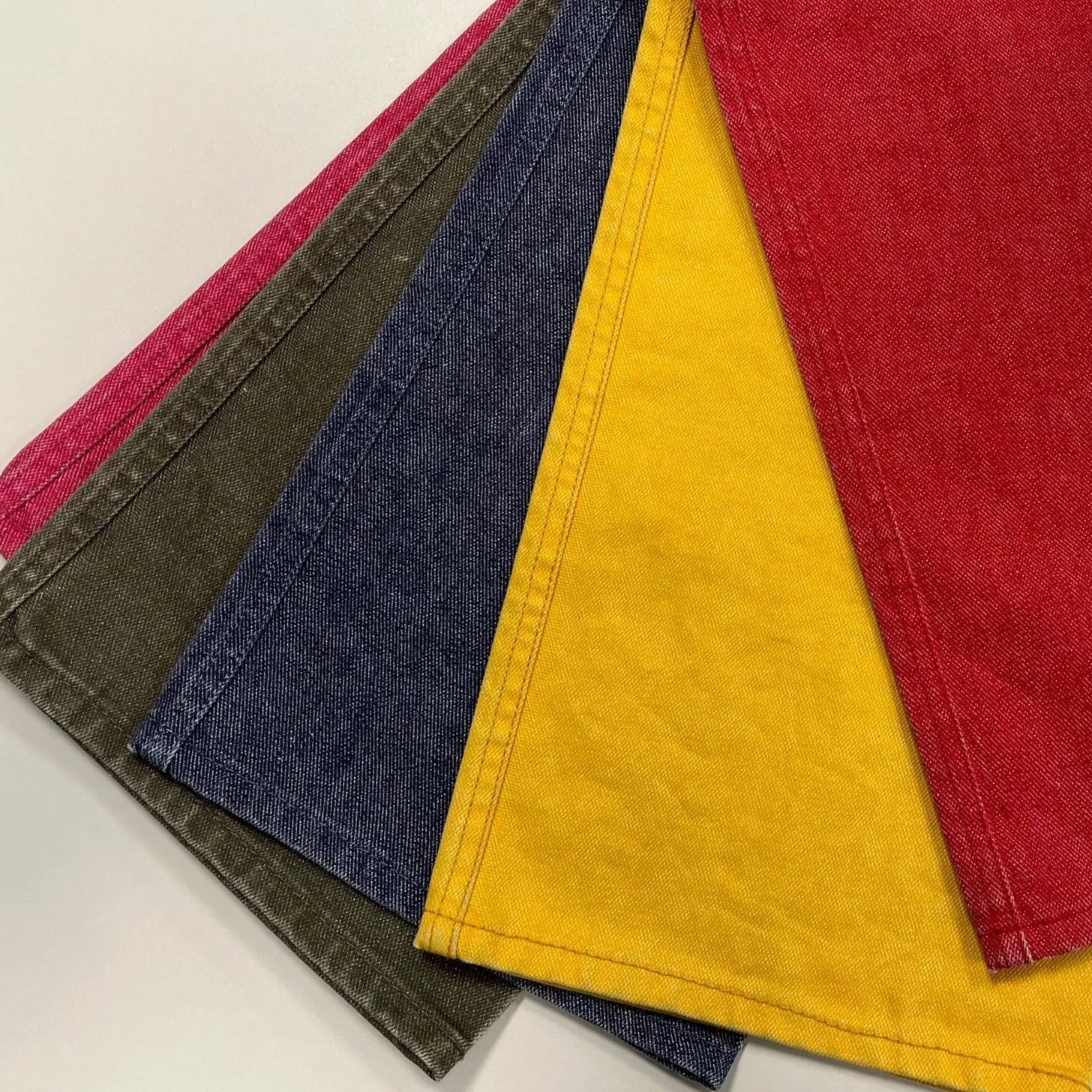
The global denim market produces billions of garments every year, and that scale has always come at a cost.
As environmental regulation tightens, resources grow scarcer, and consumers demand both originality and accountability, the industry faces a question it can no longer defer: can denim keep its soul while changing how it's made?
The answer, increasingly, is digital.

Does creativity live in your head or your hand?
The honest answer, as this new generation of AI-powered tools makes clear, is both, now working in closer partnership than ever before.
The head conceives, directs, and judges; the hand, whether holding a pencil or typing a prompt, still shapes the final outcome. For studios and professionals across the print and textile ecosystem, the opportunity now is to master this partnership before it becomes the industry standard rather than the competitive edge.

Is the future of fashion manufacturing local?
Manchester Made didn't offer easy answers, and it shouldn't have - the challenges facing domestic manufacturing are structural, not sentimental. But it did offer a clear set of principles that every designer, supplier, printer and manufacturer serving the fashion ecosystem should take seriously.

There's a persistent myth in parts of the industry that sustainability compliance is something that happens upstream - a supplier issue, a sourcing issue, a problem for someone else's department.
The webinar dismantled that assumption convincingly. Marketing teams sit squarely in the firing line.
Every claim on a hangtag, website, product name or Instagram caption now falls under regulatory scrutiny. A brand name suggesting an "eco collection," a product description claiming "sustainable materials," a carousel post about carbon neutrality - all of it counts as a communication subject to the same rules as formal labelling. This is a cross-functional compliance challenge that touches data teams, supplier relationships, legal counsel and brand communications simultaneously.

The Ecommerce Leadership Summit North brought together retail and ecommerce leaders in Manchester to discuss the challenges, opportunities and commercial decisions shaping the industry.
Across the day's sessions, speakers explored the future of retail profitability, the growing importance of verifiable product data in AI-driven commerce, the realities of building and scaling brands, and how businesses can protect their margins without compromising customer value. From the discussions on stage to the experiences shared by founders, here are the key insights from this year's summit.
The State of Retail 2027: What Will Separate the Winners from Everyone Else?

This is not simply a matter of faster machines.
It is a question of whether your production model - technology stack, workflow discipline, and quality control - is genuinely built for the realities of club and event merchandise.
Those realities are unforgiving: brand-perfect colour, flawless personalisation, licensing compliance, and turnaround measured in hours rather than weeks.

Colour Separation: The Craft Digital Textile Design Shouldn’t Forget
Textile designer Stephan Alker draws on more than 40 years in the industry, going back to his start at Transfertex in 1980, to trace how colour separation moved from drum scanners, hand-retouched films and engraved gravure cylinders to fully digital workflows.
He argues that this production knowledge still matters in the age of digital printing, because properly separated designs give brands far more freedom.
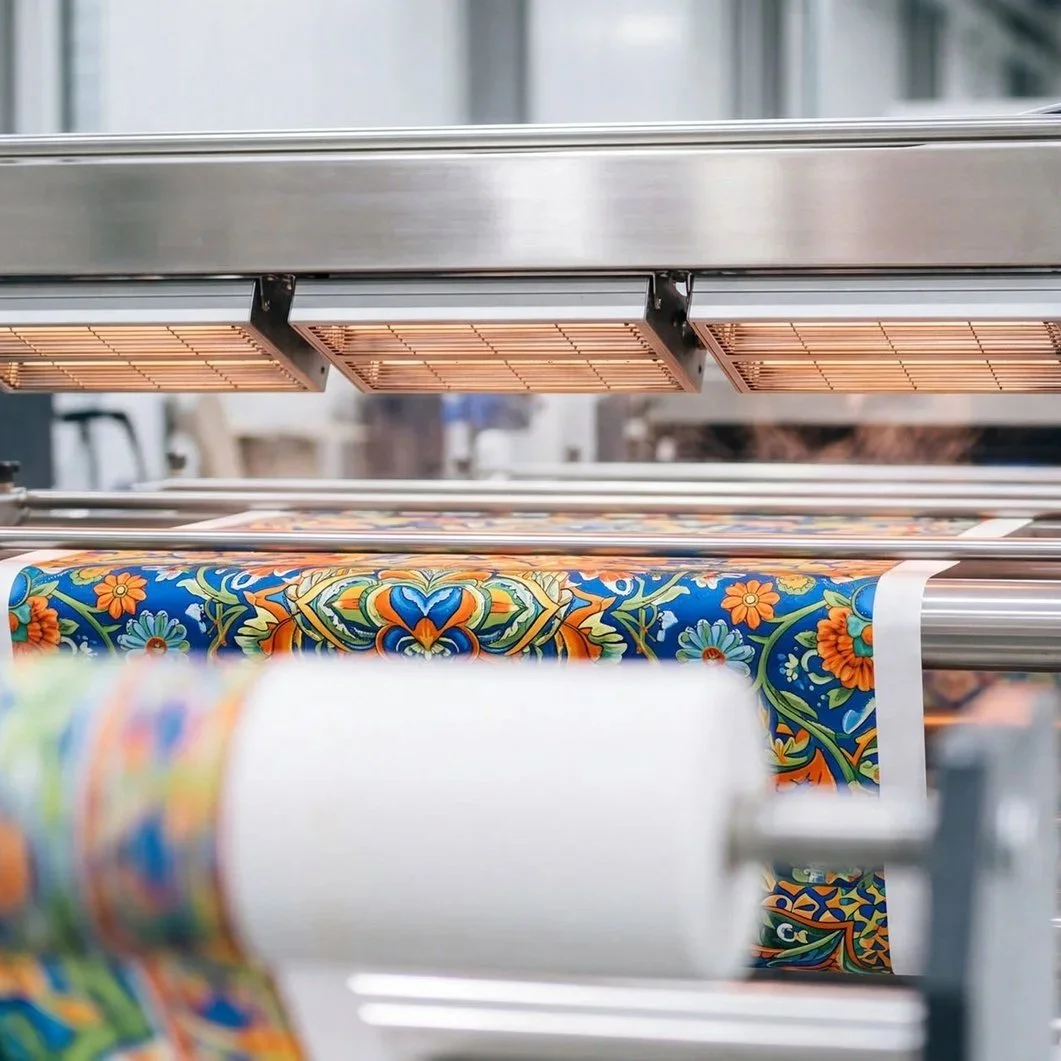
The Path Foward: Connect Every Link:
Design, colour, workflow, production, data. Each link now depends on the one before it, and the printers who will lead the market are those who strengthen the whole chain, not just the machinery at its centre.
So, this autumn, ask the bigger question on your own shop floor.
Not "Which printer?" but "How well does my business connect demand, design and production?"
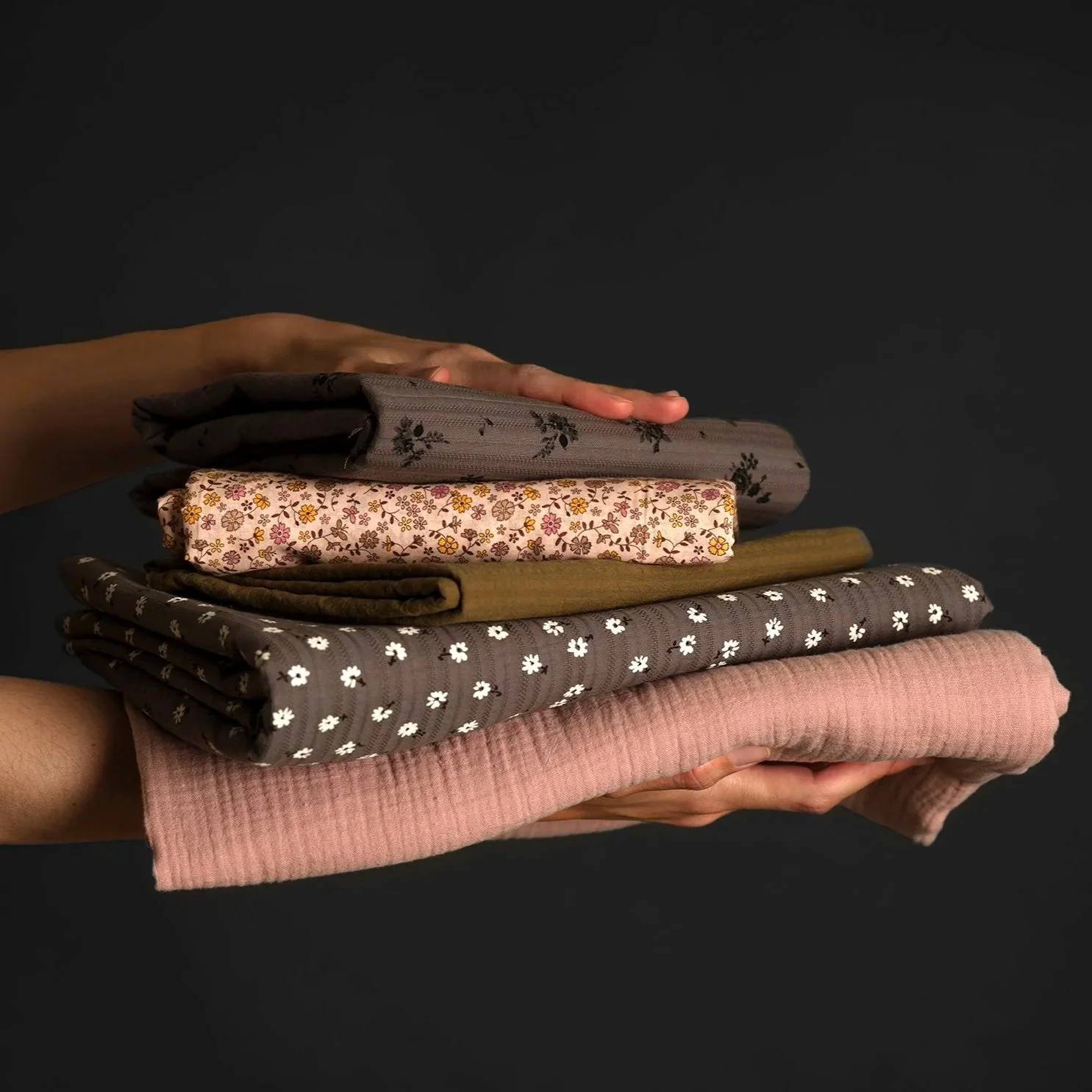
Rebés's story isn't one of nostalgia - It's a working blueprint for how heritage manufacturers can stay indispensable in a market that rewards speed, certification, and specificity in equal measure. Four million metres of stock mean nothing without the digital printing capability to turn it into something distinctive.
A 150-year name means nothing without the R&D discipline to win a tender for antistatic, carbon-fibre-infused uniform fabric on the first attempt.
Image Credit: Tejidos Rebé

What if the next dress you wore never touched the factory floor?
This is no longer a fringe experiment. It is a maturing production model, backed by genuine material science, real circularity, and an AI-assisted workflow that is becoming more accessible by the month.
Her advice to designers and brands alike is refreshingly practical: start small, get hands-on with an accessible 3D printer, and build fluency before the technology becomes table stakes. The businesses that treat this moment with curiosity, rather than scepticism, will be the ones shaping fashion's next decade rather than reacting to it.

The 2027 FESPA Awards are now open for entry, and the message to businesses across textiles, apparel, interiors and beyond is simple: your work deserves recognition. Every gold winner featured here started in the same place every entrant does - with a project they believed was worth submitting.
As the only independent awards programme with 18 categories dedicated to print and signage, FESPA offers a genuinely global stage, with shortlisted entries displayed at FESPA Global Print Expo in Spring 2027.

Colour Is Too Important to Leave to Chance
Print will always be the part of the garment people see first.
But the sum of all parts — the fabric, the trims, the fasteners, the finish — is what determines whether a design actually delivers on its promise. Brands that continue to treat colour as a single creative decision, rather than a coordinated technical discipline spanning their entire supply chain, will keep paying for it in re-dips, delays, and disappointed design teams.
A Century of Textiles, and an Ever-changing World
Few companies can trace their roots back more than a century and still count themselves among their industry's innovators. Texia, headquartered in Monistrol de Montserrat, Spain, is one of them.
But the story of Texia is not simply one of longevity.
It is a story of continual reinvention. As the textile industry has grown more global and competitive, Texia has repeatedly reshaped its business, investing in technology, developing its own brands, and placing sustainability at the centre of its mission. In doing so, it offers a compelling example of how a heritage manufacturer can lead rather than follow through a period of profound industry change. Image Credit: Texia
What are we craving Ultimately?
The instinct to slow down while simultaneously optimising every measurable aspect of life isn't a passing curiosity. It's a structural response to a world that feels increasingly unstable, and it's reshaping what people expect from their homes, hotels, workplaces and healthcare environments alike.
For the design and manufacturing sectors, this means rethinking both product and process.
The Structual Shift is Real and its Already Here
Volumes are moving east, where digital production is accelerating rapidly. Consumer behaviour has shifted.
Demand is now driven by personalisation, shorter buying cycles, and an expectation of near-instant responsiveness. Regulatory pressure is intensifying, with supply chain transparency now a legal and commercial fact in many markets. And margins? They are under sustained, structural pressure.
This is not a temporary disruption. It is a fundamental reordering of how textile manufacturing must operate.

The Challenge: Standing Firm as the Industry Shifts
The wallpaper landscape has changed dramatically. Digital printing has lowered the barrier to entry, spawning countless direct-to-consumer brands and pushing much of the market towards faster, cheaper production.
At the same time, manufacturing in the UK has grown steadily harder - rising minimum wage, national insurance, energy and substrate costs all bear down on margins. Surface Print have embraced all of these challenges - and stand resolutely prepared for the future.
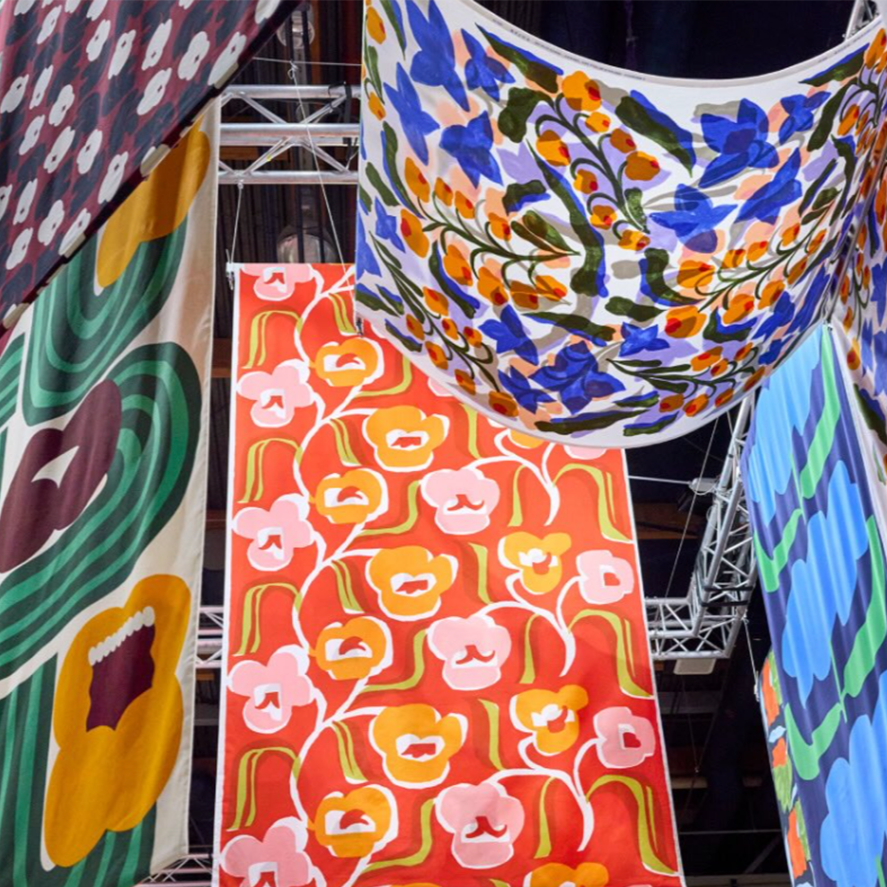
From Helsinki's printing mill to Paris's Le Marais, discover how Marimekko is scaling a design-led brand with purpose, craft, and bold innovation.
But what makes Marimekko's story compelling is not just its aesthetic legacy?


The word "toxic" carries weight. It conjures danger, harm, and things best avoided.
“Yet in the textile industry - Where between 3,000 and 10,000 chemicals move through the supply chain, a reflexive fear of the term is one of our biggest obstacles to progress.”
This article distils the key takeaways and what buyers, designers, and brands should be asking right now.
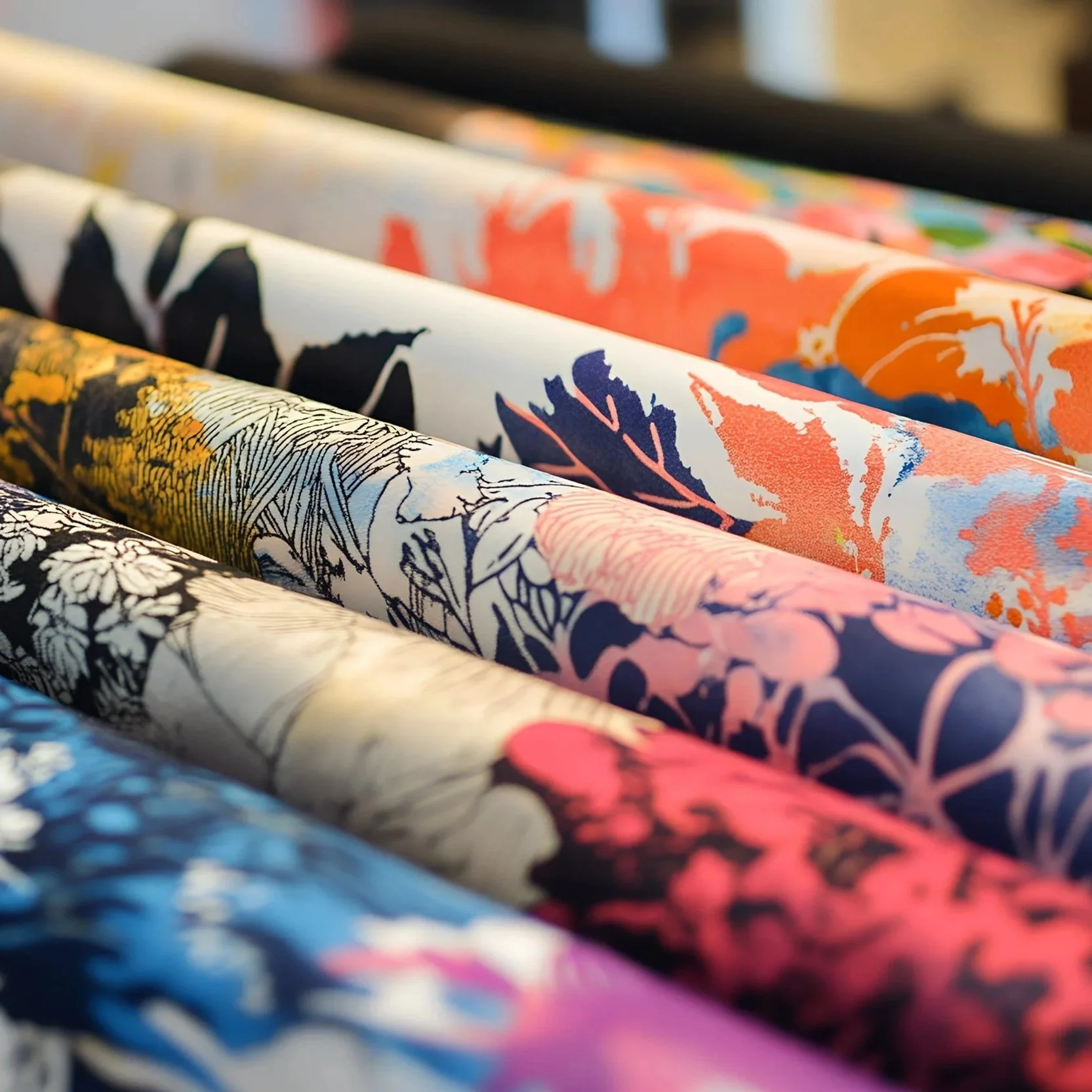
What Is the Digital Product Passport?
At its core, a Digital Product Passport is a digital record attached to a physical product - For a printed textile product, this means the DPP would capture data on the substrate, inks and dyes used, the printing process and technology, chemical compliance, environmental impact (including water and energy use), supply chain traceability, and end-of-life instructions.

The Market Gap that Changed Everything
Future Fashion was founded in 2019, timed deliberately to coincide with a pivotal moment in global textile technology: the commercial launch of the EFI Reggiani BOLT Single-Pass digital printing system.
The founders recognised that single-pass architecture had fundamentally changed what was industrially possible - and that Pakistan's domestic market had yet to catch up.

Print is no longer defined by the inefficiencies that once characterised it…as advances in production processes and technology have significantly improved its environmental performance.
Taran Rai, Corporate Sustainability Manager at Epson explains why?
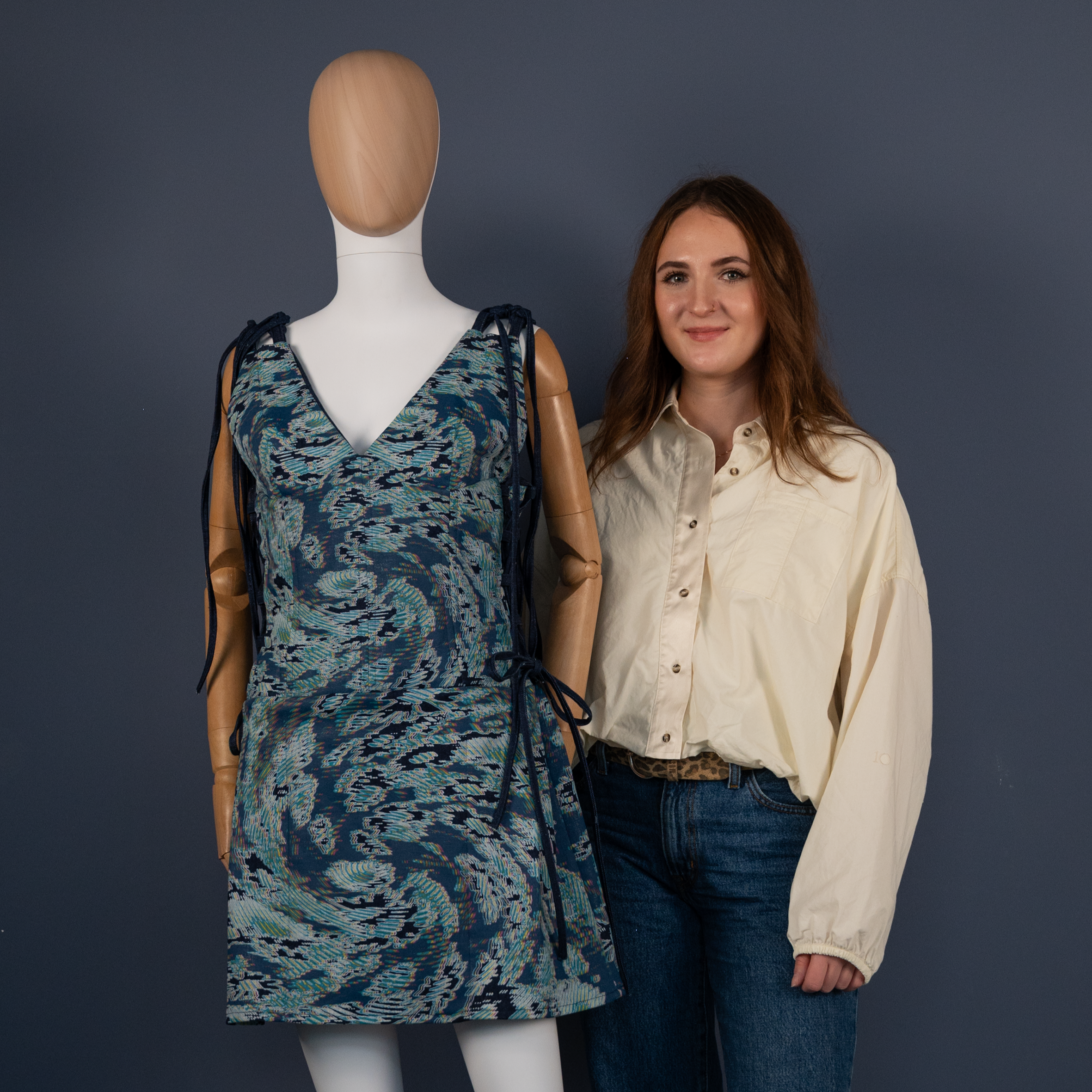
The story of what happens when young designers access digital technology is still being written.

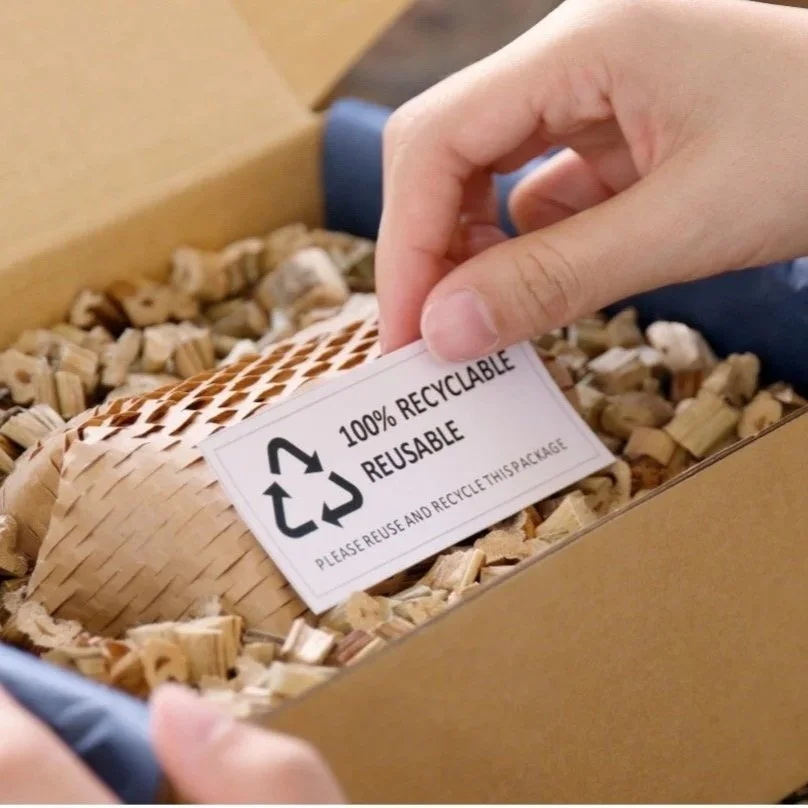
What once was a theoretical sustainability goal seems to have shifted into an active regulatory reality.

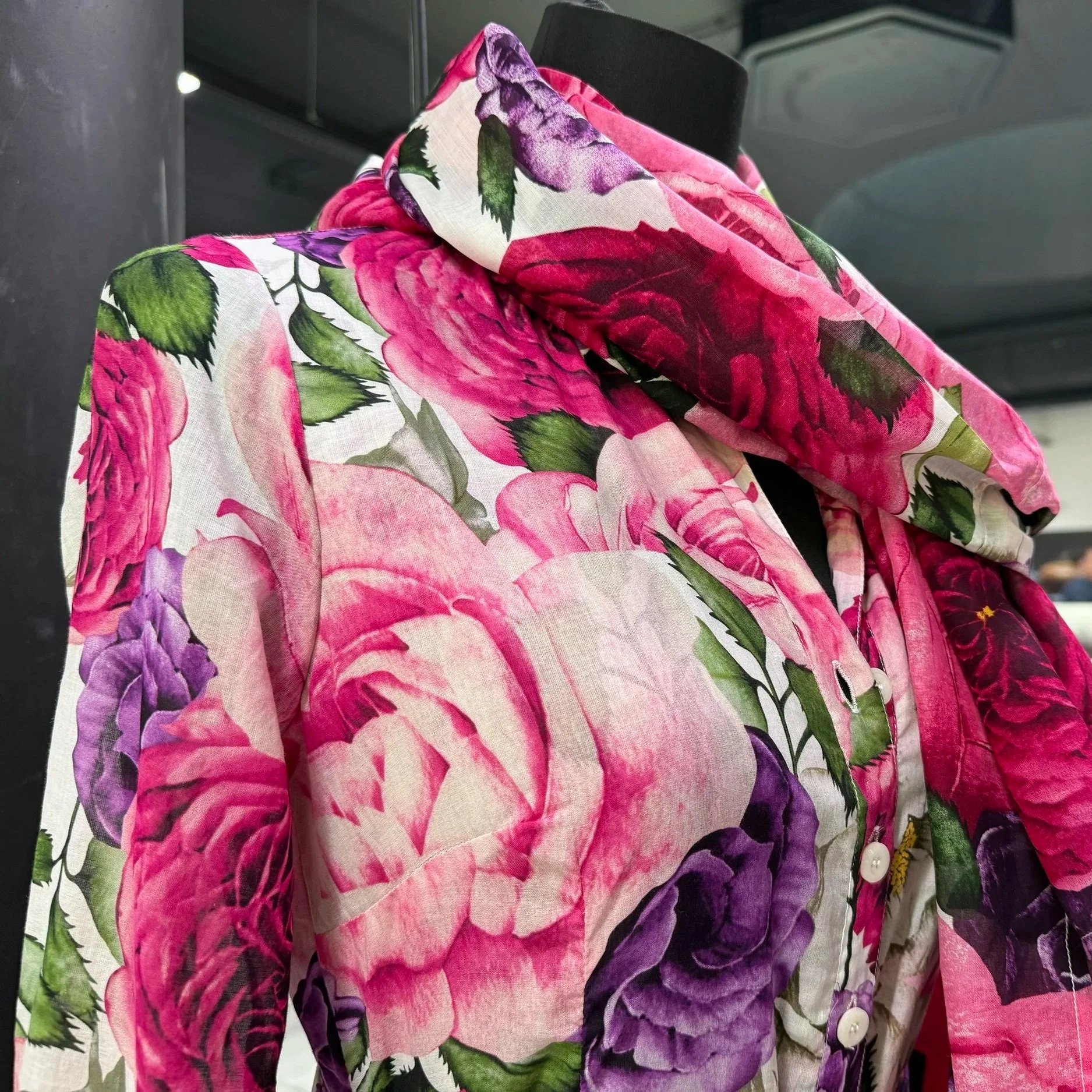


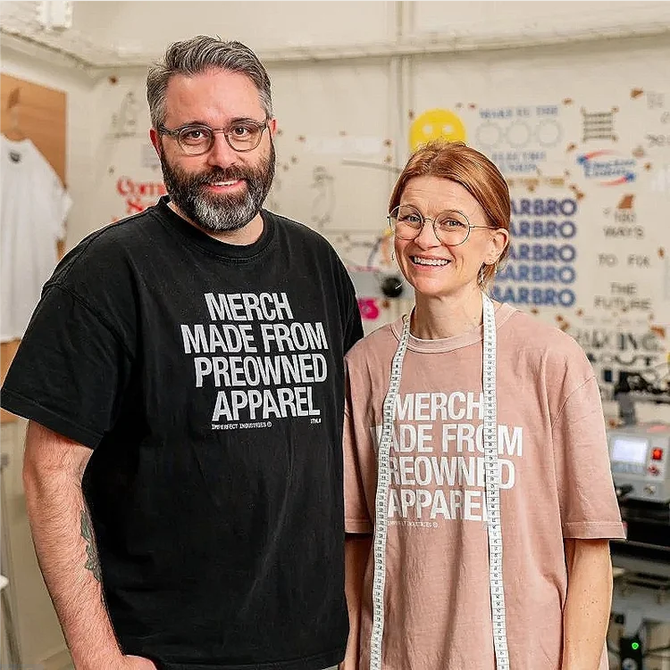
Stockholm - Sweden – November 2026 – Epson has announced a new partnership with Imperfect Industries, a Swedish company pioneering a circular approach to textile production by transforming used garments into customised branded apparel and merchandise. Through this collaboration, Imperfect Industries will use Epson's SureColor SC-G6000 direct-to-film printer to bring new designs to existing garments, making the process more flexible and efficient.

Clay Cross – UK – November 2026 – Resolute DTF has today highlights its Resolute Premium DTF Inks, manufactured entirely in the UK. The new ink range is designed to deliver consistently vibrant prints while supporting the local manufacturing economy.
Consistent, high-quality direct-to-film prints depend on consistent ink, and Resolute DTF has engineered its new formulation to meet that standard. The inks are produced at the company's UK facility, reinforcing its commitment to domestic manufacturing and shorter, more sustainable supply chains.

Bressanone – Italia – November 2026 – BARBIERI Electronics has announced the release of its recent webinar recording, now available on demand, exploring how BARBIERI DOC (Digital Output Control) is transforming colour process control for print production. The session addresses a pressing industry challenge: achieving consistent, measurable, and reliable print quality amid growing demands for accuracy and accountability
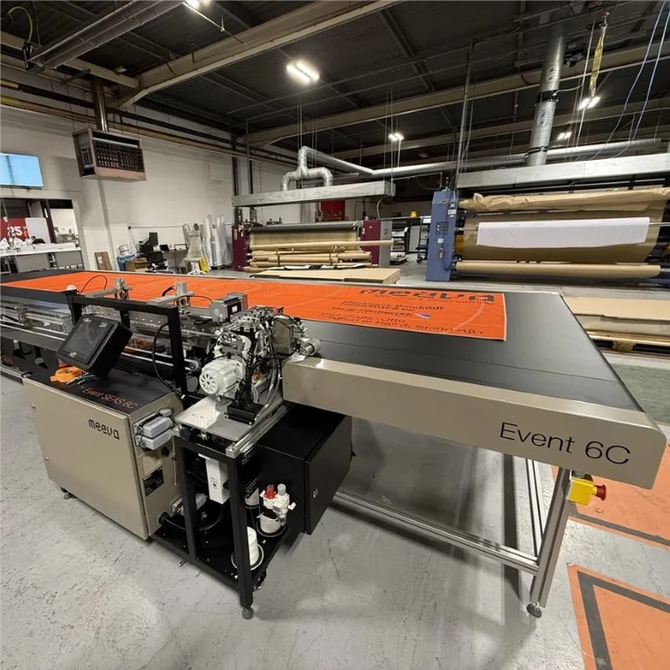
Corby, Northamptonshire – 26 November 2026 – Creative display solutions manufacturer and supplier Ultima Displays has invested in a new Meevo 6C sewing system from Soyang Europe, becoming the first company in the UK to install the machine. The investment is designed to increase production capacity, improve consistency and streamline the manufacture of fabric graphics for Ultima's trade customers.
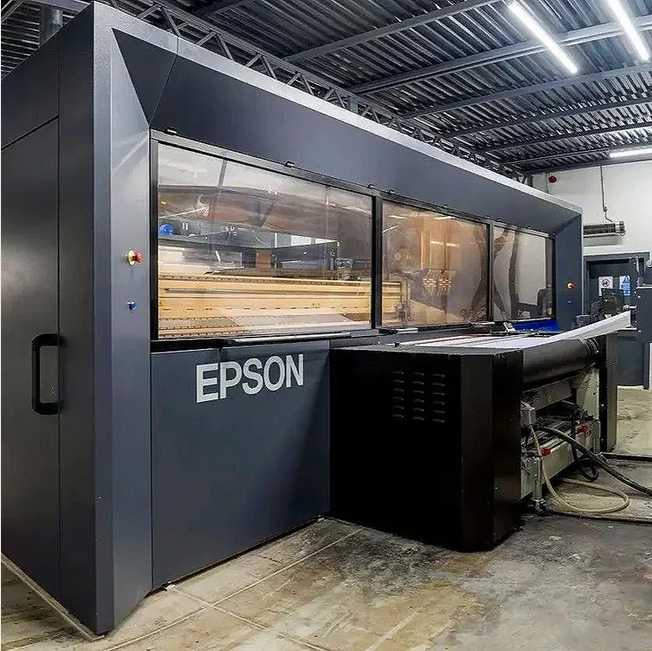
Türkiye – November 2026 – Ayyıldız Dokuma, one of Türkiye's leading textile producers, has transformed its digital textile printing operations through the adoption of the Epson Monna Lisa 64000, significantly reducing water and energy consumption while improving print consistency and production speed. The move reflects a broader industry shift towards sustainable manufacturing without compromising the quality standards demanded by international fashion brands.

Hamamatsu, Japan – 25th November 2026 – Roland DG, the world's leading provider of digital printing solutions, today announced the launch of the new OA-CM-240 and OA-CM-180 Camera Options for its VersaObject MO-240 and MO-180 UV flatbed printers, helping businesses simplify direct-to-object printing through object detection and design alignment.

London - November 2026 – Coats Digital, a leading provider of digital solutions for the global fashion and apparel industry, has been named Best Company in AI-Powered Fashion Technology at the prestigious 2026 Best in SaaS Awards. The accolade recognises the company's innovative application of artificial intelligence to tackle some of the industry's most pressing operational challenges.

Mortsel – Belgium – November 2026 – Agfa Inkjet Solutions has confirmed its participation in the next FESPA Global Print Expo, taking place in Munich from 6 to 9 April 2027. The announcement arrives well ahead of the event, reflecting the company's commitment to giving industry professionals ample time to plan their attendance.
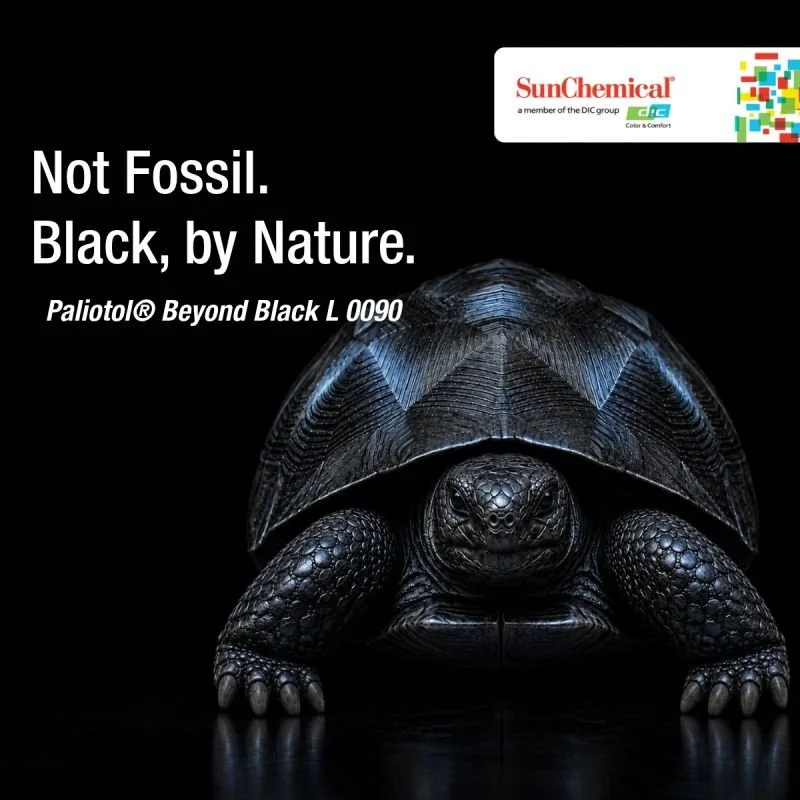
PARSIPPANY, N.J., U.S.A. – Sun Chemical has today announced the launch of Paliotol® Beyond Black L 0090, a carbon black pigment produced from wood-derived feedstocks rather than fossil-based raw materials. The new pigment gives coatings manufacturers a renewable alternative to conventional carbon black, helping to reduce the emissions associated with pigment selection without compromising on colour performance.
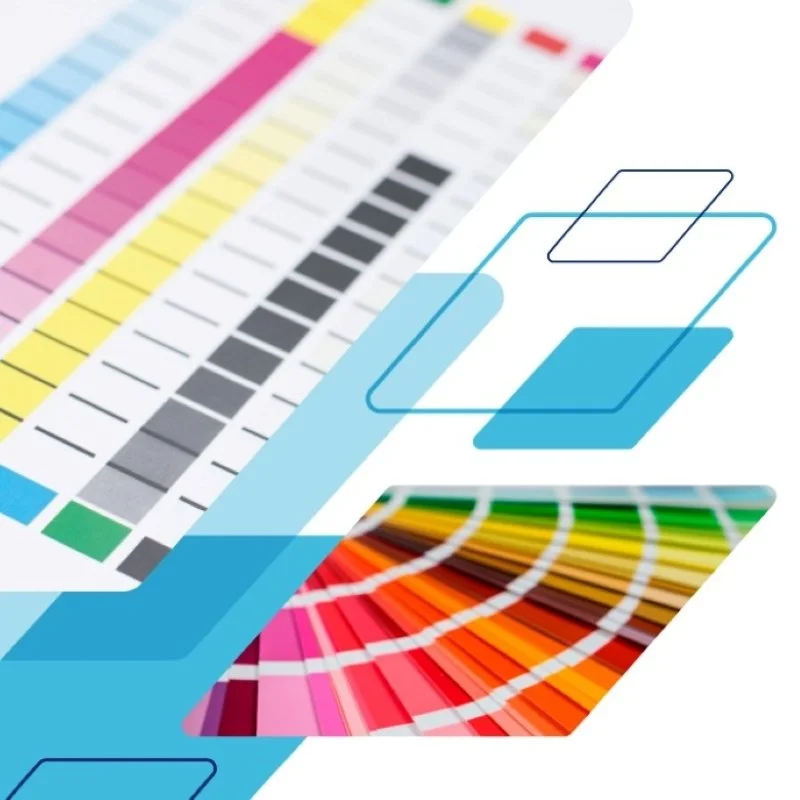
Fremont, California – November 2026 – Fiery, a leading innovator in digital print server technology, today announced a suite of new features for Fiery ColorGuard, designed to give print professionals greater control, speed and precision when verifying colour accuracy. The November 2026 release introduces direct access to verification reports, intuitive timeframe navigation, expanded ISO-aligned presets and universal traffic light indicators across all measurement instruments.

24 November 2026: FESPA will bring the global speciality print and visual communications industries together at Messe Munich, Germany, from 6-9 April 2027 for FESPA 2027, with registration to attend now open.
Featuring five co-located shows – FESPA Global Print Expo, European Sign Expo, Textile from FESPA, WrapFest and MERCH, the event will be the place for experts to discover the latest technologies and materials, share knowledge and make valuable industry connections. A programme of talks and panel discussions will also offer visitors insights into emerging trends, industry challenges and new business opportunities.

November 2026 – New research from Epson Europe finds that manufacturers are actively exploring robotics to improve productivity and overcome labour pressures, but integrating robots into existing production environments remains a challenge. Repetitive handling tasks present a clear opportunity for automation, with SCARA robots offering the speed, precision, and consistency these applications demand. The research reveals that 44% of manufacturers with European operations are already using, implementing, or considering SCARA robots, indicating strong interest in the technology.
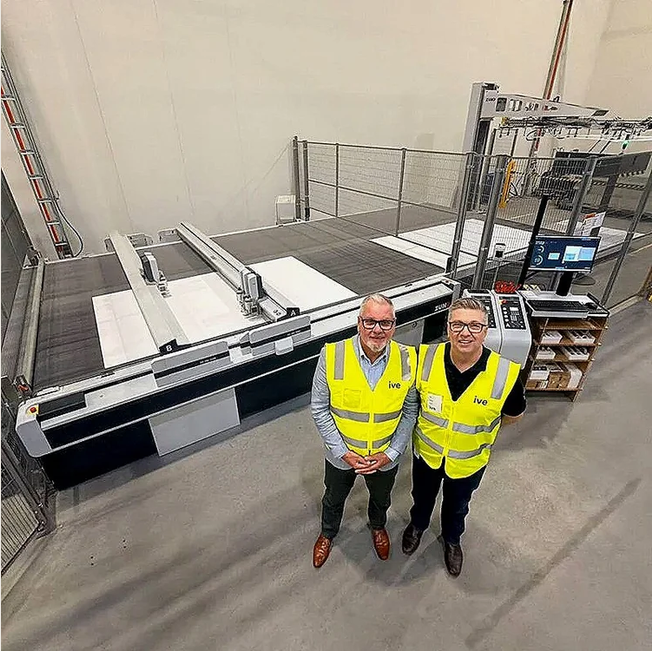
Sydney, Australia – November 2026 - IVE Group has installed its second automated Zünd D3 cutting table with automated board handling at its new Kemps Creek facility, a move designed to boost productivity and reduce labour across its growing digital printing operations.
The company has purchased its second Zünd D3 3XL-3200 dualbeam cutting table, fitted with a BHS150 automatic board handling system, within its new digital printing facility in Sydney. According to Zünd Australia managing director Dale Hawkins, the process behind selecting the technology and building a business case for the installation closely mirrored the identical setup completed at IVE's Braeside facility in September 2024.

Cape Town, South Africa – November 2026: NUtec Digital Ink has announced the launch of its new Ruby R15-ELS-MI UV-cured hybrid ink, developed as a cost-effective alternative for selected Mimaki® printers using LUS and ELS ink sets.
Optimised for LED-UV curing, the new ink delivers vibrant colour density and versatile performance across rigid and flexible substrates, offering print service providers greater application flexibility while potentially reducing operating costs.

Venlo, The Netherlands – November 2026 – Canon Production Printing has today drawn attention to a significant shift taking place at the intersection of architecture, interior design and print technology, as walls increasingly evolve from simple surfaces into storytelling spaces within modern built environments.
The company notes that walls across offices, hospitality venues, healthcare facilities, homes and retail stores are being reimagined as integral elements of experience design, rather than passive backdrops. This transformation reflects a wider move towards personalisation, with brands and designers now expecting wall graphics, wallpapers, acoustic panels and decorative elements to express unique identities and local context.
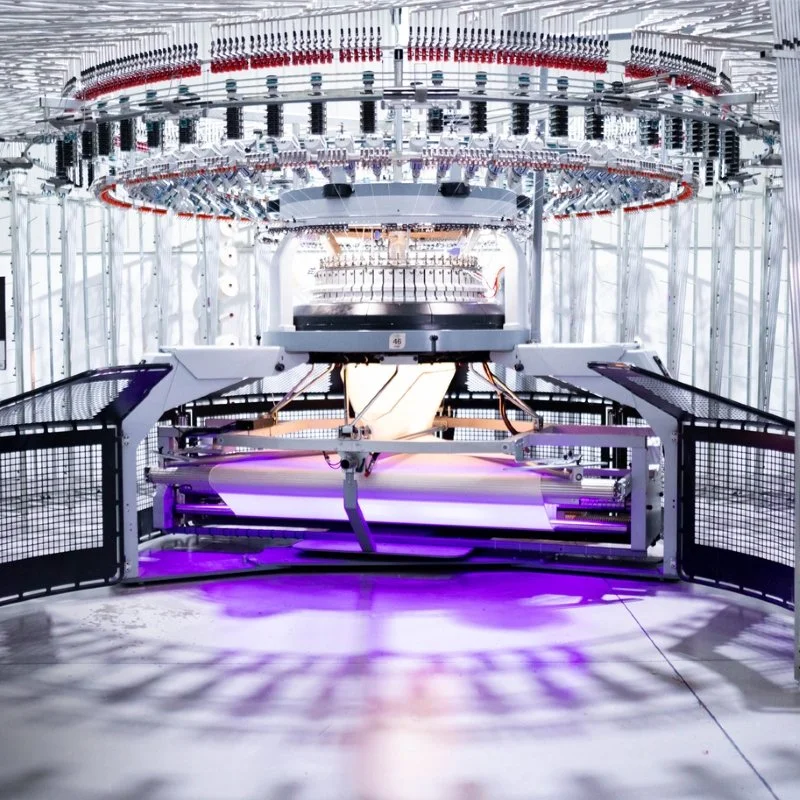
Hanover, Germany – November 2026 – ITMA, the world's leading textile and garment technology exhibition, has highlighted the growing urgency for manufacturers to connect fragmented digital systems across the production chain, as the industry moves beyond isolated digitalisation towards fully integrated manufacturing ahead of ITMA 2027 in Hanover.

Kramsach Austria - November 2026 – aeoon Technologies GmbH, a developer of industrial direct-to-garment (DTG) printing solutions, has reiterated its focus on engineering machines designed specifically for the demands of professional textile manufacturing. The announcement highlights the distinction between printers built for sample production and those engineered to withstand the rigours of industrial-scale output.

Peterborough, UK – November 2026 – Snuggle Ltd, a supplier specialising in garment printing and decoration, has announced a limited-time promotional offer on its Earth Positive EP301 Black Hoodie, giving clothing brands and resellers an affordable route to expand their ranges with sustainably produced garments.

Oswestry – UK – November 2026 – China Print Supplies UK Ltd has announced an opportunity for one UK print business to become a showcase partner for its Hapond UP3321D, a dual 3.2m UV printer, at a saving of £40,000 against the recommended retail price. The partner will secure the machine for £75,000 plus VAT, compared to its RRP of £115,000 plus VAT.

Miami - Florida – November 2026 – Roland DG Corporation, a leading provider of digital printing solutions, has won three awards at The Drum B2B Awards 2026 for its global brand refresh and Make Your Mark campaign.
Announced at The Drum B2B Awards ceremony in Miami, Roland DG received Silver in Photography & Illustration, Silver in Corporate Positioning, and Bronze in Brand Positioning.
The recognition follows the global launch of Make Your Mark in April 2026, which introduced a refreshed brand message, visual identity and creative platform designed to reflect both Roland DG's more than four decades of engineering excellence and the evolving ambitions of its customers around the world.
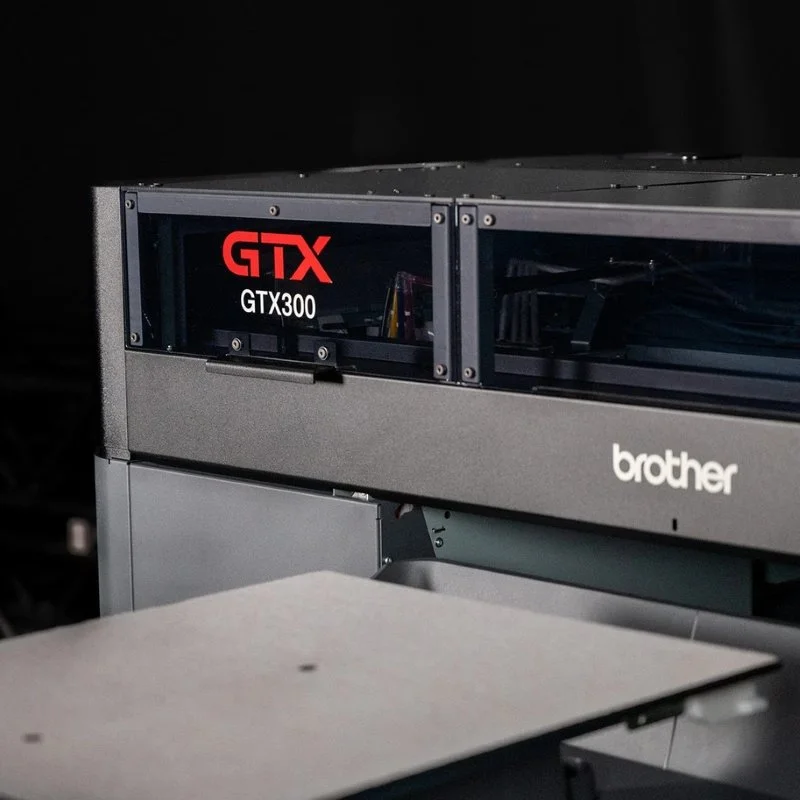
Emmerich am Rhein, Nordrhein-Westfalen – November 2026 - Brother Industrial EMEA has announced a new offer designed to support printing businesses as they prepare to scale operations ahead of 2027. Customers who purchase the Brother GTX300, a hybrid direct-to-garment (DTG) and direct-to-film (DTF) printer, will receive an additional ink set free of charge as part of the promotion.
The GTX300 allows businesses to combine two printing methods within a single device. Operators can print directly onto cotton using DTG technology, or extend their offering to polyester, blended fabrics, and other materials using DTF. This flexibility is intended to help printing businesses diversify their product ranges without investing in multiple machines.

London, UK – November 2026 – ARTS THREAD, in collaboration with Google Arts & Culture, has announced the winners of its Global Creative Graduate Showcase 2026, with Abi Jade, an Illustration BA (Hons) graduate from Norwich University of the Arts, taking the top honour in the Illustration category. The announcement caps a showcase that drew entries from thousands of graduating creatives across the globe, underscoring the scale and ambition of the next generation entering the creative industries.
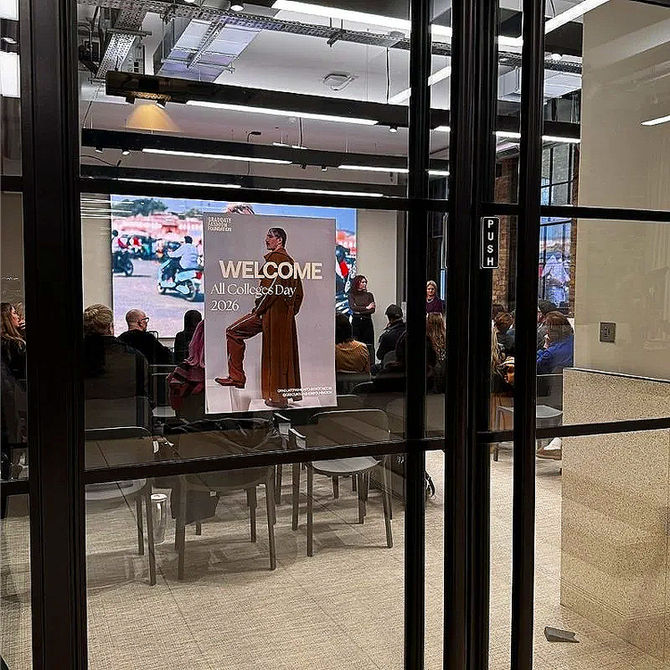
London, UK – November 2026 – The Graduate Fashion Foundation hosted its annual All Colleges Day on Friday, 13th November 2026, at The Mills Fabrica in London, bringing together trustees and guests from member universities across the country alongside leading industry voices. The event underscored the Foundation's continued commitment to shaping a more inclusive, sustainable, and connected future for fashion education.

Eckbolsheim – France – November 2026 – Caldera has announced the release of Direct-to-Film 2.7, introducing a connected workflow with CalderaColor designed to help print operators achieve more accurate and controlled colour matching. The update addresses a long-standing industry challenge: a colour that appears correct on screen can look markedly different once printed, depending on the equipment, inks, and materials used in production.
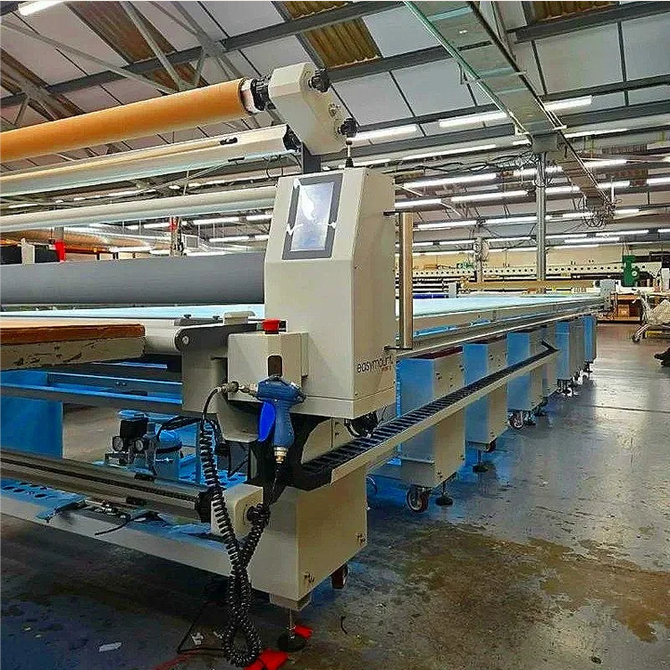
Stoke 0n Trent - UK– November 2026 – Vivid Laminating Technologies Ltd has announced that its award-winning Easymount Hybrid has been selected by Aura Brand Solutions, a leading provider of brand implementation and image management services, as the longest Easymount Hybrid produced to date.

Hamilton – Scotland – November 2026 – Epson today announced a new customer case study highlighting how Cube Wraps, a specialist in vehicle graphics, has transformed its production capabilities with the Epson SureColor S9100 printer. The case study, featuring Director Gary Smillie, details how the technology has enabled faster turnaround times, improved colour performance, and greater operational reliability.

Shanghai, China – November 2026 – EFI Reggiani has announced its participation in ITMA ASIA + CITME 2026, taking place from 20–24 November 2026 at the National Exhibition and Convention Centre (NECC) in Shanghai. The company will exhibit in Hall H8.1, Booth C38, as part of the National Group Sector organised by ACIMIT and the Italian Trade Agency (ITA), representing Italian textile machinery excellence on the global stage.

Leicester, UK – November 2026 – VeriVide, a global leader in colour and appearance assessment technology, today featured their UltraView60 and UltraView90 models, two exciting additions to their industry-leading tuneable LED light booth range. Designed to give manufacturers and retailers the flexibility to choose the right fit for their workspace without compromising on precision, the two models mark a significant step forward in making consistent, reliable colour assessment accessible across every stage of production.
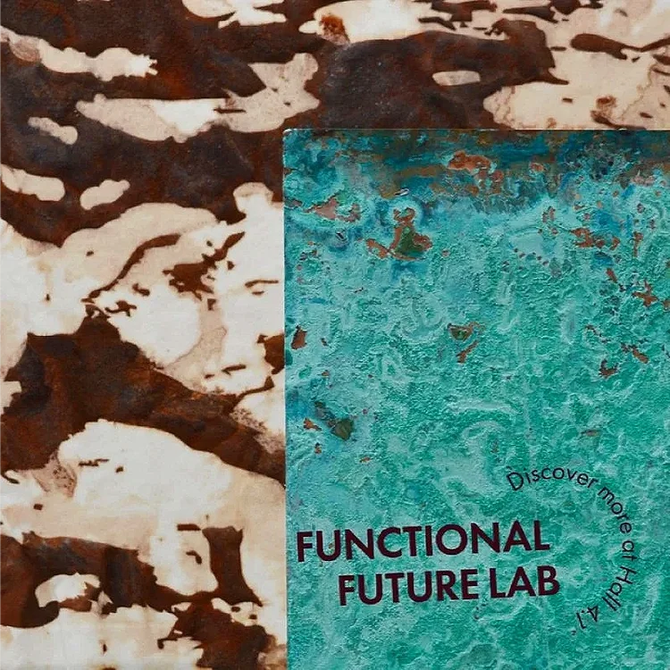
Frankfurt, Germany – November 2026 – Heimtextil, the world's leading trade fair for home and contract textiles, has announced a significant new addition to its 2027 edition. In partnership with Future Fabrics Expo, Heimtextil will introduce the Functional Futures Lab, a dedicated showcase exploring the future of functional materials across architecture, interior design, and hospitality.
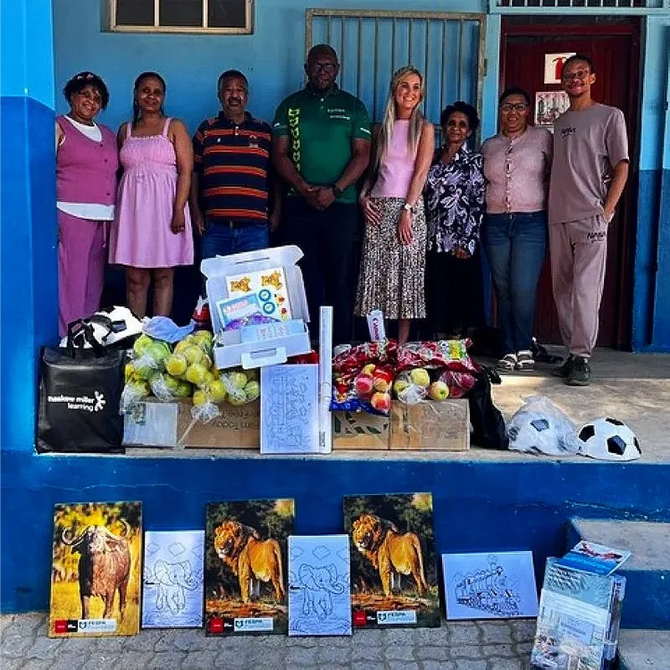
Malmesbury, South Africa – November 2026 – The FESPA Foundation has delivered a substantial collection of donations to three schools in the Western Cape, South Africa, following contributions gathered from exhibitors at the FESPA Global Print Expo in Barcelona and the FESPA Africa Expo, co-located with Africa Print Expo.