
WHAT WILL BE THE ROLE OF THE CREATIVE DESIGNER IN INDUSTRY 4.0 - PAINTBRUSH TO PIXEL AND BEYOND - THE STRATEGIC CREATIVE


IMAGE CREDIT: AMBER JAE SLOOTEN - THE FABRICANT
As the tools of Textile’s Industry 4.0 transformation – AI, AR, VR and IoT – gain traction, it is estimated that over 25% of all work activities will be displaced with automation by 2030.
In this new Industrial Revolution, where algorithm-driven processes and task taught robotics will replace today’s machine operators, it is envisaged that the role of the creative designer will grow to assume new strategic importance.
In Industry 3.0, the designer has already made the transition from paintbrush to pixel, but in Industry 4.0, with sales-driven algorithms, VR simulation, AI-driven workflows and the onset of intelligent robotics the traditional role of the designer will make another great leap forward.
In Fashion, in simplistic terms, the basic role of the designer is to create and set new styles and trends, but that is set to change, and soon, driven by optimisation and automation, as the time to market is accelerated, the designer will have to adjust to new technology, and new responsibilities at warp speed.
The designer will be able to create, not only the patterns and the garments, but also to dress the virtual mannequins that will be used to present the products to the public. As the designer becomes an integral part of the process, moving beyond pure creation onto the manufacturing of the garment and specifications, their vision will be embedded into the DNA of the product electronically.
Products will be conceived in 2D and 3D simulations, generated by machines, as files ready for production, where the designer’s concepts move swiftly from artwork to garments. This, through a process governed by an automated workflow and powered by digital printing, laser cutting and computerised sewbots , will achieve a seamless manufacturing process from design to product at a breath-taking speed.
In this new environment the designer’s role will morph considerably as they embrace Industry 4.0, and as the creative’s mindset evolves and promotes the designer from operator to strategic thinker.
Here the designer will form an essential part of an elite group who will plan, develop and administer the newly automated production process, while the machines and algorithms take the weight of manufacture. This group will have a different mindset than previous generations, for their production paradigm will have to be moderated by sustainability and the conservation of Earth’s resources.
With a sustainable agenda, this new generation will create sustainable products with a view to reduce the use of polyester micro-fibres etc, seeking viable alternatives utilising circular economies, water conservation and power consumption – not to mention eliminating the landfill destiny of many garments from the ‘Fast Fashion’ stable.
So, although the physical advances in software, machinery and robotics will show the way forward to ‘hands off’ production, designers will see everything through the prism of planet Earth, as this new culture evolves.
This will result in a major influence on technological development, as the moral dimension of conservation of the Earth’s resources forces a new direction on the development of automation in Industry 4.0. This influence can be readily viewed at any Fashion trade event, where the virtues of sustainability have become a basic aim for all from designer through manufacturer to retailer.
Industry 4.0 embodies all of these principles, for technological progress without a conscience is seen as vapid and self-serving in a world that must work together.
As a result, all over the design landscape there is an urgency to combine the visual with the technical in a moral dimension.
As Stephen Russell, Professor of Textile Materials and Technology at the University of Leeds School of Design, said: “The vision is to transform the industry’s capacity for new product innovation, and to reduce lead times and waste. This will be done through the convergence of new digital and textile technologies within the fashion design process.”
Universities are collaborating with commercial and technical concerns to radically alter the teaching emphasis in design.
As an example, The £5.4m Future Fashion Factory recently announced by the UKFT, is an industry-led collaborative research project linking the textile design and manufacturing centres within the Leeds city region (here in the UK) with the creative design and retail centre of London.
It brings together expertise from ten core industry partners, with many more forming a wider network spanning design, manufacturing and retail in the UK. The project involves collaboration with the universities of Leeds, Huddersfield and the Royal College of Art as well as the Centre for Textile Excellence in Yorkshire.
The result of schemes like this will be a fundamental change in the teaching emphasis for undergraduate design students, who will now have to master not only the art of form and colour, but also the new skills of Industry 4.0, where knowledge and understanding of the technical processes, workflow and digitisation are vital.
In this academic year alone, there has been a proliferation of technical modules within Textile Design Degree courses. At The University of the Arts in London, this year’s degree module titles tell all:
Product Technology, Creative Product Development & Fashion Production Future Technologies speak for themselves embodying, as they do, in-depth studies into Automated Laser Pattern Cutting, 2D & 3D visualisations and Workflow Integration.
In the coming years, graduates exiting the Academic Design Process will have enhanced skills, directing them at the heart of the manufacturing system, where their ability to visualise product and influence consumer choice will be seen as vital.
In their new roles, their influence will grow, as the business of fashion becomes less and less about the nuts and bolts of a complicated and esoteric workflow, and more about an elegant, efficient and responsible system, delivering beautiful product on time to an appreciative and grateful customer.
Today’s designer will be an integral part of the responsible digital product lifecycle, as computerised tools for development, merchandising and apparel design have shown the profession a new horizon.
In this new digital world, the designer, using these tools, will be the visionary with the skills to take the marketplace to a new level, embodying the style, creativity and ingenuity that have made their skillset so acclaimed. The next decade offers the creative a vibrant, exciting future.

Colour Is Too Important to Leave to Chance
Print will always be the part of the garment people see first.
But the sum of all parts — the fabric, the trims, the fasteners, the finish — is what determines whether a design actually delivers on its promise. Brands that continue to treat colour as a single creative decision, rather than a coordinated technical discipline spanning their entire supply chain, will keep paying for it in re-dips, delays, and disappointed design teams.
A Century of Textiles, and an Ever-changing World
Few companies can trace their roots back more than a century and still count themselves among their industry's innovators. Texia, headquartered in Monistrol de Montserrat, Spain, is one of them.
But the story of Texia is not simply one of longevity.
It is a story of continual reinvention. As the textile industry has grown more global and competitive, Texia has repeatedly reshaped its business, investing in technology, developing its own brands, and placing sustainability at the centre of its mission. In doing so, it offers a compelling example of how a heritage manufacturer can lead rather than follow through a period of profound industry change. Image Credit: Texia
What are we craving Ultimately?
The instinct to slow down while simultaneously optimising every measurable aspect of life isn't a passing curiosity. It's a structural response to a world that feels increasingly unstable, and it's reshaping what people expect from their homes, hotels, workplaces and healthcare environments alike.
For the design and manufacturing sectors, this means rethinking both product and process.
The Structual Shift is Real and its Already Here
Volumes are moving east, where digital production is accelerating rapidly. Consumer behaviour has shifted.
Demand is now driven by personalisation, shorter buying cycles, and an expectation of near-instant responsiveness. Regulatory pressure is intensifying, with supply chain transparency now a legal and commercial fact in many markets. And margins? They are under sustained, structural pressure.
This is not a temporary disruption. It is a fundamental reordering of how textile manufacturing must operate.
The Challenge: Standing Firm as the Industry Shifts
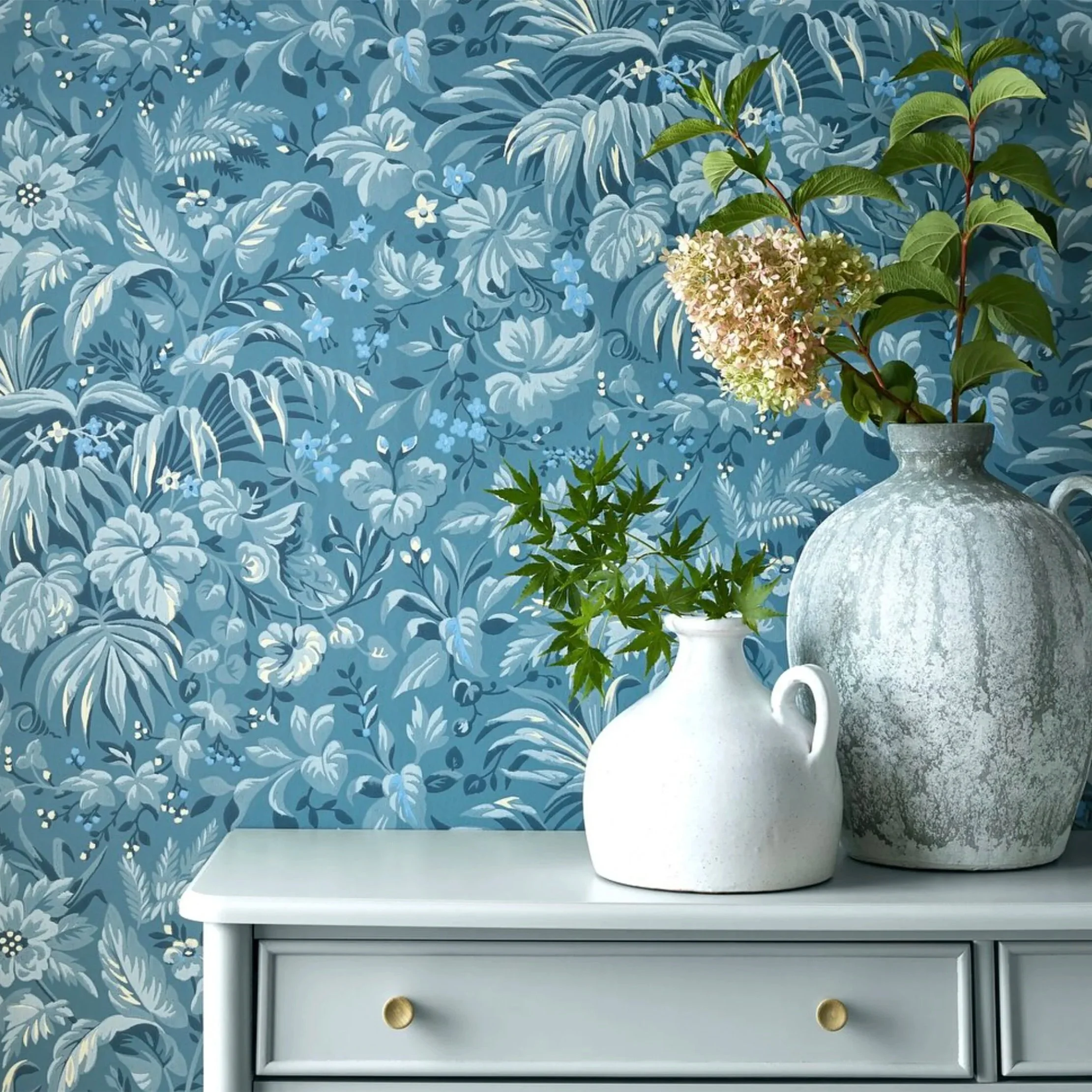
The wallpaper landscape has changed dramatically. Digital printing has lowered the barrier to entry, spawning countless direct-to-consumer brands and pushing much of the market towards faster, cheaper production.
At the same time, manufacturing in the UK has grown steadily harder - rising minimum wage, national insurance, energy and substrate costs all bear down on margins. Surface Print have embraced all of these challenges - and stand resolutely prepared for the future.
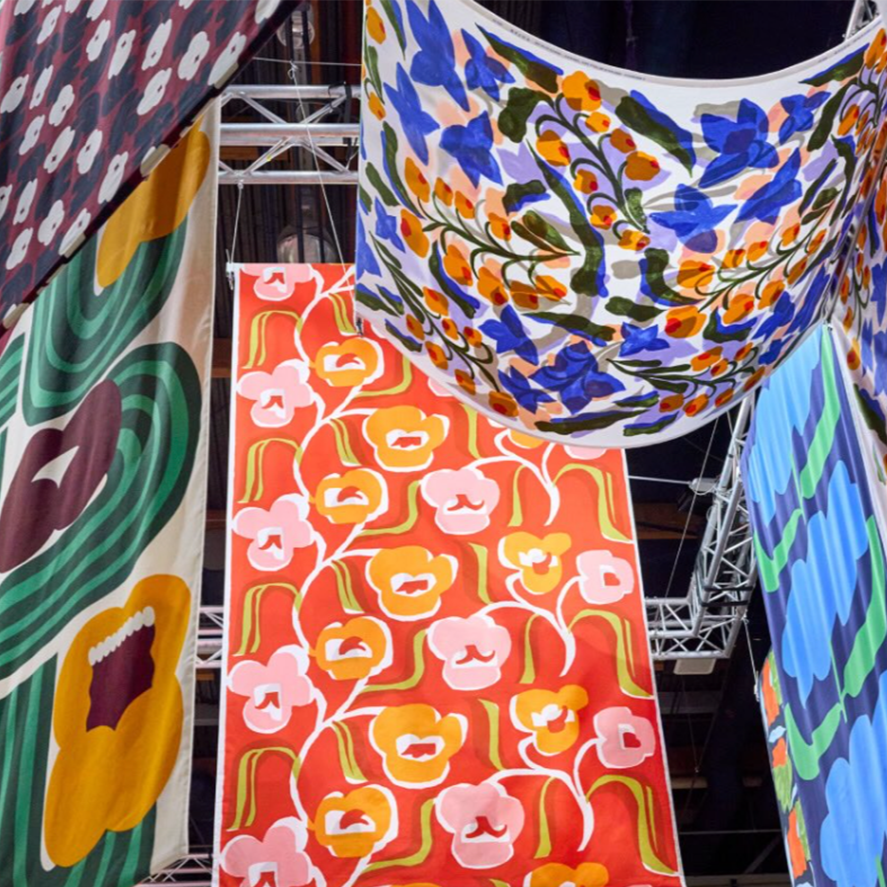
From Helsinki's printing mill to Paris's Le Marais, discover how Marimekko is scaling a design-led brand with purpose, craft, and bold innovation.
But what makes Marimekko's story compelling is not just its aesthetic legacy?
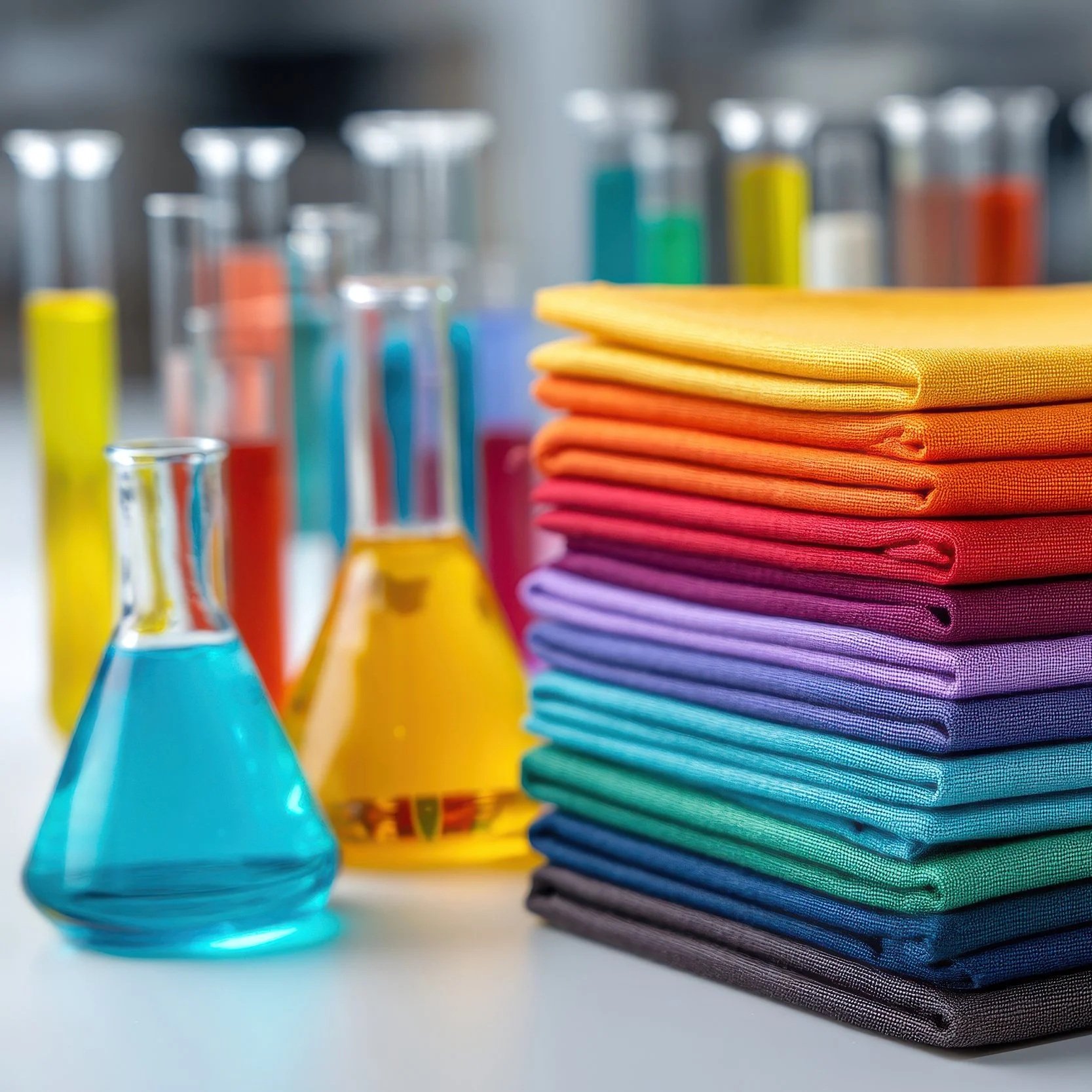
The word "toxic" carries weight. It conjures danger, harm, and things best avoided.
“Yet in the textile industry - Where between 3,000 and 10,000 chemicals move through the supply chain, a reflexive fear of the term is one of our biggest obstacles to progress.”
This article distils the key takeaways and what buyers, designers, and brands should be asking right now.
What Is the Digital Product Passport?
At its core, a Digital Product Passport is a digital record attached to a physical product - For a printed textile product, this means the DPP would capture data on the substrate, inks and dyes used, the printing process and technology, chemical compliance, environmental impact (including water and energy use), supply chain traceability, and end-of-life instructions.
The Market Gap that Changed Everything
Future Fashion was founded in 2019, timed deliberately to coincide with a pivotal moment in global textile technology: the commercial launch of the EFI Reggiani BOLT Single-Pass digital printing system.
The founders recognised that single-pass architecture had fundamentally changed what was industrially possible - and that Pakistan's domestic market had yet to catch up.

Print is no longer defined by the inefficiencies that once characterised it…as advances in production processes and technology have significantly improved its environmental performance.
Taran Rai, Corporate Sustainability Manager at Epson explains why?
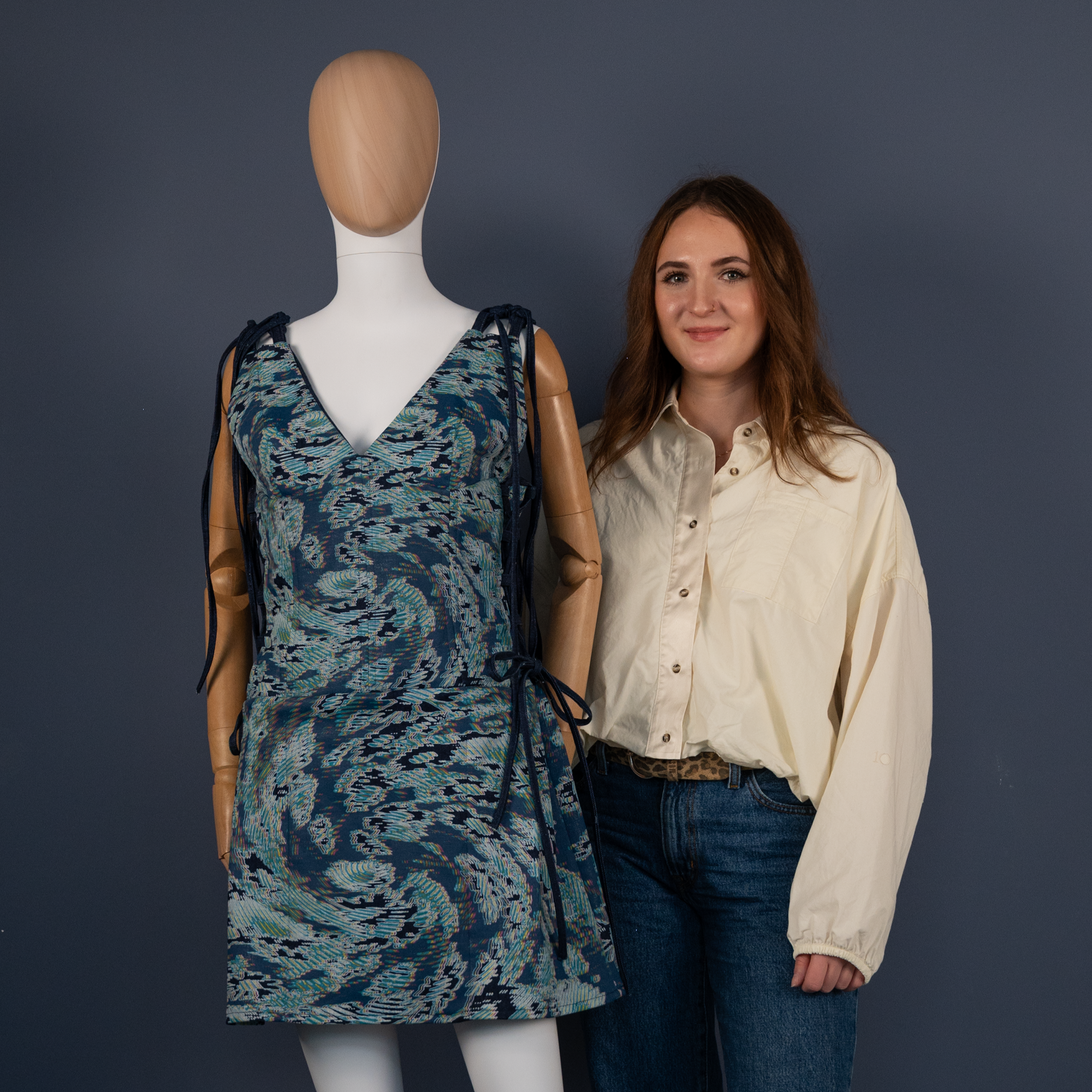
The story of what happens when young designers access digital technology is still being written.
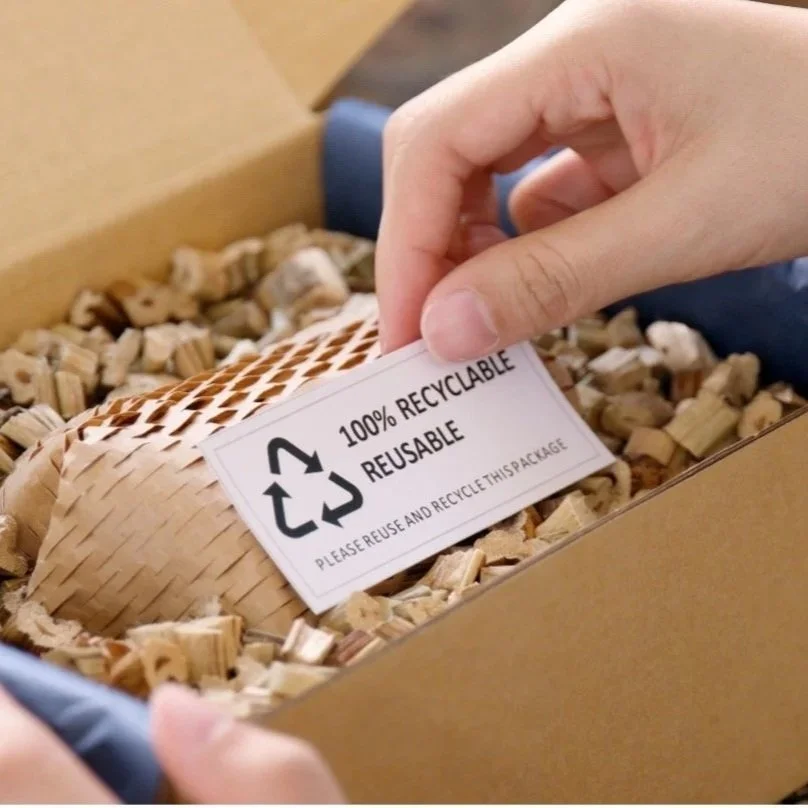
What once was a theoretical sustainability goal seems to have shifted into an active regulatory reality.


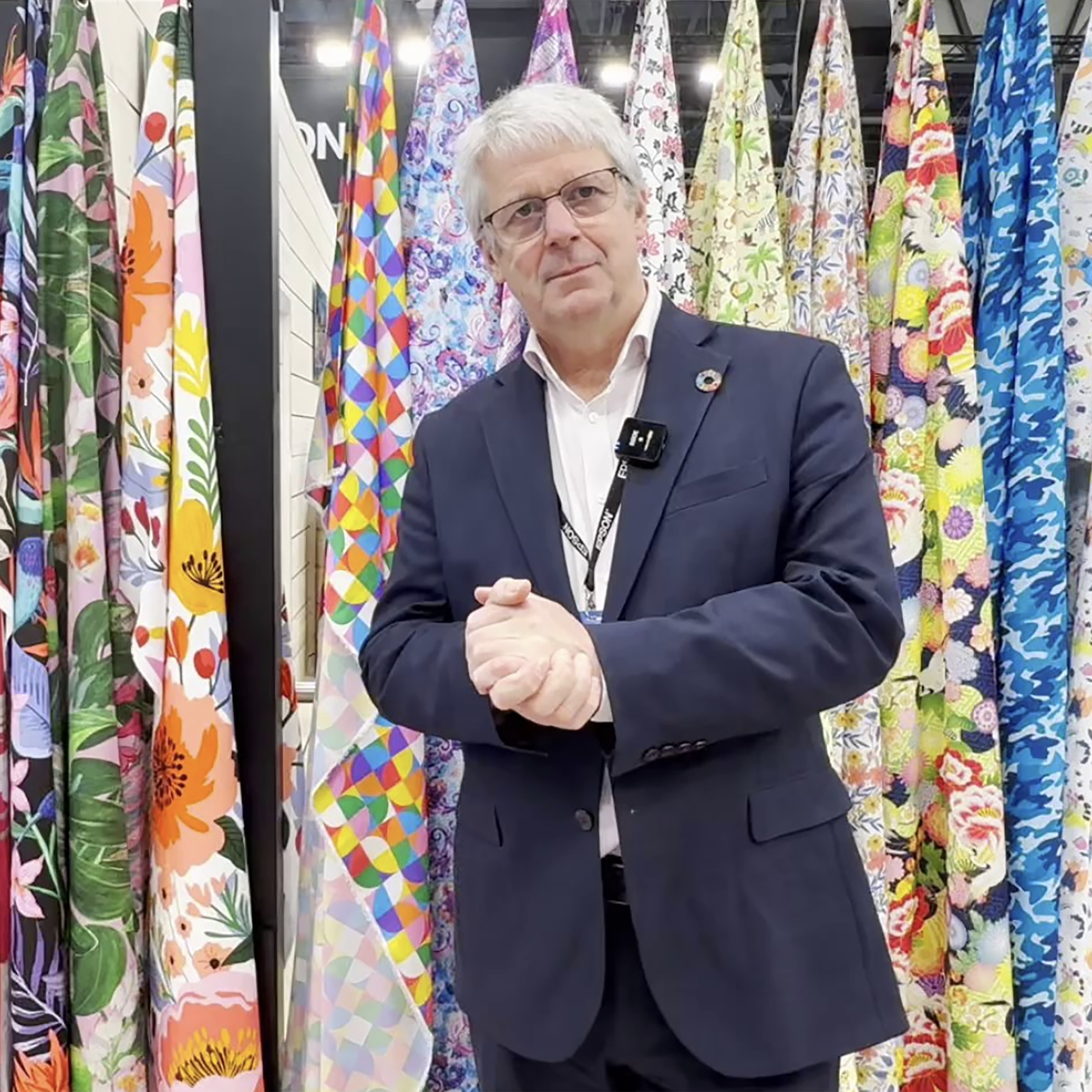
Is the Textile Market Finally Recovering?
After a difficult few years, there are genuine reasons for optimism. Duncan was candid about the challenges: "The market for textiles has been very difficult over the last three years. I'm not going to hide the truth there. But the tide is turning.“
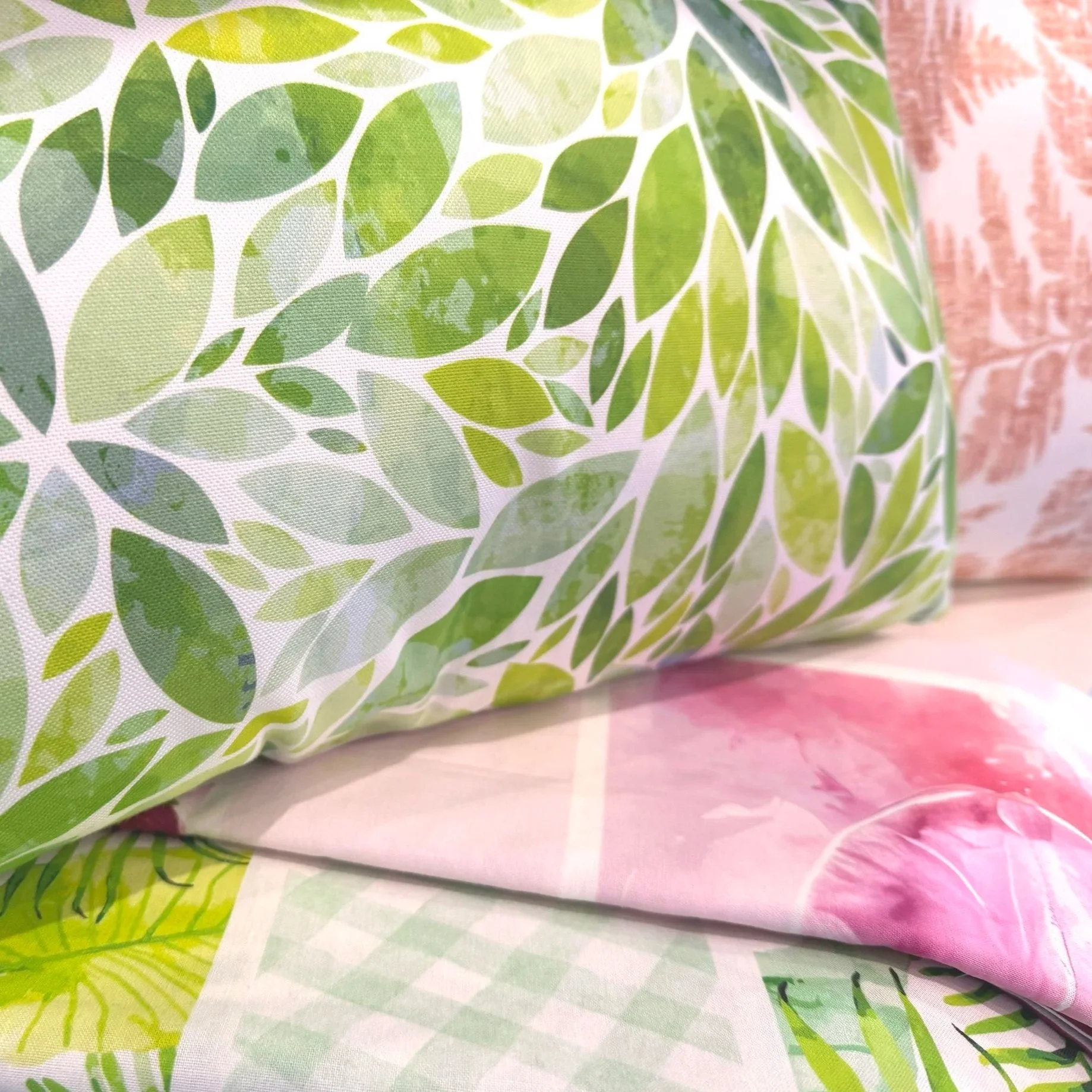
A profound shift is currently reshaping the sector
Changing consumer expectations demand greater design diversity, faster turnaround times, and sustainable manufacturing practices.
To thrive, interior brands must adapt their supply chains, bringing production closer to the end consumer and moving away from bulk manufacturing.
Digital textile printing offers a definitive solution to these operational bottlenecks.

Digital transformation doesn't announce itself.
It accumulates - one innovation at a time - until an entire industry looks back and realises the ground has shifted beneath its feet. That's precisely where textiles stands today.
The conversations happening now about AI, automation, sustainability, and digital product passports are not theoretical. They are shaping decisions being made on factory floors and in boardrooms right now.

“By leveraging advanced digital textile printing, Marylene Madou has successfully merged traditional craftsmanship with cutting-edge technology. Her approach offers a blueprint for how independent designers can scale their brands globally while maintaining a minimal environmental footprint.”
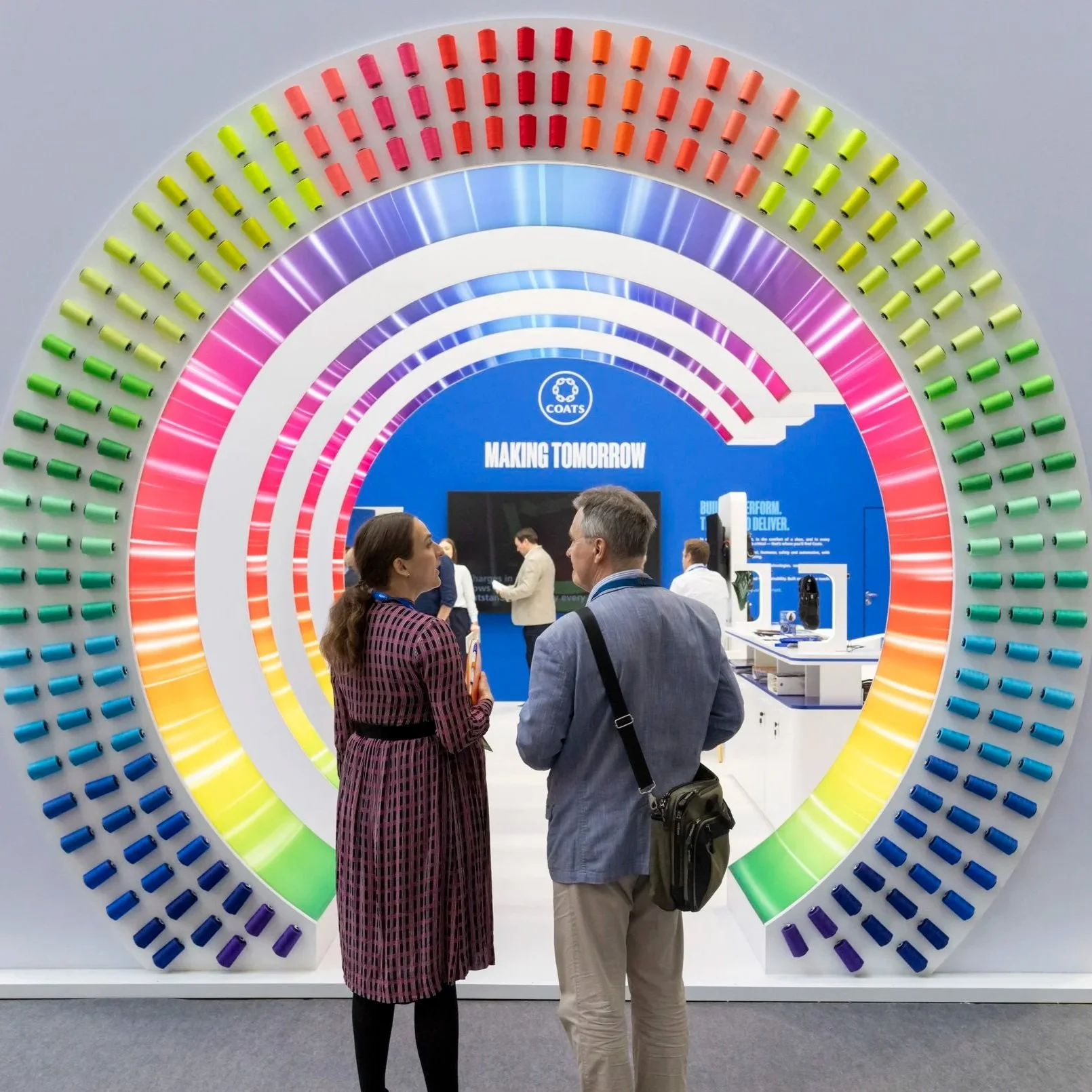
The textile industry is undergoing a vital transformation. As the insights from Techtextil and Texprocess reveal, the path forward relies on a combination of sustainable hardware, intelligent chemistry, and seamless digital workflows.
From Zimmer's industrial-scale energy reductions and Stratasys's on-demand 3D embellishments, to Kornit's single-step technical printing and the unified digital ecosystems of NedGraphics and Optitex, the tools for change are here. To stay competitive, brands and manufacturers must adopt these innovations, moving away from fragmented, wasteful processes towards a truly connected, circular economy.
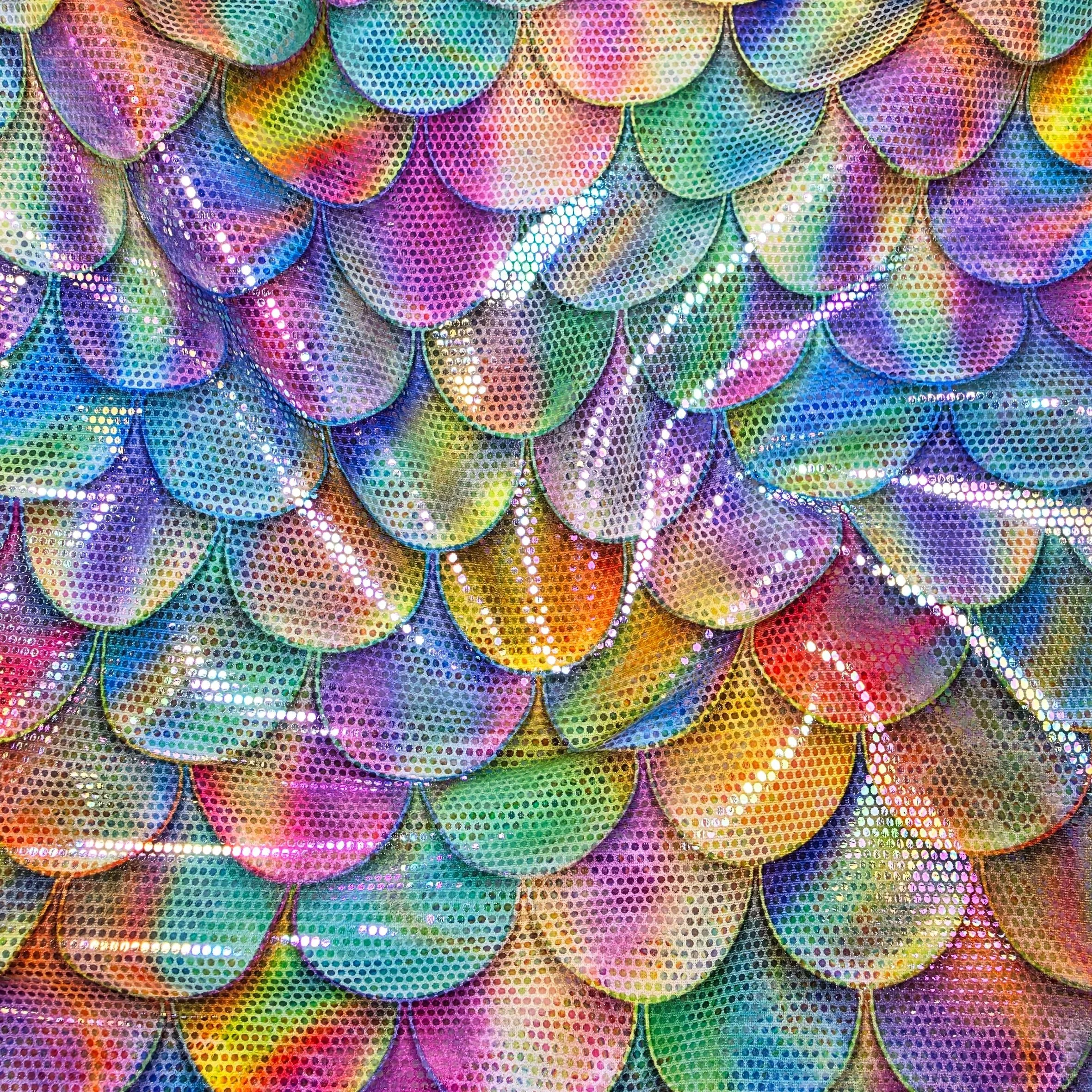
Friedmans stands as a testament to the power of combining traditional textile knowledge with forward-thinking innovation.
“Operating from their UK headquarters, Friedmans now serves a diverse array of sectors, including swimwear, dance, entertainment, sportswear, interior decor, prosthetics, and even pet apparel. With a strategic supply chain that reliably serves clients worldwide”
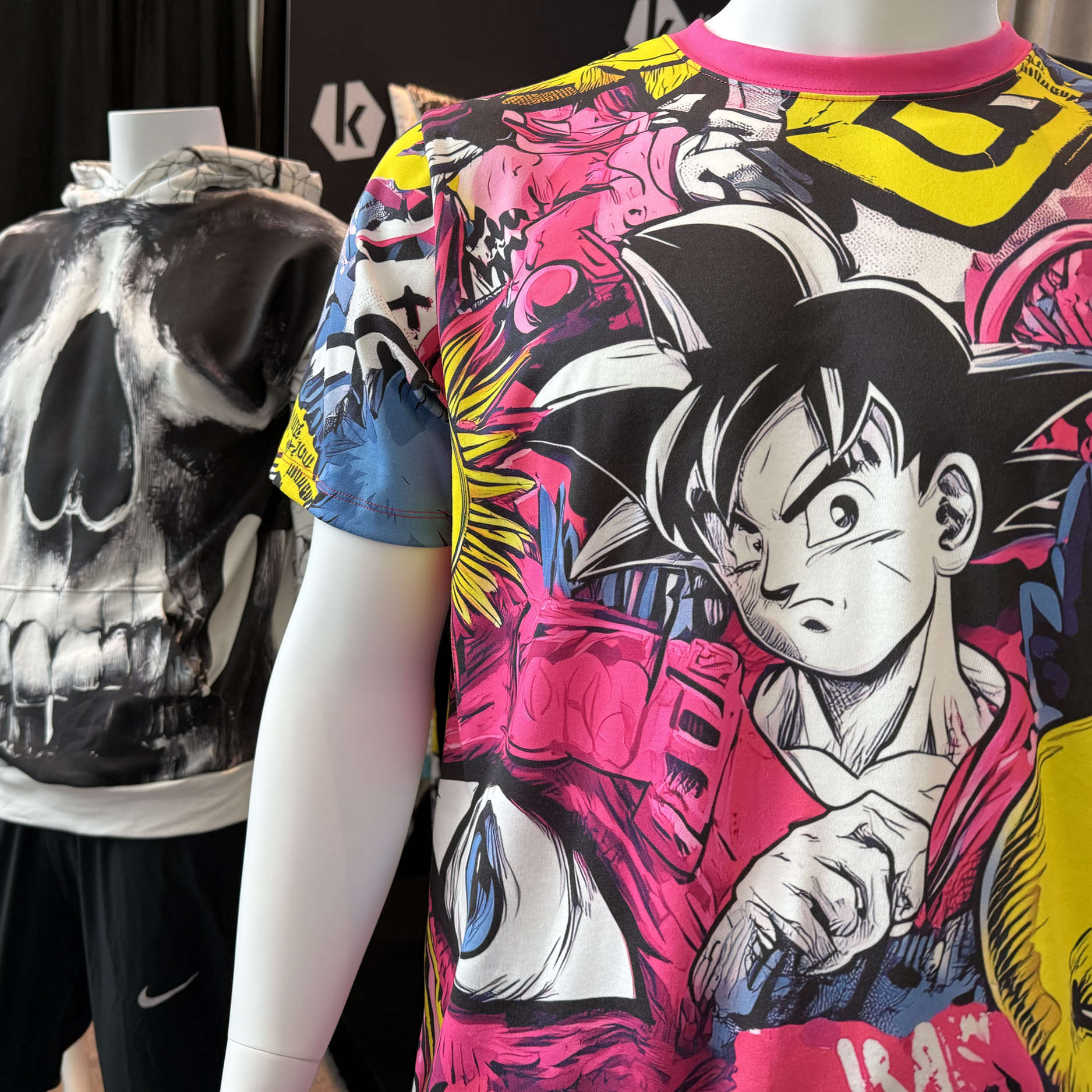
The apparel decoration industry is decisively moving away from isolated, analogue production tools toward connected digital manufacturing environments.
"Kornit’s unwavering commitment to transformative technology continues to disrupt the status quo. For business leaders and innovators ready to capture the future of apparel manufacturing, the path forward is clear”
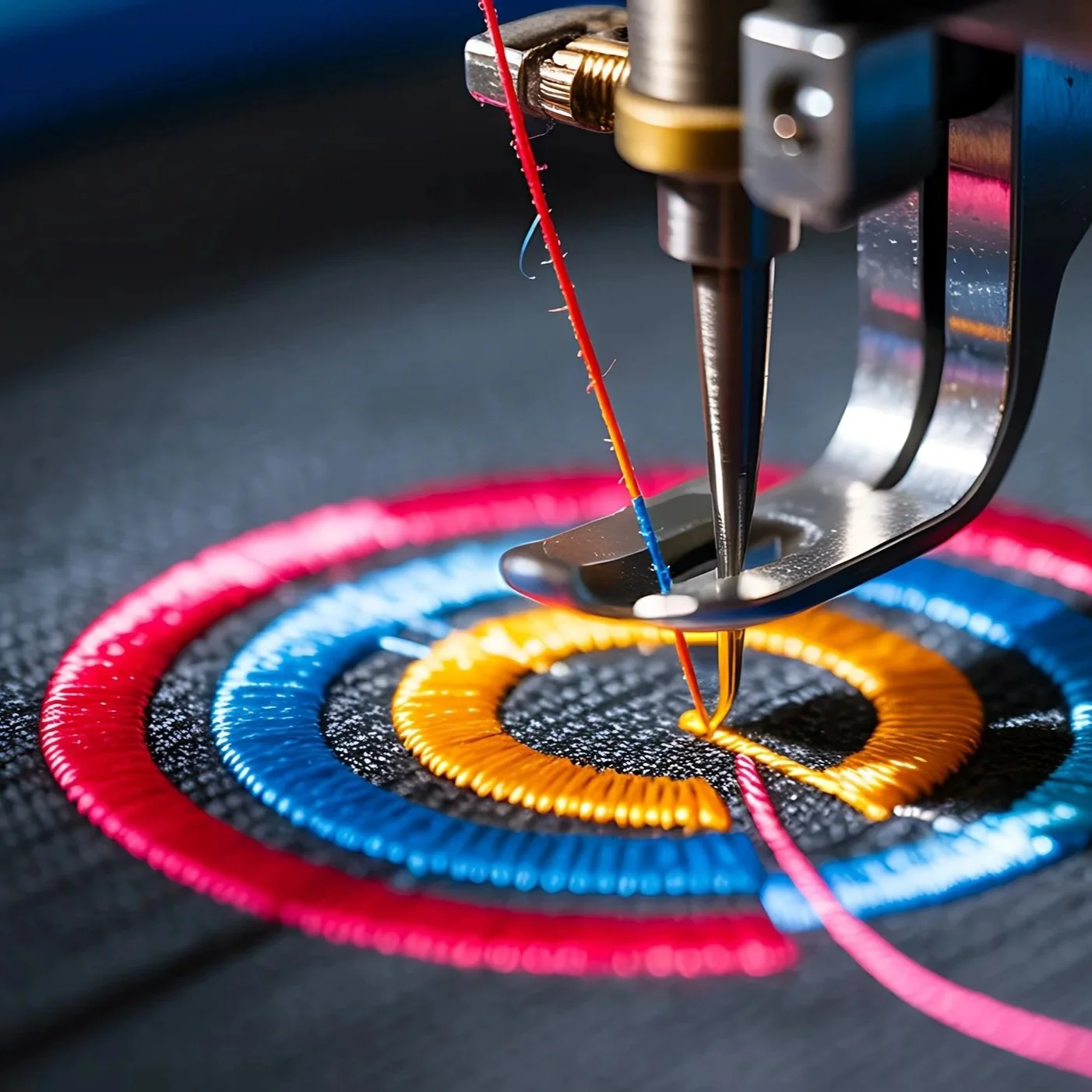
The Urgent Need for Sustainability at Scale
The transformation at Coats provides a vital blueprint for the wider textile and apparel sector. True sustainability cannot be achieved in silos. As Dearing emphasised:
“Cross-industry collaboration is the engine of meaningful change. Brands, machinery suppliers, chemical providers, and fibre producers must act as an interconnected ecosystem”
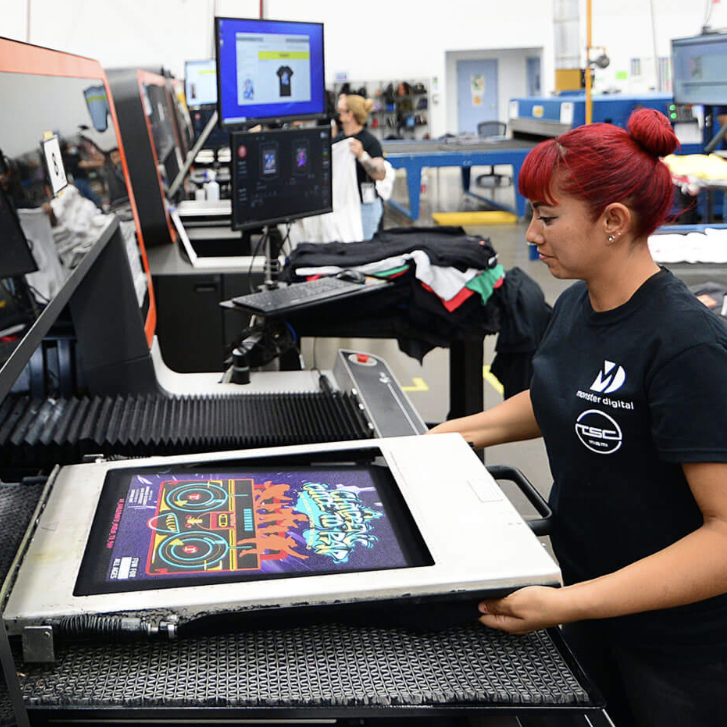
Today’s customers demand superior product quality, real-time data visibility, and lightning-fast turnaround times.
For large-scale garment decorators, managing these expectations while balancing seasonal demand fluctuations - such as the massive surges seen during Black Friday - presents a monumental challenge.
"Relying on transactional vendor relationships and outdated legacy equipment is no longer sufficient to secure long-term stability and growth.”

Printing method is never a secondary detail. It shapes the entire life cycle of a product, from concept to customer. In today’s fashion industry, where margins are tighter and speed matters more than ever, technical knowledge has become a competitive advantage.
“The future of textile design belongs to professionals who can combine creativity with execution, aesthetics with practicality, and vision with production reality”.
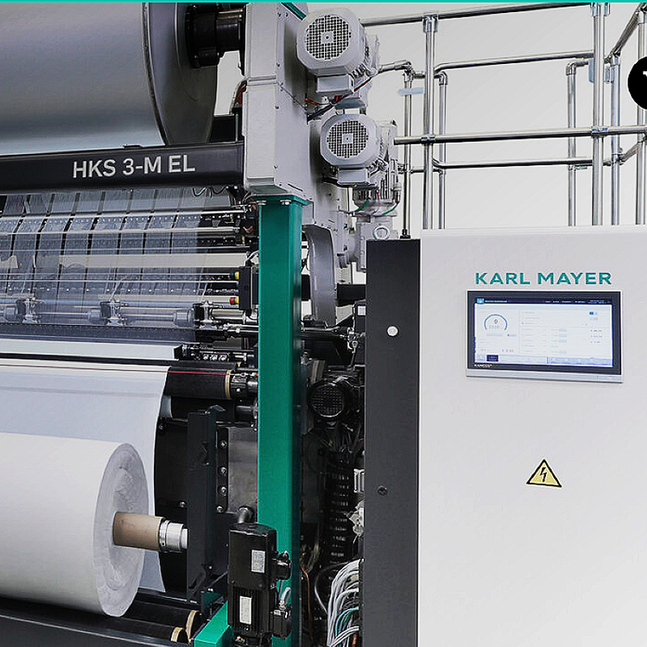
Oberthausen – Germany – September 2026 – KARL MAYER has announced the launch of a new, highly productive model of its HKS 3-M EL, engineered to meet the escalating demands of the sporting goods market.
The extra-wide tricot machine combines a working width of 330", expandable by a further 10", with production speeds of up to 2,800 min⁻¹, setting a new performance benchmark for manufacturers of modern sporting goods.
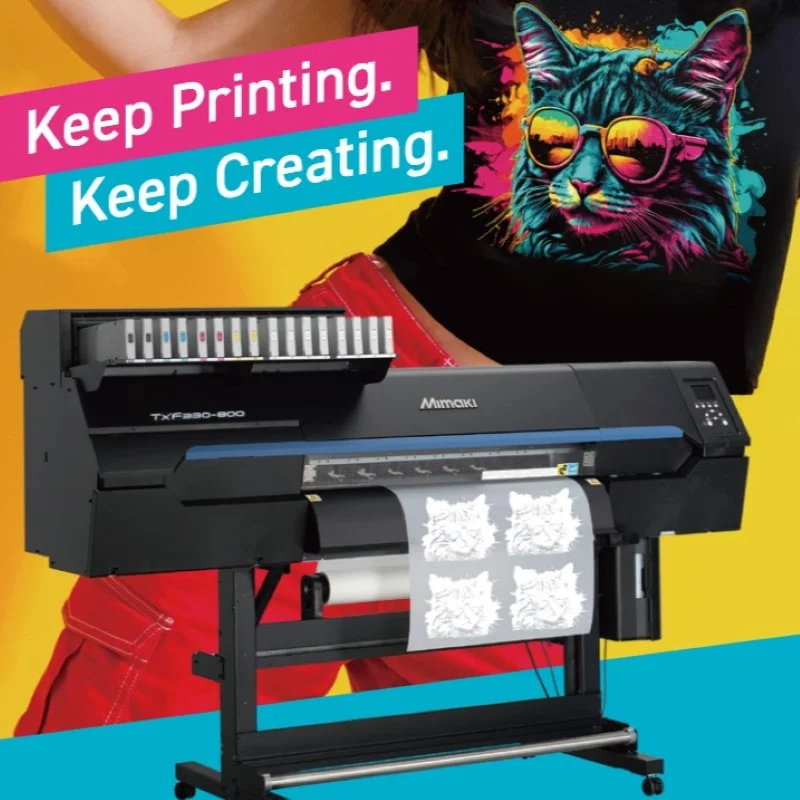
Crewe – Cheshire - UK – 18 September 2026 – Hybrid Services Ltd, the official Mimaki distributor for the UK and Ireland, today highlighted how Mimaki's advanced white ink technology is setting a new standard for Direct-to-Film (DTF) printing, addressing a critical challenge facing garment decorators across the industry.
Tonbridge – UK – September 2026 Compass Business Finance will return to The Print Show this year, inviting visitors to explore their game plans for growth and the strategic decisions that can help drive long-term success in an increasingly fast-moving market.
Located on Stand P580, Compass will deliver an immersive experience designed to explore the challenges, opportunities and key business decisions facing print companies today.
Rather than offering generic advice, the stand will encourage visitors to think differently about their ambitions, investment priorities, and the practical steps required to move their businesses forward with confidence
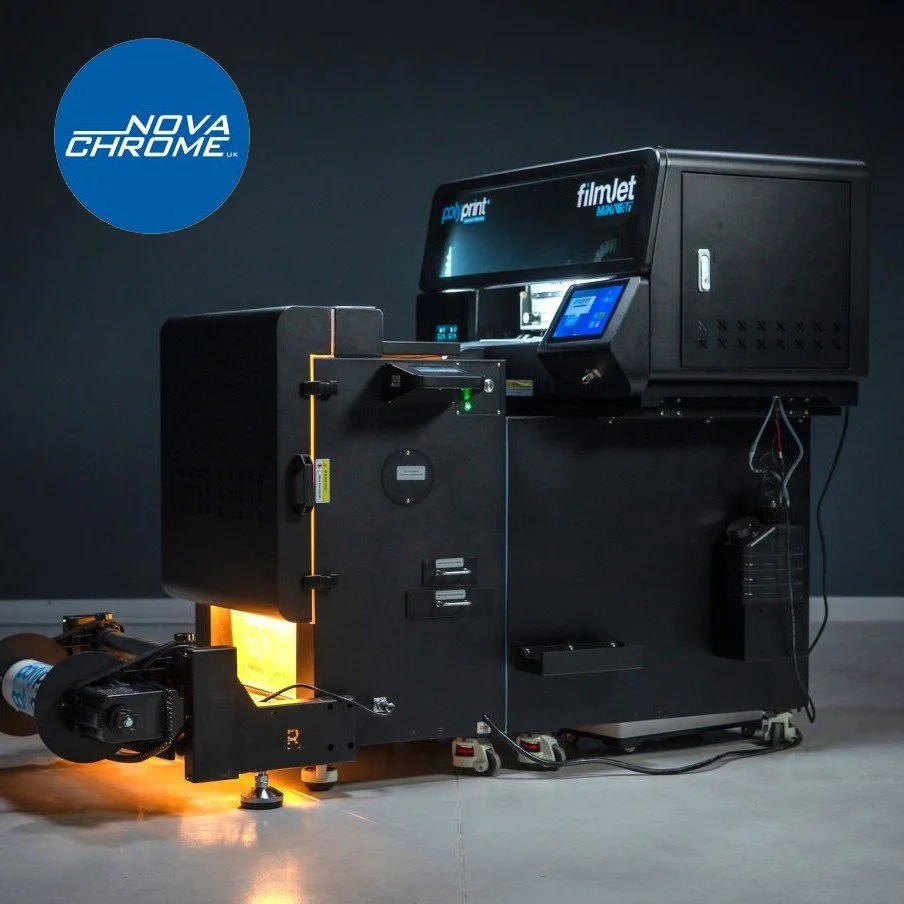
Anglesey – September 2026 – Nova Chrome UK has today announced the launch of the Filmjet Mini, a new series of all-in-one direct-to-film (DTF) printers designed to eliminate the complexity of running separate printing, powder application, and curing units.
Built by PolyPrint, a garment printer manufacturer since 2006, the Filmjet Mini brings together everything a business needs to start DTF production within a single, compact machine.
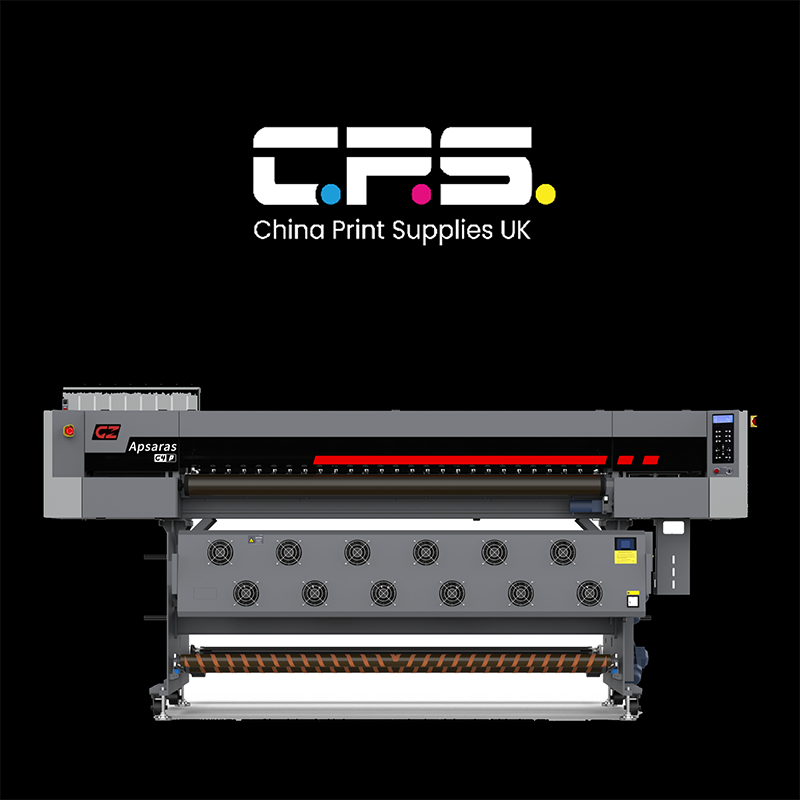
China Print Supplies has expanded its textile offering with nine Gongzheng Apsaras printers, covering dye sublimation, direct-to-fabric pigment printing and hybrid working.
The full range is available now, and adds textile to a Gongzheng line-up the company already sells across UV and eco-solvent.
You can learn more about these printers by talking to China Print Supplies at The Print Show later this month (stands S220 and S420).

Dorking – UK – September 2026 – FESPA has announced a new instalment of its FESPA Insights webinar series, focusing on one of the garment decoration industry's fastest-growing opportunities: personalised apparel.
The session, titled "Scaling Your Personalised Apparel Business", will take place on 29 September 2026 at 14:00 BST.

Burscough, UK, September 14, 2026: Quality Print Services (QPS) has announced it will showcase six printers from across the ColorJet and Roland DG ranges, alongside Nazdar's alternative digital inks, on its stand (150) at The Sign Show 2026.
Taking place in hall 1 of the NEC in Birmingham from 29 September to 1 October, The Sign Show, co-located with The Print Show, gives visitors access to both events with a single registration.
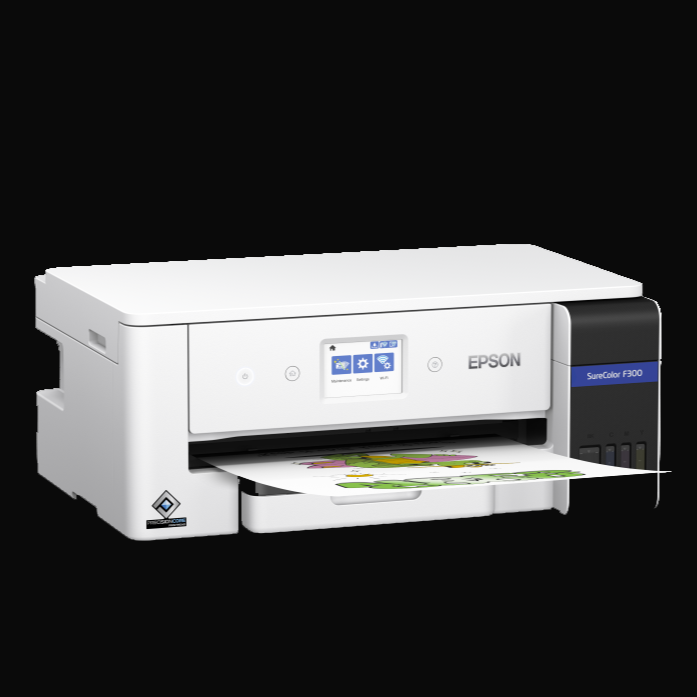
September 2026 - Epson today announces the SureColor SC-F300, a new A3 dye-sublimation printer designed to help small businesses and growing personalisation providers produce professional-quality output with a compact, user-friendly workflow.
The SC-F300 is positioned to help users broaden their product offering – supporting expansion from A4 into

Mortsel – Belgium – September 2026– Agfa has today announced the launch of the Jeti Tauro H3300 HS, a new hybrid UV LED inkjet press that extends its award-winning Tauro family.
Built on technology and insights gathered across the entire Tauro range, the new press is designed to meet the productivity demands of today's print service providers while offering a clear path for future growth.

Summa announces the expansion of its F Series Vantage platform into large-format production environments with the introduction of the F1832, F3220 and F3232.
Designed for high-volume signage, packaging, textile, and industrial applications, the new models extend the philosophy behind the F Series Vantage: delivering productivity gains across the entire workflow.
Alongside the new large-format models, Summa also introduces the F1625CF, a dedicated configuration optimised for dry carbon fibre cutting