
PRINFAB




Prinfab® is an award winning textile print on demand service.
Established 2016, the company use industrial Epson™ print technology to deliver a high quality and consistent service to 30,000+ customers worldwide.
Direct to textile pigment and dye sublimation
Average order turnaround less than 2 days
Rated excellent on Trustpilot™ (4,000+ reviews)
All fabrics meet EN71-3 safety standards
Prinfab® is based in the UK and proud to be a Living Wage™ employer. The company won the Best Fabric Printer category at the Digital Printer Awards in 2021 and 2023.


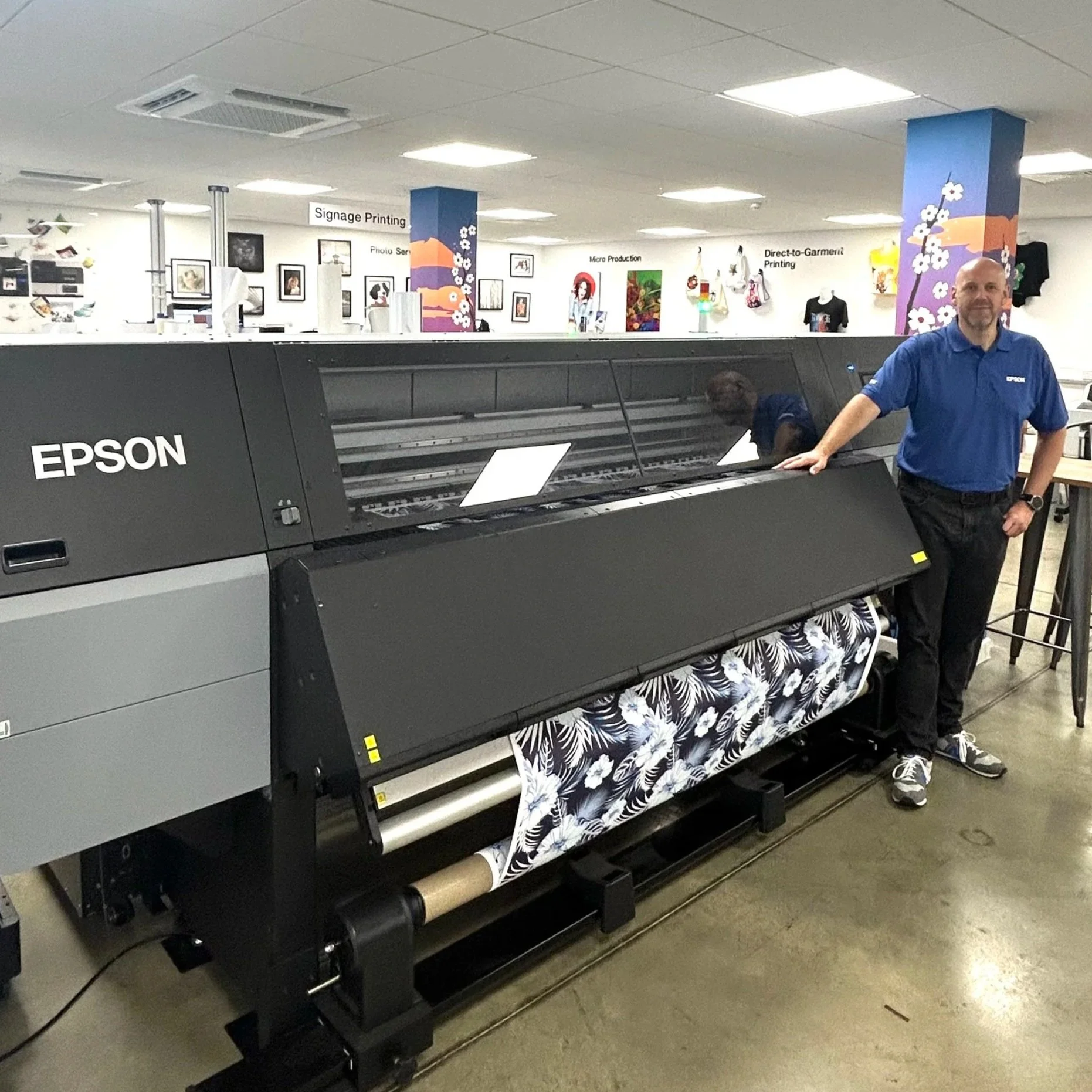
Faversham – Kent - August 2026 – Prinfab, a UK-based print-on-demand textile company, has revealed how the industrial Monna Lisa ML-8000 printer sits at the heart of its high-quality, fast-turnaround production model.
By leveraging one of the textile industry's most advanced digital printing systems, Prinfab is removing the barriers that have long prevented independent designers and entrepreneurs from accessing commercial-grade fabric printing.

London UK – July – 2026 – British digital fabric printing company Prinfab has been commissioned to produce a commemorative tea towel to celebrate the landmark birthday of iconic English fashion designer Sir Paul Smith.

Faversham - Kent - June 2026 – Prinfab, an industry-leading innovator in textile printing, has announced its contribution to the highly anticipated Take That Circus tour, currently playing to packed stadiums across the United Kingdom.
The company manufactured and supplied 415 metres of custom-printed fabric, which was skilfully transformed into stunning stage costumes by acclaimed designers Michael Sharp, Olivia Musson, and their dedicated production team.

Faversham – Kent – April 2026 – Prinfab, a leader in on-demand textile printing, has announced that Oliver Mustoe-Playfair and Harry Mustoe-Playfair will present at the upcoming FESPA exhibition in Barcelona this May.
The presentation will focus on the critical role of data in driving large-scale automation, demonstrating how connecting real-world operations through advanced software is reshaping the textile printing industry.

London – April 2026 – The Textile Skills Centre has recently collaborated with Prinfab, visiting their advanced printing facilities to witness bespoke textile designs seamlessly transition from concept to physical print.
This visit served as a crucial filming opportunity for the Future Threads project, a forward-thinking initiative designed to bring the textile industry and educational institutions closer together.
By uniting these sectors, the project aims to open up tangible opportunities and innovative creative pathways for the next generation of textile professionals.

Faversham – Kent – March 2026 – Prinfab, a leading UK textile print-on-demand service, recently welcomed representatives from Seiko Epson Corporation Japan to its production facility.
The visit highlighted how Epson’s advanced industrial print technology is driving Prinfab’s rapid and sustainable production capabilities, reinforcing the vital role of international partnerships in advancing the global textile printing industry.

Faversham Kent : February 2026– Prinfab, a leader in on-demand textile printing, has recently opened its facility doors to Wells and White Bespoke Upholstery Ltd.
The exclusive behind-the-scenes visit was designed to foster a deeper understanding of the technical and sustainable processes behind modern fabric production, reinforcing the importance of transparency within the textile supply chain.
The collaboration provided an in-depth examination of how printed fabric is manufactured in a professional, on-demand environment.
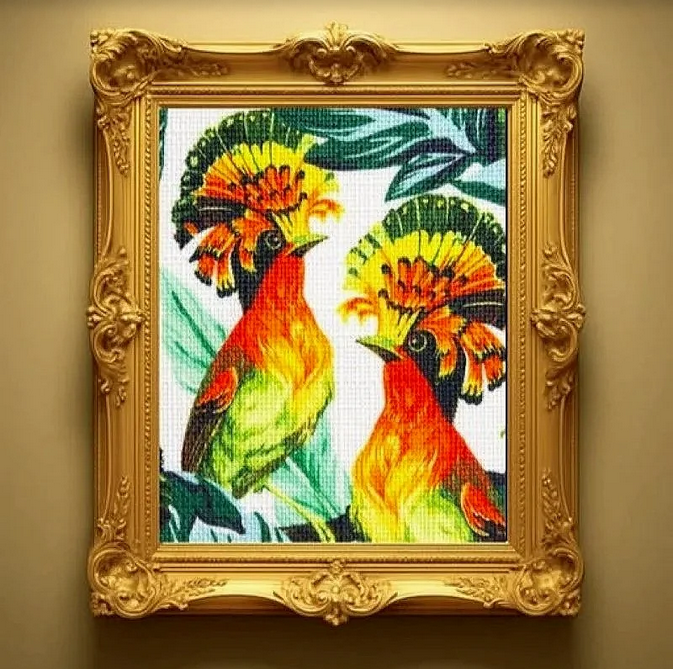
Faversham, Kent, , UK – January 2026 – Prinfab, a leader in on-demand textile printing, has today announced the launch of Renaissance 210gsm, a groundbreaking polyester fabric designed for vintage-style reproductions.
This latest addition to Prinfab's extensive portfolio combines the aesthetic character of traditional textiles with the durability and performance of modern engineering, marking a significant step forward in sustainable fabric production.
Faversham – Kent - December 10th 2025 – Prinfab®, a leader in digital fabric printing, has today announced the launch of its new Direct to Film (DTF) transfer printing service.
This cutting-edge technology allows creators and businesses to print vibrant, detailed designs that can be applied to a vast array of materials, expanding creative possibilities beyond traditional textiles.
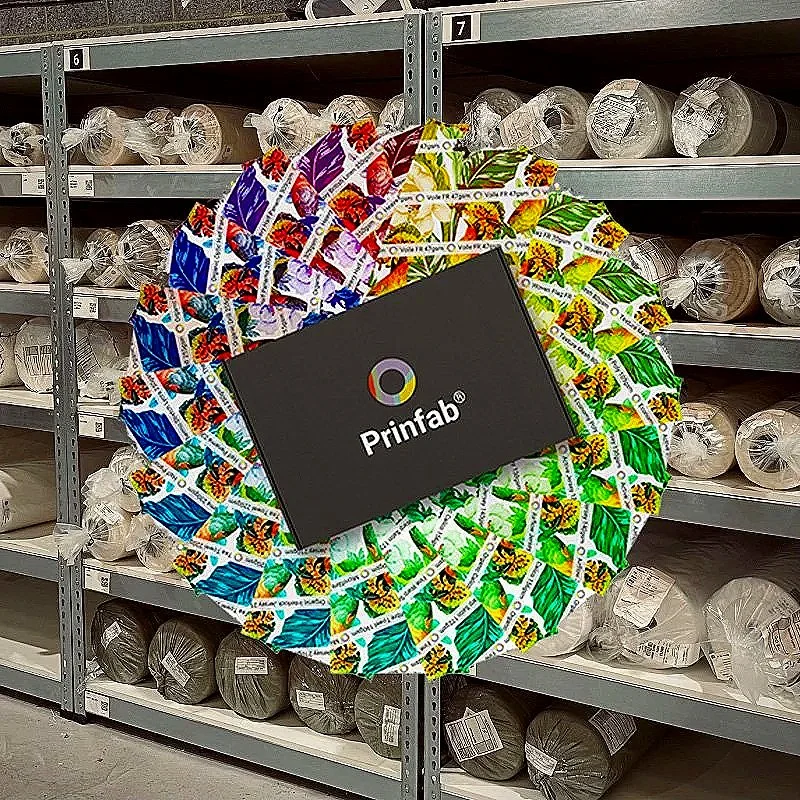
Faversham, Kent – Prinfab, a leader in digital fabric printing, today announced a significant enhancement to its services, increasing the printable widths on many of its most popular fabrics.
This change, effective from 27 October 2025, is a key part of the company's ongoing commitment to innovation and delivering superior value to its customers.
The update will allow designers and creators to print their designs on wider sections of fabric, unlocking new creative possibilities and improving material efficiency.

Leading digital textile printing company Prinfab demonstrated its commitment to supporting emerging talent by collaborating with up-and-coming designers at The Print Show, one of the industry's premier exhibitions.
The partnership featured stunning textile curtains printed on lightweight 100% cotton using Prinfab's advanced Monna Lisa printing technology from Epson
The collaboration highlights Prinfab's dedication to fostering innovation within the textile industry whilst championing sustainable printing practices.



Colour Is Too Important to Leave to Chance
Print will always be the part of the garment people see first.
But the sum of all parts — the fabric, the trims, the fasteners, the finish — is what determines whether a design actually delivers on its promise. Brands that continue to treat colour as a single creative decision, rather than a coordinated technical discipline spanning their entire supply chain, will keep paying for it in re-dips, delays, and disappointed design teams.
A Century of Textiles, and an Ever-changing World
Few companies can trace their roots back more than a century and still count themselves among their industry's innovators. Texia, headquartered in Monistrol de Montserrat, Spain, is one of them.
But the story of Texia is not simply one of longevity.
It is a story of continual reinvention. As the textile industry has grown more global and competitive, Texia has repeatedly reshaped its business, investing in technology, developing its own brands, and placing sustainability at the centre of its mission. In doing so, it offers a compelling example of how a heritage manufacturer can lead rather than follow through a period of profound industry change. Image Credit: Texia
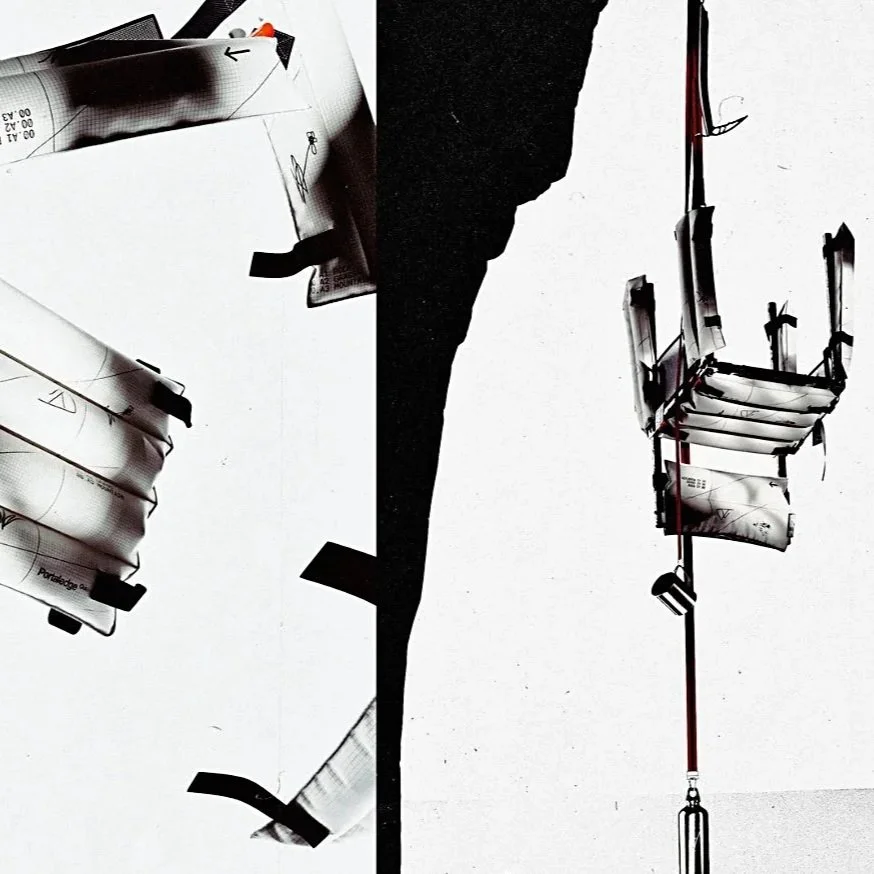
What are we craving Ultimately?
The instinct to slow down while simultaneously optimising every measurable aspect of life isn't a passing curiosity. It's a structural response to a world that feels increasingly unstable, and it's reshaping what people expect from their homes, hotels, workplaces and healthcare environments alike.
For the design and manufacturing sectors, this means rethinking both product and process.
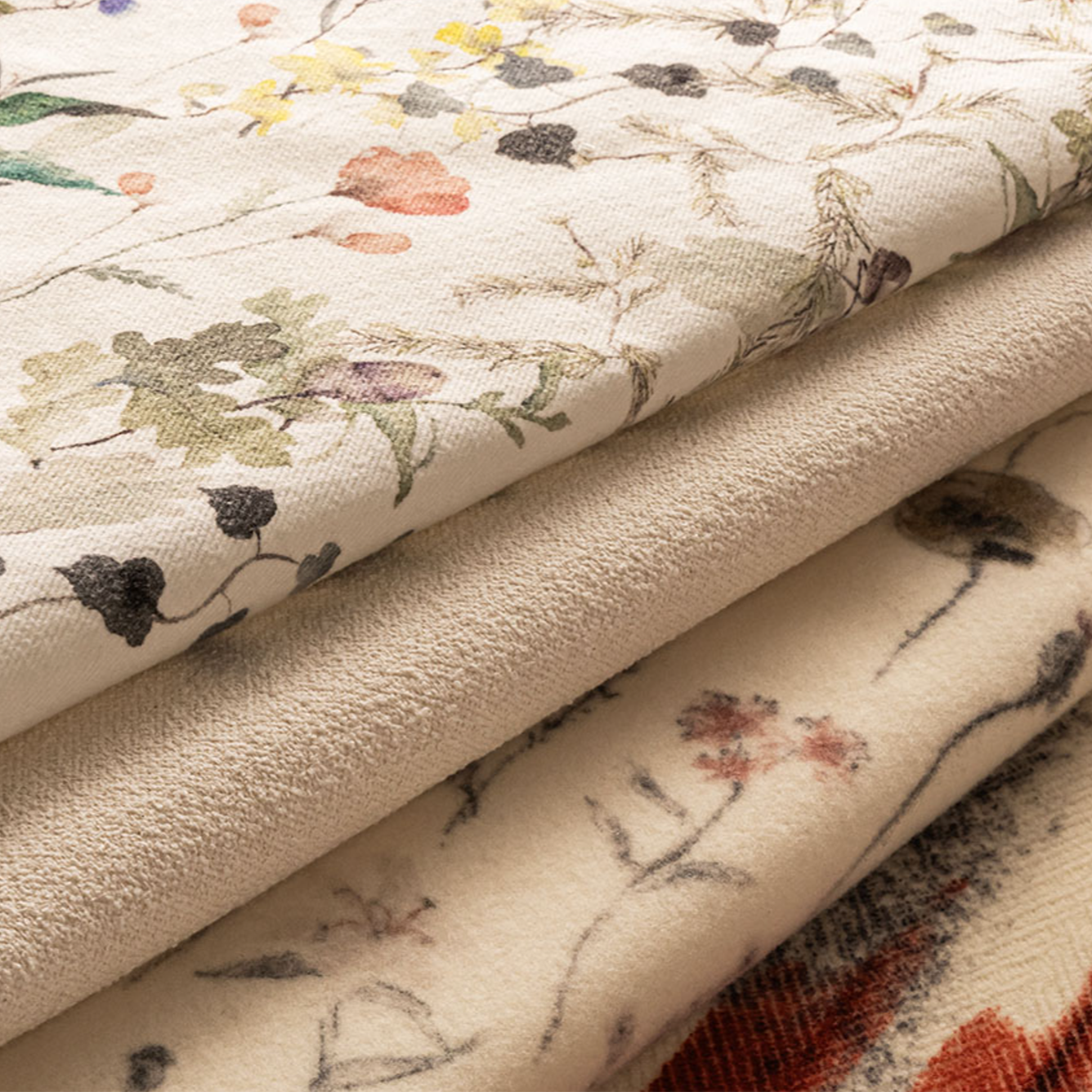
The Structual Shift is Real and its Already Here
Volumes are moving east, where digital production is accelerating rapidly. Consumer behaviour has shifted.
Demand is now driven by personalisation, shorter buying cycles, and an expectation of near-instant responsiveness. Regulatory pressure is intensifying, with supply chain transparency now a legal and commercial fact in many markets. And margins? They are under sustained, structural pressure.
This is not a temporary disruption. It is a fundamental reordering of how textile manufacturing must operate.

The Challenge: Standing Firm as the Industry Shifts
The wallpaper landscape has changed dramatically. Digital printing has lowered the barrier to entry, spawning countless direct-to-consumer brands and pushing much of the market towards faster, cheaper production.
At the same time, manufacturing in the UK has grown steadily harder - rising minimum wage, national insurance, energy and substrate costs all bear down on margins. Surface Print have embraced all of these challenges - and stand resolutely prepared for the future.
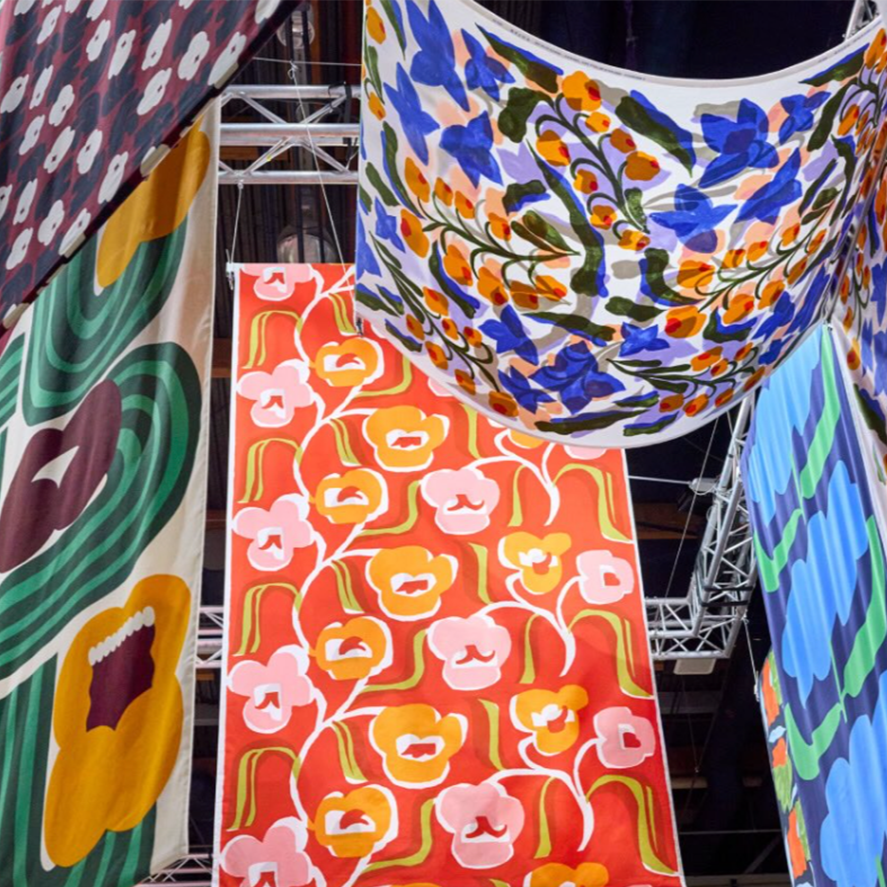
From Helsinki's printing mill to Paris's Le Marais, discover how Marimekko is scaling a design-led brand with purpose, craft, and bold innovation.
But what makes Marimekko's story compelling is not just its aesthetic legacy?

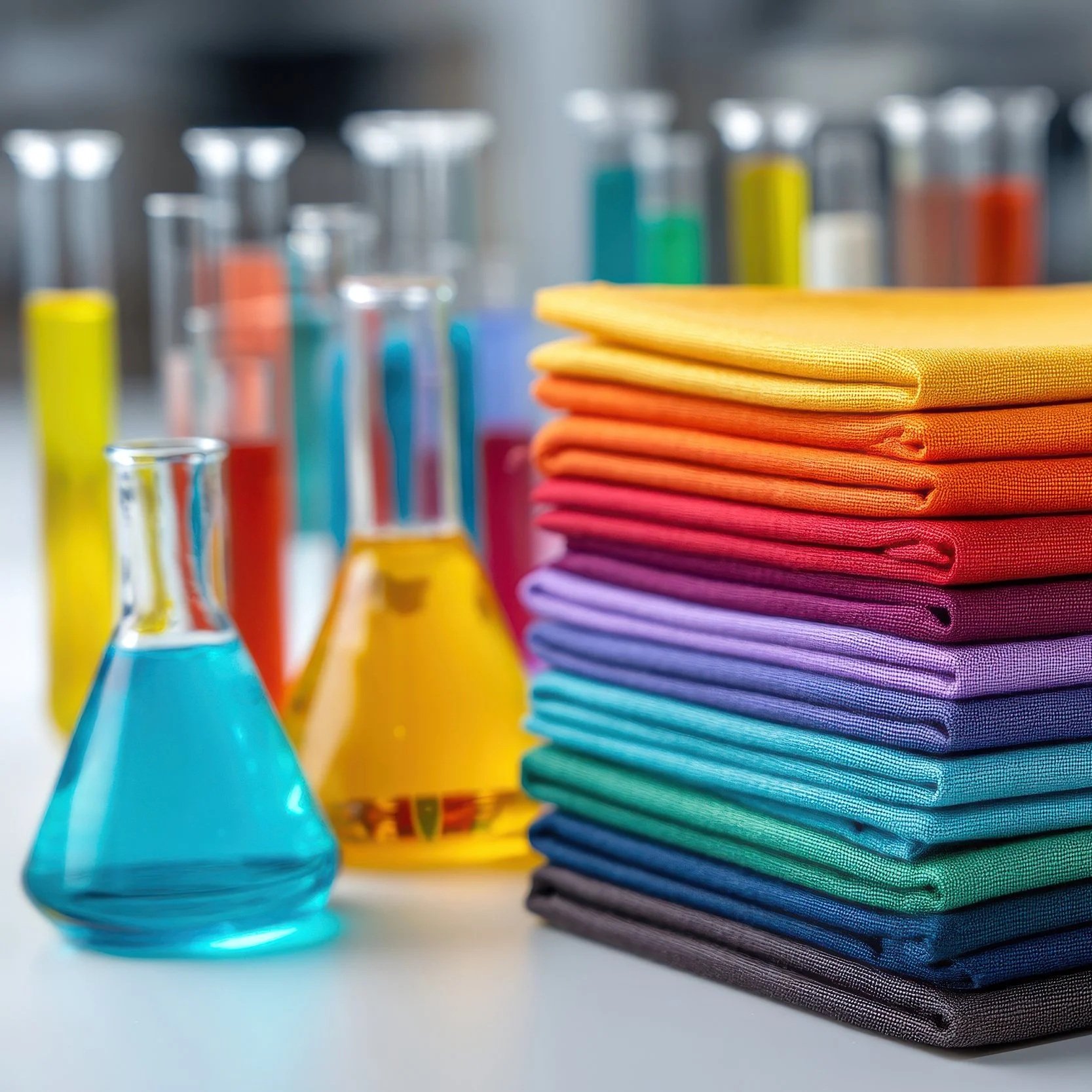
The word "toxic" carries weight. It conjures danger, harm, and things best avoided.
“Yet in the textile industry - Where between 3,000 and 10,000 chemicals move through the supply chain, a reflexive fear of the term is one of our biggest obstacles to progress.”
This article distils the key takeaways and what buyers, designers, and brands should be asking right now.
What Is the Digital Product Passport?
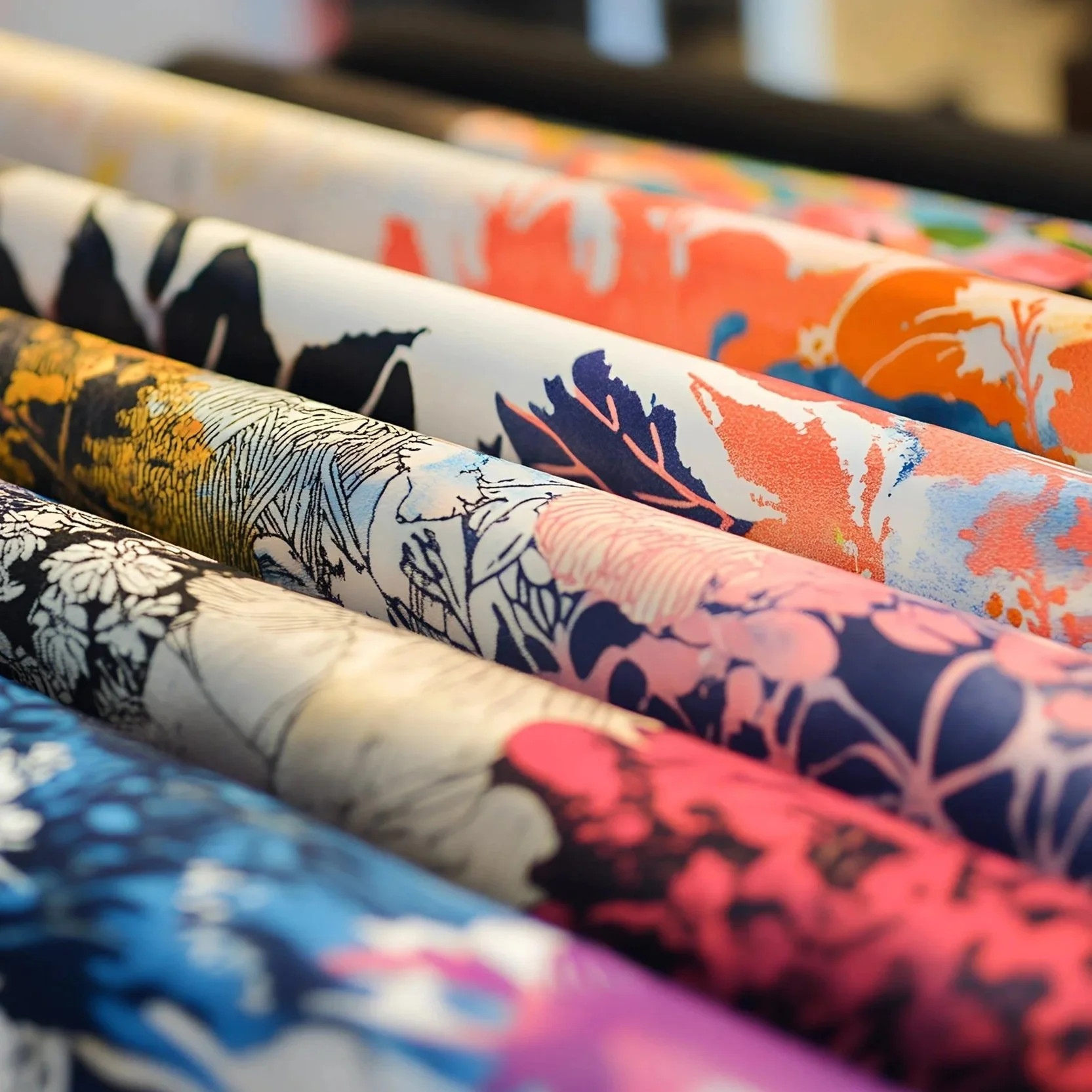
At its core, a Digital Product Passport is a digital record attached to a physical product - For a printed textile product, this means the DPP would capture data on the substrate, inks and dyes used, the printing process and technology, chemical compliance, environmental impact (including water and energy use), supply chain traceability, and end-of-life instructions.
The Market Gap that Changed Everything
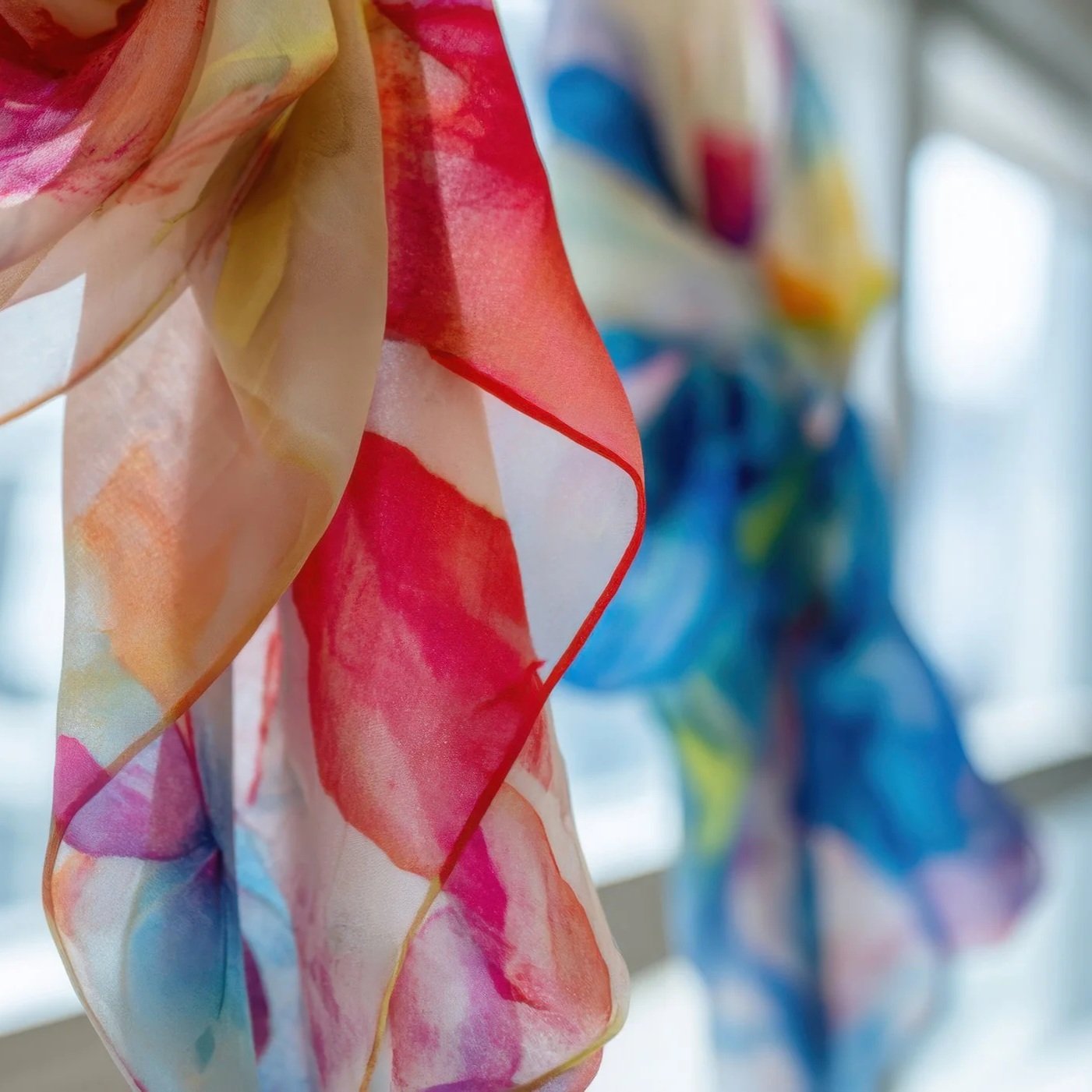
Future Fashion was founded in 2019, timed deliberately to coincide with a pivotal moment in global textile technology: the commercial launch of the EFI Reggiani BOLT Single-Pass digital printing system.
The founders recognised that single-pass architecture had fundamentally changed what was industrially possible - and that Pakistan's domestic market had yet to catch up.

Print is no longer defined by the inefficiencies that once characterised it…as advances in production processes and technology have significantly improved its environmental performance.
Taran Rai, Corporate Sustainability Manager at Epson explains why?
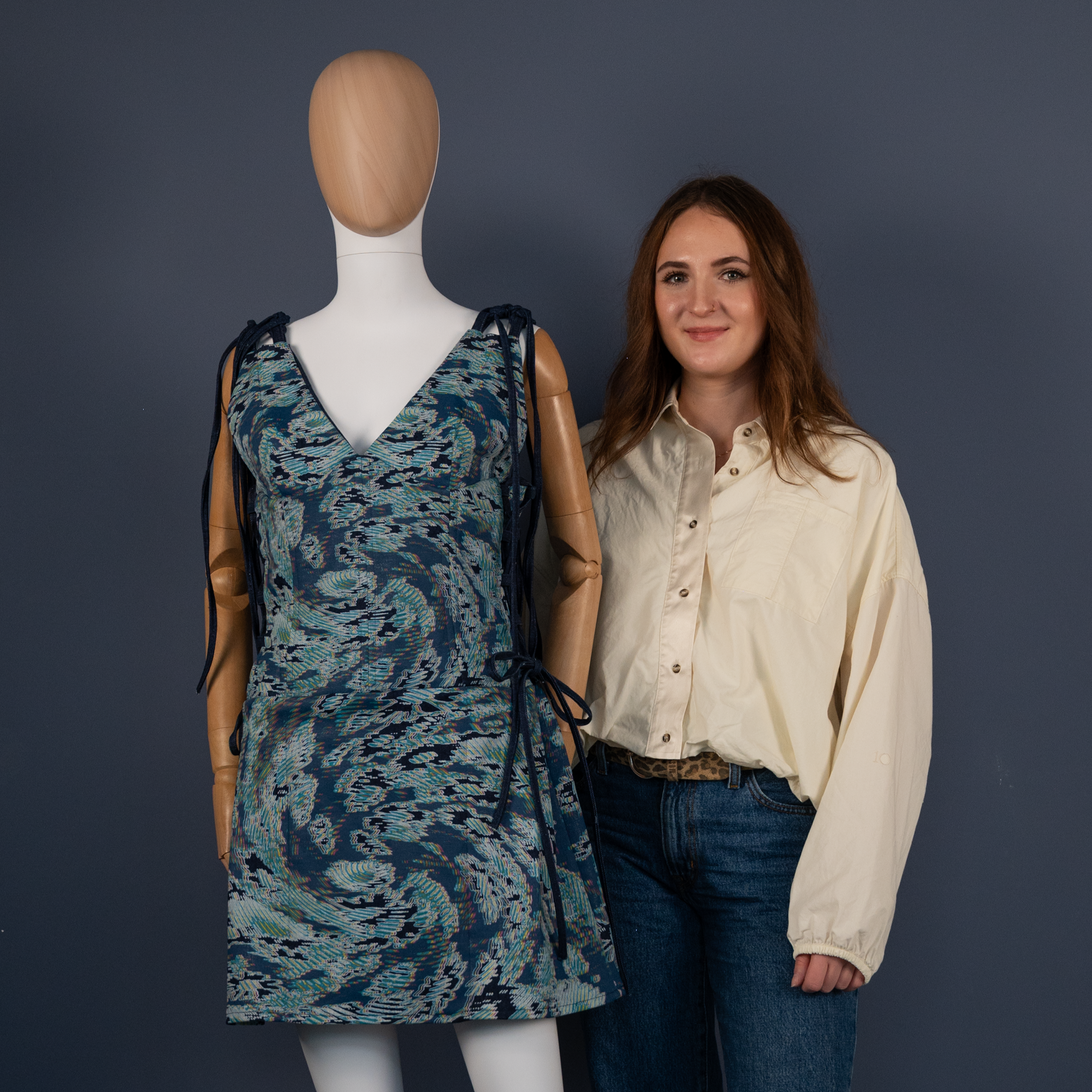
The story of what happens when young designers access digital technology is still being written.
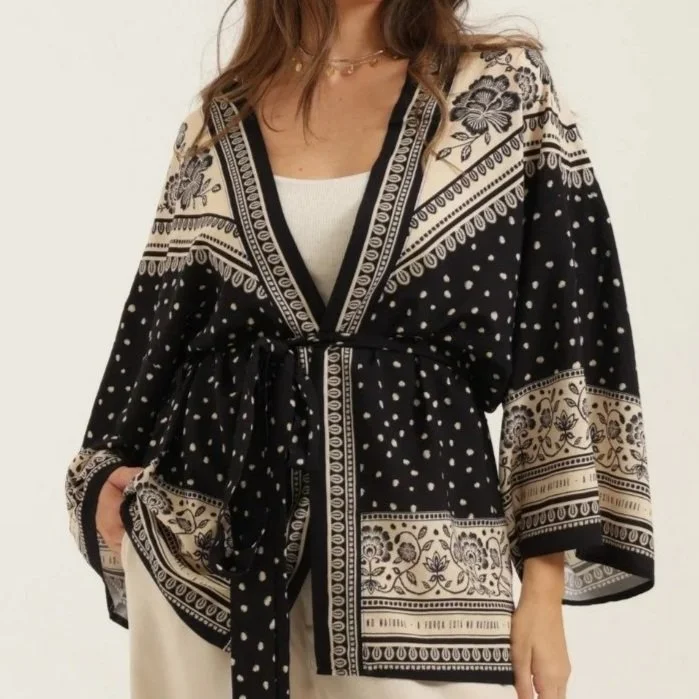
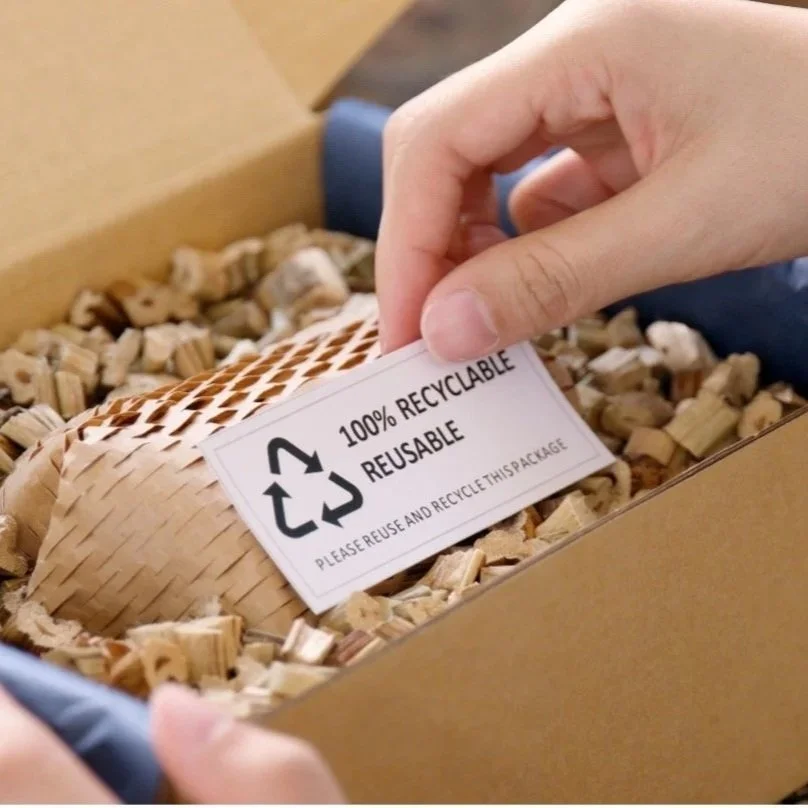
What once was a theoretical sustainability goal seems to have shifted into an active regulatory reality.




Is the Textile Market Finally Recovering?
After a difficult few years, there are genuine reasons for optimism. Duncan was candid about the challenges: "The market for textiles has been very difficult over the last three years. I'm not going to hide the truth there. But the tide is turning.“
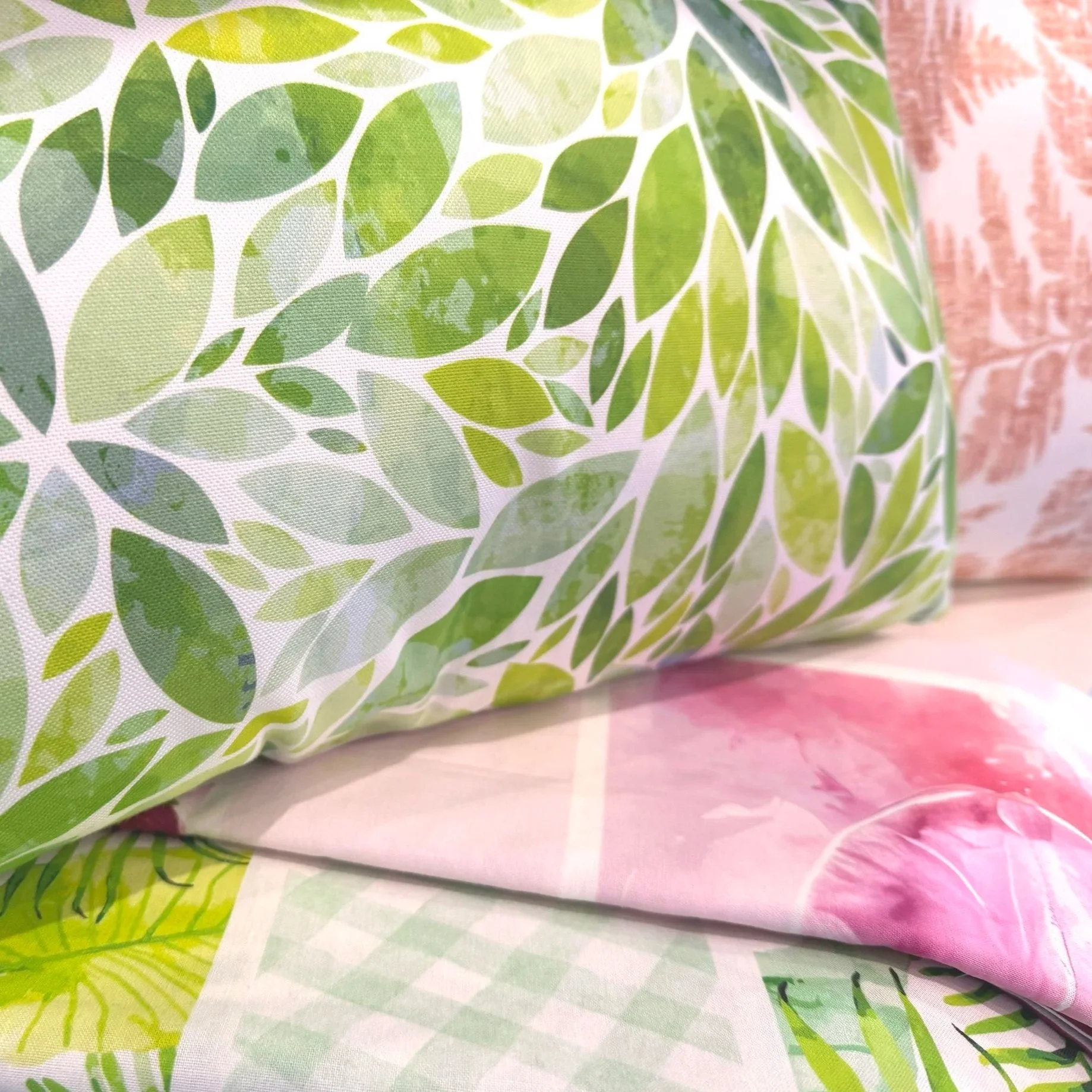
A profound shift is currently reshaping the sector
Changing consumer expectations demand greater design diversity, faster turnaround times, and sustainable manufacturing practices.
To thrive, interior brands must adapt their supply chains, bringing production closer to the end consumer and moving away from bulk manufacturing.
Digital textile printing offers a definitive solution to these operational bottlenecks.

Digital transformation doesn't announce itself.
It accumulates - one innovation at a time - until an entire industry looks back and realises the ground has shifted beneath its feet. That's precisely where textiles stands today.
The conversations happening now about AI, automation, sustainability, and digital product passports are not theoretical. They are shaping decisions being made on factory floors and in boardrooms right now.

“By leveraging advanced digital textile printing, Marylene Madou has successfully merged traditional craftsmanship with cutting-edge technology. Her approach offers a blueprint for how independent designers can scale their brands globally while maintaining a minimal environmental footprint.”
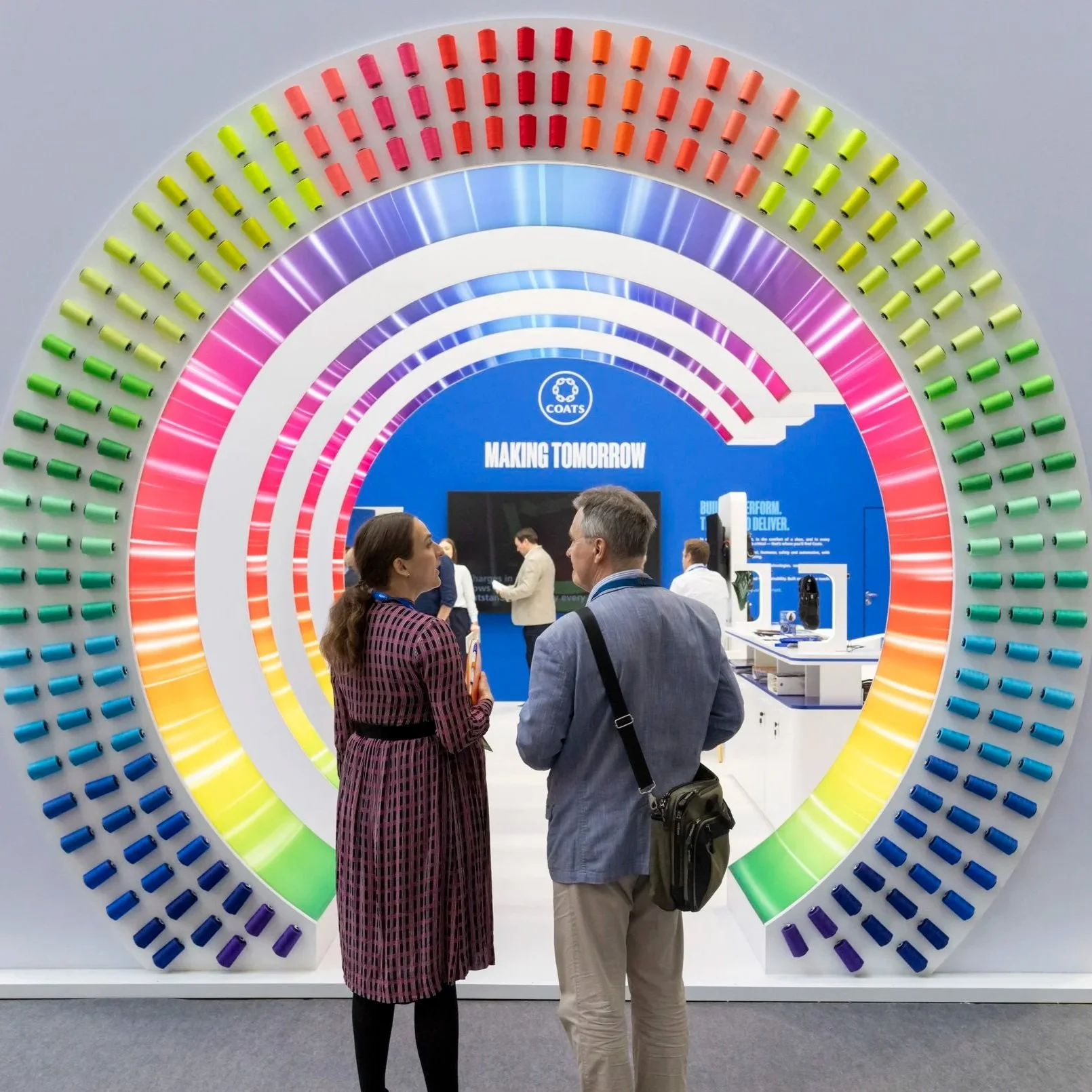
The textile industry is undergoing a vital transformation. As the insights from Techtextil and Texprocess reveal, the path forward relies on a combination of sustainable hardware, intelligent chemistry, and seamless digital workflows.
From Zimmer's industrial-scale energy reductions and Stratasys's on-demand 3D embellishments, to Kornit's single-step technical printing and the unified digital ecosystems of NedGraphics and Optitex, the tools for change are here. To stay competitive, brands and manufacturers must adopt these innovations, moving away from fragmented, wasteful processes towards a truly connected, circular economy.
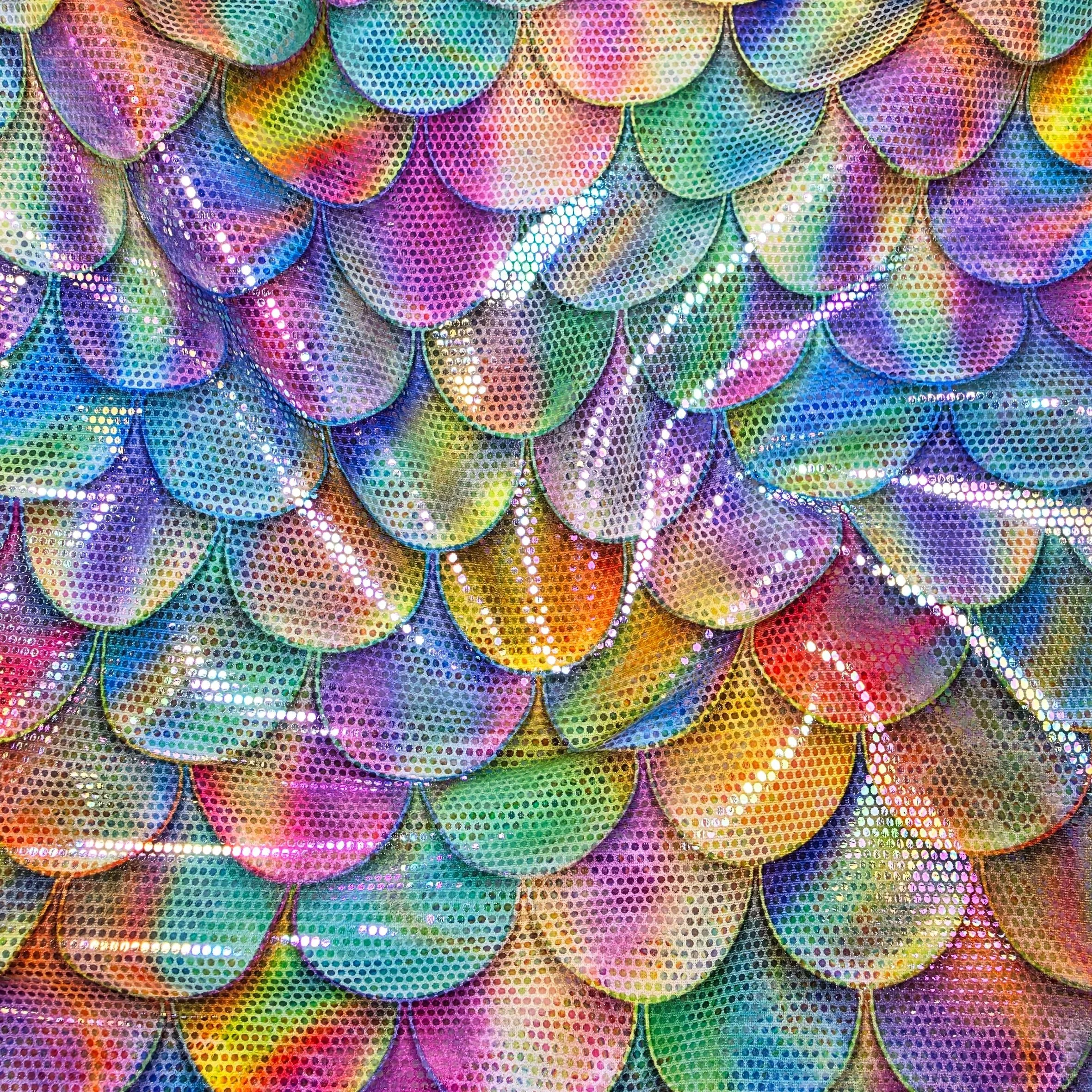
Friedmans stands as a testament to the power of combining traditional textile knowledge with forward-thinking innovation.
“Operating from their UK headquarters, Friedmans now serves a diverse array of sectors, including swimwear, dance, entertainment, sportswear, interior decor, prosthetics, and even pet apparel. With a strategic supply chain that reliably serves clients worldwide”
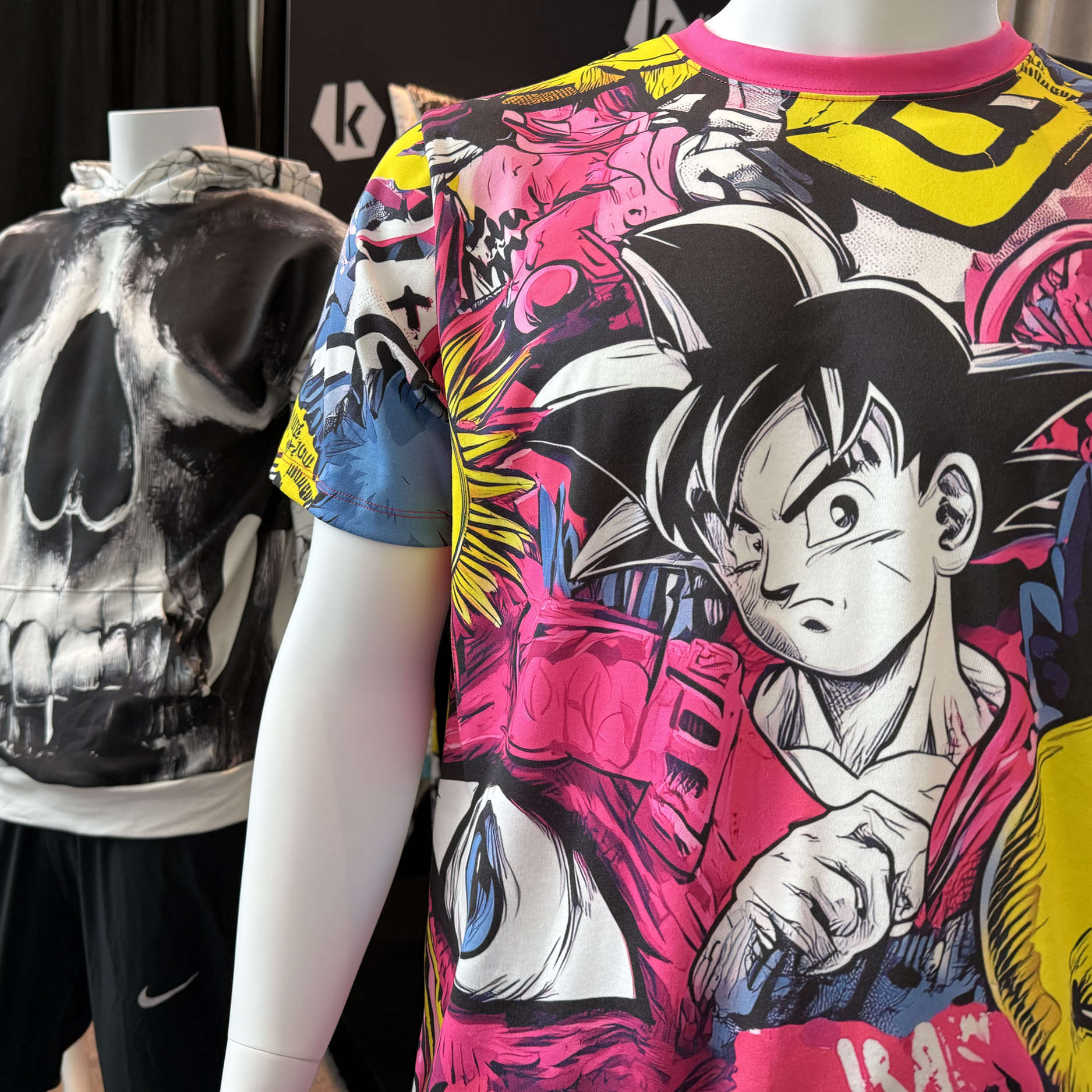
The apparel decoration industry is decisively moving away from isolated, analogue production tools toward connected digital manufacturing environments.
"Kornit’s unwavering commitment to transformative technology continues to disrupt the status quo. For business leaders and innovators ready to capture the future of apparel manufacturing, the path forward is clear”
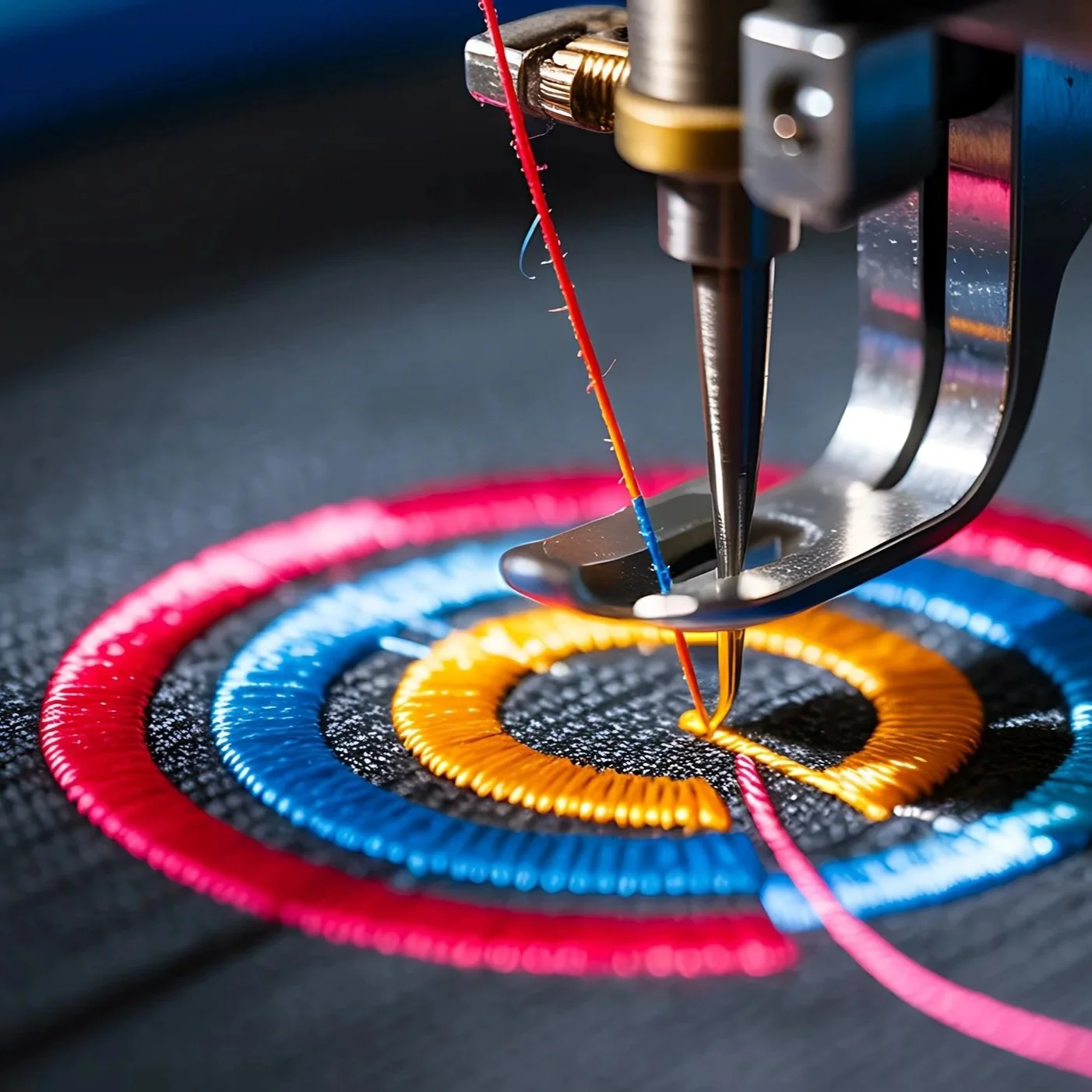
The Urgent Need for Sustainability at Scale
The transformation at Coats provides a vital blueprint for the wider textile and apparel sector. True sustainability cannot be achieved in silos. As Dearing emphasised:
“Cross-industry collaboration is the engine of meaningful change. Brands, machinery suppliers, chemical providers, and fibre producers must act as an interconnected ecosystem”
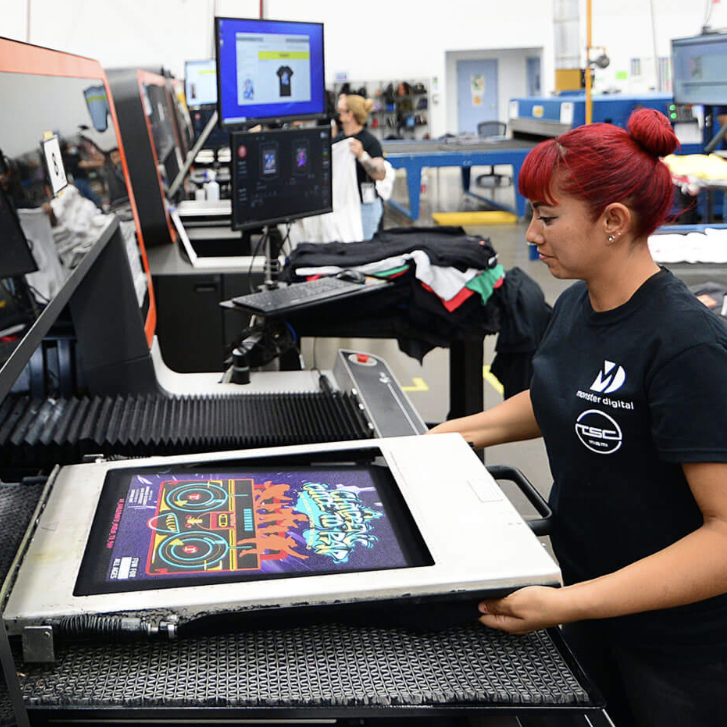
Today’s customers demand superior product quality, real-time data visibility, and lightning-fast turnaround times.
For large-scale garment decorators, managing these expectations while balancing seasonal demand fluctuations - such as the massive surges seen during Black Friday - presents a monumental challenge.
"Relying on transactional vendor relationships and outdated legacy equipment is no longer sufficient to secure long-term stability and growth.”

Printing method is never a secondary detail. It shapes the entire life cycle of a product, from concept to customer. In today’s fashion industry, where margins are tighter and speed matters more than ever, technical knowledge has become a competitive advantage.
“The future of textile design belongs to professionals who can combine creativity with execution, aesthetics with practicality, and vision with production reality”.