
Industry Insights & Opinion

Securing the Future of Creative Production: Key Insights from Our Latest Roundtable
The Security Case for Indentity Based Licensing
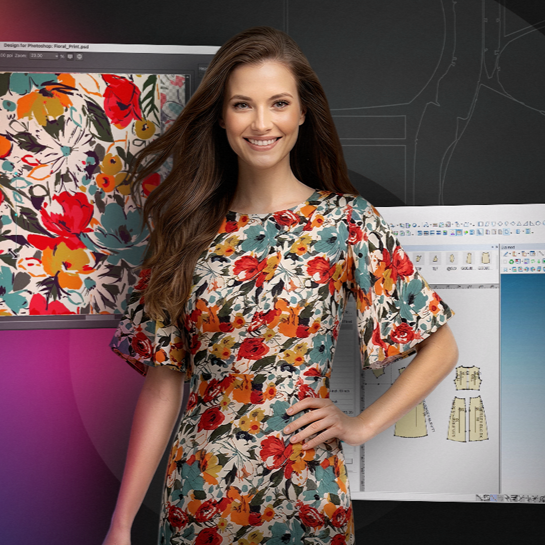
CASE STUDY: Connecting Design and Manufacturing Across Industries using NedGraphics X Optitex
The Future of Manufacturing belongs to those who Embrace Connected Digital Ecosystems
“Whether you produce garments, car interiors, or home furnishings, the transition from creative concept to production-ready product often remains fragmented. Design teams work tirelessly to develop compelling materials, yet technical teams struggle to interpret these visions without losing data along the way.”
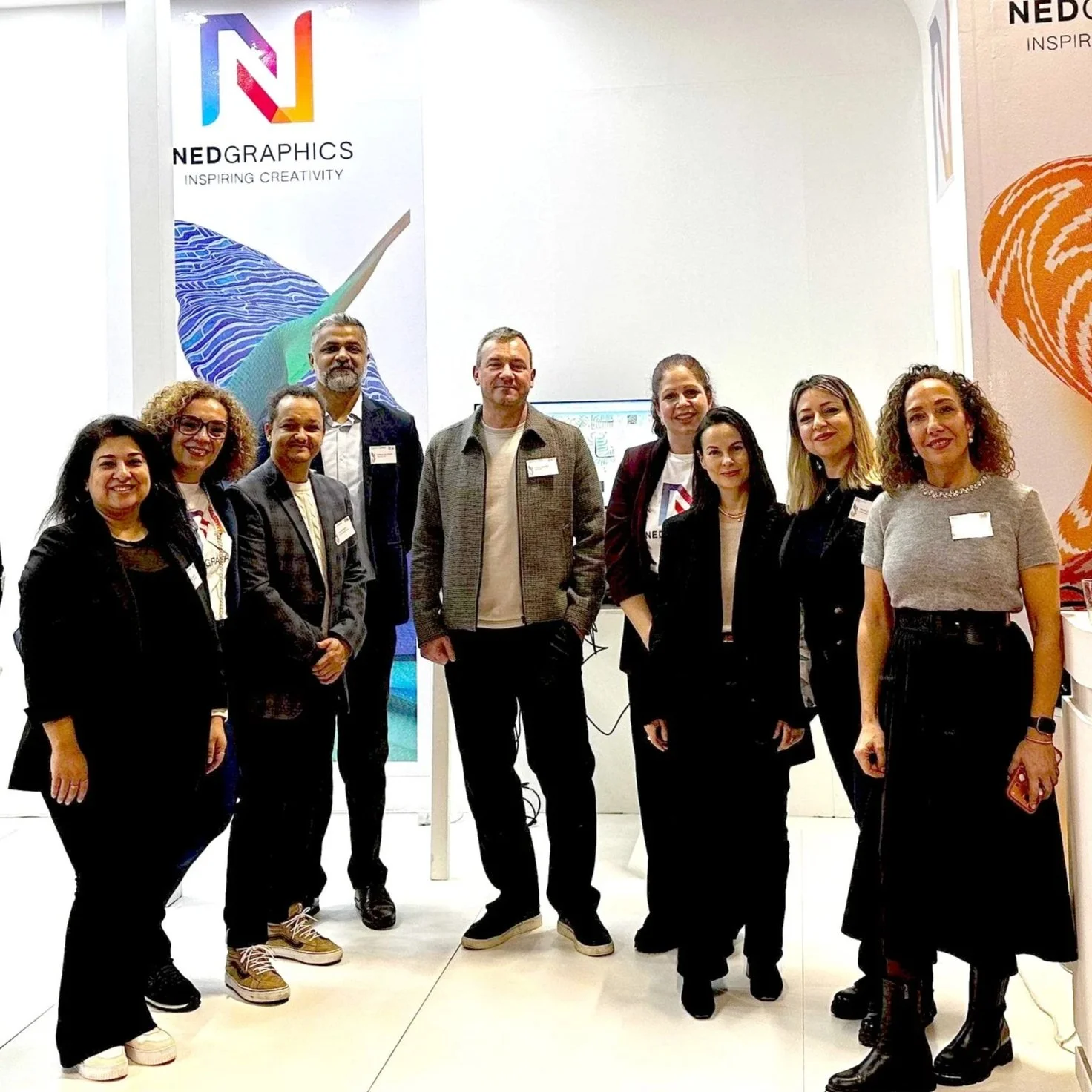
Heimtextil 2026 - At the Heart of a Changing Textile Industry - A NedGraphics Restrospective
For our community, the takeaway is clear.
Innovation does not happen in isolation. If you are serious about shaping the future of textile design and production, you need to be present where ideas, experience, and perspective converge. Engage in the conversations, build relationships beyond transactions, and invest in spaces that allow you to learn not just from technology, but from one another. That is where lasting progress is made.

CASE STUDY: Rethinking Software Licensing Models: It's Time to Evolve Beyond the Dongle
Is your software licensing model holding your business back?
For years, the industry relied on cumbersome hardware dongles and static license keys to manage access. We accepted them as a necessary inconvenience - a clunky but functional way to protect intellectual property.
The future of software licensing is not about locking down devices; it’s about empowering users. It’s time for a fundamental shift towards flexible, secure, and user-centric cloud solutions.

INDUSTRY DEBATE: How Smart Software paired with Print Technology is Transforming DTF
DTF printing has experienced explosive growth since 2019, transforming from a niche application to a mainstream solution
"Modern DTF software solutions have evolved far beyond simple print drivers. They now incorporate advanced colour management systems that can automatically adjust ink density based on design complexity, implement sophisticated rasterisation patterns that reduce ink usage whilst maintaining visual quality, and provide automated workflow tools that eliminate common operator errors" Michael Chramtchenko of Fiery.
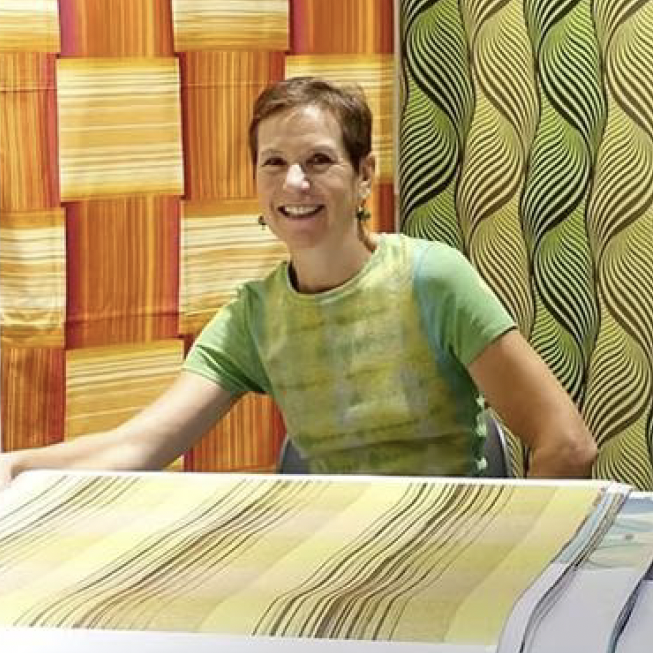
CASE STUDY: The Dynamic Design Trio: How Three Tools from NedGraphics Transform Textile Design
Isabelle Laurent has relied on this dynamic design trio since founding her studio in 2002. She scans hand-drawn designs, uses NedGraphics Color Reduction & Cleaning to prepare them, refines patterns in Design & Repeat, and creates multiple colorways with Easy Coloring. This workflow has sustained her career for over two decades, proving the power of investing in specialised tools.

INDUSTRY DEBATE: Leveraging Technology to Deliver Manufacturing Agility, Efficiency and Trust – A Panel discussion with NedGraphics, Adobe and Epson
The textile industry is at a turning point. Traditional manufacturing processes that have dominated for decades are giving way to sophisticated digital workflows that promise greater efficiency, sustainability, and precision. As global supply chains become increasingly complex and consumer demands shift toward personalisation and faster turnaround times, textile manufacturers must embrace technological innovation to remain competitive.

FESPA SPOTLIGHT: Exploring Cutting-Edge Textile Printing Innovation with Mike Scrutton on Adobe PDF Print Engine 7
At FESPA 2025 in Berlin, Adobe made waves with the launch of its Adobe PDF Print Engine 7 update, stacked with significant applications to support the print industry, and offering a powerful suite of tools set to further enable the automation of many mundane functions that the printer must execute in printed production. Through advanced automation, enhanced colour management, and support for sustainable practices, Adobe Print Engine 7 sets a new benchmark for digital printing capabilities.
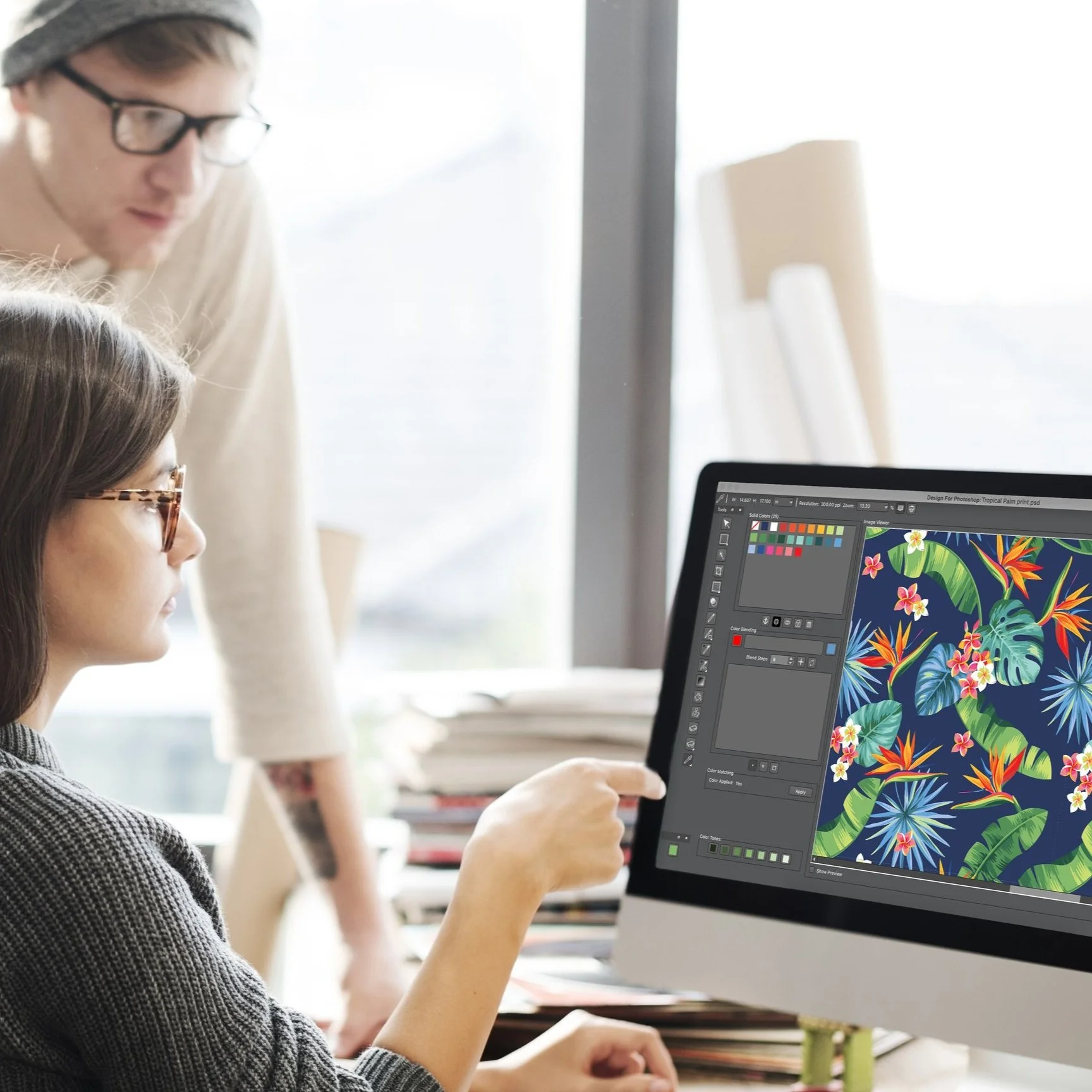
CASE STUDY: Transforming Textile Design with NedGraphics for Adobe® - Work Smarter, Create Faster, and Communicate Better
For many textile and fashion designers, balancing creative expression with operational efficiency is a considerable challenge. Traditional design workflows are often plagued by repetitive manual tasks, siloed tools, and inefficient communication between designers and manufacturers. These issues result in extended timelines, costly errors, and wasted resources, particularly during sampling and production.