
75 YEARS IN TEXTILE PRINT - HOW ELLEBI AND LARIOSETA EVOLVED ALONGSIDE EPSON DIGITAL TEXTILE TECHNOLOGY
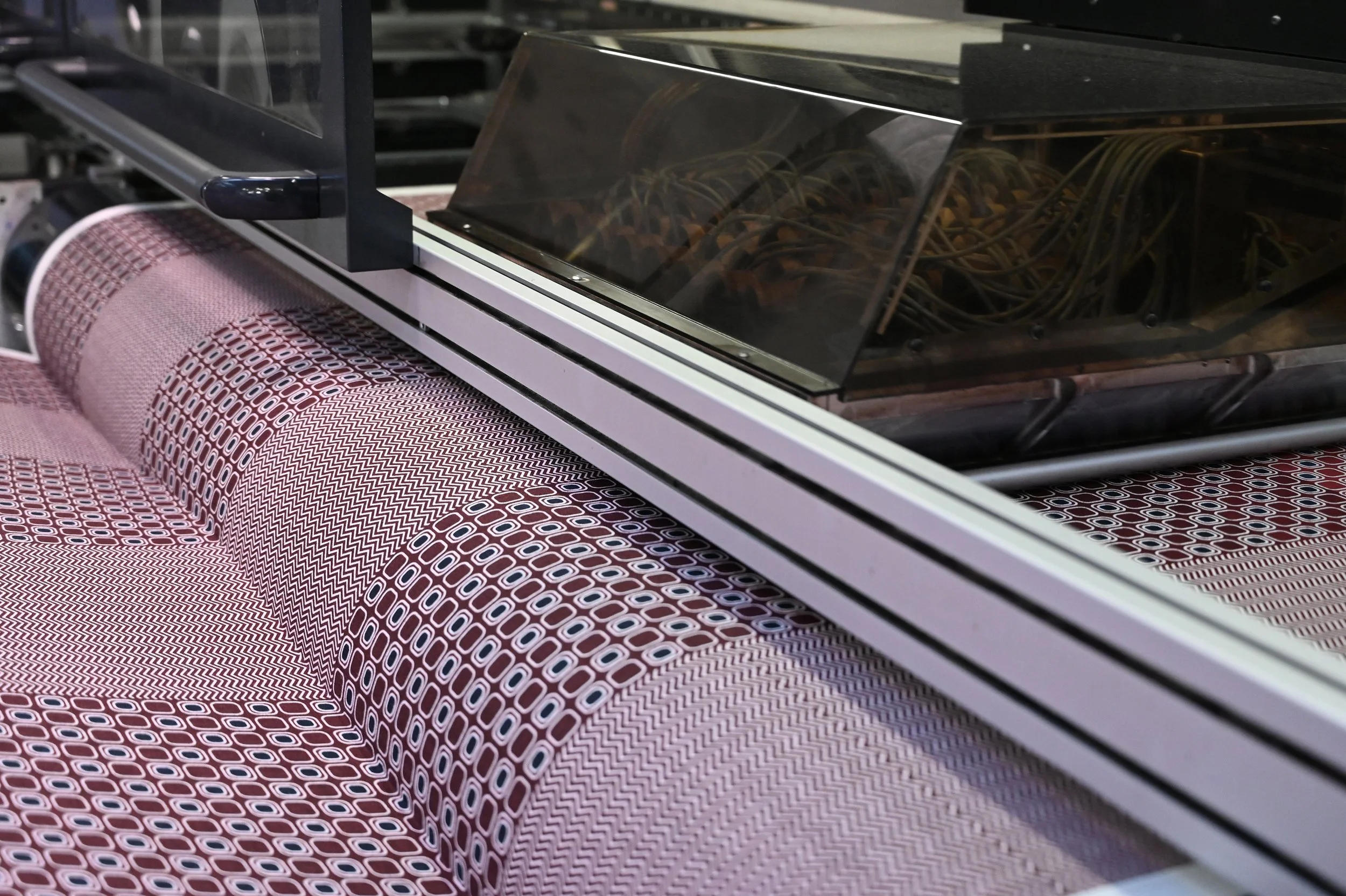
“As digital technology has evolved, Ellebi have invested for success and have gradually over time and in-line with technical advances from Epson, switched to offer high volume digital production. The company now manufactures all digital production using Epson digital textile printing equipment. They have multiple generations of Monna Lisa machines, all of which have served them well producing many thousands of metres of beautiful fabrics over the years.”
The brands Ellebi & Larioseta form a luxury textile printing company, based just south of Como, Italy.
Founded in 1945, by Eugenio Barbieri the company remains a family business to this day and has over the years grown into a vibrant business that’s world renowned for textile excellence, providing high quality printing onto beautiful fabrics alongside high quality design.
With over 75 years of experience, the company holds an extensive archive of production knowledge, alongside a vast archive of vintage designs. With a loyal customer base, ranking amongst which are many of the worlds’ luxury brands, their customers value Ellebi’s expertise, creative vision and their reputation for premium print.
Founded in 1945, initially using flat-bed printing, the company has transitioned as technology has evolved and is renowned for their beautiful, printed silk scarves and accessories which are sold worldwide. In 1974, the business relocated to a purpose-built factory in Como. Here they expanded production to increase capacity and their business grew further to serve premium clients in the US, Europe and the UK. These were the days of high-volume production in the West, and the company enjoyed many years of success.
In the late 90’s across the globe printed production began to switch to the East.
Across many continents, this momentous market shift, decimated the local manufacturing communities but at Ellebi – it was once again time to innovate and to switch production capacity in line with market demands.
With a reputation for premium quality – Ellebi held onto their market share by evolving to offer premium quality, printed fabrics with provenance. Italian textiles, deservedly, have a strong reputation for quality and when twinned with premium design and production, the company had a winning value proposition.
Ellebi then looked to alternate technology to secure a new future which would allow them to react to their clients’ needs at speed, whilst retaining high quality production.
Their journey into digital textile printing began – and as early investors they have pioneered new technologies in collaboration with Epson.
Purchasing their first Monna Lisa digital printing machine from Epson in 2007 the company have over the last 14 years built an impressive digital textile printing facility in the heart of Italy’s textile district.
As digital technology has evolved, Ellebi have invested for success and have gradually over time and in-line with technical advances from Epson, switched to offer high volume digital production. The company now manufactures all digital production using Epson digital textile printing equipment. They have multiple generations of Monna Lisa machines, all of which have served them well producing many thousands of metres of beautiful fabrics over the years.

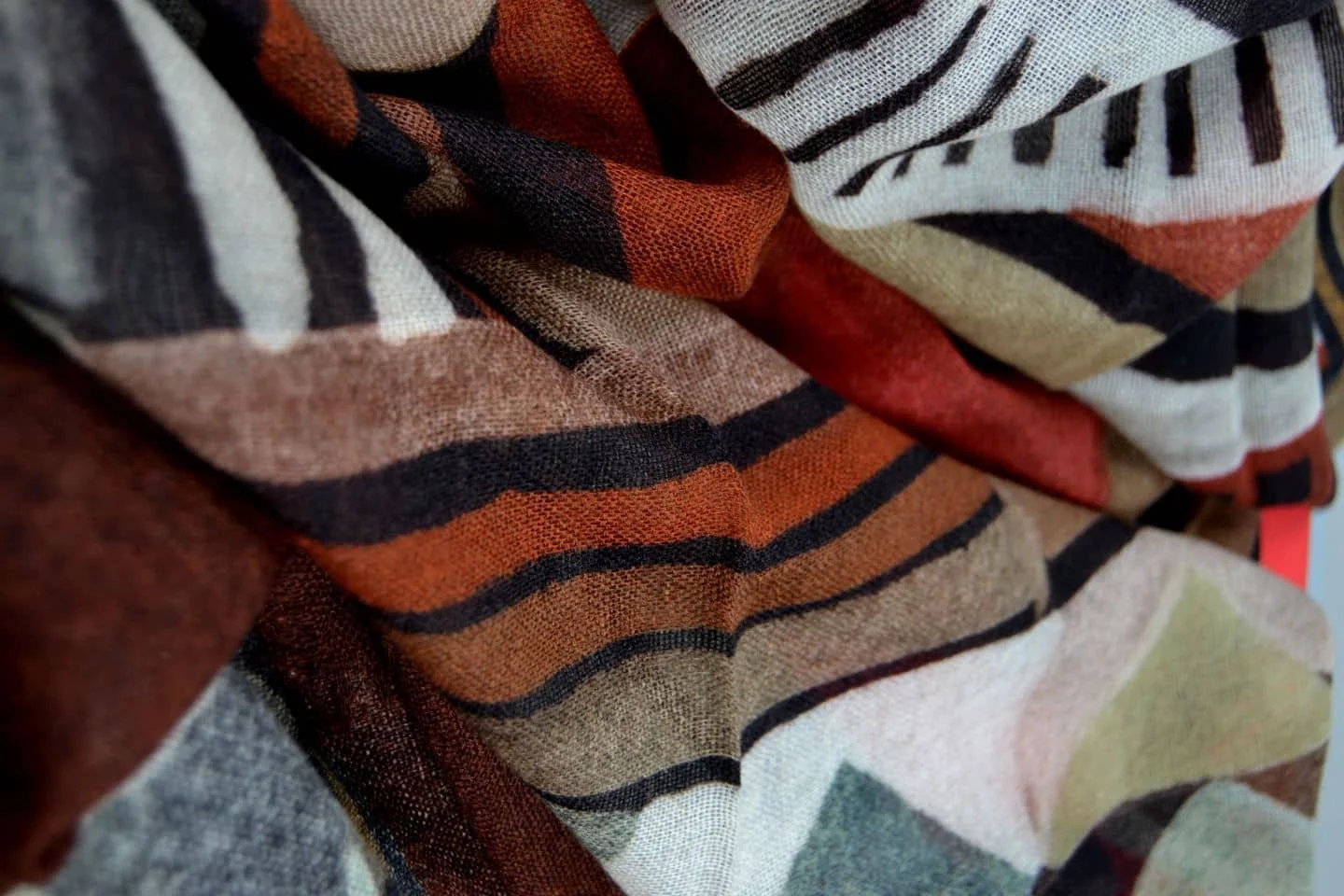
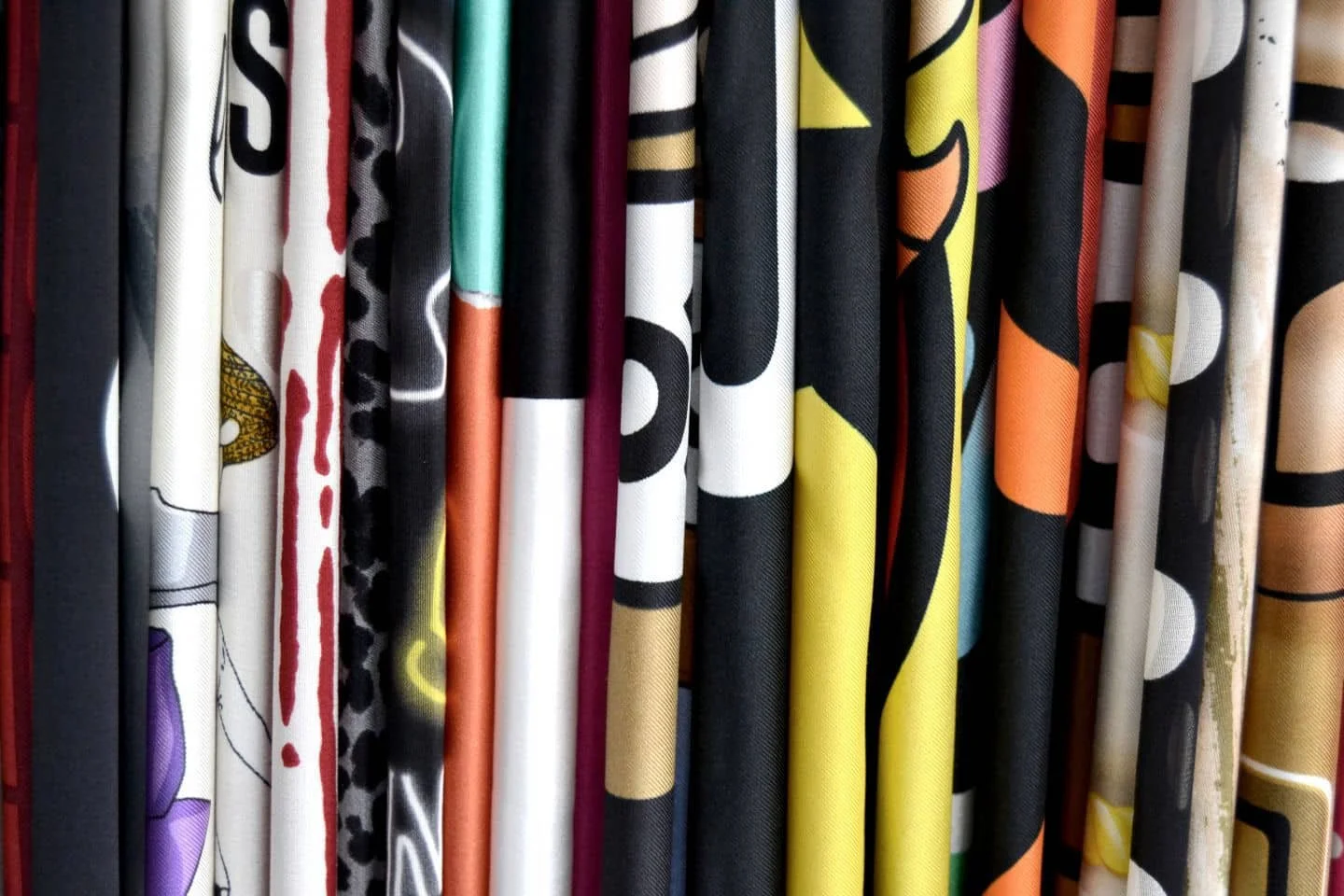
During this time the markets for printed textiles have evolved yet again.
Customers now demand personalised, customised production at variable volumes – on demand. Lead times are now days, not weeks, as the market shifts in-line with consumer demand and AI buying behaviours. The speed with which design and orders are originated continues to accelerate, and the reactive speed of the manufacturer is absolute in this process.
It’s a tribute to the early vision and Ellebi’s management team and their pioneering innovation, that the company are now perfectly placed to serve the ever-evolving textile marketplace. With an esteemed knowledge and textile legacy, their production facility now manufactures some 12,000m of printed textiles per day. The factory has evolved with digital technology, and the ancillary machinery (pre and post-production) required for volume production has been adapted and developed over the years to assure technical efficiency.
Going further, Ellebi have also continually invested in a sustainable future.
The facility has its own water source, which is protected, and all water is cleaned post use and returned to the water table. Energy too is efficient – the site holds many solar panels which generate some, but not all, of the electricity required. The remainder is supplied by a purpose-built generator onsite. Steam and heat, generated during manufacturing, are also harnessed throughout the site to ensure that the facility is as efficient and environmentally responsible as possible.
Ellebi’s manufacturing facility is built to secure a successful future.
It is a shining example of technology utilised in parallel with market demands and signposts a new future for the Textile industry. A future that is vibrant, efficient and sustainable.
Equipped with access to the latest technologies Ellebi’s customers can thrive. Volumes can be adapted at speed to meet sales and drive new growth organically. Volume stock is no longer required, by working closely with Ellebi, printed production can be fine-tuned to meet sales on-demand.
Ellebi’s commission printing business supports both large, luxury brands and small entrepreneurial business around the world. Digital technologies and the availability of on-demand production have democratised the Apparel marketplace which is evolving at pace. New creatives and established designers have also adapted alongside technology - as can be seen in the variety and growth of fashion brands now trading online.
Investing in ecommerce, Ellebi also offer a wide selection of beautiful, printed scarves and accessories for sale online, under the brand name Larioseta. Here designers can also access the extensive design archive for commission printing and tailor designs to suit their own brand identity and audience.
As leading supplier of luxury printed textiles, Ellebi have successfully harnessed their textile heritage, and industry knowledge, to redefine a new future for the textile industry. In doing so - securing the future of their family, employees and the Como textile district.

A Century of Textiles, and an Ever-changing World
Few companies can trace their roots back more than a century and still count themselves among their industry's innovators. Texia, headquartered in Monistrol de Montserrat, Spain, is one of them.
But the story of Texia is not simply one of longevity.
It is a story of continual reinvention. As the textile industry has grown more global and competitive, Texia has repeatedly reshaped its business, investing in technology, developing its own brands, and placing sustainability at the centre of its mission. In doing so, it offers a compelling example of how a heritage manufacturer can lead rather than follow through a period of profound industry change. Image Credit: Texia

Print is no longer defined by the inefficiencies that once characterised it…as advances in production processes and technology have significantly improved its environmental performance.
Taran Rai, Corporate Sustainability Manager at Epson explains why?
Is the Textile Market Finally Recovering?
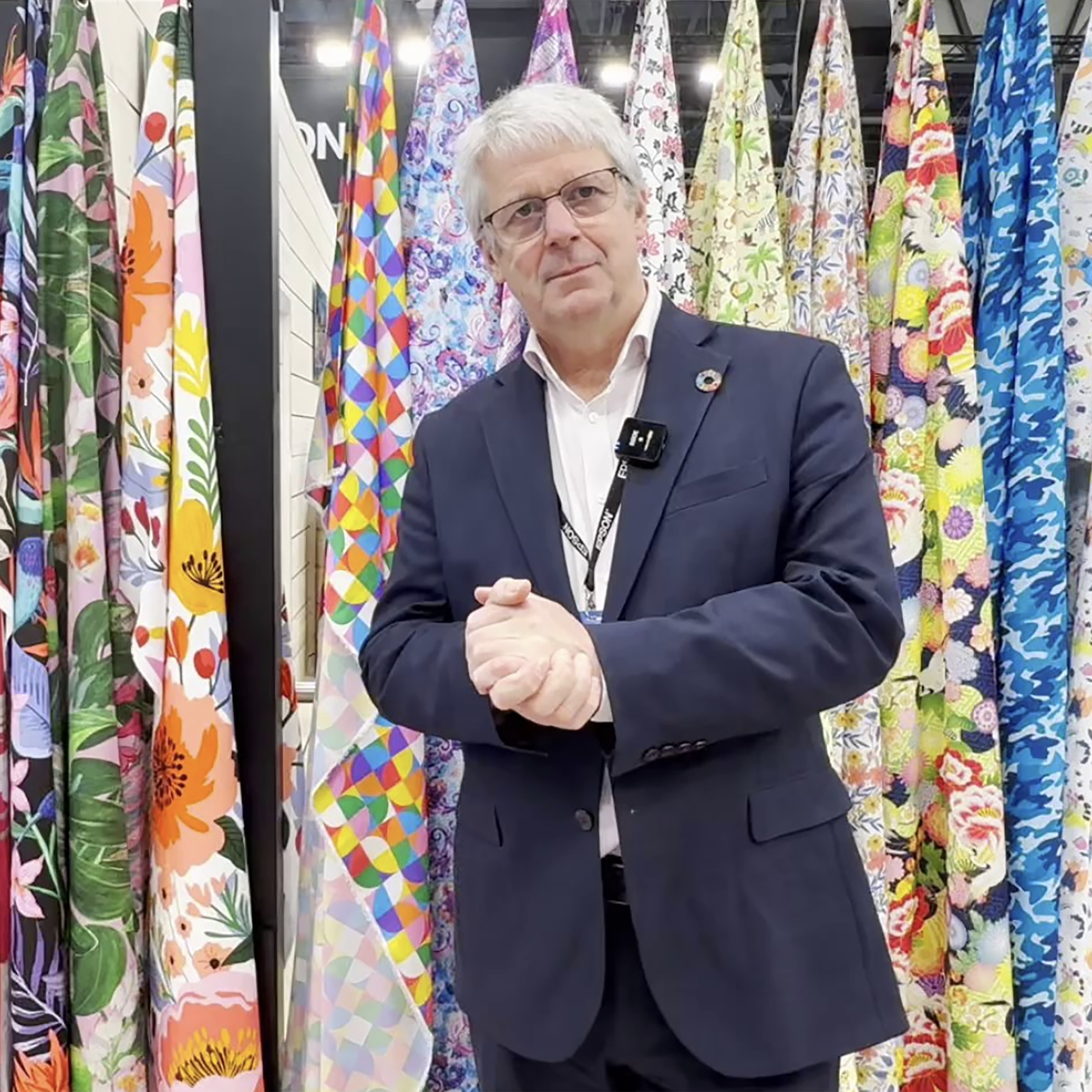
After a difficult few years, there are genuine reasons for optimism. Duncan was candid about the challenges: "The market for textiles has been very difficult over the last three years. I'm not going to hide the truth there. But the tide is turning.“

“By leveraging advanced digital textile printing, Marylene Madou has successfully merged traditional craftsmanship with cutting-edge technology. Her approach offers a blueprint for how independent designers can scale their brands globally while maintaining a minimal environmental footprint.”

The European digital wallcovering marketplace is expanding at an impressive rate.
“For print professionals and interior designers, this transition presents a distinct set of challenges. Achieving flawless colour consistency, managing complex substrates, and meeting stringent environmental standards are no longer optional extras; they are fundamental requirements for commercial success.”
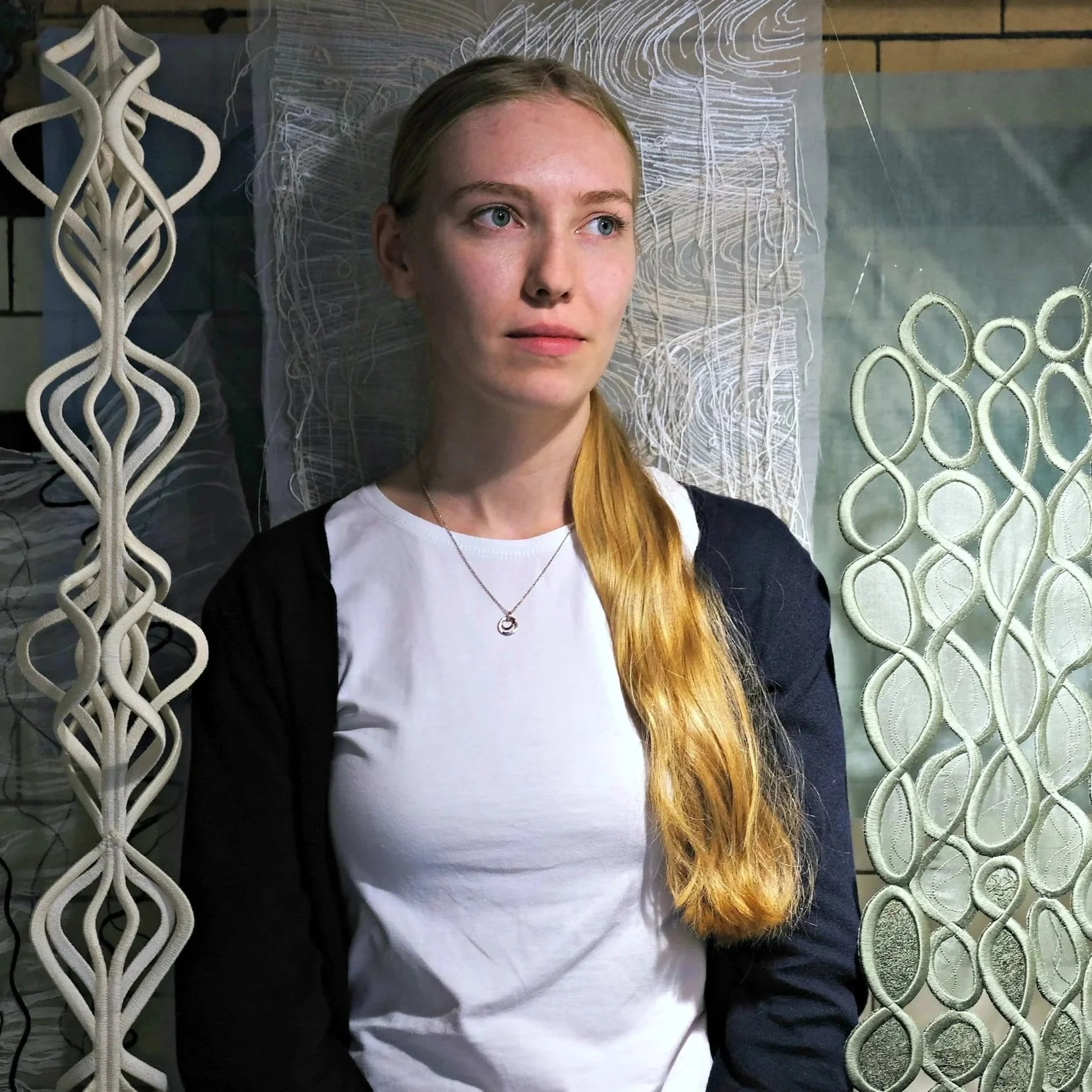
The industry cannot afford to ignore the next generation. These graduates are not just seeking employment; they are offering solutions to the problems that established firms are scrambling to solve.
The GREENGRADS exhibition at the Surface Design Show is a testament to the power of education and the necessity of hope. By attending, you are not just viewing products; you are supporting a movement towards a cleaner, more ethical built environment.

“Each of our Green Grads – and we now have 250 listed on our website – has their unique suggested way of dealing with the environmental challenges the world faces today. “Research by the British Retail Consortium shows that consumers/clients now put sustainability right at the top of their buying criteria.” Barbara Chandler

Join the Textile Innovation Event
This knowledge-sharing event brings together industry professionals to explore the key technologies and trends driving sustainable textile manufacturing. It provides a crucial opportunity for anyone in the fashion, textile, and design sectors to understand how to prepare for a changing landscape and secure a more sustainable future.
This event's significance extends far beyond networking—it represents a crucial opportunity for industry stakeholders to understand how emerging technologies and regulatory changes can and will transform challenges into competitive advantages.

GREEN GRADS is a platform celebrating new graduates with ideas to heal the planet.
Support the GreenGrads: The Great Northern Contemporary Craft Fair runs from 16-19 October at Victoria Baths, Manchester. This isn't just an opportunity to see beautiful objects or meet talented designers—it's a chance to support the fundamental transformation of how we make and use things.

The textile industry is at a turning point. Traditional manufacturing processes that have dominated for decades are giving way to sophisticated digital workflows that promise greater efficiency, sustainability, and precision. As global supply chains become increasingly complex and consumer demands shift toward personalisation and faster turnaround times, textile manufacturers must embrace technological innovation to remain competitive.

What makes this relationship unique is its foundation in shared problem-solving, rather than traditional supplier relationships. As Nakazato describes it: "We are both fashion designers and engineers, working together as a collaborative, experimental team..."

“Printing technology is evolving rapidly, and staying ahead requires both innovation and adaptability”
Digital garment decoration offers the print industry an accelerating commercial opportunity. It has become a core business segment driven by increasing demand for personalisation, quick turnaround times, and sustainability. Yet, with growth comes challenges. Rivera sheds light on how Fiery and Epson are partnering to not just address these challenges, but also lead innovation in this space.

DTG and DTFilm each have their strengths, but the best part? You don’t have to choose between them. Epson’s SureColor F1000 and F2200 printers let you seamlessly switch between DTG and DTFilm, so you can take on a wider range of jobs and expand your product offerings without extra equipment or complicated setups.

“The transition to a circular fashion and textile industry is no longer optional – it is a necessity to secure the future of both our environment and our economy. The Circular Manufacturing Report highlights a major shift towards circularity in the textile and apparel industry”
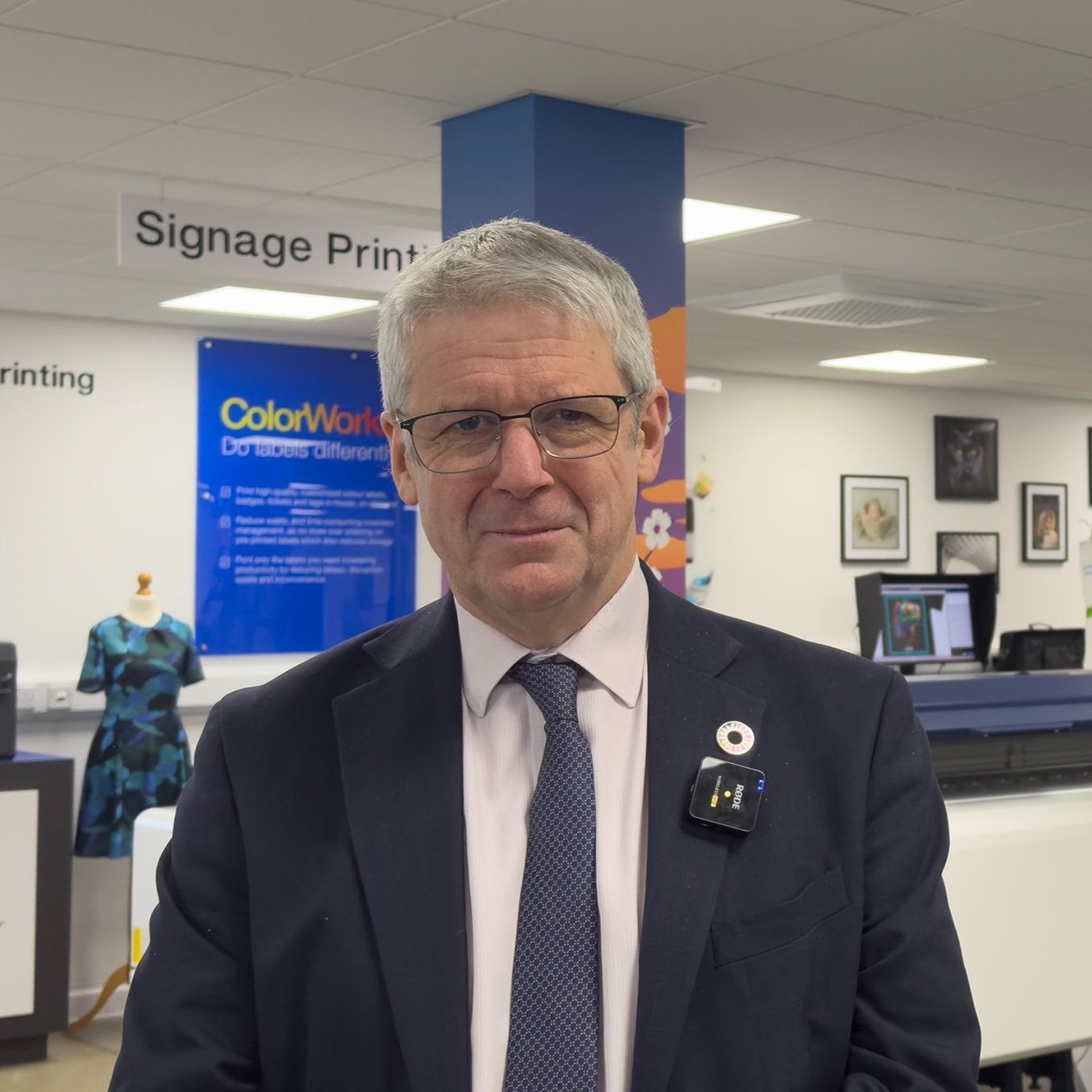
“The global printing industry is at a pivotal moment of transformation, with digital technology, sustainability, and new generations of talent reshaping the landscape…”
To explore these exciting changes, we spoke with Duncan Ferguson, Vice President of Commercial and Industrial Printing at Epson, during a live Texintel interview.
Duncan shared invaluable insights into the challenges and opportunities the industry faces, as well as the role Epson is playing in this evolution.
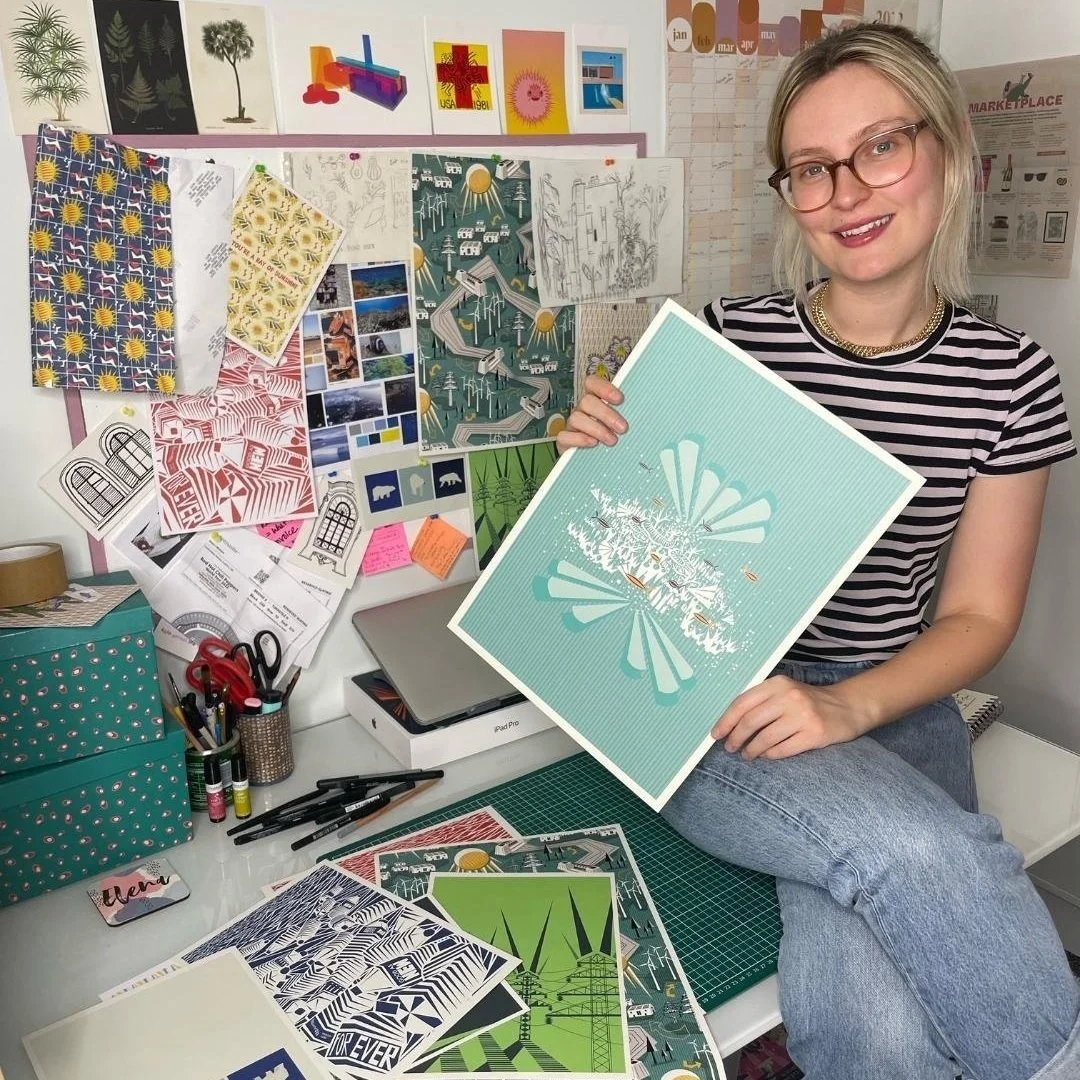
*GREEN GRADS is a platform celebrating new graduates with ideas to heal the planet.
“Each of our Green Grads – and we now have 200 listed on our website – has their unique suggested way of dealing with the environmental challenges the world faces today. “Research by the British Retail Consortium shows that consumers/clients now put sustainability right at the top of their buying criteria.” Barbara Chandler

Supporting the Next Generation of Designers is Key to a Sustainable Print Industry:
The textile industry is undergoing rapid transformation, a transformation that is currently out pacing the transfer of knowledge. Sustainability, innovation, and digital proficiency have become non-negotiable for commercial success for all professionals in this space. A space in which the next generation of designers are uniquely positioned to drive change - making it essential to support and nurture their potential if we are to build a sustainable and thriving future for the print industry.

On-demand capabilities focus on the ability to produce items quickly and efficiently in smaller batches…
“Personalised fashion goes a step further, requiring not only on-demand efficiency but also advanced technologies to support the design and manufacture of infinite product and print variables.
This distinction highlights that while on-demand production is a backbone of modern manufacturing agility, personalisation adds an additional layer of complexity and innovation.” Guy Alroy | Early.Vision
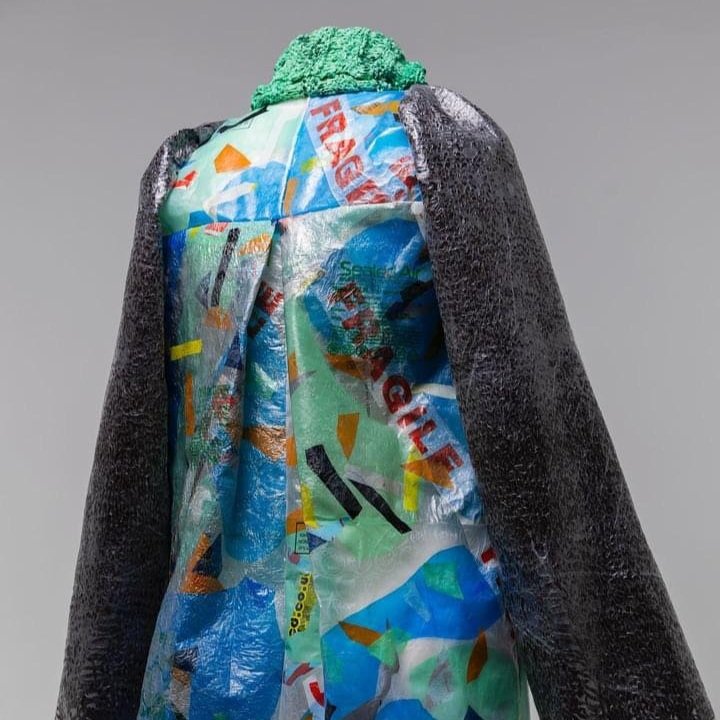
“For this revealing show, six graduates have been carefully chosen for their common commitment to sustainable design and production, spotlighting natural fibres, dyes and biomaterials, with ways to cut waste, water and energy, plus other innovative eco-friendly techniques. Find projects by assured new professionals at the very cutting edge of textiles today. “

“Each of our Green Grads – and we now have 200 listed on our website – has their unique suggested way of dealing with the environmental challenges the world faces today,” says founder/curator Barbara Chandler“

“As the digital printing industry forges a new path for sustainable growth, companies like Kornit Digital are utilising innovation and collaboration to disrupt traditional markets like home décor. As we look ahead, it's clear that this shift to a more sustainable, transparent, and customer-focused model offers a viable, creative and strategic future for the print industry and the creator economy.”

“Epson is a formidable competitor as a printer manufacturer. They have also leveraged their technology across a range of industries, including textiles, and plan to increase that diversification even more. The acquisition of Fiery can’t help but accelerate this process, as they, hopefully, bring Fiery’s OEM partners into their network. ” Writes Cary Sherburne - WhatTheyThink

“Awarding talent, offers the graduates vital encouragement and validates their hard work. This year Staffordshire university graduate Seren Unlu won the Epson Digital Textile Printing Award for her beautiful, vibrant, colourful collection that stunned all five of the judges Seren’s work is bright, bold and beautiful. She has used digital technologies to enhance her creativity and to manufacture a range of products that showcase her talents.”
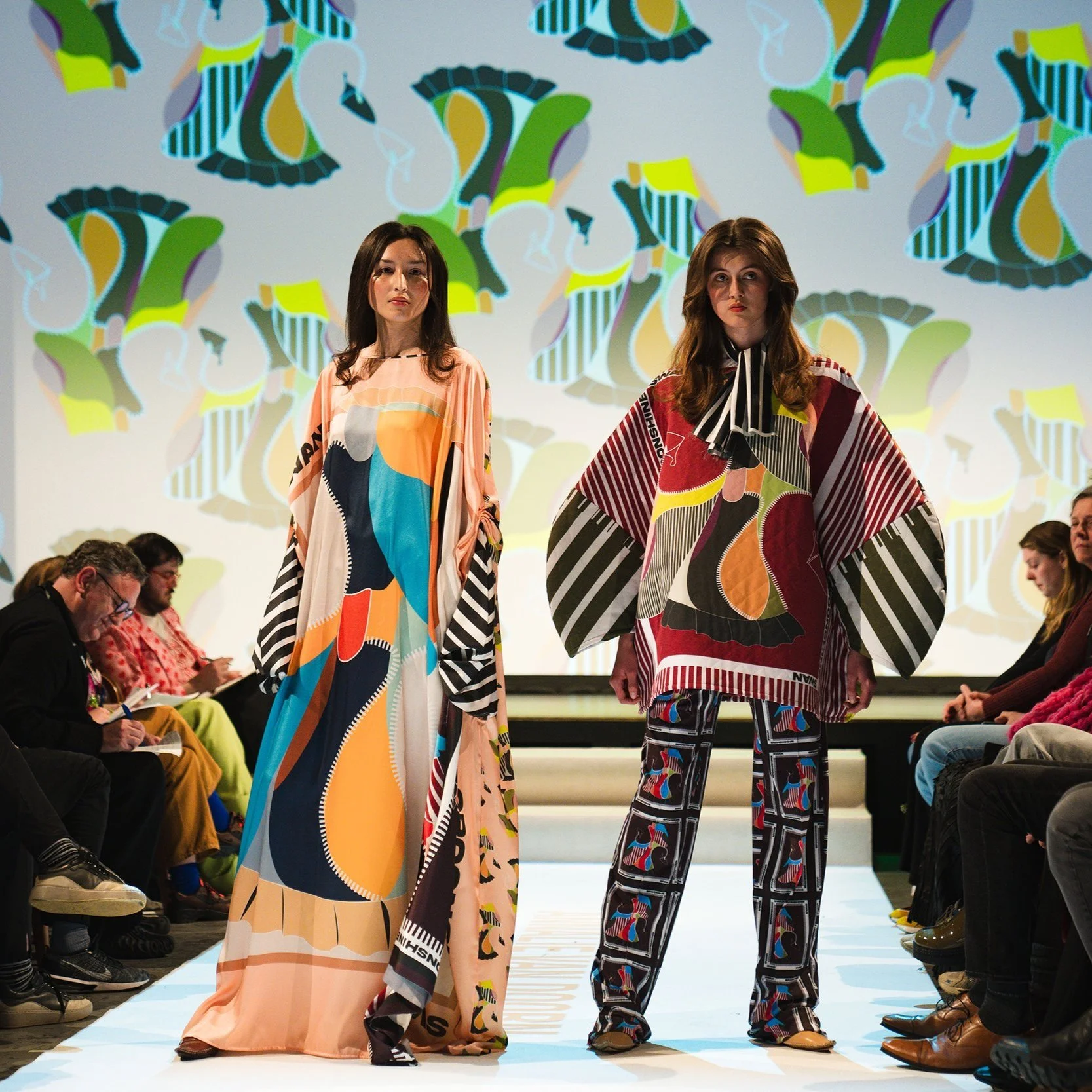
“The 2024 Epson Design Awards honoured outstanding creativity, unity, and progressive thinking in fashion design across the Benelux region. With inclusivity and diversity at the forefront, designers from various backgrounds converged to showcase their talents and ingenuity in a celebration of artistry and innovation. In collaboration with LABELEDBY., the competition, once again, served as a strategic platform for emerging designers to amplify their voices and push the boundaries of conventional design.”

“Japanese fashion designer Yuima Nakazato remained focused on innovative, environmental sourcing and sustainability for his latest couture Spring/Summer 2024 fashion collection. For the third year, Epson and the talented Nakazato fashion house have collaborated to foster the use of environmentally friendly solutions in the fashion industry, through the use of advanced technologies, leveraging Epson printing technologies alongside Epson’s innovative Dry Fibre Technology.”

“As we enter this new industrial revolution, it's crucial to explore how Industry 5.0 is set to transform the fashion industry, reshaping everything from design and production processes to consumer engagement and sustainability practices. This article delves into the heart of Industry 5.0, tracing its roots from previous industrial revolutions to its current incarnation, and examines its transformative impact on the fashion world.

“As we progress towards more sustainable practices, Thomas urges industry players to make informed decisions—learn about what they buy, understand customer preferences, and choose sustainable materials and partners. He envisions a future where the industry is dotted with digital manufacturing hubs, leading to significant environmental benefits across multiple textile market sectors.” Debbie McKeegan - FESPA Textile Ambassador

“Pioneering in 3D digital product creation, Iarocheski developed a unique production model based on digital technology. Designs were created in 3D, with the physical product only produced once the digital version was sold. This innovative approach not only addressed the problematic stock issue but also significantly reduced in-house waste.” Debbie McKeegan - FESPA Textile Ambassador
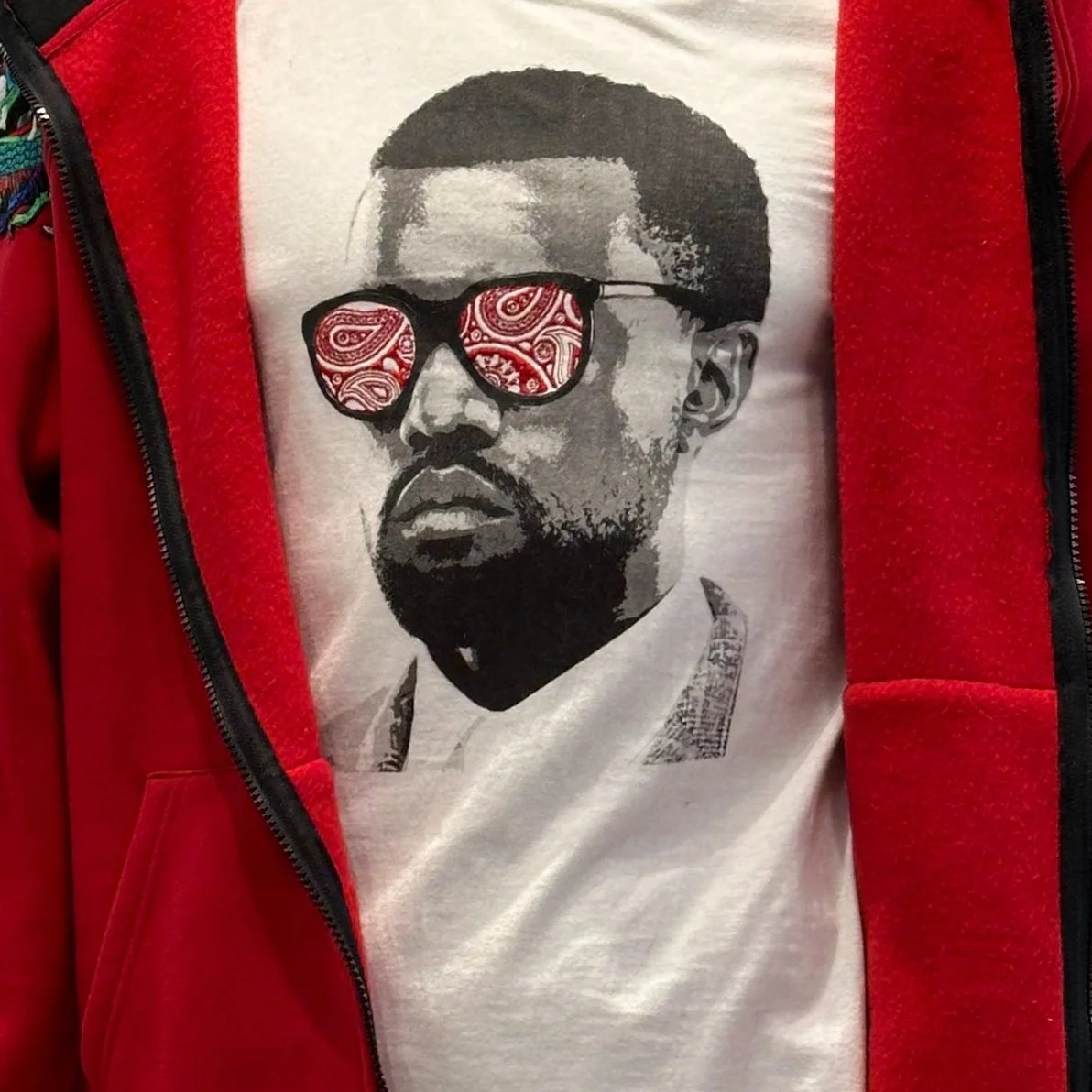
“DTF is set to not only sustain its position as a viable keystone in textile customisation but also evolve into an even more versatile, sustainable, and user-friendly technology, shaping the future landscape of the garment decoration industry.” Debbie McKeegan - FESPA Textile Ambassador
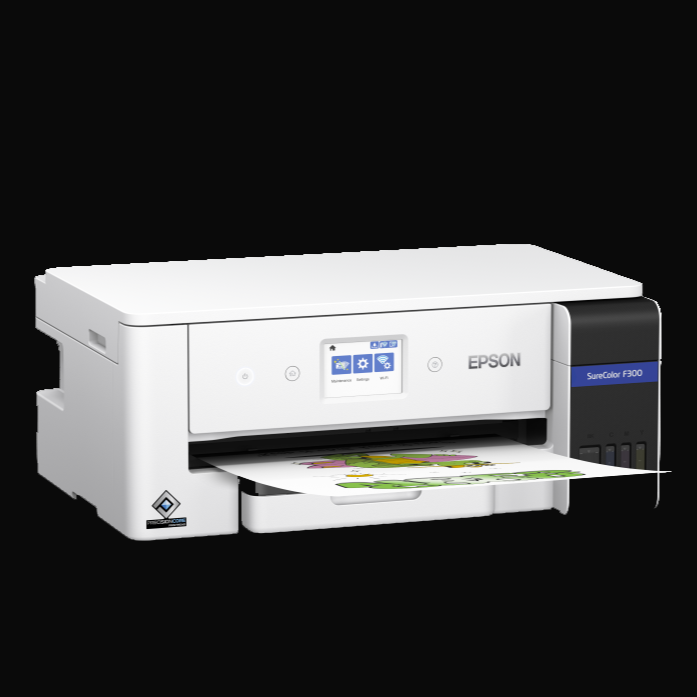
September 2026 - Epson today announces the SureColor SC-F300, a new A3 dye-sublimation printer designed to help small businesses and growing personalisation providers produce professional-quality output with a compact, user-friendly workflow.
The SC-F300 is positioned to help users broaden their product offering – supporting expansion from A4 into

Tokyo, Japan – September 2026 – Seiko Epson Corporation today announced the launch of CONTOURJET, a new brand for its Direct-to-Shape Printing System, combining Epson's proprietary inkjet and robotics technologies to meet the growing global demand for decorating complex three-dimensional objects.
Under the CONTOURJET brand, Epson will deliver a total solution encompassing enhanced system performance, inks, related software, implementation support, and maintenance services.
The offering is designed to help customers improve efficiency in decoration processes, reduce environmental impact, and unlock a wider range of creative designs.

Peterborough -September 2026 – Snuggle, a leading trade fulfilment provider, has today announced it is the first company in Europe to install three Epson G9000 DTF systems, marking a significant expansion of its production capacity to meet surging demand from trade customers across the UK and Europe.

LOS ALAMITOS, Calif. – September, 2026 – Epson will showcase its latest digital printing solutions at PRINTING United Expo 2026, the annual event bringing together the print industry to explore the latest innovations in commercial, apparel, packaging, wide-format and specialty printing.
Taking place Sept. 23-25 at the Las Vegas Convention Center in Las Vegas, Nevada, Epson will introduce new solutions for textile applications and showcase its extensive portfolio of commercial, industrial and business inkjet solutions.

Amsterdam, Netherlands – September 2026 – Dutch fashion designer Tess van Zalinge and Epson Europe have unveiled a limited-edition scarf collection to mark the tenth anniversary of the Tess van Zalinge label.
The collaboration demonstrates the creative and environmental possibilities of digital textile printing, while giving new life to archive designs spanning a decade of the label's history.
The collection revisits three archive prints selected by Van Zalinge from collections created over the past ten years

Colour Is Too Important to Leave to Chance
Print will always be the part of the garment people see first.
But the sum of all parts — the fabric, the trims, the fasteners, the finish — is what determines whether a design actually delivers on its promise. Brands that continue to treat colour as a single creative decision, rather than a coordinated technical discipline spanning their entire supply chain, will keep paying for it in re-dips, delays, and disappointed design teams.
A Century of Textiles, and an Ever-changing World
Few companies can trace their roots back more than a century and still count themselves among their industry's innovators. Texia, headquartered in Monistrol de Montserrat, Spain, is one of them.
But the story of Texia is not simply one of longevity.
It is a story of continual reinvention. As the textile industry has grown more global and competitive, Texia has repeatedly reshaped its business, investing in technology, developing its own brands, and placing sustainability at the centre of its mission. In doing so, it offers a compelling example of how a heritage manufacturer can lead rather than follow through a period of profound industry change. Image Credit: Texia
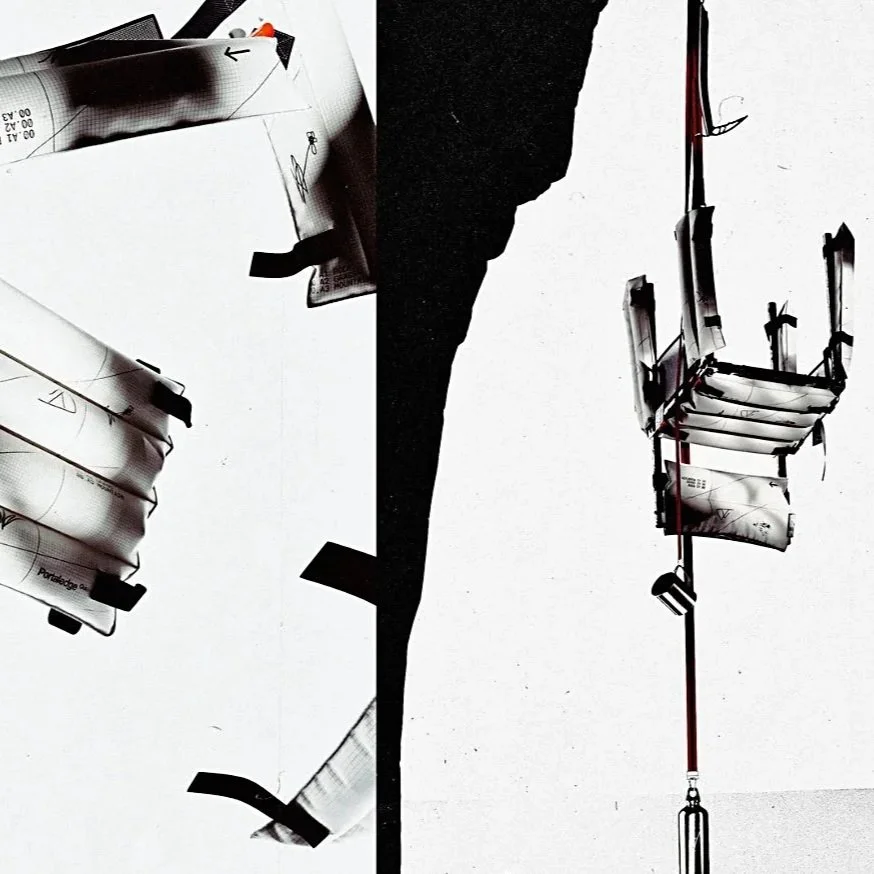
What are we craving Ultimately?
The instinct to slow down while simultaneously optimising every measurable aspect of life isn't a passing curiosity. It's a structural response to a world that feels increasingly unstable, and it's reshaping what people expect from their homes, hotels, workplaces and healthcare environments alike.
For the design and manufacturing sectors, this means rethinking both product and process.
The Structual Shift is Real and its Already Here
Volumes are moving east, where digital production is accelerating rapidly. Consumer behaviour has shifted.
Demand is now driven by personalisation, shorter buying cycles, and an expectation of near-instant responsiveness. Regulatory pressure is intensifying, with supply chain transparency now a legal and commercial fact in many markets. And margins? They are under sustained, structural pressure.
This is not a temporary disruption. It is a fundamental reordering of how textile manufacturing must operate.

The Challenge: Standing Firm as the Industry Shifts
The wallpaper landscape has changed dramatically. Digital printing has lowered the barrier to entry, spawning countless direct-to-consumer brands and pushing much of the market towards faster, cheaper production.
At the same time, manufacturing in the UK has grown steadily harder - rising minimum wage, national insurance, energy and substrate costs all bear down on margins. Surface Print have embraced all of these challenges - and stand resolutely prepared for the future.
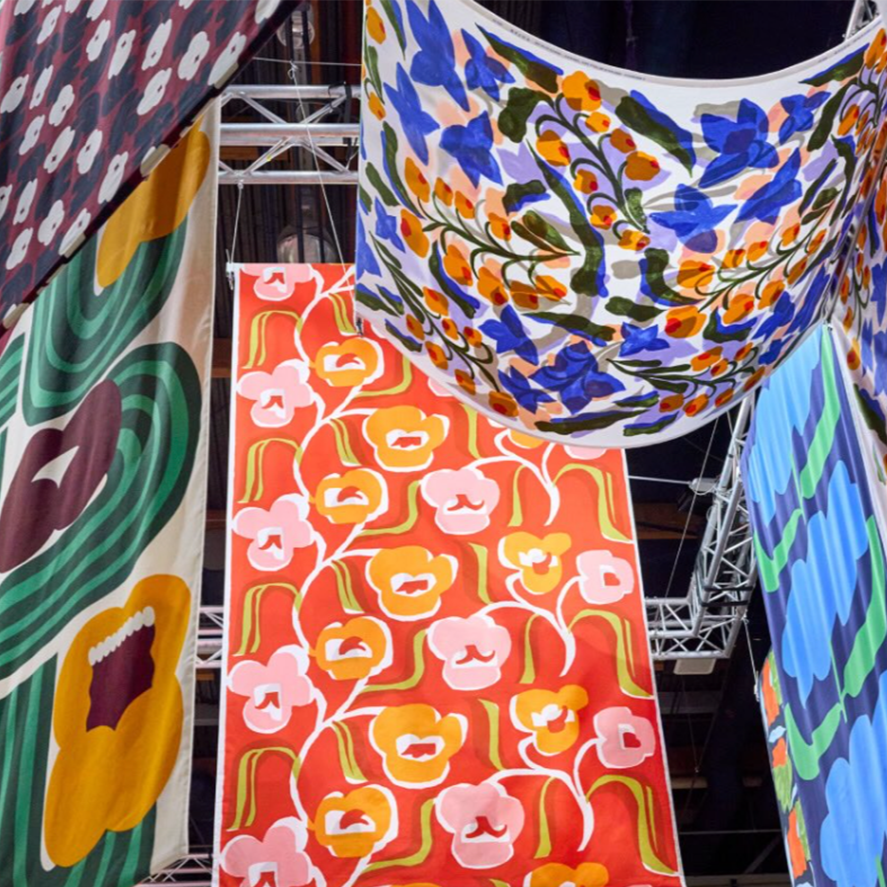
From Helsinki's printing mill to Paris's Le Marais, discover how Marimekko is scaling a design-led brand with purpose, craft, and bold innovation.
But what makes Marimekko's story compelling is not just its aesthetic legacy?

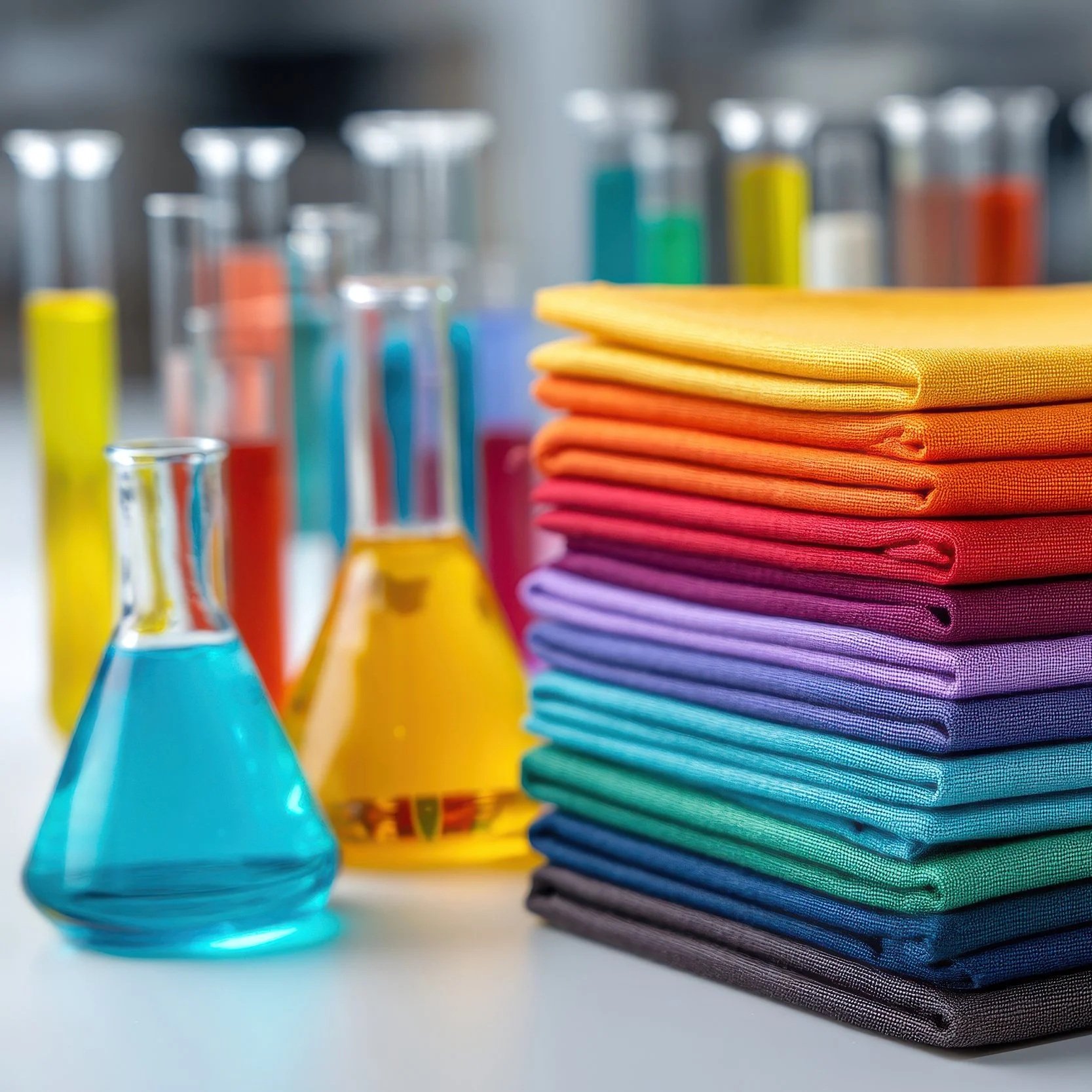
The word "toxic" carries weight. It conjures danger, harm, and things best avoided.
“Yet in the textile industry - Where between 3,000 and 10,000 chemicals move through the supply chain, a reflexive fear of the term is one of our biggest obstacles to progress.”
This article distils the key takeaways and what buyers, designers, and brands should be asking right now.
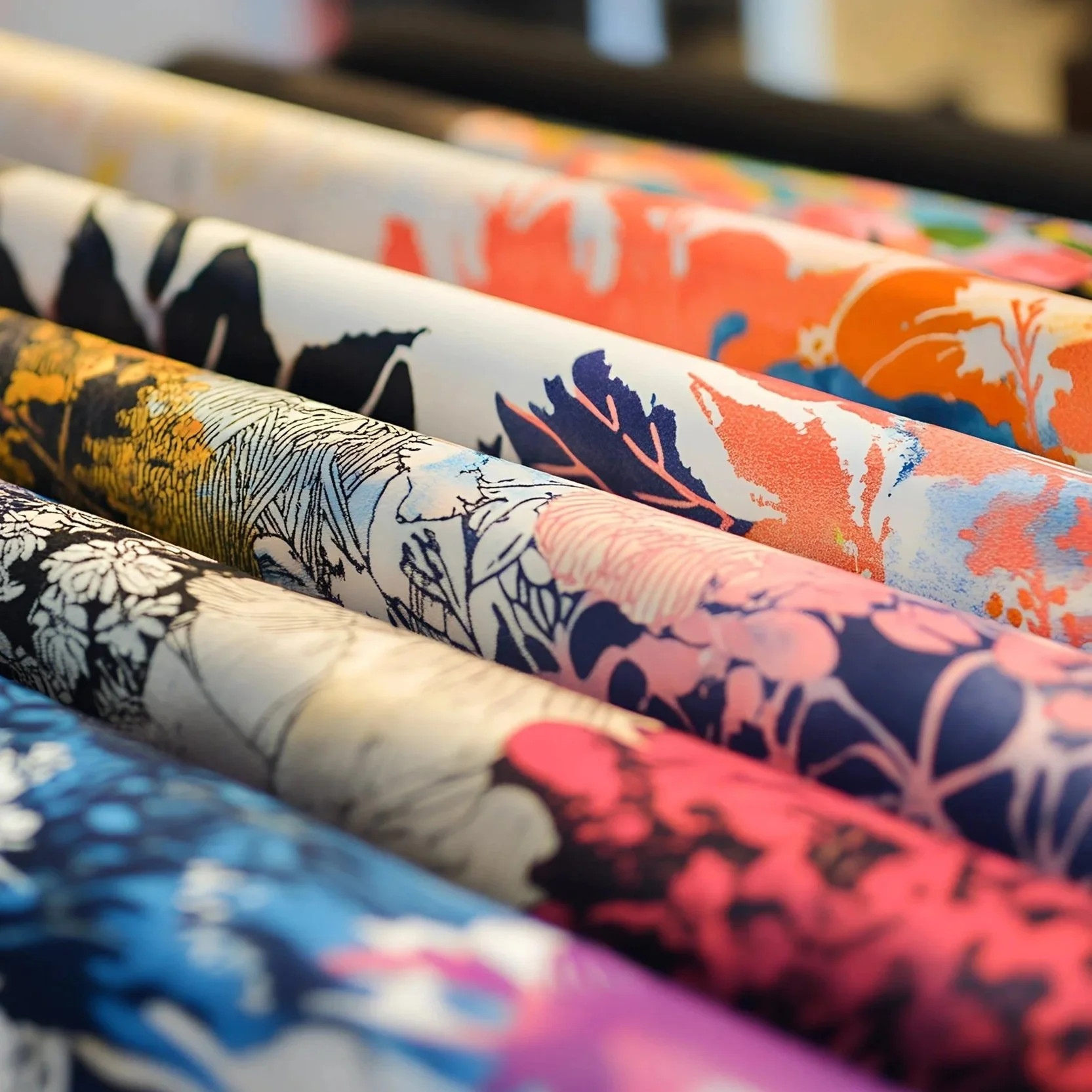
What Is the Digital Product Passport?
At its core, a Digital Product Passport is a digital record attached to a physical product - For a printed textile product, this means the DPP would capture data on the substrate, inks and dyes used, the printing process and technology, chemical compliance, environmental impact (including water and energy use), supply chain traceability, and end-of-life instructions.
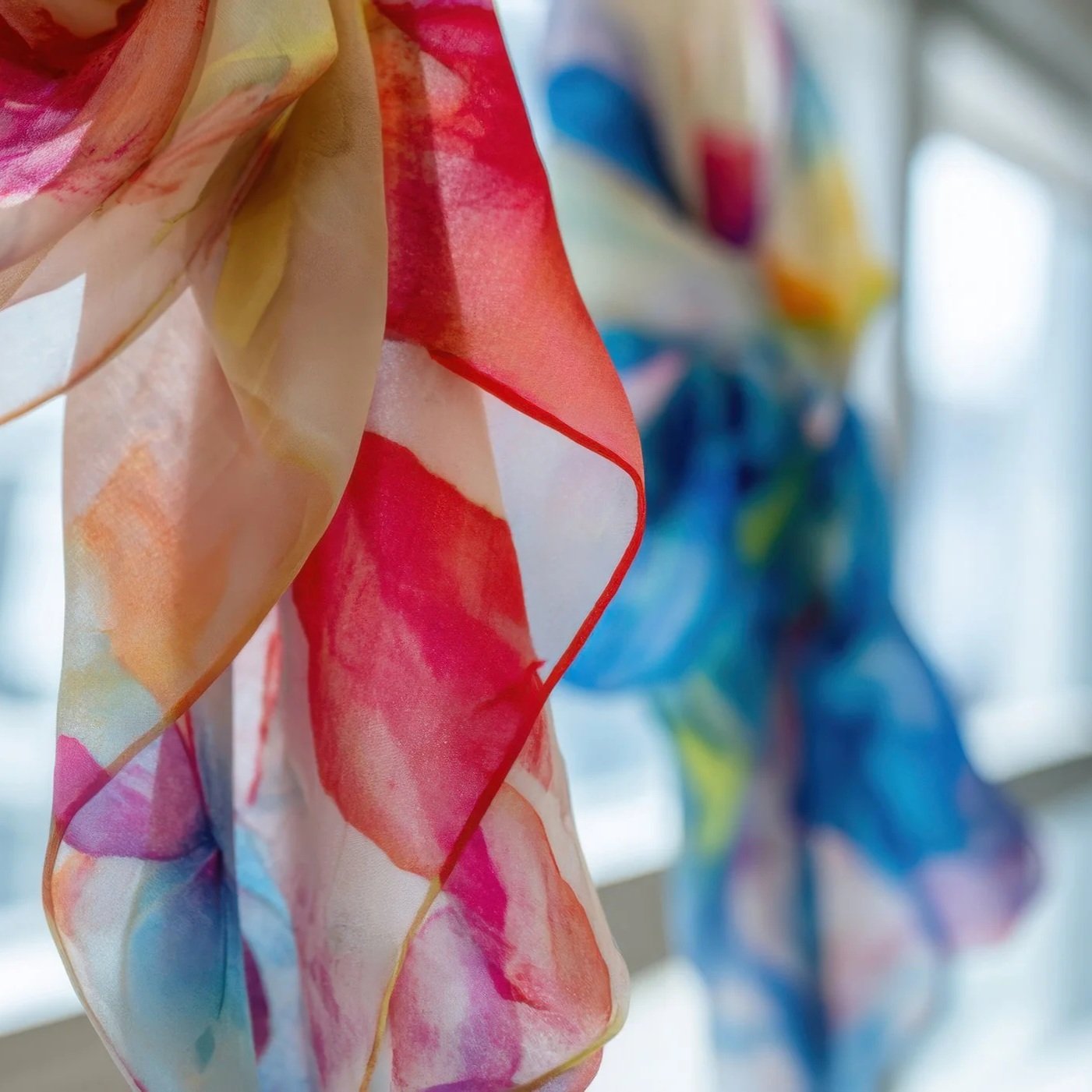
The Market Gap that Changed Everything
Future Fashion was founded in 2019, timed deliberately to coincide with a pivotal moment in global textile technology: the commercial launch of the EFI Reggiani BOLT Single-Pass digital printing system.
The founders recognised that single-pass architecture had fundamentally changed what was industrially possible - and that Pakistan's domestic market had yet to catch up.
Print is no longer defined by the inefficiencies that once characterised it…as advances in production processes and technology have significantly improved its environmental performance.
Taran Rai, Corporate Sustainability Manager at Epson explains why?
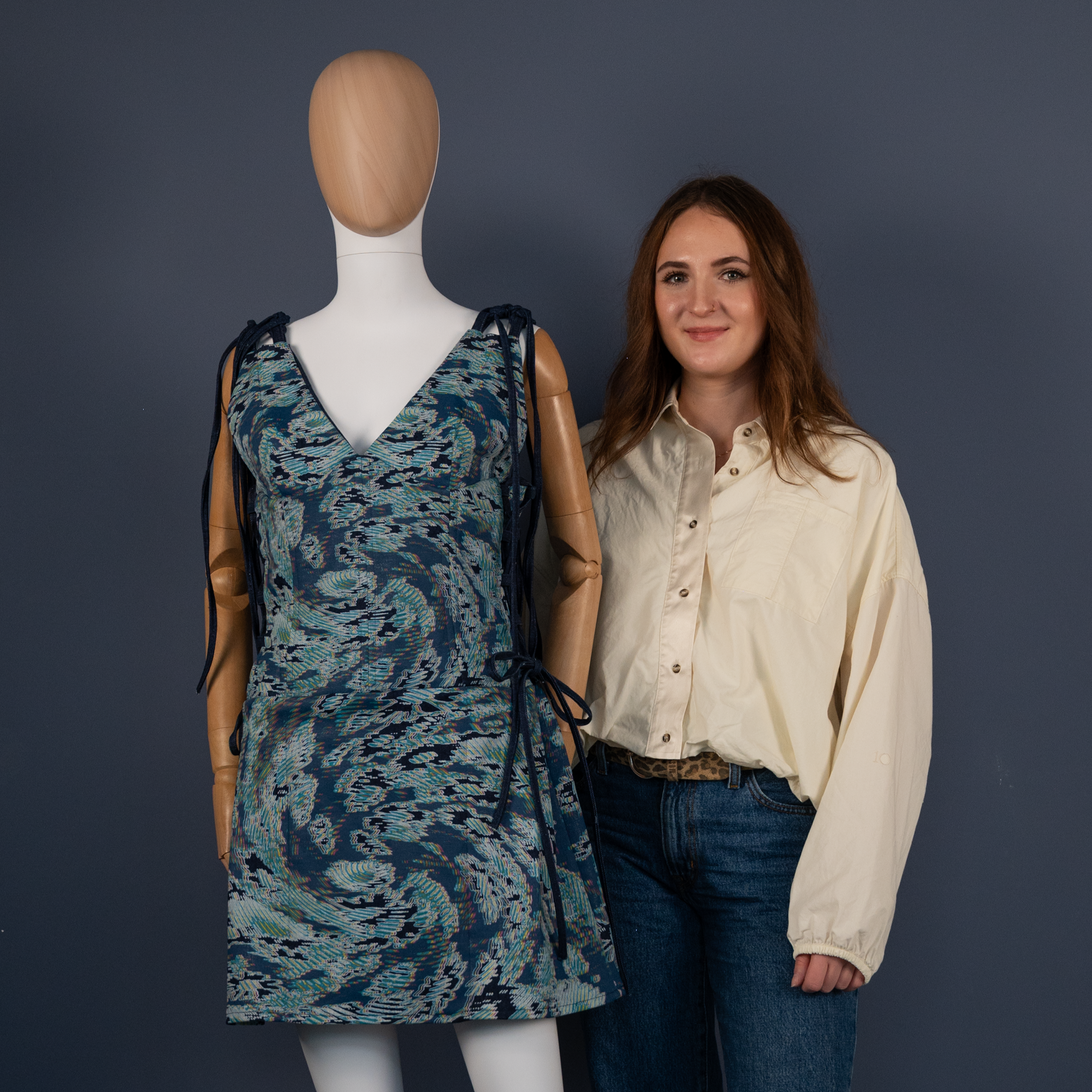
The story of what happens when young designers access digital technology is still being written.
What once was a theoretical sustainability goal seems to have shifted into an active regulatory reality.




Is the Textile Market Finally Recovering?
After a difficult few years, there are genuine reasons for optimism. Duncan was candid about the challenges: "The market for textiles has been very difficult over the last three years. I'm not going to hide the truth there. But the tide is turning.“
A profound shift is currently reshaping the sector
Changing consumer expectations demand greater design diversity, faster turnaround times, and sustainable manufacturing practices.
To thrive, interior brands must adapt their supply chains, bringing production closer to the end consumer and moving away from bulk manufacturing.
Digital textile printing offers a definitive solution to these operational bottlenecks.

Digital transformation doesn't announce itself.
It accumulates - one innovation at a time - until an entire industry looks back and realises the ground has shifted beneath its feet. That's precisely where textiles stands today.
The conversations happening now about AI, automation, sustainability, and digital product passports are not theoretical. They are shaping decisions being made on factory floors and in boardrooms right now.
“By leveraging advanced digital textile printing, Marylene Madou has successfully merged traditional craftsmanship with cutting-edge technology. Her approach offers a blueprint for how independent designers can scale their brands globally while maintaining a minimal environmental footprint.”
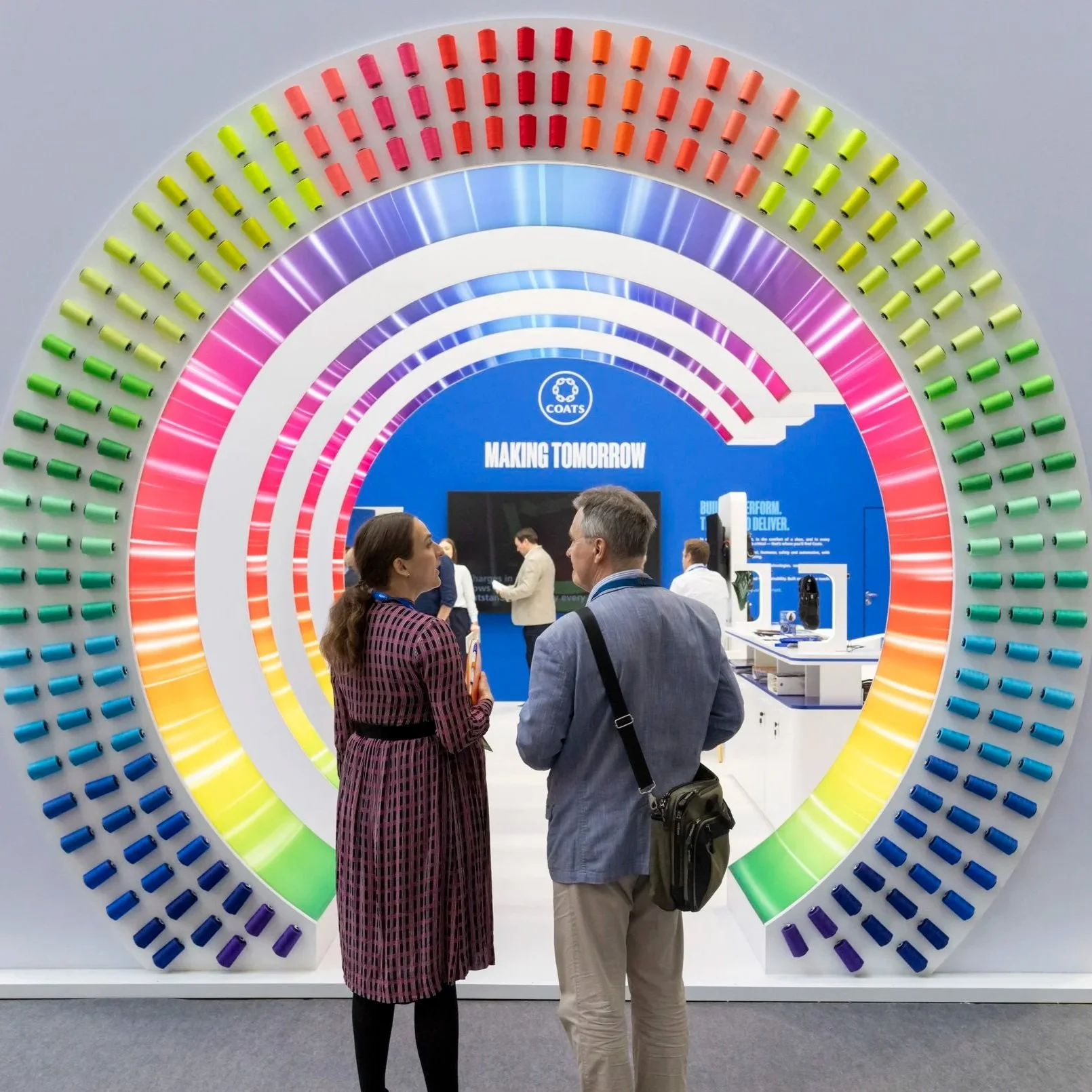
The textile industry is undergoing a vital transformation. As the insights from Techtextil and Texprocess reveal, the path forward relies on a combination of sustainable hardware, intelligent chemistry, and seamless digital workflows.
From Zimmer's industrial-scale energy reductions and Stratasys's on-demand 3D embellishments, to Kornit's single-step technical printing and the unified digital ecosystems of NedGraphics and Optitex, the tools for change are here. To stay competitive, brands and manufacturers must adopt these innovations, moving away from fragmented, wasteful processes towards a truly connected, circular economy.
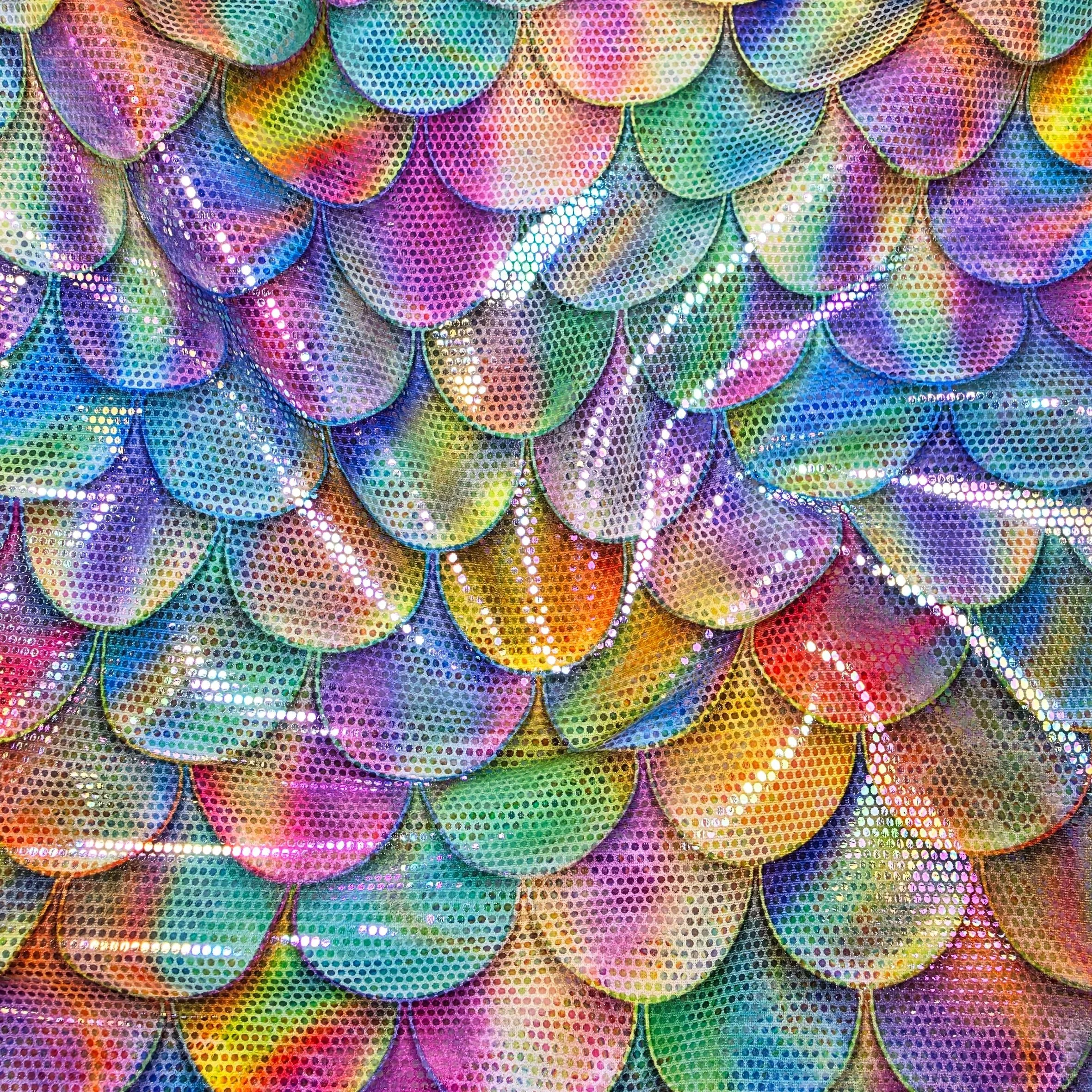
Friedmans stands as a testament to the power of combining traditional textile knowledge with forward-thinking innovation.
“Operating from their UK headquarters, Friedmans now serves a diverse array of sectors, including swimwear, dance, entertainment, sportswear, interior decor, prosthetics, and even pet apparel. With a strategic supply chain that reliably serves clients worldwide”
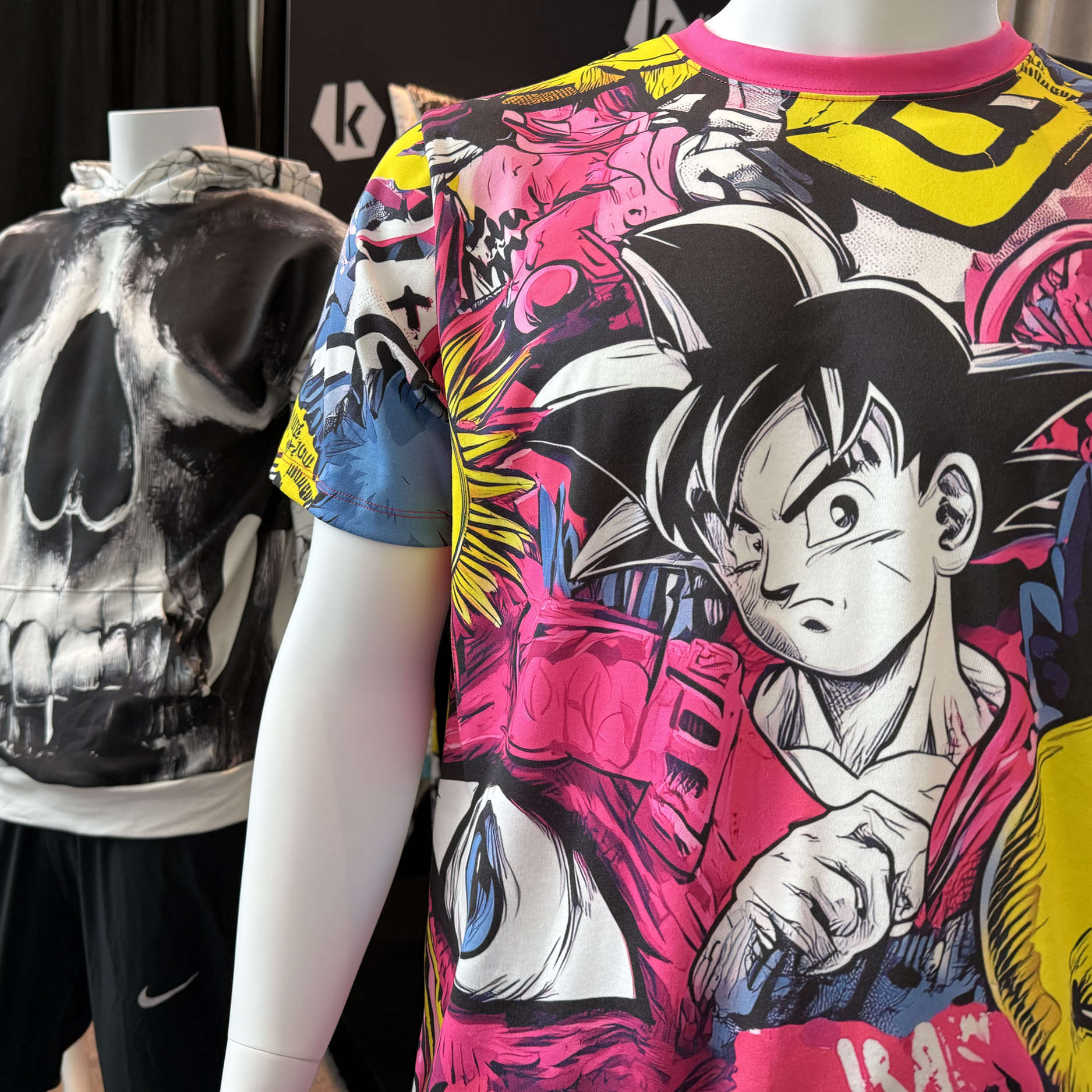
The apparel decoration industry is decisively moving away from isolated, analogue production tools toward connected digital manufacturing environments.
"Kornit’s unwavering commitment to transformative technology continues to disrupt the status quo. For business leaders and innovators ready to capture the future of apparel manufacturing, the path forward is clear”
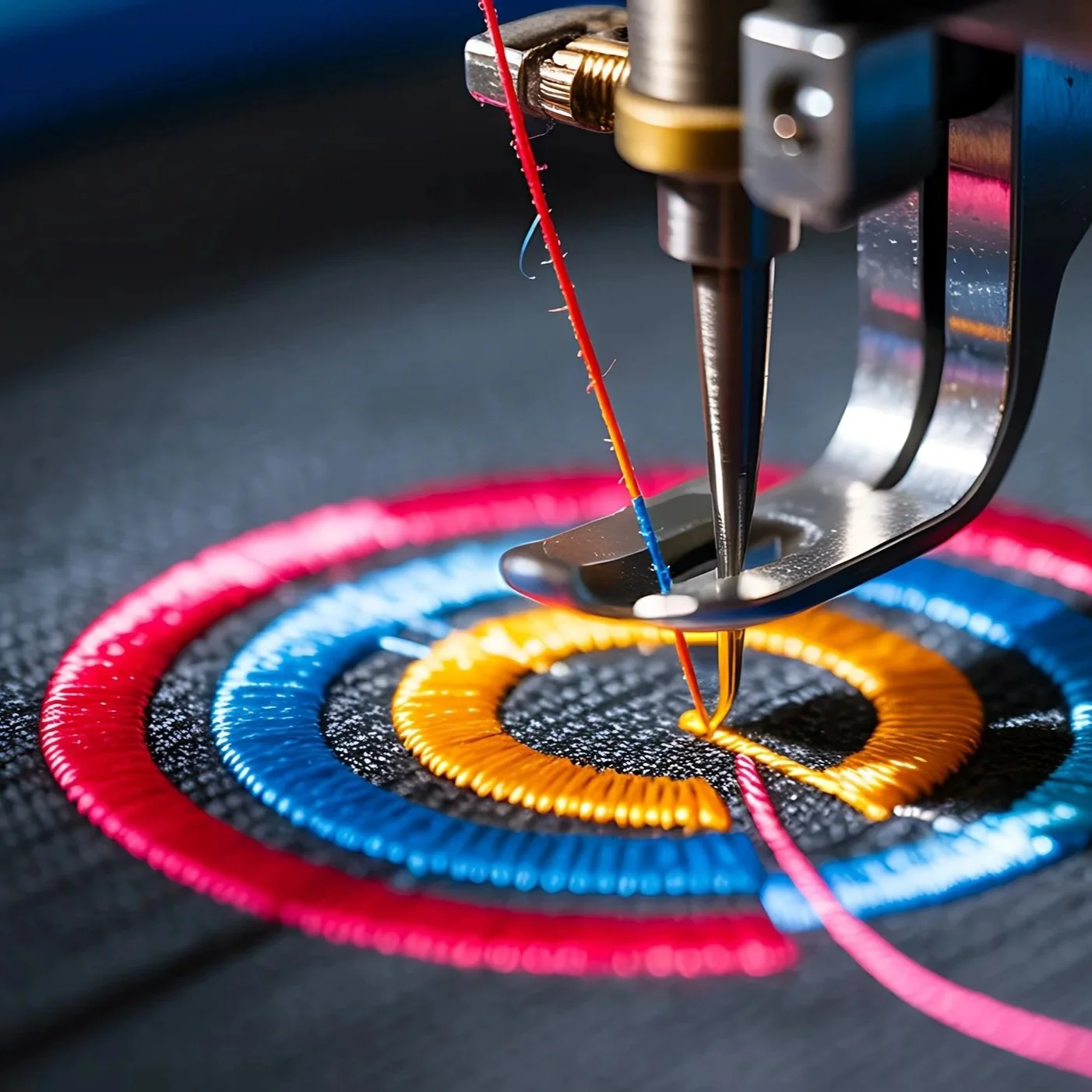
The Urgent Need for Sustainability at Scale
The transformation at Coats provides a vital blueprint for the wider textile and apparel sector. True sustainability cannot be achieved in silos. As Dearing emphasised:
“Cross-industry collaboration is the engine of meaningful change. Brands, machinery suppliers, chemical providers, and fibre producers must act as an interconnected ecosystem”
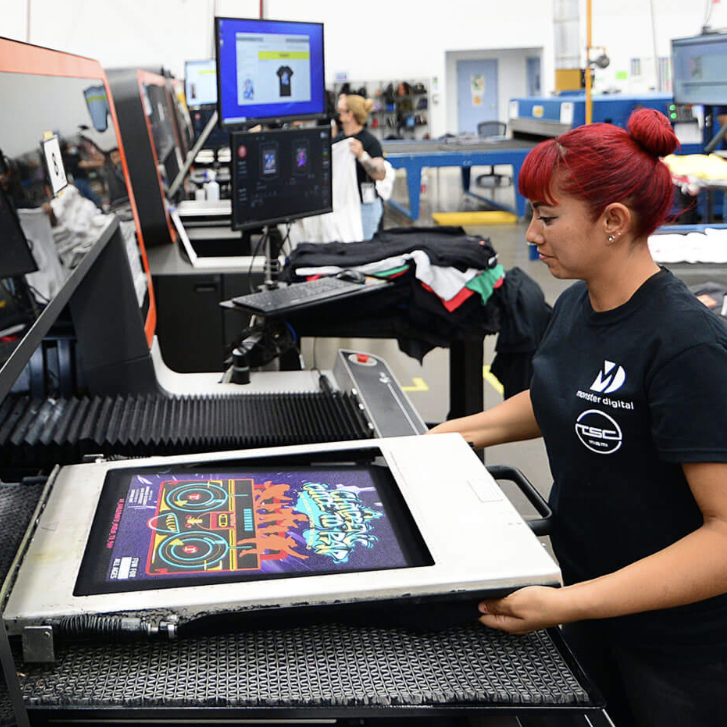
Today’s customers demand superior product quality, real-time data visibility, and lightning-fast turnaround times.
For large-scale garment decorators, managing these expectations while balancing seasonal demand fluctuations - such as the massive surges seen during Black Friday - presents a monumental challenge.
"Relying on transactional vendor relationships and outdated legacy equipment is no longer sufficient to secure long-term stability and growth.”

Printing method is never a secondary detail. It shapes the entire life cycle of a product, from concept to customer. In today’s fashion industry, where margins are tighter and speed matters more than ever, technical knowledge has become a competitive advantage.
“The future of textile design belongs to professionals who can combine creativity with execution, aesthetics with practicality, and vision with production reality”.