NAVIGATING THE SHIFT: INDUSTRY 5.0 AND THE FASHION INDUSTRY'S RENAISSANCE - LUI IAROCHESKI SHARES HIS INSIGHTS

“As we enter this new industrial revolution, it's crucial to explore how Industry 5.0 is set to transform the fashion industry, reshaping everything from design and production processes to consumer engagement and sustainability practices. This article delves into the heart of Industry 5.0, tracing its roots from previous industrial revolutions to its current incarnation, and examines its transformative impact on the fashion world. “ Lui Iarocheski
GUEST ARTICLE WRITTEN BY Lui Iarocheski
In a world where the pace of technological innovation never ceases to amaze, the dawn of Industry 5.0 is upon us, promising a new era of manufacturing and production that emphasizes not only efficiency and automation but also the integration of human creativity and ethical values.
This evolution holds particular significance for the fashion industry, a realm perpetually at the intersection of art and commerce, tradition and technology.
As we enter this new industrial revolution, it's crucial to explore how Industry 5.0 is set to transform the fashion industry, reshaping everything from design and production processes to consumer engagement and sustainability practices. This article delves into the heart of Industry 5.0, tracing its roots from previous industrial revolutions to its current incarnation, and examines its transformative impact on the fashion world.
Through a comprehensive analysis, we will uncover how enhanced customization, sustainable and ethical production, and the integration of smart technologies are not just futuristic concepts but imminent realities. Join us as we navigate through the exciting possibilities and challenges that Industry 5.0 brings to the fashion industry, offering insights into the technological innovations driving change and painting a picture of what a future Industry 5.0 company might look like. The journey through this revolutionary landscape reveals not only the potential for innovation and growth but also a roadmap towards a more sustainable, ethical, and personalized fashion industry.
A Brief History of Industrial Revolutions Leading to Industry 5.0
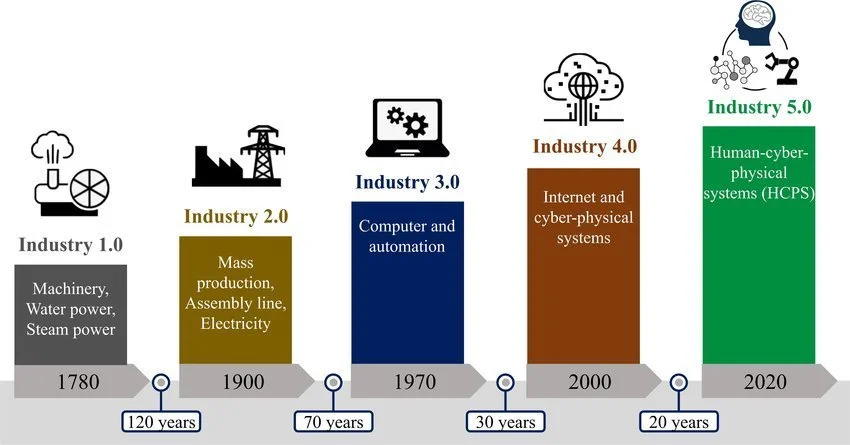
The journey through industrial revolutions represents a fascinating narrative of human ingenuity and technological progress. From the late 18th century to the present day, each phase of the Industrial Revolution has fundamentally altered the landscape of production and manufacturing, setting the stage for the next leap forward in efficiency, productivity, and innovation.
The inception of this transformative journey began with the first Industrial Revolution, which emerged in the late 18th century. This era was characterized by the introduction of mechanical production facilities, a monumental shift from manual labor to mechanized processes. The driving forces behind this revolution were water and steam power, which enabled the operation of machines such as the steam engine. This not only increased production capabilities but also marked the beginning of industrialization in the textile industry and beyond, laying the groundwork for modern manufacturing.
Progressing into the 19th century, the second Industrial Revolution, often referred to as the Technological Revolution, ushered in an era of mass production. The widespread adoption of electric power revolutionized industries, making it possible to operate machinery more efficiently and on a larger scale. This period saw significant advancements in steel production, telecommunications, and transportation, including the expansion of the railway networks. These innovations facilitated the mass production of goods, making products more accessible to a broader segment of the population and fueling economic growth.
The third Industrial Revolution, occurring in the latter half of the 20th century, introduced the digital age. Automation became the focal point, driven by advances in electronics and information technology. Computers and digital systems began to take over tasks that were previously manual, streamlining production processes and enhancing precision. This era also saw the advent of the internet, which transformed communication and the management of supply chains, further increasing the efficiency of production and distribution.
The fourth Industrial Revolution, or Industry 4.0, represents the current phase of industrial evolution, where smart technologies and cyber-physical systems converge to create interconnected and intelligent manufacturing environments. This revolution is characterized by the integration of the digital and physical worlds through the Internet of Things (IoT), artificial intelligence (AI), robotics, and big data analytics. These technologies enable real-time monitoring and decentralized decision-making, leading to more flexible, efficient, and customized production processes. Industry 4.0 not only enhances operational efficiency but also enables new business models and opportunities for innovation, setting the stage for the next evolutionary leap towards Industry 5.0.
Each industrial revolution has built upon the innovations and breakthroughs of its predecessors, driving humanity forward in its quest for progress.
As we look to the future, the evolution from Industry 4.0 to 5.0 promises to further redefine the boundaries of what is possible, blending the capabilities of advanced technology with the creativity, intuition, and ethical considerations of the human touch.
Definition and Core Principles of Industry 5.0
Industry 5.0 is a new era of industrialization that builds on the foundation of Industry 4.0.
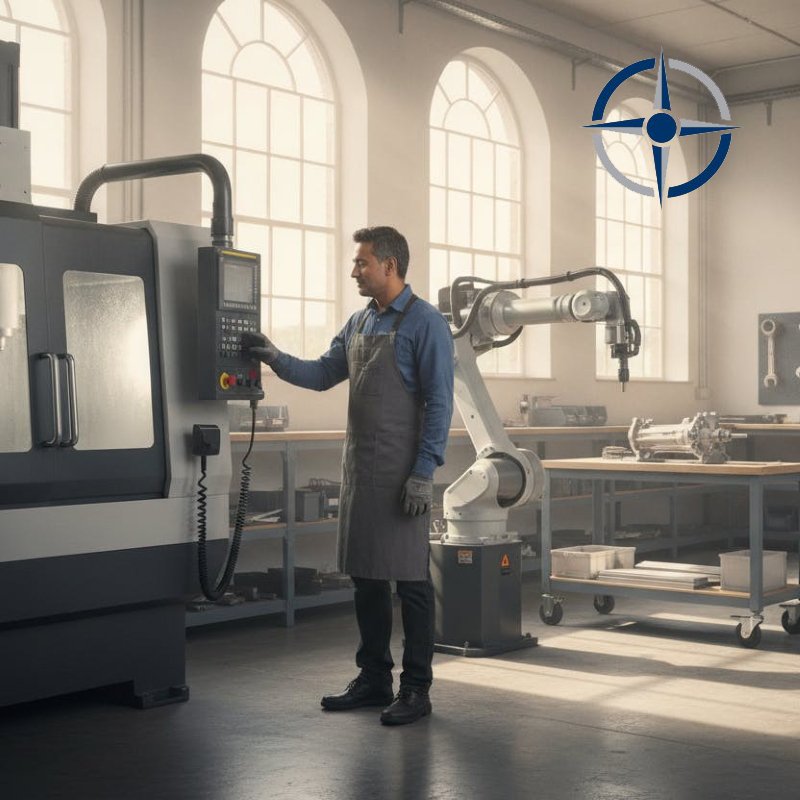
Unlike Industry 4.0, which primarily focuses on optimization and efficiency through automation and data exchange, Industry 5.0 highlights the importance of human creativity and innovation. It proposes a symbiotic relationship where humans and machines work together to enhance production capabilities, foster innovation, and address complex challenges. This collaboration aims to achieve a balance between technological advancements and the well-being of society and the environment.
One of the key features of Industry 5.0 is that it places a greater emphasis on the human workforce. It recognizes that humans possess unique skills and knowledge that machines cannot replicate. Therefore, it aims to create a symbiotic relationship between humans and machines, where each can complement the other's strengths. This approach seeks to create a more supportive and empathetic working environment where humans can thrive.
Another key feature of Industry 5.0 is its emphasis on sustainability. It recognizes that the current industrial process has negative environmental impacts, and it aims to address these issues by creating more sustainable production processes. Industry 5.0 seeks to reduce waste, conserve resources, and minimize the carbon footprint of industrial processes, making them more environmentally responsible.
Finally, Industry 5.0 places a strong emphasis on customization. It recognizes that consumers have unique needs and preferences, and it seeks to create production processes that can meet those demands. By creating customized products, Industry 5.0 aims to create greater customer satisfaction and loyalty.
In summary, Industry 5.0 is a more human-centric approach to industrialization that emphasizes collaboration between humans and smart systems, sustainability, and customization. By implementing these core principles, Industry 5.0 seeks to create a more supportive, environmentally responsible, and customer-focused industrial process.
The Current State of the Fashion Industry
The fashion industry is a reflection of the modern consumer's desire for novelty and personal expression. This sector thrives on the rapid turnover of trends and the continuous introduction of new styles, catering to a global audience eager for the latest in fashion. However, beneath the surface of this vibrant industry lies a complex array of challenges that threaten its sustainability and ethical foundations.
Sustainability Concerns
One of the most pressing issues facing the fashion industry is its environmental impact. The sector is notorious for being one of the largest polluters globally, second only to the oil industry in some assessments. This environmental toll is multifaceted, encompassing everything from the massive consumption of water and energy in production processes to the use of harmful chemicals and dyes. Moreover, the industry contributes significantly to the problem of waste, with millions of tons of textile waste generated each year, much of which ends up in landfills or is incinerated. The fast fashion model, characterized by cheap production, low-quality garments, and a quick response to fashion trends, exacerbates these sustainability issues, encouraging a throwaway culture that is inherently unsustainable.
Ethical Production Issues
Beyond environmental concerns, the fashion industry is also grappling with ethical dilemmas related to production practices. Many clothing items are produced in developing countries, where labor is cheaper, and regulatory oversight is often lacking. This has led to widespread reports of poor working conditions, including unsafe factories, exceedingly long working hours, and inadequate wages. Child labor and exploitation remain significant problems in certain regions, casting a shadow over the glamorous image of the fashion industry. Consumers and advocacy groups are increasingly calling for transparency and accountability, urging brands to take responsibility for their supply chains and ensure ethical practices from sourcing materials to manufacturing garments.
The Need for Greater Customization
In addition to addressing sustainability and ethical production, the fashion industry faces the challenge of meeting the growing consumer demand for customization. Today's consumers are looking for products that reflect their individuality and align with their personal values, including sustainability. They seek unique, tailor-made experiences rather than mass-produced items that lack distinction. This shift towards personalization requires a rethinking of traditional production and distribution models, challenging the industry to innovate and adopt technologies that allow for greater flexibility and customization options.
The Critique of Fast Fashion
The critique of the fast fashion model is at the heart of these challenges. Fast fashion's business model is built on creating and selling a high volume of clothing at low prices, encouraging consumers to buy frequently and discard items after a few wears. This approach not only perpetuates the environmental and ethical issues mentioned but also undermines the potential for quality and craftsmanship in fashion. As awareness of these impacts grows, both consumers and industry insiders are calling for change, seeking alternatives that prioritize sustainability, ethical production, and meaningful consumption over the fleeting allure of fast fashion.
The fashion industry's current trajectory is unsustainable and ethically problematic, calling for a comprehensive re-evaluation of how clothes are designed, produced, and consumed. Addressing these challenges requires a collaborative effort among brands, consumers, and policymakers to foster an industry that respects the planet and its inhabitants, paving the way for a more sustainable and ethical fashion future.
Impact of Industry 5.0 on Fashion
The advent of Industry 5.0 leverages the power of cutting-edge technologies, such as artificial intelligence (AI), machine learning, and 3D printing, to redefine the boundaries of design, production, and consumer engagement.

Enhanced Customization and Personalization
In Industry 5.0, the capabilities for customization and personalization in fashion reach new heights.
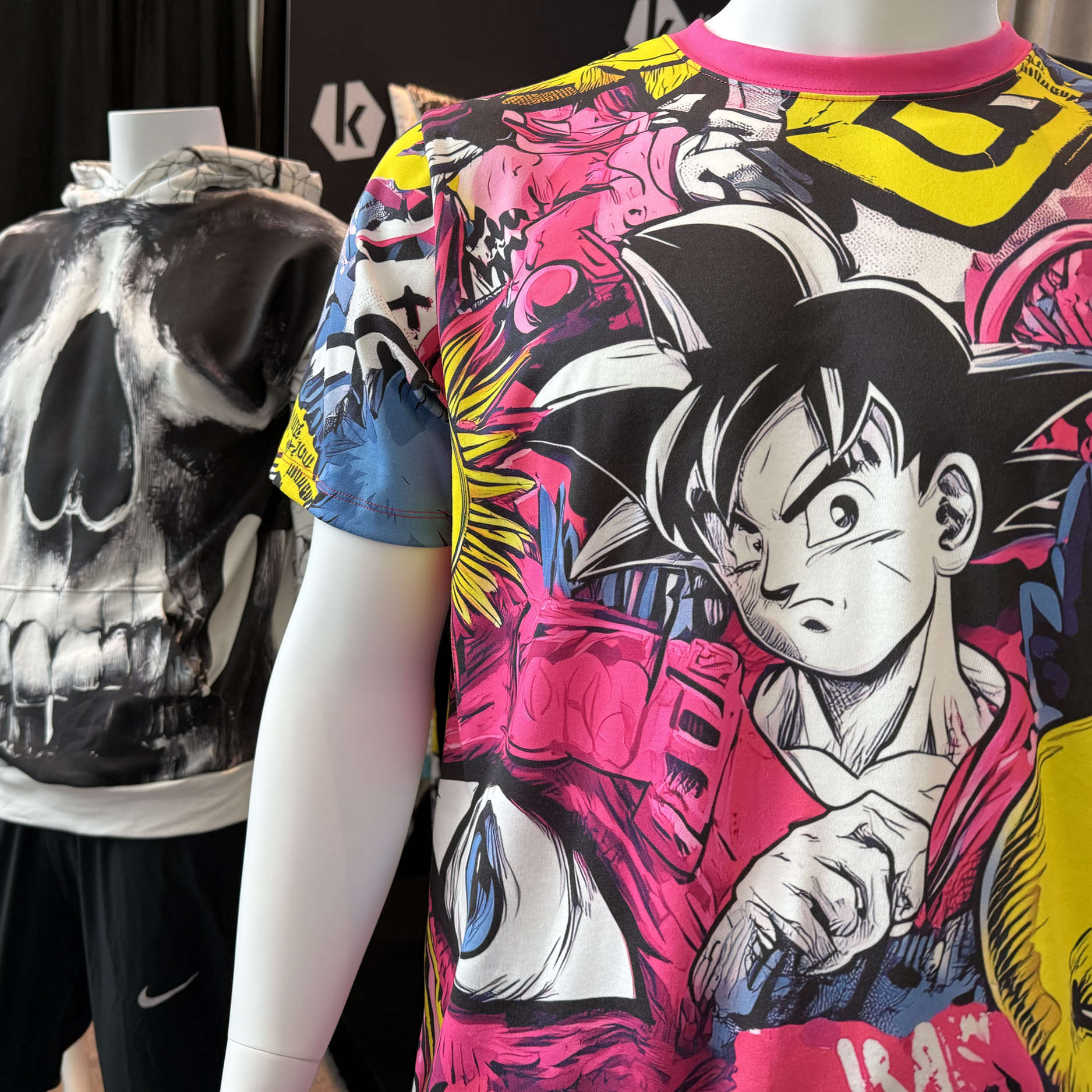
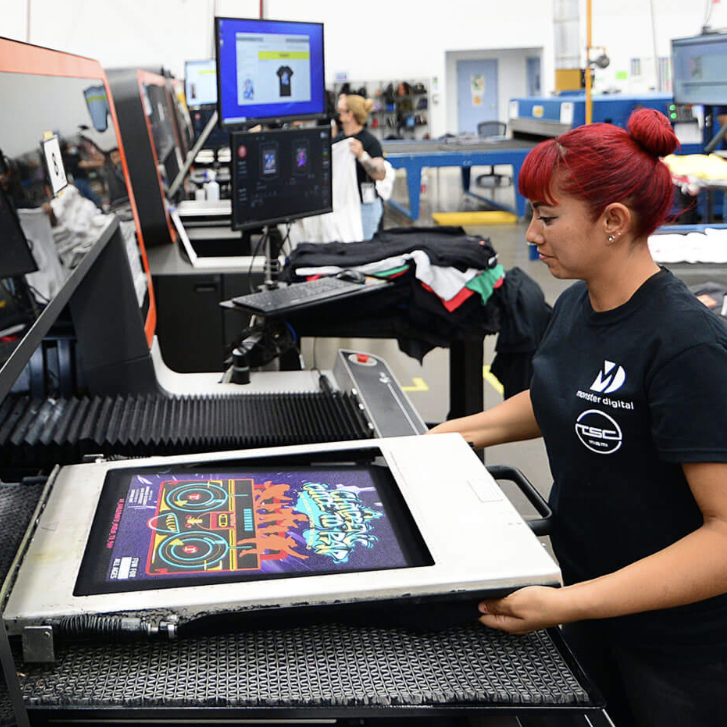
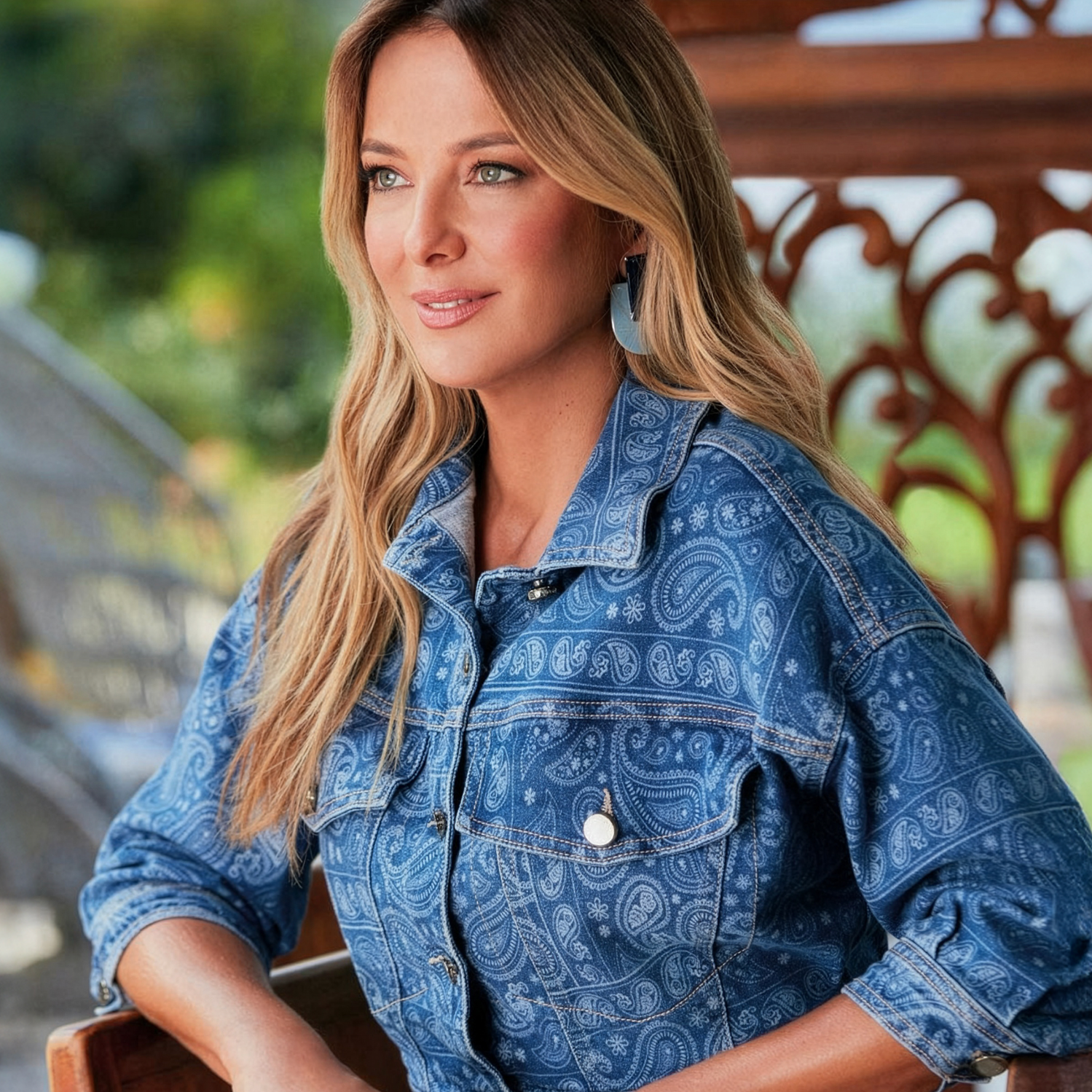
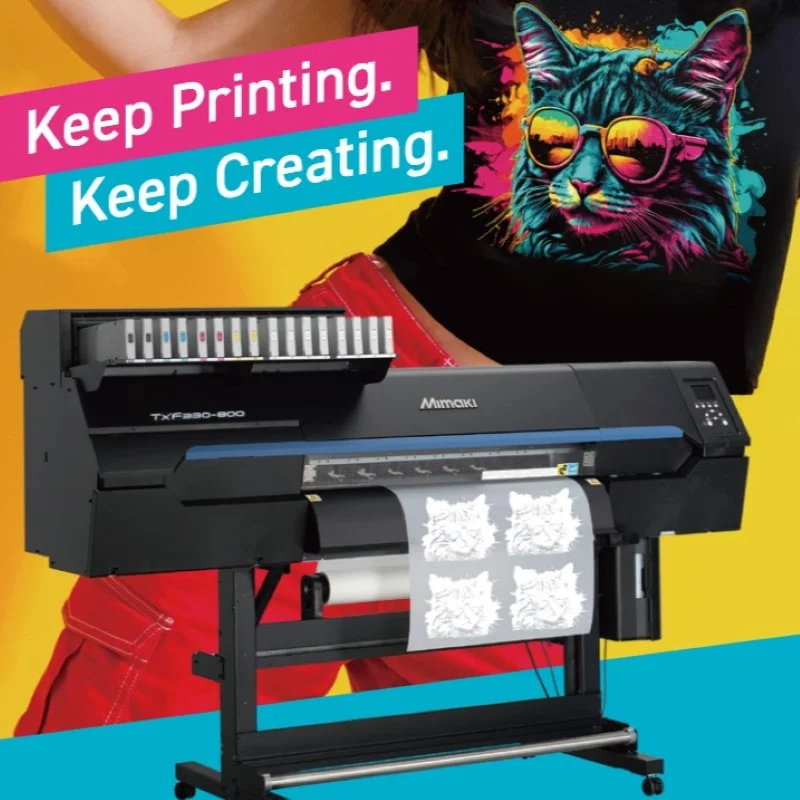
Advanced data analytics and AI algorithms enable brands to dissect consumer data with remarkable precision, uncovering insights into individual preferences, style inclinations, and purchasing patterns. This data-driven approach allows for the design of bespoke products that cater to the specific desires of each customer. For example, 3D printing technology is revolutionizing the industry by facilitating the creation of custom-fit garments and accessories. Such innovations not only significantly boost customer satisfaction by delivering products that reflect personal tastes and perfect fits but also contribute to sustainability. By producing items on demand, fashion brands can dramatically reduce the excess inventory and waste commonly associated with mass-production models. Reports indicate that adopting on-demand manufacturing could lessen fabric waste by up to 35%, showcasing the potential for environmental benefits alongside enhanced customer experiences.
Sustainable and Ethical Production Practices
Industry 5.0 places a premium on sustainability and ethical practices within the fashion sector. The integration of smart technologies across the supply chain enhances transparency, making it possible to trace the origin of materials and monitor production processes in real-time. This visibility ensures compliance with ethical labor standards and helps in identifying and mitigating environmental risks. Robotics and automation play a crucial role in optimizing resource use, achieving higher efficiency in material consumption, and reducing energy expenditure. Furthermore, the emergence of biodegradable materials and innovative recycling technologies underpins the industry's shift towards a circular economy. In this model, the lifecycle of products is extended, and the environmental footprint of the fashion industry is minimized, aligning with global sustainability goals.
Integration of Smart Technologies and Human Creativity
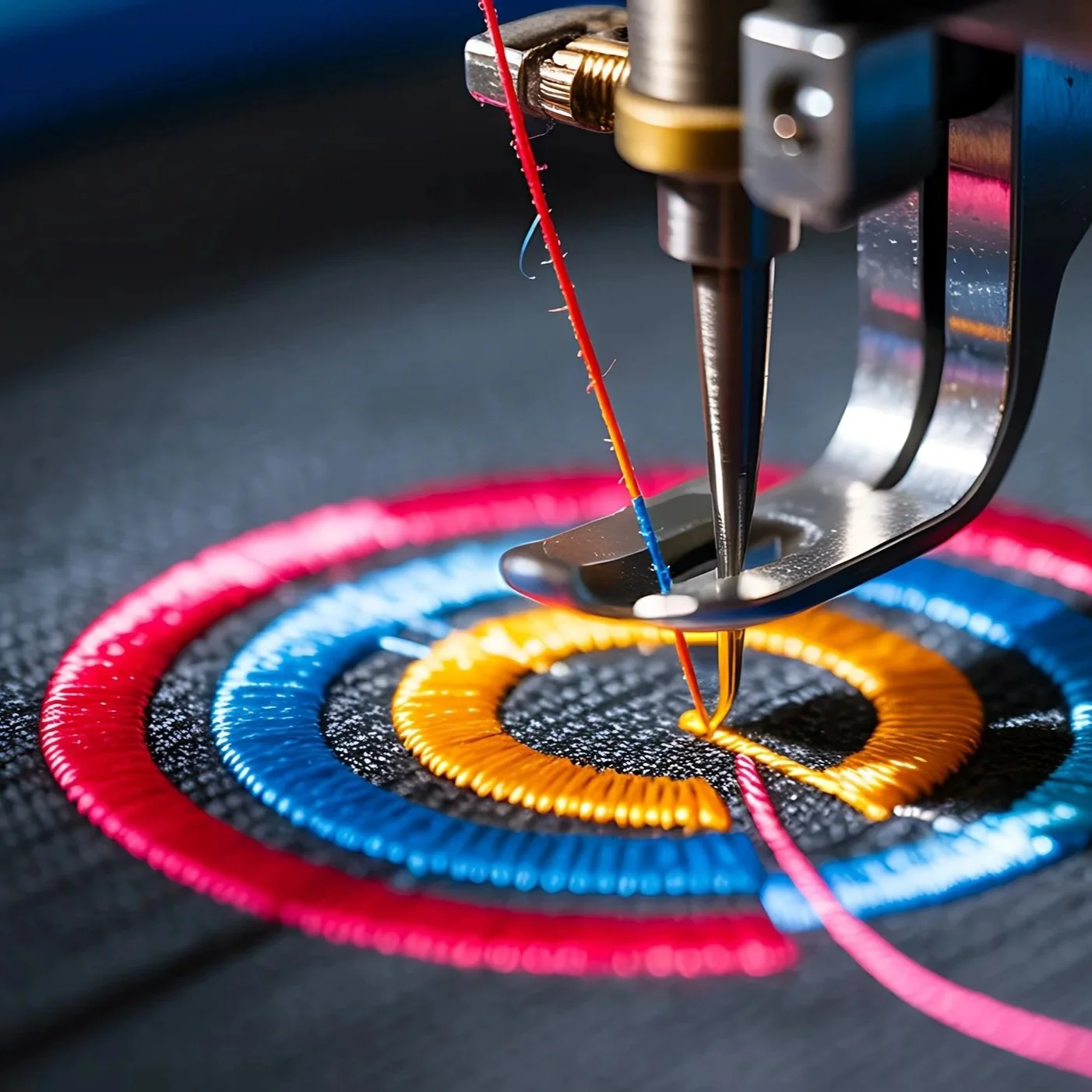
The synergy between human creativity and technological innovation is a hallmark of Industry 5.0 in fashion. Designers equipped with AI tools can push the envelope of creativity, experimenting with novel materials and styles that would have been unimaginable in previous eras. Digital fabrication technologies, such as laser cutting and computer-aided design (CAD), empower artisans to execute their visions with unparalleled precision and efficiency. This fusion of traditional craftsmanship with modern tech not only enriches the design process but also cultivates a diverse array of fashion products. The result is a vibrant industry that celebrates the uniqueness of individual creativity while harnessing the power of technology to bring these visions to life sustainably and ethically.
The impact of Industry 5.0 on the fashion industry is profound, ushering in an era where technology enhances human creativity, sustainability is woven into the fabric of production, and personalization becomes the norm, not the exception. This paradigm shift offers a promising path forward, one that can potentially reconcile the industry's need for innovation and growth with the imperative for environmental stewardship and ethical practices.
Technological Innovations Driving Change
The fashion industry is experiencing a significant transformation in terms of technology, with artificial intelligence (AI), robotics, and blockchain technology taking the lead towards a more effective, transparent, and individualized future. These innovations are not only improving existing procedures but also redefining the industry's essence.
AI and Machine Learning for Predictive Trends and Personalization
AI and machine learning stand at the vanguard of the fashion industry's transformation, offering unprecedented capabilities for trend forecasting and personalization. By analyzing vast datasets, including social media trends, online search behavior, and sales data, AI algorithms can identify emerging trends much earlier than traditional methods. This predictive power allows fashion brands to be more agile, aligning their collections with consumer demand to stay ahead of the curve. The global fashion industry, valued at approximately $1.5 trillion, is increasingly leveraging AI to not only forecast trends but also to tailor the shopping experience to individual consumers. Personalized recommendations, generated through machine learning algorithms, can significantly enhance customer engagement by presenting items that match a user's style and previous purchasing history. This level of personalization not only delights customers but also streamlines inventory management, reducing the likelihood of overstock and markdowns, thereby increasing profitability.
Robotics in Manufacturing for Precision and Efficiency
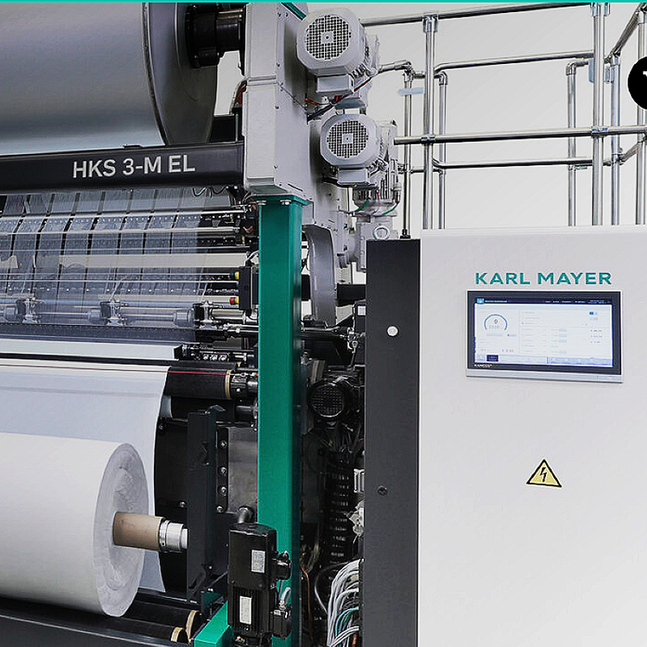
Robotics technology has brought about a revolution in the manufacturing processes of the fashion industry, introducing a level of precision and efficiency previously unattainable. Automated systems can execute intricate tasks, from fabric cutting to the assembly of garments, with impeccable accuracy and consistency. This automation reduces the margin for error and significantly speeds up production cycles, enabling brands to bring products to market faster in response to fast-changing fashion trends. Additionally, robotics technology has the potential to improve working conditions by taking over dangerous or monotonous tasks, thereby reducing workplace accidents and allowing human workers to focus on more complex and rewarding aspects of the manufacturing process. The integration of robotics in manufacturing not only optimizes production but also supports sustainable practices by minimizing waste and energy consumption.
Blockchain for Transparency and Traceability
Blockchain technology addresses a critical challenge in the fashion industry: the need for transparency and traceability in the supply chain. By creating a decentralized and tamper-proof ledger of transactions, blockchain technology can track the journey of a garment from raw material to finished product. This level of transparency enables brands to prove the ethical sourcing of materials and adherence to fair labor practices, addressing growing consumer demand for responsible fashion. For consumers, blockchain offers the assurance of authenticity and quality, enabling them to make informed purchasing decisions based on the ethical and environmental impact of their choices. Furthermore, blockchain can combat counterfeiting, protecting brand integrity and consumer trust.
Innovations in the fashion industry are not just solutions on their own. They are part of a larger movement towards a sustainable, ethical, and customer-centric fashion industry. By embracing technologies like AI, robotics, and blockchain, the fashion industry can tackle the challenges of the 21st century. This will allow them to offer consumers products that are both trendy and personalized, while also being ethically produced and environmentally sustainable. This is what Industry 5.0 means for the fashion industry.
Challenges and Opportunities
The transition into Industry 5.0, while heralding a new era of innovation and sustainability in the fashion industry, is fraught with complexities that demand careful consideration and strategic planning. The challenges of this shift are significant, yet understanding and addressing them paves the way for seizing unprecedented opportunities for growth, sustainability, and customer engagement.
High Implementation Costs
One of the foremost hurdles in embracing Industry 5.0 is the financial investment required to integrate new technologies. The initial setup for advanced systems such as AI, robotics, and blockchain entails significant capital, which can be particularly daunting for small and medium-sized enterprises (SMEs). Beyond the hardware and software expenses, there are costs associated with training personnel and restructuring operations to accommodate these new technologies. This financial barrier can slow the adoption rate, making it challenging for companies to stay competitive in a rapidly evolving market.
Skilled Workforce Requirement
The effective deployment of Industry 5.0 technologies necessitates a workforce that is not only tech-savvy but also creative and adaptable. There is a growing demand for professionals who can navigate the intersection of technology and creativity, leveraging digital tools to enhance design, production, and customer service. However, the current education and training systems may not be fully equipped to meet this demand, leading to a skills gap that can hinder innovation and growth. Companies must invest in continuous learning and development programs to cultivate a talent pool that can thrive in an Industry 5.0 environment.
Data Privacy and Security Concerns
As the fashion industry becomes increasingly digitalized, the vast amounts of consumer data collected pose a significant challenge in terms of privacy and security. Protecting this sensitive information from breaches and unauthorized access is paramount, yet achieving robust data security in an interconnected digital ecosystem is complex. The repercussions of failing to secure data are severe, including loss of consumer trust, legal penalties, and financial losses. Fashion companies must prioritize cybersecurity measures and adopt best practices to safeguard consumer information.
Avenues for Innovation
Despite these challenges, the transition to Industry 5.0 unlocks remarkable opportunities for innovation within the fashion industry. The integration of advanced technologies enables brands to push the boundaries of what's possible, from utilizing AI for hyper-personalized designs to adopting sustainable manufacturing practices through smart automation. This era of innovation is not just about technological advancement but also about reimagining the creative process, making it more inclusive, dynamic, and responsive to consumer needs.
Sustainability and Ethical Production
Industry 5.0 offers a unique opportunity to redefine the fashion industry's relationship with the environment. By leveraging technology to optimize resource use, reduce waste, and ensure transparency in the supply chain, fashion companies can significantly lessen their environmental footprint. This shift towards sustainable and ethical production resonates with the growing consumer demand for responsible brands, providing a competitive edge in a market increasingly defined by environmental and social consciousness.
Customization and Personalization
The emphasis on customization and personalization presents a lucrative opportunity to cater to individual consumer preferences, setting a new standard in customer engagement and satisfaction. Industry 5.0 technologies enable the creation of unique, tailor-made products at scale, transforming the traditional one-size-fits-all model. This approach not only enhances the consumer experience but also fosters brand loyalty and differentiation in a crowded market.
While the journey towards Industry 5.0 is accompanied by significant challenges, the potential rewards are immense. By strategically addressing these obstacles, the fashion industry can harness the power of technological innovation to embark on a path of sustainable growth, ethical production, and unparalleled customer engagement, marking a new chapter in its evolution.
Conclusion and Future Outlook
The transformative potential of Industry 5.0 within the fashion industry extends far beyond mere technological advancements; it signifies a paradigm shift in how we approach production, design, and consumption in a world increasingly aware of the ethical and environmental implications of its choices. This evolution towards a more integrated relationship between humans and machines is not just an opportunity but a necessity, addressing pressing global challenges while unlocking new realms of creativity and innovation.
In my view, the introduction of Industry 5.0 into the fashion sector is a pivotal moment that could redefine the industry's legacy.
It promises a departure from practices that prioritize speed and cost over quality and sustainability, moving towards a model that values ethical production, environmental stewardship, and meaningful consumer experiences. The capacity for Industry 5.0 to facilitate a significant reduction in waste through made-to-order production models and the recycling of materials is particularly compelling. This not only aligns with the urgent need for environmental conservation but also caters to a growing consumer demand for unique, personalized fashion that expresses individual identity and values.
Moreover, the potential for AI and machine learning to predict trends and personalize customer experiences could revolutionize the way fashion brands engage with their audience. This technology-driven approach to understanding and anticipating consumer preferences can transform the shopping experience, making it more intuitive, enjoyable, and satisfying. In turn, this can foster a deeper connection between brands and consumers, built on trust and a shared commitment to sustainability and innovation.
Looking ahead, the future of the fashion industry under the influence of Industry 5.0 is one of boundless potential.
The integration of smart technologies and human creativity is likely to give rise to new fashion forms and expressions that we can scarcely imagine today. This evolution will not be without its challenges, particularly in terms of ensuring equitable access to technology and addressing the digital divide. However, the benefits—ranging from reduced environmental impact to enhanced worker safety and improved customer satisfaction—present compelling arguments for pursuing this path.
As technology continues to evolve at an unprecedented pace, the fashion industry must remain agile, embracing change and innovation while steadfastly upholding ethical and sustainable values. The principles of Industry 5.0 offer a blueprint for a more responsible and responsive fashion industry, one that respects both people and the planet.
In conclusion, embracing Industry 5.0 principles could lead to a renaissance in the fashion industry, one where sustainability, ethics, and innovation drive progress. As we look to the future, the industry's willingness to adopt these principles and adapt to the evolving technological landscape will be paramount in shaping a new standard for fashion—one that is sustainable, ethical, and profoundly human-centric. This is not just a vision for the future of fashion; it is a call to action for today, urging us to rethink how we produce, consume, and perceive fashion in the years to come.
Lui Iarocheski
With over a decade of experience in the Fashion Industry and five years in B2B Marketing and Innovation, Lui Iarocheski stands as a visionary advisor for companies seeking growth and a positive impact. Known for his multifaceted expertise as a Fashion Designer, Business Strategist, Marketing Professional, and Innovator, Lui's true calling is in fostering the fusion of fashion and technology. His mission is to guide businesses through complex challenges towards a brighter future for companies, individuals, and the planet.