INDUSTRY DEBATE: Leveraging Technology to Deliver Manufacturing Agility, Efficiency and Trust – A Panel discussion with NedGraphics, Adobe and Epson

Leveraging Technology to Deliver Manufacturing Agility, Efficiency and Trust – A panel discussion with NedGraphics, Adobe and Epson
The textile industry is at a turning point. Traditional manufacturing processes that have dominated for decades are giving way to sophisticated digital workflows that promise greater efficiency, sustainability, and precision. As global supply chains become increasingly complex and consumer demands shift toward personalisation and faster turnaround times, textile manufacturers must embrace technological innovation to remain competitive.
What role does digital innovation play in modernising the textile manufacturing industry?
The integration of advanced technologies, such as design and colour management software, digital ink-jet printing equipment, and embedded workflow automation, are revolutionising traditional processes. These advancements are driving efficiency, reducing waste, and enabling customisation at unprecedented scales. Digital transformation is not just a trend but a necessary evolution, ensuring the textile sector remains competitive in the face of global challenges and shifting consumer demands.
The textile industry is at a turning point. Traditional manufacturing processes that have dominated for decades are giving way to sophisticated digital workflows that promise greater efficiency, sustainability, and precision. As global supply chains become increasingly complex and consumer demands shift toward personalisation and faster turnaround times, textile manufacturers must embrace technological innovation to remain competitive.
To explore these critical developments, Texintel hosted an exclusive panel discussion, sponsored by NedGraphics, featuring leading voices in the textile and technology sectors:
NedGraphics: Frank Maeder - President at NedGraphics + Optitex
Adobe: Mike Scrutton, Director - Print Technology and Strategy
Epson: Duncan Ferguson - Vice President, Commercial and Industrial Printing
Together, they discuss and address the challenges and opportunities posed by the industry’s transformation, while highlighting strategies for success in this evolving landscape.


These insights reveal how cutting-edge technologies are revolutionising everything from design conception to final production.
By integrating advanced colour management systems, digital design platforms, and standardised workflows, textile companies are not only improving their operational efficiency but also reducing their environmental impact whilst delivering superior quality products.
This transformation extends far beyond simple digitisation. It represents a fundamental shift in how textile businesses operate, collaborate, and respond to market demands in an ever more interconnected ecosystem.
The Digitalisation of Textile Design Processes
The creative heart of textile manufacturing—the design process—has undergone a remarkable transformation. Digital design platforms now replicate traditional textile design methods whilst providing unprecedented control and reliability throughout the workflow.
Frank Maeder, President of NedGraphics, emphasises that “modern software solutions focus on ensuring the final output matches the designer's original intent. This addresses a longstanding concern among textile designers who have traditionally worried about losing control over their creative vision during the manufacturing process. Digital design tools now offer reassurance through reliable, consistent output that maintains the integrity of the original concept. By digitising the creative process, designers can work more confidently - knowing their vision will be preserved from concept to final product”.
The shift toward fully digital workflows has proven particularly valuable for global supply chains, where designers and manufacturers often operate across different geographies. Digital platforms facilitate seamless collaboration and data exchange, ensuring consistency regardless of location whilst providing visibility throughout the entire production process.
Precision Through PDF Print Engine Technology
The challenge of maintaining design fidelity during the transition from creative concept to physical product has found an elegant solution in Adobe PDF print engine 7 technology. This advancement allows designers to create files that can be reproduced accurately on any compatible device, preserving the original artwork's quality, resolution, vector content, and colour precision.
Mike Scrutton, Director of Print Technology and Strategy at Adobe, explains that “PDF print engines serve as a crucial bridge between design and manufacture. By storing artwork in its original form, the technology ensures that manufacturing processes can reproduce designs exactly as intended, eliminating the quality degradation that often occurred during file conversion processes”.
This standardisation proves particularly valuable in textile manufacturing, where consistency across different production runs and locations is essential. The Adobe PDF format provides a reliable foundation for maintaining design integrity throughout the entire production cycle.
Revolutionary Print & Colour Management Solutions
Perhaps no aspect of textile manufacturing has benefited more from technological advancement than colour reproduction. The challenge of achieving consistent colours from screen to print has historically plagued the industry, leading to costly reprints and customer dissatisfaction.
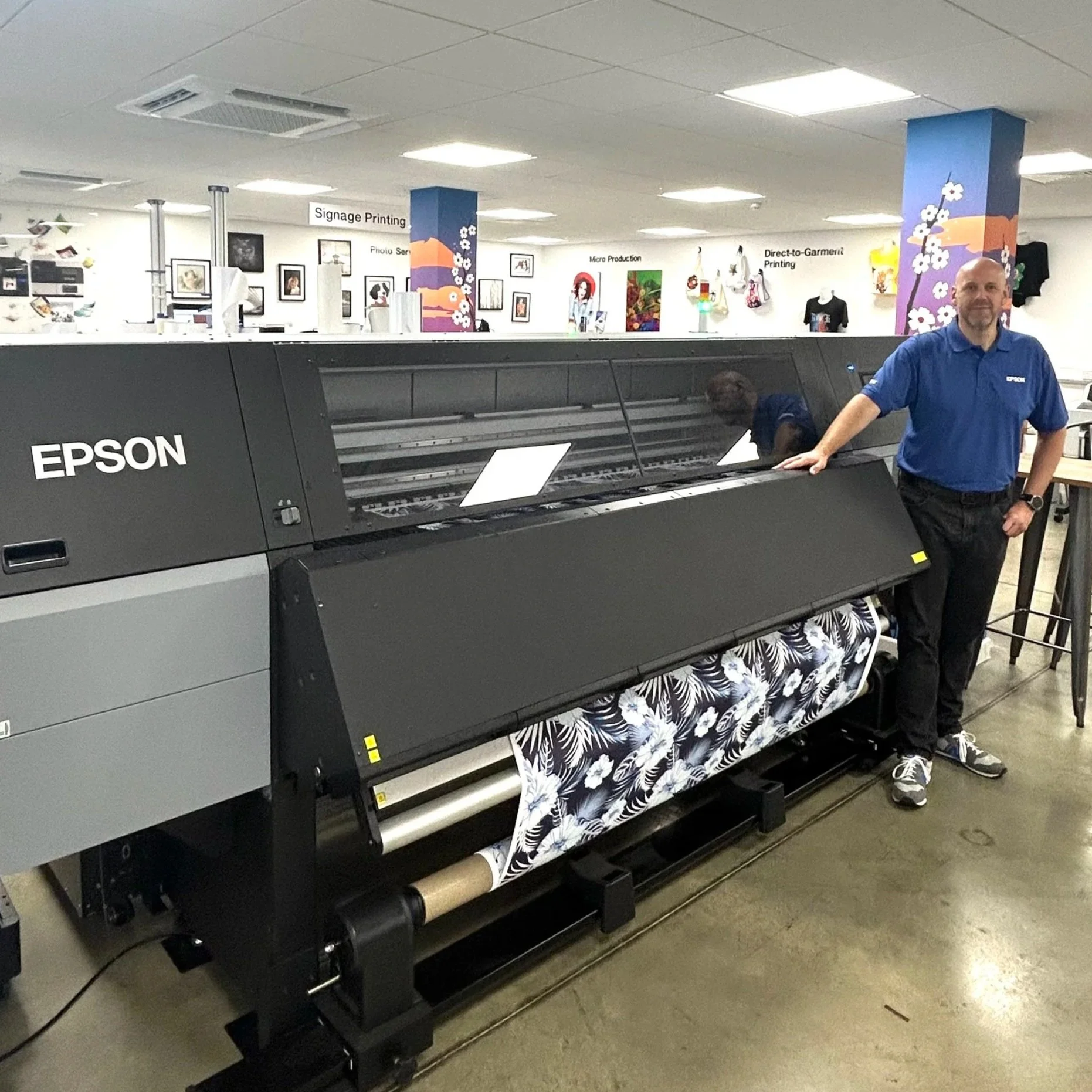
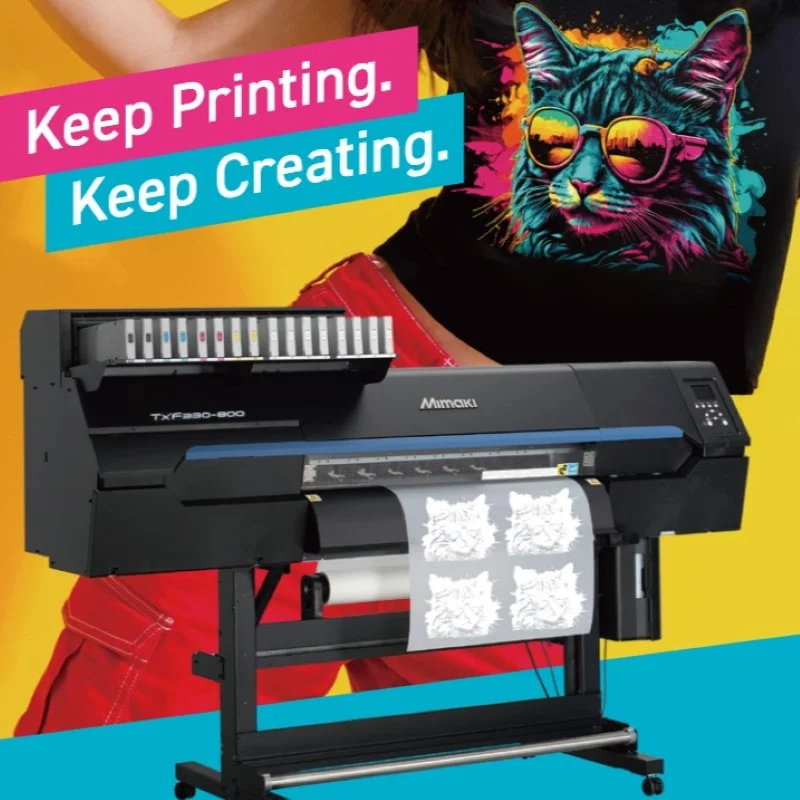
Epson's introduction of the DC10 spectrophotometer technology represents a significant breakthrough in addressing these challenges. Duncan Ferguson, Vice President of Epson Europe's Commercial and Industrial Printing Division, highlights how this technology measures and embeds original colour data throughout the production process.
“The system allows for precise manual adjustments of individual colours, effectively simulating traditional screen printing methods within a digital framework. This approach significantly simplifies the process for print professionals, whilst ensuring consistent colour output across different devices and substrates”.
Modern digital printing has also evolved beyond traditional CMYK colour spaces. Today's Epson advanced Monna Lisa printing system (ML 24000) can incorporate up to 12 base colours, achieving remarkably high percentages of spot colour gamut coverage. This expansion enables more accurate colour reproduction and opens new creative possibilities for textile designers and printers.
The Critical Role of Collaboration and Open Standards
The complexity of modern textile manufacturing demands unprecedented levels of collaboration across the entire supply chain. Industry leaders recognise that proprietary solutions and siloed approaches limit the potential for innovation and efficiency gains.
Open standards facilitate seamless integration of various technologies and processes, creating comprehensive workflows that span from initial design to final production. This collaborative approach proves essential for addressing the complex challenges facing the textile industry whilst capitalising on emerging opportunities.
The sharing of knowledge and best practices across the industry accelerates innovation and helps establish consistent quality standards. Companies that embrace collaborative approaches often find themselves better positioned to adapt to changing market demands and technological developments.
E-commerce Impact and Digital Manufacturing
The rapid growth of e-commerce has fundamentally altered consumer expectations and manufacturing requirements. Digital twins, no-touch manufacturing, and on-demand production models are becoming increasingly important as brands seek to reduce inventory costs whilst offering greater product customisation.
These technological capabilities enable manufacturers to align their operations more closely with modern business models, supporting faster response times and more flexible production schedules. Brands are increasingly investing in education and training to ensure their teams can effectively utilise these new technologies.
The shift toward digital manufacturing also supports more sustainable practices by reducing waste, minimising overproduction, and enabling more efficient resource utilisation throughout the supply chain.
Building Tomorrow's Textile Industry Today
The textile industry's digital transformation represents more than a technological upgrade—it signifies a fundamental evolution in how businesses create, collaborate, and compete. Companies that successfully integrate these advanced technologies into their operations will find themselves well-positioned to meet the challenges and opportunities that lie ahead.
“The future belongs to organisations that embrace collaboration, invest in proven technologies, and maintain a commitment to continuous improvement. By focusing on agility, efficiency, and trust through technological innovation, textile manufacturers can build sustainable competitive advantages whilst contributing to a more environmentally responsible industry” Debbie McKeegan CEO Texintel.
Success in this transformed landscape requires both technological sophistication and strategic vision. The companies that thrive will be those that recognise technology not as an end in itself, but as a powerful enabler of better design, more efficient production, and stronger customer relationships.
Five Key Takeaways for Textile Industry Leaders
Embrace Digital Design Workflows
Transition to comprehensive digital design platforms that preserve design integrity from concept to production. These systems provide greater control, reliability, and collaboration capabilities essential for modern textile manufacturing.
Invest in Colour Management Technology
Implement advanced colour measurement and management tools to ensure consistent colour reproduction across all devices and production runs. This investment pays dividends through reduced reprints and improved customer satisfaction.
Harness the Benefits of Digital Textile Printing Technology
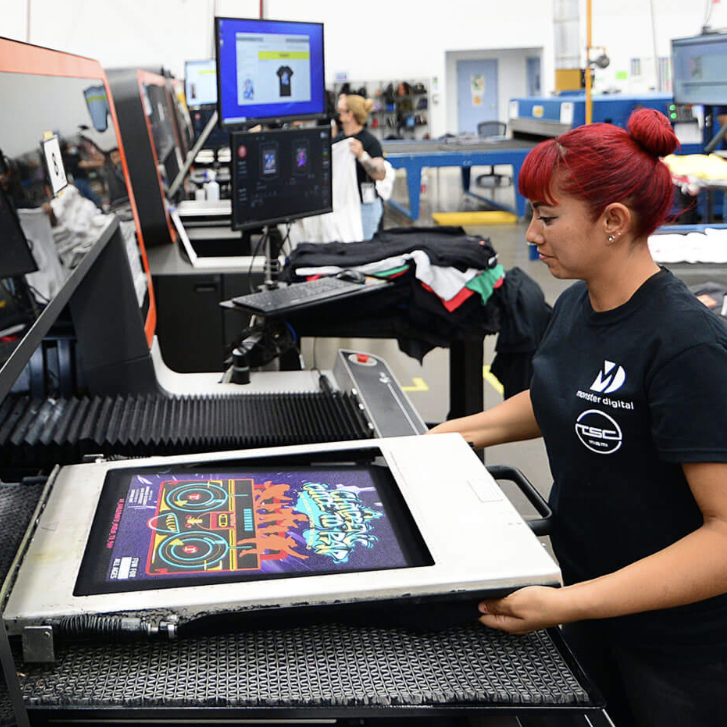
Embrace digital textile printing to transform your business. Achieve unmatched precision, create custom designs with minimal waste, and meet growing consumer demand for personalisation. Streamline production, boost efficiency, and take a step toward a more sustainable future with digital textile printing technology.
Leverage PDF Print Engine Technology
Utilise PDF-based workflows to maintain design fidelity throughout the production process. This standardisation ensures consistent quality whilst simplifying file management and reducing conversion errors.
Adopt Open Standards and Collaboration
Prioritise technologies and processes that support industry-wide standards and facilitate collaboration across the supply chain. This approach accelerates innovation and improve overall efficiency.
Align Technology with Business Models
Ensure that technological investments support your specific business objectives: on-demand production, global collaboration, or sustainable manufacturing practices. Technology should enhance rather than complicate your operational capabilities.

Industry-specialised solutions catered to textiles and apparel.
Expertise in integrating sustainability into product development workflows.
Modular tools that work within the familiarity of Adobe® software.
Dedicated customer support and training to maximise user success.