
GREENGRADS: The Waste Warriors - Support the Next Generation at the Yorkton Workshop, London Showcase
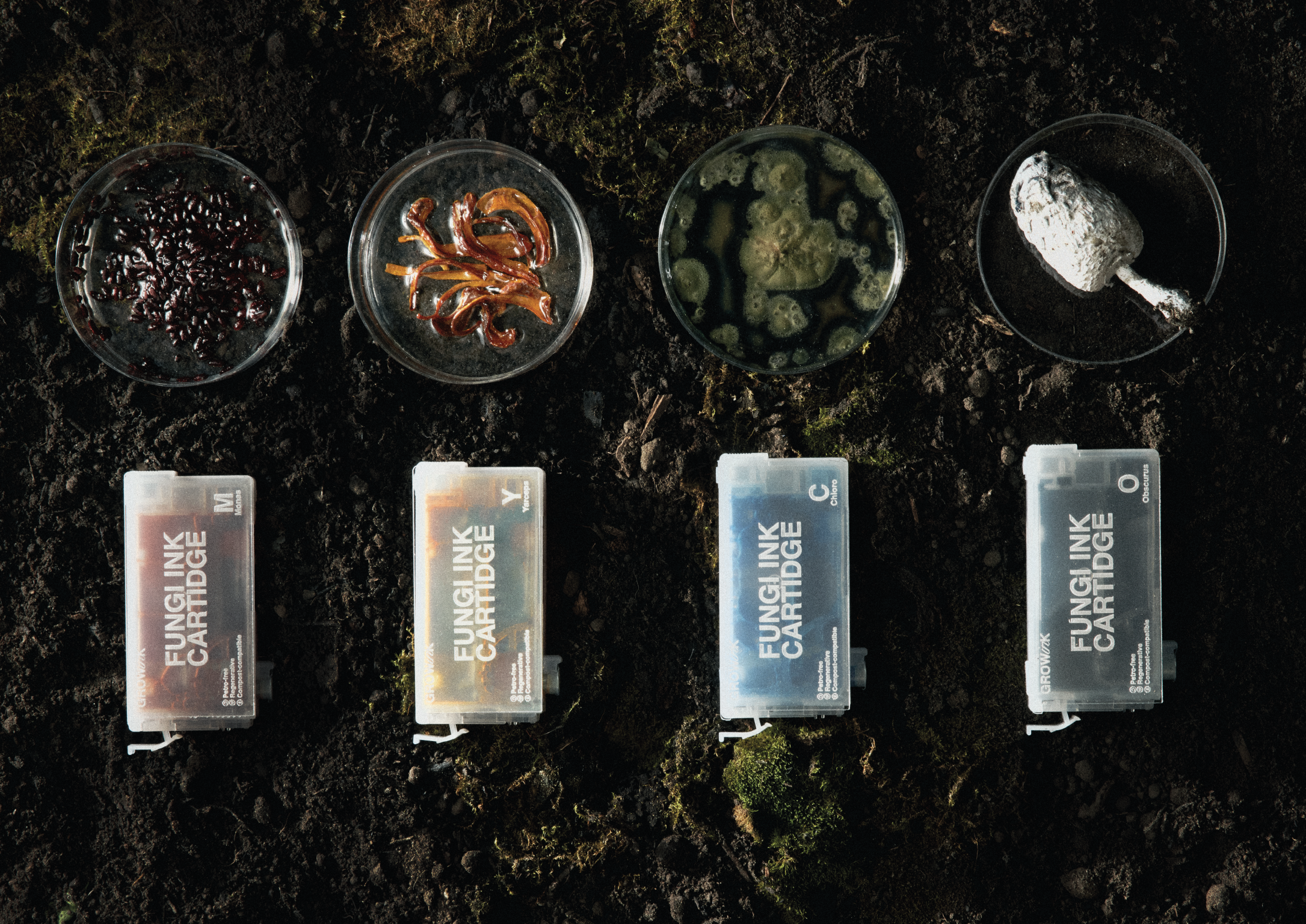
“Each of our Green Grads – and we now have 250 listed on our website – has their unique suggested way of dealing with the environmental challenges the world faces today. “Research by the British Retail Consortium shows that consumers/clients now put sustainability right at the top of their buying criteria.” Barbara Chandler
Image Credit: Peerasin Hutaphaet. GROWinK
GREEN GRADS at YORKTON WORKSHOPS
GREEN GRADS is kindly sponsored in*part by Texintel Global Partners, FESPA and Epson UK
GREEN GRADS at YORKTON WORKSHOPS: Weekend 15/16 November 2025
Waste becomes a valuable resource in the hands of the GREEN GRADS*
Yorkton Workshops, 1-3 Yorkton Street, London E2 8NH
Saturday November 15th: 11am to 7pm | Sunday November 16th: 11am to 6pm | Admission free: no need to book
Sponsored by Pearson Lloyd | *GREEN GRADS is a platform for new graduates with ideas to heal the planet.
Green Grads: Meet the Waste Warriors Healing the Planet
Creative use of waste is the main preoccupation for *GREEN GRADS at YORKTON WORKSHOPS, the popular November show of eco-projects from 25 recent graduates of UK universities. This unique spread of talent is returning for the second time to the elegant gallery of Pearson Lloyd design practice in East London for the weekend November 15/16.
As we confront the realities of climate change, resource depletion, and a global waste crisis, the imperative to innovate has never been more urgent. The responsibility—and the opportunity—falls on the next generation of creative minds to forge a new path forward. This is where Green Grads, a trailblazing platform for the UK’s most forward-thinking graduates, is making its mark.
This November, Green Grads returns to the elegant Yorkton Workshops in Hackney, London, with "The Waste Warriors," an exhibition showcasing 25 recent graduates who are transforming waste into a valuable resource. These young innovators are not just designing products; they are redesigning systems, challenging conventions, and offering tangible solutions to some of the world's most pressing environmental problems.
This event is more than a graduate show. It is a call to action for the entire design industry to engage with, support, and champion the eco-visionaries who are shaping a more sustainable future. By turning waste into wonder, these graduates demonstrate that a circular economy is not a distant dream but an achievable reality.
The Alchemists of the Circular Economy
The core theme of the exhibition is the creative and radical reuse of waste. From discarded electronics to agricultural by-products, the projects on display offer a powerful counter-narrative to our throwaway culture. These graduates are the new alchemists, turning seemingly worthless materials into objects of beauty, utility, and profound significance. Their work challenges us to reconsider what we define as "waste" and reveals the immense potential locked within the materials we discard.
This year's showcase features amongst others, innovations within the printed textiles and colour, inks industries, alongside groundbreaking developments in biomaterials and product design.
Reinventing Textiles and Colour
The textile and print industries are notorious for their environmental impact, from petrochemical inks that entomb materials to the harmful synthetics used in fashion. Several Green Grads are tackling these issues head-on, developing sustainable alternatives that could revolutionise production.
GROWinK by Peerasin Hutaphet
Peerasin Hutaphet is directly challenging the permanence of modern printing with GROWinK, a living ink. This remarkable innovation merges fungi pigments with soil-safe bacteria to create biodegradable images on paper, fabric, and even plastics. Instead of preserving waste, GROWinK transforms colour into a biological system that actively decomposes it. Peerasin’s work turns static communication into a dynamic ecological cycle—printing not for permanence, but for life and disappearance.
Amber Fry’s Natural Dye Alchemy
For seven years, Amber Fry has cultivated over 20 plant varieties on her Kent allotment, reviving a "lost world of colour alchemy." Her project, Plot 24, features a collection of 100% naturally-dyed British wool textiles. By fusing ancient knowledge with a deep understanding of botany and harvesting, Amber produces a vivid colour palette that dispels the myth that natural dyes are limited to "peach and beige." Her work champions decentralised, sustainable production, creating high-quality textiles from seed to cloth.
Seaweed Fibres and Dyes by Jenna Handley
In Cornwall, Jenna Handley is harnessing the power of the ocean. She is developing seaweed into a regenerative biomaterial and a source for natural dyes. Working with local knitters, she is reviving traditional patterns like the Cornish Gansey sweaters. Seaweed grows rapidly, sequesters carbon, and requires no fresh water or arable land. Jenna’s project is a powerful example of how local resources and heritage can drive regeneration.
From Waste Wool to Wonder
The British wool industry faces a crisis, with fleeces often fetching less than the cost of shearing. Two graduates are proving that this overlooked natural fibre has high-performance potential far beyond traditional textiles.
WoolTech by Hinna Khan
Hinna Khan is tackling the e-waste crisis by creating circuit boards from waste wool. Wool is naturally conductive, fire-retardant, and water-repellent. By mixing it with a milk-based substrate, Hinna creates a solid board that can be laser-etched with conductive paths. Components can be soldered on with a water-based solution and later removed by simply placing the board in water, creating an infinitely reusable PCB. Her project brilliantly questions the throwaway design of modern electronics.
3D Printing with Wool by Iestyn Howorth
Also addressing waste wool, Iestyn Howorth has invented a 3D printer for compacted wool waste, opening up new possibilities for creating small items and components from this abundant and undervalued resource.
Innovating with Discarded Materials
Across the exhibition, graduates demonstrate ingenious ways to repurpose a vast array of waste materials, from cigarette butts to shellfish.
Acoustic Panels by Salma Garana
Salma Garana is tackling the 700 billion unused cigarette filters incinerated annually by blending them with British wool to create effective acoustic panels, turning a toxic waste stream into a valuable architectural material.
Ceramics from Ash by Neve Beill
Ceramicist Neve Beill has developed a unique glaze from cigarette ash collected from local pubs. She uses it on vessels made from clay excavated from a local construction site, proving that beautiful ceramics can be made entirely from repurposed materials.
Tableware from Shellfish by Ollie Stroud
Ollie Stroud addresses waste from the seafood industry by transforming waste shellfish debris into striking tableware, creating a new material stream from a common by-product.
Furniture from Urban Foraging by Charley Softley
Charley Softley’s quirky furniture pieces are assembled from materials she finds "urban foraging" around Brighton. A chair made from discarded bike parts and another built from fragments of other chairs carry a powerful message: "What are you consuming and why? And what are the consequences?"
Why We Must Support the Next Generation
Green Grads was founded in 2021 by design journalist Barbara Chandler to provide a platform for UK graduates with ideas to heal the planet. Now in its fifth cohort and with a network of 250 alumni, the initiative has become a vital force for change. It connects a new generation of eco-activists with the industry, media, and public, giving them the exposure and confidence needed to turn their visionary projects into viable enterprises.
The work of these graduates is not merely academic. It represents the future of the design industry—a future that is circular, regenerative, and profoundly hopeful. They are proving that sustainability and creativity are not mutually exclusive; they are, in fact, inextricably linked. By supporting them, we invest in a world where design is a solution, not a problem.
The design industry has a unique opportunity to lead the transition to a more sustainable world. Attending "The Waste Warriors" is a chance to witness the vanguard of this movement, to be inspired by their ingenuity, and to find collaborators who can help your own organisation innovate.
We urge you to join us, to engage with these brilliant minds, and to become part of the solution.
Visit the Exhibition
GREEN GRADS at YORKTON WORKSHOPS
Weekend 15/16 November 2025
Location:
Yorkton Workshops, 1-3 Yorkton Street, London E2 8NH
Opening Times:
Saturday, November 15th: 11am to 7pm
Sunday, November 16th: 11am to 6pm
Admission is free and no booking is required.
* GREEN GRADS was founded in 2021 by design editor and curator Barbara Chandler, joined shortly by Michael Czerwinski as codirector/show producer. GREEN GRADS present their own shows – four major annual exhibitions so far - and are invited into numerous other events – such as the GNCCF
There are now 250 GREEN GRADS listed on their website www.greengrads.co.uk, with ongoing news on Instagram @greengradsuk
*GREEN GRADS is a platform for new graduates with ideas to heal the planet.
*Special Thanks to Fespa and Epson for their ongoing sponsorship, with an ear for Eco Textiles and of course: Anglepoise, Another Country, Benchmark, Camira, Case Furniture, Design Centre Chelsea Harbour (our headline sponsor), Designers Guild, Epson, Heal’s, Informare, Epson UK, Ercol, FESPA, Imageco, Little Red Rooster, Naturalmat, Nick Munro, Planit-ie, PriestmanGoode, Prinfab, SCP, Tom Faulkner, Urge Collective, Viaduct, Zetteler PR



Colour Is Too Important to Leave to Chance
Print will always be the part of the garment people see first.
But the sum of all parts — the fabric, the trims, the fasteners, the finish — is what determines whether a design actually delivers on its promise. Brands that continue to treat colour as a single creative decision, rather than a coordinated technical discipline spanning their entire supply chain, will keep paying for it in re-dips, delays, and disappointed design teams.
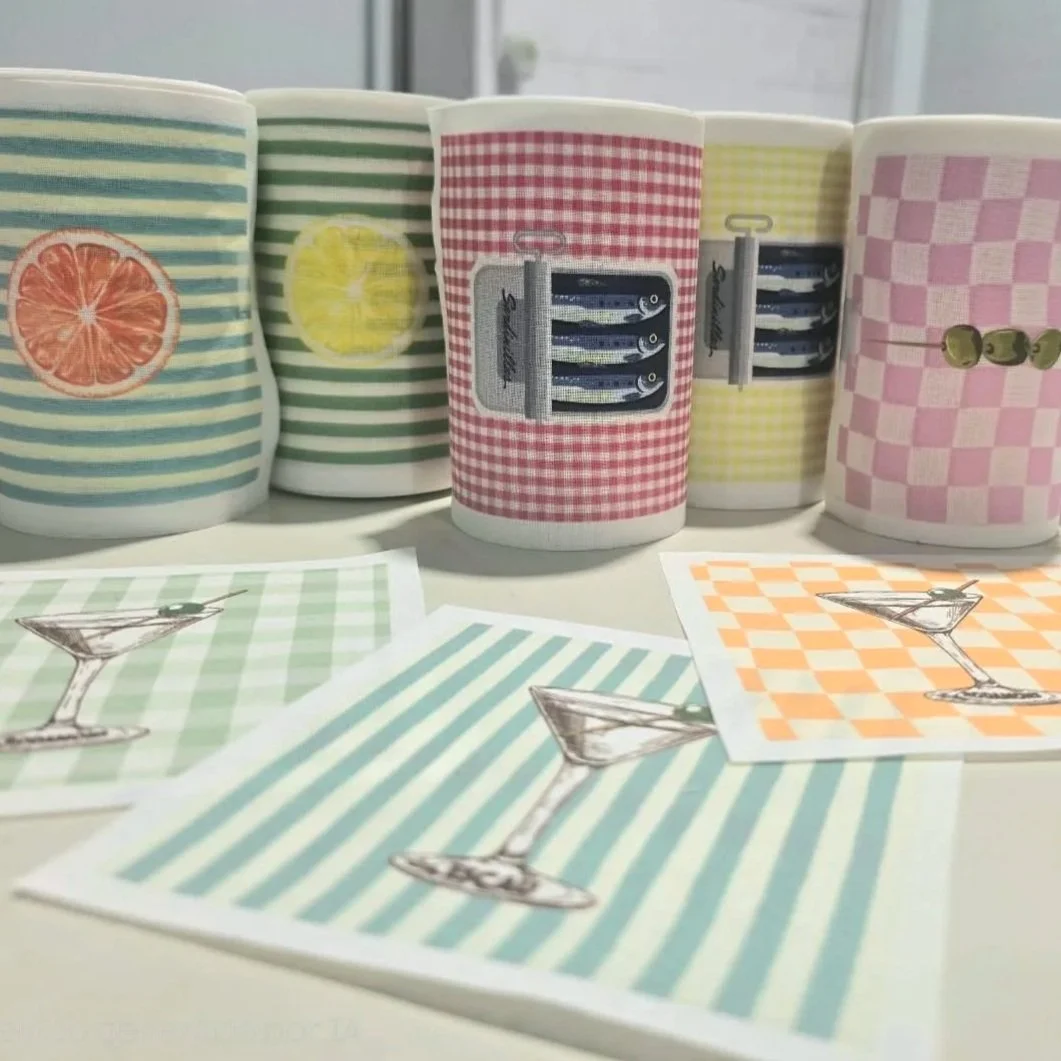
A Century of Textiles, and an Ever-changing World
Few companies can trace their roots back more than a century and still count themselves among their industry's innovators. Texia, headquartered in Monistrol de Montserrat, Spain, is one of them.
But the story of Texia is not simply one of longevity.
It is a story of continual reinvention. As the textile industry has grown more global and competitive, Texia has repeatedly reshaped its business, investing in technology, developing its own brands, and placing sustainability at the centre of its mission. In doing so, it offers a compelling example of how a heritage manufacturer can lead rather than follow through a period of profound industry change. Image Credit: Texia
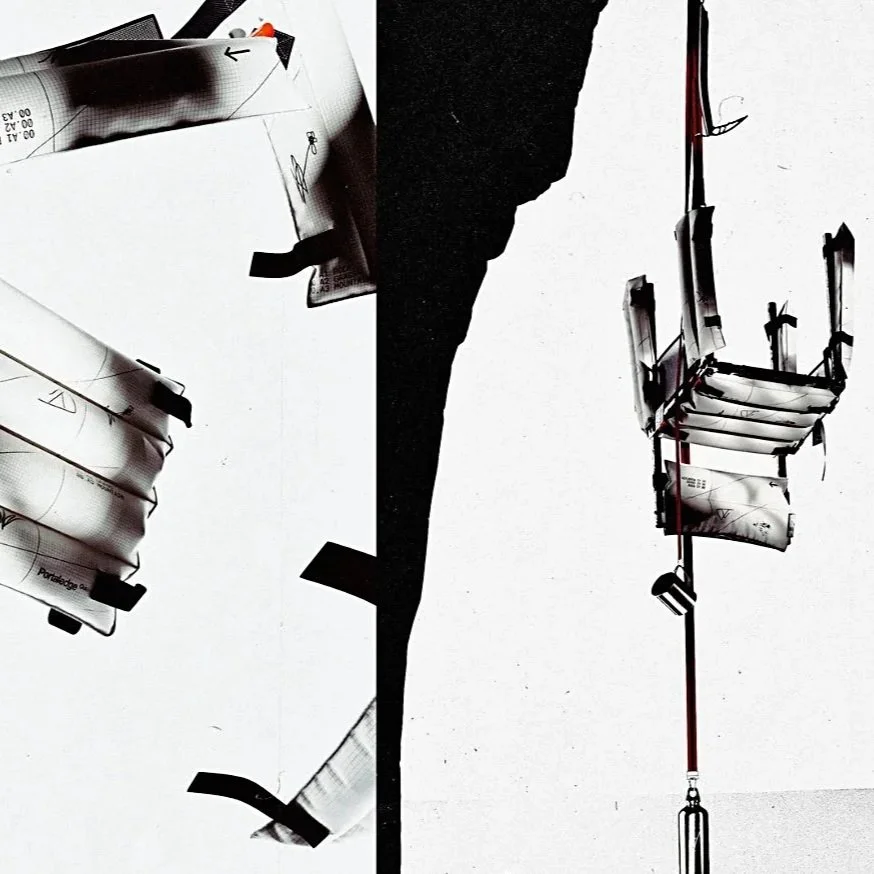
What are we craving Ultimately?
The instinct to slow down while simultaneously optimising every measurable aspect of life isn't a passing curiosity. It's a structural response to a world that feels increasingly unstable, and it's reshaping what people expect from their homes, hotels, workplaces and healthcare environments alike.
For the design and manufacturing sectors, this means rethinking both product and process.
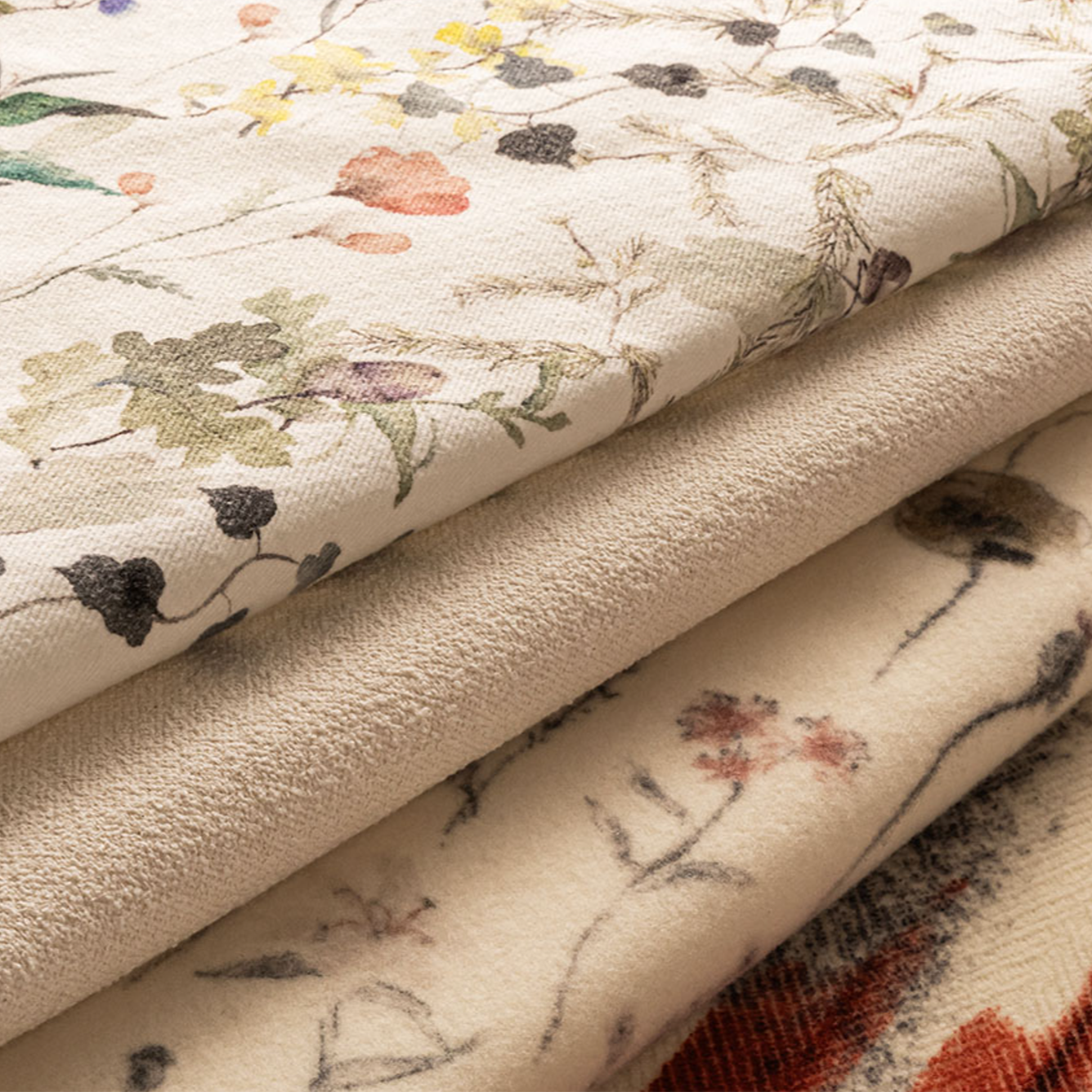
The Structual Shift is Real and its Already Here
Volumes are moving east, where digital production is accelerating rapidly. Consumer behaviour has shifted.
Demand is now driven by personalisation, shorter buying cycles, and an expectation of near-instant responsiveness. Regulatory pressure is intensifying, with supply chain transparency now a legal and commercial fact in many markets. And margins? They are under sustained, structural pressure.
This is not a temporary disruption. It is a fundamental reordering of how textile manufacturing must operate.

The Challenge: Standing Firm as the Industry Shifts
The wallpaper landscape has changed dramatically. Digital printing has lowered the barrier to entry, spawning countless direct-to-consumer brands and pushing much of the market towards faster, cheaper production.
At the same time, manufacturing in the UK has grown steadily harder - rising minimum wage, national insurance, energy and substrate costs all bear down on margins. Surface Print have embraced all of these challenges - and stand resolutely prepared for the future.
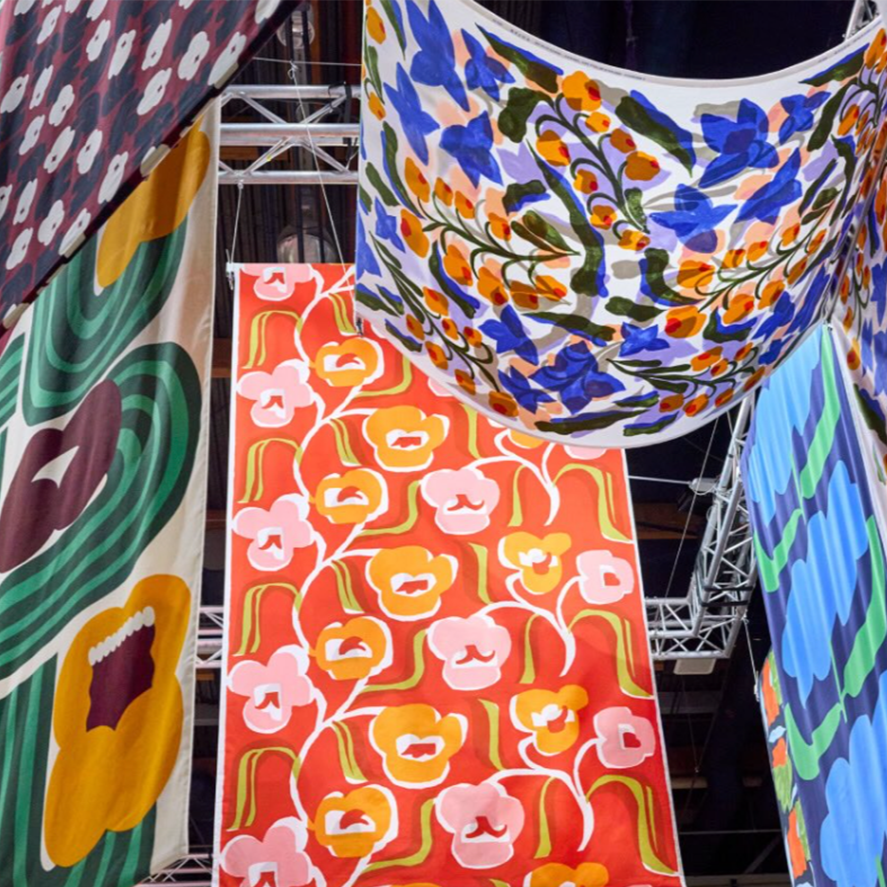
From Helsinki's printing mill to Paris's Le Marais, discover how Marimekko is scaling a design-led brand with purpose, craft, and bold innovation.
But what makes Marimekko's story compelling is not just its aesthetic legacy?

The word "toxic" carries weight. It conjures danger, harm, and things best avoided.
“Yet in the textile industry - Where between 3,000 and 10,000 chemicals move through the supply chain, a reflexive fear of the term is one of our biggest obstacles to progress.”
This article distils the key takeaways and what buyers, designers, and brands should be asking right now.
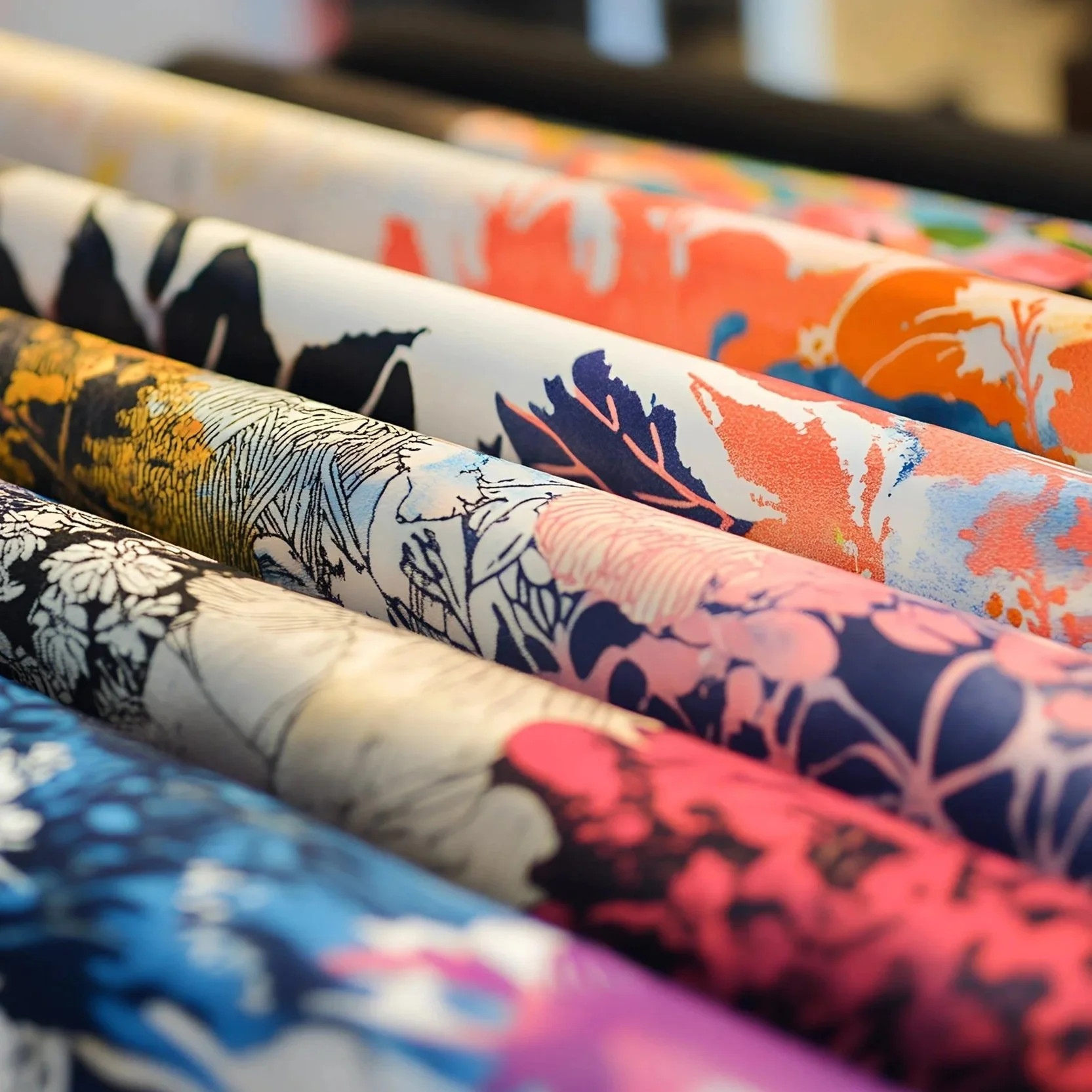
What Is the Digital Product Passport?
At its core, a Digital Product Passport is a digital record attached to a physical product - For a printed textile product, this means the DPP would capture data on the substrate, inks and dyes used, the printing process and technology, chemical compliance, environmental impact (including water and energy use), supply chain traceability, and end-of-life instructions.
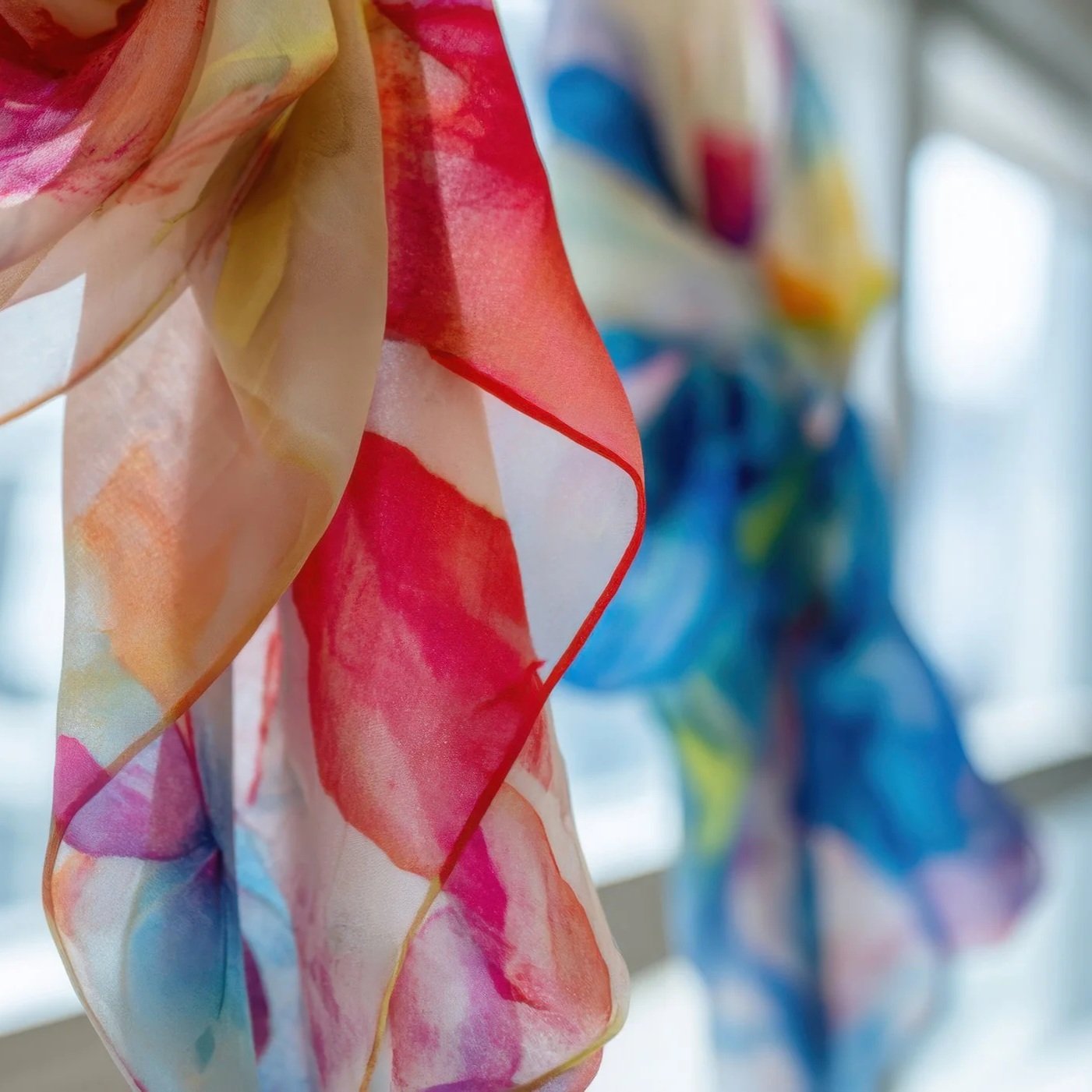
The Market Gap that Changed Everything
Future Fashion was founded in 2019, timed deliberately to coincide with a pivotal moment in global textile technology: the commercial launch of the EFI Reggiani BOLT Single-Pass digital printing system.
The founders recognised that single-pass architecture had fundamentally changed what was industrially possible - and that Pakistan's domestic market had yet to catch up.

Print is no longer defined by the inefficiencies that once characterised it…as advances in production processes and technology have significantly improved its environmental performance.
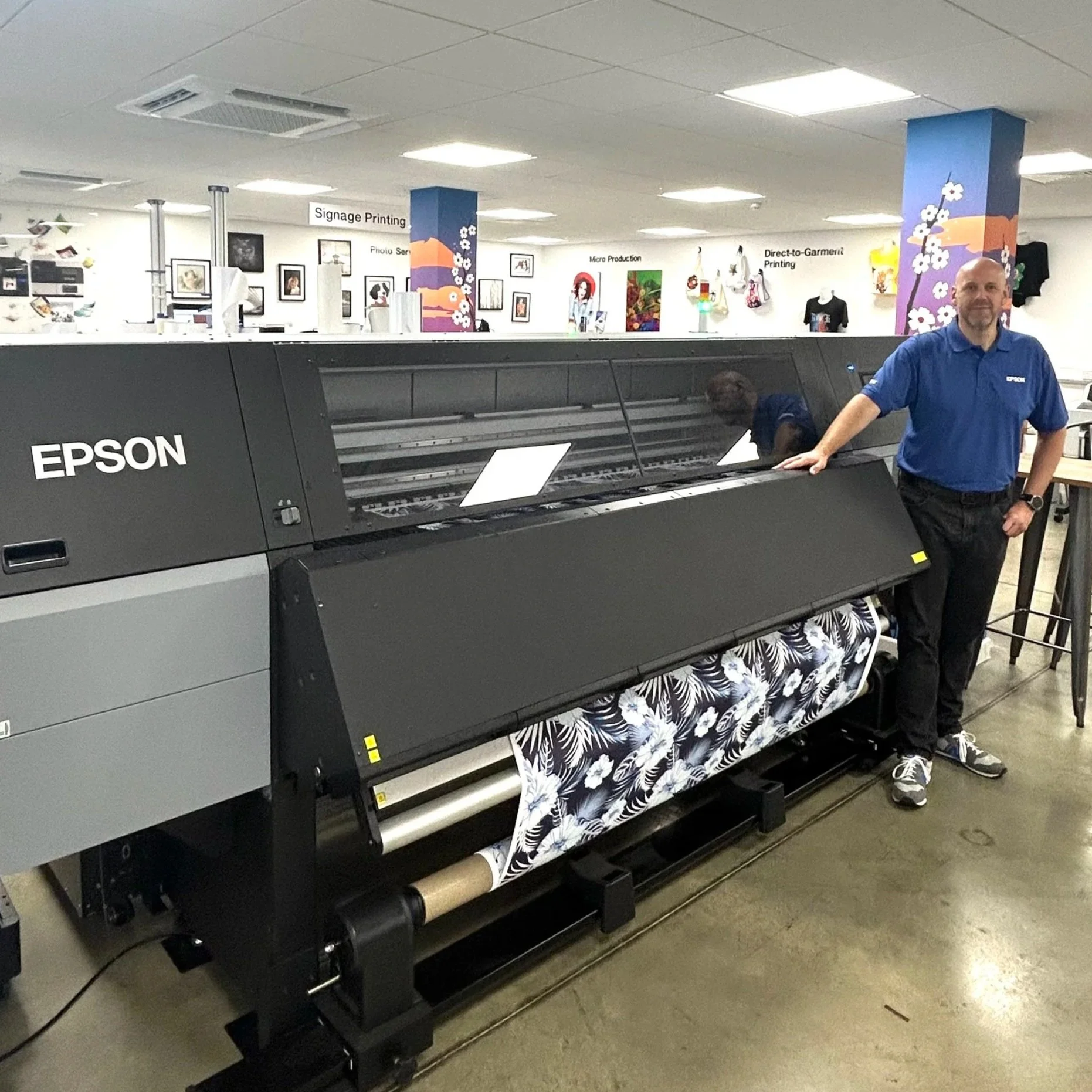
Taran Rai, Corporate Sustainability Manager at Epson explains why?
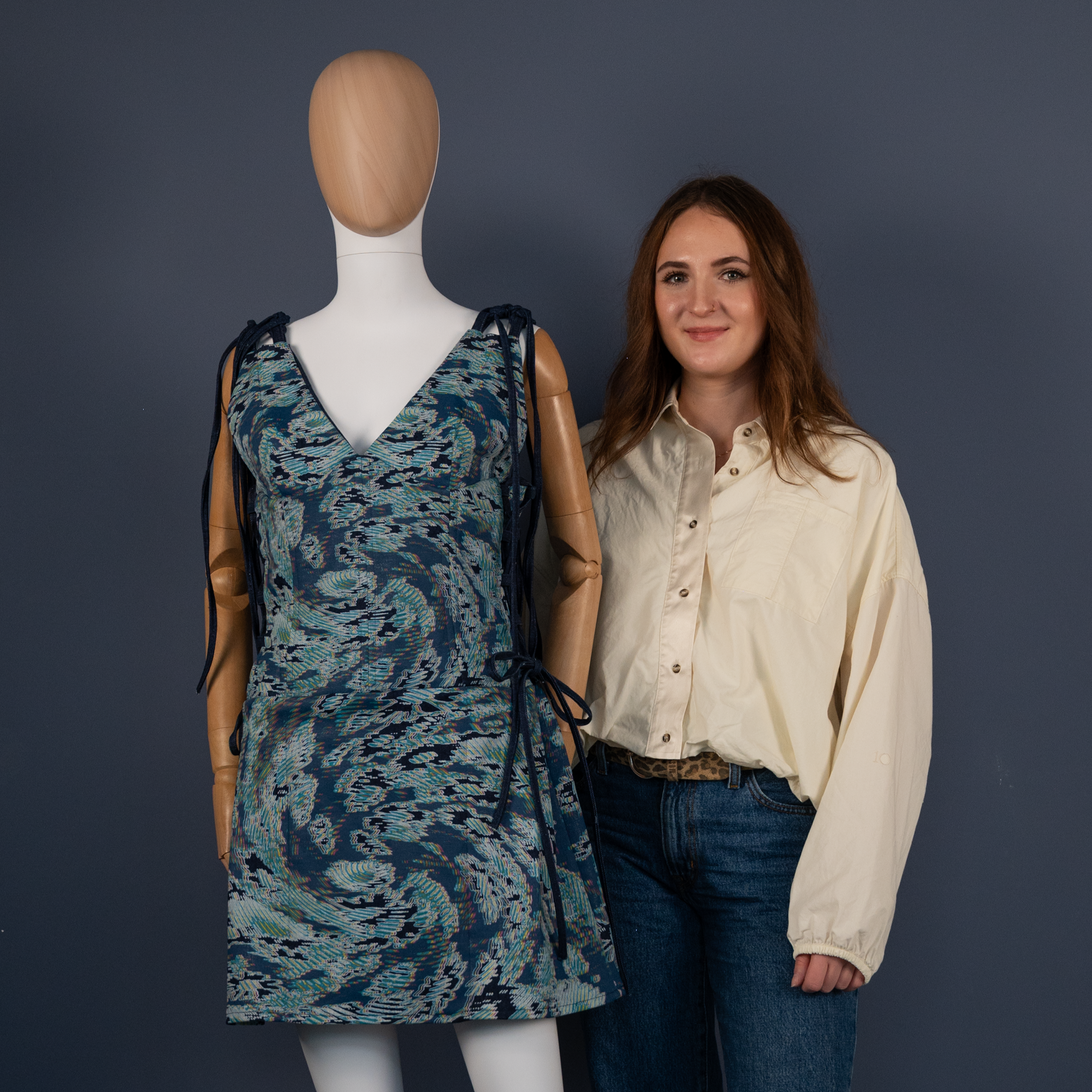
The story of what happens when young designers access digital technology is still being written.
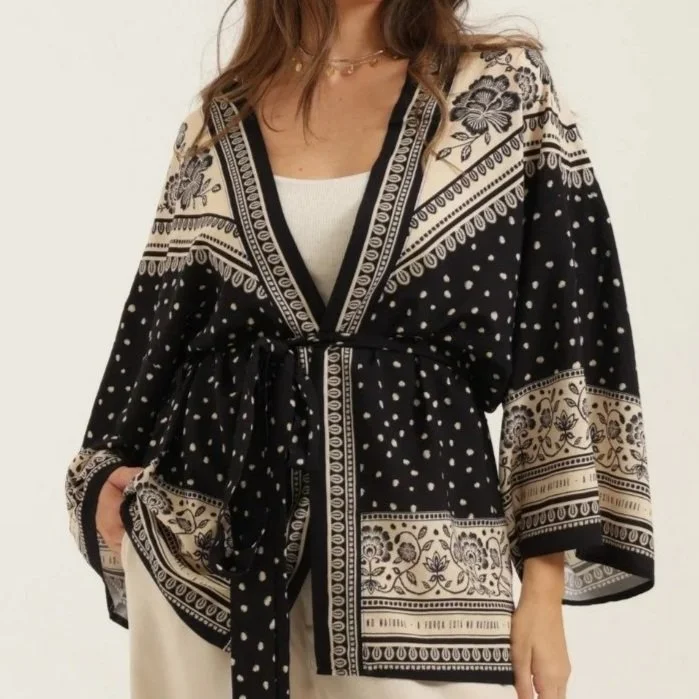
What once was a theoretical sustainability goal seems to have shifted into an active regulatory reality.

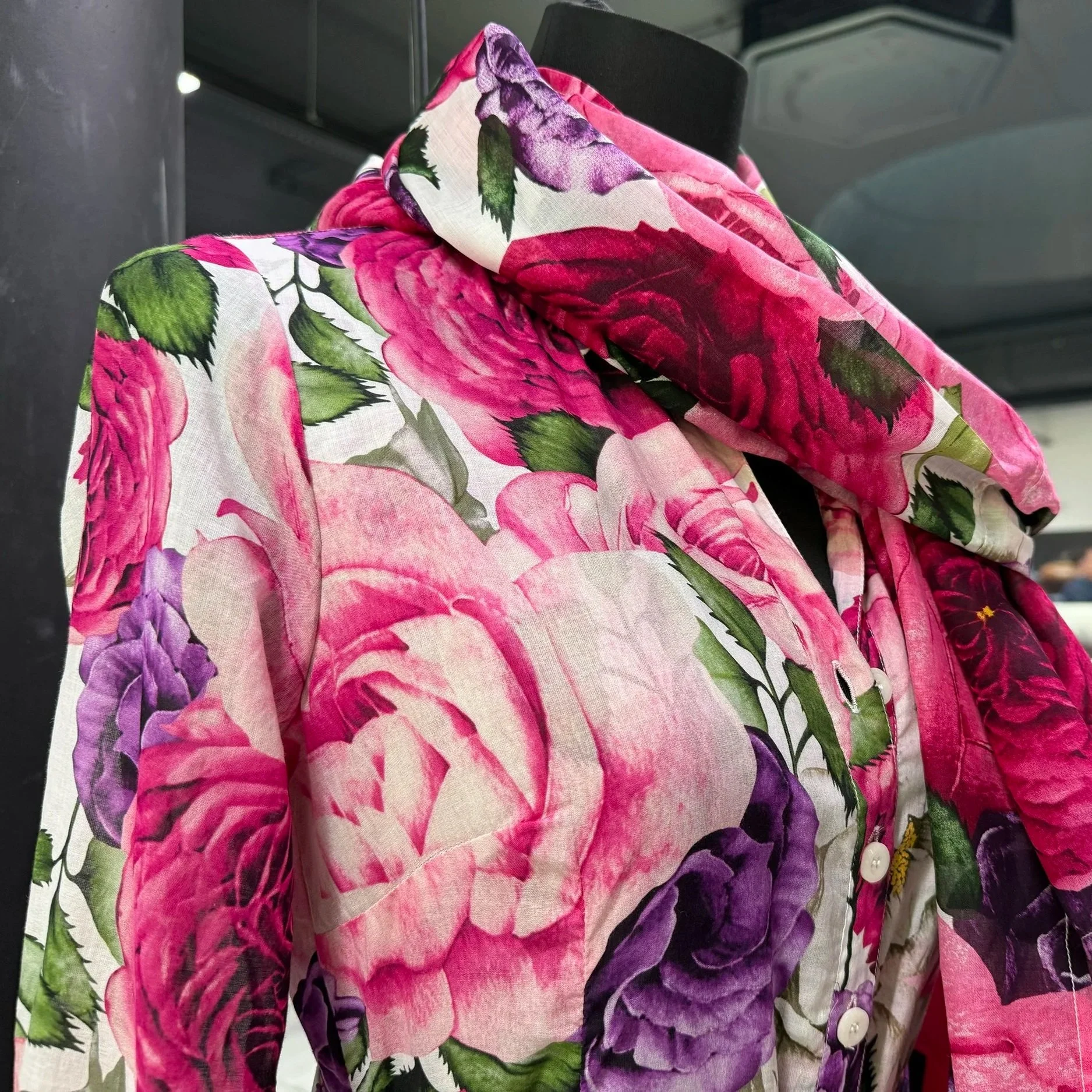



Is the Textile Market Finally Recovering?
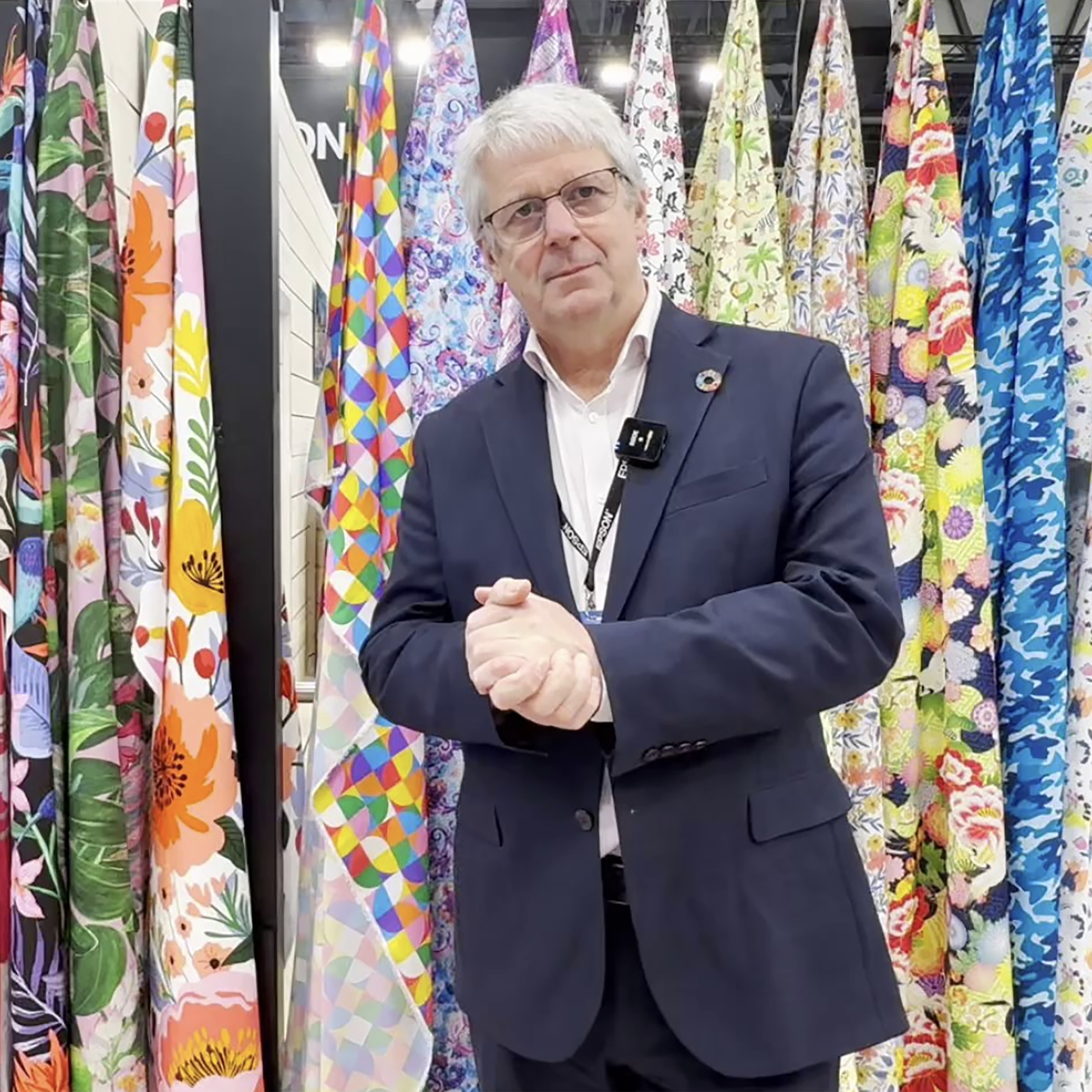
After a difficult few years, there are genuine reasons for optimism. Duncan was candid about the challenges: "The market for textiles has been very difficult over the last three years. I'm not going to hide the truth there. But the tide is turning.“
A profound shift is currently reshaping the sector
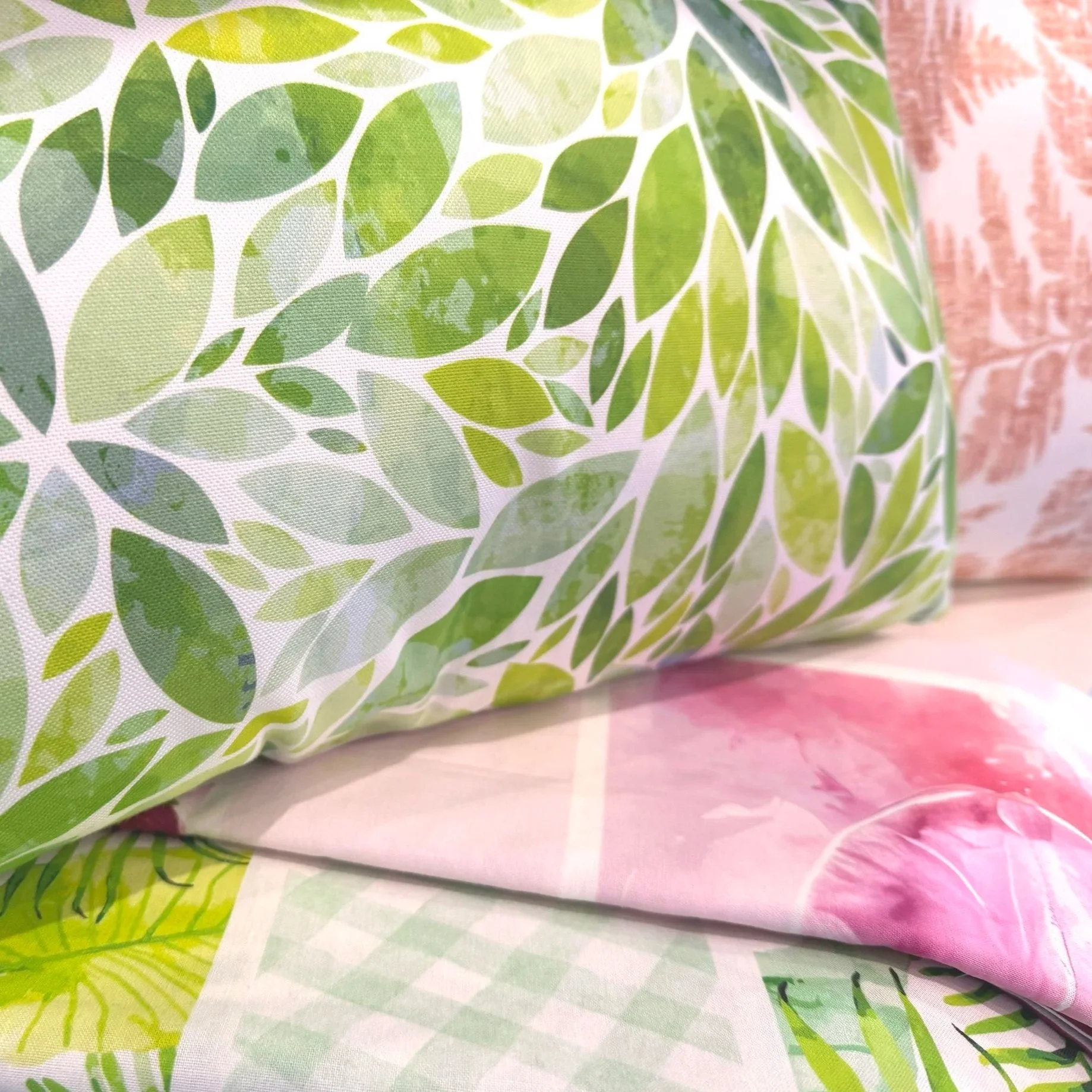
Changing consumer expectations demand greater design diversity, faster turnaround times, and sustainable manufacturing practices.
To thrive, interior brands must adapt their supply chains, bringing production closer to the end consumer and moving away from bulk manufacturing.
Digital textile printing offers a definitive solution to these operational bottlenecks.

Digital transformation doesn't announce itself.
It accumulates - one innovation at a time - until an entire industry looks back and realises the ground has shifted beneath its feet. That's precisely where textiles stands today.
The conversations happening now about AI, automation, sustainability, and digital product passports are not theoretical. They are shaping decisions being made on factory floors and in boardrooms right now.

“By leveraging advanced digital textile printing, Marylene Madou has successfully merged traditional craftsmanship with cutting-edge technology. Her approach offers a blueprint for how independent designers can scale their brands globally while maintaining a minimal environmental footprint.”
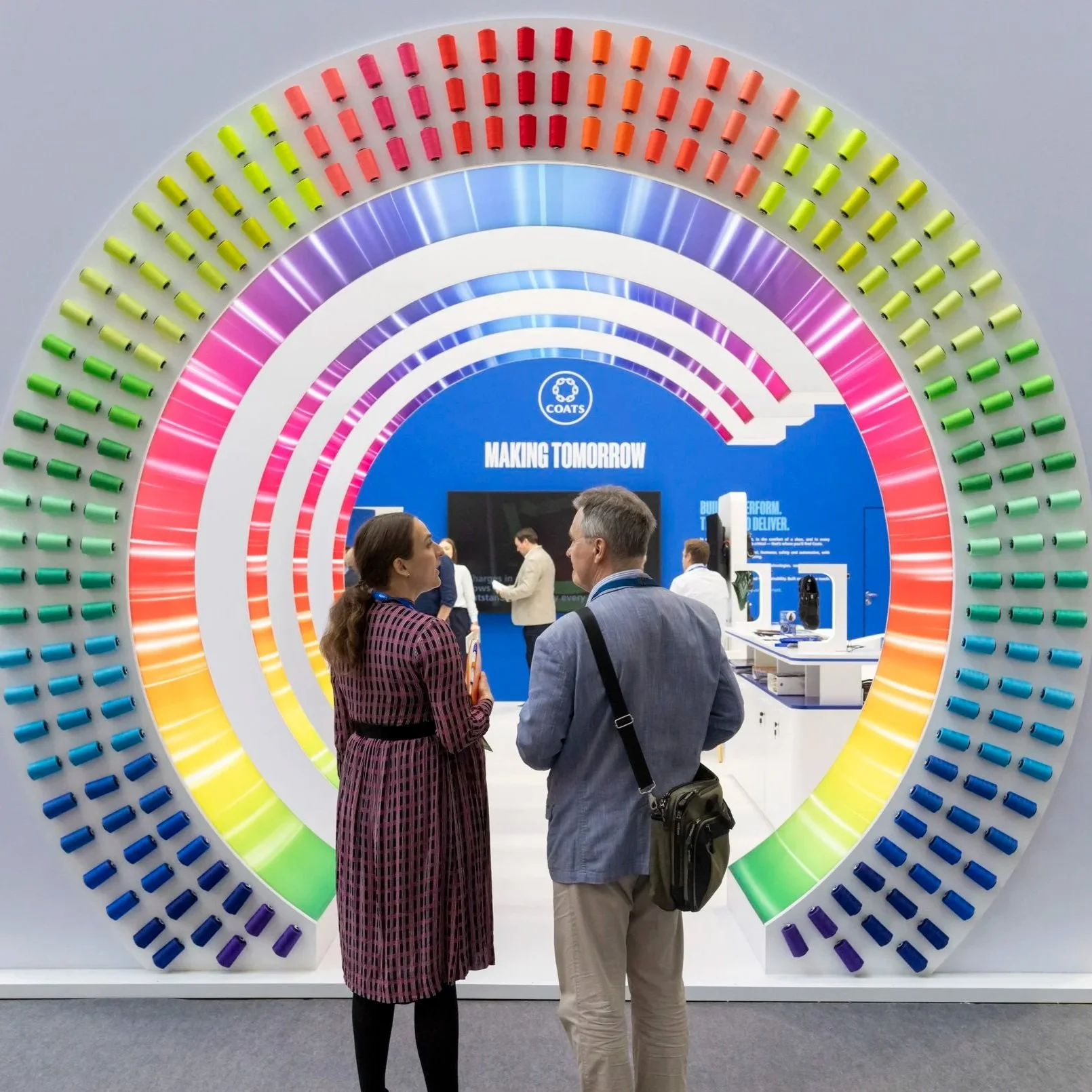
The textile industry is undergoing a vital transformation. As the insights from Techtextil and Texprocess reveal, the path forward relies on a combination of sustainable hardware, intelligent chemistry, and seamless digital workflows.
From Zimmer's industrial-scale energy reductions and Stratasys's on-demand 3D embellishments, to Kornit's single-step technical printing and the unified digital ecosystems of NedGraphics and Optitex, the tools for change are here. To stay competitive, brands and manufacturers must adopt these innovations, moving away from fragmented, wasteful processes towards a truly connected, circular economy.
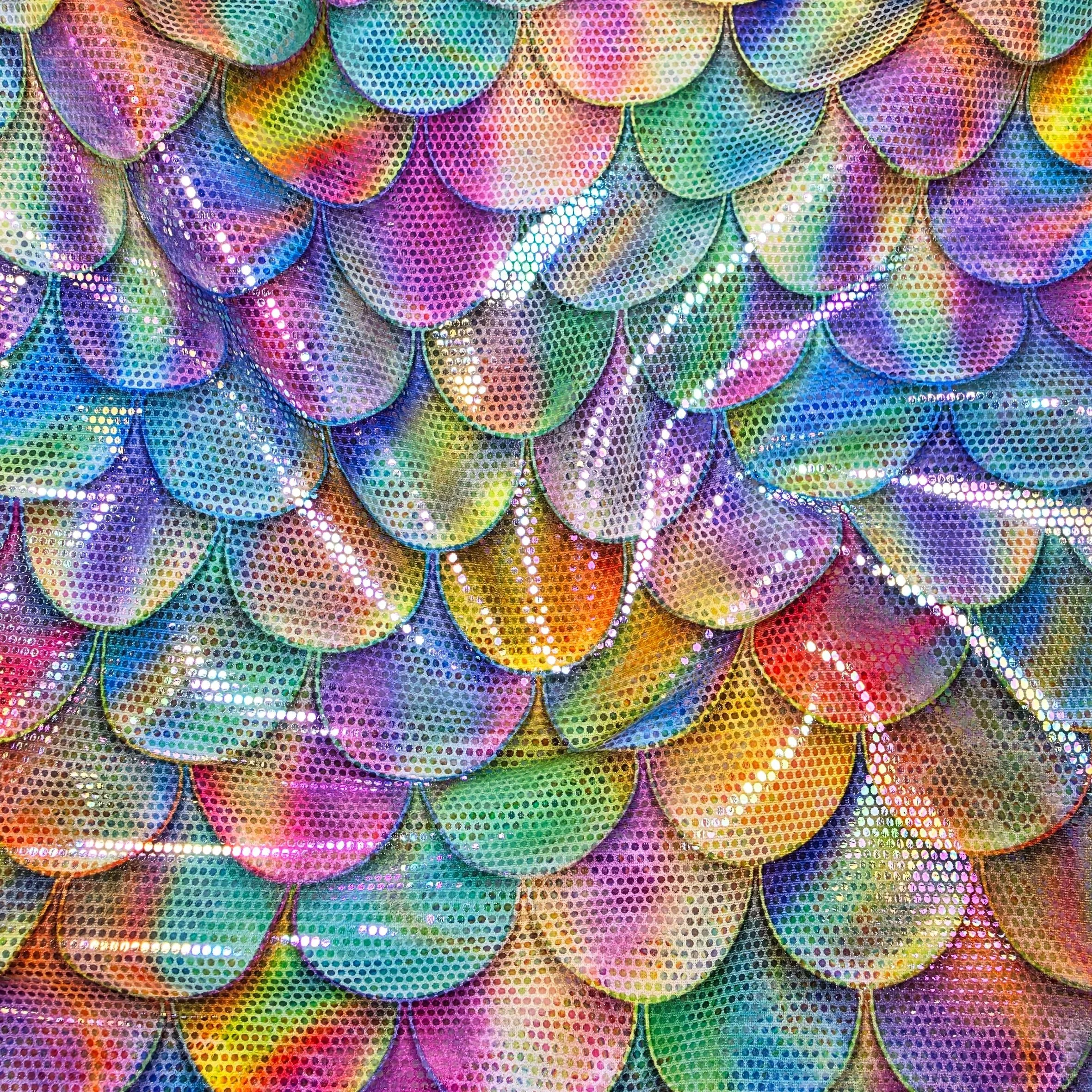
Friedmans stands as a testament to the power of combining traditional textile knowledge with forward-thinking innovation.
“Operating from their UK headquarters, Friedmans now serves a diverse array of sectors, including swimwear, dance, entertainment, sportswear, interior decor, prosthetics, and even pet apparel. With a strategic supply chain that reliably serves clients worldwide”
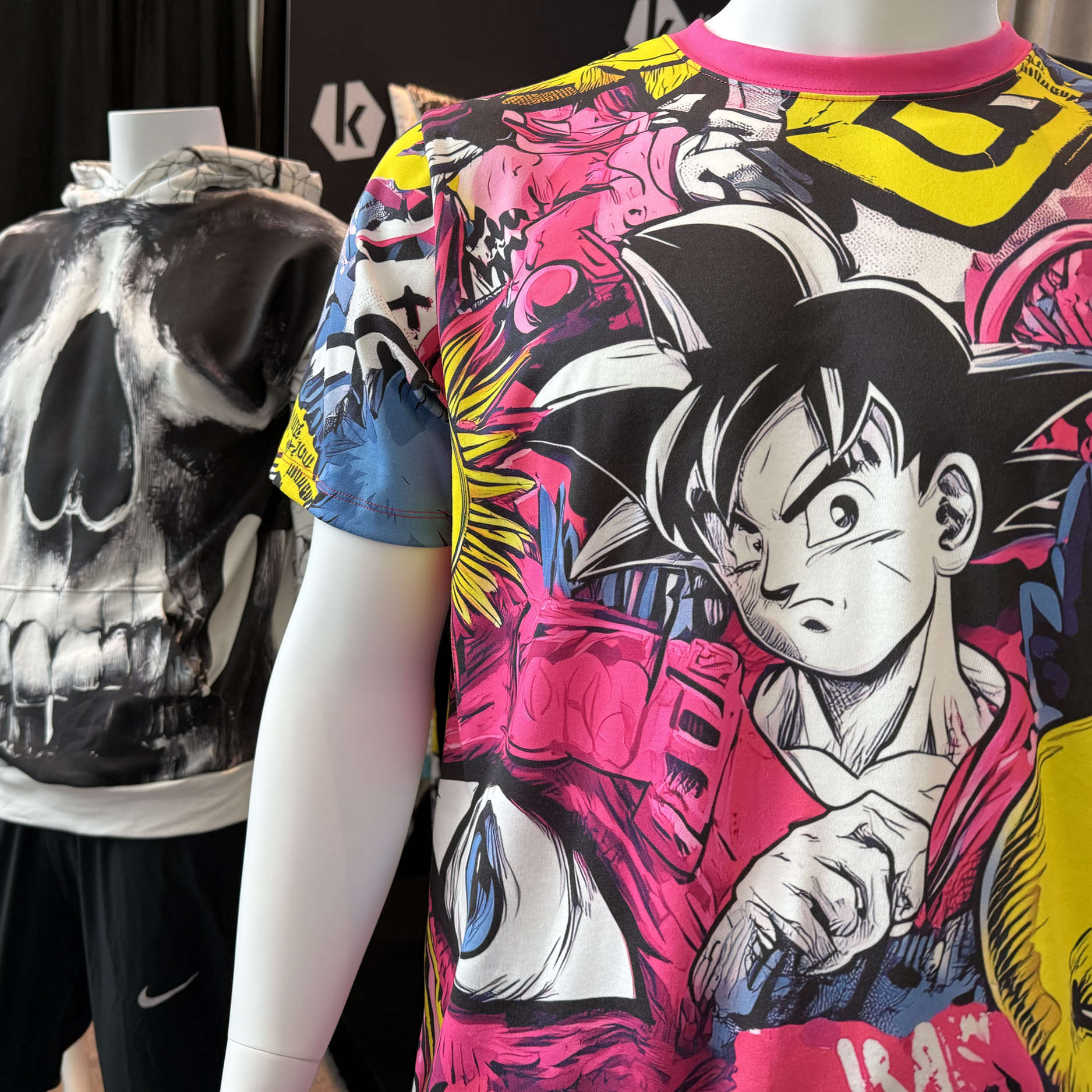
The apparel decoration industry is decisively moving away from isolated, analogue production tools toward connected digital manufacturing environments.
"Kornit’s unwavering commitment to transformative technology continues to disrupt the status quo. For business leaders and innovators ready to capture the future of apparel manufacturing, the path forward is clear”
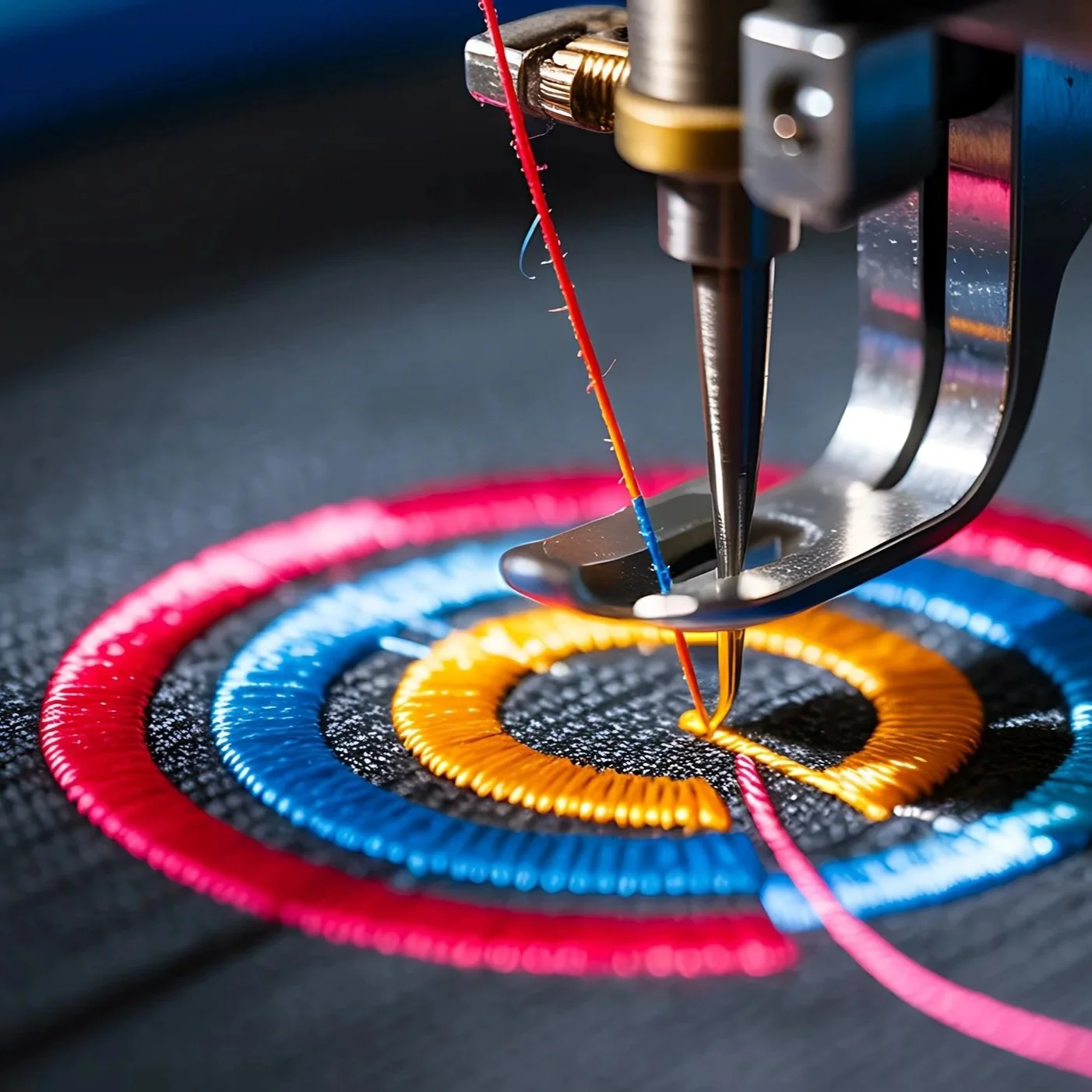
The Urgent Need for Sustainability at Scale
The transformation at Coats provides a vital blueprint for the wider textile and apparel sector. True sustainability cannot be achieved in silos. As Dearing emphasised:
“Cross-industry collaboration is the engine of meaningful change. Brands, machinery suppliers, chemical providers, and fibre producers must act as an interconnected ecosystem”
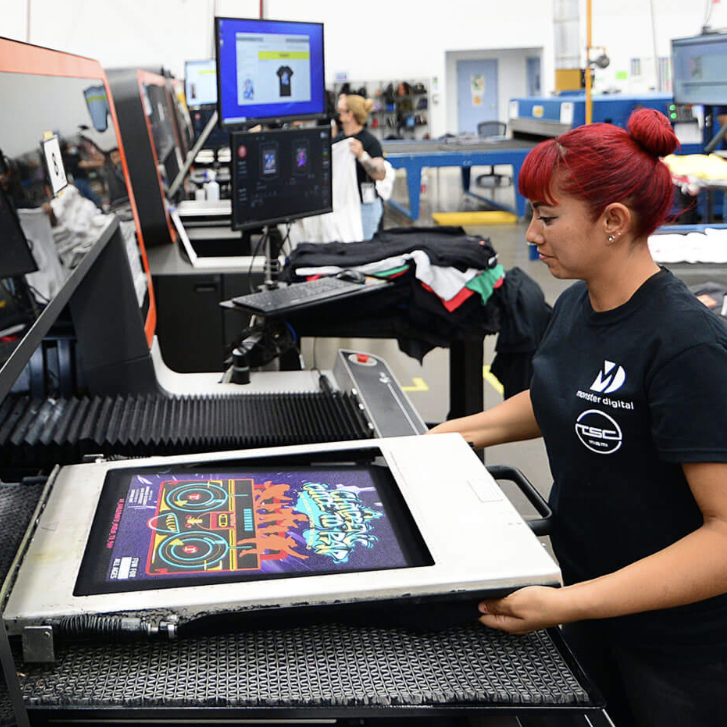
Today’s customers demand superior product quality, real-time data visibility, and lightning-fast turnaround times.
For large-scale garment decorators, managing these expectations while balancing seasonal demand fluctuations - such as the massive surges seen during Black Friday - presents a monumental challenge.
"Relying on transactional vendor relationships and outdated legacy equipment is no longer sufficient to secure long-term stability and growth.”

Printing method is never a secondary detail. It shapes the entire life cycle of a product, from concept to customer. In today’s fashion industry, where margins are tighter and speed matters more than ever, technical knowledge has become a competitive advantage.
“The future of textile design belongs to professionals who can combine creativity with execution, aesthetics with practicality, and vision with production reality”.

Birmingham, UK – September 2026 – Epson UK & Ireland will be exhibiting at The Print Show 2026, taking place at the NEC Birmingham from 29 September to 1 October 2026.
Visitors can find Epson at Stand S130, where the company will present live demonstrations of its latest professional printing technologies across UV, Direct-to-Garment (DTG), Direct-to-Film (DTF), and flatbed printing.

Ashby de la Zouch – September 2026 – Vivid Laminating Technologies has unveiled its most ambitious innovation to date: the Veloblade Nexus 5x5, a cutting-edge solution engineered to finish materials up to five metres wide and five metres long.
Wrapped in a striking carbon fibre finish, the launch marks a step change in large-format cutting technology for the print, fabric, and textile industries.
The Veloblade Nexus 5x5 is designed to meet the growing industry demand for precision, speed, and scale.

New York - September 2026– NedGraphics, a global leader in textile design technology, has today announced the upcoming launch of NedGraphics 2027, a new generation of software set to redefine how designers bring their creative visions to life.
The countdown to the full reveal is now underway, with the company inviting the industry to follow along as details unfold.
Hanover, Germany – 24 September 2026 – CEMATEX has selected 20 emerging start-ups from nine countries to receive the CEMATEX Start-Up Grant and showcase their innovations at Start-Up Valley during ITMA 2027 in Hanover.
Their participation will be fully funded by CEMATEX, giving promising early-stage companies access to the world's leading textile and garment technology platform.
The selected start-ups span six product areas: Colourants & Chemicals, Fibres, Yarns & Fabrics, Garment Making, Recycling, Software & Automation, and Testing.
Crewe = Cheshire – UK – September 2026 Three new UV flatbed printers with updated automation and productivity capabilities, all equipped with next generation RasterLink workflow and RIP software will launch on the Hybrid stand at The Print Show
Mimaki has announced the introduction of three new UV flatbed printers: the large-format JFX220-2515, and the small-format UJF200 Series (UJF200-3042 and UJF200-6042).
Developed to make advanced UV printing easier to operate and more accessible to print service providers, the new products combine simplified workflows and increased automation to support more efficient, productive print operations.

Frankfurt am Main, 23 September 2026 – Even more young design talent and creative ideas: at the upcoming Heimtextil, the New Talent Area returns for its second edition with a stronger presence.
From 12 to 15 January 2027, the curated area will welcome more than 30 participants, many of whom are presenting on the international stage for the first time.
In Frankfurt, they will showcase exciting textile designs, surprising materials and market-ready products.

Leicester – UK – September 23rd 2026 – Pantone has today announced the addition of 224 new colours to its globally recognised Matching System, marking one of the most significant expansions in the standard's history.
The update reflects a wider industry shift towards bolder, more expressive colour choices in design, and the new shades are now available through VeriVide's latest Pantone Formula Guide, Colour Bridge, and Solid Chips.
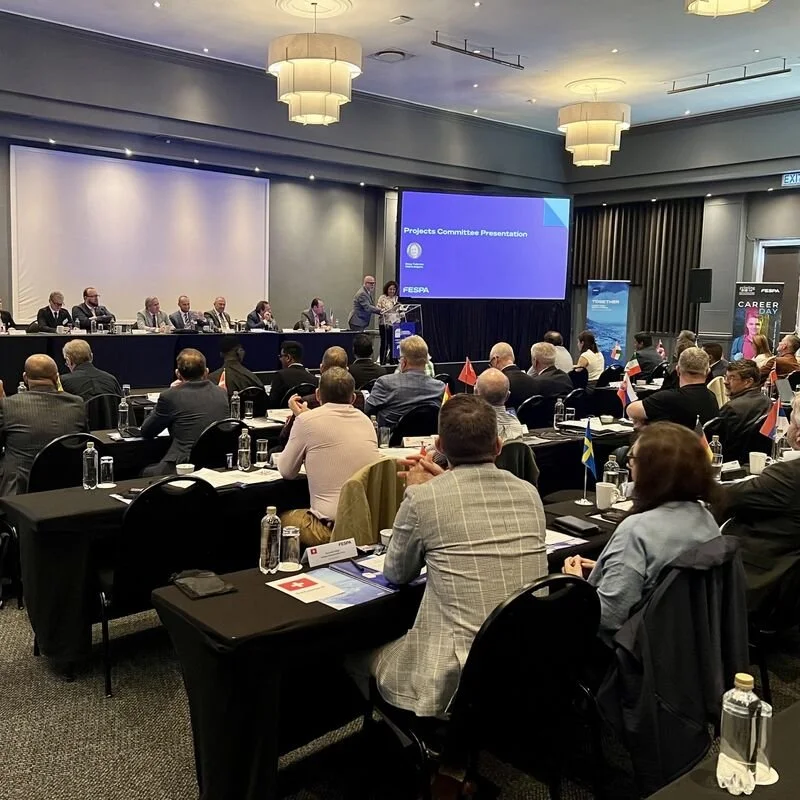
Cape Town, South Africa – September 2026 – FESPA has concluded a successful General Assembly in Cape Town, bringing together the Presidents of its 37 National Associations alongside the FESPA Ltd team for a week of strategic discussion and collaboration.
The annual gathering serves as a cornerstone event for the global print and signage community, offering leadership a dedicated forum to address the pressing challenges and emerging opportunities shaping the industry's future

Upper Caldecote - September 2026 – Print-Spec, a Bedfordshire-based provider of industrial screen printing and safety signage solutions, has announced a new equipment partnership that will see the business adopt the VelobladeNexus cutting system.
The move follows a collaboration between Spandex UK and Vivid Laminating Technologies Ltd, aimed at identifying the right technology to support Print-Spec's continued growth.

Paris, September 2026 – Lectra today announced the launch of Apogy, its cloud-based solution dedicated to product development, the critical phase between garment design and production.
Nearly fifty years after establishing the global standard for CAD solutions dedicated to the fashion industry, Lectra is opening a new chapter with Apogy, combining artificial intelligence, industry-specific agents and product data to revolutionise the way products are designed and developed.

Las Vegas, NV – August 2026 – Sun Chemical today announced its participation in PRINTING United Expo 2026, taking place 23-25 September 2026 at the Las Vegas Convention Centre.
Visitors are invited to booth C2880, where the company will present its latest advances in digital ink, textile, industrial, and sustainability-focused printing solutions designed to help printers transform their businesses.
At the heart of Sun Chemical's presence is a commitment to helping customers improve print quality, enhance sustainability, and optimise productivity.
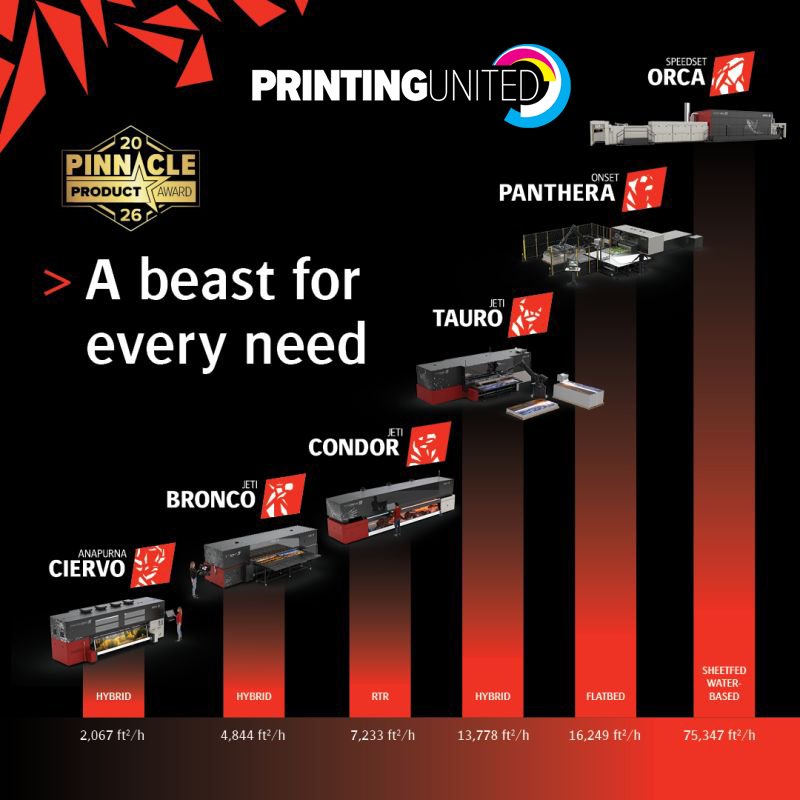
Las Vegas, NV – August 2026 – Agfa will return to PRINTING United Expo 2026, one of the printing industry's most important events, to connect with print professionals from across North America and beyond.
The company will exhibit at Booths 1149 and 1161 at the Las Vegas Convention Centre from 23–25 September 2026.
At the show, Agfa will demonstrate how its latest inkjet solutions help businesses increase productivity, expand application possibilities, and stay ahead in a rapidly evolving print market.
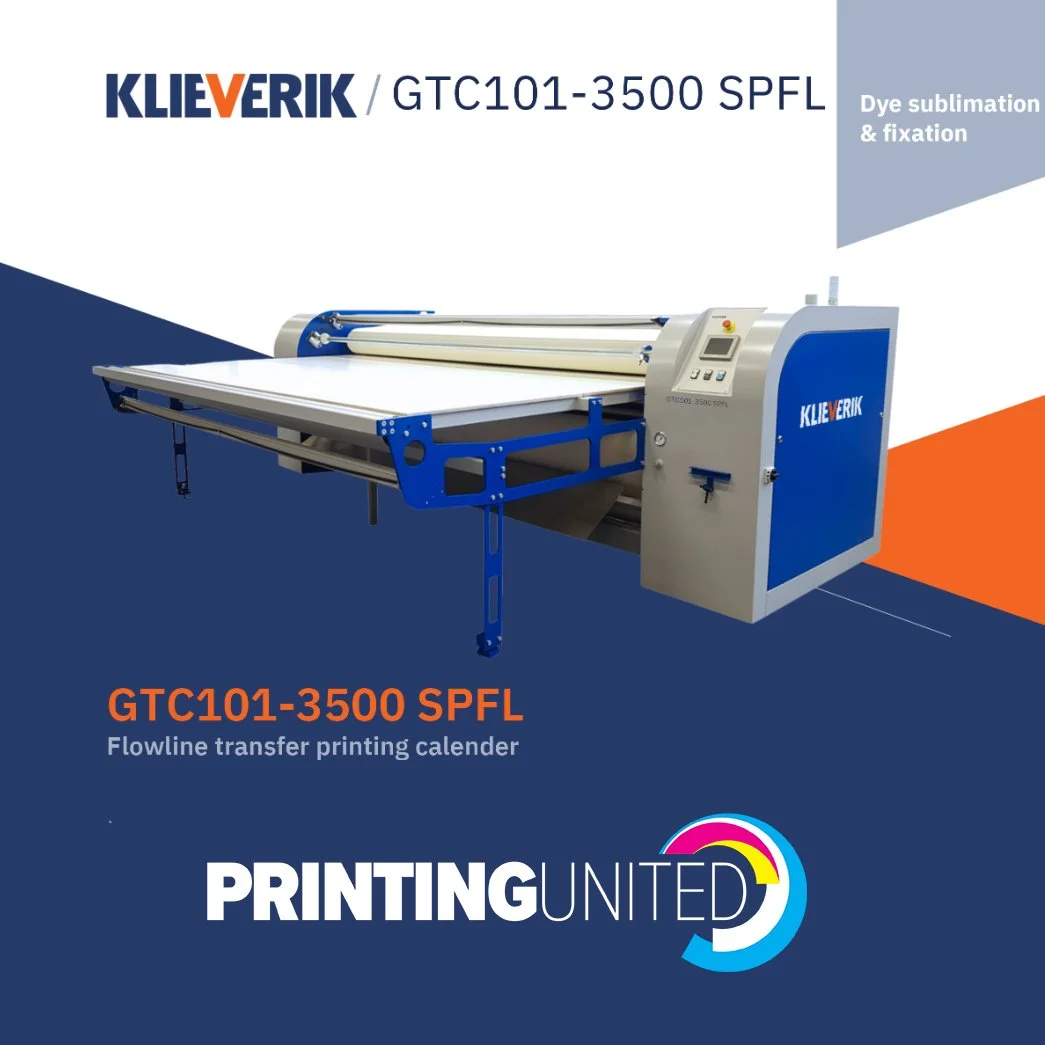
Groningen, Netherlands – September 2026– Klieverik, a recognised innovator in sublimation calendaring technology will bring live sublimation production to PRINTING United Expo 2026 in Las Vegas.
Visitors are invited to witness the Klieverik GTC101-3500 in action at Booth C2015, where the company will demonstrate the machine's capabilities in real time

Las Vegas, NV – September 2026 – Barbieri Electronics, a leading innovator in colour measurement and management solutions, today announced its participation in PRINTING United Expo 2026, where the company will unveil its latest advancements in colour technology for digital and textile printing.
Attendees can visit Barbieri Electronics at booth C-841 to experience live product demonstrations and engage directly with company leadership.

Las Vegas, NV – September 2026 – Caldera, a leading provider of print workflow software solutions, has announced its participation in PRINTING United Expo 2026, taking place 23–25 September 2026 at the Las Vegas Convention Center.
Visitors can find Caldera at Booth C1469, where the company will showcase its latest innovations in print workflow automation, colour management, and apparel decoration.

Aarhus, DK & Milwaukee, WI — September 2, 2026 — FASTSEWN will showcase the next generation of its flatbed automated textile finishing at PRINTING United 2026 with the U.S. debut demonstration of its innovative full 3.3M width StitchNCut™ flatbed sewing and laser cutting solution.
This solution is designed specifically for high-volume production of Silicone Edge Graphics (SEG), pillowcase graphics, and other grand-format and industrial textile applications.
The centerpiece of the launch will be live remote demonstrations from FASTSEWN’s headquarters, where attendees will see the company’s full-size StitchNCut 3.3-meter automated flatbed sewing and laser cutting system producing finished SEG graphics and pillow graphics under real market-based production conditions.

Ottawa, Ontario – September 2026 – Corel today announced the CorelDRAW® Graphics Suite September 2026 Update, delivering dramatically expanded AI capabilities, including Text-to-vector AI, giving customers total creative control as they work faster, explore a multitude of creative options, and generate high-quality vector artwork that's ready for any project.
CorelDRAW's new AI tools have been designed to accelerate workflows while keeping the user's inspiration at the centre of the creative process.

LOS ALAMITOS, Calif. – September, 2026 – Epson will showcase its latest digital printing solutions at PRINTING United Expo 2026, the annual event bringing together the print industry to explore the latest innovations in commercial, apparel, packaging, wide-format and specialty printing.
Taking place Sept. 23-25 at the Las Vegas Convention Center in Las Vegas, Nevada, Epson will introduce new solutions for textile applications and showcase its extensive portfolio of commercial, industrial and business inkjet solutions.

Brixen, 22 September 2026 – Durst Group, a leading manufacturer of advanced digital printing and production technologies, has reached a significant milestone with its P5 500 TEX iSUB.
50 systems have been sold worldwide since its market introduction at FESPA Global Print Expo 2025.

Blackpool, UK – September 2026– Standfast & Barracks has been named Global Business of the Year at the 2026 British Insurance Business Awards (BIBAs), recognising the company's sustained growth and impact across international markets, including its expanding presence in the United States.
The award was presented on Friday evening at a ceremony in Blackpool, where members of the Standfast team gathered to celebrate the achievement together.

Garden Grove, Calif. – 21 September 2026 – Media One ("M1"), a leading full-service integrator and value-added distributor of wide-format printing solutions, today announced it has acquired the U.S. business and assets of Premex Solutions, a leading supplier of high-quality, print-ready fabrics for the digital textile printing industry.
The acquisition strengthens Media One's home décor and apparel offering with expanded fabrics, pigment printing technology and technical expertise, reinforcing the company's commitment to delivering forward-thinking, end-to-end solutions across the industry

Las Vegas – Nevada – September 2026 – Greentex Global, a global provider of fabrics, blanks, sportswear, apparel and home textiles, has announced its participation in PRINTING United Expo 2026, taking place in Las Vegas from 23 to 25 September.
The company will welcome attendees to Booth C323, where it will present its latest range of sustainable textile solutions for the printing and apparel industries.

Signal Iduna- Park Dortmund– Germany – FabricVision GmbH has confirmed the successful deployment of its STARFLAG and BLOCKFLAG textile solutions in a large-format giant flag application at the German Supercup, one of German football's most closely watched fixtures.
The combination was used by a FabricVision customer to produce a pitch-covering display, demonstrating the fabrics' capability to meet the exacting demands of major sporting events.

Melville, NY – September 2026 – Canon U.S.A., Inc., a leader in digital imaging solutions, has announced it will return as title sponsor of PRINTING United Expo 2026, showcasing its latest innovations in production and large-format print.
Attendees can visit Booth #N5801 at the Las Vegas Convention Center from 23-25 September to experience Canon's diverse range of equipment and solutions.

Thetford – Norfolk - September 21, 2026 - Norfolk-based graphics, signage and print business MultiSigns Ltd said its recent investment in a new Vivid VeloBlade Nexus digital cutting system from Soyang Europe has allowed the company to bring more production in-house and significantly reduce turnaround times for customers

London – UK – September 2026 – ARTS THREAD has announced the call for applications for the Designers in Residence Pforzheim 2027 programme, a fully funded three-month residency hosted at EMMA Creative Center Pforzheim.
The residency will run from 1 April to 30 June 2027, offering emerging designers a rare opportunity to develop their practice within a dedicated creative environment.
Applications close on 2 November 2026 at 23:59 CET.
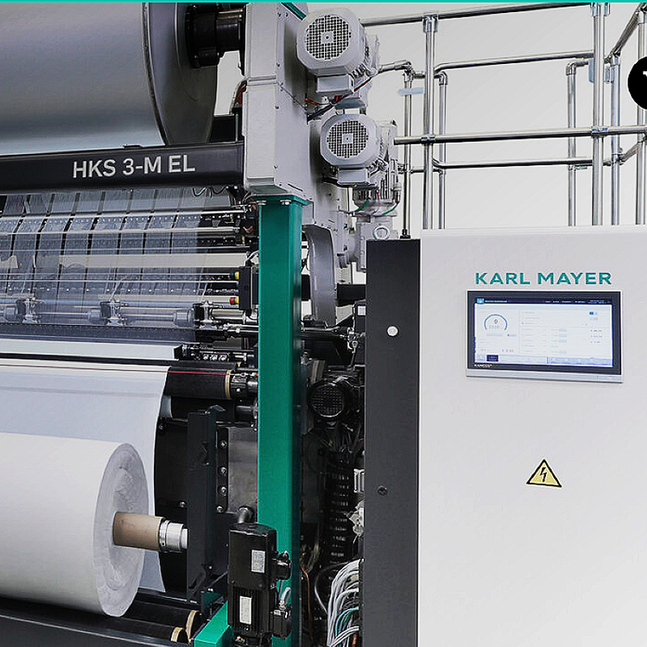
Oberthausen – Germany – September 2026 – KARL MAYER has announced the launch of a new, highly productive model of its HKS 3-M EL, engineered to meet the escalating demands of the sporting goods market.
The extra-wide tricot machine combines a working width of 330", expandable by a further 10", with production speeds of up to 2,800 min⁻¹, setting a new performance benchmark for manufacturers of modern sporting goods.
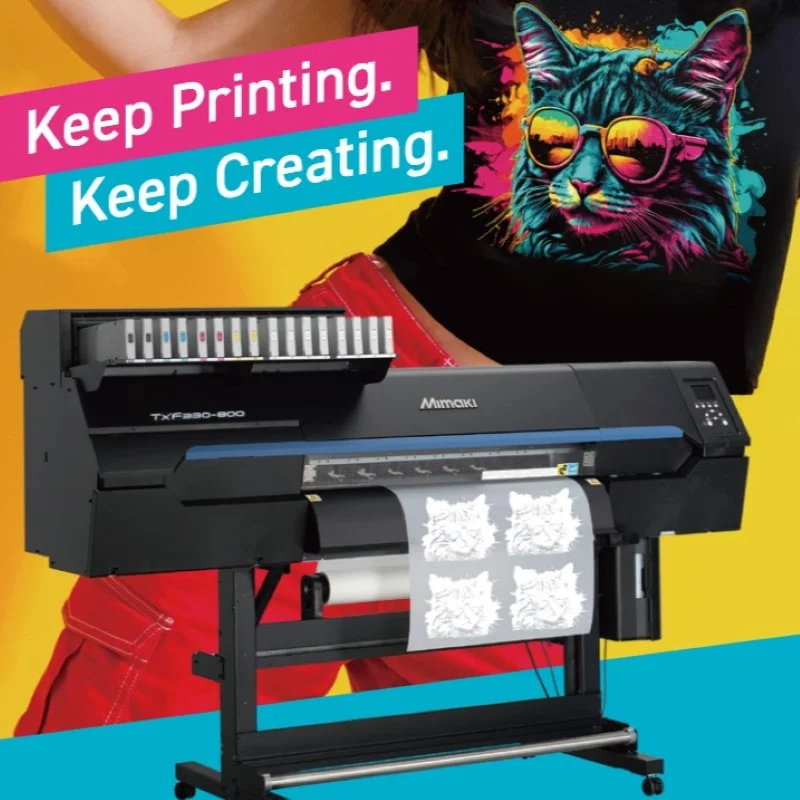
Crewe – Cheshire - UK – 18 September 2026 – Hybrid Services Ltd, the official Mimaki distributor for the UK and Ireland, today highlighted how Mimaki's advanced white ink technology is setting a new standard for Direct-to-Film (DTF) printing, addressing a critical challenge facing garment decorators across the industry.

Tonbridge – UK – September 2026 Compass Business Finance will return to The Print Show this year, inviting visitors to explore their game plans for growth and the strategic decisions that can help drive long-term success in an increasingly fast-moving market.
Located on Stand P580, Compass will deliver an immersive experience designed to explore the challenges, opportunities and key business decisions facing print companies today.
Rather than offering generic advice, the stand will encourage visitors to think differently about their ambitions, investment priorities, and the practical steps required to move their businesses forward with confidence
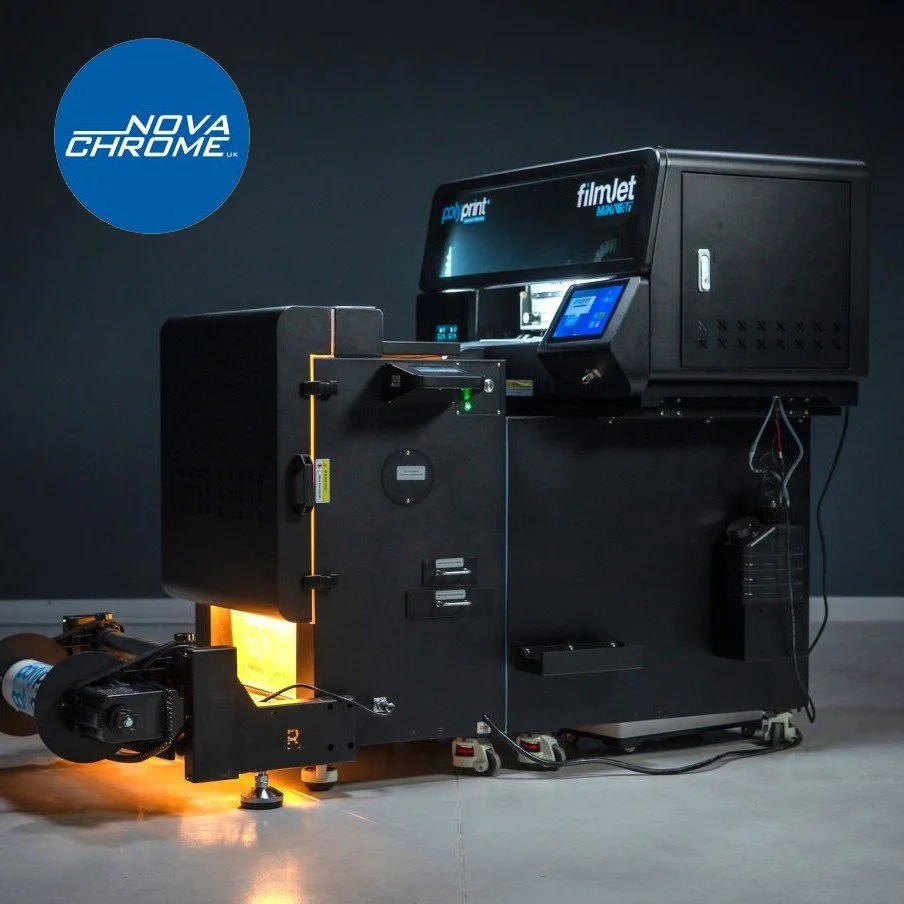
Anglesey – September 2026 – Nova Chrome UK has today announced the launch of the Filmjet Mini, a new series of all-in-one direct-to-film (DTF) printers designed to eliminate the complexity of running separate printing, powder application, and curing units.
Built by PolyPrint, a garment printer manufacturer since 2006, the Filmjet Mini brings together everything a business needs to start DTF production within a single, compact machine.