





FabricVision is a fresh, dynamic player in the large-format digital textile printing industry.
Backed by over 100 years of combined expertise, we offer a fully integrated production model — managing every step internally, from development to delivery. This gives our clients unmatched quality, speed, and flexibility.
Whether it’s full-container orders or stock purchases, we bring fabric printing closer to your needs.
We are proud to be the European voice of JinMao, bringing production closer to the market and ensuring direct access to cost, quality, and innovation.
With this new venture, we are building a smarter, more agile way of working — where customers can choose how they buy, and how they brand.
Our approach is flexible, personal, and built for the future.


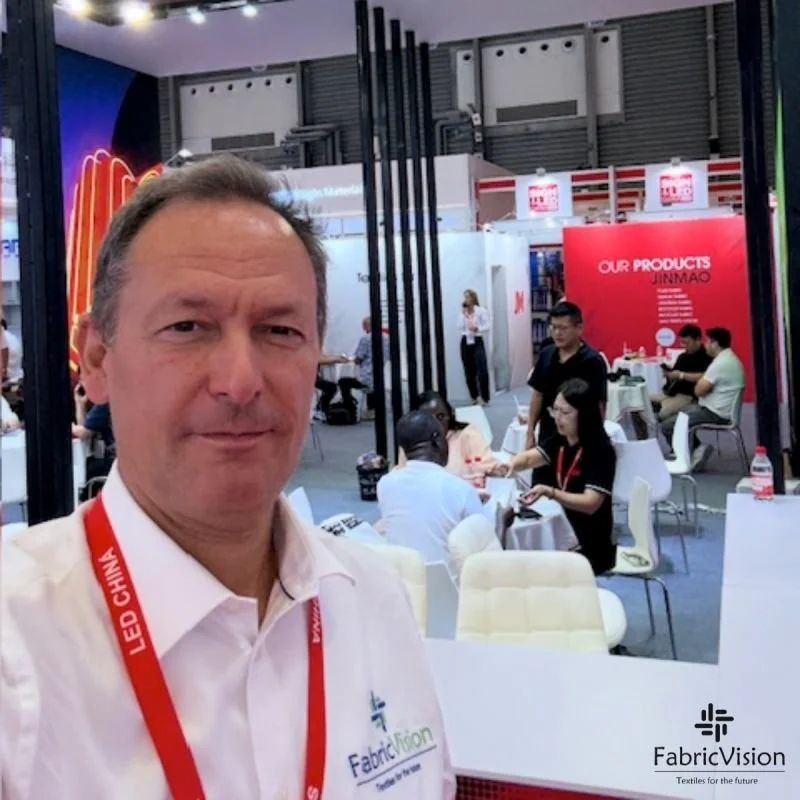
Shanghai, China – October 2026 – FabricVision, a global innovator in textile production, has marked the successful completion of its first full year of operations, announcing ambitious expansion plans across both China and Europe.
The milestone was celebrated last week during China Expo in Shanghai, where the company convened with its team at Jinmao to review achievements and set strategic priorities for the year ahead.
The company's first year has been defined by rapid growth and deepening customer relationships, according to leadership.

Signal Iduna- Park Dortmund– Germany – FabricVision GmbH has confirmed the successful deployment of its STARFLAG and BLOCKFLAG textile solutions in a large-format giant flag application at the German Supercup, one of German football's most closely watched fixtures.
The combination was used by a FabricVision customer to produce a pitch-covering display, demonstrating the fabrics' capability to meet the exacting demands of major sporting events.

Reken – Germany – August 2026 – FabricVision GmbH, a textile and fabric solutions company, has announced a significant operational milestone, marking nearly one year of intensive infrastructure development with the installation of a sign outside its warehouse facility.
While the sign itself may appear modest, it represents the culmination of a year defined by substantial investment and operational transformation

Reken – Germany - July 2026 – FabricVision GmbH, a leading supplier of high-performance textile materials, has announced that more than 50,000 metres of its Lumiprint backlit textile are currently held in stock across its European warehouses and available for immediate dispatch.
The announcement comes ahead of the busy summer season, a period during which material availability is often cited as a critical bottleneck for print and display professionals.
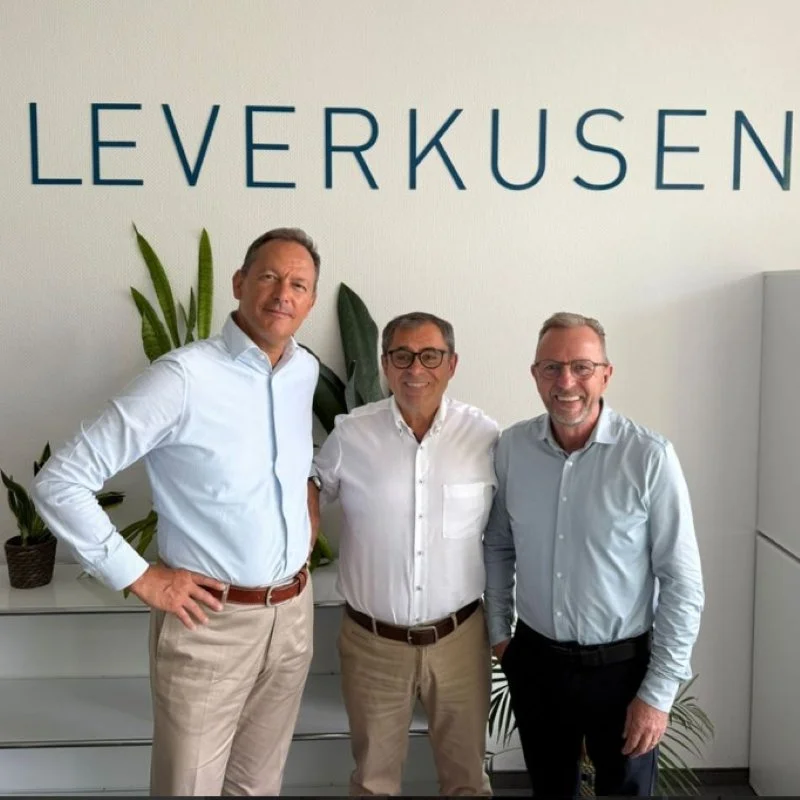
Reken – Germany – July 2026 –– FabricVision GmbH has announced the appointment of Oscar Mateo Gallego as Business Development Manager for the DACH region, reinforcing the company's commitment to expanding its presence across Germany, Austria, and Switzerland.
Oscar joins FabricVision with extensive experience in the textile and large-format printing industry.
His deep understanding of customer needs, industry applications, and market dynamics positions him as a key asset in driving the company's continued growth across one of Europe's most strategically significant regions
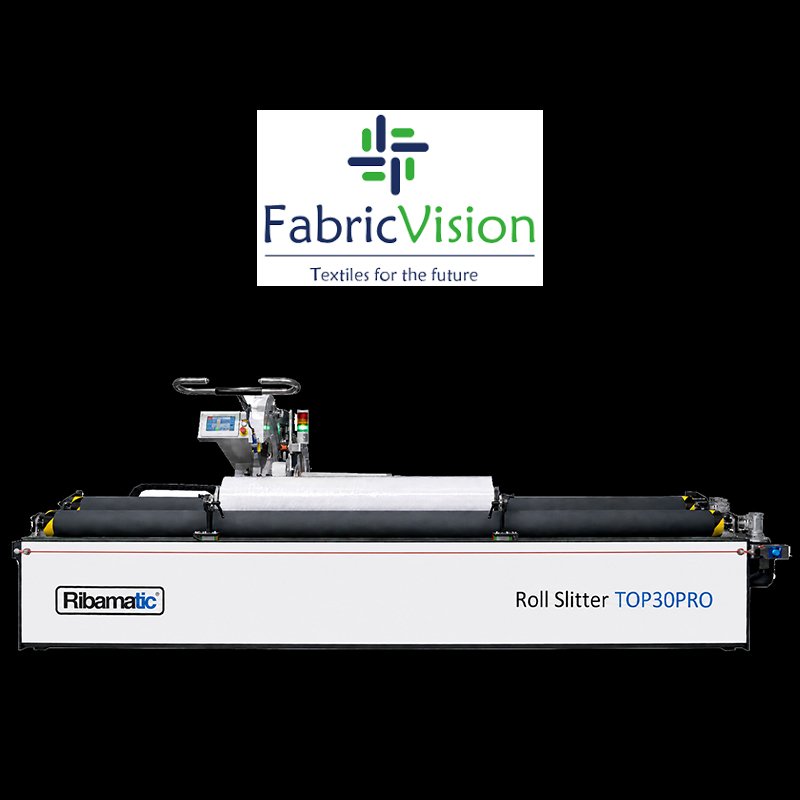
Barcelona, Spain – June 2026 – FabricVision GmbH has announced a significant investment in its operational infrastructure with the upcoming installation of the RibaMatic Top30Pro cutting machine at its Barcelona warehouse.
Scheduled for deployment immediately following the FESPA Global Print Expo 2026, this strategic addition will greatly enhance the company's cut-to-size service capabilities directly from its Spanish hub, ensuring faster and more efficient delivery to its European customer base.
Reken – Germany – Mayl 2026 – FabricVision GmbH has announced the launch of Gemini, an innovative textile engineered specifically for high-precision double-sided applications, debuting at FESPA 2026.
Recognising the pressing industry need for flawless dual-sided printing, the company developed Gemini to ensure a clean separation between both sides of the fabric, allowing professionals to achieve sharp, highly readable graphics without the risk of show-through.
The new material will be on display at Hall 2, Stand C11 during the event.

Barcelona, Spain — May , 2026 – FabricVision GmbH, a leading innovator in the textile printing industry, has formally introduced Francesc Soler as the Country Manager for the Iberian Peninsula.
As the industry faces urgent demands for more sustainable and efficient production methods, this strategic appointment reinforces the company's commitment to guiding clients through modern market challenges with reliable, ethical, and forward-thinking textile solutions.

Barcelona, Spain — April 2026 — FabricVision, the European provider of digitally printable textile solutions backed by global manufacturing leader JinMao, will unveil its latest generation of engineered printable textiles at FESPA Global Print Expo 2026, taking place May 19–22 at Fira Barcelona.
The company will present advanced textile solutions specifically developed to improve colour consistency, dimensional stability, and production reliability across SEG, flag, backlit, blockout and display applications.
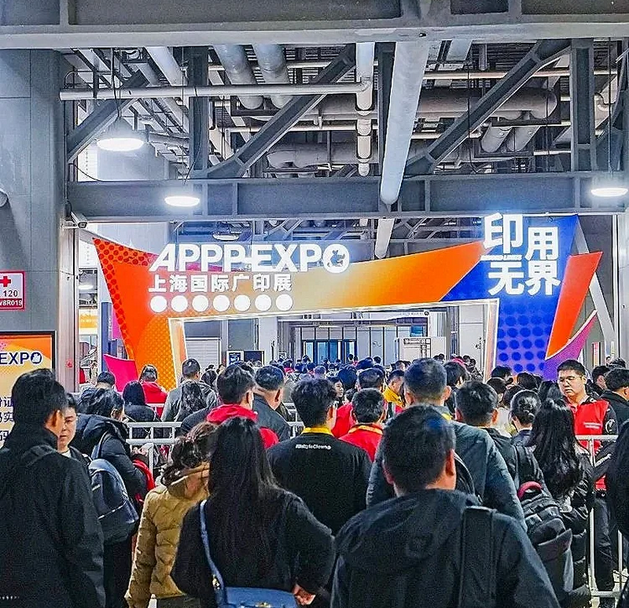
Fabricvision has announced the successful conclusion of its participation at the prestigious APPP Expo in Shanghai.
Operating alongside its esteemed colleagues at Jinmao, the company secured substantial new industry contacts and advanced vital negotiations.
This strong performance reaffirms the necessity of active engagement in a dynamic, fast-evolving global market, while reinforcing Fabricvision's core mission to produce lasting value for both today and tomorrow.


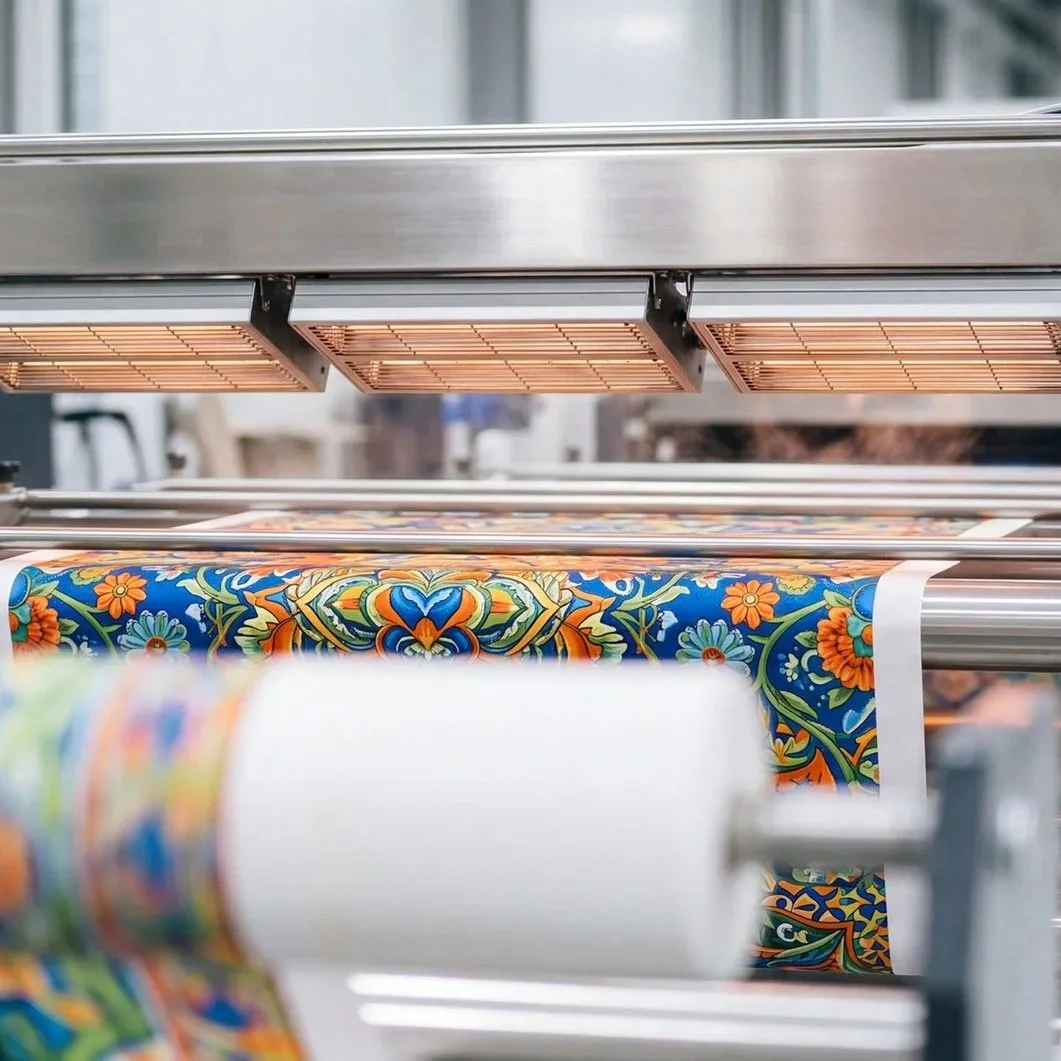
The Path Foward: Connect Every Link:
Design, colour, workflow, production, data. Each link now depends on the one before it, and the printers who will lead the market are those who strengthen the whole chain, not just the machinery at its centre.
So, this autumn, ask the bigger question on your own shop floor.
Not "Which printer?" but "How well does my business connect demand, design and production?"
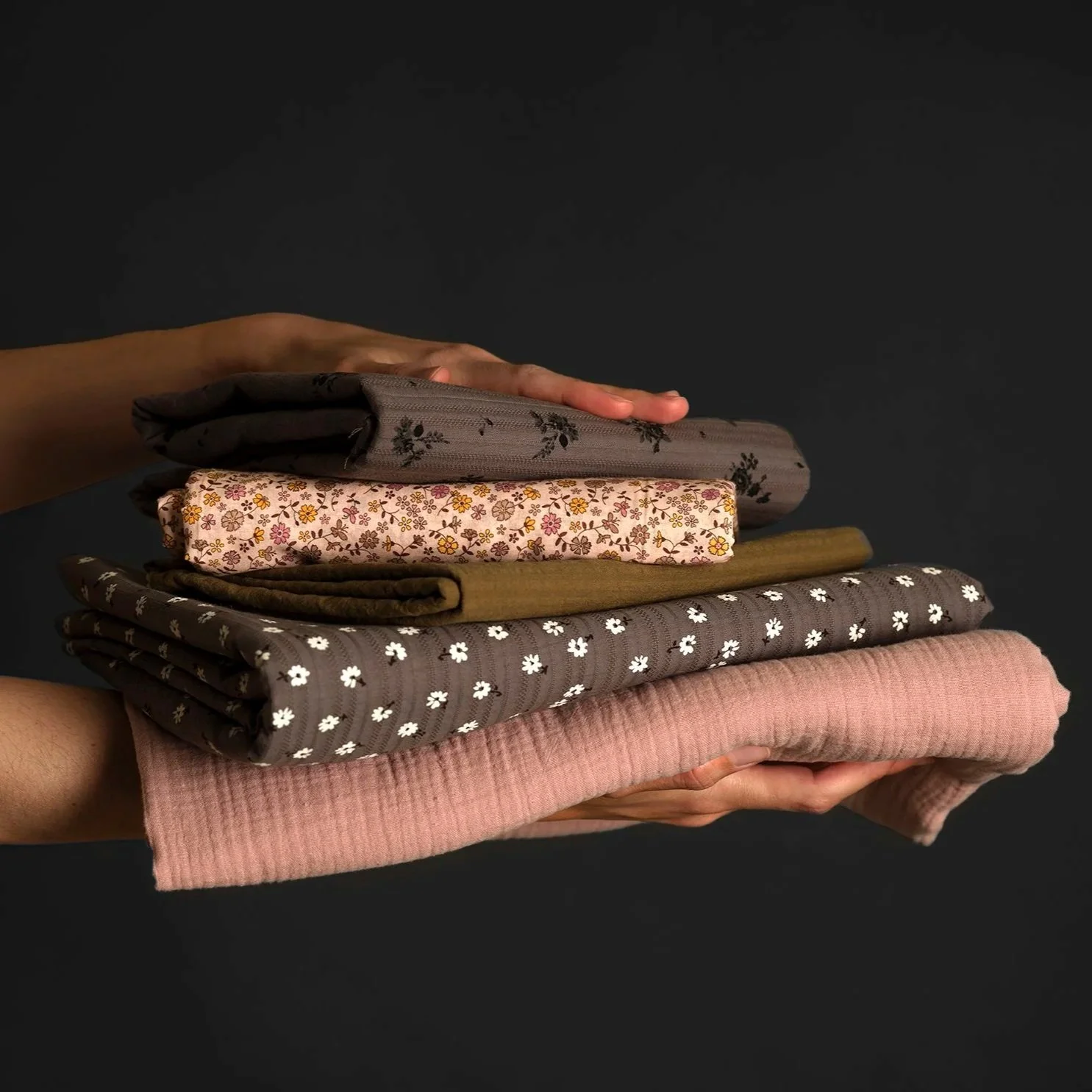
Rebés's story isn't one of nostalgia - It's a working blueprint for how heritage manufacturers can stay indispensable in a market that rewards speed, certification, and specificity in equal measure. Four million metres of stock mean nothing without the digital printing capability to turn it into something distinctive.
A 150-year name means nothing without the R&D discipline to win a tender for antistatic, carbon-fibre-infused uniform fabric on the first attempt.
Image Credit: Tejidos Rebé

What if the next dress you wore never touched the factory floor?
This is no longer a fringe experiment. It is a maturing production model, backed by genuine material science, real circularity, and an AI-assisted workflow that is becoming more accessible by the month.
Her advice to designers and brands alike is refreshingly practical: start small, get hands-on with an accessible 3D printer, and build fluency before the technology becomes table stakes. The businesses that treat this moment with curiosity, rather than scepticism, will be the ones shaping fashion's next decade rather than reacting to it.

The 2027 FESPA Awards are now open for entry, and the message to businesses across textiles, apparel, interiors and beyond is simple: your work deserves recognition. Every gold winner featured here started in the same place every entrant does - with a project they believed was worth submitting.
As the only independent awards programme with 18 categories dedicated to print and signage, FESPA offers a genuinely global stage, with shortlisted entries displayed at FESPA Global Print Expo in Spring 2027.

Colour Is Too Important to Leave to Chance
Print will always be the part of the garment people see first.
But the sum of all parts — the fabric, the trims, the fasteners, the finish — is what determines whether a design actually delivers on its promise. Brands that continue to treat colour as a single creative decision, rather than a coordinated technical discipline spanning their entire supply chain, will keep paying for it in re-dips, delays, and disappointed design teams.
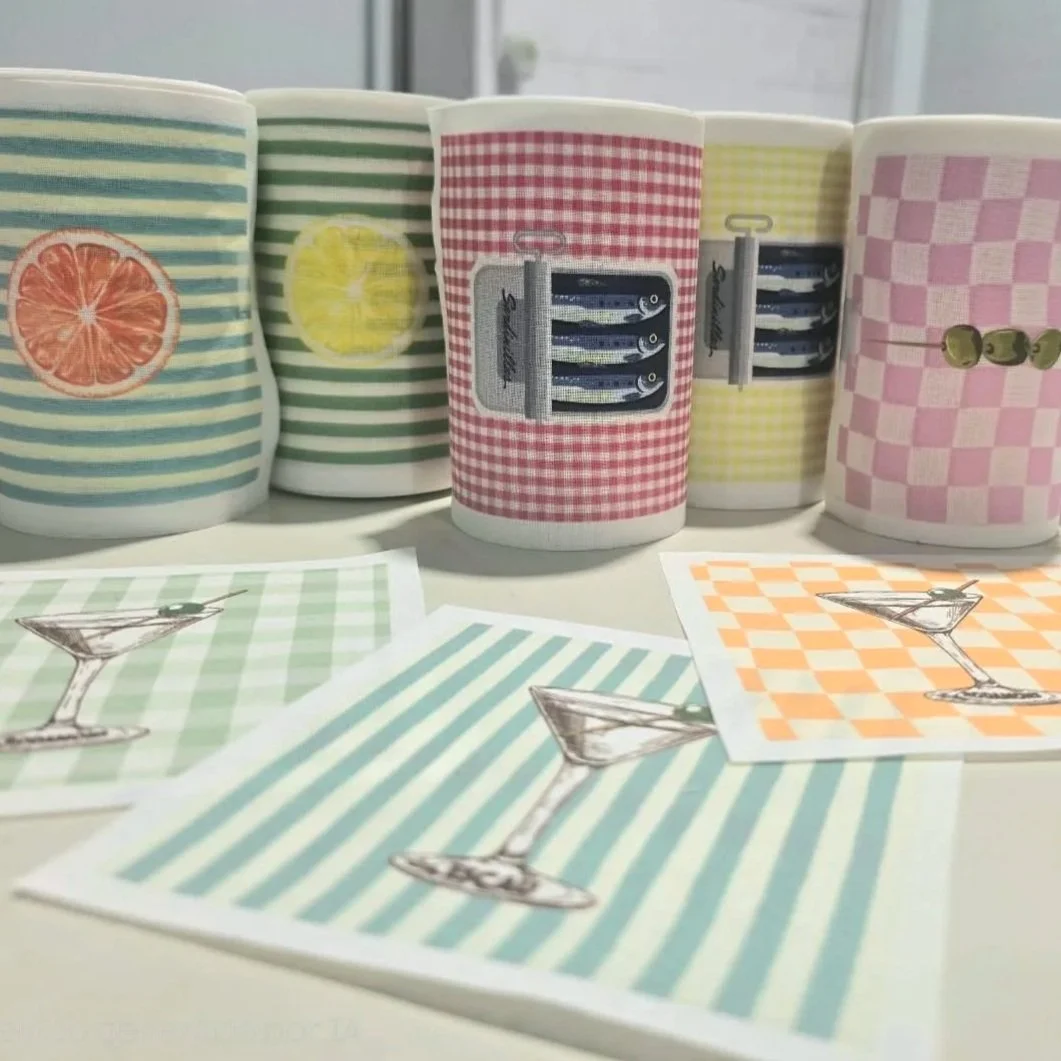
A Century of Textiles, and an Ever-changing World
Few companies can trace their roots back more than a century and still count themselves among their industry's innovators. Texia, headquartered in Monistrol de Montserrat, Spain, is one of them.
But the story of Texia is not simply one of longevity.
It is a story of continual reinvention. As the textile industry has grown more global and competitive, Texia has repeatedly reshaped its business, investing in technology, developing its own brands, and placing sustainability at the centre of its mission. In doing so, it offers a compelling example of how a heritage manufacturer can lead rather than follow through a period of profound industry change. Image Credit: Texia
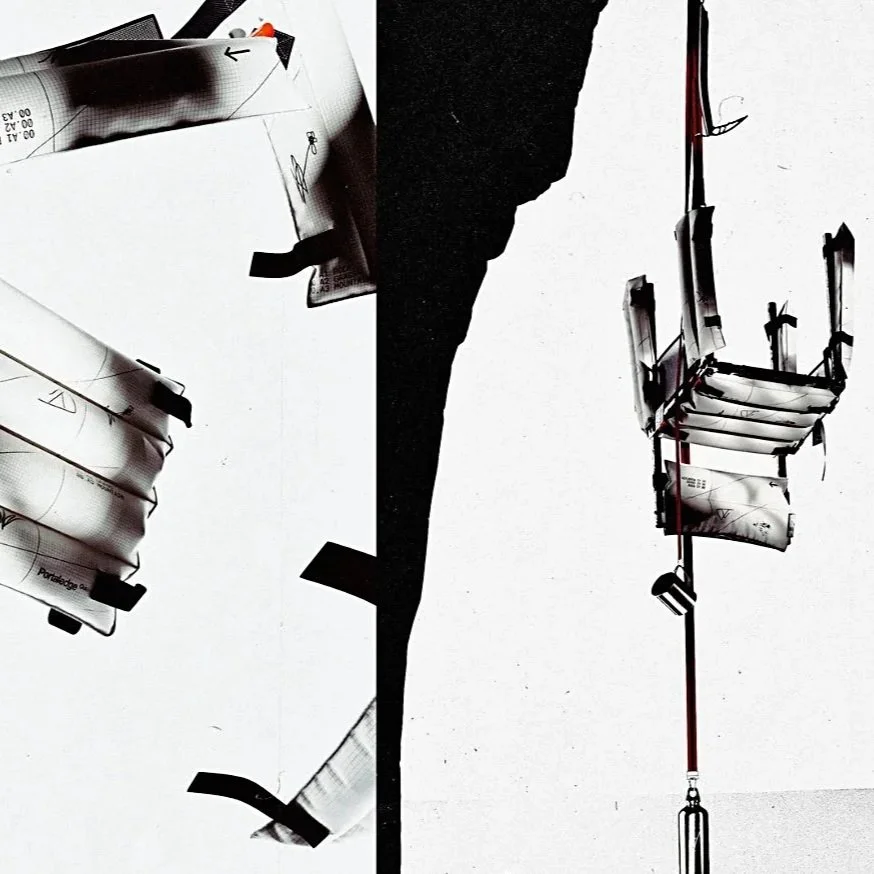
What are we craving Ultimately?
The instinct to slow down while simultaneously optimising every measurable aspect of life isn't a passing curiosity. It's a structural response to a world that feels increasingly unstable, and it's reshaping what people expect from their homes, hotels, workplaces and healthcare environments alike.
For the design and manufacturing sectors, this means rethinking both product and process.
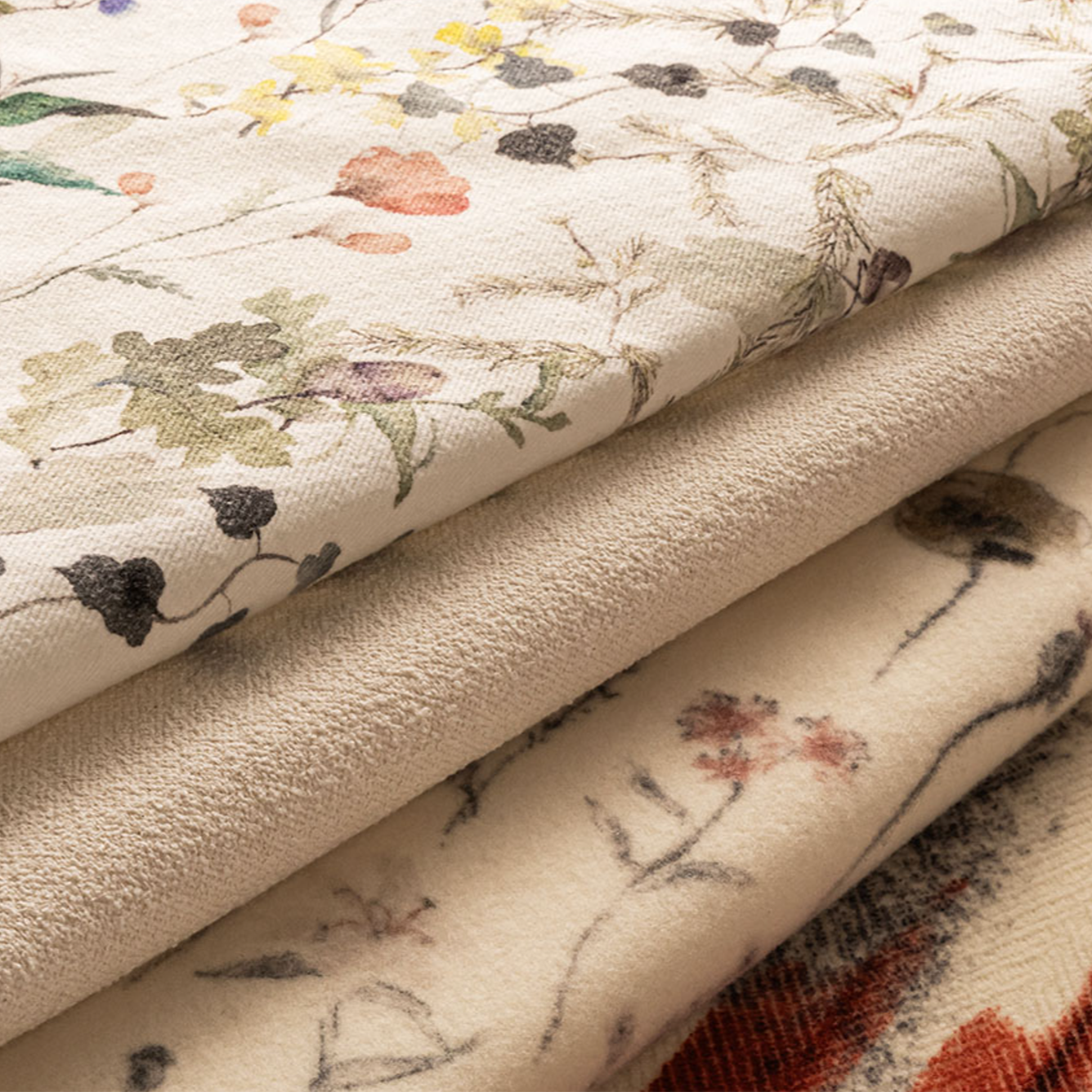
The Structual Shift is Real and its Already Here
Volumes are moving east, where digital production is accelerating rapidly. Consumer behaviour has shifted.
Demand is now driven by personalisation, shorter buying cycles, and an expectation of near-instant responsiveness. Regulatory pressure is intensifying, with supply chain transparency now a legal and commercial fact in many markets. And margins? They are under sustained, structural pressure.
This is not a temporary disruption. It is a fundamental reordering of how textile manufacturing must operate.

The Challenge: Standing Firm as the Industry Shifts
The wallpaper landscape has changed dramatically. Digital printing has lowered the barrier to entry, spawning countless direct-to-consumer brands and pushing much of the market towards faster, cheaper production.
At the same time, manufacturing in the UK has grown steadily harder - rising minimum wage, national insurance, energy and substrate costs all bear down on margins. Surface Print have embraced all of these challenges - and stand resolutely prepared for the future.
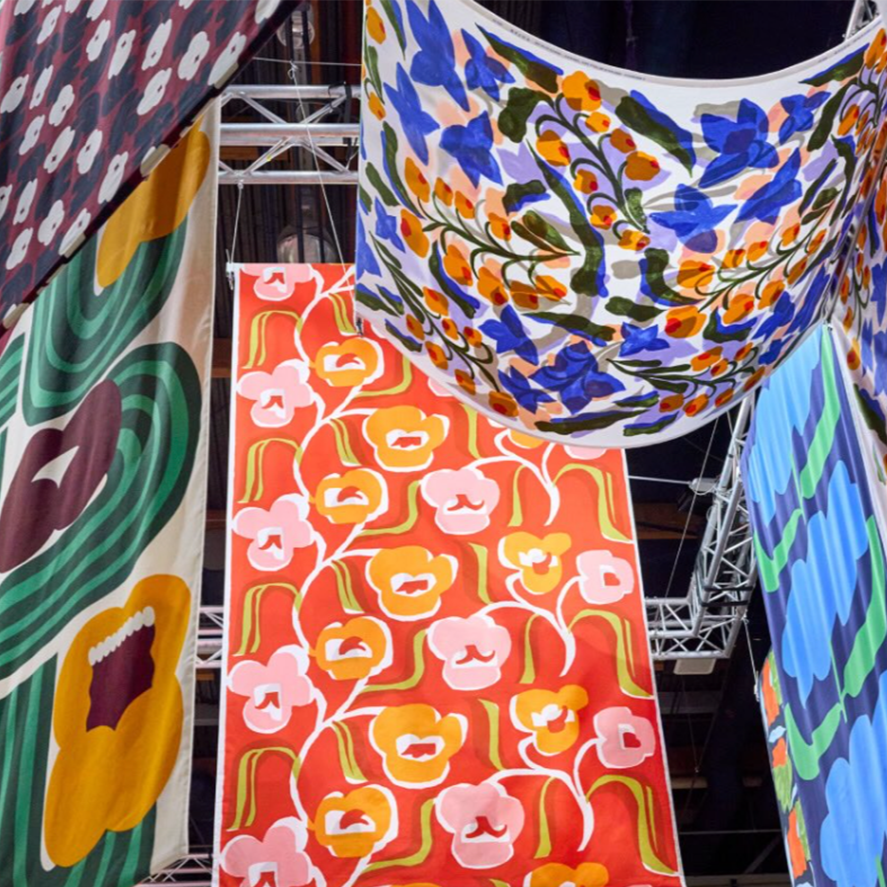
From Helsinki's printing mill to Paris's Le Marais, discover how Marimekko is scaling a design-led brand with purpose, craft, and bold innovation.
But what makes Marimekko's story compelling is not just its aesthetic legacy?

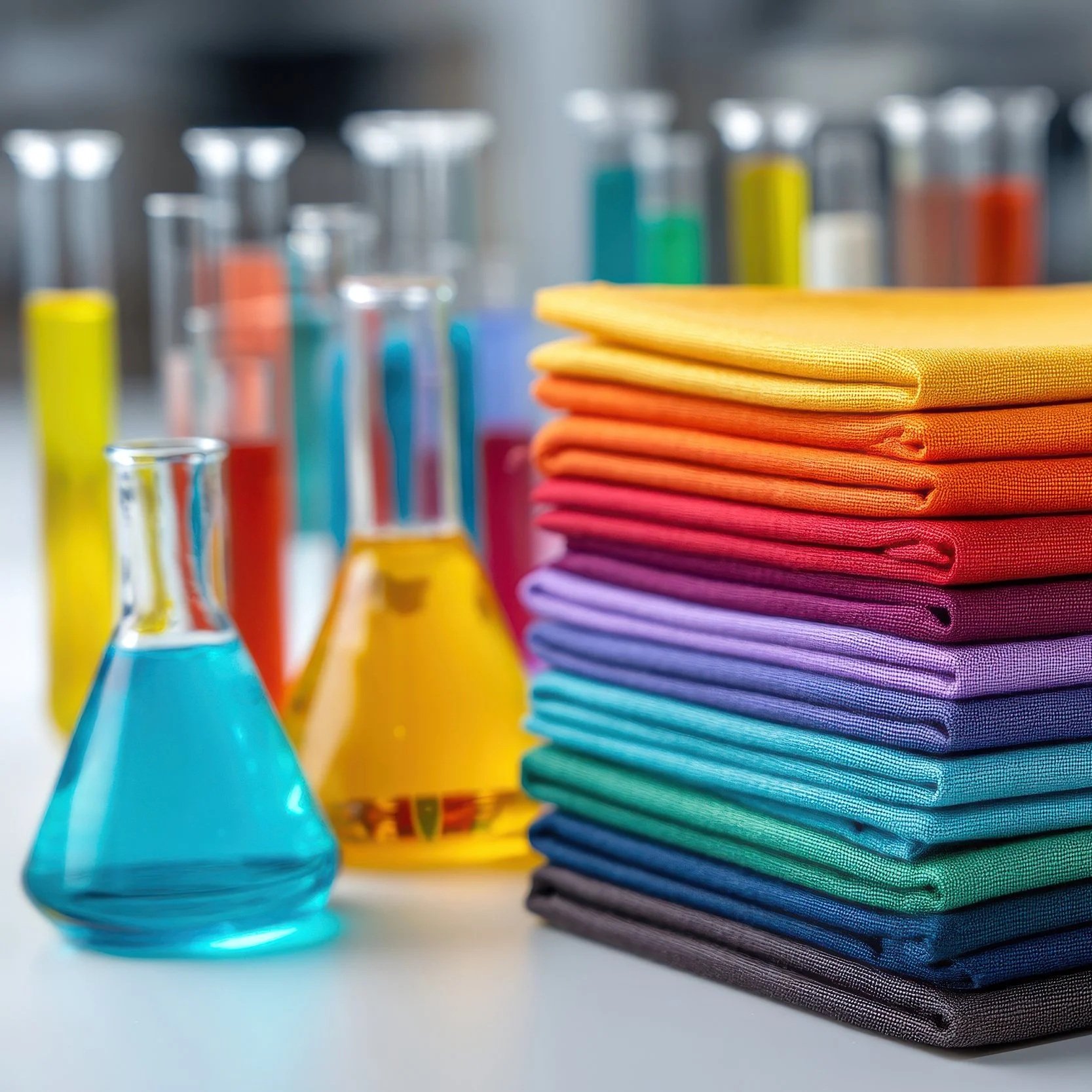
The word "toxic" carries weight. It conjures danger, harm, and things best avoided.
“Yet in the textile industry - Where between 3,000 and 10,000 chemicals move through the supply chain, a reflexive fear of the term is one of our biggest obstacles to progress.”
This article distils the key takeaways and what buyers, designers, and brands should be asking right now.
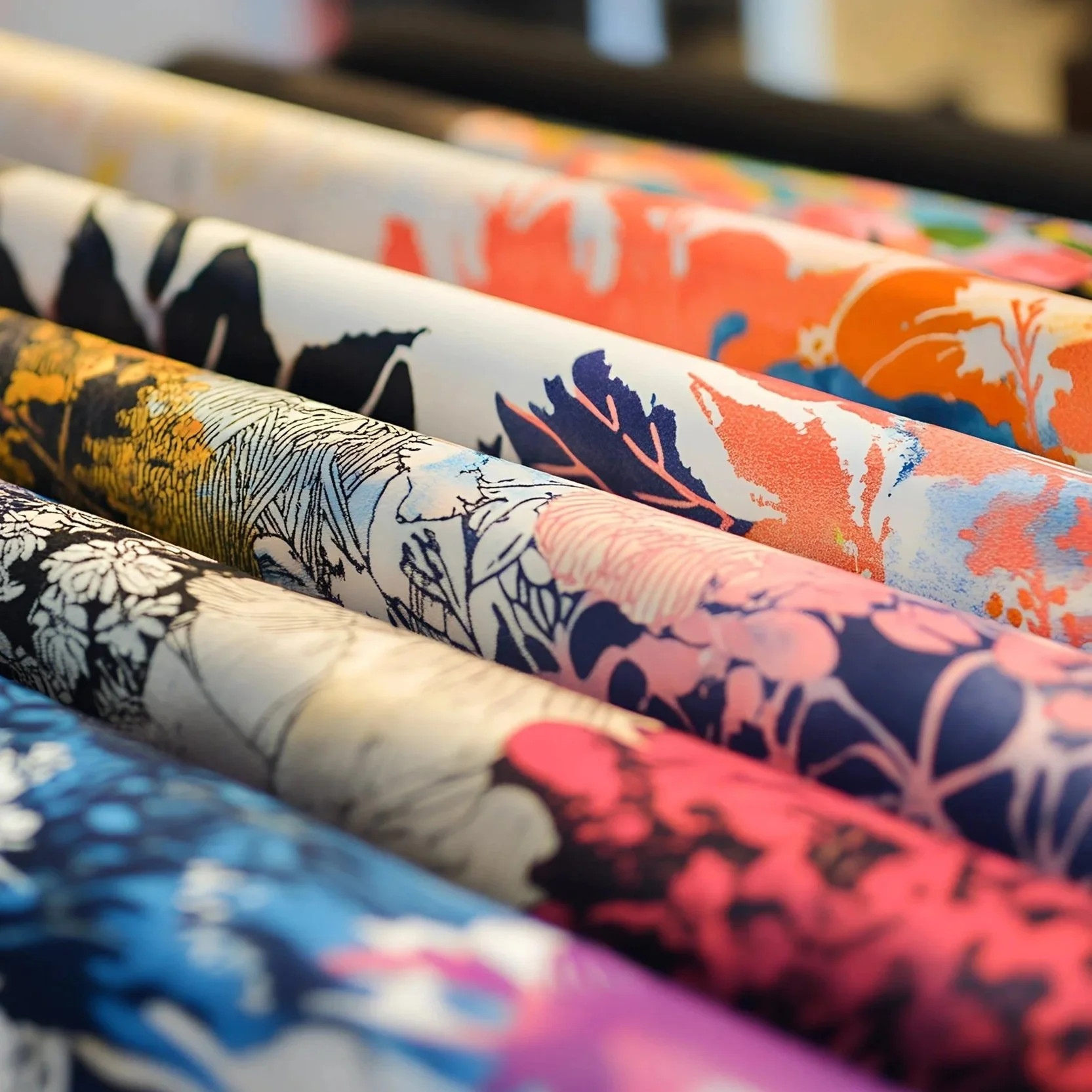
What Is the Digital Product Passport?
At its core, a Digital Product Passport is a digital record attached to a physical product - For a printed textile product, this means the DPP would capture data on the substrate, inks and dyes used, the printing process and technology, chemical compliance, environmental impact (including water and energy use), supply chain traceability, and end-of-life instructions.
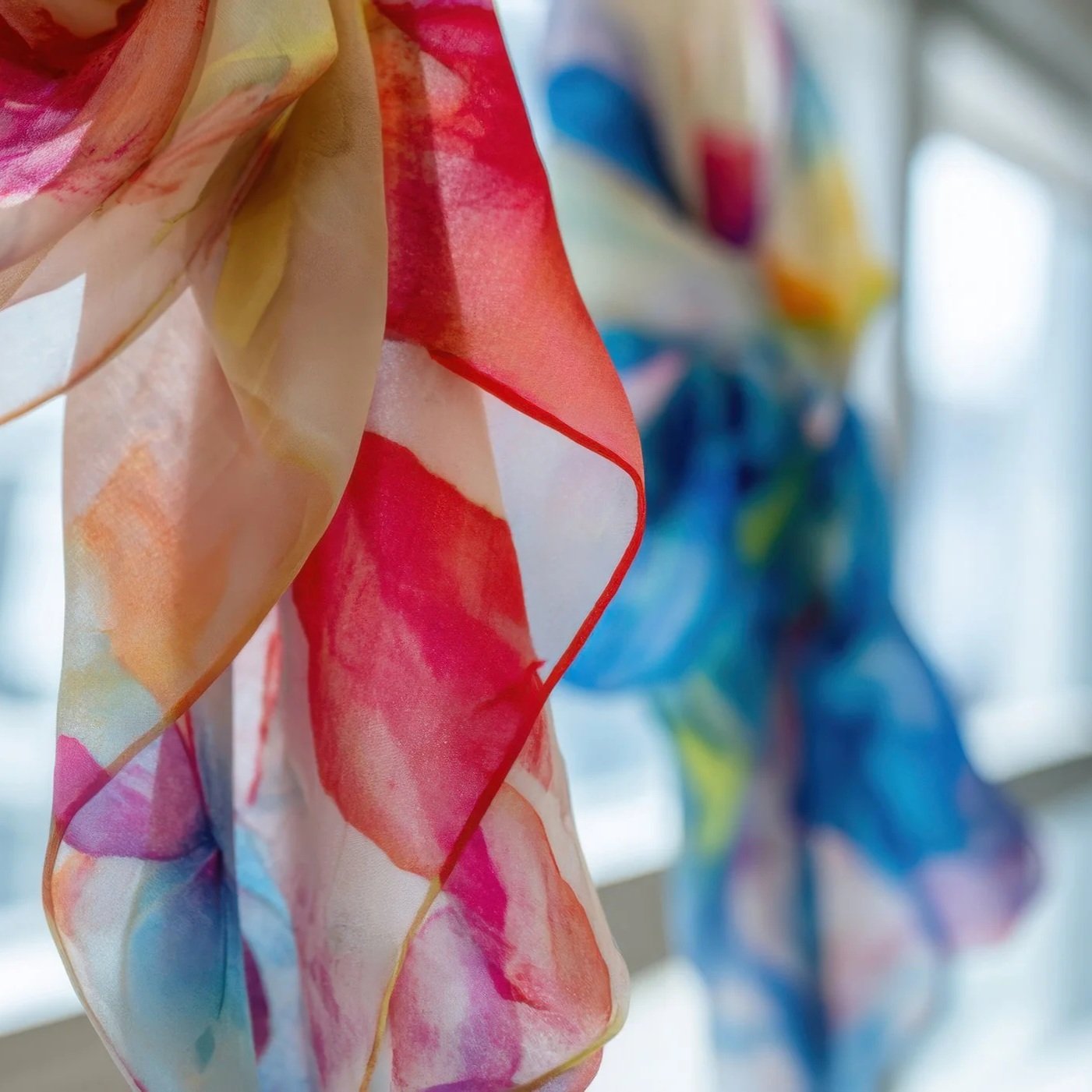
The Market Gap that Changed Everything
Future Fashion was founded in 2019, timed deliberately to coincide with a pivotal moment in global textile technology: the commercial launch of the EFI Reggiani BOLT Single-Pass digital printing system.
The founders recognised that single-pass architecture had fundamentally changed what was industrially possible - and that Pakistan's domestic market had yet to catch up.

Print is no longer defined by the inefficiencies that once characterised it…as advances in production processes and technology have significantly improved its environmental performance.
Taran Rai, Corporate Sustainability Manager at Epson explains why?
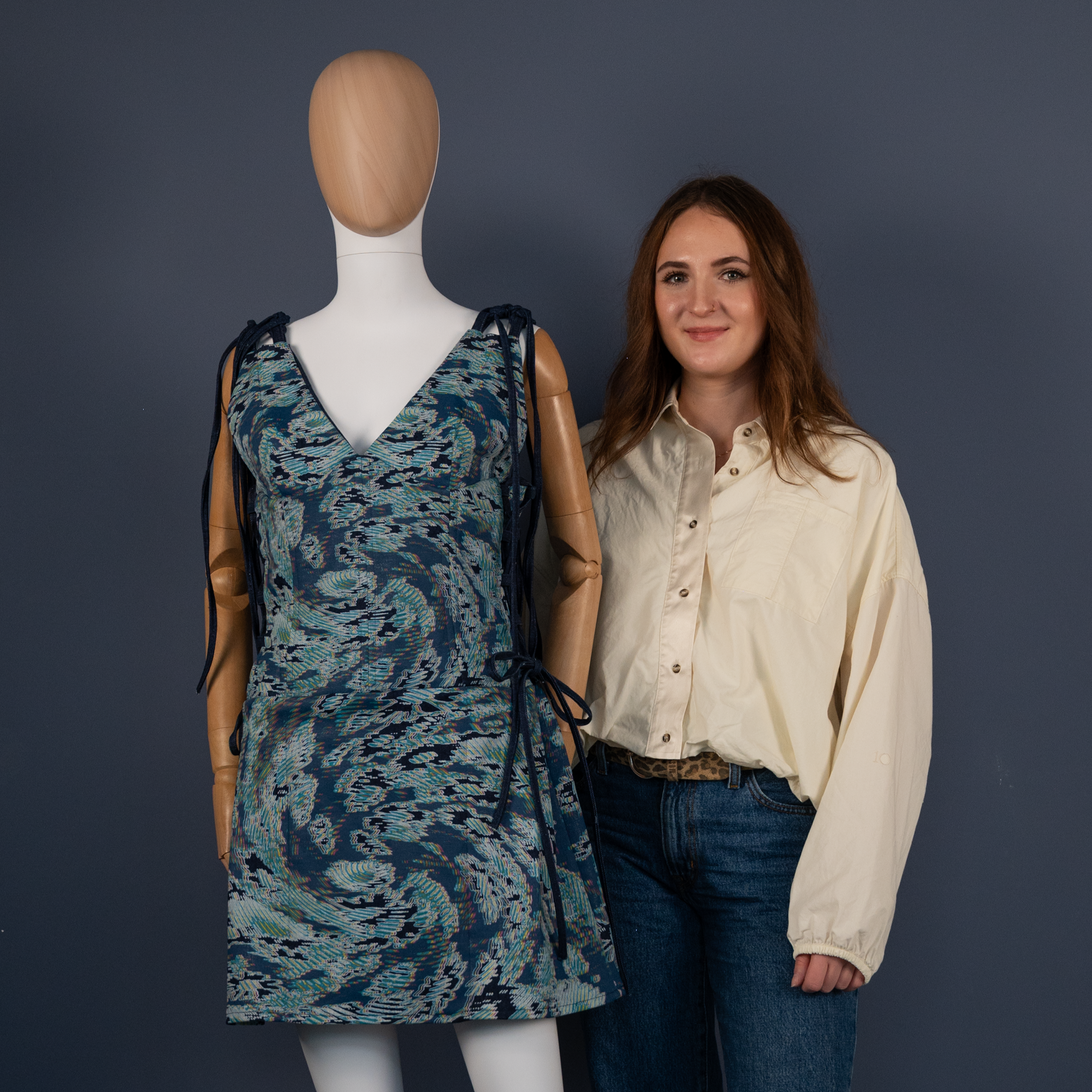
The story of what happens when young designers access digital technology is still being written.

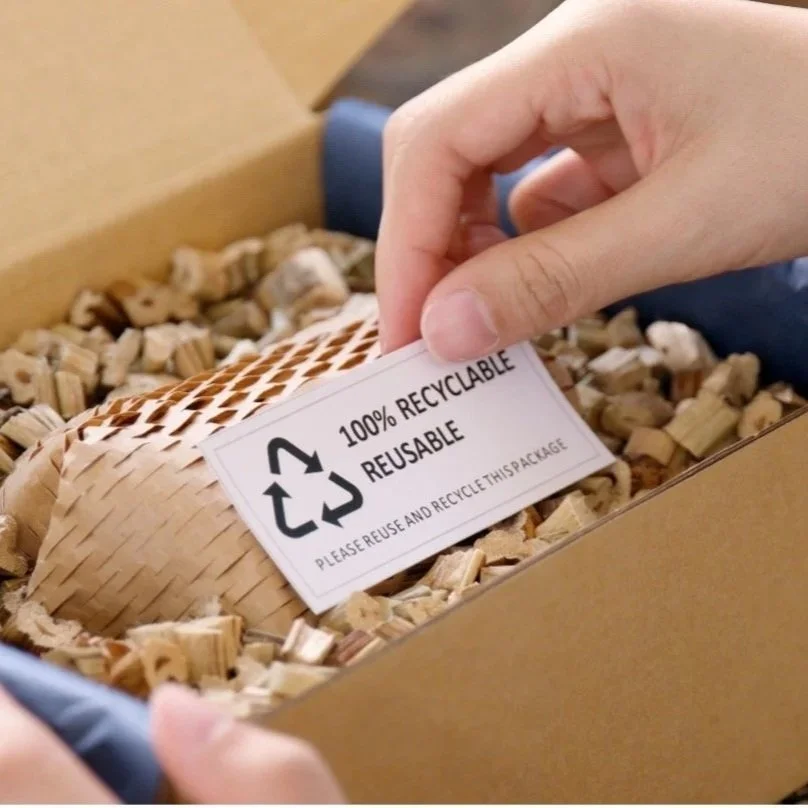
What once was a theoretical sustainability goal seems to have shifted into an active regulatory reality.



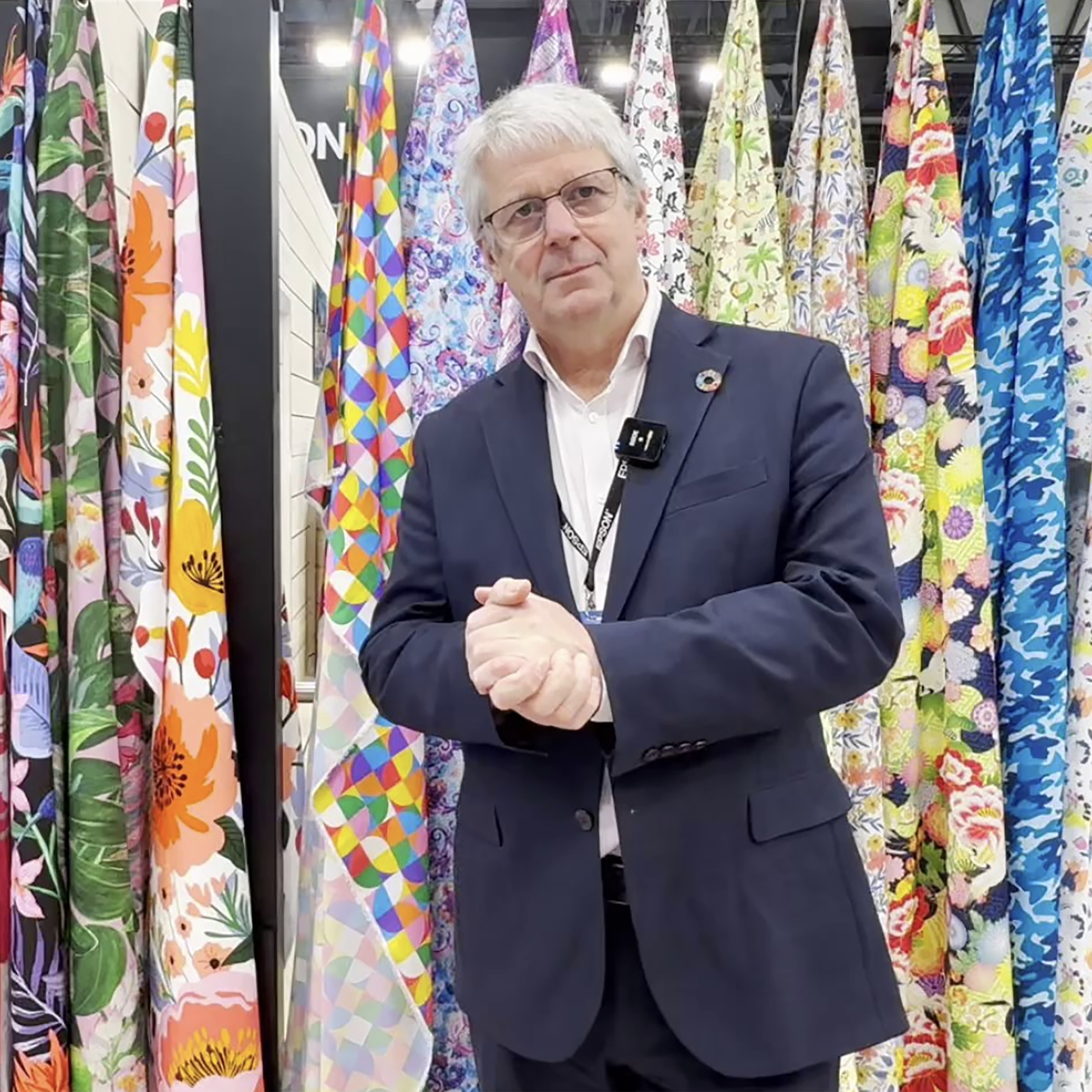
Is the Textile Market Finally Recovering?
After a difficult few years, there are genuine reasons for optimism. Duncan was candid about the challenges: "The market for textiles has been very difficult over the last three years. I'm not going to hide the truth there. But the tide is turning.“
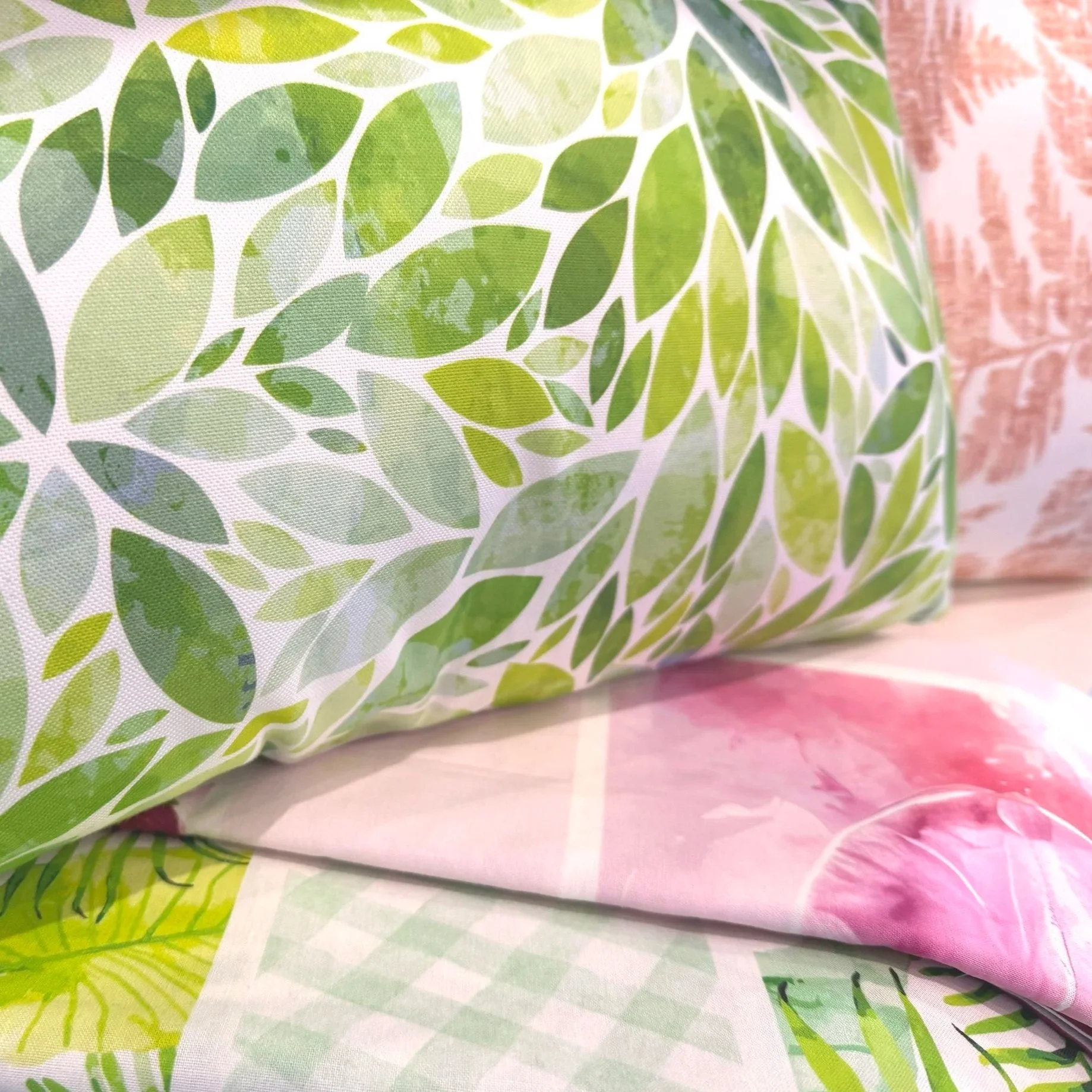
A profound shift is currently reshaping the sector
Changing consumer expectations demand greater design diversity, faster turnaround times, and sustainable manufacturing practices.
To thrive, interior brands must adapt their supply chains, bringing production closer to the end consumer and moving away from bulk manufacturing.
Digital textile printing offers a definitive solution to these operational bottlenecks.

Digital transformation doesn't announce itself.
It accumulates - one innovation at a time - until an entire industry looks back and realises the ground has shifted beneath its feet. That's precisely where textiles stands today.
The conversations happening now about AI, automation, sustainability, and digital product passports are not theoretical. They are shaping decisions being made on factory floors and in boardrooms right now.

“By leveraging advanced digital textile printing, Marylene Madou has successfully merged traditional craftsmanship with cutting-edge technology. Her approach offers a blueprint for how independent designers can scale their brands globally while maintaining a minimal environmental footprint.”
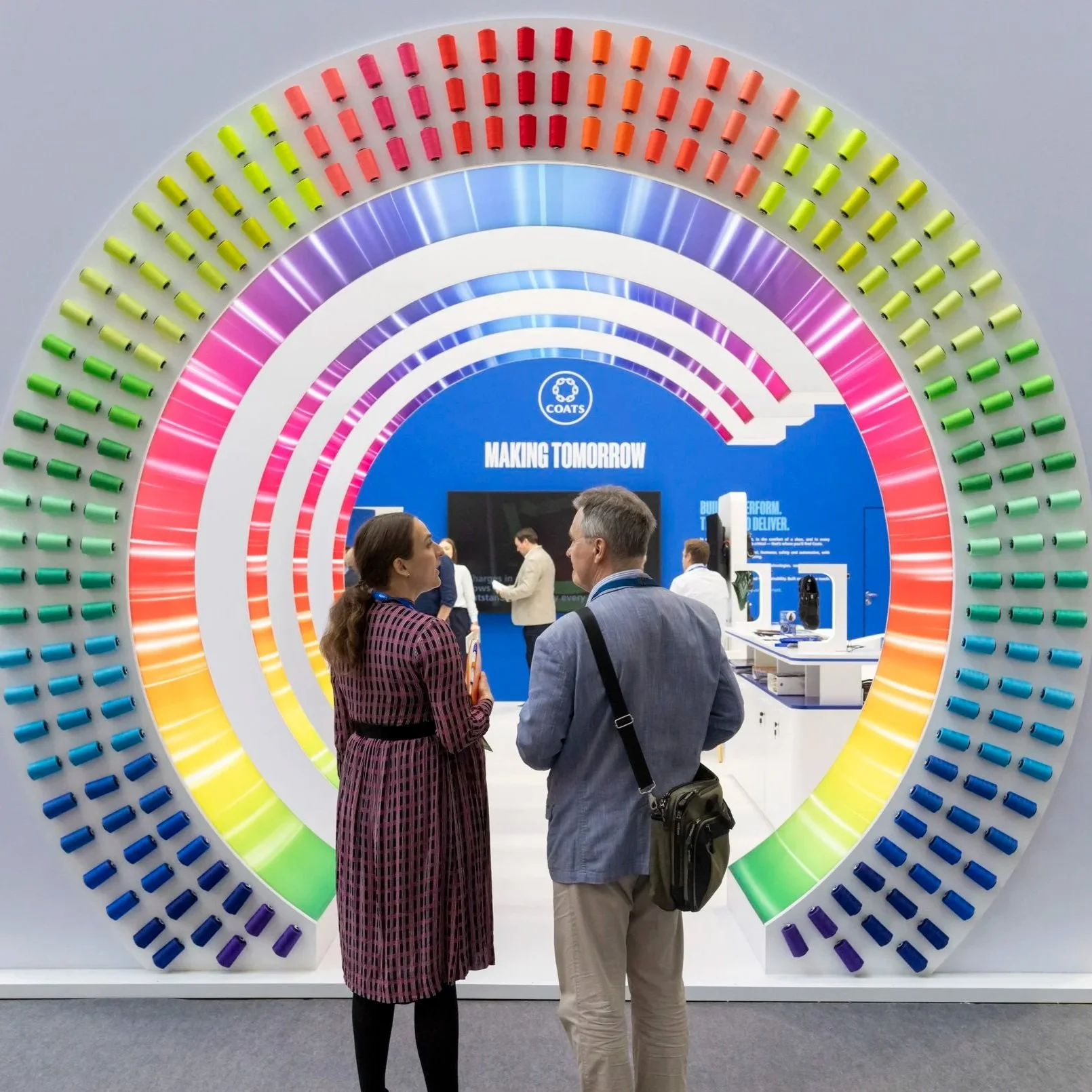
The textile industry is undergoing a vital transformation. As the insights from Techtextil and Texprocess reveal, the path forward relies on a combination of sustainable hardware, intelligent chemistry, and seamless digital workflows.
From Zimmer's industrial-scale energy reductions and Stratasys's on-demand 3D embellishments, to Kornit's single-step technical printing and the unified digital ecosystems of NedGraphics and Optitex, the tools for change are here. To stay competitive, brands and manufacturers must adopt these innovations, moving away from fragmented, wasteful processes towards a truly connected, circular economy.
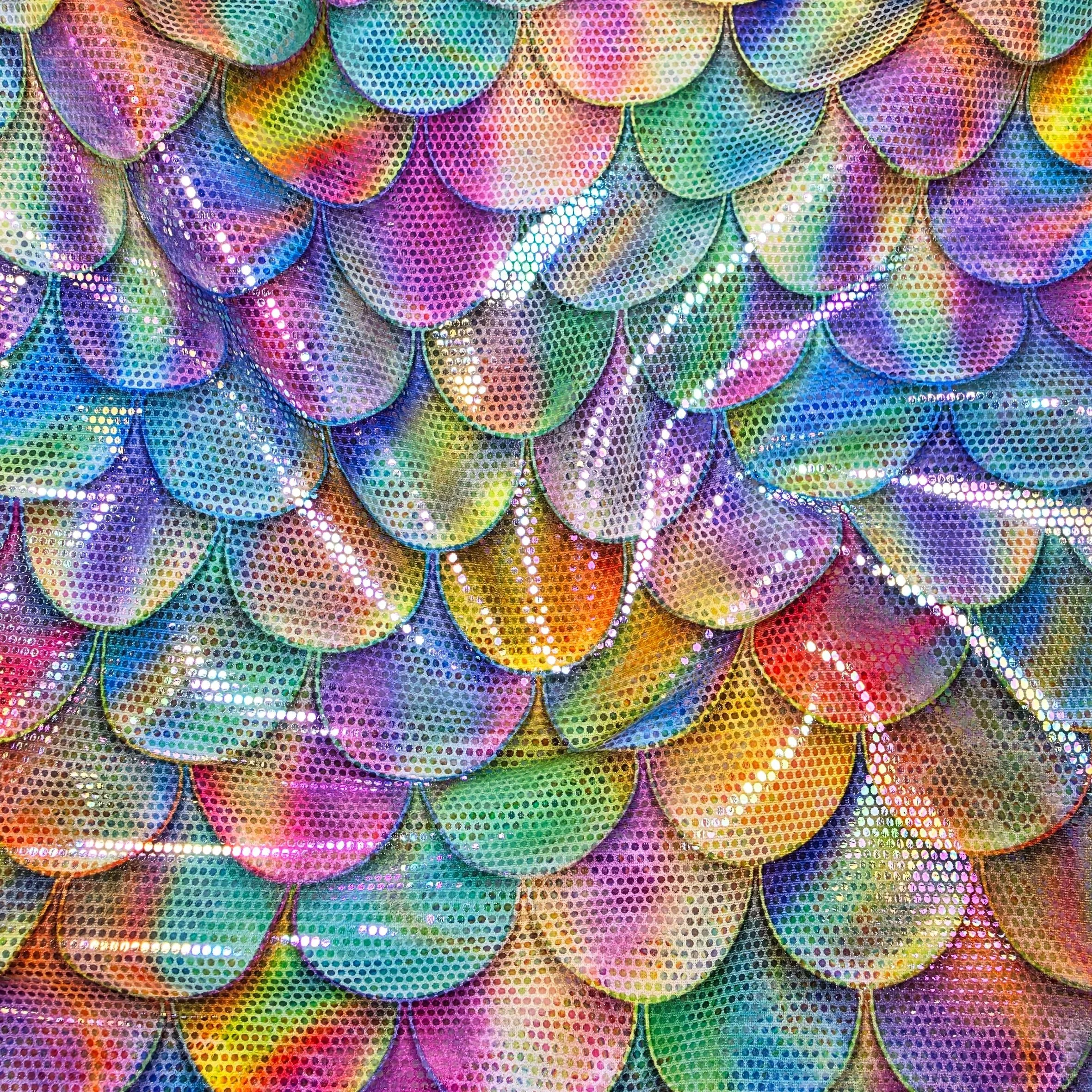
Friedmans stands as a testament to the power of combining traditional textile knowledge with forward-thinking innovation.
“Operating from their UK headquarters, Friedmans now serves a diverse array of sectors, including swimwear, dance, entertainment, sportswear, interior decor, prosthetics, and even pet apparel. With a strategic supply chain that reliably serves clients worldwide”