GRADUATE FASHION WEEK - AN INCREDIBLE DISPLAY OF RESILIENCE AND CREATIVITY
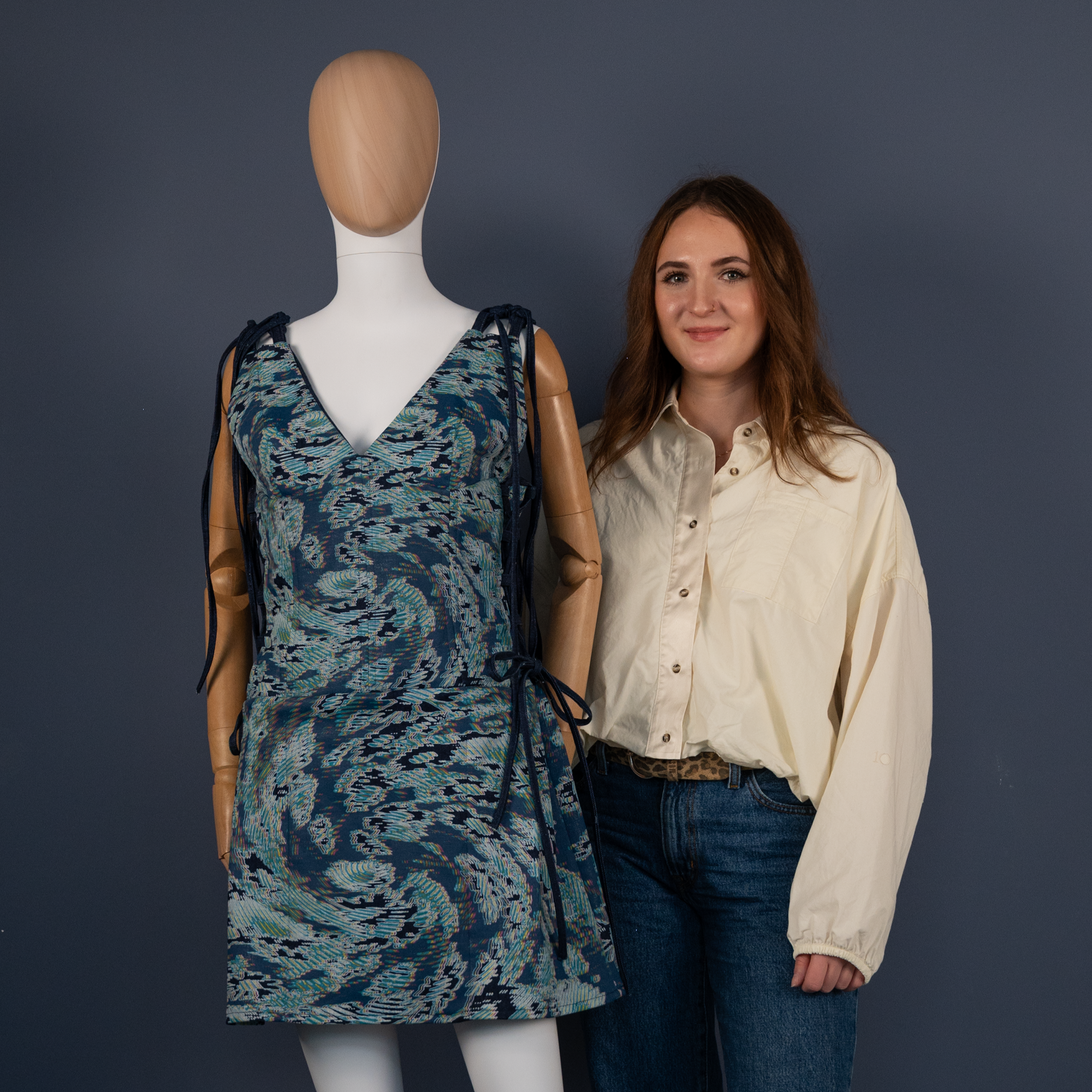
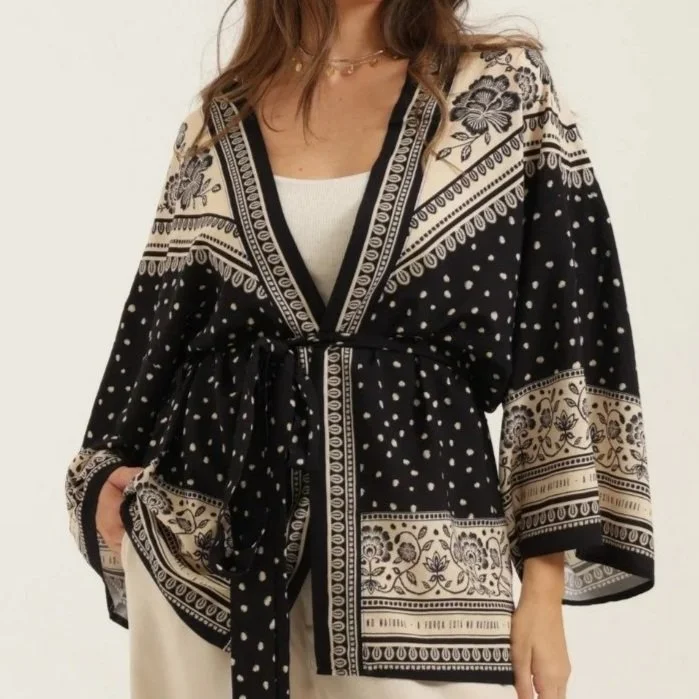
“I have chosen to base the theme of my project on my own blended heritage. Celebrating both British and Fijian culture exploring what makes them beautiful and unique, demonstrating how our 'British' culture is far more diverse and interwoven than we realise. As a print designer all the fabric was designed in response to these words, considering celebratory ways of expressing the concept 'Interwoven'.” - Jasmin Bourne
Another tasking year for the Class of 2021 and yet nothing can hold talent back and this years graduates have proved yet again that with hard work, talent and determination you can achieve anything.
Caroline Rush chief executive of the British Fashion Council added: ”This years students have demonstrated an incredible display of resilience and creativity”.
Huge congratulations go to Jasmin Bourne of the Manchester Fashion Institute - winner of the prestigious Christopher Bailey Award (named after the first winner of the award in 1991) at Graduate Fashion Week 2021.
GFW celebrate 30 years this year and remains an essential launch platform for the fashion industries next generation.
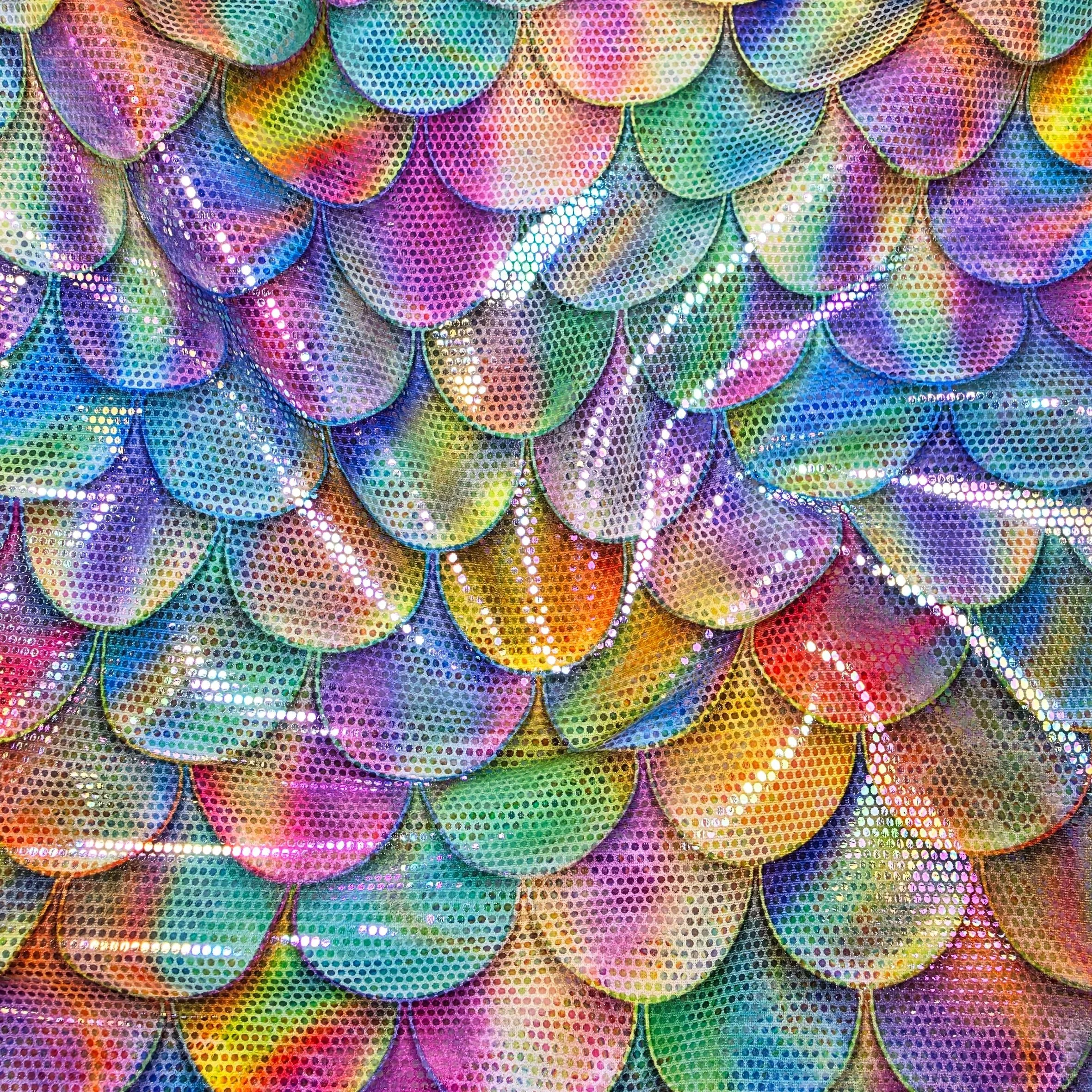
Jasmins BA collection needs almost no explanation - It’s a visual delight - and stands out as an impressive portrayal of technical expertise, printed perfection and creative excellence.

JASMIN BOURNE - BA (Hons) Fashion 2021
“Our human instinct should be to just simply love, celebrating life, and bonding in acts of community and friendship. To just “love each other deeply”, regardless of race, cultural identity and heritage.
Celebrating what makes us culturally unique is absolutely a basic human necessity. Hate towards one another only hides the true beauty of each other’s cultural differences, tarnishing peoples amazingly unique heritages, that pay tribute to their ancient cultural traditions and fascinating ancestral stories.
I have chosen to base the theme of my project on my own blended heritage. Celebrating both British and Fijian culture exploring what makes them beautiful and unique, demonstrating how our 'British' culture is far more diverse and interwoven than we realise. I hope to encourage conversations about other people’s beautiful blended ancestral stories. I hope by doing this we can tarnish negative stigmatised hate towards race and cultural differences.
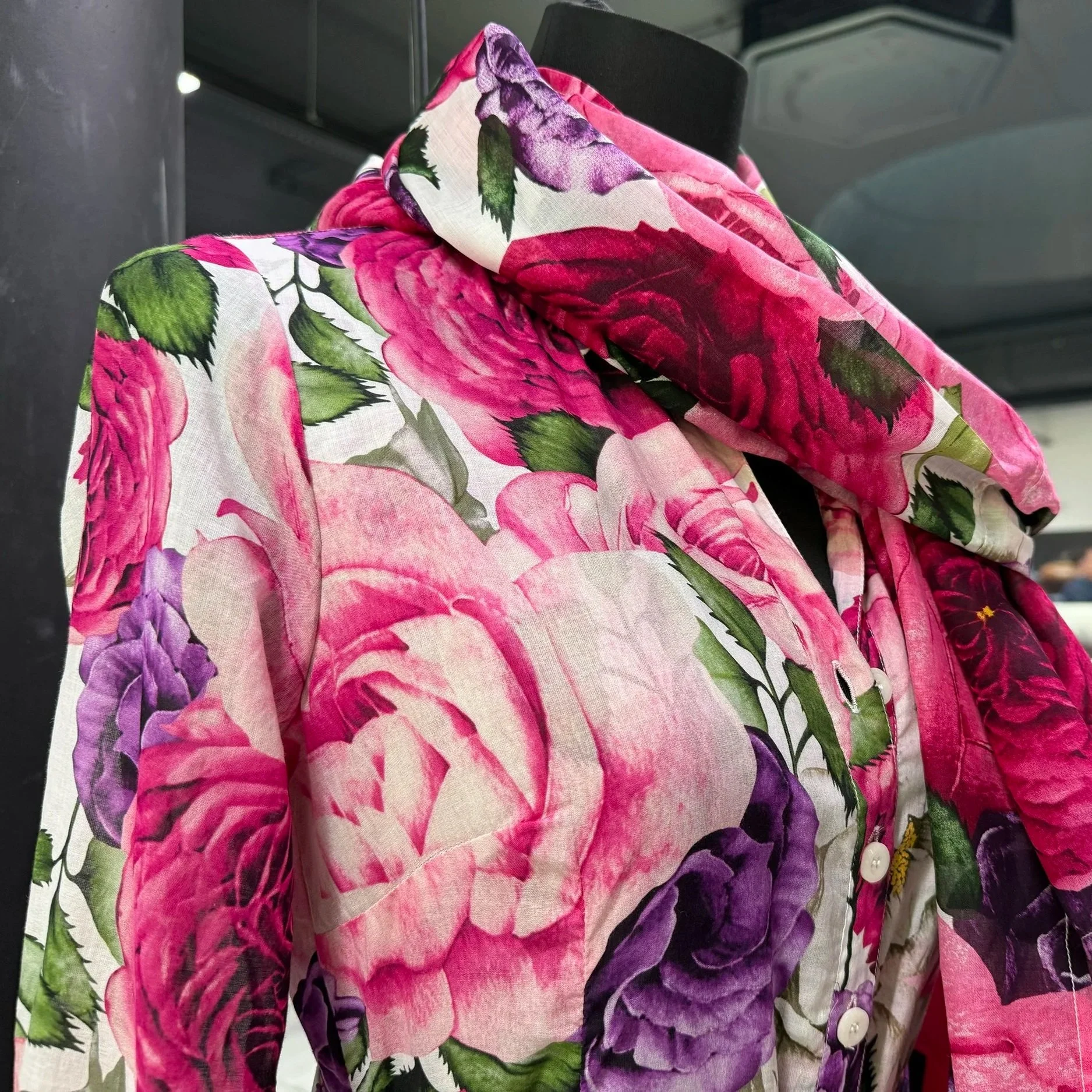
As a print designer all the fabric was designed in response to these words, considering celebratory ways of expressing the concept 'Interwoven'.
Creating garments with the climate crisis in mind felt crucial. I attempted making my own dyes and inks from plants and food waste. I repurposed fabrics, hand painting and digitally printing onto unwanted fabrics. I also worked with a local business who have committed to reducing their printing waste.
The remainder of the materials were comprised of recycled denim taken from old jeans off Ebay. I took the fastenings that I needed off the old jeans for the collection. For design development I only used secondhand research garments found on Ebay to inspire shape and silhouette for my menswear collection” - Jasmin Bourne.
We wish Jasmin and the Class of 2021 every success and they begin the next chapter.
Good luck and shine bright…
Watch the full catwalk below:
Manchester Fashion Institute is world renowned.
Challenged by remote learning and limited access to technology in very difficult circumstances “Class of 2021” have stepped up to the challenge and achieved the impossible. Well done…

Is the Textile Market Finally Recovering?
After a difficult few years, there are genuine reasons for optimism. Duncan was candid about the challenges: "The market for textiles has been very difficult over the last three years. I'm not going to hide the truth there. But the tide is turning.“
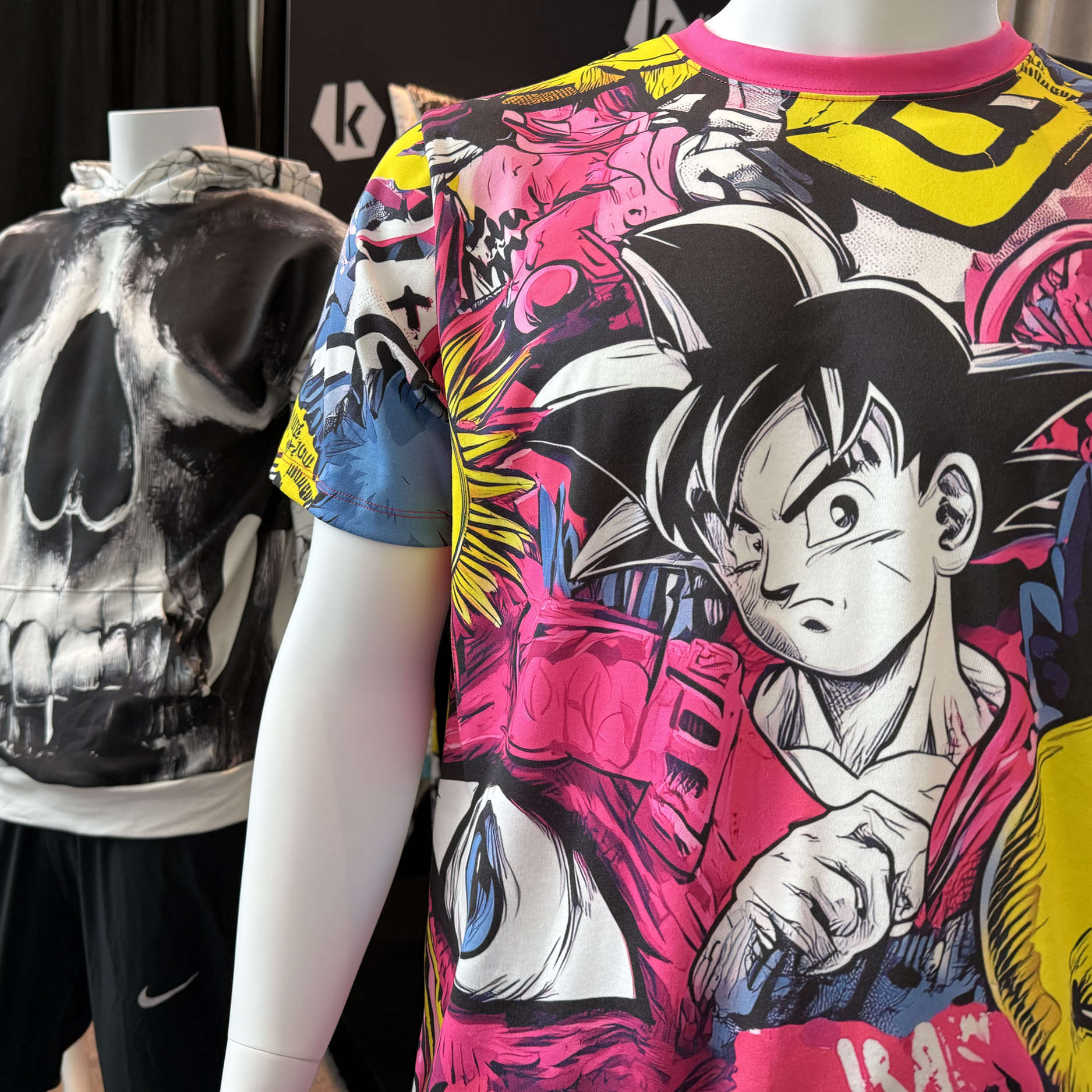
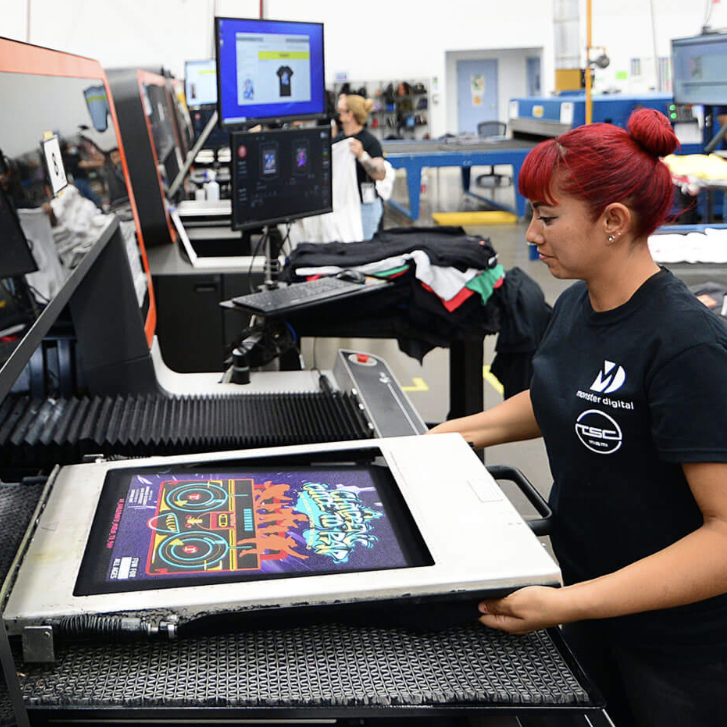
Sportswear held relatively firm throughout the downturn, and customised apparel is now showing renewed momentum. Duncan noted a significant rise in interest around direct-to-film (DTF) technology - while direct-to-fabric printing is also regaining traction.
A profound shift is currently reshaping the sector
Changing consumer expectations demand greater design diversity, faster turnaround times, and sustainable manufacturing practices.
To thrive, interior brands must adapt their supply chains, bringing production closer to the end consumer and moving away from bulk manufacturing.
Digital textile printing offers a definitive solution to these operational bottlenecks.
Digital transformation doesn't announce itself.
It accumulates - one innovation at a time - until an entire industry looks back and realises the ground has shifted beneath its feet. That's precisely where textiles stands today.
The conversations happening now about AI, automation, sustainability, and digital product passports are not theoretical. They are shaping decisions being made on factory floors and in boardrooms right now.
“By leveraging advanced digital textile printing, Marylene Madou has successfully merged traditional craftsmanship with cutting-edge technology. Her approach offers a blueprint for how independent designers can scale their brands globally while maintaining a minimal environmental footprint.”
What Is the Digital Product Passport?
At its core, a Digital Product Passport is a digital record attached to a physical product - typically accessed via a QR code, NFC chip, or barcode – that documents everything about that product across its entire lifecycle.
For a printed textile product, this means the DPP would capture data on the substrate, inks and dyes used, the printing process and technology, chemical compliance, environmental impact (including water and energy use), supply chain traceability, and end-of-life instructions.
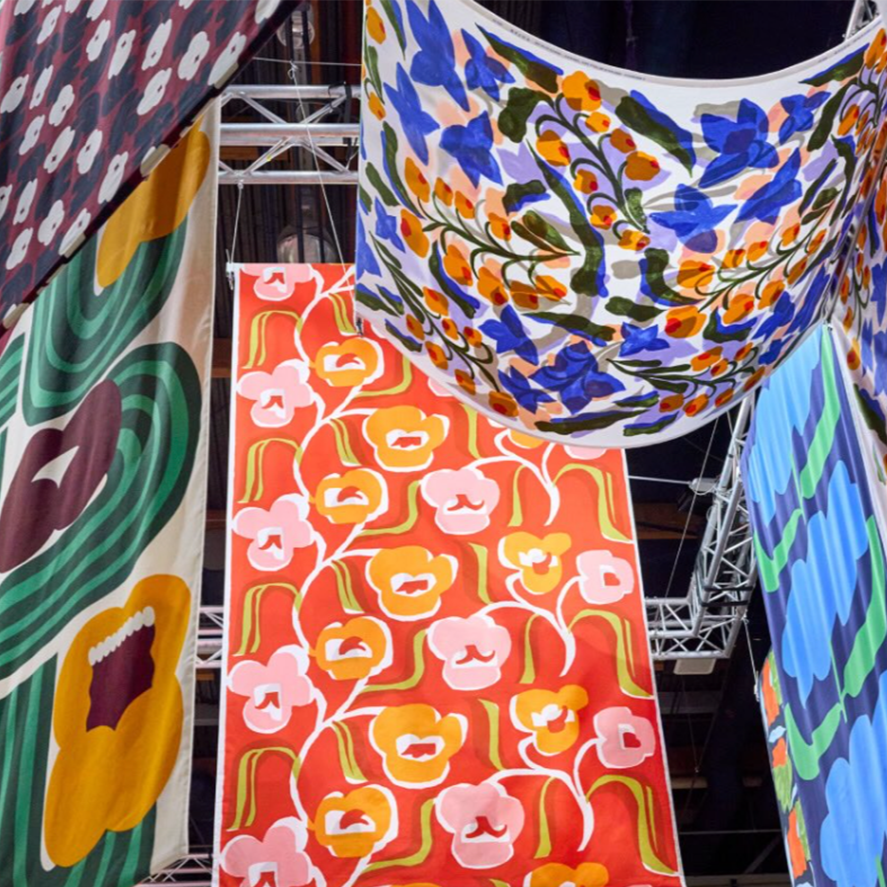
From Helsinki's printing mill to Paris's Le Marais, discover how Marimekko is scaling a design-led brand with purpose, craft, and bold innovation.
But what makes Marimekko's story compelling is not just its aesthetic legacy?
The textile industry is undergoing a vital transformation. As the insights from Techtextil and Texprocess reveal, the path forward relies on a combination of sustainable hardware, intelligent chemistry, and seamless digital workflows.
From Zimmer's industrial-scale energy reductions and Stratasys's on-demand 3D embellishments, to Kornit's single-step technical printing and the unified digital ecosystems of NedGraphics and Optitex, the tools for change are here. To stay competitive, brands and manufacturers must adopt these innovations, moving away from fragmented, wasteful processes towards a truly connected, circular economy.
Friedmans stands as a testament to the power of combining traditional textile knowledge with forward-thinking innovation.
“Operating from their UK headquarters, Friedmans now serves a diverse array of sectors, including swimwear, dance, entertainment, sportswear, interior decor, prosthetics, and even pet apparel. With a strategic supply chain that reliably serves clients worldwide”
The apparel decoration industry is decisively moving away from isolated, analogue production tools toward connected digital manufacturing environments.
"Kornit’s unwavering commitment to transformative technology continues to disrupt the status quo. For business leaders and innovators ready to capture the future of apparel manufacturing, the path forward is clear”
The Urgent Need for Sustainability at Scale
The transformation at Coats provides a vital blueprint for the wider textile and apparel sector. True sustainability cannot be achieved in silos. As Dearing emphasised:
“Cross-industry collaboration is the engine of meaningful change. Brands, machinery suppliers, chemical providers, and fibre producers must act as an interconnected ecosystem”
Today’s customers demand superior product quality, real-time data visibility, and lightning-fast turnaround times.
For large-scale garment decorators, managing these expectations while balancing seasonal demand fluctuations - such as the massive surges seen during Black Friday - presents a monumental challenge.
"Relying on transactional vendor relationships and outdated legacy equipment is no longer sufficient to secure long-term stability and growth.”
Printing method is never a secondary detail. It shapes the entire life cycle of a product, from concept to customer. In today’s fashion industry, where margins are tighter and speed matters more than ever, technical knowledge has become a competitive advantage.
“The future of textile design belongs to professionals who can combine creativity with execution, aesthetics with practicality, and vision with production reality”.
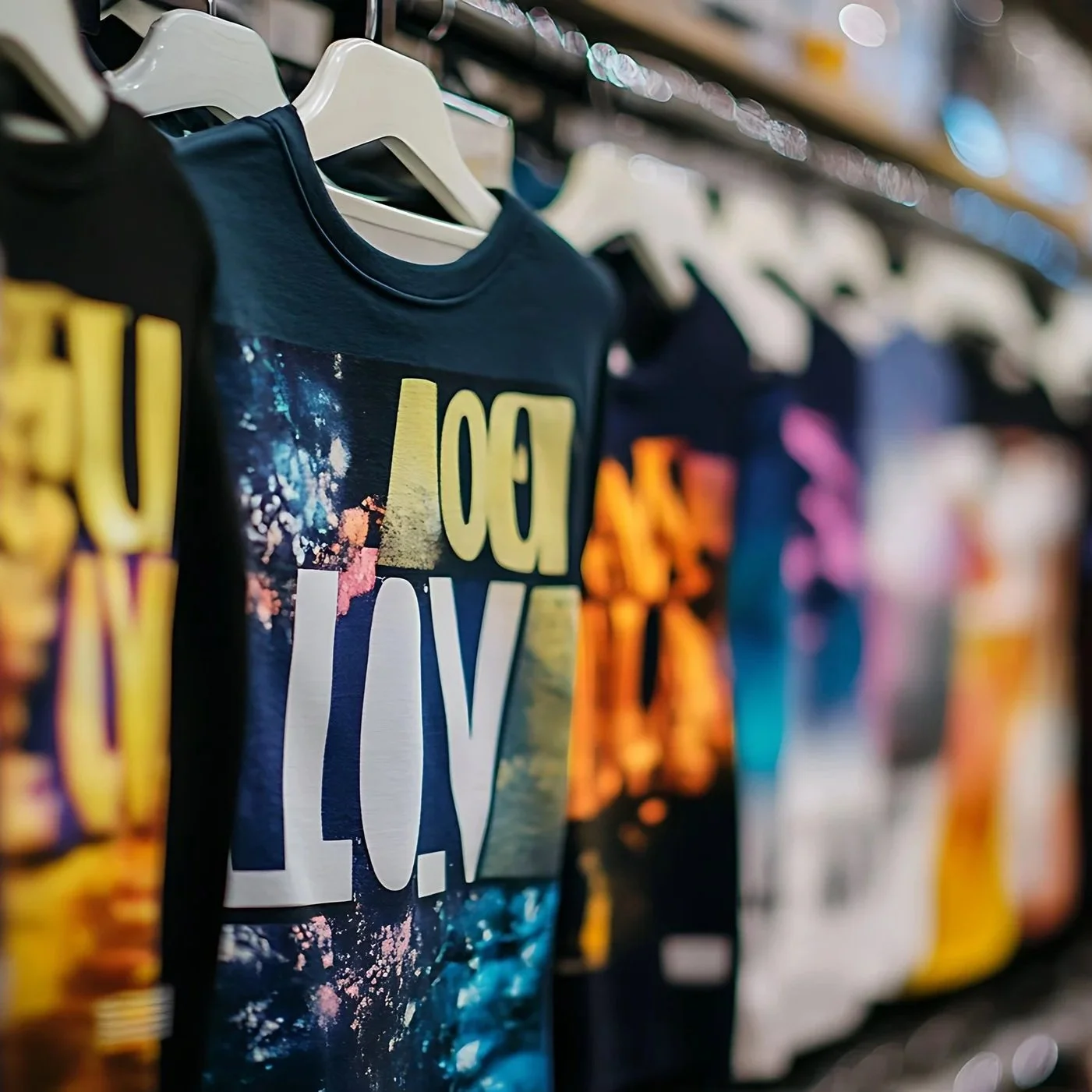
Today’s consumers do not just want a printed t-shirt. They demand high-quality, sustainable, bespoke products delivered with the frictionless transparency of an Uber ride or an Amazon parcel.
“To capture premium margins in this crowded, accelerating marketplace, garment decorators must move beyond apparel and embrace a new frontier of end-to-end automation, hybrid technologies, and ethical production”.
Are we witnessing the reinvention of Merch driven by adaptive, digital technologies?
The commercial opportunity presented by printed, personalised merchandise is already a lucrative revenue stream; it is the core driver of growth in a multi-billion-pound industry. And the mandate for print businesses is clear: automate, adapt, and offer undeniable added value, or choose to gradually lose market share.
Powderless DTF is an important area of innovation. It deserves research, investment, and thoughtful development.
“But at its current stage, it often feels like the industry is attempting to commercialize the concept ahead of the underlying chemistry and system readiness”.
All Apparel Manufacturers face an Urgent Mandate: “Automate or be Left Behind”.
Industry leaders like Super Nova Sports and Ryozo International were struggling with severe pre-press bottlenecks and unsustainable fabric waste. By integrating AI Sublimation Software into their workflows, these forward-thinking businesses eliminated manual variable data entry, boosted fabric efficiency to over 80%, and reduced delivery times by more than half, establishing a highly profitable, agile, and environmentally responsible production model.
The Future of Manufacturing belongs to those who Embrace Connected Digital Ecosystems
“Whether you produce garments, car interiors, or home furnishings, the transition from creative concept to production-ready product often remains fragmented. Design teams work tirelessly to develop compelling materials, yet technical teams struggle to interpret these visions without losing data along the way.”
The European digital wallcovering marketplace is expanding at an impressive rate.
“For print professionals and interior designers, this transition presents a distinct set of challenges. Achieving flawless colour consistency, managing complex substrates, and meeting stringent environmental standards are no longer optional extras; they are fundamental requirements for commercial success.”
If you're looking to optimize your website for AI search, hang onto your cowboy hat. It's the Wild West out there. Former (and current) SEO companies see the handwriting on the wall as more search moves from traditional SEO to AEO (answer engine optimisation). Opportunists are popping out of the woodwork.
(There are good options out there, but vet them carefully.)
A swimsuit might start life as a sketch. By the time it reaches the shop floor, dozens of hands have touched it - designers, dye houses, printers, trim manufacturers, quality controllers. Each one interprets colour in their own way, under their own conditions, with their own tools. The result is often a product that looks nothing like the original vision.
A New Approach to Smart Fabric
“As you think about the characteristics of your wardrobe, integrated technology will increasingly become a deciding factor as to what you buy and wear, expanding the capabilities of apparel to meet needs perhaps you didn’t even know you had.”
The latest innovations offer compelling solutions to long-standing challenges: reducing setup times, eliminating minimum order quantities, and delivering exceptional print quality across diverse fabric types.
For many print businesses, the challenge is how quickly you can integrate these technologies to maintain competitive advantage in an ever-evolving ecosystem.
A New Lifecycle: Application and Degradation
“We can continue with the status quo of toxic permanence, or we can embrace the intelligence of nature. Technologies like GrowInk prove that we can have vibrant, functional colour without the lasting environmental cost.
By accepting that not everything needs to last forever, we might just build a future that does.”
For our community, the takeaway is clear.
Innovation does not happen in isolation. If you are serious about shaping the future of textile design and production, you need to be present where ideas, experience, and perspective converge. Engage in the conversations, build relationships beyond transactions, and invest in spaces that allow you to learn not just from technology, but from one another. That is where lasting progress is made.
The stark reality: the strategies that secured your market share yesterday may well render you invisible tomorrow.
The influx of Generative AI has created a dichotomy on the web: the Synthetic and the Human. As AI floods the internet with competent but commoditised content, the value of genuine human insight is skyrocketing.
The challenge now is not how to use AI to do more, but how to use your humanity to matter more
“Design can better our world by expanding empathy and education, to increase awareness – that’s why I am a GREEN GRAD” - Lydia Hill.
"After many years of feeling out of place, I have found like-minded people who share my passion for the planet. Amazing advice from industry professionals has given me the confidence and encouragement to pursue my goals and aim higher than before.”
The Greatest Opportunity for Commercial Reinvention seen in Decades
“As traditional supply chains fracture under new tariffs and rising input costs, the manufacturers who will thrive are those who transition from being passive producers of stock to agile partners in on-demand, digital ecosystems.”.
The Middle East and North Africa (MENA) region is currently undergoing a profound transformation.
Driven by ambitious government initiatives and a rapidly digitising economy, the print and signage sectors are finding themselves at the centre of a commercial renaissance.
The industry cannot afford to ignore the next generation. These graduates are not just seeking employment; they are offering solutions to the problems that established firms are scrambling to solve.
The GREENGRADS exhibition at the Surface Design Show is a testament to the power of education and the necessity of hope. By attending, you are not just viewing products; you are supporting a movement towards a cleaner, more ethical built environment.
Is your print business equipped for the future?
“The challenge for any print business operating in the textile ecosystem is to navigate this rapidly evolving landscape. Success is no longer just about print quality; it’s about agility, efficiency, sustainability, and the ability to offer personalised products at scale. The traditional, water-intensive, and wasteful methods of the past are being displaced by a powerful digital ecosystem”.
Image Credit: EFI REGGIANI
LONDON, June 11: Textile Exchange has published its new polyester Life Cycle Assessment (LCA) study, providing robust, accurate, and credible data to strengthen the fashion, textile, and apparel industry’s understanding of the impacts of different types of polyester production.
The study is the second in a series of LCA studies led by Textile Exchange and addresses key gaps and limitations in the LCA data currently available for polyester.
Widnes, Cheshire - 5 June 2026 – On World Environment Day, Roberts Group International has announced a pioneering partnership with St Helens Council, Seamster & Shepherd, and Hope Academy.
The initiative, titled Hope for the Earth: From Reclaimed Textiles to Sustainable Student Fashion Show, empowers students to transform reclaimed textiles into original fashion pieces ahead of a summer showcase event in July.
The collaborative project addresses the urgent need for circularity in the fashion industry by bringing the sustainability message directly into the classroom.
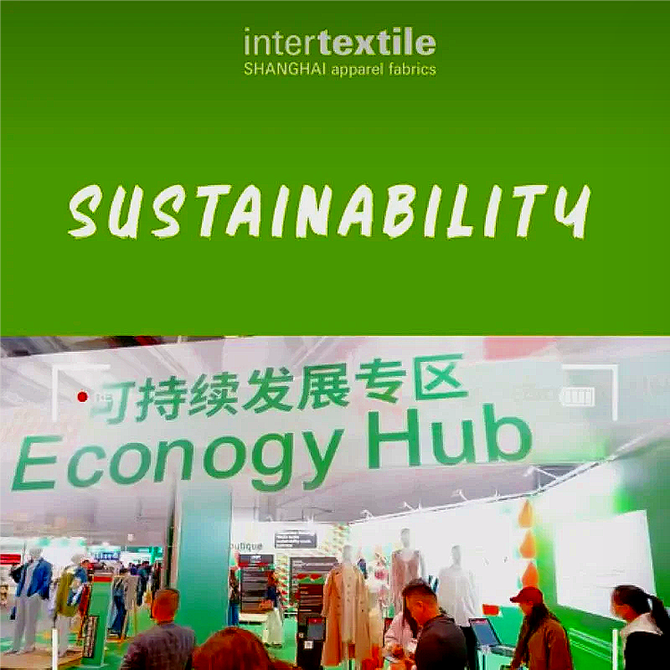
Shenzhen, June 2026 – To address the urgent need for sustainable practices and digital transformation within the global fashion industry, the Intertextile Shenzhen Apparel Fabrics and Yarn Expo Shenzhen will return from 9 to 11 June 2026.
Held at the Shenzhen Convention and Exhibition Center, the event will host over 600 international exhibitors across 45,000 square metres.
The innovative washing process SMART WASH represents a modern, high-performance, and environmentally conscious approach to textile care.
The targeted combination of the products BEIPLEX GREEN, BEICLEAN ECO, BEIPUR ANP, BEIBLEACH WP 35, and BEIACID CIT creates a holistic, sustainable washing and bleaching concept.
Stuttgart, Germany – May 2026 - Global Organic Textile Standard (GOTS) certification continued to grow in 2025, with nearly 18,000 certified facilities worldwide, despite ongoing geopolitical uncertainty and rapidly evolving regulatory requirements across global textile supply chains.
New figures released today in the 2025 Annual Report for Global Standard, the nonprofit that owns and operates GOTS, show that uptake of robust, independently governed sustainability standards remains a priority for companies seeking to manage risk, substantiate claims and meet rising expectations on transparency and due diligence.
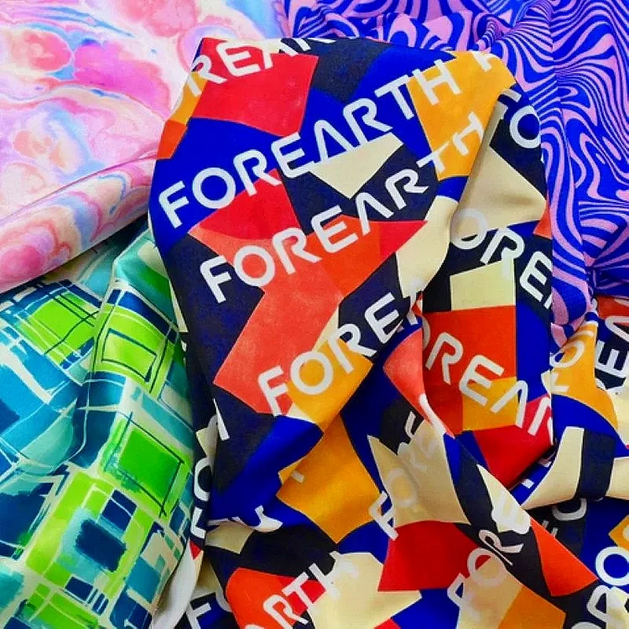
Kyocera Document Solutions has highlighted its FOREARTH, a pioneering water-free textile production concept designed to drastically reduce energy consumption and greenhouse gas emissions.
By addressing the critical need for sustainable manufacturing, this innovation sets a new standard for the textile industry, minimising environmental impact while streamlining the entire printing process.
ECCO, in partnership with Spinnova, announces the launch of the limited edition ECCO BIOM® 720, a first-of-its-kind shoe utilising an often overlooked leather by-product, transformed into a protein-based fibre.
The fibres are produced using patented technology that advances material innovation while reducing waste and supporting full resource use across the leather and textile industry.
Newark - Delaware - May 2026 – The global digital textile printing market is set for a substantial transformation, having crossed a valuation of USD 6.1 billion in 2025.
According to recent market forecasts by FMI, the sector is projected to surpass USD 6.6 billion in 2026, expanding at a compound annual growth rate of 7.7 per cent.
Driven by the urgent need for sustainable production and fast fashion customisation, the market is on track to reach a total valuation of USD 13.9 billion by 2036.
Cagliari - Italy – May 2026 – To address the escalating crisis of water scarcity in the Mediterranean basin, the Interreg NEXT MED Programme has officially announced the launch of the SWAMED project.
This international initiative introduces smarter irrigation systems and modern agricultural technology to farming communities across the region. By deploying innovative, data-driven solutions, the project seeks to safeguard the future of agriculture in areas where every drop of water is critical for survival and economic stability.
The SWAMED project is spearheaded by the Università degli Studi della Campania "Luigi Vanvitelli" in Italy, operating in close collaboration with a strategic coalition of partners from Tunisia, Egypt, Greece, and Türkiye.
Washington DC - 24 April 2026 – The Bezos Earth Fund has announced a $34 million commitment to advance breakthrough sustainable materials for the global fashion and textile industry.
Working with leading scientists across the United States, these new grants aim to reinvent the fabrics used in everyday clothing, focusing on next-generation materials that replicate the feel of rayon, silk, and cotton while drastically improving upon the environmental impact of conventional manufacturing.
ISTANBUL, Türkiye – April 2026 – In a critical step towards securing a sustainable and ethical future for the global textile industry, Textile Exchange and the Organic Cotton Accelerator have officially announced the comprehensive agenda for the upcoming Organic Cotton Summit.
This vital industry event is scheduled to take place from the 2nd to the 4th of June 2026 at the Istanbul Marriott Hotel Sisli in Türkiye.
By bringing together global stakeholders, the summit aims to urgently address the pressing challenges facing agricultural supply chains and to build organic cotton systems that are resilient, fair, and economically viable for all participants.
Manchester, UK – April 2026 – John Hogg Technical Solutions has announced a strategic minority equity investment in SwitchDye Limited, a University of Leeds spin-out.
This vital partnership aims to rapidly scale SwitchDye's pioneering CO2-responsive, drop-in dyeing system, answering the urgent industry need to significantly reduce chemical intensity, energy use, and water consumption in the dyeing of polyester and other synthetic fibres.
April 2026 - As sustainability expectations rise across the fashion industry, Lectra has announced the publication of a new document aimed at helping brands reduce their environmental impact while remaining competitive.
The newly released insights detail how fashion brands can overcome the four main barriers to sustainable product development, providing the necessary data clarity to make better, environmentally conscious decisions.
London - April 2026 – In a decisive response to the escalating global need for urgent climate action, Ricoh today announced a comprehensive revision of its environmental, social, and governance targets.
Launched as a cornerstone of its fiscal 2026 mid-term strategy, the company is significantly accelerating its efforts to realise a decarbonised society.
By raising its greenhouse gas emissions reduction goals and renewable energy adoption targets, Ricoh is firmly linking sustainable innovation with its global business operations to lead the industry toward a greener future.
The organisation has elevated its fiscal 2030 target for reducing Scope 1 and 2 greenhouse gas emissions from 63 percent to 75 percent, compared with fiscal 2015 levels.
Zhanjiang, China - 26 March 2026 – BASF today announced the official inauguration of its state-of-the-art Verbund production site in Zhanjiang, Guangdong Province.
Covering four square kilometres, this €8.7 billion facility represents a paradigm shift in sustainable chemical manufacturing.
Fully powered by renewable electricity, the site reinforces BASF’s market position in China whilst addressing the urgent global need for decarbonised industrial processes.
Employing over 2,000 people, the Zhanjiang site produces a highly diversified portfolio of basic chemicals, intermediates, and speciality chemicals.
Stockholm – Sweden – March 2026 – The H&M Foundation has announced the launch of a practical, open-source workshop toolkit designed to help organisations across the textile industry apply its innovative System Map.
Introduced earlier in 2024, the System Map is a visual framework that reimagines the fashion industry as an interconnected ecosystem.
Now, this comprehensive toolkit empowers brands, suppliers, policymakers, and investors to turn systemic insights into actionable strategies, identifying crucial leverage points to halve greenhouse gas emissions every decade until 2050 while enabling a just transition.
March 21st 2026 – To mark the International Day of Forests, Lenzing Group has announced its continued and unwavering dedication to global forest conservation and ecological resilience.
As the world faces unprecedented environmental challenges, the company is taking decisive action to ensure that the preservation of healthy forests remains firmly embedded in its sourcing strategy and product innovations.
San Francisco – March 2026– The Apparel Impact Institute (Aii) has today announced the launch of its innovative Energy and Carbon Benchmark.
This vital new tool is designed to provide fashion brands and their global suppliers with a unified reference point for measuring energy consumption and greenhouse gas (GHG) emissions across textile manufacturing facilities worldwide.
London – March 2026 – The Better Cotton Initiative (BCI) has announced a new collaboration with global non-profit the Soil Health Institute (SHI) and national ag-tech provider Growers Guide to support cotton producers across the United States in strengthening their soil conservation practices.
The partnership will fund intensive on-farm data collection to equip producers with actionable, data-driven insights aimed at improving soil health and reducing chemical inputs.
Amsterdam - March 2026 - Sappi Europe, a leading provider of sustainable paper and packaging solutions, represented the company at this year's AWA Global Release Liner Summit in Amsterdam.
Under the theme of "Innovation and Sustainability," Sappi's Director of Sustainability Sarah Price and Manager of Technology & Development Wolfgang Hoffmann led a well-received session titled "Navigating Sustainability: Accelerating Together."
Nottingham, UK - 6 March 2026 – Worn Again Technologies has announced the start-up of its Textile-to-Fibre Accelerator plant in Winterthur, Switzerland, marking a major step towards commercialising its chemical recycling technology.
The facility provides real-world validation of a process designed to recover and regenerate polyester and cellulose from end-of-life textiles, proving the technical and economic feasibility of polycotton recycling at scale.
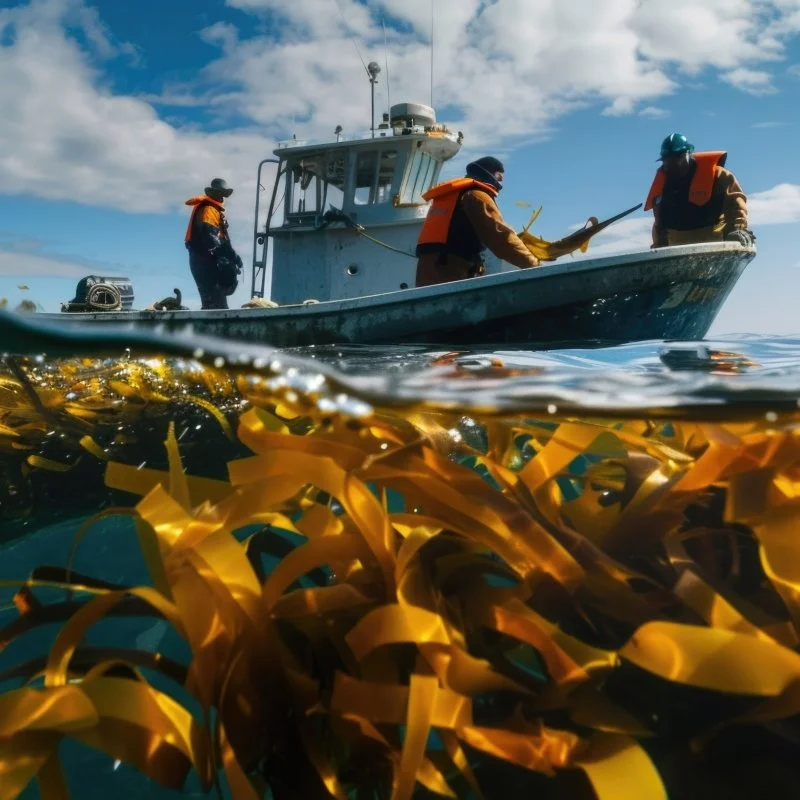
Oban – Scotland – February 2026 - OCEANIUM has highlighted OCEAN INK®, the world's first fully biodegradable, water-based ink derived from sustainably farmed seaweed.
This groundbreaking innovation is poised to transform the luxury textile, printing, and packaging industries by offering an eco-friendly alternative to conventional harmful inks.
As industries worldwide face mounting pressure to adopt sustainable practices, OCEAN INK® addresses a critical gap in the market.
BIRMINGHAM, UK – February 2026– Hollywood Monster, a prominent leader in large format print and signage, has reaffirmed its commitment to environmental stewardship by aligning its core service offerings with rigorous Environmental, Social, and Governance (ESG) criteria.
The initiative is designed to ensure that bold visual branding supports, rather than hinders, corporate sustainability goals, offering a definitive solution for businesses navigating complex compliance landscapes.
February 2026 – Printful, a leading on-demand printing and fulfilment company, has released comprehensive insights detailing how the shift towards on-demand manufacturing is critical in addressing the fashion industry's contribution to global textile waste.
The company highlights that traditional manufacturing models, which rely on volume-based assumptions, are the primary drivers of the millions of tons of garments sent to landfills annually.
The traditional fashion supply chain is often optimised for speed and volume at the expense of environmental responsibility.
Lenzing / Stockholm, February , 2026 – The Lenzing Group is taking another strategic milestone by acquiring a controlling majority in the Swedish innovation company TreeToTextile AB.
This step strengthens Lenzing’s position as a leading provider of sustainable, wood‑based specialty fibers and expands its innovation pipeline with a highly scalable, patent‑protected technology platform.
The transaction is executed through the issuance of new shares
Eerbeek, February , 2026 – Paper mill Coldenhove in Eerbeek has made a significant investment in sustainability with the purchase of an electric boiler (E-Boiler).
This innovative electric boiler was installed alongside the existing steam boiler, giving Coldenhove a hybrid system for steam generation.
Dusseldorf : January 2026 – CHT Group has announced its pride in being part of a major milestone set by the Science Based Targets initiative (SBTi), which has now validated science-based targets for 10,000 companies globally.
This achievement underscores a significant shift towards climate-aligned business practices, sending a strong signal that science-backed climate action is gaining critical momentum at a time when the urgency to address the climate crisis is paramount.
LONDON, January 26, 2026 – Canon has been awarded the prestigious EcoVadis Platinum status for the second year in a row, cementing its position within the top 1% of companies evaluated globally for sustainability performance.
This recognition underscores the organisation's unwavering commitment to ethical operations and environmental stewardship.
Davos - 21 January 2026 – Environmental not-for-profit Canopy has today unveiled a landmark $2 billion financing initiative designed to accelerate the production of Next Generation materials.
This significant capital injection focuses on scaling alternative fibres to replace wood pulp in textiles and paper packaging, with an initial rollout targeting the burgeoning market in India.
The move signals a critical shift towards sustainable supply chains, offering a robust solution to the fashion industry's reliance on ancient and endangered forests
MADRID, SPAIN – January 2026– In a landmark event for the global energy sector, Spain has successfully powered its entire national grid exclusively with renewable energy sources for a duration of nine consecutive hours.
This achievement marks a significant turning point in the transition away from fossil fuels, demonstrating the operational viability of a green energy infrastructure on a national scale and establishing a clear blueprint for sustainable development worldwide.
The achievement saw wind, solar, and hydropower sources meet every watt of real-time demand across the country.