FIVE SUSTAINABLE FIBRES AND INNOVATIONS THAT WILL DEFINE THE FUTURE OF FASHION'S PRINTED TEXTILES
“Initiatives are many, the textile industry is in a frenetic state - R&D is a key factor for environmental change, but we don’t have to reinvent the wheel. Nature has already delivered the solution – biodiversity. Choosing cellulose bases offers a fast track to sustainable process.”
Looking forward, there can be no doubt that all sectors working within the fashion industry’s supply chain must now adapt their business models and sourcing routes to include circularity, sustainability and eco-friendly innovation.
Customers are increasingly demanding that the products on offer are of a responsible origin, and that the brands that they choose to purchase from - have substantial environmental credentials.
There have been some welcome, and important, moves and initiatives from the industry and the NGO’s that surround it over the last 12 months. Covid-19 has accelerated the sustainability agenda and implementing these various initiatives across highly complex supply chains will take a great deal of dexterity and commitment – but there can be no going back.
The landscape has changed, and we are at a new and exciting frontier.
Many apparel brands from luxury goods - Chanel to Kering and onto the high-volume mass market - H&M and ASOS have for some time invested heavily in new resources and strategic collaborations to reach their defined sustainability goals. Now the rest of the industry must look long and hard at their supply chains if their businesses are to prosper in a post covid world.
All of our collective initiatives can re-define and re-fashion textile manufacturing as it moves irreversibly towards embracing a new world order of sustainability, circularity and eco-friendly manufacture. A good place to start is to look at where we are sourcing the textiles that we print onto using digital technologies, and what fibres we should be utilising over the next chapter. As the behemoths of the fashion world switch to eco-friendly print bases the fibres listed below offer a signpost to the textiles that will become mainstream, and as such will be available to purchase in large and small volumes as the agenda rolls forward. Sourcing them now will bring print prosperity and deliver new commercial opportunities.
So, what are the fibres of the future and why can they make positive impact?
Initiatives are many, the textile industry is in a frenetic state - R&D is a key factor for environmental change, but we don’t have to reinvent the wheel. Nature has already delivered the solution – biodiversity. Choosing cellulose bases offers a fast track to sustainable process. For sure we have to look at how some of these fibres are currently grown, harvested and processed but their environmental attributes cannot be ignored. From organic and preferred cotton, to naturally sustainable fibres and new technical fibres, hybrid-synthetics offer refreshingly simple circularity and polarise a regeneration. The future of fabric sourcing just opened a new chapter for the textile industry.
Here’s a summary of just 5 key fibres and recent innovations that will make a positive impact on the textile industry in a post Covid supply chain:
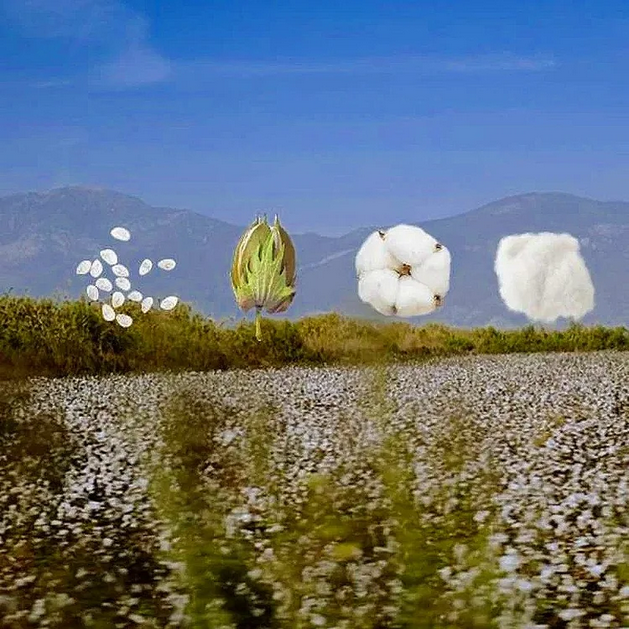
Organic Cotton and Preferred Cotton
Leading the way, of course in, all kinds of textiles is the obvious and widespread move towards using organic cotton, with global brands such as Inditex, committing to only using organic or re-cycled cotton by 2025.
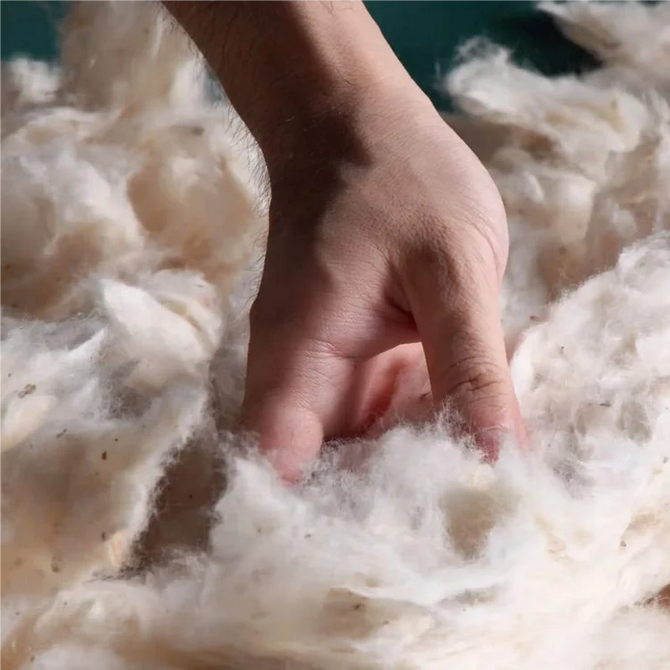
Organic cotton is grown using methods and materials that have a low impact on the environment. However, it must be noted; that currently it only represents 1% of the global cotton yield. Organic production systems replenish and maintain soil fertility, reduce the use of toxic and persistent pesticides and fertilizers, and build biologically diverse agriculture. Third-party certification organizations verify that organic producers use only methods and materials allowed in organic production. Organic cotton is grown without the use of toxic and persistent pesticides and synthetic fertilizers.
Independent Certification from organisations such as the Global Organic Textile Standard (GOTS) provide the framework that defines the product, before it can even enter the manufacturing cycle as a component.
Similarly, for non-organic agriculture, the Better Cotton Initiative (BCI) reported that over 22% of the world’s Cotton Crop now has ‘Preferred Cotton Status’.
The market is switching to responsible production; the BCI also reported a huge increase in brand usage of ‘Preferred Cotton’, with over 1.5 million tonnes being used by BCI Brands and Members. The BCI have big ambitions for the Fashion and Apparel industry as they aim for ‘Preferred Cotton’ to constitute 30% of the world’s cotton crop by 2021.
Linen otherwise known as Flax
Closely following Organic cotton is Linen made from Flax fibres, which many would describe as the original sustainable fibre (it dates back to 8000BC).
Flax is one of the most sustainable raw materials in the world. During growth, the flax plant receives no additional irrigation; rainwater is sufficient. The best flax in the world grows in northern France, Belgium and the Netherlands. This is the pre-eminent European ‘flax territory’, responsible for 80% of global flax production. The soil and climate, which regularly alternates between sun and rain, are ideal for cultivating a strong fibre that is renowned for its quality around the globe. In comparison to other crops, far fewer pesticides and fertilizers are used with flax. The fibres are separated from the stem during a natural process called dew.
The resultant fabrics are much used in the fashion industry, where their sustainability credentials add weight to their high quality, longevity and historic use as natural apparel fabrics.
Looking at Synthetics – Science is set to deliver new cellulose and hybrid eco-synthetic fibres.
Micro-Fibrillated Cellulose from Spinnova
The Spinnova cellulose fibre is said to be the most sustainable fibre in the world, both from a raw material and fibre making process aspect. Spinnova’s fibre is completely natural, using only FSC and/or PEFC certified wood or cellulosic waste streams.
Spinnova have created a process, where wood fibre does not need dissolving with harmful chemicals. Instead, it is refined mechanically to create something called micro fibrillated cellulose; the feedstock for their process. At the end of its life, the Spinnova Cellulose fibre can return to nature quickly. Taking just a few months to biodegrade in natural and marine environments, it has a fast end of life, leaving nothing harmful behind.
To create materials for the future, Spinnova went back to nature. Their natural fibre material is white continuous filament. It is ready as-is for spinning into yarn and knitting or weaving into fabric. With the stretch and strength qualities of cotton and the insulation of lamb’s wool, it is ideal for fashion apparel, where soft handle and sustainability are now vital.
Recycled Creora® Regen Spandex and Bio-Based Spandex from Hyosung
Spandex is the backbone of Sportswear and Athleisure wear, and here more than anywhere else eco credentials are a central pillar of any apparel sales proposition.
With sustainability, traceability and transparency at the top of the fashion industry’s agenda, mills and brands are seeking fibre technology solutions to help them create the most responsibly made, eco-friendly products.
Among its sustainable fibre solutions, Hyosung highlights its GRS-certified, 100% recycled Creora Regen Elastane made from reclaimed waste, which has been in high demand since its launch in 2020.
Hyosung have also developed Creora® Bio-Based Spandex where petroleum is replaced with corn. Aside from eliminating fossil fuels from the process, the corn pulls carbon dioxide from the air as it grows.
When paired with cotton, creora bio-based spandex enables brands to tell a plant-based sustainability narrative and will be popular with fashion apparel brands.
Sustainable Viscose: ECOVERO™ From Lenzing
Derived from certified renewable wood sources using an eco-responsible production process, LENZING™ ECOVERO™ fibres are tailored to a sustainable lifestyle, contributing to a cleaner environment. LENZING™ ECOVERO™ Viscose fibres are derived from sustainable wood and pulp, coming from certified and controlled sources. Fibres have been certified with the EU Ecolabel as meeting high environmental standards throughout their lifecycle: from raw material extraction to production, distribution and disposal. Importantly, Lenzing fibres can be robustly identified in the final product, assuring you that your purchase contains genuine Lenzing viscose fibres. At the end of use all Lenzing fibres and re-enter the eco-system, they are designed for circular process.
Apparel and fashion use large volumes of viscose in their products, where the softness and handle add much to the blended textiles and garments they are used in, add to that eco-responsibility and sustainability, and you have a winning sales proposition for the future.
As the Textile Industry evolves, all parties in the supply chain upstream and down, must collaborate to enable transparency. Only then can we truly develop a sustainable supply chain.
All of the fibre innovations listed above have a huge part to play – but there will be many more to come - as we switch from a synthetic petroleum-based Fashion Industry to a cellulose supply chain. We are only at the beginning of this new chapter, but the race is on, and we don’t have time to waste…our footprint is heavy and collectively we can make a huge positive impact.
The consumer now demands that we make responsible choices and move to reverse the damage of the past by investing in the use of eco-friendly textiles for digitally printed production.

Is the Textile Market Finally Recovering?
After a difficult few years, there are genuine reasons for optimism. Duncan was candid about the challenges: "The market for textiles has been very difficult over the last three years. I'm not going to hide the truth there. But the tide is turning.“
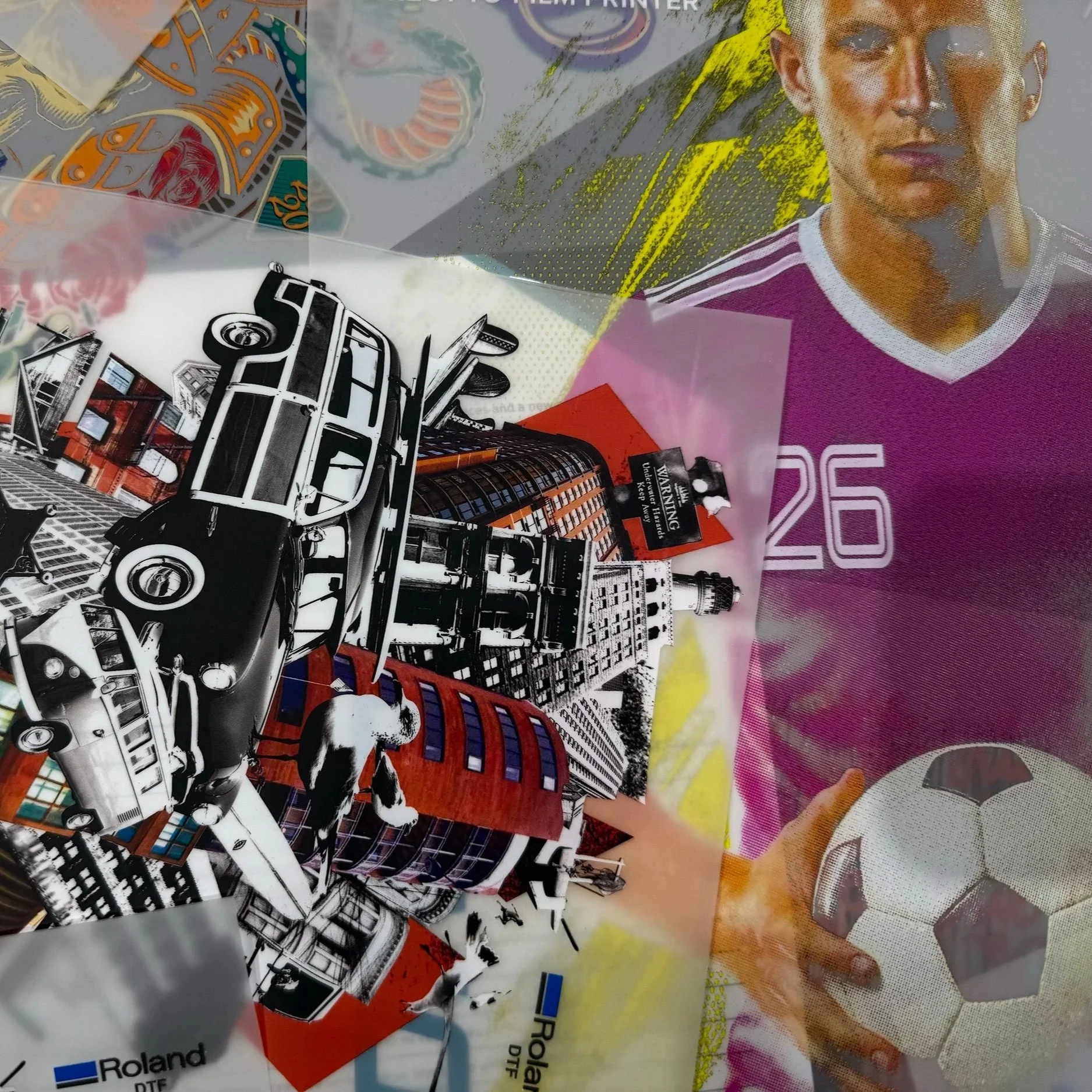
Sportswear held relatively firm throughout the downturn, and customised apparel is now showing renewed momentum. Duncan noted a significant rise in interest around direct-to-film (DTF) technology - while direct-to-fabric printing is also regaining traction.
A profound shift is currently reshaping the sector
Changing consumer expectations demand greater design diversity, faster turnaround times, and sustainable manufacturing practices.
To thrive, interior brands must adapt their supply chains, bringing production closer to the end consumer and moving away from bulk manufacturing.
Digital textile printing offers a definitive solution to these operational bottlenecks.
Digital transformation doesn't announce itself.
It accumulates - one innovation at a time - until an entire industry looks back and realises the ground has shifted beneath its feet. That's precisely where textiles stands today.
The conversations happening now about AI, automation, sustainability, and digital product passports are not theoretical. They are shaping decisions being made on factory floors and in boardrooms right now.
“By leveraging advanced digital textile printing, Marylene Madou has successfully merged traditional craftsmanship with cutting-edge technology. Her approach offers a blueprint for how independent designers can scale their brands globally while maintaining a minimal environmental footprint.”
What Is the Digital Product Passport?
At its core, a Digital Product Passport is a digital record attached to a physical product - typically accessed via a QR code, NFC chip, or barcode – that documents everything about that product across its entire lifecycle.
For a printed textile product, this means the DPP would capture data on the substrate, inks and dyes used, the printing process and technology, chemical compliance, environmental impact (including water and energy use), supply chain traceability, and end-of-life instructions.
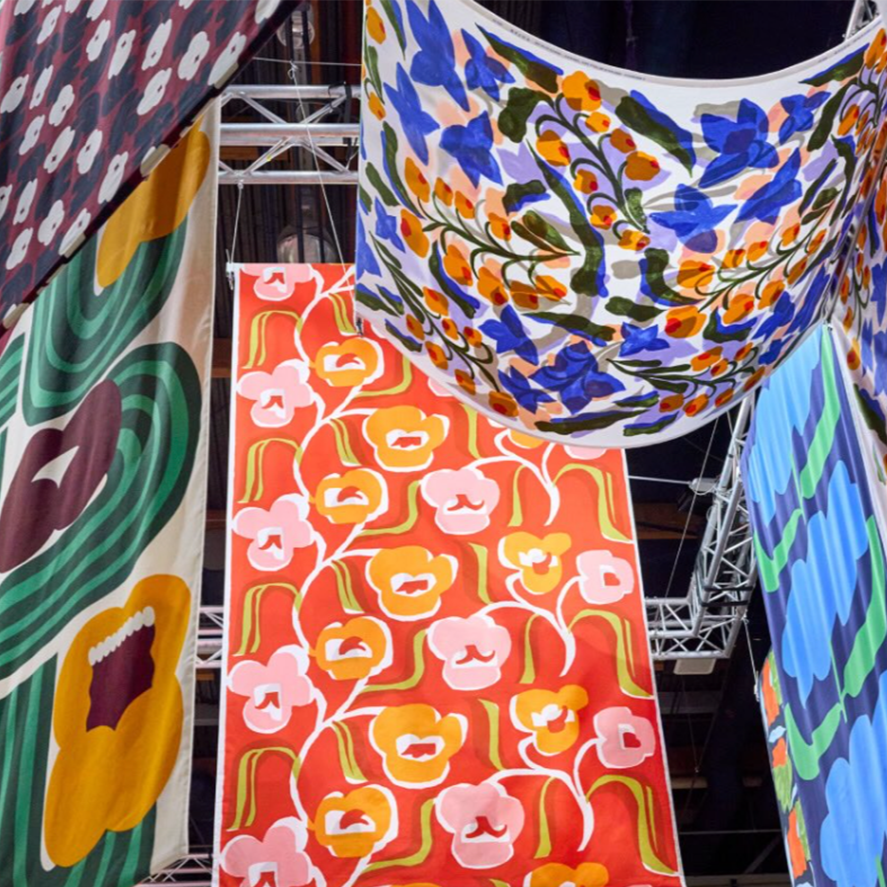
From Helsinki's printing mill to Paris's Le Marais, discover how Marimekko is scaling a design-led brand with purpose, craft, and bold innovation.
But what makes Marimekko's story compelling is not just its aesthetic legacy?
The textile industry is undergoing a vital transformation. As the insights from Techtextil and Texprocess reveal, the path forward relies on a combination of sustainable hardware, intelligent chemistry, and seamless digital workflows.
From Zimmer's industrial-scale energy reductions and Stratasys's on-demand 3D embellishments, to Kornit's single-step technical printing and the unified digital ecosystems of NedGraphics and Optitex, the tools for change are here. To stay competitive, brands and manufacturers must adopt these innovations, moving away from fragmented, wasteful processes towards a truly connected, circular economy.
Friedmans stands as a testament to the power of combining traditional textile knowledge with forward-thinking innovation.
“Operating from their UK headquarters, Friedmans now serves a diverse array of sectors, including swimwear, dance, entertainment, sportswear, interior decor, prosthetics, and even pet apparel. With a strategic supply chain that reliably serves clients worldwide”
The apparel decoration industry is decisively moving away from isolated, analogue production tools toward connected digital manufacturing environments.
"Kornit’s unwavering commitment to transformative technology continues to disrupt the status quo. For business leaders and innovators ready to capture the future of apparel manufacturing, the path forward is clear”
The Urgent Need for Sustainability at Scale
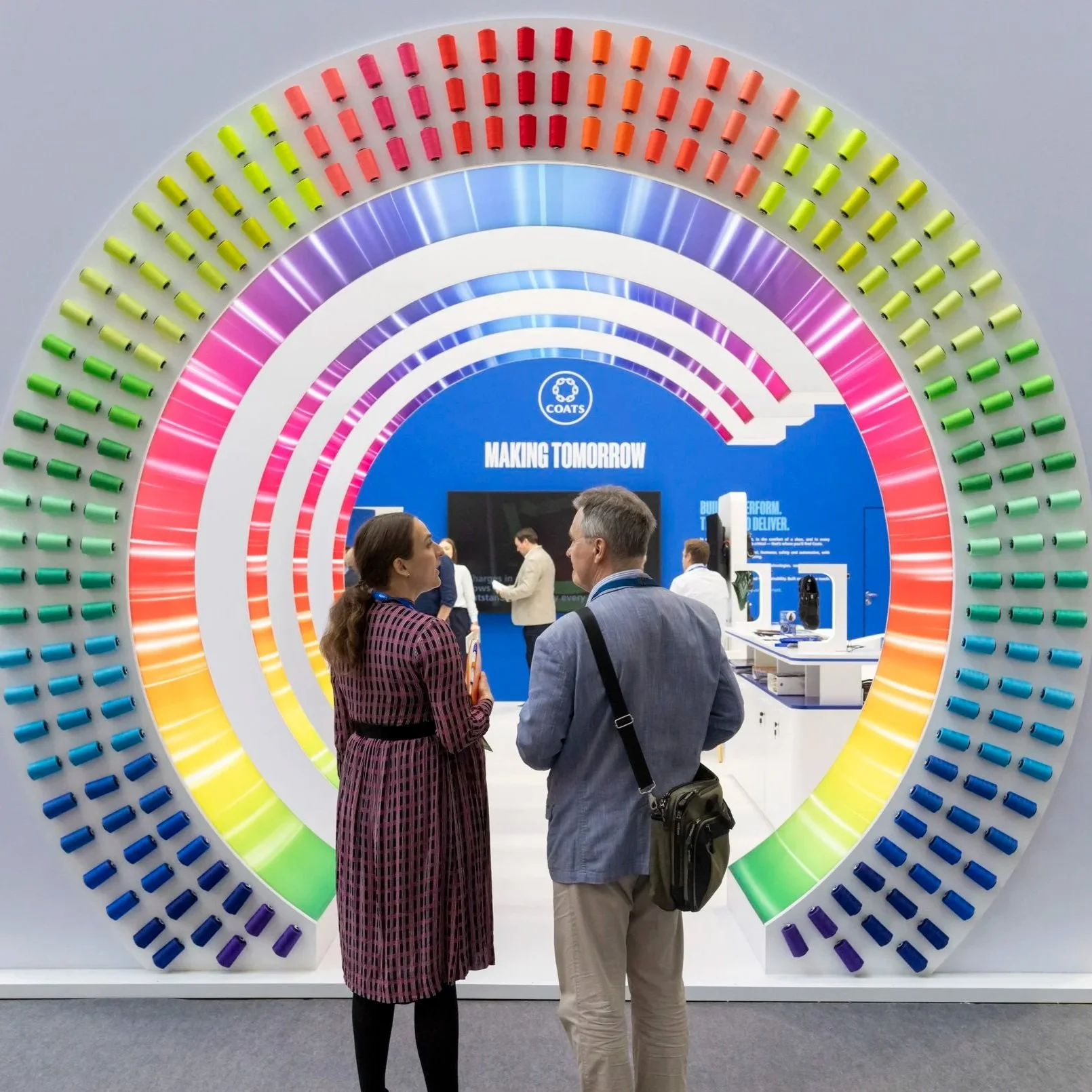
The transformation at Coats provides a vital blueprint for the wider textile and apparel sector. True sustainability cannot be achieved in silos. As Dearing emphasised:
“Cross-industry collaboration is the engine of meaningful change. Brands, machinery suppliers, chemical providers, and fibre producers must act as an interconnected ecosystem”
Today’s customers demand superior product quality, real-time data visibility, and lightning-fast turnaround times.
For large-scale garment decorators, managing these expectations while balancing seasonal demand fluctuations - such as the massive surges seen during Black Friday - presents a monumental challenge.
"Relying on transactional vendor relationships and outdated legacy equipment is no longer sufficient to secure long-term stability and growth.”
Printing method is never a secondary detail. It shapes the entire life cycle of a product, from concept to customer. In today’s fashion industry, where margins are tighter and speed matters more than ever, technical knowledge has become a competitive advantage.
“The future of textile design belongs to professionals who can combine creativity with execution, aesthetics with practicality, and vision with production reality”.
Today’s consumers do not just want a printed t-shirt. They demand high-quality, sustainable, bespoke products delivered with the frictionless transparency of an Uber ride or an Amazon parcel.
“To capture premium margins in this crowded, accelerating marketplace, garment decorators must move beyond apparel and embrace a new frontier of end-to-end automation, hybrid technologies, and ethical production”.
Are we witnessing the reinvention of Merch driven by adaptive, digital technologies?
The commercial opportunity presented by printed, personalised merchandise is already a lucrative revenue stream; it is the core driver of growth in a multi-billion-pound industry. And the mandate for print businesses is clear: automate, adapt, and offer undeniable added value, or choose to gradually lose market share.
Powderless DTF is an important area of innovation. It deserves research, investment, and thoughtful development.
“But at its current stage, it often feels like the industry is attempting to commercialize the concept ahead of the underlying chemistry and system readiness”.
All Apparel Manufacturers face an Urgent Mandate: “Automate or be Left Behind”.
Industry leaders like Super Nova Sports and Ryozo International were struggling with severe pre-press bottlenecks and unsustainable fabric waste. By integrating AI Sublimation Software into their workflows, these forward-thinking businesses eliminated manual variable data entry, boosted fabric efficiency to over 80%, and reduced delivery times by more than half, establishing a highly profitable, agile, and environmentally responsible production model.
The Future of Manufacturing belongs to those who Embrace Connected Digital Ecosystems
“Whether you produce garments, car interiors, or home furnishings, the transition from creative concept to production-ready product often remains fragmented. Design teams work tirelessly to develop compelling materials, yet technical teams struggle to interpret these visions without losing data along the way.”
The European digital wallcovering marketplace is expanding at an impressive rate.
“For print professionals and interior designers, this transition presents a distinct set of challenges. Achieving flawless colour consistency, managing complex substrates, and meeting stringent environmental standards are no longer optional extras; they are fundamental requirements for commercial success.”
If you're looking to optimize your website for AI search, hang onto your cowboy hat. It's the Wild West out there. Former (and current) SEO companies see the handwriting on the wall as more search moves from traditional SEO to AEO (answer engine optimisation). Opportunists are popping out of the woodwork.
(There are good options out there, but vet them carefully.)
A swimsuit might start life as a sketch. By the time it reaches the shop floor, dozens of hands have touched it - designers, dye houses, printers, trim manufacturers, quality controllers. Each one interprets colour in their own way, under their own conditions, with their own tools. The result is often a product that looks nothing like the original vision.
A New Approach to Smart Fabric
“As you think about the characteristics of your wardrobe, integrated technology will increasingly become a deciding factor as to what you buy and wear, expanding the capabilities of apparel to meet needs perhaps you didn’t even know you had.”
The latest innovations offer compelling solutions to long-standing challenges: reducing setup times, eliminating minimum order quantities, and delivering exceptional print quality across diverse fabric types.
For many print businesses, the challenge is how quickly you can integrate these technologies to maintain competitive advantage in an ever-evolving ecosystem.
A New Lifecycle: Application and Degradation
“We can continue with the status quo of toxic permanence, or we can embrace the intelligence of nature. Technologies like GrowInk prove that we can have vibrant, functional colour without the lasting environmental cost.
By accepting that not everything needs to last forever, we might just build a future that does.”
For our community, the takeaway is clear.
Innovation does not happen in isolation. If you are serious about shaping the future of textile design and production, you need to be present where ideas, experience, and perspective converge. Engage in the conversations, build relationships beyond transactions, and invest in spaces that allow you to learn not just from technology, but from one another. That is where lasting progress is made.
The stark reality: the strategies that secured your market share yesterday may well render you invisible tomorrow.
The influx of Generative AI has created a dichotomy on the web: the Synthetic and the Human. As AI floods the internet with competent but commoditised content, the value of genuine human insight is skyrocketing.
The challenge now is not how to use AI to do more, but how to use your humanity to matter more
“Design can better our world by expanding empathy and education, to increase awareness – that’s why I am a GREEN GRAD” - Lydia Hill.
"After many years of feeling out of place, I have found like-minded people who share my passion for the planet. Amazing advice from industry professionals has given me the confidence and encouragement to pursue my goals and aim higher than before.”
The Greatest Opportunity for Commercial Reinvention seen in Decades
“As traditional supply chains fracture under new tariffs and rising input costs, the manufacturers who will thrive are those who transition from being passive producers of stock to agile partners in on-demand, digital ecosystems.”.
The Middle East and North Africa (MENA) region is currently undergoing a profound transformation.
Driven by ambitious government initiatives and a rapidly digitising economy, the print and signage sectors are finding themselves at the centre of a commercial renaissance.
The industry cannot afford to ignore the next generation. These graduates are not just seeking employment; they are offering solutions to the problems that established firms are scrambling to solve.
The GREENGRADS exhibition at the Surface Design Show is a testament to the power of education and the necessity of hope. By attending, you are not just viewing products; you are supporting a movement towards a cleaner, more ethical built environment.
Is your print business equipped for the future?
“The challenge for any print business operating in the textile ecosystem is to navigate this rapidly evolving landscape. Success is no longer just about print quality; it’s about agility, efficiency, sustainability, and the ability to offer personalised products at scale. The traditional, water-intensive, and wasteful methods of the past are being displaced by a powerful digital ecosystem”.
Image Credit: EFI REGGIANI