
WHAT DO BRANDS DEMAND AND WHY THATS IMPORTANT TO YOUR BUSINESS - HP SUSTAINABILITY SERIES WITH SANDRA PINA

“As we move towards a sustainable future, each and every product we consume has an environmental impact. Every choice that we make as designers and printers matters and collectively, we can make a significant contribution to the environmental impact of the products we create across all commercial sectors. Together we can drive effective change for a sustainable future.” Watch This Presentation Here >>
Sustainability has to be a primary focus for brands and manufacturers around the world.
Regardless of what you are producing. HP continues to lead change by questioning historical choices and developing new solutions to meet the demands of secure environmental manufacturing within the print industry.
As we move towards a sustainable future, each and every product we consume has an environmental impact. Every choice that we make as designers and printers matters and collectively, we can make a significant contribution to the environmental impact of the products we create across all commercial sectors. Together we can drive effective change for a sustainable future.
The HP Sustainable Impact Series brings together industry experts and thought leaders to share their insights and knowledge.
Available on-demand, these short, coffee break sessions highlight the trends that all business must address in order to deliver change and build a sustainable future.
The “What Do Brands Demand” Presentation offers viewers a wide range of actions and deliverables that we can all adopt today.
Sandra Pina, offers her insights on how the worlds global brands are changing. They are not only manufacturing sustainably and responsibly - they are also evolving alongside the UN Sustainable Development Goals to change their internal and external company cultures.
This coffee talk session is presented by Sandra Pina, General Manager at Sustainable Brands and Querio, which is a pioneering platform that combines Sustainability and Business. Sandra helps organisations to incorporate sustainability into their strategy and corporate culture. She is also an associate professor of innovation, marketing and market research at the Instituto de Empresa and others recognized business schools.
WATCH To learn more and discover how your business can make a positive sustainable impact.
Key Takeaways:
Focussing on the Bigger Picture:
Clients are becoming increasingly focused on sustainability
This is being driven by the consumer, many of which are now anxious about the future. They have deep concerns about all aspects of everyday life. They need assurance and clarity.
Authenticity and Trust are in high demand
Customers now look to their chosen brands to deliver assurance alongside sustainability.
Brand loyalty has moved beyond Sales
Customers expect brands to deliver social responsibility, alongside ethical, sustainable manufacturing to secure their own credibility.
Collaborative Corporate Culture
Business must strengthen their connections to their customers. They must listen to their concerns, behaviours and requirements and deliver solutions.
The Supply Chain underpins your business
All stakeholders must work together to strengthen each tier of the chain. Building partner relationships and value, whilst delivering trust and support.
The Critical Mission - Sustainability has to be a primary focus for your business
In 10 years, all of what we do, and everything we have around us is going to be sustainable. Act now.
WATCH THE HP SUSTAINABILITY IMPACT SERIES – WHAT DO BRANDS DEMAND – HERE >>


Reading, UK – 15 September 2026 – HP has announced it will showcase four machines from its HP Latex portfolio, alongside the HP DesignJet Z9+ and HP PrintOS Production Hub, at The Print Show and The Sign Show 2026.
Taking place from 29 September to 1 October in Hall 1 of the NEC Birmingham, the event will feature live demonstrations and application examples highlighting opportunities across sign-making and wide-format print.
Mexico City, Mexico – August 2026 – HP Graphic Arts has announced its participation in FESPA Mexico 2026, taking place from 10–12 September at Centro Banamex, Mexico City.
The HP Large Format team will be on-site to present its latest advancements in HP Latex and HP DesignJet technologies, offering print professionals a firsthand look at the future of large format printing.
FESPA Mexico is one of Latin America's foremost events for the print and visual communications industry, drawing together professionals, partners, and businesses seeking to stay ahead of an increasingly competitive market
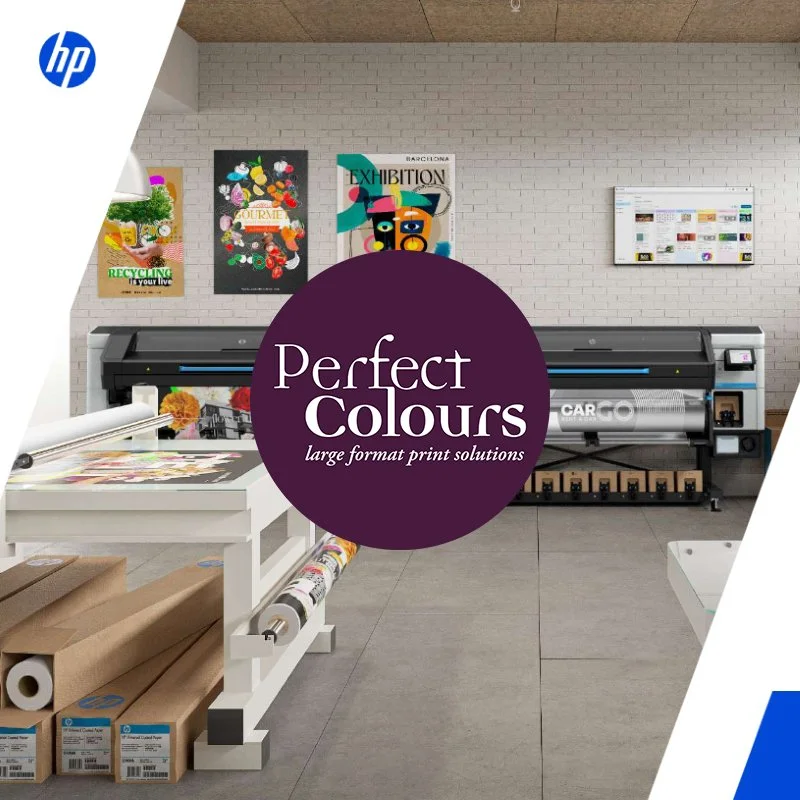
Lutterworth, UK – June 2026 – Advance Print Solutions has expanded its wide-format production capacity with the installation of an HP Latex 830W, supplied by Perfect Colours Ltd.
The investment is designed to boost throughput, broaden the company's range of applications and support continued growth as demand rises.
The Lutterworth-based print, signage and graphics specialist worked closely with Perfect Colours, which carried out a consultative review of workflow, job mix and growth plans before recommending the device. T

London - June 2026 – Perfect Colours, a leading printing solutions provider, is set to host the highly anticipated Perfect Colours and HP Discovery Event in Scotland on the 7th and 8th of July.
This event will provide industry professionals with an exclusive opportunity to witness the latest advancements in sustainable print technology, directly addressing the growing demand for eco-conscious innovation in the sector.
Attendees will have the unique chance to see the new HP Latex R530 in action, alongside the cutting-edge Latex 730W.

Pennsylvania – USA - April 2026 – HP Large Format has announced that Wallquest Wallcovering has significantly expanded its digital production capacity by installing four new HP Latex FS70 W Printer systems at its manufacturing facility in Pennsylvania.
This strategic investment builds upon Wallquest's already robust fleet of HP Latex technology, underscoring a deep-rooted partnership founded on trust, continuous innovation, and a shared commitment to advancing the wallcovering industry.
By integrating these state-of-the-art printing systems, Wallquest Wallcovering reports an estimated 30 per cent improvement in overall performance.

Colour Is Too Important to Leave to Chance
Print will always be the part of the garment people see first.
But the sum of all parts — the fabric, the trims, the fasteners, the finish — is what determines whether a design actually delivers on its promise. Brands that continue to treat colour as a single creative decision, rather than a coordinated technical discipline spanning their entire supply chain, will keep paying for it in re-dips, delays, and disappointed design teams.
A Century of Textiles, and an Ever-changing World
Few companies can trace their roots back more than a century and still count themselves among their industry's innovators. Texia, headquartered in Monistrol de Montserrat, Spain, is one of them.
But the story of Texia is not simply one of longevity.
It is a story of continual reinvention. As the textile industry has grown more global and competitive, Texia has repeatedly reshaped its business, investing in technology, developing its own brands, and placing sustainability at the centre of its mission. In doing so, it offers a compelling example of how a heritage manufacturer can lead rather than follow through a period of profound industry change. Image Credit: Texia

What are we craving Ultimately?
The instinct to slow down while simultaneously optimising every measurable aspect of life isn't a passing curiosity. It's a structural response to a world that feels increasingly unstable, and it's reshaping what people expect from their homes, hotels, workplaces and healthcare environments alike.
For the design and manufacturing sectors, this means rethinking both product and process.
The Structual Shift is Real and its Already Here
Volumes are moving east, where digital production is accelerating rapidly. Consumer behaviour has shifted.
Demand is now driven by personalisation, shorter buying cycles, and an expectation of near-instant responsiveness. Regulatory pressure is intensifying, with supply chain transparency now a legal and commercial fact in many markets. And margins? They are under sustained, structural pressure.
This is not a temporary disruption. It is a fundamental reordering of how textile manufacturing must operate.

The Challenge: Standing Firm as the Industry Shifts
The wallpaper landscape has changed dramatically. Digital printing has lowered the barrier to entry, spawning countless direct-to-consumer brands and pushing much of the market towards faster, cheaper production.
At the same time, manufacturing in the UK has grown steadily harder - rising minimum wage, national insurance, energy and substrate costs all bear down on margins. Surface Print have embraced all of these challenges - and stand resolutely prepared for the future.
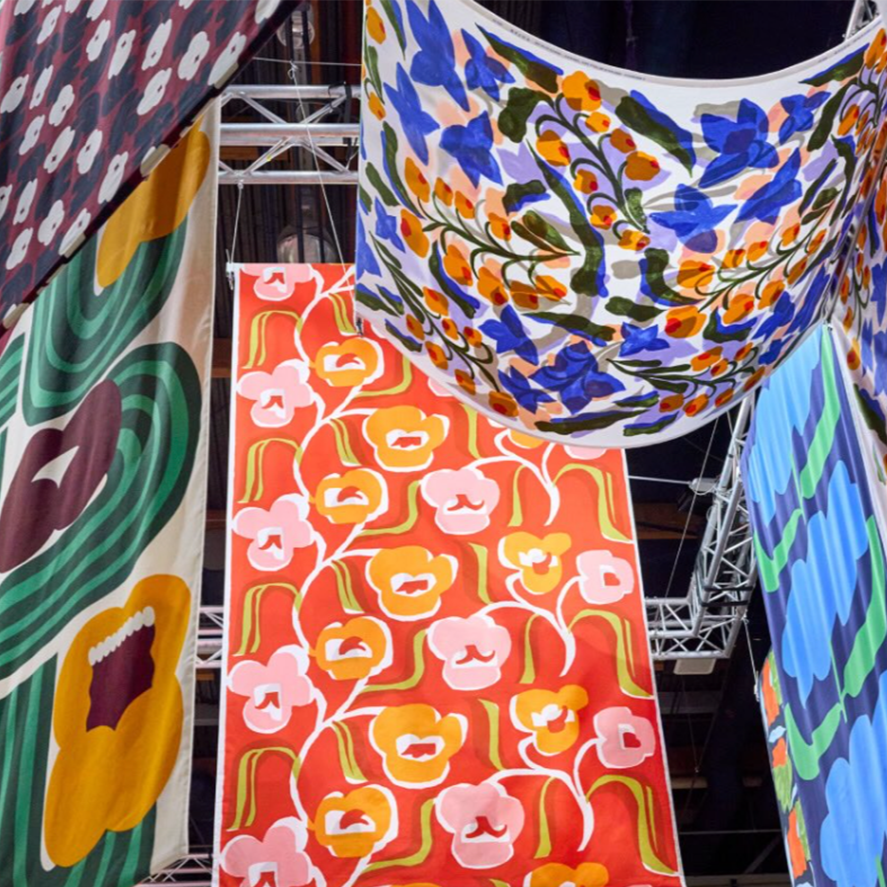
From Helsinki's printing mill to Paris's Le Marais, discover how Marimekko is scaling a design-led brand with purpose, craft, and bold innovation.
But what makes Marimekko's story compelling is not just its aesthetic legacy?


The word "toxic" carries weight. It conjures danger, harm, and things best avoided.
“Yet in the textile industry - Where between 3,000 and 10,000 chemicals move through the supply chain, a reflexive fear of the term is one of our biggest obstacles to progress.”
This article distils the key takeaways and what buyers, designers, and brands should be asking right now.
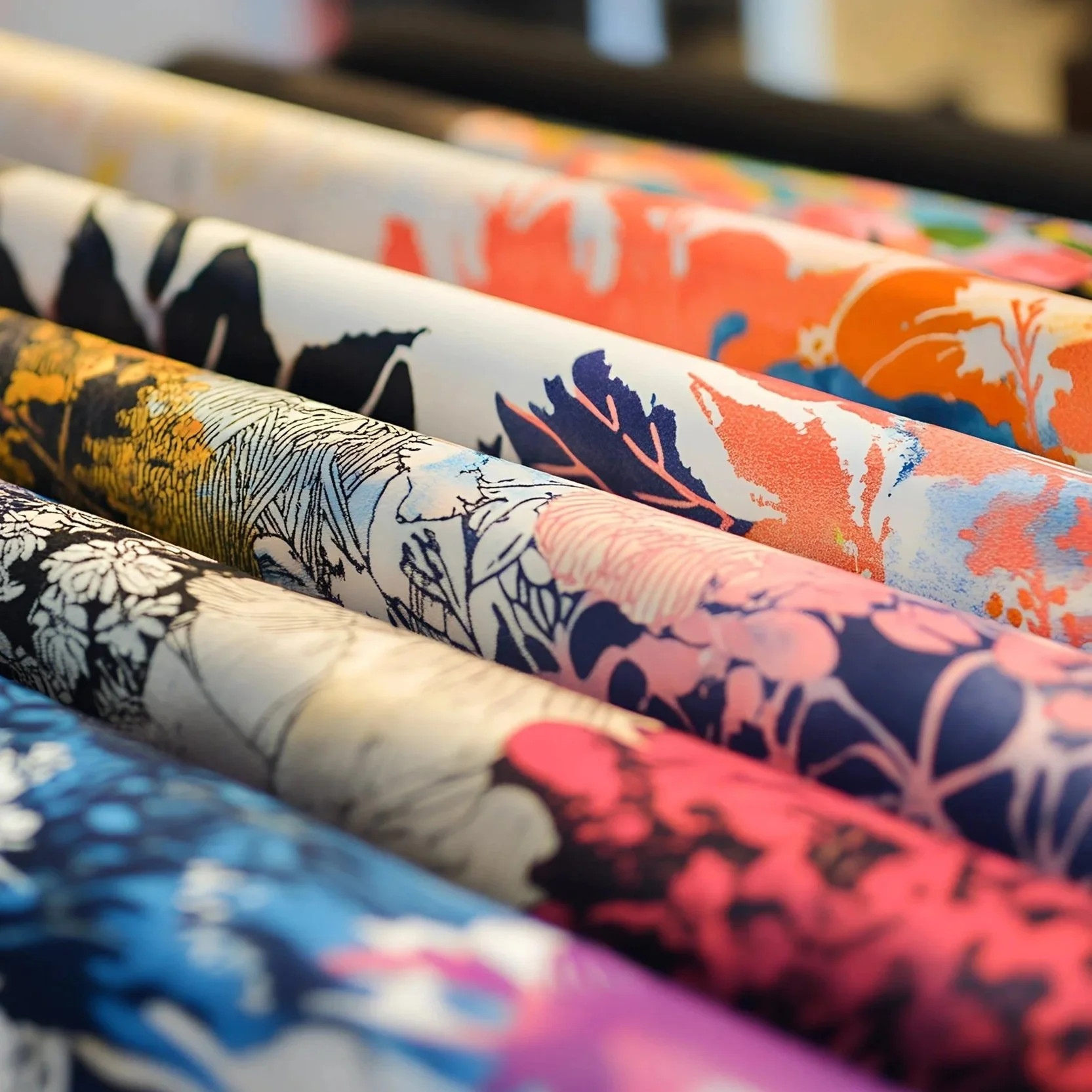
What Is the Digital Product Passport?
At its core, a Digital Product Passport is a digital record attached to a physical product - For a printed textile product, this means the DPP would capture data on the substrate, inks and dyes used, the printing process and technology, chemical compliance, environmental impact (including water and energy use), supply chain traceability, and end-of-life instructions.

The Market Gap that Changed Everything
Future Fashion was founded in 2019, timed deliberately to coincide with a pivotal moment in global textile technology: the commercial launch of the EFI Reggiani BOLT Single-Pass digital printing system.
The founders recognised that single-pass architecture had fundamentally changed what was industrially possible - and that Pakistan's domestic market had yet to catch up.

Print is no longer defined by the inefficiencies that once characterised it…as advances in production processes and technology have significantly improved its environmental performance.
Taran Rai, Corporate Sustainability Manager at Epson explains why?
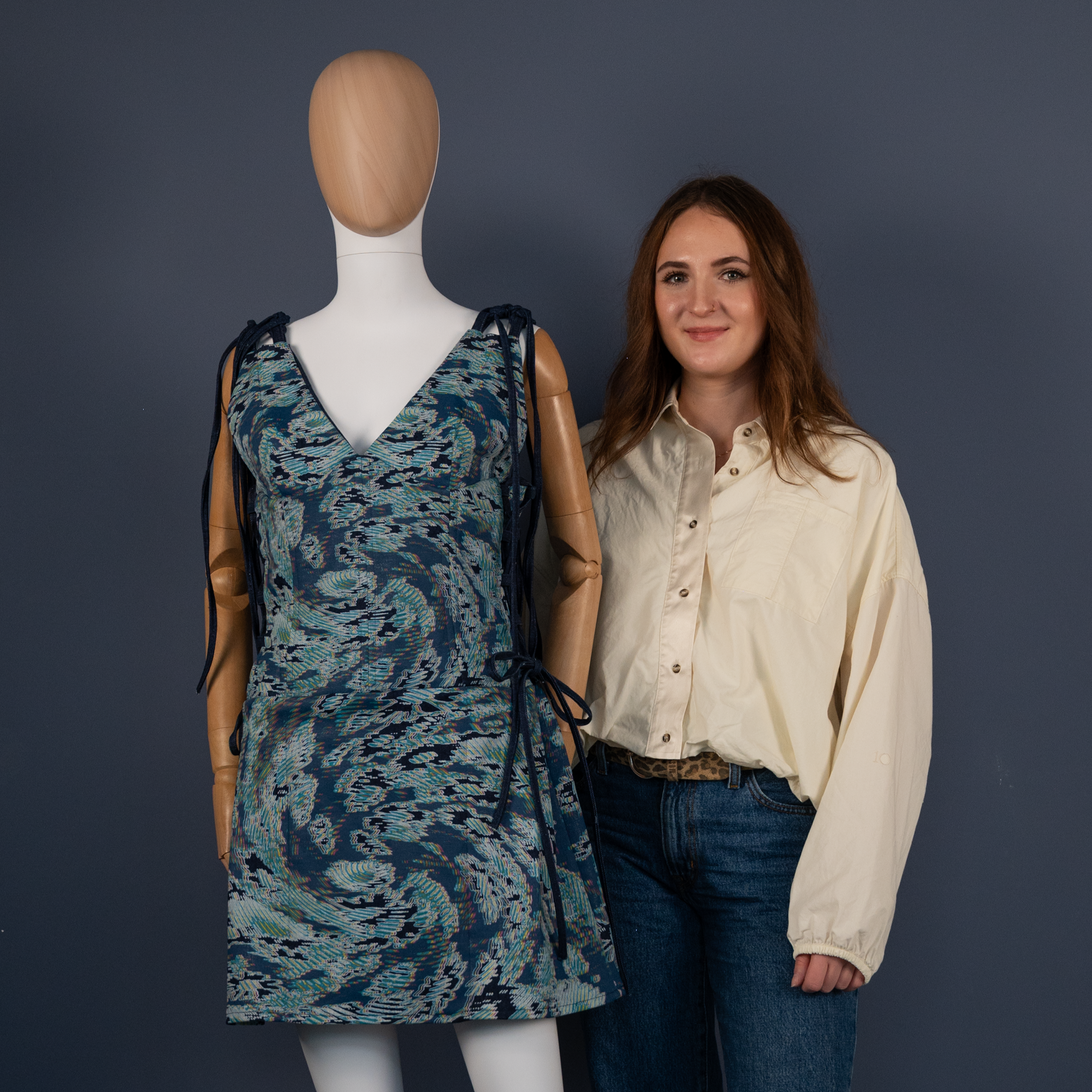
The story of what happens when young designers access digital technology is still being written.

What once was a theoretical sustainability goal seems to have shifted into an active regulatory reality.



Is the Textile Market Finally Recovering?
After a difficult few years, there are genuine reasons for optimism. Duncan was candid about the challenges: "The market for textiles has been very difficult over the last three years. I'm not going to hide the truth there. But the tide is turning.“
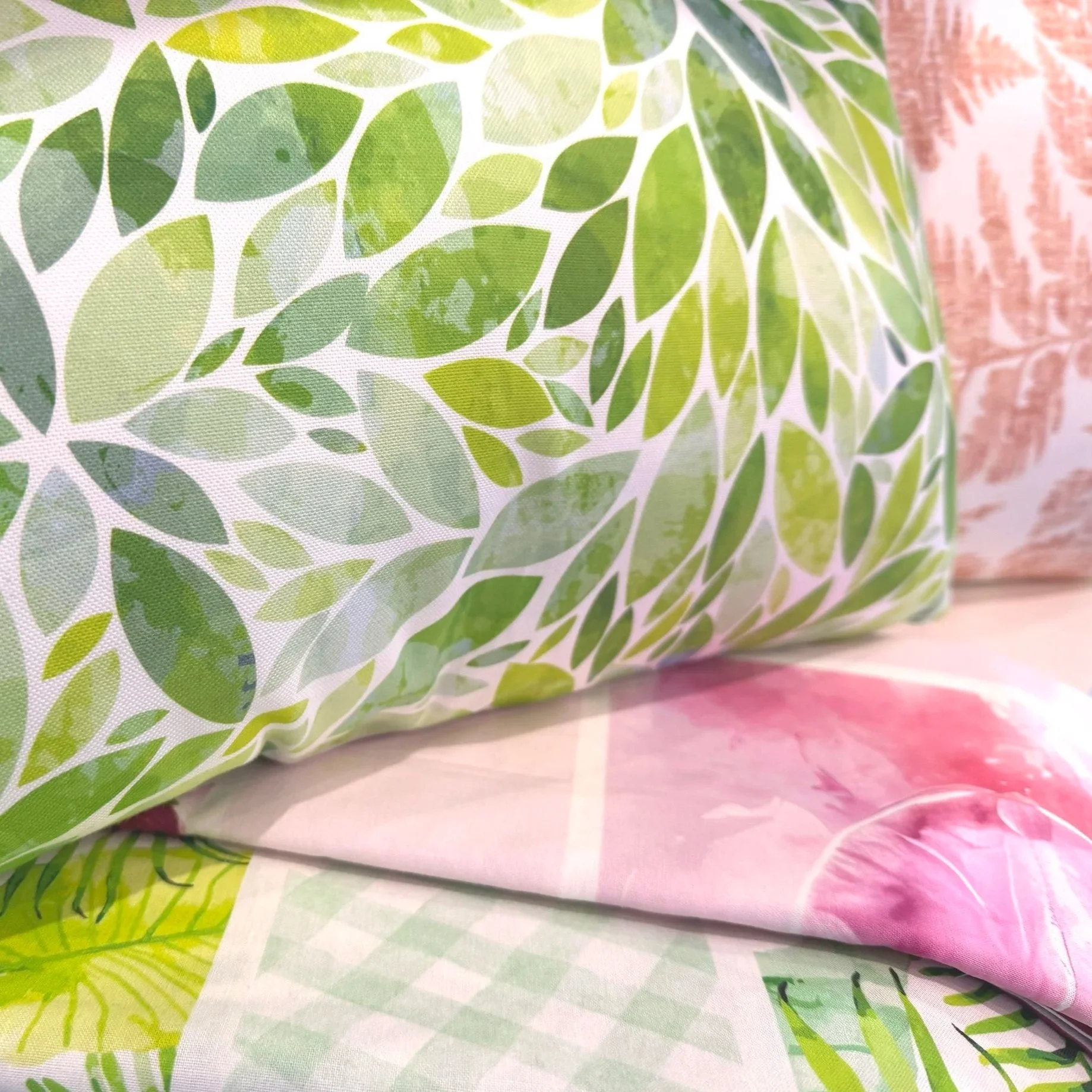
A profound shift is currently reshaping the sector
Changing consumer expectations demand greater design diversity, faster turnaround times, and sustainable manufacturing practices.
To thrive, interior brands must adapt their supply chains, bringing production closer to the end consumer and moving away from bulk manufacturing.
Digital textile printing offers a definitive solution to these operational bottlenecks.

Digital transformation doesn't announce itself.
It accumulates - one innovation at a time - until an entire industry looks back and realises the ground has shifted beneath its feet. That's precisely where textiles stands today.
The conversations happening now about AI, automation, sustainability, and digital product passports are not theoretical. They are shaping decisions being made on factory floors and in boardrooms right now.

“By leveraging advanced digital textile printing, Marylene Madou has successfully merged traditional craftsmanship with cutting-edge technology. Her approach offers a blueprint for how independent designers can scale their brands globally while maintaining a minimal environmental footprint.”
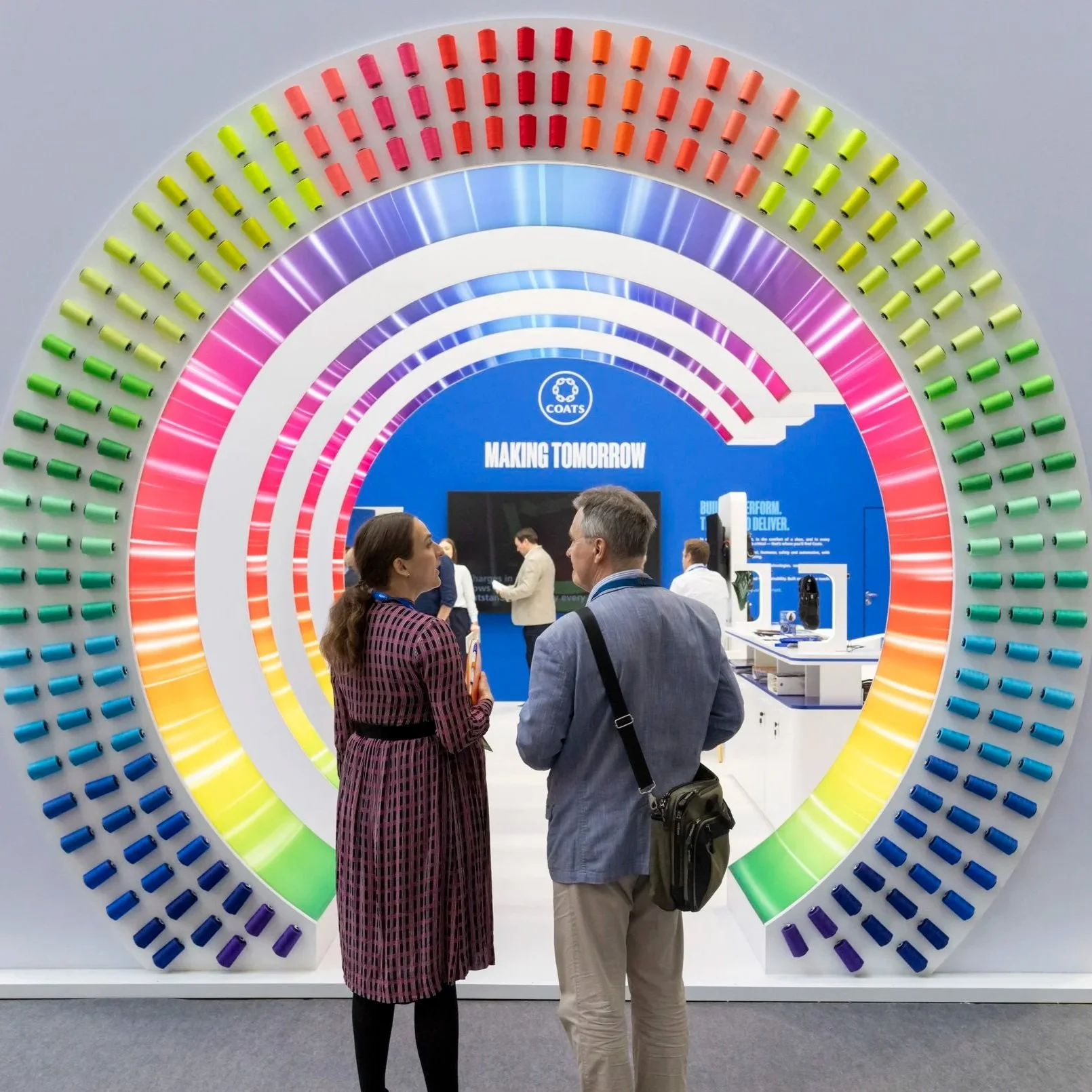
The textile industry is undergoing a vital transformation. As the insights from Techtextil and Texprocess reveal, the path forward relies on a combination of sustainable hardware, intelligent chemistry, and seamless digital workflows.
From Zimmer's industrial-scale energy reductions and Stratasys's on-demand 3D embellishments, to Kornit's single-step technical printing and the unified digital ecosystems of NedGraphics and Optitex, the tools for change are here. To stay competitive, brands and manufacturers must adopt these innovations, moving away from fragmented, wasteful processes towards a truly connected, circular economy.
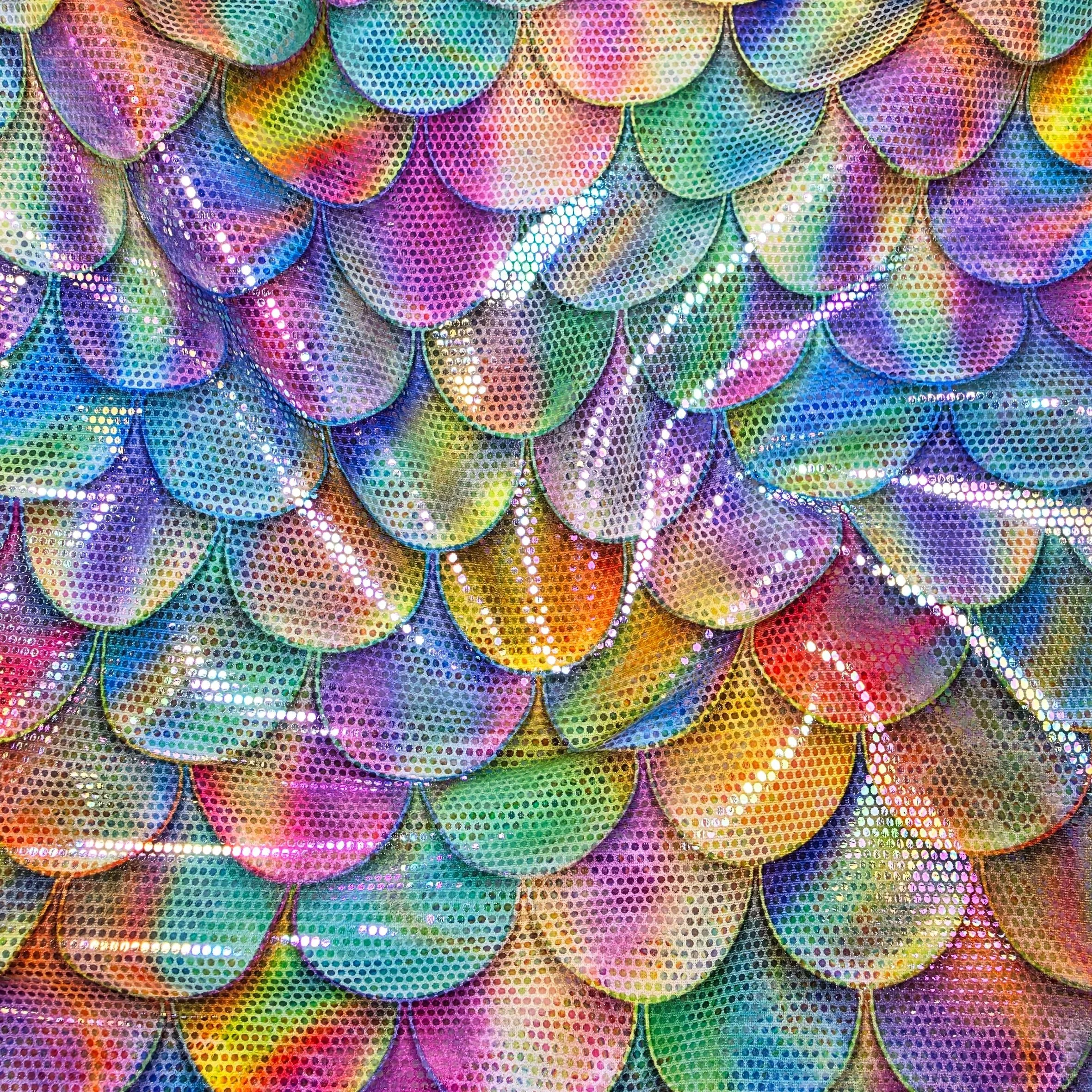
Friedmans stands as a testament to the power of combining traditional textile knowledge with forward-thinking innovation.
“Operating from their UK headquarters, Friedmans now serves a diverse array of sectors, including swimwear, dance, entertainment, sportswear, interior decor, prosthetics, and even pet apparel. With a strategic supply chain that reliably serves clients worldwide”
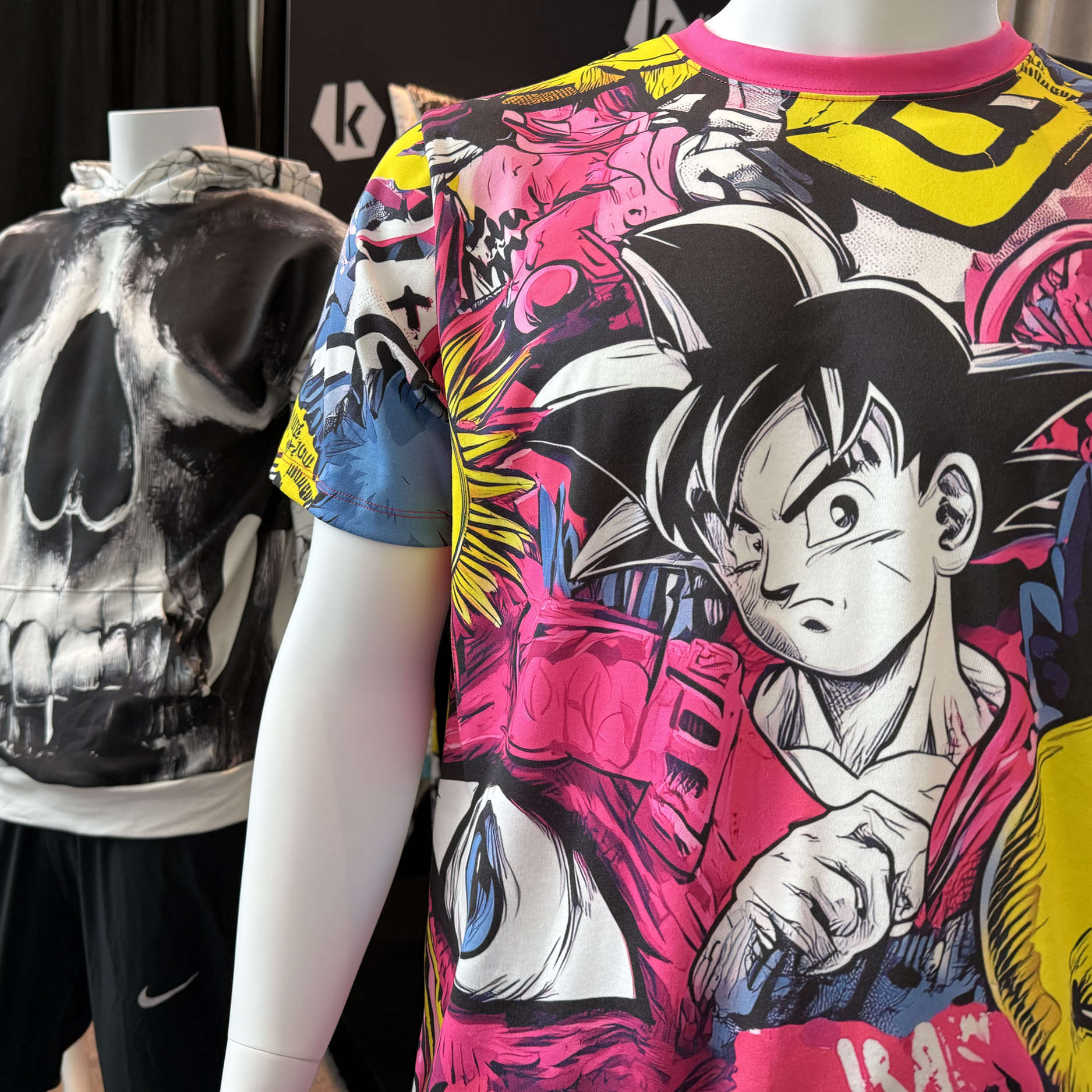
The apparel decoration industry is decisively moving away from isolated, analogue production tools toward connected digital manufacturing environments.
"Kornit’s unwavering commitment to transformative technology continues to disrupt the status quo. For business leaders and innovators ready to capture the future of apparel manufacturing, the path forward is clear”
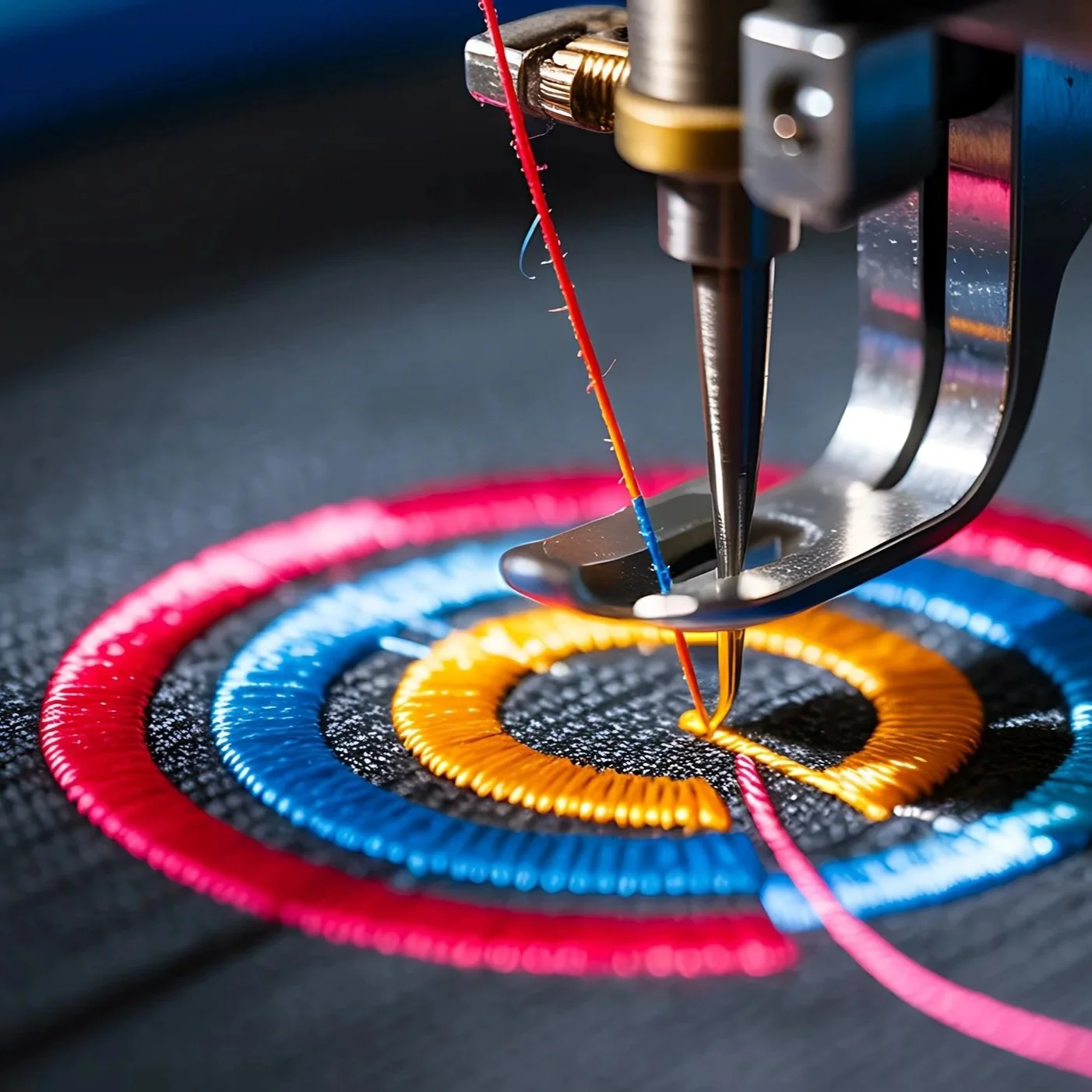
The Urgent Need for Sustainability at Scale
The transformation at Coats provides a vital blueprint for the wider textile and apparel sector. True sustainability cannot be achieved in silos. As Dearing emphasised:
“Cross-industry collaboration is the engine of meaningful change. Brands, machinery suppliers, chemical providers, and fibre producers must act as an interconnected ecosystem”
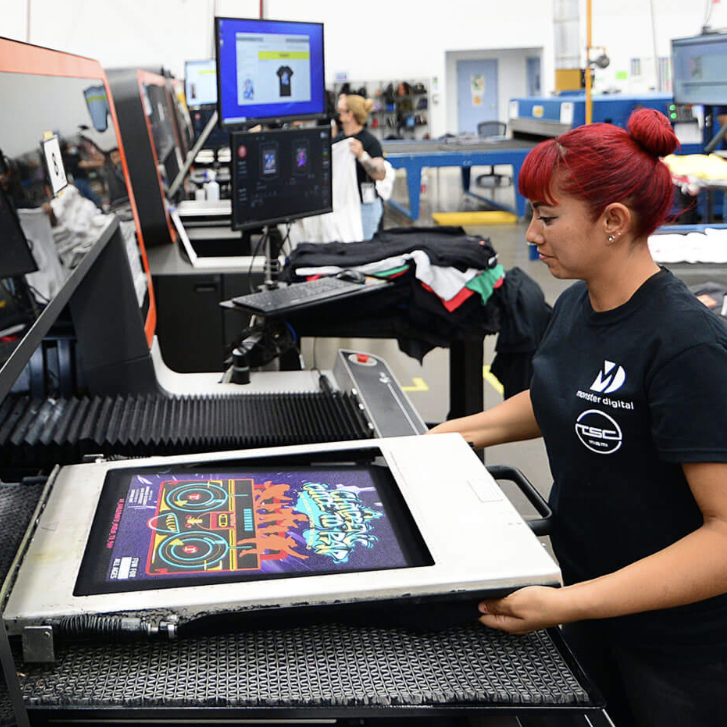
Today’s customers demand superior product quality, real-time data visibility, and lightning-fast turnaround times.
For large-scale garment decorators, managing these expectations while balancing seasonal demand fluctuations - such as the massive surges seen during Black Friday - presents a monumental challenge.
"Relying on transactional vendor relationships and outdated legacy equipment is no longer sufficient to secure long-term stability and growth.”