
THE IMPACT OF DATA ON CREATIVE FASHION? IN CONVERSATION WITH STEVE BROWN AND KORNIT DIGITAL

“Used correctly Data has the power to transform the industry and paves the way to greater transparency within the supply chain. The workflow within the current fashion cycle is fractured, outdated and in need of digital reform. The Industry also has a poor reputation for its environmental impact and increasingly the consumer demands that fashion cleans up its footprint” - KORNIT DIGITAL
The Impact of Data on Creative Fashion?
In conversation with experienced buyer Steve Brown, and Omer Kulka, chief marketing officer at Kornit Digital.
The Kornit Digital “Business Unusual” series brings together thought leaders and Fashion Industry experts from across the globe. The future of the fashion industry relies heavily on collaboration, if the fashion industry is to reform, then the supply chain must innovate. All industry practitioners, suppliers and technology providers are stakeholders in the journey to a sustainable, viable Fashion Industry, and as such, these important conversations play an essential role by sharing knowledge and in giving all partners access to the valuable insights that will help fashion make the seismic shift to a sustainable future.
The Industry is in the midst of a digital revolution, it needs a reset and must adapt to move forward. The Covid crisis will without doubt be a catalyst for change for this complex $2.4 trillion dollar industry.
Steve Brown is an experience buyer, in this talk he shares his insights on Fashion’s most valuable currency – Data. Used correctly Data has the power to transform the industry and paves the way to greater transparency within the supply chain. The workflow within the current fashion cycle is fractured, outdated and in need of digital reform. The Industry also has a poor reputation for its environmental impact and increasingly the consumer demands that fashion cleans up its footprint.
The Fashion industry has made some progress, predominantly in the use of design software, moving away from the drawing board to utilize digital sketchbooks by example. However, as a huge industry change has been hard to embrace and adoption slow. Technology is disrupting the customer face of the industry which continues to change rapidly as the tech utilized for retail and ecommerce sales advances. Software provides an enhanced customer experience and increasingly valuable customer engagement all of which generates data.
However, the back end of the supply chain isn’t keeping pace and is slow to adopt new technologies.
The majority of the supply chain is still analogue and manual. The design cycle has adopted digitization, at the front-end virtual showrooms and look books are the new normal, but then the process drops back to a manual format. In principle because the operational systems are not in place to digitize the workflow within these often complex supply chains.
The industry needs to invest and digitize the workflow, by onboarding new, vital skill-sets that are now an essential requirement.
However, fashion is a business of margins and whilst it wrestles with its legacy production its very difficult to make the change whilst fighting to make margin. The issue really is that the industry has been struggling for many years and it will take time to adopt new digital practices at scale. The industry needs to slow down in order to recover its margins, the 24/7 design cycle driven by analogue technologies has taken its toll and the industry now needs to consolidate its efforts and release energy to study new practicalities and allow time for changes to be made.
The industry needs a 360 approach to make a realistic transformation, it must move to add transparency throughout the supply chain which now requires real-time data, if fashion is to recreate the best version of itself.
Ecommerce sales are an important driver for change, in a truly virtual world technology delivers a powerful sales platform, from design to production, but for many brands products are still required for photography, and here this new digital hybrid is balanced between both worlds – digital and analogue. If product is to be sold in a virtual format, they have to be a true digital twin of the physical item for sale.
Bricks and mortar still represent 70% of fashion retails sales, but here too changes are afoot. With many retailers trading in a crowded space, differentiating your brand from your competitors is an important sales enabler. The market is moving further to deliver a sticky brand experience, offering exceptional customer service and customer engagement which are all becoming increasingly important core strategies for retail growth.
Covid-19 has been an accelerator for change within an industry now focusing its attention on inventory to make savings wherever possible.
The design and supply of core products relies on the data held within the sell through statistics. Utilizing data, the designer is freed to design products that are proven winners, creativity is restored, and risk averted. Data and design are complementary tools for successful sales.
The consumer is the ultimate decision maker, and increasingly personalization is in demand. Brands need to get closer to their customers to meet their expectations, and in doing so design the products they desire.
Technology allows the retailer to integrate the consumer into the design process, utilizing software to create virtual dressing rooms, enables the consumer to experience the retailer’s products in a digital visualization, this relationship will develop over time to facilitate mass customization of physical products at scale.
Digital visualization also reduces sampling, the cost of which is a heavy burden on the manufacturer, where samples can often run at a 40% conversion rate.
As software advances the buyer will have proven data to be able to accurately predict the order quantities required against customer data in order to meet demand.
Its unrealistic to assume that the entire fashion supply chain will switch to on demand manufacturing for core collections, however for capsule ranges, the benefits of digital production are viable for short production runs and offer new opportunities.
The carbon footprint of fashion production is often truncated and primed for disruption.
Near shore manufacturing offers both speed and environmental benefits to an industry that’s currently responsible for 10% of the world’s carbon emissions. Just as ecommerce has disrupted the retail sector, fashion innovators may very well reboot the traditional supply chain cycle.
Any investment for the fashion industry has a commercial impact, and whilst the industry has an appetite for change, it’s clear that without a reset, the traditional practices of the past will result in more consolidation within the sector. Brands must innovate or disappear. Covid has created a tipping point for the fashion industry, but not all companies can adapt. Burdened with heavy debts raising capital can be troublesome, changing corporate culture a challenge and restructuring a low-tech supply chain problematic.
The crisis has also shown that omni-channel sales are important. Brands most affected by the crisis are those that are strictly bricks and mortar.
An online presence also connects the retailer to the consumer, and as such enables AI and data capture alongside increased consumer engagement. Fashion has become a hyper capitalist machine and has lost its way. Post Covid retail offers new opportunities for the fashion sector, the market is saturated, its ripe for innovation.
The industry may well switch to non-seasonal cycle where consumers are given what they want, when they want it. The dynamics of fashion must change in favour of the consumers demand for sustainability, transparency and traceability, which are all growing requirements within the sector and must become inherent in the product story. Circularity is also a growing demand, the lifecycle of the product no longer ends with landfill, contemporary brands are engineering end of life into their brand philosophy’s.
Collaboration is key to the future of fashion, a brand cannot create a 360 sustainable workflow alone, partnership is essential.
Steve Browns vision for the future of fashion is a streamlined, digital version that facilitates real-time design, increases creativity and communication, and accurately quantified production.
The consumer is an essential component to this story, where interaction generates essential data for sustainable production, and where fashion regains its real purpose.


Colour Is Too Important to Leave to Chance
Print will always be the part of the garment people see first.
But the sum of all parts — the fabric, the trims, the fasteners, the finish — is what determines whether a design actually delivers on its promise. Brands that continue to treat colour as a single creative decision, rather than a coordinated technical discipline spanning their entire supply chain, will keep paying for it in re-dips, delays, and disappointed design teams.
A Century of Textiles, and an Ever-changing World
Few companies can trace their roots back more than a century and still count themselves among their industry's innovators. Texia, headquartered in Monistrol de Montserrat, Spain, is one of them.
But the story of Texia is not simply one of longevity.
It is a story of continual reinvention. As the textile industry has grown more global and competitive, Texia has repeatedly reshaped its business, investing in technology, developing its own brands, and placing sustainability at the centre of its mission. In doing so, it offers a compelling example of how a heritage manufacturer can lead rather than follow through a period of profound industry change. Image Credit: Texia

What are we craving Ultimately?
The instinct to slow down while simultaneously optimising every measurable aspect of life isn't a passing curiosity. It's a structural response to a world that feels increasingly unstable, and it's reshaping what people expect from their homes, hotels, workplaces and healthcare environments alike.
For the design and manufacturing sectors, this means rethinking both product and process.
The Structual Shift is Real and its Already Here
Volumes are moving east, where digital production is accelerating rapidly. Consumer behaviour has shifted.
Demand is now driven by personalisation, shorter buying cycles, and an expectation of near-instant responsiveness. Regulatory pressure is intensifying, with supply chain transparency now a legal and commercial fact in many markets. And margins? They are under sustained, structural pressure.
This is not a temporary disruption. It is a fundamental reordering of how textile manufacturing must operate.

The Challenge: Standing Firm as the Industry Shifts
The wallpaper landscape has changed dramatically. Digital printing has lowered the barrier to entry, spawning countless direct-to-consumer brands and pushing much of the market towards faster, cheaper production.
At the same time, manufacturing in the UK has grown steadily harder - rising minimum wage, national insurance, energy and substrate costs all bear down on margins. Surface Print have embraced all of these challenges - and stand resolutely prepared for the future.
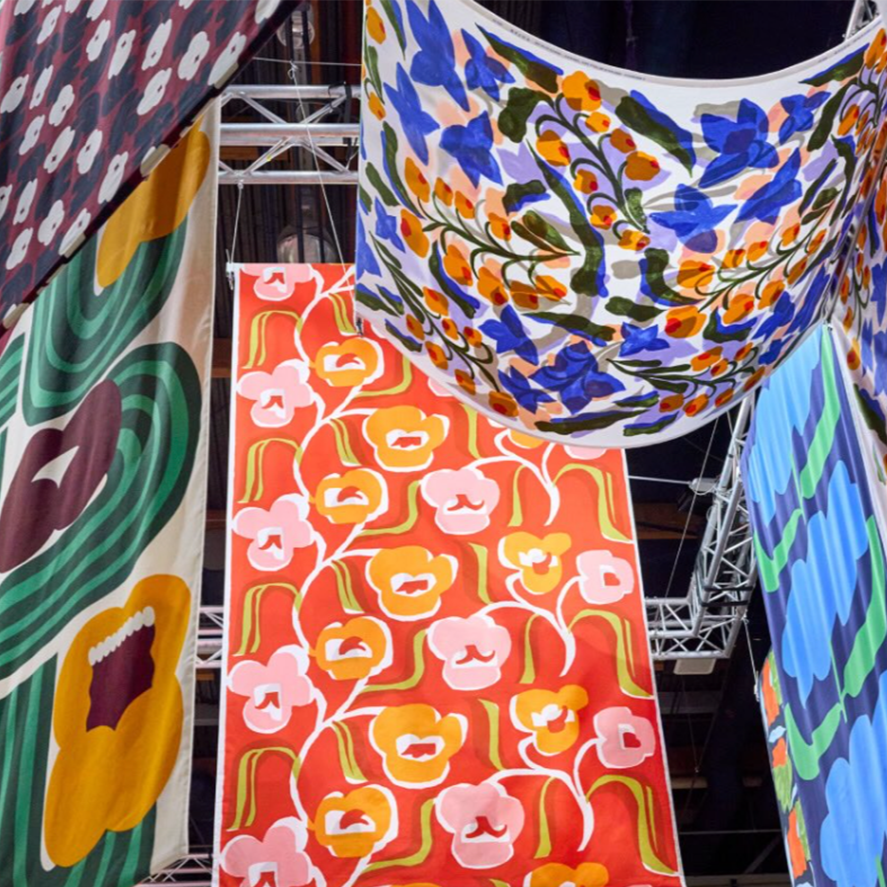
From Helsinki's printing mill to Paris's Le Marais, discover how Marimekko is scaling a design-led brand with purpose, craft, and bold innovation.
But what makes Marimekko's story compelling is not just its aesthetic legacy?

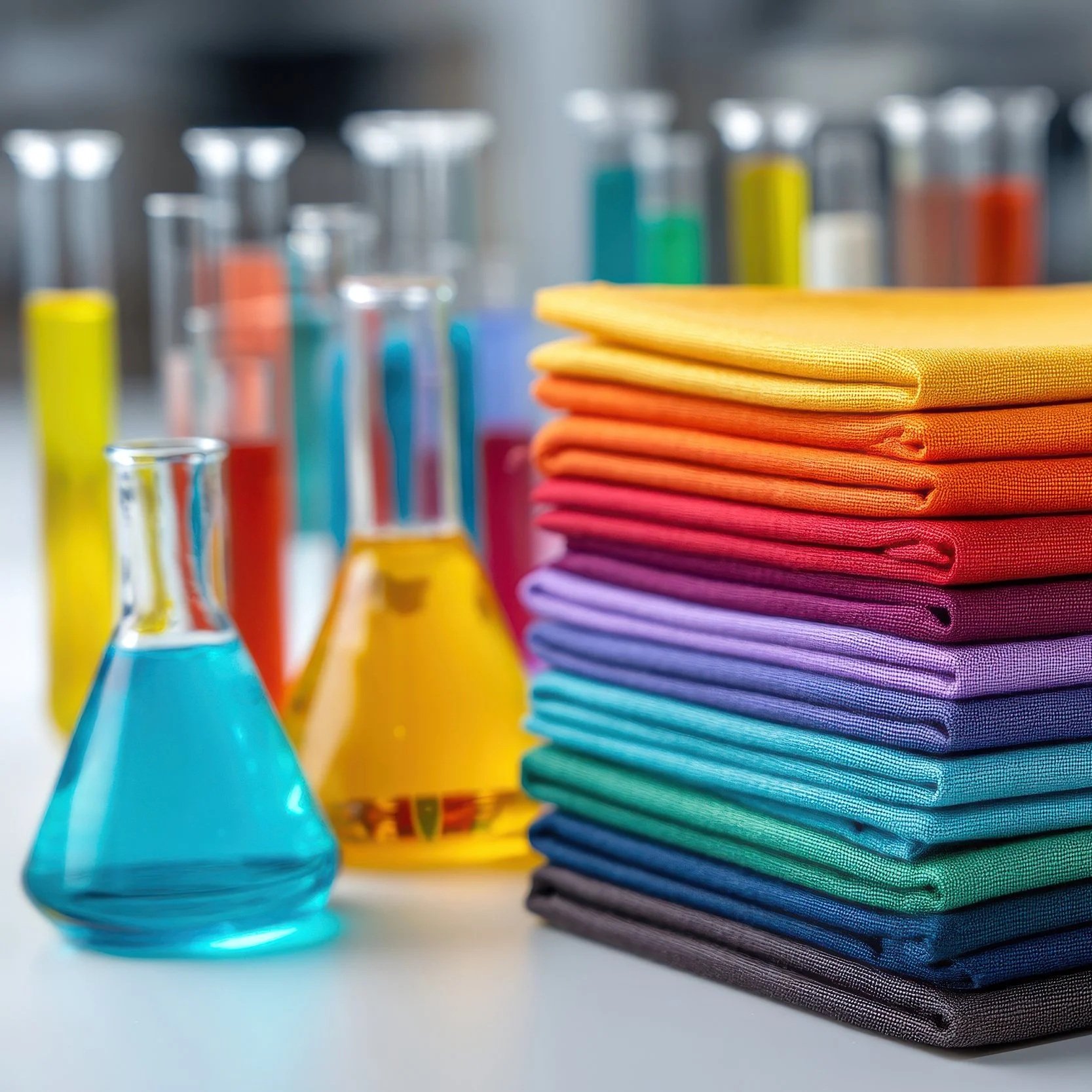
The word "toxic" carries weight. It conjures danger, harm, and things best avoided.
“Yet in the textile industry - Where between 3,000 and 10,000 chemicals move through the supply chain, a reflexive fear of the term is one of our biggest obstacles to progress.”
This article distils the key takeaways and what buyers, designers, and brands should be asking right now.
What Is the Digital Product Passport?
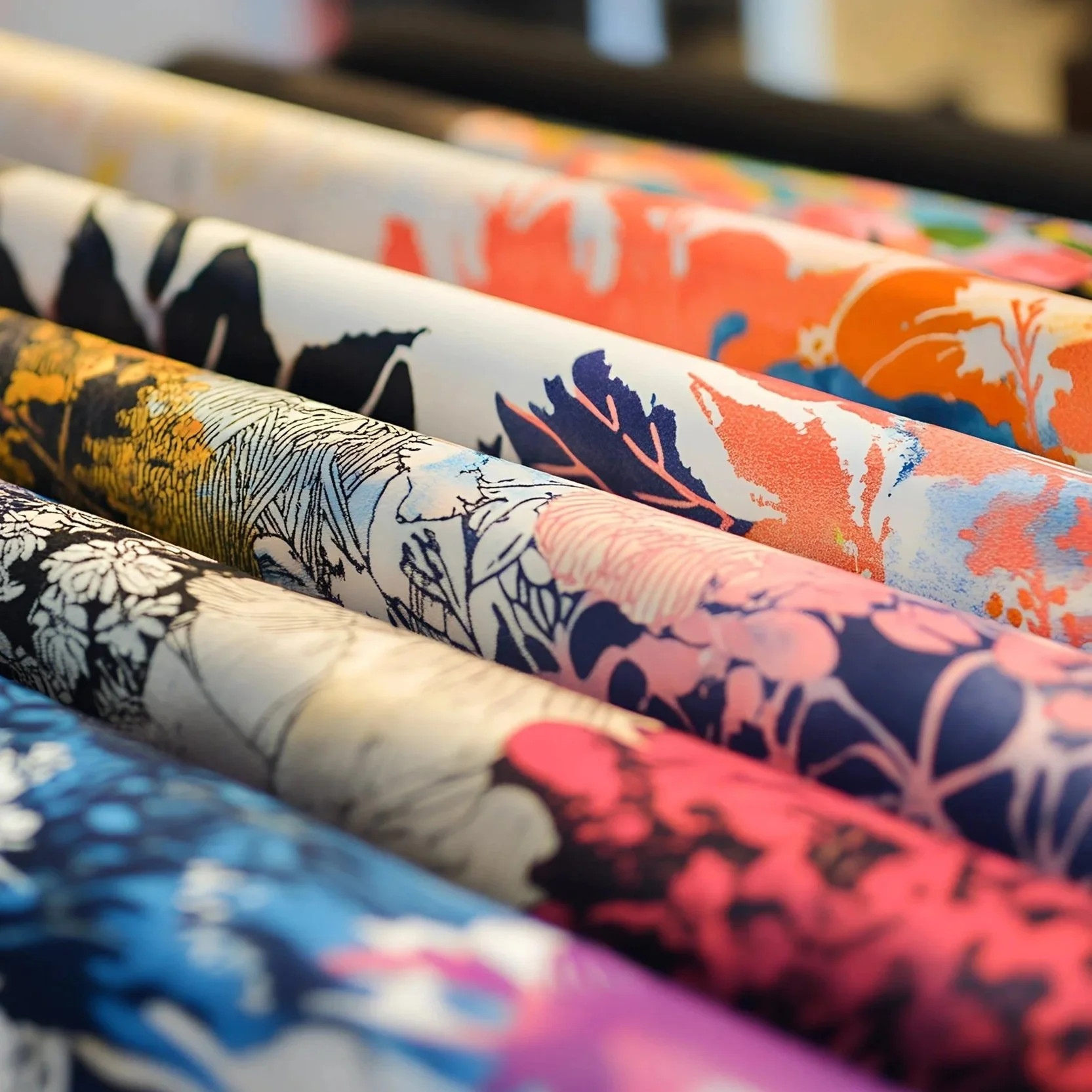
At its core, a Digital Product Passport is a digital record attached to a physical product - For a printed textile product, this means the DPP would capture data on the substrate, inks and dyes used, the printing process and technology, chemical compliance, environmental impact (including water and energy use), supply chain traceability, and end-of-life instructions.
The Market Gap that Changed Everything
Future Fashion was founded in 2019, timed deliberately to coincide with a pivotal moment in global textile technology: the commercial launch of the EFI Reggiani BOLT Single-Pass digital printing system.
The founders recognised that single-pass architecture had fundamentally changed what was industrially possible - and that Pakistan's domestic market had yet to catch up.

Print is no longer defined by the inefficiencies that once characterised it…as advances in production processes and technology have significantly improved its environmental performance.
Taran Rai, Corporate Sustainability Manager at Epson explains why?
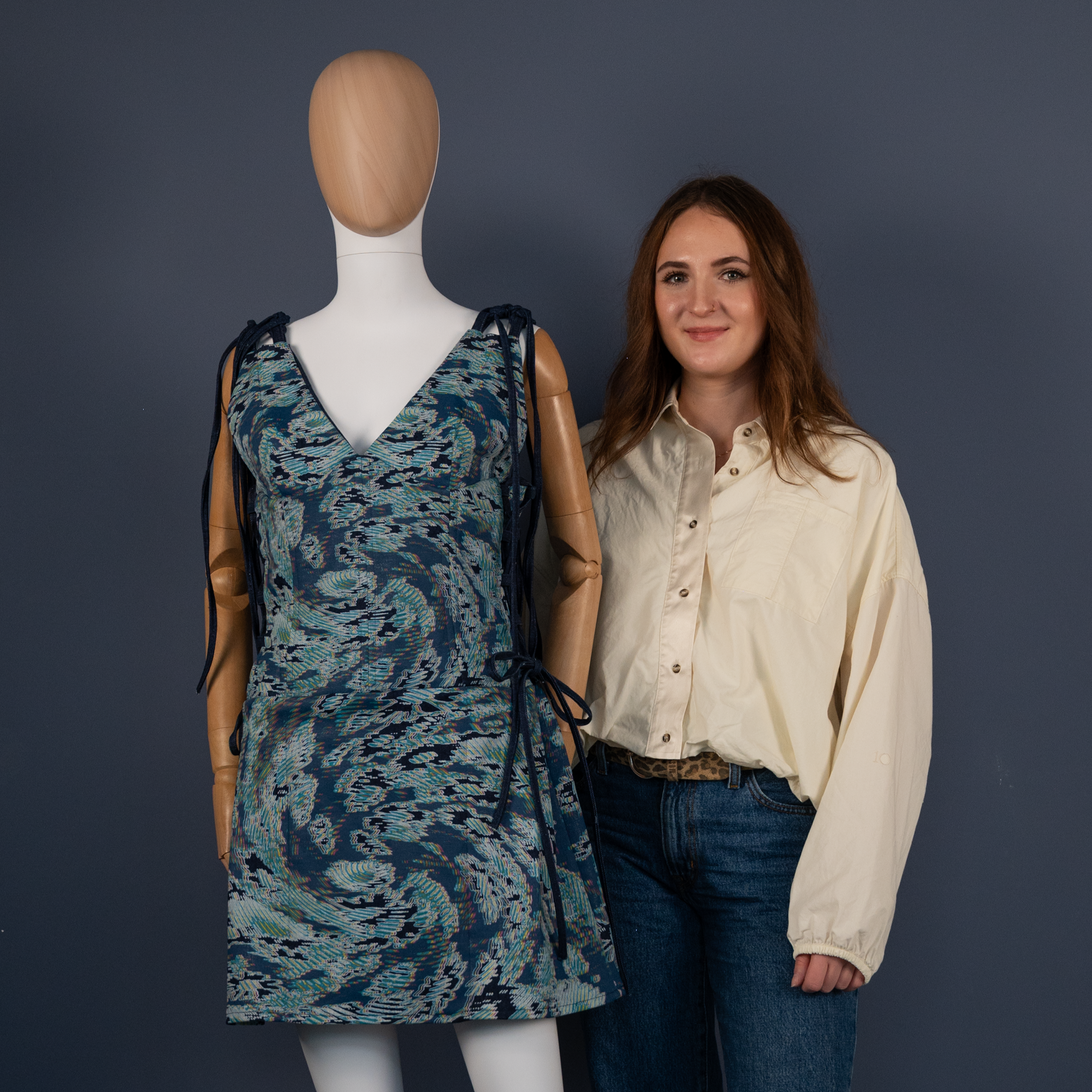
The story of what happens when young designers access digital technology is still being written.
What once was a theoretical sustainability goal seems to have shifted into an active regulatory reality.



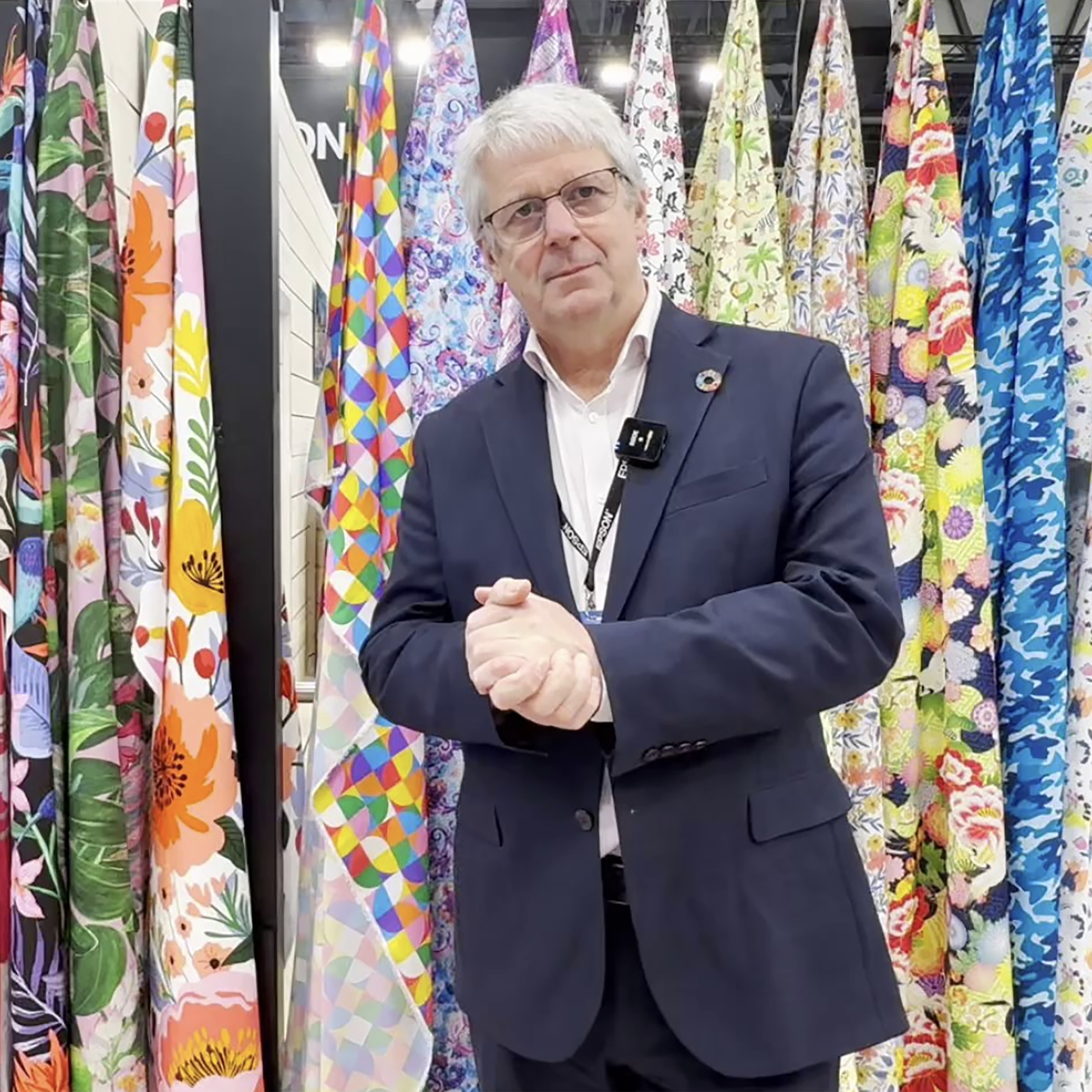
Is the Textile Market Finally Recovering?
After a difficult few years, there are genuine reasons for optimism. Duncan was candid about the challenges: "The market for textiles has been very difficult over the last three years. I'm not going to hide the truth there. But the tide is turning.“
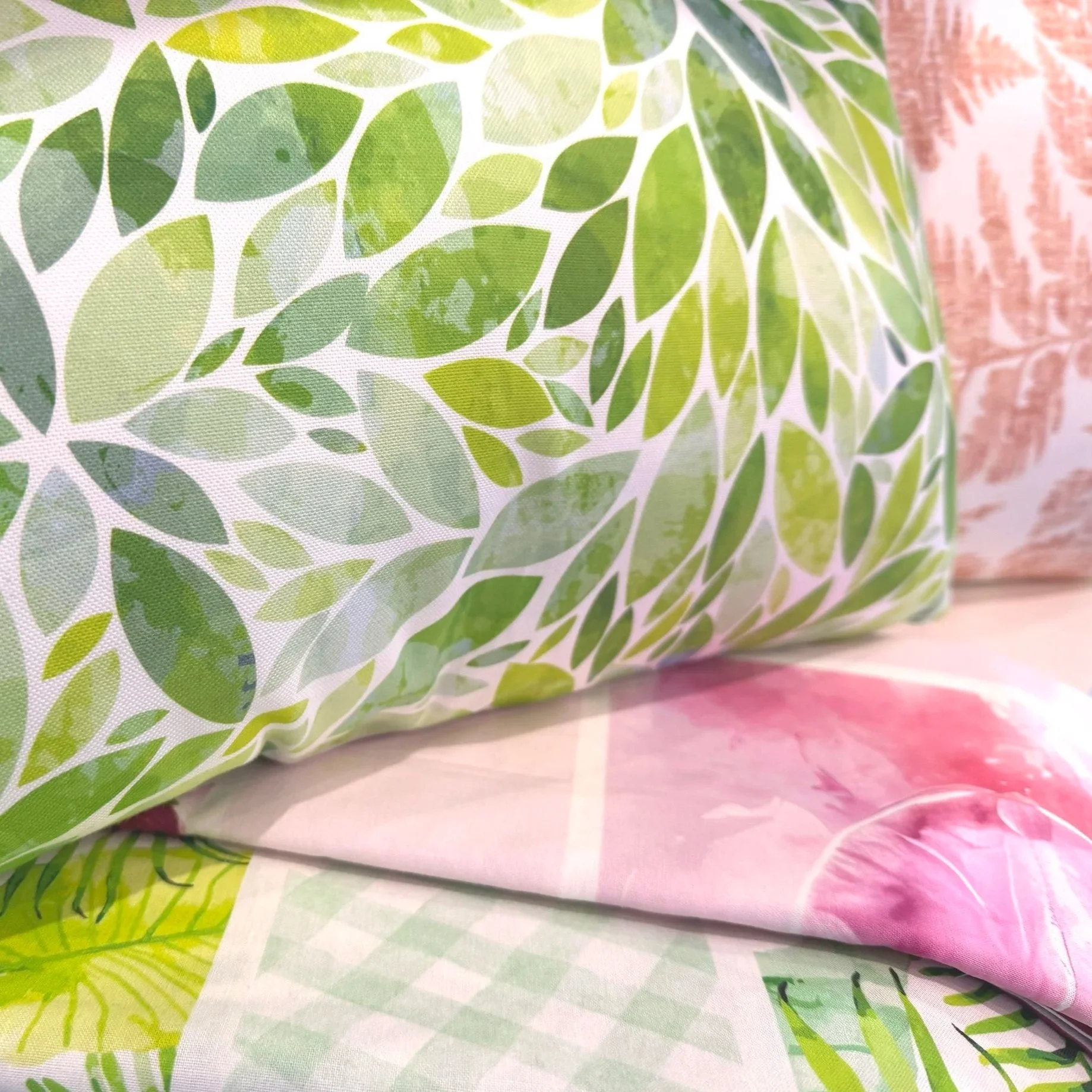
A profound shift is currently reshaping the sector
Changing consumer expectations demand greater design diversity, faster turnaround times, and sustainable manufacturing practices.
To thrive, interior brands must adapt their supply chains, bringing production closer to the end consumer and moving away from bulk manufacturing.
Digital textile printing offers a definitive solution to these operational bottlenecks.

Digital transformation doesn't announce itself.
It accumulates - one innovation at a time - until an entire industry looks back and realises the ground has shifted beneath its feet. That's precisely where textiles stands today.
The conversations happening now about AI, automation, sustainability, and digital product passports are not theoretical. They are shaping decisions being made on factory floors and in boardrooms right now.

“By leveraging advanced digital textile printing, Marylene Madou has successfully merged traditional craftsmanship with cutting-edge technology. Her approach offers a blueprint for how independent designers can scale their brands globally while maintaining a minimal environmental footprint.”
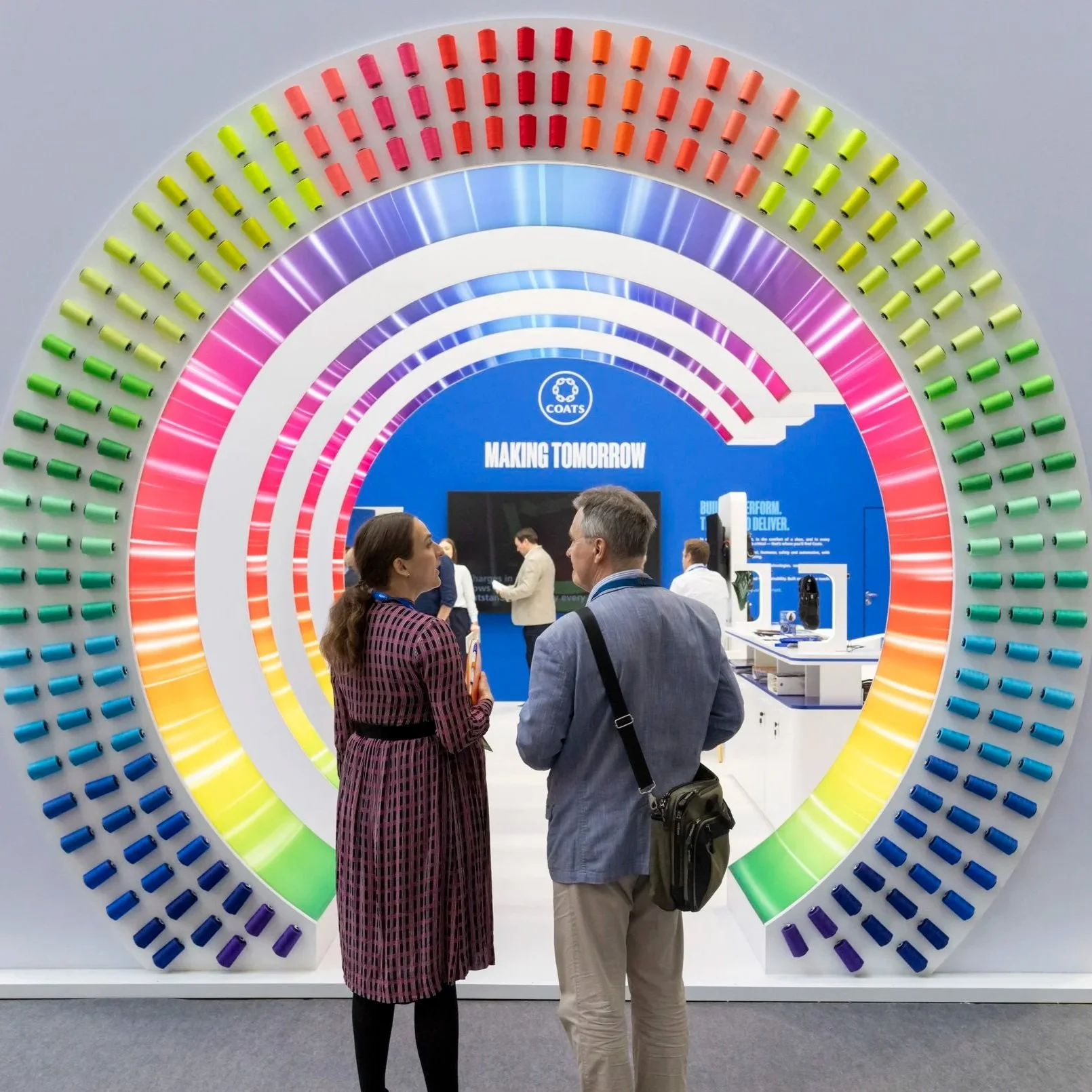
The textile industry is undergoing a vital transformation. As the insights from Techtextil and Texprocess reveal, the path forward relies on a combination of sustainable hardware, intelligent chemistry, and seamless digital workflows.
From Zimmer's industrial-scale energy reductions and Stratasys's on-demand 3D embellishments, to Kornit's single-step technical printing and the unified digital ecosystems of NedGraphics and Optitex, the tools for change are here. To stay competitive, brands and manufacturers must adopt these innovations, moving away from fragmented, wasteful processes towards a truly connected, circular economy.
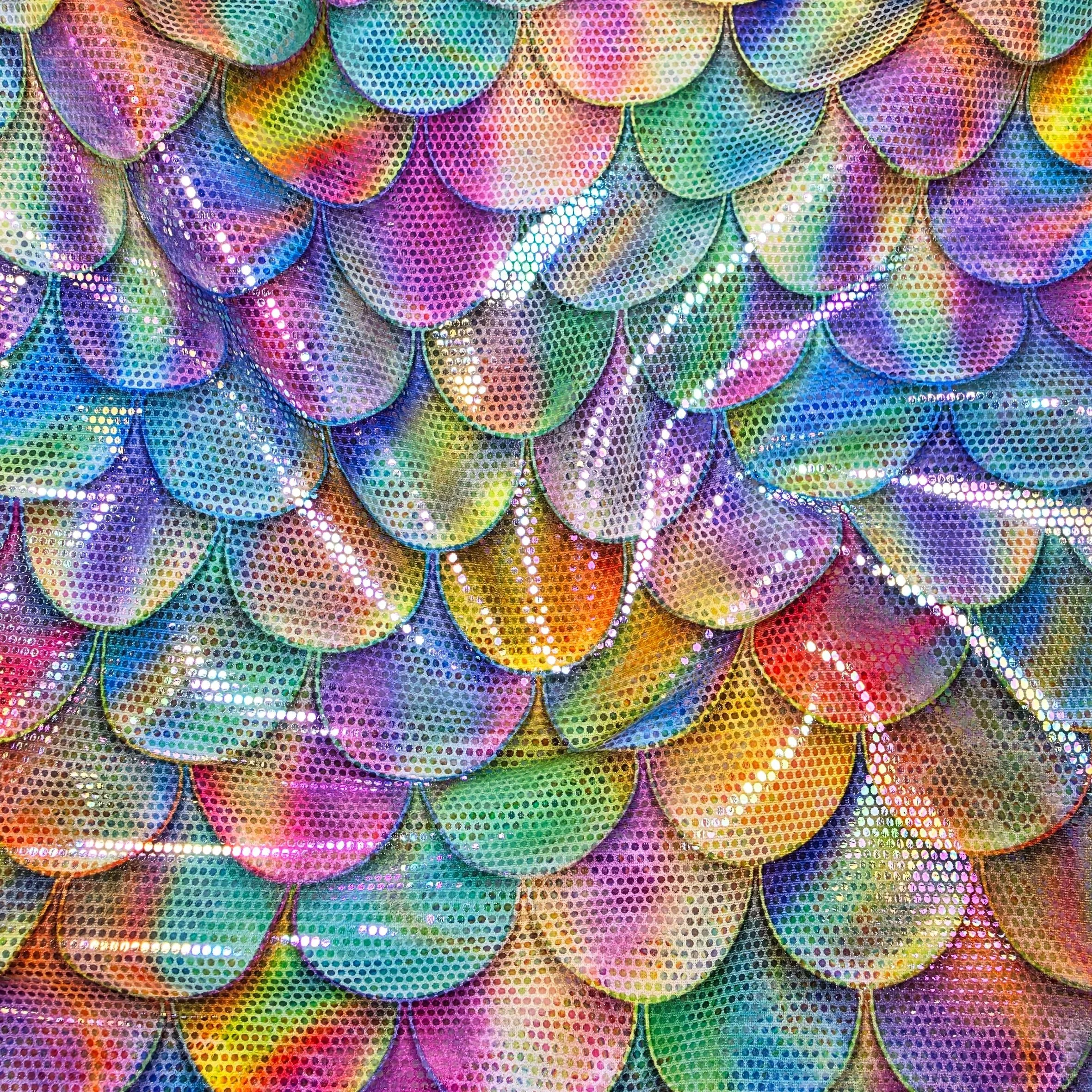
Friedmans stands as a testament to the power of combining traditional textile knowledge with forward-thinking innovation.
“Operating from their UK headquarters, Friedmans now serves a diverse array of sectors, including swimwear, dance, entertainment, sportswear, interior decor, prosthetics, and even pet apparel. With a strategic supply chain that reliably serves clients worldwide”
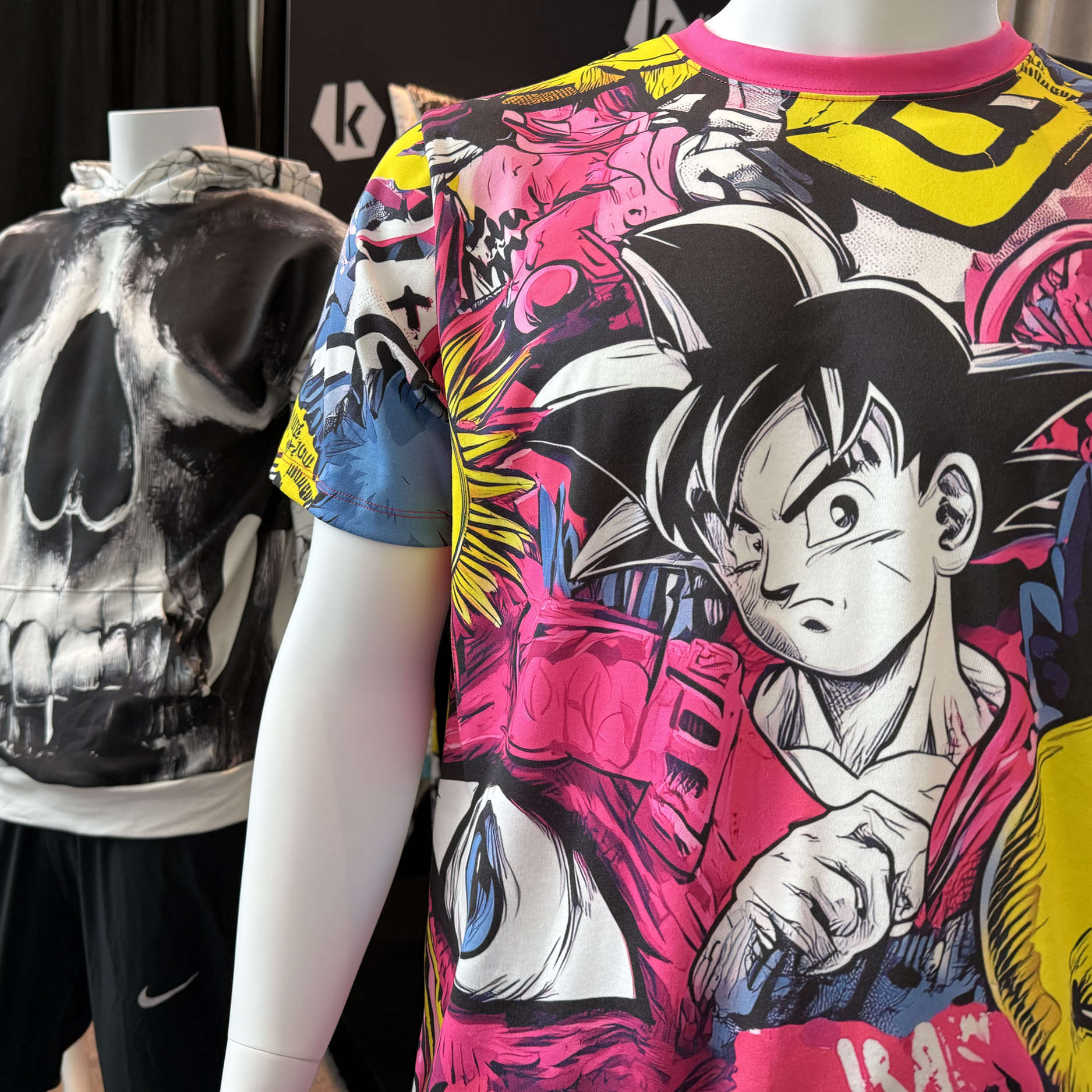
The apparel decoration industry is decisively moving away from isolated, analogue production tools toward connected digital manufacturing environments.
"Kornit’s unwavering commitment to transformative technology continues to disrupt the status quo. For business leaders and innovators ready to capture the future of apparel manufacturing, the path forward is clear”
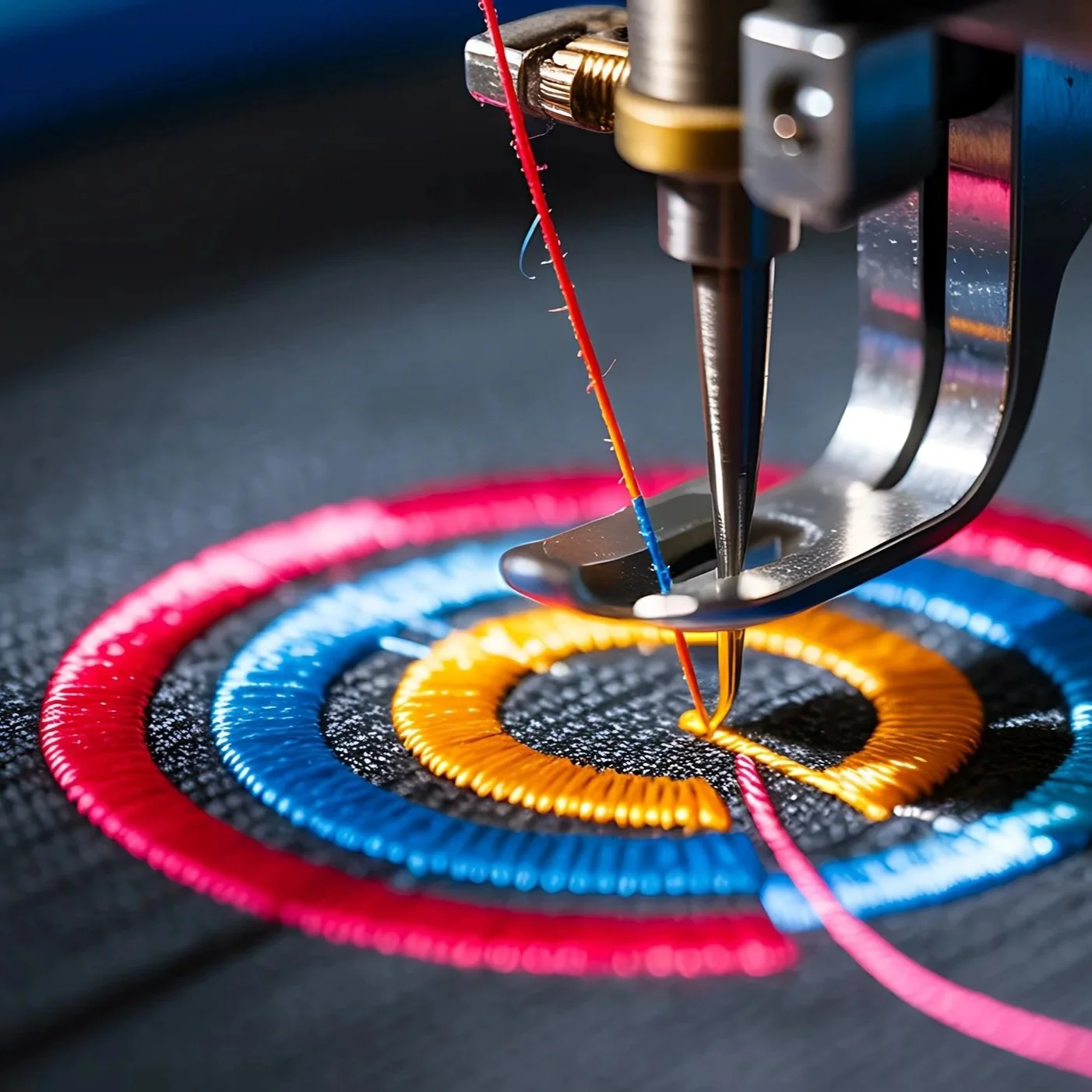
The Urgent Need for Sustainability at Scale
The transformation at Coats provides a vital blueprint for the wider textile and apparel sector. True sustainability cannot be achieved in silos. As Dearing emphasised:
“Cross-industry collaboration is the engine of meaningful change. Brands, machinery suppliers, chemical providers, and fibre producers must act as an interconnected ecosystem”
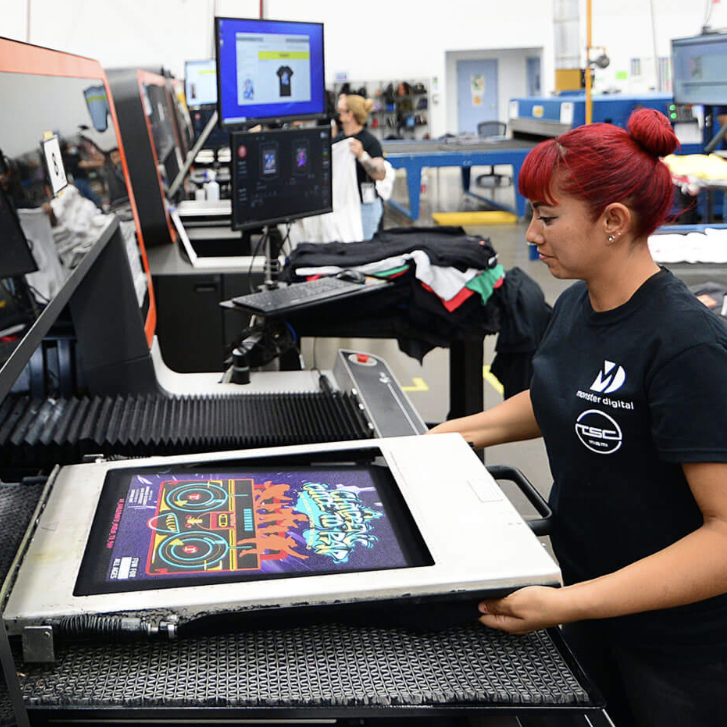
Today’s customers demand superior product quality, real-time data visibility, and lightning-fast turnaround times.
For large-scale garment decorators, managing these expectations while balancing seasonal demand fluctuations - such as the massive surges seen during Black Friday - presents a monumental challenge.
"Relying on transactional vendor relationships and outdated legacy equipment is no longer sufficient to secure long-term stability and growth.”

Printing method is never a secondary detail. It shapes the entire life cycle of a product, from concept to customer. In today’s fashion industry, where margins are tighter and speed matters more than ever, technical knowledge has become a competitive advantage.
“The future of textile design belongs to professionals who can combine creativity with execution, aesthetics with practicality, and vision with production reality”.
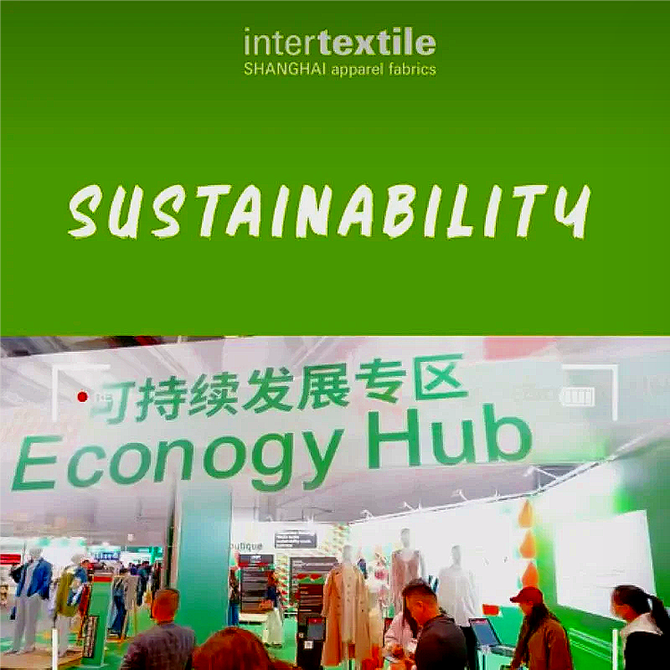
Shanghai, China – August 2026 – Intertextile Shanghai Apparel Fabrics – Autumn Edition 2026 is set to open its doors on 25 August at the National Exhibition and Convention Center (Shanghai), welcoming thousands of global industry players across three days of sourcing, networking, and trend forecasting.
Spanning 240,000 sqm, the edition will feature over 3,500 exhibitors from 30 countries and regions, organised under four key pillars: Fashion Forward, Performance Textiles, Sustainability, and Textile Future.

From 27 September 2026, stricter rules against greenwashing and higher requirements for sustainability labels will take effect in the European Union.
OEKO-TEX® has taken the new provisions as an occasion to further develop its governance structure.
In doing so, OEKO-TEX® not only meets the requirements of the EU Directive on Empowering Consumers for the Green Transition (EmpCo, EU 2024/825) but also prepares itself for future regulatory developments.
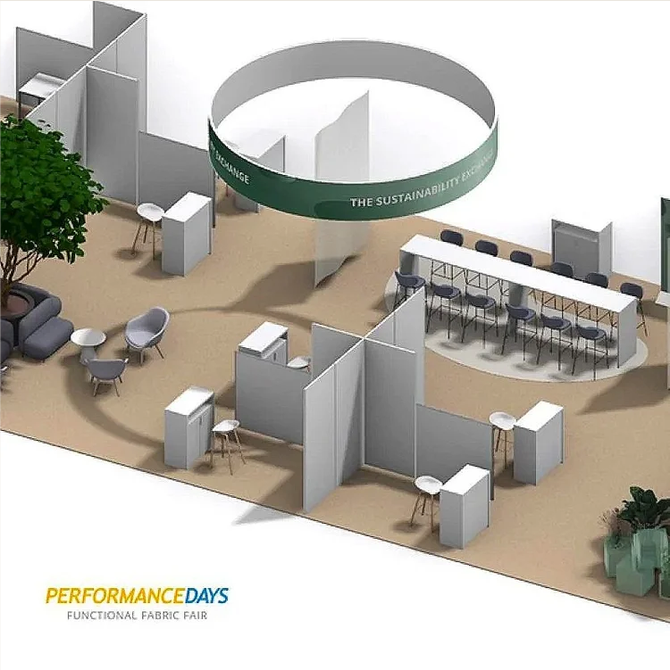
Munich, Germany – August 2026 – PERFORMANCE DAYS is set to premiere the Sustainability Exchange at its upcoming trade fair, taking place 13–14 October 2026 in Munich.
The new dedicated space brings together leading voices across certification, compliance, circularity, and collaboration to help industry professionals translate complex sustainability challenges into practical solutions.

New Delhi, India – August 2026 – IKEA, the global home furnishing retailer, has announced its partnership with the Regenerative Cotton Accelerator Programme (RCAP) as a strategic member.
The partnership will see IKEA join RCAP's Steering Group, contributing its cotton sourcing and supply chain expertise to accelerate the adoption of regenerative cotton across India.
Launched in February 2026, RCAP is a joint initiative by Solidaridad Asia, WWF-India, Regenagri and Control Union..

The invention, a dark adsorbent material that can be added to wastewater and separated with a magnet, builds on the team’s 2022 breakthrough in microplastics removal, extending performance to much smaller particles and more complex wastewater.
Microplastics are an increasing global concern, with growing evidence of their presence in water systems.
The researchers say the ability to remove micro‑ and nano‑plastics under practical conditions sets this work apart.

Winterthur – Switzerland - July, 2026 – Recycling Powerhouse Ltd. was established in July 2026 to industrialize, standardize and scale textile recycling.
Based in Switzerland, the venture will operate a franchise-driven business model that enables the production of high-quality, certified recycled yarns.
The project is supported by the following partners: Rieter Group, the world’s leading system supplier for natural and man-made fibers, Säntis Textiles, a Swiss textile engineering company, and Valvan, a Belgian sorting technology company.

Singapore, July 2026 – DyStar, a leading specialty chemicals company with more than a century of expertise in product development and innovation, today announced the release of its FY2025 Sustainability Report, marking a significant milestone in its sustainability journey and reinforcing its commitment to long-term value creation
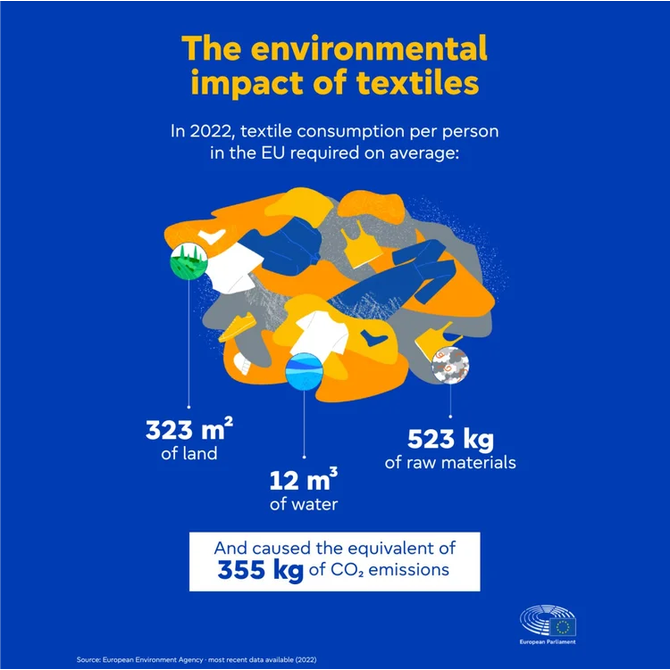
Germany, France and the Netherlands are advocating coordinated European action against ultra-fast fashion.
The three Member States raised the topic at today’s EU Environment Council in Luxembourg, and called on the European Commission to make existing and planned EU provisions more effective against short-lived, low quality textiles.
Their call was supported by other Member States, including Slovenia and Denmark.

LONDON, June 11: Textile Exchange has published its new polyester Life Cycle Assessment (LCA) study, providing robust, accurate, and credible data to strengthen the fashion, textile, and apparel industry’s understanding of the impacts of different types of polyester production.
The study is the second in a series of LCA studies led by Textile Exchange and addresses key gaps and limitations in the LCA data currently available for polyester.
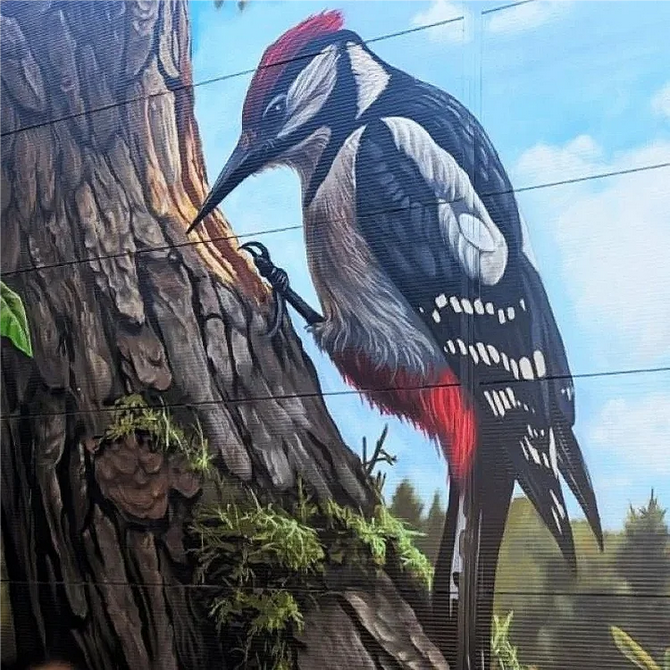
Widnes, Cheshire - 5 June 2026 – On World Environment Day, Roberts Group International has announced a pioneering partnership with St Helens Council, Seamster & Shepherd, and Hope Academy.
The initiative, titled Hope for the Earth: From Reclaimed Textiles to Sustainable Student Fashion Show, empowers students to transform reclaimed textiles into original fashion pieces ahead of a summer showcase event in July.
The collaborative project addresses the urgent need for circularity in the fashion industry by bringing the sustainability message directly into the classroom.

Shenzhen, June 2026 – To address the urgent need for sustainable practices and digital transformation within the global fashion industry, the Intertextile Shenzhen Apparel Fabrics and Yarn Expo Shenzhen will return from 9 to 11 June 2026.
Held at the Shenzhen Convention and Exhibition Center, the event will host over 600 international exhibitors across 45,000 square metres.

The innovative washing process SMART WASH represents a modern, high-performance, and environmentally conscious approach to textile care.
The targeted combination of the products BEIPLEX GREEN, BEICLEAN ECO, BEIPUR ANP, BEIBLEACH WP 35, and BEIACID CIT creates a holistic, sustainable washing and bleaching concept.
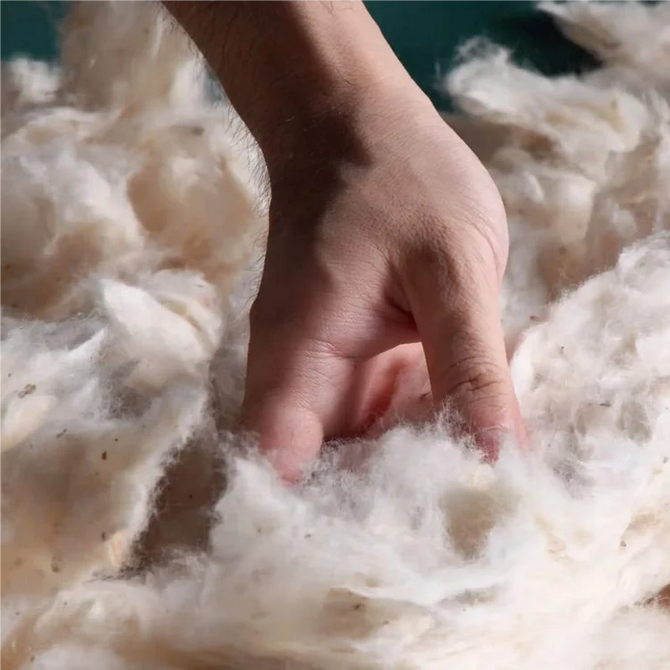
Stuttgart, Germany – May 2026 - Global Organic Textile Standard (GOTS) certification continued to grow in 2025, with nearly 18,000 certified facilities worldwide, despite ongoing geopolitical uncertainty and rapidly evolving regulatory requirements across global textile supply chains.
New figures released today in the 2025 Annual Report for Global Standard, the nonprofit that owns and operates GOTS, show that uptake of robust, independently governed sustainability standards remains a priority for companies seeking to manage risk, substantiate claims and meet rising expectations on transparency and due diligence.
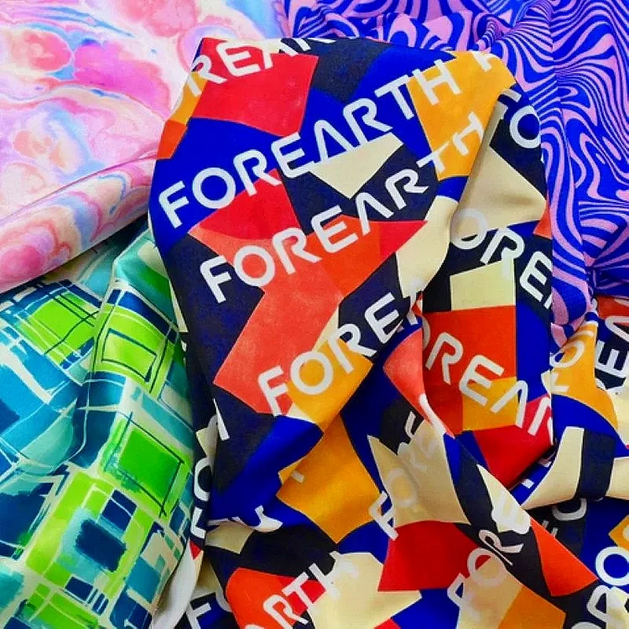
Kyocera Document Solutions has highlighted its FOREARTH, a pioneering water-free textile production concept designed to drastically reduce energy consumption and greenhouse gas emissions.
By addressing the critical need for sustainable manufacturing, this innovation sets a new standard for the textile industry, minimising environmental impact while streamlining the entire printing process.
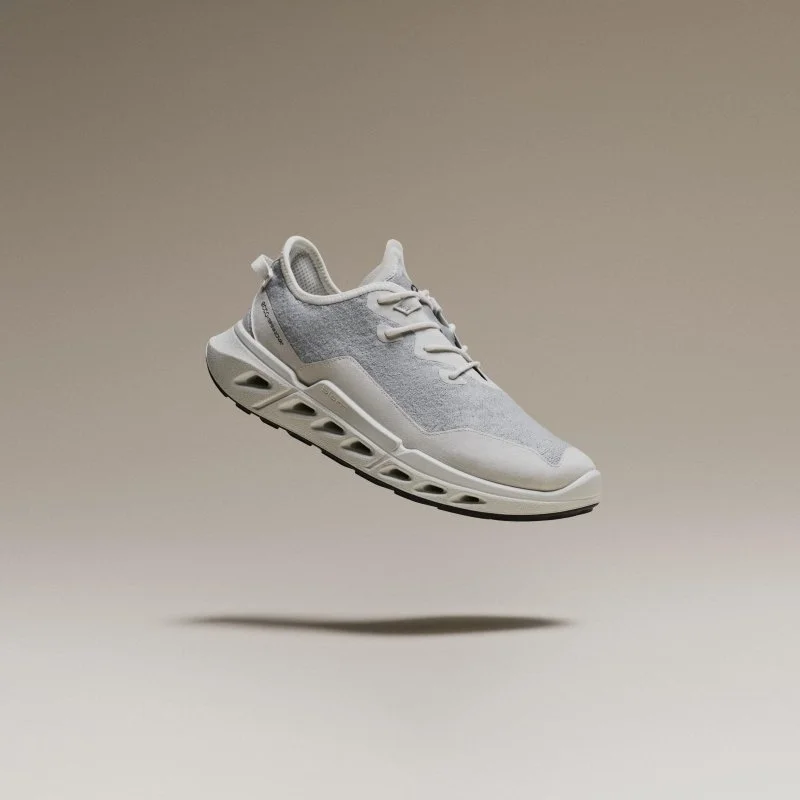
ECCO, in partnership with Spinnova, announces the launch of the limited edition ECCO BIOM® 720, a first-of-its-kind shoe utilising an often overlooked leather by-product, transformed into a protein-based fibre.
The fibres are produced using patented technology that advances material innovation while reducing waste and supporting full resource use across the leather and textile industry.
Newark - Delaware - May 2026 – The global digital textile printing market is set for a substantial transformation, having crossed a valuation of USD 6.1 billion in 2025.
According to recent market forecasts by FMI, the sector is projected to surpass USD 6.6 billion in 2026, expanding at a compound annual growth rate of 7.7 per cent.
Driven by the urgent need for sustainable production and fast fashion customisation, the market is on track to reach a total valuation of USD 13.9 billion by 2036.
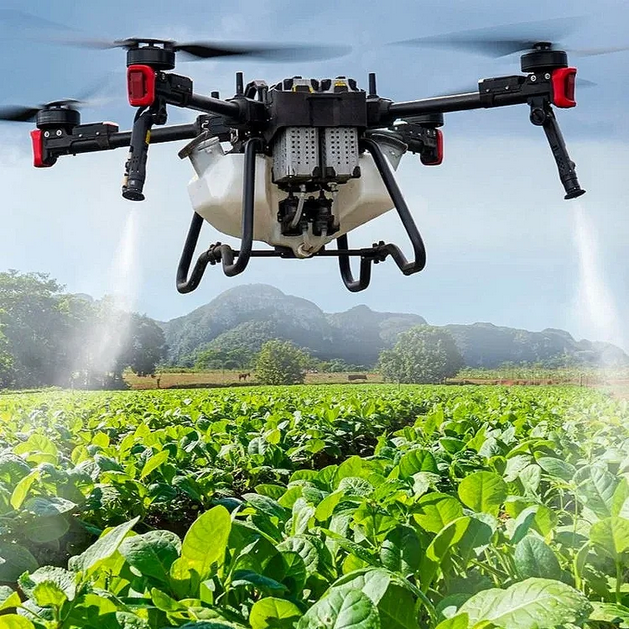
Cagliari - Italy – May 2026 – To address the escalating crisis of water scarcity in the Mediterranean basin, the Interreg NEXT MED Programme has officially announced the launch of the SWAMED project.
This international initiative introduces smarter irrigation systems and modern agricultural technology to farming communities across the region. By deploying innovative, data-driven solutions, the project seeks to safeguard the future of agriculture in areas where every drop of water is critical for survival and economic stability.
The SWAMED project is spearheaded by the Università degli Studi della Campania "Luigi Vanvitelli" in Italy, operating in close collaboration with a strategic coalition of partners from Tunisia, Egypt, Greece, and Türkiye.

Washington DC - 24 April 2026 – The Bezos Earth Fund has announced a $34 million commitment to advance breakthrough sustainable materials for the global fashion and textile industry.
Working with leading scientists across the United States, these new grants aim to reinvent the fabrics used in everyday clothing, focusing on next-generation materials that replicate the feel of rayon, silk, and cotton while drastically improving upon the environmental impact of conventional manufacturing.
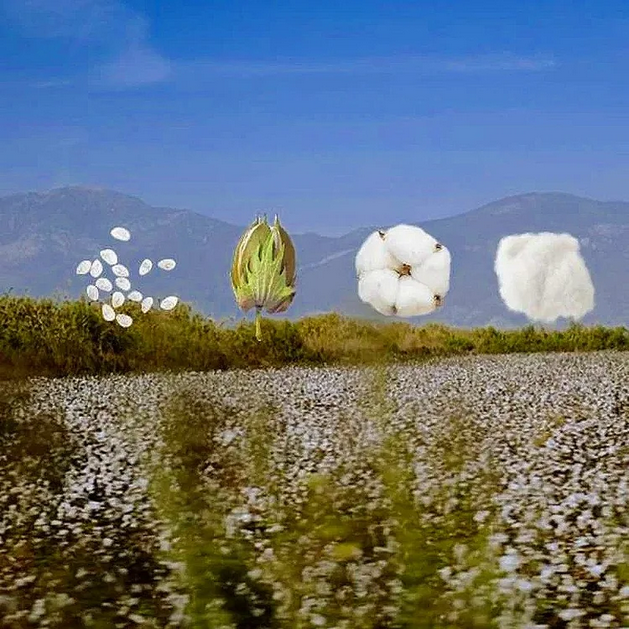
ISTANBUL, Türkiye – April 2026 – In a critical step towards securing a sustainable and ethical future for the global textile industry, Textile Exchange and the Organic Cotton Accelerator have officially announced the comprehensive agenda for the upcoming Organic Cotton Summit.
This vital industry event is scheduled to take place from the 2nd to the 4th of June 2026 at the Istanbul Marriott Hotel Sisli in Türkiye.
By bringing together global stakeholders, the summit aims to urgently address the pressing challenges facing agricultural supply chains and to build organic cotton systems that are resilient, fair, and economically viable for all participants.

Manchester, UK – April 2026 – John Hogg Technical Solutions has announced a strategic minority equity investment in SwitchDye Limited, a University of Leeds spin-out.
This vital partnership aims to rapidly scale SwitchDye's pioneering CO2-responsive, drop-in dyeing system, answering the urgent industry need to significantly reduce chemical intensity, energy use, and water consumption in the dyeing of polyester and other synthetic fibres.

April 2026 - As sustainability expectations rise across the fashion industry, Lectra has announced the publication of a new document aimed at helping brands reduce their environmental impact while remaining competitive.
The newly released insights detail how fashion brands can overcome the four main barriers to sustainable product development, providing the necessary data clarity to make better, environmentally conscious decisions.

London - April 2026 – In a decisive response to the escalating global need for urgent climate action, Ricoh today announced a comprehensive revision of its environmental, social, and governance targets.
Launched as a cornerstone of its fiscal 2026 mid-term strategy, the company is significantly accelerating its efforts to realise a decarbonised society.
By raising its greenhouse gas emissions reduction goals and renewable energy adoption targets, Ricoh is firmly linking sustainable innovation with its global business operations to lead the industry toward a greener future.
The organisation has elevated its fiscal 2030 target for reducing Scope 1 and 2 greenhouse gas emissions from 63 percent to 75 percent, compared with fiscal 2015 levels.

Zhanjiang, China - 26 March 2026 – BASF today announced the official inauguration of its state-of-the-art Verbund production site in Zhanjiang, Guangdong Province.
Covering four square kilometres, this €8.7 billion facility represents a paradigm shift in sustainable chemical manufacturing.
Fully powered by renewable electricity, the site reinforces BASF’s market position in China whilst addressing the urgent global need for decarbonised industrial processes.
Employing over 2,000 people, the Zhanjiang site produces a highly diversified portfolio of basic chemicals, intermediates, and speciality chemicals.

Stockholm – Sweden – March 2026 – The H&M Foundation has announced the launch of a practical, open-source workshop toolkit designed to help organisations across the textile industry apply its innovative System Map.
Introduced earlier in 2024, the System Map is a visual framework that reimagines the fashion industry as an interconnected ecosystem.
Now, this comprehensive toolkit empowers brands, suppliers, policymakers, and investors to turn systemic insights into actionable strategies, identifying crucial leverage points to halve greenhouse gas emissions every decade until 2050 while enabling a just transition.

March 21st 2026 – To mark the International Day of Forests, Lenzing Group has announced its continued and unwavering dedication to global forest conservation and ecological resilience.
As the world faces unprecedented environmental challenges, the company is taking decisive action to ensure that the preservation of healthy forests remains firmly embedded in its sourcing strategy and product innovations.
San Francisco – March 2026– The Apparel Impact Institute (Aii) has today announced the launch of its innovative Energy and Carbon Benchmark.
This vital new tool is designed to provide fashion brands and their global suppliers with a unified reference point for measuring energy consumption and greenhouse gas (GHG) emissions across textile manufacturing facilities worldwide.

London – March 2026 – The Better Cotton Initiative (BCI) has announced a new collaboration with global non-profit the Soil Health Institute (SHI) and national ag-tech provider Growers Guide to support cotton producers across the United States in strengthening their soil conservation practices.
The partnership will fund intensive on-farm data collection to equip producers with actionable, data-driven insights aimed at improving soil health and reducing chemical inputs.

Amsterdam - March 2026 - Sappi Europe, a leading provider of sustainable paper and packaging solutions, represented the company at this year's AWA Global Release Liner Summit in Amsterdam.
Under the theme of "Innovation and Sustainability," Sappi's Director of Sustainability Sarah Price and Manager of Technology & Development Wolfgang Hoffmann led a well-received session titled "Navigating Sustainability: Accelerating Together."

Nottingham, UK - 6 March 2026 – Worn Again Technologies has announced the start-up of its Textile-to-Fibre Accelerator plant in Winterthur, Switzerland, marking a major step towards commercialising its chemical recycling technology.
The facility provides real-world validation of a process designed to recover and regenerate polyester and cellulose from end-of-life textiles, proving the technical and economic feasibility of polycotton recycling at scale.
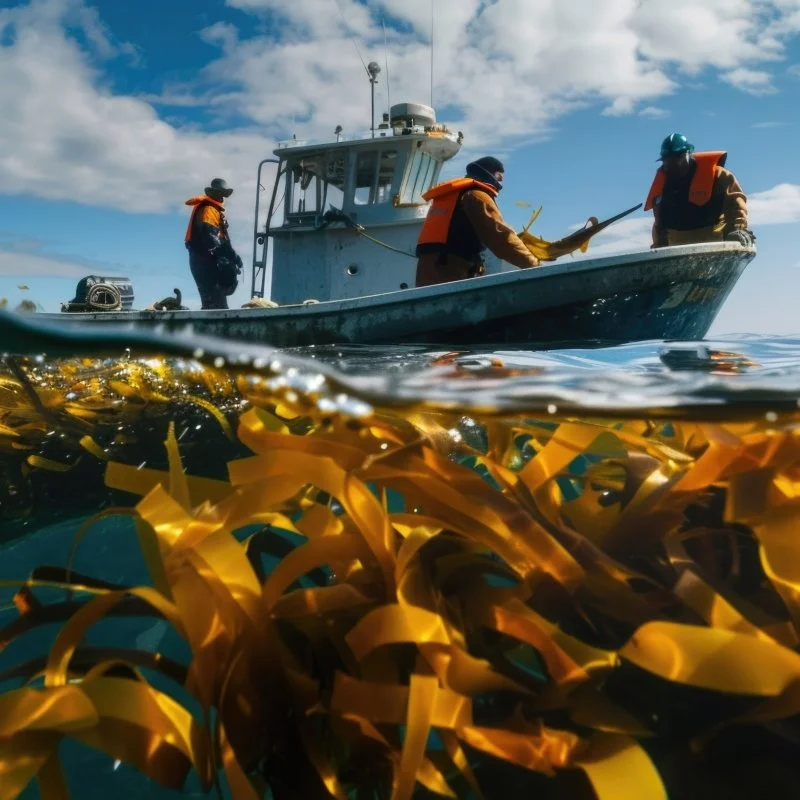
Oban – Scotland – February 2026 - OCEANIUM has highlighted OCEAN INK®, the world's first fully biodegradable, water-based ink derived from sustainably farmed seaweed.
This groundbreaking innovation is poised to transform the luxury textile, printing, and packaging industries by offering an eco-friendly alternative to conventional harmful inks.
As industries worldwide face mounting pressure to adopt sustainable practices, OCEAN INK® addresses a critical gap in the market.