
DESIGNER SPOTLIGHT WITH AMELIA GRAHAM AND HER LATEST INTERIOR COLLAB WITH SUNBURY DESIGN


There’s no question that the advancement of digital technologies has empowered a new generation of entrepreneurial design. But, to survive in commercial life you have to be both talented and have a good mind for business. Amelia Graham has both in volume!
Her brand has grown from strength to strength in the years since she graduated from Chelsea college of Art. We caught up with her to discuss her Creative Journey, the importance of Design and Product Diversity and her latest collection for Contract Interiors with Sunbury Design:
What or who inspired you to choose a creative career?
Both my parents had a keen interest in Art and Design, my mother was a brilliant seamstress and my father is an architect, so drawing and making things seemed second nature….
Tell us about your creative journey back at Chelsea College of Art
The staff at Chelsea are amazing. Chelsea was really about learning the process of creating, and exploring that through techniques, while I was there I did an exchange in Sweden, and that speeded up my CAD skills which was really helpful- CAD was quite fledging in those days and the vast majority of the time was spent in the Print Room Screen printing.
I went back recently to do some guest lecturing on the MA course and it was SO good to be back.
What drives your creativity?
I suppose fundamentally its just an urge to create stuff, that pure joy in playing with shape and form and colour, or solving a brief for someone else, that pleasure in delivering something beautiful for someones brand or fashion line, or the challenge of a new situation for a print, how can this work here. Design is a lot about problem solving and I actually find that immensely satisfying. I love sitting down and thinking, “Oh, so how are we going to do this?”
When did you found your studio and own brand and why?
I started being approached for private commissions about the same time I made my first foray into my own product. I fell pregnant and I suddenly had this crazy impetus to get stuff done. That would be about 7 years ago now. I really wanted to carve out my own place, working for Studios was very creatively free, just pure design work essentially but I missed the interaction with the client, and the whole dialogue that goes with that, ultimately also I wanted to come out from the shadows of working anonymously with no credit, and put my name to my work.
What was the biggest challenge in sourcing products back then and how has the industry changed since you began?
Hmmmm… interesting. I’ve actually used the same printer since my Chelsea days so not a lot in that sense. There seems a lot of print on demand surfaces for various products these days which is good from an ecological point of view I guess.
Your Designer brand offers a wide selection of products, do you print and manufacture on demand?
I keep some stock, like scarves but everything else is made to order. A lot of my clients want some sort of customisation, a slight change in colour or scale, a different word on an art print. POD allows me to offer a bespoke service! I print a lot of fabric by the metre for clients, and often people want to customise the colour to match an existing scheme.
Tell us about you most recent Interior Collection for Sunbury Design
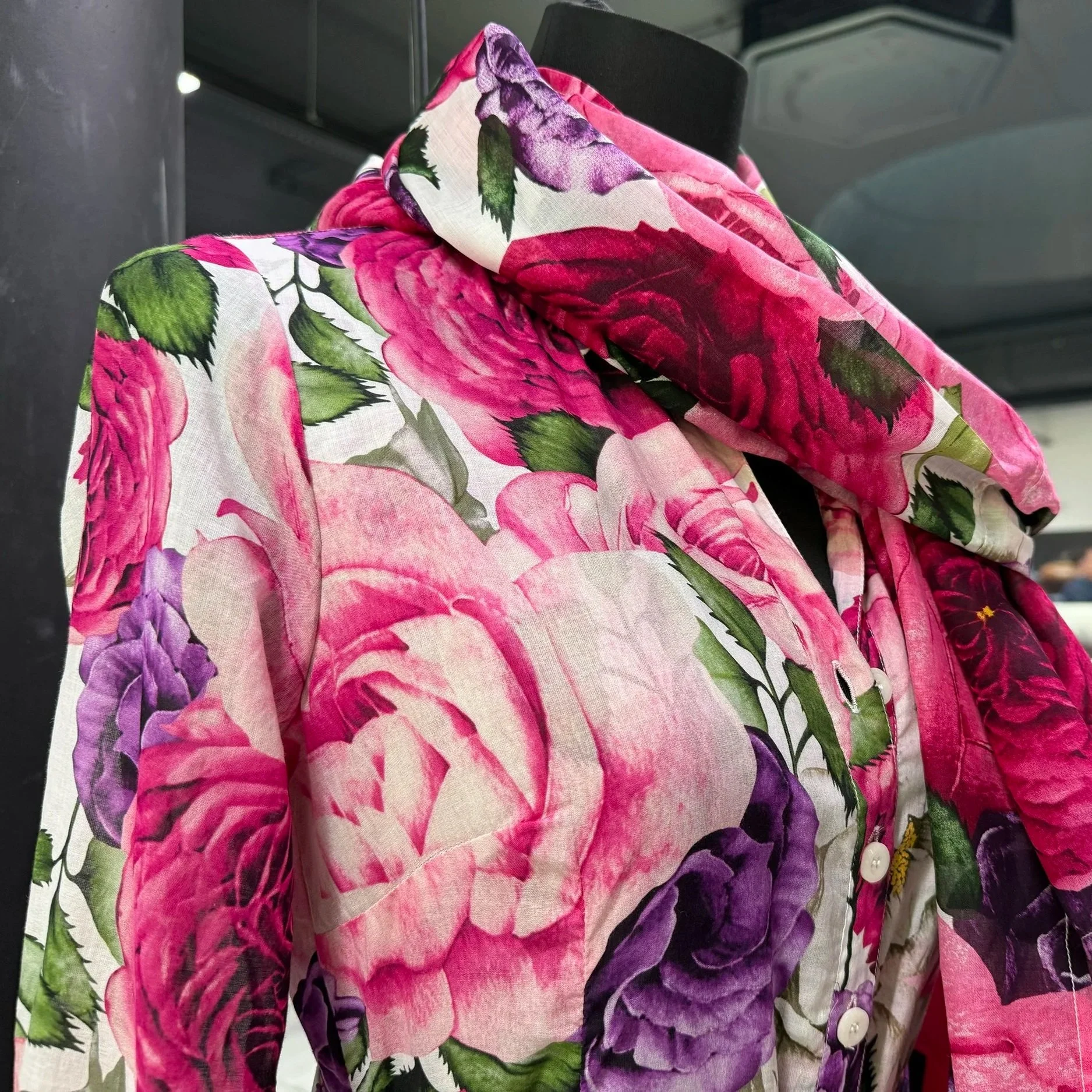
There are 3 designs, in 20 colourways, Riley, Gego and Diez, taking their names from prominent artists in the Op Art movement, which was my initial reference.
These are contract furnishing- so it’s designed for the hospitality market, the textiles are hardworking, and designed specifically for a lot of traffic.
What’s next for Amelia Graham?
I’ve got two exciting things which will hopefully drop next year which I cannot say anything about- sorry that makes for boring reading! I’d love to continue to work with other brands and designers, I am actively looking all the time, so do get in touch people!
Finally; How can the academic sector and the Textile Industry do more to support the next generation?
I think the main focus should be on sustainability as the Textile Industry is one of the worst in terms of the environmental damage it wreaks, so the industry and academic sector need to focus on new ways of working, while the general populace need to change their patterns of buying/using etc. My ex tutor at Chelsea Prof. Rebecca Early has just written her inaugural paper on it.
Becky’s lecture looks through the archive of twenty years of remaking second hand polyester shirts, bringing them back to life to discover the new stories we need to write for the industry and a circular society. I recommend a read here!

Colour Is Too Important to Leave to Chance
Print will always be the part of the garment people see first.
But the sum of all parts — the fabric, the trims, the fasteners, the finish — is what determines whether a design actually delivers on its promise. Brands that continue to treat colour as a single creative decision, rather than a coordinated technical discipline spanning their entire supply chain, will keep paying for it in re-dips, delays, and disappointed design teams.
A Century of Textiles, and an Ever-changing World
Few companies can trace their roots back more than a century and still count themselves among their industry's innovators. Texia, headquartered in Monistrol de Montserrat, Spain, is one of them.
But the story of Texia is not simply one of longevity.
It is a story of continual reinvention. As the textile industry has grown more global and competitive, Texia has repeatedly reshaped its business, investing in technology, developing its own brands, and placing sustainability at the centre of its mission. In doing so, it offers a compelling example of how a heritage manufacturer can lead rather than follow through a period of profound industry change. Image Credit: Texia

What are we craving Ultimately?
The instinct to slow down while simultaneously optimising every measurable aspect of life isn't a passing curiosity. It's a structural response to a world that feels increasingly unstable, and it's reshaping what people expect from their homes, hotels, workplaces and healthcare environments alike.
For the design and manufacturing sectors, this means rethinking both product and process.
The Structual Shift is Real and its Already Here
Volumes are moving east, where digital production is accelerating rapidly. Consumer behaviour has shifted.
Demand is now driven by personalisation, shorter buying cycles, and an expectation of near-instant responsiveness. Regulatory pressure is intensifying, with supply chain transparency now a legal and commercial fact in many markets. And margins? They are under sustained, structural pressure.
This is not a temporary disruption. It is a fundamental reordering of how textile manufacturing must operate.

The Challenge: Standing Firm as the Industry Shifts
The wallpaper landscape has changed dramatically. Digital printing has lowered the barrier to entry, spawning countless direct-to-consumer brands and pushing much of the market towards faster, cheaper production.
At the same time, manufacturing in the UK has grown steadily harder - rising minimum wage, national insurance, energy and substrate costs all bear down on margins. Surface Print have embraced all of these challenges - and stand resolutely prepared for the future.
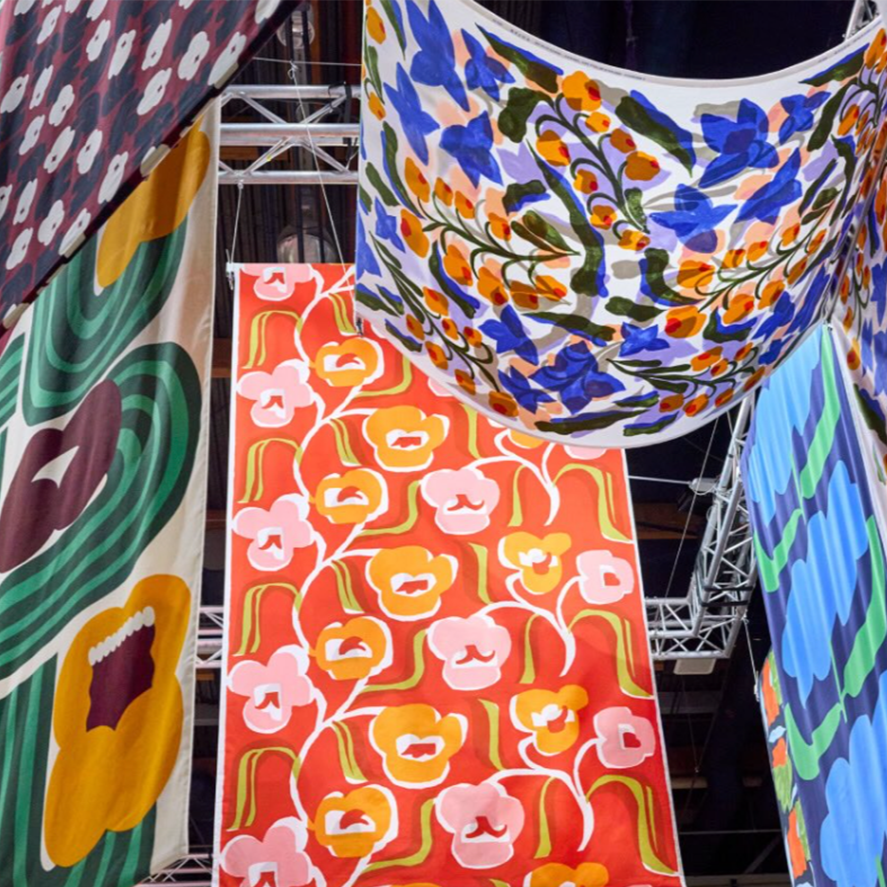
From Helsinki's printing mill to Paris's Le Marais, discover how Marimekko is scaling a design-led brand with purpose, craft, and bold innovation.
But what makes Marimekko's story compelling is not just its aesthetic legacy?

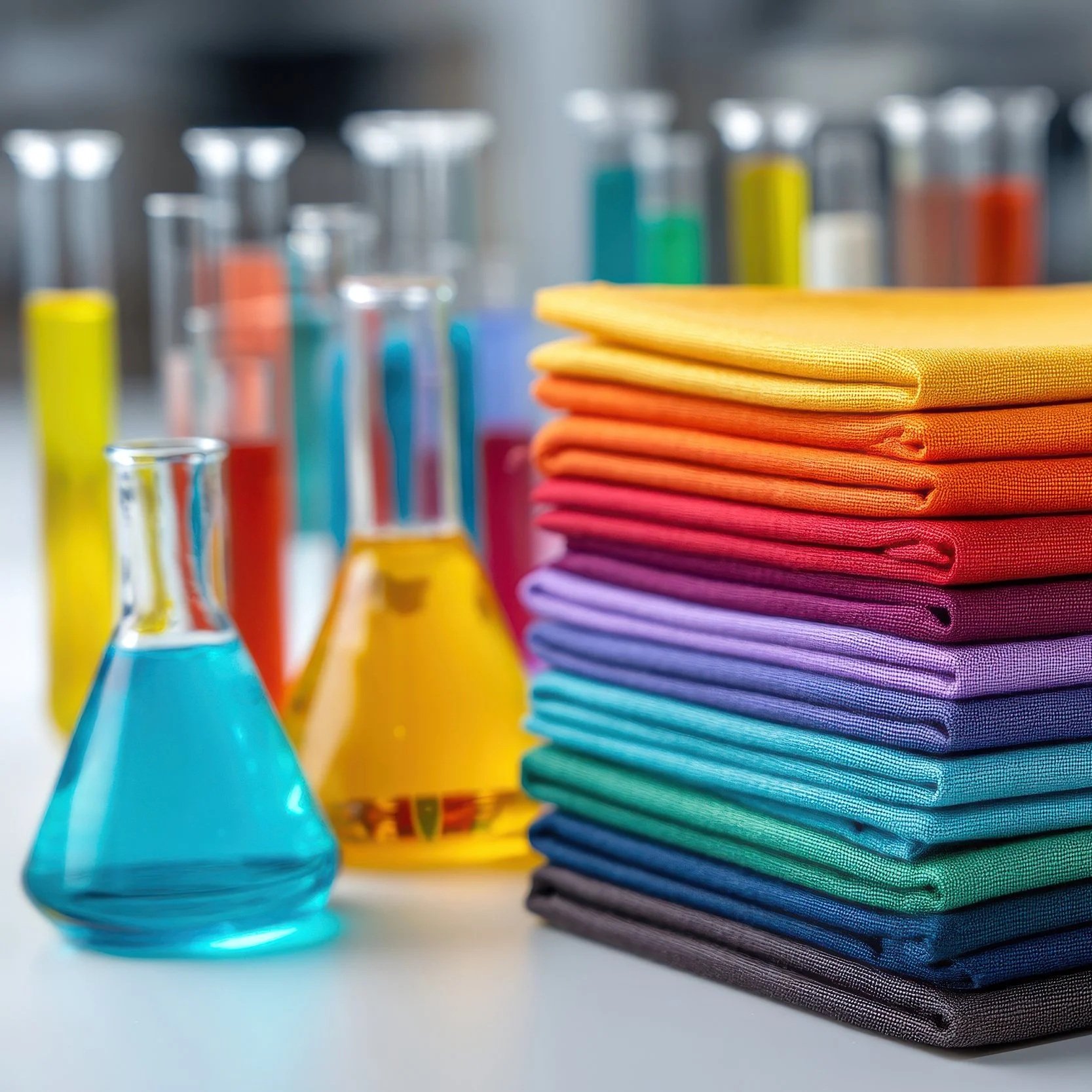
The word "toxic" carries weight. It conjures danger, harm, and things best avoided.
“Yet in the textile industry - Where between 3,000 and 10,000 chemicals move through the supply chain, a reflexive fear of the term is one of our biggest obstacles to progress.”
This article distils the key takeaways and what buyers, designers, and brands should be asking right now.
What Is the Digital Product Passport?
At its core, a Digital Product Passport is a digital record attached to a physical product - For a printed textile product, this means the DPP would capture data on the substrate, inks and dyes used, the printing process and technology, chemical compliance, environmental impact (including water and energy use), supply chain traceability, and end-of-life instructions.
The Market Gap that Changed Everything
Future Fashion was founded in 2019, timed deliberately to coincide with a pivotal moment in global textile technology: the commercial launch of the EFI Reggiani BOLT Single-Pass digital printing system.
The founders recognised that single-pass architecture had fundamentally changed what was industrially possible - and that Pakistan's domestic market had yet to catch up.

Print is no longer defined by the inefficiencies that once characterised it…as advances in production processes and technology have significantly improved its environmental performance.
Taran Rai, Corporate Sustainability Manager at Epson explains why?
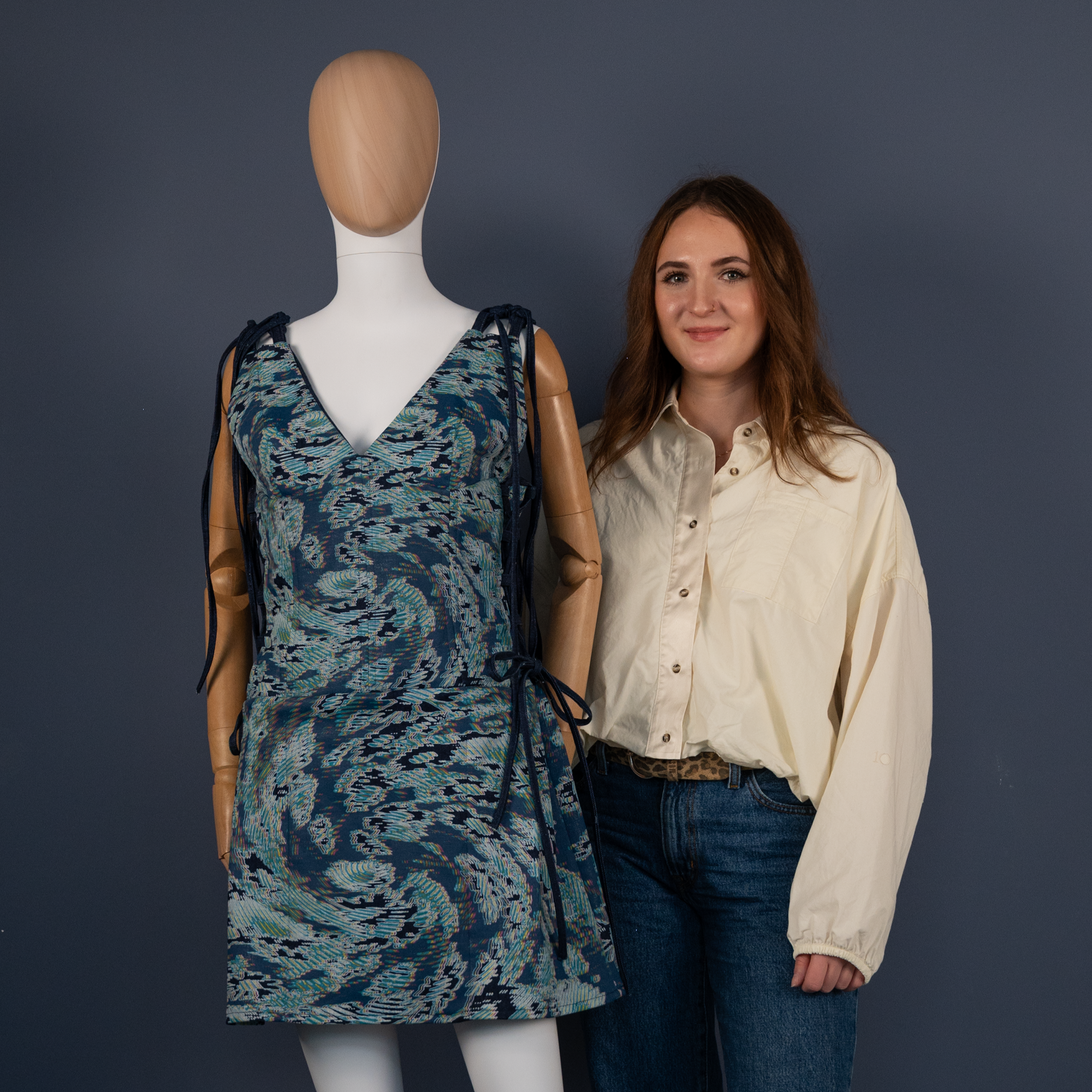
The story of what happens when young designers access digital technology is still being written.
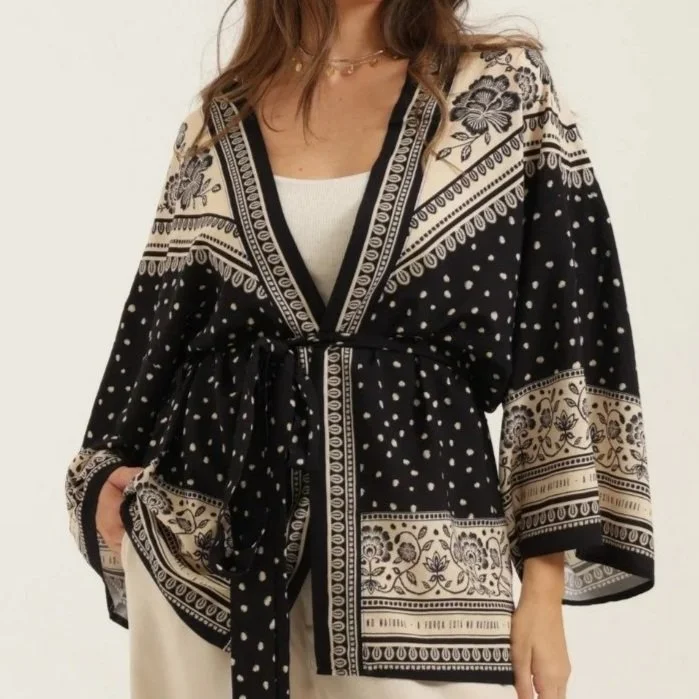
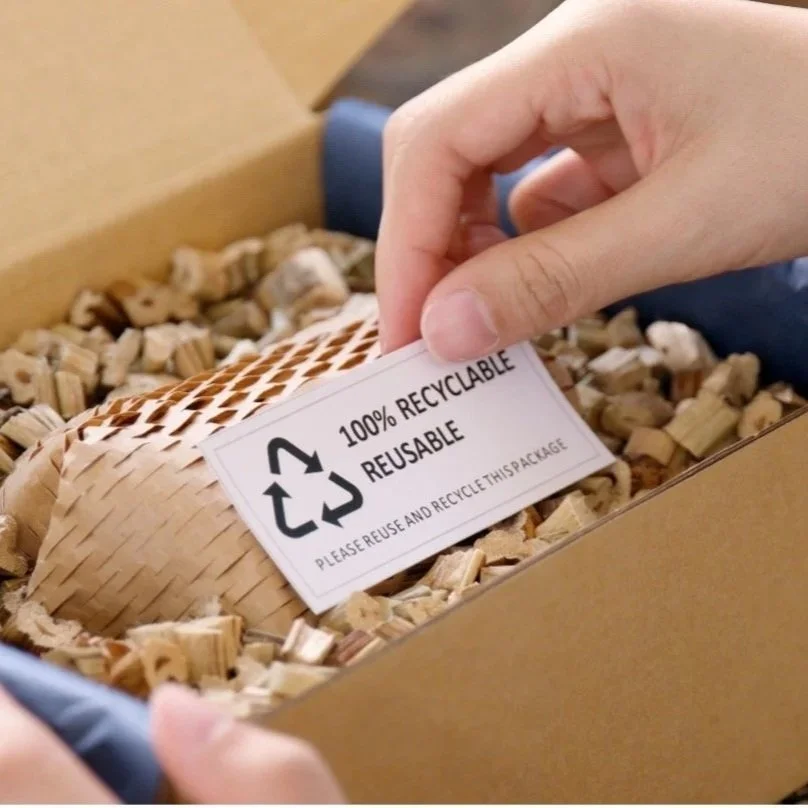
What once was a theoretical sustainability goal seems to have shifted into an active regulatory reality.



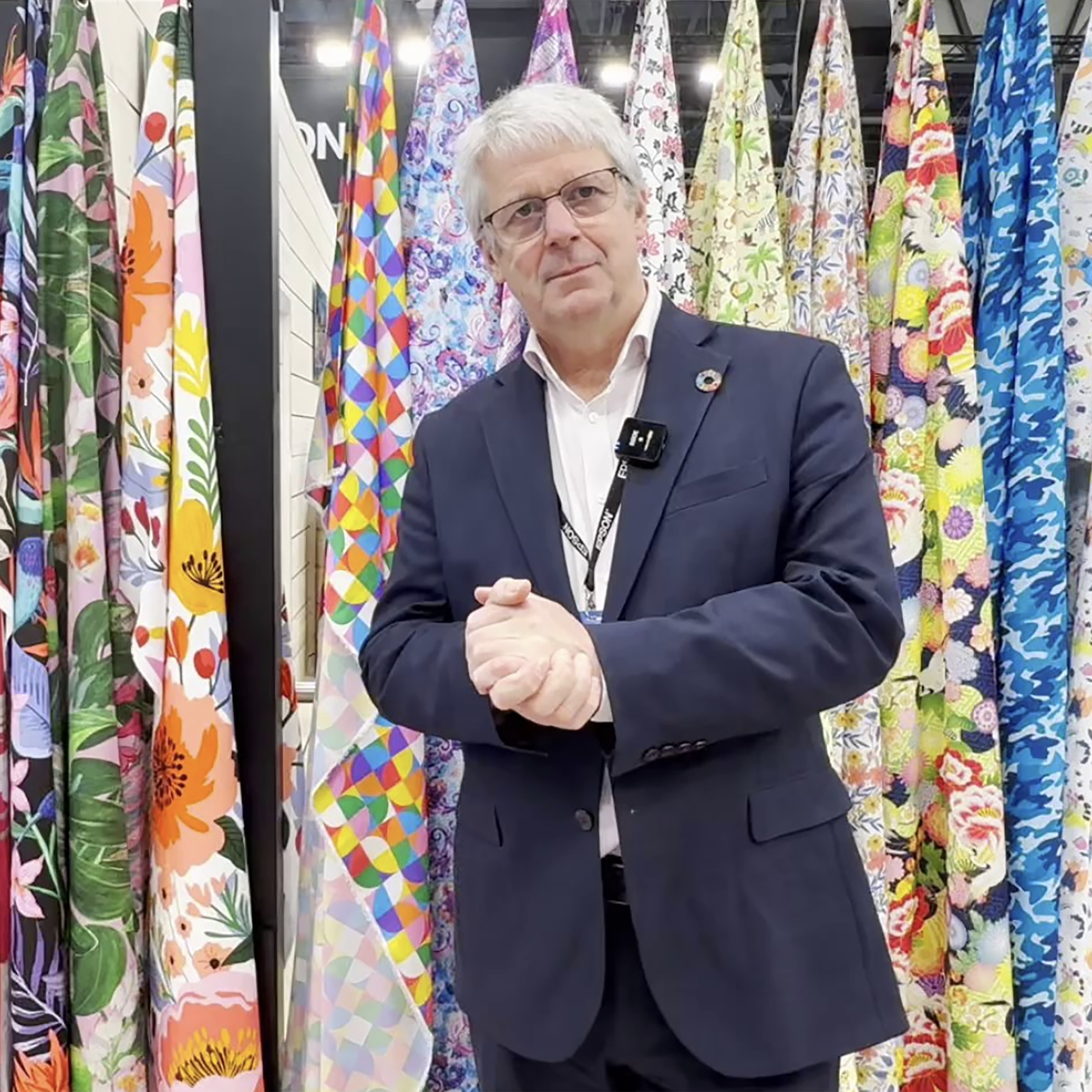
Is the Textile Market Finally Recovering?
After a difficult few years, there are genuine reasons for optimism. Duncan was candid about the challenges: "The market for textiles has been very difficult over the last three years. I'm not going to hide the truth there. But the tide is turning.“
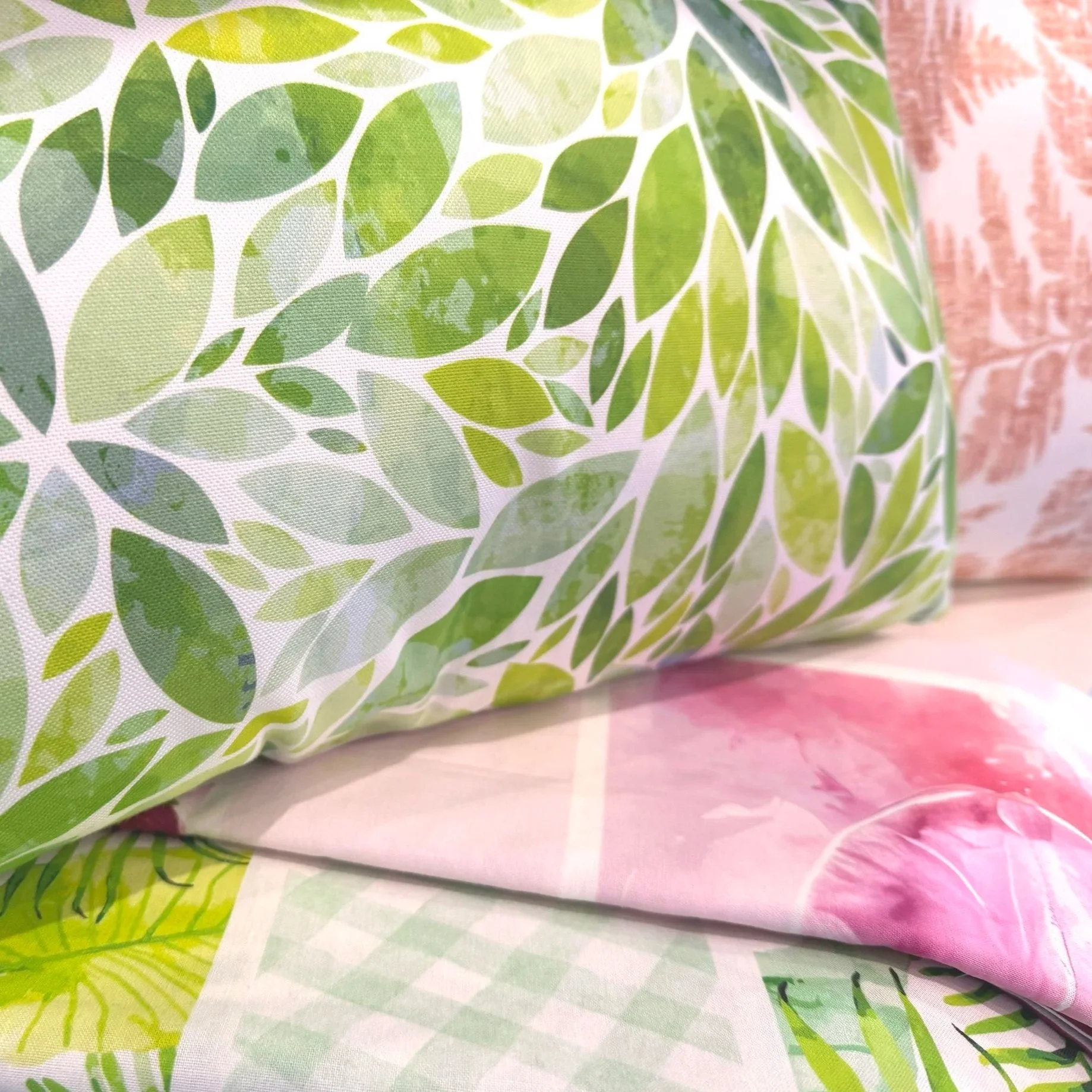
A profound shift is currently reshaping the sector
Changing consumer expectations demand greater design diversity, faster turnaround times, and sustainable manufacturing practices.
To thrive, interior brands must adapt their supply chains, bringing production closer to the end consumer and moving away from bulk manufacturing.
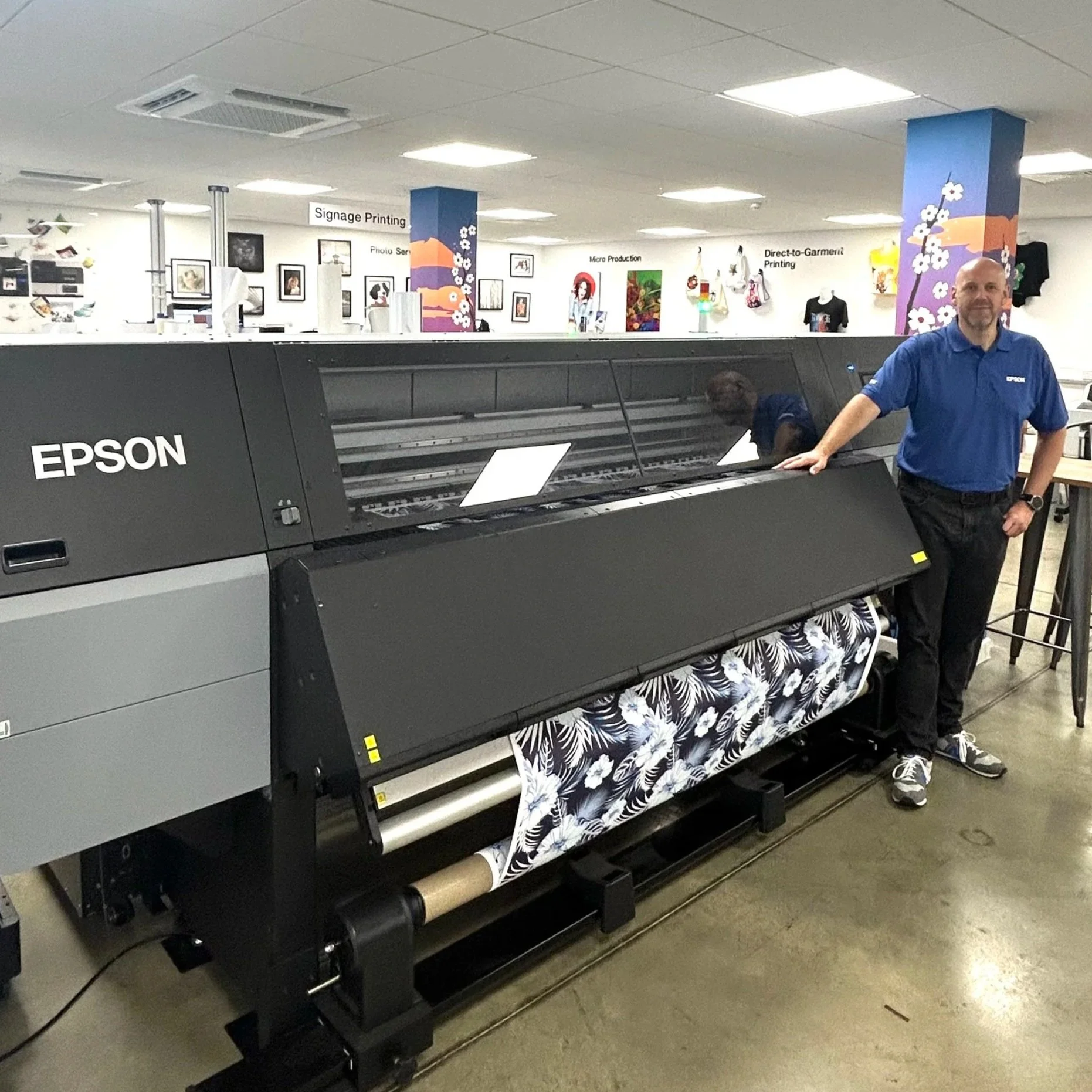
Digital textile printing offers a definitive solution to these operational bottlenecks.

Digital transformation doesn't announce itself.
It accumulates - one innovation at a time - until an entire industry looks back and realises the ground has shifted beneath its feet. That's precisely where textiles stands today.
The conversations happening now about AI, automation, sustainability, and digital product passports are not theoretical. They are shaping decisions being made on factory floors and in boardrooms right now.

“By leveraging advanced digital textile printing, Marylene Madou has successfully merged traditional craftsmanship with cutting-edge technology. Her approach offers a blueprint for how independent designers can scale their brands globally while maintaining a minimal environmental footprint.”
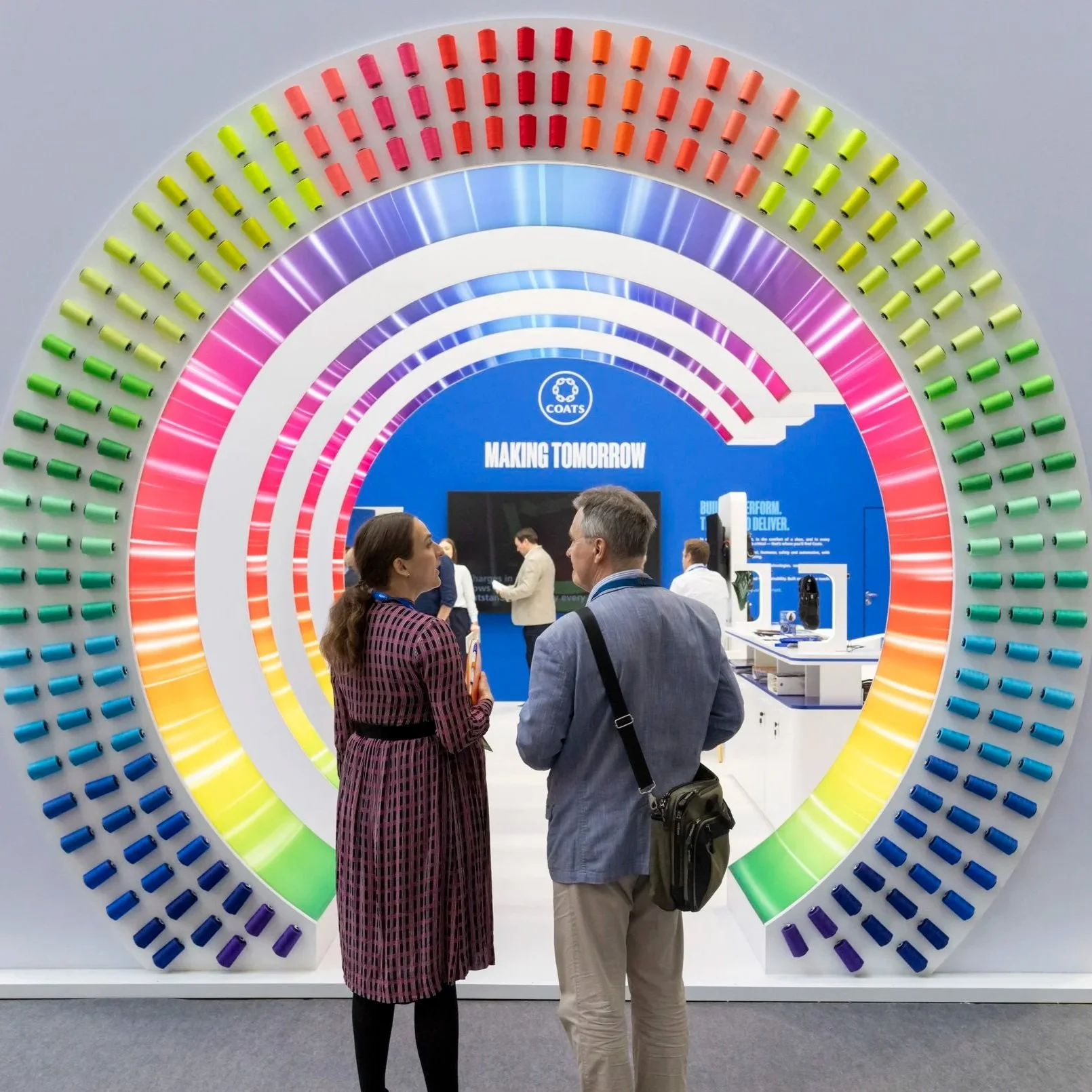
The textile industry is undergoing a vital transformation. As the insights from Techtextil and Texprocess reveal, the path forward relies on a combination of sustainable hardware, intelligent chemistry, and seamless digital workflows.
From Zimmer's industrial-scale energy reductions and Stratasys's on-demand 3D embellishments, to Kornit's single-step technical printing and the unified digital ecosystems of NedGraphics and Optitex, the tools for change are here. To stay competitive, brands and manufacturers must adopt these innovations, moving away from fragmented, wasteful processes towards a truly connected, circular economy.
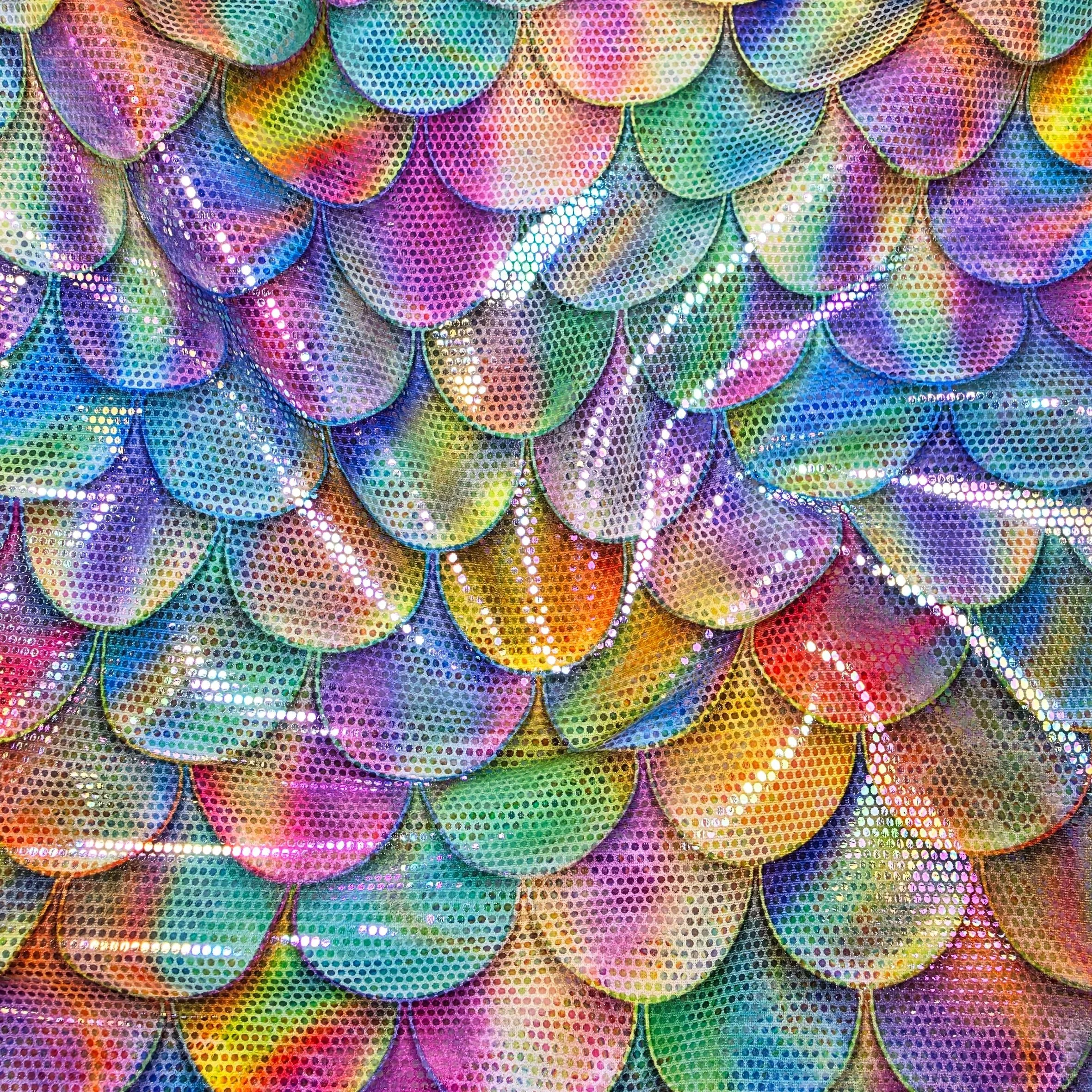
Friedmans stands as a testament to the power of combining traditional textile knowledge with forward-thinking innovation.
“Operating from their UK headquarters, Friedmans now serves a diverse array of sectors, including swimwear, dance, entertainment, sportswear, interior decor, prosthetics, and even pet apparel. With a strategic supply chain that reliably serves clients worldwide”
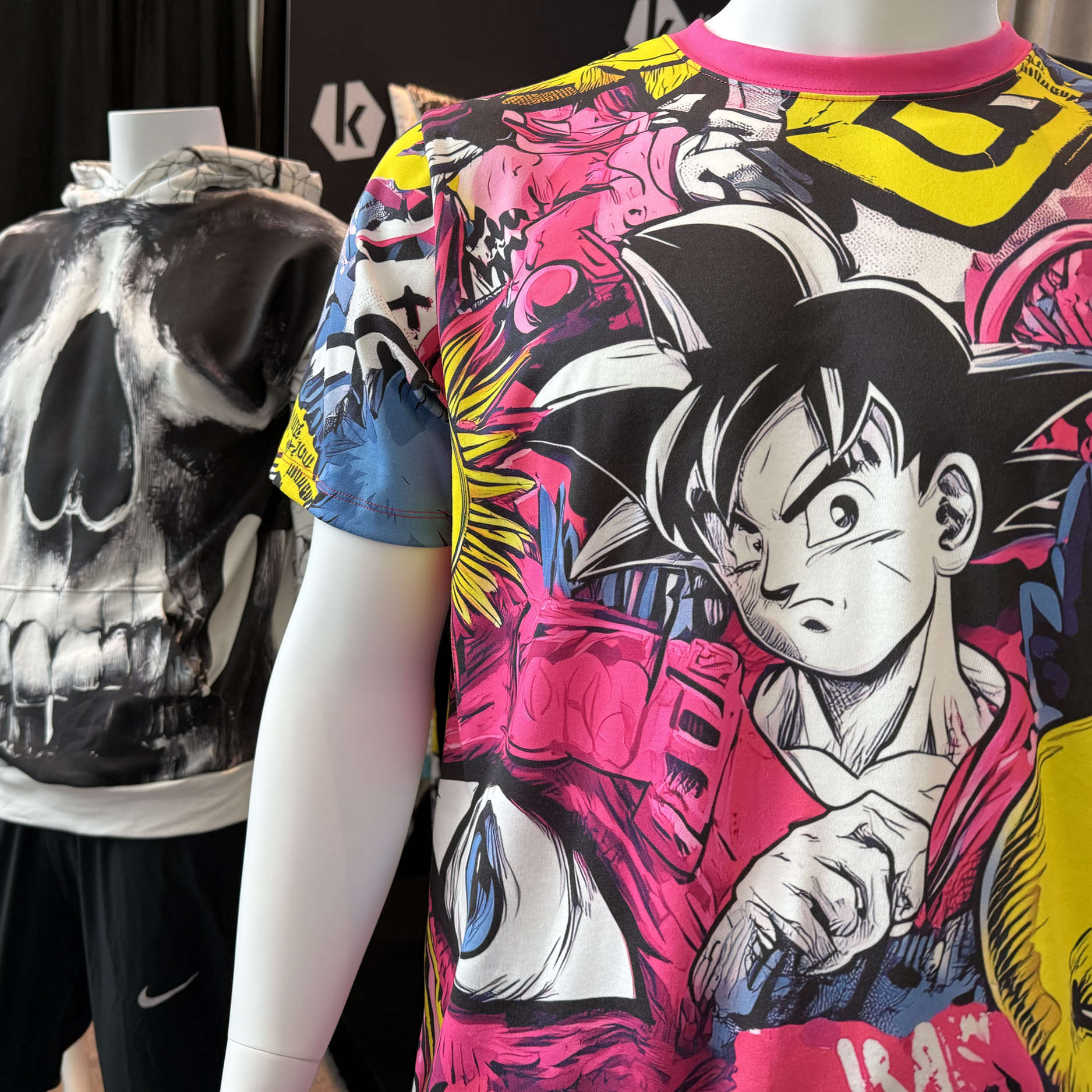
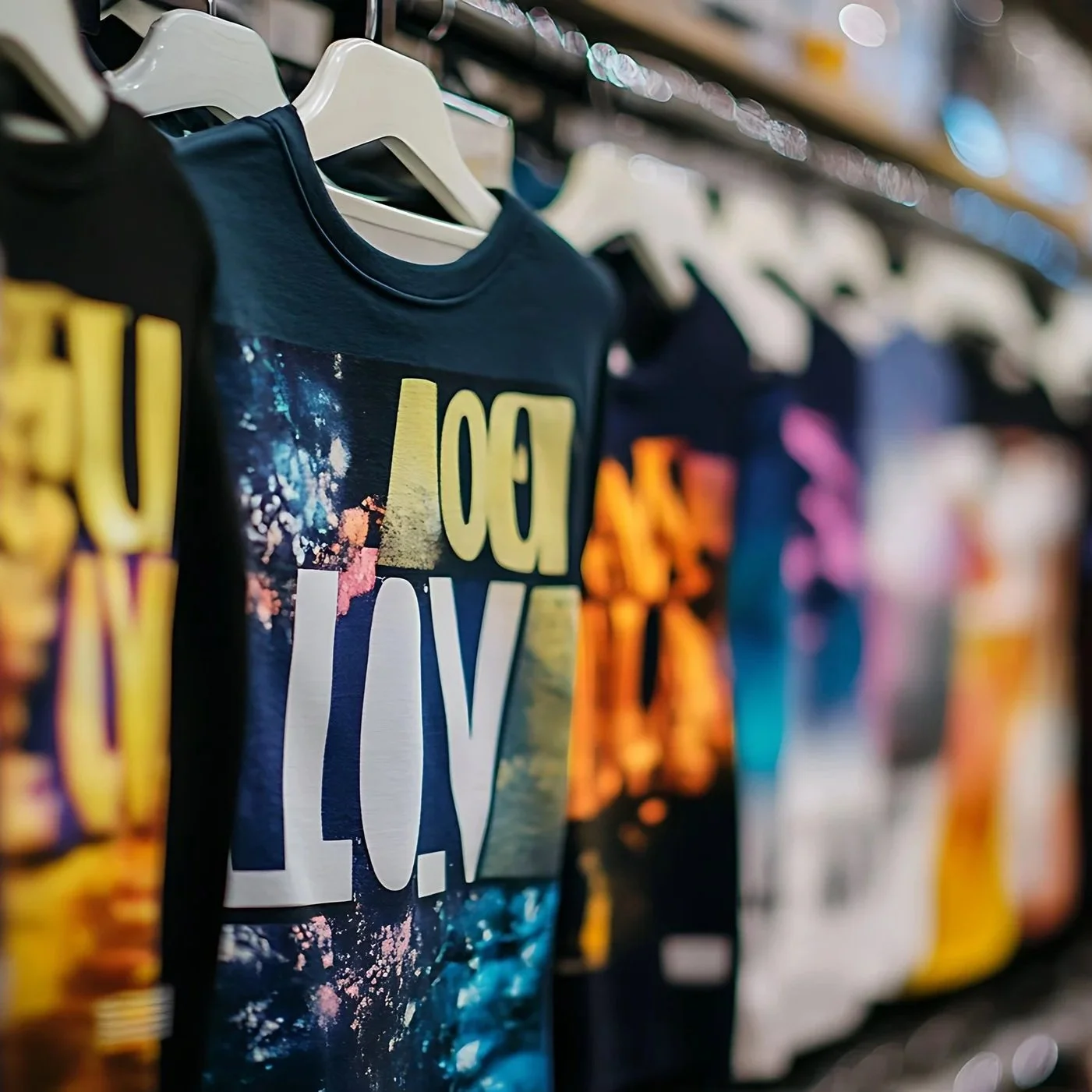
The apparel decoration industry is decisively moving away from isolated, analogue production tools toward connected digital manufacturing environments.
"Kornit’s unwavering commitment to transformative technology continues to disrupt the status quo. For business leaders and innovators ready to capture the future of apparel manufacturing, the path forward is clear”
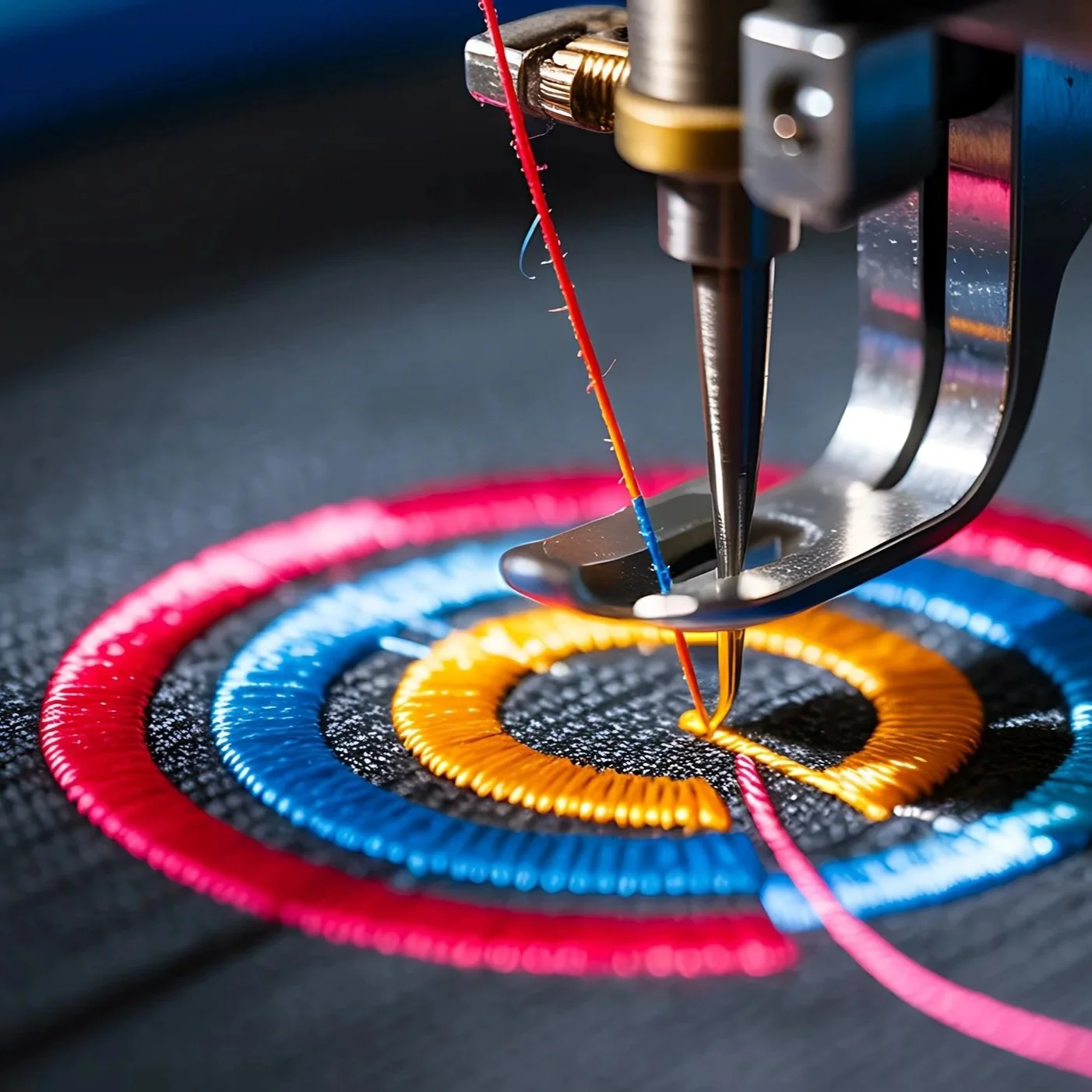
The Urgent Need for Sustainability at Scale
The transformation at Coats provides a vital blueprint for the wider textile and apparel sector. True sustainability cannot be achieved in silos. As Dearing emphasised:
“Cross-industry collaboration is the engine of meaningful change. Brands, machinery suppliers, chemical providers, and fibre producers must act as an interconnected ecosystem”
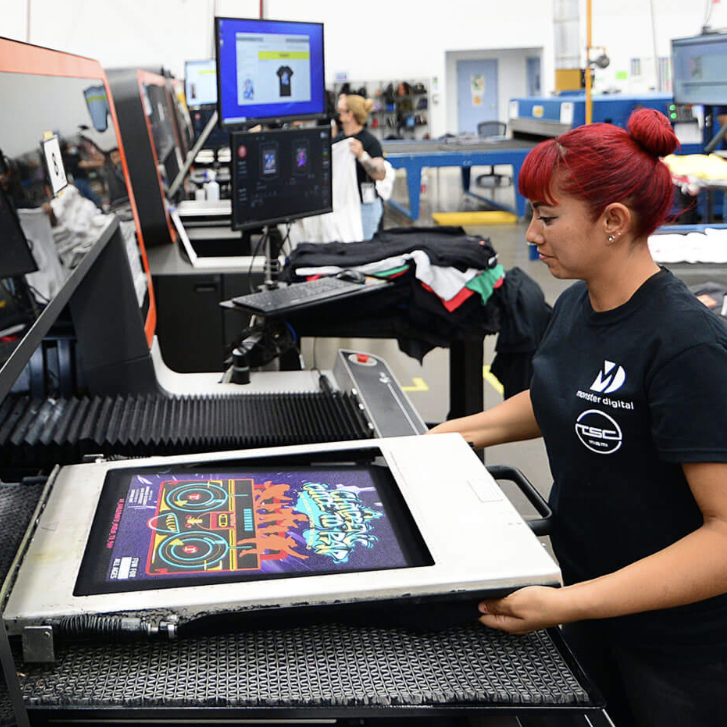
Today’s customers demand superior product quality, real-time data visibility, and lightning-fast turnaround times.
For large-scale garment decorators, managing these expectations while balancing seasonal demand fluctuations - such as the massive surges seen during Black Friday - presents a monumental challenge.
"Relying on transactional vendor relationships and outdated legacy equipment is no longer sufficient to secure long-term stability and growth.”

Printing method is never a secondary detail. It shapes the entire life cycle of a product, from concept to customer. In today’s fashion industry, where margins are tighter and speed matters more than ever, technical knowledge has become a competitive advantage.
“The future of textile design belongs to professionals who can combine creativity with execution, aesthetics with practicality, and vision with production reality”.
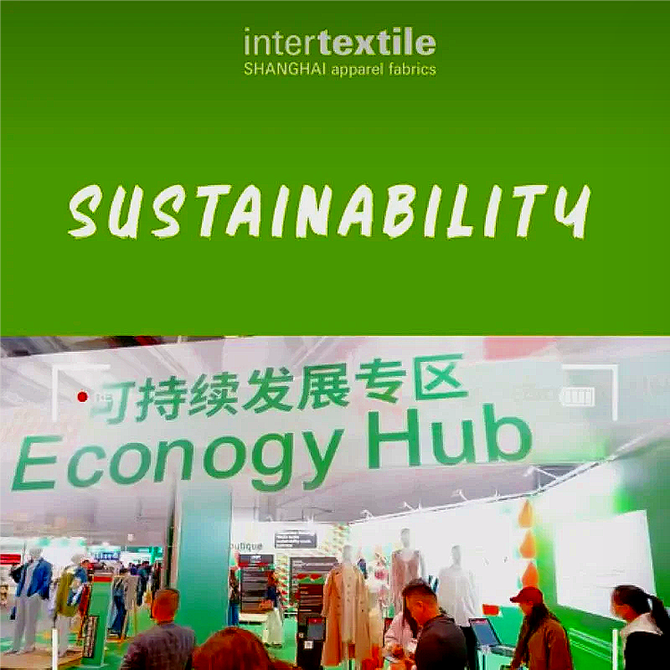
Shanghai, China – August 2026 – Intertextile Shanghai Apparel Fabrics – Autumn Edition 2026 is set to open its doors on 25 August at the National Exhibition and Convention Center (Shanghai), welcoming thousands of global industry players across three days of sourcing, networking, and trend forecasting.
Spanning 240,000 sqm, the edition will feature over 3,500 exhibitors from 30 countries and regions, organised under four key pillars: Fashion Forward, Performance Textiles, Sustainability, and Textile Future.

From 27 September 2026, stricter rules against greenwashing and higher requirements for sustainability labels will take effect in the European Union.
OEKO-TEX® has taken the new provisions as an occasion to further develop its governance structure.
In doing so, OEKO-TEX® not only meets the requirements of the EU Directive on Empowering Consumers for the Green Transition (EmpCo, EU 2024/825) but also prepares itself for future regulatory developments.
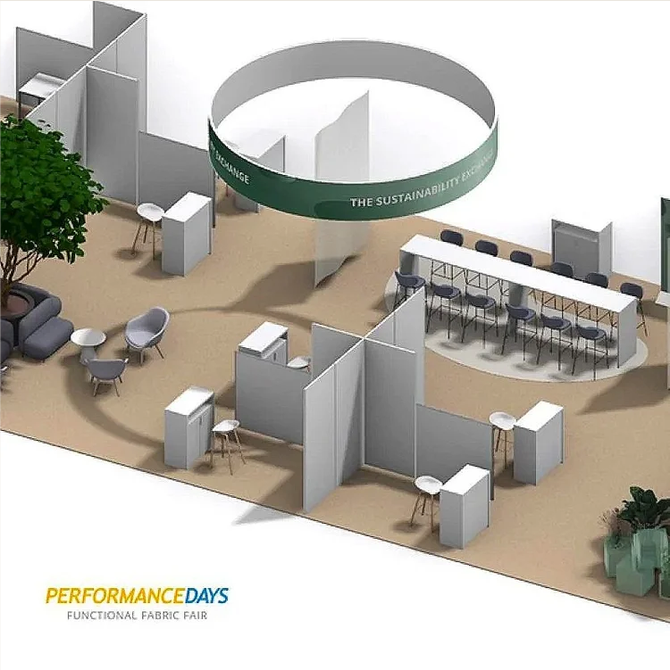
Munich, Germany – August 2026 – PERFORMANCE DAYS is set to premiere the Sustainability Exchange at its upcoming trade fair, taking place 13–14 October 2026 in Munich.
The new dedicated space brings together leading voices across certification, compliance, circularity, and collaboration to help industry professionals translate complex sustainability challenges into practical solutions.

New Delhi, India – August 2026 – IKEA, the global home furnishing retailer, has announced its partnership with the Regenerative Cotton Accelerator Programme (RCAP) as a strategic member.
The partnership will see IKEA join RCAP's Steering Group, contributing its cotton sourcing and supply chain expertise to accelerate the adoption of regenerative cotton across India.
Launched in February 2026, RCAP is a joint initiative by Solidaridad Asia, WWF-India, Regenagri and Control Union..

The invention, a dark adsorbent material that can be added to wastewater and separated with a magnet, builds on the team’s 2022 breakthrough in microplastics removal, extending performance to much smaller particles and more complex wastewater.
Microplastics are an increasing global concern, with growing evidence of their presence in water systems.
The researchers say the ability to remove micro‑ and nano‑plastics under practical conditions sets this work apart.

Winterthur – Switzerland - July, 2026 – Recycling Powerhouse Ltd. was established in July 2026 to industrialize, standardize and scale textile recycling.
Based in Switzerland, the venture will operate a franchise-driven business model that enables the production of high-quality, certified recycled yarns.
The project is supported by the following partners: Rieter Group, the world’s leading system supplier for natural and man-made fibers, Säntis Textiles, a Swiss textile engineering company, and Valvan, a Belgian sorting technology company.

Singapore, July 2026 – DyStar, a leading specialty chemicals company with more than a century of expertise in product development and innovation, today announced the release of its FY2025 Sustainability Report, marking a significant milestone in its sustainability journey and reinforcing its commitment to long-term value creation
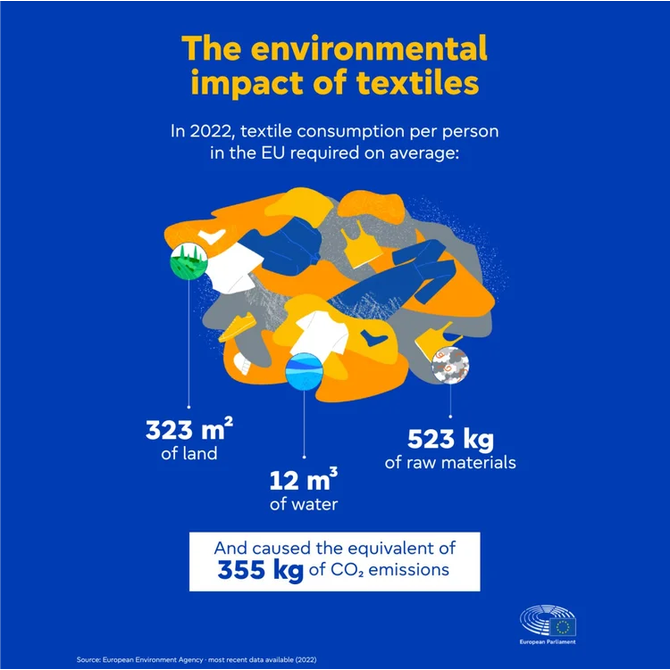
Germany, France and the Netherlands are advocating coordinated European action against ultra-fast fashion.
The three Member States raised the topic at today’s EU Environment Council in Luxembourg, and called on the European Commission to make existing and planned EU provisions more effective against short-lived, low quality textiles.
Their call was supported by other Member States, including Slovenia and Denmark.

LONDON, June 11: Textile Exchange has published its new polyester Life Cycle Assessment (LCA) study, providing robust, accurate, and credible data to strengthen the fashion, textile, and apparel industry’s understanding of the impacts of different types of polyester production.
The study is the second in a series of LCA studies led by Textile Exchange and addresses key gaps and limitations in the LCA data currently available for polyester.
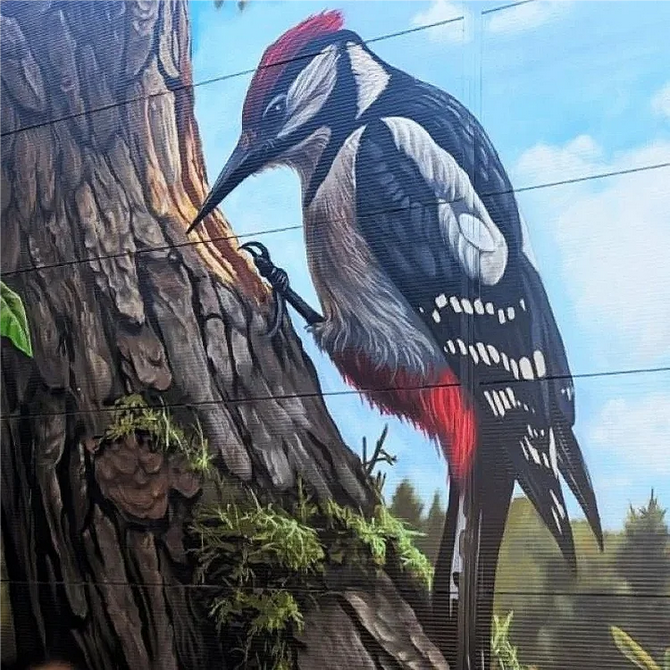
Widnes, Cheshire - 5 June 2026 – On World Environment Day, Roberts Group International has announced a pioneering partnership with St Helens Council, Seamster & Shepherd, and Hope Academy.
The initiative, titled Hope for the Earth: From Reclaimed Textiles to Sustainable Student Fashion Show, empowers students to transform reclaimed textiles into original fashion pieces ahead of a summer showcase event in July.
The collaborative project addresses the urgent need for circularity in the fashion industry by bringing the sustainability message directly into the classroom.