
UNLEASHING THE POTENTIAL OF FABRIC DESIGN THROUGH ADVANCED DYE SUBLIMATION INNOVATION – MEET COLOURAMA

“Colourama, a Polish textile printing firm has become a "Powerhouse of Print" in Eastern Europe, boasting impressive daily production capacities.
The business now hosts a production volume of 12,000 to 15,000 linear metres of printed textile daily. Its diversified operations span an in-house design studio creating exclusive design collections for global distribution.”
Colourama, a Polish textile printing firm has become a "Powerhouse of Print" in Eastern Europe, boasting impressive daily production capacities.
The business now hosts a production volume of 12,000 to 15,000 linear metres of printed textile daily. Its diversified operations span an in-house design studio creating exclusive design collections for global distribution. Alongside custom-printing, using their own materials catalogue - to the sale of specialised transfer paper. With a deep-seated commitment to customer satisfaction, the company also offers bespoke printing services on fabrics provided by customers.
One thing that really sets the company Colourama apart - is their impressive output – with a cool one million metres of printed textiles per year for their domestic market alone.
Their unwavering commitment to quality is underscored by the exclusive use of industry leading Mimaki printers and a strategic alliance marked by the first beta-testing of the revolutionary Tiger 600-1800TS printer.
The Mimaki Tiger600-1800TS represents a new age in digital textile printing, marked by significant strides in productivity, quality, and efficiency using dye sublimation technology offering a solution for high-volume, superior quality, and lasting print requirements. It ingeniously consolidates winding and feeding mechanisms on one side, optimizing space and negating the need for additional operating areas, thus minimizing the operational footprint of the print shop.
Colourama confirmed that in terms of print quality, the Tiger600 has exceeded all expectations.
The machine has been designed and fine-tuned for high-speed performance. Bert Benckhuysen, the company’s Business Development Manager at Colourama went on to explain just how the Tigers specialist technology has been crafted for unrivalled print output; “The T600 introduces a novel, advanced printhead technology that delivers sharp, vivid prints with consistent colour fidelity throughout the print process. The implementation of a staggered printhead arrangement allows for doubled print output per pass, ensuring unmatched precision in every print. The introduction of the "flushing box" stands as a testament to innovation, maintaining impeccable nozzle quality and thereby ensuring continuous, high calibre print outcomes.
Furthermore, the printer's dazzling speed, capable of executing 290 running metres per hour on two bars and astounding 500 square meters on a single pass, seamlessly marries rapid production with impeccable quality”. And that's not all...
Workflow can often create bottlenecks in any printshop, but not when using the Tiger. The onboard software streamlines the job programming process and has been achieved through the MPC software, enhancing the interaction between the user and the printer. This user-centric approach minimizes errors, facilitating a straightforward and efficient task management process, thereby bolstering productivity. The printer's design also guarantees precise winding, crucial for large-scale printing operations.
The strategic deployment of dye sublimation technology via the Tiger 600 printer has enabled the company to sustain continuous, even unattended, printing operations throughout the day and night, leveraging efficiencies and achieving ambitious production goals. To date the machine has printed over 35 Kilometres of print. This robust, stable, and efficient printer has revolutionized the company's workflow, demonstrating conclusively the significant advantages of integrating cutting-edge technology to boost quality, productivity, and operational efficiency.
The impact of dye sublimation technology on the textile industry is profound.
This cutting-edge method boosts the vibrancy and durability of fabrics while significantly reducing the environmental impact compared to traditional printing techniques. It uses no water, turning dye directly into gas, making it a sustainable option in an industry often criticised for its ecological effects. It also allows designers to explore complex patterns and a wide range of colours, enhancing creativity and fashion.
Dye sublimation improves efficiency and cost-effectiveness, setting new standards and encouraging the industry to adapt and innovate. This major shift is making textile production more in line with fashion trends, market behaviours and environmental conservation a critical advancement in environmental stewardship.
Furthermore, dye sublimation's efficiency in utilising every bit of dye means there is minimal waste, contrasting sharply with conventional methods where excess dye can end up as environmental pollutants. This precise application of dye not only ensures optimal colouration and pattern detail but also significantly decreases the chemical waste footprint. Additionally, the durability of sublimation-printed fabrics reduces the need for frequent replacements, thereby lessening the environmental impact over the lifecycle of textile products.
From a forward-thinking viewpoint, getting in line with the global trend towards more eco-friendly manufacturing, the textile industry's growing move towards dye sublimation technology shows a real commitment to prioritising green processes whilst cutting down on the industry's carbon footprint, in pushing for innovations that make production more efficient for print and the environment.
Looking ahead, the future applications and innovations in textile printing, particularly through dye sublimation technology, are poised to redefine the boundaries of creativity, efficiency, and sustainability.
Anticipated advancements are set to integrate artificial intelligence (AI) and machine learning algorithms for predictive maintenance and optimisation of printing processes, significantly reducing downtime and enhancing productivity.
In the realm of sustainability, ongoing innovation is focused on developing eco-friendlier dyes and recyclable substrates that maintain high-quality outputs while further minimising the environmental impact. These efforts are complemented by advancements in energy-efficient printing processes that reduce the carbon footprint of production facilities, like the Mimaki Tiger600.
As the markets shift, the digitalisation of textile printing is expected to evolve, offering even more personalised and on-demand printing solutions. This will enable designers and brands to rapidly respond to market trends and consumer preferences, fostering a more dynamic and responsive fashion ecosystem.
Companies such as Colourama will become strategic partners for fashions new sustainable ecosystem.
These future directions not only highlight the potential for growth and diversification within the textile industry but also underscore the print industries commitment to sustainability and efficiency. Through the continuous adoption and refinement of dye sublimation technology, the textile sector is well-positioned to meet the demands of the future - pushing the envelope in printed textile design, functionality, and environmental stewardship.




Colour Is Too Important to Leave to Chance
Print will always be the part of the garment people see first.
But the sum of all parts — the fabric, the trims, the fasteners, the finish — is what determines whether a design actually delivers on its promise. Brands that continue to treat colour as a single creative decision, rather than a coordinated technical discipline spanning their entire supply chain, will keep paying for it in re-dips, delays, and disappointed design teams.
A Century of Textiles, and an Ever-changing World
Few companies can trace their roots back more than a century and still count themselves among their industry's innovators. Texia, headquartered in Monistrol de Montserrat, Spain, is one of them.
But the story of Texia is not simply one of longevity.
It is a story of continual reinvention. As the textile industry has grown more global and competitive, Texia has repeatedly reshaped its business, investing in technology, developing its own brands, and placing sustainability at the centre of its mission. In doing so, it offers a compelling example of how a heritage manufacturer can lead rather than follow through a period of profound industry change. Image Credit: Texia
What are we craving Ultimately?
The instinct to slow down while simultaneously optimising every measurable aspect of life isn't a passing curiosity. It's a structural response to a world that feels increasingly unstable, and it's reshaping what people expect from their homes, hotels, workplaces and healthcare environments alike.
For the design and manufacturing sectors, this means rethinking both product and process.
The Structual Shift is Real and its Already Here
Volumes are moving east, where digital production is accelerating rapidly. Consumer behaviour has shifted.
Demand is now driven by personalisation, shorter buying cycles, and an expectation of near-instant responsiveness. Regulatory pressure is intensifying, with supply chain transparency now a legal and commercial fact in many markets. And margins? They are under sustained, structural pressure.
This is not a temporary disruption. It is a fundamental reordering of how textile manufacturing must operate.

The Challenge: Standing Firm as the Industry Shifts
The wallpaper landscape has changed dramatically. Digital printing has lowered the barrier to entry, spawning countless direct-to-consumer brands and pushing much of the market towards faster, cheaper production.
At the same time, manufacturing in the UK has grown steadily harder - rising minimum wage, national insurance, energy and substrate costs all bear down on margins. Surface Print have embraced all of these challenges - and stand resolutely prepared for the future.
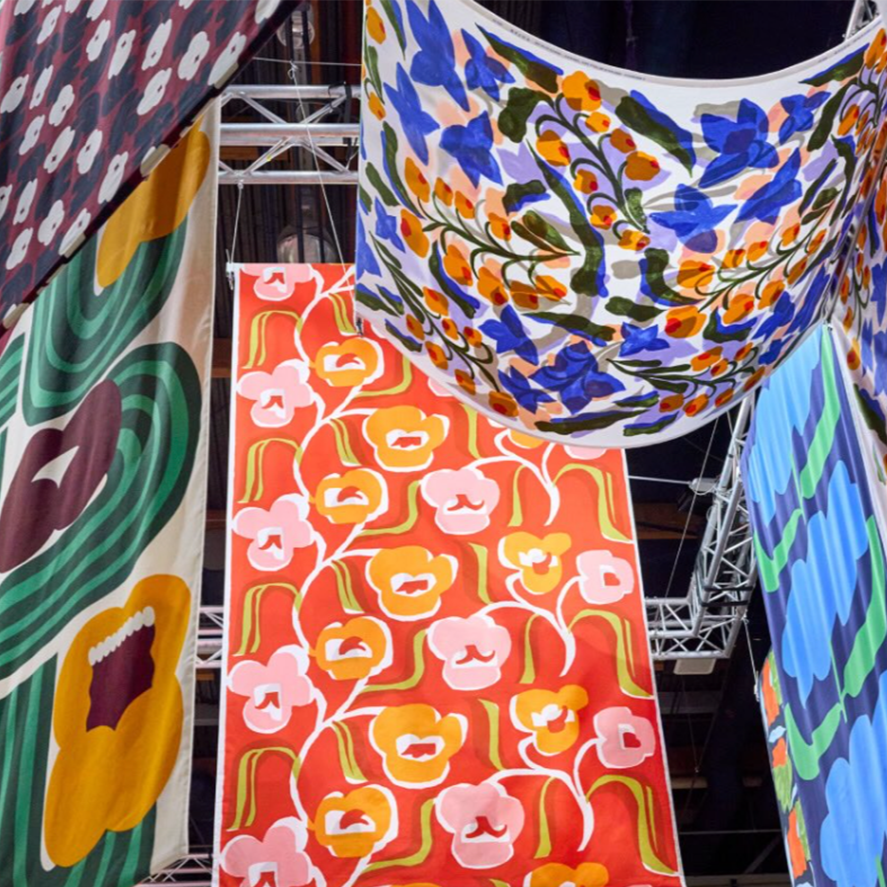
From Helsinki's printing mill to Paris's Le Marais, discover how Marimekko is scaling a design-led brand with purpose, craft, and bold innovation.
But what makes Marimekko's story compelling is not just its aesthetic legacy?

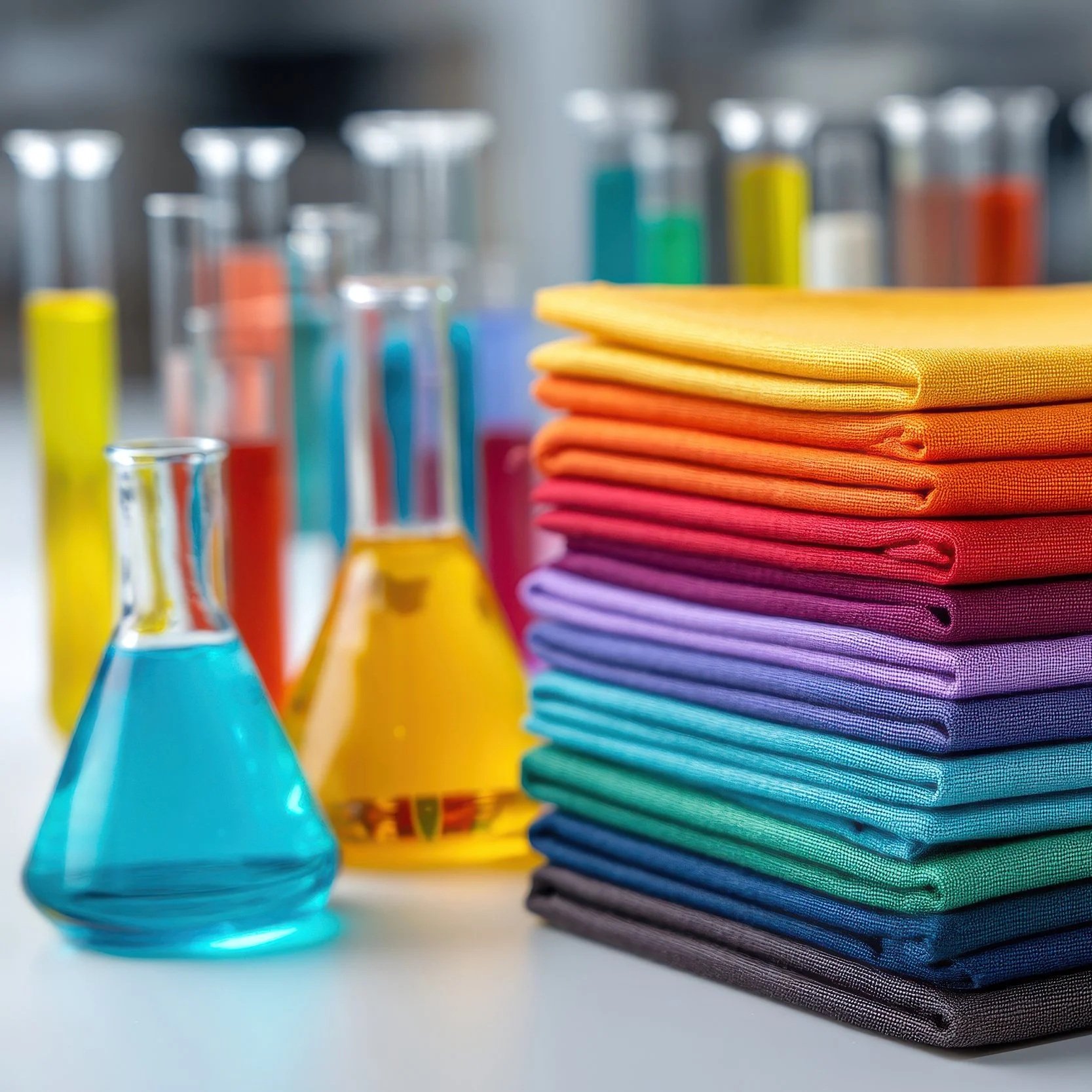
The word "toxic" carries weight. It conjures danger, harm, and things best avoided.
“Yet in the textile industry - Where between 3,000 and 10,000 chemicals move through the supply chain, a reflexive fear of the term is one of our biggest obstacles to progress.”
This article distils the key takeaways and what buyers, designers, and brands should be asking right now.
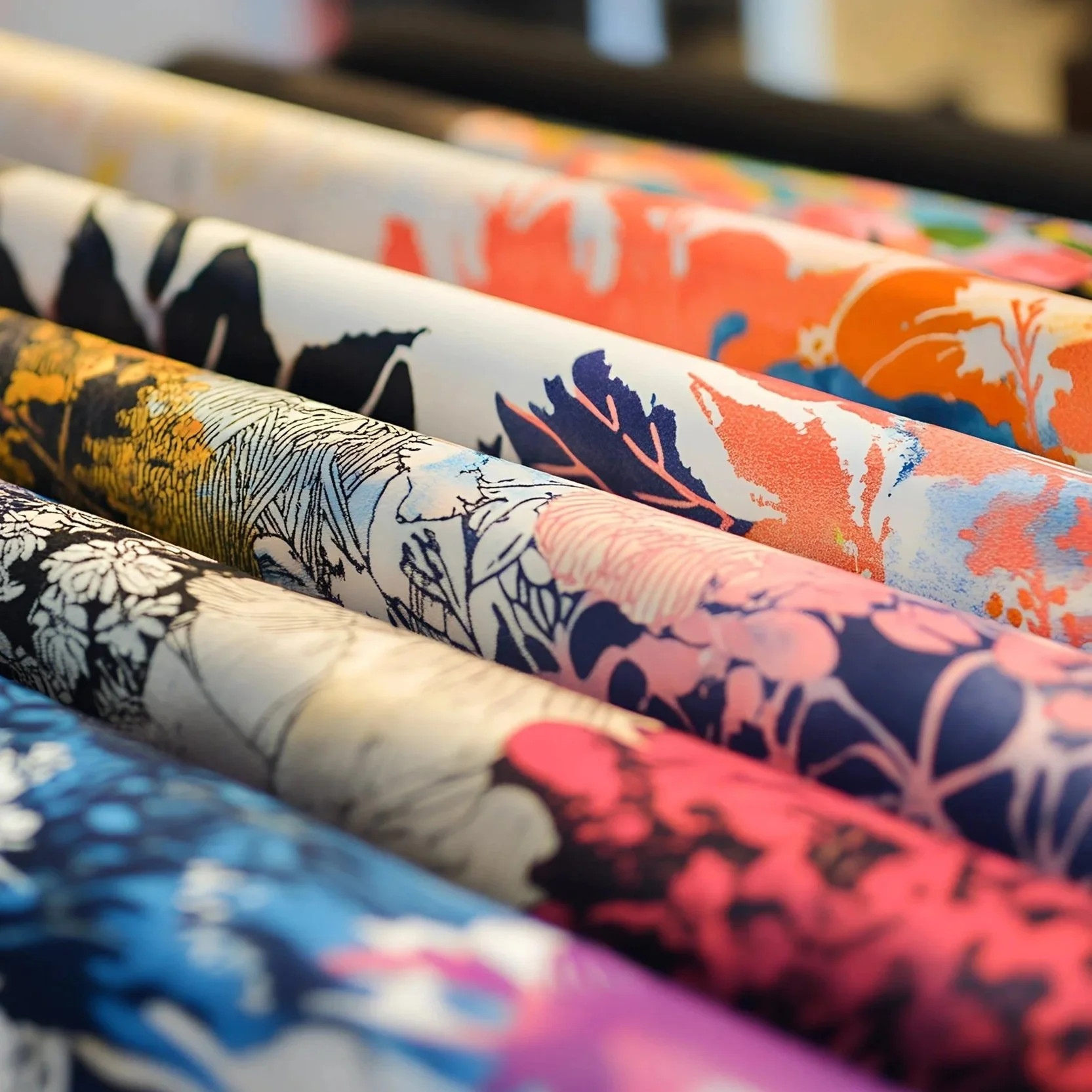
What Is the Digital Product Passport?
At its core, a Digital Product Passport is a digital record attached to a physical product - For a printed textile product, this means the DPP would capture data on the substrate, inks and dyes used, the printing process and technology, chemical compliance, environmental impact (including water and energy use), supply chain traceability, and end-of-life instructions.
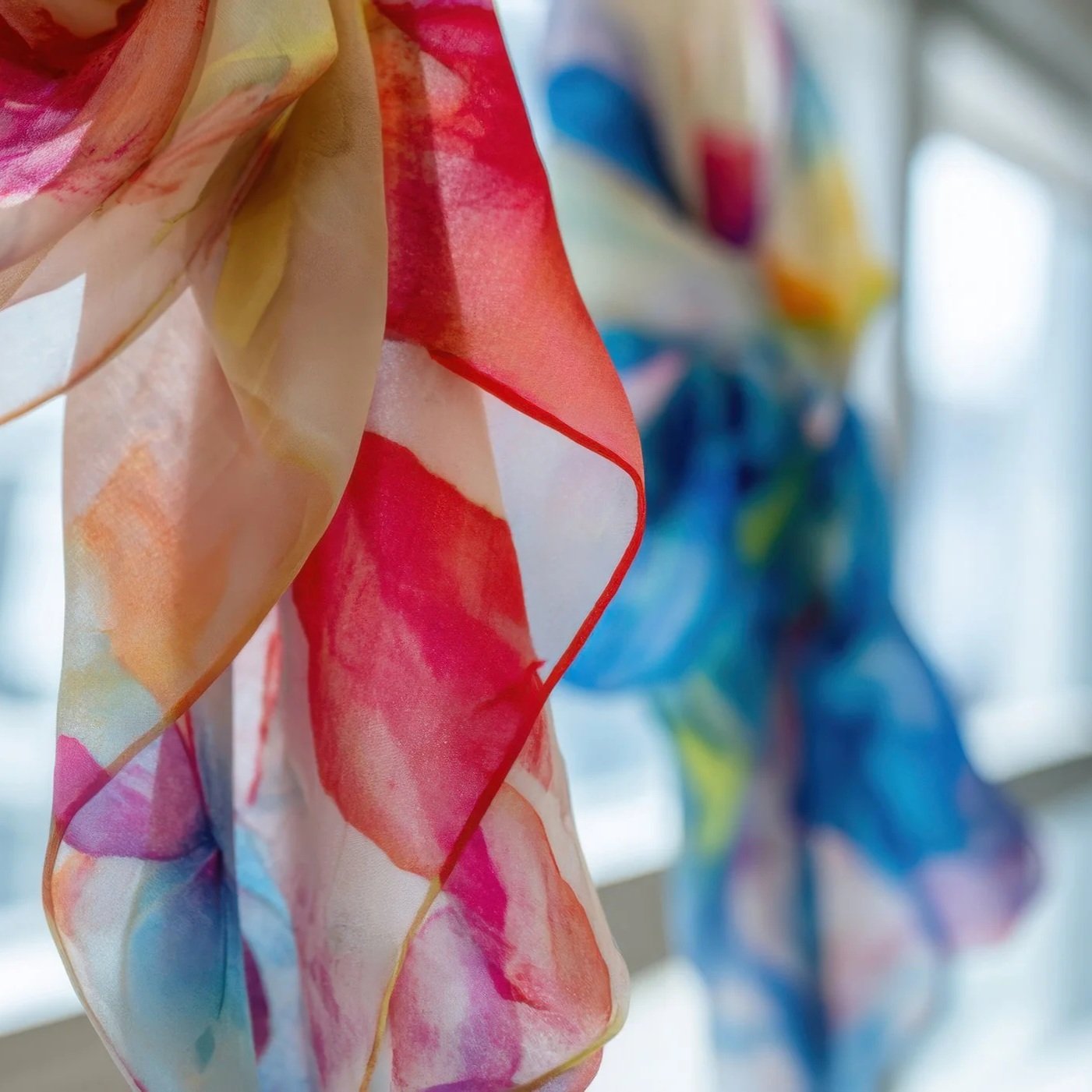
The Market Gap that Changed Everything
Future Fashion was founded in 2019, timed deliberately to coincide with a pivotal moment in global textile technology: the commercial launch of the EFI Reggiani BOLT Single-Pass digital printing system.
The founders recognised that single-pass architecture had fundamentally changed what was industrially possible - and that Pakistan's domestic market had yet to catch up.

Print is no longer defined by the inefficiencies that once characterised it…as advances in production processes and technology have significantly improved its environmental performance.
Taran Rai, Corporate Sustainability Manager at Epson explains why?
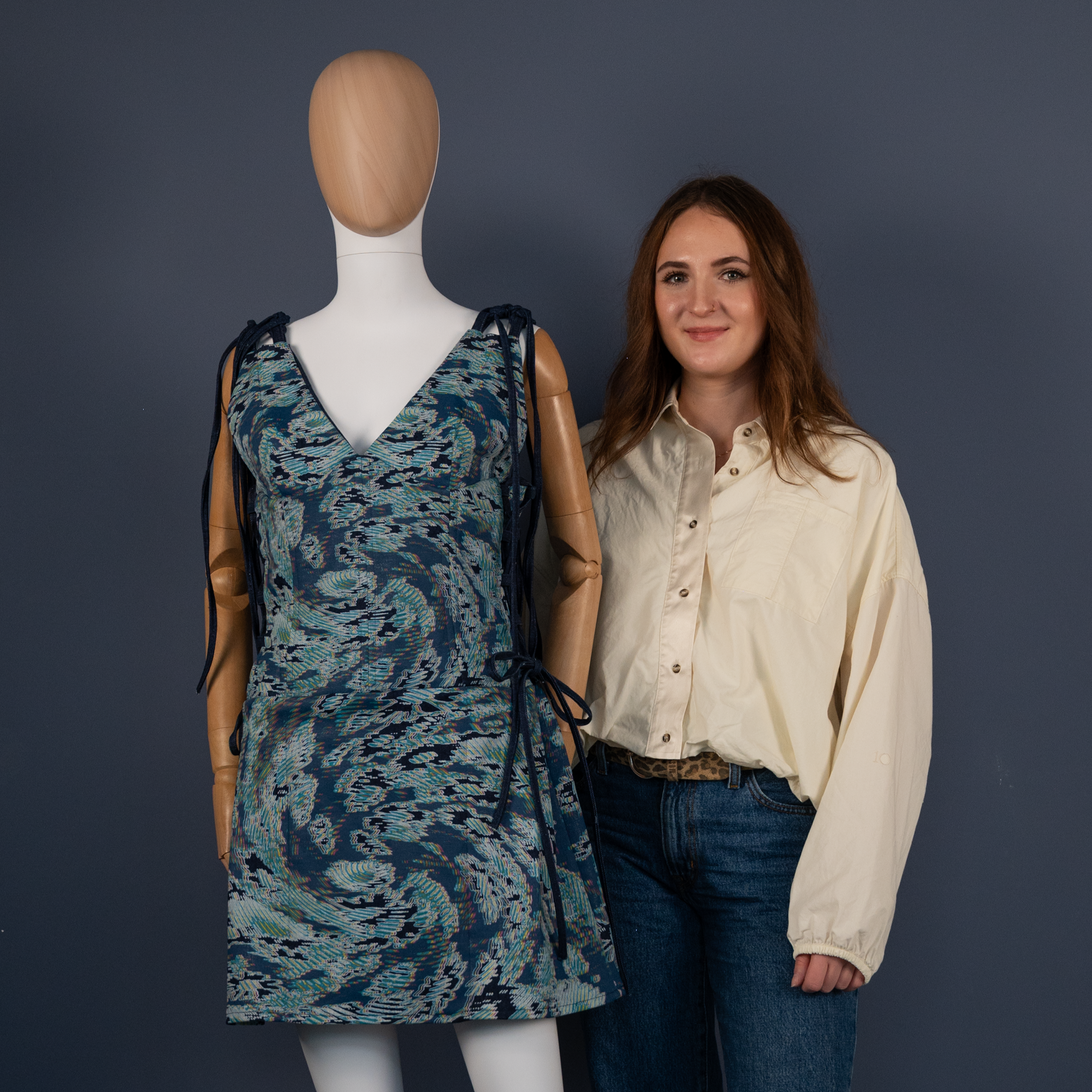
The story of what happens when young designers access digital technology is still being written.
What once was a theoretical sustainability goal seems to have shifted into an active regulatory reality.



Is the Textile Market Finally Recovering?
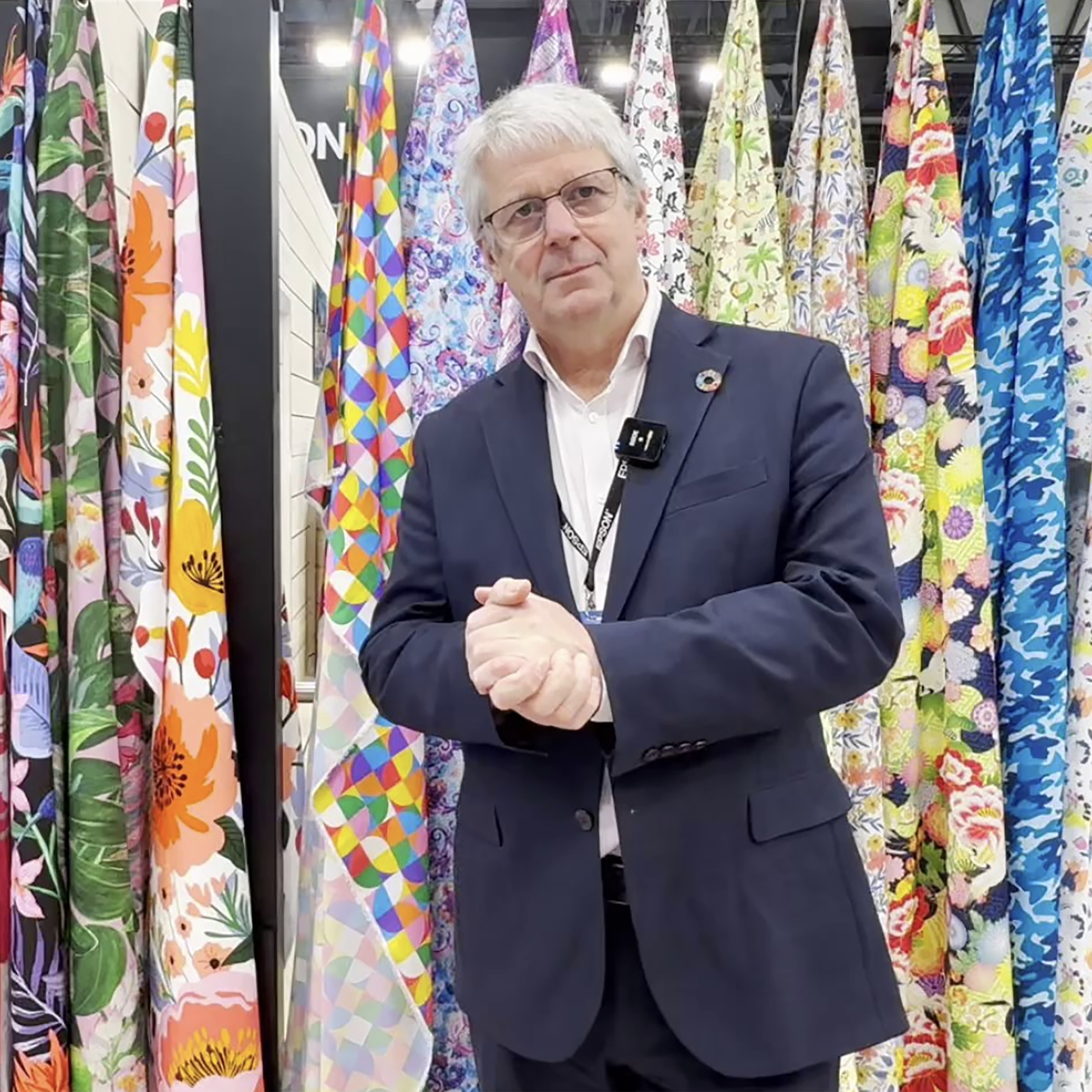
After a difficult few years, there are genuine reasons for optimism. Duncan was candid about the challenges: "The market for textiles has been very difficult over the last three years. I'm not going to hide the truth there. But the tide is turning.“
A profound shift is currently reshaping the sector
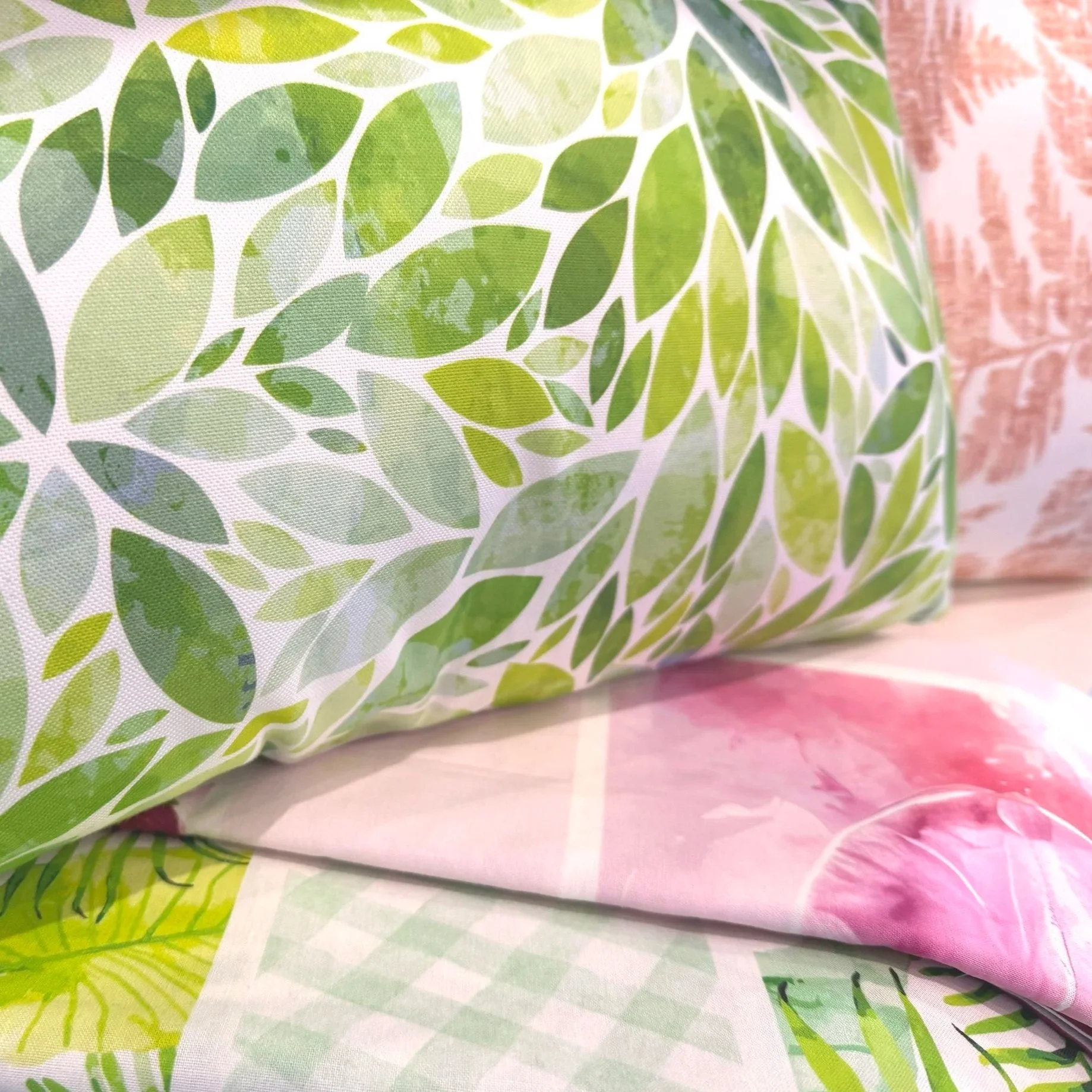
Changing consumer expectations demand greater design diversity, faster turnaround times, and sustainable manufacturing practices.
To thrive, interior brands must adapt their supply chains, bringing production closer to the end consumer and moving away from bulk manufacturing.
Digital textile printing offers a definitive solution to these operational bottlenecks.

Digital transformation doesn't announce itself.
It accumulates - one innovation at a time - until an entire industry looks back and realises the ground has shifted beneath its feet. That's precisely where textiles stands today.
The conversations happening now about AI, automation, sustainability, and digital product passports are not theoretical. They are shaping decisions being made on factory floors and in boardrooms right now.

“By leveraging advanced digital textile printing, Marylene Madou has successfully merged traditional craftsmanship with cutting-edge technology. Her approach offers a blueprint for how independent designers can scale their brands globally while maintaining a minimal environmental footprint.”
The textile industry is undergoing a vital transformation. As the insights from Techtextil and Texprocess reveal, the path forward relies on a combination of sustainable hardware, intelligent chemistry, and seamless digital workflows.
From Zimmer's industrial-scale energy reductions and Stratasys's on-demand 3D embellishments, to Kornit's single-step technical printing and the unified digital ecosystems of NedGraphics and Optitex, the tools for change are here. To stay competitive, brands and manufacturers must adopt these innovations, moving away from fragmented, wasteful processes towards a truly connected, circular economy.
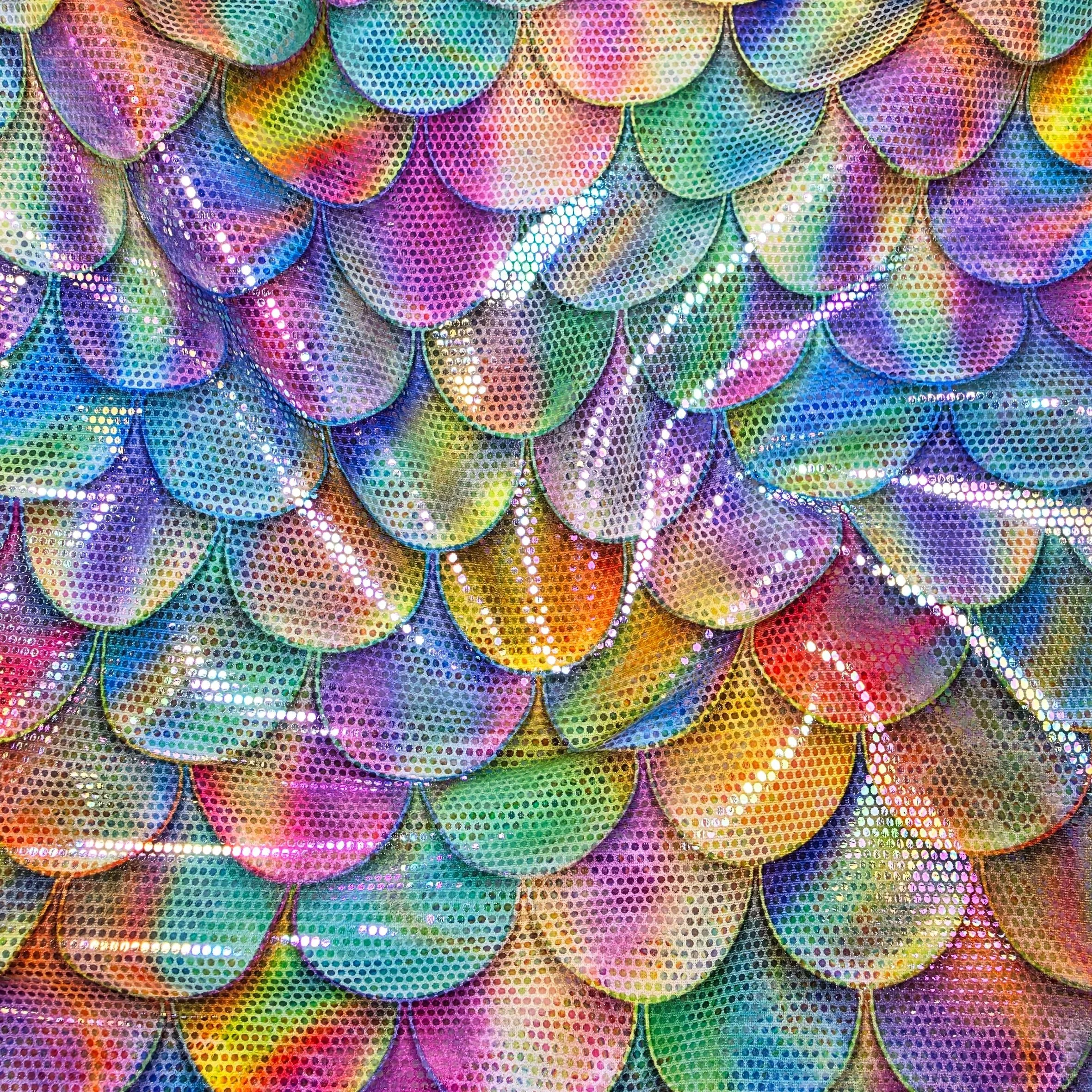
Friedmans stands as a testament to the power of combining traditional textile knowledge with forward-thinking innovation.
“Operating from their UK headquarters, Friedmans now serves a diverse array of sectors, including swimwear, dance, entertainment, sportswear, interior decor, prosthetics, and even pet apparel. With a strategic supply chain that reliably serves clients worldwide”
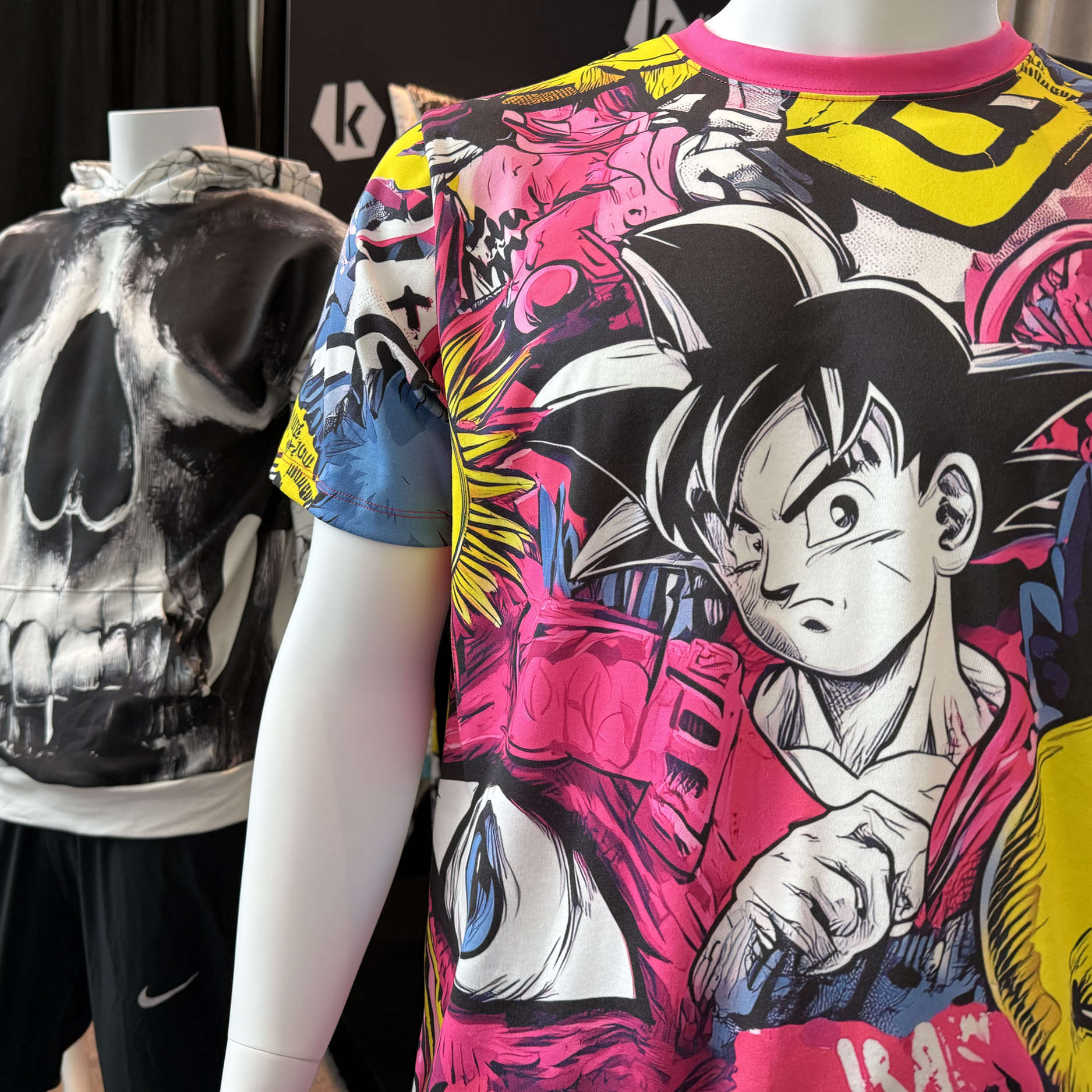
The apparel decoration industry is decisively moving away from isolated, analogue production tools toward connected digital manufacturing environments.
"Kornit’s unwavering commitment to transformative technology continues to disrupt the status quo. For business leaders and innovators ready to capture the future of apparel manufacturing, the path forward is clear”
The Urgent Need for Sustainability at Scale
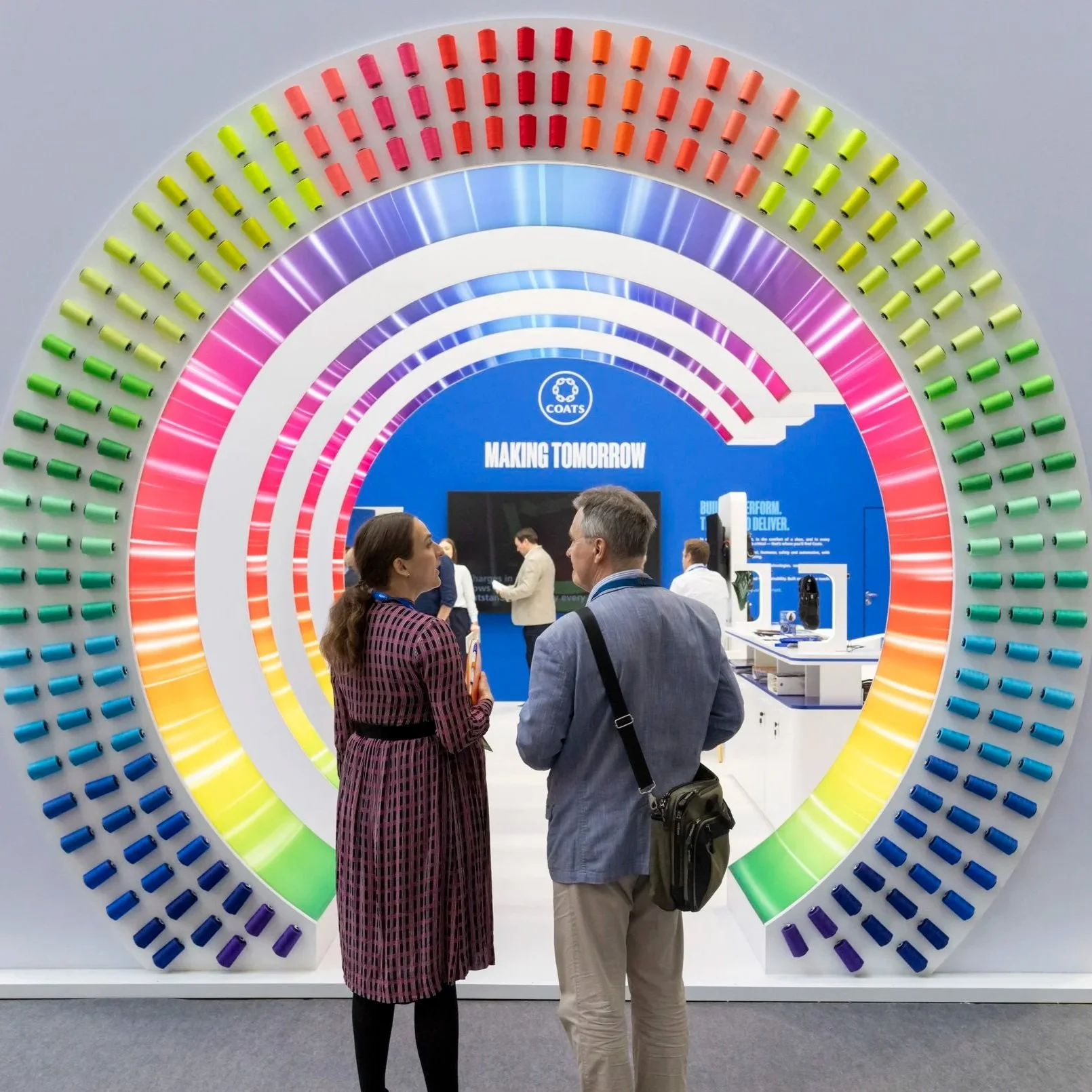
The transformation at Coats provides a vital blueprint for the wider textile and apparel sector. True sustainability cannot be achieved in silos. As Dearing emphasised:
“Cross-industry collaboration is the engine of meaningful change. Brands, machinery suppliers, chemical providers, and fibre producers must act as an interconnected ecosystem”
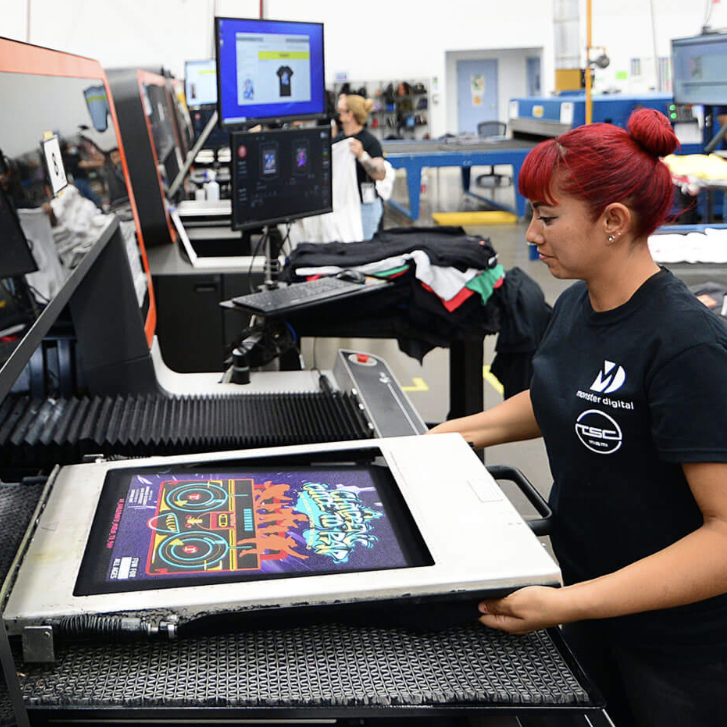
Today’s customers demand superior product quality, real-time data visibility, and lightning-fast turnaround times.
For large-scale garment decorators, managing these expectations while balancing seasonal demand fluctuations - such as the massive surges seen during Black Friday - presents a monumental challenge.
"Relying on transactional vendor relationships and outdated legacy equipment is no longer sufficient to secure long-term stability and growth.”

Printing method is never a secondary detail. It shapes the entire life cycle of a product, from concept to customer. In today’s fashion industry, where margins are tighter and speed matters more than ever, technical knowledge has become a competitive advantage.
“The future of textile design belongs to professionals who can combine creativity with execution, aesthetics with practicality, and vision with production reality”.

Las Vegas, NV – September 2026 – Barbieri Electronics, a leading innovator in colour measurement and management solutions, today announced its participation in PRINTING United Expo 2026, where the company will unveil its latest advancements in colour technology for digital and textile printing.
Attendees can visit Barbieri Electronics at booth C-841 to experience live product demonstrations and engage directly with company leadership.

Las Vegas, NV – September 2026 – Caldera, a leading provider of print workflow software solutions, has announced its participation in PRINTING United Expo 2026, taking place 23–25 September 2026 at the Las Vegas Convention Center.
Visitors can find Caldera at Booth C1469, where the company will showcase its latest innovations in print workflow automation, colour management, and apparel decoration.

Aarhus, DK & Milwaukee, WI — September 2, 2026 — FASTSEWN will showcase the next generation of its flatbed automated textile finishing at PRINTING United 2026 with the U.S. debut demonstration of its innovative full 3.3M width StitchNCut™ flatbed sewing and laser cutting solution.
This solution is designed specifically for high-volume production of Silicone Edge Graphics (SEG), pillowcase graphics, and other grand-format and industrial textile applications.
The centerpiece of the launch will be live remote demonstrations from FASTSEWN’s headquarters, where attendees will see the company’s full-size StitchNCut 3.3-meter automated flatbed sewing and laser cutting system producing finished SEG graphics and pillow graphics under real market-based production conditions.

Ottawa, Ontario – September 2026 – Corel today announced the CorelDRAW® Graphics Suite September 2026 Update, delivering dramatically expanded AI capabilities, including Text-to-vector AI, giving customers total creative control as they work faster, explore a multitude of creative options, and generate high-quality vector artwork that's ready for any project.
CorelDRAW's new AI tools have been designed to accelerate workflows while keeping the user's inspiration at the centre of the creative process.

LOS ALAMITOS, Calif. – September, 2026 – Epson will showcase its latest digital printing solutions at PRINTING United Expo 2026, the annual event bringing together the print industry to explore the latest innovations in commercial, apparel, packaging, wide-format and specialty printing.
Taking place Sept. 23-25 at the Las Vegas Convention Center in Las Vegas, Nevada, Epson will introduce new solutions for textile applications and showcase its extensive portfolio of commercial, industrial and business inkjet solutions.

Brixen, 22 September 2026 – Durst Group, a leading manufacturer of advanced digital printing and production technologies, has reached a significant milestone with its P5 500 TEX iSUB.
50 systems have been sold worldwide since its market introduction at FESPA Global Print Expo 2025.

Blackpool, UK – September 2026– Standfast & Barracks has been named Global Business of the Year at the 2026 British Insurance Business Awards (BIBAs), recognising the company's sustained growth and impact across international markets, including its expanding presence in the United States.
The award was presented on Friday evening at a ceremony in Blackpool, where members of the Standfast team gathered to celebrate the achievement together.
Garden Grove, Calif. – 21 September 2026 – Media One ("M1"), a leading full-service integrator and value-added distributor of wide-format printing solutions, today announced it has acquired the U.S. business and assets of Premex Solutions, a leading supplier of high-quality, print-ready fabrics for the digital textile printing industry.
The acquisition strengthens Media One's home décor and apparel offering with expanded fabrics, pigment printing technology and technical expertise, reinforcing the company's commitment to delivering forward-thinking, end-to-end solutions across the industry

Las Vegas – Nevada – September 2026 – Greentex Global, a global provider of fabrics, blanks, sportswear, apparel and home textiles, has announced its participation in PRINTING United Expo 2026, taking place in Las Vegas from 23 to 25 September.
The company will welcome attendees to Booth C323, where it will present its latest range of sustainable textile solutions for the printing and apparel industries.

Signal Iduna- Park Dortmund– Germany – FabricVision GmbH has confirmed the successful deployment of its STARFLAG and BLOCKFLAG textile solutions in a large-format giant flag application at the German Supercup, one of German football's most closely watched fixtures.
The combination was used by a FabricVision customer to produce a pitch-covering display, demonstrating the fabrics' capability to meet the exacting demands of major sporting events.

Melville, NY – September 2026 – Canon U.S.A., Inc., a leader in digital imaging solutions, has announced it will return as title sponsor of PRINTING United Expo 2026, showcasing its latest innovations in production and large-format print.
Attendees can visit Booth #N5801 at the Las Vegas Convention Center from 23-25 September to experience Canon's diverse range of equipment and solutions.

Thetford – Norfolk - September 21, 2026 - Norfolk-based graphics, signage and print business MultiSigns Ltd said its recent investment in a new Vivid VeloBlade Nexus digital cutting system from Soyang Europe has allowed the company to bring more production in-house and significantly reduce turnaround times for customers

London – UK – September 2026 – ARTS THREAD has announced the call for applications for the Designers in Residence Pforzheim 2027 programme, a fully funded three-month residency hosted at EMMA Creative Center Pforzheim.
The residency will run from 1 April to 30 June 2027, offering emerging designers a rare opportunity to develop their practice within a dedicated creative environment.
Applications close on 2 November 2026 at 23:59 CET.
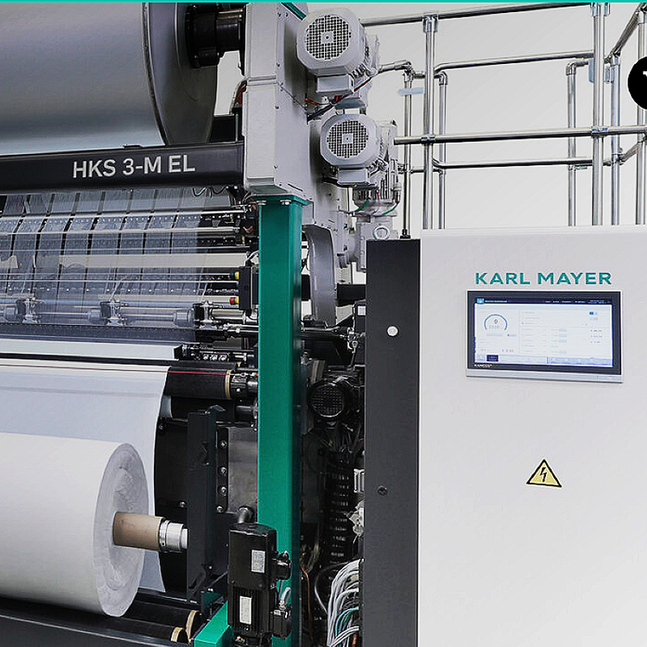
Oberthausen – Germany – September 2026 – KARL MAYER has announced the launch of a new, highly productive model of its HKS 3-M EL, engineered to meet the escalating demands of the sporting goods market.
The extra-wide tricot machine combines a working width of 330", expandable by a further 10", with production speeds of up to 2,800 min⁻¹, setting a new performance benchmark for manufacturers of modern sporting goods.
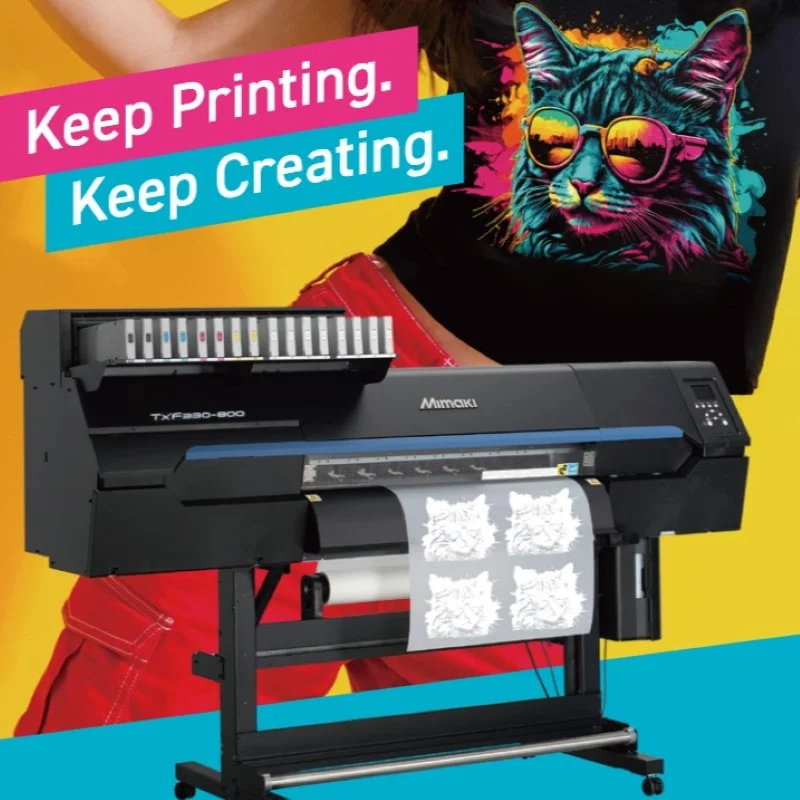
Crewe – Cheshire - UK – 18 September 2026 – Hybrid Services Ltd, the official Mimaki distributor for the UK and Ireland, today highlighted how Mimaki's advanced white ink technology is setting a new standard for Direct-to-Film (DTF) printing, addressing a critical challenge facing garment decorators across the industry.

Tonbridge – UK – September 2026 Compass Business Finance will return to The Print Show this year, inviting visitors to explore their game plans for growth and the strategic decisions that can help drive long-term success in an increasingly fast-moving market.
Located on Stand P580, Compass will deliver an immersive experience designed to explore the challenges, opportunities and key business decisions facing print companies today.
Rather than offering generic advice, the stand will encourage visitors to think differently about their ambitions, investment priorities, and the practical steps required to move their businesses forward with confidence
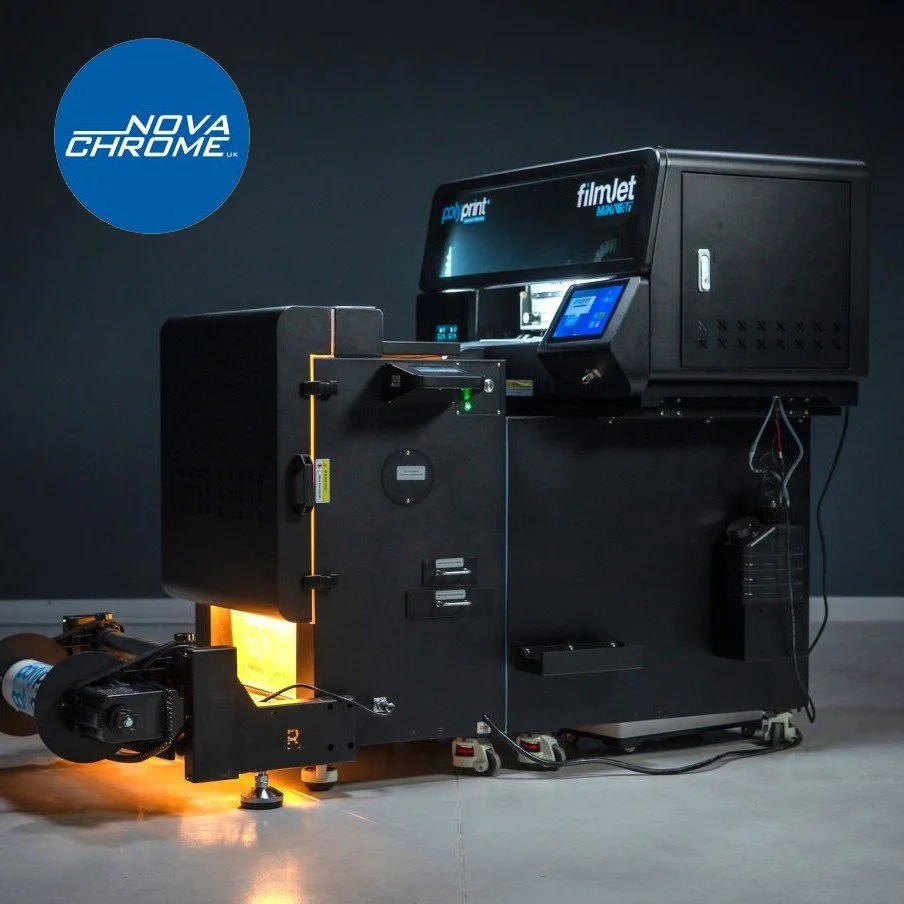
Anglesey – September 2026 – Nova Chrome UK has today announced the launch of the Filmjet Mini, a new series of all-in-one direct-to-film (DTF) printers designed to eliminate the complexity of running separate printing, powder application, and curing units.
Built by PolyPrint, a garment printer manufacturer since 2006, the Filmjet Mini brings together everything a business needs to start DTF production within a single, compact machine.
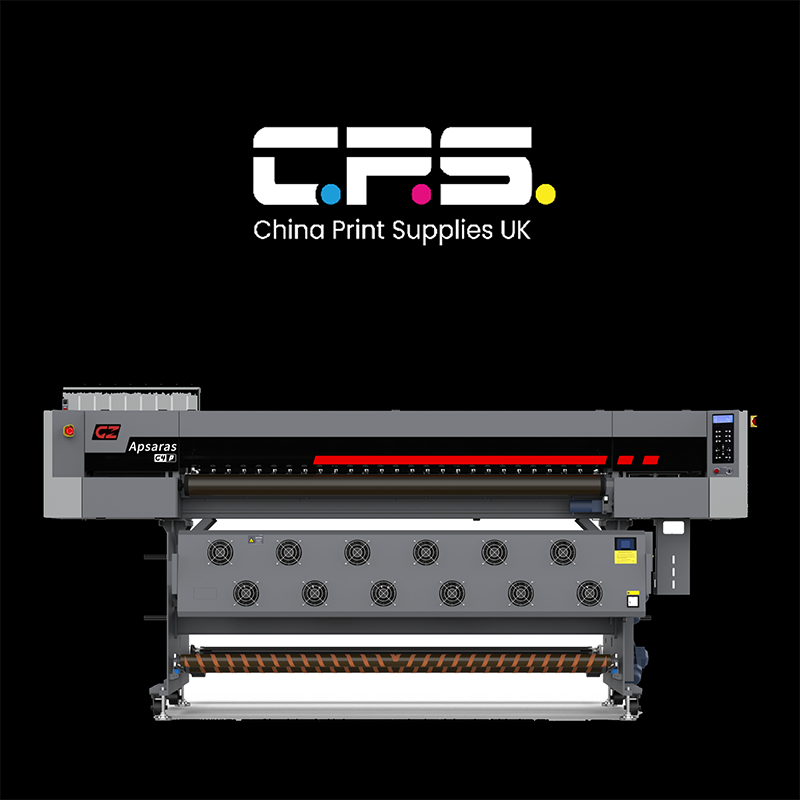
China Print Supplies has expanded its textile offering with nine Gongzheng Apsaras printers, covering dye sublimation, direct-to-fabric pigment printing and hybrid working.
The full range is available now, and adds textile to a Gongzheng line-up the company already sells across UV and eco-solvent.
You can learn more about these printers by talking to China Print Supplies at The Print Show later this month (stands S220 and S420).

Dorking – UK – September 2026 – FESPA has announced a new instalment of its FESPA Insights webinar series, focusing on one of the garment decoration industry's fastest-growing opportunities: personalised apparel.
The session, titled "Scaling Your Personalised Apparel Business", will take place on 29 September 2026 at 14:00 BST.

Burscough, UK, September 14, 2026: Quality Print Services (QPS) has announced it will showcase six printers from across the ColorJet and Roland DG ranges, alongside Nazdar's alternative digital inks, on its stand (150) at The Sign Show 2026.
Taking place in hall 1 of the NEC in Birmingham from 29 September to 1 October, The Sign Show, co-located with The Print Show, gives visitors access to both events with a single registration.
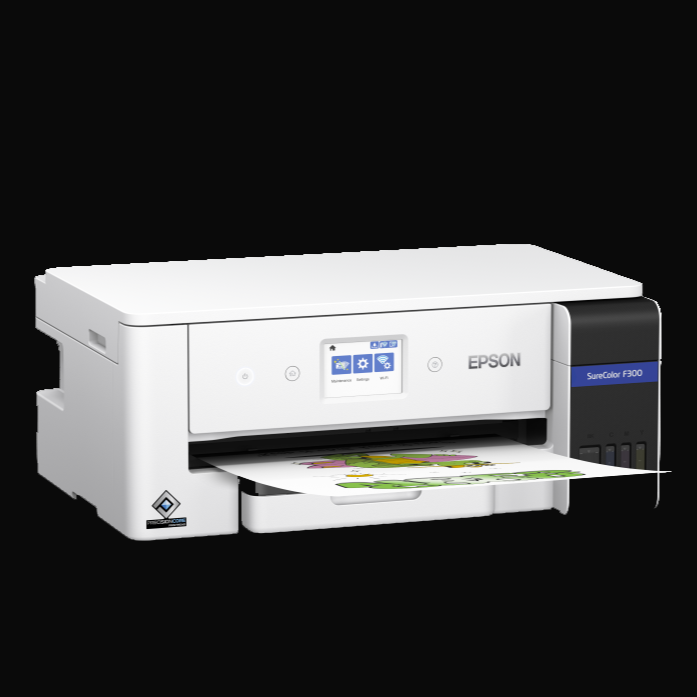
September 2026 - Epson today announces the SureColor SC-F300, a new A3 dye-sublimation printer designed to help small businesses and growing personalisation providers produce professional-quality output with a compact, user-friendly workflow.
The SC-F300 is positioned to help users broaden their product offering – supporting expansion from A4 into

Mortsel – Belgium – September 2026– Agfa has today announced the launch of the Jeti Tauro H3300 HS, a new hybrid UV LED inkjet press that extends its award-winning Tauro family.
Built on technology and insights gathered across the entire Tauro range, the new press is designed to meet the productivity demands of today's print service providers while offering a clear path for future growth.

Summa announces the expansion of its F Series Vantage platform into large-format production environments with the introduction of the F1832, F3220 and F3232.
Designed for high-volume signage, packaging, textile, and industrial applications, the new models extend the philosophy behind the F Series Vantage: delivering productivity gains across the entire workflow.
Alongside the new large-format models, Summa also introduces the F1625CF, a dedicated configuration optimised for dry carbon fibre cutting
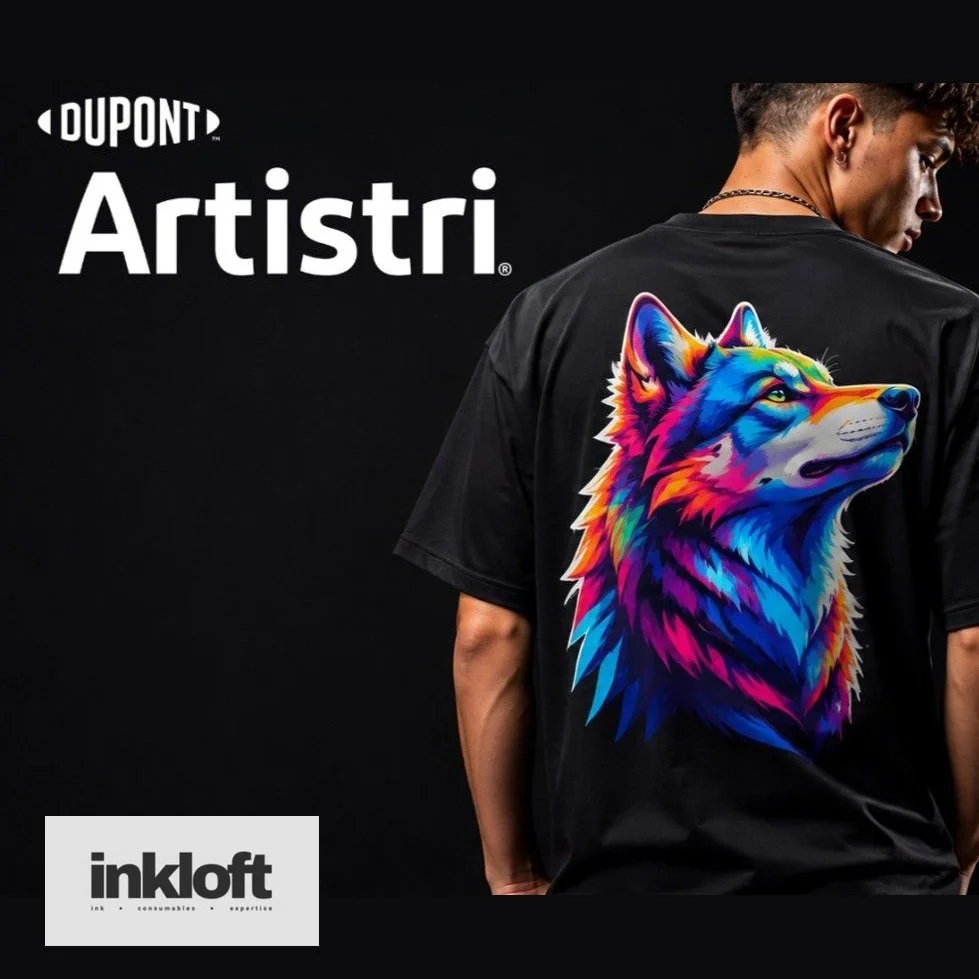
United Kingdom – September 2026 – Inkloft, a new specialist digital printing business founded by Gary Weyman and Andy Hancock, has announced its entry into the direct-to-film (DTF) market.
The company has been appointed as a distributor of DuPont™ Artistri® DTF products, including P1600 inks and Artistri Jettable Adhesive JA1100, both now available to purchase online through inkloft.co.uk.

Tokyo, Japan – September 2026 – Seiko Epson Corporation today announced the launch of CONTOURJET, a new brand for its Direct-to-Shape Printing System, combining Epson's proprietary inkjet and robotics technologies to meet the growing global demand for decorating complex three-dimensional objects.
Under the CONTOURJET brand, Epson will deliver a total solution encompassing enhanced system performance, inks, related software, implementation support, and maintenance services.
The offering is designed to help customers improve efficiency in decoration processes, reduce environmental impact, and unlock a wider range of creative designs.

LAS VEGAS, NV. September 15, 2026 – Fiery, LLC, the print industry’s leading innovator of digital front ends (DFEs) and workflow software, today announced it is showcasing an end-to-end portfolio of solutions that power all corners of the digital print room at PRINTING United 2026 in Las Vegas, Nevada.
Fiery’s award-winning products power printing’s broadest range of applications, including commercial print, large format, industrial inkjet, direct-to-film, direct-to-garment, and more.
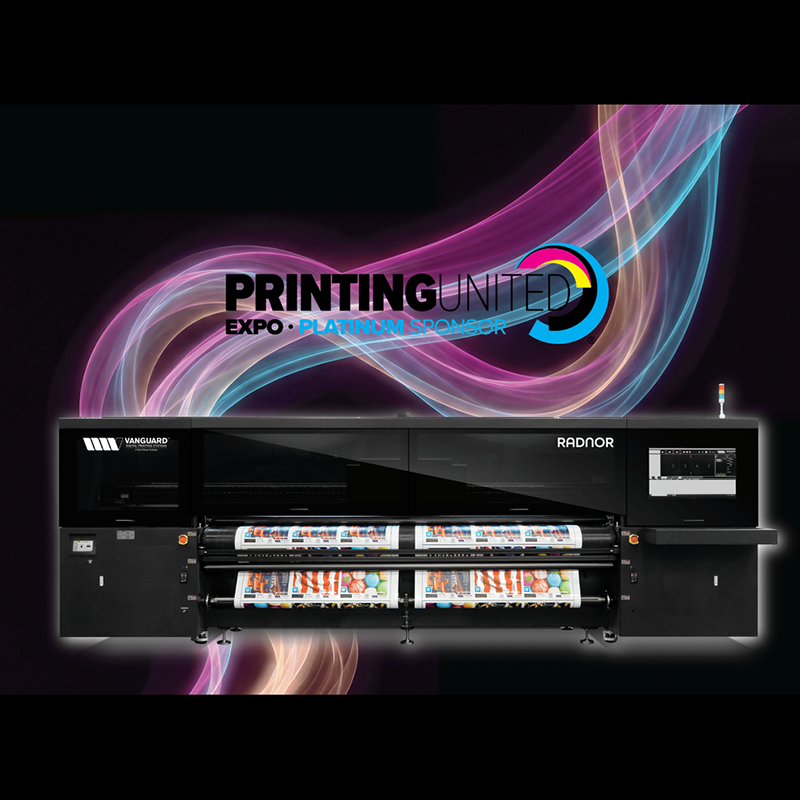
Franklin, TN – September 2026: Vanguard Digital Printing Systems, a Durst Group Company, returns to the PRINTING United Expo with a lineup that reflects the fast moving, boundary pushing, revolutionary company it has become.
In booth C1514, visitors will experience Vanguard’s proven technology, continued innovation and an all-new solution that will change the way print formed service providers think about production.

Birmingham, UK – September 2026 – Perfect Colours has announced its participation in The Print Show 2026, taking place at the NEC Birmingham from 29th September to 1st October.
The company will be offering bespoke, hands-on demonstrations of the Canon UK Colorado M5W, giving visitors the opportunity to witness the technology firsthand and explore how it can transform their production capabilities.

Leicester – UK = September 2026– Vivid Laminating Technologies Ltd, a leading innovator in finishing technology, has announced that its award-winning Veloblade Nexus has been selected by 5 Studio UK, a specialist in large-format print and exhibition stand production, to support the creation of high-quality exhibition stands.
The Veloblade Nexus was chosen for its precision etching and engraving capabilities, which allow 5 Studio UK to deliver premium wood-finished displays for clients across the UK, Europe, and beyond.
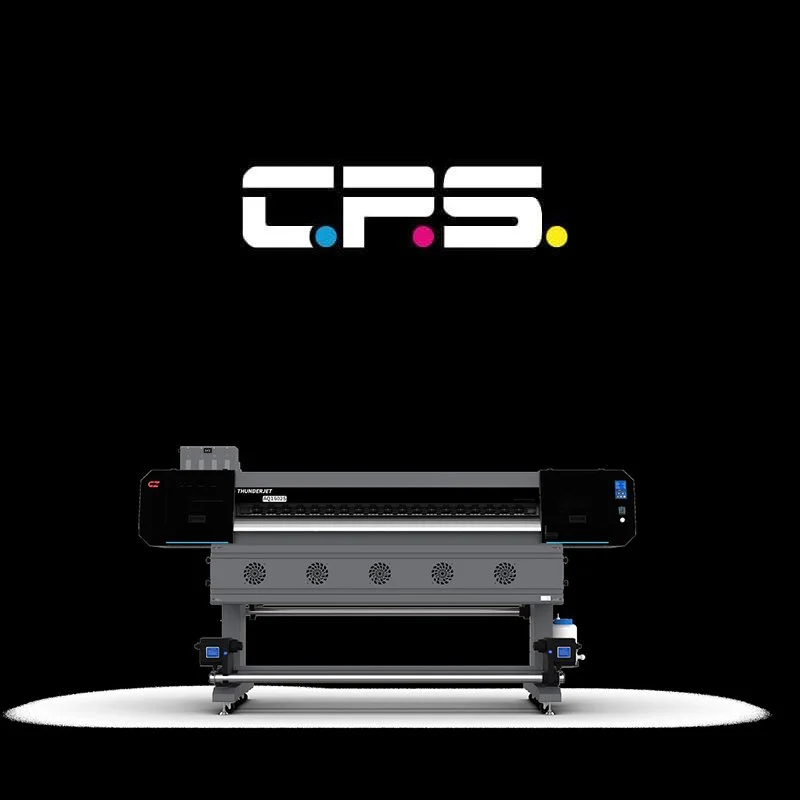
Telford, UK – September 2026 – China Print Supplies UK Ltd will unveil the Gongzheng ThunderJet AQ1602S at The Sign Show, offering visitors a hands-on demonstration of its latest entry-level eco-solvent printer at stand S220 + S240.
The ThunderJet AQ1602S is a professional 1.6m eco-solvent printer engineered for high-quality signage, graphics, and display production