FAST TRACKING FASHION: INSPIRING STORIES FROM THE WORLD OF ON-DEMAND TEXTILES AND APPAREL

“On-demand production has transformed many industries, although it has been slower to gain traction in textiles and apparel. Today, though, there are fewer barriers, the biggest being the mindsets and business models of brands and retailers”. Cary Sherburne looks at some companies who are on the cutting-edge of on-demand textile production.. WhatTheyThink
GUEST ARTICLE WRITTEN BY CARY SHERBURNE OF WHATTHEYTHINK
On-demand production has transformed many industries, although it has been slower to gain traction in textiles and apparel. Today, though, there are fewer barriers, the biggest being the mindsets and business models of brands and retailers.
Companies on the cutting-edge of on-demand textile production:
On-demand production has transformed many industries. Our members will remember how on-demand digital printing began the transformation in the commercial printing industry back in the 1990s, and then turned signs and display graphics upside down as well. On-demand production has been slower to gain traction in textiles and apparel for a number of reasons, including evolving quality, availability of ink sets, and more over the years. But today, there are fewer, if any, of those barriers.
The biggest barriers are the mindsets and business models of brands and retailers, who are still delivering the dreaded Fast Fashion, cheap clothing that lures in consumers but rarely lasts long, with most of it ending up in landfills around the globe.
According to a recent report from TheRoundup.org, the world produces 92 million tons of textile waste every year. Clothing and textiles currently make up at least 7% of the total amount of waste in global landfill space. Some of it will degrade, but a lot of it won’t—since some 60% of apparel consists of poly or poly/cotton blends, and even “pure” cotton often contains elastin—we love our stretchy fabrics—which delays any biodegradation of the material, or prevents it altogether. And yet, between 80 and 100 billion new clothing garments are produced globally every year. The report goes on to add that, despite what we hear about recycling, upcycling, reuse and take-back programs, only one percent of clothing gets recycled into new garments. For the full details, be sure to read the full article. It’s pretty disturbing.
Brands and retailers drive a lot of this, using antiquated business models that foster way too much waste. But consumers are at fault, too. As long as they continue buying, brands and retailers, understandably, will continue to produce. But we now have the technology that lets them produce at least some of it on-demand, made to order. In this article, we again take a look at two companies that are making a difference and are inspirational—as they and other on-demand manufacturers grow and begin to take more market share, brands and retailers—and consumers—are likely to take notice. But will it be fast enough to make a difference to our fragile planet?
Raspberry Creek Fabrics Continues to Grow and Diversify
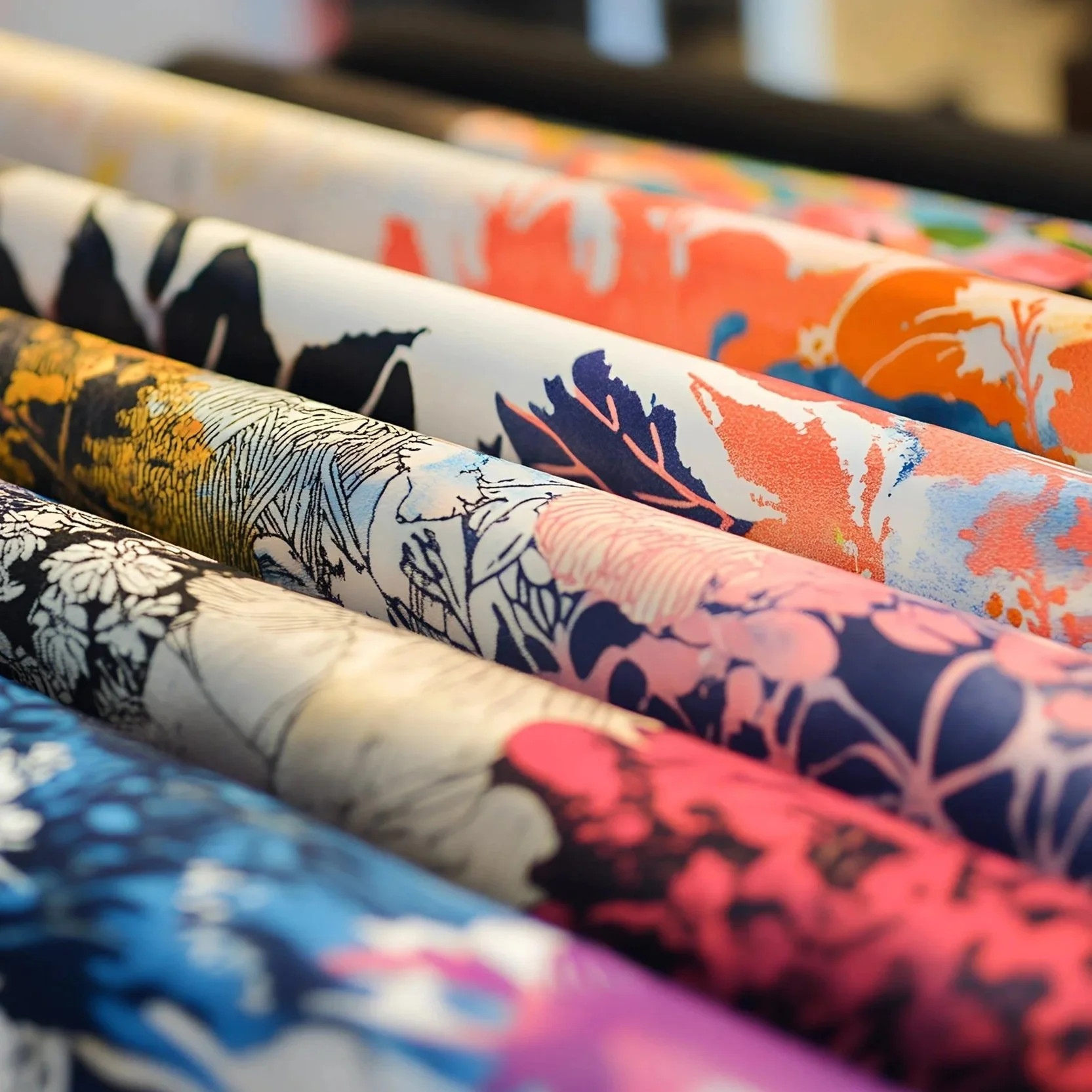
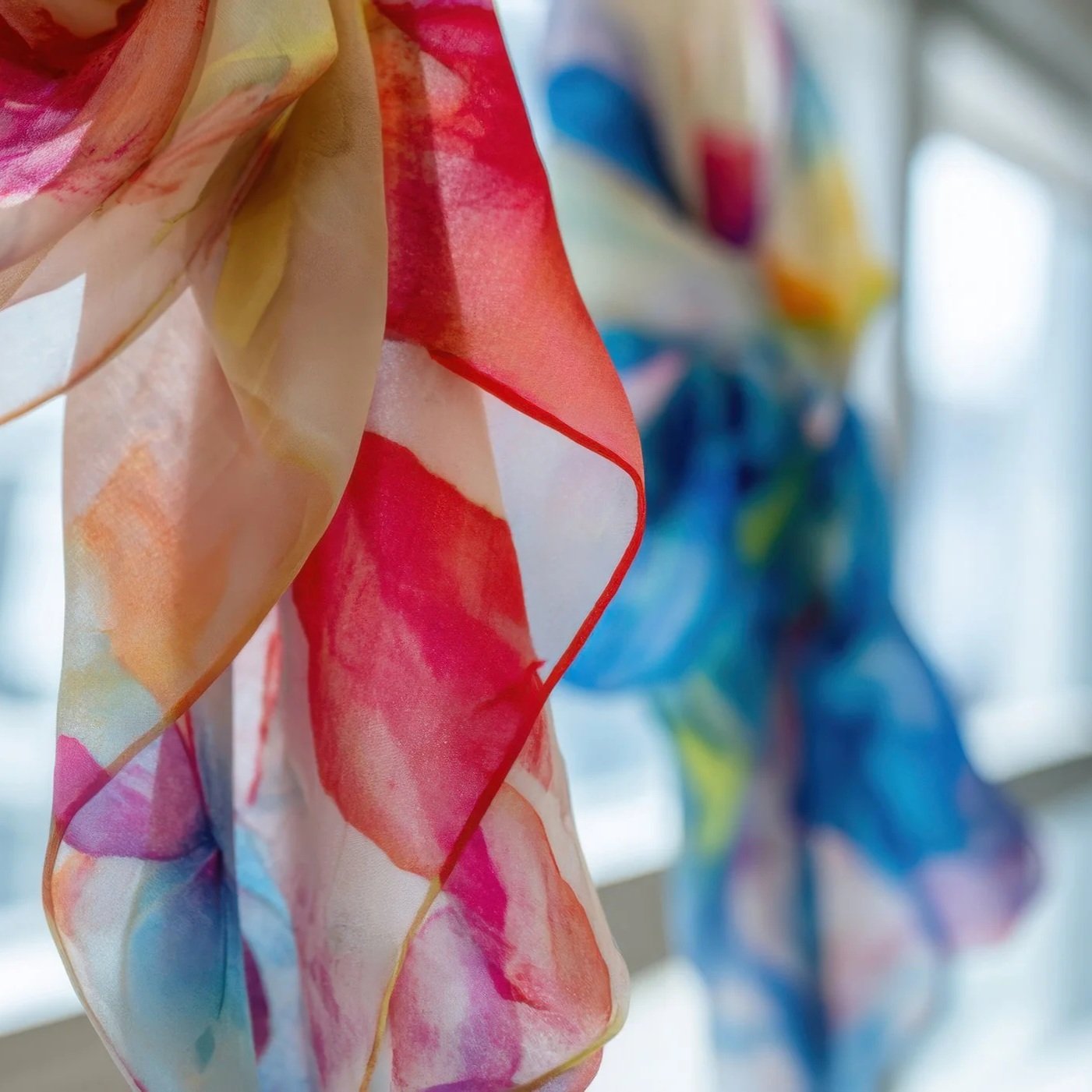
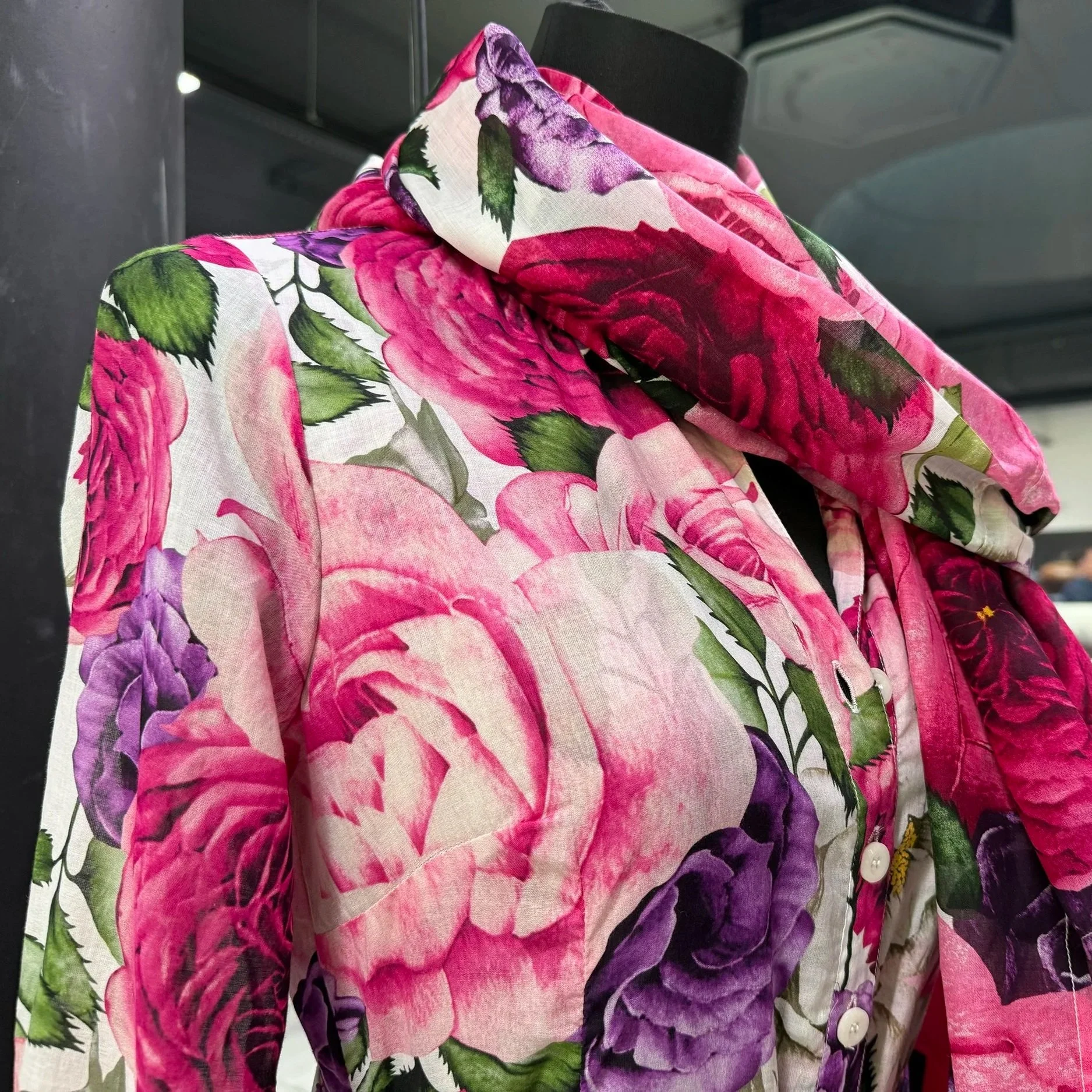
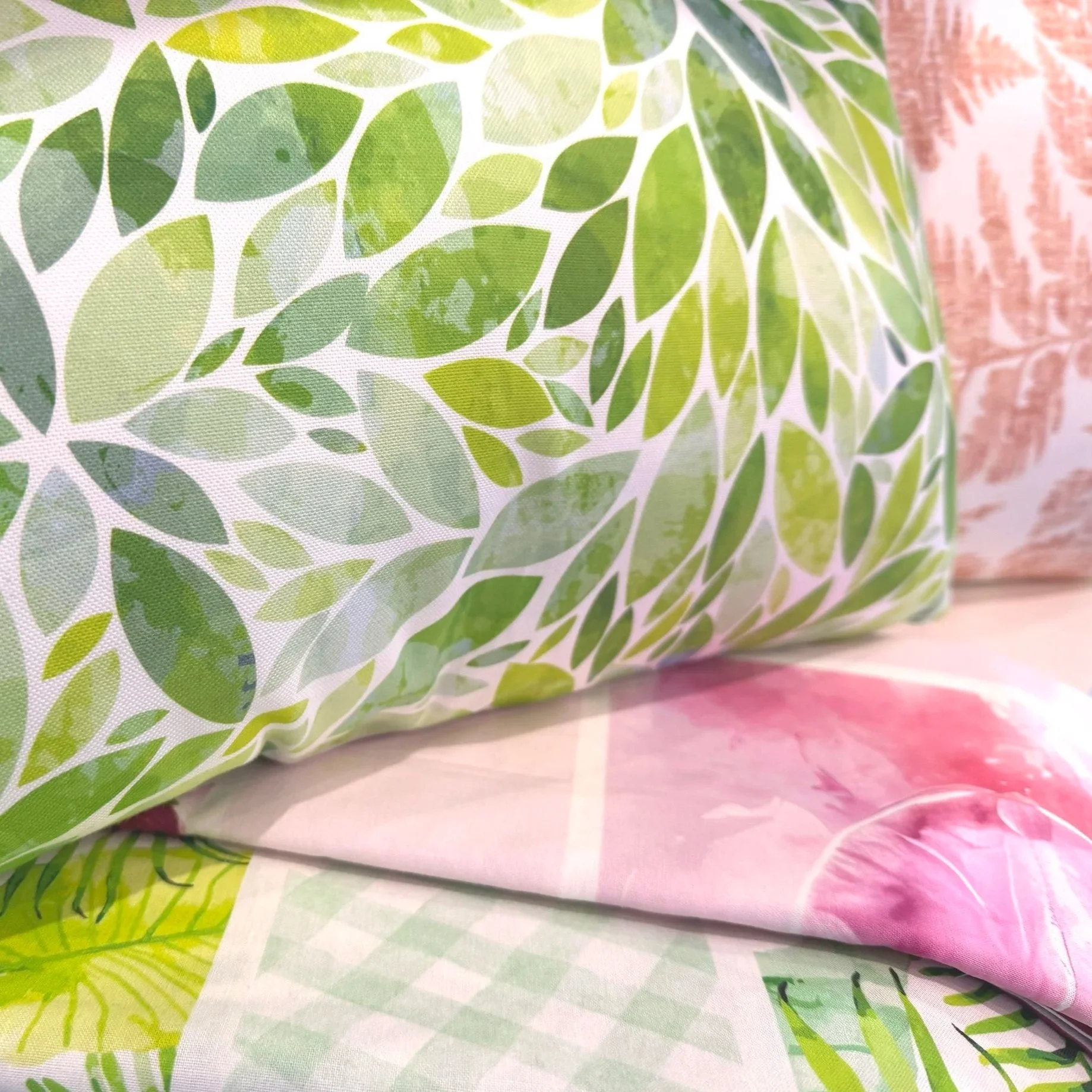
Our first example is Raspberry Creek Fabrics, located in Salt Lake City. They produce custom fabrics on-demand using digital printing technologies, a sustainable approach to producing apparel fabrics. The company is also primarily using Western Hemisphere mills, and partners with some local cut-and-sew shops if customers want that service. Also new is an integration with Etsy and a booming wallpaper business. You can view our full video interview here.
Using Western Hemisphere fabric mills is a clear differentiator for this company, not only supporting Made in America, but also eliminating the greenhouse gas emissions associated with importing fabric from Asia, as well as mitigating some of the human rights issues associated with the industry, especially in Asian markets.
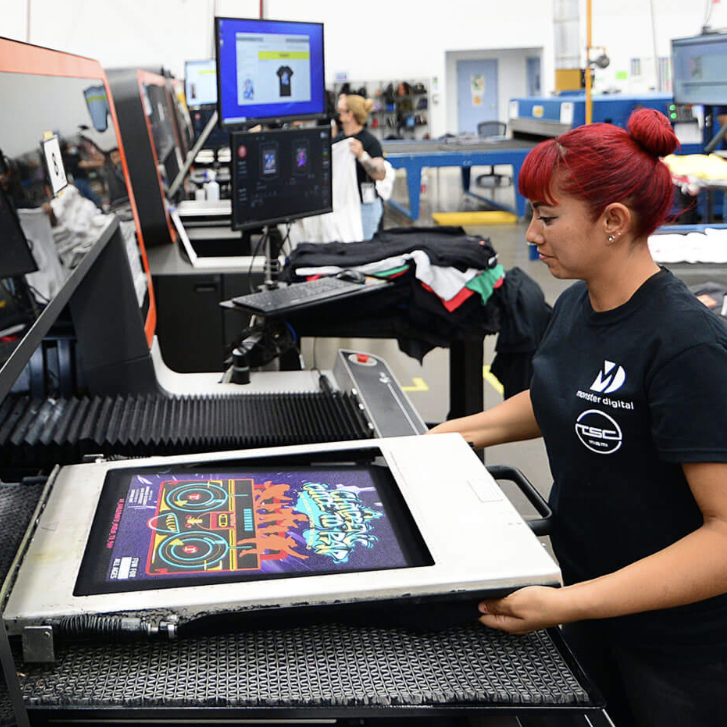
Co-Founder Justin Rammell says, “We had kind of a revolution around here last year. We were able to automate our printing, and we now have full web-to-print automation from our Shopify website that takes orders right through color management, through the RIP, does some sizing magic, labels customer orders, and more. That automation has really opened the world up for us to be able to process orders faster and continue to make some improvements. The biggest improvement we've made is we opened an online marketplace, and we've got over 500 designers who have contributed about 55,000 images to the site in the past year. That’s an explosion for us. In addition, this automation has allowed customers to scale the design to any size they like.” For example, they might like a smaller scale for pillow covers or baby clothes, and a large scale for things like drapes or bedding.
Rammell adds, “But this also comes with a lot of challenges. It can be overwhelming for customers to find a design they like with all of the choices.”
It can also be difficult for customers to visualize what a design will look like in the final product. To address that, Raspberry Creek has implemented a 3D modeling feature. Rammell explains, “On our fabric product page, you can see your design on a dress, on a pair of shorts, or on a blanket that’s 3D contoured, modeled, and shaded. We actually worked with a video game development company to make sure that the flat fabric was able to be modeled in an appropriate way so that a swimsuit looks like a swimsuit.”
Raspberry Creek also found pent-up demand for wallcoverings, customized and produced on-demand.
More than 6,000 wallpaper designs are now available, with more to come. They are also working to deliver the ability to produce panels. Rammell explains, “Designers will be able to upload a whole quilt panel or a blanket panel and be able to print the whole thing in addition to step-and-repeat fabric.” The company is also exploring direct-to-garment alternatives. Rammell concludes, “I think we are going to see print-on-demand reaching into more aspects of our life to make things more customizable and meaningful. And that’s the sandbox we are playing in.”
It is innovation and creativity like this that will help spur growth further for Raspberry Creek and other relatively new entrants to the market that are not constrained by past practices, or “we’ve always done it this way” thinking. The more new folks that get into the game, the more pressure that will put on traditional manufacturers. We have seen this over and over again as industries undergo an analog-to-digital transformation. Let’s hope the transformation accelerates in this industry.
On-Demand Production of Apparel: BMC.fashion Offers a Modern and Sustainable Approach
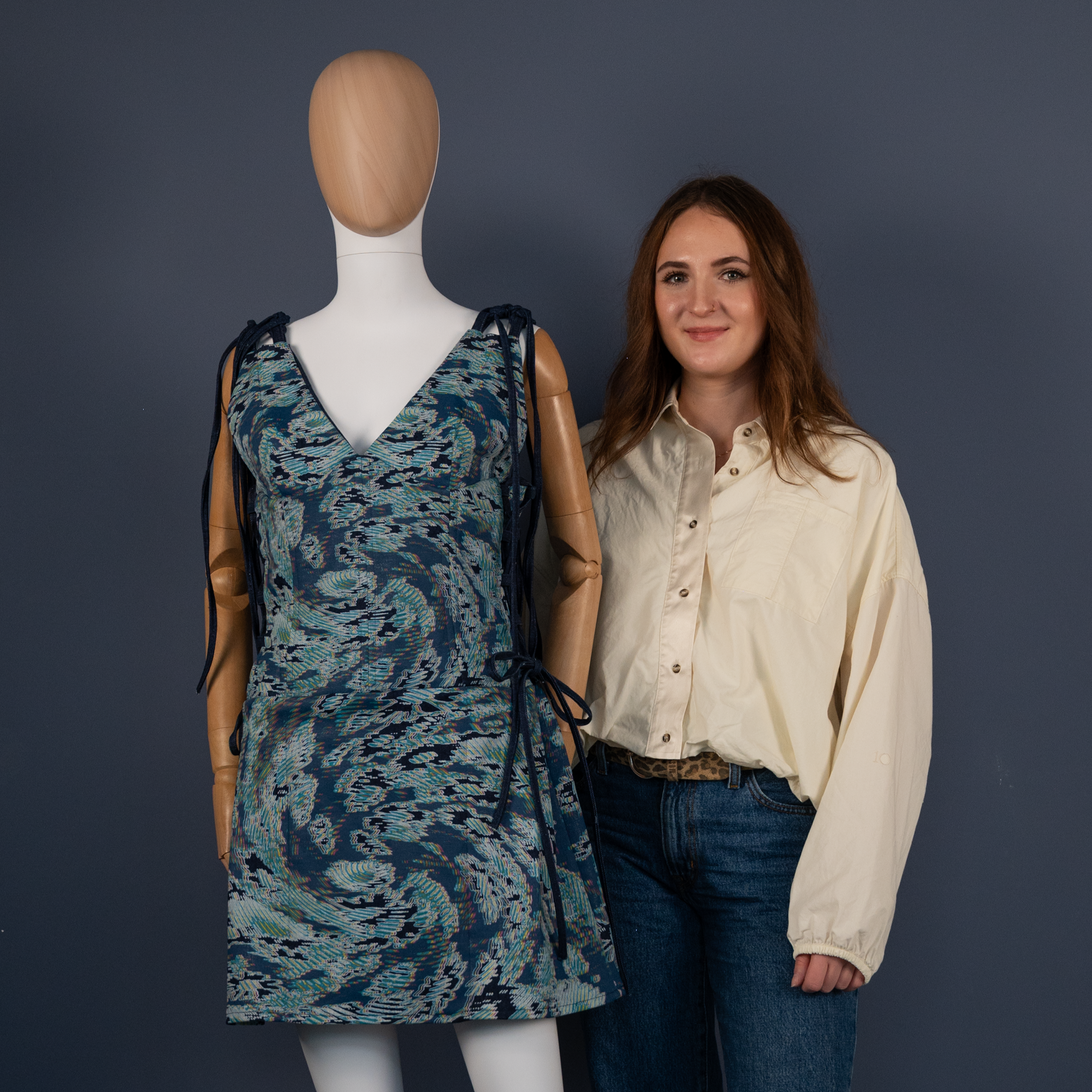
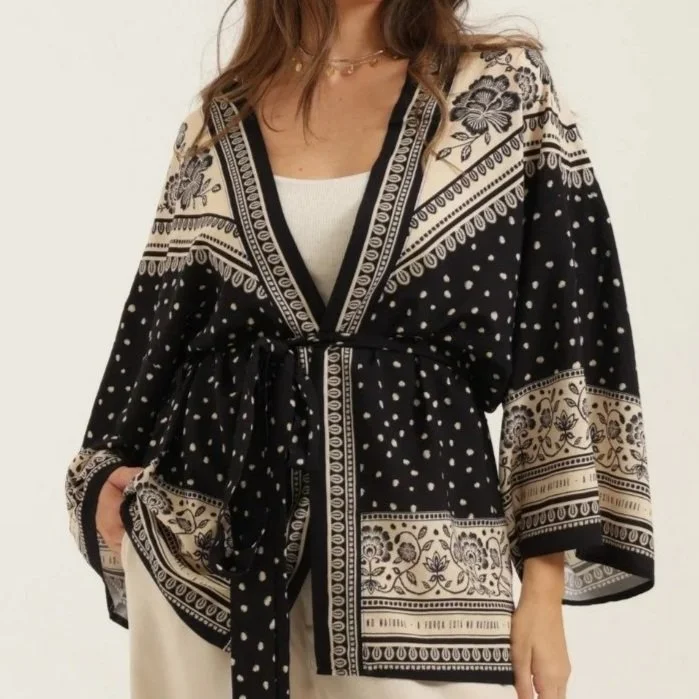
We’ve often written about Kirby Best’s BMC.fashion, a digitally-oriented cut-and-sew shop located in Phoenix. It’s about as automated as technology allows today, including use of robots to move fabric pieces and accessories to the most appropriate sewist. He has also incorporated a unique training technique called Seam Theory that enable a new sewist to onboard in as little as a day. Those are just a few of the company’s breakthrough ideas, put into action, by an industry thought leader.
Be sure to view the full video interview on which this article is based.
And not to jinx it, but it seems that business is booming, and Kirby is looking at possibly opening two more plants. In our recent conversation, he shared that he recently signed a significant contract in the bridal industry that adds up to 500 dresses per day, in addition to shirts, coats, dresses, etc. for his other clients. The goal is lofty—ultimately to have up to 10 factories, five in the U.S. and five internationally. That would likely make BMC.fashion the largest producer of on-demand fashion in the world, taking a chunk out of the pollution and greenhouse gas emissions caused by the traditional manufacturing.
In addition to cut-and-sew, BMC.fashion will also be selling digitally printed fabric, starting with a contract out of Australia. “When we set up the factory,” he says, “we didn’t anticipate selling printed roll fabric. But customers always surprise you!”
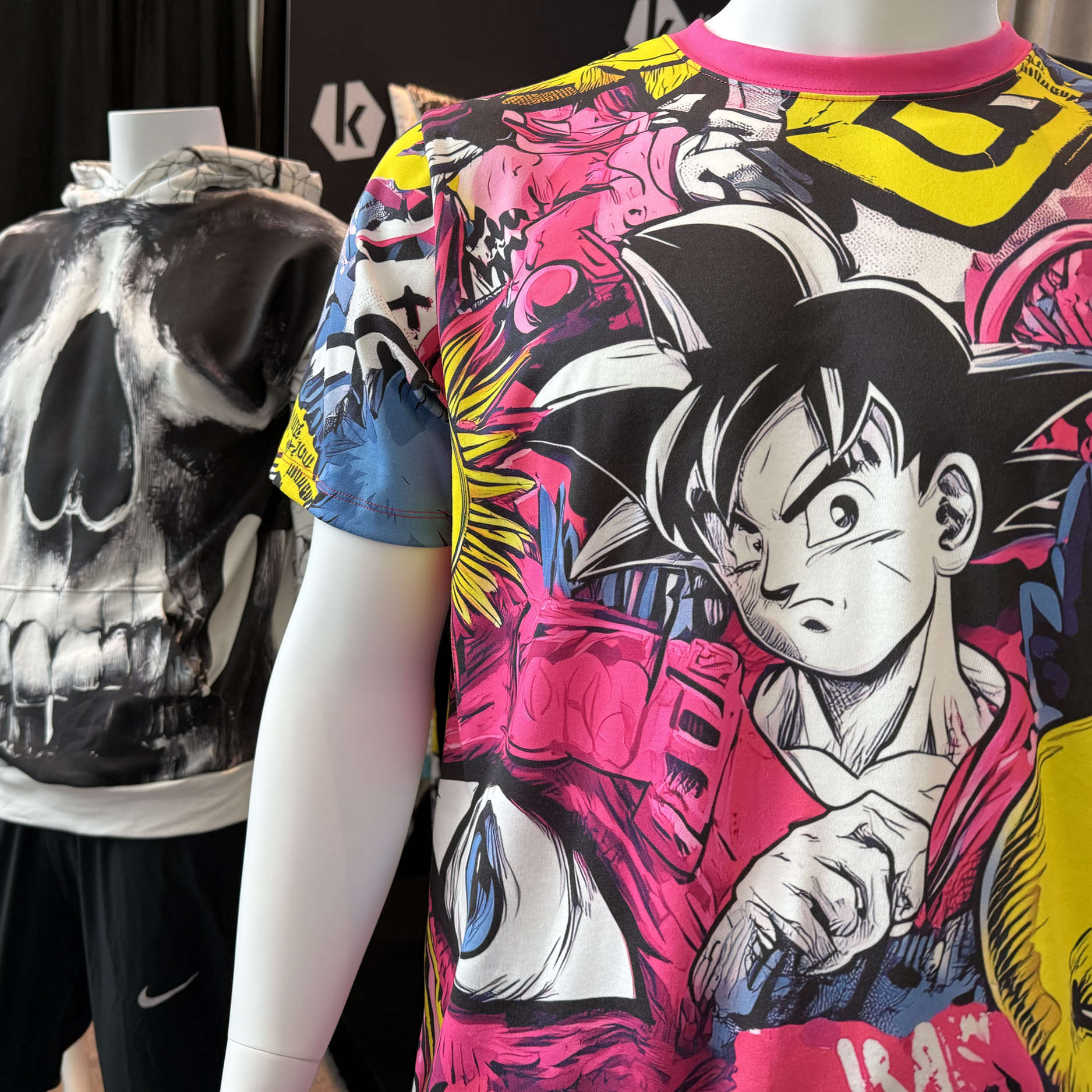
He also has a contract with a very upscale and exclusive T-shirt company Memento Apparel, adding, “They are capturing images from high-end photographers around the world. The T-shirts are beautifully designed and really unique, with very limited production runs. This is not direct-to-garment; we will actually be sewing them. And since we are digital, the tags are printed right on the fabric.”
Sustainability is a big benefit of the factory as well.
In addition to less waste due to a made-to-order strategy, Kirby explains that his Kornit press uses only 250 gallons of water every six months, a huge savings over traditional processes. “You have to print less and move it around less,” he says. “That’s certainly our goal. I have a granddaughter now, so I’m always thinking about what we are doing to leave the planet in good condition for our kids and their kids. Having a grandchild really wakes you up—this is a long-term game, not hour to hour.”
The model is perfect for the bridal contract.
Kirby explains, “When we did our initial research on which garments to think about based on market size, the category I didn’t even know was a category that came right to the top was bridesmaids dresses. Some 97% of the industry has gone offshore, and people have to wait longer for dresses. Plus it can be hard to get the right style or fit. In the North generally, they are going more towards wearing whatever they want but with a certain color profile. In the South, it’s much more traditional, with everyone having the same dresses. Our benefit is we can produce them on demand, with accurate sizing for each person. And they don’t have to have all that money out there, paid six months in advance.”
As he explains the market, there are roughly 2.4 million weddings a year in the United States, with 4.32 bridesmaids. And rather than peaks, there are actually two dips—July and December. Otherwise it is incredibly consistent year round. “We’ve also designed the program so they can mix and match—I want this bodice but this skirt, and I want this sleeve on it. We will launch with 23 colors in three different fabrics and expand from there. And we will typically ship within two weeks and be price competitive with Asian brands.”
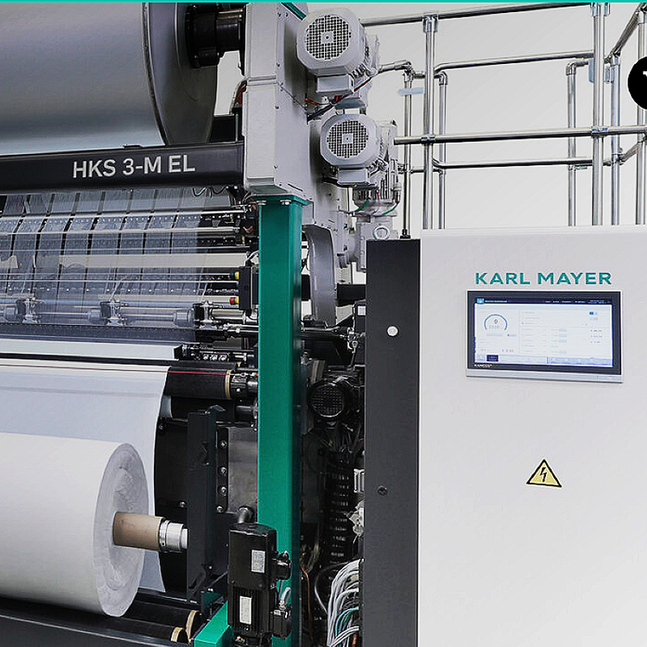
In addition to all of this, BMC.fashion is installing knitting machines to experiment with and to expand the types of fabrics they can offer. He has also installed on-demand thread dyeing, potentially eliminating another waste factor—unused thread.
If anyone can pull all of this together, it’s Kirby. And the business would then be a good model for others to follow. It could really be a market accelerator in driving more manufacturing back onshore.
View an overview video here.
Driving Change
These two companies are just a snapshot of what’s actually happening. The cut-and-sew business is quite fragmented, but even so, it’s starting to return onshore. There will still be imported apparel, of course, but to the extent that Raspberry Creek, BMC.fashion and others can gain traction, the better it will be for the environment—and the more convenient it will be for the end customer.
This actually puts a different spin on Fast Fashion, which I and others have been railing against. It’s fast, all right, but it’s high quality stuff that is not as likely to end up in landfills! We applaud the emerging digital community in textiles and apparel that is poised to drive significant change and more the industry in a more sustainable direction.
About Cary Sherburne: Cary Sherburne is a well-known author, journalist and marketing consultant whose practice is focused on marketing communications strategies for the printing and publishing industries.
Cary Sherburne is available for speaking engagements and consulting projects. To get more information contact us. Please offer your feedback to Cary. She can be reached at cary@whattheythink.com.