
NOTES FROM THE USA : WILL A NEW CALIFORNIA LAW MAKE A DENT IN TEXTILE WASTE?
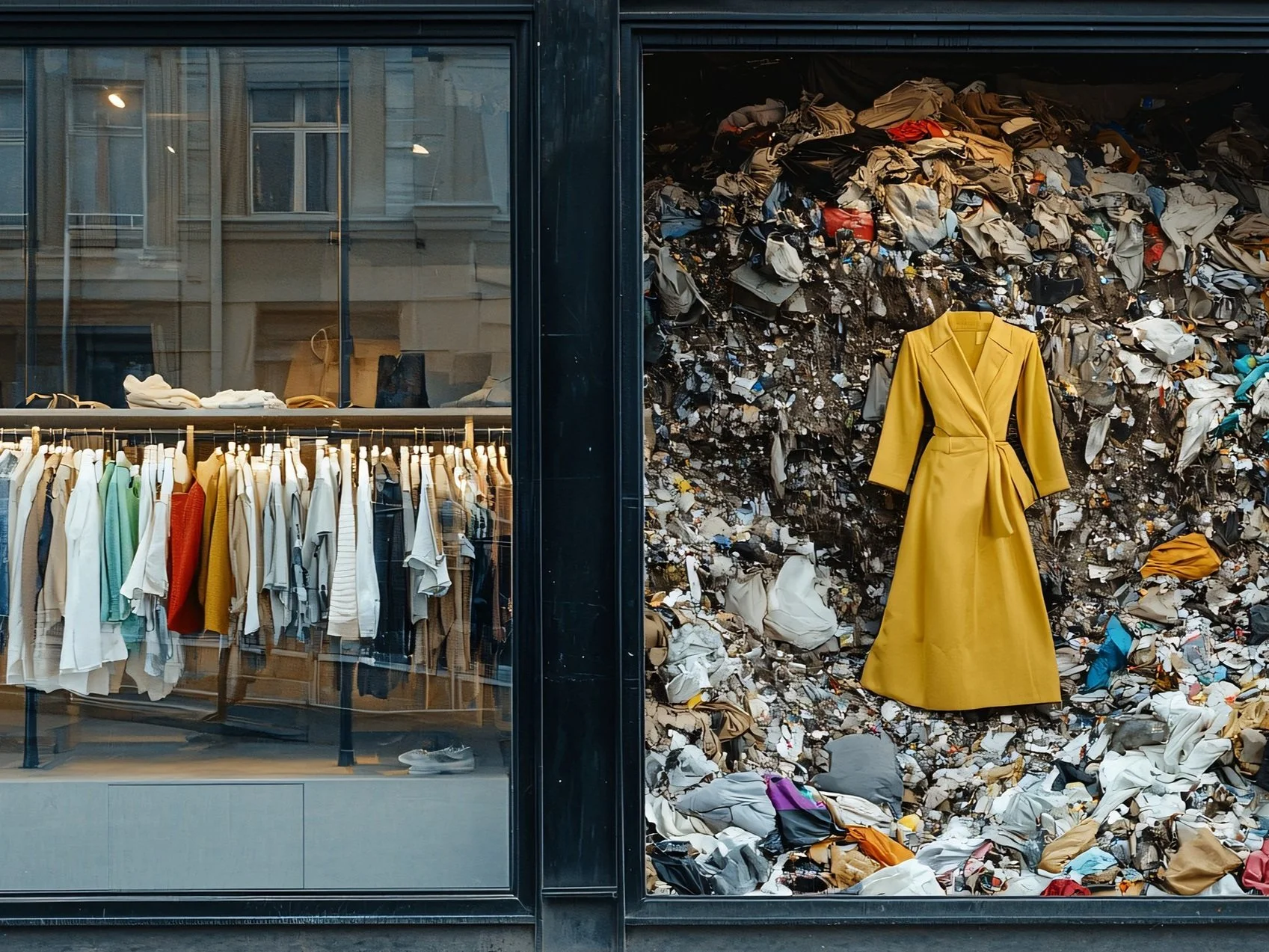
“Under the new law, companies that make clothing and other textiles sold in California will be required to create a new non-profit organization by 2026 that would set up hundreds of collection sites at thrift stores, begin mail-back programs, and take other steps in all of California’s 58 counties to take back and recycle their products by 2030.” WhatTheyThink
GUEST ARTICLE WRITTEN BY CARY SHERBURNE OF WHATTHEYTHINK
Why navigating the intricacies of international regulations and their nuances will affect all manufacturers regardless of their country of origin: California’s governor just signed into law a first-in-the-nation law requiring companies that make clothing, footwear, and textiles—including drapes, towels and bedding—to set up the nation’s first mandatory take-back program for unwanted clothes. This comes on the heels of a similar law in France, foreshadowing big changes for the industry and hopefully, benefits for the planet.
Yes! If your products are sold in California - your business will have to comply. Yet another reason why Close Proximity production and supply is set for accelerated growth.
According to an article in the San Jose Mercury News (subscription required), “On [September 28], Gov. Gavin Newsom signed a bill into law that requires companies that make clothing, footwear and textiles, including drapes, towels and bedding, to set up the nation’s first mandatory take-back program for unwanted clothes.”
Whilst this law won’t go into effect until 2026, it is a first-in-the-nation attempt to take drastic steps to reduce the amount of textile waste ending up in landfills in California and other places around the globe. The article notes, “Some [unwanted clothes] are donated to thrift stores, but when thrift stores can’t resell them, they often re-sell the aging garments to other companies that ship them in bulk to developing nations, such as Ghana and Chile, where they are piled in mountains as high as 50 feet in deserts and along rivers, creating massive garbage problems.”
Not only will the law require these companies to take back and recycle textile-based products, but they need to do it for free. “Under the new law, companies that make clothing and other textiles sold in California will be required to create a new non-profit organization by 2026 that would set up hundreds of collection sites at thrift stores, begin mail-back programs, and take other steps in all of California’s 58 counties to take back and recycle their products by 2030.” And 2030 is not that far off…so the non-profit would need to be set up by 2026, but it appears that the take-back efforts won’t be mandated until 2030. This will be a massive effort in the largest economy in the United States. (If California were a nation, it would rank in terms of nominal GDP as the world's fifth largest economy, behind Japan and ahead of India.)
Note that this applies to “clothing and other textiles sold in California
”Most companies that manufacture these types of products most certainly are selling them in California, either directly, or through brick-and-mortar or online retail partners (including Amazon). So the impact is wide-ranging beyond state—and even national—borders. It does seem to me that enforcement will be difficult. Consider a European company that has no physical footprint in the United States, let alone California. It’s not quite clear how California would force that company to set up a non-profit to comply with the law, and banning their products in California seems like an unlikely approach.
Nonetheless, this sends a strong environmental message, and is part of California’s ongoing sustainability efforts. The article reminds us: “Similar ‘extended producer responsibility’ programs with paint and carpet have been put in place in recent years. The idea is to shift the burden away from consumers and government—which have to pay to expand and build landfills—to industry, which profits from selling the products in the first place.” In another example consumers are charged $10.50 when they purchase a new mattress in California. The article notes: “That money helps fund an industry-led program, the Mattress Recycling Council, that has opened 240 collection sites and now recycles 85% of old mattresses in the state.” But this one does put some of the burden on the consumer.
Consumers may also be paying for compliance with the new law, of course, since it is likely to raise costs for manufacturers which will be passed along to the consumer. Although, according to State Sen. Josh Newman, D-Fullerton, who wrote the bill, compliance is likely to add only “pennies” to the cost of new clothing.
This follows on the heels of France’s mandatory recycling program. That regulation also requires all businesses producing clothing and textiles for the French market to take responsibility for their products’ end-of-life management, including government-approved take-back programs among other options. Again, this reaches outside of the French borders. As more states and countries potentially adopt regulations like this, it will be increasingly complex for brands and retailers to manage this on a global basis, with regulations likely to differ from region to region. But it needs to be done.
In 2021, roughly 1.2 million tons of clothes and textiles were disposed of in California alone, according to the California Department of Resources Recycling and Recovery (CalRecycle). While 95% are reusable or recyclable, only 15% currently are recycled or reused, according to the agency.
Consumers bear responsibility for this as well. Overconsumption is a huge problem worldwide, especially in developed markets. We can help by not buying as much, resulting in less waste and a carbon footprint reduction associated with fewer emissions across the entire supply chain, including everything from growing or manufacturing fibers, to manufacturing transporting textile products, manufacturing waste and more.
This would put another layer of pressure on brands, as they face demands from regulatory agencies and consumers to be more sustainable. As long as we keep buying, especially cheap, disposable, fast fashion, they’ll keep manufacturing and selling it.
Time to consider how to make your closet more sustainable!
About Cary Sherburne: Cary Sherburne is a well-known author, journalist and marketing consultant whose practice is focused on marketing communications strategies for the printing and publishing industries.
Cary Sherburne is available for speaking engagements and consulting projects. To get more information contact us. Please offer your feedback to Cary. She can be reached at cary@whattheythink.com.

A Century of Textiles, and an Ever-changing World
Few companies can trace their roots back more than a century and still count themselves among their industry's innovators. Texia, headquartered in Monistrol de Montserrat, Spain, is one of them.
But the story of Texia is not simply one of longevity.
It is a story of continual reinvention. As the textile industry has grown more global and competitive, Texia has repeatedly reshaped its business, investing in technology, developing its own brands, and placing sustainability at the centre of its mission. In doing so, it offers a compelling example of how a heritage manufacturer can lead rather than follow through a period of profound industry change. Image Credit: Texia
What are we craving Ultimately?
The instinct to slow down while simultaneously optimising every measurable aspect of life isn't a passing curiosity. It's a structural response to a world that feels increasingly unstable, and it's reshaping what people expect from their homes, hotels, workplaces and healthcare environments alike.
For the design and manufacturing sectors, this means rethinking both product and process.
The Structual Shift is Real and its Already Here
Volumes are moving east, where digital production is accelerating rapidly. Consumer behaviour has shifted.
Demand is now driven by personalisation, shorter buying cycles, and an expectation of near-instant responsiveness. Regulatory pressure is intensifying, with supply chain transparency now a legal and commercial fact in many markets. And margins? They are under sustained, structural pressure.
This is not a temporary disruption. It is a fundamental reordering of how textile manufacturing must operate.

The Challenge: Standing Firm as the Industry Shifts
The wallpaper landscape has changed dramatically. Digital printing has lowered the barrier to entry, spawning countless direct-to-consumer brands and pushing much of the market towards faster, cheaper production.
At the same time, manufacturing in the UK has grown steadily harder - rising minimum wage, national insurance, energy and substrate costs all bear down on margins. Surface Print have embraced all of these challenges - and stand resolutely prepared for the future.
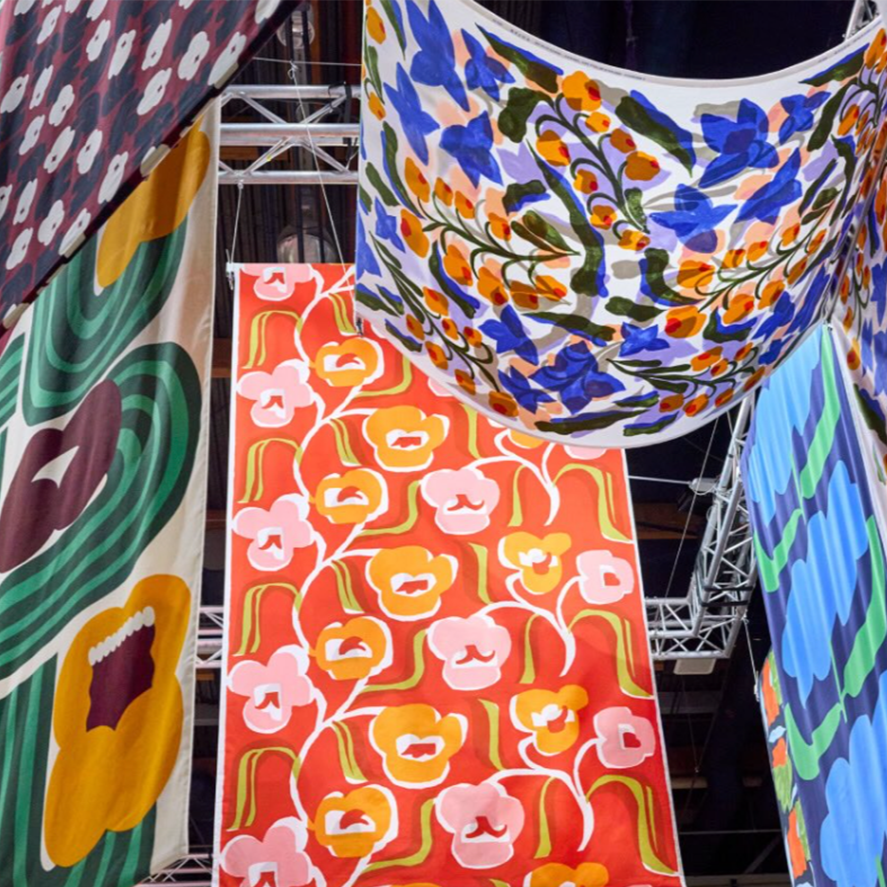
From Helsinki's printing mill to Paris's Le Marais, discover how Marimekko is scaling a design-led brand with purpose, craft, and bold innovation.
But what makes Marimekko's story compelling is not just its aesthetic legacy?

The word "toxic" carries weight. It conjures danger, harm, and things best avoided.
“Yet in the textile industry - Where between 3,000 and 10,000 chemicals move through the supply chain, a reflexive fear of the term is one of our biggest obstacles to progress.”
This article distils the key takeaways and what buyers, designers, and brands should be asking right now.
What Is the Digital Product Passport?
At its core, a Digital Product Passport is a digital record attached to a physical product - For a printed textile product, this means the DPP would capture data on the substrate, inks and dyes used, the printing process and technology, chemical compliance, environmental impact (including water and energy use), supply chain traceability, and end-of-life instructions.
The Market Gap that Changed Everything
Future Fashion was founded in 2019, timed deliberately to coincide with a pivotal moment in global textile technology: the commercial launch of the EFI Reggiani BOLT Single-Pass digital printing system.
The founders recognised that single-pass architecture had fundamentally changed what was industrially possible - and that Pakistan's domestic market had yet to catch up.

Print is no longer defined by the inefficiencies that once characterised it…as advances in production processes and technology have significantly improved its environmental performance.
Taran Rai, Corporate Sustainability Manager at Epson explains why?
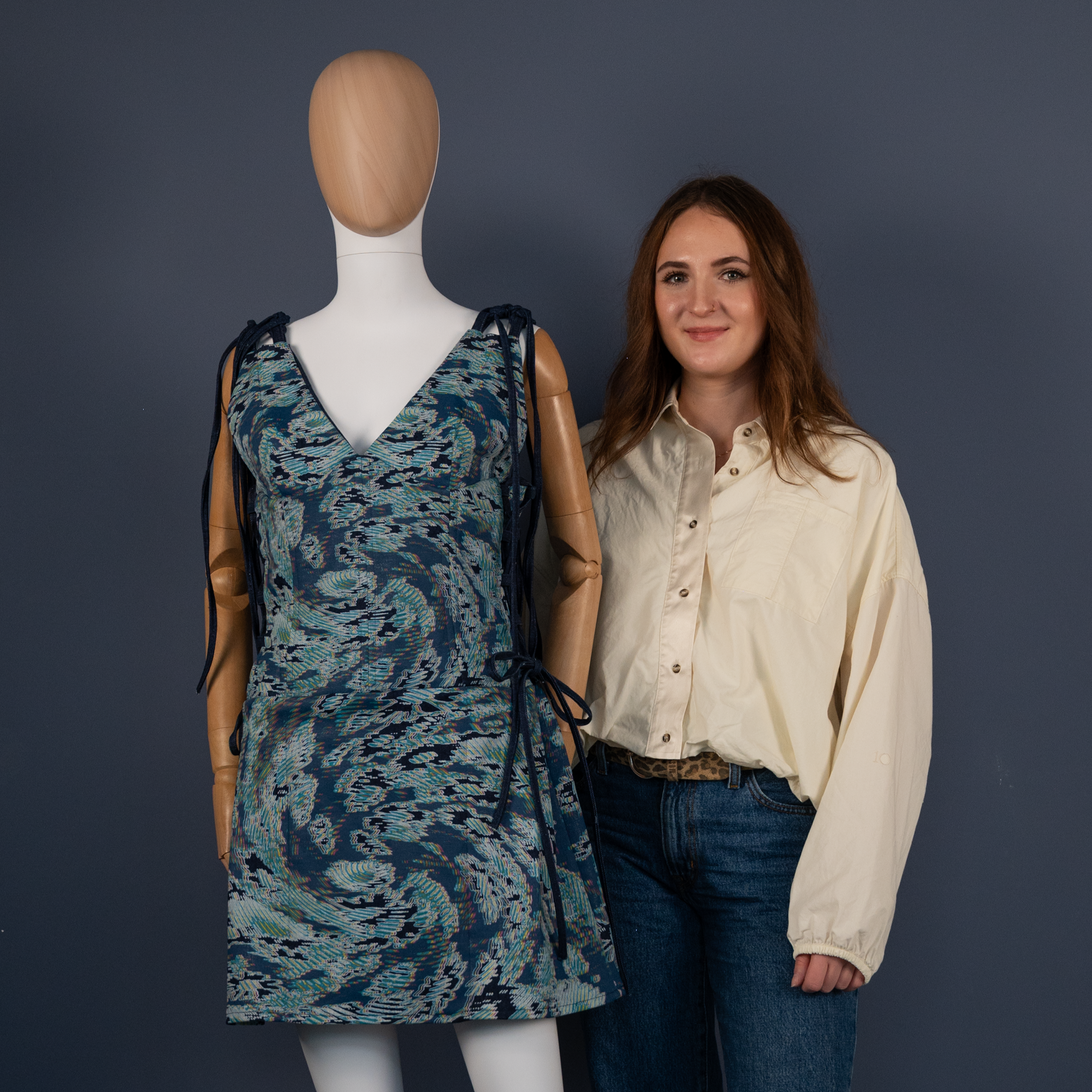
The story of what happens when young designers access digital technology is still being written.

What once was a theoretical sustainability goal seems to have shifted into an active regulatory reality.




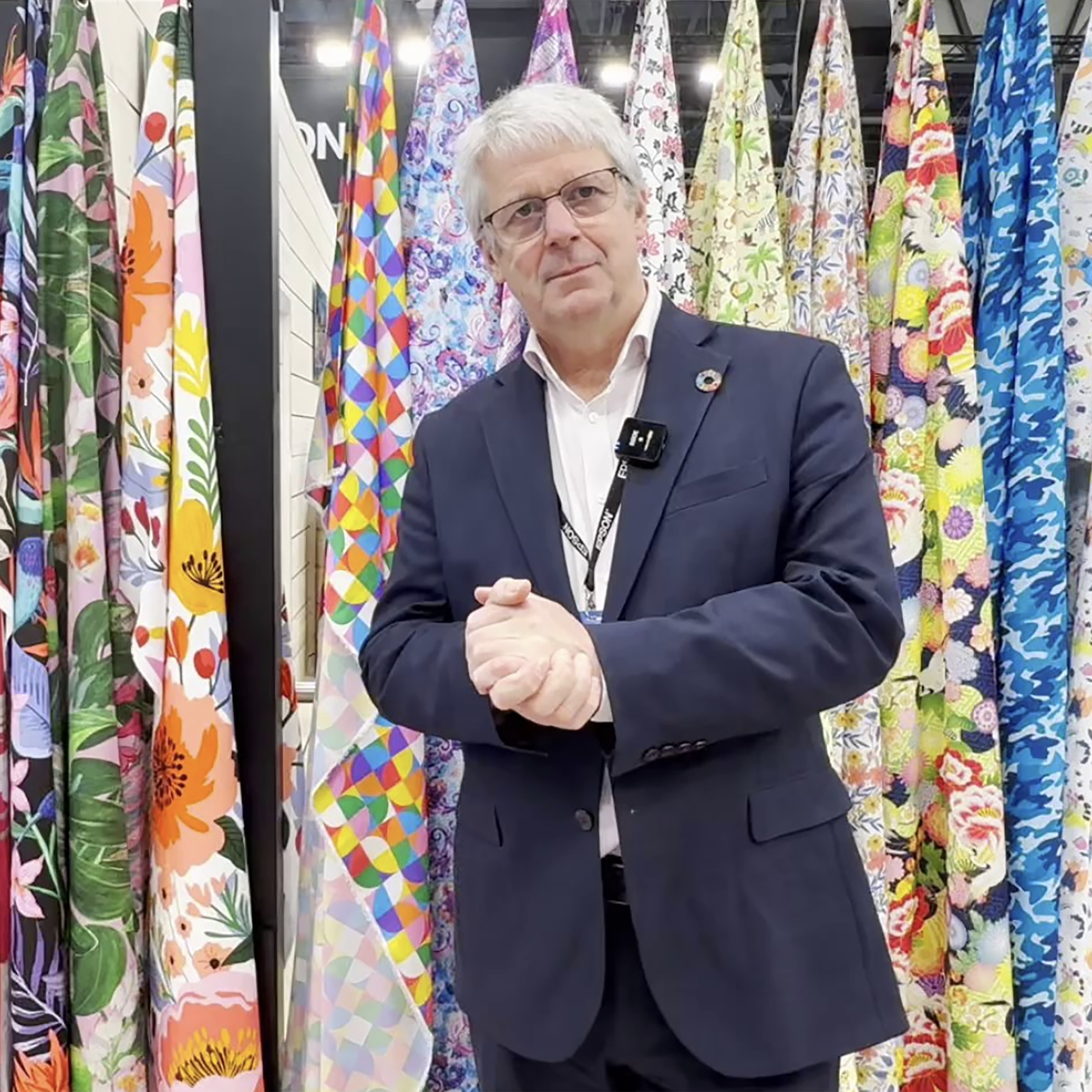
Is the Textile Market Finally Recovering?
After a difficult few years, there are genuine reasons for optimism. Duncan was candid about the challenges: "The market for textiles has been very difficult over the last three years. I'm not going to hide the truth there. But the tide is turning.“
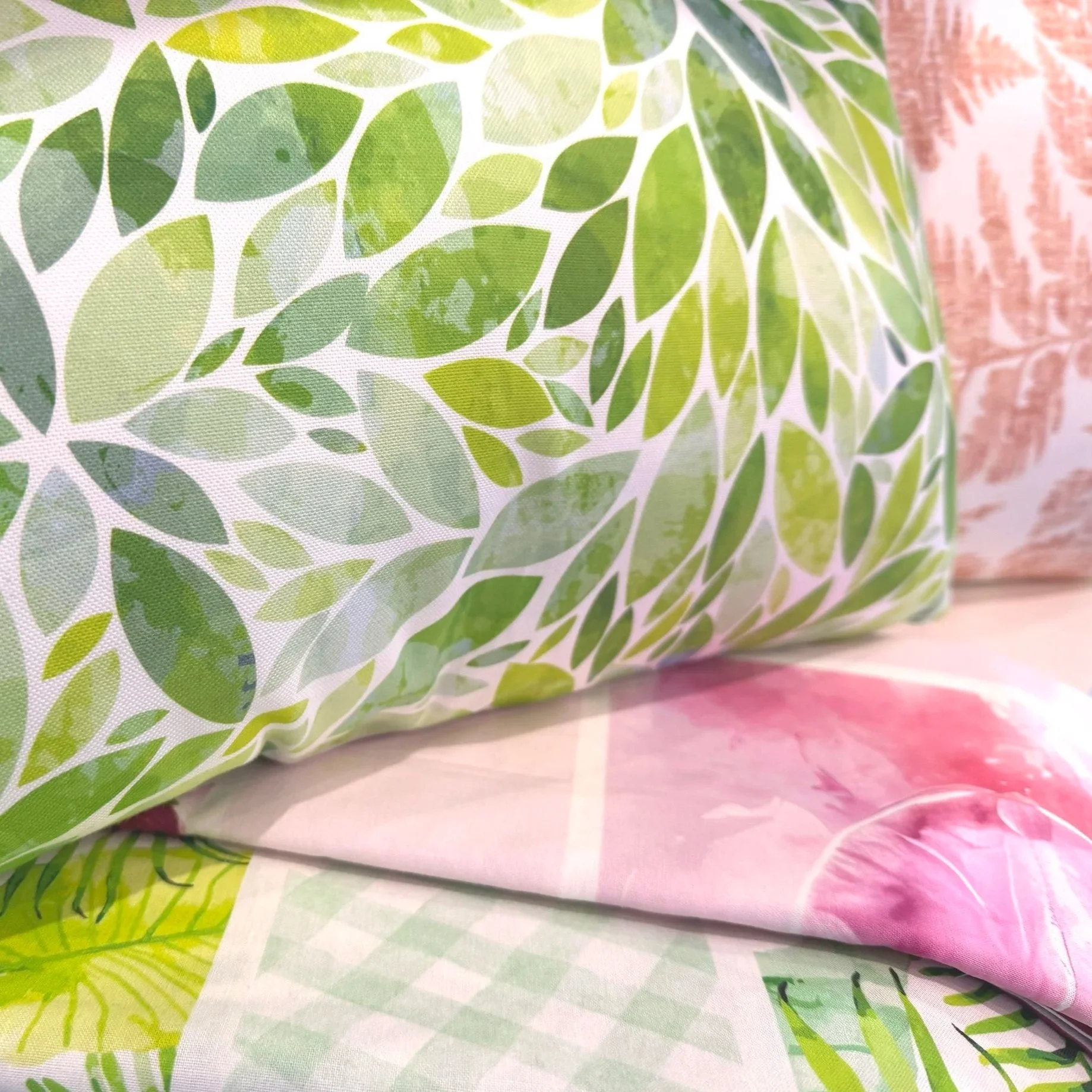
A profound shift is currently reshaping the sector
Changing consumer expectations demand greater design diversity, faster turnaround times, and sustainable manufacturing practices.
To thrive, interior brands must adapt their supply chains, bringing production closer to the end consumer and moving away from bulk manufacturing.
Digital textile printing offers a definitive solution to these operational bottlenecks.

Digital transformation doesn't announce itself.
It accumulates - one innovation at a time - until an entire industry looks back and realises the ground has shifted beneath its feet. That's precisely where textiles stands today.
The conversations happening now about AI, automation, sustainability, and digital product passports are not theoretical. They are shaping decisions being made on factory floors and in boardrooms right now.

“By leveraging advanced digital textile printing, Marylene Madou has successfully merged traditional craftsmanship with cutting-edge technology. Her approach offers a blueprint for how independent designers can scale their brands globally while maintaining a minimal environmental footprint.”
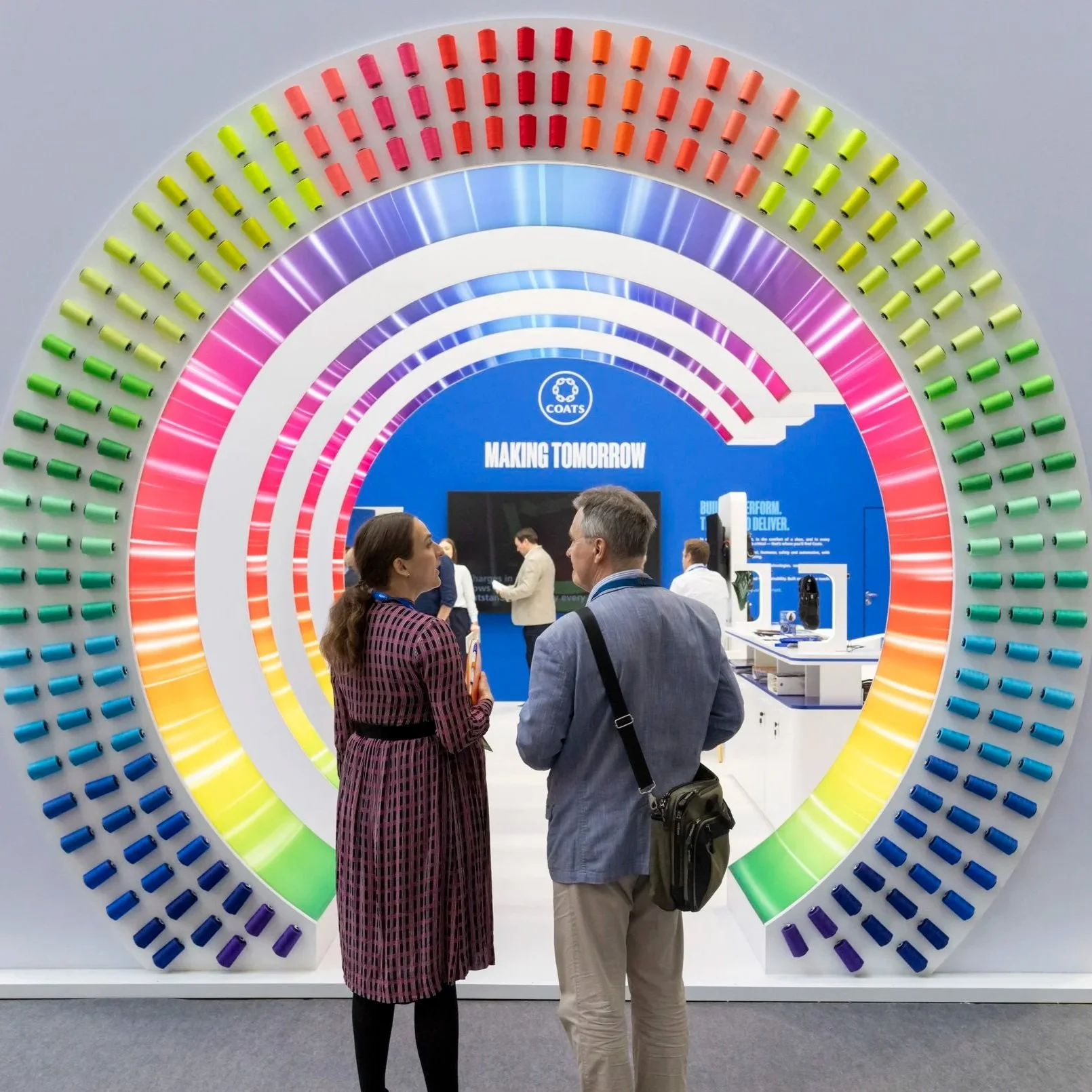
The textile industry is undergoing a vital transformation. As the insights from Techtextil and Texprocess reveal, the path forward relies on a combination of sustainable hardware, intelligent chemistry, and seamless digital workflows.
From Zimmer's industrial-scale energy reductions and Stratasys's on-demand 3D embellishments, to Kornit's single-step technical printing and the unified digital ecosystems of NedGraphics and Optitex, the tools for change are here. To stay competitive, brands and manufacturers must adopt these innovations, moving away from fragmented, wasteful processes towards a truly connected, circular economy.
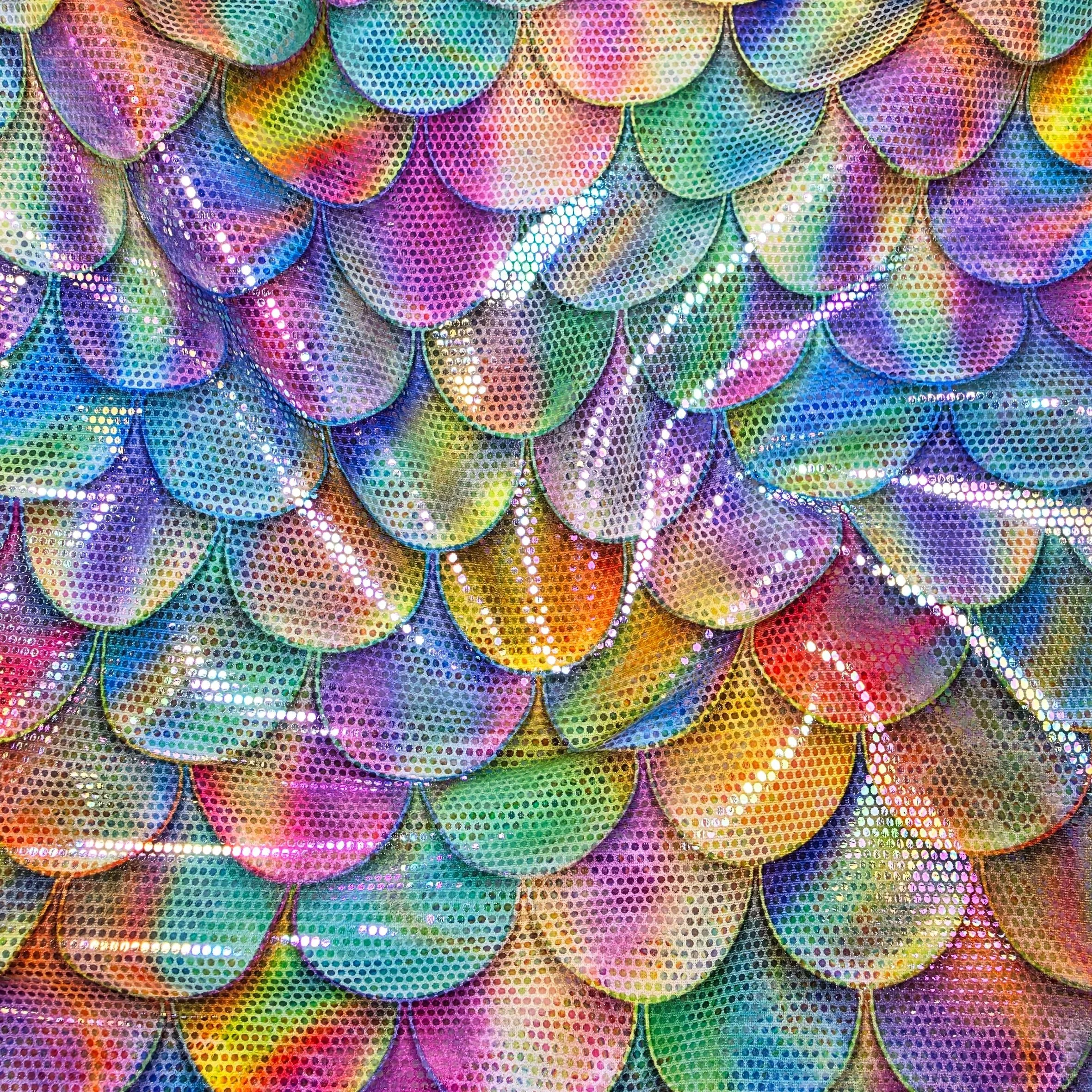
Friedmans stands as a testament to the power of combining traditional textile knowledge with forward-thinking innovation.
“Operating from their UK headquarters, Friedmans now serves a diverse array of sectors, including swimwear, dance, entertainment, sportswear, interior decor, prosthetics, and even pet apparel. With a strategic supply chain that reliably serves clients worldwide”
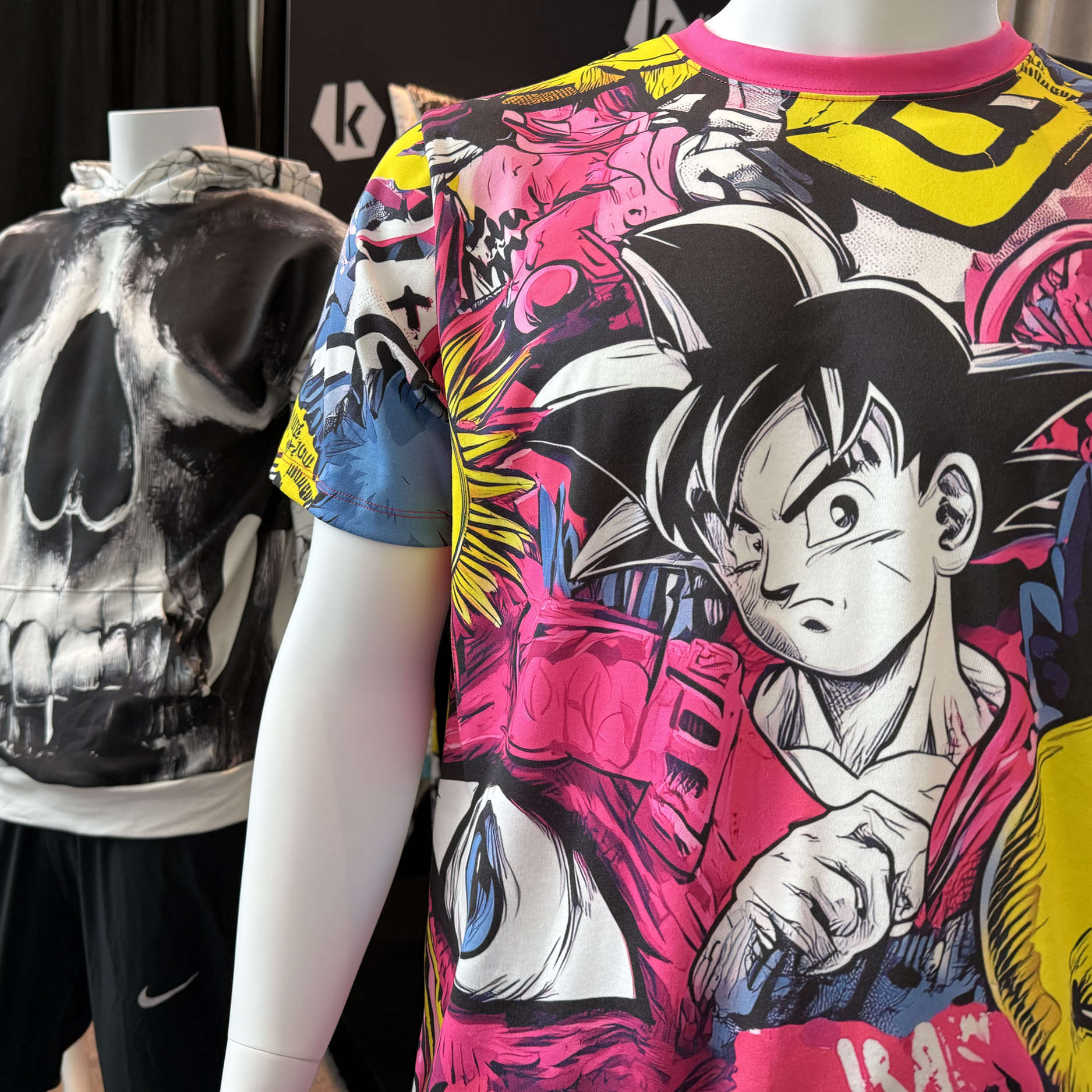
The apparel decoration industry is decisively moving away from isolated, analogue production tools toward connected digital manufacturing environments.
"Kornit’s unwavering commitment to transformative technology continues to disrupt the status quo. For business leaders and innovators ready to capture the future of apparel manufacturing, the path forward is clear”
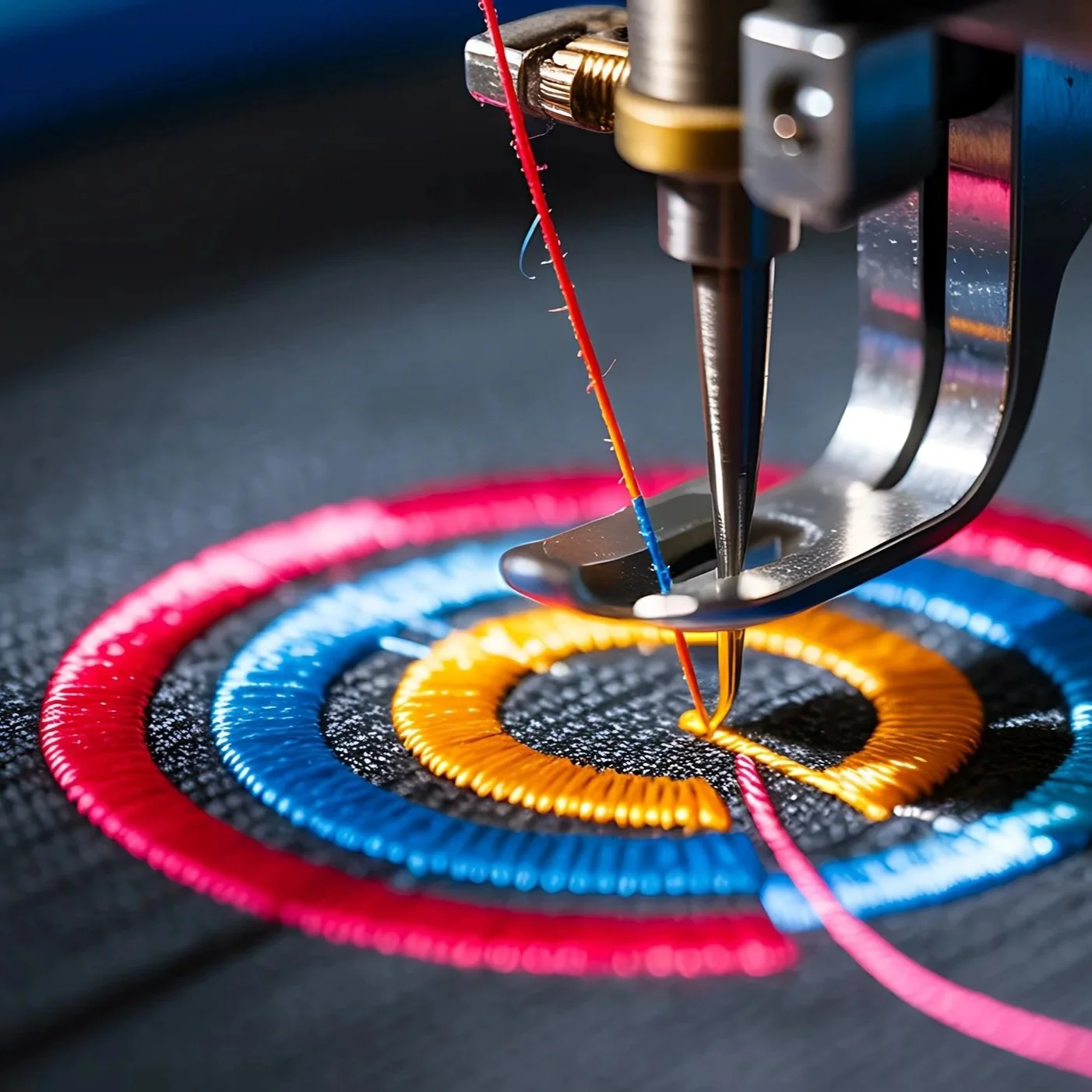
The Urgent Need for Sustainability at Scale
The transformation at Coats provides a vital blueprint for the wider textile and apparel sector. True sustainability cannot be achieved in silos. As Dearing emphasised:
“Cross-industry collaboration is the engine of meaningful change. Brands, machinery suppliers, chemical providers, and fibre producers must act as an interconnected ecosystem”
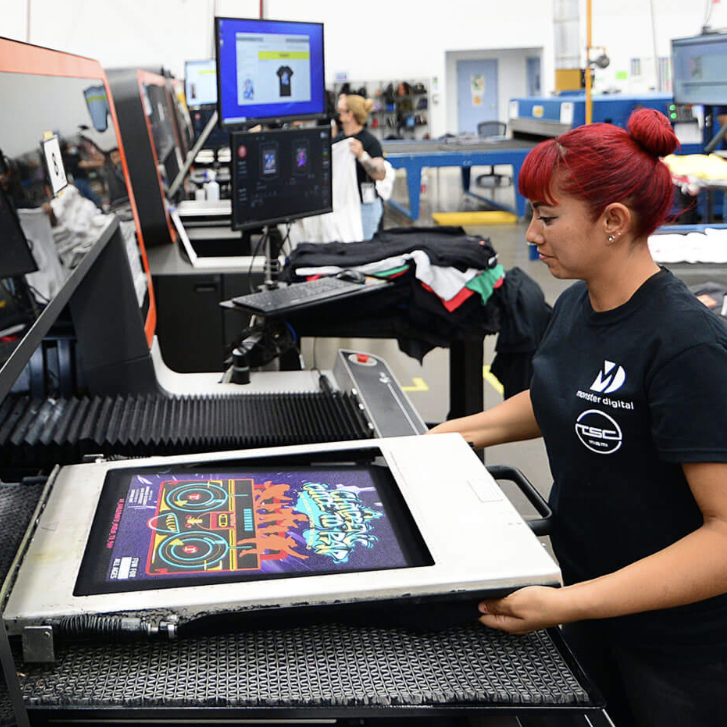
Today’s customers demand superior product quality, real-time data visibility, and lightning-fast turnaround times.
For large-scale garment decorators, managing these expectations while balancing seasonal demand fluctuations - such as the massive surges seen during Black Friday - presents a monumental challenge.
"Relying on transactional vendor relationships and outdated legacy equipment is no longer sufficient to secure long-term stability and growth.”

Printing method is never a secondary detail. It shapes the entire life cycle of a product, from concept to customer. In today’s fashion industry, where margins are tighter and speed matters more than ever, technical knowledge has become a competitive advantage.
“The future of textile design belongs to professionals who can combine creativity with execution, aesthetics with practicality, and vision with production reality”.
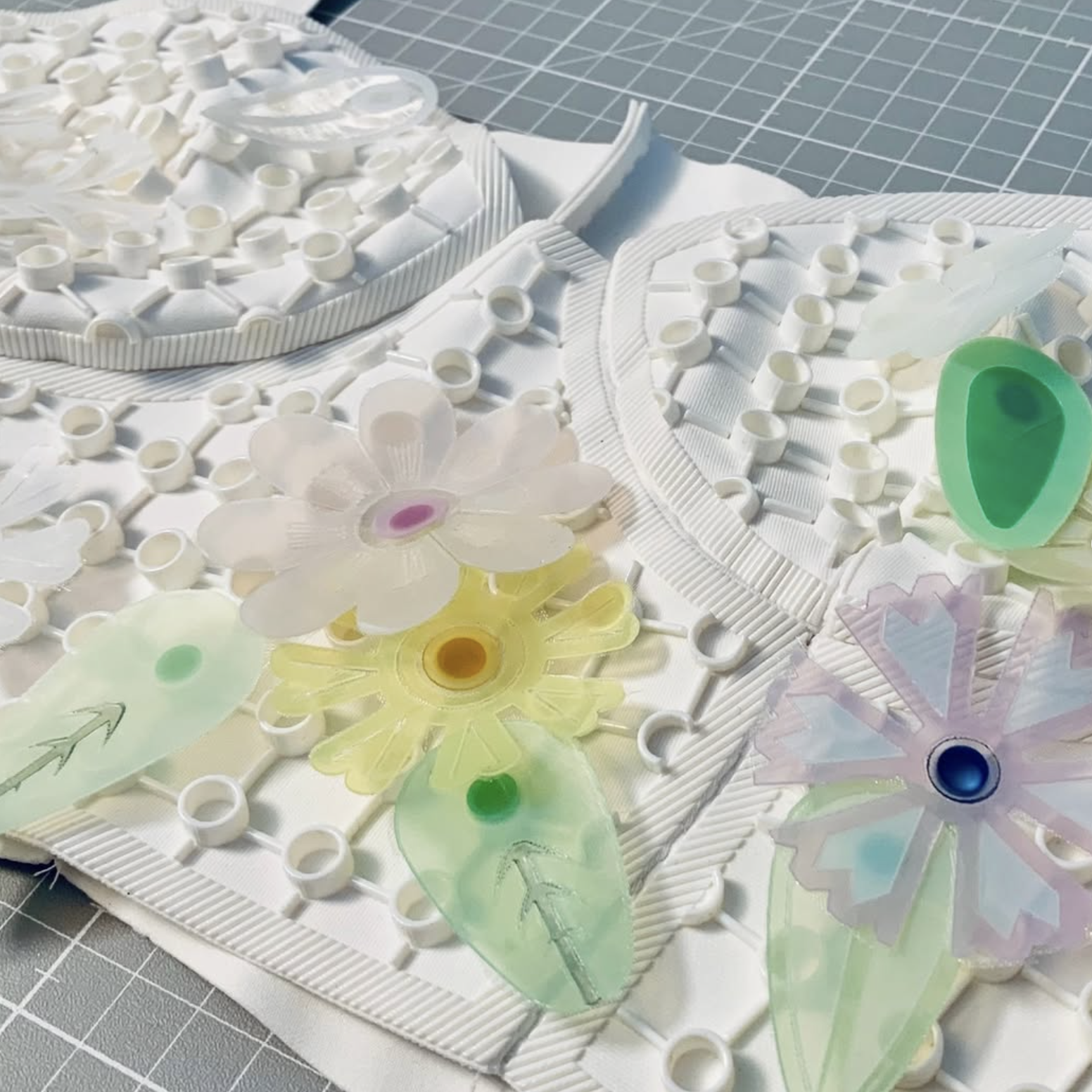
Are we witnessing the reinvention of Merch driven by adaptive, digital technologies?
The commercial opportunity presented by printed, personalised merchandise is already a lucrative revenue stream; it is the core driver of growth in a multi-billion-pound industry. And the mandate for print businesses is clear: automate, adapt, and offer undeniable added value, or choose to gradually lose market share.

Mortsel – Belgium – September 2026– Agfa has today announced the launch of the Jeti Tauro H3300 HS, a new hybrid UV LED inkjet press that extends its award-winning Tauro family.
Built on technology and insights gathered across the entire Tauro range, the new press is designed to meet the productivity demands of today's print service providers while offering a clear path for future growth.

Summa announces the expansion of its F Series Vantage platform into large-format production environments with the introduction of the F1832, F3220 and F3232.
Designed for high-volume signage, packaging, textile, and industrial applications, the new models extend the philosophy behind the F Series Vantage: delivering productivity gains across the entire workflow.
Alongside the new large-format models, Summa also introduces the F1625CF, a dedicated configuration optimised for dry carbon fibre cutting
United Kingdom – September 2026 – Inkloft, a new specialist digital printing business founded by Gary Weyman and Andy Hancock, has announced its entry into the direct-to-film (DTF) market.
The company has been appointed as a distributor of DuPont™ Artistri® DTF products, including P1600 inks and Artistri Jettable Adhesive JA1100, both now available to purchase online through inkloft.co.uk.

Tokyo, Japan – September 2026 – Seiko Epson Corporation today announced the launch of CONTOURJET, a new brand for its Direct-to-Shape Printing System, combining Epson's proprietary inkjet and robotics technologies to meet the growing global demand for decorating complex three-dimensional objects.
Under the CONTOURJET brand, Epson will deliver a total solution encompassing enhanced system performance, inks, related software, implementation support, and maintenance services.
The offering is designed to help customers improve efficiency in decoration processes, reduce environmental impact, and unlock a wider range of creative designs.

LAS VEGAS, NV. September 15, 2026 – Fiery, LLC, the print industry’s leading innovator of digital front ends (DFEs) and workflow software, today announced it is showcasing an end-to-end portfolio of solutions that power all corners of the digital print room at PRINTING United 2026 in Las Vegas, Nevada.
Fiery’s award-winning products power printing’s broadest range of applications, including commercial print, large format, industrial inkjet, direct-to-film, direct-to-garment, and more.
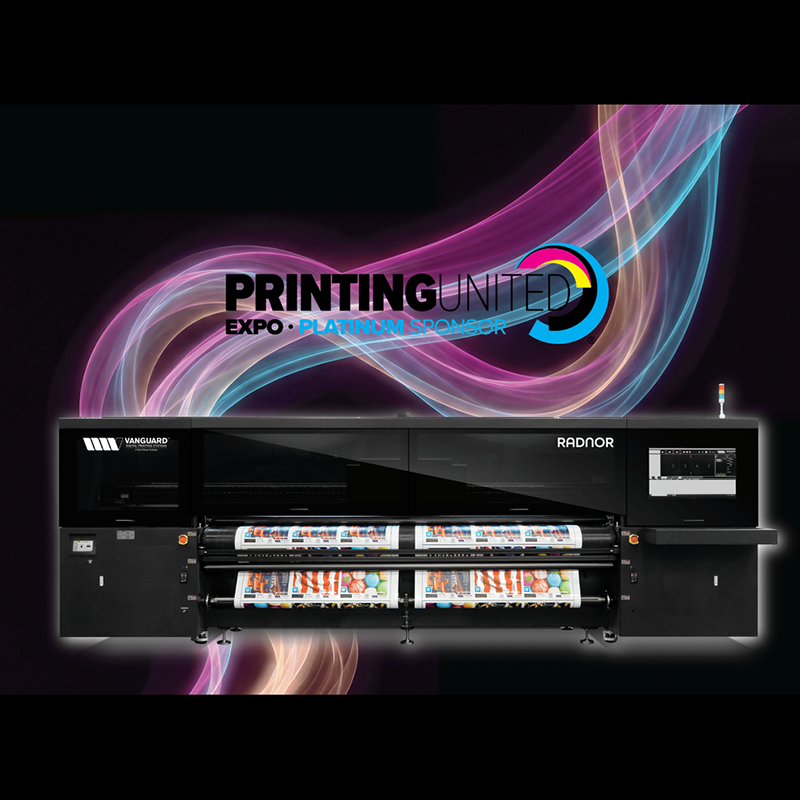
Franklin, TN – September 2026: Vanguard Digital Printing Systems, a Durst Group Company, returns to the PRINTING United Expo with a lineup that reflects the fast moving, boundary pushing, revolutionary company it has become.
In booth C1514, visitors will experience Vanguard’s proven technology, continued innovation and an all-new solution that will change the way print formed service providers think about production.

Birmingham, UK – September 2026 – Perfect Colours has announced its participation in The Print Show 2026, taking place at the NEC Birmingham from 29th September to 1st October.
The company will be offering bespoke, hands-on demonstrations of the Canon UK Colorado M5W, giving visitors the opportunity to witness the technology firsthand and explore how it can transform their production capabilities.

Leicester – UK = September 2026– Vivid Laminating Technologies Ltd, a leading innovator in finishing technology, has announced that its award-winning Veloblade Nexus has been selected by 5 Studio UK, a specialist in large-format print and exhibition stand production, to support the creation of high-quality exhibition stands.
The Veloblade Nexus was chosen for its precision etching and engraving capabilities, which allow 5 Studio UK to deliver premium wood-finished displays for clients across the UK, Europe, and beyond.
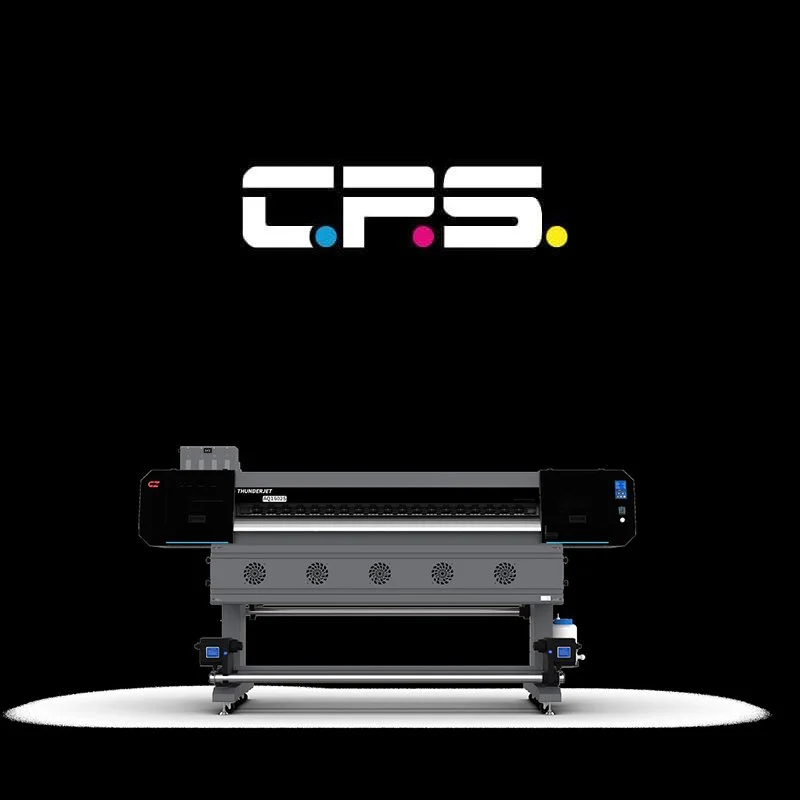
Telford, UK – September 2026 – China Print Supplies UK Ltd will unveil the Gongzheng ThunderJet AQ1602S at The Sign Show, offering visitors a hands-on demonstration of its latest entry-level eco-solvent printer at stand S220 + S240.
The ThunderJet AQ1602S is a professional 1.6m eco-solvent printer engineered for high-quality signage, graphics, and display production

Reading, UK – 15 September 2026 – HP has announced it will showcase four machines from its HP Latex portfolio, alongside the HP DesignJet Z9+ and HP PrintOS Production Hub, at The Print Show and The Sign Show 2026.
Taking place from 29 September to 1 October in Hall 1 of the NEC Birmingham, the event will feature live demonstrations and application examples highlighting opportunities across sign-making and wide-format print.

Paris - France – September 15th 2026 – Optitex, a global leader in fashion technology, has today announced the release of O/26.1, the latest evolution of its industry-leading software suite.
The update strengthens the tools that fashion and apparel businesses rely on daily, introducing enhanced pattern design capabilities, more flexible cut planning, and a smoother, more connected cloud experience through OPTINEDCloud, formerly known as O/Cloud.
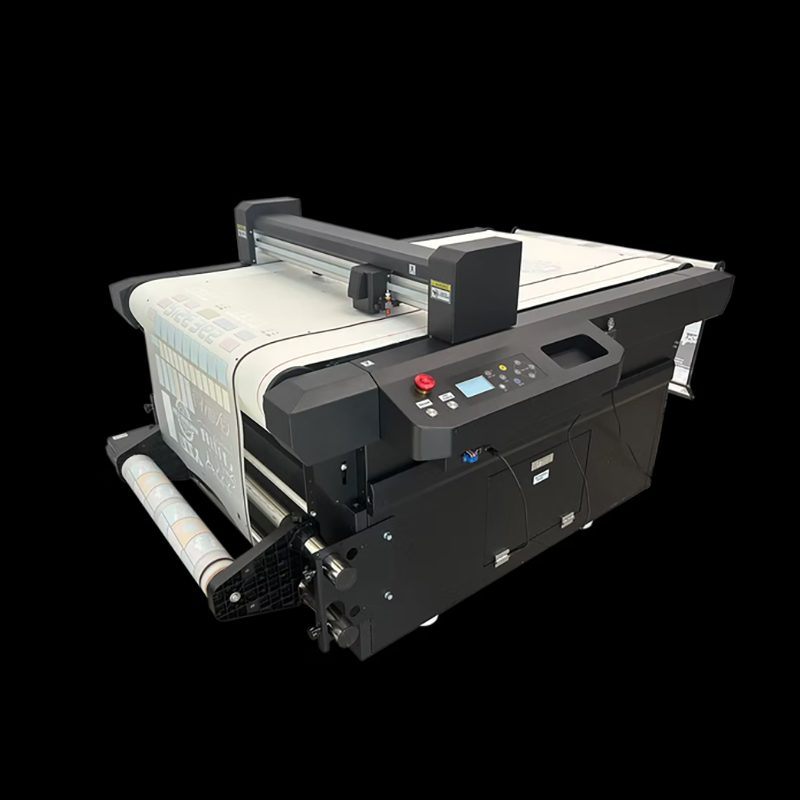
Clay Cross – September 2026 – Resolute DTF has confirmed it will unveil its latest range of digital cutting solutions at The Print Show 2026, held at the NEC Birmingham from 29 September to 1 October.
The announcement reflects the company's continued commitment to advancing production efficiency across the DTF, vinyl, UV DTF transfer and label sectors.
Visitors to Stand P610 will be given a first-hand look at three cutting systems designed to address the industry's growing demand for accuracy, flexibility and streamlined workflows.

Hamamatsu, Japan – September, 2026 – Roland DG, a leading manufacturer of wide-format digital printing solutions, has announced the launch of the TrueVis MG2 Series, a next-generation UV printer/cutter range comprising the MG2-640 and MG2-300.
Designed to help print businesses increase profitability, the new series combines significantly higher productivity, exceptional print quality, advanced application capabilities and lower running costs in a single integrated UV Print & Cut solution.

September 2026 – Georg+Otto Friedrich GmbH, a fourth-generation German textile manufacturer, today announced its participation in PRINTING United Expo 2026, North America's largest gathering of the print industry.
The company will exhibit at Booth C1996 from 23–25 September 2026 at the Las Vegas Convention Center.
The expo represents a pivotal opportunity for Georg+Otto Friedrich to demonstrate how warp-knitted polyester is reshaping the possibilities of digital printing.

Altrincham – Cheshire – Funki Fabrics has today released its Autumn/Winter 2026 fabric trend report, identifying four key directions set to define the season: warm neutrals, deep jewel tones, vampy cherry reds and dark, moody botanicals.
The report offers designers across dancewear, performance wear, costume and beyond a clear framework for translating seasonal colour and print movements into fabric choices.
According to Funki Fabrics, AW26 marks a decisive shift towards richer, more dramatic palettes.
Cool creams and pale beiges are giving way to toasted beige, camel and biscuit browns, offering warmth and versatility as either standalone tones or a base for bolder accents.

Colombo, Sri Lanka – September 2026 – Winterquilts (Pvt) Ltd., one of Sri Lanka's leading garment manufacturers and exporters, has invested in Coats Digital's award-winning GSDCost solution together with its newly launched AI-powered GSDQuest platform.
The move is designed to standardise garment costing, improve costing accuracy and accelerate Bill of Labour generation across the company's manufacturing operations.

London, UK – September 2026 – The Only Natural International Student Design Competition 2026, supported by Artsthread, has revealed its Category and People's Choice winners.
Selected from an exceptional field of entries from student designers across the globe, this year's winning projects span Fashion and Home, showcasing outstanding creativity, craftsmanship and innovation in the use of natural materials.

Bressanone – September 2026 – Durst Graphics today features its P5 350 CORE, a new 3.5-metre hybrid printing platform designed to serve as an accessible entry point into the wider Durst Ecosystem.
The system brings together proven technologies from across the P5 portfolio, offering print businesses a reliable and future-ready first step into industrial digital printing.
This machine reflects Durst's continued commitment to lowering the barrier to entry for print operators seeking dependable, scalable technology without compromising on quality or performance.

Peterborough -September 2026 – Snuggle, a leading trade fulfilment provider, has today announced it is the first company in Europe to install three Epson G9000 DTF systems, marking a significant expansion of its production capacity to meet surging demand from trade customers across the UK and Europe.
The graphic industry is changing at high speed. Automation, artificial intelligence, personalization, new materials and sustainability are transforming the way products are made while, at the same time, opening up new business opportunities for professionals in the sector.
Against this backdrop, C!Print Madrid 2027 will bring together manufacturers, distributors, printers and professionals from the printing and visual communication world at IFEMA MADRID from January 12 to 14, showcasing the technologies and trends driving this evolution.
This eleventh edition arrives with a strong market response: 90% of its more than 7,000 m² of exhibition space is already booked, with leading companies in the sector such as HP, Epson, Fujifilm, Roland DG, Mimaki, Digidelta and Konica Minolta, among others
Las Vegas – Nevada – September 2026 – BARBIERI electronics, a specialist in colour measurement technology, has announced its sponsorship of the G7+ Exchange, an industry gathering set to take place ahead of PRINTING United Expo 2026.
The event will bring together experts and professionals from across the printing sector to discuss advancements in colour management and print quality.
The G7+ Exchange will be held on 22 September 2026 at the Las Vegas Convention Center, Room N109, as part of the broader PRINTING United Expo.

FREMONT, CA. September, 2026– Fiery, LLC, the leading provider of digital front ends for the print industry, today announced it will host an exclusive webinar titled "Beyond CMYK: From more colours to more impact" on Tuesday, 6th October 2026 at 5:00pm CEST.
The 45-minute session will explore how commercial print businesses can move beyond the constraints of standard CMYK to unlock bolder colours, sharper precision, and stronger margins through expanded gamut printing.
As brands increasingly demand vibrant, exact colour matching, print providers who rely solely on standard CMYK risk falling behind.

London, UK – September 2026 – GREEN GRADS, the platform championing UK graduate eco-activists, will host a free hands-on workshop, Make Art from Waste, as part of the London Design Festival 2026.
Taking place on Monday, 14th September from 2-6pm at 21 Great Chapel Street, W1, the event invites participants to weave their own artwork from workplace textile waste, in partnership with the Surface Design Show.
Led by Green Grad and textile artist Claire Malley (@clairemalleyart), the workshop will guide attendees through the process of designing and weaving a unique piece using varied textile waste, including denim offcuts and recycled yarns.

LOS ALAMITOS, Calif. – September, 2026 – Epson will showcase its latest digital printing solutions at PRINTING United Expo 2026, the annual event bringing together the print industry to explore the latest innovations in commercial, apparel, packaging, wide-format and specialty printing.
Taking place Sept. 23-25 at the Las Vegas Convention Center in Las Vegas, Nevada, Epson will introduce new solutions for textile applications and showcase its extensive portfolio of commercial, industrial and business inkjet solutions.
Wilmington, Delaware – September 2026 – DuPont™ Artistri® Digital Printing Solutions today announced it will demonstrate fully automated direct-to-film (DTF) production live at its booth during the upcoming PRINTING United Expo.
Visitors will witness two Brown Manufacturing Group, Inc. automation lines running the complete DTF process from start to finish, offering a first-hand look at the technology reshaping the future of textile printing

Roland DG Europe has announced its renewed presence at Viscom 2026, the leading international exhibition for the visual communication industry.
The company will use the event as a platform to reinforce its position as an industry leader, while continuing to drive innovation and improvement across the sector.
Viscom 2026 will take place on 28th and 29th October at Allianz MiCo Milano, bringing together exhibitors, innovators, and decision-makers from across the visual communication landscape.r

Agfa will return to The Print Show for the third consecutive year, reinforcing its commitment to the UK print and signage market.
The event takes place at the NEC Birmingham from 29 September to 1 October 2026, with Agfa welcoming visitors to stand P510 in Hall 1.
This year, Agfa is bringing print technology, workflow software and real-world applications together to demonstrate a complete wide-format production environment.

Telford – UK – September 2026 – The Dlican DLI-360s from China print Supplies has probed to be an excellent investment for Promo Trade Print where it will be helping them meet the demand for personalised drinkware!
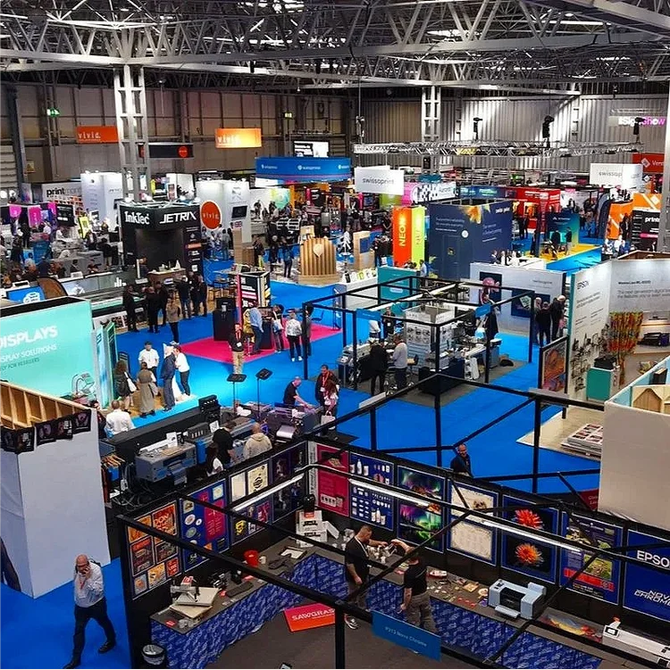
At The Print Show. from 29th September – 1 October 2026, CMYUK will launch its new Sign & Graphics Materials portfolio, bringing together a practical, commercially focused range of substrates for everyday display graphics, signage, décor and specialist print applications.
The new collection has been developed with a clear objective: to give customers a focused, reliable range of materials that covers their everyday application requirements, while removing unnecessary complexity from the product portfolio

Emmerich am Rhein, Nordrhein-Westfalen – September 2026 – Brother Industrial EMEA has announced that its DTRX direct-to-film (DTF) roll-to-roll printer will be demonstrated live at a special Textile Edition Open House, hosted by trusted dealer Vemar.
The event will take place on 25–26 September at Vemar's showroom in Paterno, Italy, giving visitors the chance to see the technology perform first-hand.