THE SKY IS NOT THE LIMIT - REINVENTING PRINTED PRODUCTION WITH KORNIT DIGITAL

“The sky is not the limit” KORNIT DIGITAL CTO - Kobi Mann. That’s how Kornit’s R&D team is hard-wired. They are solution architects and have done so much more that make textile printing digital; they are reinventing printed production, not by merely replacing analogue technologies with inkjet, but by rethinking the production process across the entire value chain. KORNIT DIGITAL
What defines the word “sustainability” - For many, that would imply green, environmentally-safe production, but in reality, this singular word must encompass so much more.
To be truly sustainable, you have to look beyond the buzz words, beyond the greenwashing, and focus on the very nature of production: supply and demand.
Define “sustainable manufacturing”: Supplying the right product for sale at the precise moment of demand, whereby the product is produced using green, efficient technologies without the need for surplus stock, and without leaving an intensive global carbon footprint.
Nobody benefits from waste.
Retailers lose 40% of margin on redundant stocks. Suppliers are increasingly faced with the great risk of returned unsold inventory, and the environment pays a heavy burden for our historic supply chain inefficiencies. All stakeholders want change; the consumer, the supplier, and the manufacturer all demand a transparent, environmentally-secure future. Accelerated by the global health crisis, the cracks in the apparel supply chain have been forced into the public domain. That’s an uncomfortable position for any stakeholder, and thankfully has been the catalyst for systemic change.
It’s time to reset the supply chain and retool for a new future of sustainable manufacturing.
“The sky is not the limit,” said Kornit Digital CTO Kobi Mann. That’s how Kornit’s R&D team is hard-wired. They are solution architects and have done so much more that make textile printing digital; they are reinventing printed production, not by merely replacing analogue technologies with inkjet, but by rethinking the production process across the entire value chain – and they are ahead of the curve. As our industry shifts towards an era of digital production, Kornit technologies are disrupting conventional business models across the globe. They are tuned in and inherently driven to ensure the innovations required to retool an extensive and complicated industry are in place ahead of demand – and are now set to reinvent the textile industry.
Back to supply and demand – and a new paradigm for global fulfilment.
Retail business models historically rely on volume-driven product margins, and in order to fulfil the retailers’ ever-increasing demand for more, the solution was to buy large volumes, seek out value in the Far East, and ultimately ship billions of products across the oceans to the West. As the customer has changed, this business model is now flawed, and the apparel industry has no option but to rethink their entire supply chain and reset to meet fluctuating demand and customised production.
Close-proximity production offers a viable solution, removing risk and adding supply chain flexibility. This places the retailer and the product closer to the consumer, reducing the apparel industry’s vast inventory and therefore its waste. Producing in such a manner by using analogue technology isn’t commercially viable; this is the age of digital production, and the apparel industry is gearing up for seismic change.
Digital technologies simplify the production process and now go further to automate manufacturing. Smart manufacturing suppliers seeking agility need to shift products seamlessly, and they must invest and retool to retain market share.
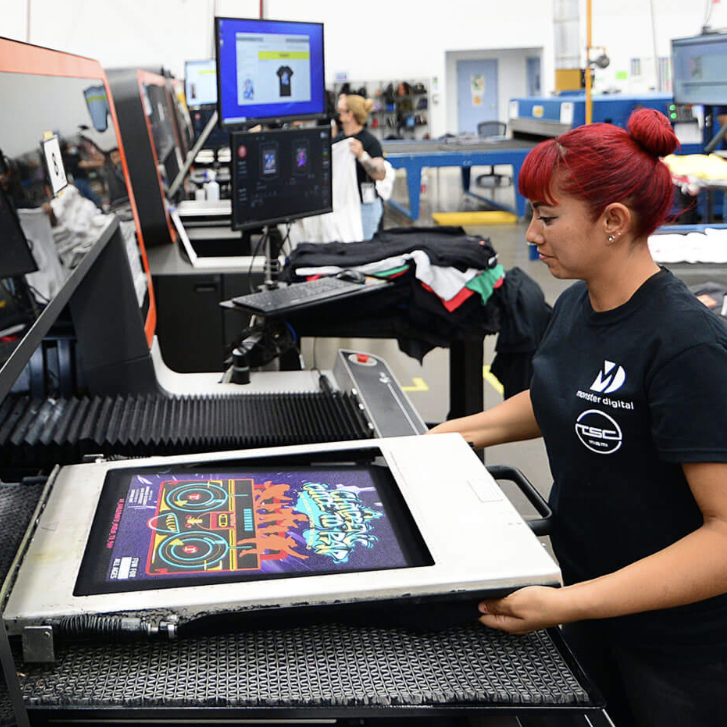
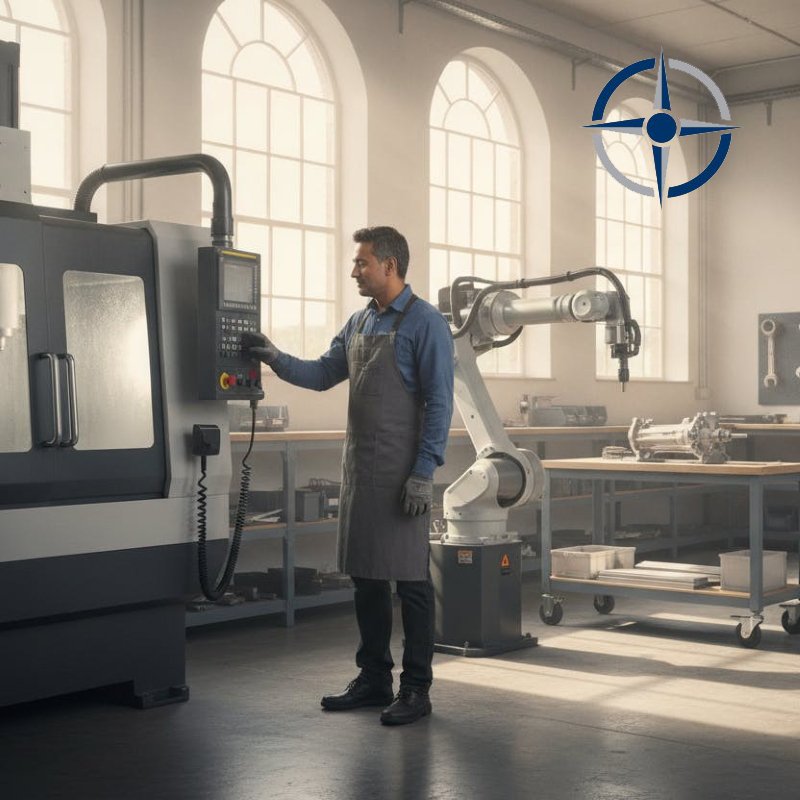
As retail buying behaviour settles into a new pattern, the message is clear: innovate to succeed. For the apparel supplier, putting all of that technology together independently takes time, but we don’t have time, as climate change is real. That’s why Kornit Digital now also provides fulfilment software, workflow automation, and the recently-launched Activeload Automation technology, a new robotic system designed to significantly ease the burden of manual and labour-intensive product handling in the garment decoration industry.
Kornit is taking digital technologies to the MAX.
As we emerge from the global pandemic, we do so with a new vision of the future. Building a strong, sustainable supply chain is paramount for success. All value chain stakeholders need to be transparent and digitally equipped to flex and meet demand, but they also need to keep a sharp eye on the future. This is an evolving marketplace, and Kornit’s R&D team has big plans ahead.
Whilst digital technologies are disrupting the market, they are also enabling new opportunities and entrepreneurial growth. Traditional manufacturing doesn’t need to be replicated; it needs to be reinvented, and Kornit is doing just that. All of their systems, whether roll-to-roll or DTG, are built to take print to a new level of simplicity. With sustainable certification as a given, their technology is designed to improve on analogue and offer new lucrative applications for the textile industry, such as the recently-launched Atlas MAX with its new XDi technology for 3D printing capabilities. An upgrade to the Kornit Atlas systems will be available during the first quarter of 2022.
“Kornit’s new MAX capabilities bring sustainable on-demand production to the mainstream,” said Omer Kulka, Kornit Digital CMO.
“We plan to roll out the MAX technology to additional lucrative market segments such as team sports, athleisure, diverse categories of fashion, and home décor applications. Kornit innovation arrives at just the right moment to match supply to demand – demand that requires freedom of design for self-expression, quality, and sustainable practices; and supply that expands on-demand capabilities enabling the direct-to-consumer vision.”