
THE EVOLUTION OF FASHION: THE WORLD'S FIRST CONCEPT STORE HOT: SECOND LAUNCHES

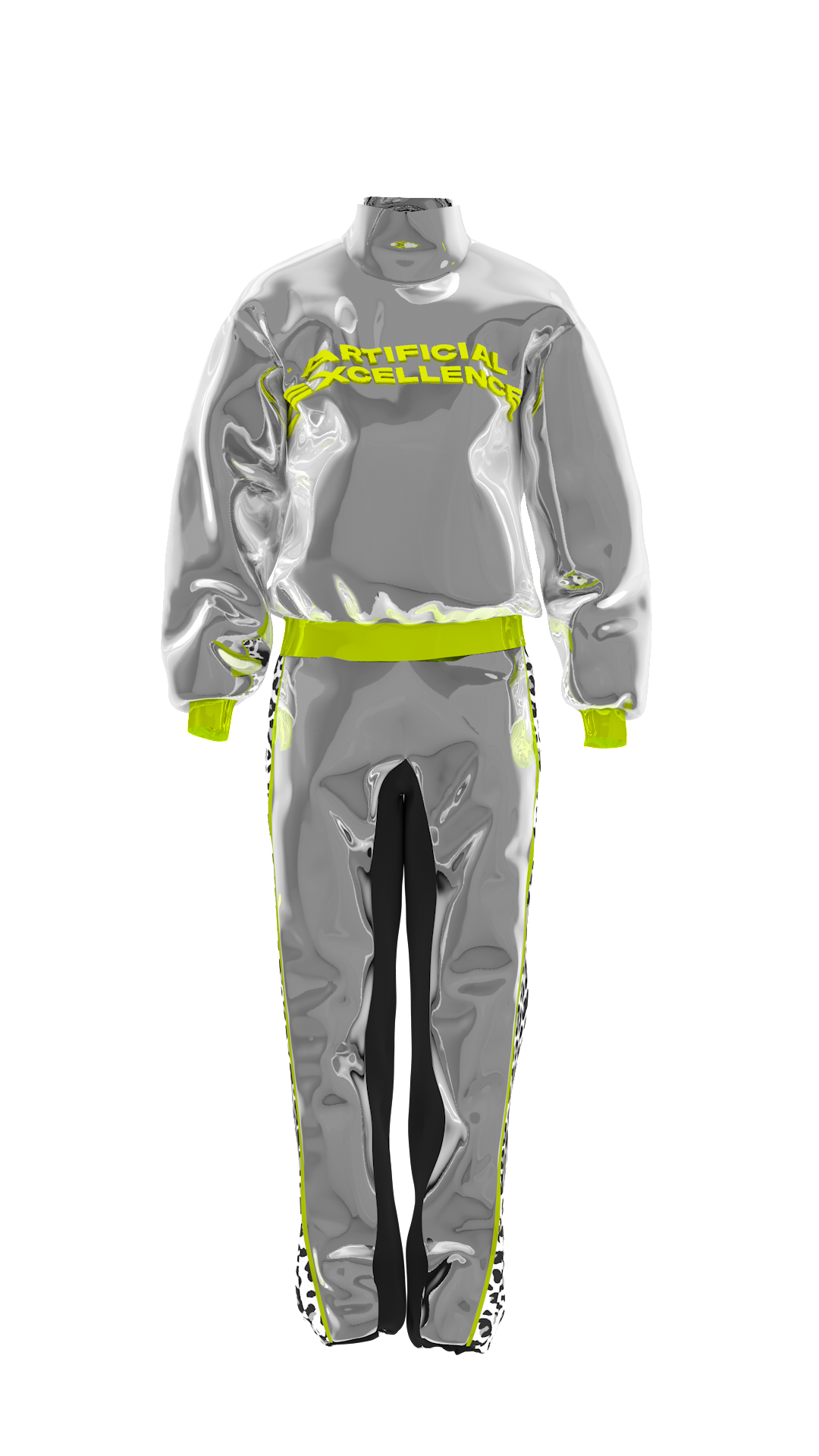


IMAGE CREDITS: THE FABRICANT: CARLING: CHRISTOPHER RAEBURN: HOT SECOND
To bring about radical change you have to think outside of the box!! Re-think the Future and Start again with a new beginning!! [NOT Digitise the Past]
The digitisation of the supply chain is now a critical driver for change within the Fashion Industry, and ultimately, will deliver sustainable manufacture, transparency and a new era of product design created within the circular economy.
For sure we are making steady progress, but as always, (and to my eternal frustration) the retail and manufacturing communities seems to focus on past process, to re-create the future by streamlining with new technologies to bring efficiency.
Launching this week is HOT:SECOND the world’s first concept store trading in physical products for digital experiences is to open at Protein Studios in Shoreditch, London, UK from Tuesday 19th –Thursday 21st November.
Overall, this retail prototype aims to induce a new kind of retail alchemy where the physical and digital combine to co-create a distinct and individualised experience that is considered to be both fun and thought provoking.
For those who would rather upcycle than donate, there will be live customisation stations offered by Frankie Noller, Giulio Miglietta and other independent artists. Here, the idea is that the customised garment is more likely to be reworn and reloved - and therefore does not end up as one of the weekly 11 million in landfill.
The idea for the store was initially conceived due to Fashion Futurist and Academic Karinna Nobbs’ field research. She has interviewed consumers and key industry stakeholders about their perceptions on digital fashion. Here the consumer research demonstrated considerable confusion and disbelief around what it was and how it worked.
This was further compounded in a recent UK survey Karinna undertook with One Pulse where 38% of those surveyed were unfamiliar with the term digital fashion. The general consensus from 60% of the sample was that they were curious and almost a quarter 27% said they thought an interaction with a digital garments could help them decide whether to buy the physical garment.
Refreshingly 22% thought that digital fashion could offer a way for them to enjoy fashion in a more sustainable way.
In the short term the emergent research results appear to suggest that digital fashion is more of a novelty marketing or PR tool until there is another place apart from social media where one can “wear” a digital garment. Whilst the store is open the research will be ongoing and the insights gained will be jointly published with Protein in early 2020.
The next evolution of the experiential digital fashion concept is planned to debut at Berlin Fashion Week in January 2020 in collaboration with LUKSO who are a blockchain company specialised in tokenising assets within the creative economies.
Jonathan Chippindale, CEO of Holition: “This project fundamentally addresses two issues that interest us, one is around sustainability, and what that actually means in relation to the circular economy, recycling and reusing products and maximising the lifespan of a product. The other element is digital. We are always interested in ideas which are at the beginning of their journey and digital clothing could well be a very big thing in the future, but the only way to understand it is to explore it and get consumers reactions”.
Kerry Murphy, Founder at The Fabricant: “The project is another step towards a more sustainable fashion industry by creating an experience that reduces the physical need of clothing while allowing for new business models to be tested outside of the gaming focus, purely transforming fashion towards its digital-only experience”.
Ronny Mikalsen, CEO of Carlings: “We got involved first and foremost because we loved the project one hundred percent. Both the innovative and sustainable aspect within it really plays along with our values. We see it part of our responsibility to contribute towards projects that do that”
Morten Gruback Exec Creative Director, VIRTUE - “As the fashion industry fuelled by social media race to speed up the supply chain, we are proud to have partnered with Carlings to cut it out entirely by launching the first ever fully digital clothing collection that overhauls a business model under pressure and challenges the environmental impact of an industry. The best Instagrammers are almost lifestyle artist. The square is their canvas, and their style is their brush. But the ones who are really pushing fashion aren’t always the ones with funds to realize their vision. We wanted to use technology to liberate style from money. HOT:SECOND is an amazing project that we are proudly part of in our quest to help reduce the environmental impact of the fashion industry.”
David Segal, Raeburn Design Digital Manager: “We are always looking to innovate but also disrupt and challenge the industry as we know it, it therefore made perfect sense for us to get involved in HOT:SECOND. Digital clothing has real potential to drive responsible design and our inherent agility also allows us to be flexible with these ideas and, of course to learn.”
Emily Switzer, 3D Visual Artist (Christopher Raeburn Safety Parka) : ” When you work in a digital medium you rarely get to see any physical manifestation of that work, but this project will allow people to connect and enjoy my 3D garments in a palpable way, and as an artist it's always a pleasure to see how people will react to your work”.


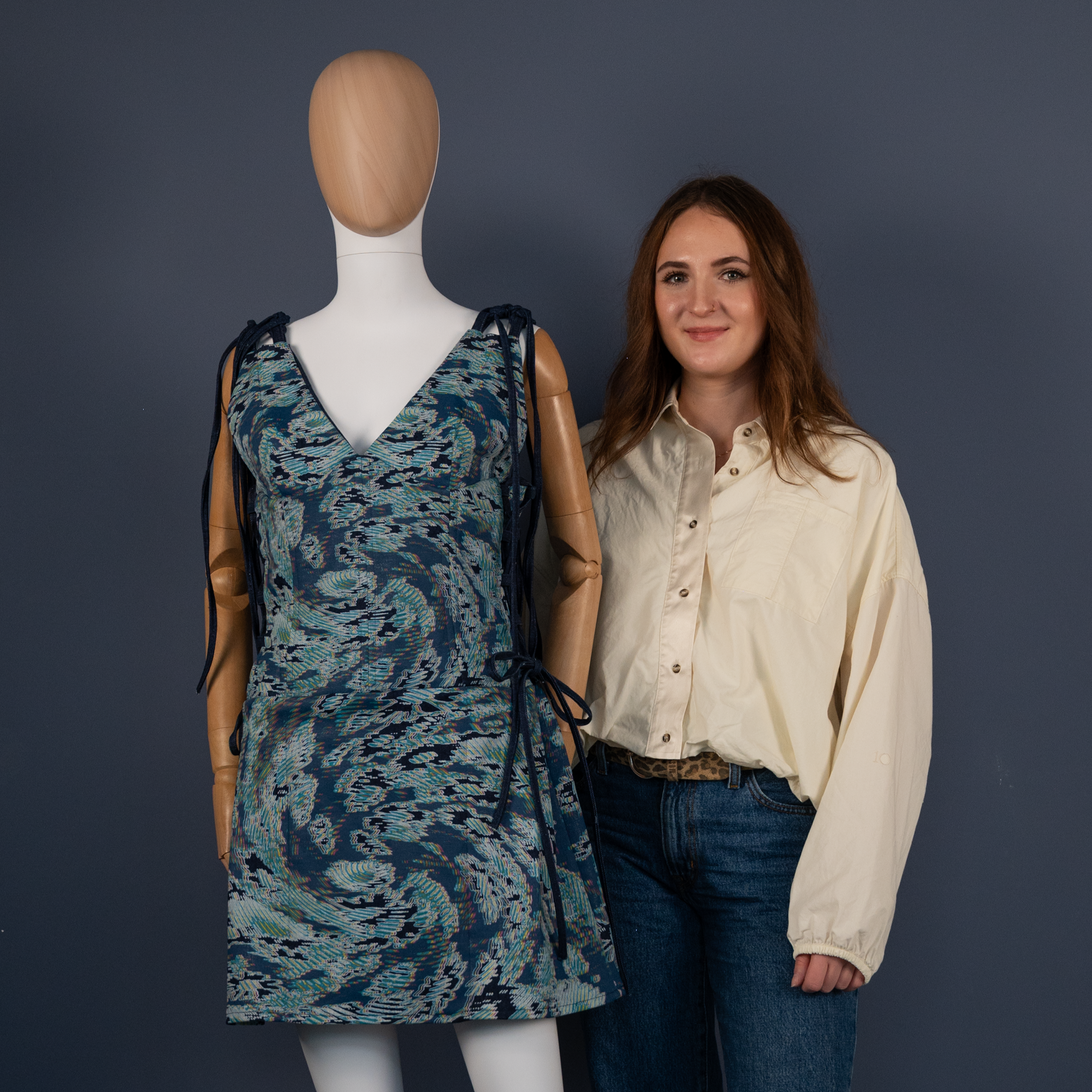
The story of what happens when young designers access digital technology is still being written.
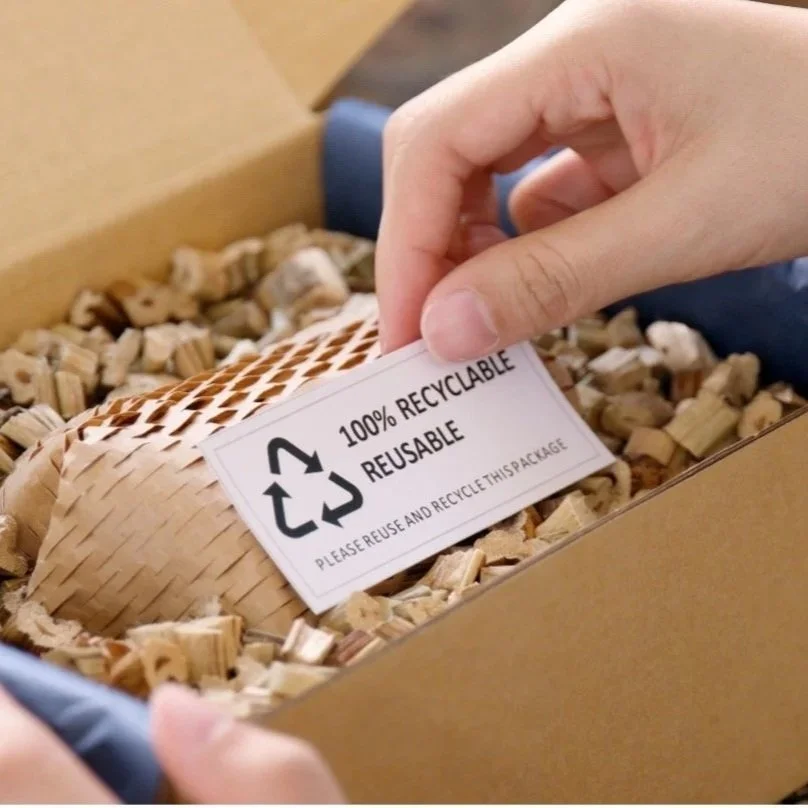
What once was a theoretical sustainability goal seems to have shifted into an active regulatory reality.


Is the Textile Market Finally Recovering?
After a difficult few years, there are genuine reasons for optimism. Duncan was candid about the challenges: "The market for textiles has been very difficult over the last three years. I'm not going to hide the truth there. But the tide is turning.“
A profound shift is currently reshaping the sector
Changing consumer expectations demand greater design diversity, faster turnaround times, and sustainable manufacturing practices.
To thrive, interior brands must adapt their supply chains, bringing production closer to the end consumer and moving away from bulk manufacturing.
Digital textile printing offers a definitive solution to these operational bottlenecks.

Digital transformation doesn't announce itself.
It accumulates - one innovation at a time - until an entire industry looks back and realises the ground has shifted beneath its feet. That's precisely where textiles stands today.
The conversations happening now about AI, automation, sustainability, and digital product passports are not theoretical. They are shaping decisions being made on factory floors and in boardrooms right now.

“By leveraging advanced digital textile printing, Marylene Madou has successfully merged traditional craftsmanship with cutting-edge technology. Her approach offers a blueprint for how independent designers can scale their brands globally while maintaining a minimal environmental footprint.”
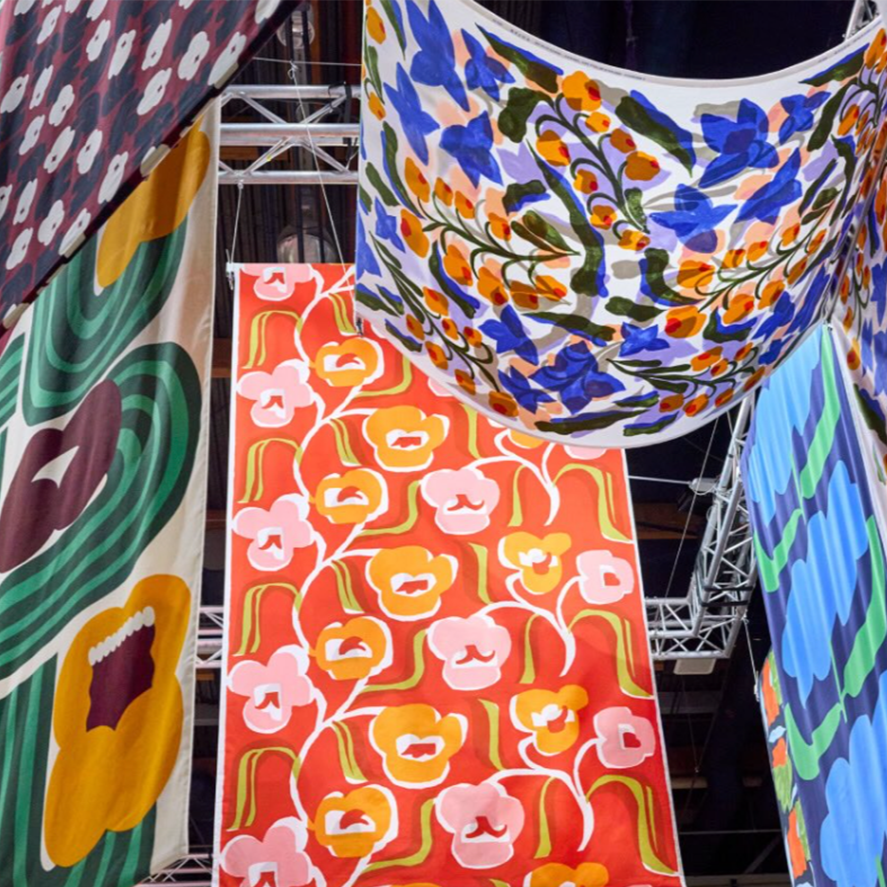
From Helsinki's printing mill to Paris's Le Marais, discover how Marimekko is scaling a design-led brand with purpose, craft, and bold innovation.
But what makes Marimekko's story compelling is not just its aesthetic legacy?
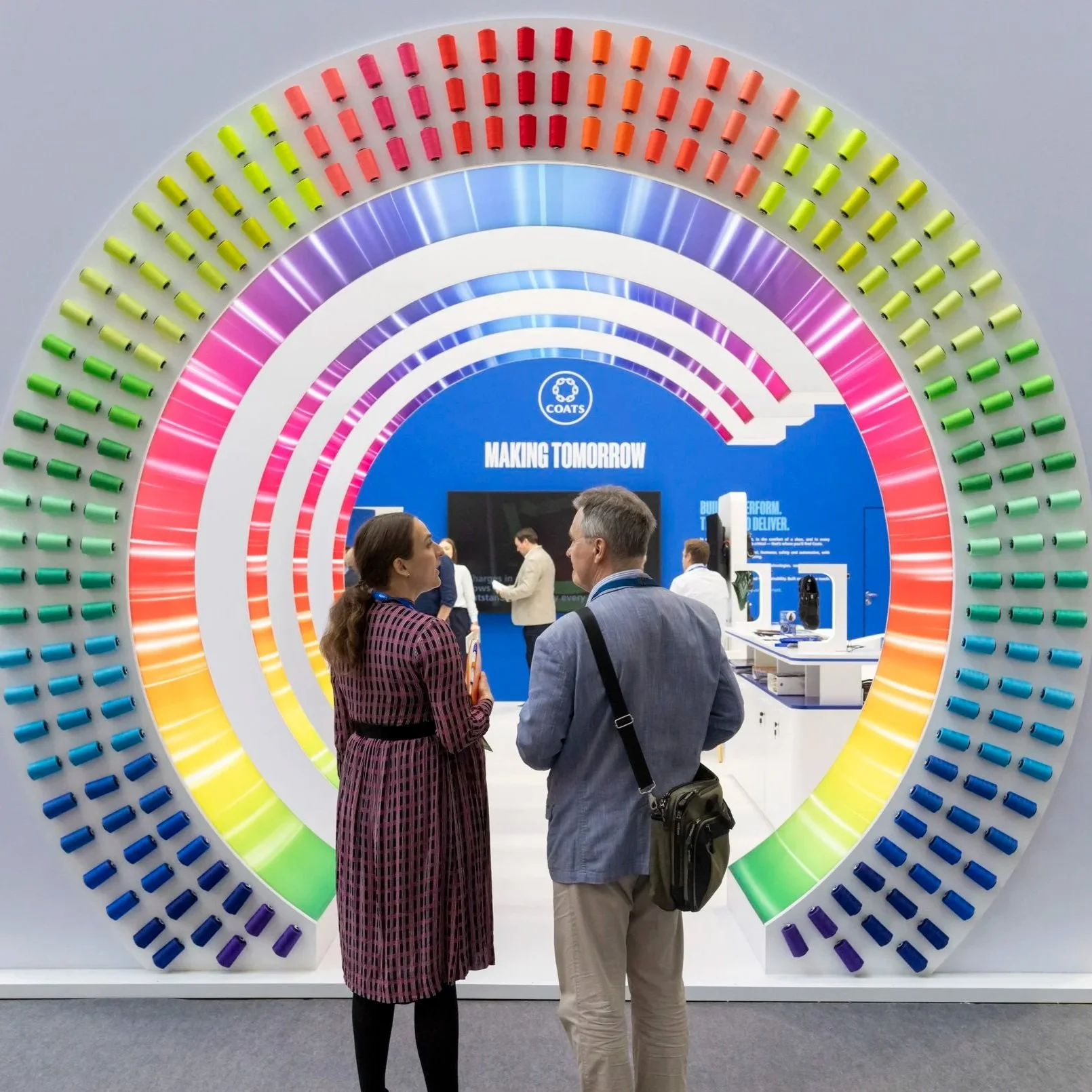
The textile industry is undergoing a vital transformation. As the insights from Techtextil and Texprocess reveal, the path forward relies on a combination of sustainable hardware, intelligent chemistry, and seamless digital workflows.
From Zimmer's industrial-scale energy reductions and Stratasys's on-demand 3D embellishments, to Kornit's single-step technical printing and the unified digital ecosystems of NedGraphics and Optitex, the tools for change are here. To stay competitive, brands and manufacturers must adopt these innovations, moving away from fragmented, wasteful processes towards a truly connected, circular economy.
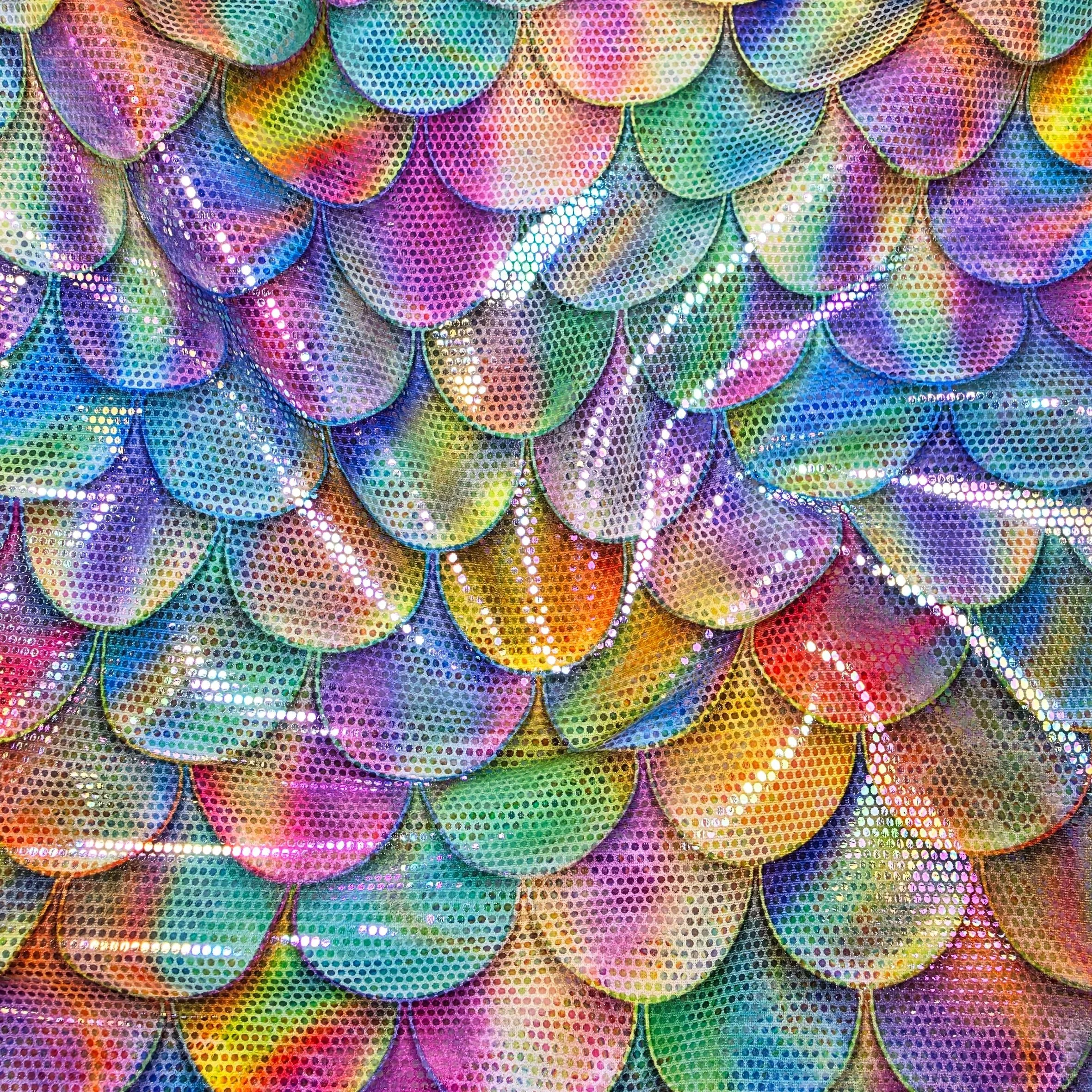
Friedmans stands as a testament to the power of combining traditional textile knowledge with forward-thinking innovation.
“Operating from their UK headquarters, Friedmans now serves a diverse array of sectors, including swimwear, dance, entertainment, sportswear, interior decor, prosthetics, and even pet apparel. With a strategic supply chain that reliably serves clients worldwide”
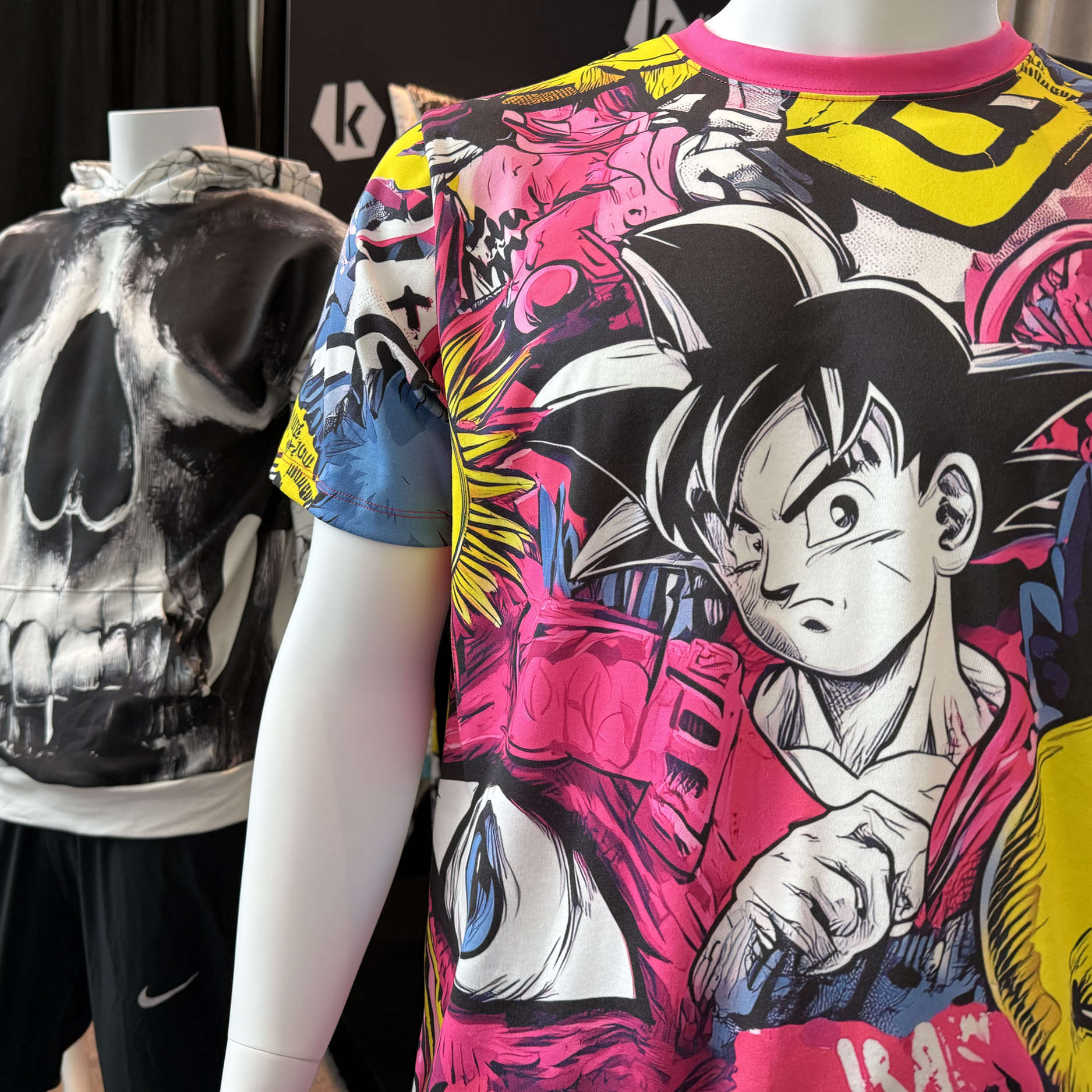
The apparel decoration industry is decisively moving away from isolated, analogue production tools toward connected digital manufacturing environments.
"Kornit’s unwavering commitment to transformative technology continues to disrupt the status quo. For business leaders and innovators ready to capture the future of apparel manufacturing, the path forward is clear”
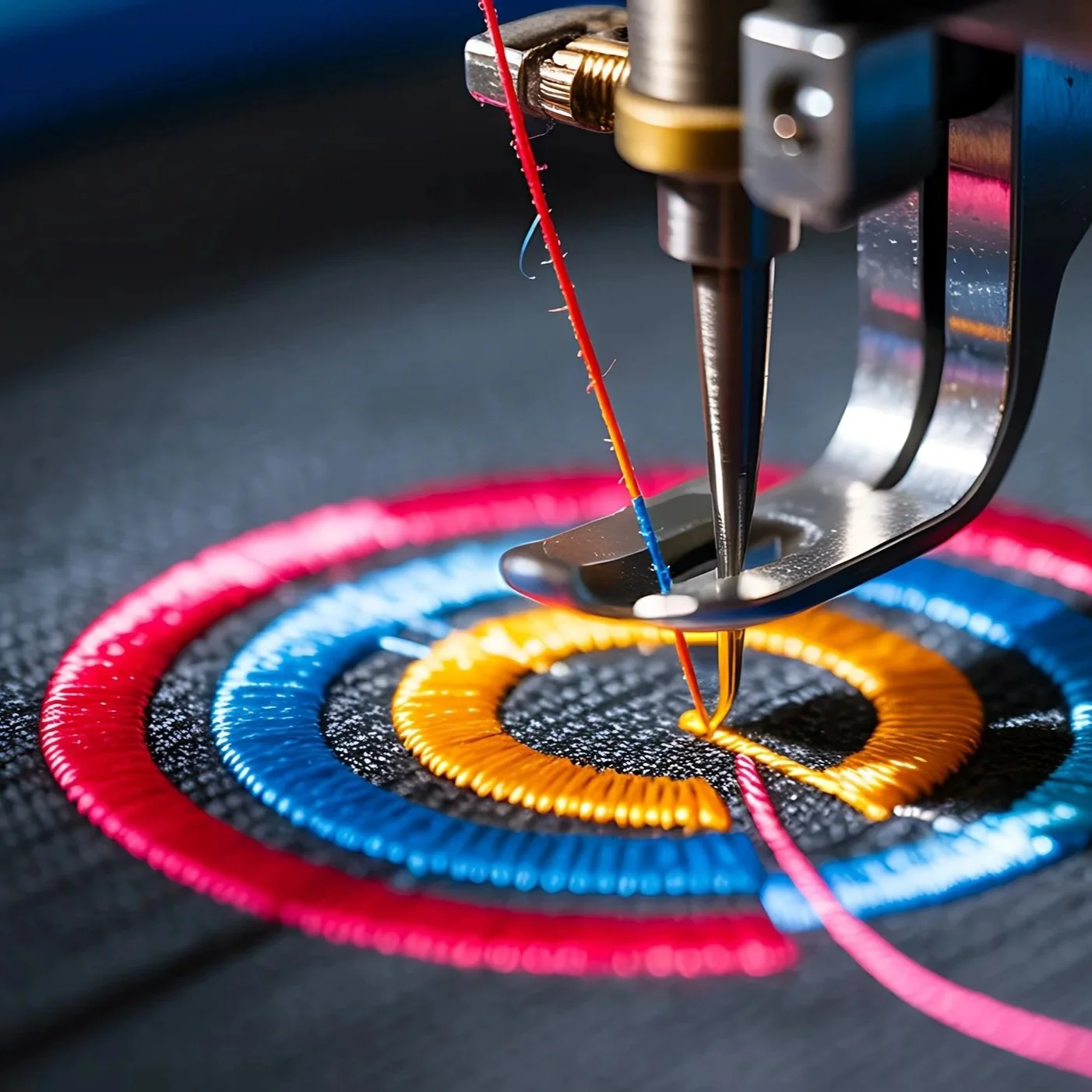
The Urgent Need for Sustainability at Scale
The transformation at Coats provides a vital blueprint for the wider textile and apparel sector. True sustainability cannot be achieved in silos. As Dearing emphasised:
“Cross-industry collaboration is the engine of meaningful change. Brands, machinery suppliers, chemical providers, and fibre producers must act as an interconnected ecosystem”
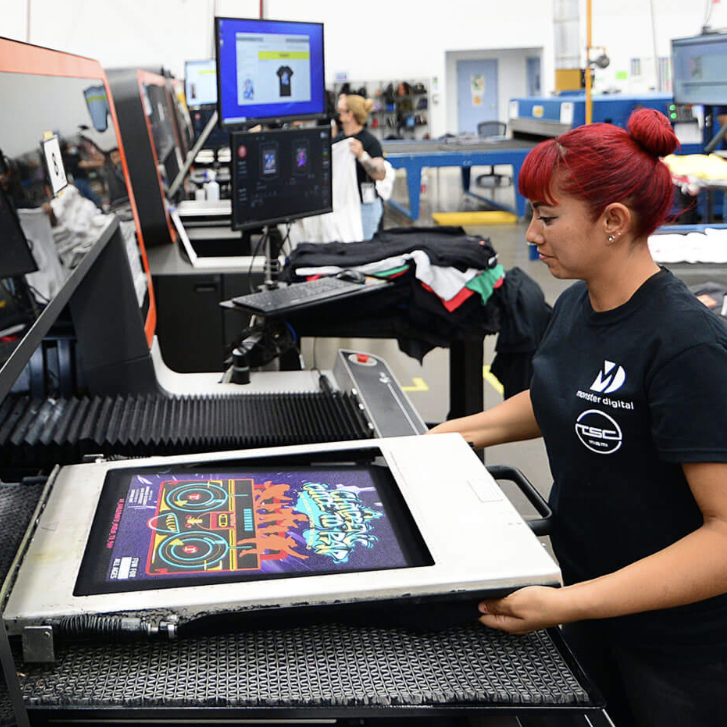
Today’s customers demand superior product quality, real-time data visibility, and lightning-fast turnaround times.
For large-scale garment decorators, managing these expectations while balancing seasonal demand fluctuations - such as the massive surges seen during Black Friday - presents a monumental challenge.
"Relying on transactional vendor relationships and outdated legacy equipment is no longer sufficient to secure long-term stability and growth.”

Printing method is never a secondary detail. It shapes the entire life cycle of a product, from concept to customer. In today’s fashion industry, where margins are tighter and speed matters more than ever, technical knowledge has become a competitive advantage.
“The future of textile design belongs to professionals who can combine creativity with execution, aesthetics with practicality, and vision with production reality”.
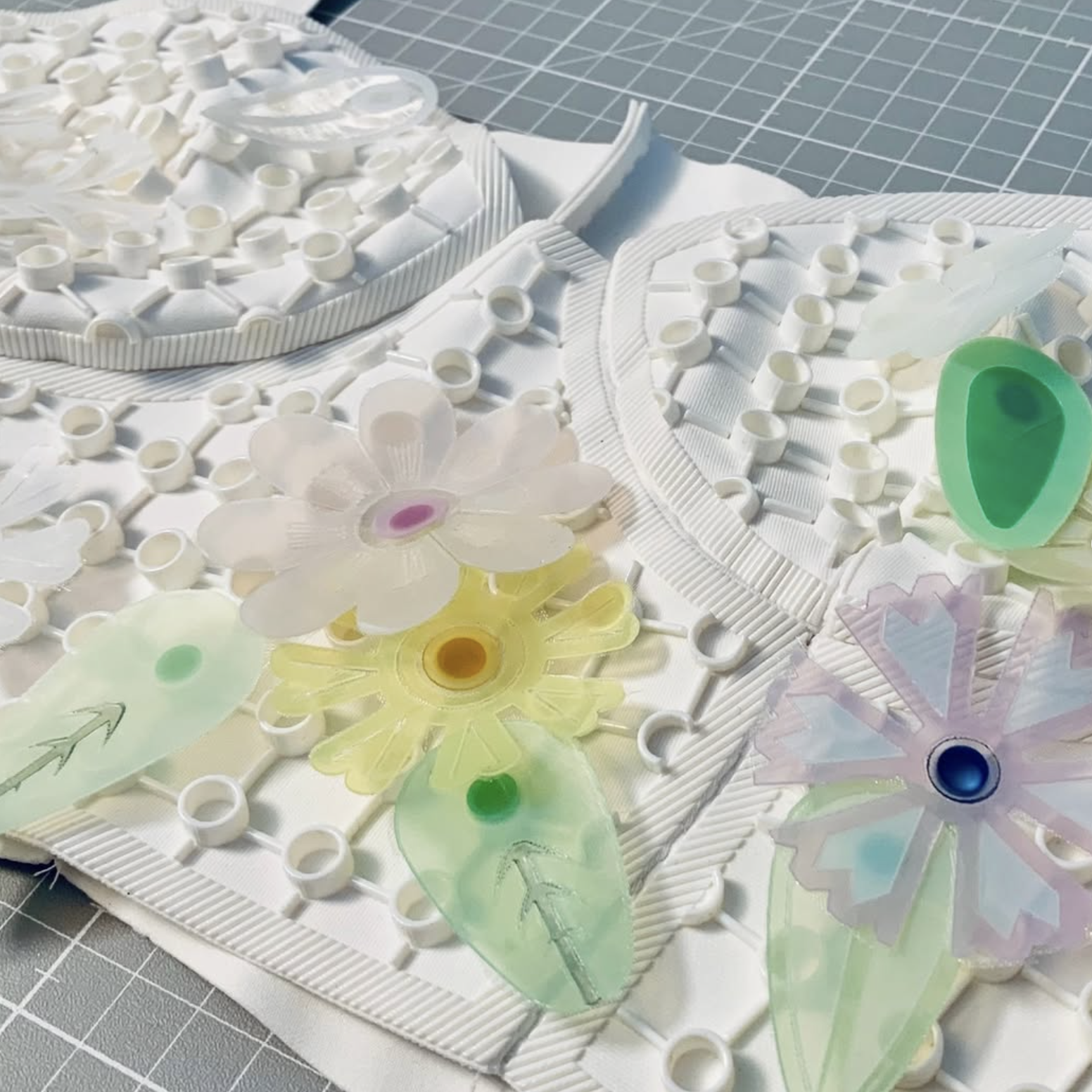
Are we witnessing the reinvention of Merch driven by adaptive, digital technologies?
The commercial opportunity presented by printed, personalised merchandise is already a lucrative revenue stream; it is the core driver of growth in a multi-billion-pound industry. And the mandate for print businesses is clear: automate, adapt, and offer undeniable added value, or choose to gradually lose market share.

Powderless DTF is an important area of innovation. It deserves research, investment, and thoughtful development.
“But at its current stage, it often feels like the industry is attempting to commercialize the concept ahead of the underlying chemistry and system readiness”.
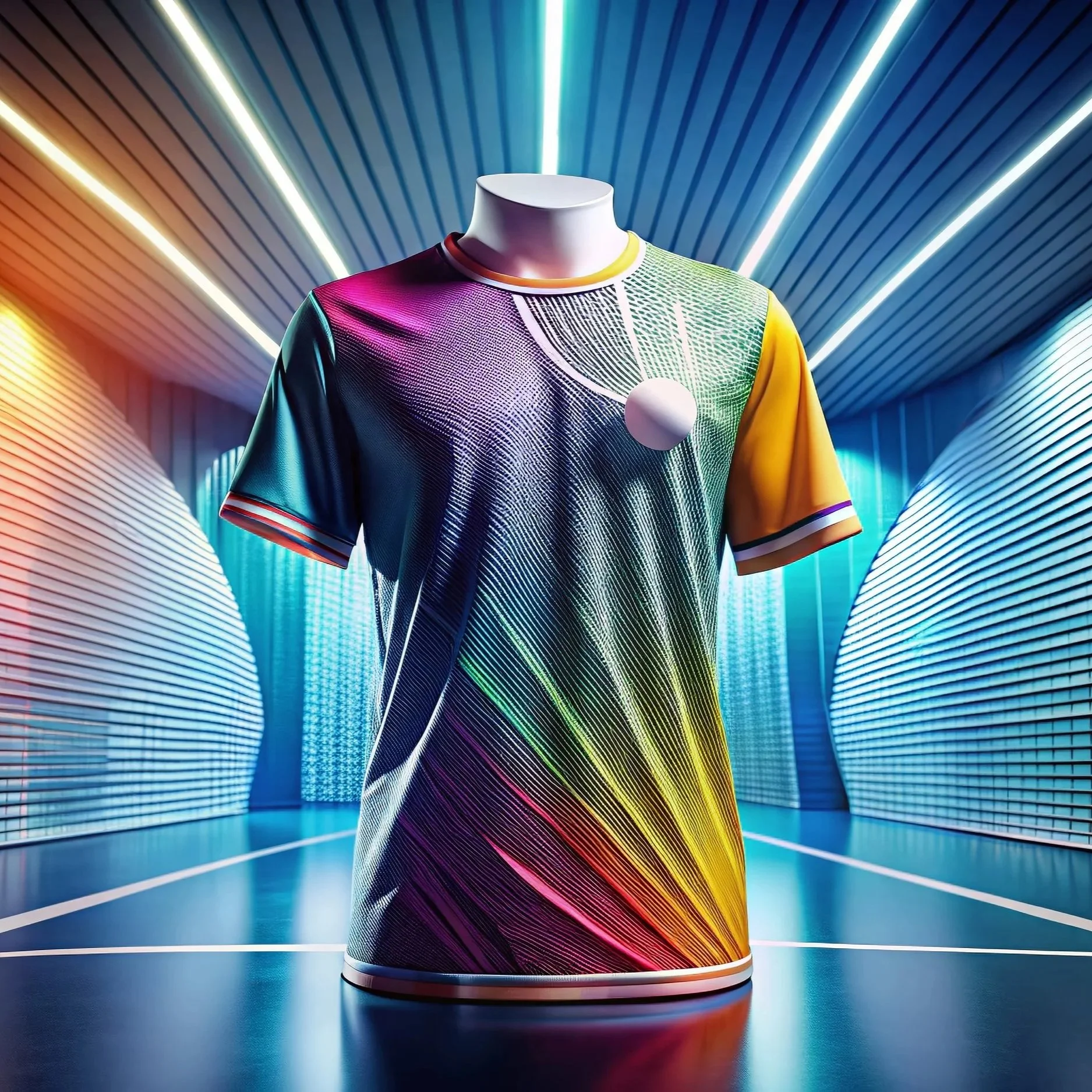
All Apparel Manufacturers face an Urgent Mandate: “Automate or be Left Behind”.
Industry leaders like Super Nova Sports and Ryozo International were struggling with severe pre-press bottlenecks and unsustainable fabric waste. By integrating AI Sublimation Software into their workflows, these forward-thinking businesses eliminated manual variable data entry, boosted fabric efficiency to over 80%, and reduced delivery times by more than half, establishing a highly profitable, agile, and environmentally responsible production model.
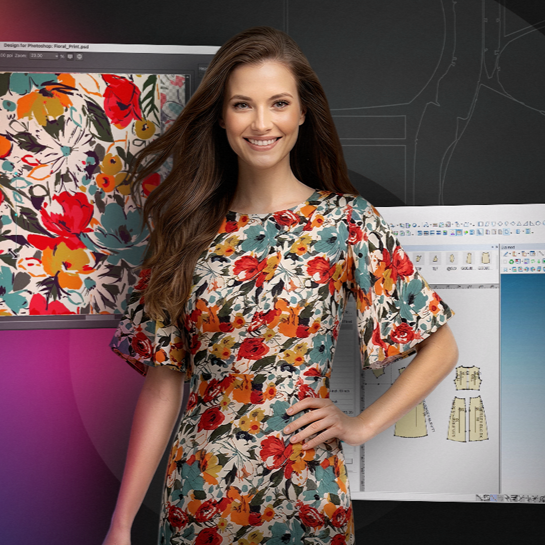
The Future of Manufacturing belongs to those who Embrace Connected Digital Ecosystems
“Whether you produce garments, car interiors, or home furnishings, the transition from creative concept to production-ready product often remains fragmented. Design teams work tirelessly to develop compelling materials, yet technical teams struggle to interpret these visions without losing data along the way.”

The European digital wallcovering marketplace is expanding at an impressive rate.
“For print professionals and interior designers, this transition presents a distinct set of challenges. Achieving flawless colour consistency, managing complex substrates, and meeting stringent environmental standards are no longer optional extras; they are fundamental requirements for commercial success.”

If you're looking to optimize your website for AI search, hang onto your cowboy hat. It's the Wild West out there. Former (and current) SEO companies see the handwriting on the wall as more search moves from traditional SEO to AEO (answer engine optimisation). Opportunists are popping out of the woodwork.
(There are good options out there, but vet them carefully.)
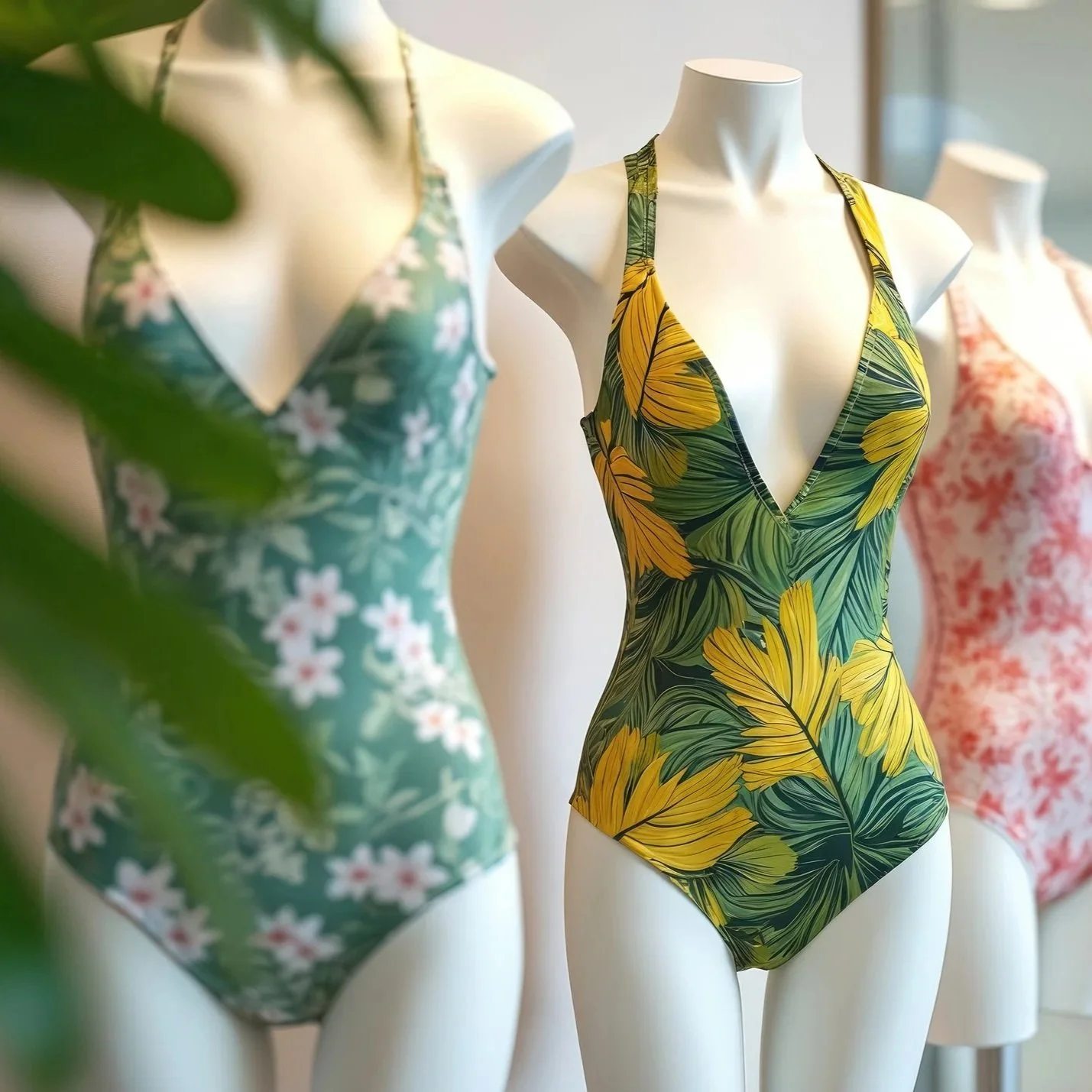
A swimsuit might start life as a sketch. By the time it reaches the shop floor, dozens of hands have touched it - designers, dye houses, printers, trim manufacturers, quality controllers. Each one interprets colour in their own way, under their own conditions, with their own tools. The result is often a product that looks nothing like the original vision.

Dorking – UK – August 2026 – The FESPA Awards 2027 are set to open for entries, inviting print and signage professionals from around the world to showcase their finest work on the industry's most prestigious global stage.
With an early bird deadline of 31 August 2026 and a final entry deadline of 2 December 2026, the call is clear: the time to prepare is now

London – UK – August 2026 – Vivid Technologies has announced that its flagship product, Razar, has been shortlisted in the Manufacturing category of the prestigious Stationers' Innovation Excellence Awards 2026.
The nomination recognises Razar as a standout example of forward-thinking innovation within the manufacturing sector.
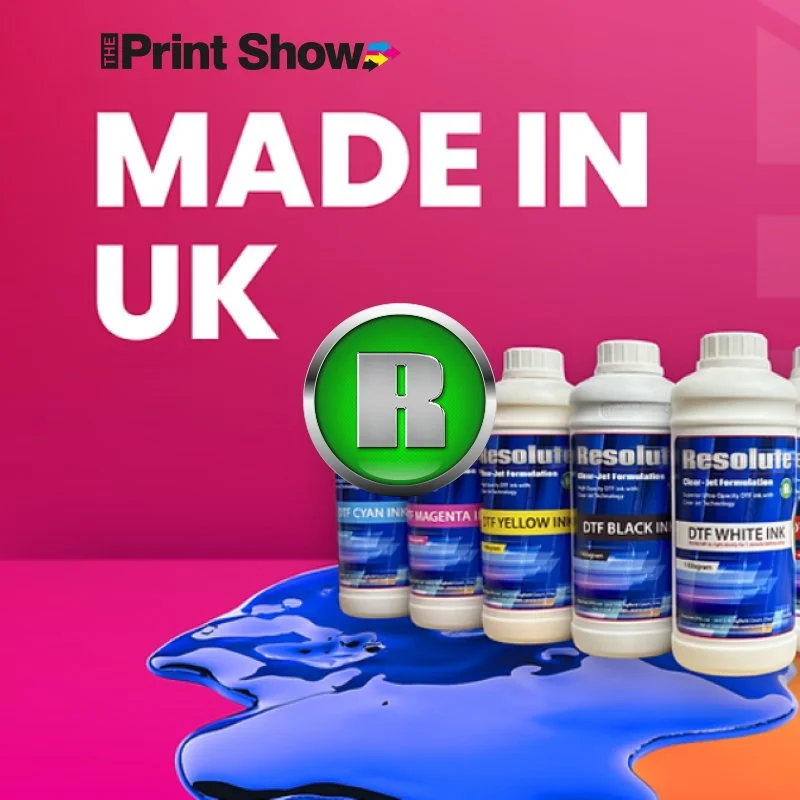
Clay Cross – August 2026 – Resolute DTF has announced it will take a prominent stand at The Print Show 2026, held at the NEC Birmingham from Tuesday, 29 September 2026.
The company will also maintain a presence at The Sign Show, which is co-locating with the event, marking a significant dual appearance for the brand at one of the UK's most anticipated print industry exhibitions
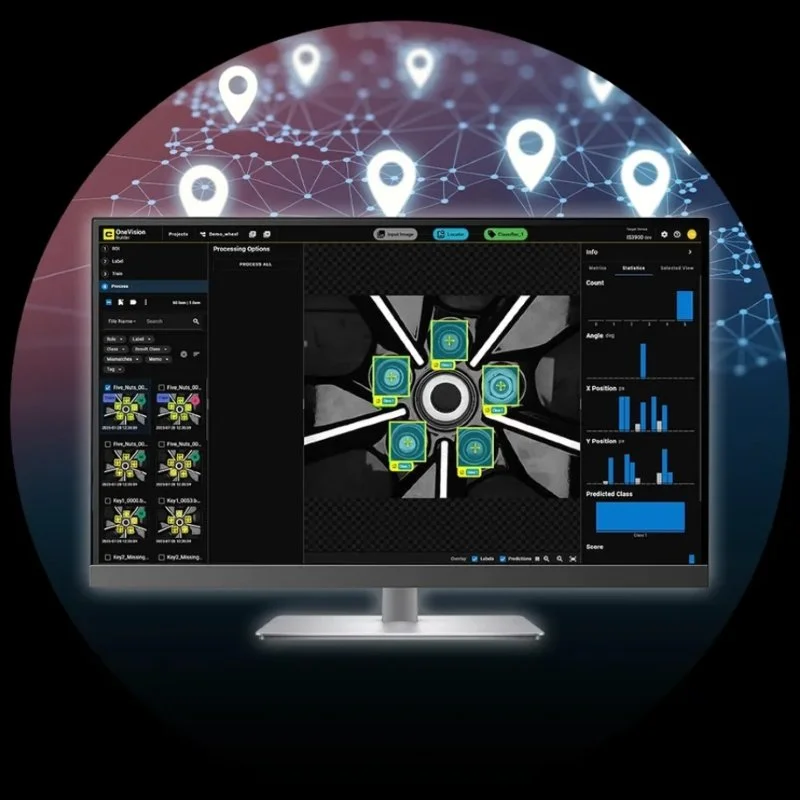
Regensburg, Germany – August 2026 – OneVision has announced the release of software version 26.2, marking a significant step forward in intelligent print automation.
The update introduces new artificial intelligence capabilities, expanded Variable Data Printing (VDP) functionality, and enhanced production monitoring tools designed to help print service providers increase efficiency and output quality.
Version 26.2 introduces a suite of AI Services that seamlessly integrate GPU-accelerated artificial intelligence into existing print production workflows.

SOUTH NORMANTON, UK – August 2026 – Sun Chemical has announced that its Xennia Sapphire pigment inks for digital textile printing have received three of the industry's most sought-after regulatory certifications: GOTS (Global Organic Textile Standard), ECO-PASSPORT, and ZDHC (Zero Discharge of Hazardous Chemicals).
The achievement positions Sun Chemical as a frontrunner in sustainable and compliant digital textile printing solutions.

London UK – July – 2026 – British digital fabric printing company Prinfab has been commissioned to produce a commemorative tea towel to celebrate the landmark birthday of iconic English fashion designer Sir Paul Smith.

Manchester – August 2026 – Premier Digital Textiles today highlights its 2555 Dimout, a versatile, dual-purpose fabric designed to bridge the worlds of fashion and interior design.
With its distinctive silver finish and subtle sheen, the fabric is positioned as a premium material for designers and makers operating across both industries.
2555 Dimout features a smooth silver surface that lends itself naturally to elegant occasionwear, flowing garments, and bold statement pieces.
Its fluid drape and refined aesthetic make it particularly well-suited to summer collections, where lightness and visual impact are equally valued.

Oswestry – Shropshire – August 2026 - Fujifilm Ink, the UK-based global supplier of UV inkjet technology, has strengthened its partnership with China Print Supplies UK Ltd (CPS), becoming the recognised ink supplier for the company's range of Dlican UV printing systems.
The partnership follows the successful rollout of Fujifilm Ink's thermoforming flexible ink technology, reinforcing the company's commitment to delivering high-performance, application-specific ink solutions for the wide-format print market.

Birmingham, UK – July 2026 – swissQprint UK is set to exhibit at The Print Show 2026, taking place from 29 September to 1 October at the NEC in Birmingham, Great Britain.
Visitors can find the swissQprint UK team at Stand P420, where they will have the opportunity to experience the company's latest flatbed printing technology firsthand.
Paris, France – August 2026 – Optitex and NedGraphics will present their integrated design and manufacturing solutions at Première Vision Paris, taking place from 1st to 3rd September 2026 at Parc des Expositions, Paris Nord Villepinte, France.
Visitors can find the companies at Booth 3L11 in Hall 3, Smart Creation Area.
The joint appearance marks a significant opportunity for textile brands and manufacturers to experience first-hand how NedGraphics and Optitex deliver a unified workflow — one that connects textile design, colour refinement, and end product development within a single, seamless process.
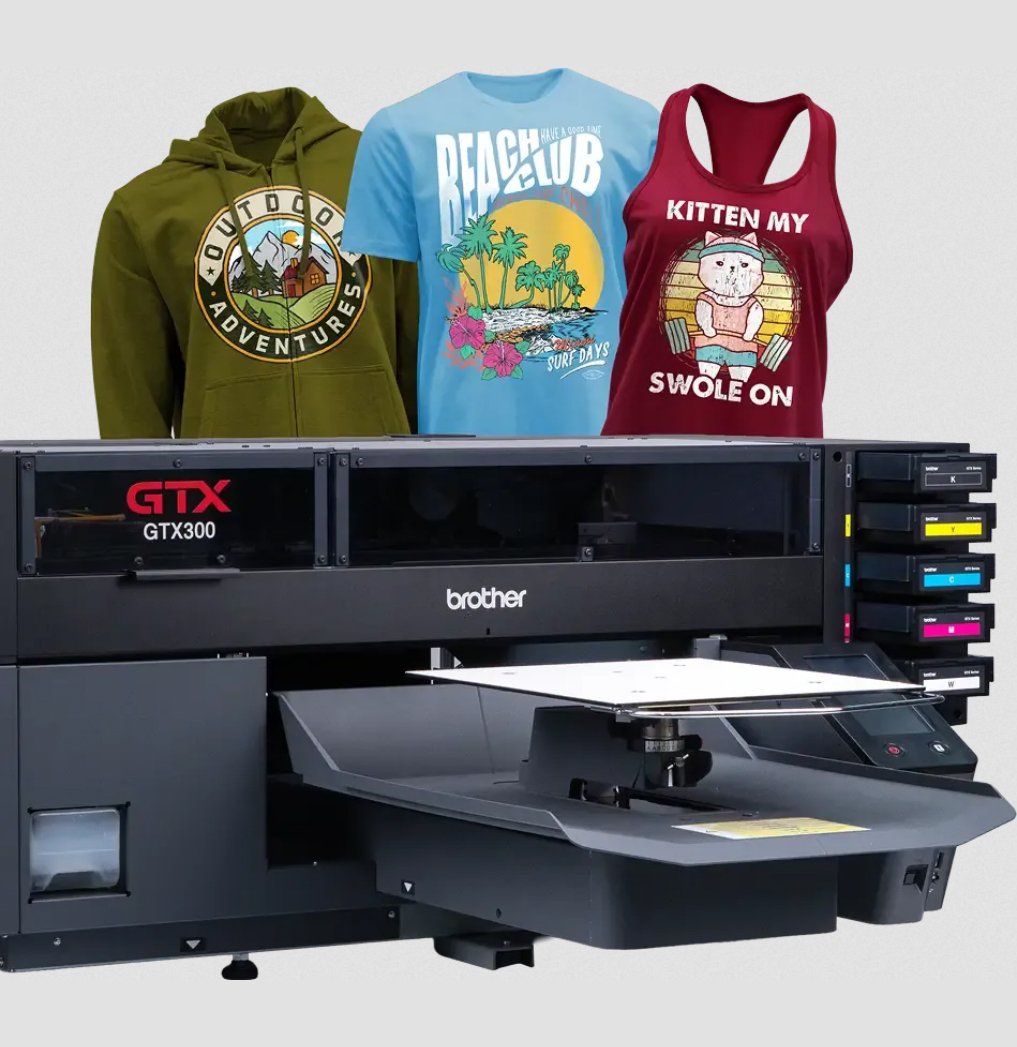
Emmerich am Rhein, Nordrhein-Westfalen – August 2026 – Brother Industrial EMEA has announced the launch of its GTX300, a hybrid direct-to-garment (DTG) and direct-to-film (DTF) garment printer that the company says sets a new benchmark for textile print quality.
To mark the occasion, Brother Industrial EMEA is offering eligible print professionals across the EMEA region a complimentary demo package to experience the printer's capabilities firsthand.

FREMONT, CA. August , 2026 – Fiery, a global leader in digital printing technology, has announced the launch of a new free online course designed to help print professionals master colour management for direct-to-film (DTF), direct-to-garment (DTG), and UV printing workflows.
The course, Fiery Specialty Production 301 v1: Colour Management Basics in Digital Factory, is now available on Fiery's learning platform at no cost.
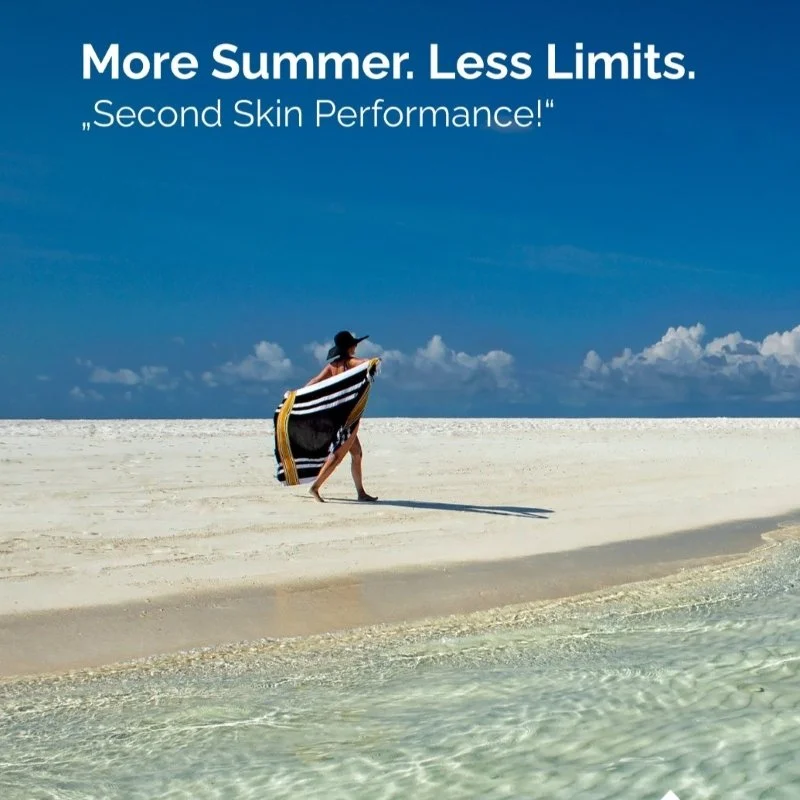
Geretsried, Bavaria, August 2026 – RUDOLF, a leading textile chemistry company, has announced the launch of its Summer Campaign, a dedicated series exploring advanced finishing technologies designed to enhance the performance, comfort, and protection of swimwear and summer apparel.
The campaign arrives at a time when the demands placed on modern swimwear are greater than ever. Prolonged sun exposure, repeated contact with water, and the physical demands of summer activities require textiles that go beyond attractive design.
RUDOLF's Summer Campaign aims to demonstrate how the right finishing technologies can meet these challenges head-on.
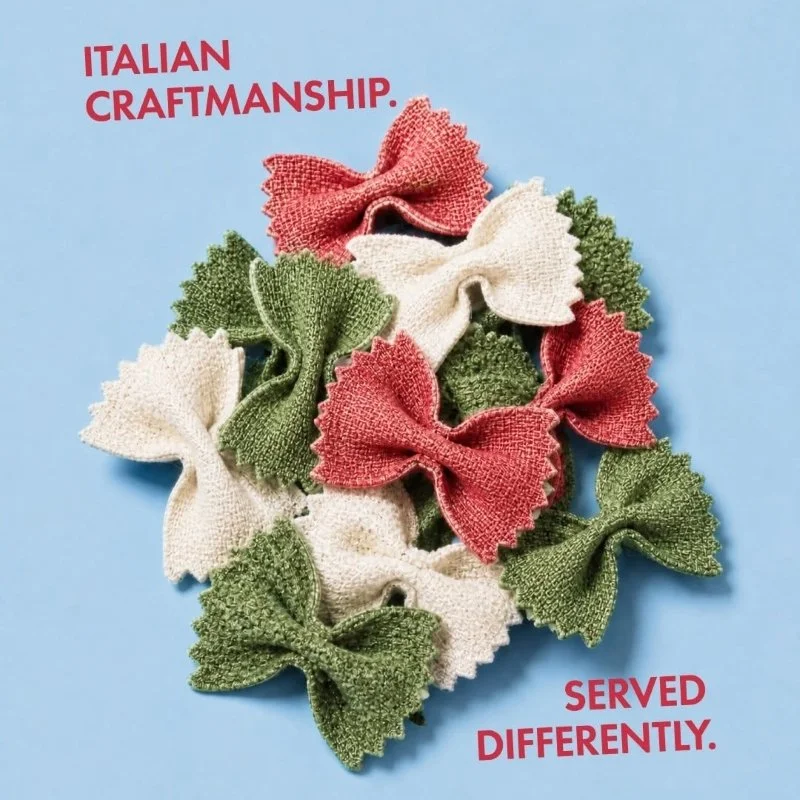
Frankfurt, Germany – August 2026 – Heimtextil, the world's leading trade fair for home and contract textiles, has announced the launch of the Italian Lounge, a dedicated exhibition space celebrating Italian craftsmanship at its 2027 edition.
Taking place from 12 to 15 January in Frankfurt, the Italian Lounge will be located in the heart of Hall 4.1 and will bring together manufacturers of decorative and furniture fabrics, leather, and fibres and yarns under one roof
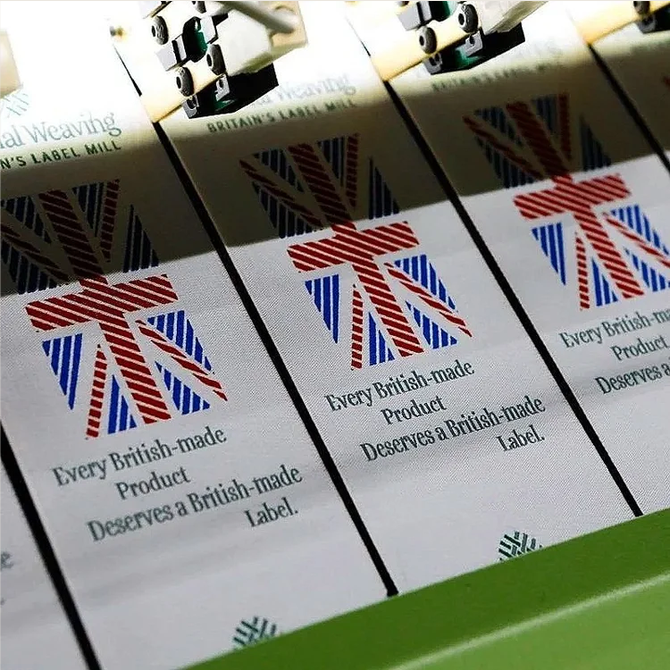
Pembrokeshire, Wales – August 2026 – National Weaving, a family-owned textile manufacturer with nearly four decades of experience, was honoured to receive a visit from HRH The Princess Royal, President of the UK Fashion & Textile Association (UKFT), at its Pembrokeshire facility.
The visit celebrated the company's longstanding contribution to British textile manufacturing and its commitment to combining traditional craftsmanship with modern, sustainable production methods.
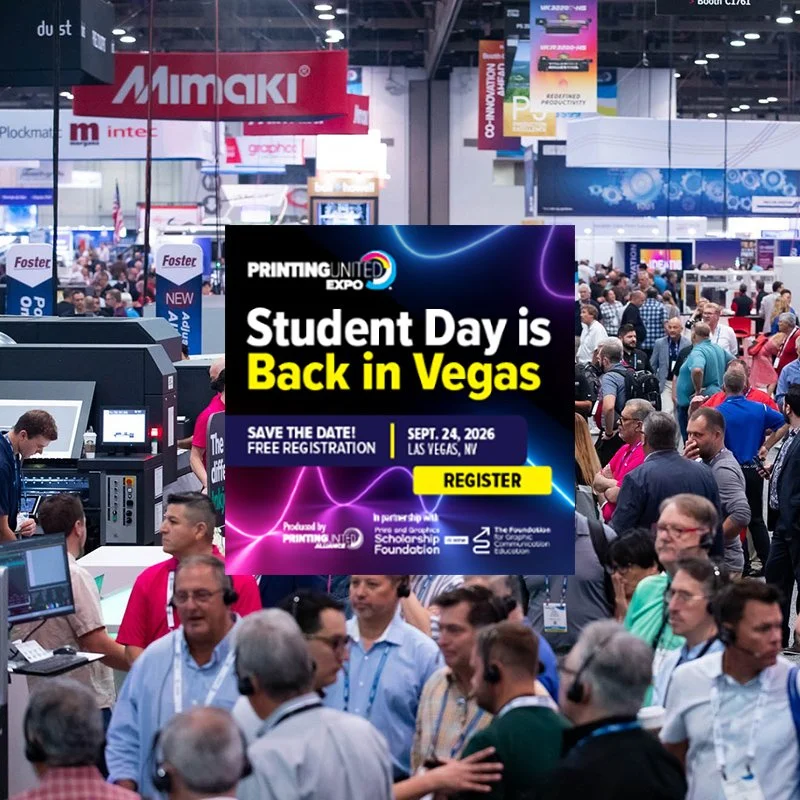
PHILADELPHIA – July 2026 – PRINTING United Alliance, in partnership with The Foundation for Graphic Communication Education (The FGCE), continues to expand its popular Student Day experience at PRINTING United Expo 2026, taking place Thursday, September 24, at the Las Vegas Convention Center.
Designed to introduce students to the limitless career opportunities across the printing industry, this year's program will feature enhanced career development programming, expanded mentorship opportunities, and greater one-on-one engagement with industry professionals throughout the day's activities.
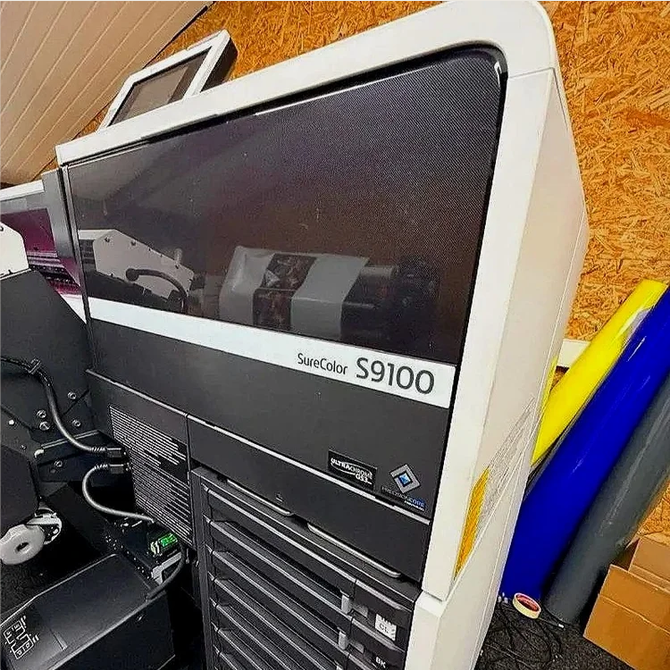
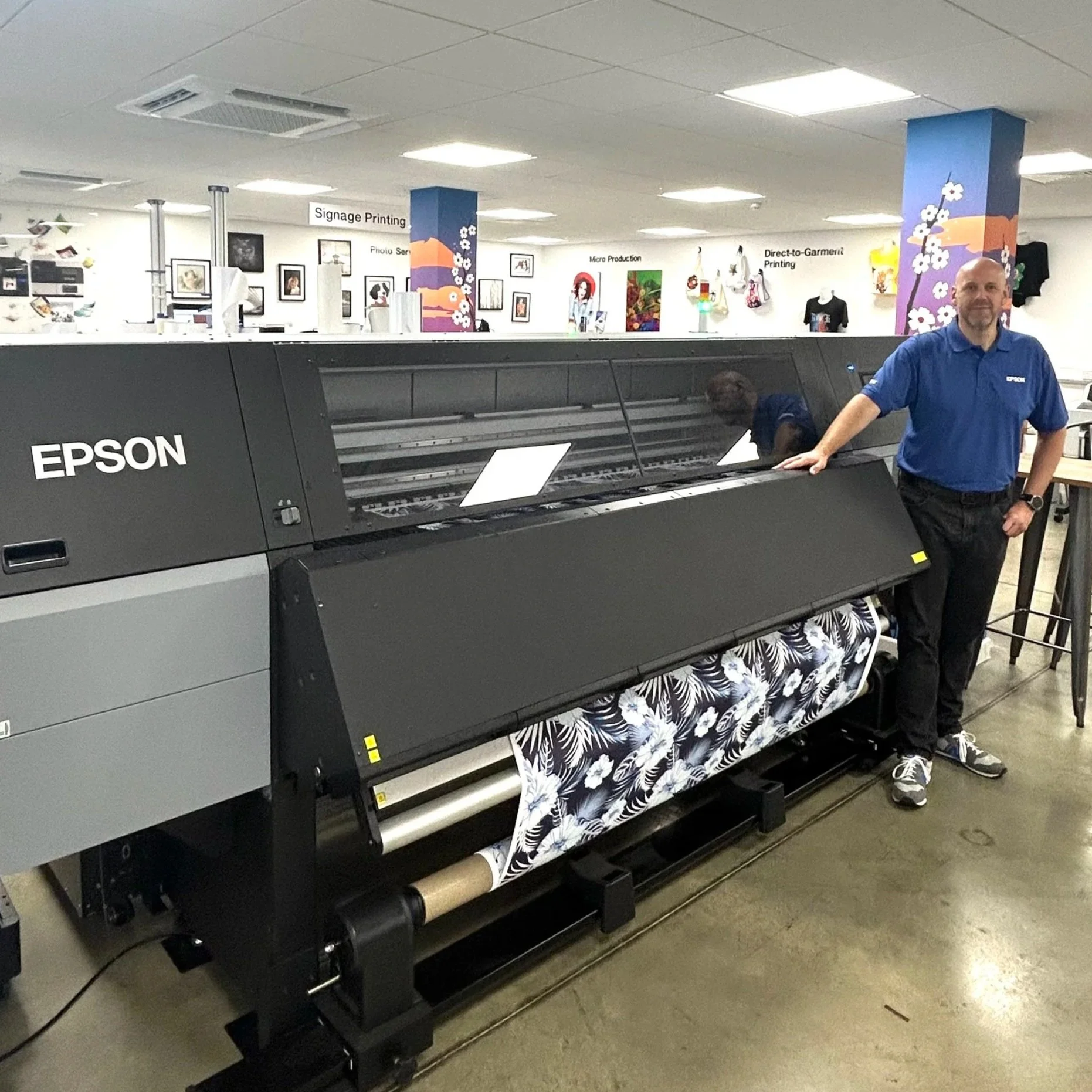
Dublin, Ireland – July 2026 – digitalprint.ie, Ireland's trusted supplier of wide format printing equipment and media, has completed the delivery and installation of two Epson SureColor S9100 printers to long-standing customer iGraphic, based in Newtownards.
The installation, which required careful planning and specialist logistics to position both machines on a first-floor mezzanine, marks another milestone in a valued, ongoing partnership.
Johannesburg – July – 2026 Experience the latest digital printing, vehicle wrapping and paint protection films at the FESPA Africa and Sign Africa Johannesburg Expo, where industry meets opportunity.
The event is taking place from 8-10 September 2026.

Arhus – Denmark – July 2026 – Mikkelsen Innovation ApS has announced that its FASTSEWN™ 3.3M has been named the recipient of the 2026 Pinnacle Award in the Technology category by PRINTING United Alliance.
The recognition highlights the machine's role in automating the final manual step in textile graphics production, combining automated sewing and laser cutting with keder application for silicone edge graphics (SEG).
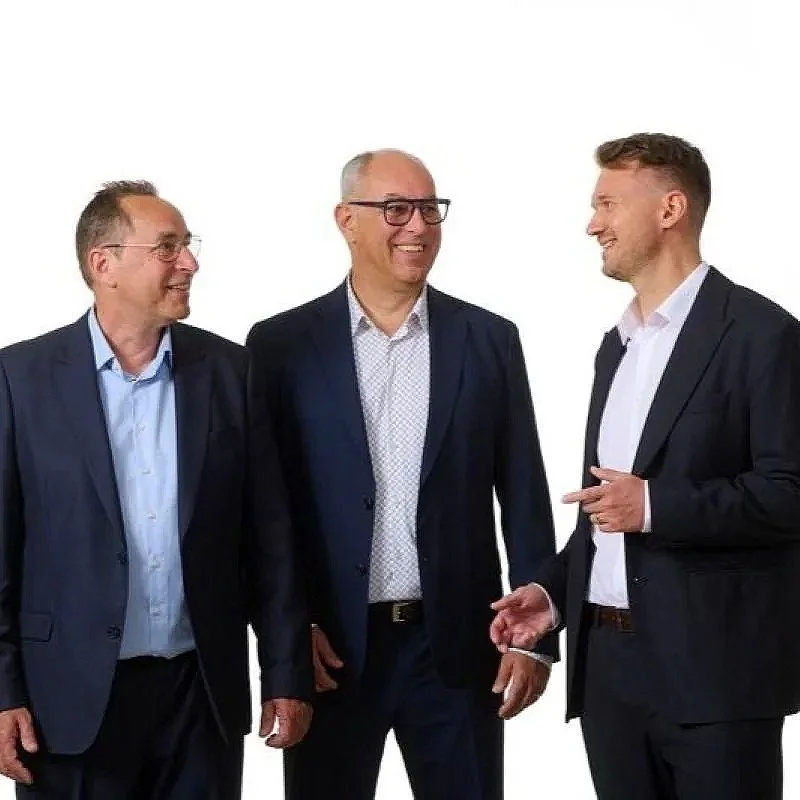
Barbieri electronics is strengthening its leadership team as the company prepares for its next phase of development.
With Viktor Lazzeri, who has played a key leadership role within the company for many years and is well known to customers and partners as Chief Operating Officer, Barbieri has appointed him COO and Co-Managing Director, further strengthening its leadership capacity to support innovation, international growth and even closer customer relationships.
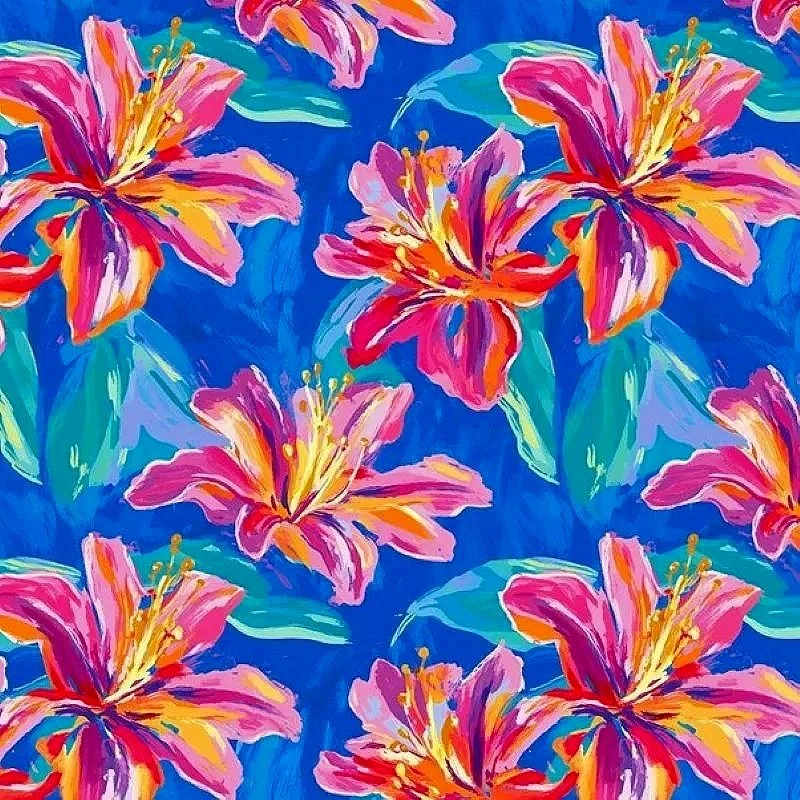
Altrincham – Cheshire – July 2026 - Friedmans Ltd and Funki Fabrics have announced the arrival of new print designs, expanding their existing collection with a fresh range of trend-led prints available across a broad selection of premium fabric bases.
The launch offers fashion designers, production teams, and creative professionals a timely opportunity to explore new possibilities for their upcoming collections.
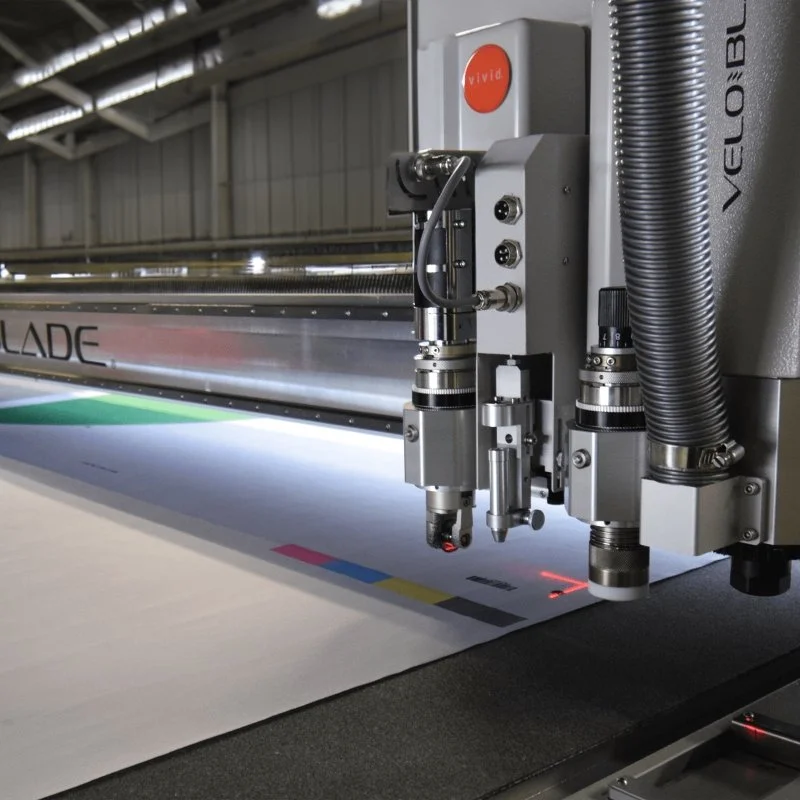
Leicestershire - July 2026 – Vivid Laminating Technologies is pleased to announce that HG Graphics, a leading provider of building signage and vehicle wraps across Yorkshire and the UK, has invested in a fully integrated print and cutting solution combining the VelobladeNexus with the latest Onyx Graphics software.
The installation, supplied and commissioned by Vivid Laminating Technologies, sees three printers feeding directly into HG Graphics' new VelobladeNexus with auto tool change — all operating under full Onyx Graphics software integration. The solution was delivered and set up on-site as part of a complete, ready-to-run installation

Wednesday, July 29, 2026 - RENNES, France—Pointcarre, the French American textile CAD company known for its jacquard and dobby weaving software, has developed a new module dedicated to wall to wall carpet and carpet tile design.
The launch addresses a gap left when APSO, the longtime CAD platform for the tufting industry, discontinued its software more than two years ago, leaving mills and carpet designers without a clear path forward.

Accrington, UK, July 29, 2026: Soyang Europe has expanded its direct-to-film (DTF) range with the launch of a paper-based transfer media that offers an environmentally conscious alternative to conventional PET transfer film.
Named Soyang DTF Paper, the new product is a single-sided release-coated transfer paper featuring anti-static treatment and a hot-peel release.
Designed for use with digital inkjet DTF printers running water-based pigment inks, the media can be recycled through standard paper waste streams, helping print businesses reduce plastic waste.
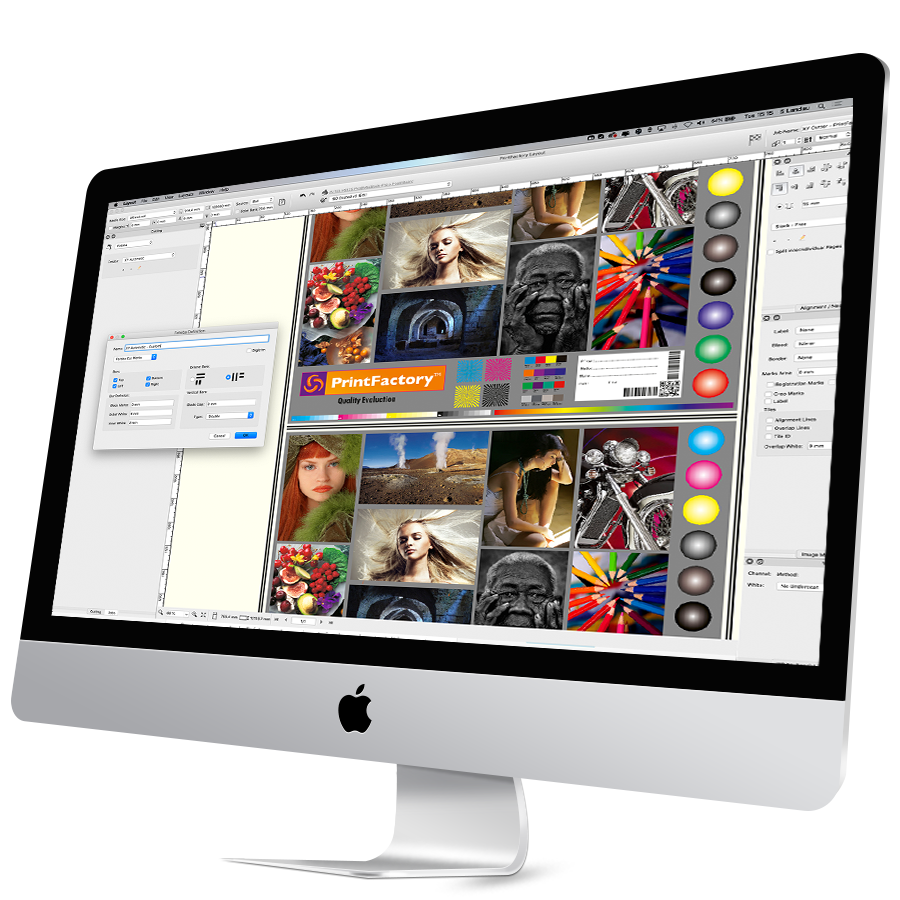
London – July 2026 – Perfect Colours, a leader in print management solutions, has highlighted the availability of Print Factory, a unified Raster Image Processor (RIP) designed to deliver consistent, high-quality colour output across multiple printers.
The solution addresses one of the print industry's most persistent challenges: maintaining colour accuracy and consistency across different devices and workflows.
Las Vegas, NV – July 2026 – Caldera, a leading provider of print workflow software solutions, has announced its participation in PRINTING United Expo 2026, taking place 23–25 September 2026 at the Las Vegas Convention Center.
Visitors can find Caldera at Booth C1469, where the company will showcase its latest innovations in print workflow automation, colour management, and apparel decoration.
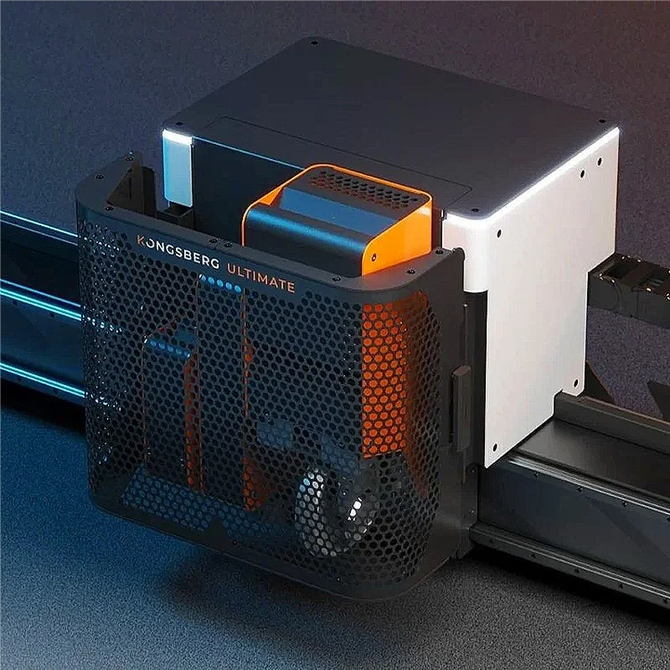
Ghent – Belgium – July 2026 – Kongsberg Precision Cutting Systems (Kongsberg PCS), a leading provider of digital cutting solutions, is calling on print, signage, and packaging businesses to embrace advanced materials as a strategic pathway to new markets, higher-value products, and more sustainable growth.
As competitive pressures intensify across the manufacturing sector, Kongsberg PCS is positioning its versatile, high-performance digital cutting solutions as essential tools for businesses looking to expand their capabilities and future-proof their operations.
The company's message is clear: businesses that invest in advanced material processing today are best placed to lead their industries tomorrow.

Bracknell – Berkshire-July 2026 – UFABRIK’s Soft Blackback Textile, a premium material engineered for tension frames, interiors, retail environments, exhibitions, soft signage, and beyond.
Designed to meet the exacting demands of modern display and signage professionals, the new textile sets a new benchmark for quality, versatility, and performance in the industry
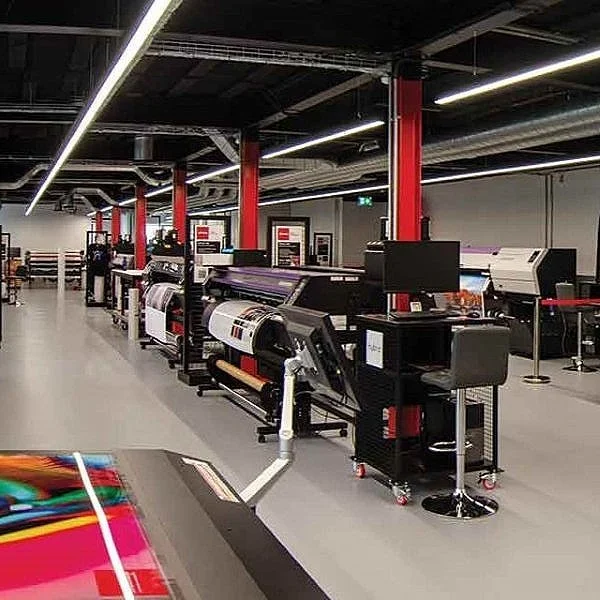
Crewe, UK – July 2026 – Hybrid Services Ltd, the UK's leading Mimaki distributor, has announced two dedicated demonstration weeks at its Crewe showroom this August, giving businesses across the print industry the opportunity to explore the latest Mimaki technology firsthand.
Taking place from 3rd to 7th August and 17th to 21st August 2026, the August Demo Weeks are designed to help businesses make informed investment decisions by experiencing Mimaki's wide format print solutions in a hands-on, pressure-free environment.
Florida – July - 2026 – Agfa Inkjet Solutions has announced its return as a Keynote Sponsor of the 2026 Wide Format Summit, marking the sixth consecutive year the company has supported the industry's premier gathering.
The event is scheduled to take place from 27 to 29 July 2026 at the Hyatt Regency Coconut Point Resort and Spa in Bonita Springs, Florida.